409 events · 7 eras
Events of world history
Every one has its own page and its own place on the globe. Pick one, or spin the Earth and find it there. See also: Empires and states of history, People of world history.
Prehistory before 3,300 BC
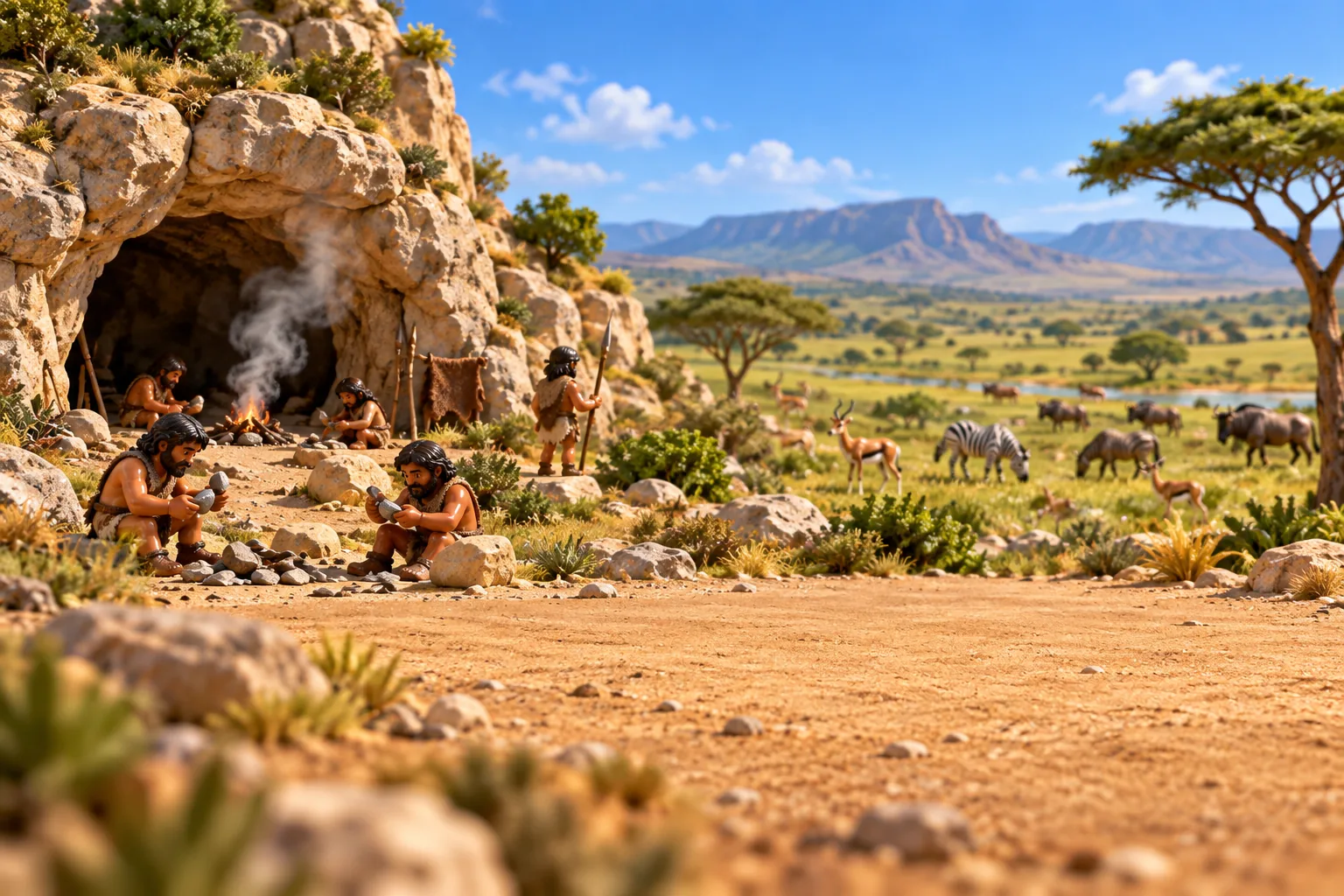 c. 315,000 years ago · Jebel Irhoud, MoroccoFirst Homo sapiensThe oldest known skull of our species was found by a miner, who handed it to an engineer who kept it as a souvenir.
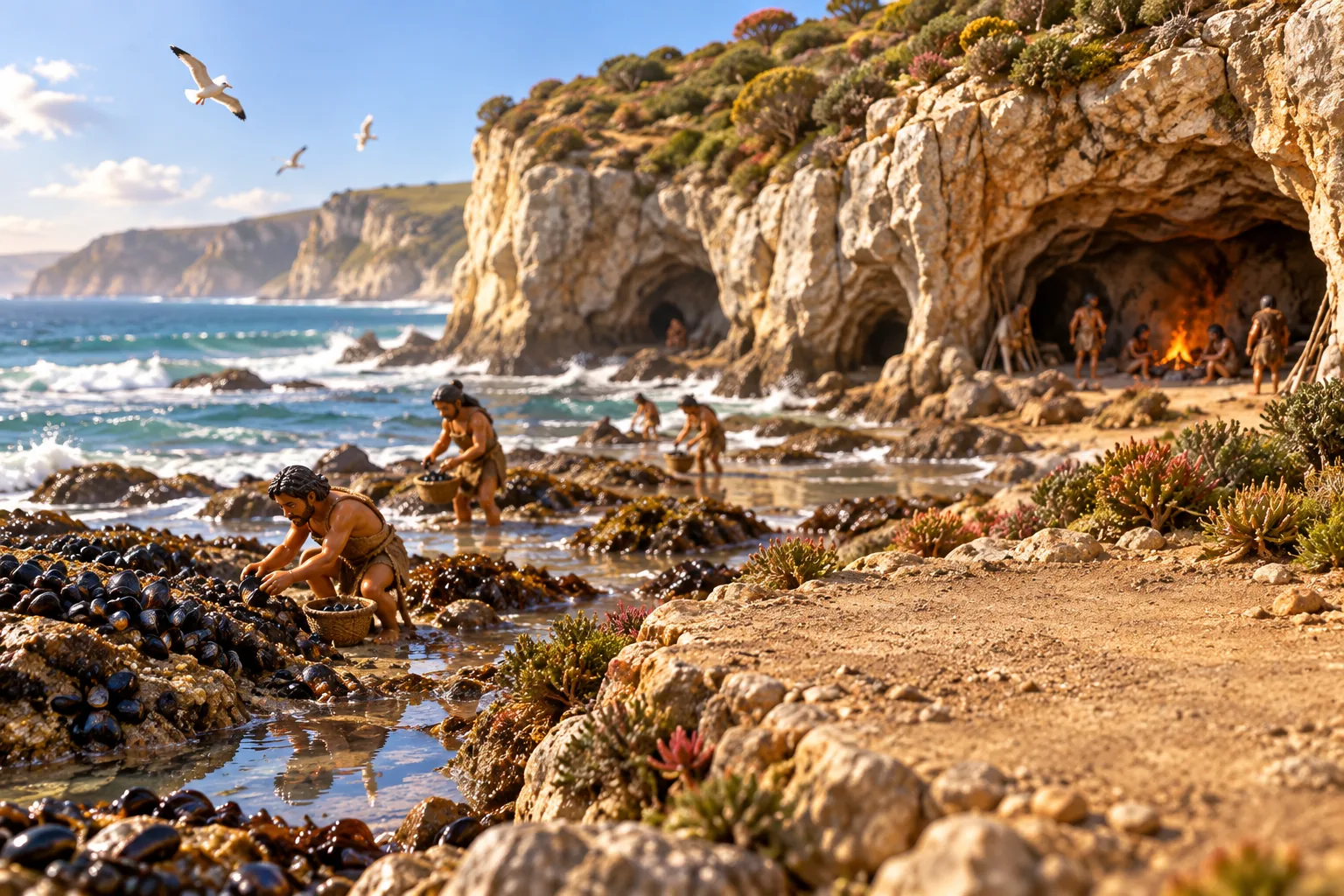 c. 164,000 years ago · Pinnacle Point, Mossel Bay, South AfricaPeople turn to the seaWhen Africa was cold and dry in the middle of an ice age, a few early humans on the south coast found a new food source: the sea.
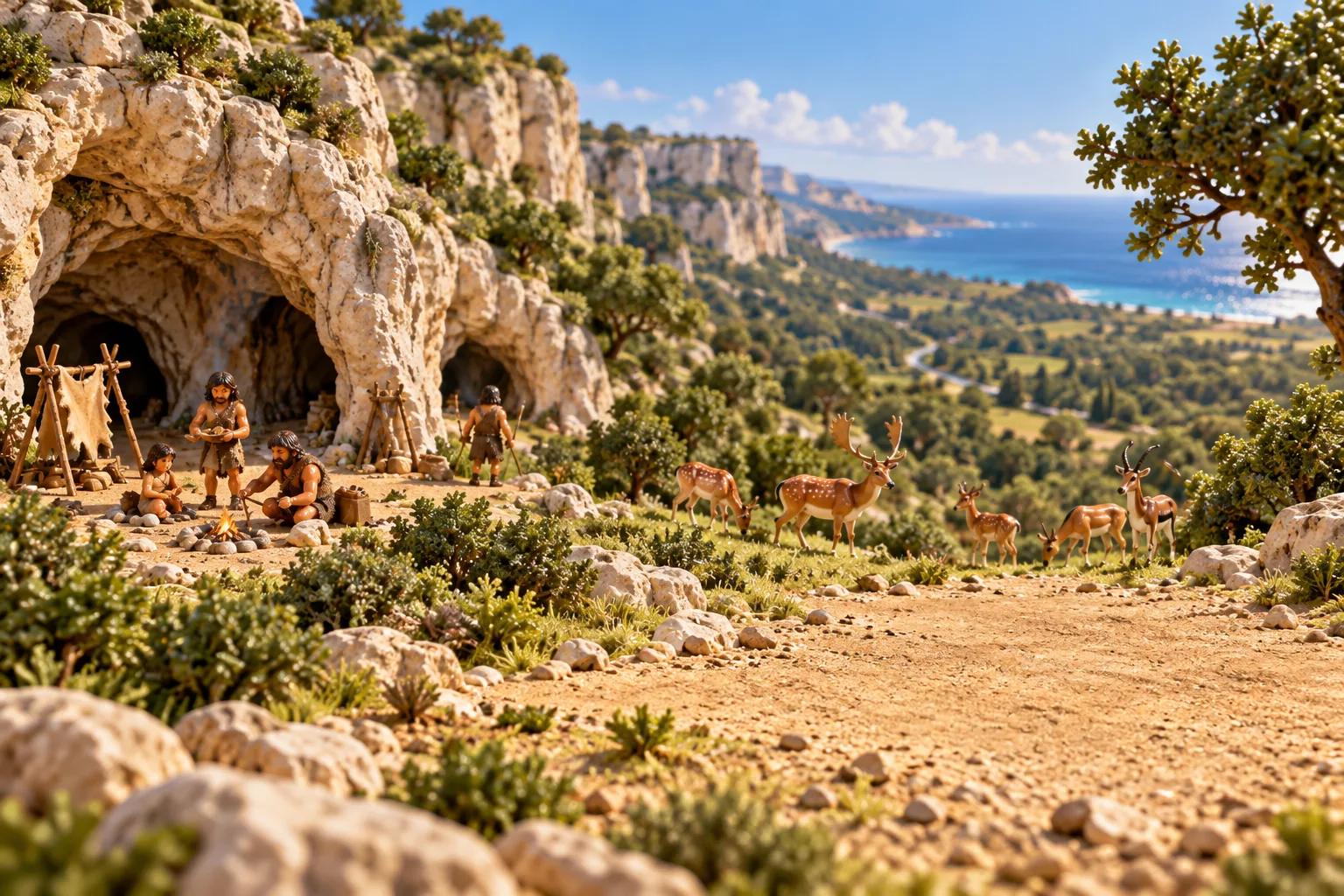 c. 120,000–90,000 years ago · Mount Carmel and Nazareth, IsraelFirst steps out of AfricaA teenager buried in a cave near Nazareth about 95,000 years ago was laid to rest with the antlers of a red deer clasped to the chest.
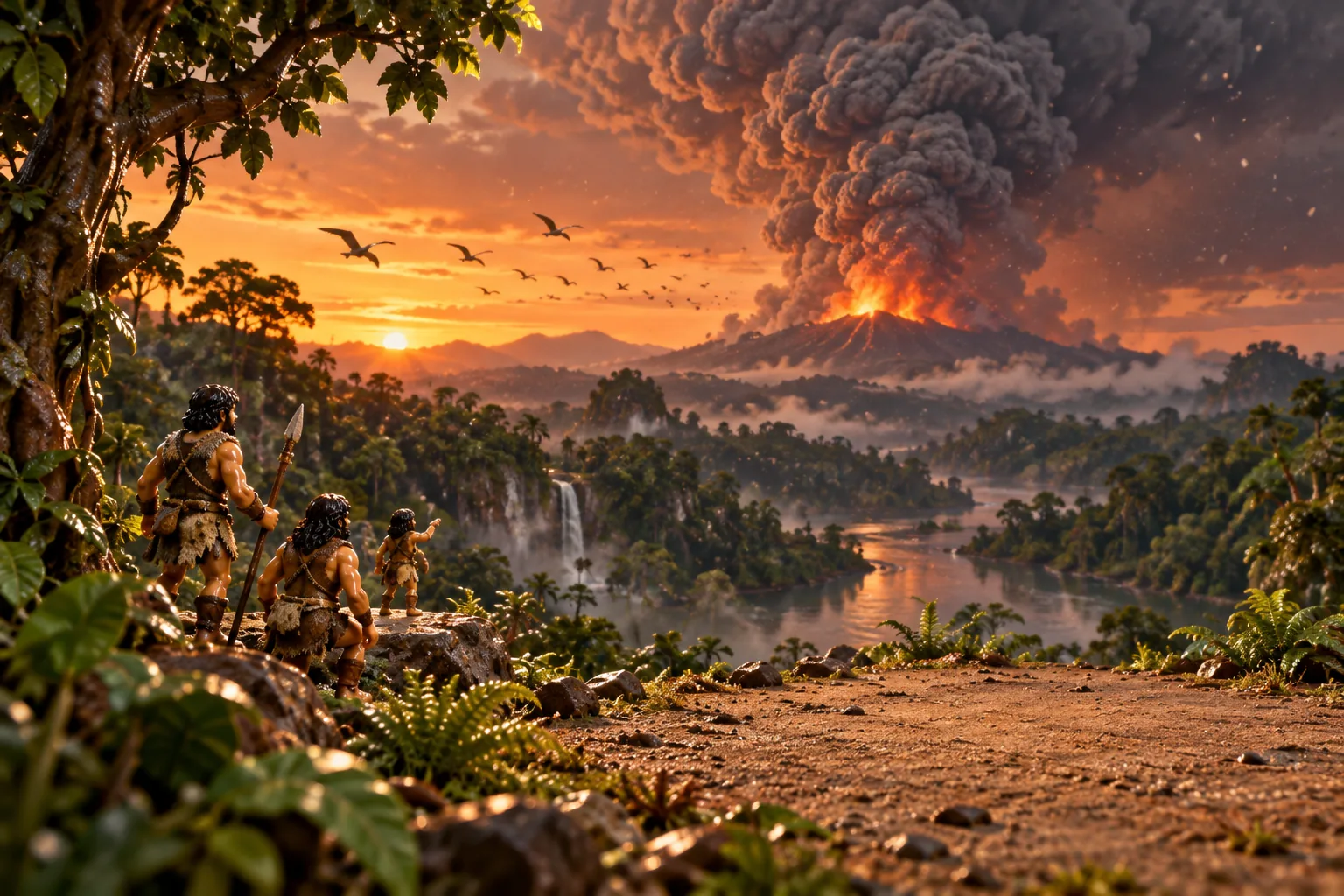 c. 74,000 years ago · Lake Toba, Sumatra, IndonesiaToba eruptionThe largest known eruption of the last 2.6 million years dropped a layer of ash across all of India, and scientists still argue whether it nearly ended our species.
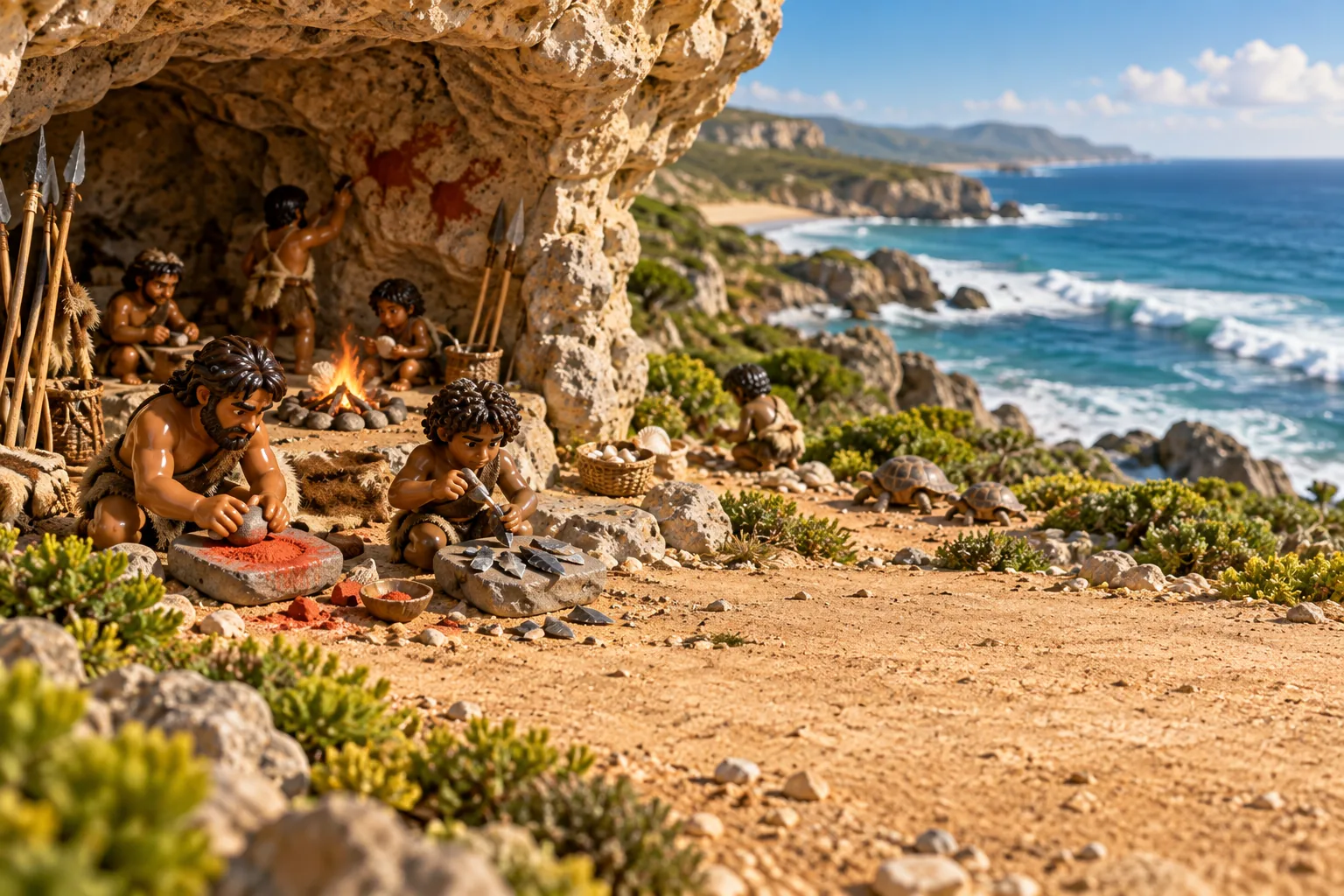 c. 73,000 years ago (drawing); site c. 100,000–70,000 years ago · Blombos Cave, Southern Cape, South AfricaFirst patternsNine red lines on a flake of stone, drawn with an ochre crayon some 73,000 years ago, are the oldest known drawing by a human hand.
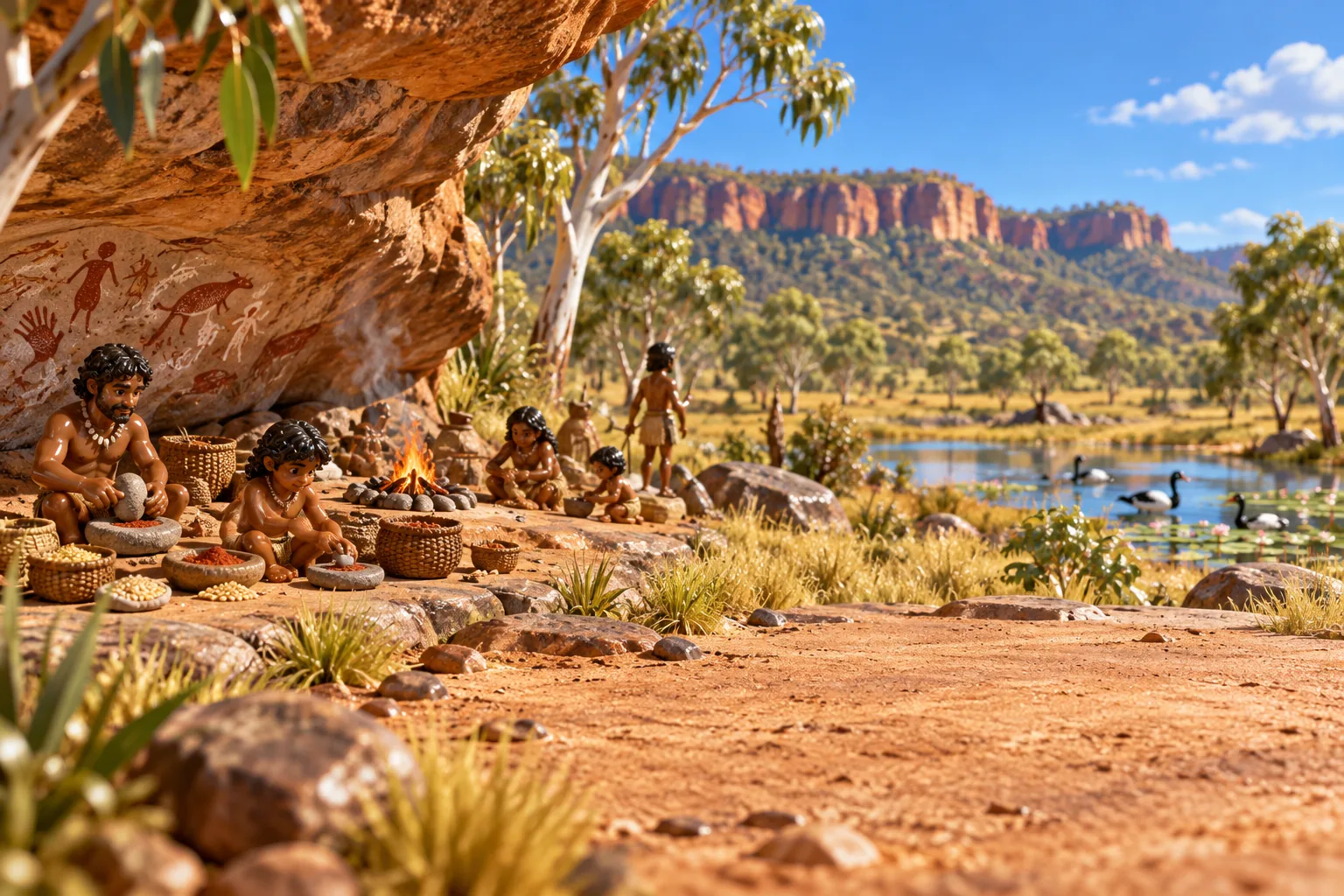 c. 65,000 years ago (at least 50,000) · Madjedbebe, Arnhem Land, Northern Territory, AustraliaPeople reach AustraliaUnder a sandstone overhang in northern Australia, stone tools lie more than two metres down, left by people who may have arrived 65,000 years ago.
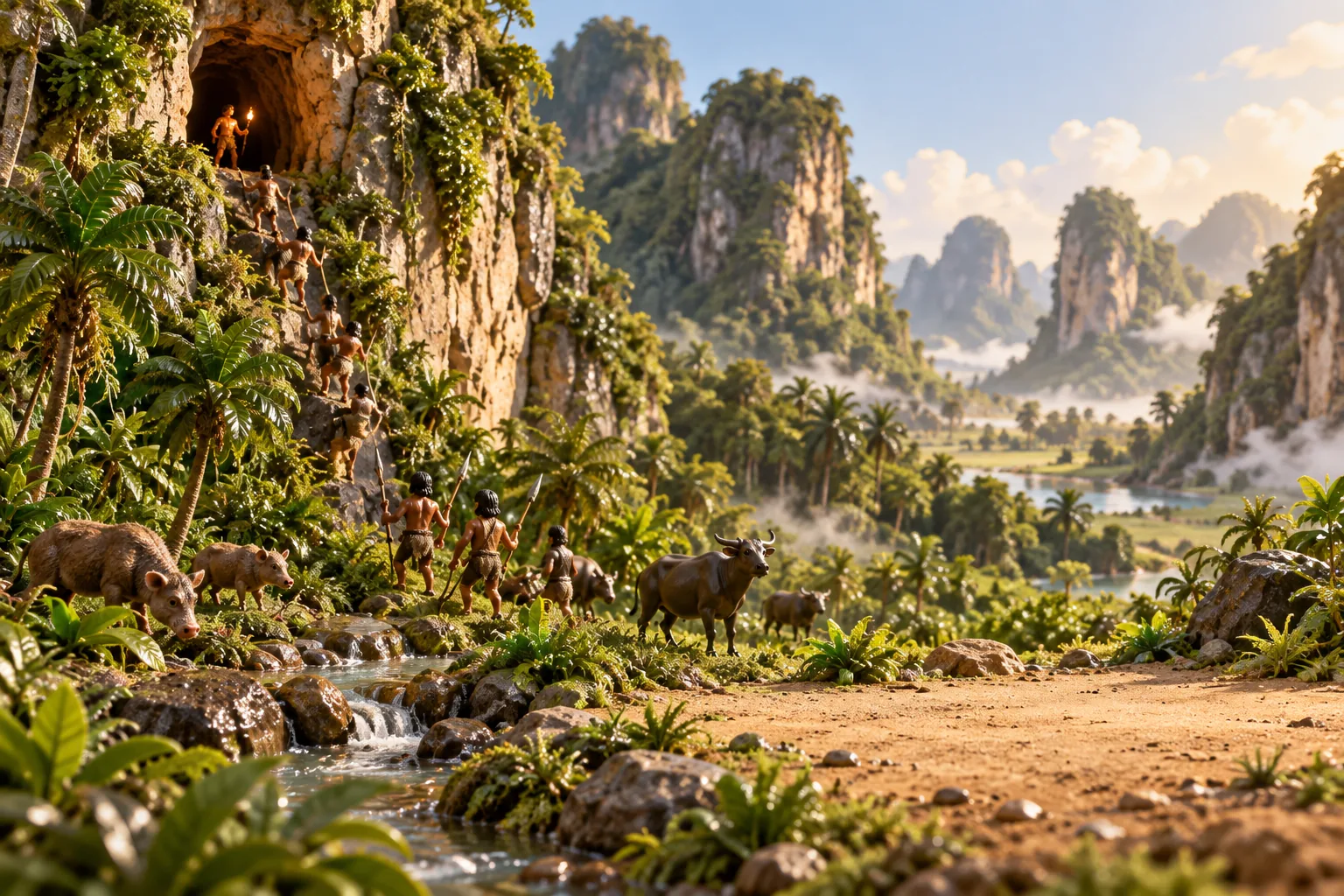 at least 45,500 years ago (some art c. 51,200) · Maros-Pangkep karst, South Sulawesi, IndonesiaOldest animal paintingsA life-size wild pig painted on a cave wall in Indonesia is at least 45,500 years old, and it overturned the idea that figurative art began in Europe.
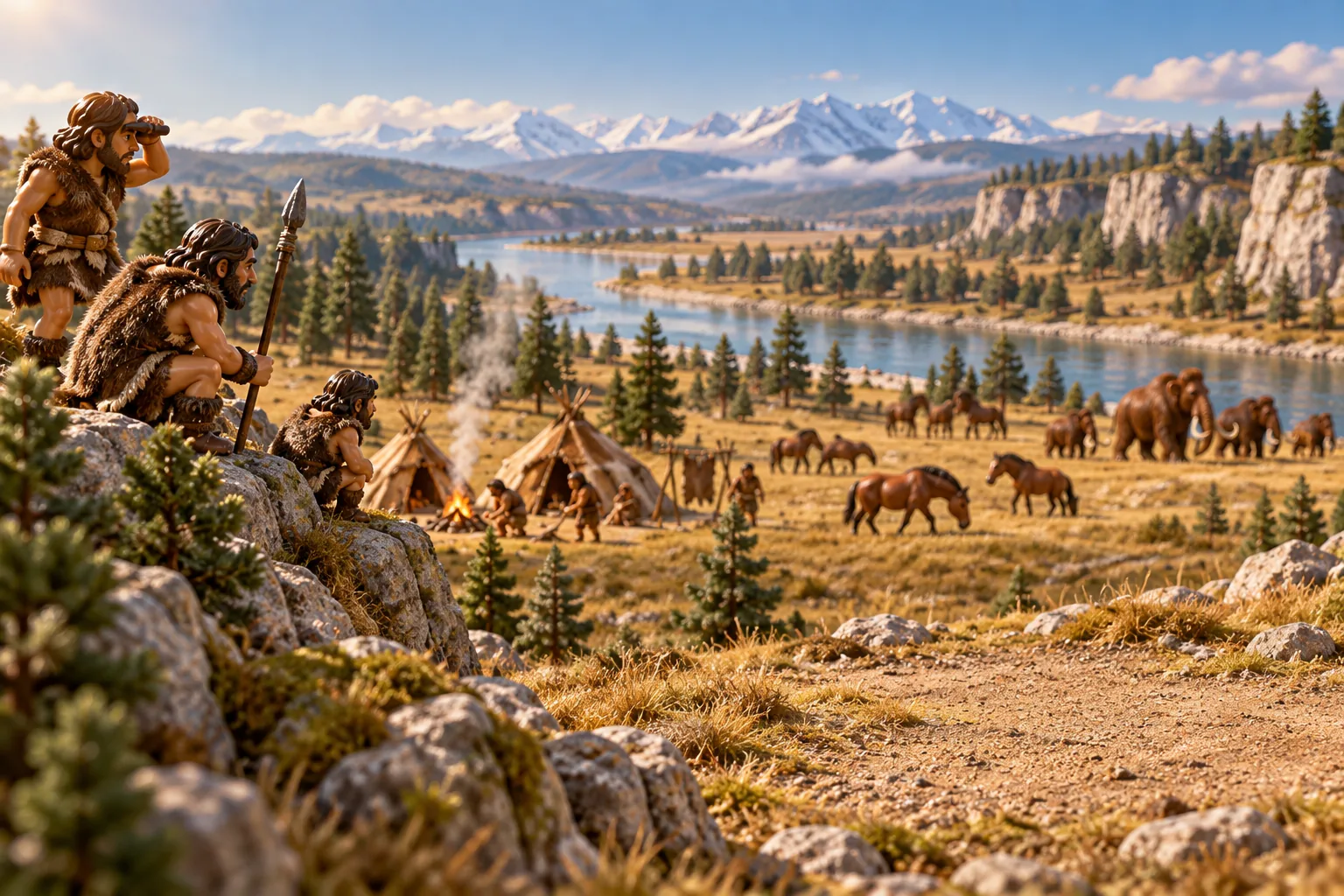 c. 45,000–40,000 years ago · Danube basin, southeastern EuropeSapiens in EuropeWhen our species walked into Europe, the continent already belonged to the Neanderthals. Within a few thousand years, only one kind of human was left there.
 c. 37,000–33,500 years ago (first phase of art) · Vallon-Pont-d'Arc, Ardèche, FranceChauvet CaveA landslide sealed this cave in southern France for tens of thousands of years, keeping a child's footprints and the soot of ancient torches exactly where they were left.
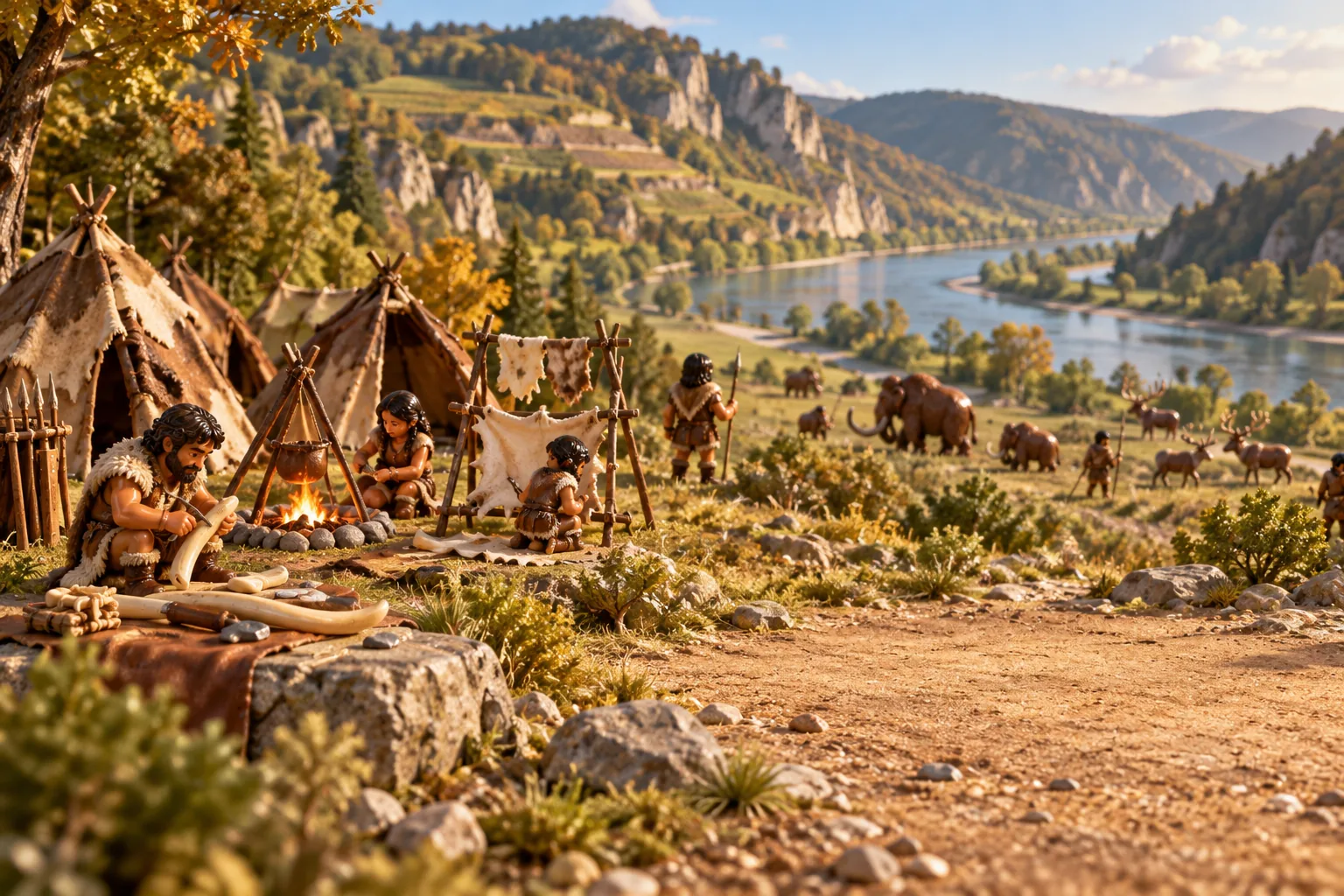 c. 26,000–21,000 years ago (most examples) · Willendorf, Danube valley, AustriaVenus figurinesFrom the Pyrenees to Siberia, Ice Age people carved small women with wide hips and no faces, and nobody knows why.
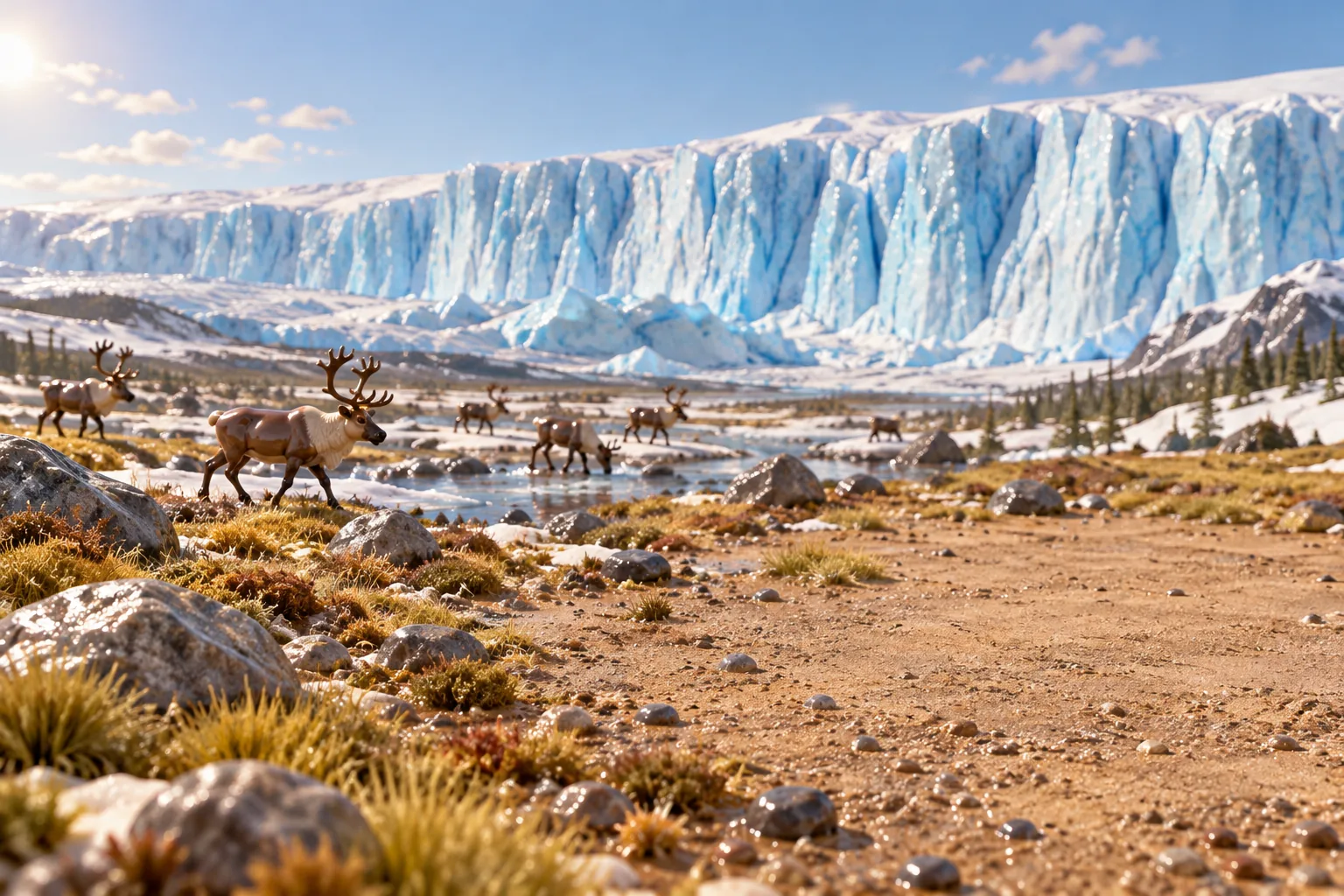 c. 26,000–20,000 years ago · Northern Europe and North AmericaPeak of the Ice AgeAt the height of the last Ice Age, ice over Canada stood more than 3 km high, and its edge reached as far as Manhattan.
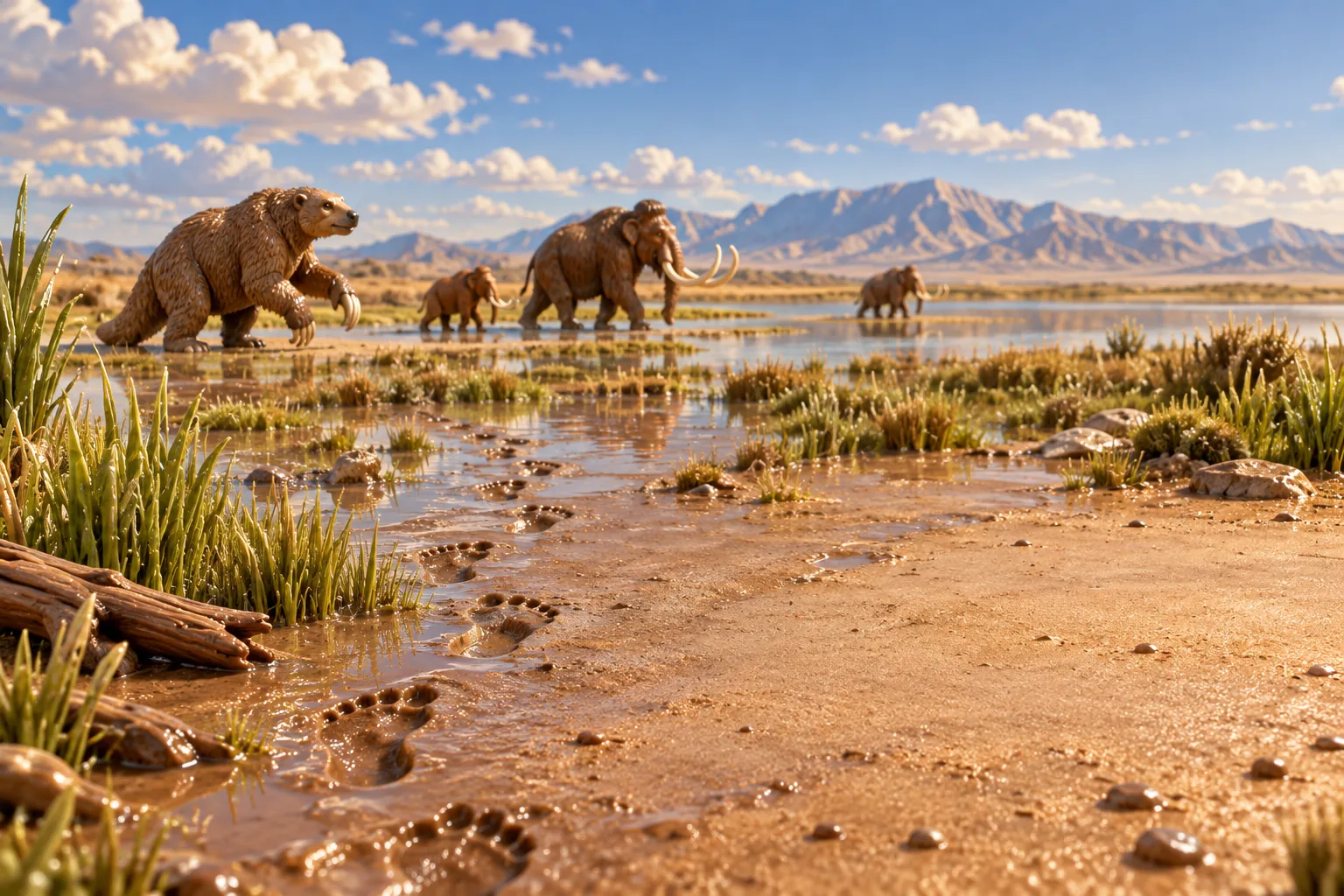 by c. 15,000 years ago, possibly over 20,000 · White Sands, New Mexico, and the AmericasPeople in the AmericasSome 60 footprints in a dry lakebed in New Mexico may show that people walked in North America at the height of the last Ice Age.
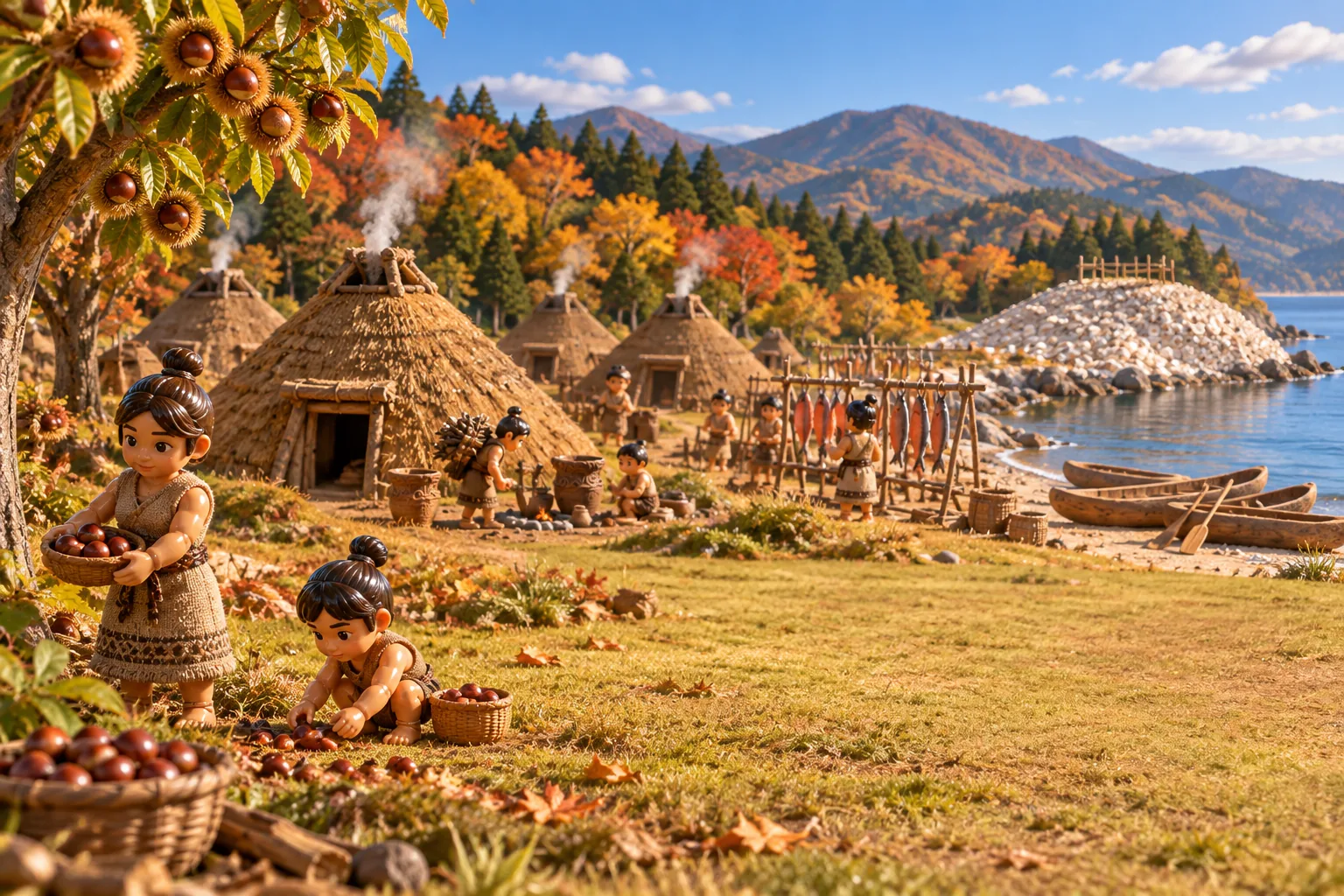 c. 14,000–300 BC · Japanese archipelagoJōmon periodHunter-gatherers who never needed to farm made pottery thousands of years before the first cities, and their culture lasted longer than all of recorded history since.
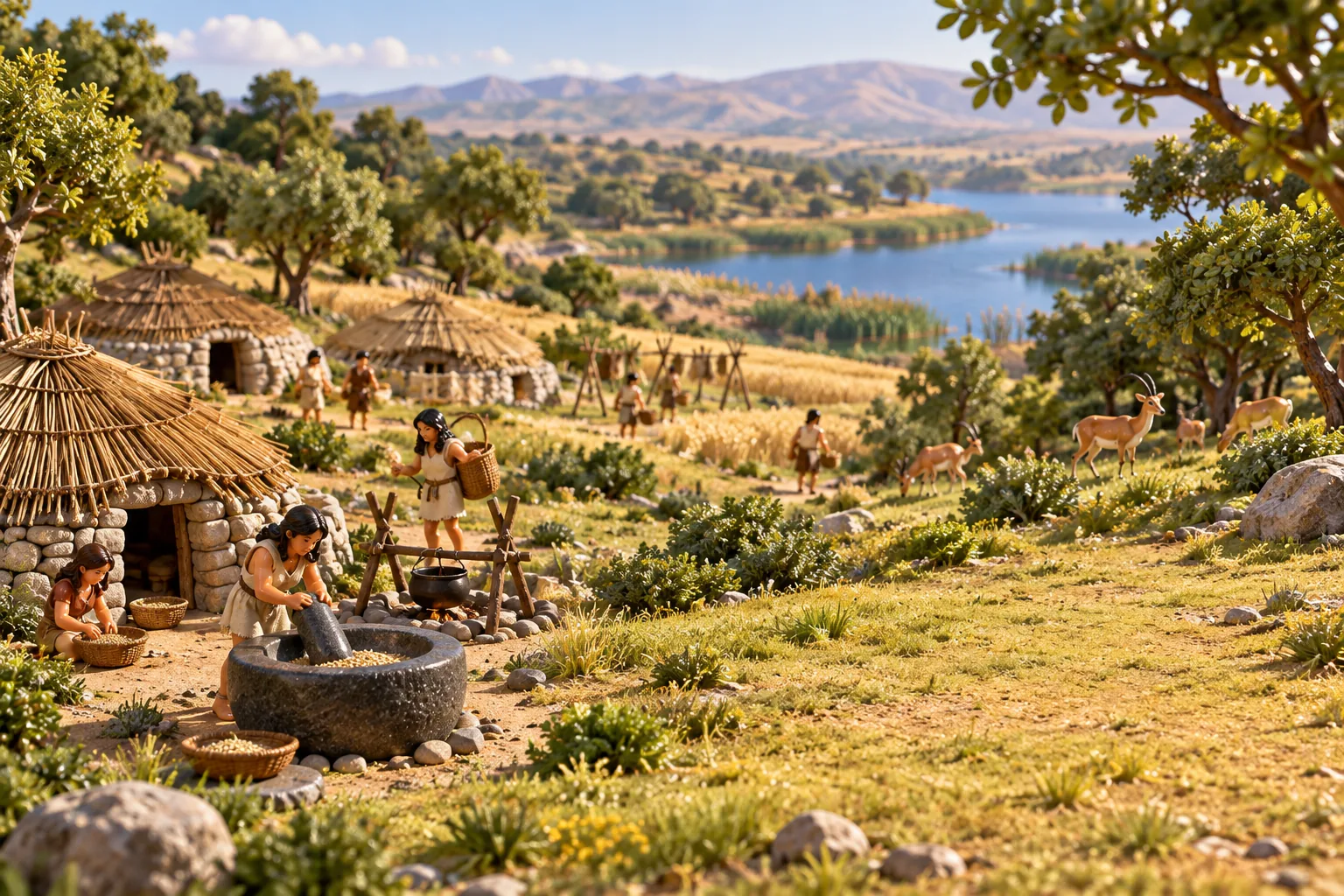 c. 12,500–9500 BC · The Levant: Ain Mallaha (Eynan), Mount Carmel and the Jordan valleyNatufian cultureHunters and gatherers settled down in stone houses and baked bread thousands of years before anyone planted a field.
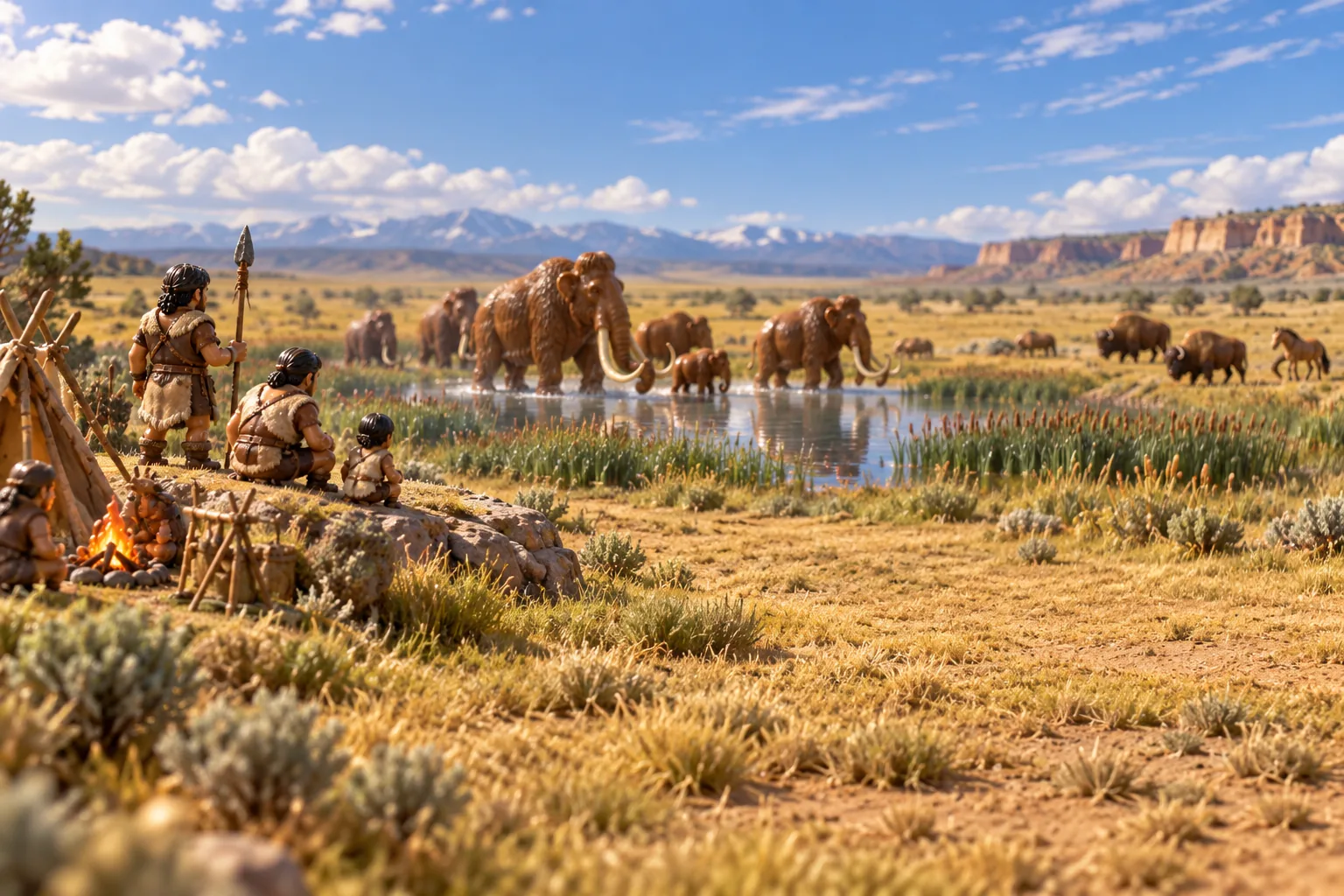 about 13,050–12,750 years ago · Blackwater Draw, near Clovis, New Mexico, United StatesClovis cultureA 19-year-old who had been reading about digs in the newspaper found the site that gave the first great culture of Ice Age America its name.
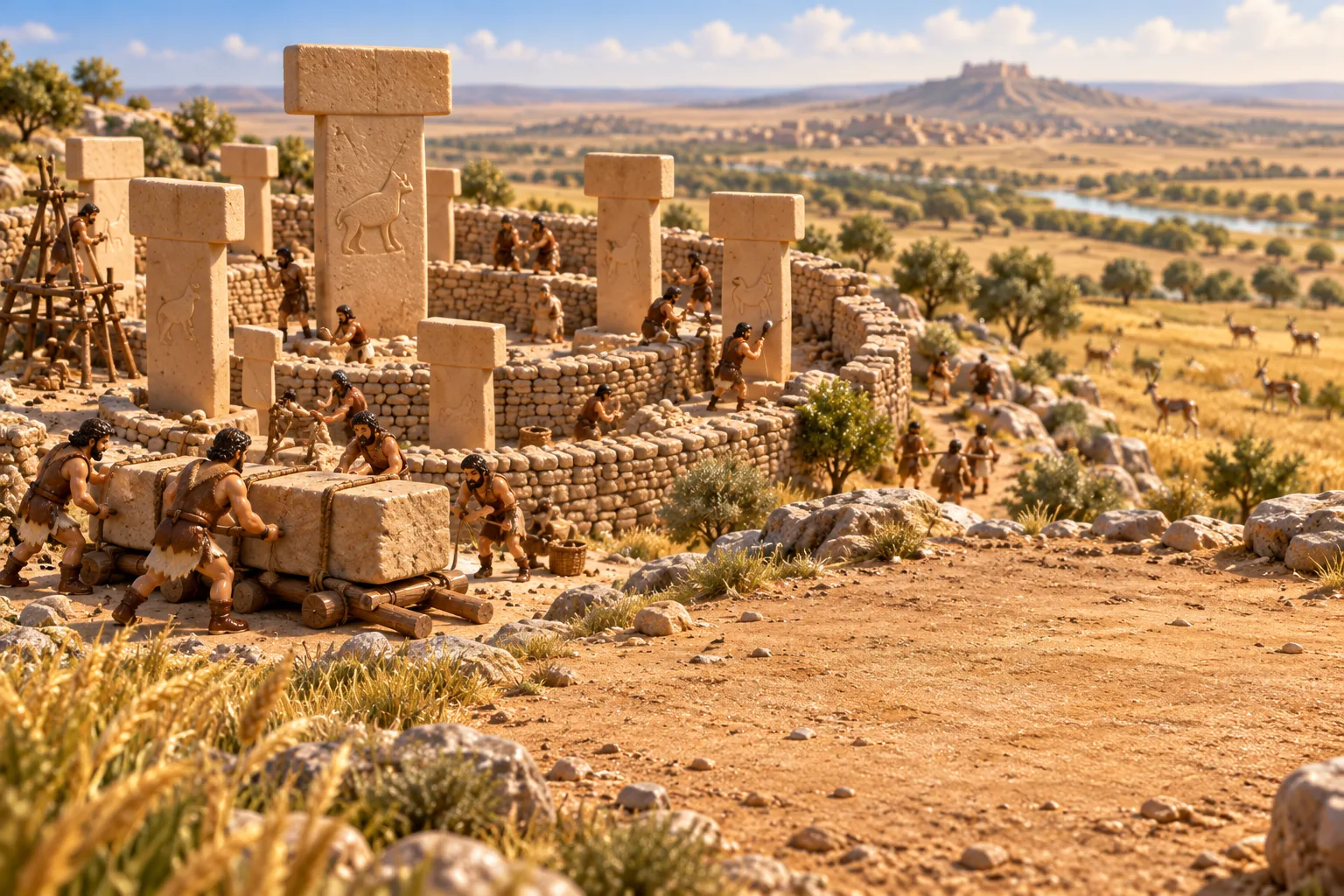 c. 9500–8000 BC · Göbekli Tepe, near Şanlıurfa, TurkeyGöbekli TepeSome 11,500 years ago, people who had no pottery and probably no farms carved giant stone pillars covered in foxes, boars, snakes and vultures.
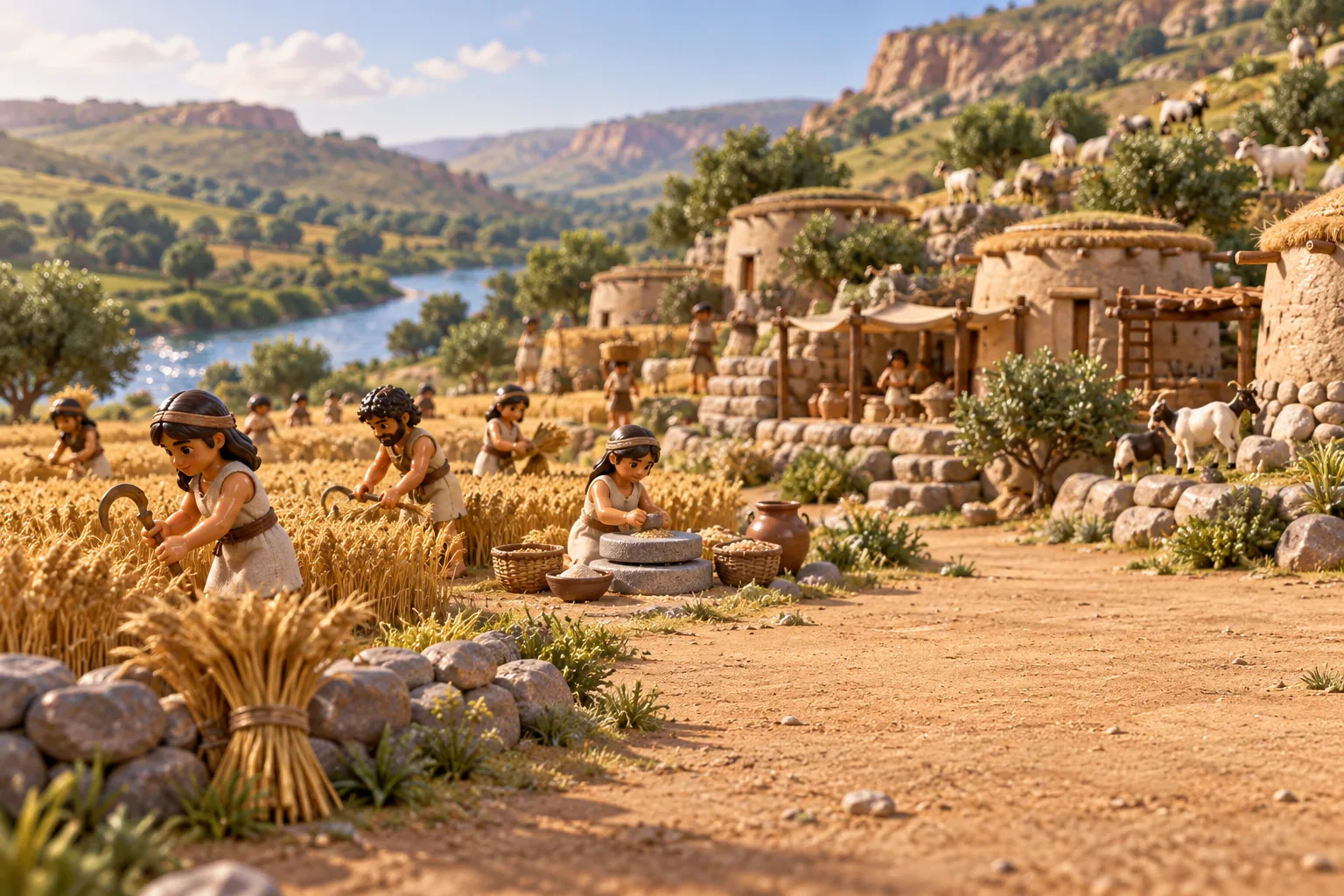 c. 10,000–8,000 BC · Fertile Crescent, Southwest AsiaFarming beginsFarming let humans multiply, build towns and eventually write, and it also made them shorter, sicker and more tied to one place.
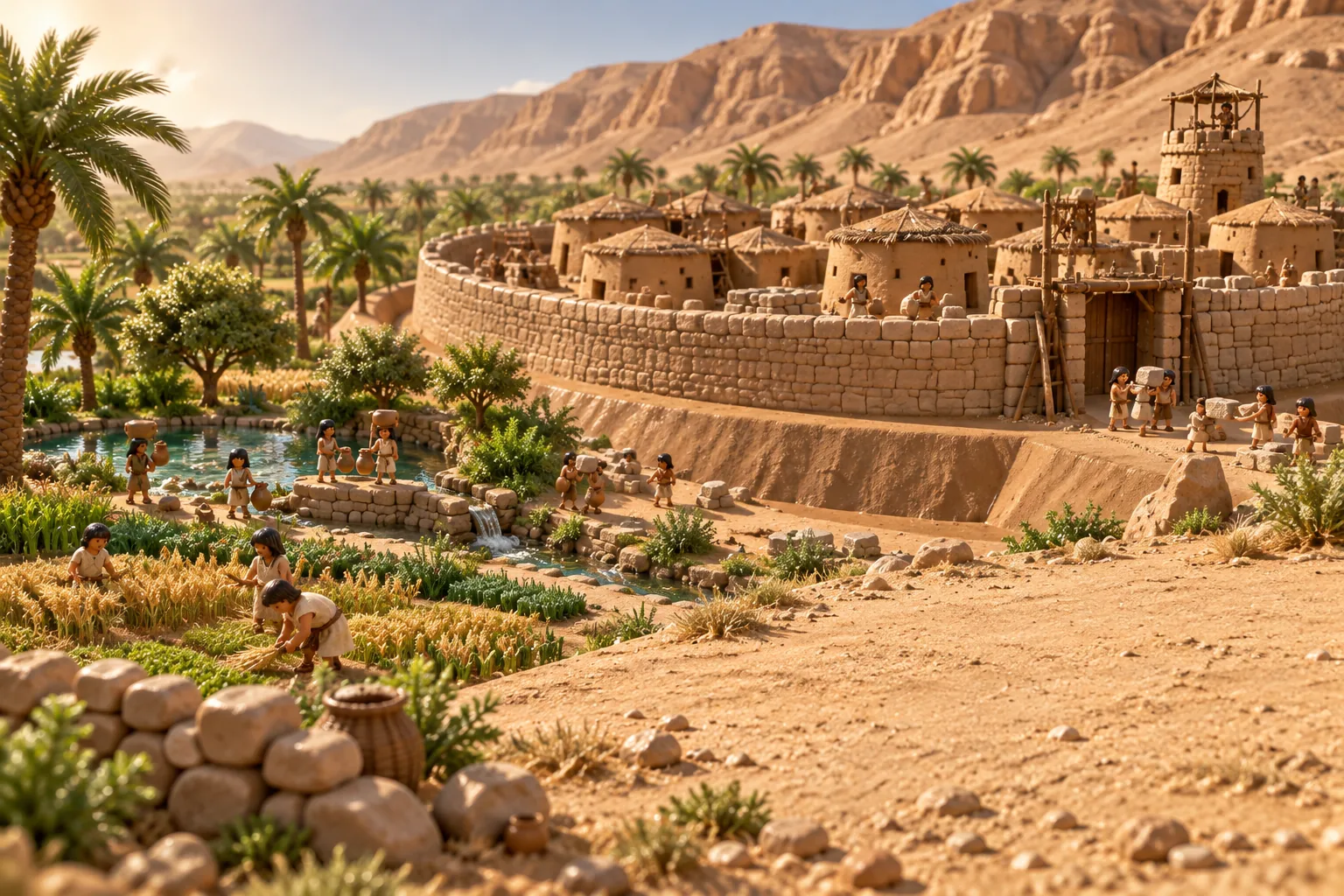 c. 8000 BC · Tell es-Sultan, JerichoWalls of JerichoTen thousand years ago, farmers beside a spring in the Jordan Valley built a stone tower 8.5 metres tall, with a staircase inside, and ran a wall around their town.
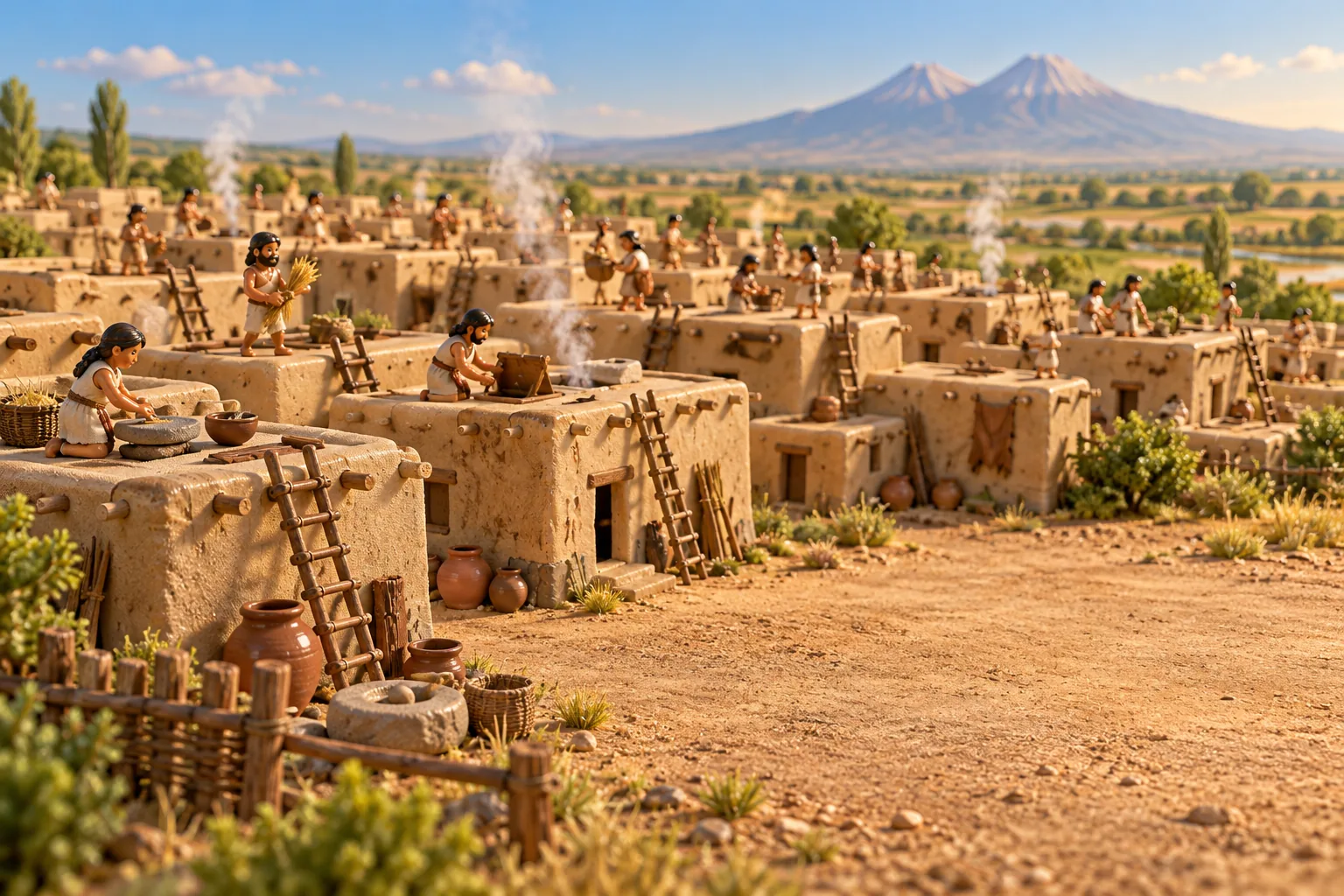 c. 7500–5600 BC · Konya Plain, Anatolia, TurkeyÇatalhöyükIn one of the world's earliest towns there were no streets at all: people walked across the rooftops and climbed down ladders into their homes.
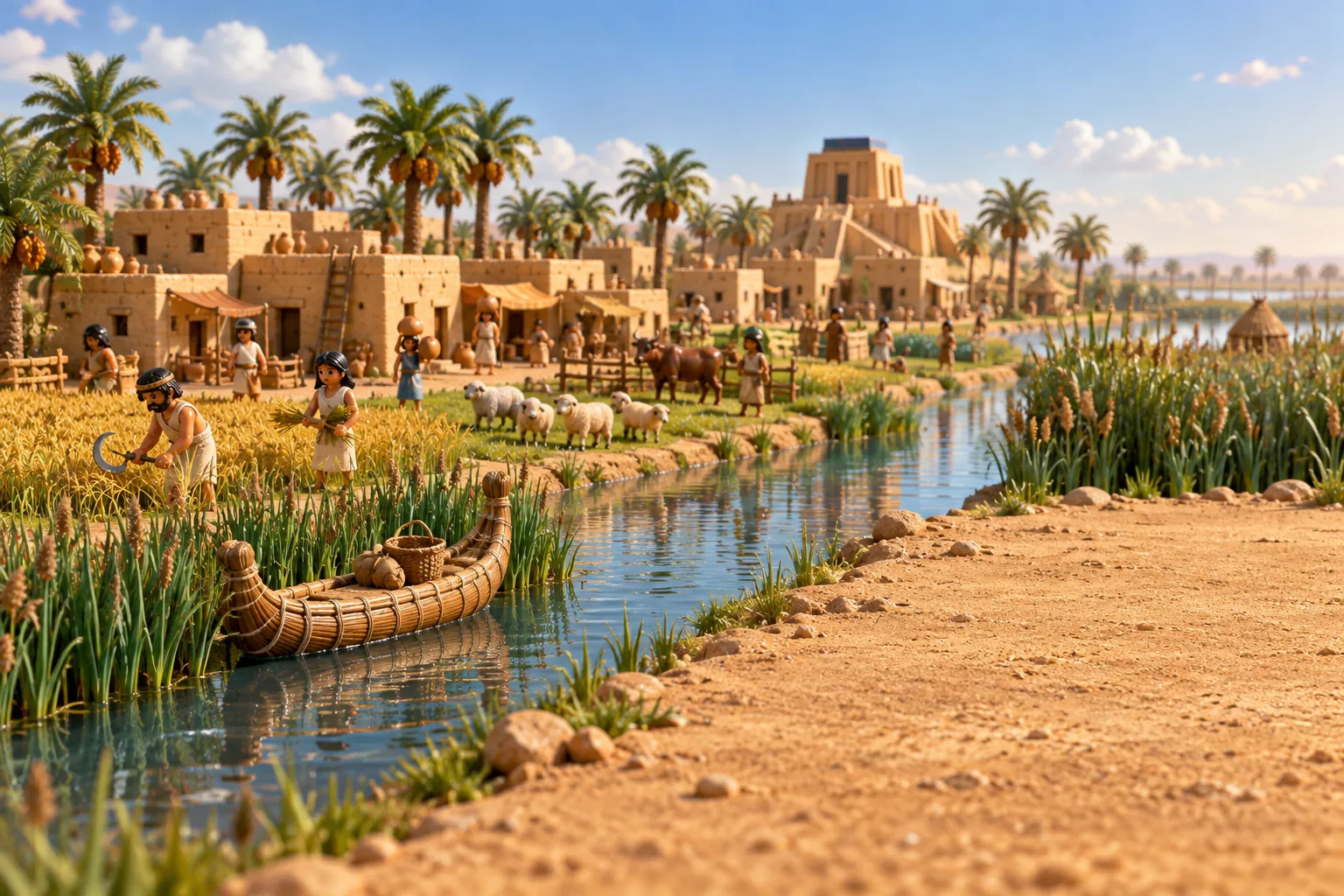 c. 6500–3800 BC · Tell al-'Ubaid, Eridu, Ur and the plain of southern Mesopotamia, IraqUbaid periodThousands of years before the first cities, farmers in the marshes of southern Iraq were already building temples, digging canals and trading pots down the Gulf.
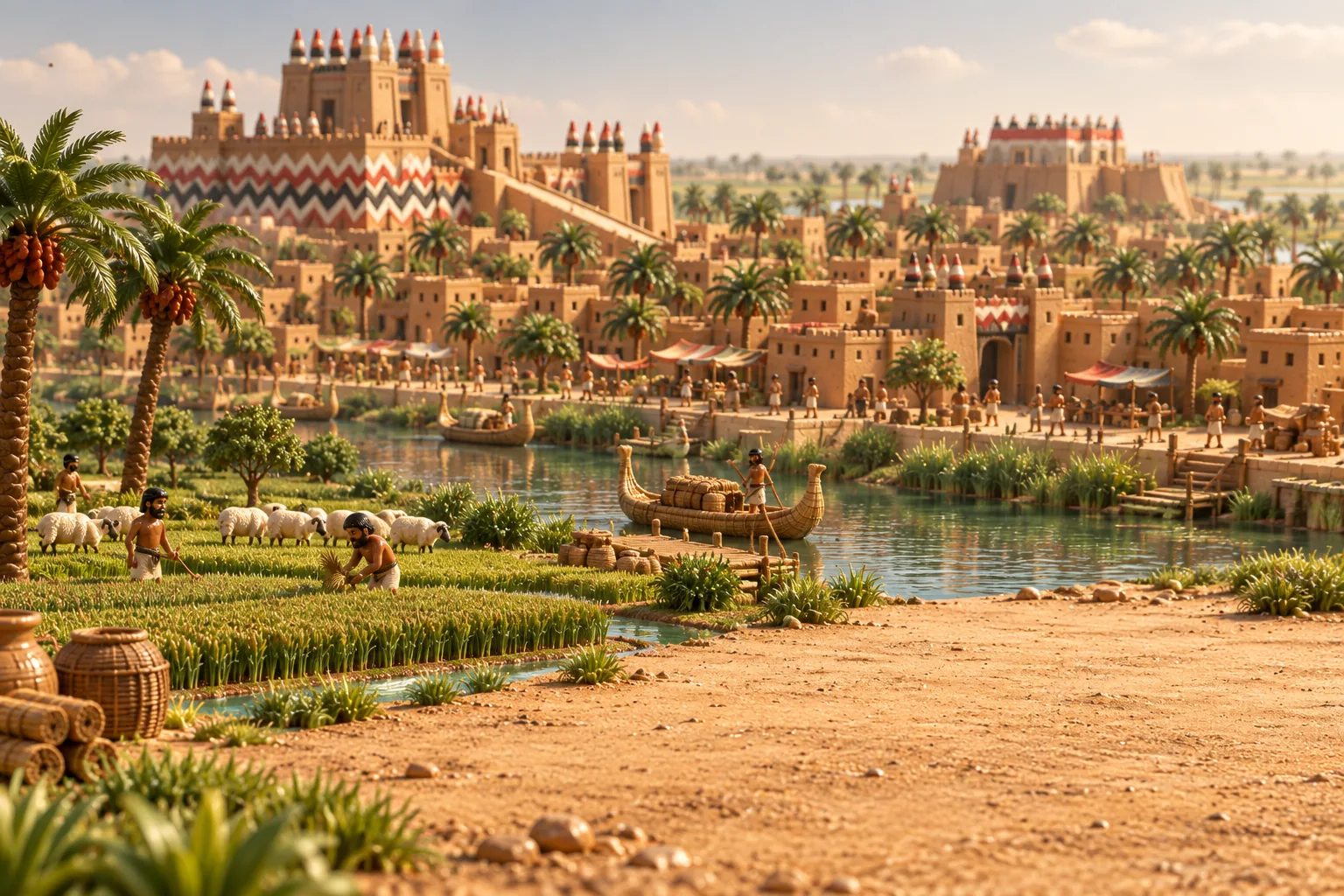 c. 4000–3100 BC · Uruk (Warka), southern IraqUruk periodFive and a half thousand years ago one city on the Euphrates grew to tens of thousands of people, and its clerks began keeping their accounts in writing.
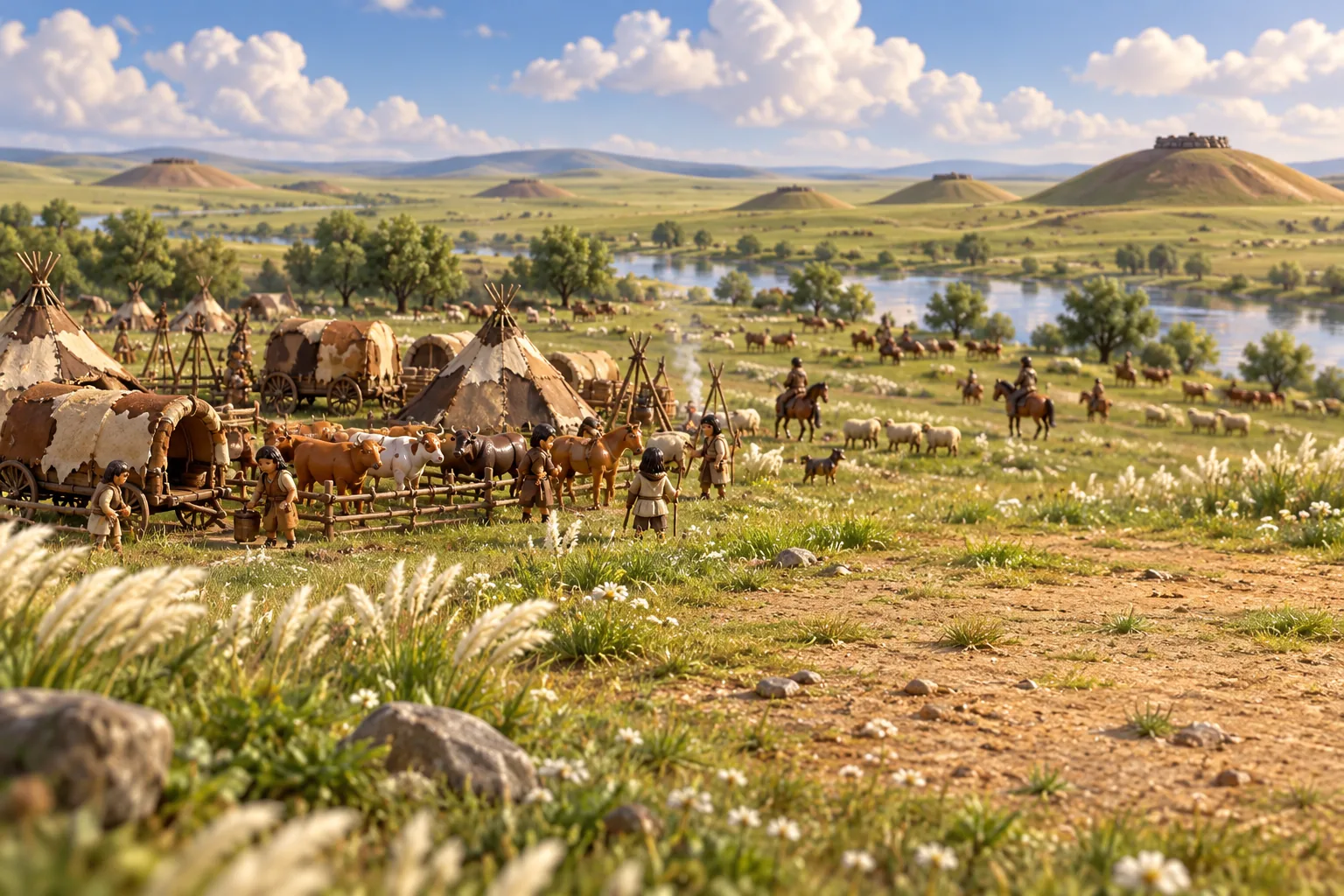 c. 3500 BC · Mesopotamia, the Black Sea steppe and central EuropeThe wheelPeople farmed and made pottery for thousands of years before anyone thought to put a disc on an axle.
Ancient world 3,300 BC to 500 BC
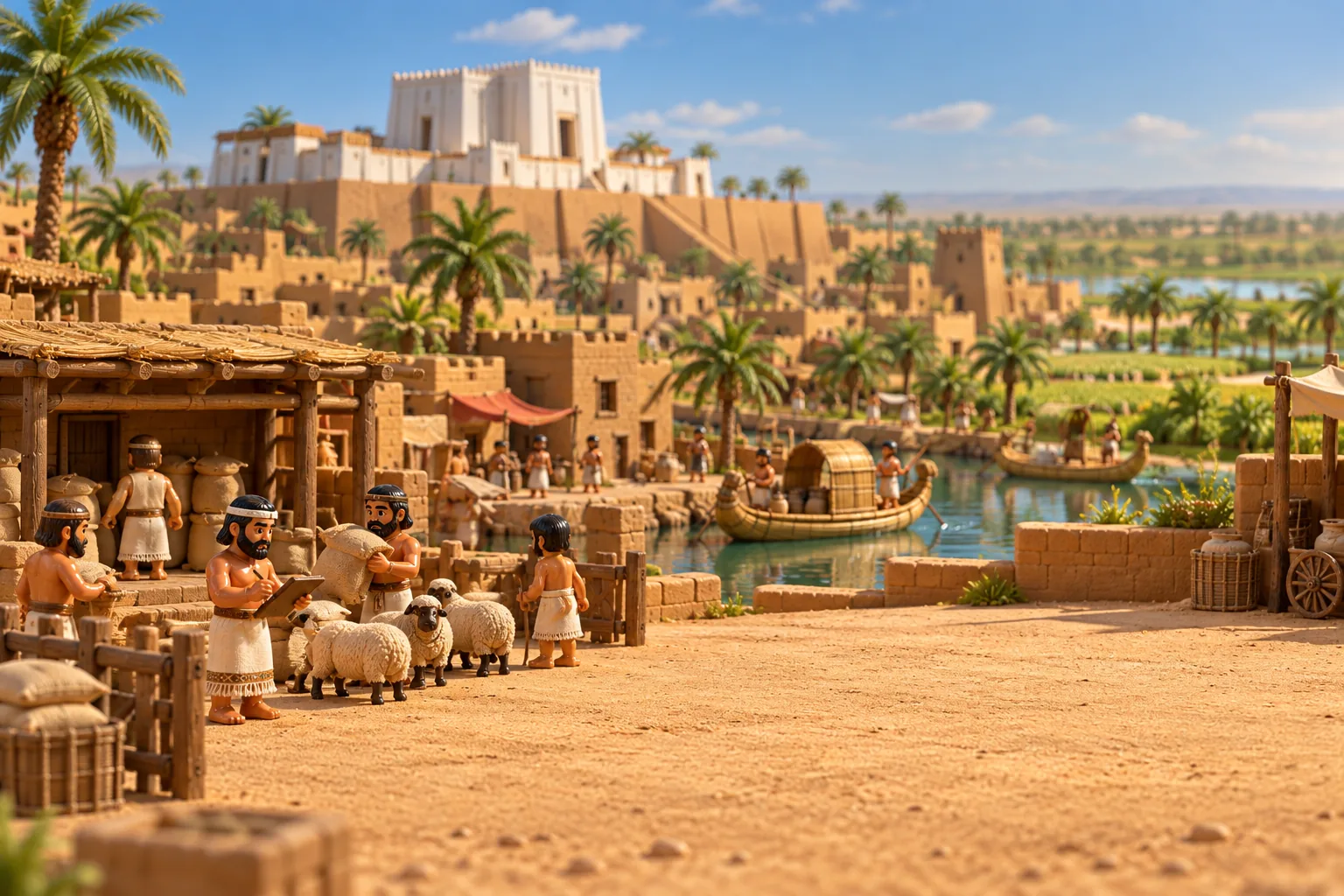 c. 3200 BC · Uruk, Sumer (southern Iraq)WritingThe first writing was not poetry or law but bookkeeping: tallies of grain and animals pressed into wet clay in the city of Uruk.
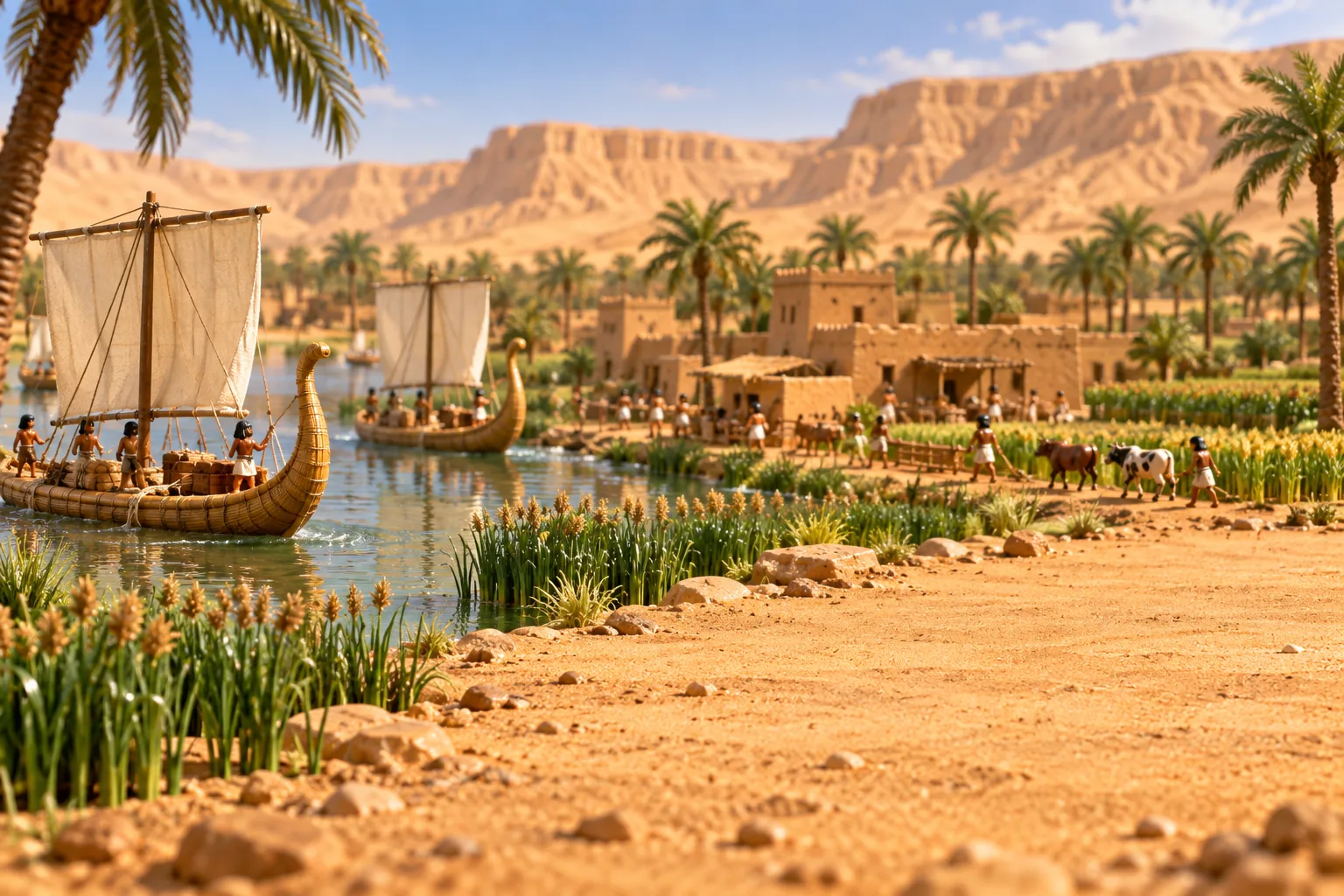 c. 3150 BC · Thinis and Abydos, Upper EgyptEgypt unitesFor most of the next three thousand years Egypt was known as 'the Two Lands', a memory of the time when two rival kingdoms became one.
 c. 2600 BC · Giza, EgyptGreat PyramidFor more than 3,700 years no building on Earth stood taller than this tomb for one king.
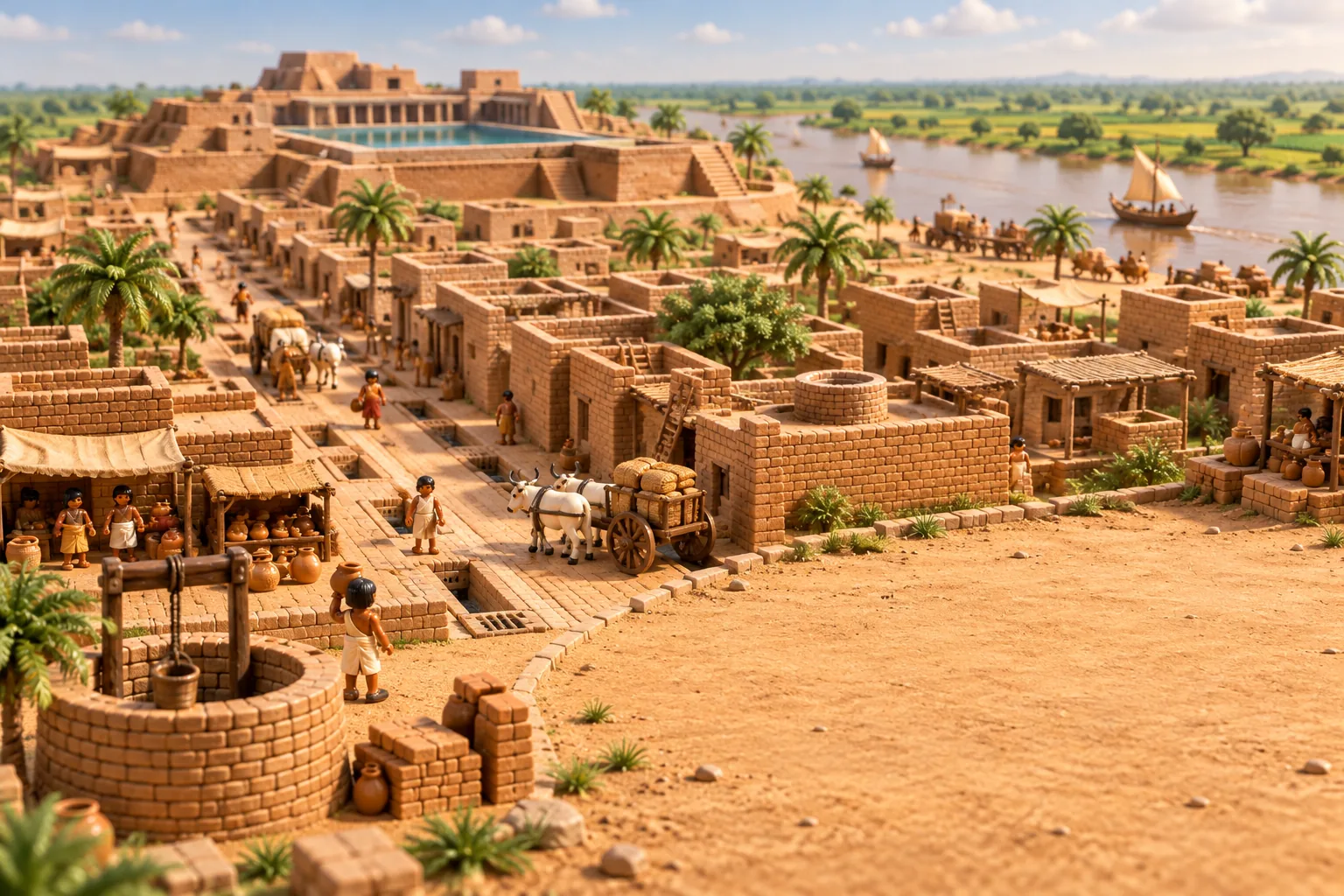 c. 2500–1700 BC · Larkana District, Sindh, PakistanMohenjo-daroFour and a half thousand years ago, a city on the Indus had straight streets, covered drains and a well for every three houses.
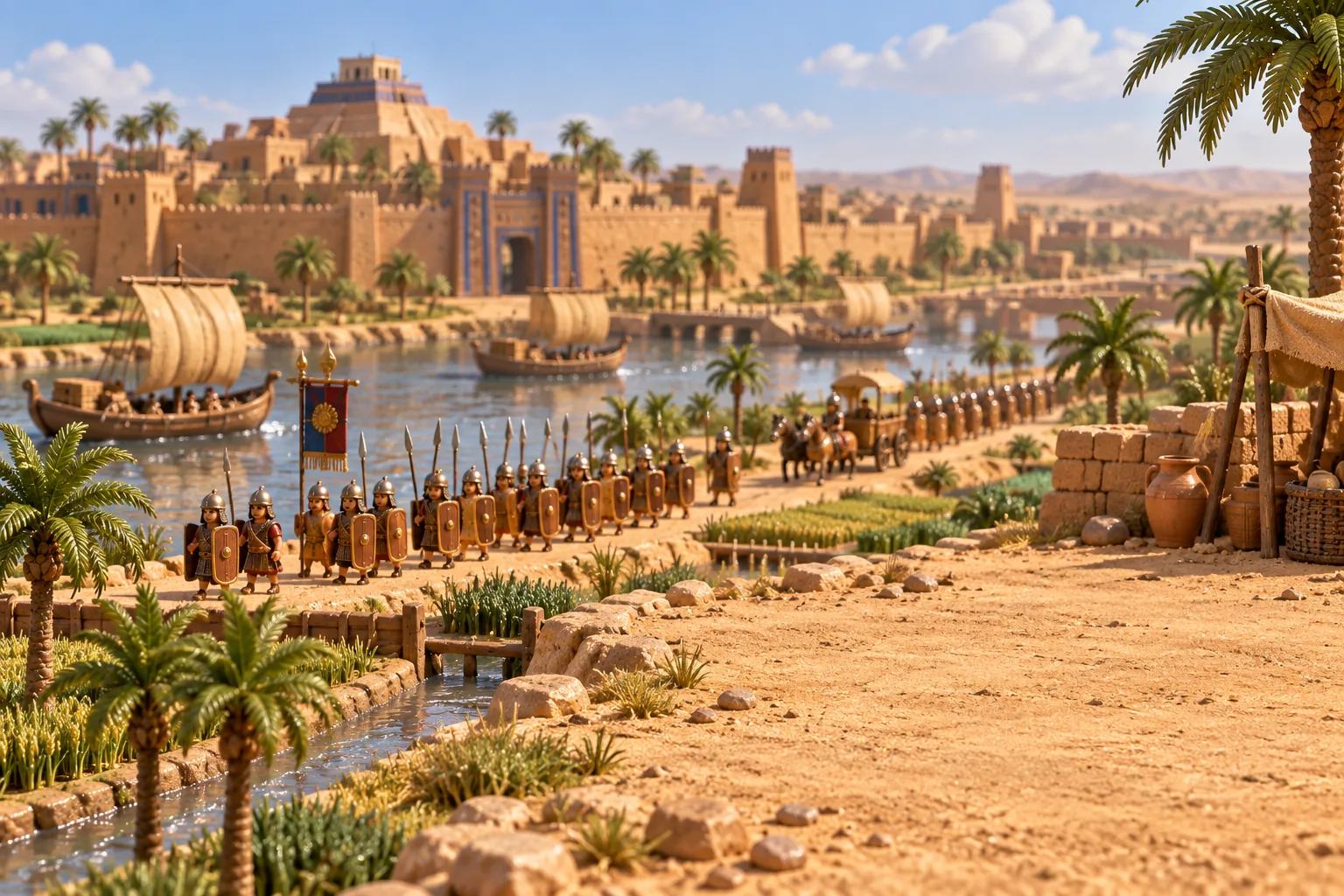 c. 2334–2279 BC · Akkad, central Mesopotamia (Iraq)Empire of SargonThe man often called history's first emperor ruled from a capital that archaeologists have still never found.
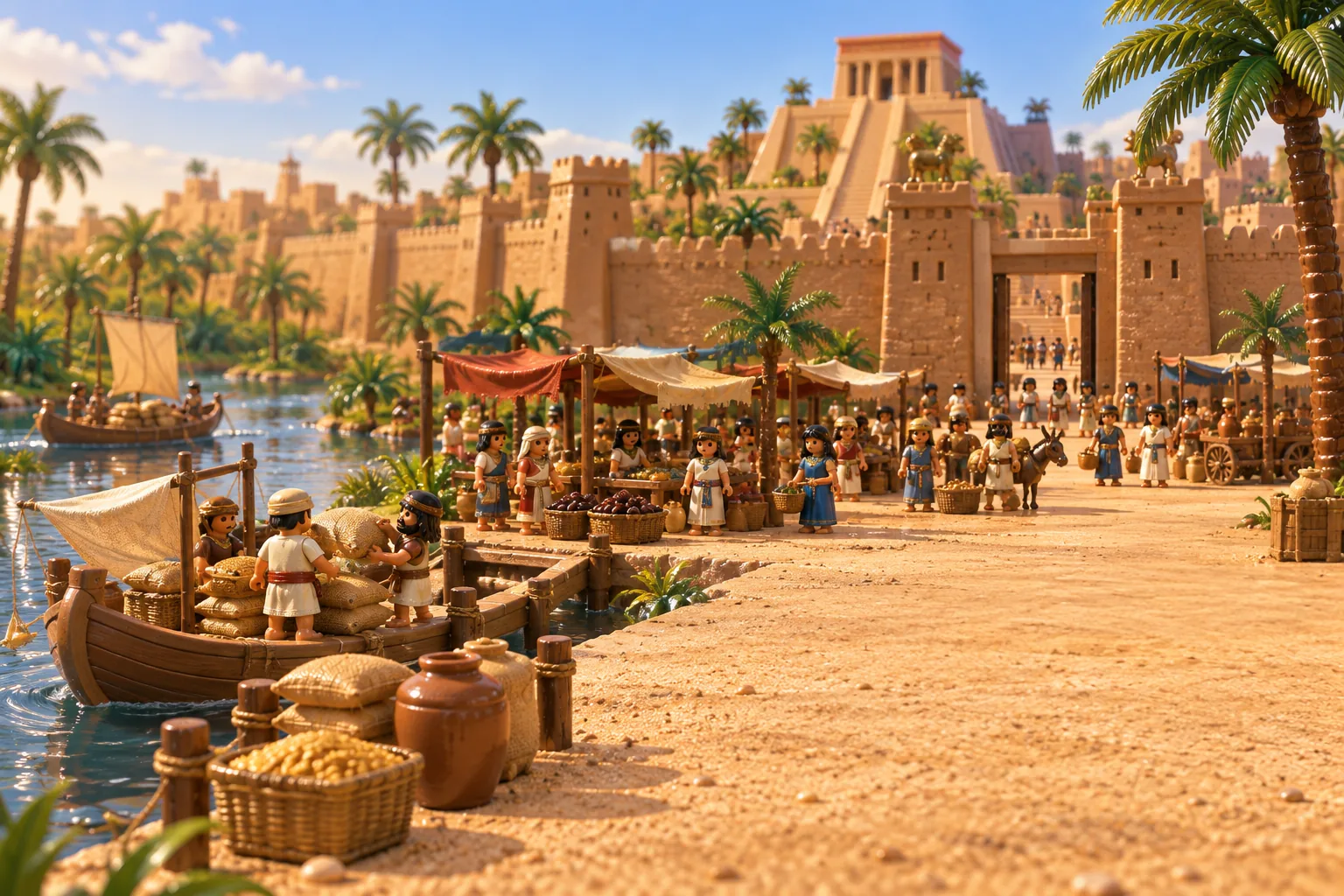 c. 1753 BC · Babylon, MesopotamiaCode of HammurabiA king of Babylon had his laws carved on a stone pillar taller than a man and promised that anyone who had been wronged could have them read aloud.
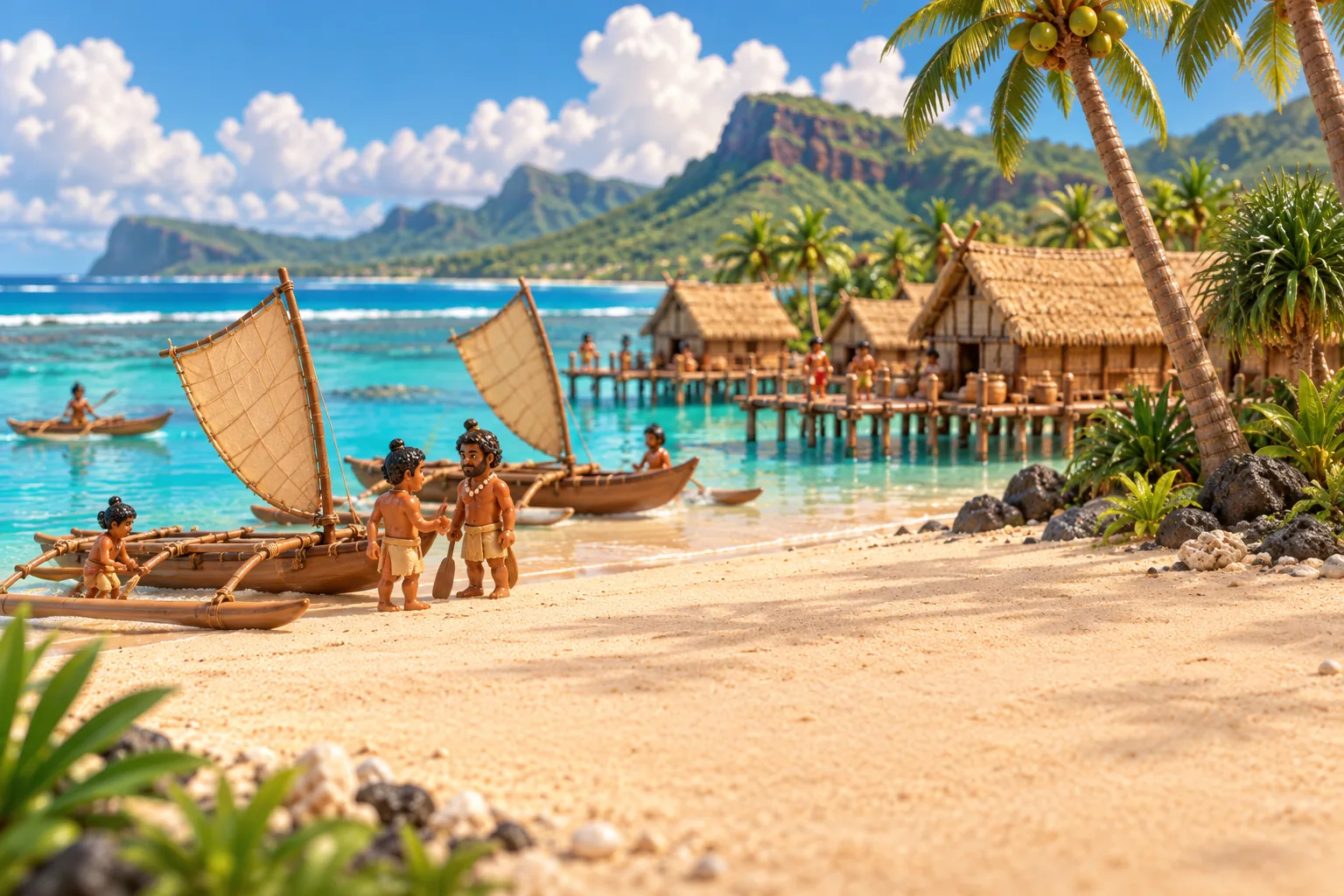 c. 1600–500 BC · Lapita site, Foué peninsula, New Caledonia (and islands from the Bismarcks to Samoa)Lapita cultureThe name of one of history's greatest seafaring peoples comes from a misheard word: archaeologists in 1952 took a local phrase for 'the place where one digs' as a place name.
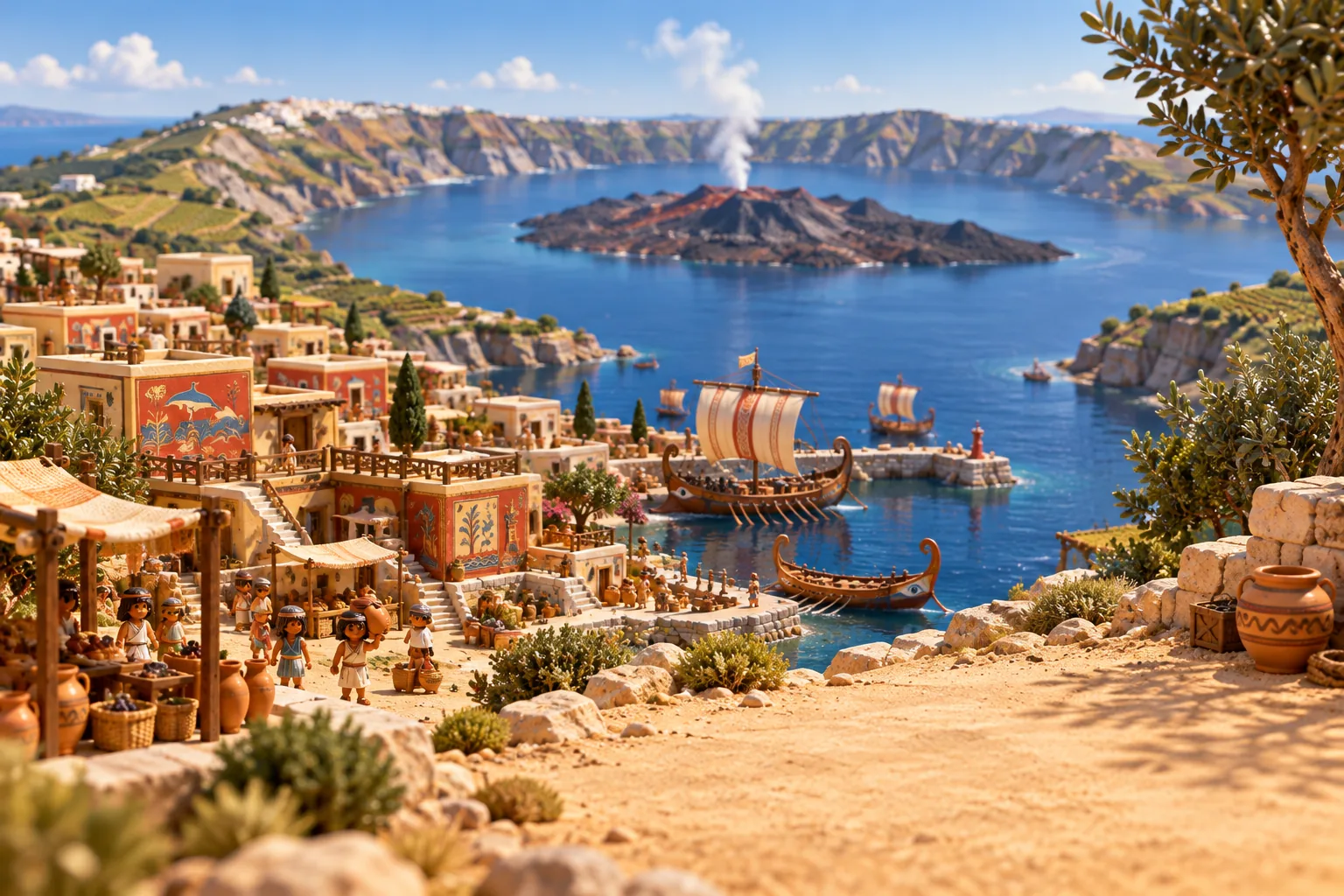 c. 1600 BC · Thera (Santorini), Aegean Sea, GreeceMinoan eruption of TheraA whole Bronze Age town was buried under metres of pumice, yet archaeologists have found almost no one inside: its people seem to have left in time.
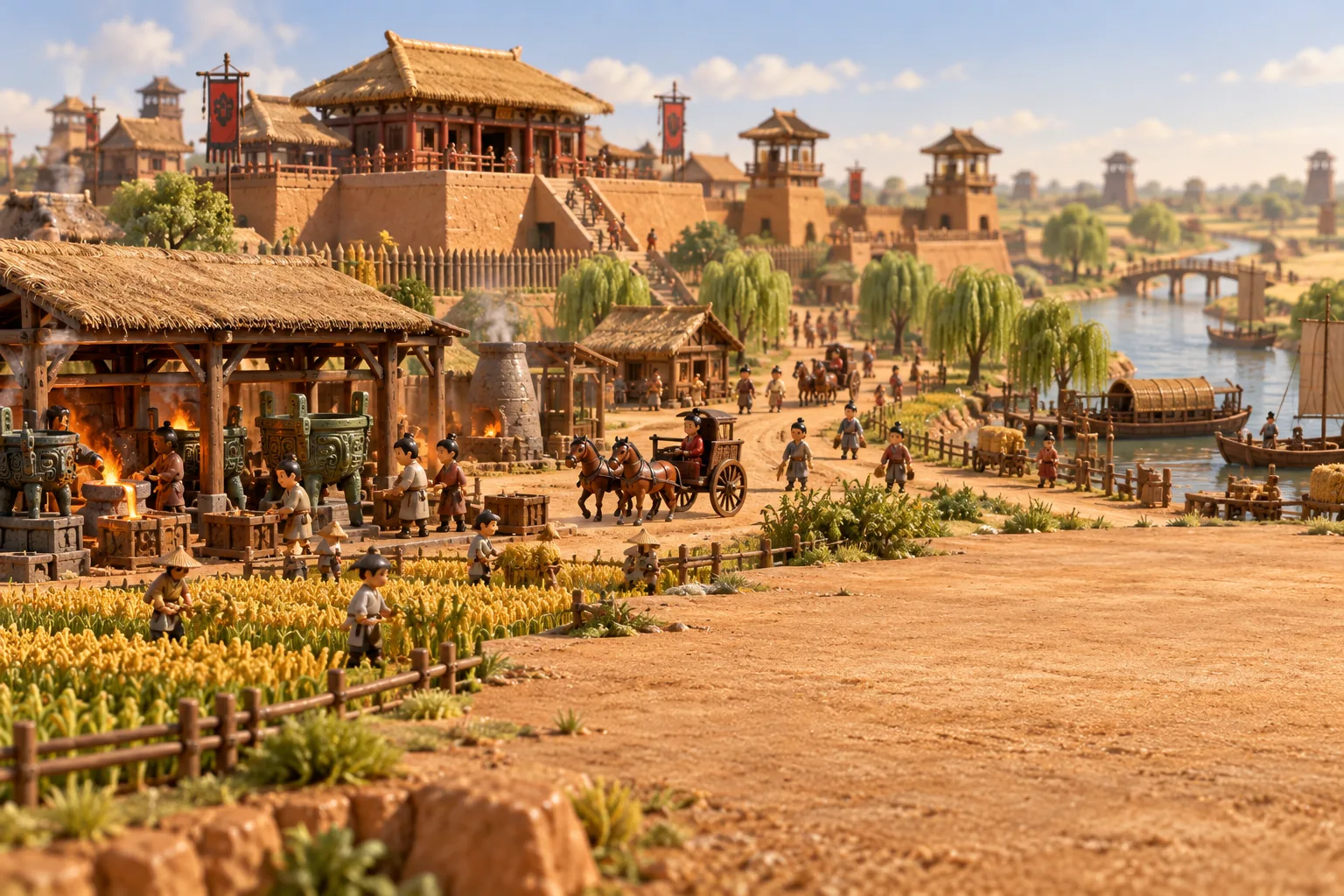 c. 1600 – 1046 BC · Yinxu, Anyang, ChinaShang dynastyShang kings asked their ancestors questions by cracking turtle shells and ox bones with heat, and the answers they carved are the oldest Chinese writing we have.
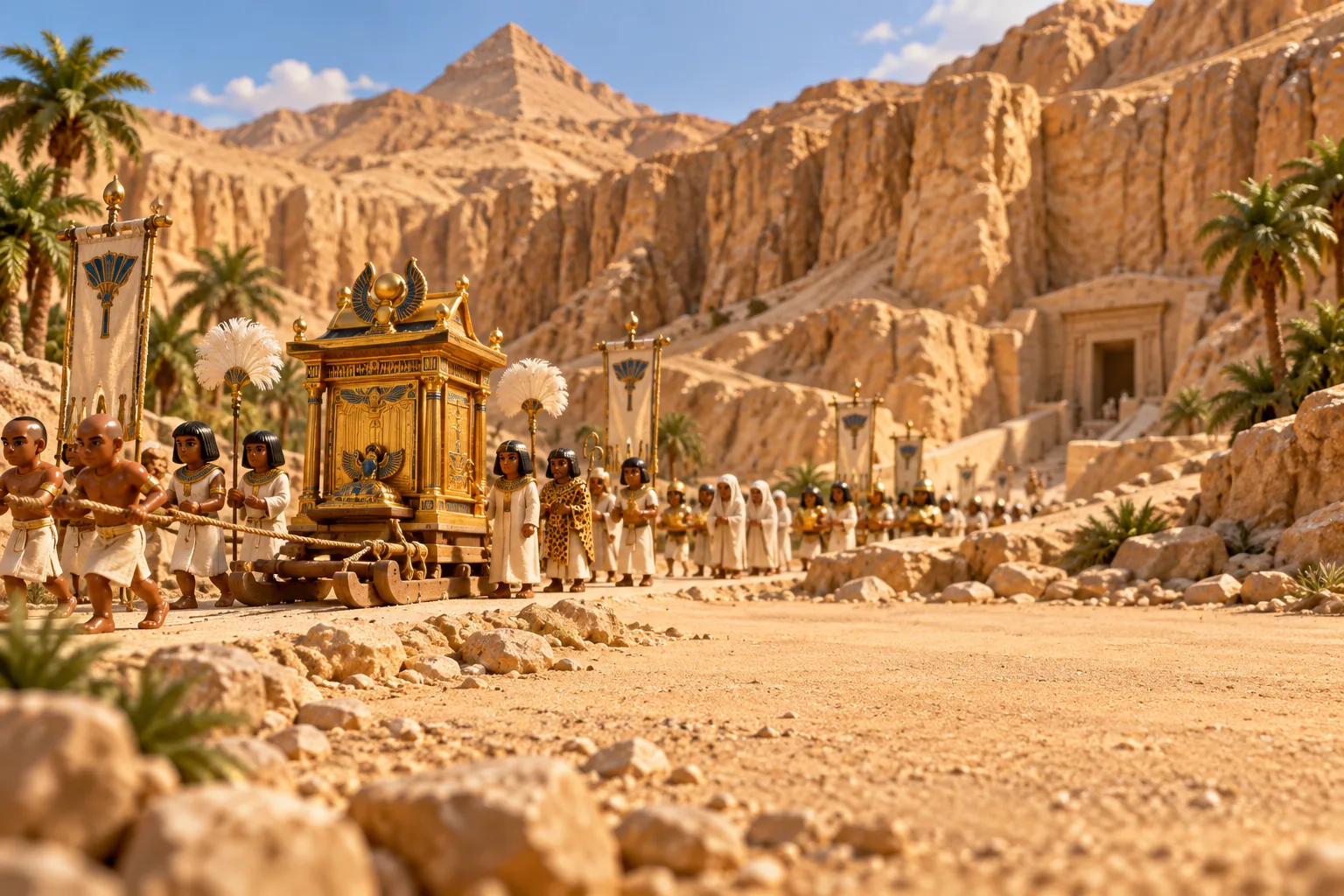 c. 1332–1323 BC · Thebes (Luxor), EgyptTutankhamunHe was a minor king who died at nineteen and was buried in a borrowed tomb, and that is exactly why his treasure survived.
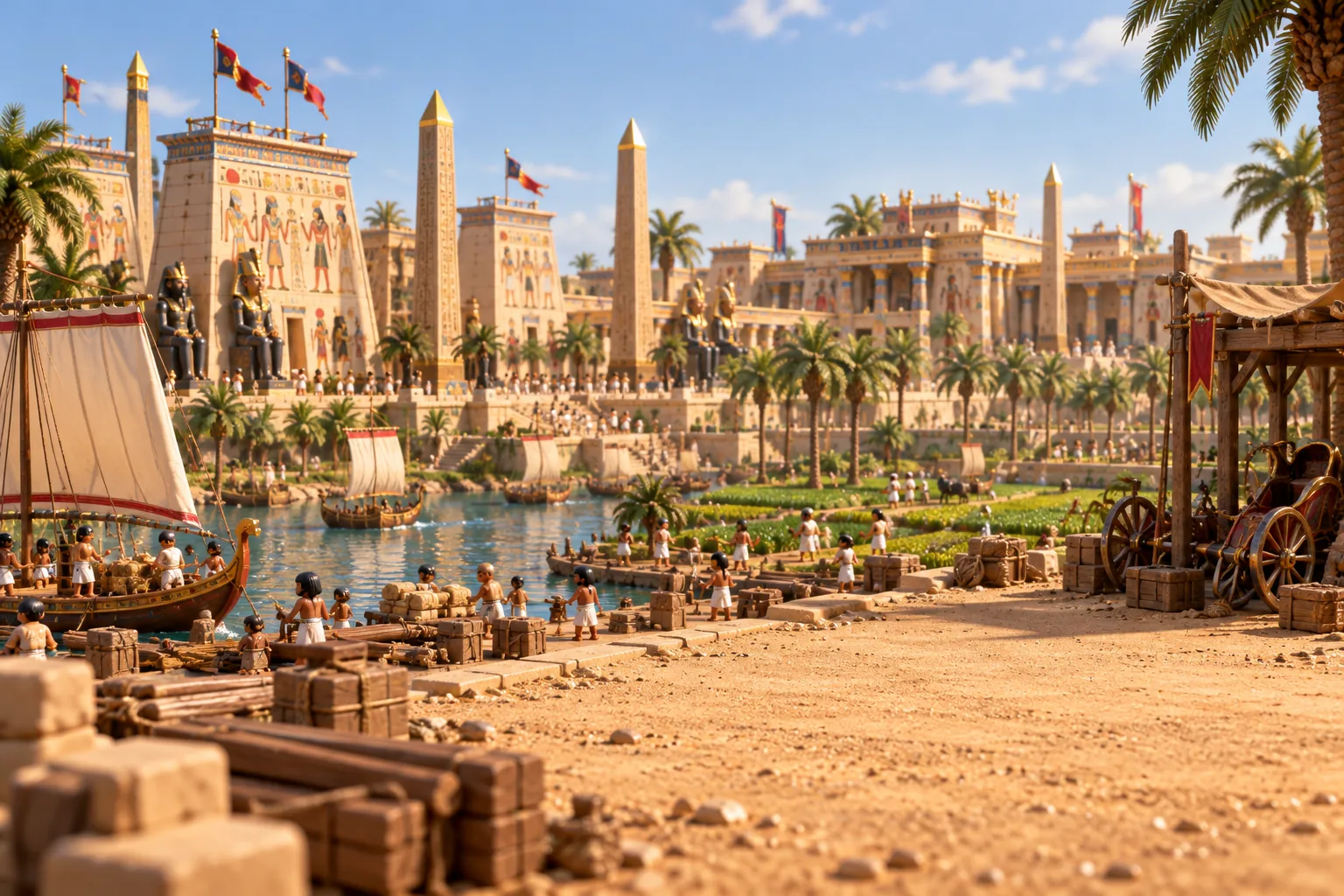 1279–1213 BC · EgyptRamesses IIHe ruled Egypt for 66 years, and the pharaohs who came after him prayed to live as long and as gloriously as he had.
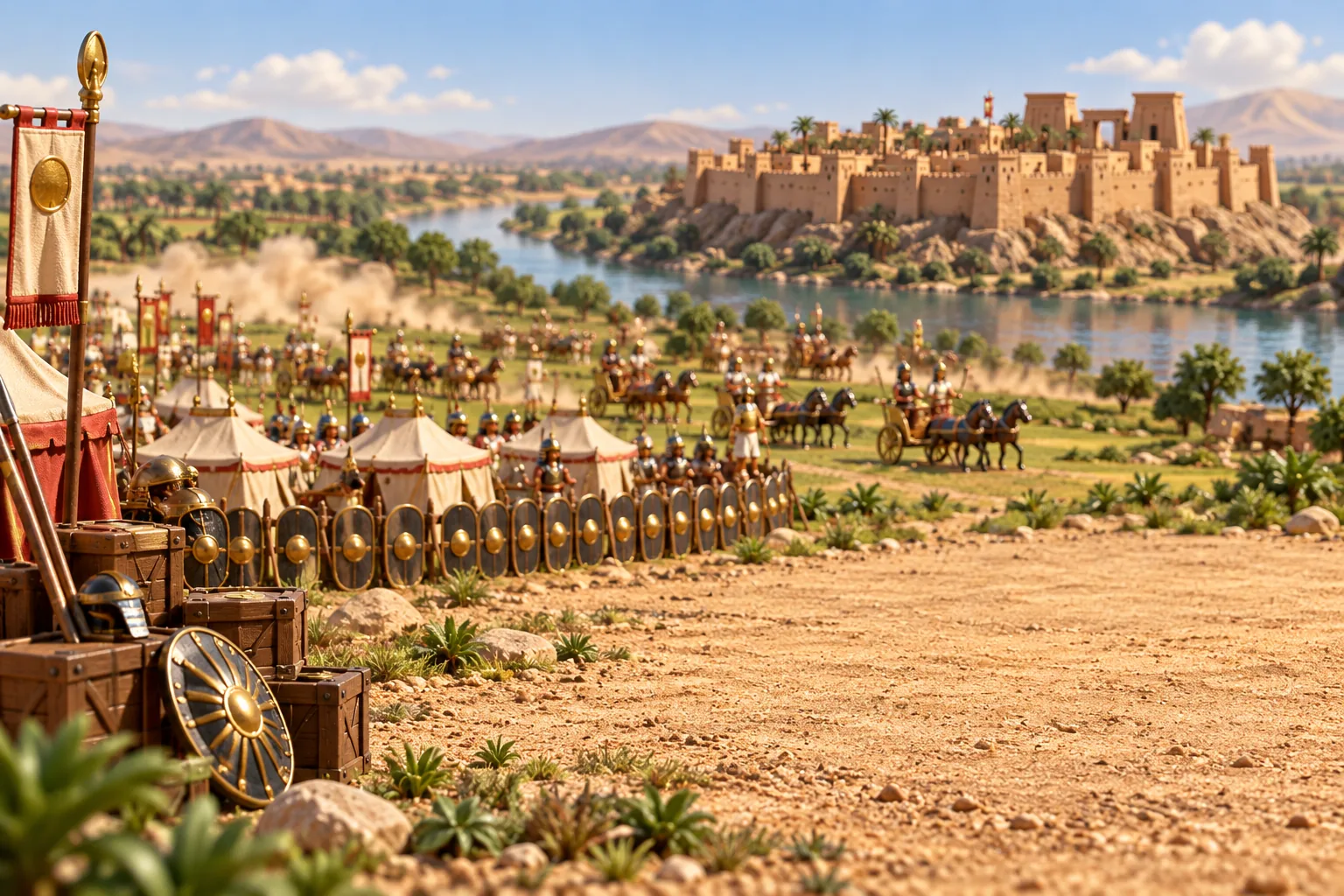 May 1274 BC (battle); treaty c. 1258 BC · Kadesh, on the Orontes River, SyriaKadesh and the first peace treatyTwo captured nomads told Pharaoh the Hittite army was 200 km away. They were spies, and the Hittites were waiting just behind the city.
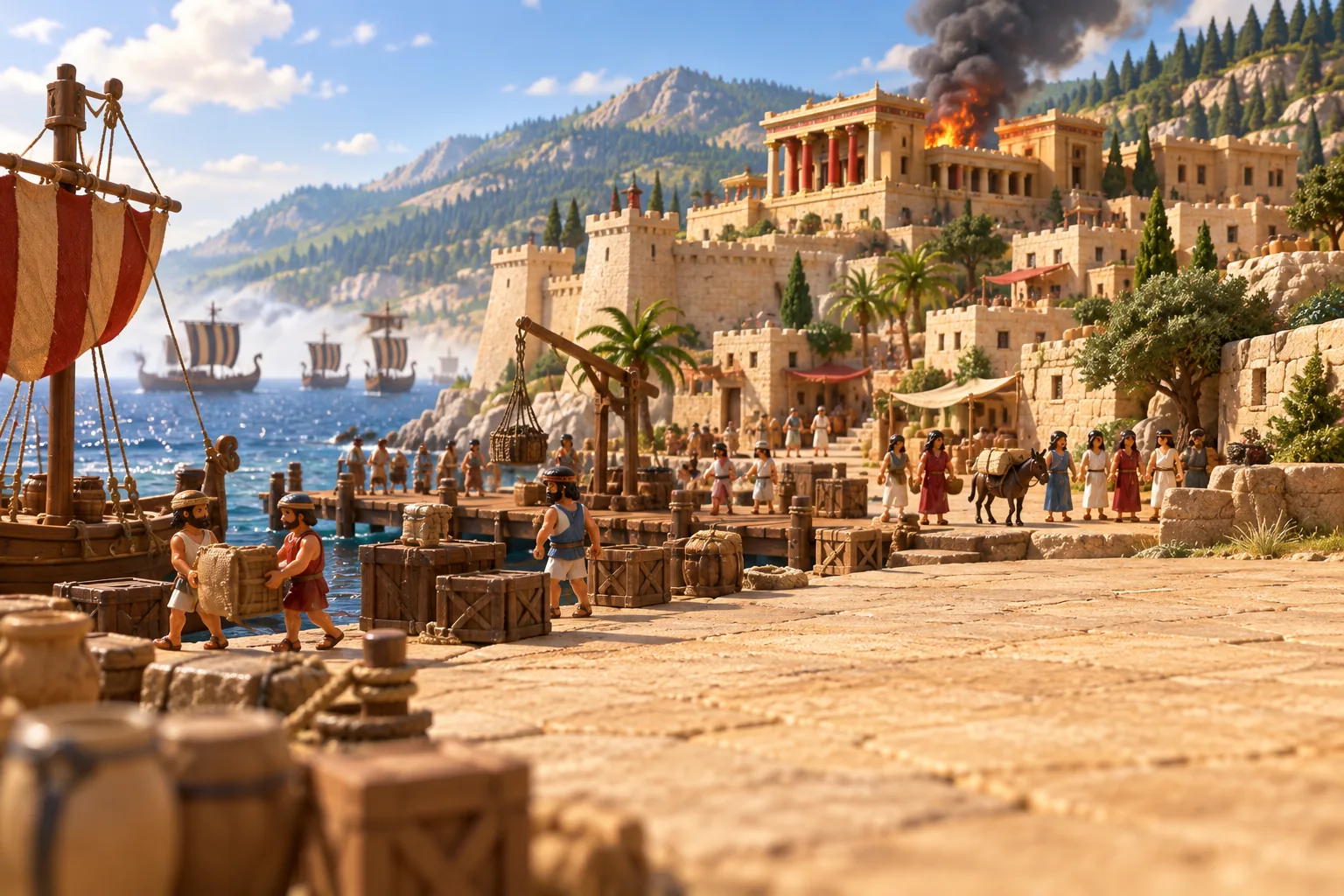 c. 1200–1150 BC · Eastern MediterraneanBronze Age collapseWithin a few generations the palaces of Greece burned, the Hittite Empire disappeared, and a king of Ugarit wrote a desperate letter that survived only because the fire destroying his city baked it hard.
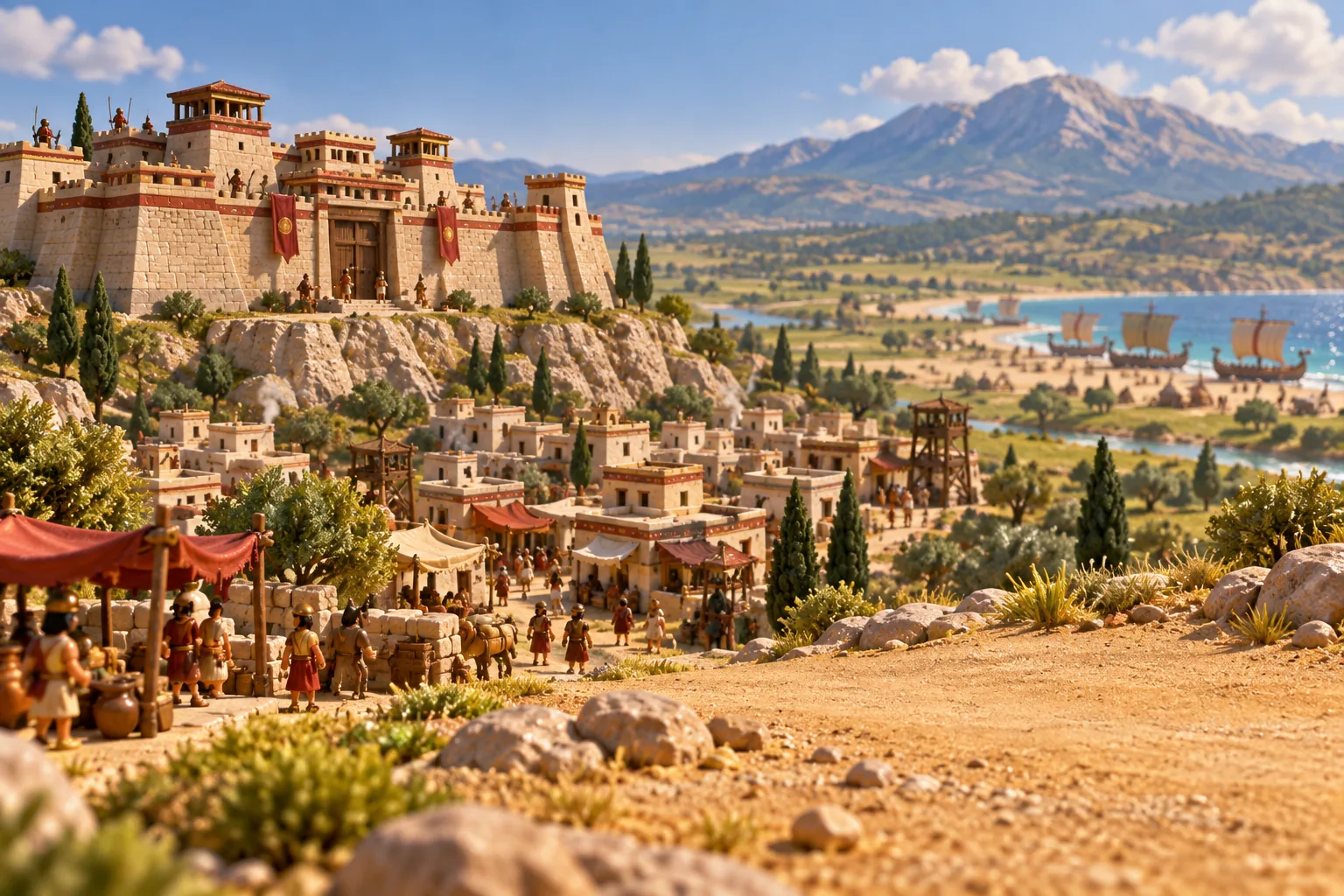 c. 1194–1184 BC (traditional) · Troy (Hisarlık), TurkeyTrojan WarFor centuries scholars treated Troy as pure myth, until a German businessman dug a trench through a hill in Turkey and found city upon city.
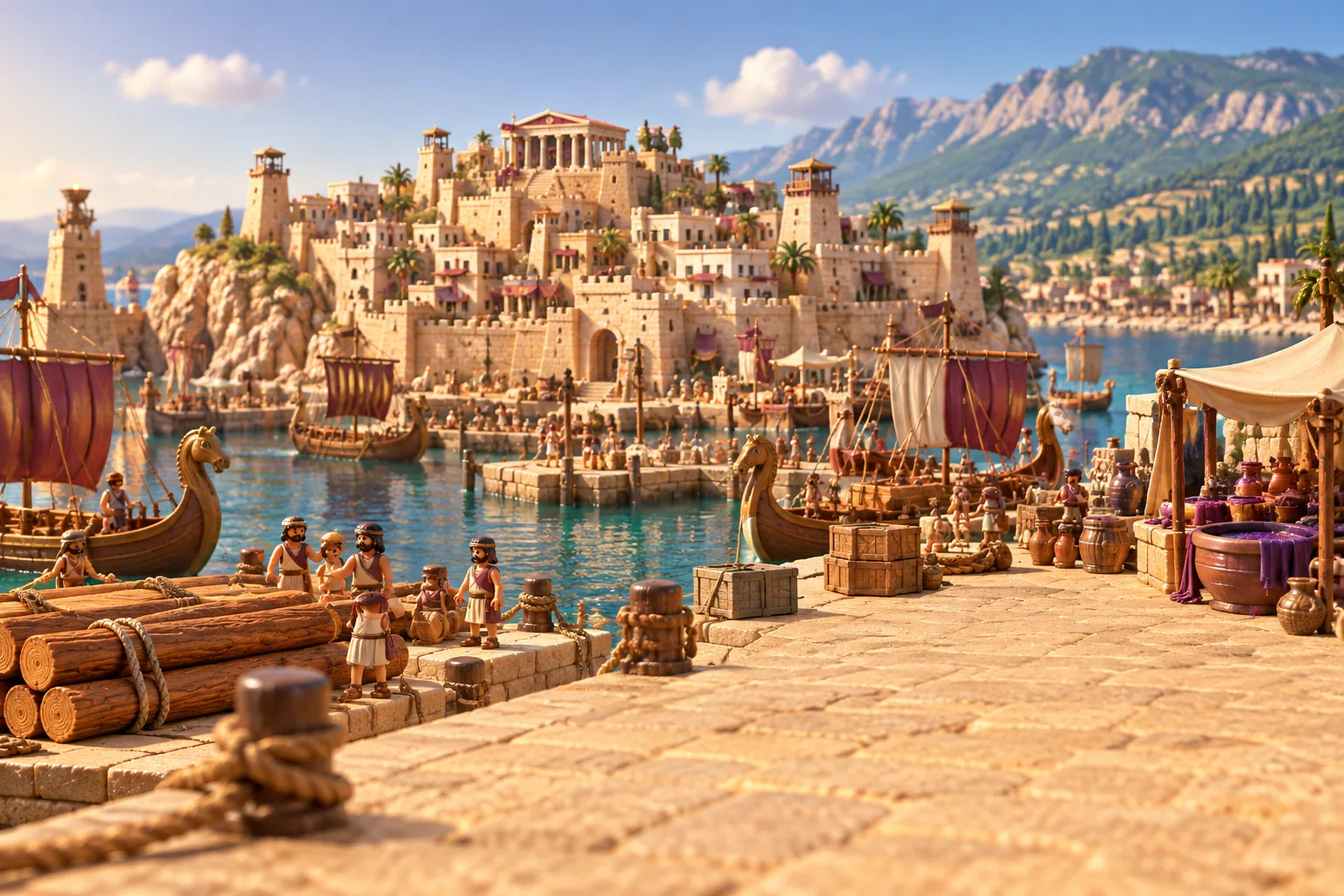 c. 800 BC · Phoenician coast, LebanonThe alphabet travelsPhoenician merchants sailed the Mediterranean with a script of just 22 letters, and the Greeks who borrowed it added the one thing it lacked: vowels.
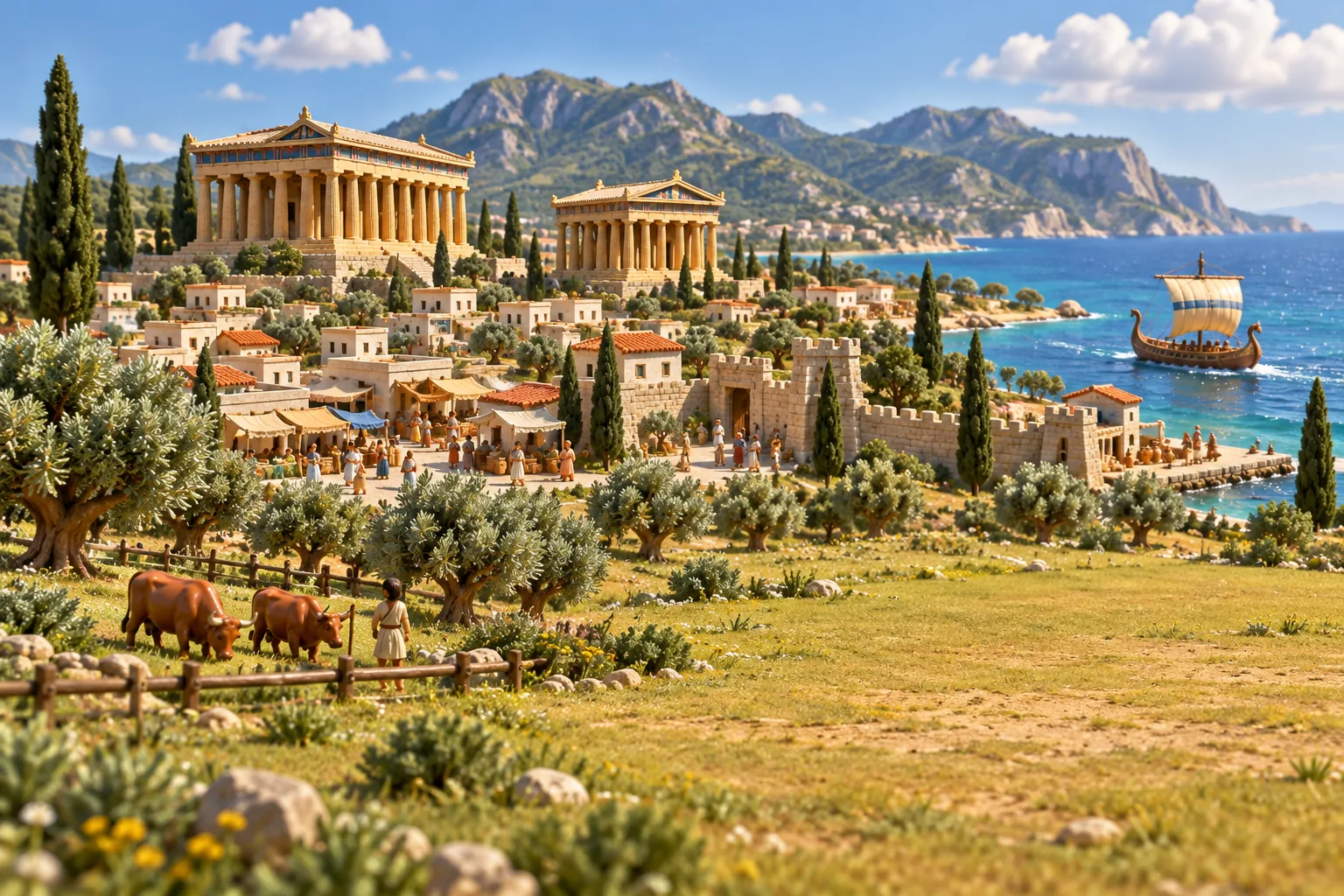 8th century BC – 205 BC · Southern Italy; the temples of Poseidonia (Paestum), CampaniaMagna GraeciaThe letters you are reading travelled from a Greek colony near Naples to the Etruscans, and from them to Rome.
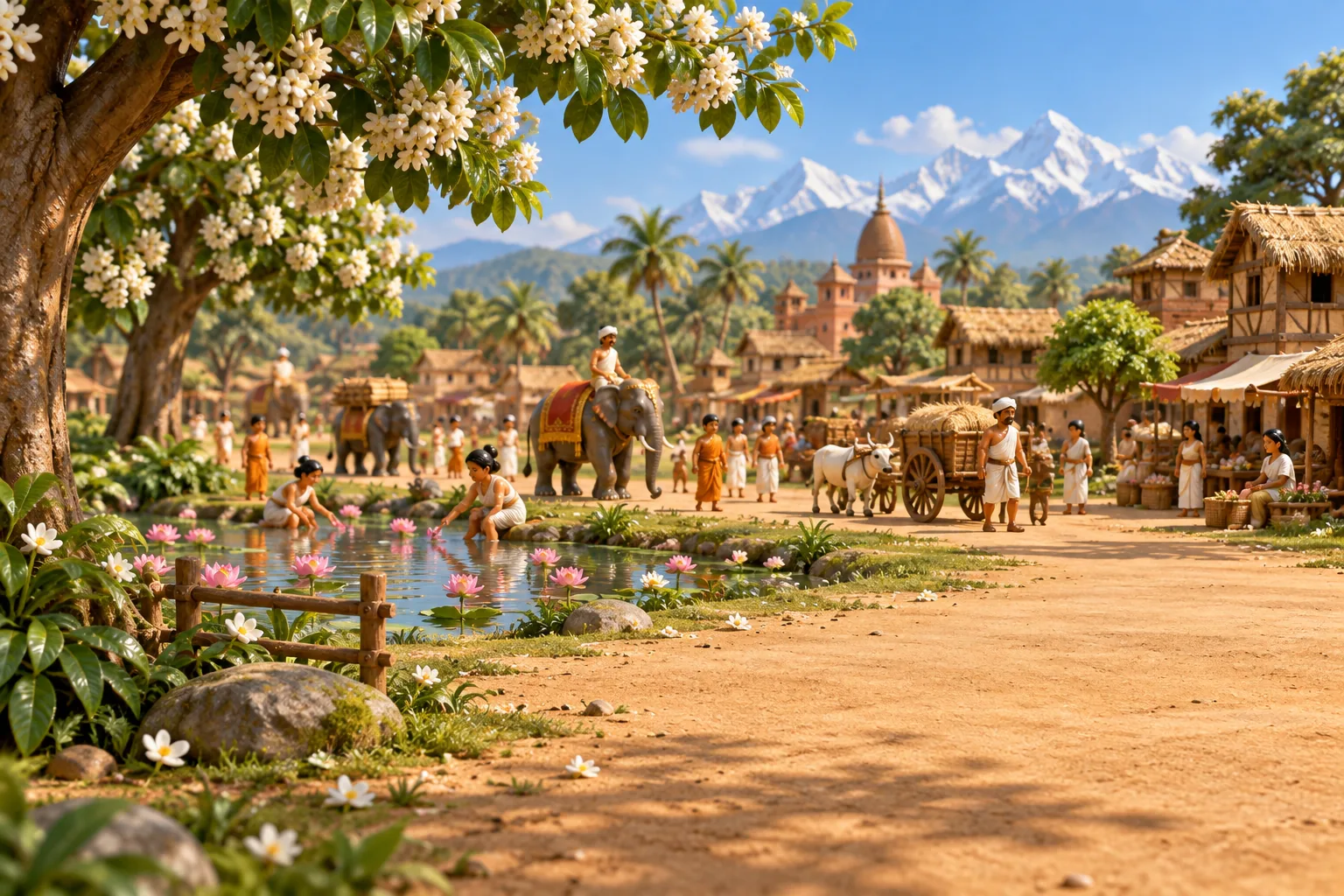 6th or 5th century BC · Lumbini, NepalThe BuddhaA young man of the Shakya clan walked away from a comfortable home to find an end to suffering, and his answer became one of the world's great religions.
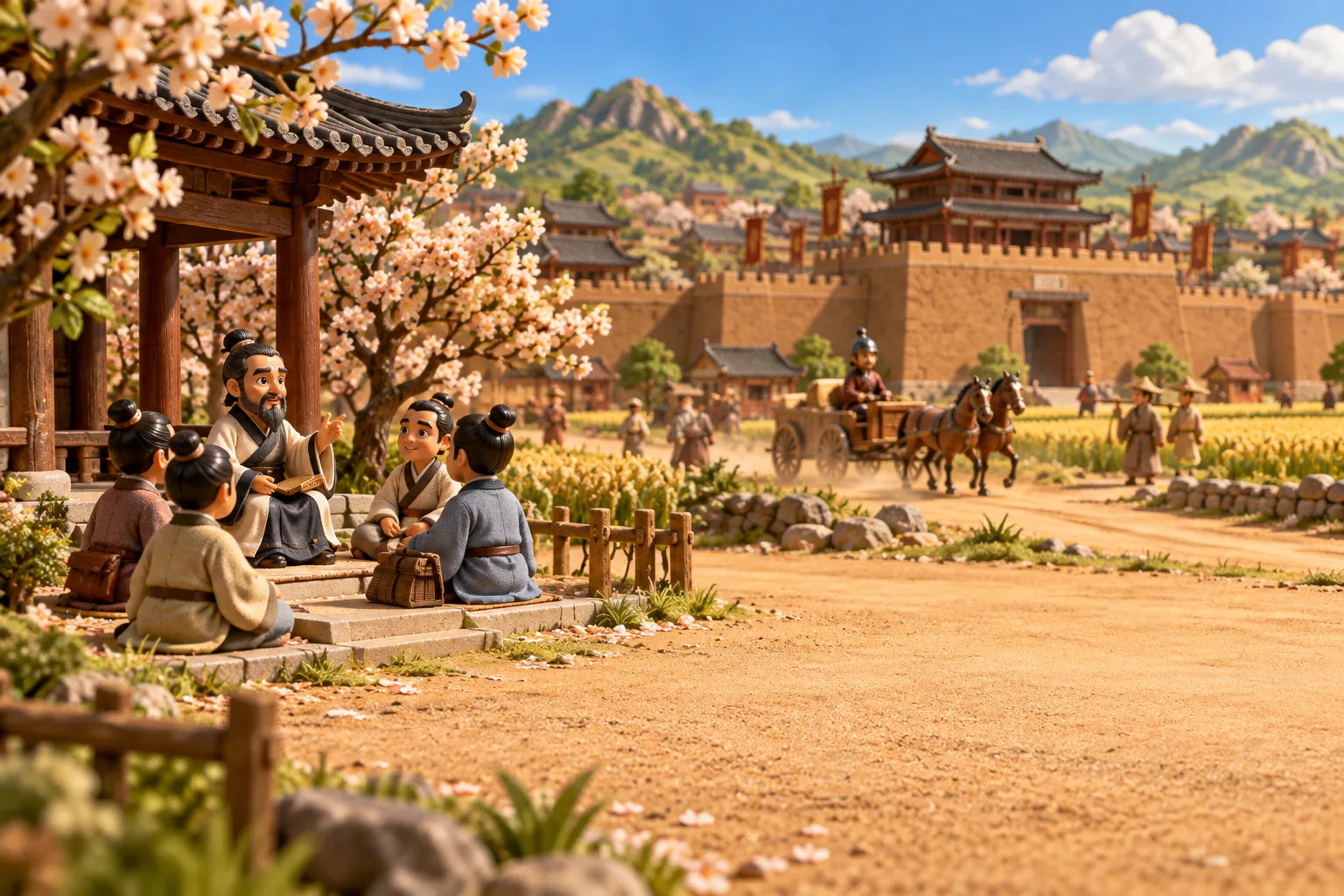 c. 551–479 BC · Qufu, state of Lu (Shandong), ChinaConfuciusHe failed as a politician, wandered for years looking for a ruler who would listen, and called himself a mere transmitter who invented nothing.
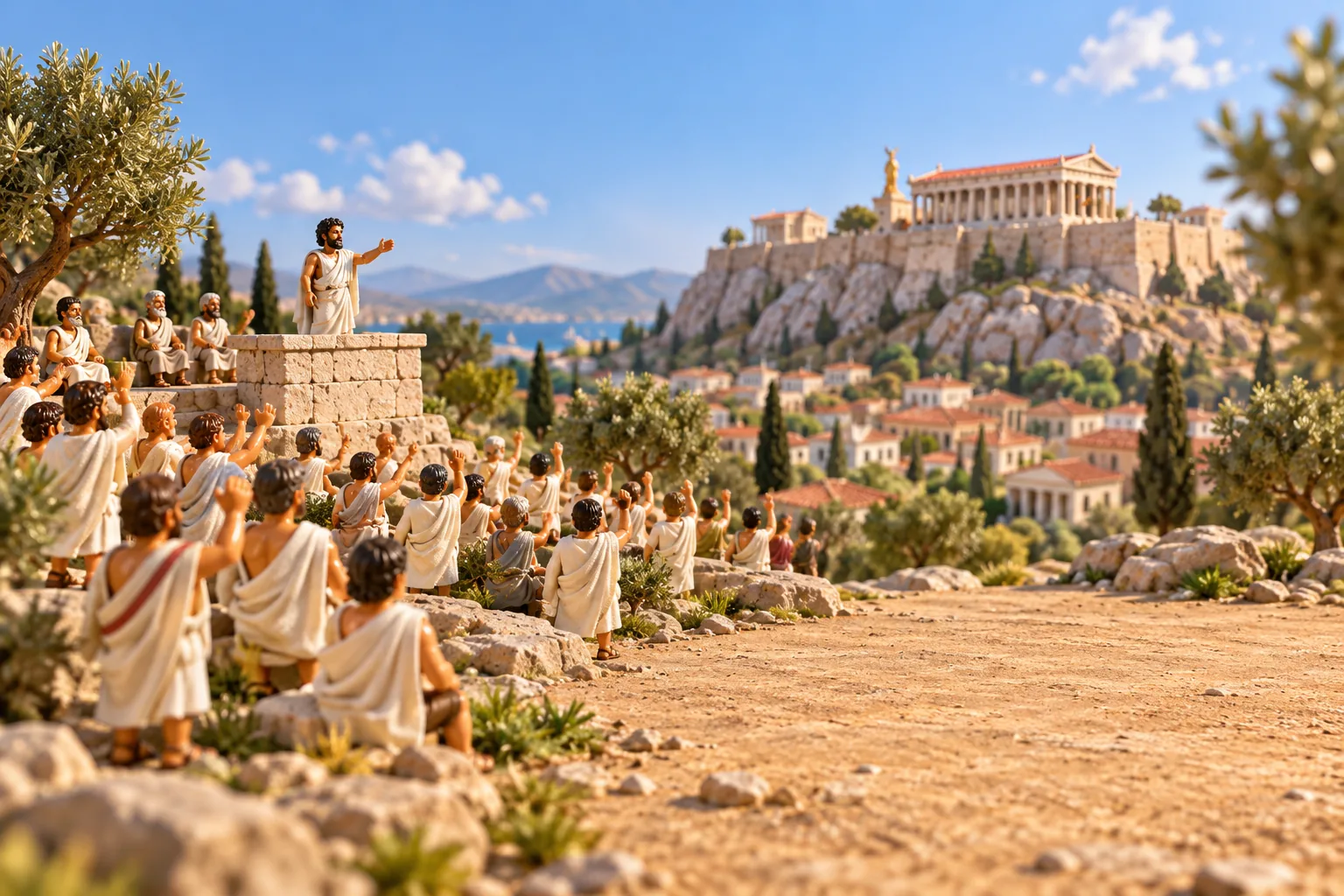 508–507 BC · Athens, GreeceAthenian democracyIn Athens, citizens who dawdled in the market on assembly day were rounded up with a rope dipped in red paint, and anyone caught with red on his clothes was fined.
Antiquity 500 BC to AD 500
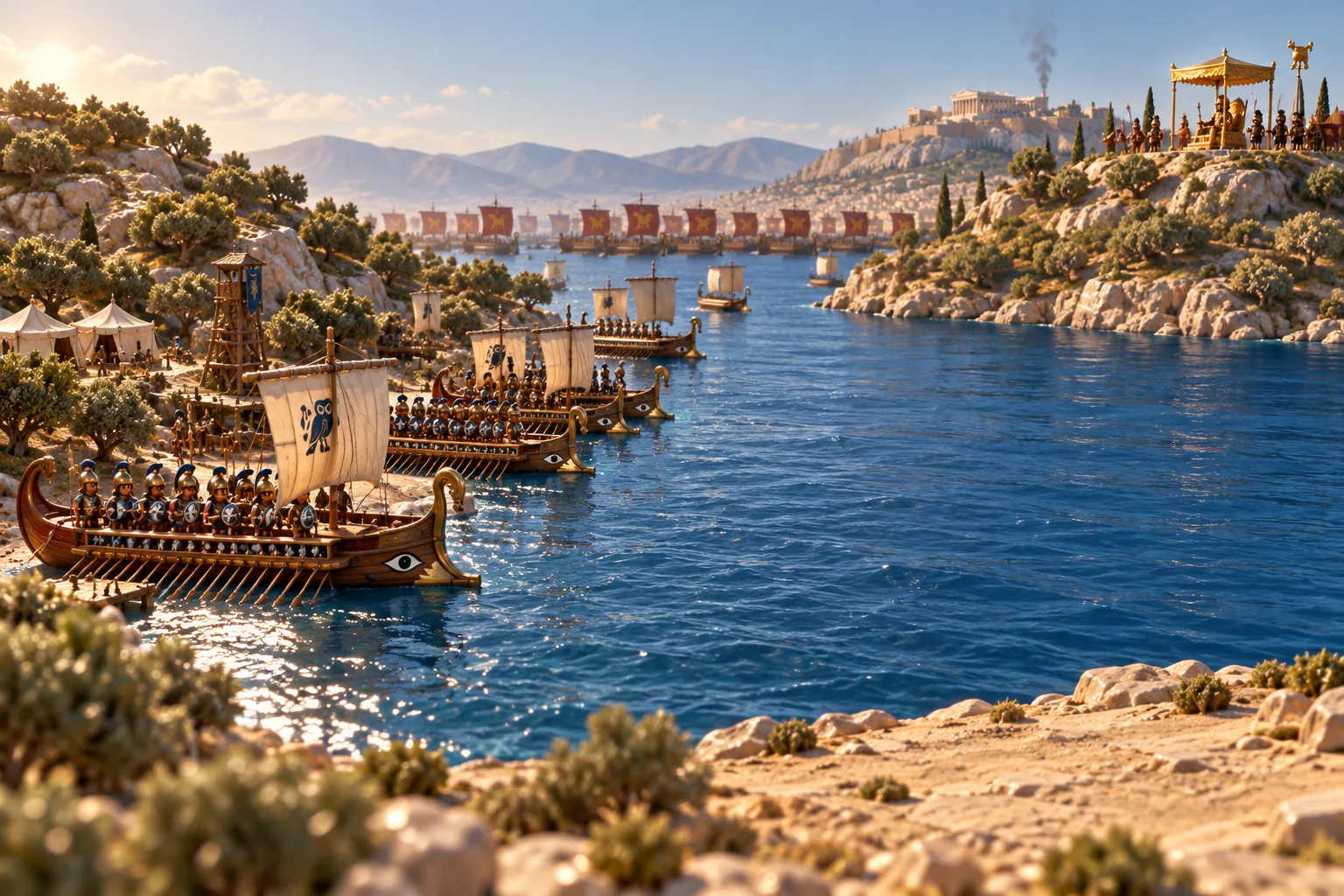 499–449 BC · Strait of Salamis, Greece (decisive sea battle)Greco-Persian WarsA lucky strike of silver in the mines of Athens paid for a new fleet just three years before the largest army of the ancient world marched into Greece.
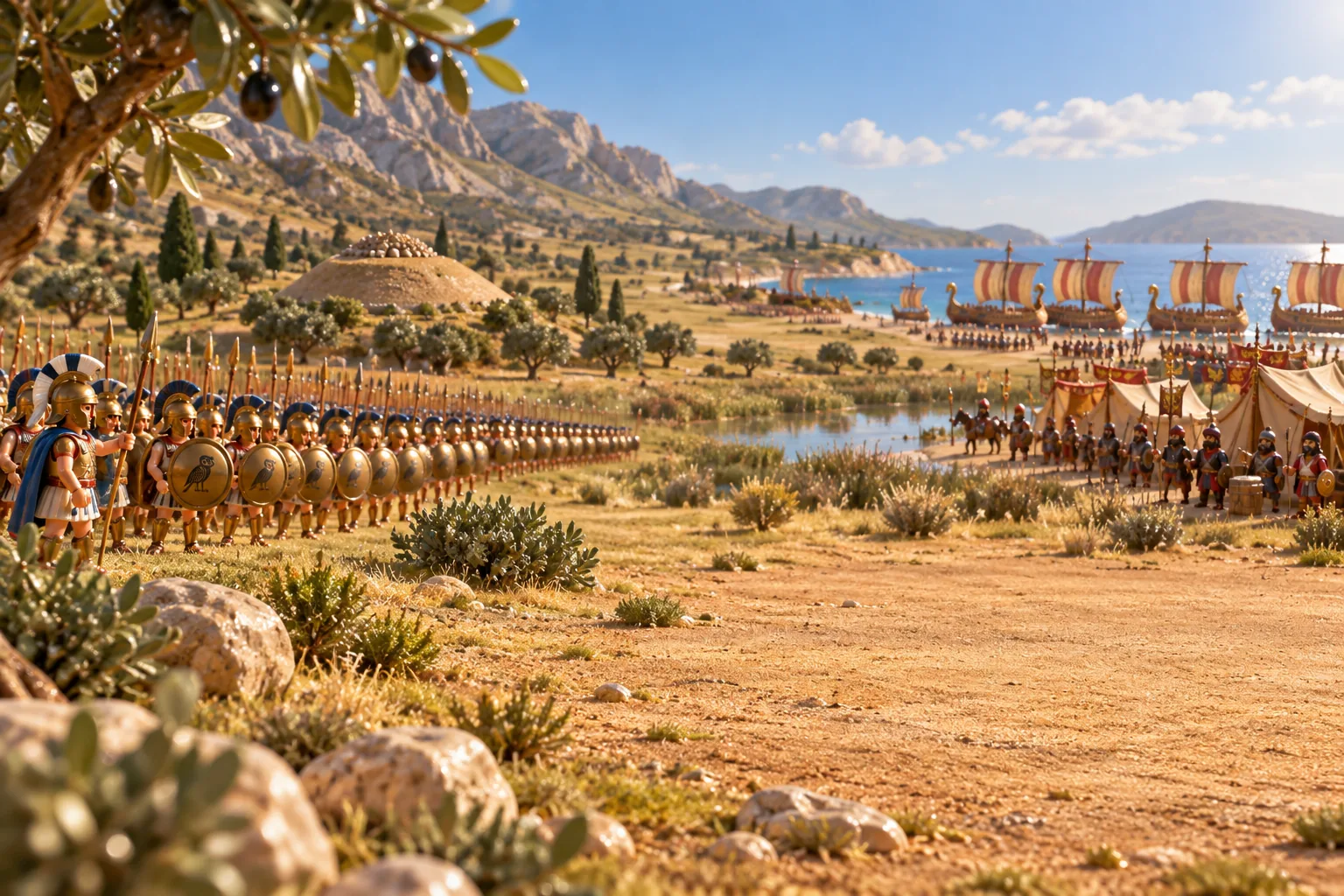 c. 12 September 490 BC · Plain of Marathon, Attica, GreeceBattle of MarathonAthens faced the Persian Empire with no help from Sparta, and won so clearly that the Spartans arrived only to tour the battlefield.
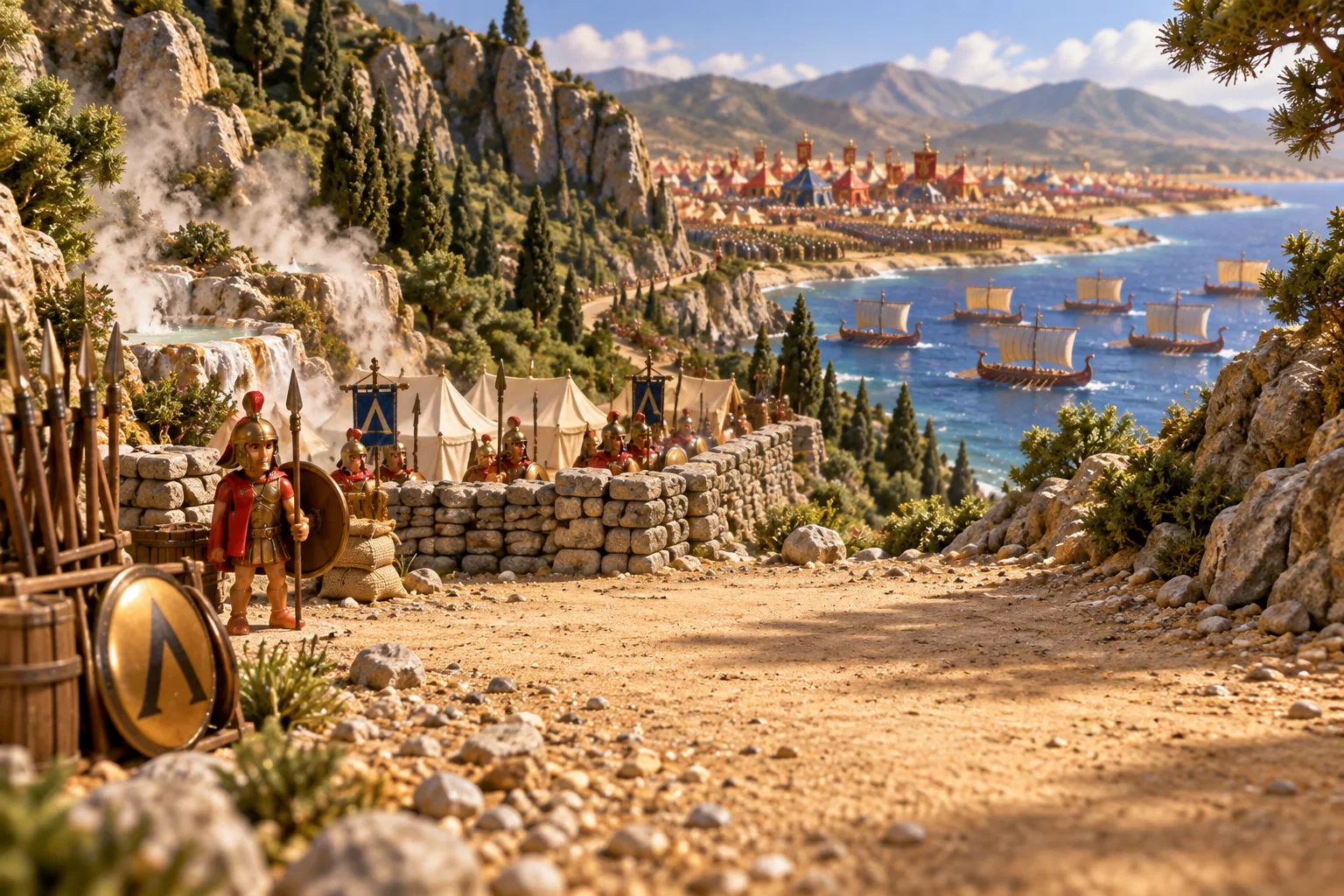 August or September 480 BC · Pass of Thermopylae, GreeceBattle of ThermopylaeA narrow road between a mountain and the sea, a few thousand Greeks, and the largest army they had ever seen.
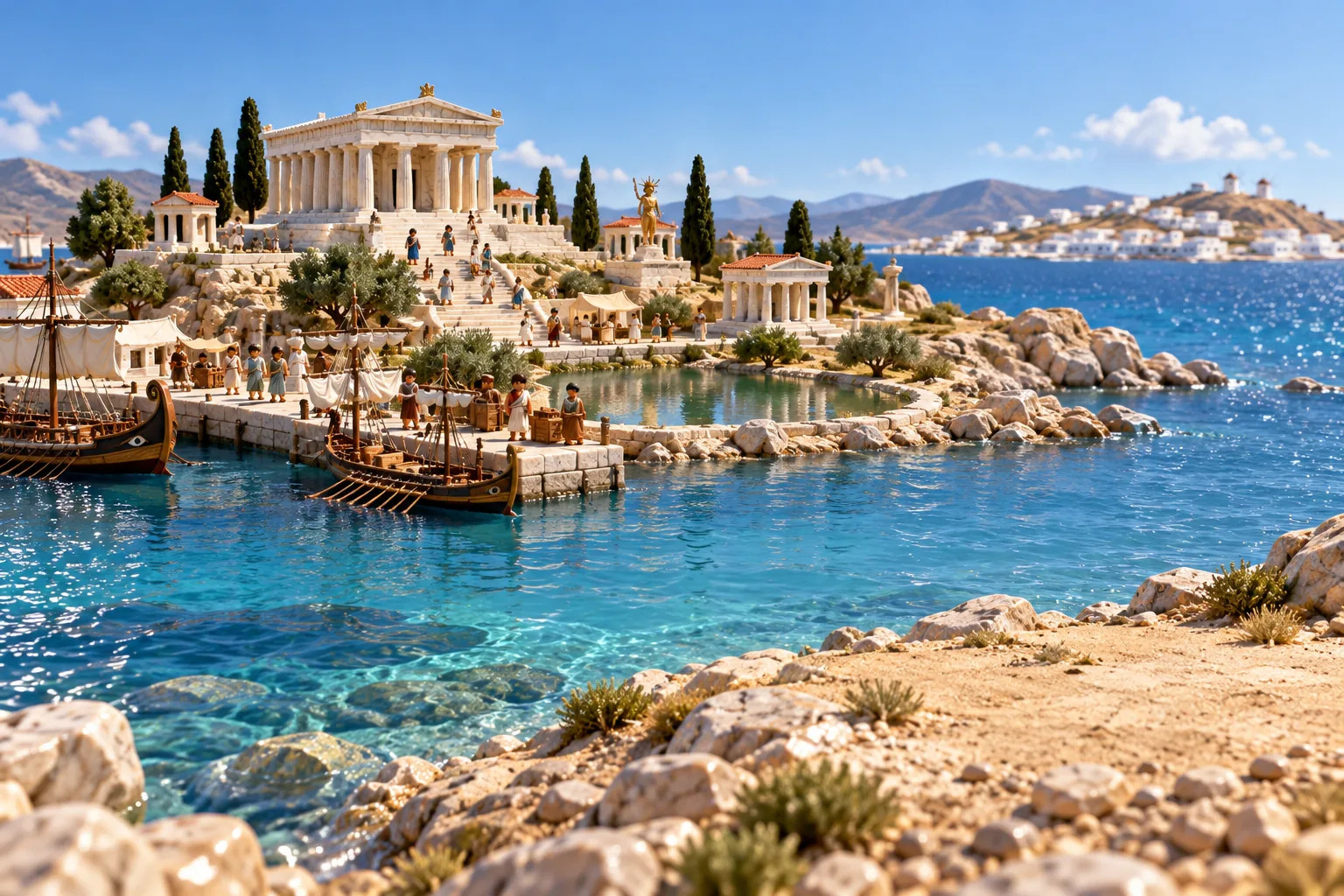 478–404 BC · Delos, Cyclades, GreeceDelian LeagueTo seal their alliance for ever, the Greek cities dropped lumps of iron into the sea; within a generation the alliance had become an empire.
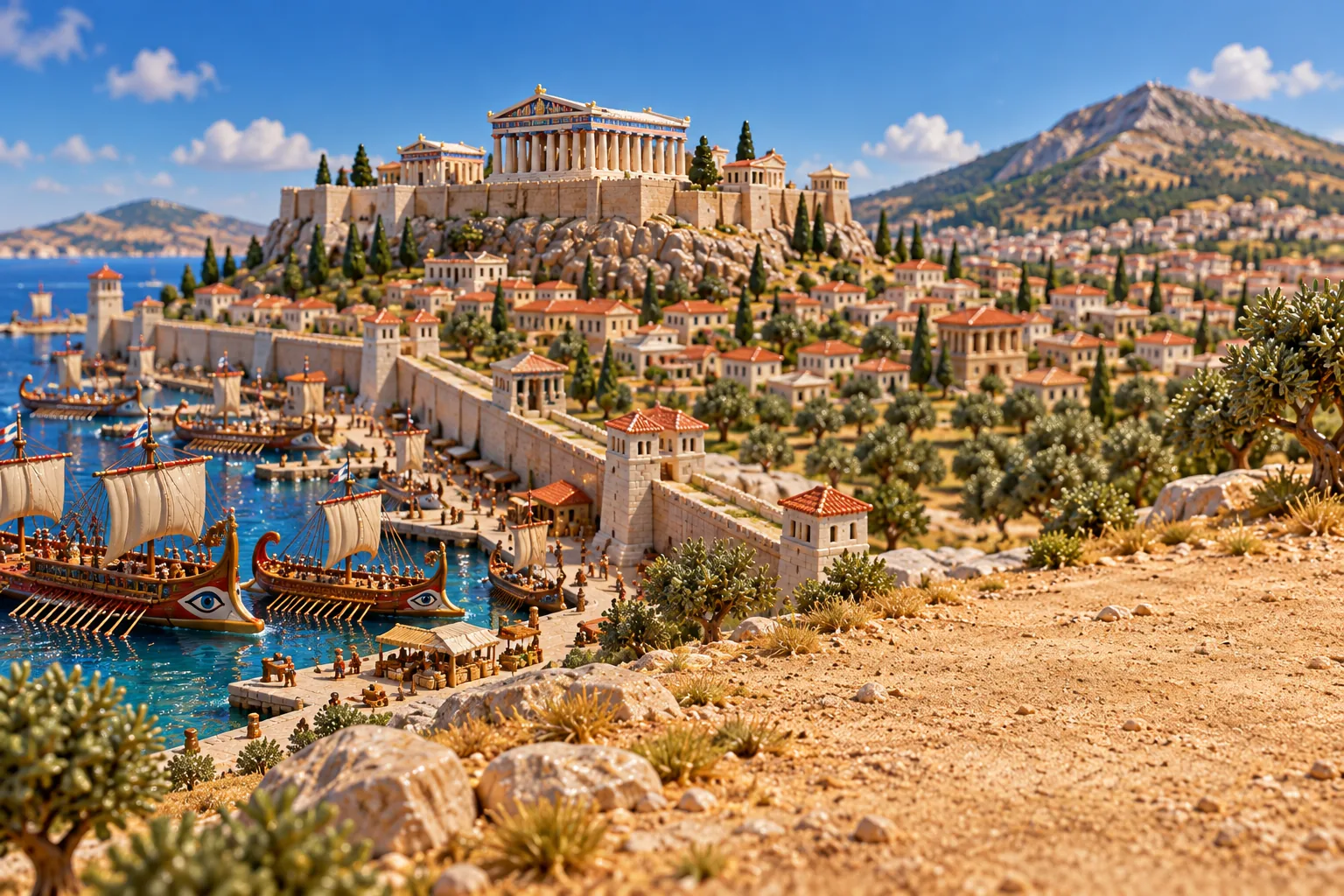 431–404 BC · Athens, GreecePeloponnesian WarThe strongest navy and the strongest army in Greece fought for 27 years, and the war ended the golden age of the city that built the Parthenon.
 334–323 BC · Hellespont, near Troy, TurkeyAlexander the GreatA young king who had read the Iliad under Aristotle crossed into Asia and did not stop until his own soldiers refused to go further.
 1 October 331 BC · Gaugamela, north of Arbela (Erbil), northern IraqBattle of GaugamelaThe Persian king had the battlefield levelled flat for his scythed chariots, and the Macedonians simply opened their ranks and let the chariots run through.
 327–325 BC (Battle of the Hydaspes, July 326 BC) · Hydaspes (Jhelum) River, Punjab, PakistanAlexander in IndiaAlexander believed the edge of the world lay only about 1,000 km ahead, but his own soldiers refused to take him there.
 323–272 BC · Babylon, MesopotamiaDiadochiAlexander left an empire from Greece to India and no grown heir, and the men who had shared his tents spent fifty years tearing it apart.
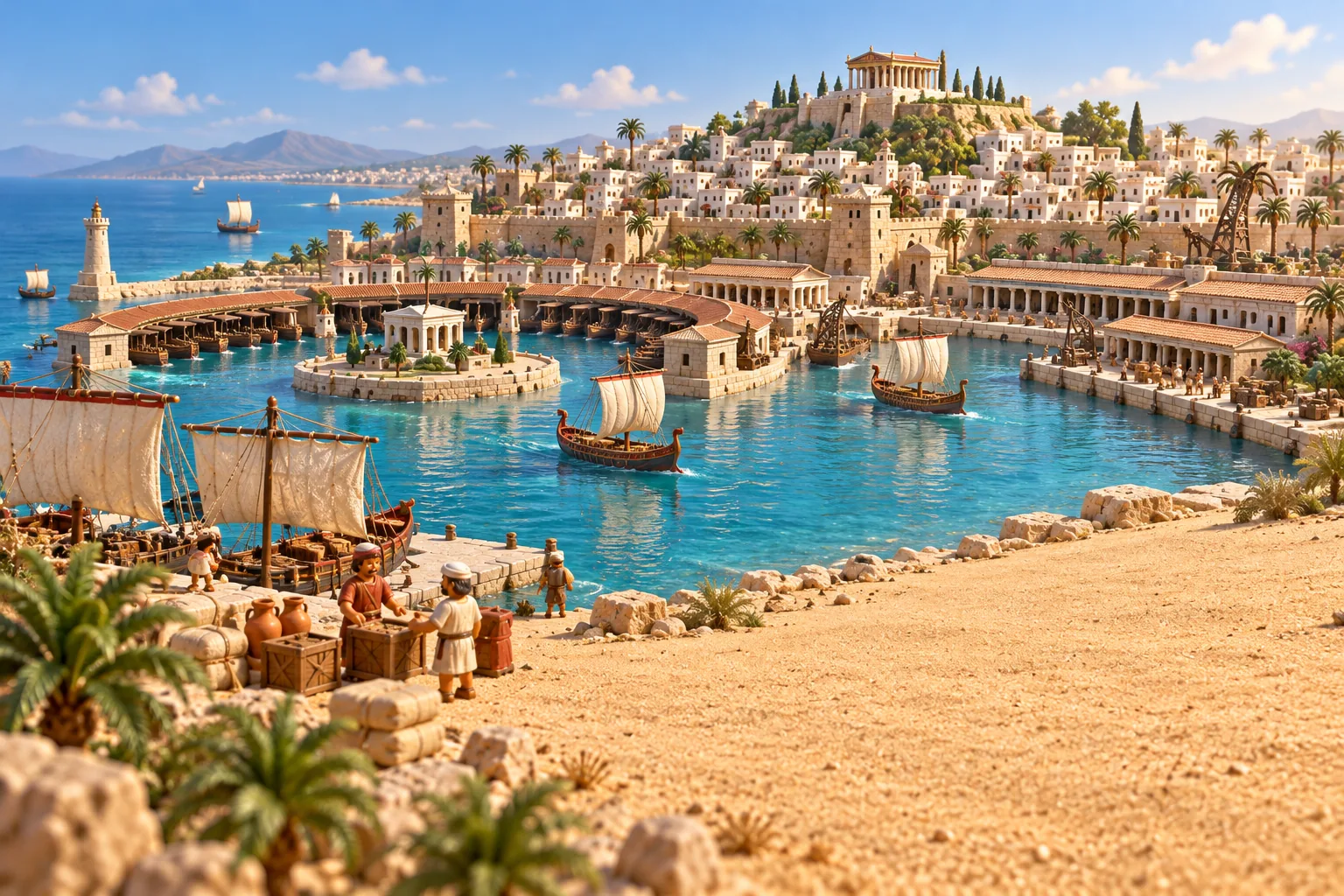 264–146 BC · Carthage, near Tunis, TunisiaPunic WarsRome began the struggle with no navy at all, and built its first real war fleet by copying a wrecked Carthaginian warship.
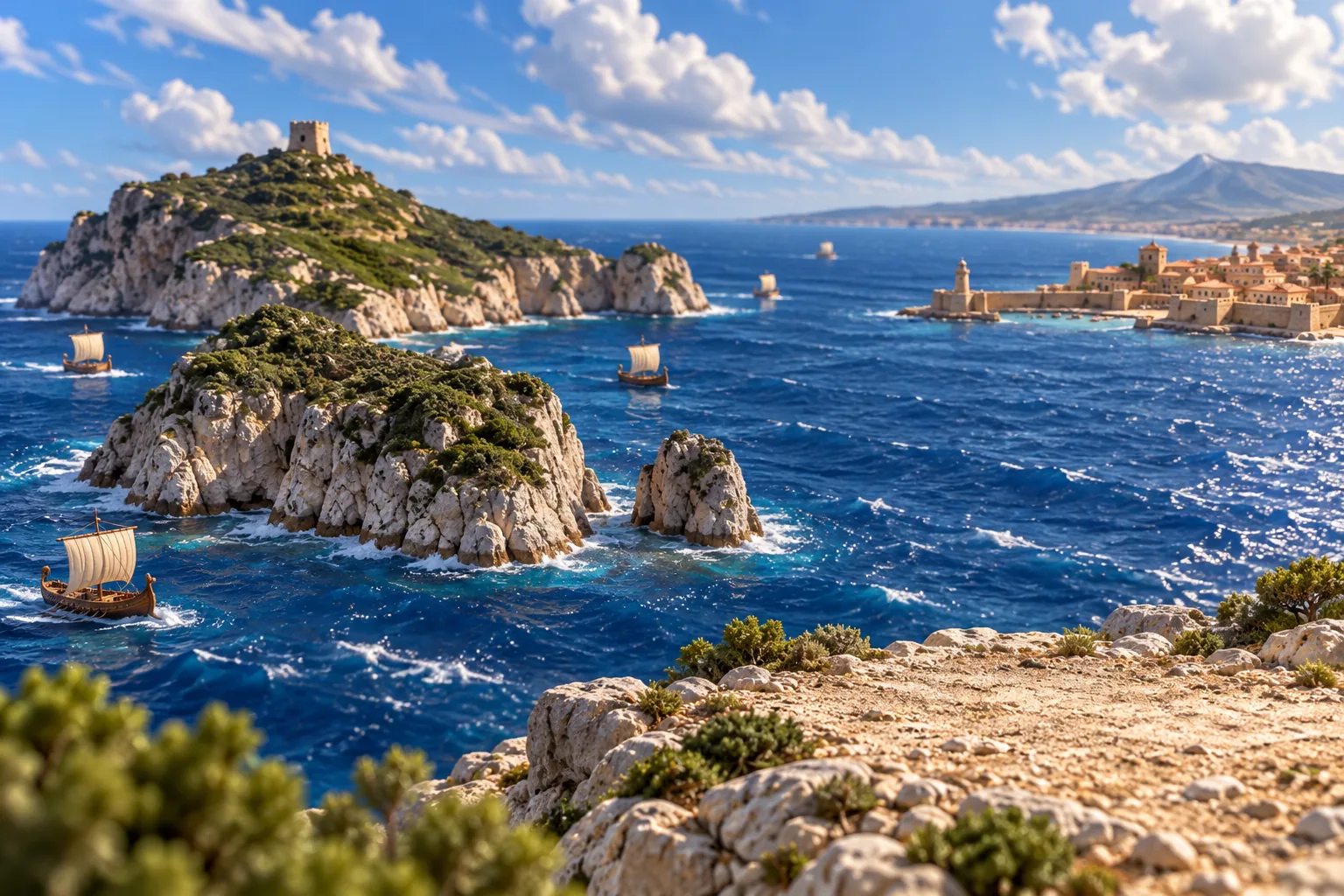 264–241 BC · Sicily and the Aegates Islands, central MediterraneanFirst Punic WarRome lost more than 100,000 men to a single storm, rebuilt its fleet again and again, and in the end beat the greatest sea power of its day.
 221–210 BC · Xianyang, ChinaFirst emperor of ChinaHe survived an assassin's dagger hidden in a rolled-up map, conquered six kingdoms and invented a title that Chinese rulers would use for two thousand years.
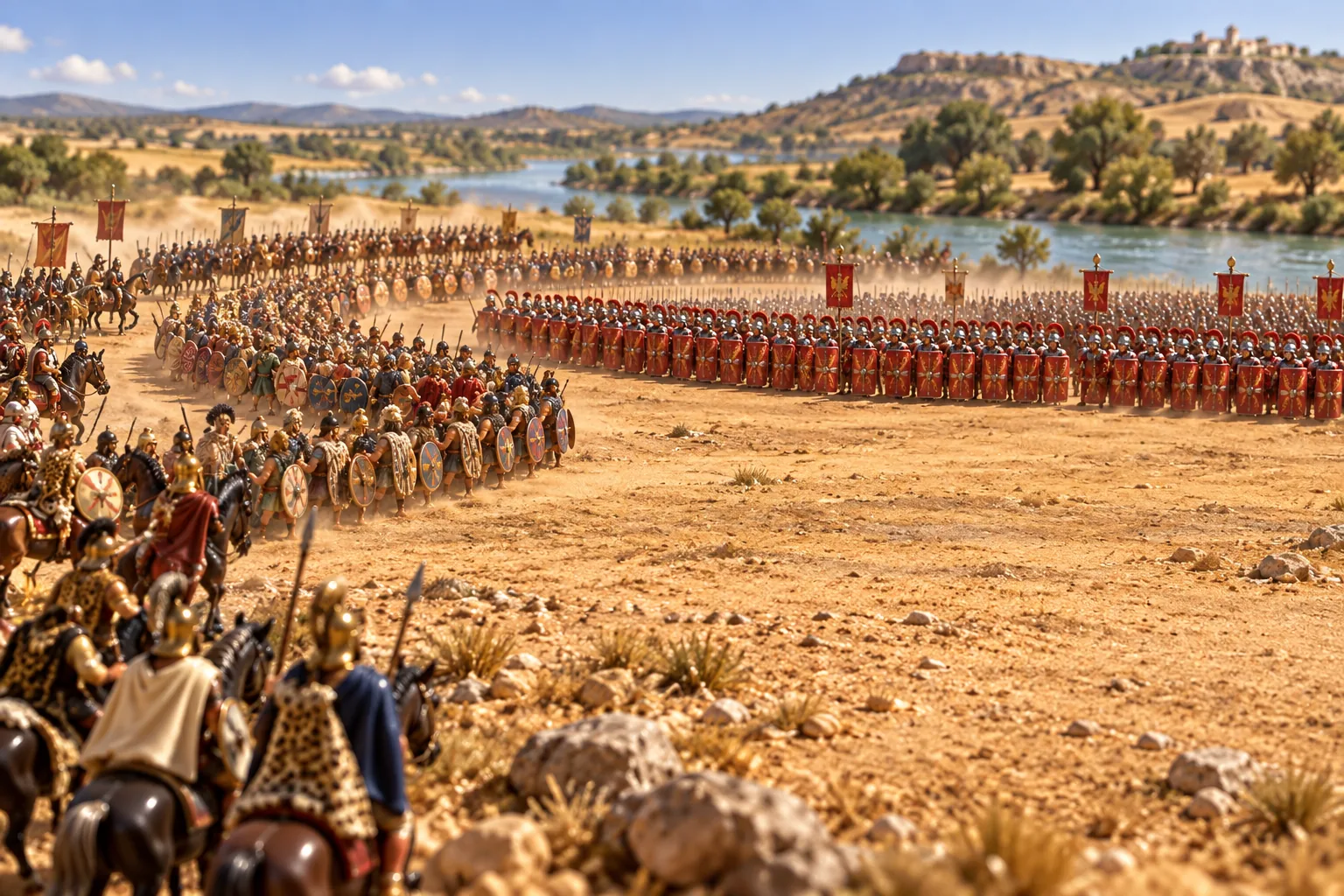 2 August 216 BC · Cannae, Apulia, ItalyBattle of CannaeHannibal let the Roman legions push deep into his line, then closed it around them like a fist, and by nightfall one of the largest armies Rome had ever raised was gone.
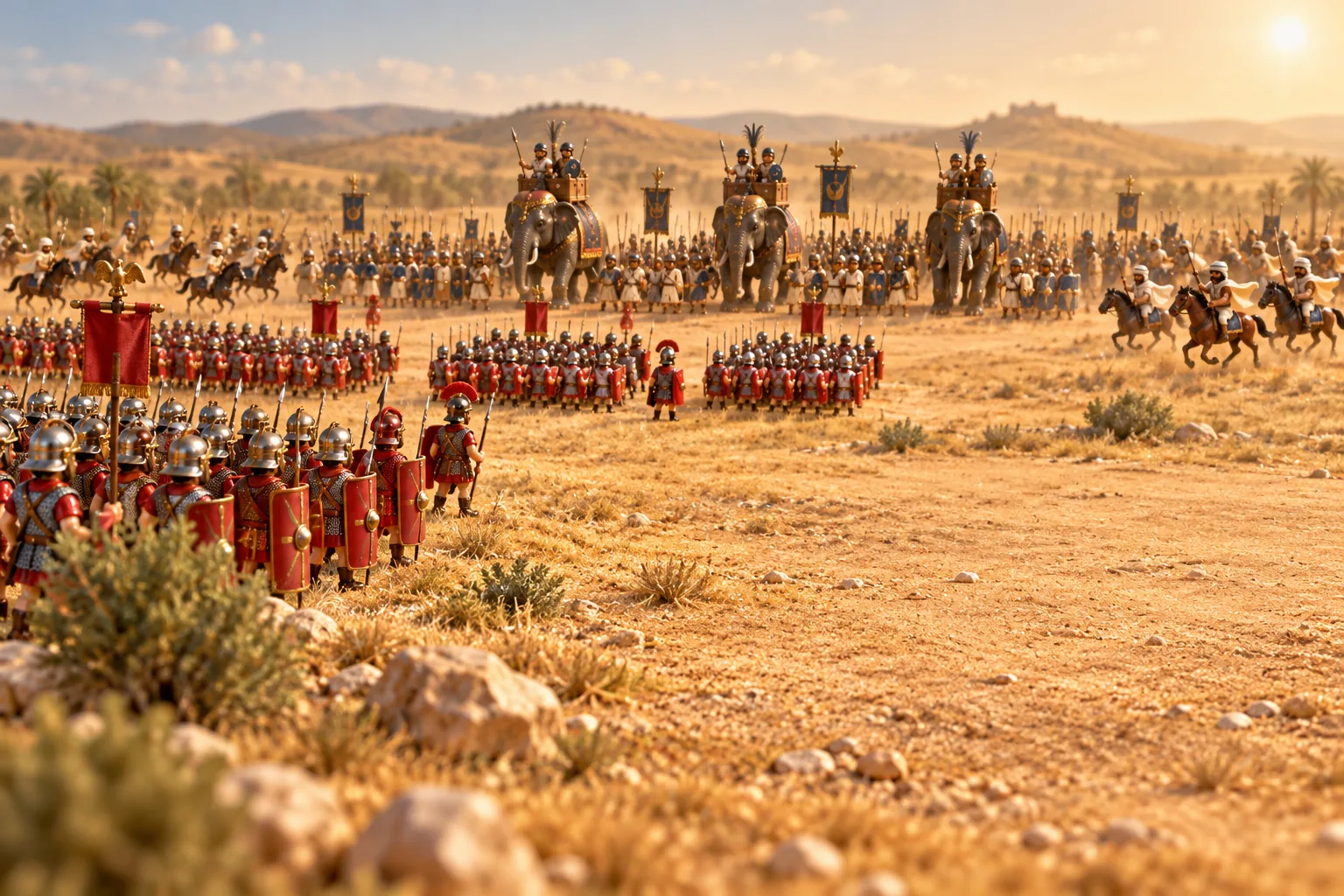 202 BC · Near Zama, present-day TunisiaBattle of ZamaAfter 16 years of fighting in Italy, Hannibal was called home to defend Carthage and lost the war in a single battle.
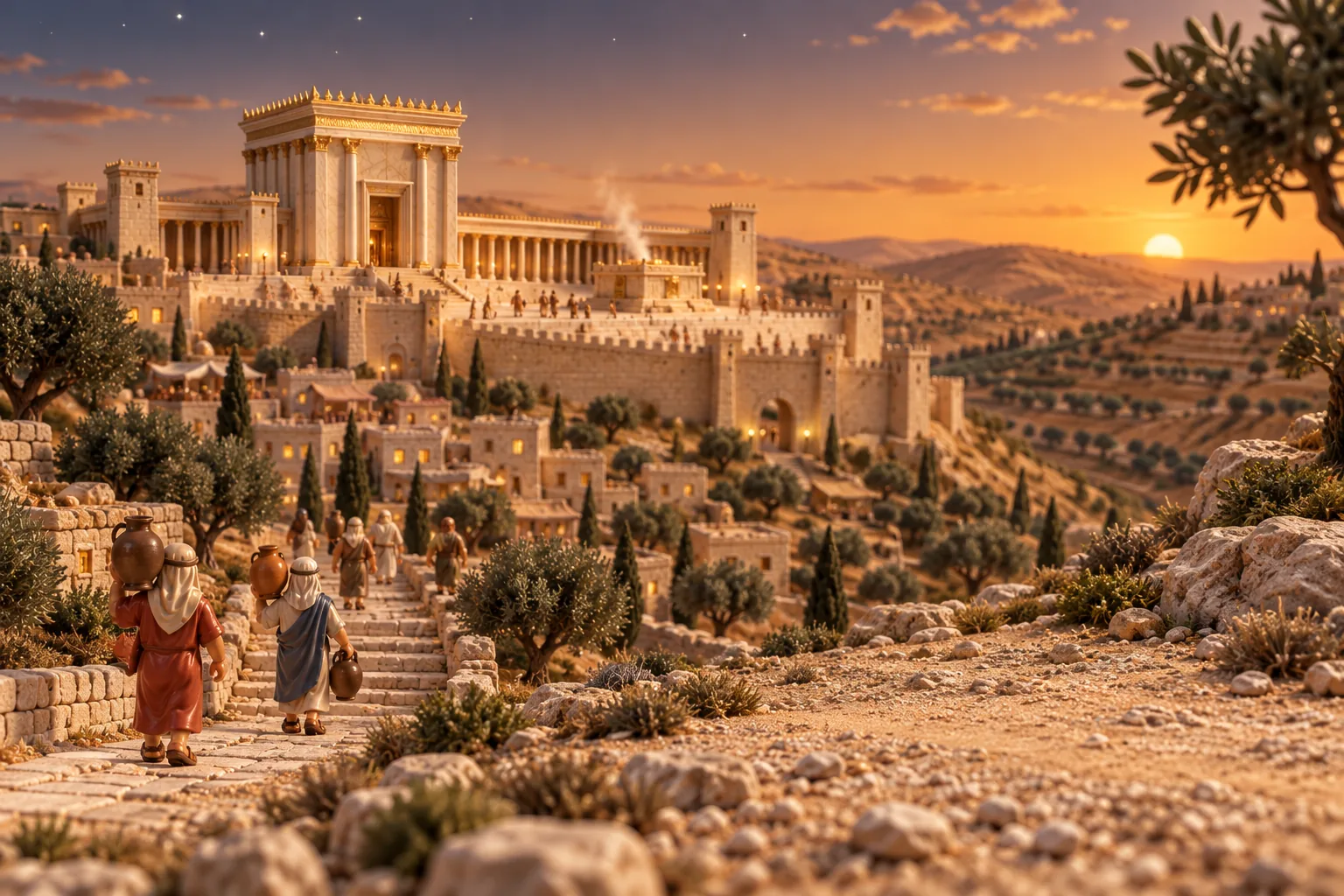 167–160 BC · Judea: Modein, the Judean hills and JerusalemMaccabean RevoltA country priest refused to sacrifice to the Greek gods, fled to the hills with his five sons, and started a war that a festival still remembers.
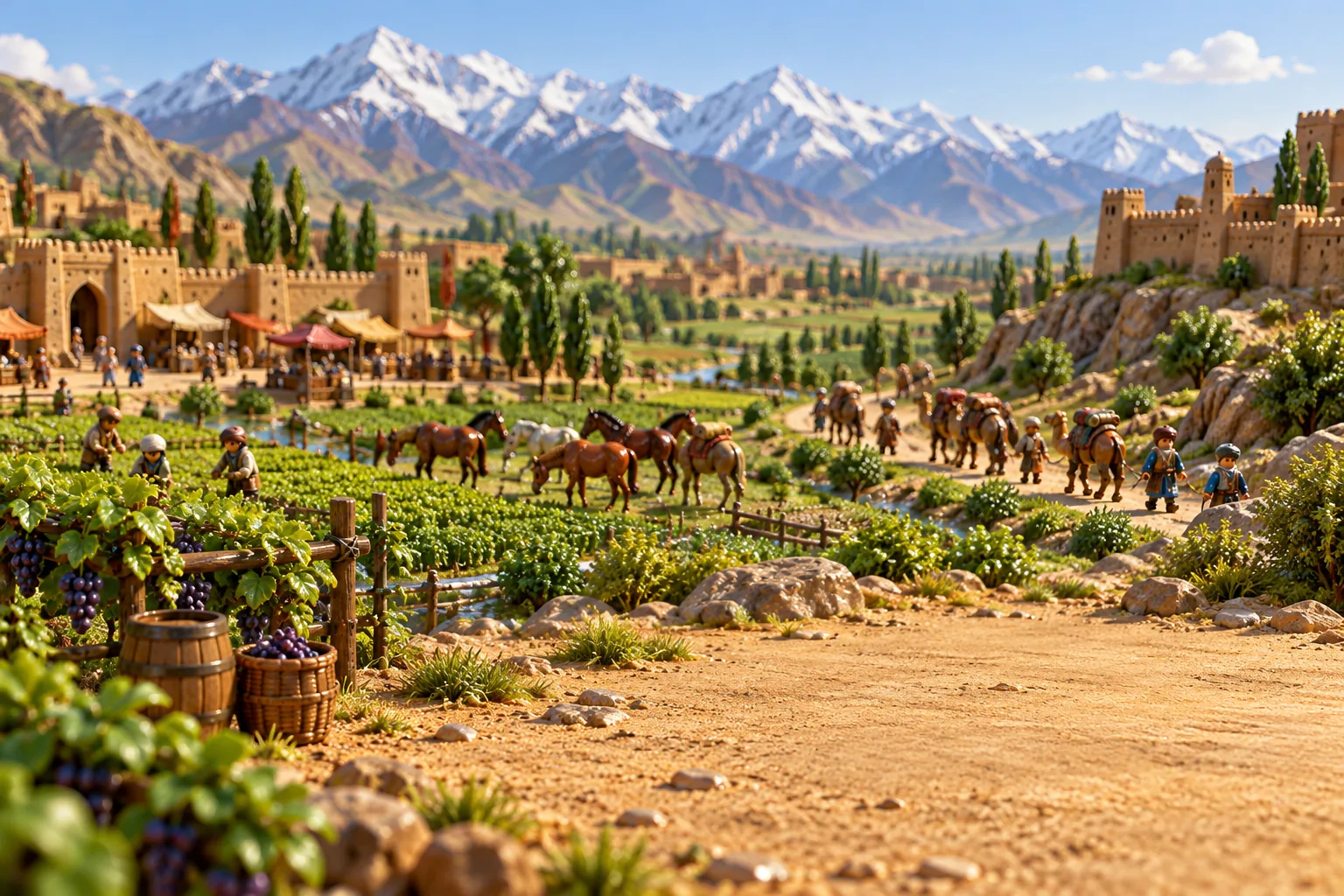 c. 130 BC · Central Asia (Fergana and Sogdiana)The Silk RoadThe man who opened China to the West set out with about a hundred companions, spent thirteen years as a slave of the nomads, and came home with just one.
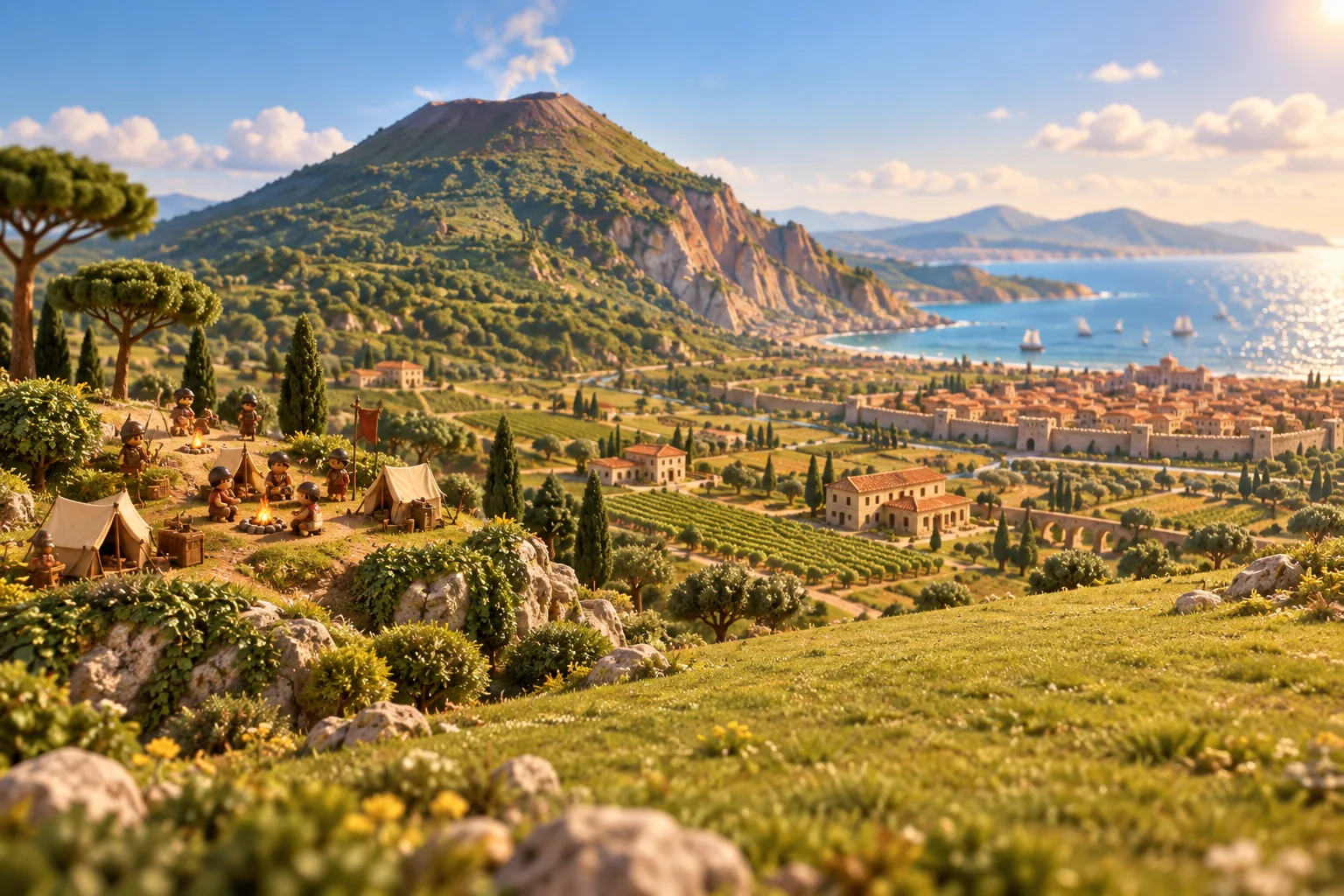 73–71 BC · Capua and Mount Vesuvius, Campania, ItalyThird Servile War (Spartacus revolt)Seventy gladiators armed with kitchen knives and spits broke out of their school, and within two years about 120,000 people had joined them.
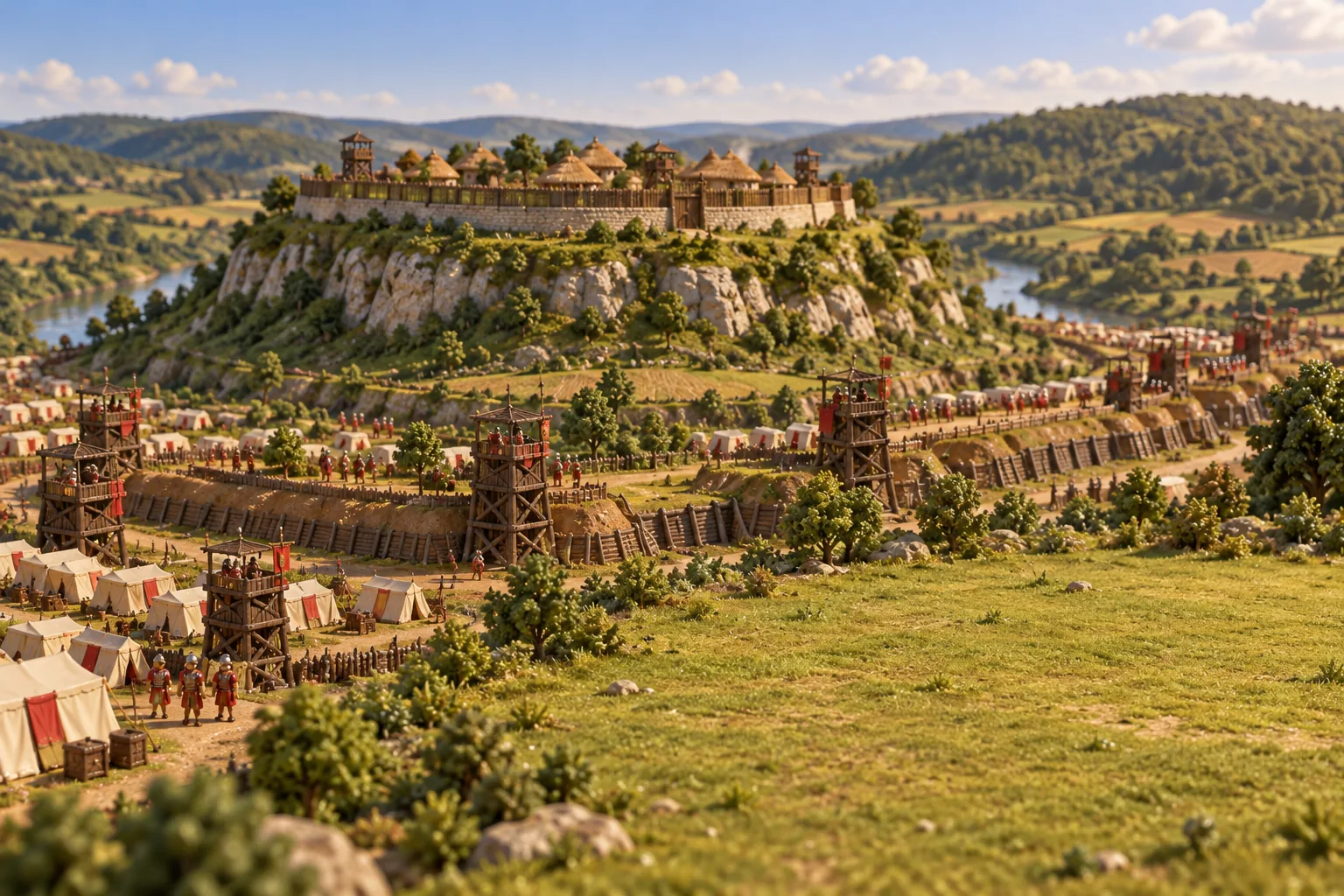 58–50 BC · Gaul; the decisive siege at Alesia, Burgundy, FranceGallic WarsCaesar went to Gaul deep in debt and came back rich, famous and ready to take Rome itself.
 54 BC – AD 628 · Mesopotamia, Armenia and Syria; Ctesiphon, the Persian capital on the TigrisRoman–Persian WarsTwo superpowers fought for almost 700 years over the same strip of rivers and fortress towns, and in the end a third power took the prize from both.
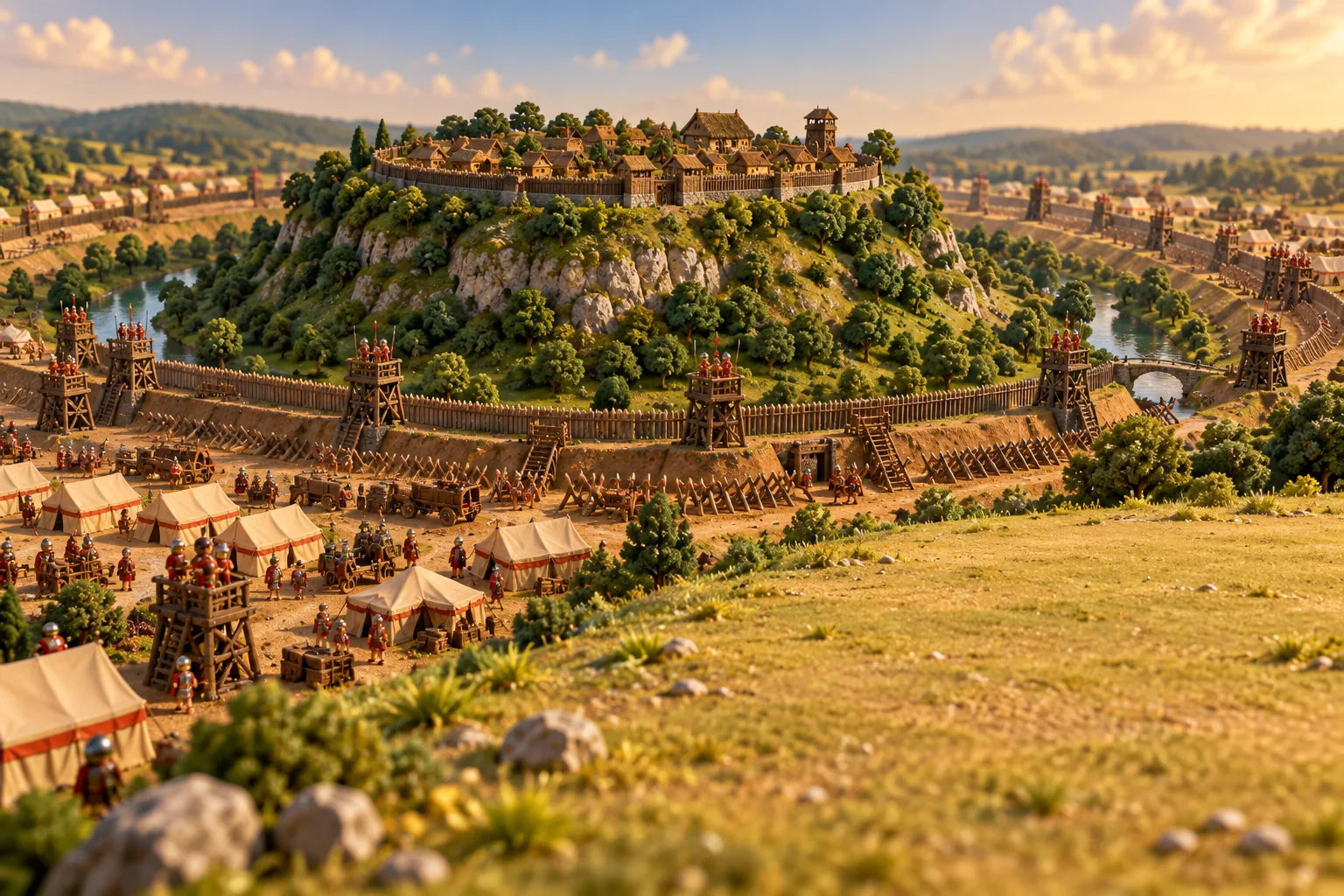 September 52 BC · Mont Auxois, above Alise-Sainte-Reine, Burgundy, FranceBattle of AlesiaCaesar built a wall around his enemy, then a second, longer wall around himself, and fought facing both ways at once.
 51–30 BC · Alexandria, EgyptCleopatraThe last pharaoh of Egypt was a Greek-speaking queen who bet her kingdom on two Roman generals, and lost.
 49–45 BC · Pharsalus, Thessaly, GreeceCaesar's civil warCaesar lost the first big battle against Pompey and nearly lost the last one, yet in four years he won a war fought on three continents.
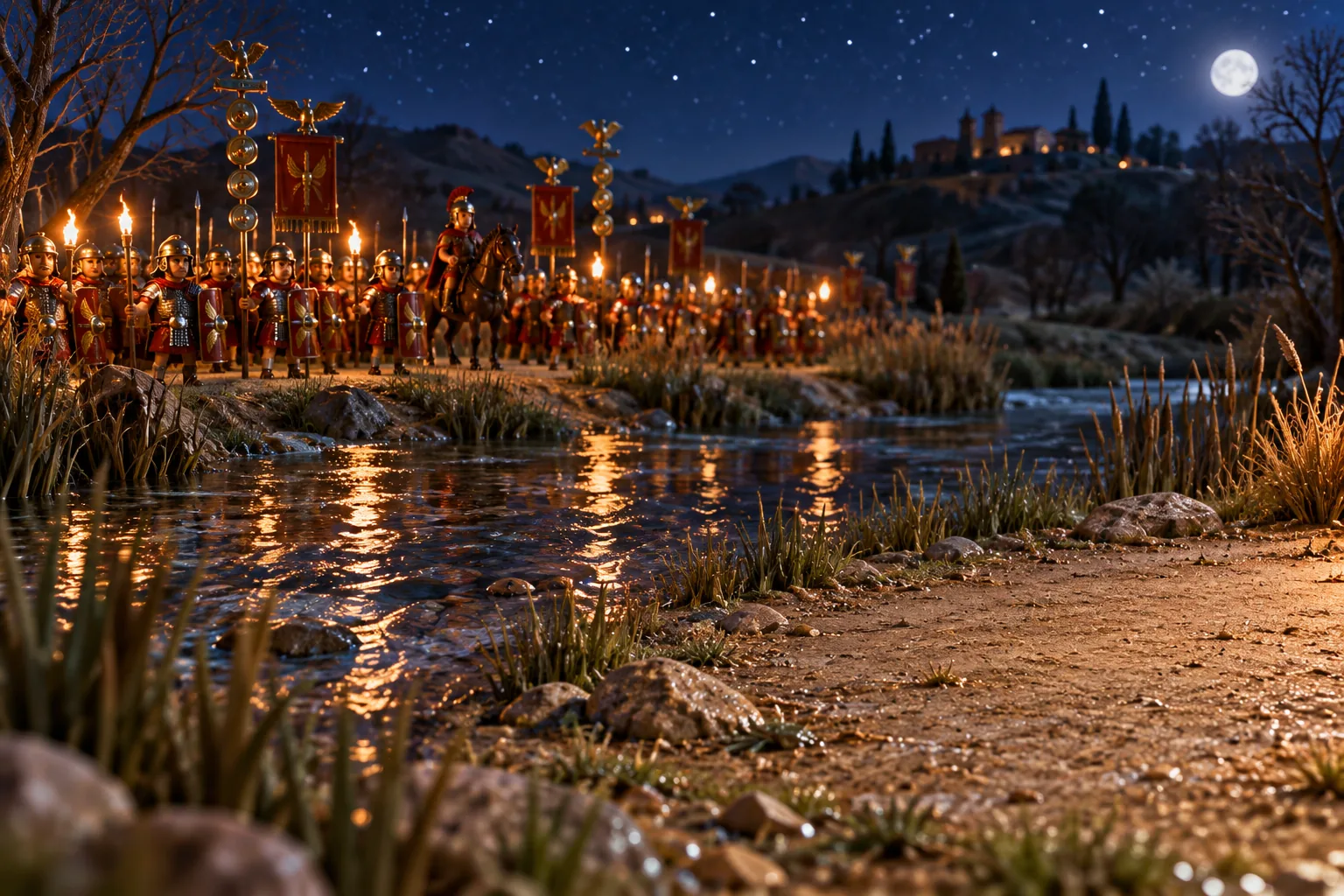 10–11 January 49 BC · Rubicon river, ItalyCaesar crosses the RubiconThe Rubicon was a small stream, but by Roman law any general who led his army across it became an outlaw, and so did every soldier who followed him.
 1 January 45 BC · Rome, ItalyJulian calendarTo set the calendar right, Julius Caesar made the year 46 BC last 445 days.
 15 March 44 BC · Curia of Pompey, RomeMurder of CaesarAbout sixty senators killed Julius Caesar to save the Republic, and seventeen years later Rome had an emperor instead.
 27 November 43 BC · Rome, ItalySecond TriumvirateThree rivals who had been at war months earlier sat down together, divided the Roman world, and then traded the lives of their own friends and relatives.
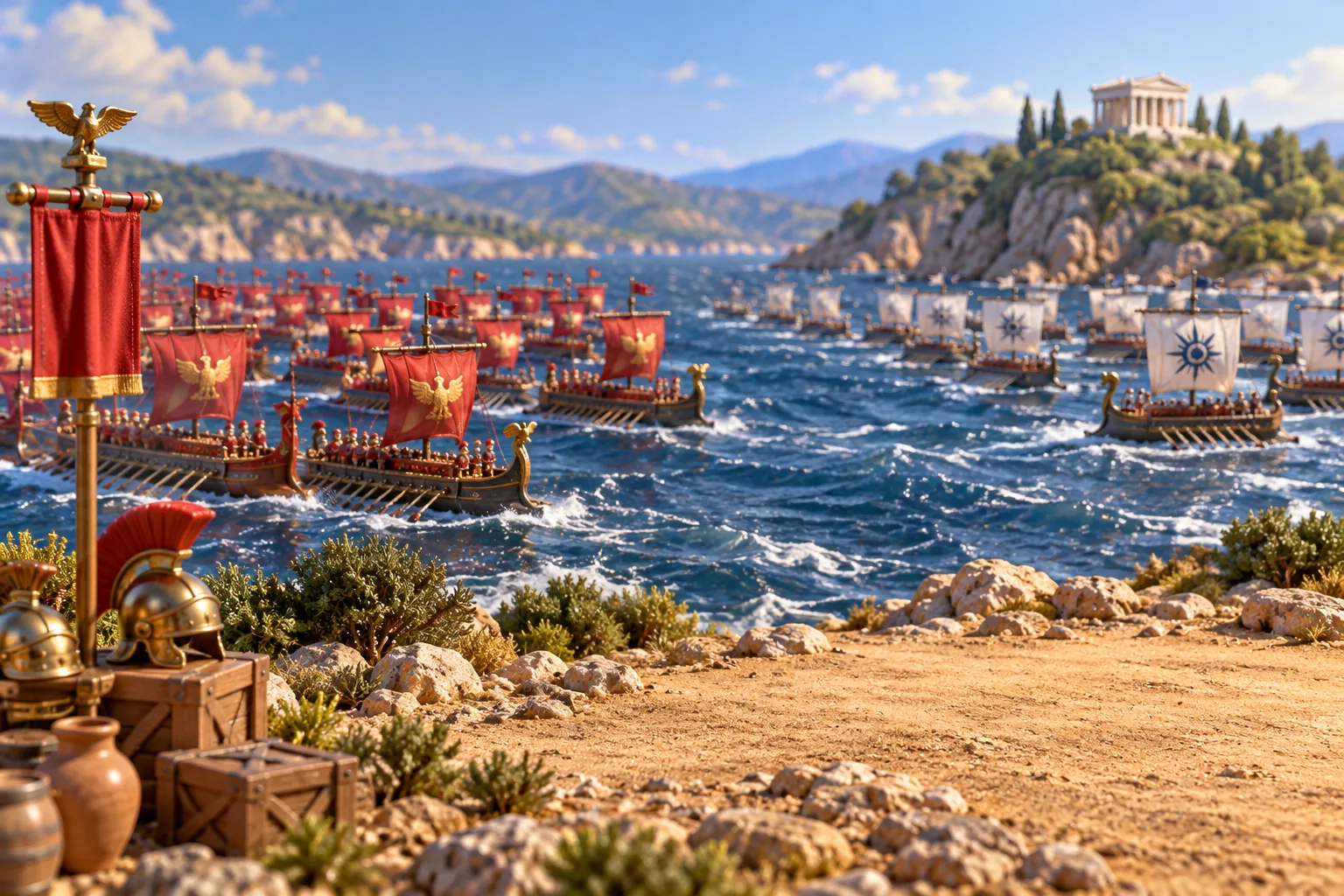 2 September 31 BC · Off Actium, Ionian Sea, GreeceBattle of ActiumIn the middle of the battle that would decide who ruled Rome, Cleopatra's ships hoisted their sails and left, and Antony followed her.
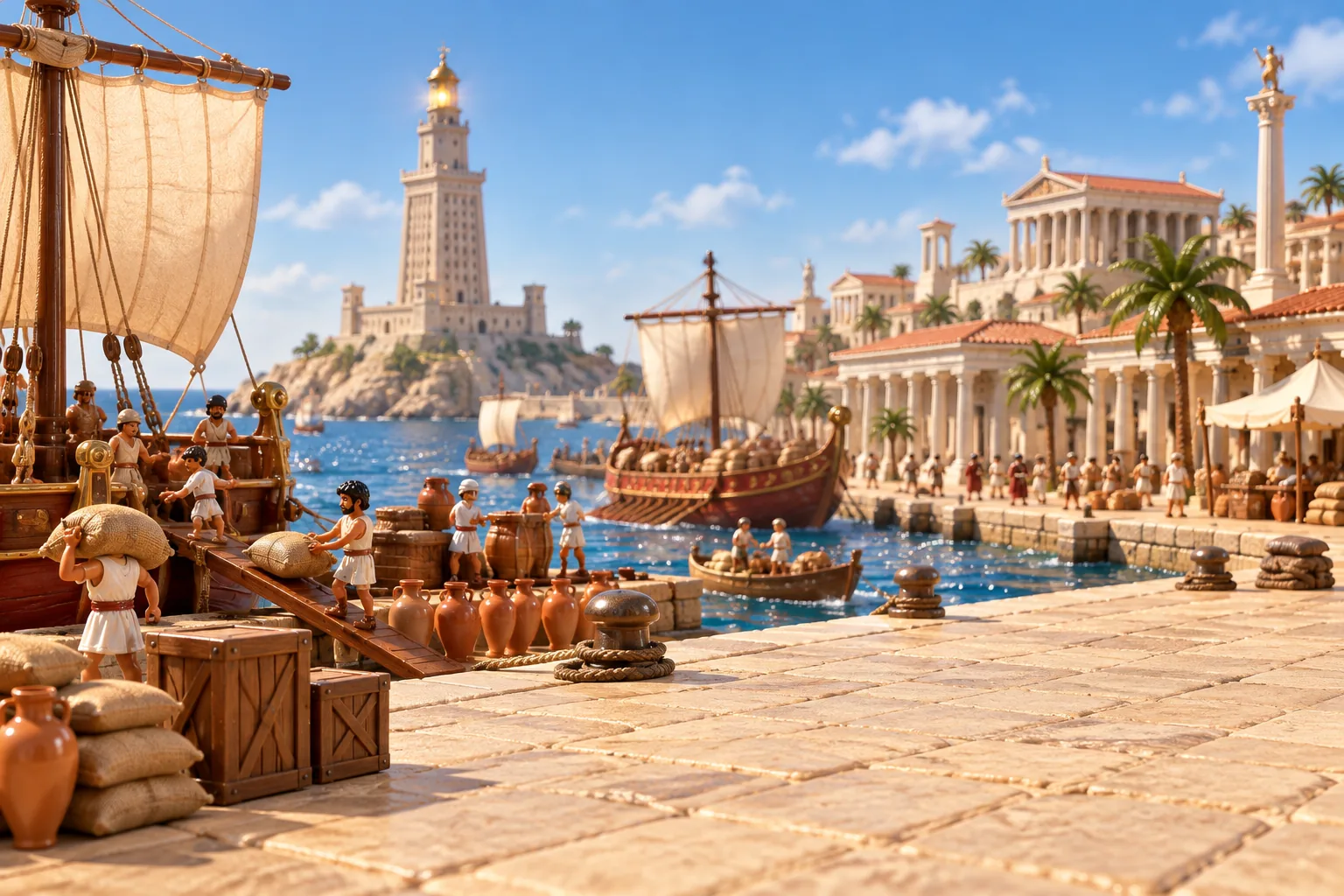 30 BC – AD 642 · Alexandria, EgyptRoman EgyptFor more than six centuries the land of the pharaohs was a Roman province, and Rome's emperors ruled it as pharaohs.
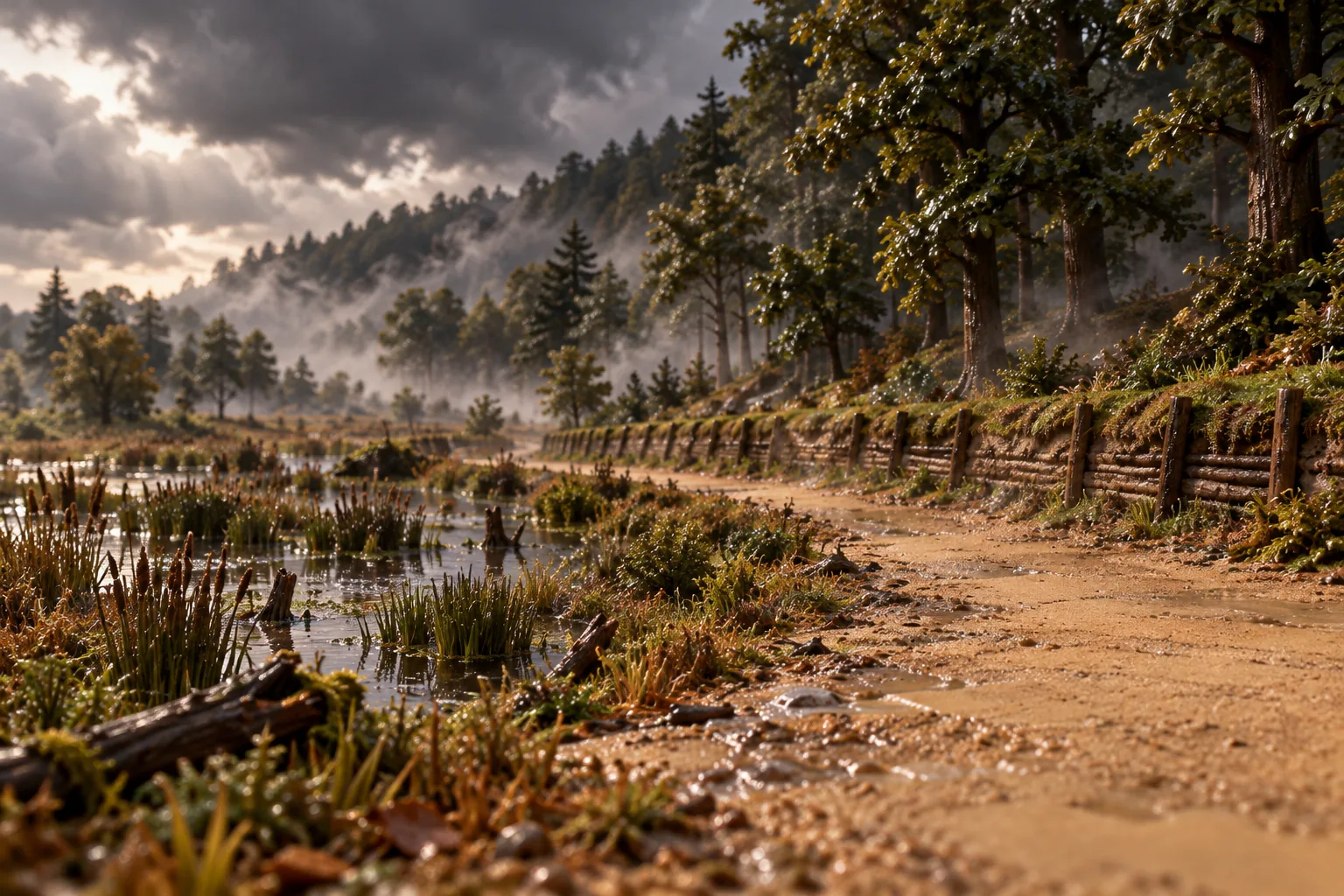 8–11 September AD 9 · Kalkriese, near Osnabrück, GermanyBattle of the Teutoburg ForestThe man who led three Roman legions to their doom was a Roman citizen trained by Rome's own army.
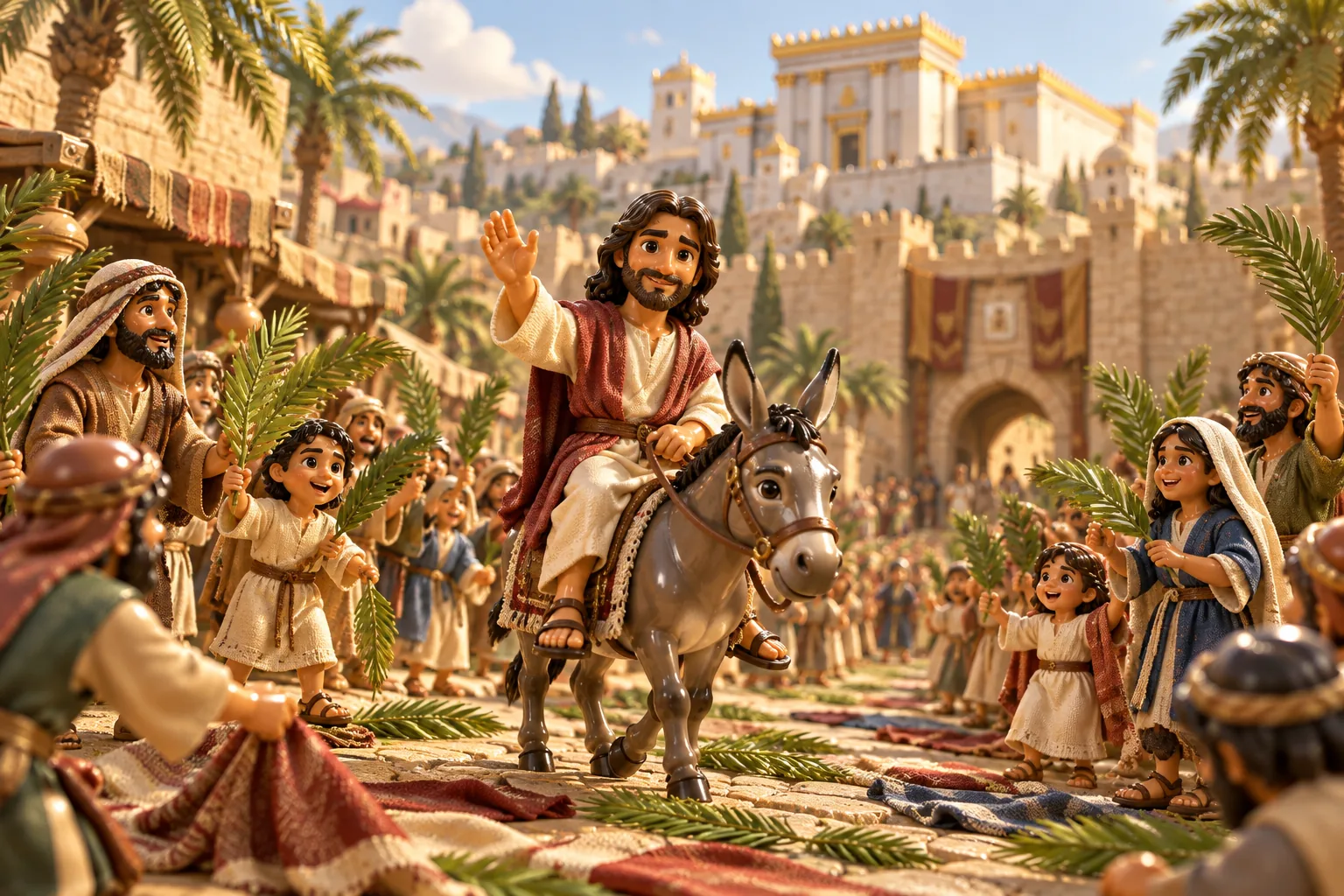 AD 30 or 33 · JerusalemJesus in JerusalemA wandering Jewish teacher from Galilee was executed by the Romans in Jerusalem, and his followers' faith became the largest religion on Earth.
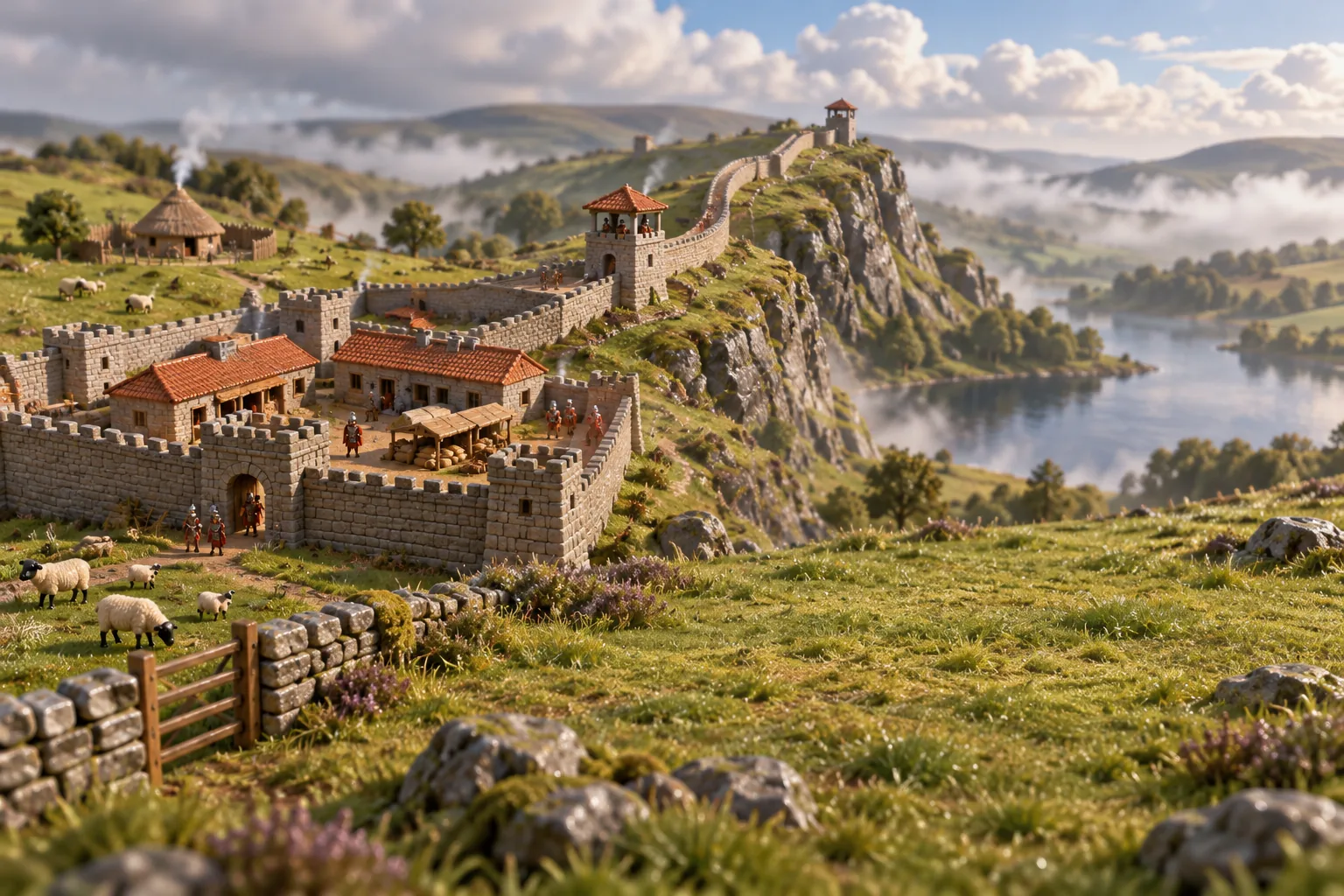 AD 43–410 · Hadrian's Wall, northern EnglandRoman BritainRoman soldiers were so afraid of sailing beyond the edge of the known world that the invasion of Britain began with a mutiny.
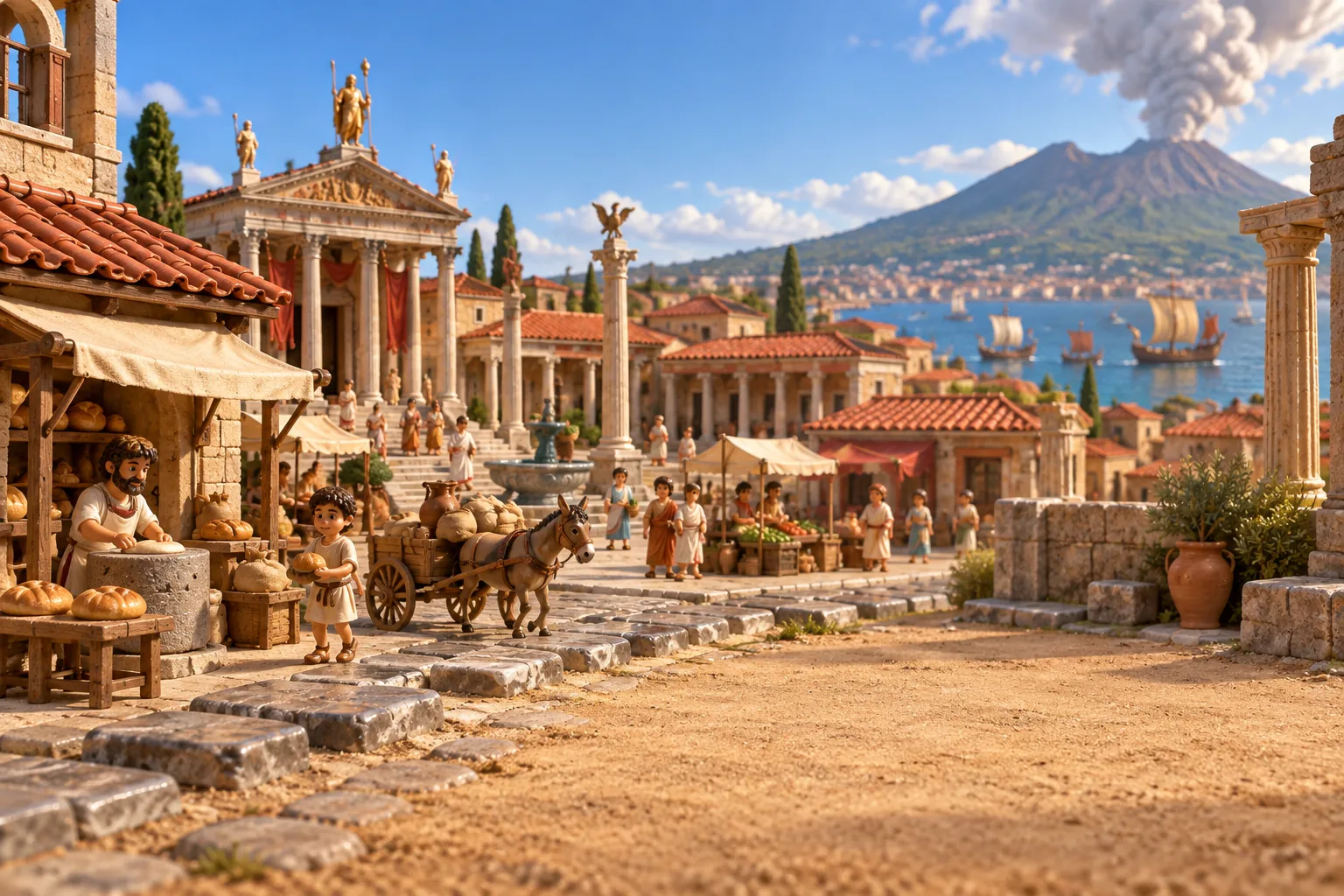 AD 79 · Pompeii, Bay of Naples, ItalyPompeii buriedIn 79 AD Vesuvius shot a column of ash and pumice 33 kilometres into the sky, and by the next morning Pompeii had disappeared beneath it.
 AD 81 · Roman Egypt, near AlexandriaA legionary’s payNearly two thousand years ago, a soldier from Damascus got his pay in Egypt, and the army had already spent most of it for him.
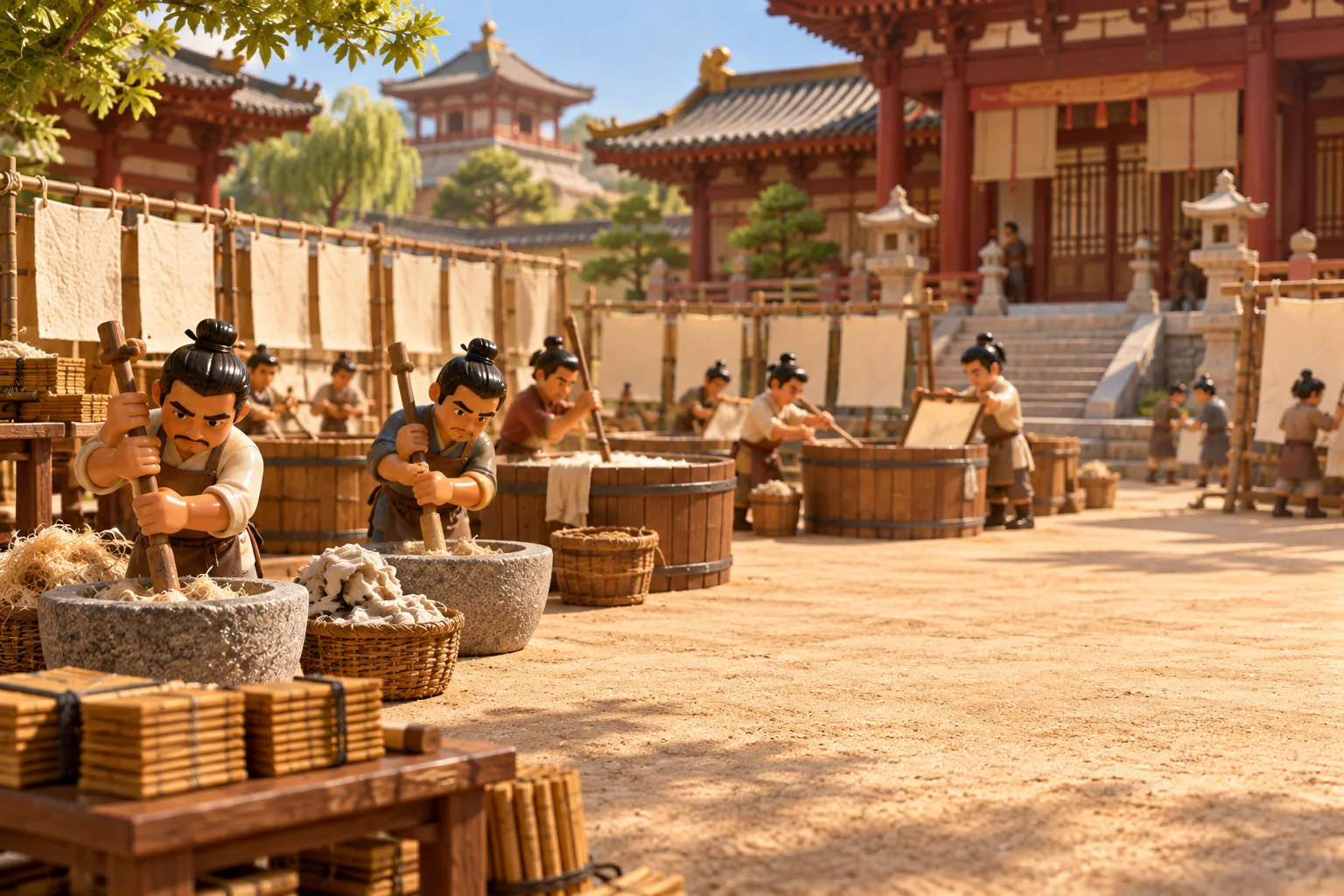 AD 105 · Luoyang, ChinaPaperThe paper that conquered the world was first made from tree bark, old rags and worn-out fishing nets.
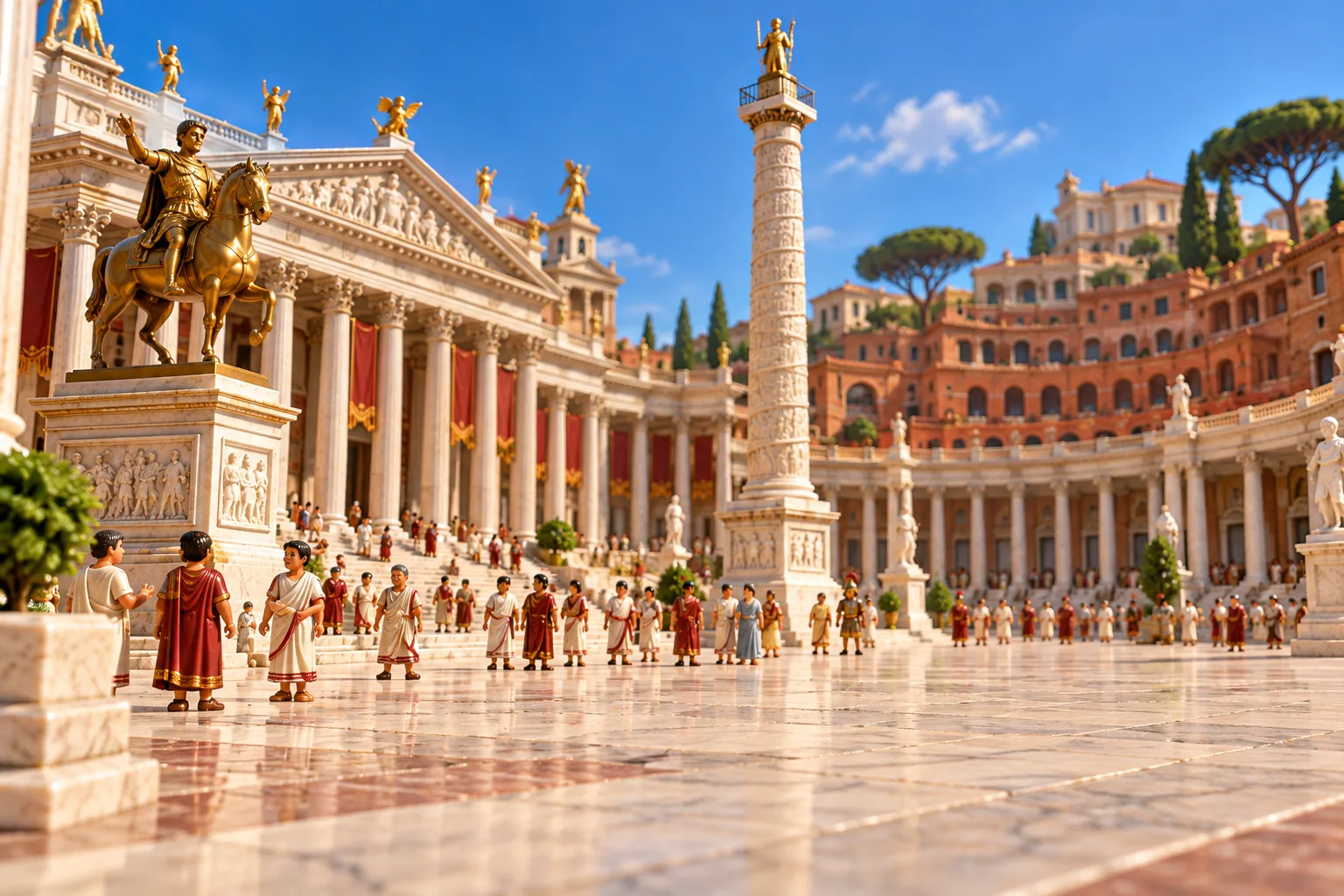 AD 117 · RomeRome at its peakA general born in Spain became Rome's 'best ruler' and carried the empire to the Persian Gulf, the largest it would ever be.
 132–136 · Judaea; the fortress of Betar, near JerusalemBar Kokhba revoltFor three years a rebel state in Judea struck its own silver coins over Roman ones, stamped "Year One of the Redemption of Israel".
 c. AD 250–900 · Tikal, Petén, GuatemalaCities of the MayaWith Stone Age tools and no pack animals, the Maya built cities of stone pyramids in the rainforest and tracked Venus to within two hours.
 May – July 325 · Nicaea, Bithynia (today İznik, Turkey)First Council of NicaeaMany people believe this council chose the books of the Bible. It did not: there is no record that it even discussed them.
 24 August 410 · Rome, ItalySack of Rome (410)Far away in Bethlehem, Saint Jerome wrote: 'The city which had taken the whole world was itself taken.'
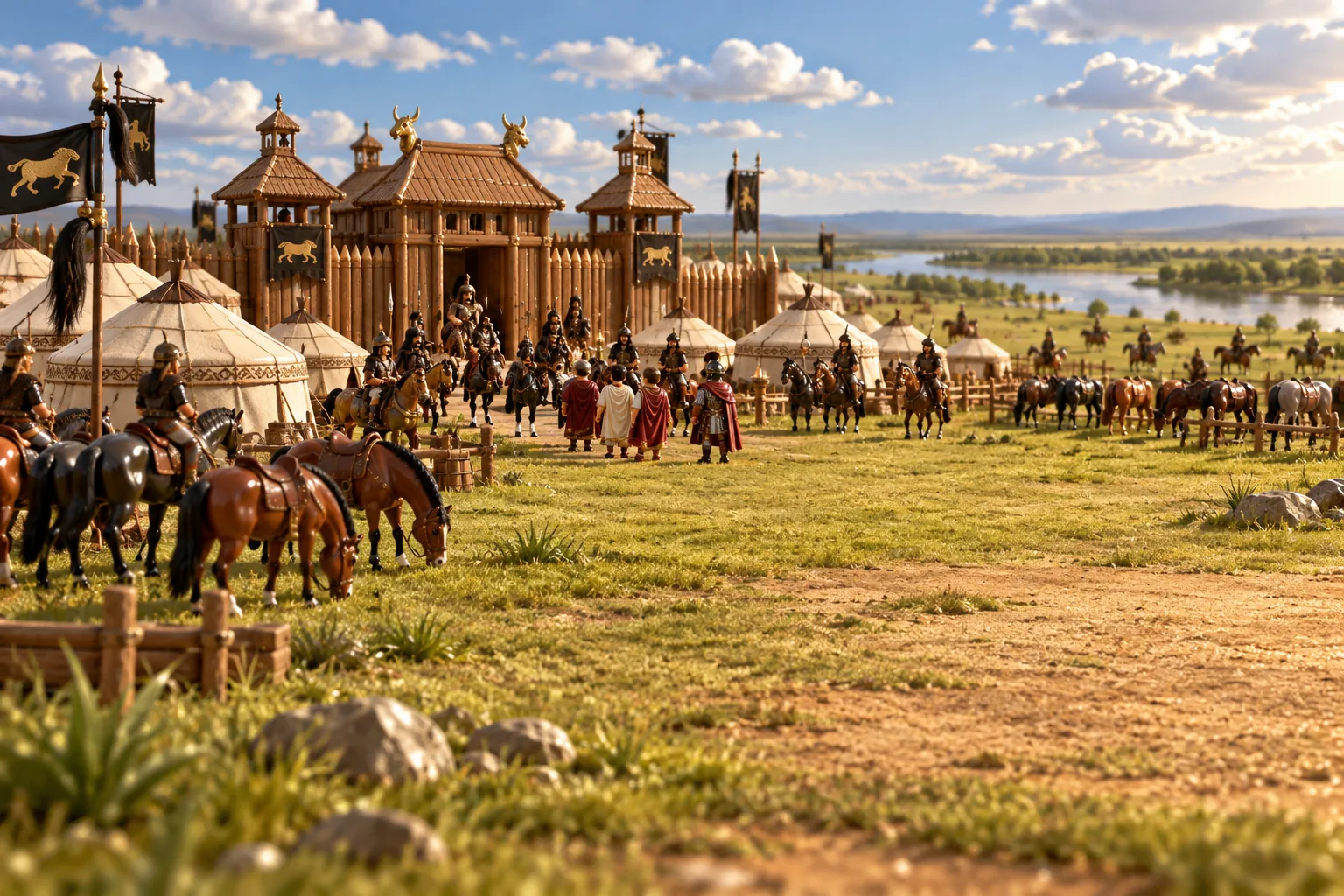 434–453 · Hungarian Plain (Pannonia)Attila the HunThe emperor in Constantinople paid a nomad king tons of gold to stay away, and it still was not enough.
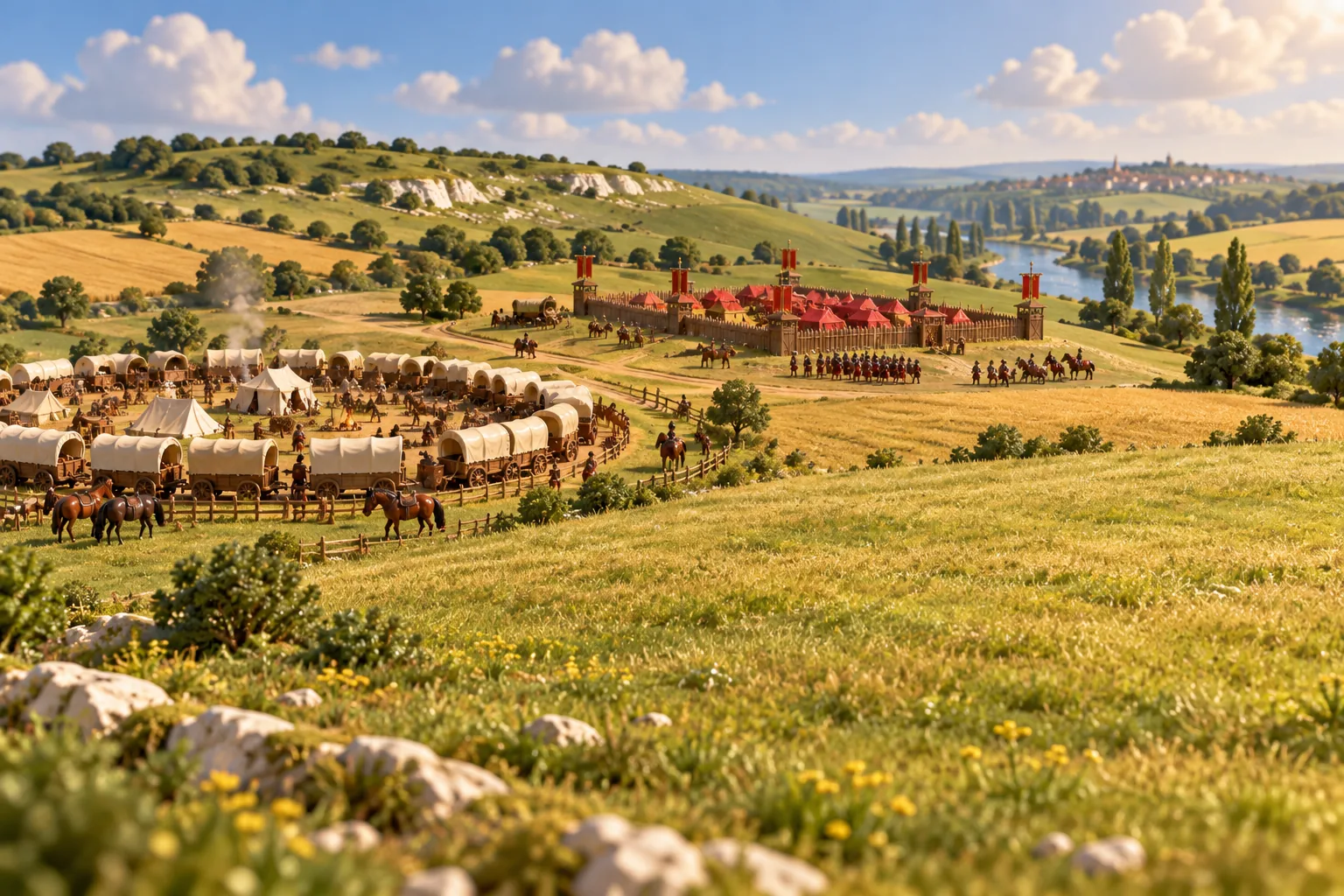 20 June 451 · Catalaunian Plains, near Châlons-en-Champagne or Troyes, FranceBattle of the Catalaunian PlainsSurrounded in his wagon camp after the battle, Attila built a funeral pyre of horse saddles, ready to throw himself into the flames rather than be taken.
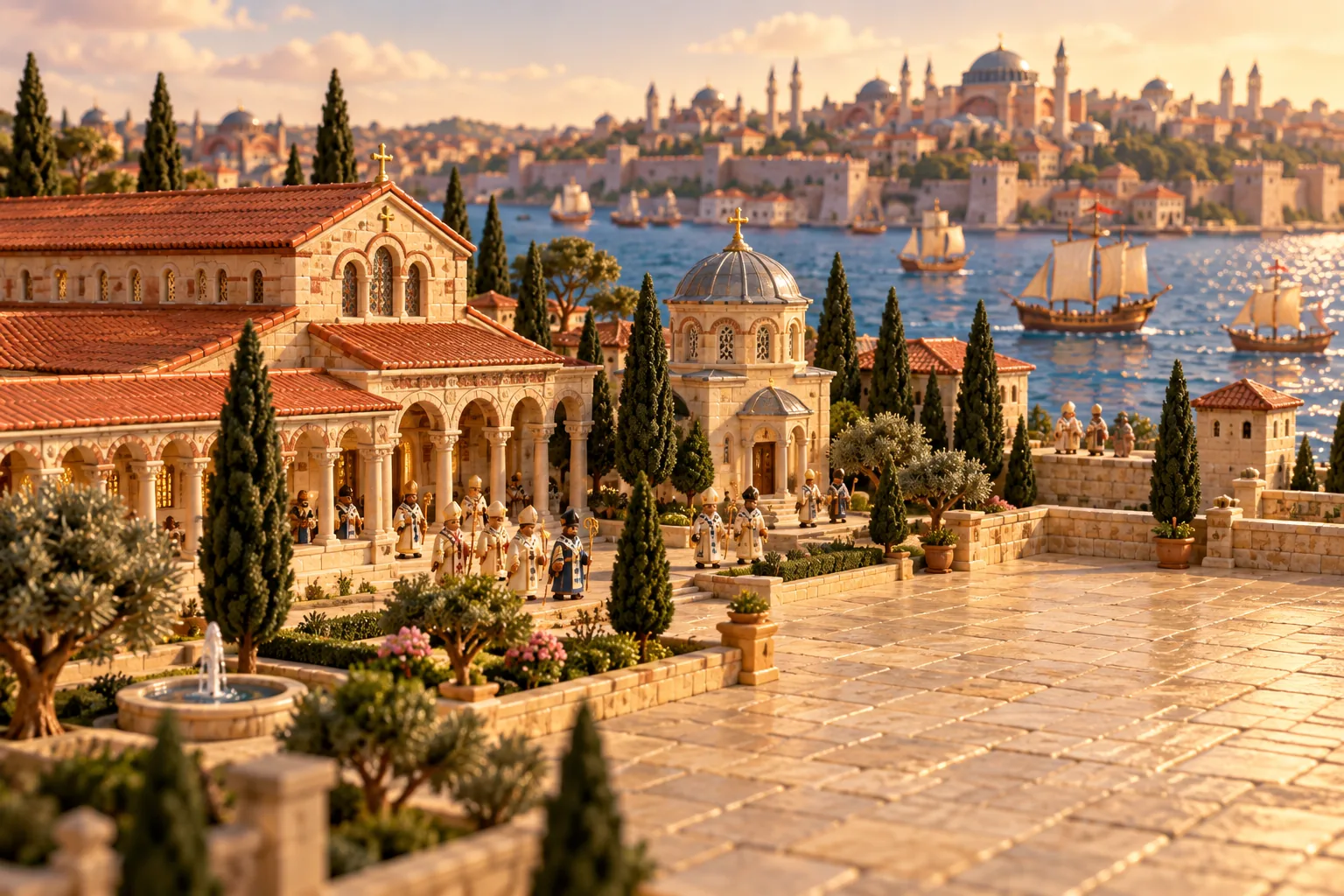 8 October – 1 November 451 · Church of St. Euphemia, Chalcedon (now Kadıköy, Istanbul), Eastern Roman EmpireCouncil of ChalcedonAn argument about whether Christ had one nature or two split Christianity in a way that still divides its churches today.
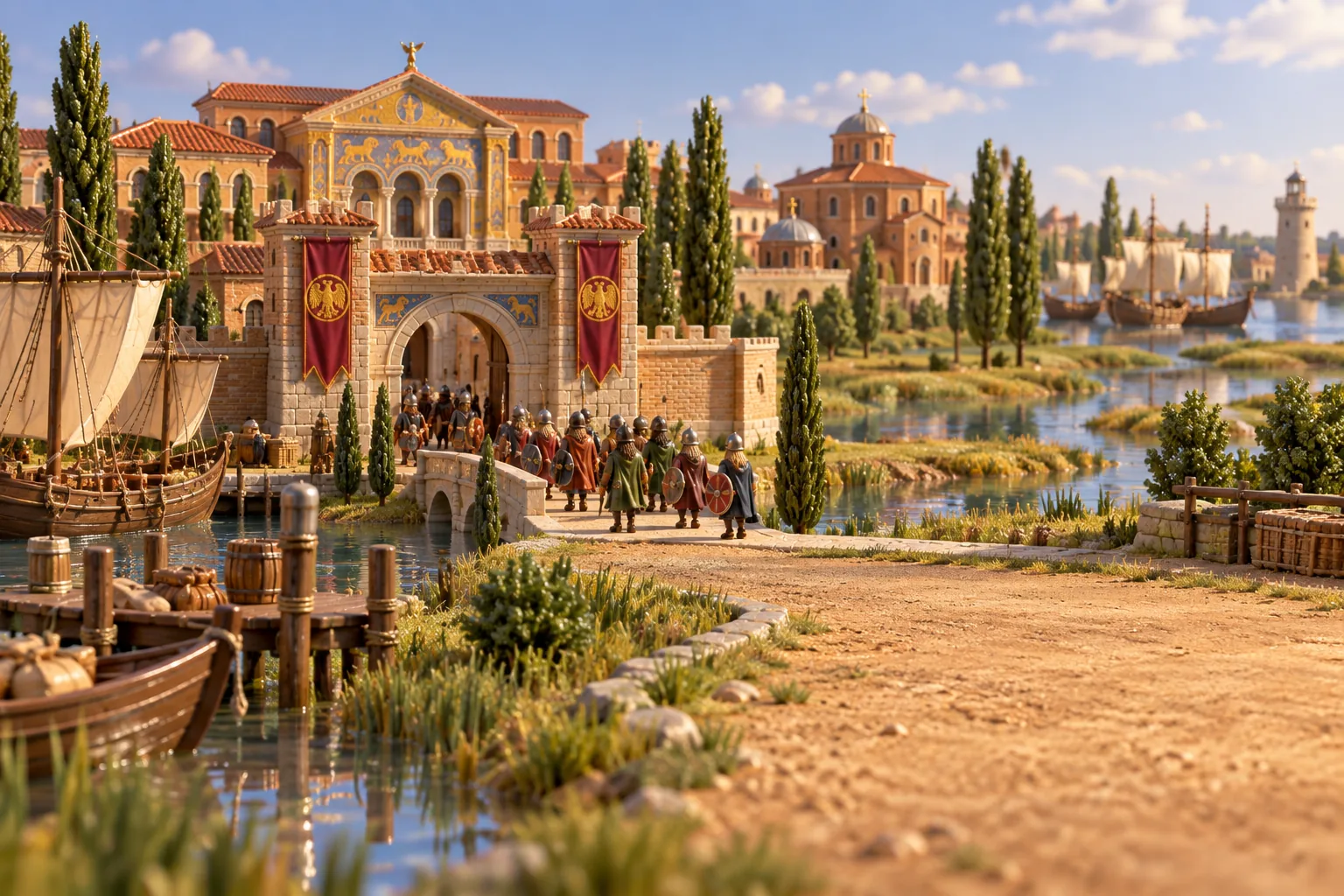 4 September 476 · Ravenna, ItalyEnd of the Western Roman EmpireThe last emperor of the West was not killed or exiled in chains: he was a teenager, pensioned off and sent to live with relatives in the south.
Middle Ages AD 500 to 1500
 622 · From Mecca to Medina, ArabiaThe HijraWhile his cousin lay in his bed as a decoy, Muhammad slipped out of Mecca and hid for three days in a mountain cave.
 7th–11th centuries · Constantinople and the Sea of MarmaraArab–Byzantine warsA new weapon, later called Greek fire, invented by a Christian refugee from Syria, saved Constantinople from the Arab fleets.
 633–651 · Mesopotamia and Iran; the Sasanian capital Ctesiphon, IraqMuslim conquest of PersiaThe last King of Kings of Persia ended his days on the run, killed near Merv by a local miller for his purse.
 15–20 August 636 · Yarmuk River, southeast of the Sea of Galilee (on today's Syria–Jordan border)Battle of the YarmukA Byzantine emperor who had just beaten Persia sent a huge army to save Syria, and lost it in six days on a dusty plain above a gorge.
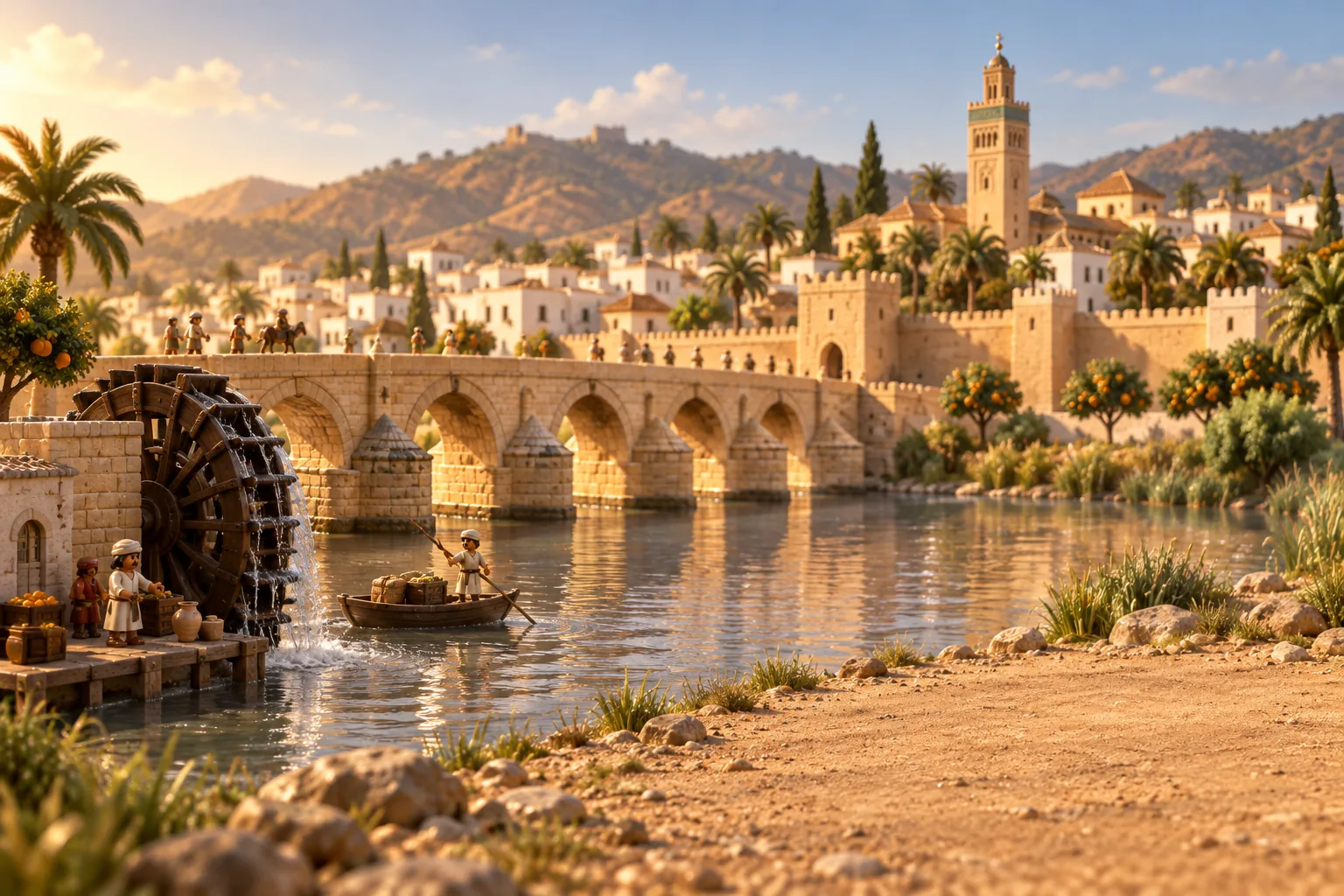 30 April 711 – 2 January 1492 · Córdoba, Spainal-AndalusFor almost eight centuries part of Western Europe was ruled by Muslim emirs and caliphs, and one of its cities was among the great centres of learning of the medieval world.
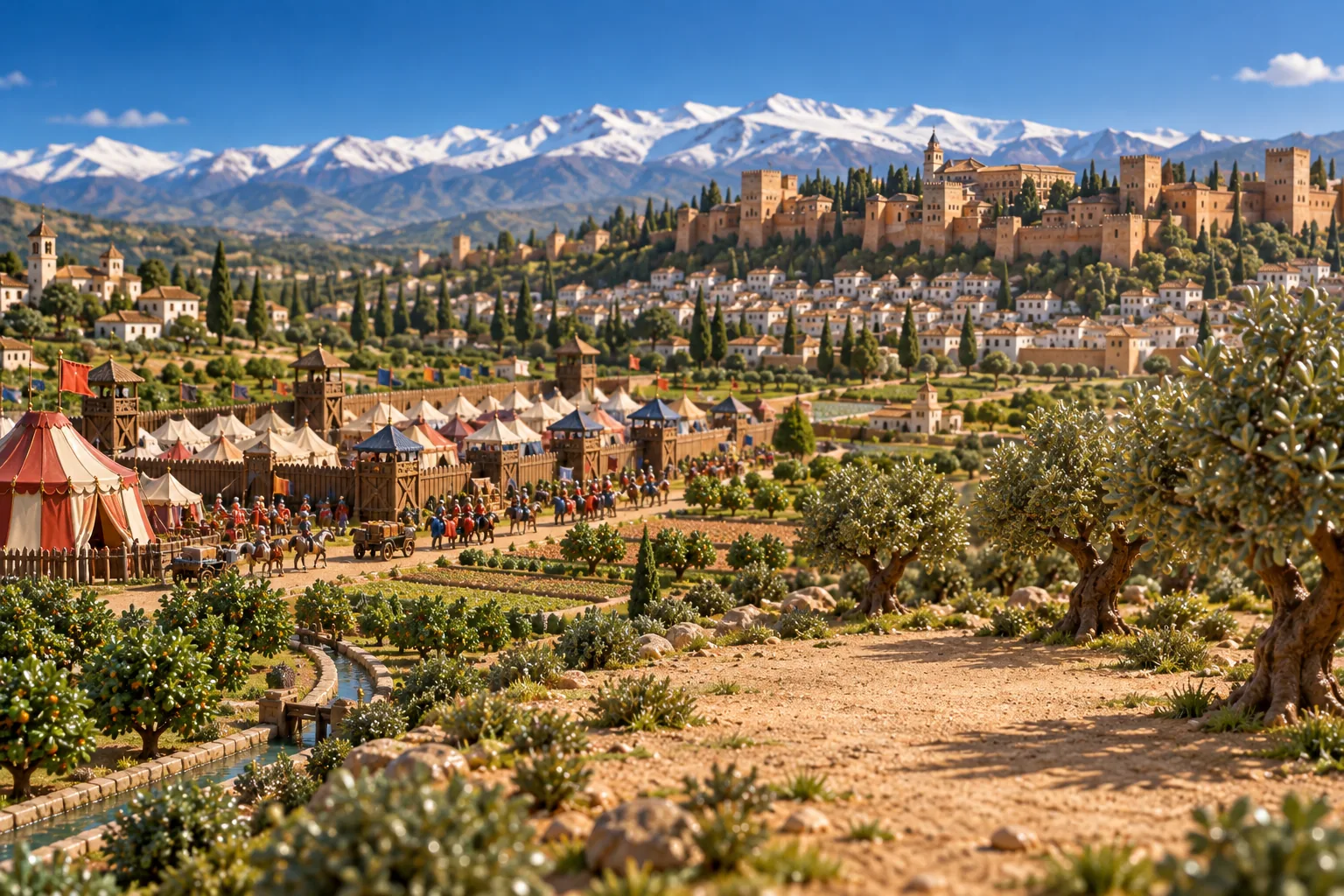 c. 722 – 2 January 1492 · Granada, SpainReconquistaIt took almost 800 years, from a small victory in the mountains of Asturias to the surrender of the Alhambra.
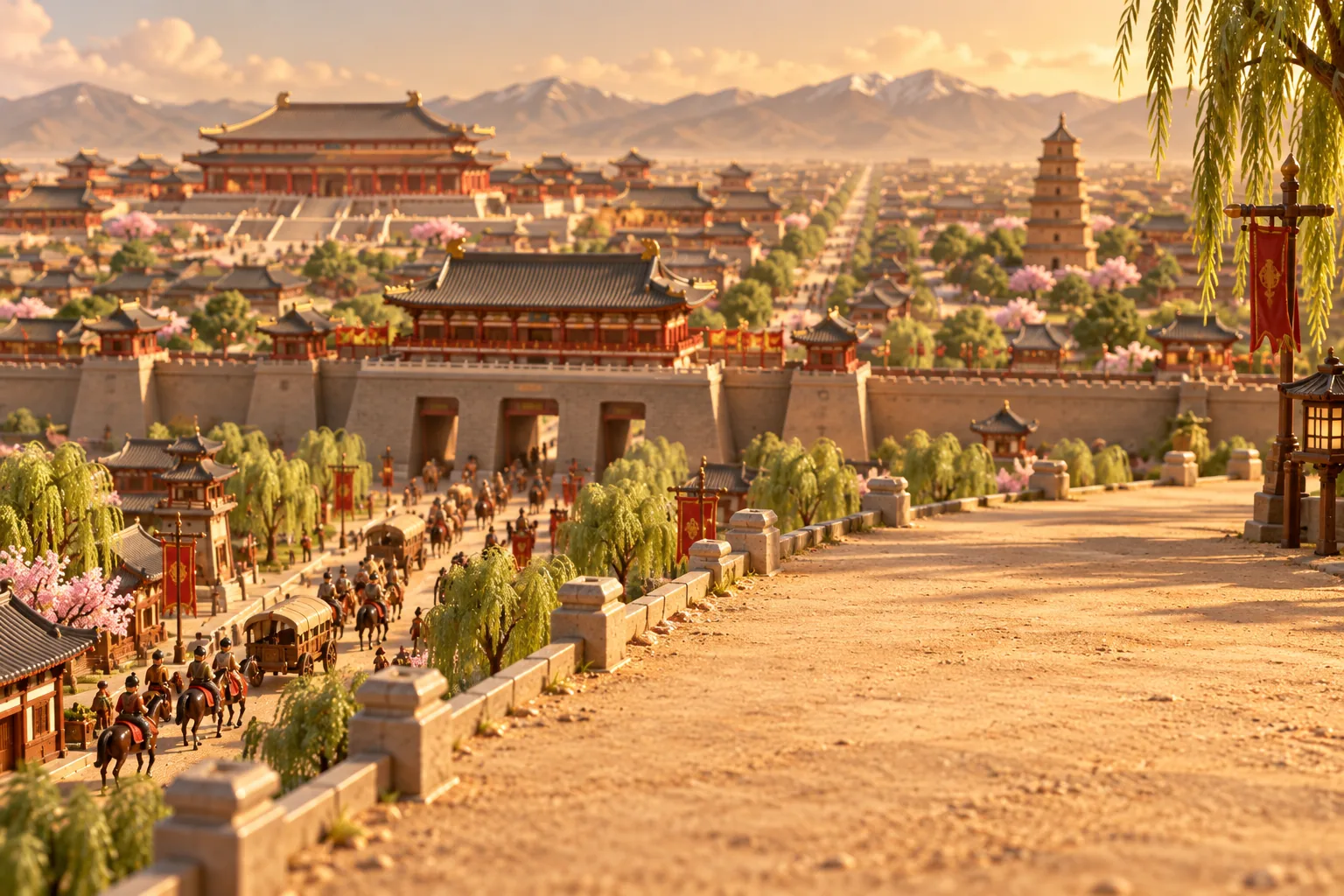 16 December 755 – 17 February 763 · Chang'an (now Xi'an), Tang ChinaAn Lushan RebellionThe emperor's favourite general, for whom he had built a mansion full of gold and silver, turned his army on the capital.
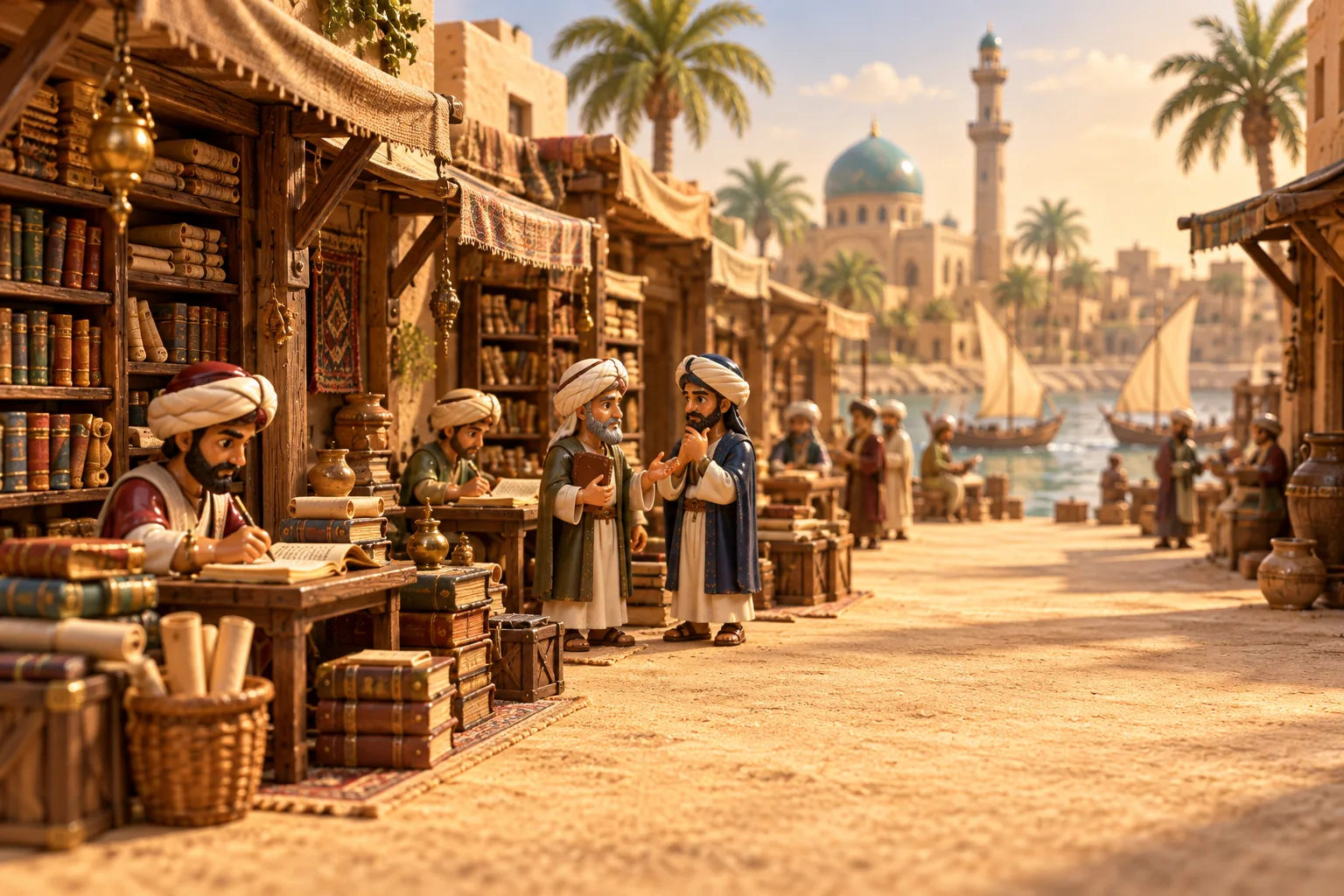 late 8th century – 1258 · Baghdad, IraqIslamic Golden AgeThanks to paper, for perhaps the first time in history, a person could make a living just by writing and selling books.
 8 June 793 – 1066 · Lindisfarne, Northumbria, EnglandViking AgeIn 793 raiders from the sea fell on the island monastery of Lindisfarne, and for the next two and a half centuries Norse ships turned up everywhere from Dublin to Constantinople.
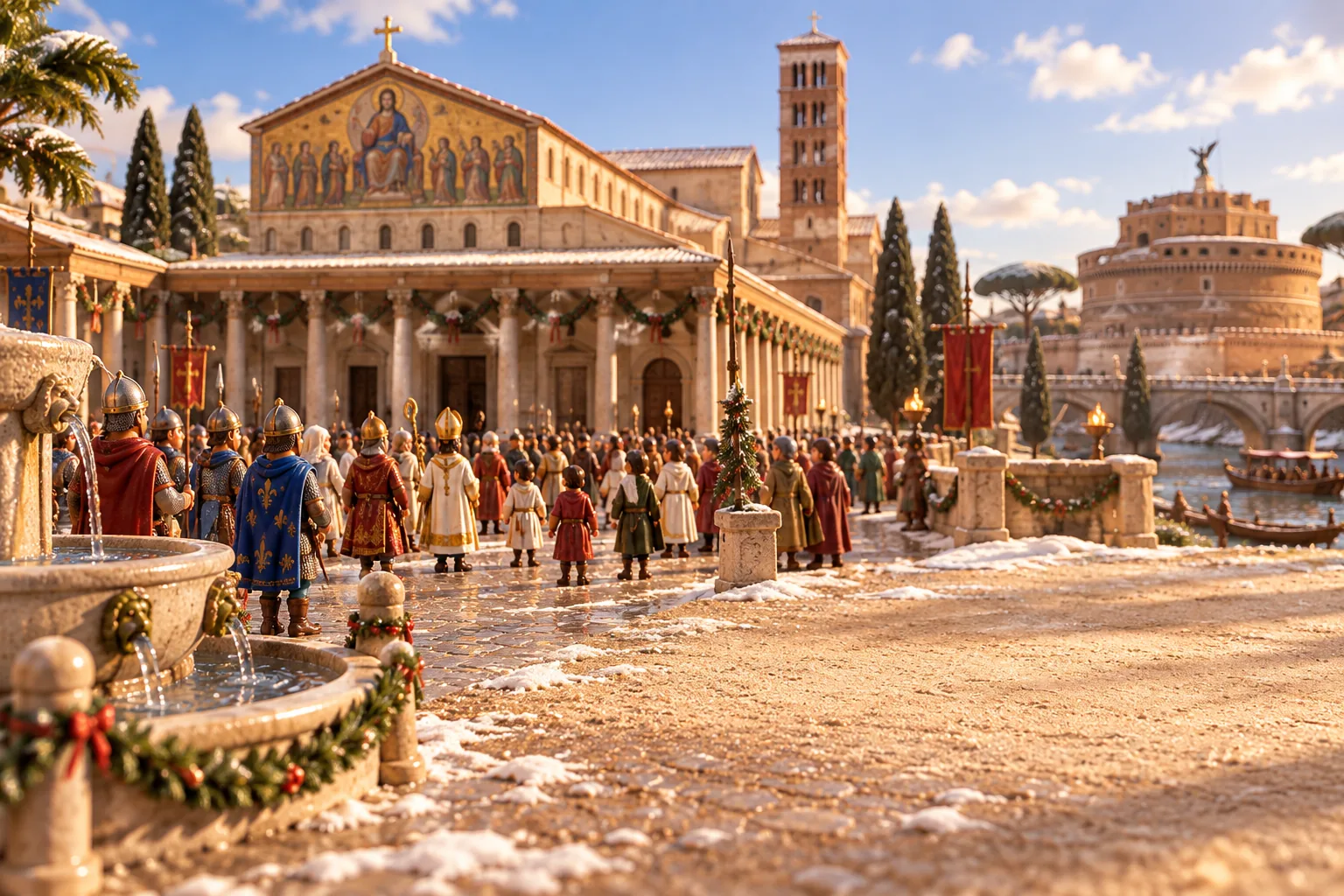 25 December 800 · St Peter's Basilica, RomeCharlemagneMore than three hundred years after the last Roman emperor in the West lost his throne, a Frankish king went to Christmas Mass in St Peter's and came out an emperor.
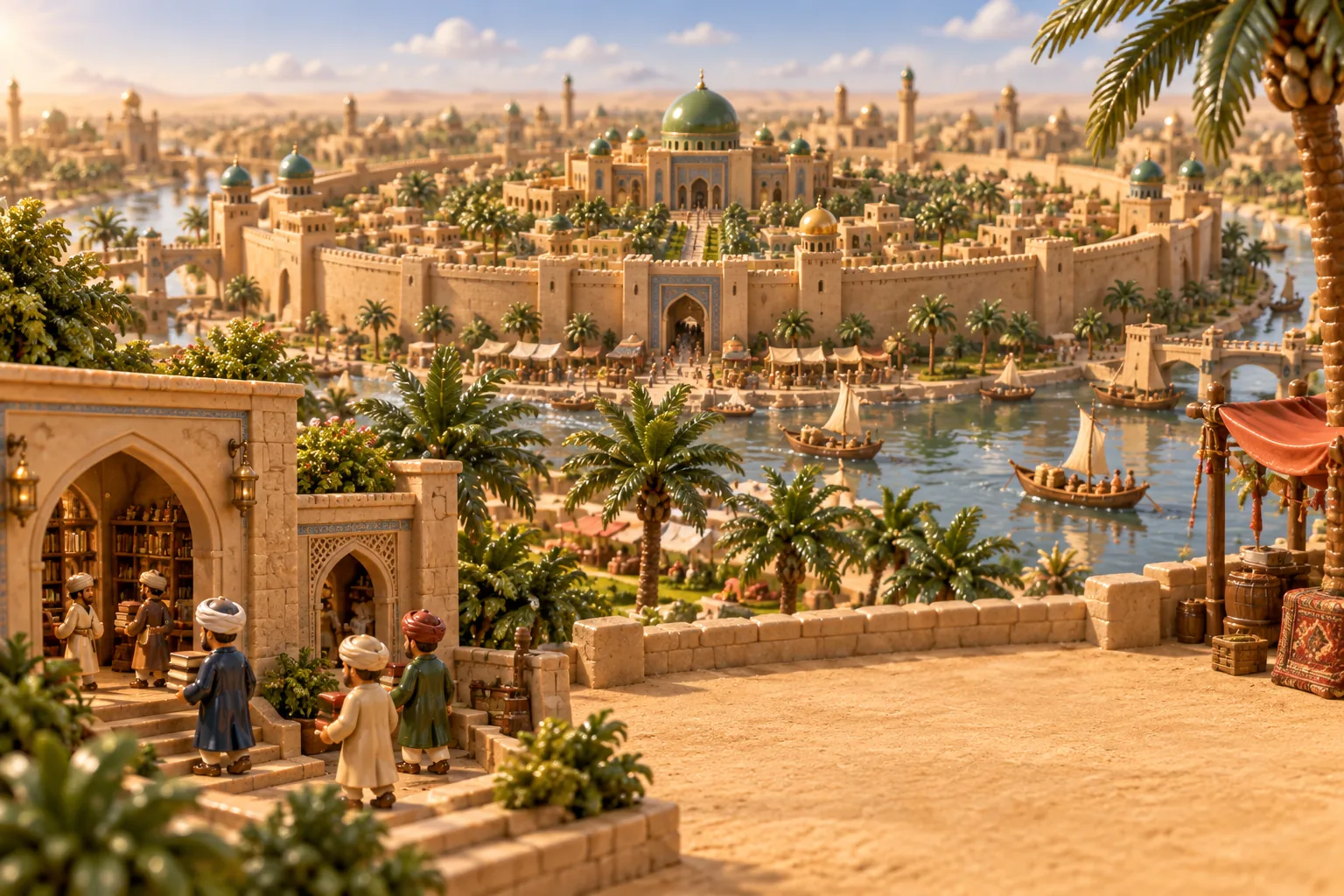 c. 830 (reign of al-Ma'mun, 813–833) · Baghdad, IraqHouse of WisdomA caliph in Baghdad is said to have demanded a Greek astronomy book from the Byzantine emperor as a condition for peace.
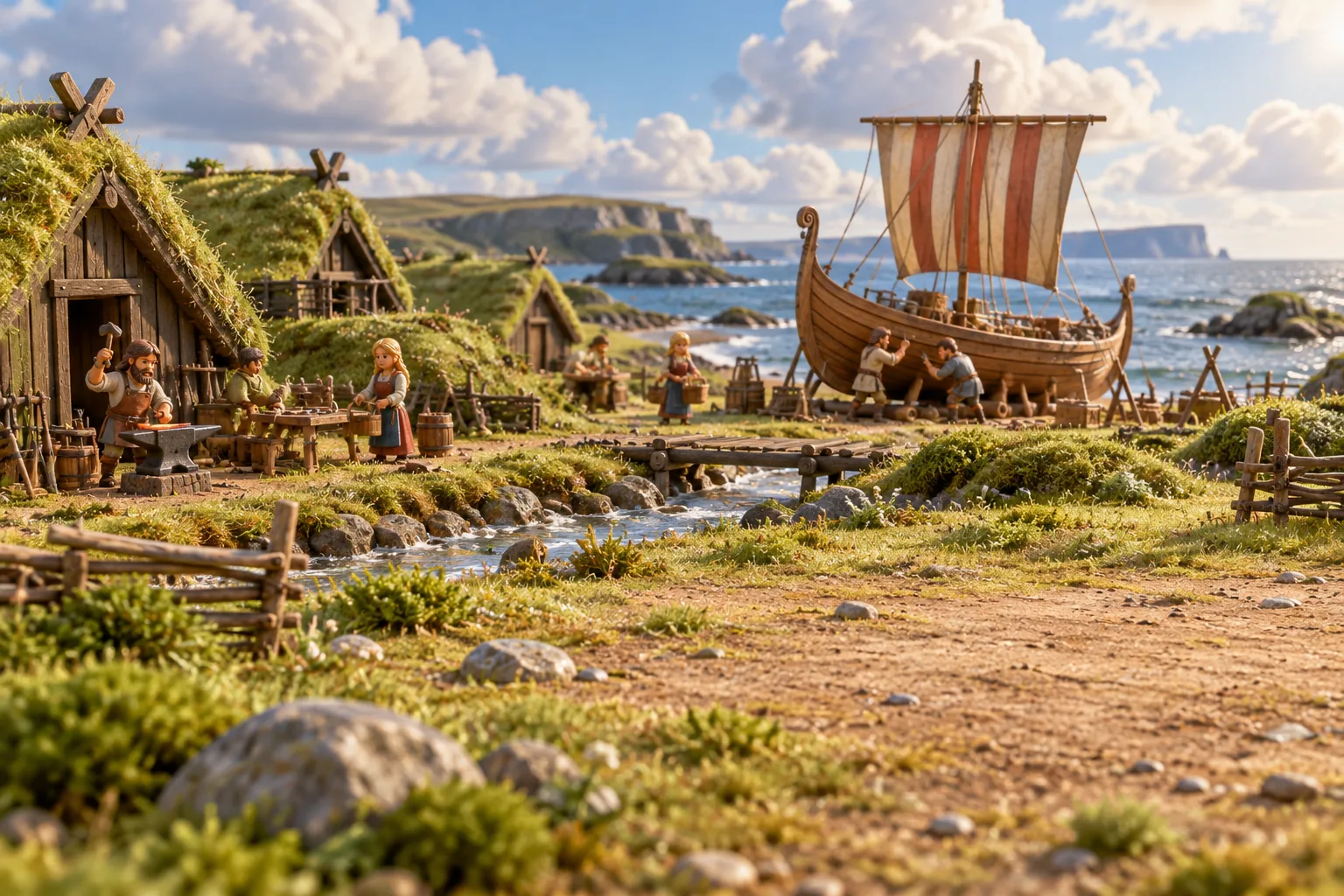 c. 1000 (Norse activity dated to 1021) · L'Anse aux Meadows, Newfoundland, CanadaVikings in AmericaGrassy bumps that Newfoundland fishermen called the 'old Indian camp' turned out to be the houses of Europeans who reached America five centuries before Columbus.
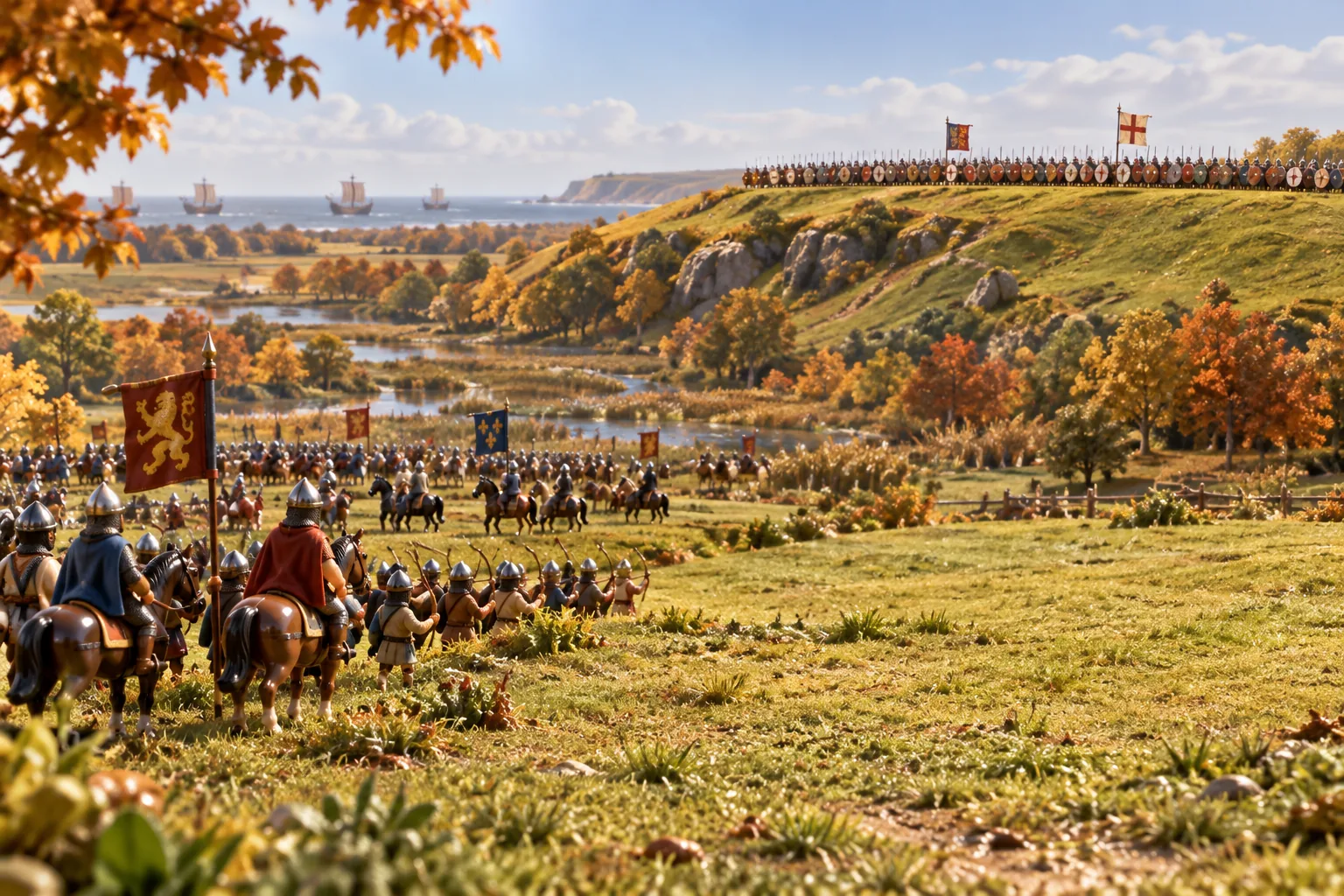 1066–1072 (Hastings: 14 October 1066) · Battle (Senlac Hill), near Hastings, EnglandNorman Conquest of EnglandKing Harold had to fight two invasions within three weeks, one in the far north and one on the south coast.
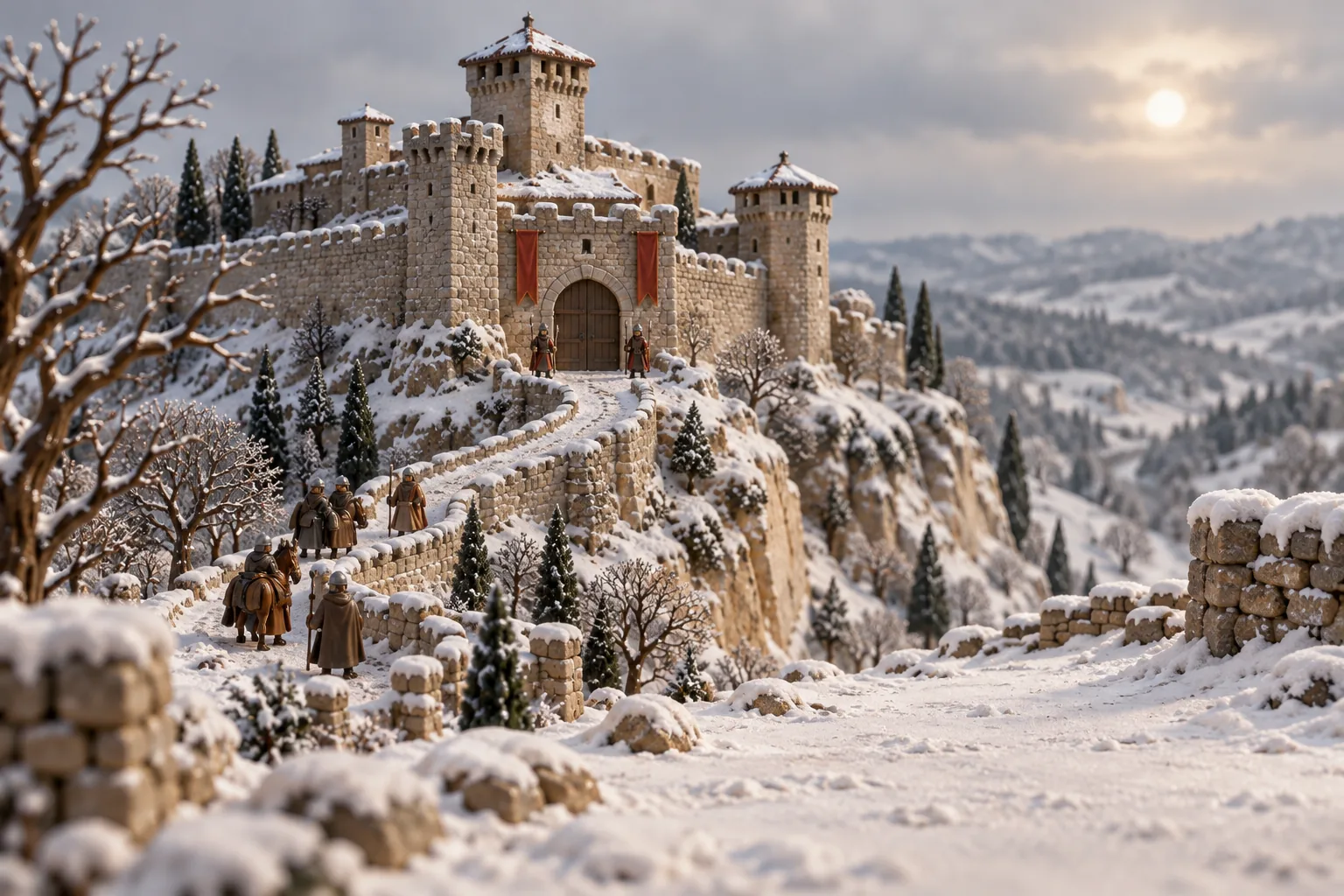 1076–1122 · Canossa Castle, northern ItalyInvestiture ControversyA king stood barefoot in the snow outside a castle in the Apennines, begging a pope to forgive him.
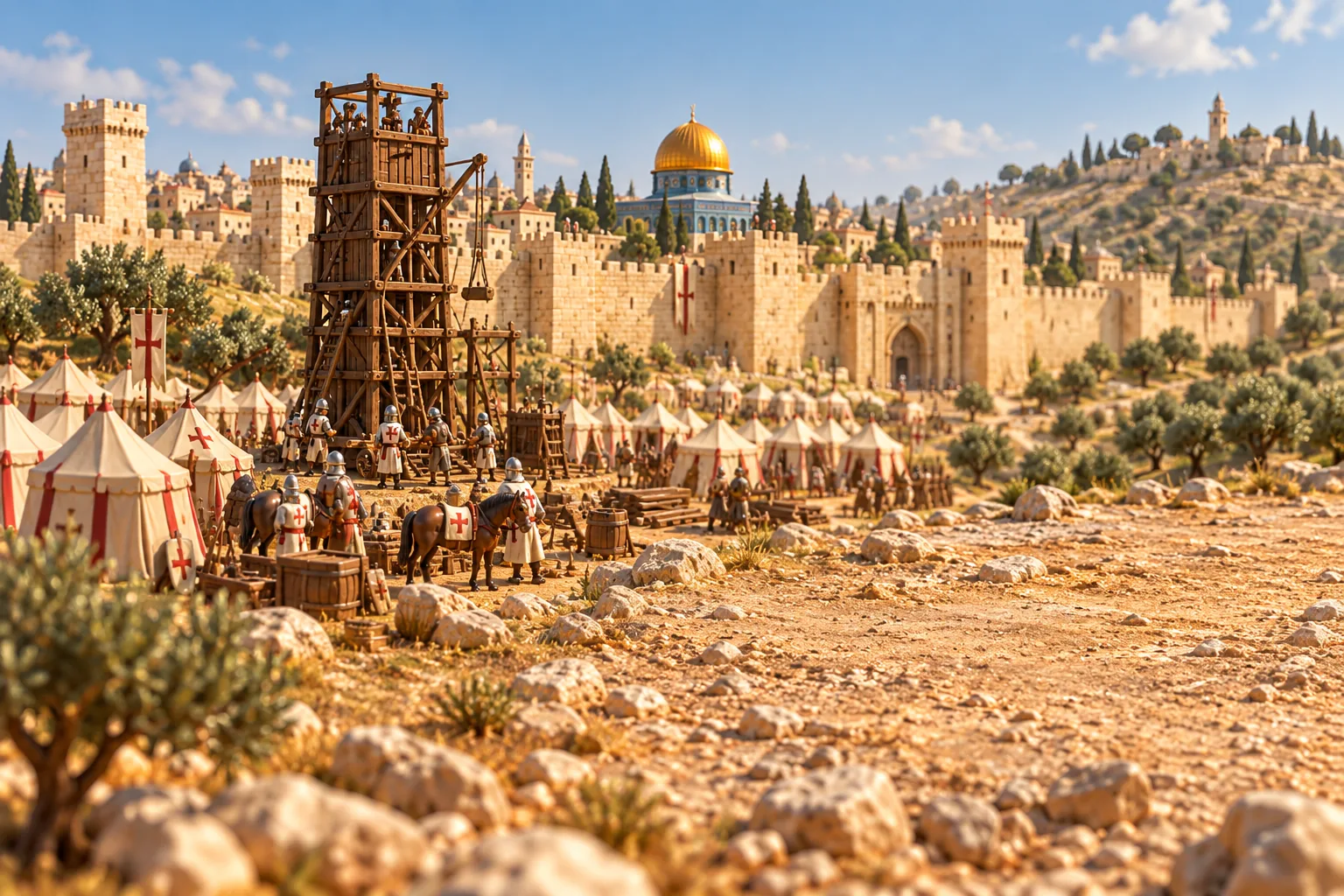 1096–1099 · JerusalemFirst CrusadeA pope's sermon in a French field sent tens of thousands of people walking 3,000 kilometres to a city most of them had never seen.
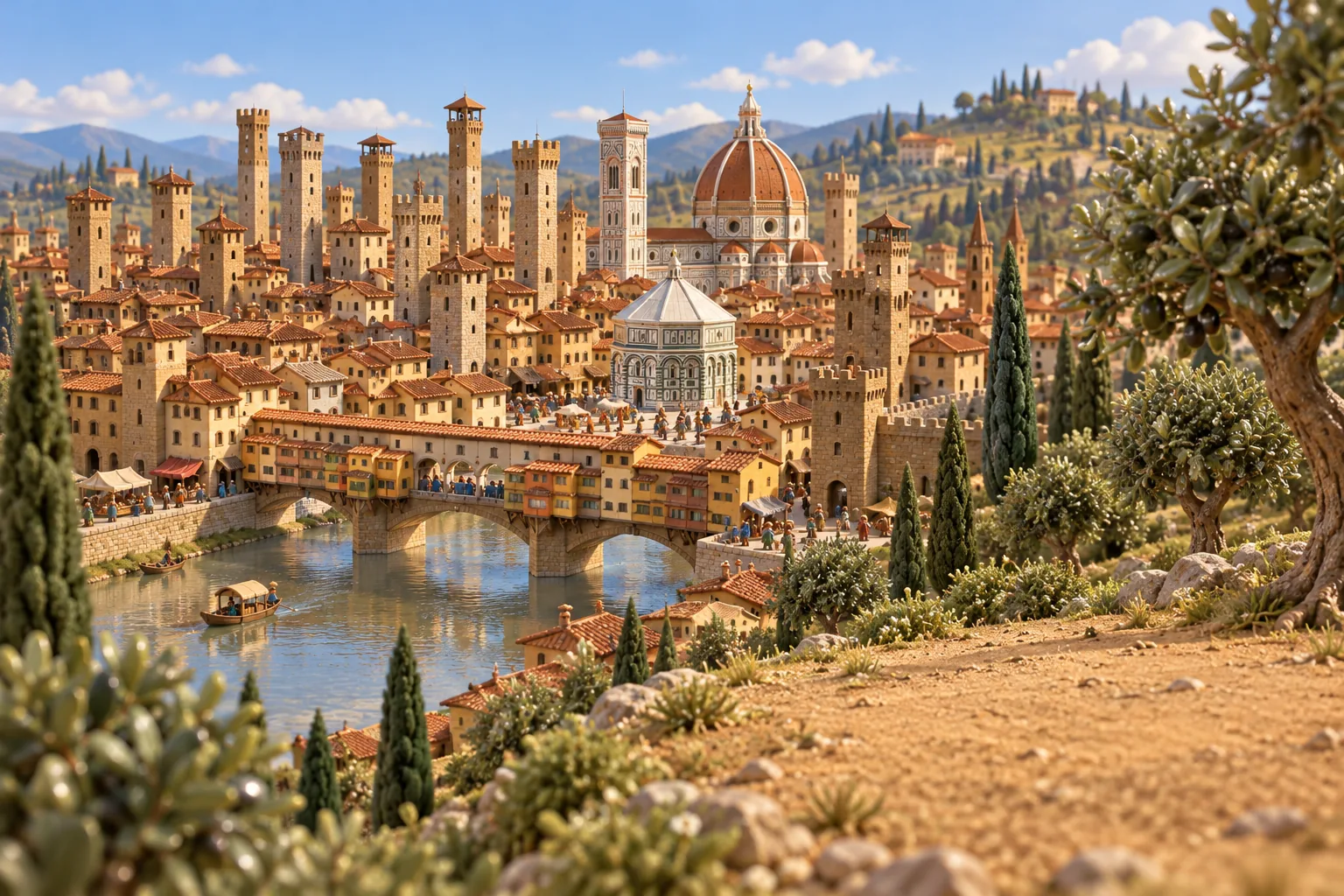 12th–14th centuries · Florence and the city-states of northern and central ItalyGuelphs and GhibellinesYou could tell which side a medieval Italian family was on just by looking at the battlements of its tower.
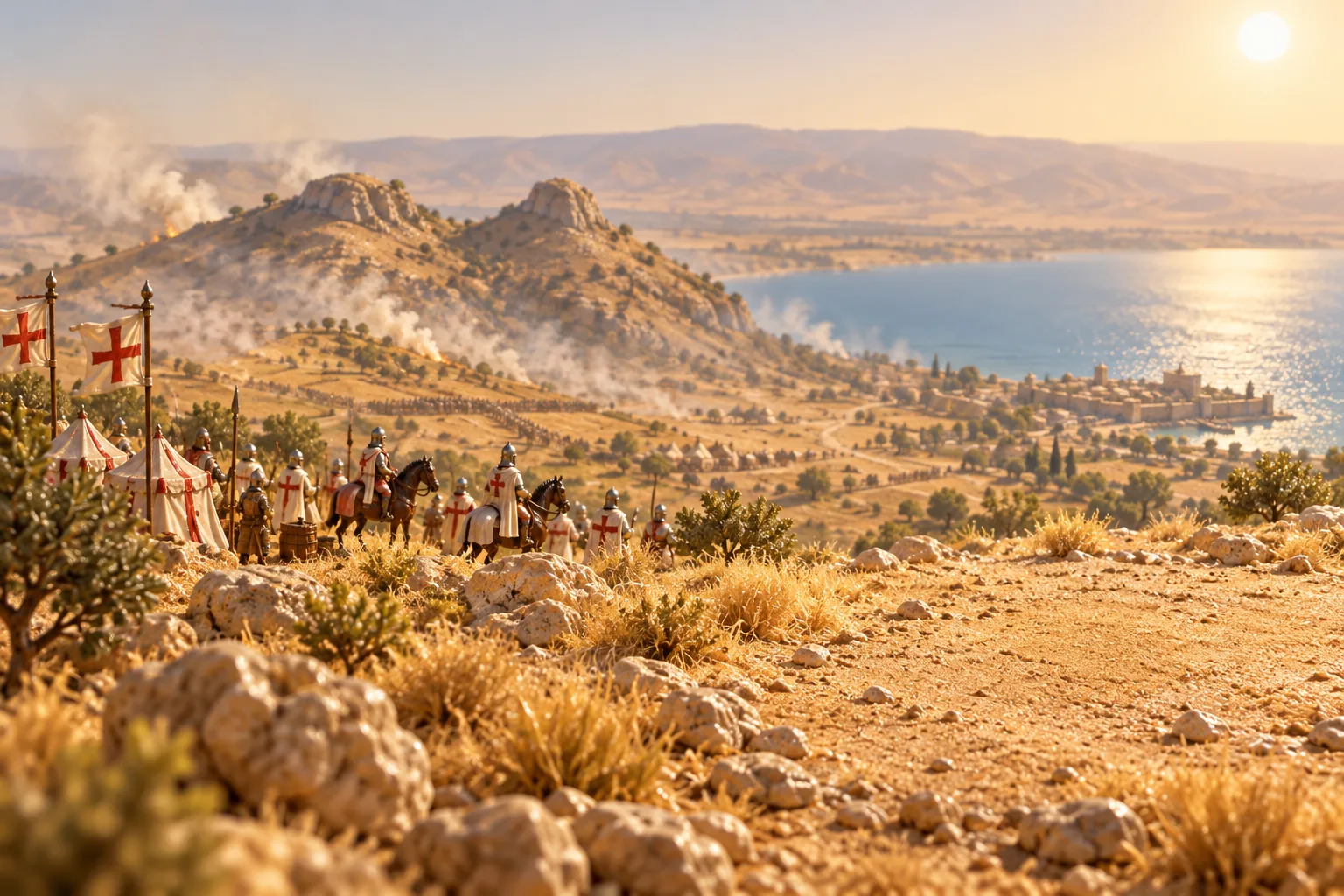 4 July 1187 · Horns of Hattin, near Tiberias, Kingdom of JerusalemBattle of HattinThe Crusader army lost before the fighting began: it spent a night on a waterless plateau while Saladin's camels carried water up from the lake.
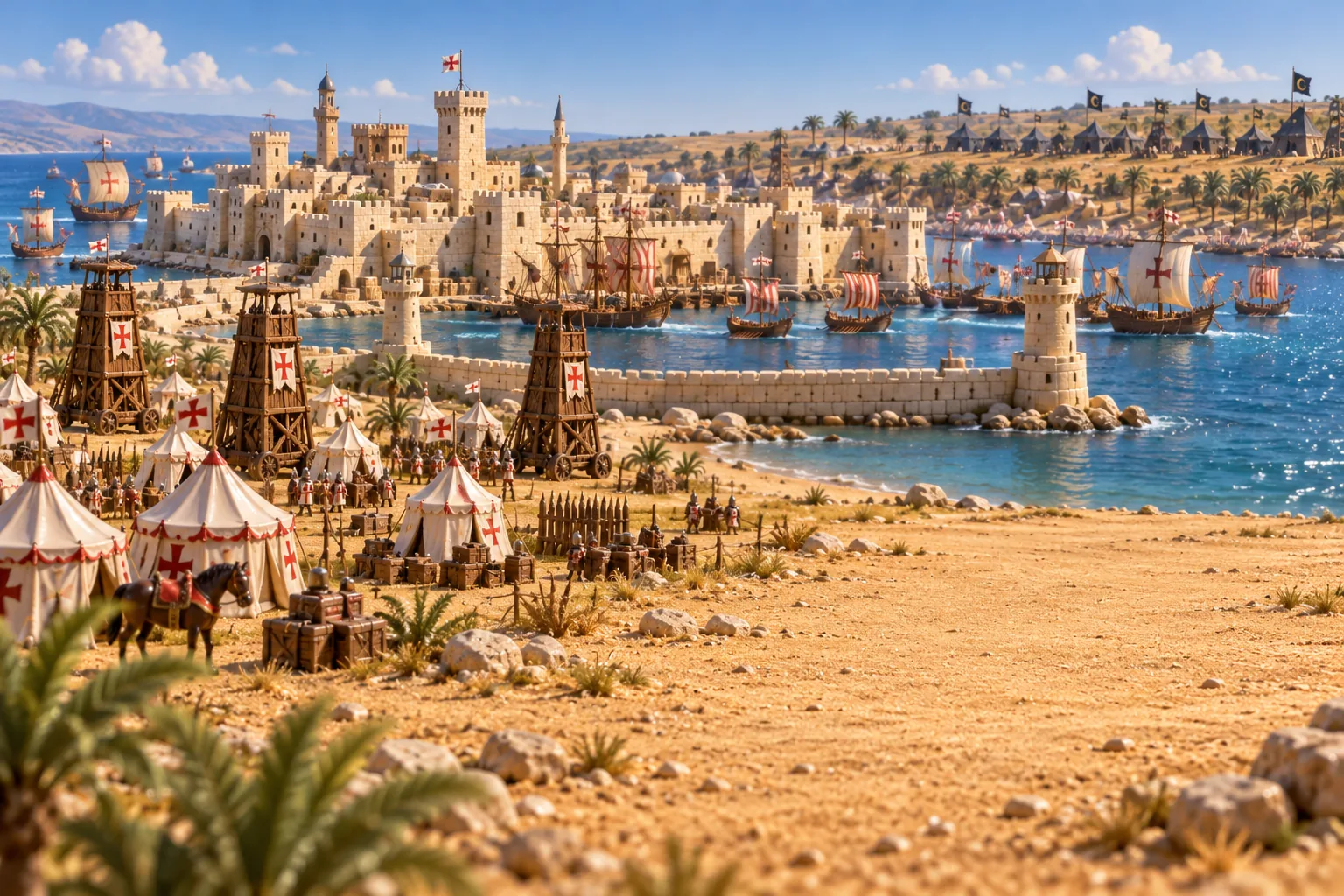 11 May 1189 – 2 September 1192 · Acre and the coast of the LevantThird CrusadeRichard the Lionheart and Saladin fought each other for a year, swapped gifts and envoys, and never once met face to face.
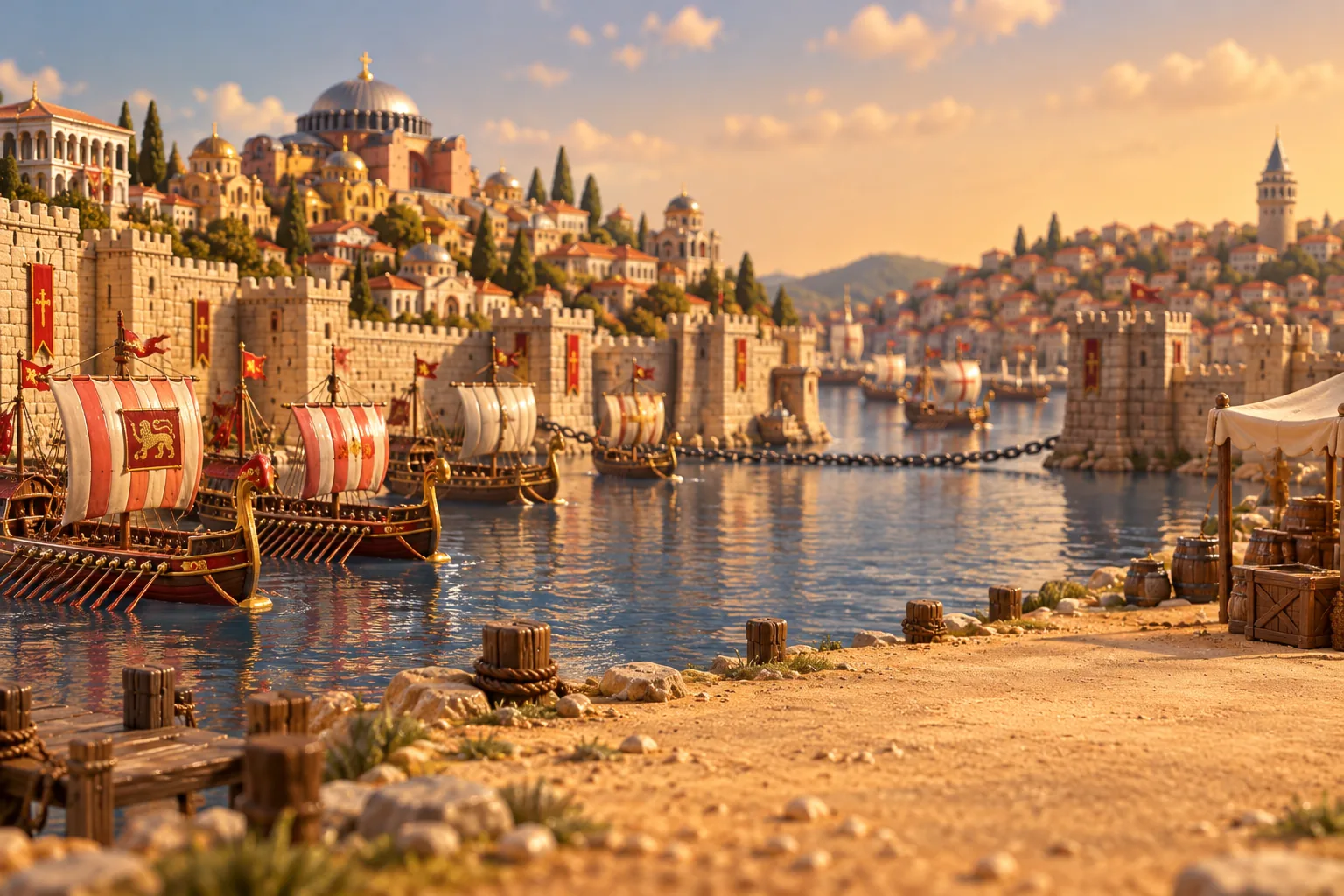 1202–1204 · Constantinople, Byzantine EmpireFourth CrusadeAn army raised to free Jerusalem never got there; instead it plundered Constantinople, the Christian capital of Byzantium.
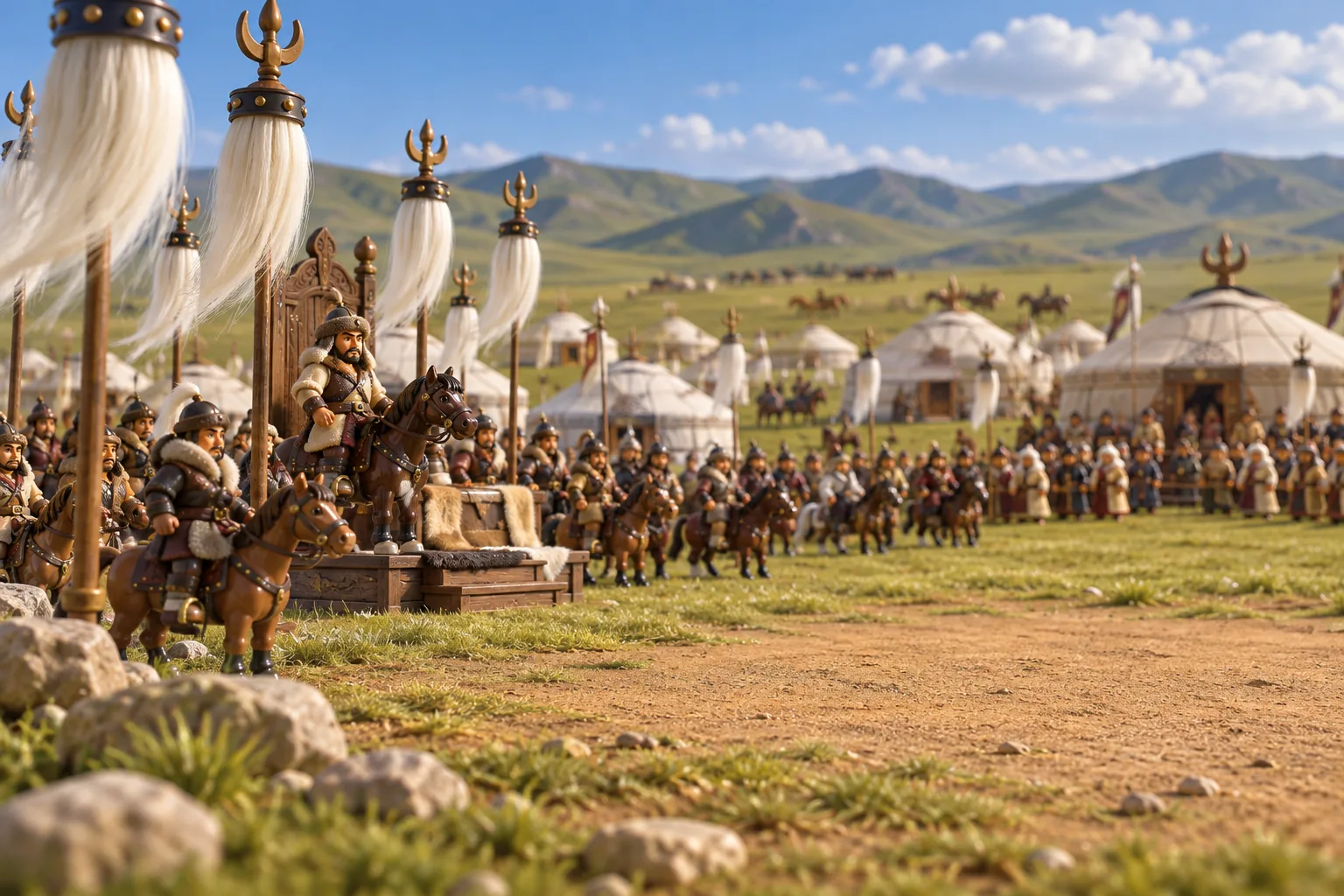 1206 · MongoliaGenghis KhanAn outcast boy whose tribe abandoned his family on the steppe grew up to found the largest connected empire the world has ever seen.
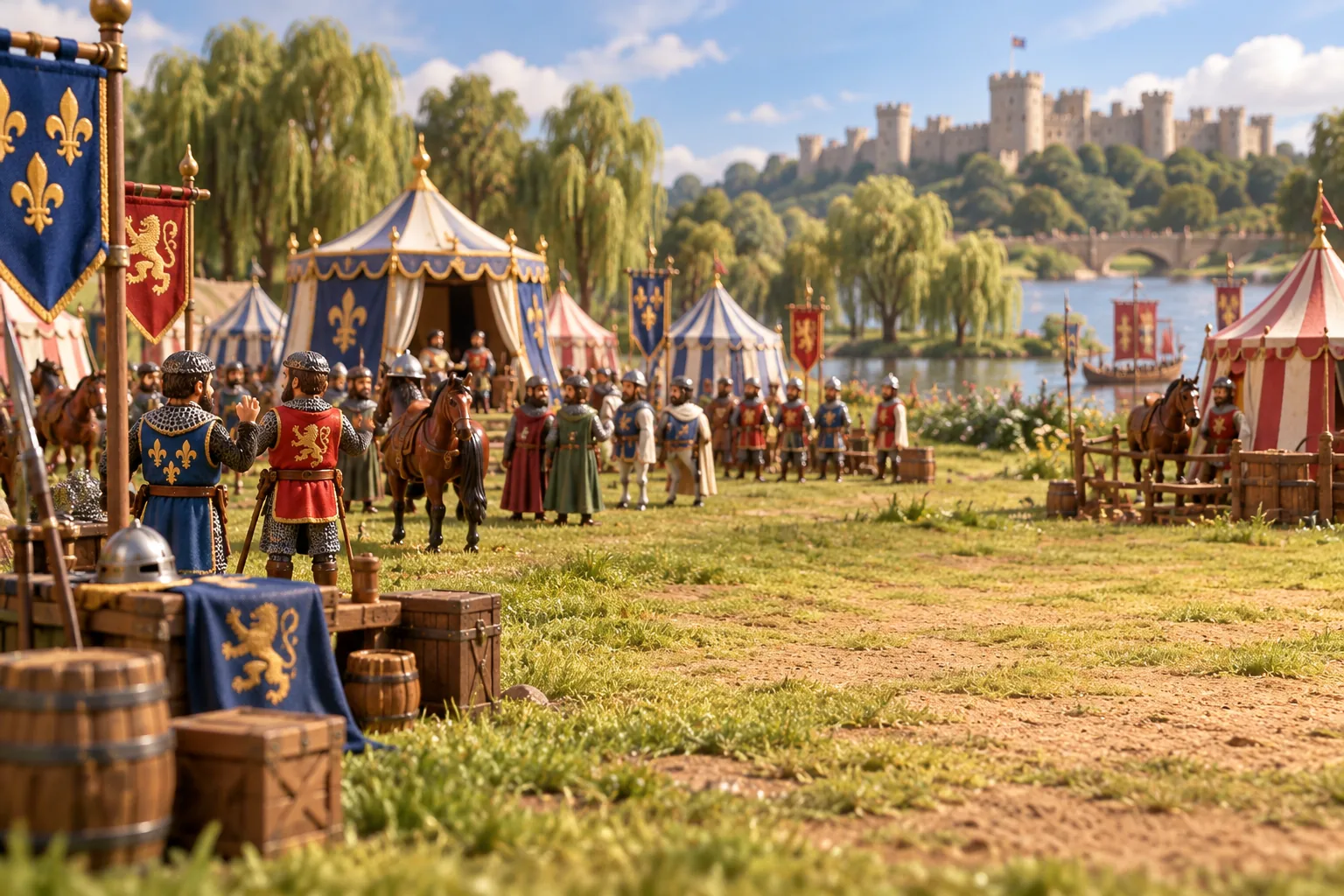 15 June 1215 · Runnymede, EnglandMagna CartaA peace deal that failed within three months became the most quoted document in the history of English law.
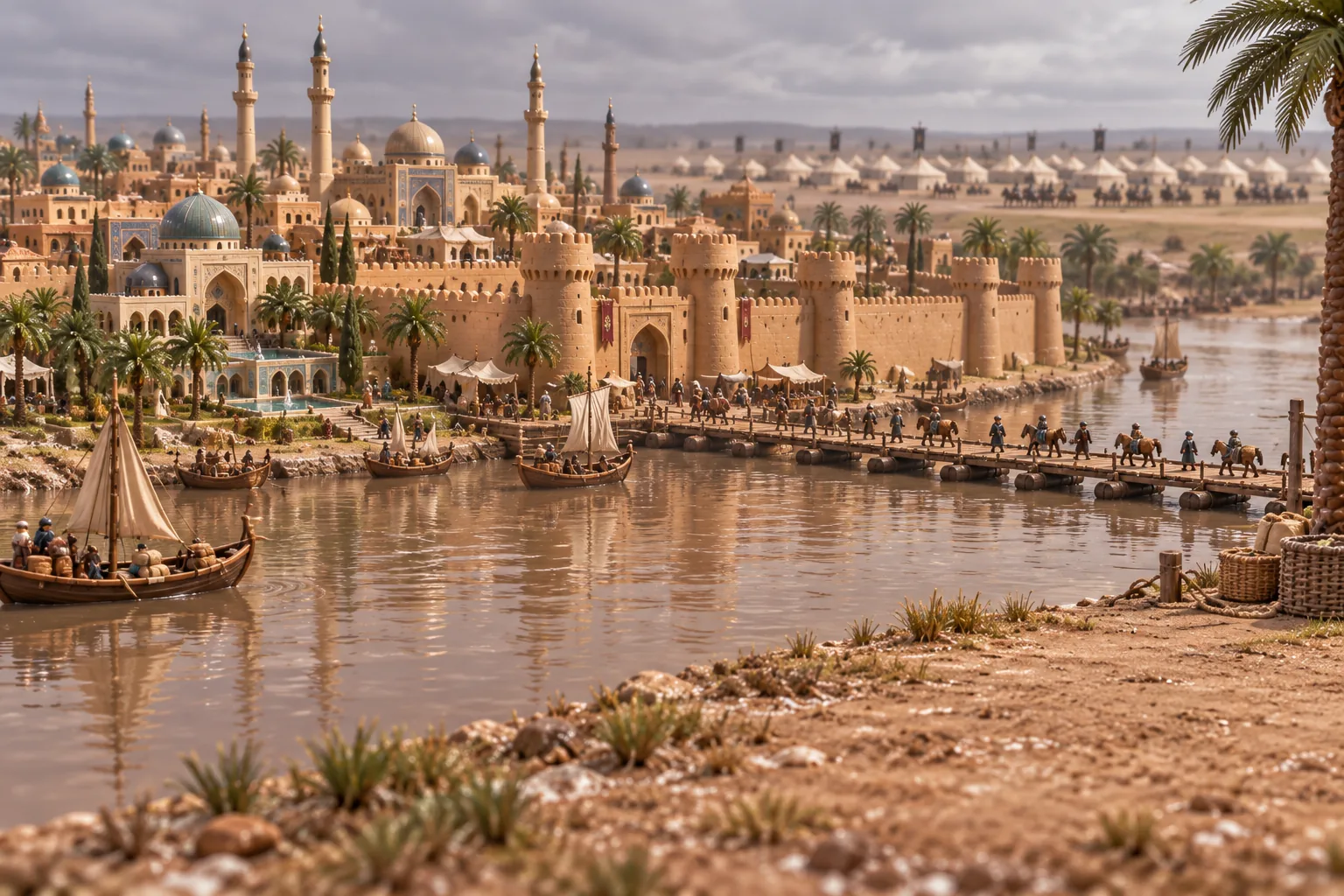 29 January – 10 February 1258 · Baghdad, IraqSiege of Baghdad (1258)Baghdad had been one of the greatest cities on Earth for five centuries; it took a Mongol army about two weeks to break its walls.
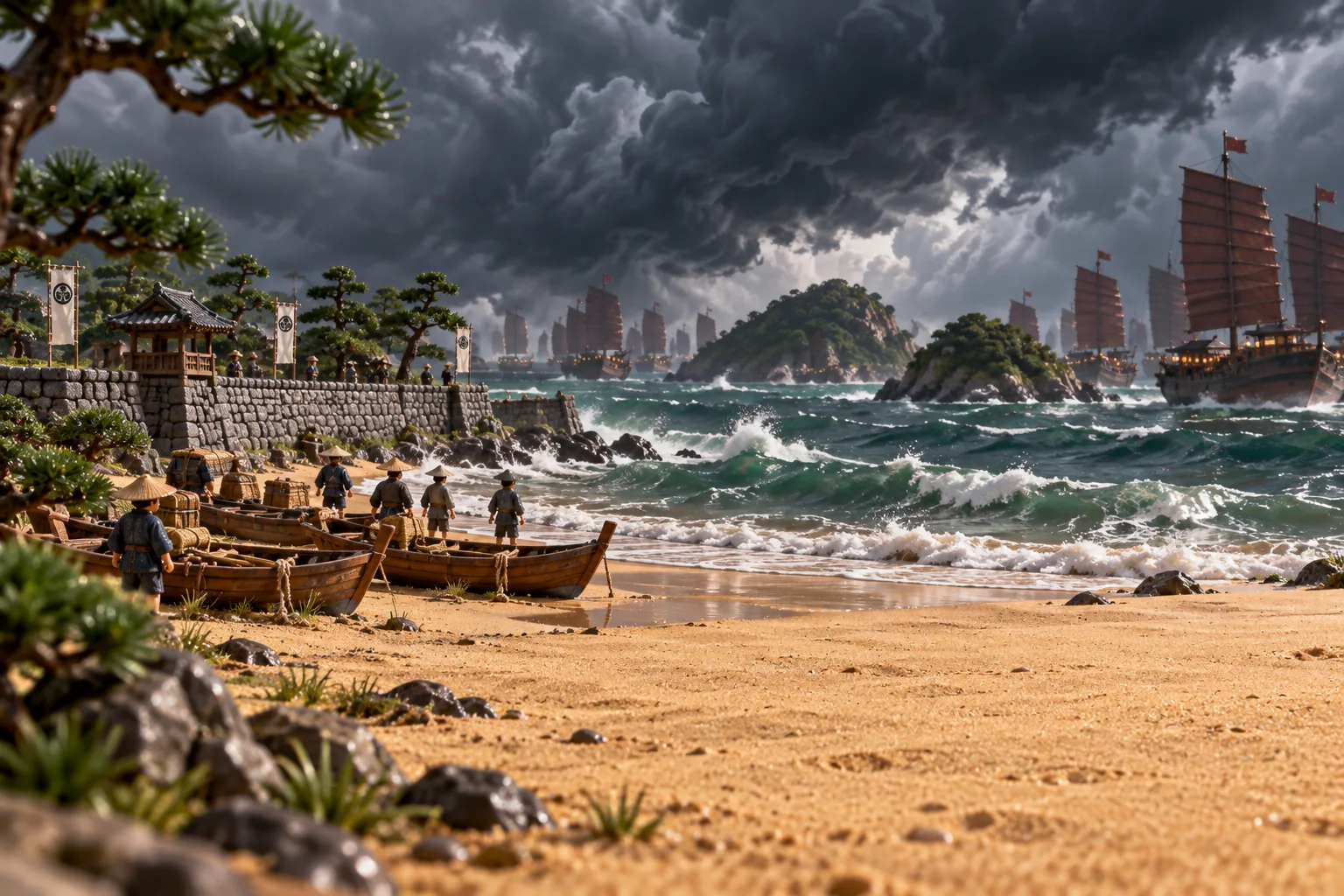 1274 and 1281 · Hakata Bay, Kyushu, JapanMongol invasions of JapanThe word kamikaze, 'divine wind', was first used for the storms that wrecked two Mongol fleets off the coast of Japan.
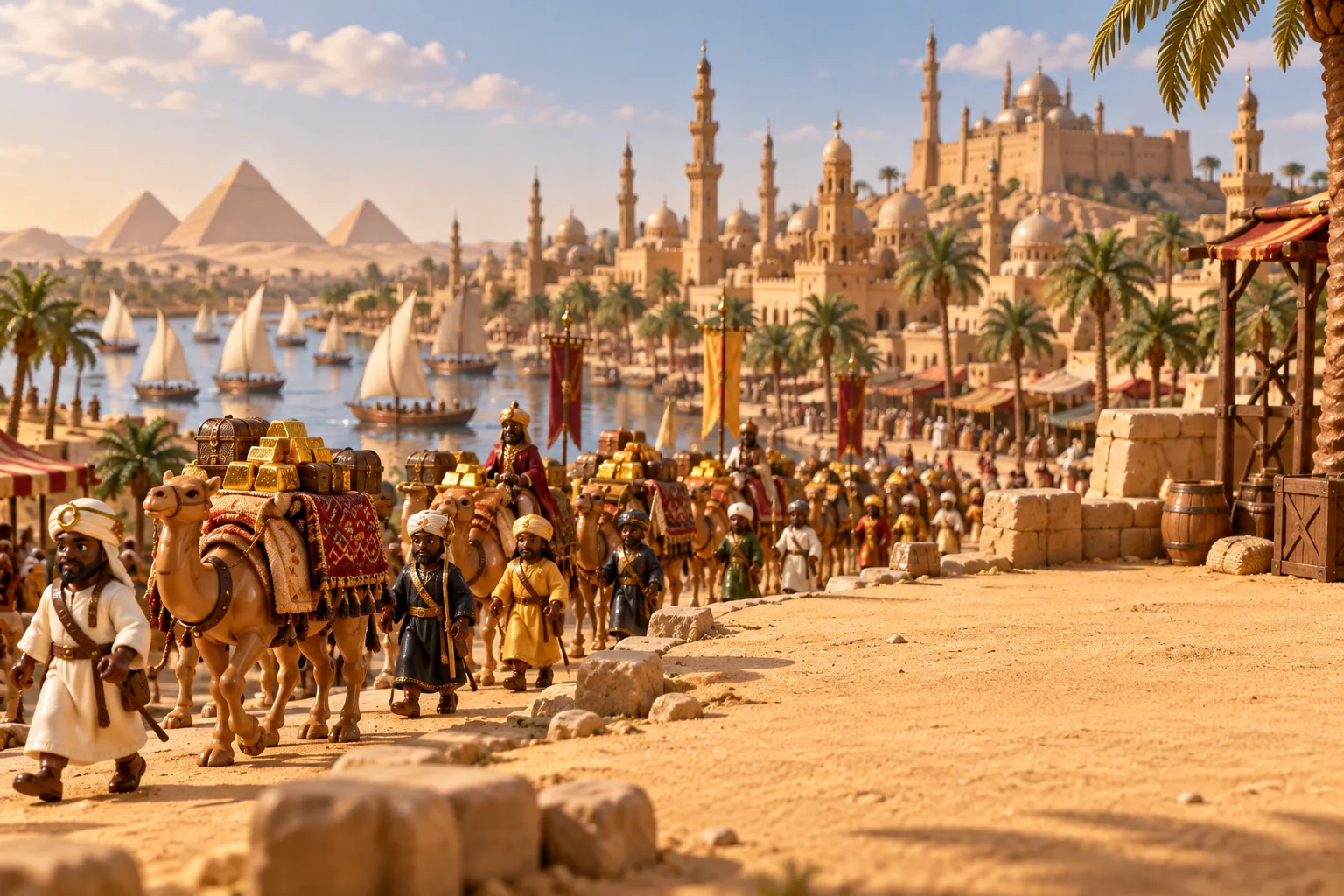 July 1324 · Cairo, EgyptMansa Musa in CairoA West African king gave away so much gold in Cairo that the metal was still cheaper there twelve years later.
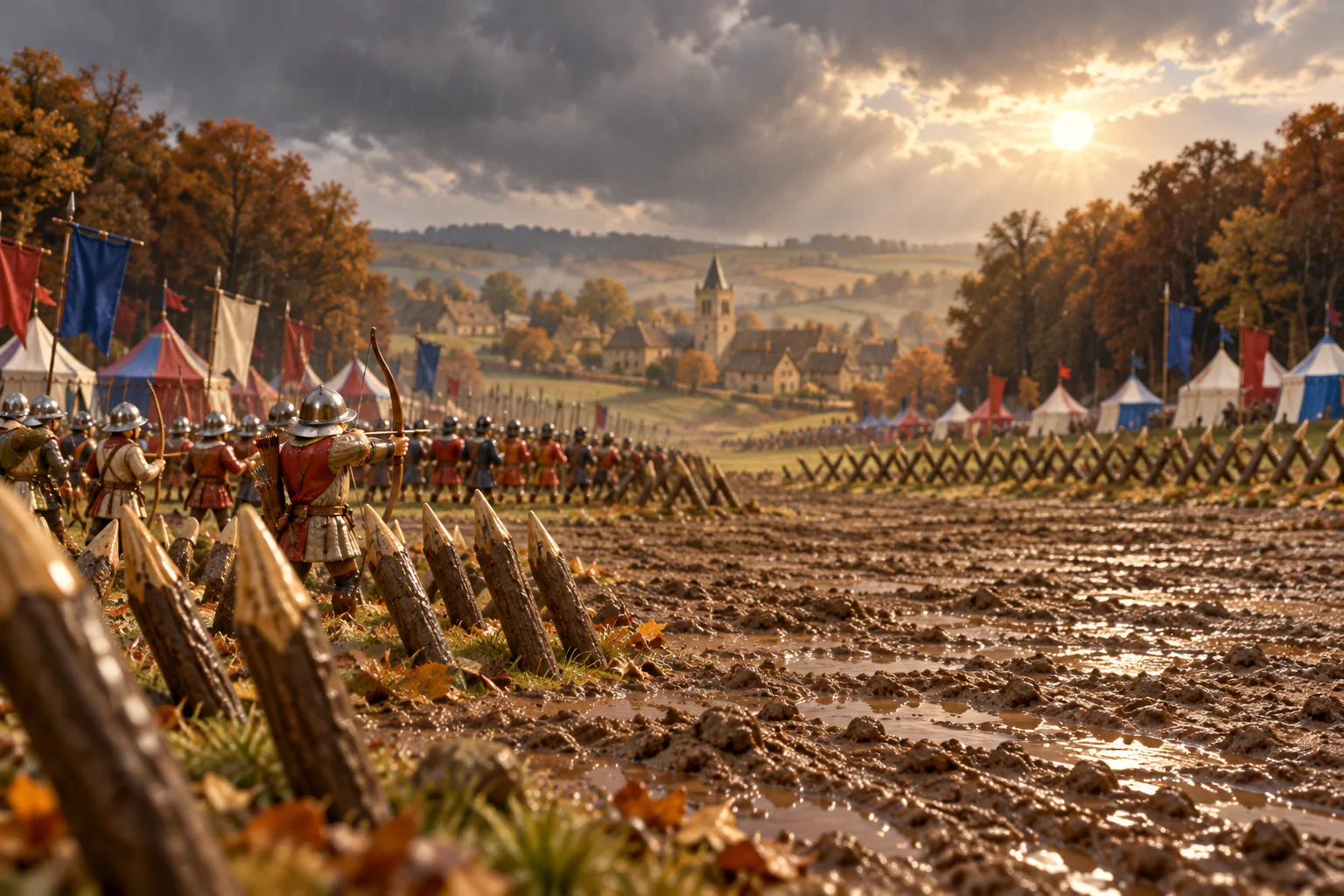 1337–1453 · Agincourt, northern FranceHundred Years' WarIt actually lasted 116 years, and English kings went on calling themselves kings of France until 1802.
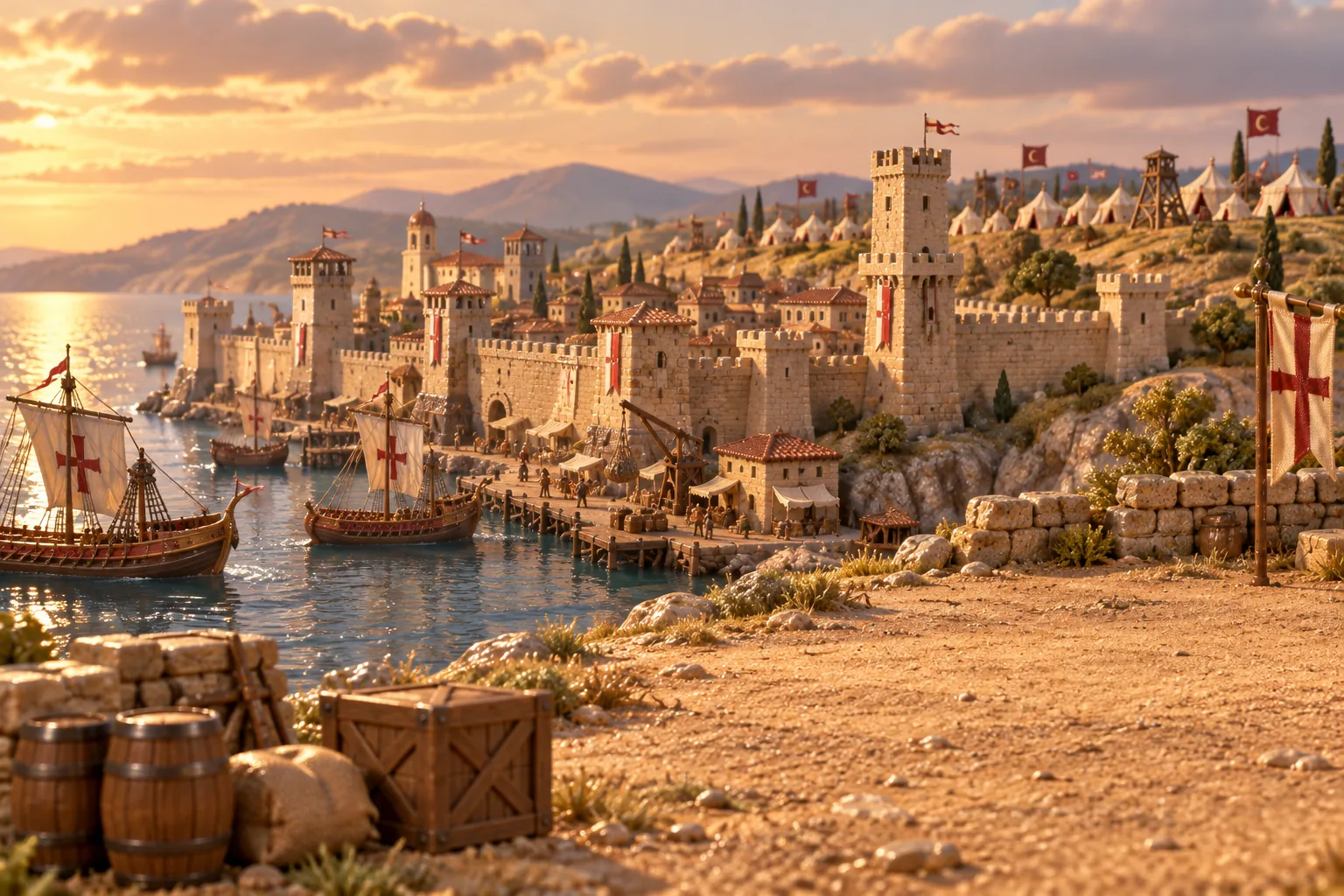 1346–1353 · Caffa, CrimeaThe Black DeathIn a few years a bacterium carried by fleas killed between a third and more than half of everyone in Europe.
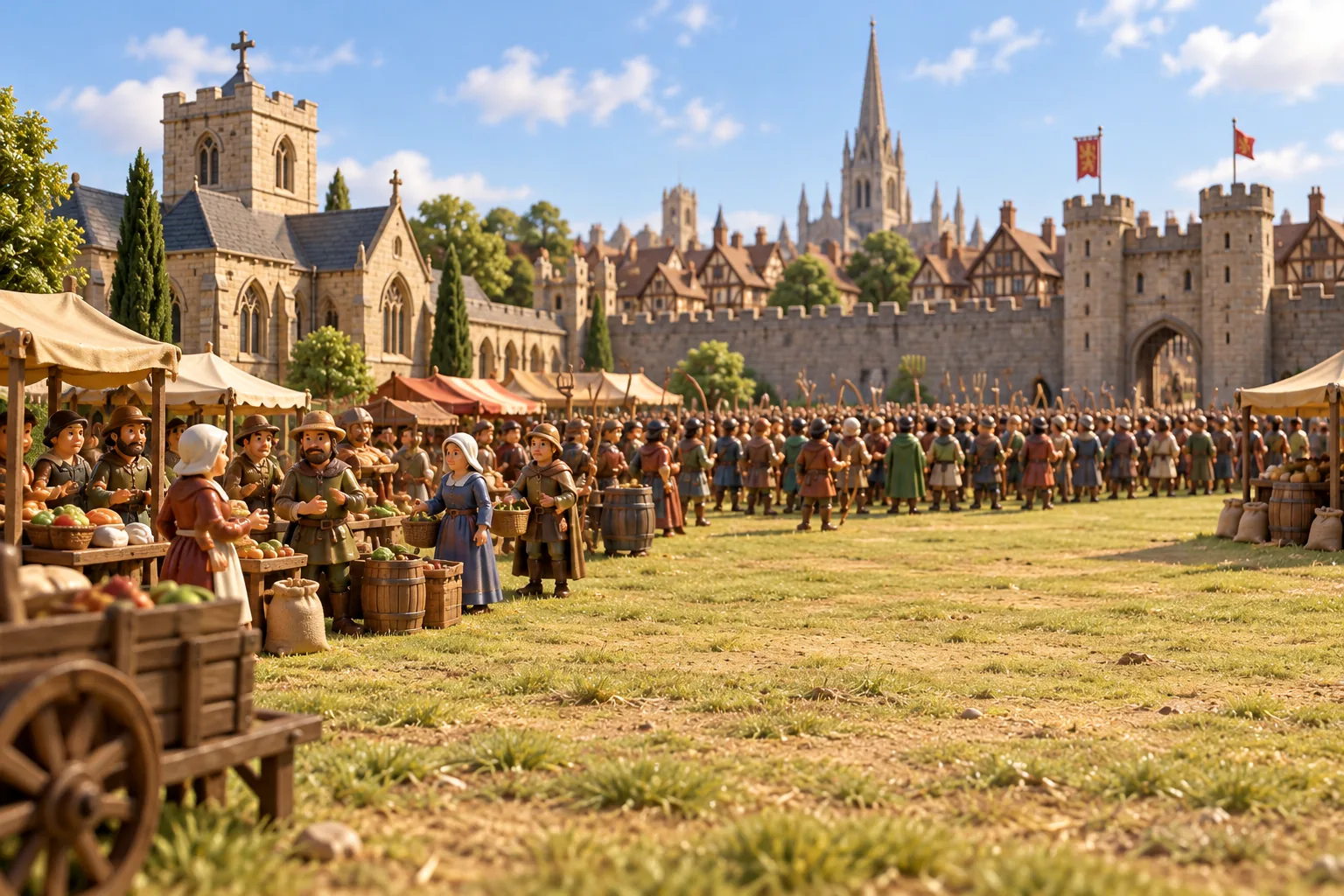 30 May – November 1381 · Smithfield, London, EnglandPeasants' Revolt of 1381"When Adam delved and Eve span, who was then a gentleman?" the priest John Ball asked the rebel crowd outside London.
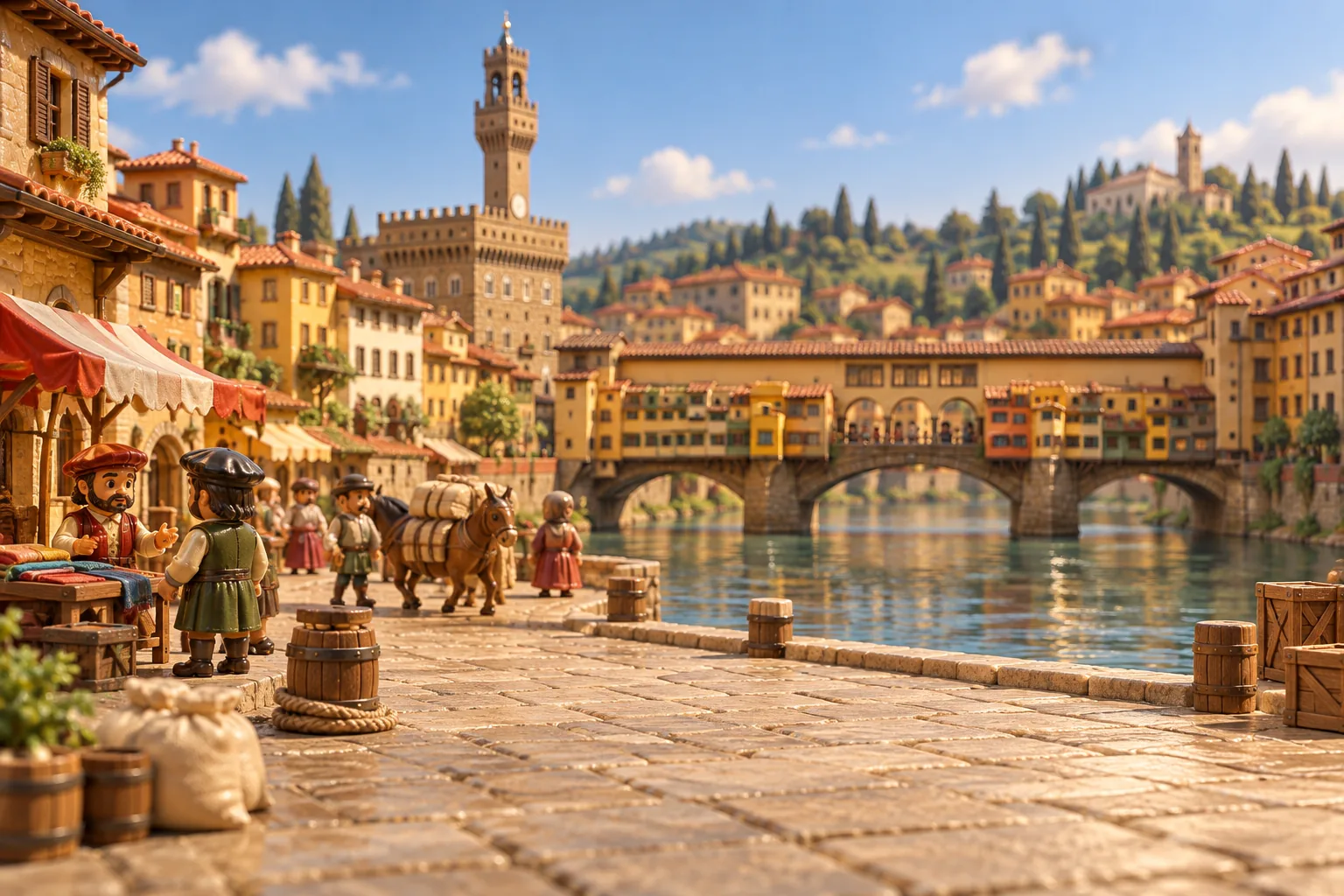 15th–16th centuries · Florence, ItalyRenaissanceOne proposed birthday of the Renaissance is a contest in 1401 for a pair of bronze doors, and the man who lost it went on to build the dome of Florence.
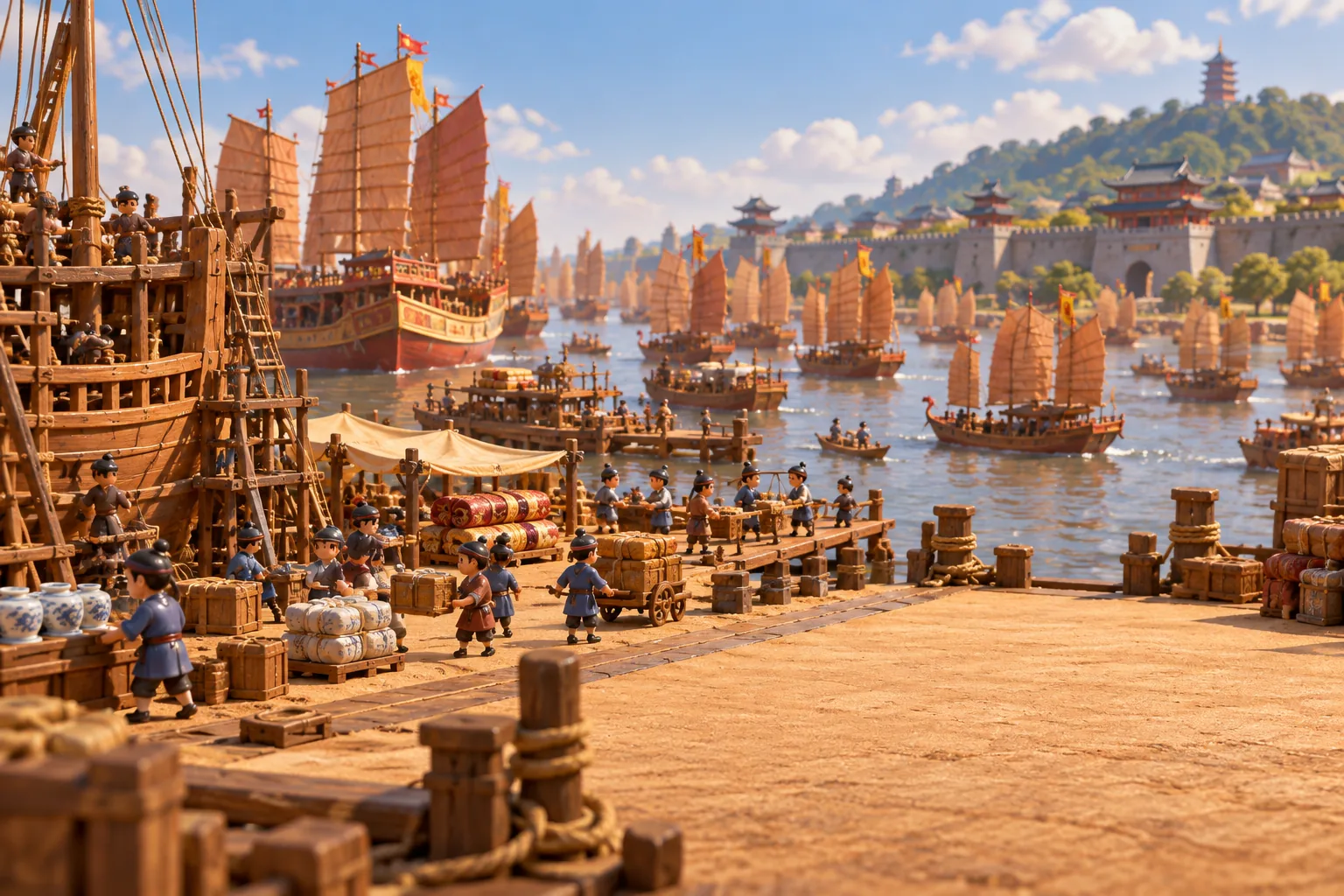 11 July 1405 – 1433 · Nanjing and the Indian OceanVoyages of Zheng HeA boy captured in war and made a palace eunuch grew up to command a fleet of 317 ships across the Indian Ocean.
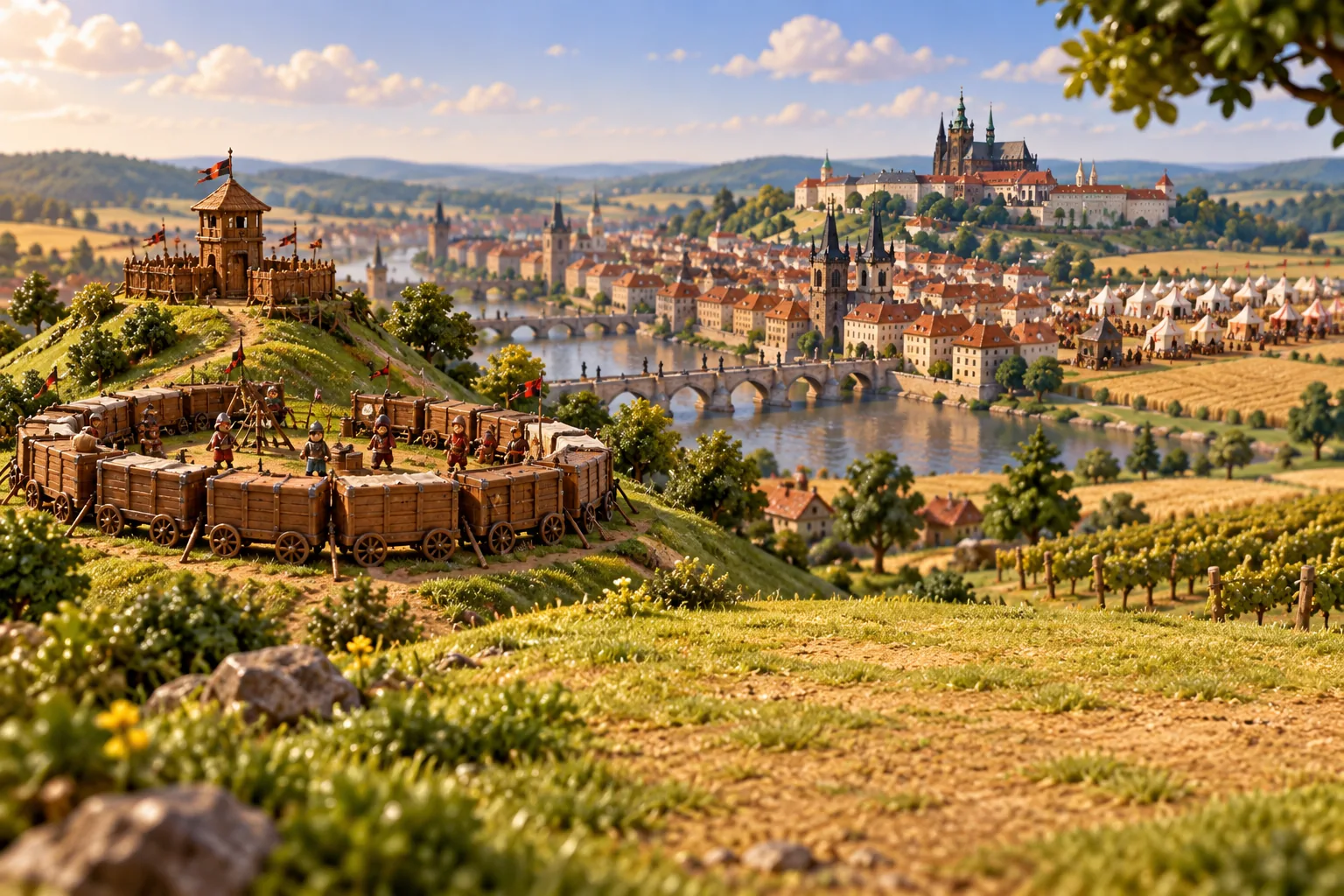 1419–1434 · Prague and the Kingdom of BohemiaHussite WarsFarmers with converted farm tools and cheap hand guns, fighting from a ring of wagons, beat the knights of half of Europe again and again.
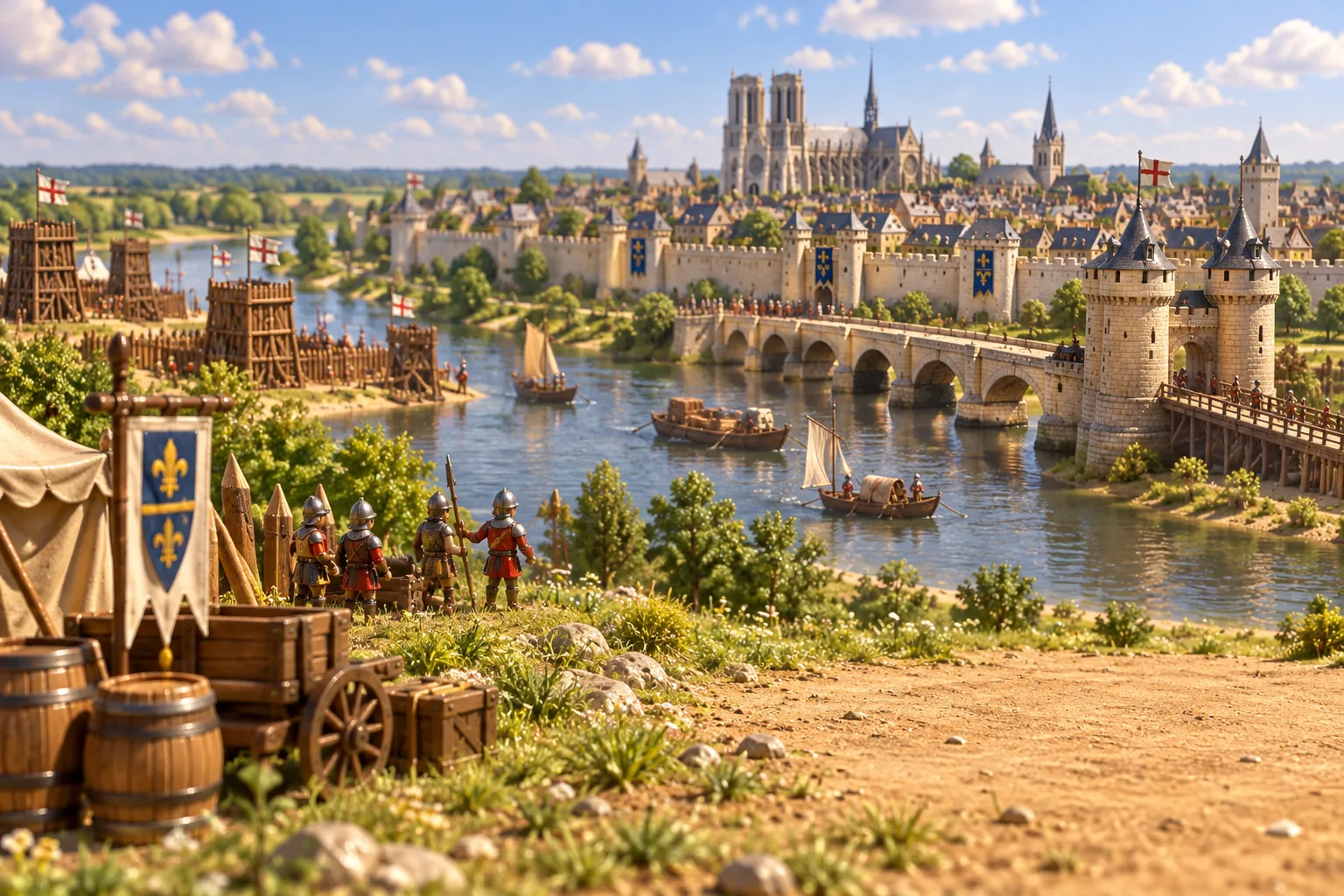 29 April – 8 May 1429 · Orléans, FranceJoan of ArcA teenage farm girl who could not write her own name talked her way into the king's army and turned a lost war around in nine days.
 29 May 1453 · Constantinople (Istanbul), TurkeyFall of ConstantinopleWhen his warships could not get past a chain across the harbour, the young sultan had them dragged over a hill on greased logs.
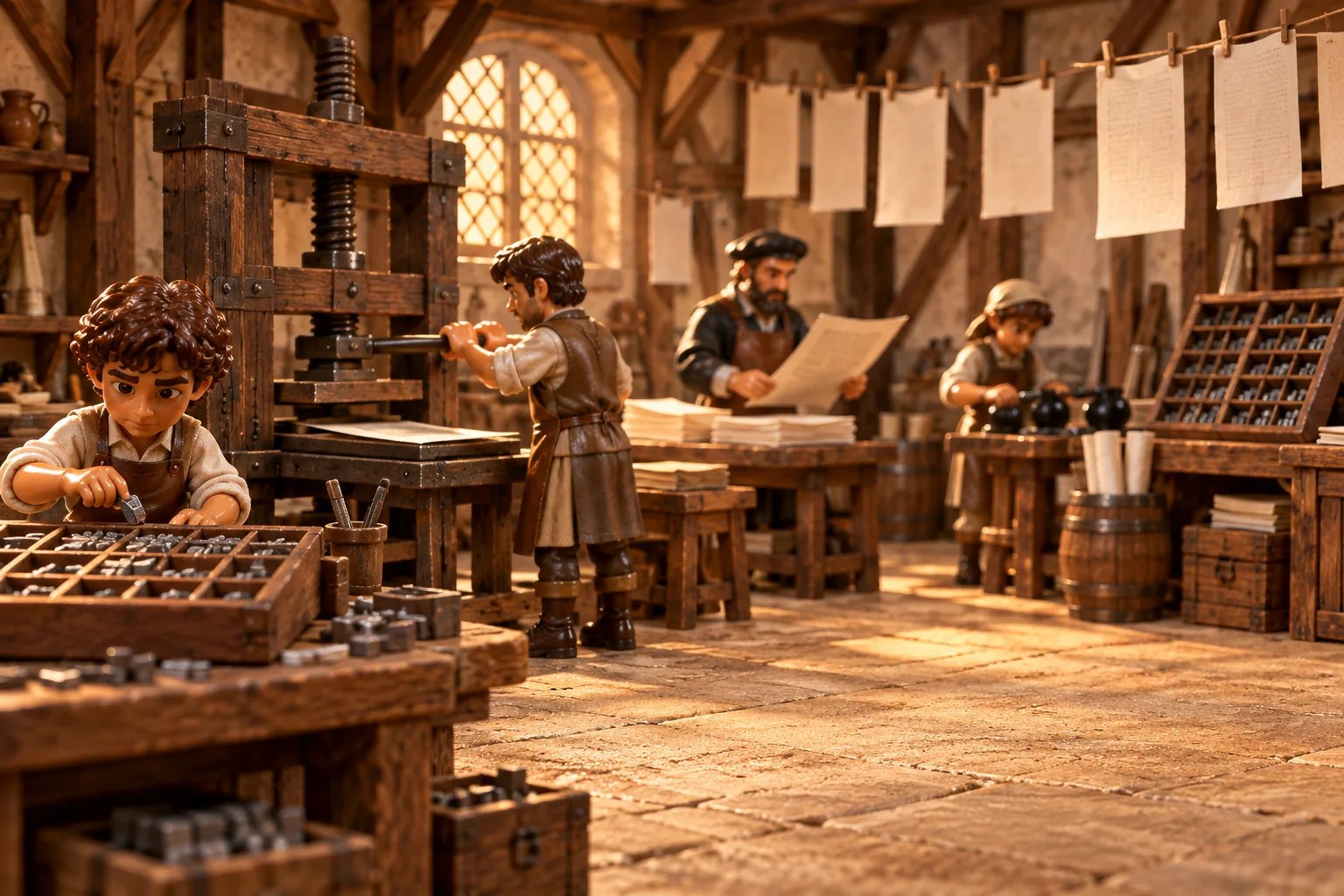 c. 1454–1455 · Mainz, GermanyGutenberg BibleBefore 1450 every Bible in Europe was copied by hand; within a few years, one workshop in Mainz turned out around 180 of them.
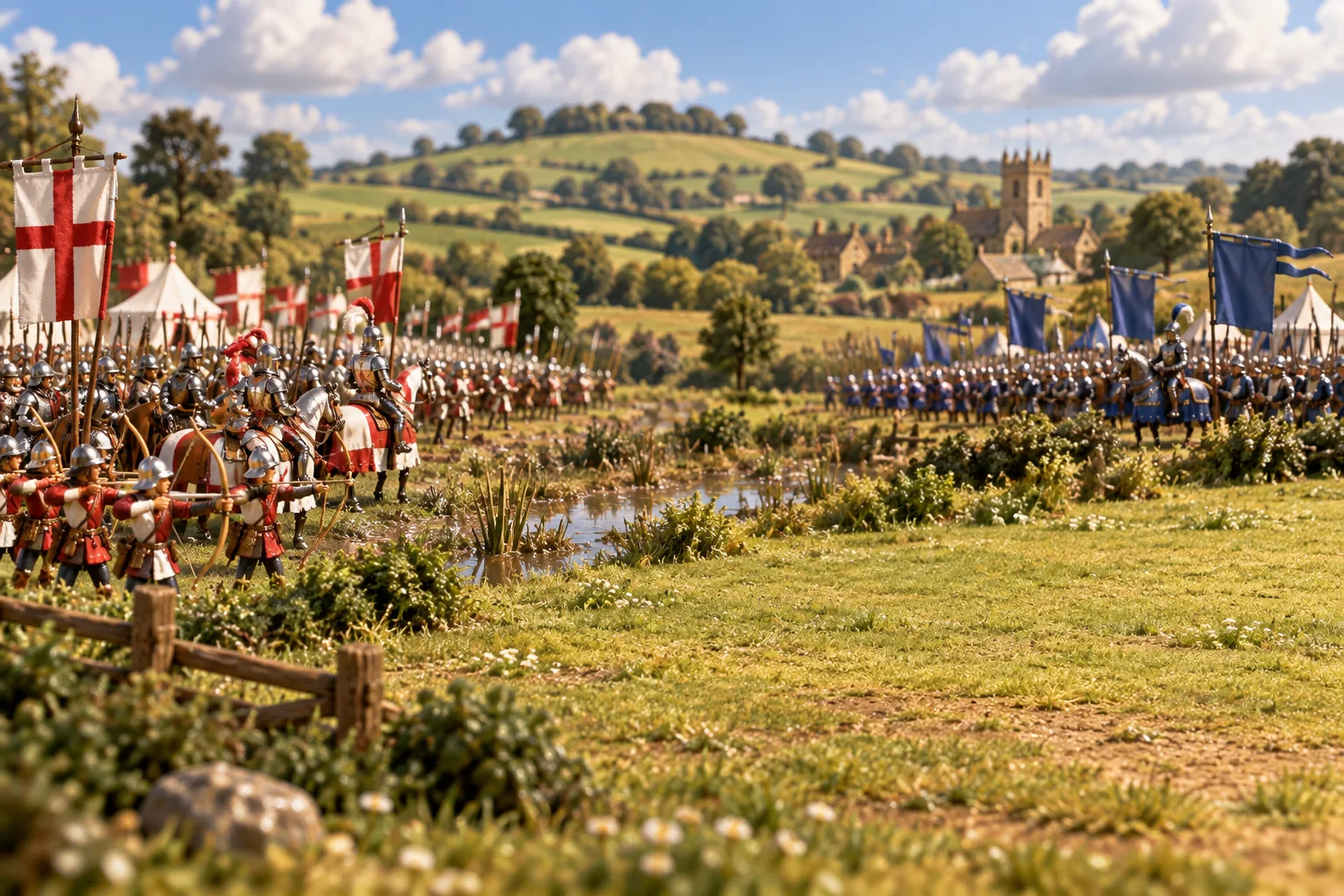 22 May 1455 – 16 June 1487 · Bosworth Field, Leicestershire, EnglandWars of the RosesNobody who fought in them called them the Wars of the Roses: the name caught on only in the 19th century, thanks to a novel.
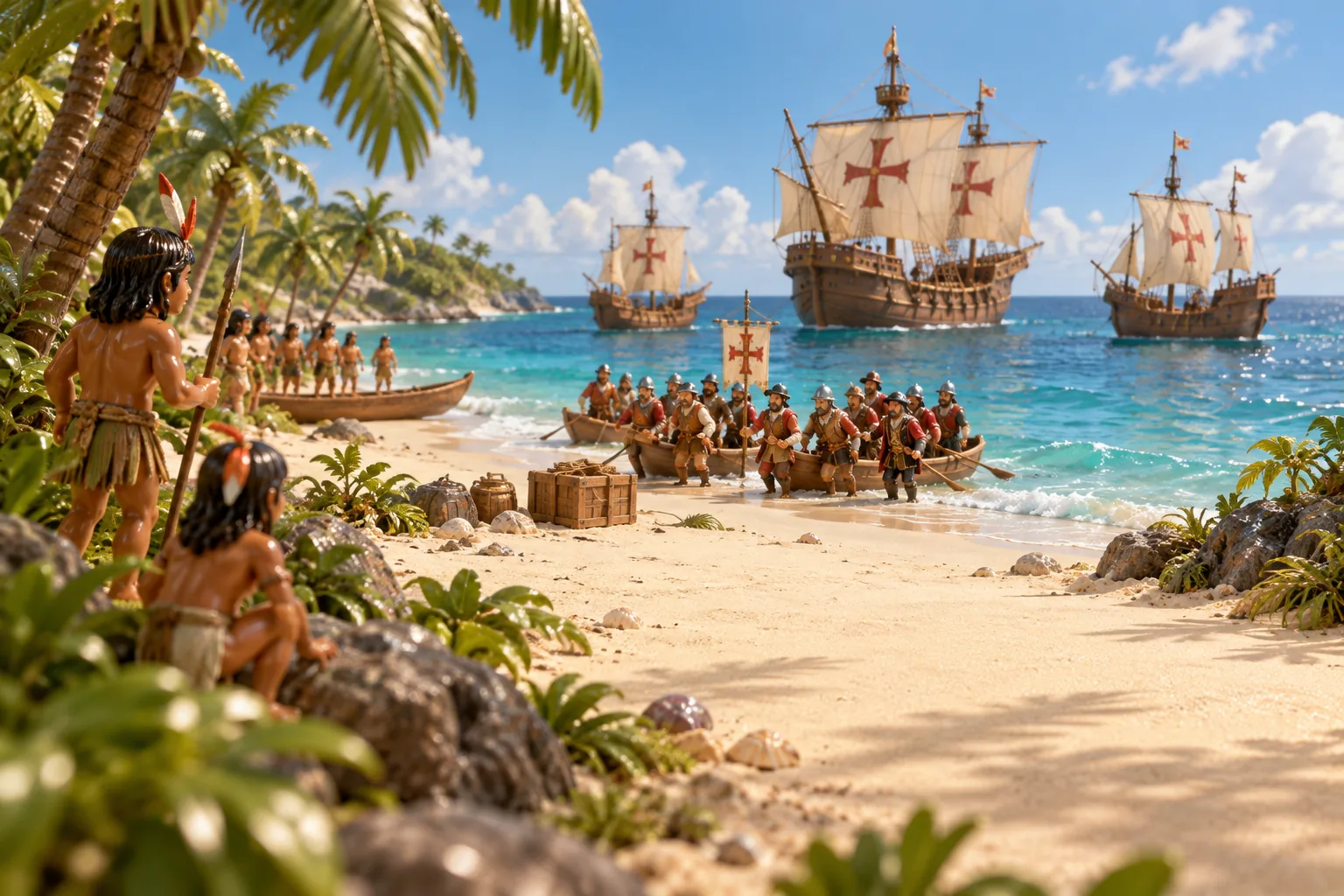 12 October 1492 · Guanahani (San Salvador), BahamasColumbus reaches AmericaChristopher Columbus sailed west to reach Japan and China, and on 12 October 1492 he stepped onto a small island in the Bahamas convinced he was in the Indies.
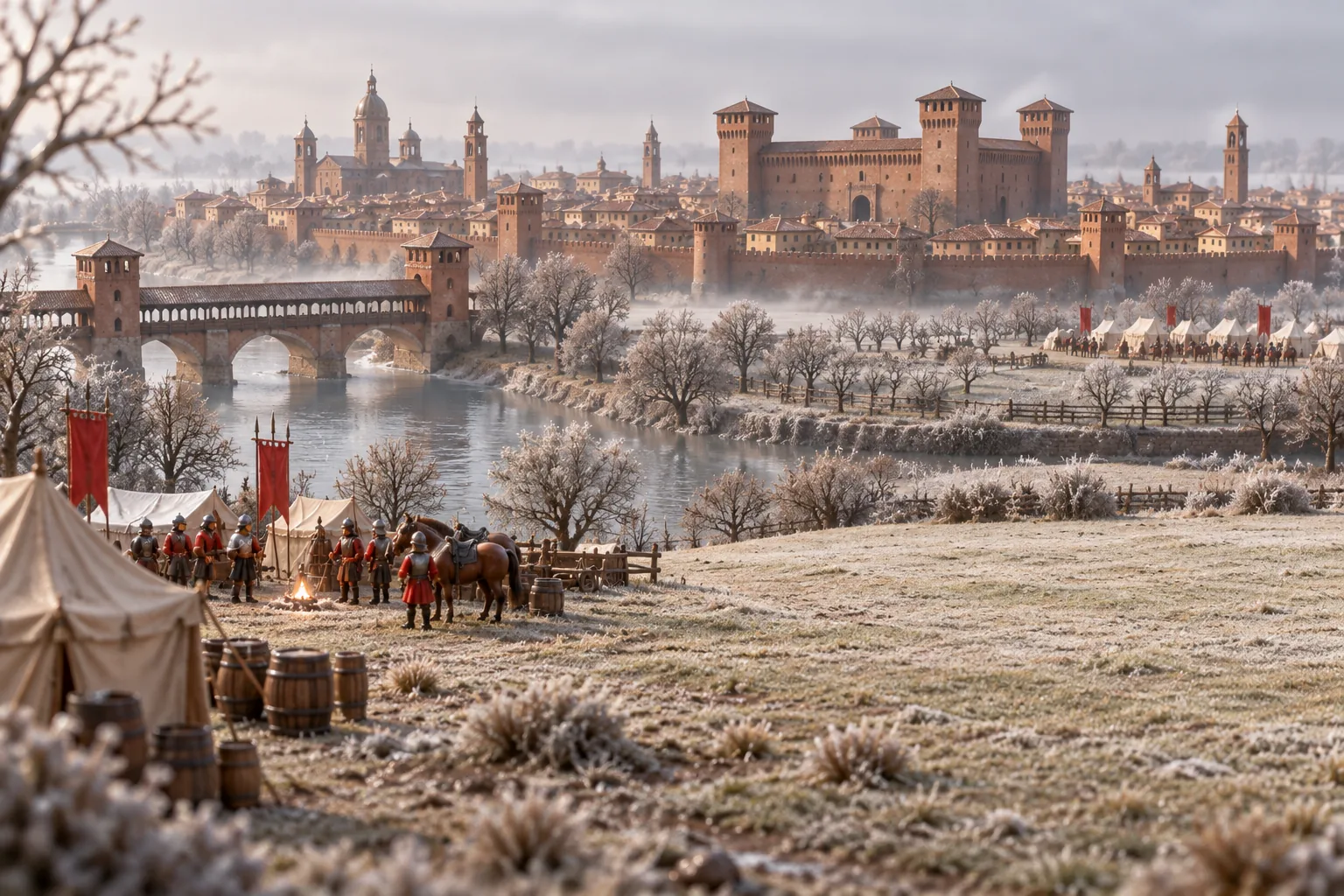 1494–1559 · Pavia, Duchy of Milan, ItalyItalian WarsThe richest, most artistic land in Europe became its battlefield, and the wars that tore Renaissance Italy apart also gave birth to modern warfare.
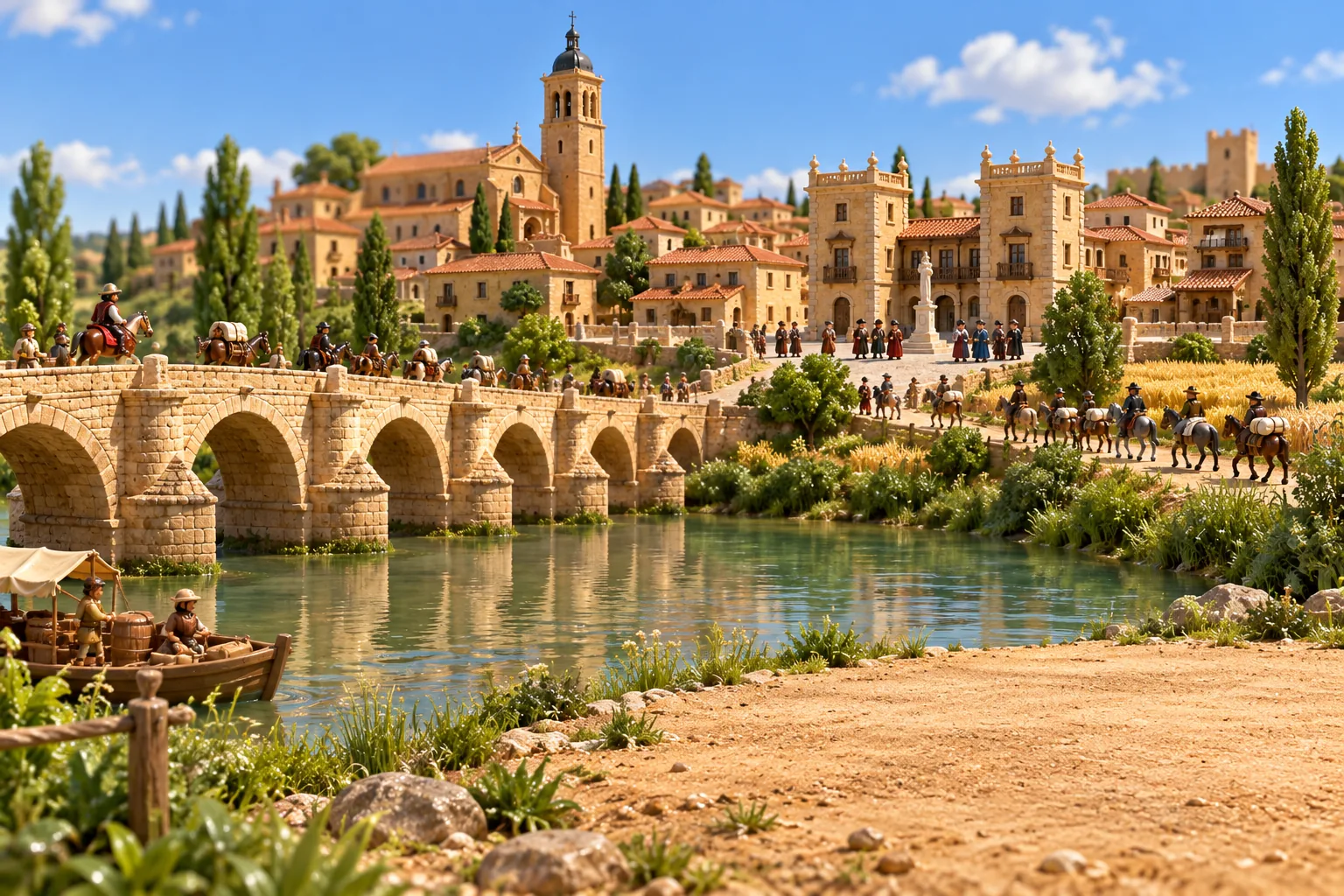 7 June 1494 · Tordesillas, Castile, SpainTreaty of TordesillasTwo kingdoms drew a single line down the Atlantic and shared out a world that Europeans had barely seen, and that line is the first reason Brazil became Portuguese.
Early modern 1500 to 1800
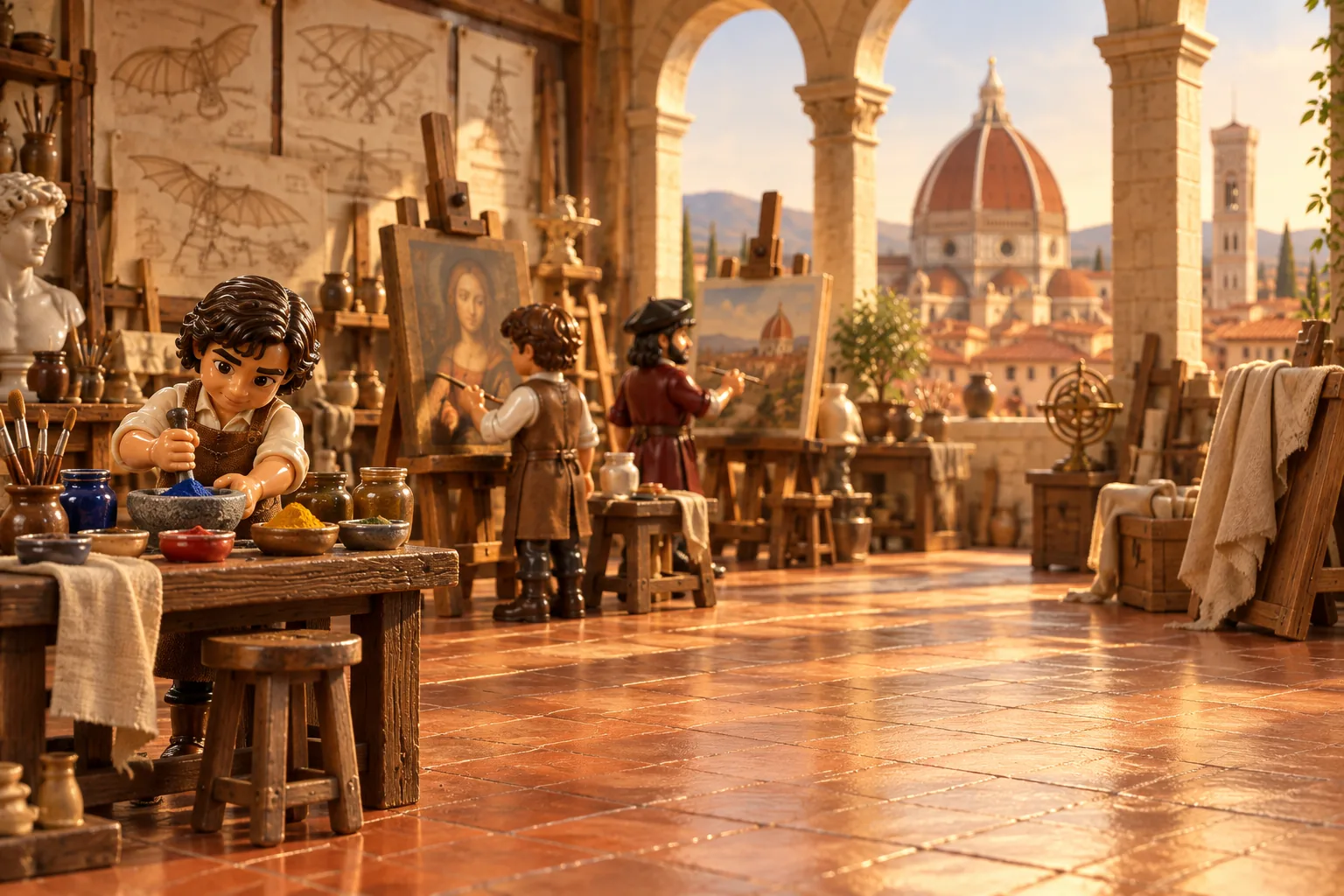 1503–1506 · Florence, ItalyLeonardo and the RenaissanceIn 1504 Florence had Leonardo and Michelangelo working a few streets apart, painting rival battle scenes on the walls of the same council hall.
 1517–1648 · Geneva, SwitzerlandProtestant ReformationZürich's Reformation went public with a plate of sausages, eaten in Lent against all the rules of fasting.
 31 October 1517 · Wittenberg, GermanyMartin LutherA monk who had joined his monastery after a terrifying thunderstorm wrote a list of objections to his church, and Western Christianity split in two.
 20 September 1519 – 6 September 1522 · Strait of Magellan, southern South AmericaFirst voyage around the worldFive ships and about 270 men set out to find a western route to the spices of Asia; three years later one battered ship came back with 18 of them.
 8 November 1519 – 13 August 1521 · Tenochtitlan (Mexico City)Cortés and the AztecsOn 8 November 1519 a few hundred Spaniards marched into Tenochtitlan, one of the largest cities in the world; less than two years later it lay in ruins.
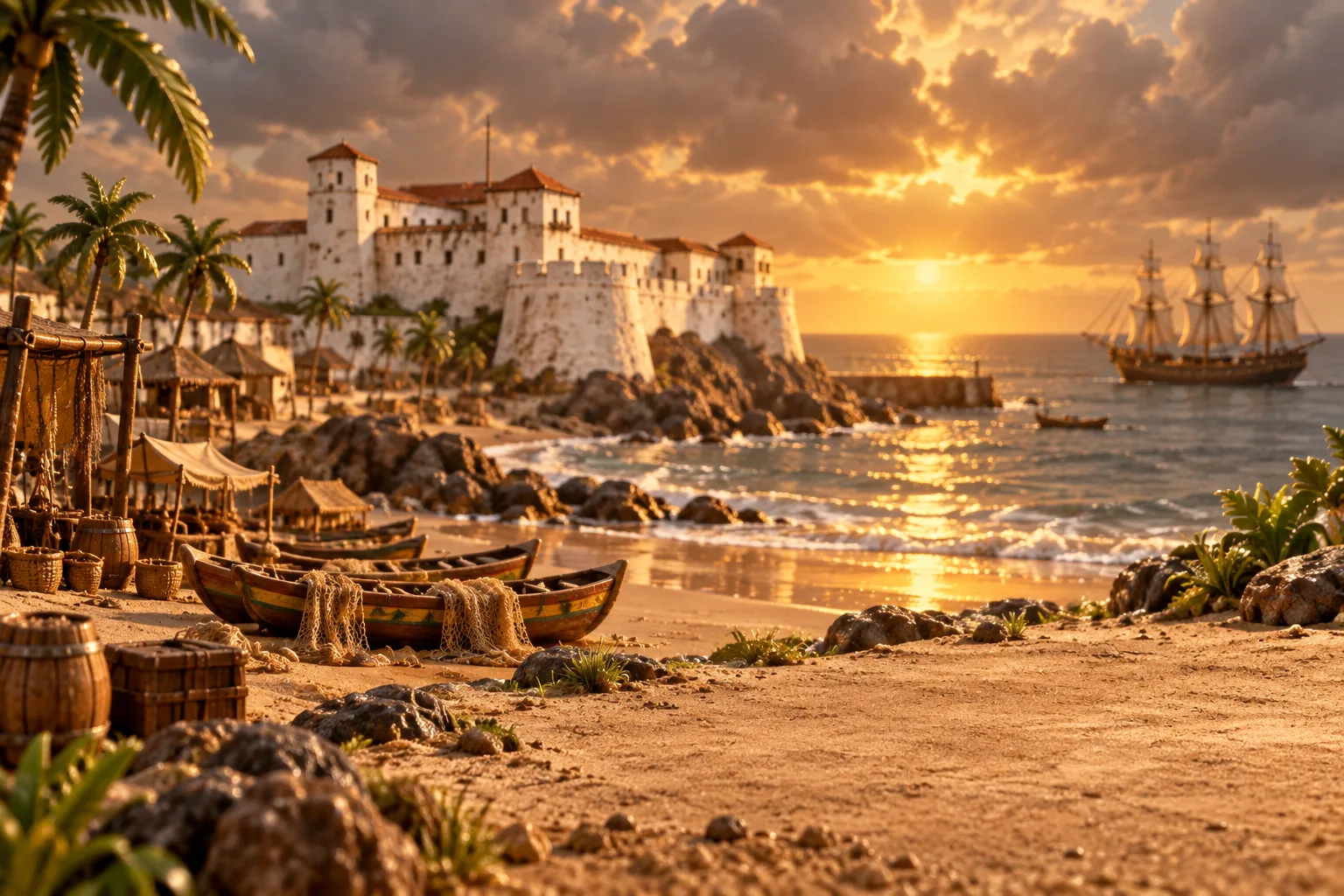 1525–1867 · West African coastAtlantic slave tradeFor more than three centuries ships carried people from Africa to the Americas in chains: about 12.5 million were taken, and some 10.7 million lived through the crossing.
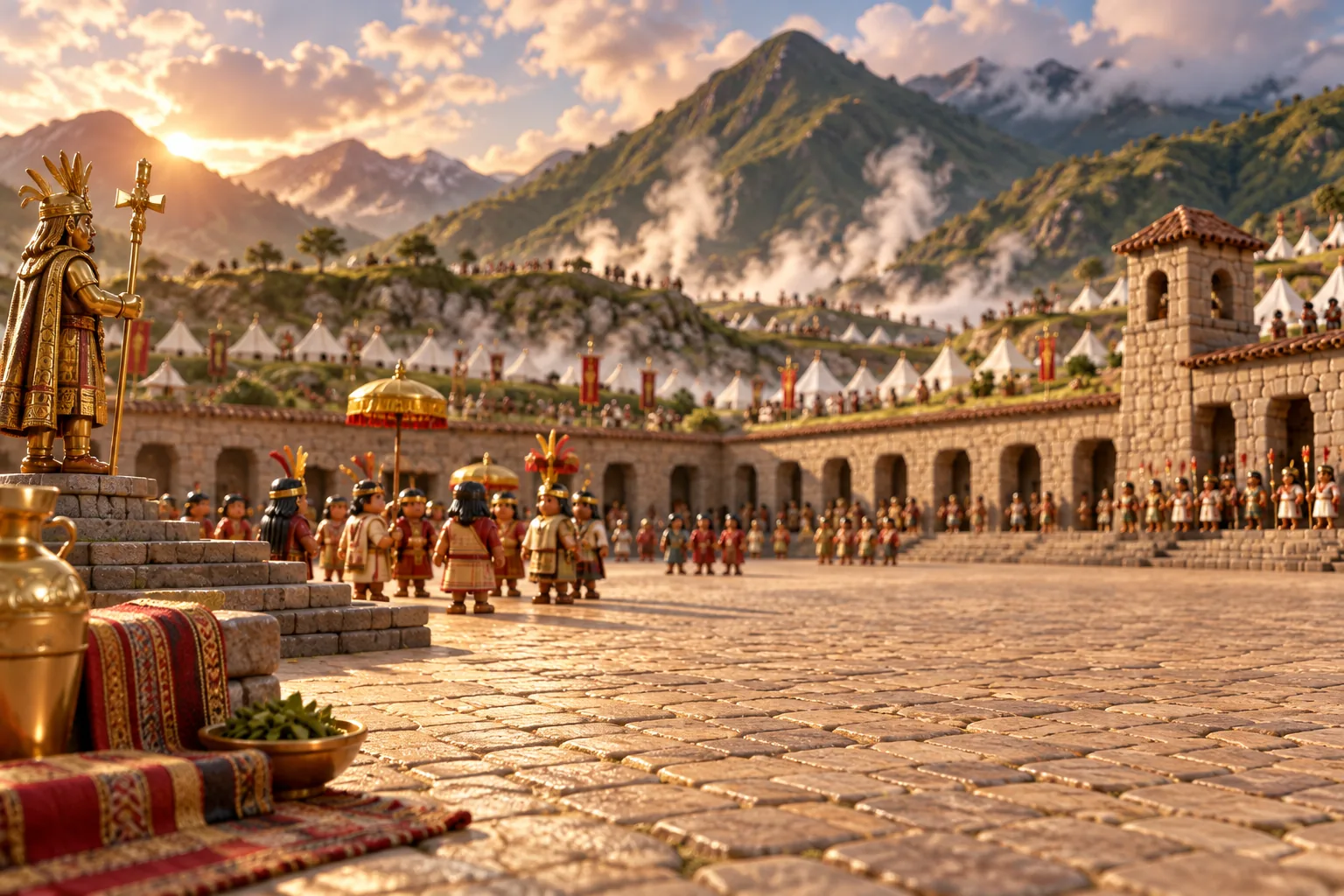 16 November 1532 · Cajamarca, PeruPizarro and the IncaThe Inca emperor had 80,000 soldiers camped on the hills, and he had himself carried into the town square to meet 168 strangers because he planned to capture them.
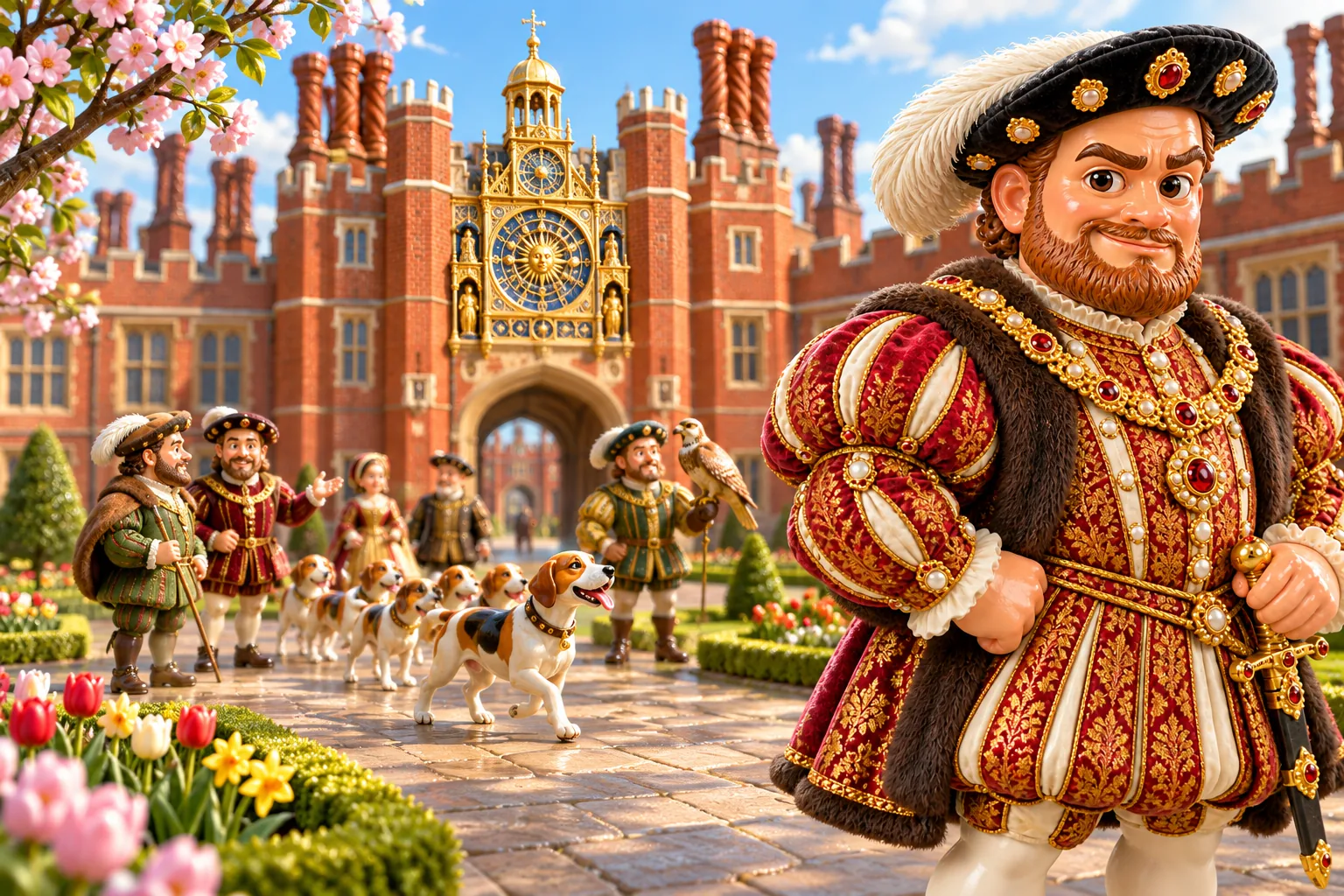 1534 · London, EnglandHenry VIIIA king who had been hailed by the pope as Defender of the Faith ended up taking the English Church away from Rome.
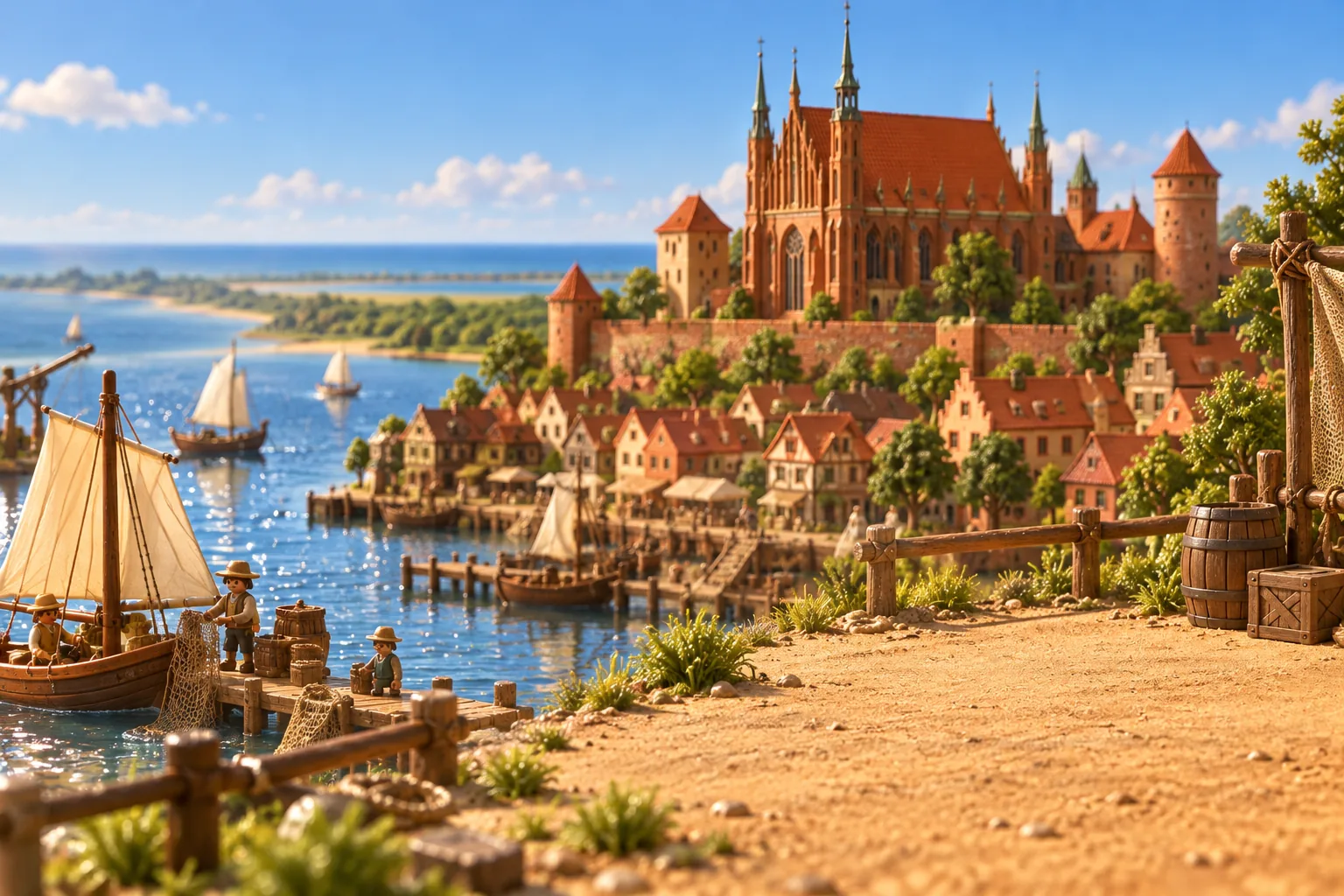 1543 · Frombork, Royal Prussia (today Poland)CopernicusA cathedral canon on the Baltic coast spent decades on a book that set the Earth moving, and, legend says, saw the printed pages on the day he died.
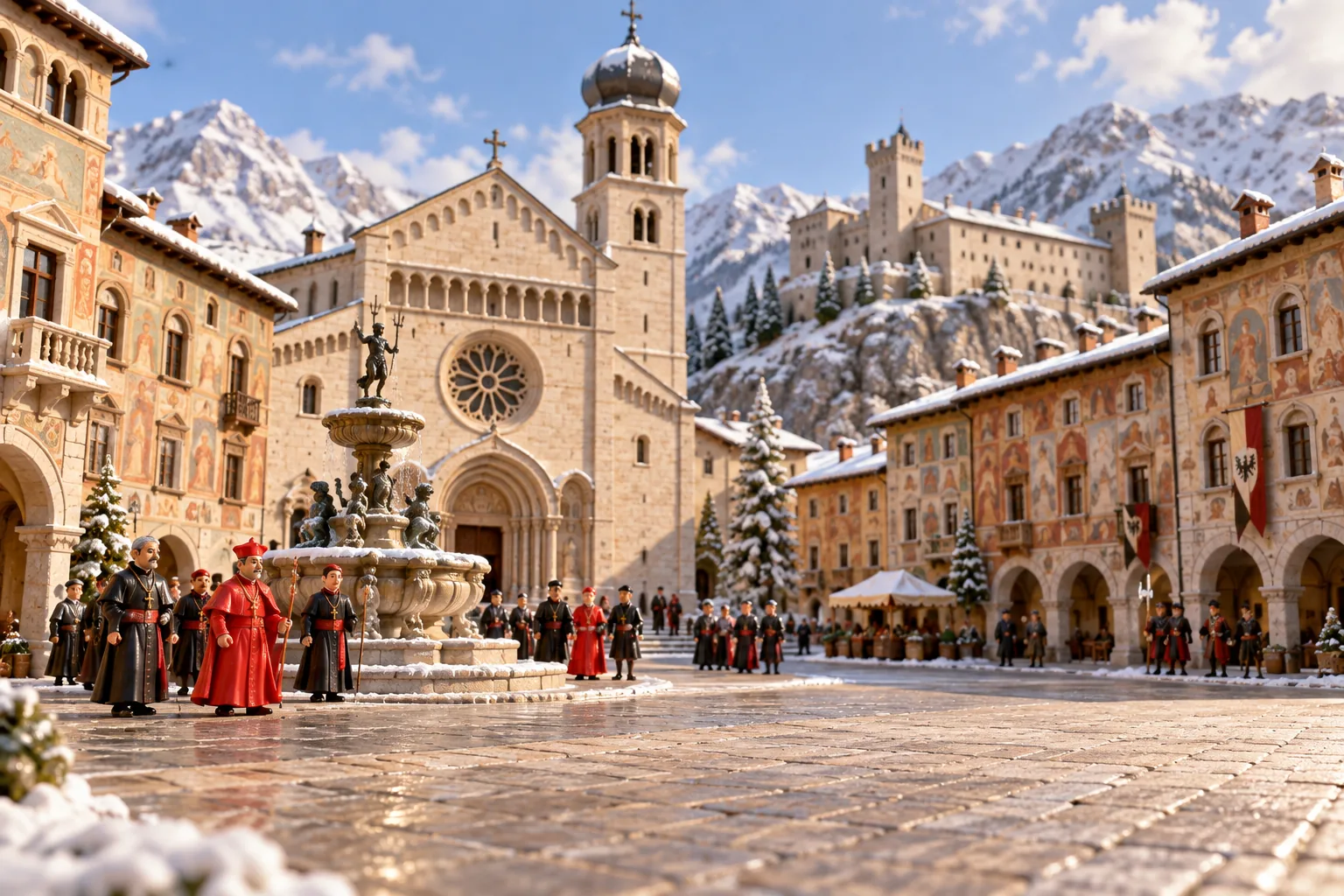 1545–1648 (Council of Trent 1545–1563) · Trento (Trent), Prince-Bishopric of TrentCounter-ReformationLegend says the Council of Trent nearly banned polyphonic church music; there is no record that it did, but the story still clings to its name.
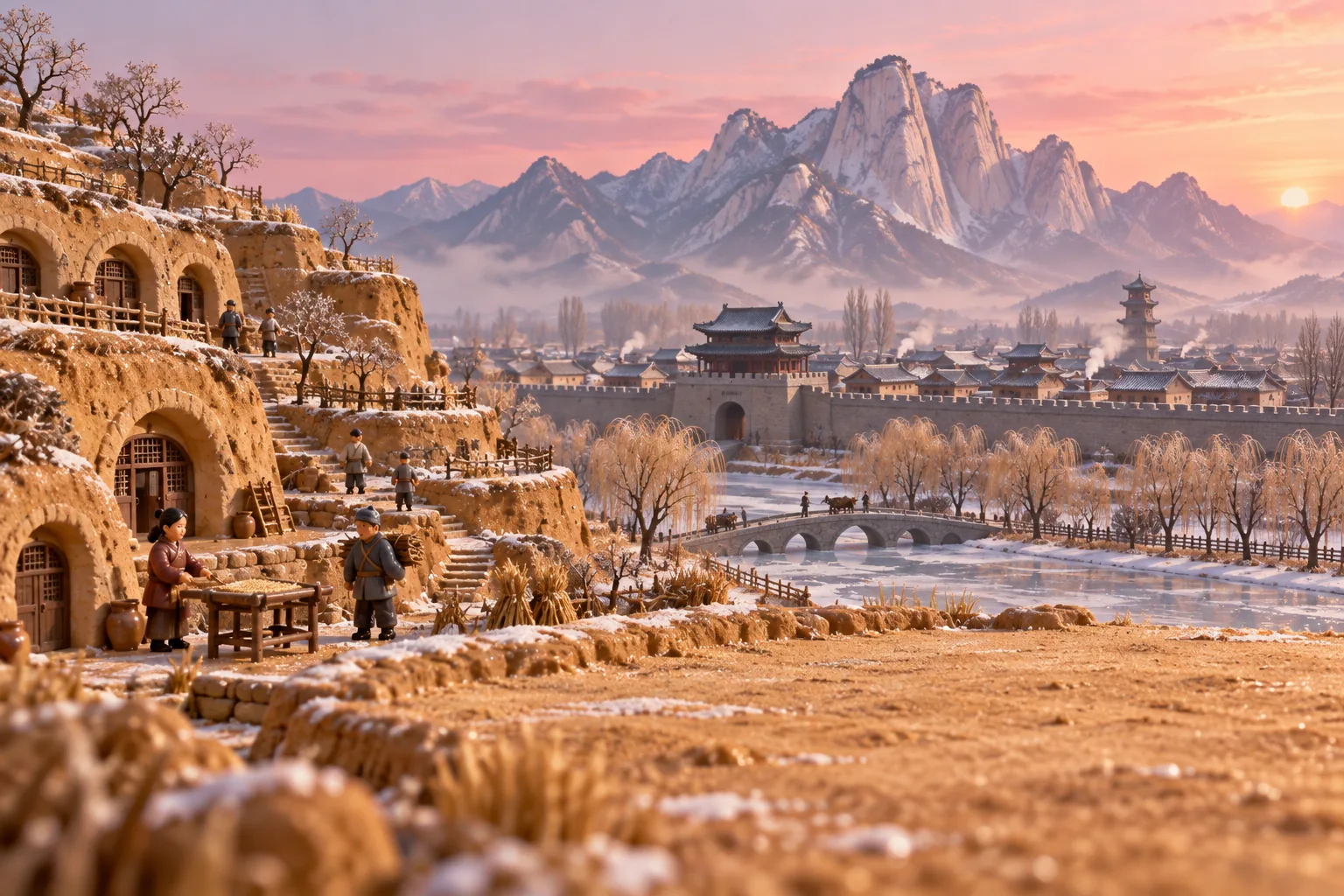 23 January 1556 · Huaxian, Wei River valley, Shaanxi, Ming China1556 Shaanxi earthquakeMany of its victims died in their sleep, in homes dug into the soft yellow cliffs of the Loess Plateau.
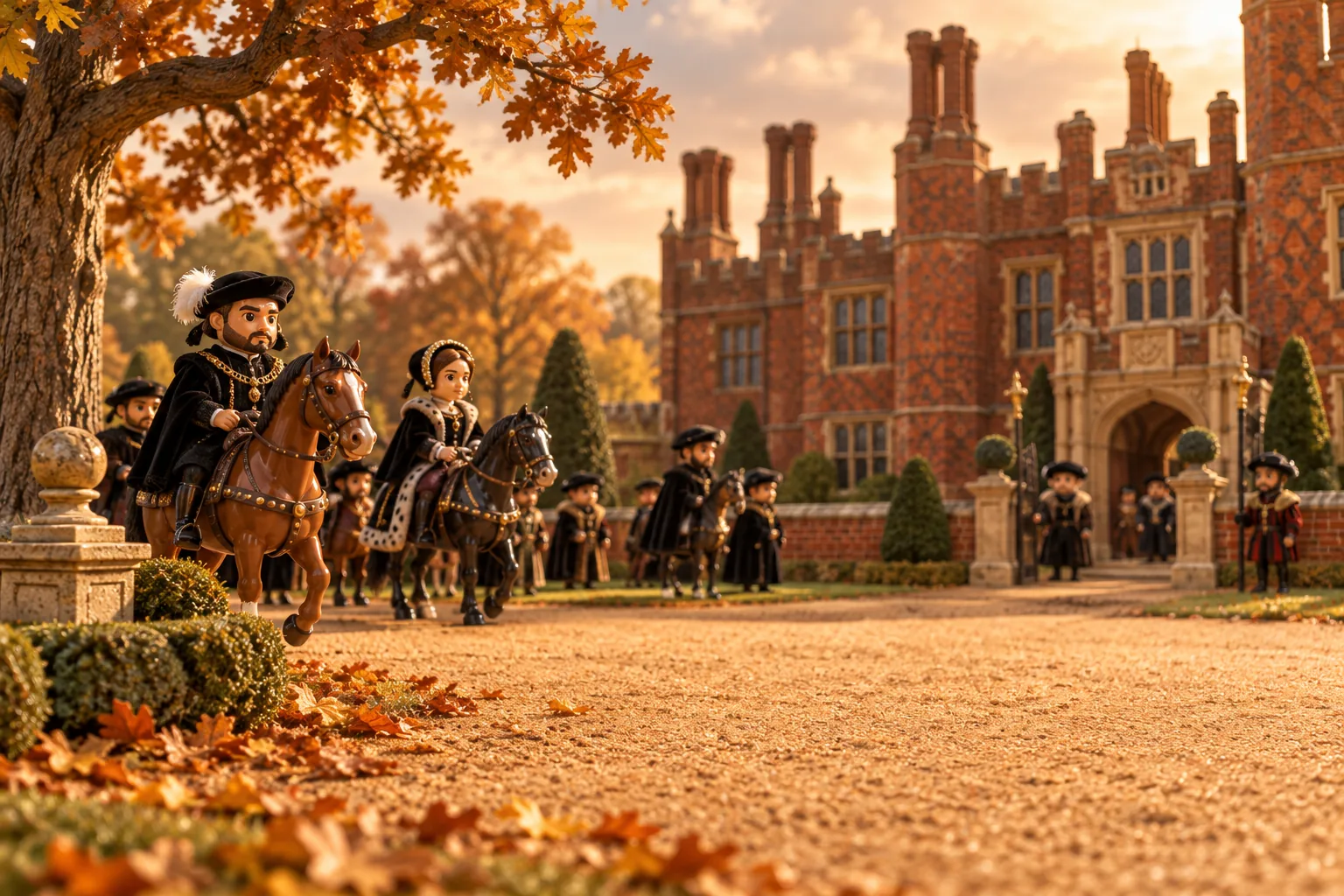 17 November 1558 · Hatfield, EnglandElizabeth IShe was declared illegitimate at two and locked in the Tower of London at twenty, and she went on to rule England for 44 years.
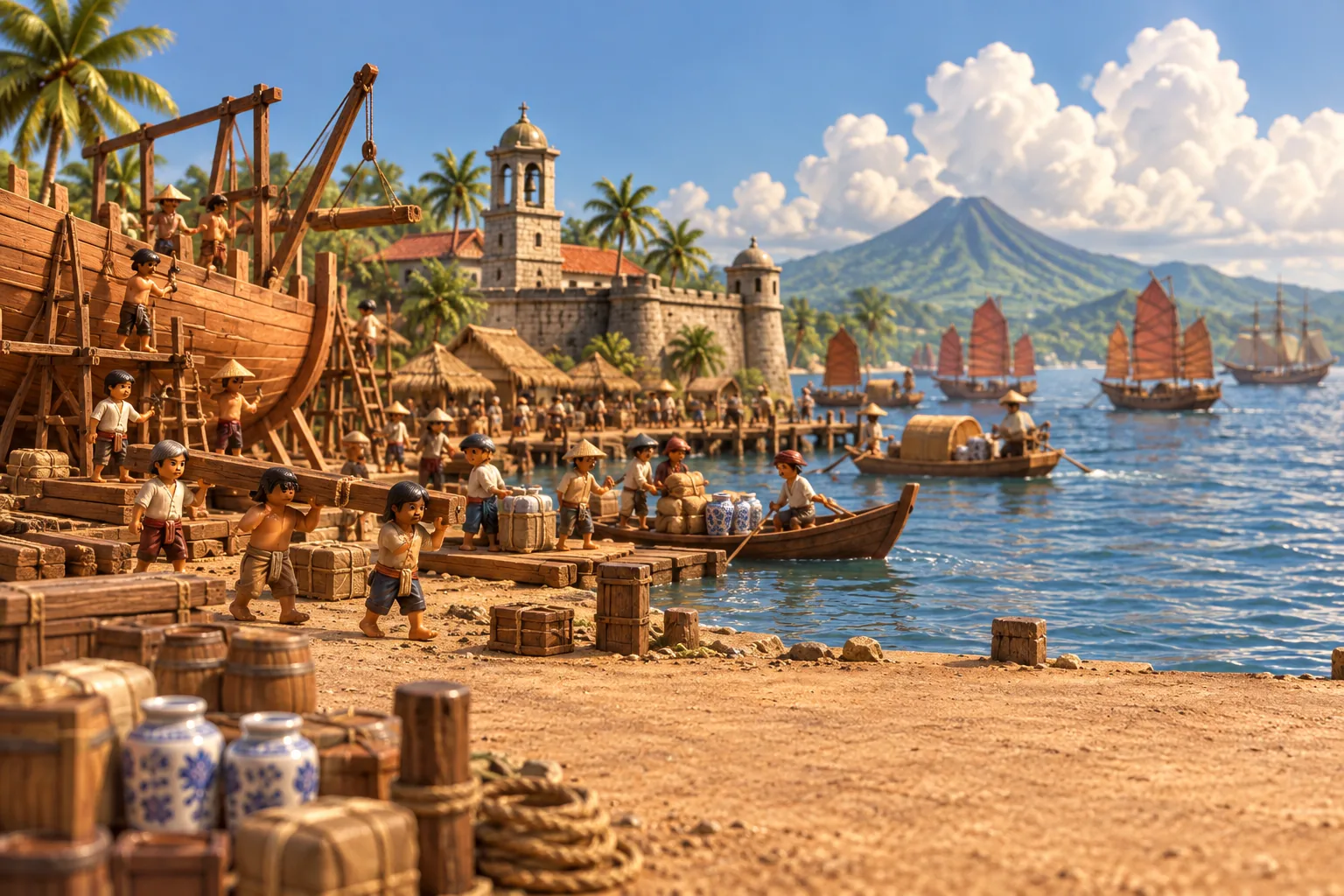 1565–1815 · Manila and Cavite, Philippines, to Acapulco, New SpainManila galleonOnce a year a huge ship stuffed with silk, porcelain and spices left Manila and spent at least four months alone on the Pacific before it saw Mexico.
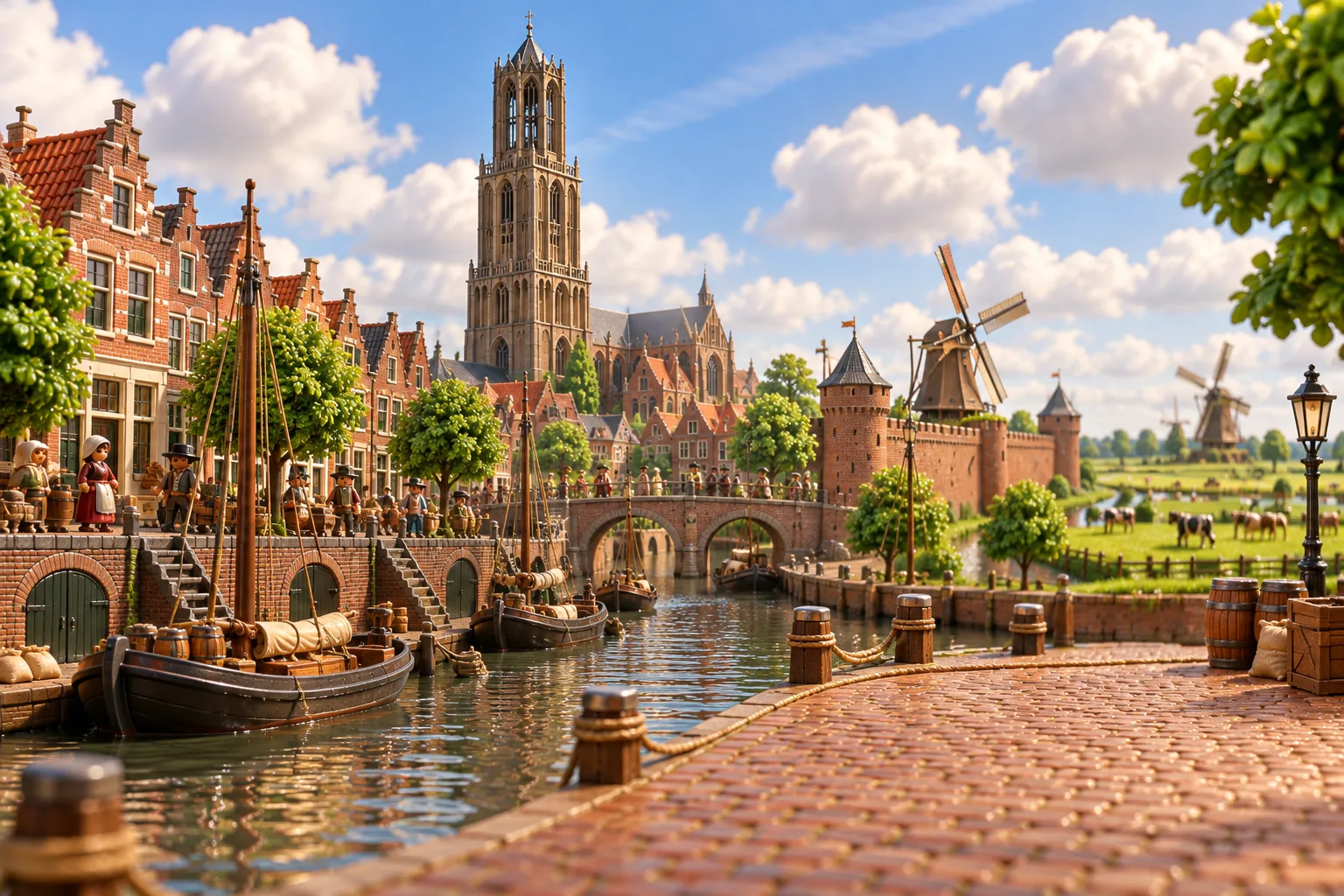 c. 1566/1568 – 30 January 1648 · Utrecht and the Low CountriesEighty Years' WarThe peace that ended it was proclaimed on the 80th anniversary of the day Spain beheaded two of the revolt's first heroes, the Counts of Egmont and Horne.
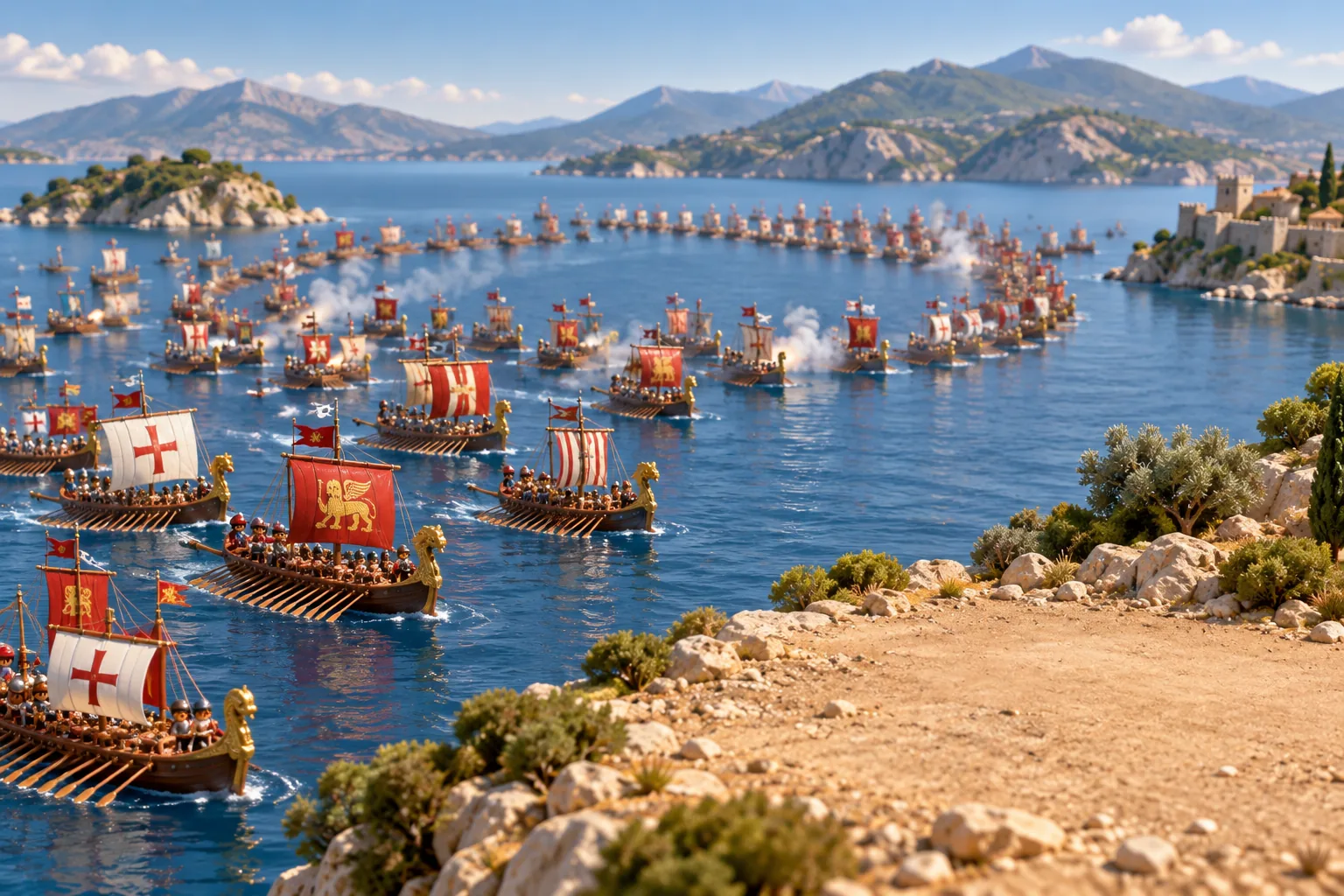 7 October 1571 · Gulf of Patras, GreeceBattle of LepantoMore than 450 oared warships crashed together off the coast of Greece in a sea battle that was really an infantry fight on floating platforms.
 May–September 1588 · English ChannelSpanish ArmadaIn 1588 Spain sent the greatest fleet of its age to carry an army to England; the survivors came home the long way, round Scotland and Ireland.
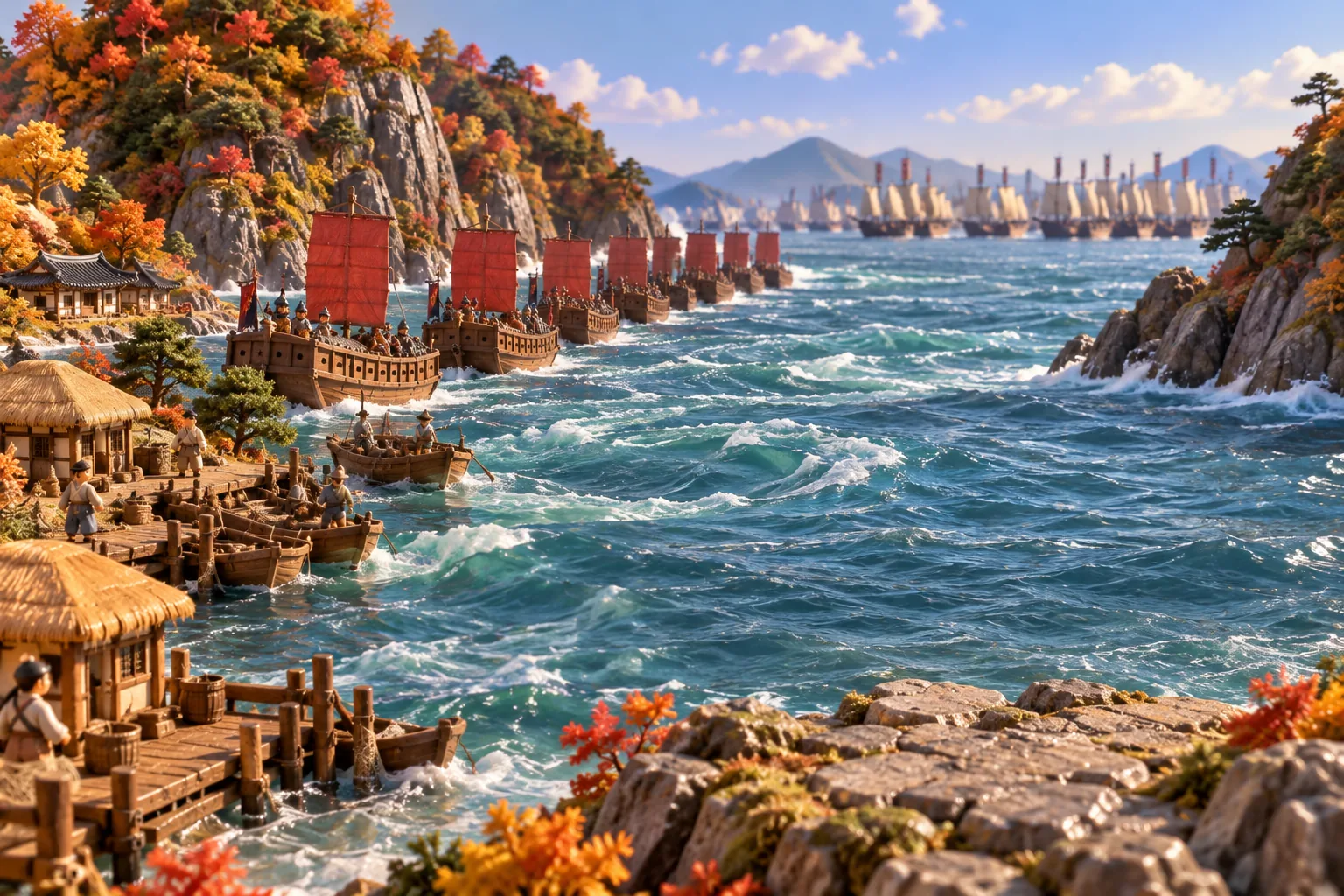 23 May 1592 – 16 December 1598 · Korean Peninsula; the Myeongnyang StraitImjin WarWith only thirteen ships left, Admiral Yi Sun-sin waited in a narrow strait for a Japanese fleet of more than a hundred warships, and won.
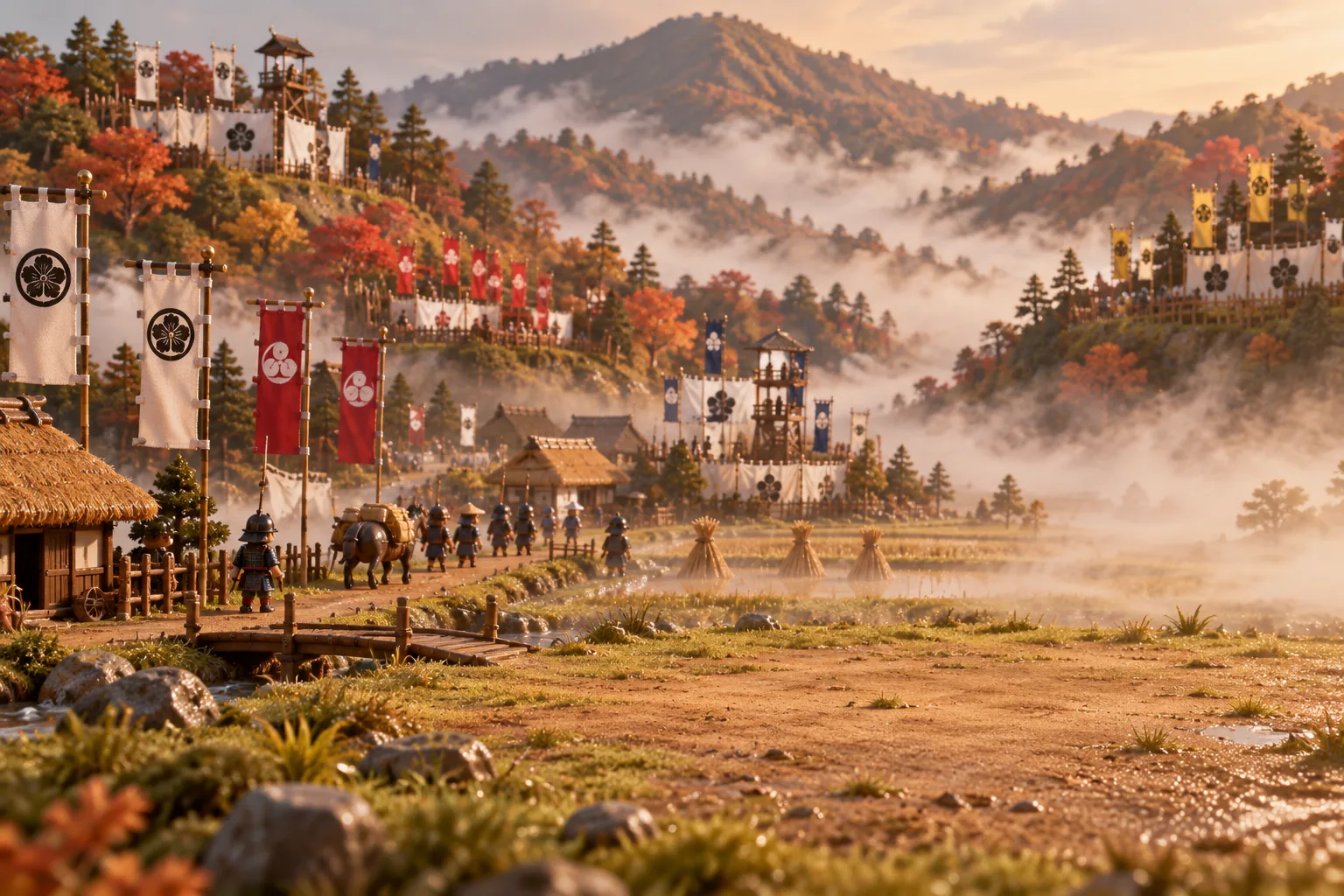 21 October 1600 · Sekigahara, Mino Province (now Gifu Prefecture), JapanBattle of SekigaharaThe most important battle in Japanese history began in thick fog and was decided by a general who switched sides in the middle of it.
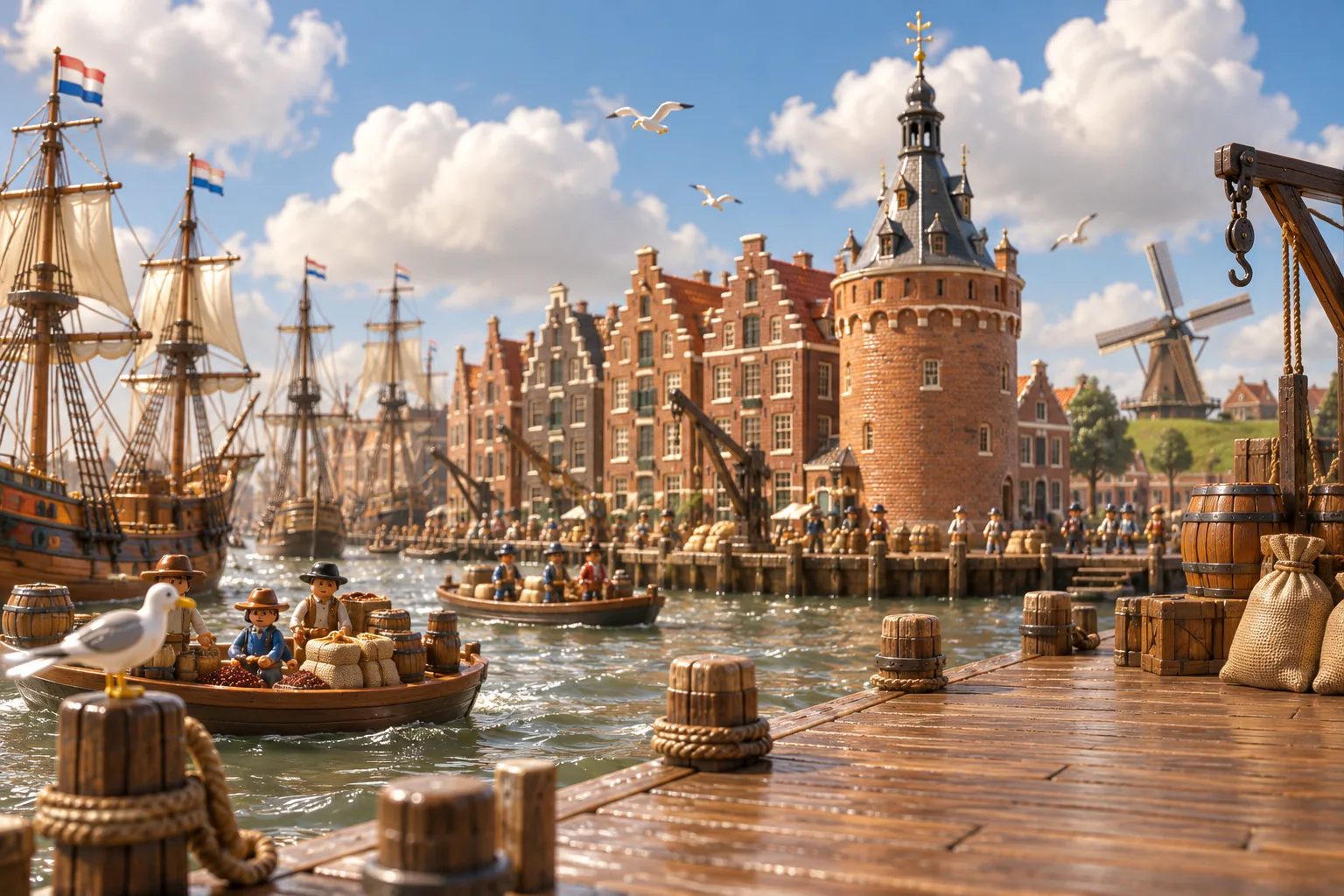 20 March 1602 – 1799 · Amsterdam, Dutch Republic (today the Netherlands)Dutch East India CompanyA trading company that any Dutch citizen could buy shares in had the right to wage war, make treaties, mint coins and execute prisoners.
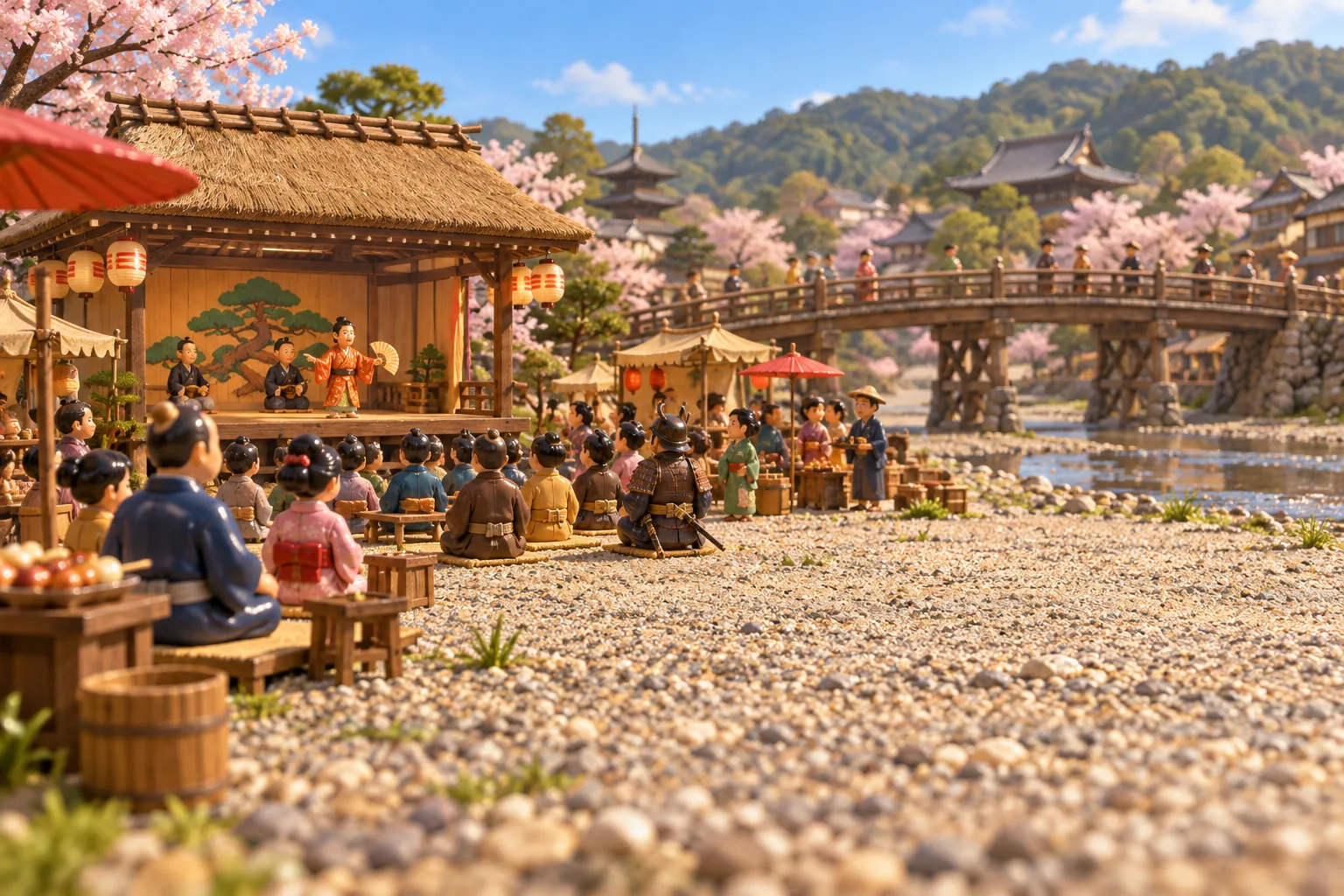 1603 · Kamo River, Kyoto, JapanKabukiKabuki was started by a woman, yet for almost four centuries all of its roles, female ones included, have been played by men.
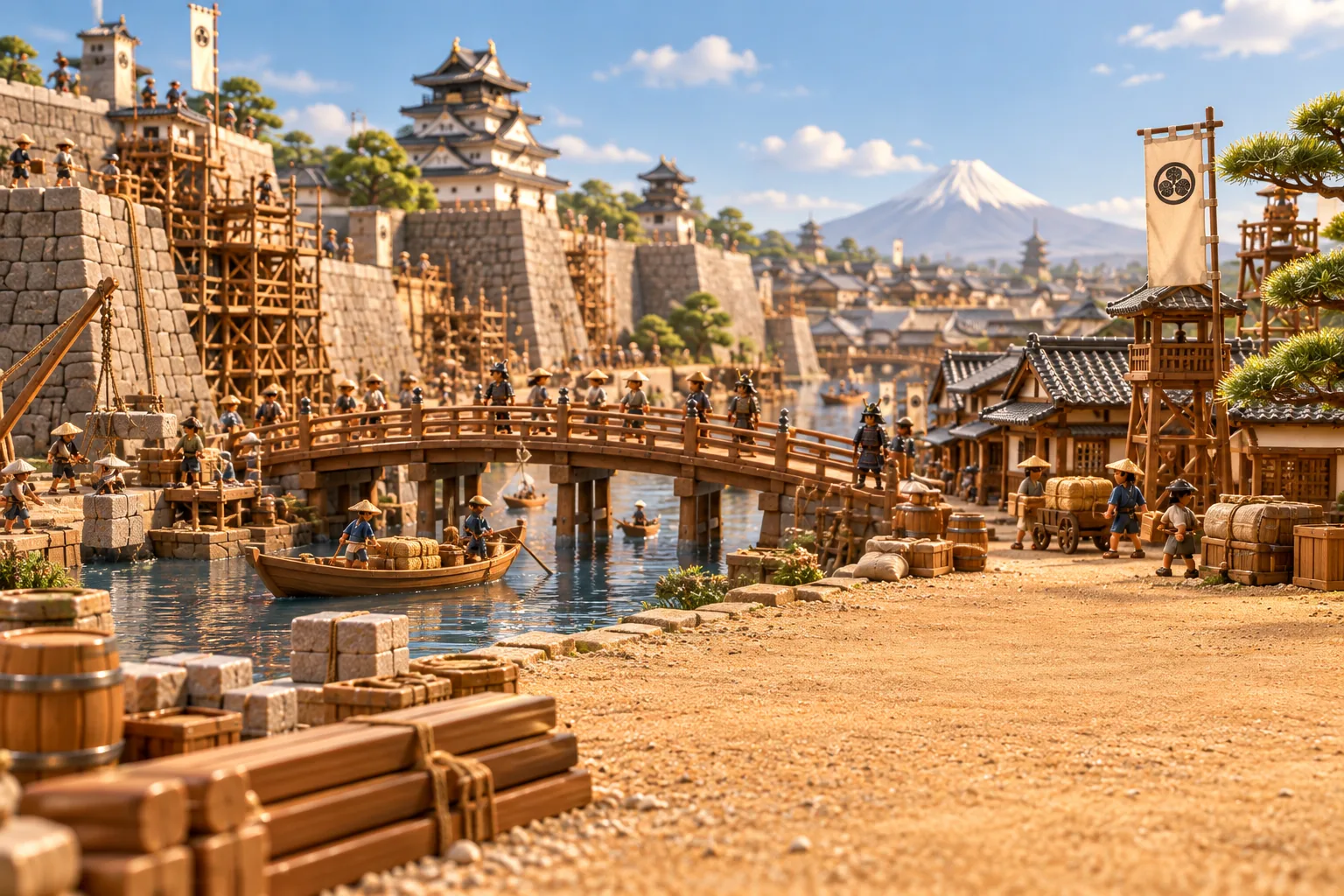 24 March 1603 – 1868 · Edo (Tokyo), JapanThe Tokugawa shogunsAfter more than a century of civil war, one family ruled Japan from Edo for 265 years, kept the samurai at peace and let almost no foreigners in.
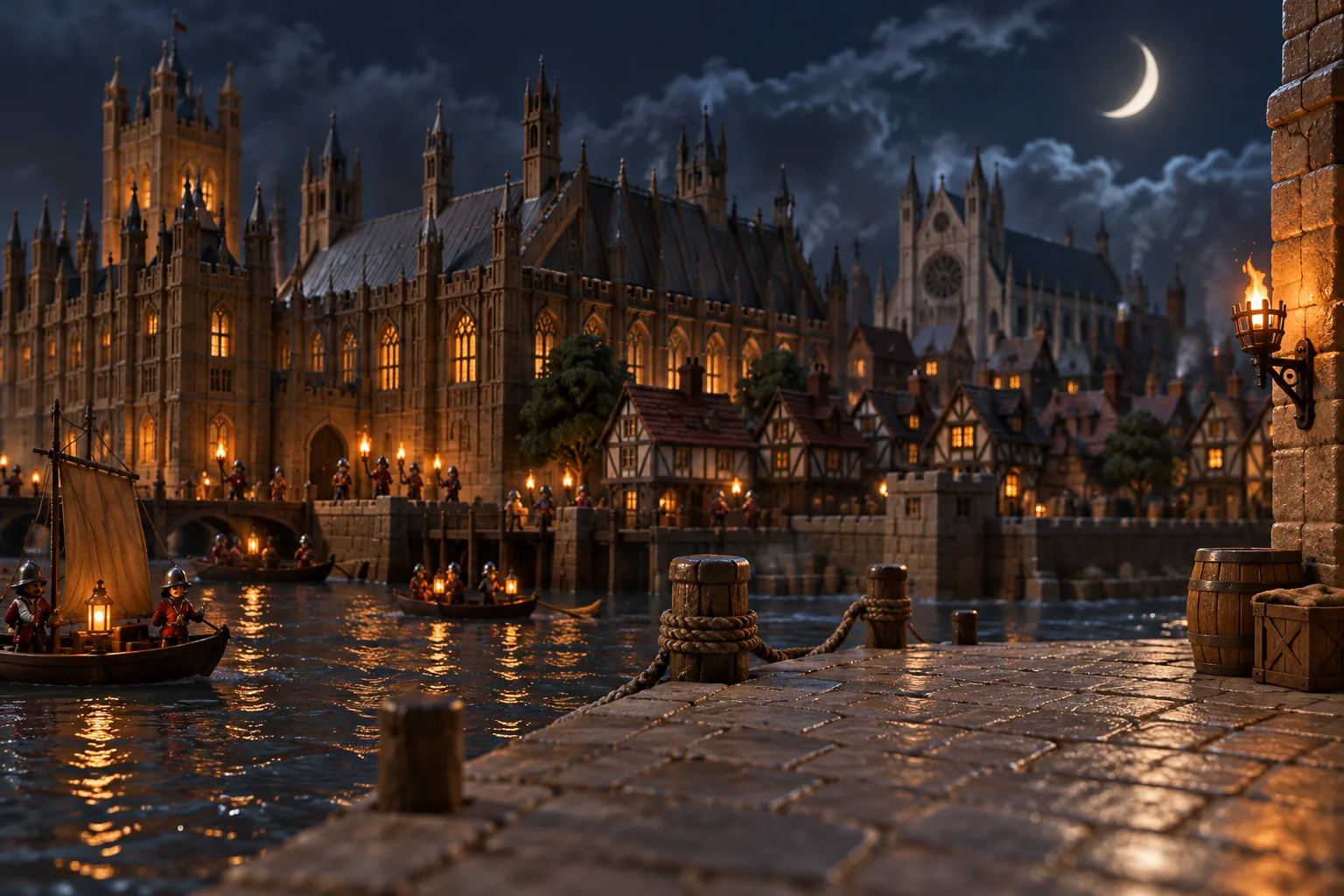 4–5 November 1605 · Palace of Westminster, London, EnglandGunpowder PlotBefore every State Opening of Parliament, the cellars are still searched, a ritual that began after the night of 4 November 1605.
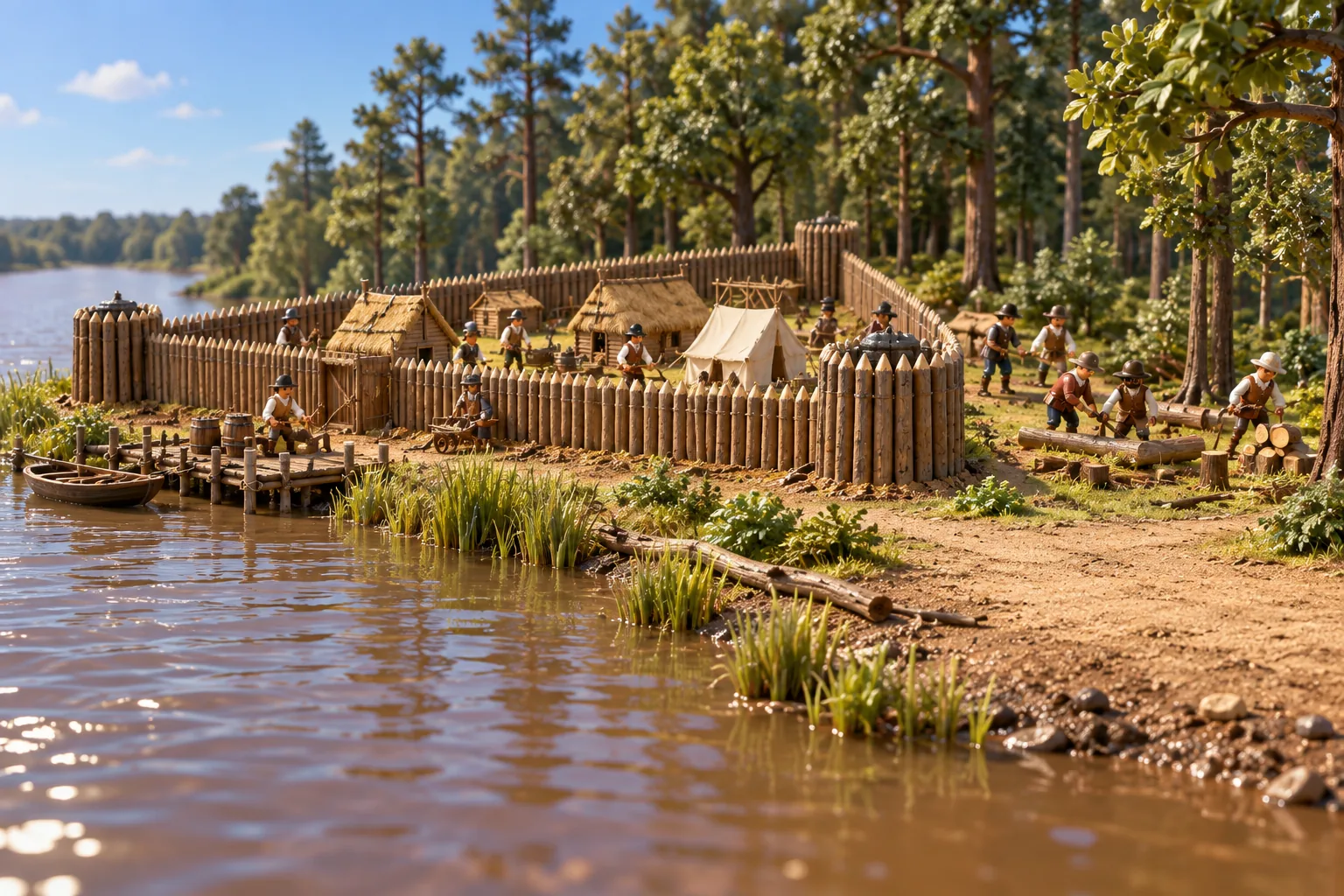 1607–1776 · Jamestown, on the James River, VirginiaColony of VirginiaThe first lasting English colony in America nearly starved to death, was saved by a supply fleet at the last moment, and then got rich on tobacco.
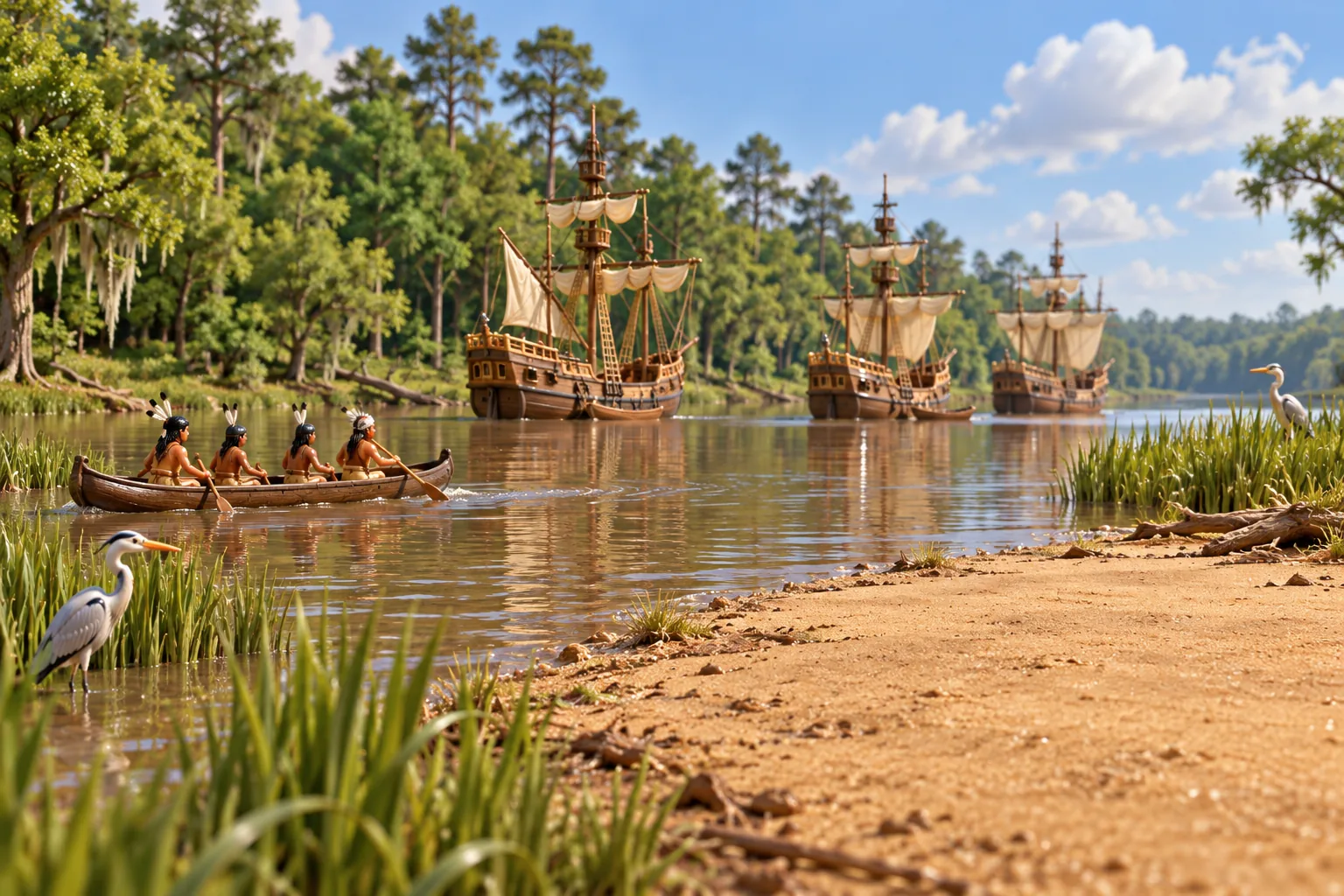 14 May 1607 – 1776 · Jamestown, Virginia, United StatesThirteen ColoniesIn 1610 the English settlements that would become the United States held about 350 people.
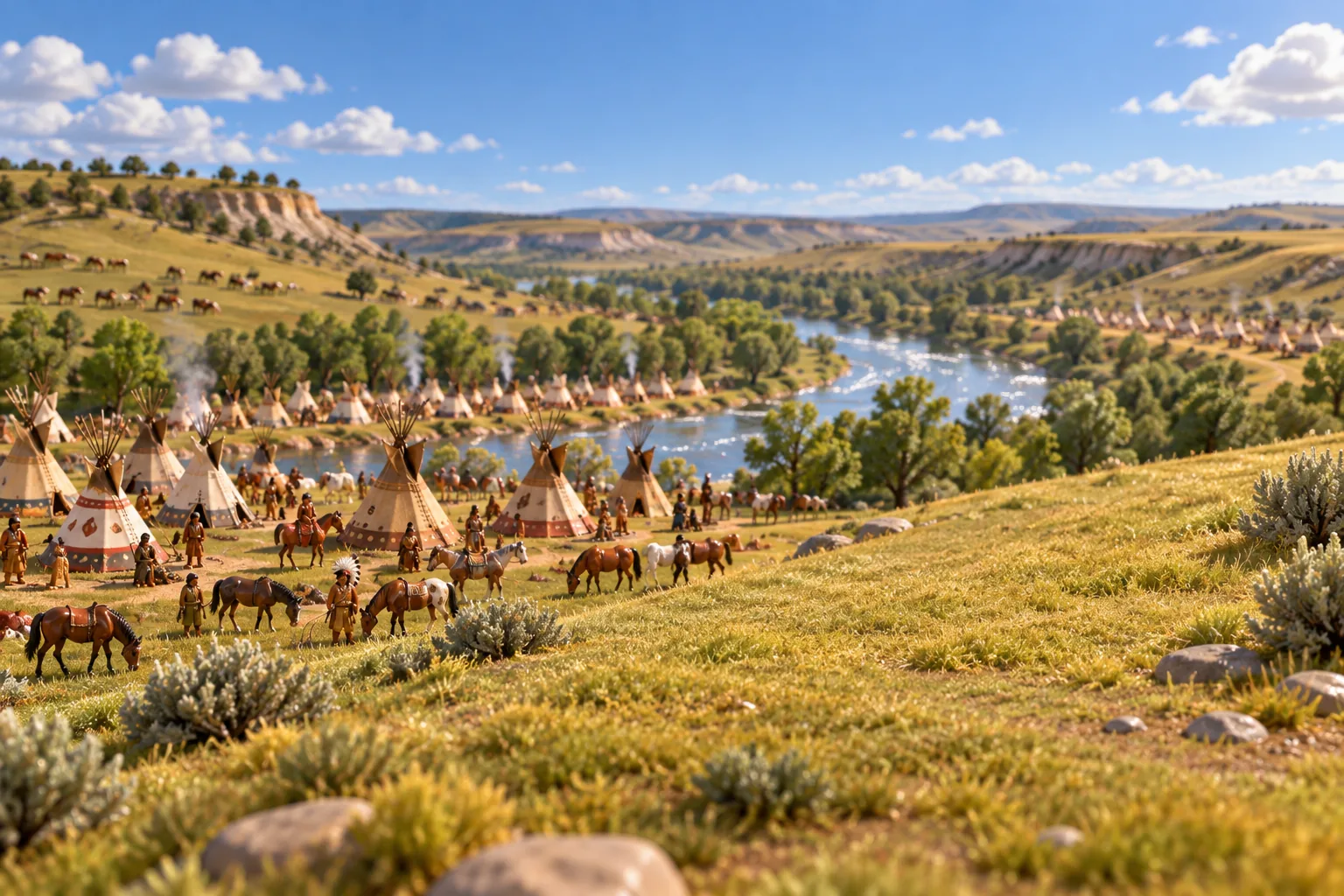 1609–1890 · Little Bighorn, Montana (best-known battle); North AmericaAmerican Indian WarsThe worst defeat Indian warriors ever inflicted on an American army came not at Custer's Last Stand but in the Ohio country, in the early 1790s.
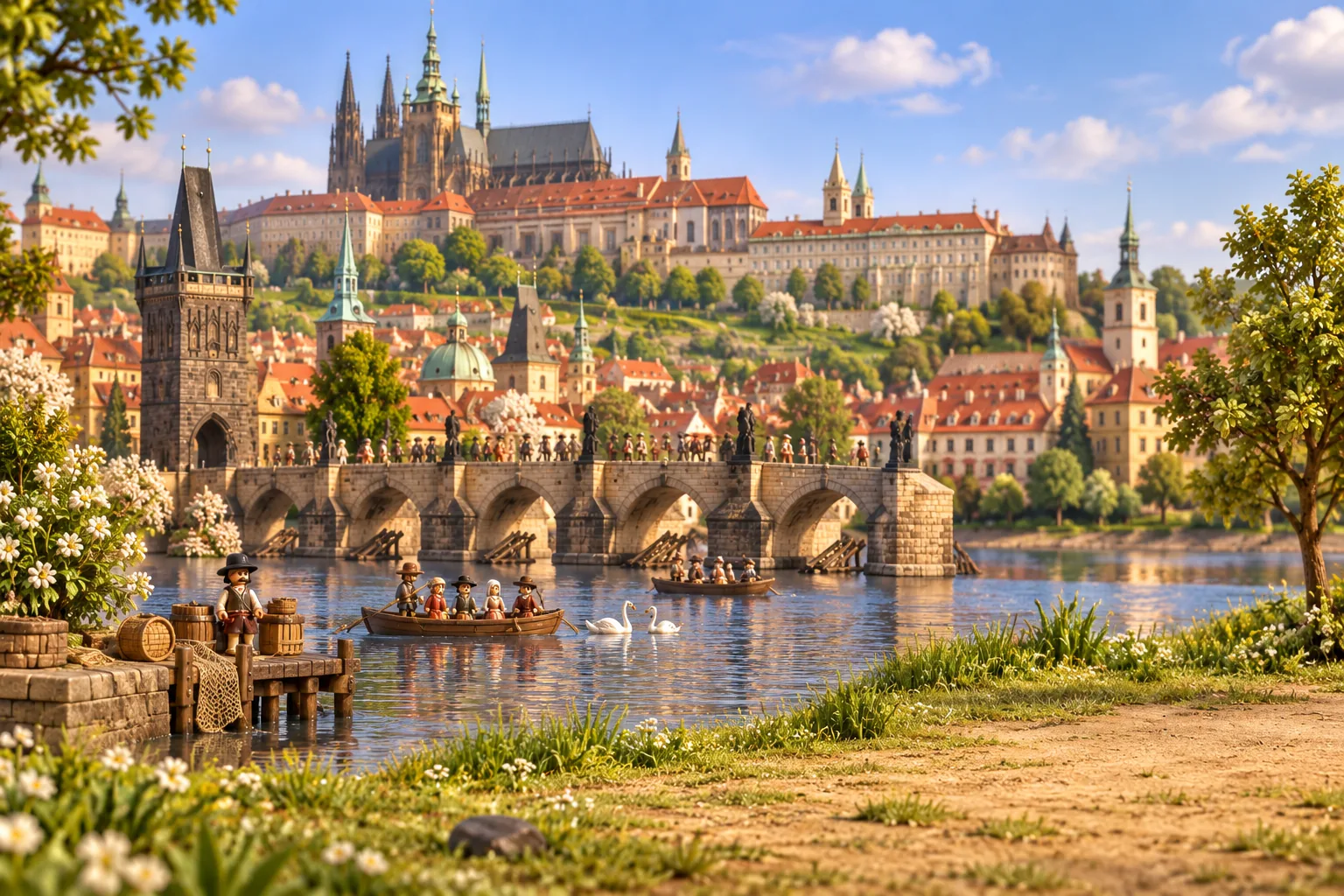 May 1618 – 24 October 1648 · Prague Castle, Bohemia (today Czech Republic)Thirty Years' WarIt started when angry Protestant nobles threw two royal officials and their secretary out of a castle window in Prague, and all three survived.
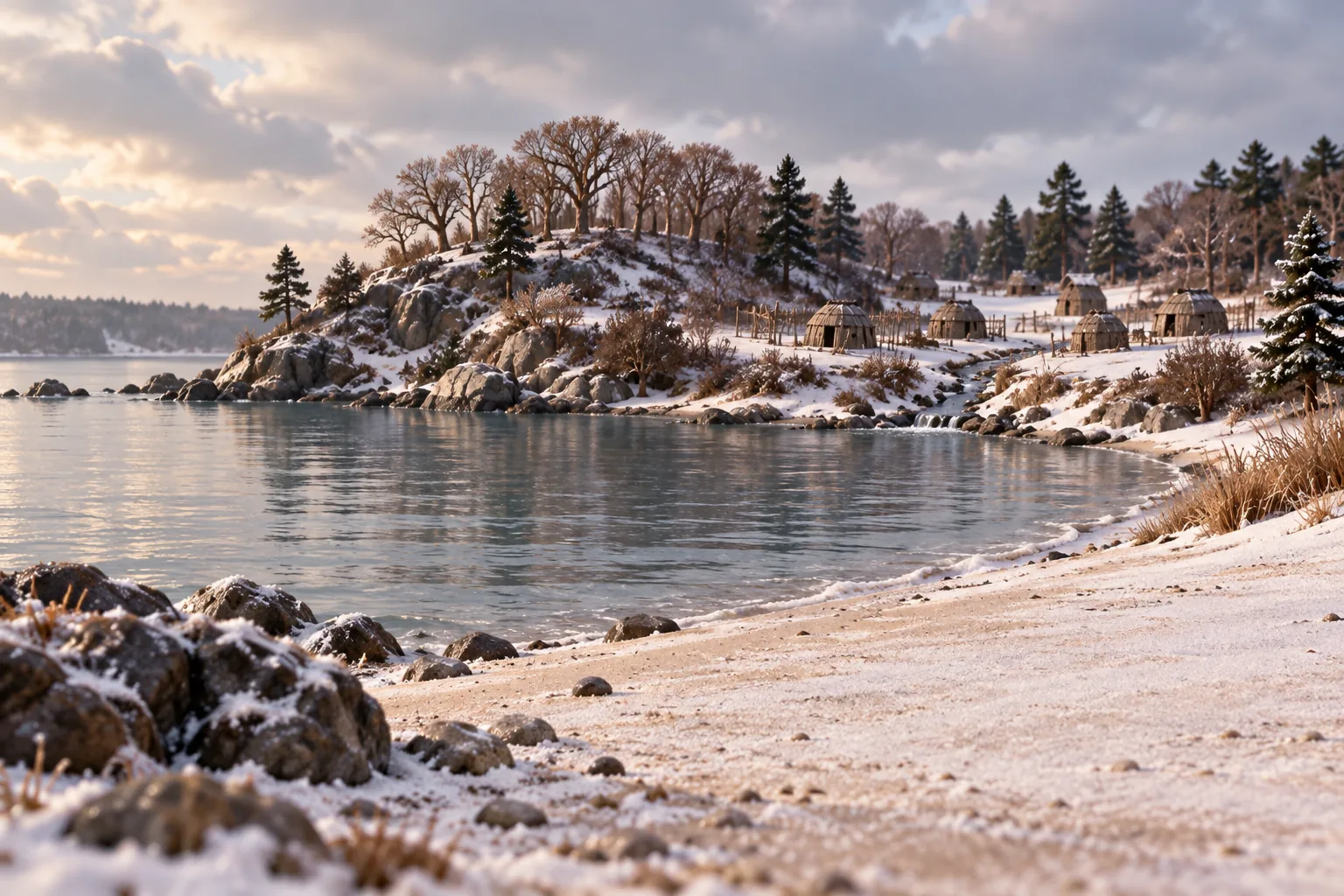 1620–1691 · Plymouth, Massachusetts, United StatesPlymouth ColonyThe first Native leader to walk into the Pilgrims' settlement greeted them in their own language: "Welcome, Englishmen!"
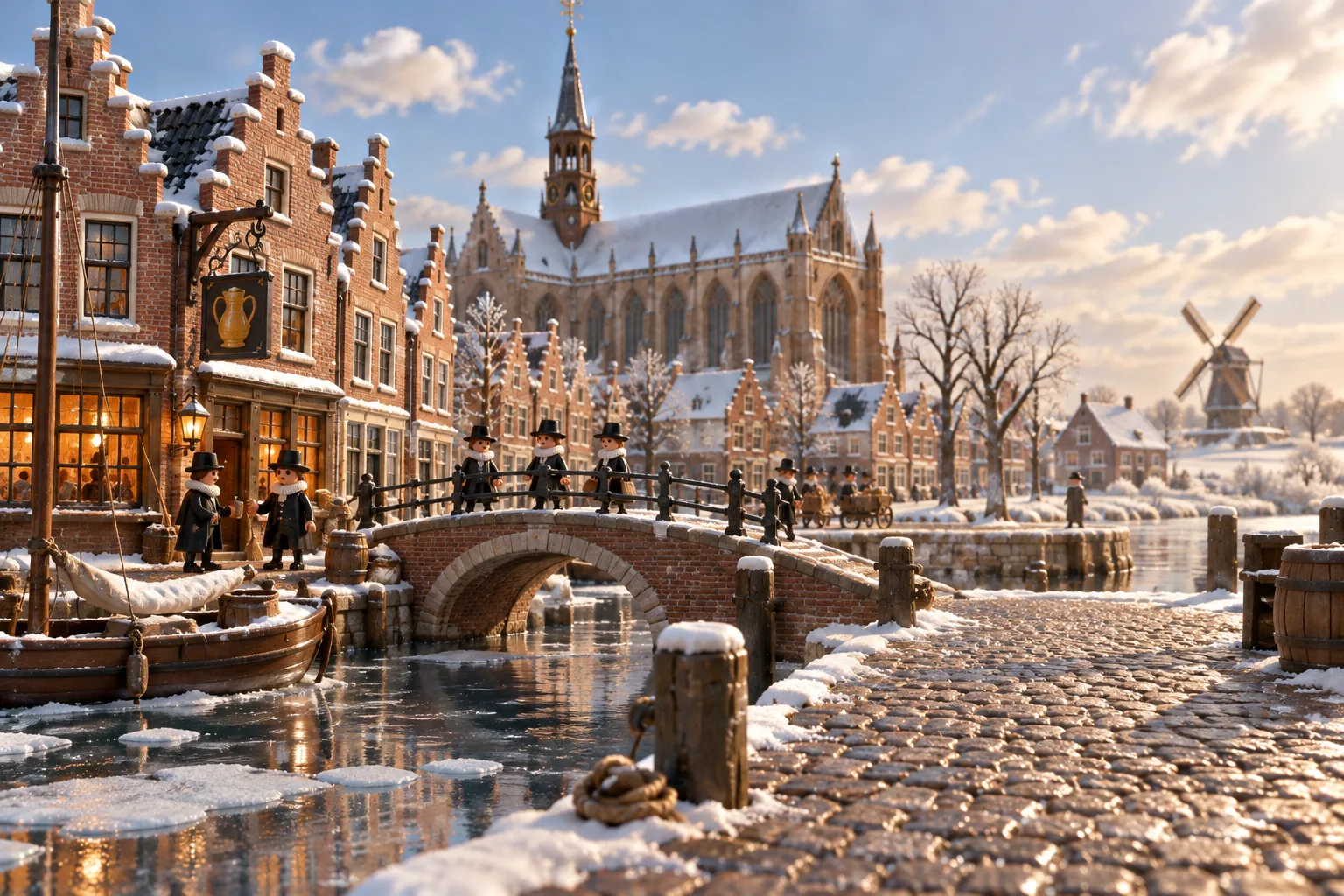 1634 – February 1637 · Haarlem, Dutch RepublicTulip maniaAt its peak a single Semper Augustus tulip bulb sold for 10,000 guilders.
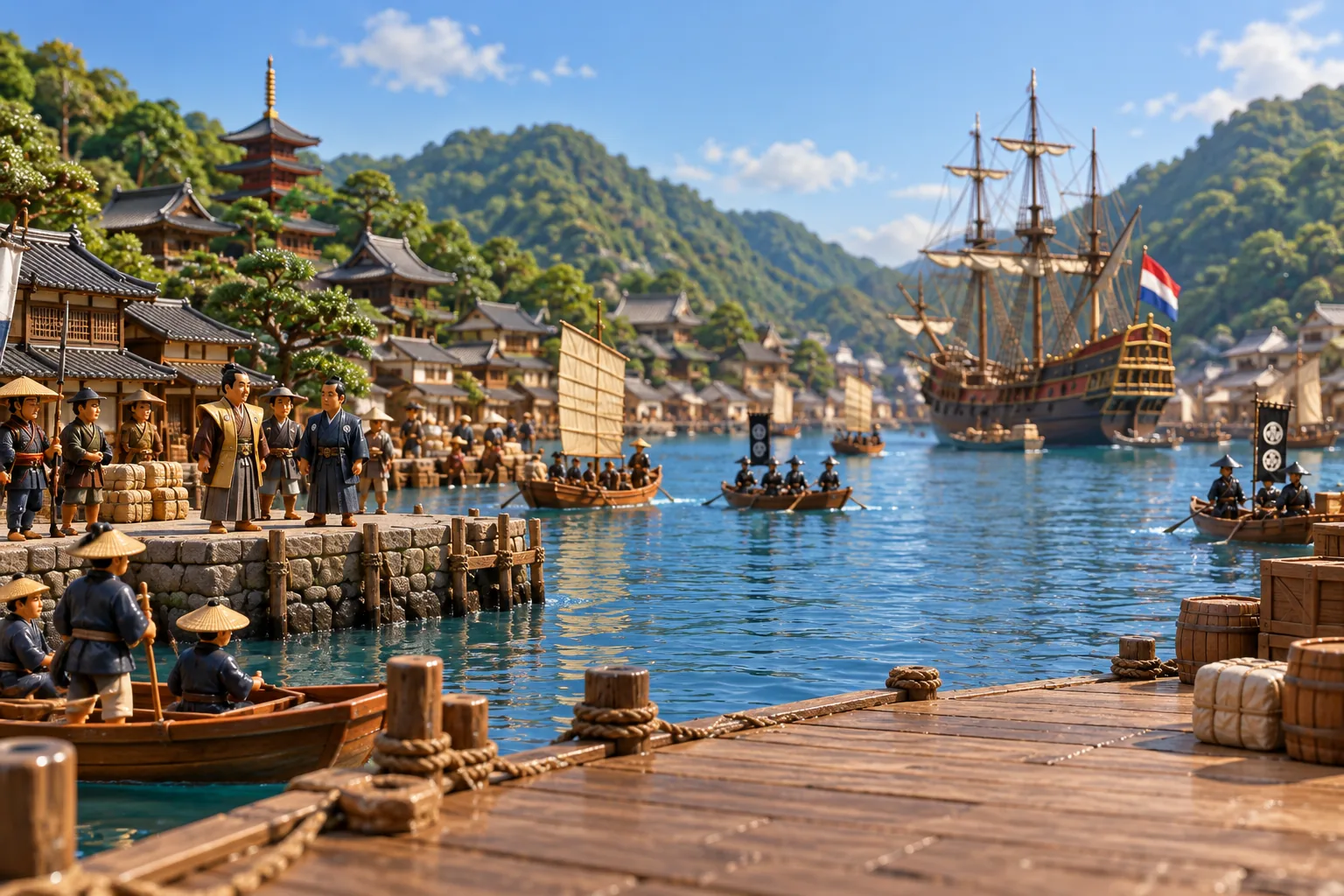 1633–1639 to 1854 · Dejima, Nagasaki, JapanSakokuFor two hundred years the only Europeans allowed in Japan lived on a small fan-shaped island in Nagasaki harbour, watched by guards on its one bridge.
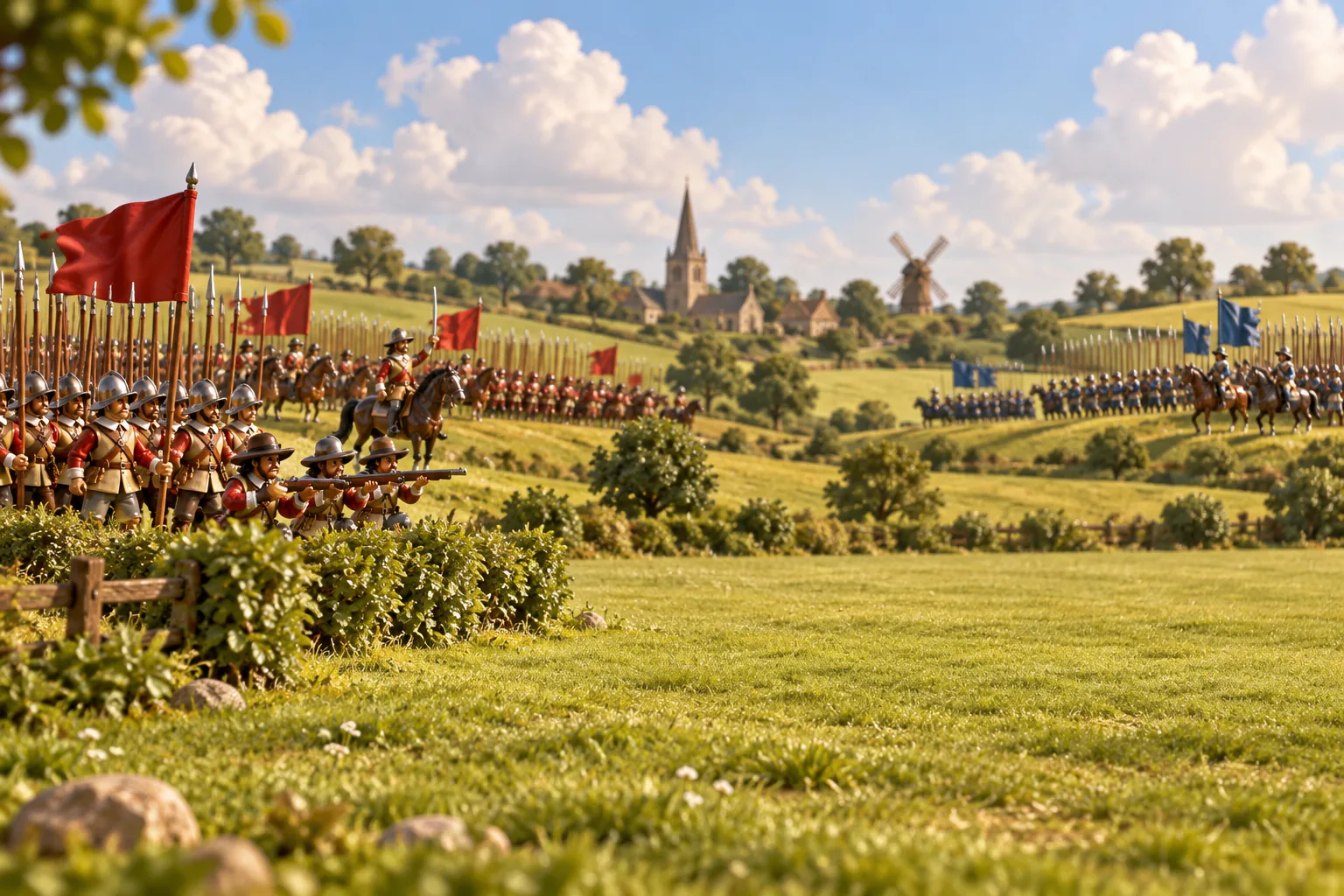 22 August 1642 – 3 September 1651 · Naseby, Northamptonshire, EnglandEnglish Civil WarIt ended with something no one in 1642 had set out to do: an English king put on trial and beheaded outside his own palace.
 October 1648 · Münster, Westphalia, GermanyPeace of WestphaliaThe talks took place in two different cities, because each side insisted on meeting on ground it controlled.
 1662 (last widely accepted sighting) · Mauritius, Indian OceanDodoLess than a century after sailors first wrote about it, the dodo was gone, and for a while people in Europe doubted it had ever existed.
 12 September 1683 · Kahlenberg, Vienna, AustriaBattle of ViennaAt the end of the day, 18,000 horsemen charged down the hills at once: the largest cavalry charge in history.
 July 1687 · London and Cambridge, EnglandNewton's lawsWhen Edmond Halley asked Isaac Newton about the orbits of the planets, Newton said he had already worked it out years ago but had lost the papers.
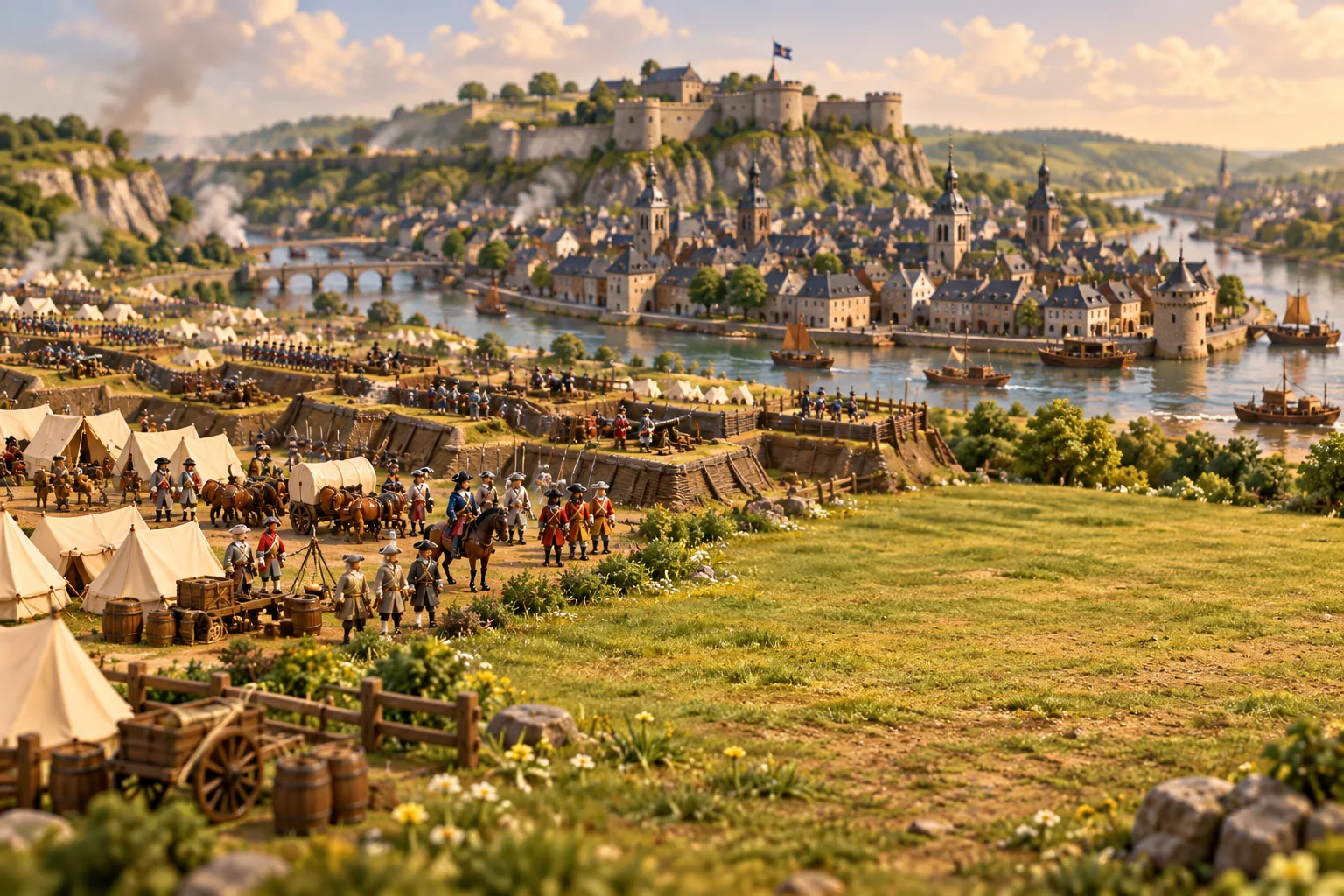 September 1688 – 1697 · The Spanish Netherlands (Namur, Fleurus, Neerwinden), the Rhineland, Savoy, Catalonia, Ireland and the seasNine Years' WarTwo great armies could spend a whole summer marching around each other without fighting, while the real battles were for fortresses.
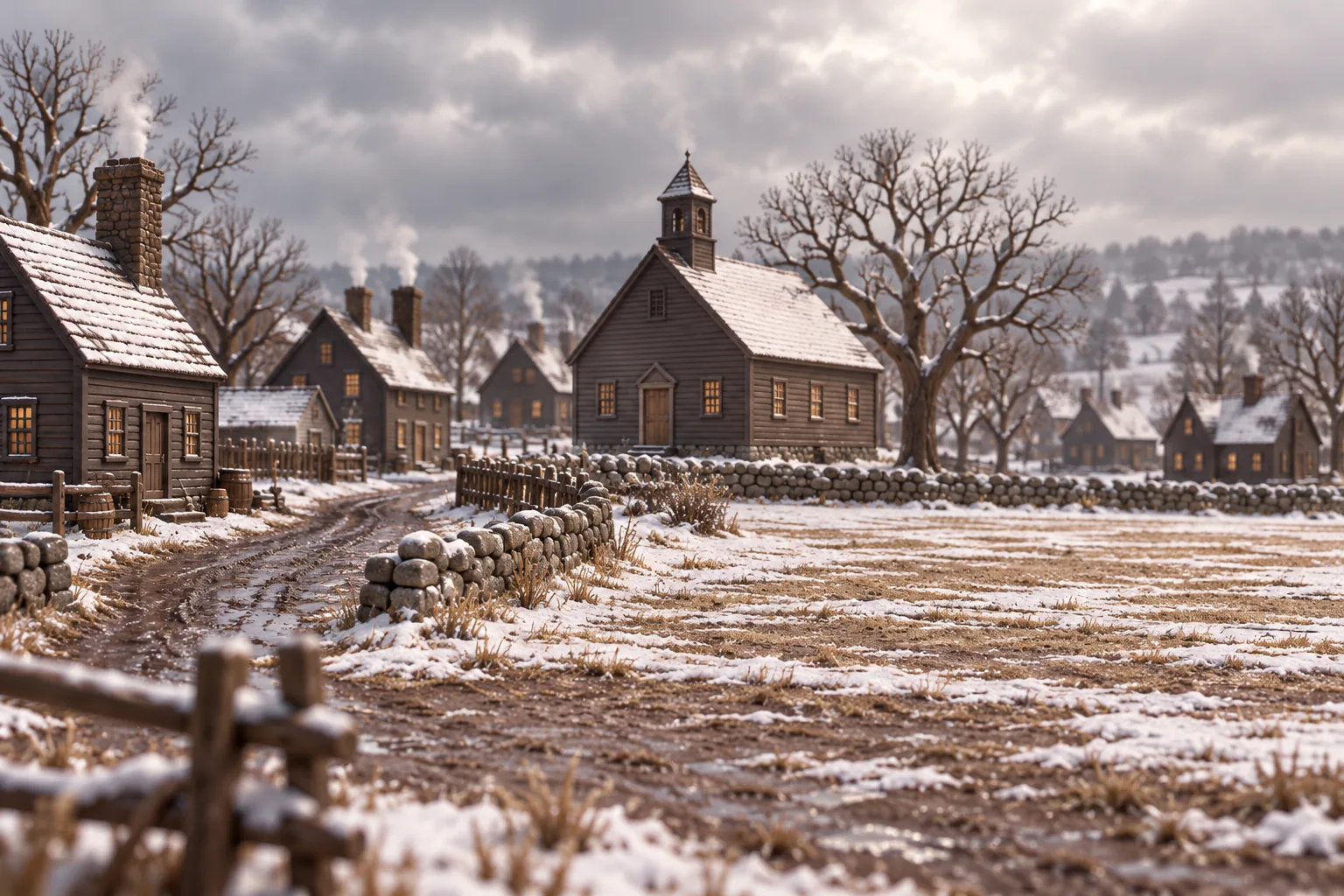 February 1692 – May 1693 · Salem, Massachusetts, United StatesSalem witch trialsMuch of the evidence that sent people to the gallows was testimony that the accused's ghostly shape had come to torment their accusers.
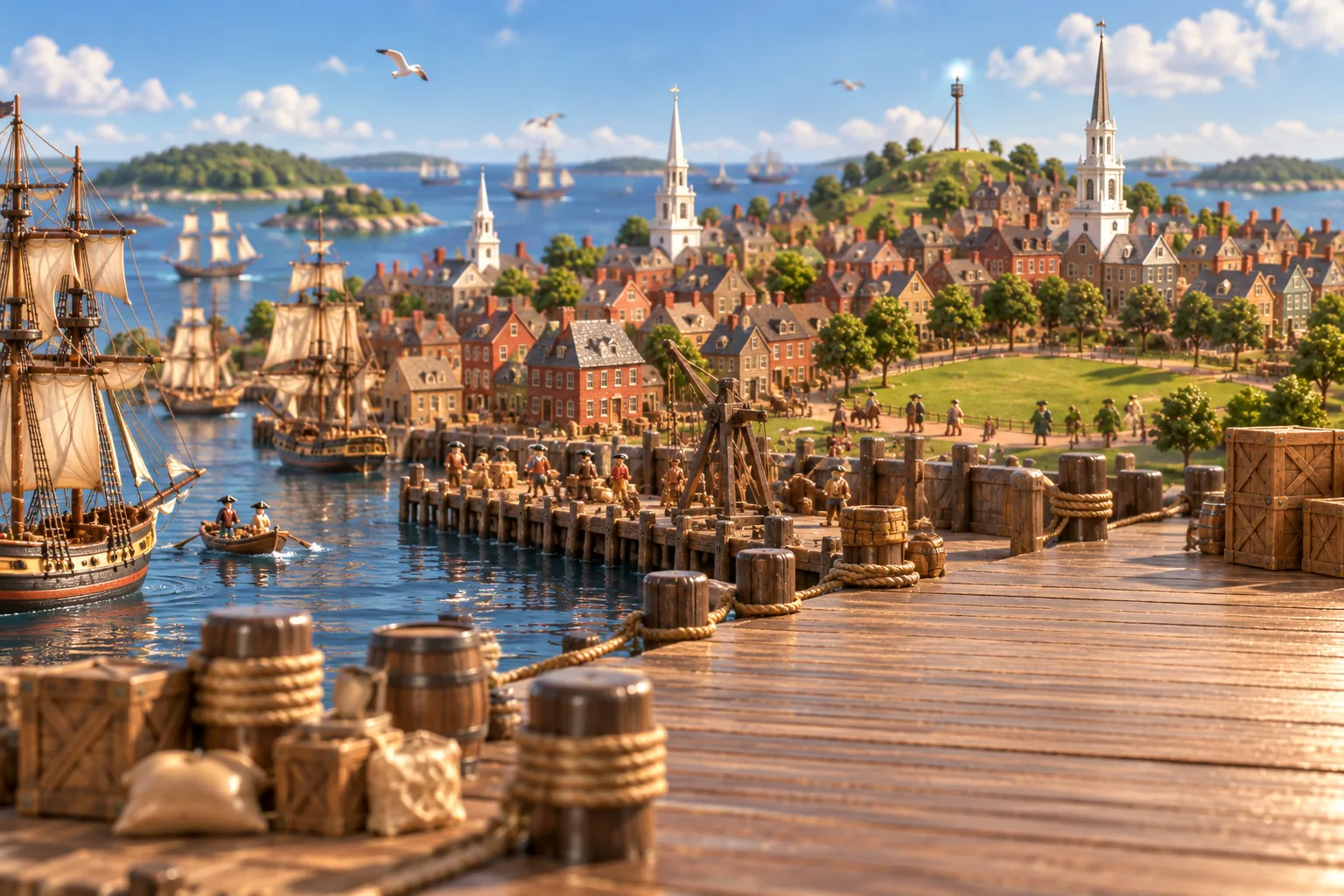 14 May 1692 – October 1774 · Boston, MassachusettsProvince of Massachusetts BayPuritan Massachusetts had elected its own governors for sixty years; the royal charter of 1691 took that away, and for eighty years the assembly and the king's governors fought over money and power.
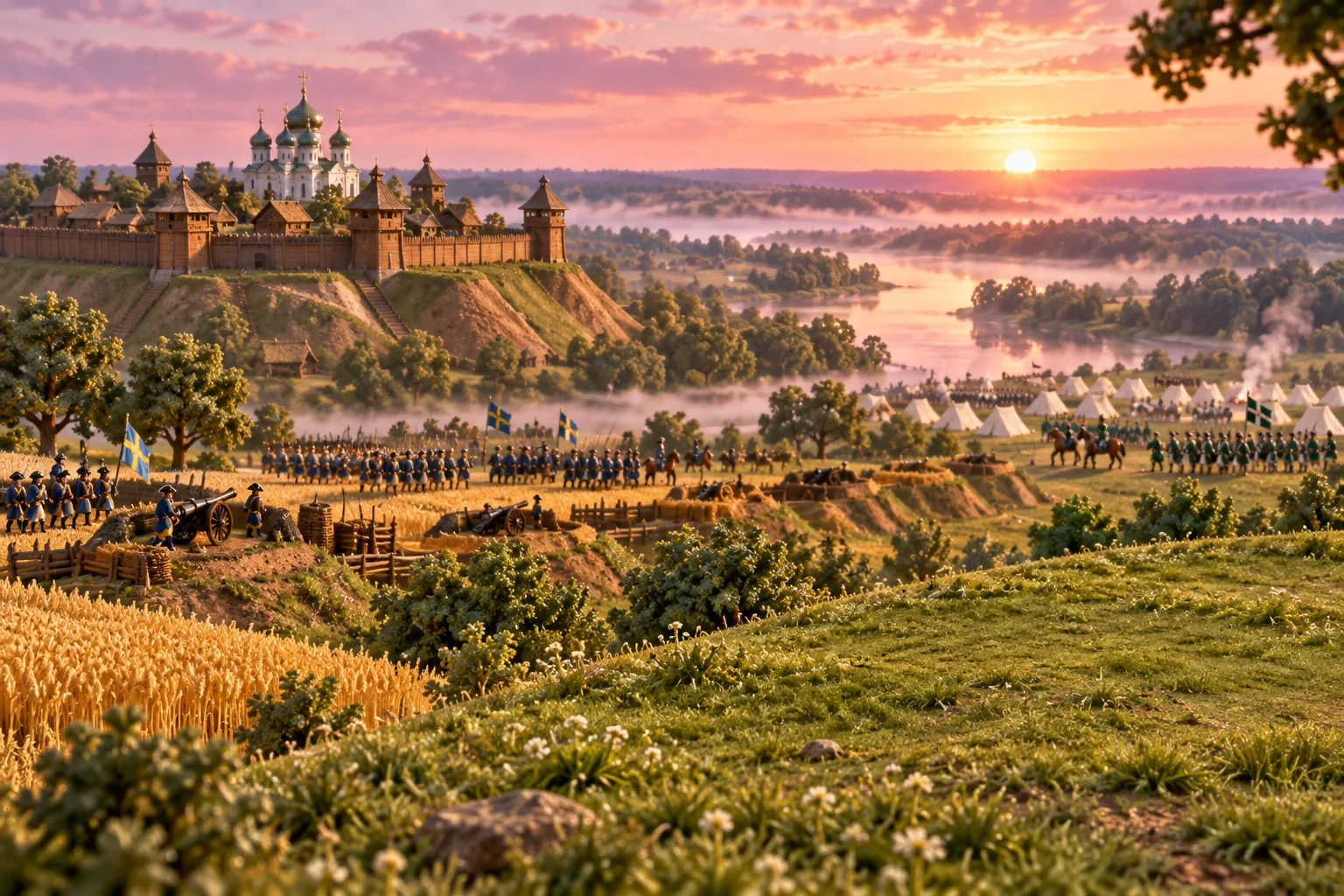 22 February 1700 – 10 September 1721 · Poltava (decisive battle); Baltic and Eastern EuropeGreat Northern WarThree monarchs attacked Sweden at once because its new king was so young, and the young king knocked two of them out of the war within six years.
 March 1701 – 7 September 1714 · Blenheim, Bavaria (best-known battle); Spain, Italy and the Low CountriesWar of the Spanish SuccessionA sickly king died without children, and his will handed the largest empire in Europe to the grandson of the king of France, Spain's old rival.
 c. 1715–1789 · Paris, FranceAge of EnlightenmentIn France its thinkers fought the censors and were sometimes jailed or driven abroad; their banned books were printed in the Dutch Republic and smuggled back.
 28 May 1754 – 1763 · Quebec, New France (decisive battle); eastern North AmericaFrench and Indian WarA 22-year-old Virginia militia officer named George Washington fired one of the first shots of a war that would end with France losing almost all of North America.
 1 November 1755 · Lisbon, Portugal1755 Lisbon earthquakeThe prime minister of Portugal sent every parish priest in the country a list of questions about the earthquake, and their answers made him a forerunner of modern seismology.
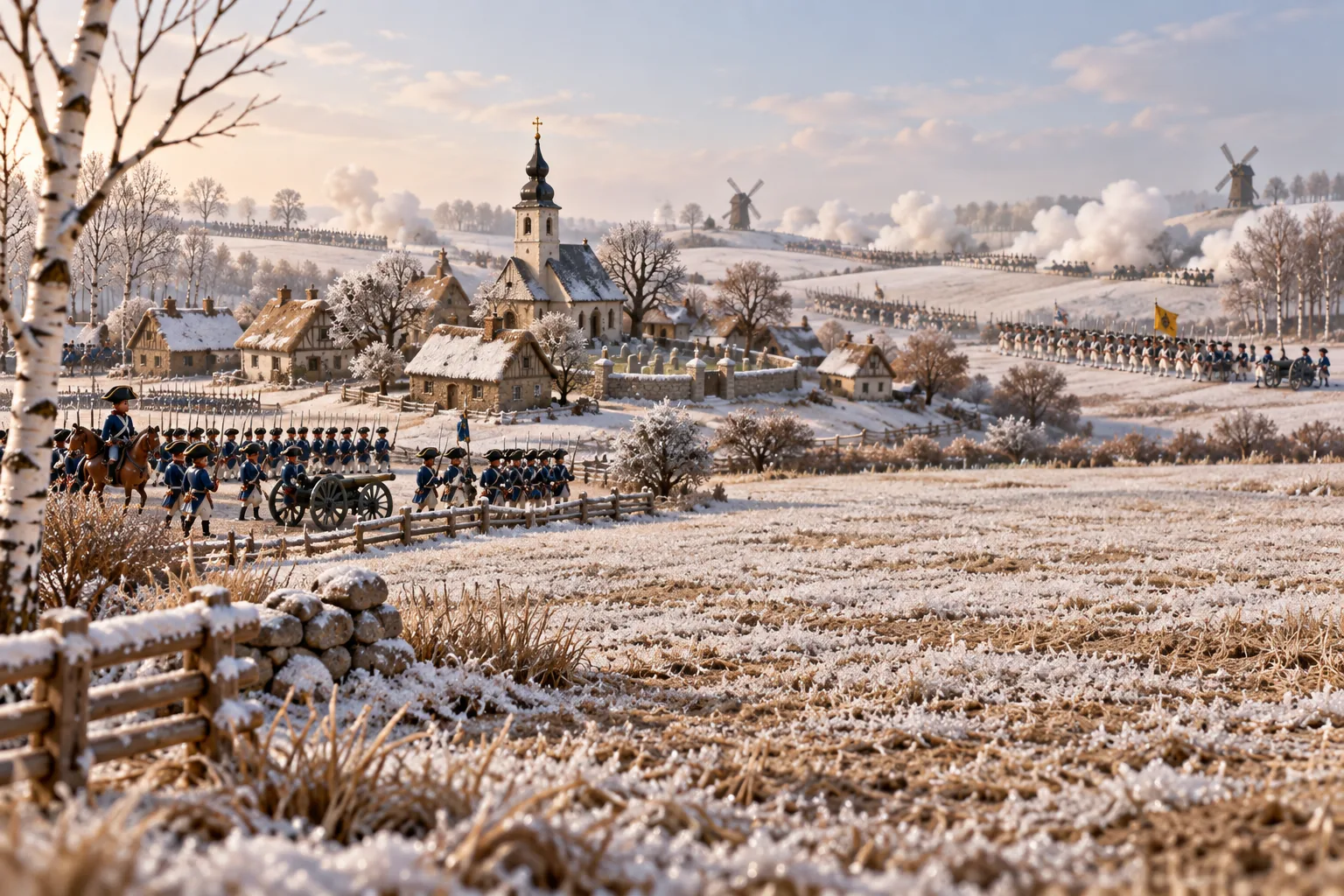 17 May 1756 – 10 February 1763 · Leuthen, Silesia (Frederick's greatest victory); Europe, North America and IndiaSeven Years' WarPrussia was down to 60,000 men and Berlin was about to be besieged when the Russian empress suddenly died, and her pro-Prussian successor switched sides.
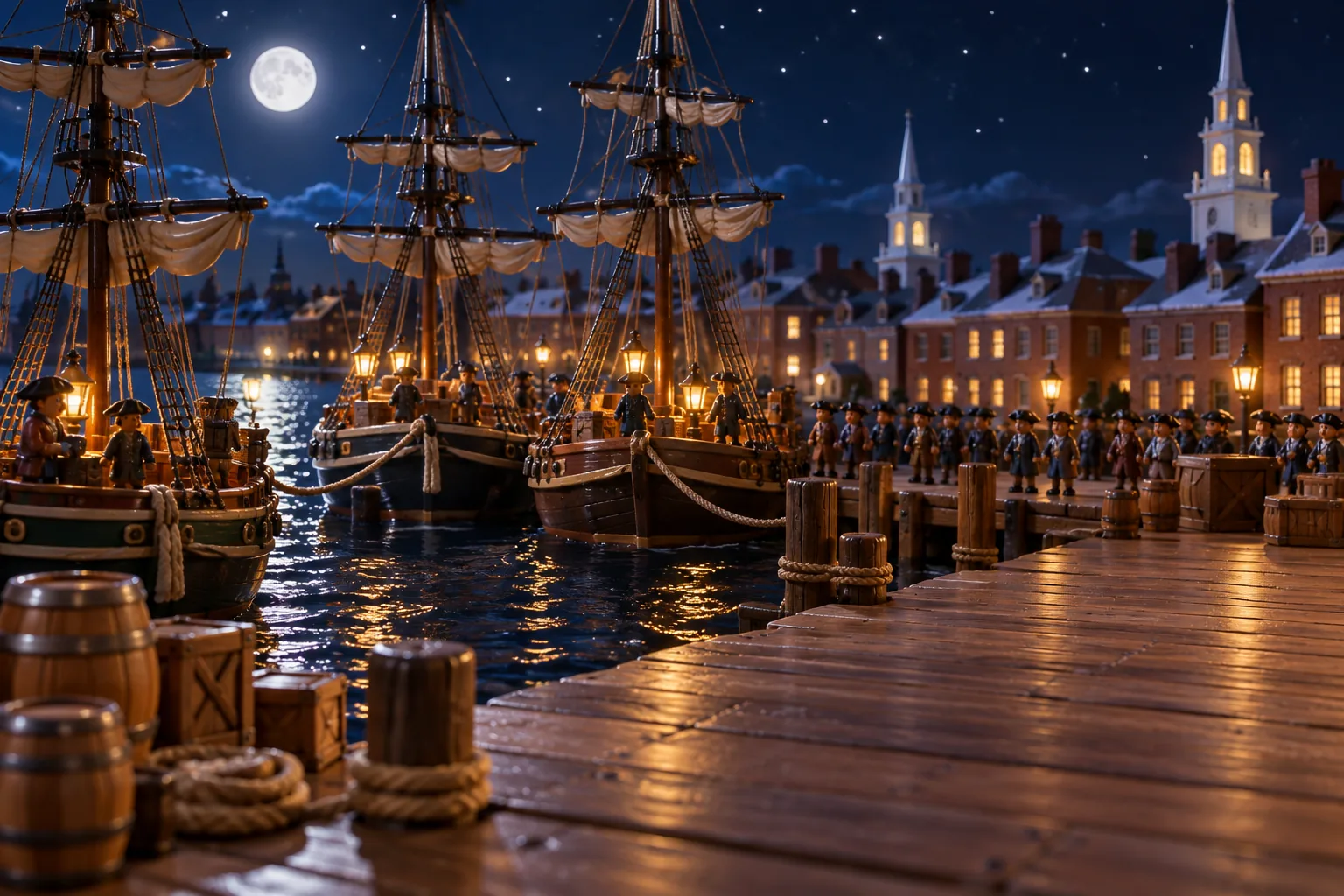 1765–1789 · Boston, Massachusetts, United StatesAmerican RevolutionOn a December night in 1773 men dressed up to look like Indigenous people climbed aboard ships in Boston and dumped £10,000 worth of tea into the harbour.
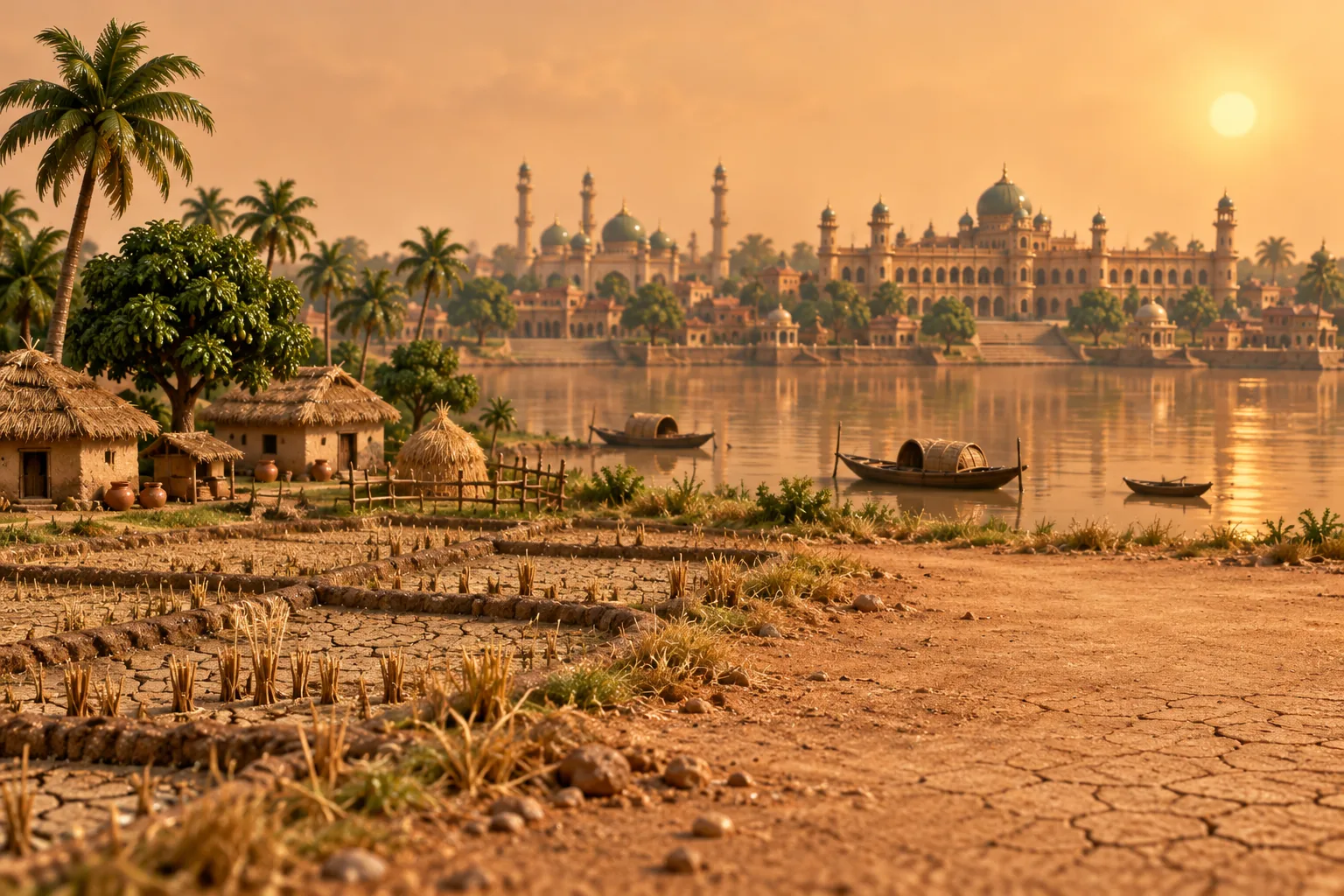 1769–1770 · Bengal and Bihar, India and Bangladesh (Murshidabad)Great Bengal famine of 1770Five years after the East India Company won the right to tax Bengal, one of the richest provinces on Earth began to starve.
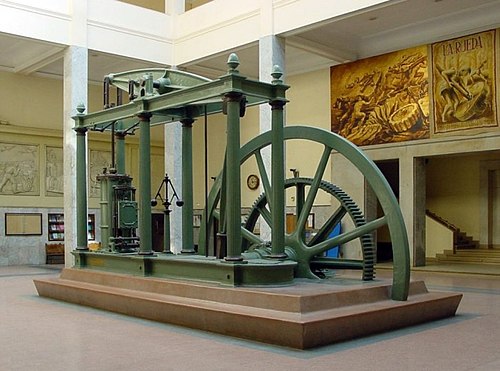 1769 · Soho, Birmingham, EnglandWatt's steam engineJames Watt was asked to fix a broken model engine, and ended up building the machine that drove the Industrial Revolution.
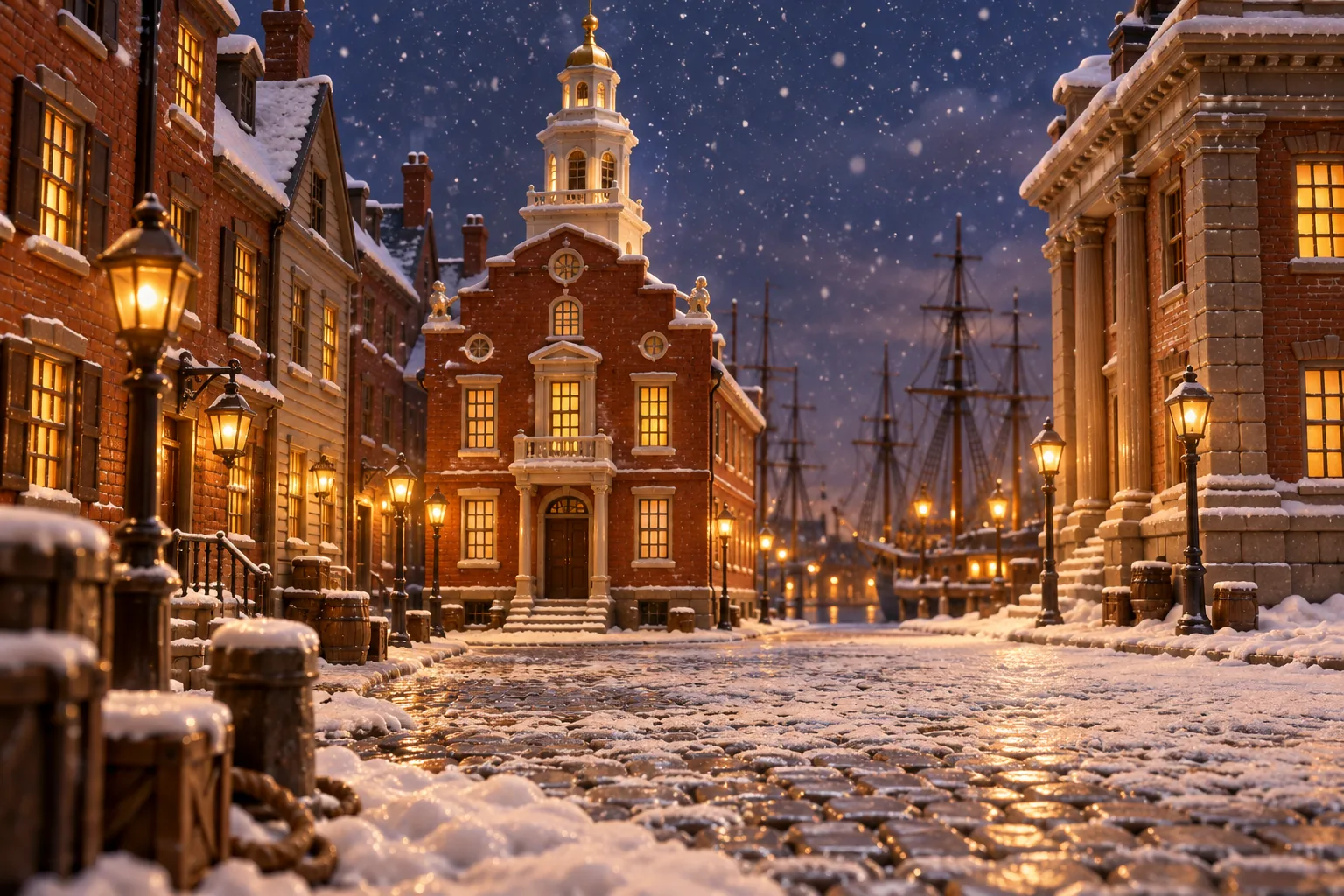 5 March 1770 · King Street (now State Street), Boston, MassachusettsBoston MassacreIt began with an apprentice insulting an officer over an unpaid bill and ended with five men dead in the snow, and the man who defended the soldiers in court became the second president of the United States.
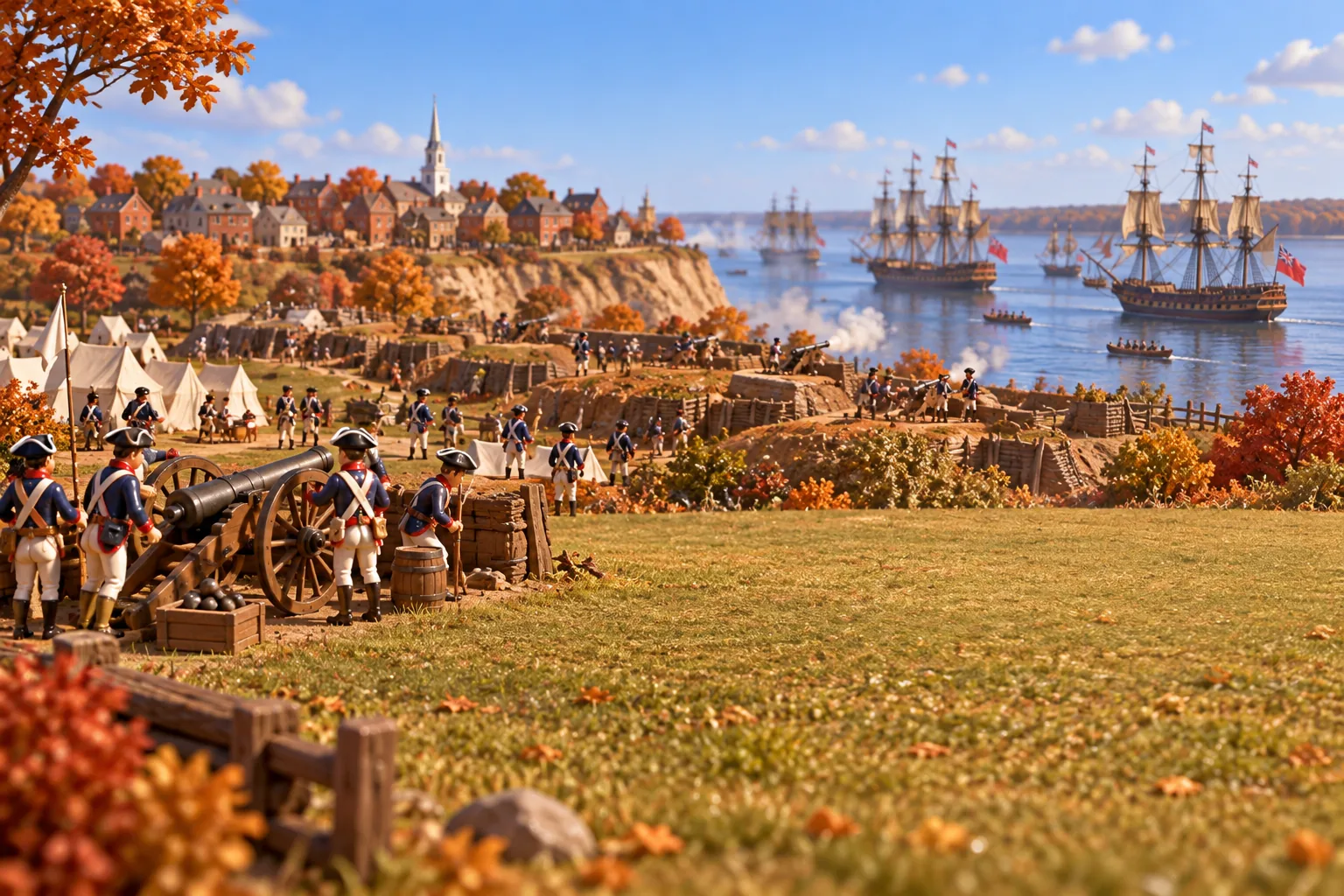 19 April 1775 – 3 September 1783 · Yorktown, Virginia, United StatesAmerican Revolutionary WarThe army that won American independence was never larger than 17,000 men under George Washington, and it needed a French fleet to finish the job.
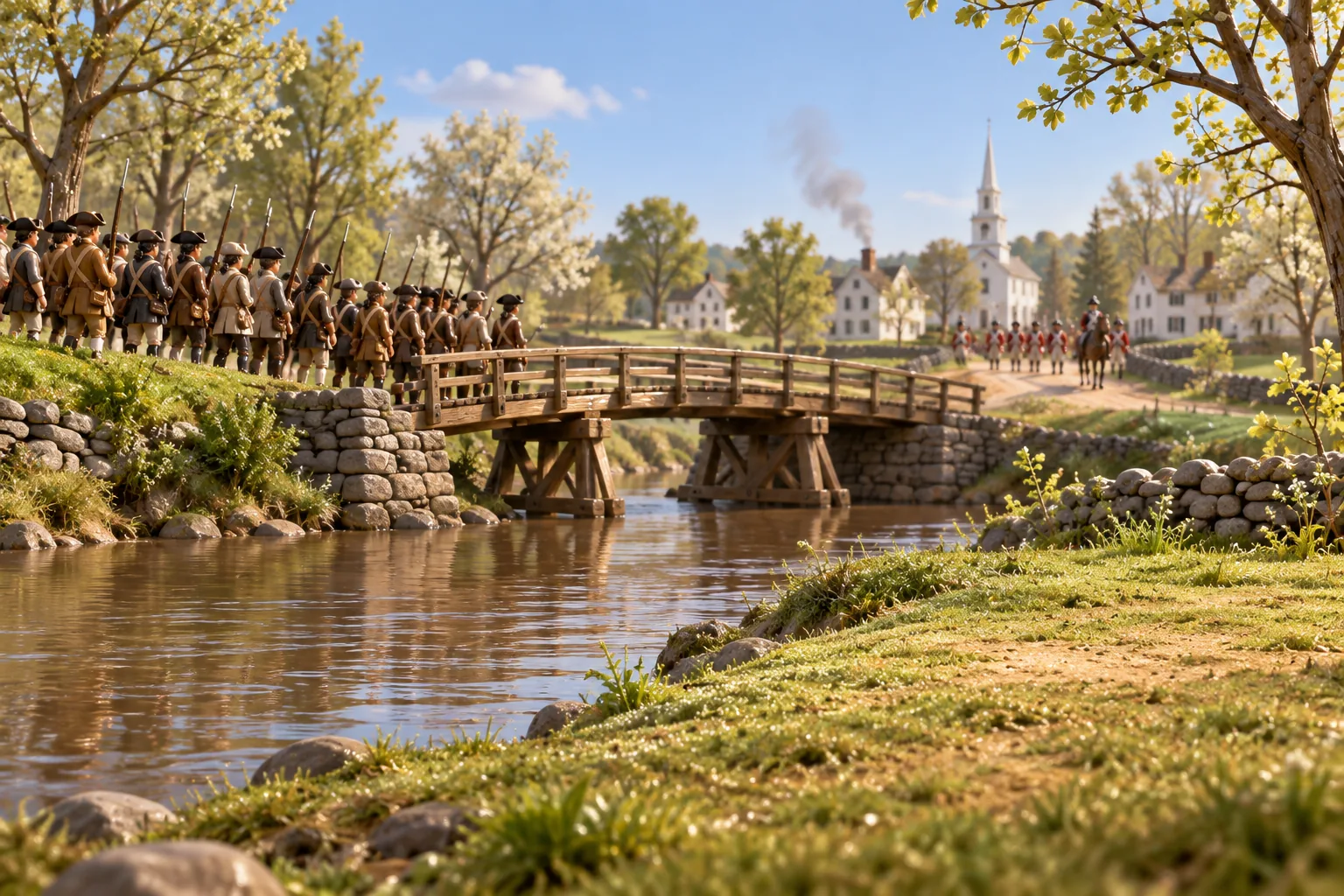 19 April 1775 · Lexington and Concord, Province of Massachusetts BayBattles of Lexington and ConcordTwo lanterns in a church steeple sent riders galloping through the night, and by sunrise farmers with muskets were waiting for the king's soldiers.
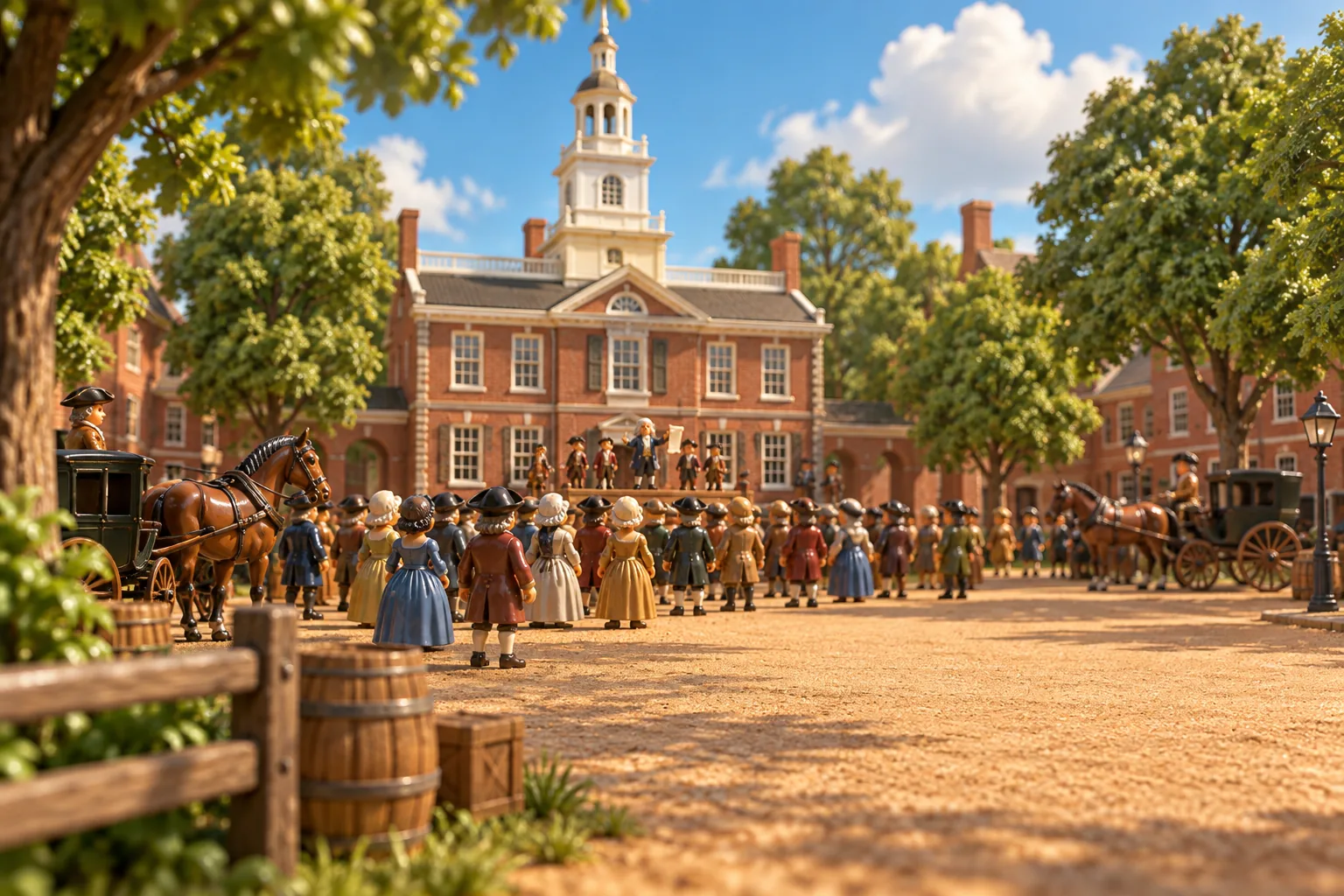 4 July 1776 · Independence Hall, PhiladelphiaUS Declaration of IndependenceThe men who declared that all men are created equal included Thomas Jefferson, who held some six hundred people in slavery.
 19 September – 17 October 1777 · Freeman's Farm and Bemis Heights, near Saratoga, New YorkBattles of SaratogaA British general set out from Canada to cut the American colonies in two, and ended up handing over his whole army in a field on the Hudson.
 28 September – 19 October 1781 · Yorktown, Virginia, United StatesSiege of YorktownWhen he heard the news from Yorktown, the British prime minister is said to have cried out: "Oh God, it's all over."
 25 May – 17 September 1787 · Pennsylvania State House (Independence Hall), PhiladelphiaConstitutional ConventionThrough a sweltering Philadelphia summer, delegates argued behind windows nailed shut so that no one outside could hear what they were inventing.
 28 April 1789 · South Pacific, about 30 nautical miles south of Tofua, TongaMutiny on the BountyCast adrift in an open boat with 18 men, Bligh sailed some 3,500 nautical miles to safety, while the mutineers vanished for 18 years.
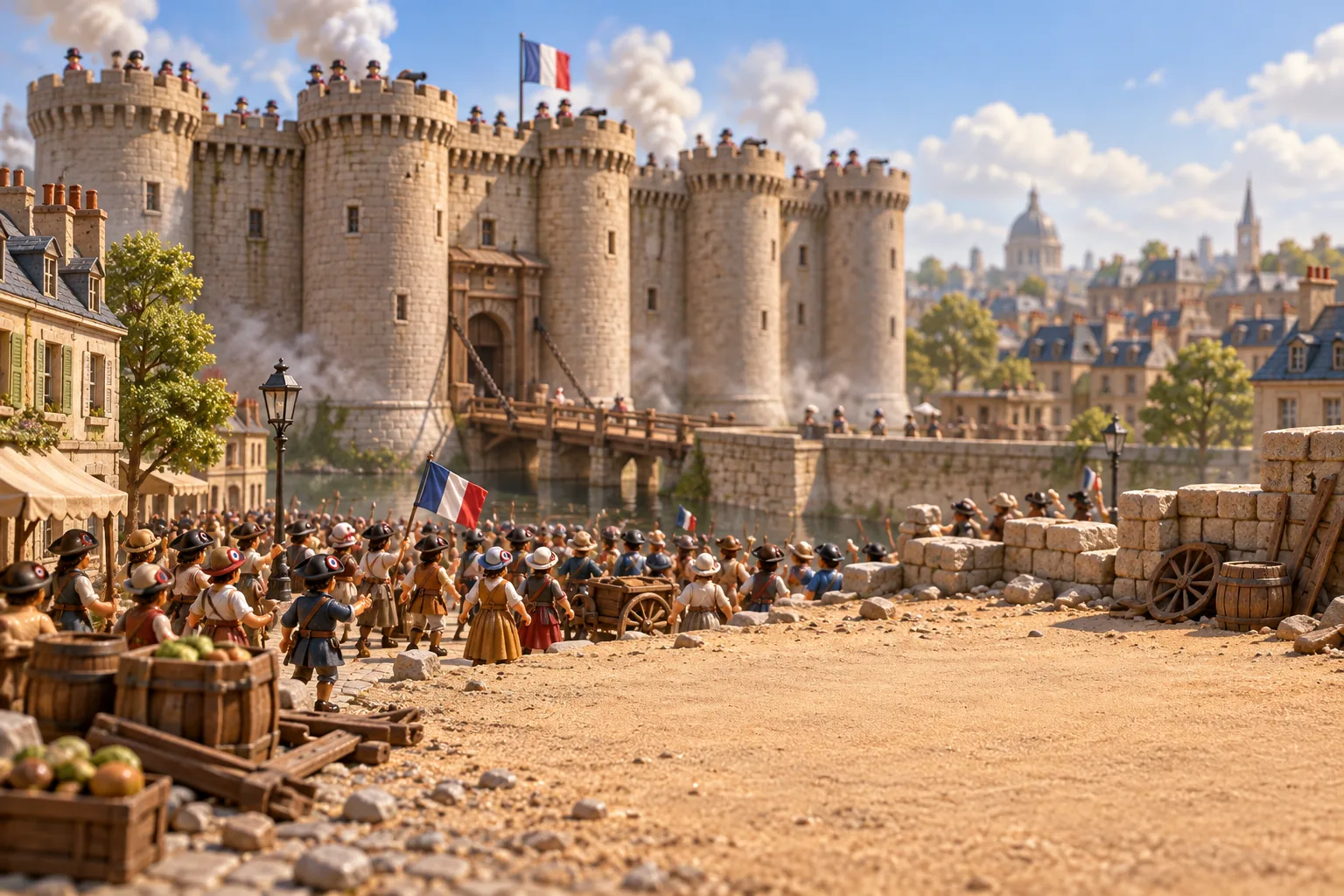 14 July 1789 · Paris, FranceFrench RevolutionThe crowd that stormed the Bastille wanted its gunpowder, and found only seven prisoners inside.
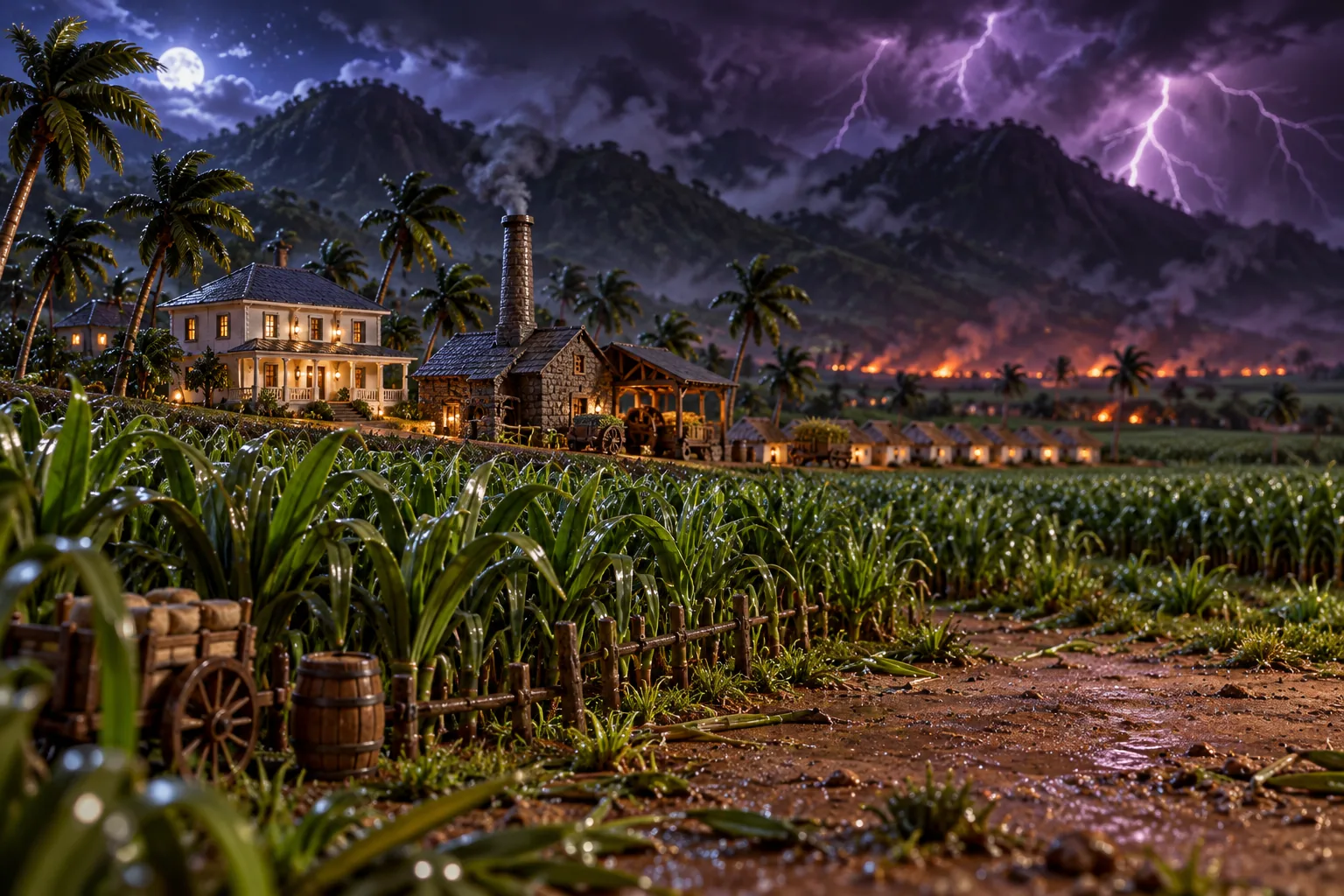 21 August 1791 – 1 January 1804 · Plaine du Nord, near Cap-Haïtien, HaitiHaitian RevolutionIt is one of the only slave rebellions in history that ended with the rebels founding their own state.
Industrial age 1800 to 1945
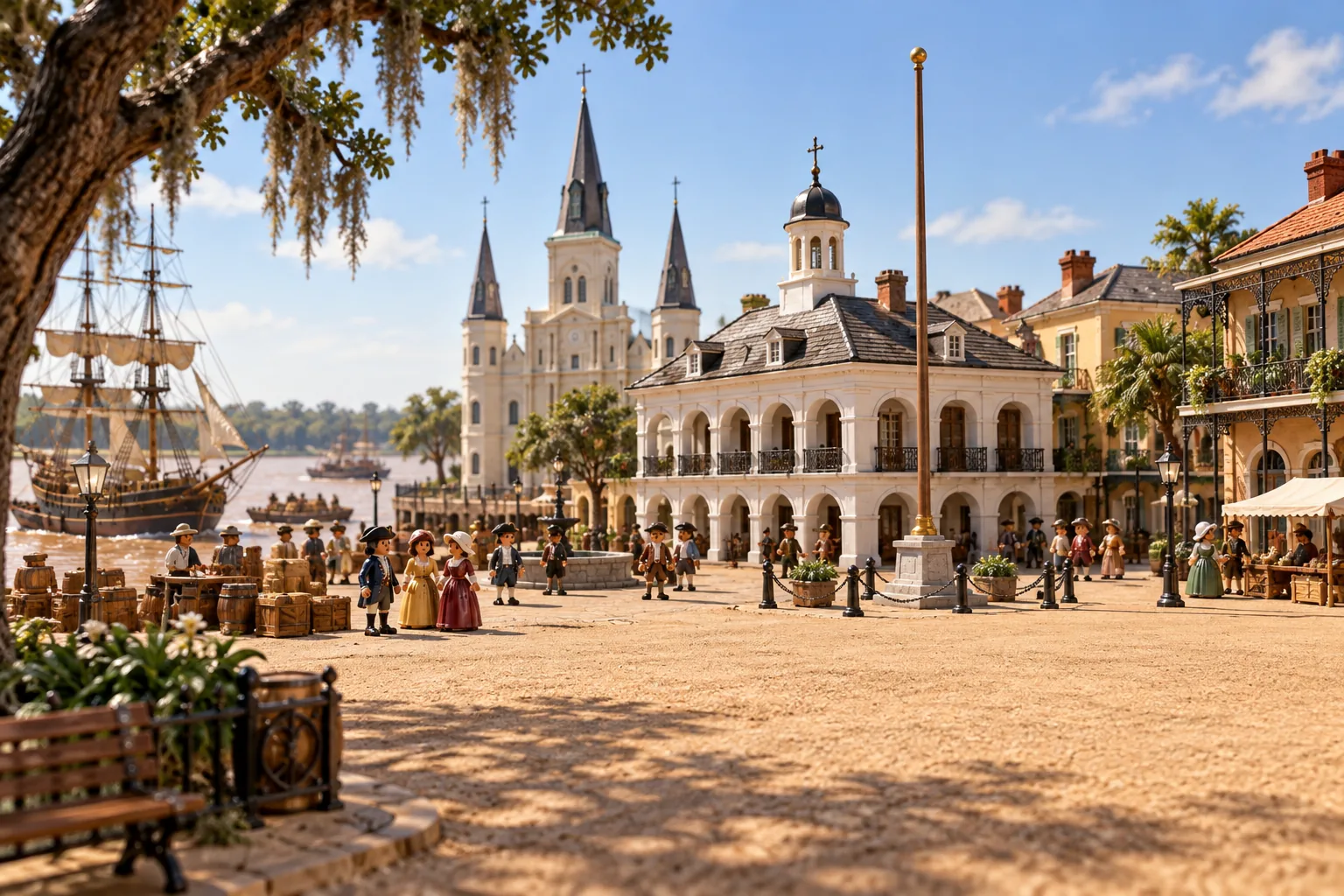 30 April 1803 · New Orleans, Louisiana, United States (treaty signed in Paris)Louisiana PurchaseThe American envoys went to Paris to buy one city, New Orleans, and came back having bought half a continent.
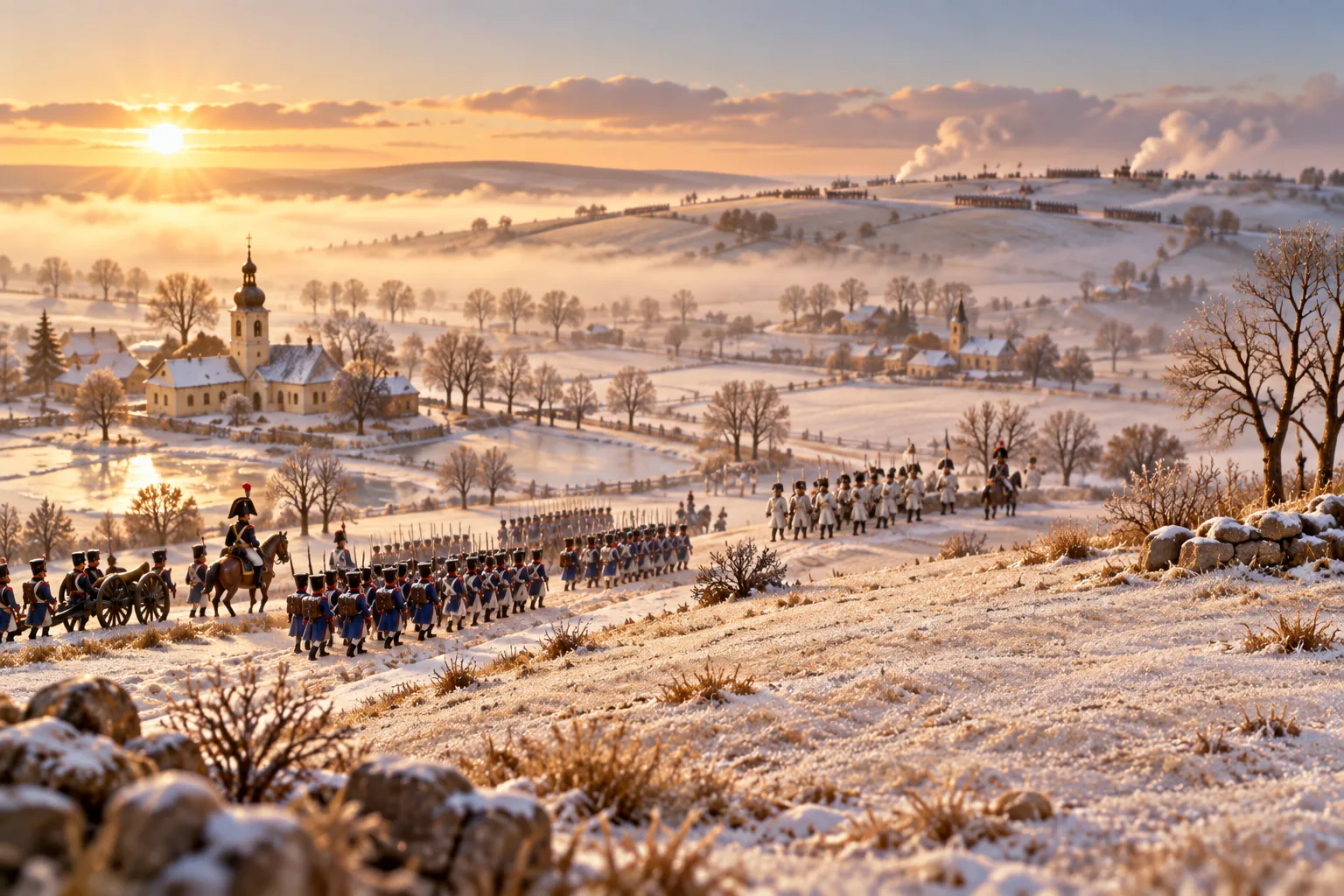 18 May 1803 – 1815 · Austerlitz, Moravia (today Slavkov u Brna, Czech Republic)Napoleonic WarsOf the 450,000 men Napoleon led into Russia in 1812, only about 27,000 fit soldiers were left by the time they struggled back across the Berezina.
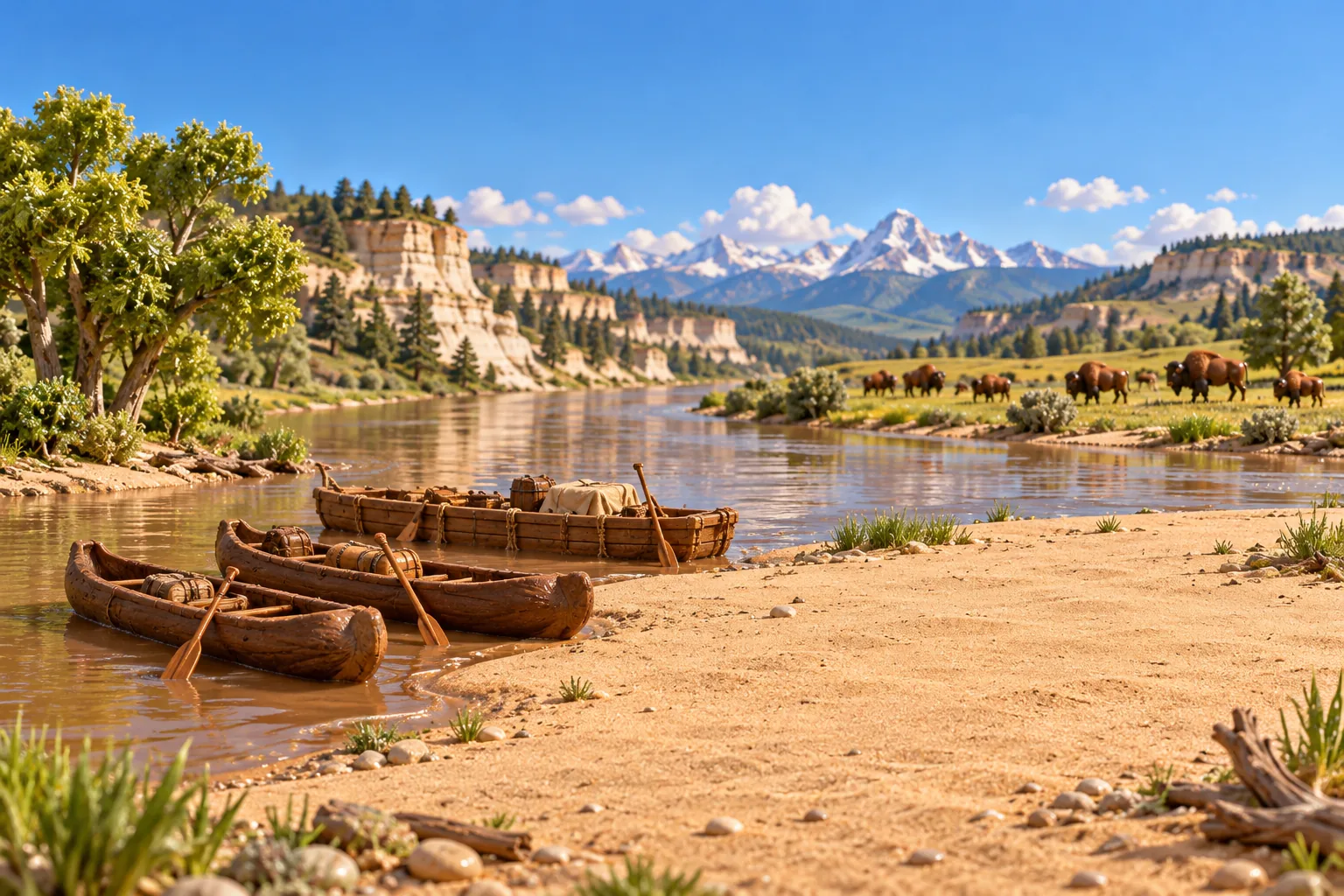 14 May 1804 – 23 September 1806 · Camp Dubois, Illinois, United StatesLewis and Clark ExpeditionWhen the explorers voted on where to spend their first winter on the Pacific, an enslaved man and a Shoshone woman cast votes too.
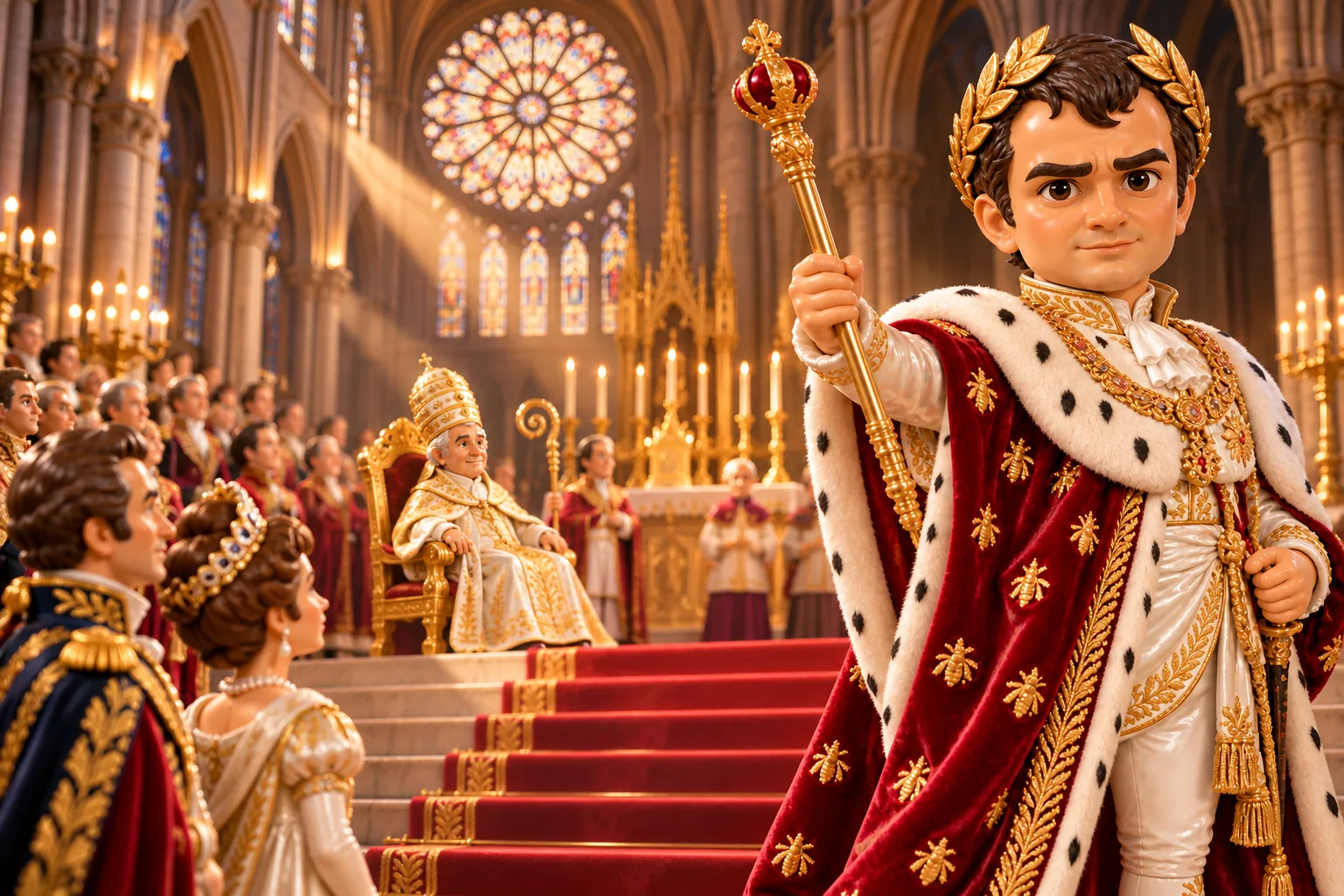 2 December 1804 · Notre-Dame de Paris, FranceNapoleonWith the pope sitting beside the altar, Napoleon lifted the crown and put it on his own head.
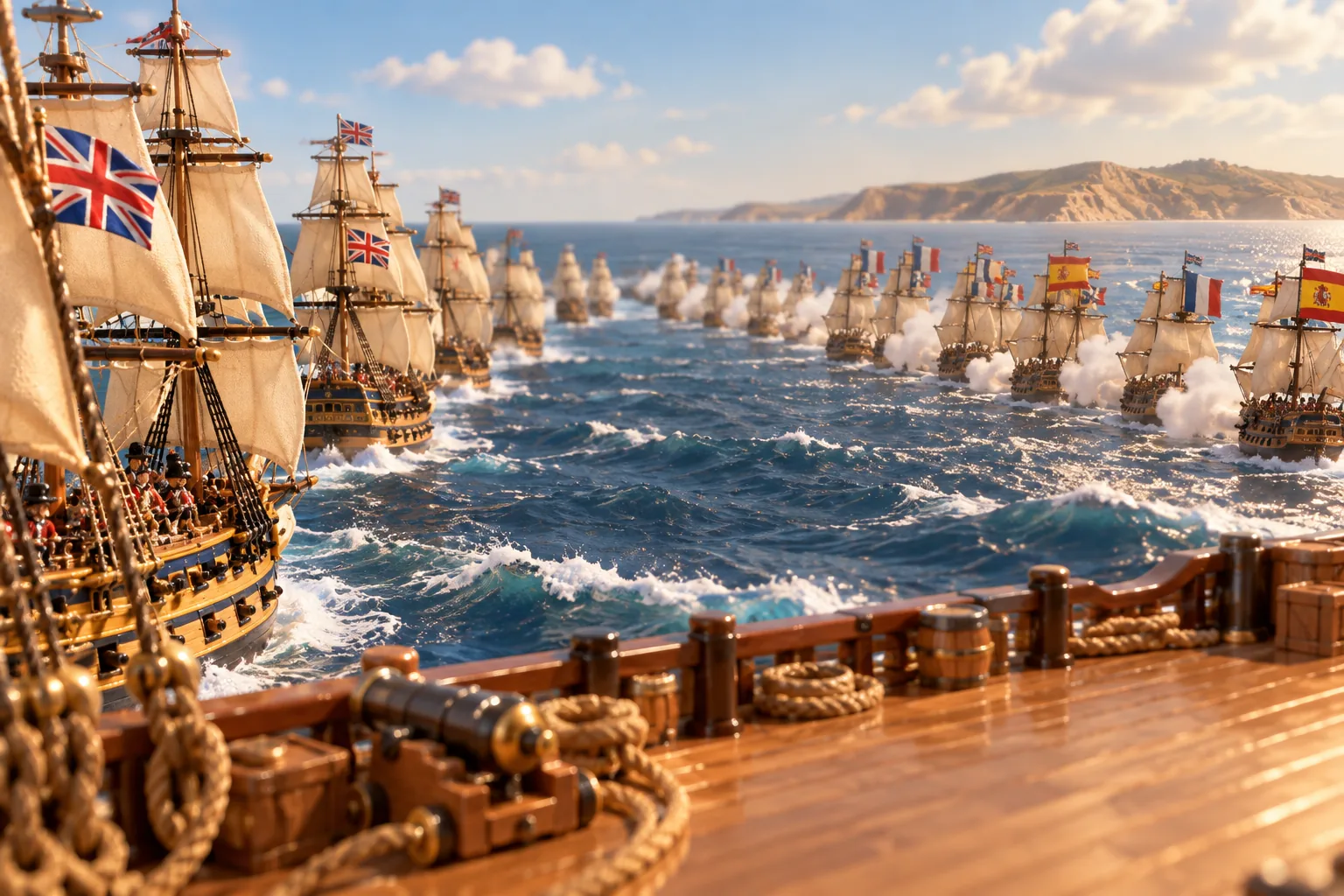 21 October 1805 · Off Cape Trafalgar, SpainBattle of TrafalgarNelson attacked head-on in two columns, wrecked the French and Spanish fleet without losing a ship, and died shortly before the battle ended.
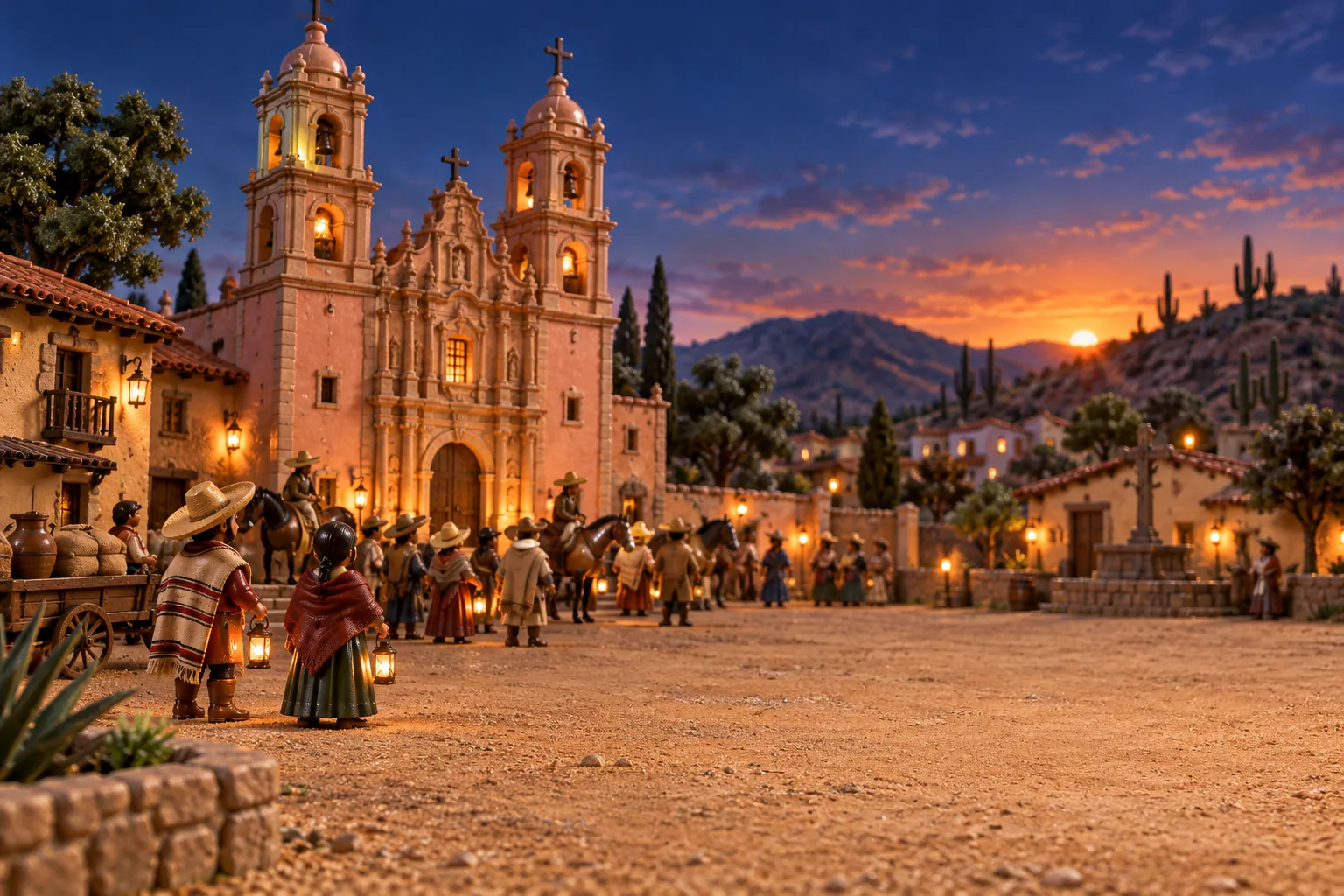 16 September 1810 – 27 September 1821 · Dolores, Guanajuato, New Spain (today Mexico)Mexican War of IndependenceA village priest called his parishioners to church one September morning, and eleven years later New Spain was an independent country.
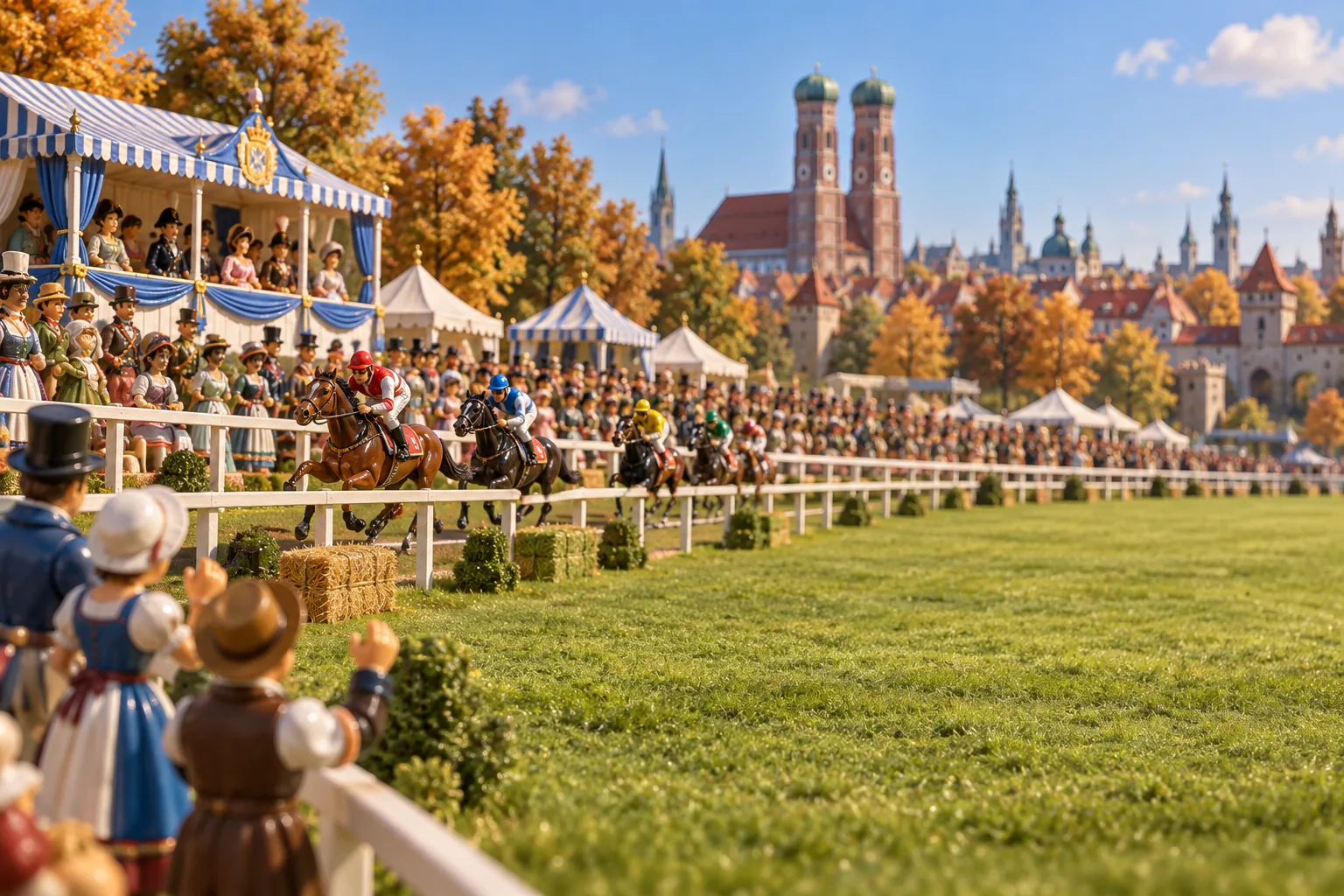 12 October 1810 · Theresienwiese, Munich, BavariaOktoberfestThe world's biggest beer festival started as a horse race thrown for a royal wedding, and it still takes place on a meadow named after the bride.
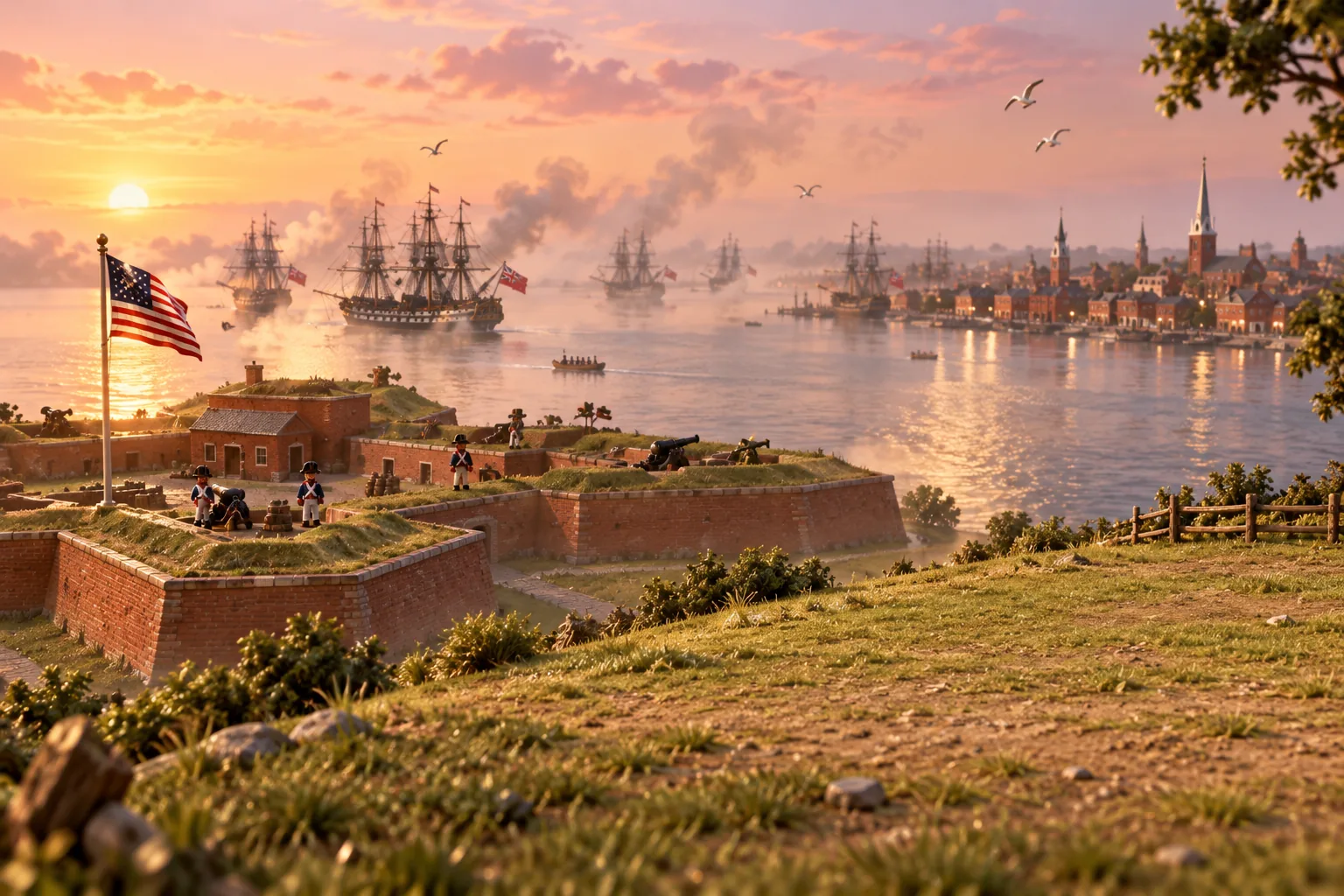 18 June 1812 – 17 February 1815 · Fort McHenry, Baltimore, United StatesWar of 1812The most famous American victory of the war, at New Orleans, was won after the peace treaty had already been signed.
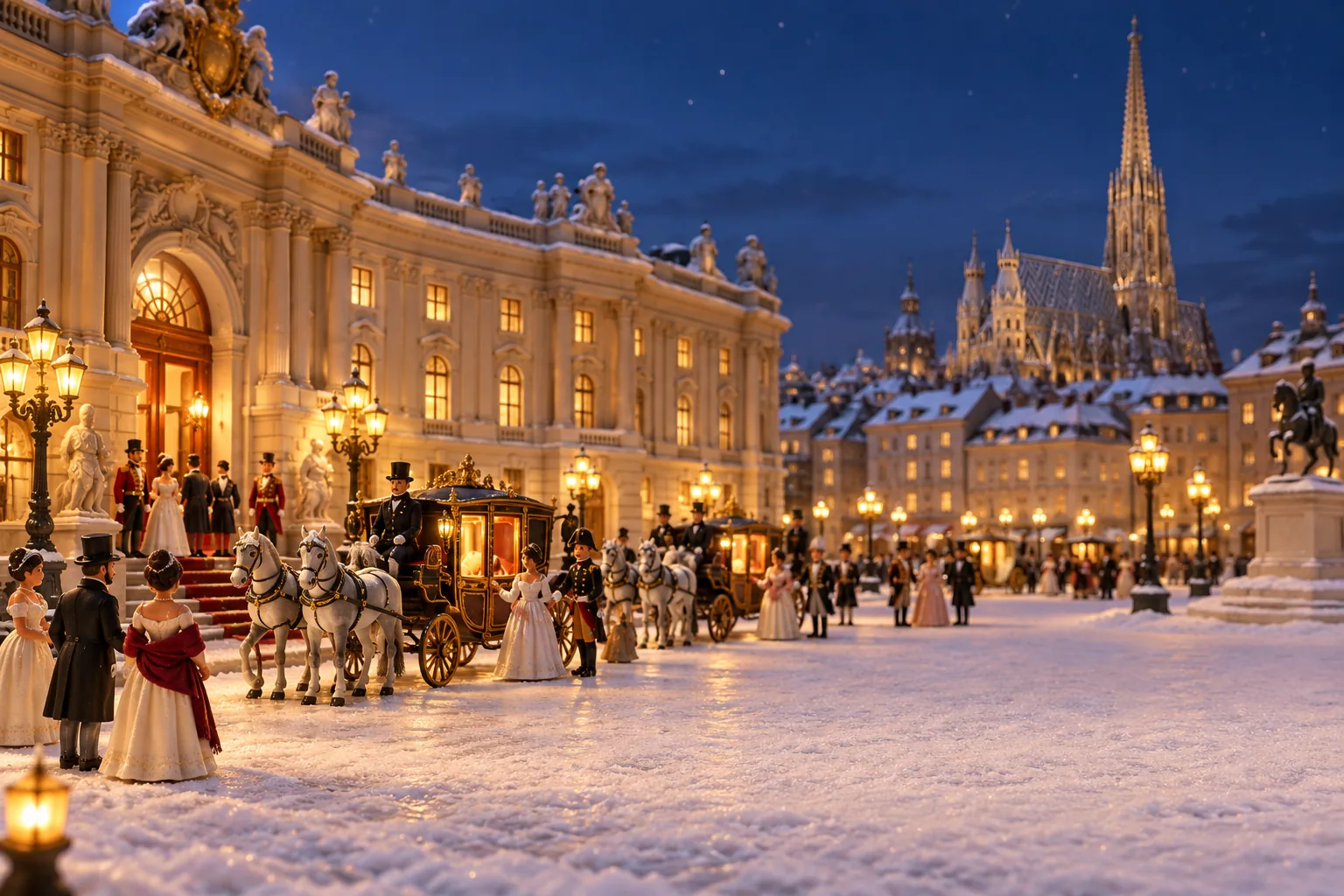 September 1814 – 9 June 1815 · Vienna, AustriaCongress of ViennaThe diplomats kept talking even after Napoleon escaped from Elba, and signed their treaty nine days before Waterloo.
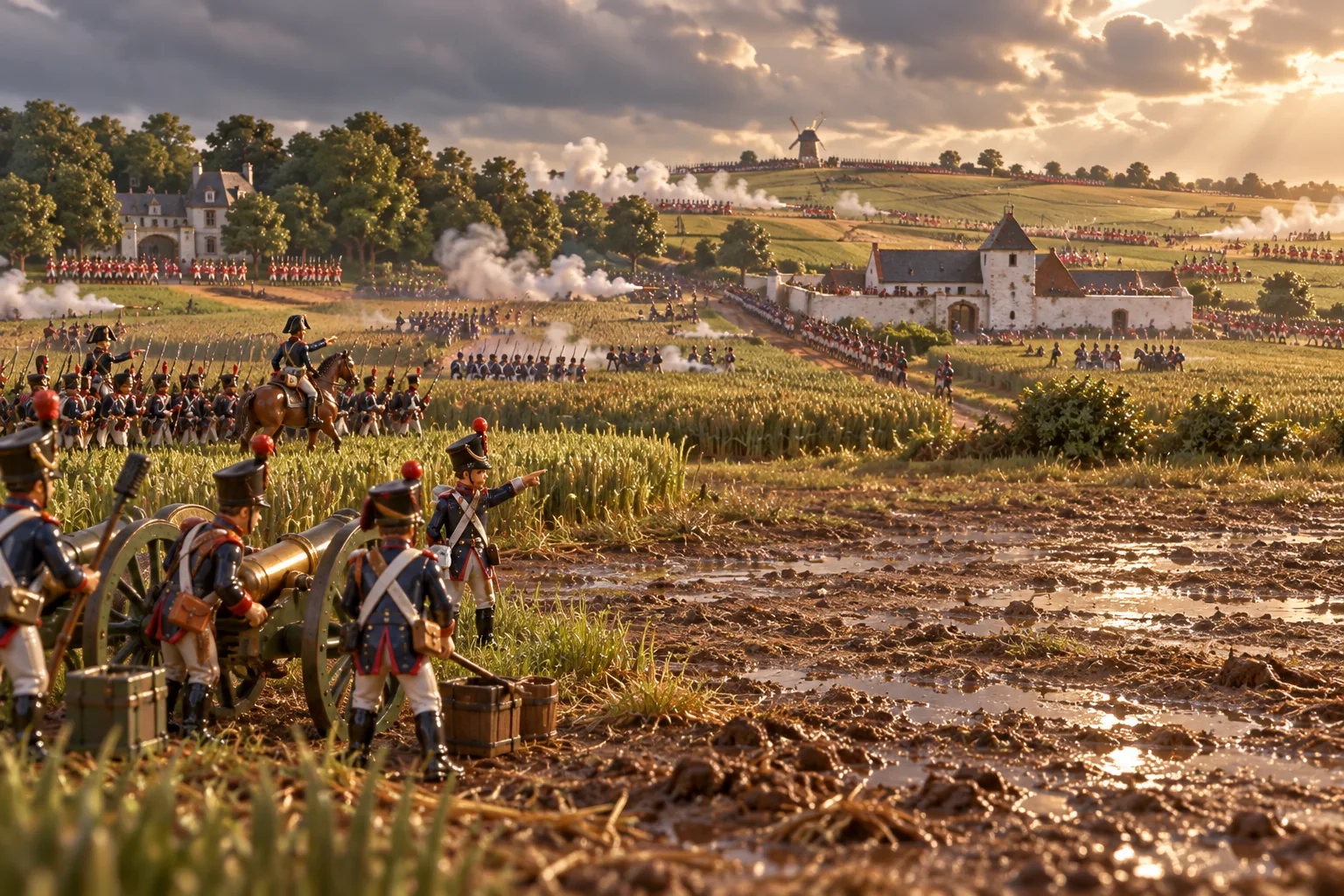 18 June 1815 · Waterloo, BelgiumBattle of WaterlooWellington called it "the nearest-run thing you ever saw in your life", and it was decided by a Prussian army marching in from the side.
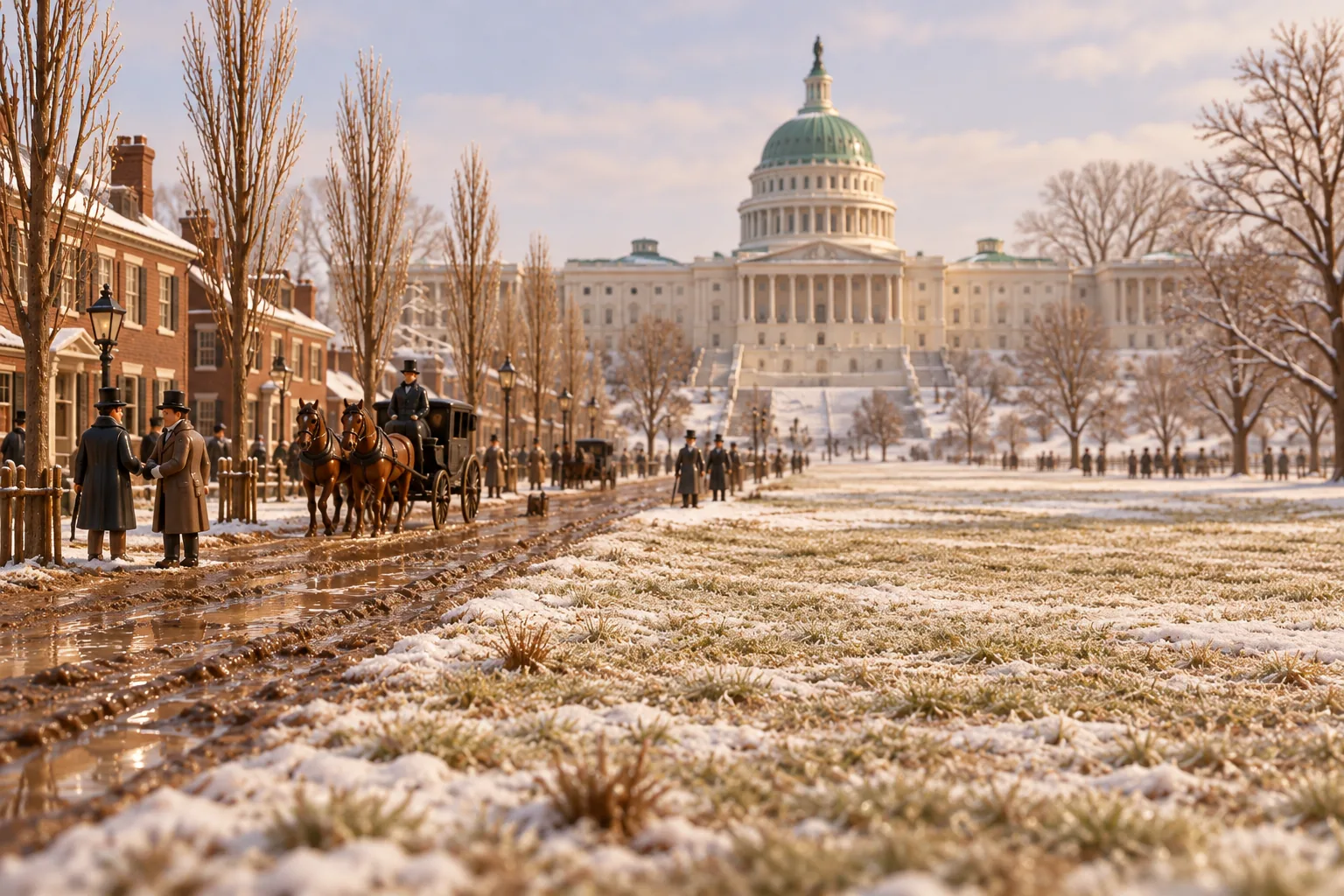 2 December 1823 · United States Capitol, Washington, D.C.Monroe DoctrineWhen it was announced, the United States had no navy or army able to back it up, and the European powers largely ignored it.
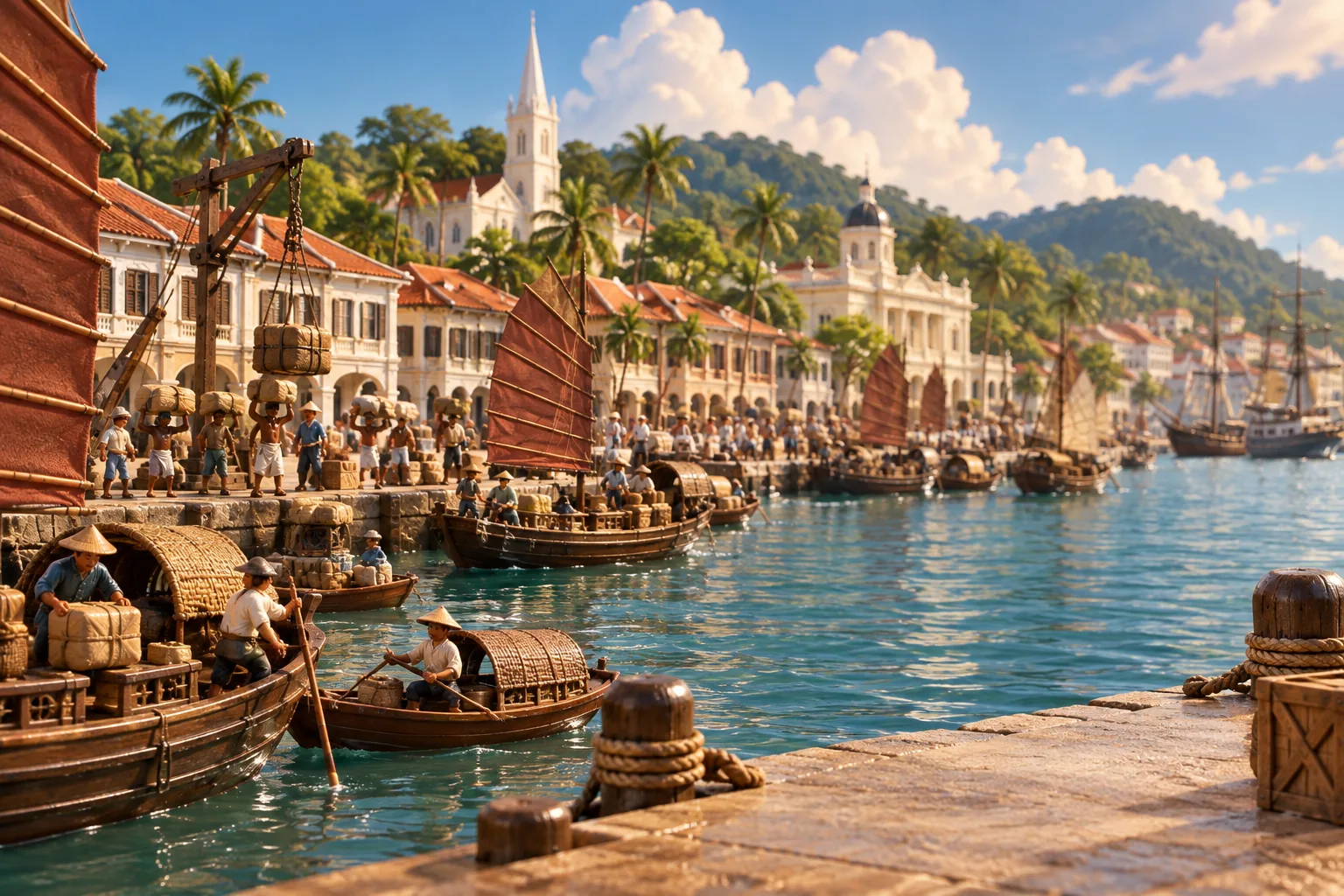 1826–1946 · Singapore, Penang and Malacca, on the Strait of MalaccaStraits SettlementsThree port towns strung along one of the world's busiest sea lanes were ruled as a single colony for 120 years, and one of them became Singapore.
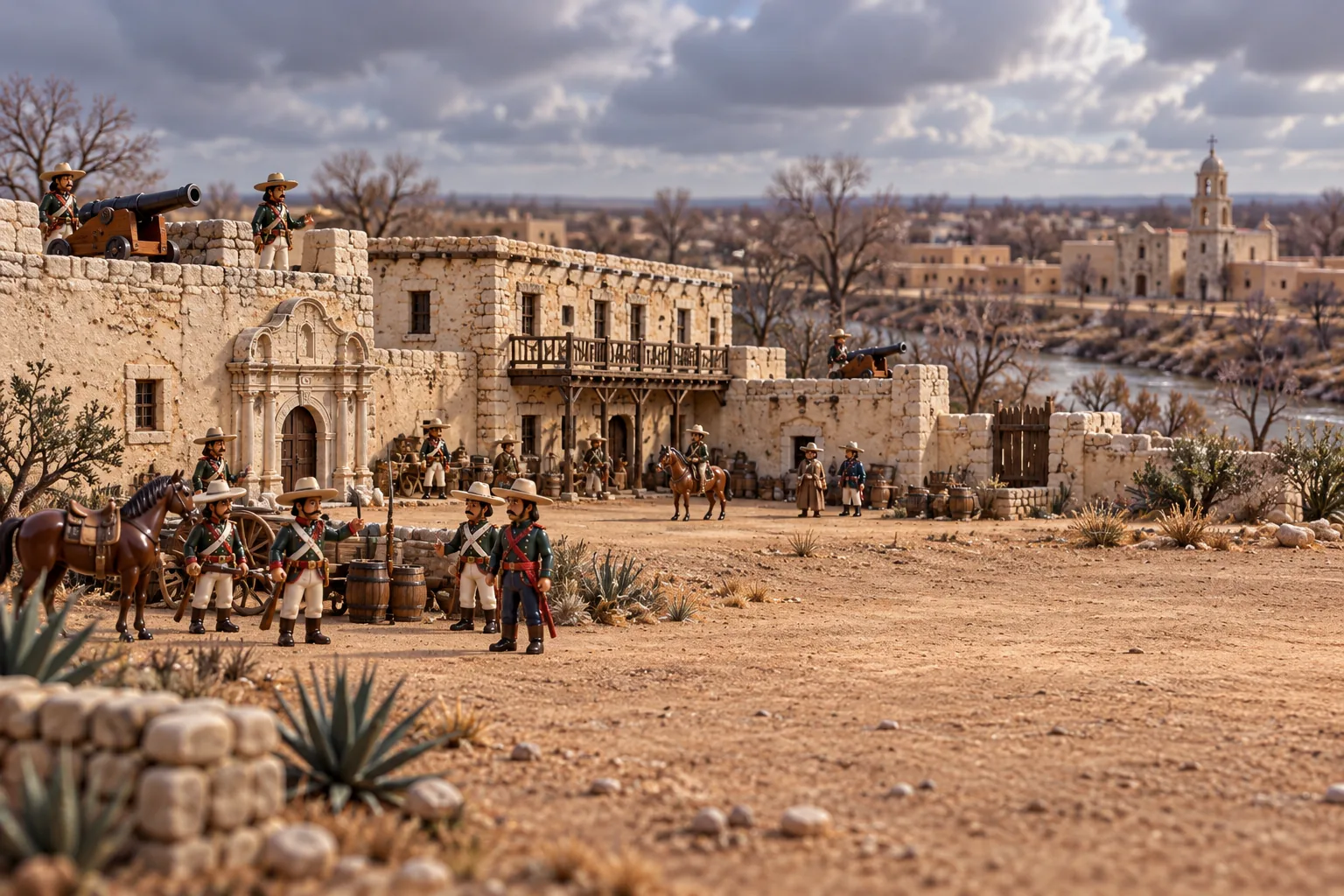 23 February – 6 March 1836 · Alamo Mission, San Antonio de Béxar, TexasBattle of the AlamoA ruined Spanish mission held by about two hundred men fell in a single dawn assault, and its name became the battle cry that won Texas.
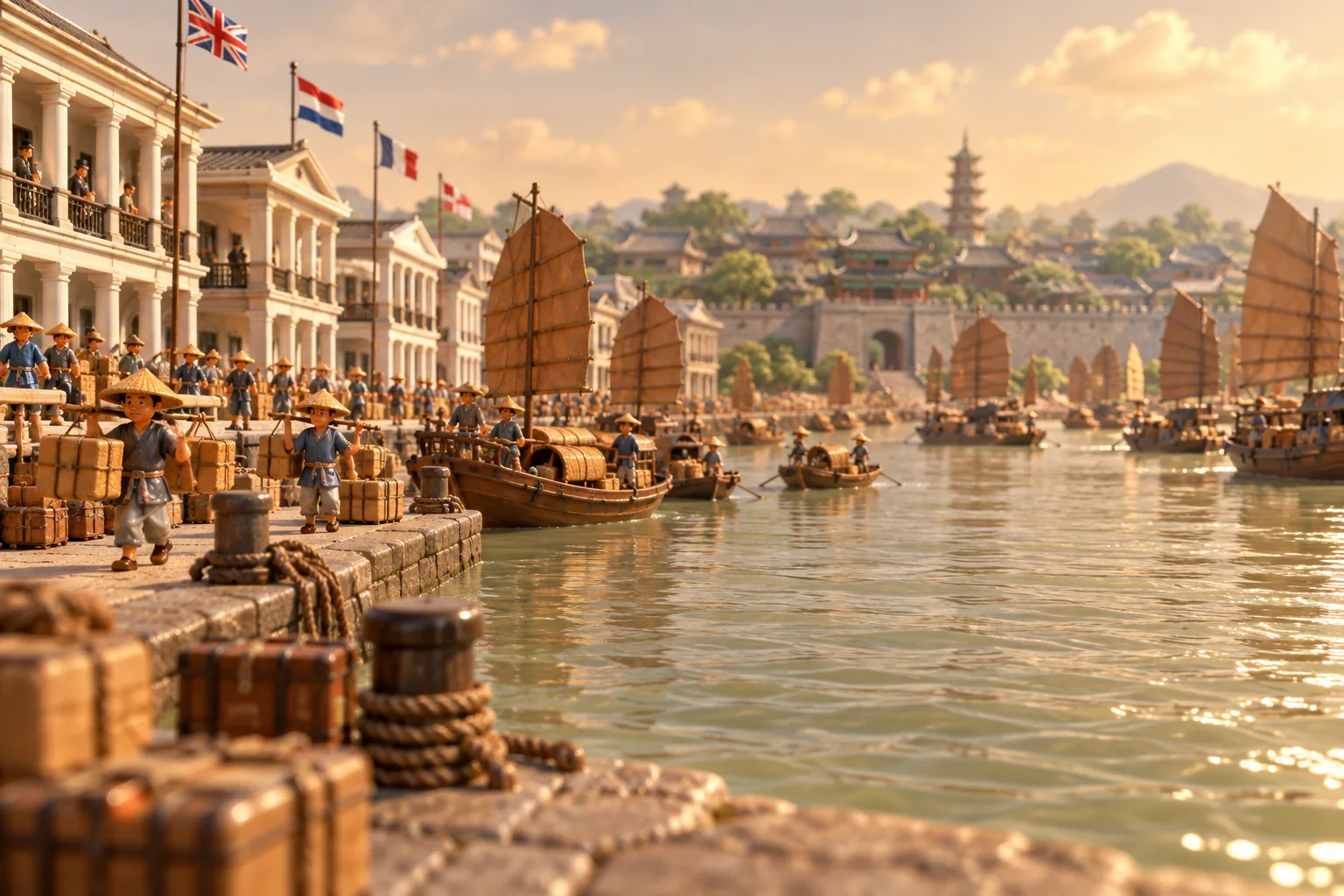 4 September 1839 – 29 August 1842 · Canton (Guangzhou) and the Pearl River, ChinaFirst Opium WarChina's anti-drug commissioner wrote an open letter to Queen Victoria asking her to stop the opium trade; she never received it, and within months the two empires were at war.
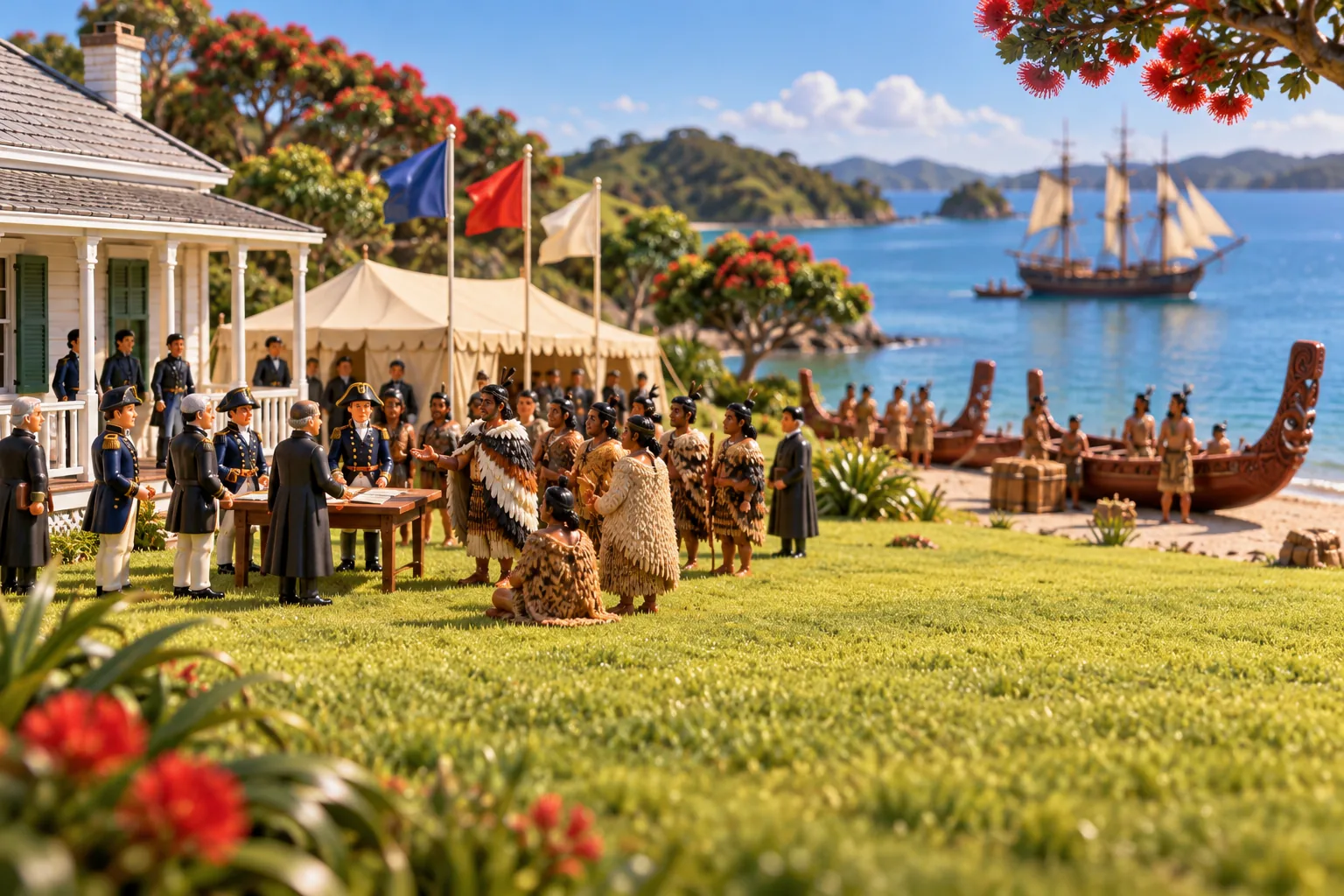 6 February 1840 · Busby's house (the Treaty House), Waitangi, Bay of Islands, New ZealandTreaty of WaitangiA treaty was written in a few days by men who were not lawyers, translated overnight by a missionary, and its two versions still disagree about who holds power.
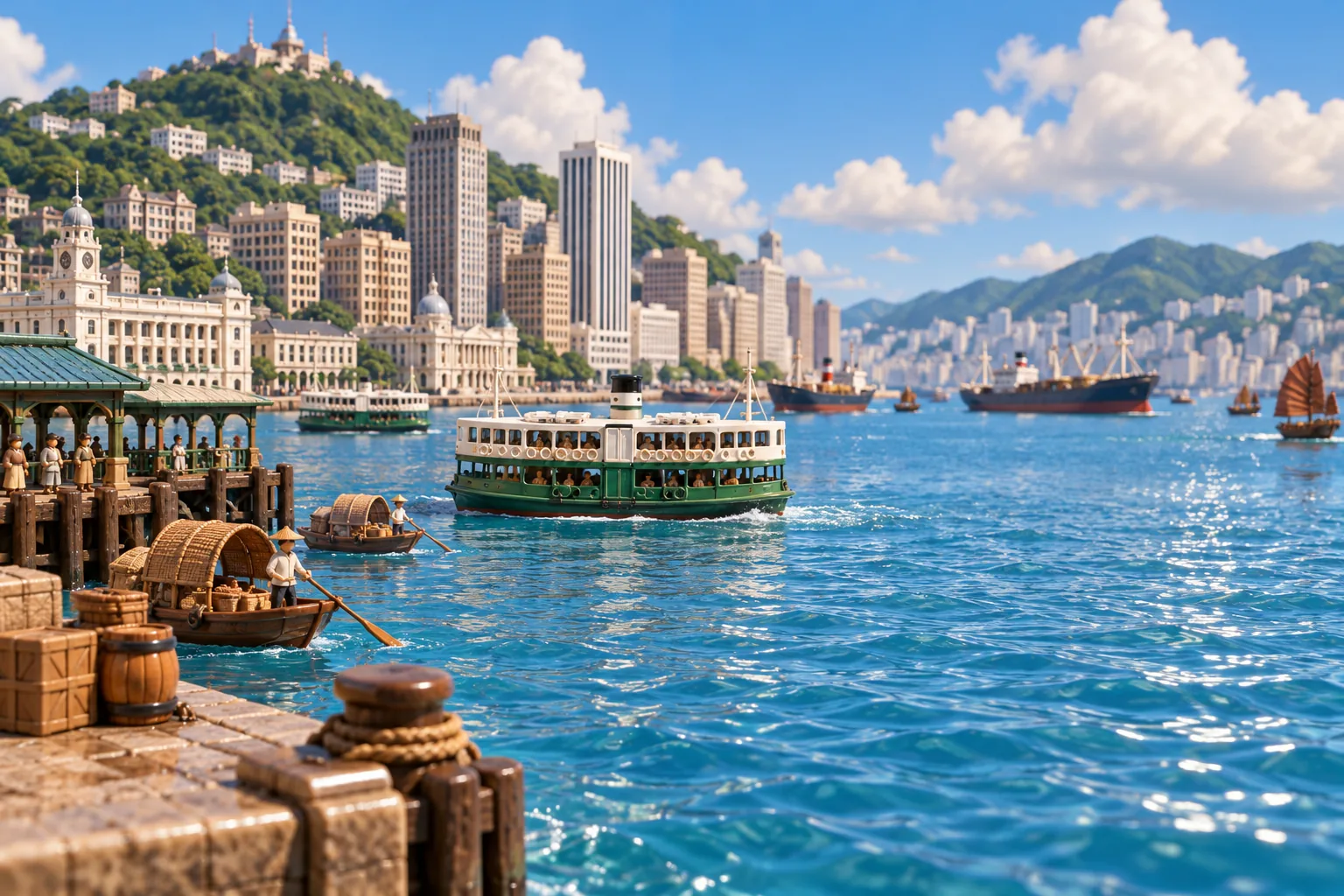 1841–1997 · Victoria Harbour, Hong KongBritish Hong KongA barren island taken in an opium war became one of the richest cities on earth, and then was handed back on a rainy night in 1997.
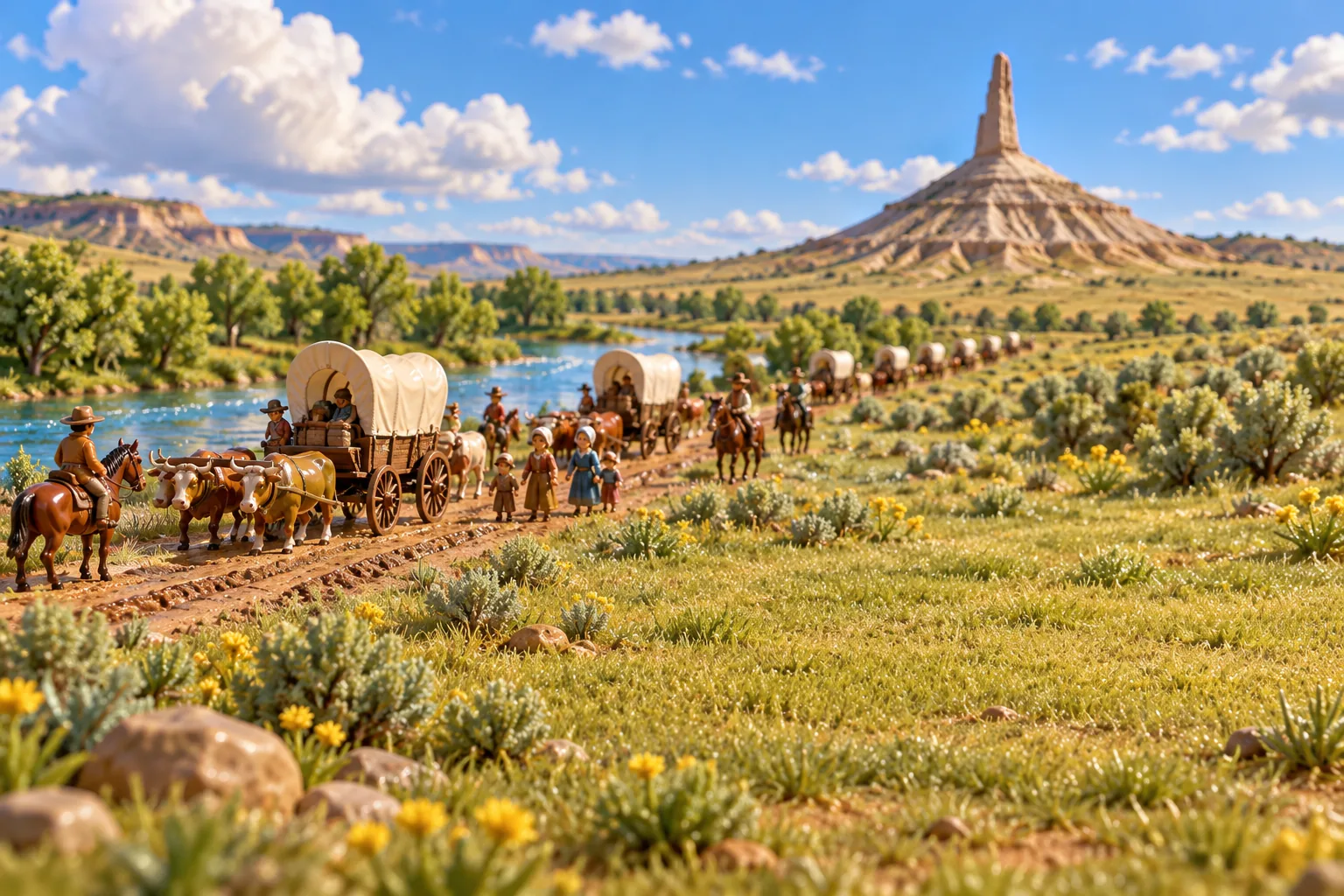 1843–1869 · Chimney Rock, Nebraska, on the trail from Missouri to OregonOregon TrailFamilies walked for months beside their wagons across prairie, desert and mountains, and buried their dead in the middle of the road.
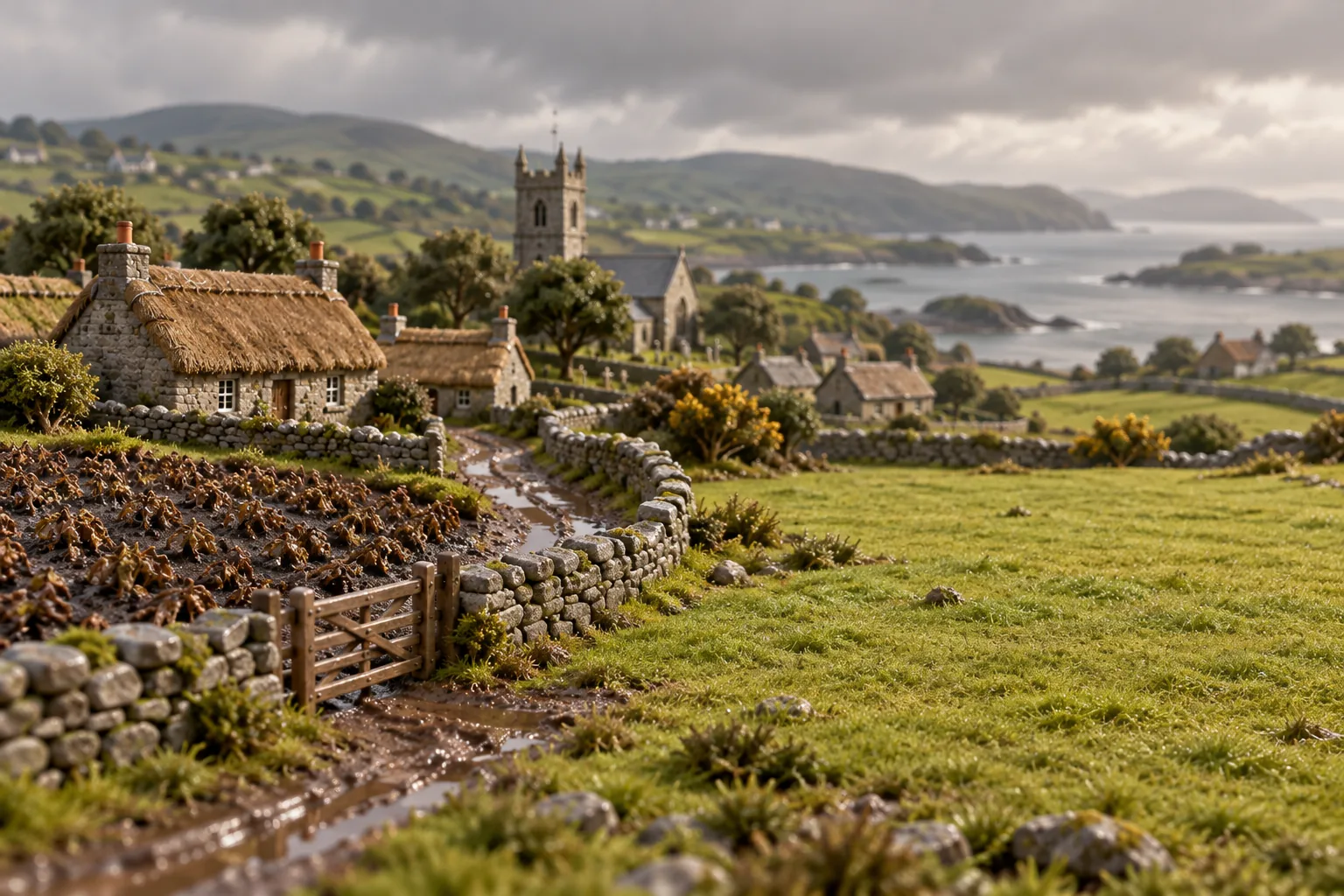 1845–1852 · Skibbereen, County Cork, IrelandGreat Irish FamineWhile people starved, ships kept carrying food out of Irish ports, and London refused to stop them.
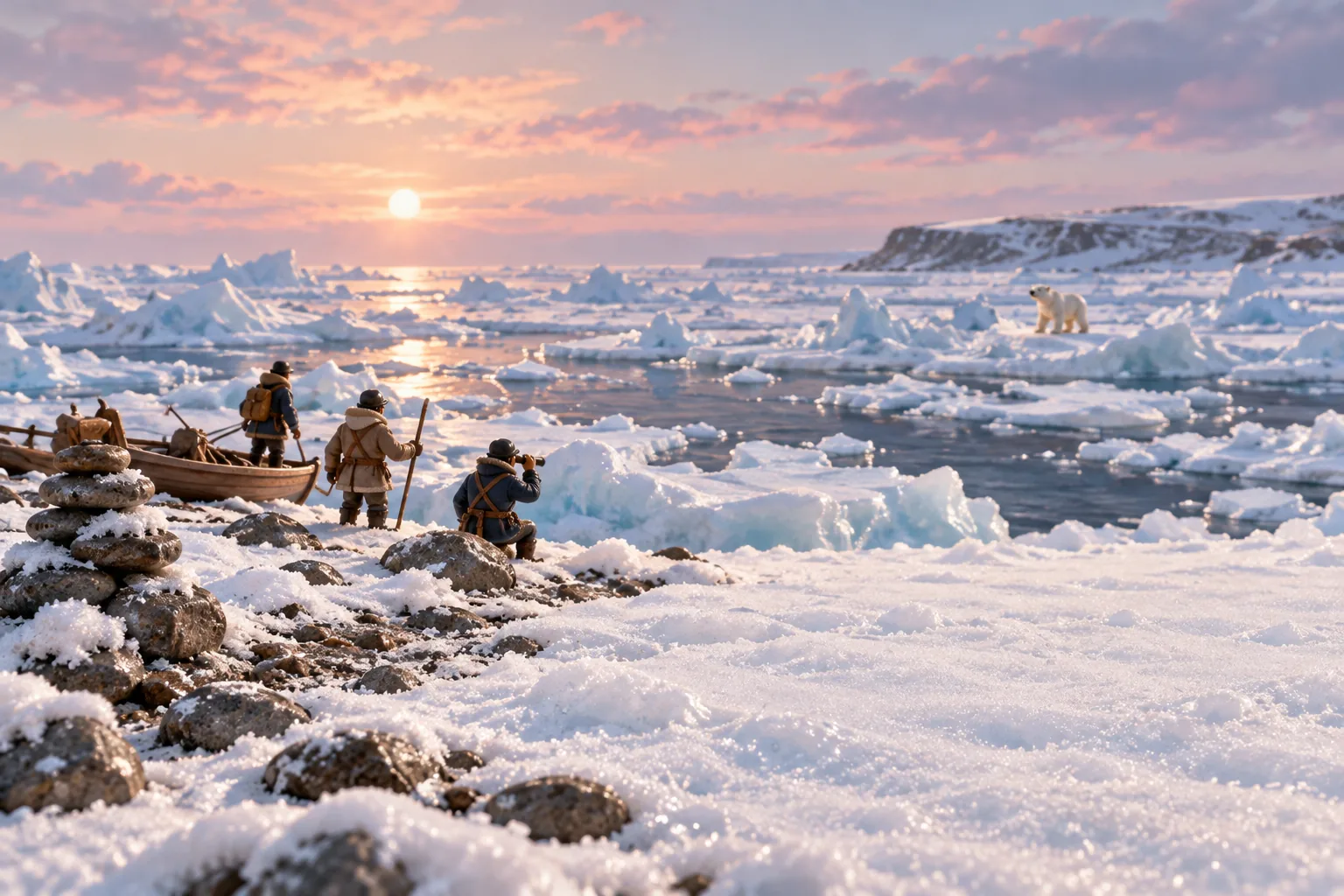 1845–1848 · Victoria Strait, off King William Island, Nunavut, CanadaFranklin's lost expeditionTwo of the best-equipped ships in the Royal Navy sailed into the Arctic with 129 men and three years of food, and simply never came back.
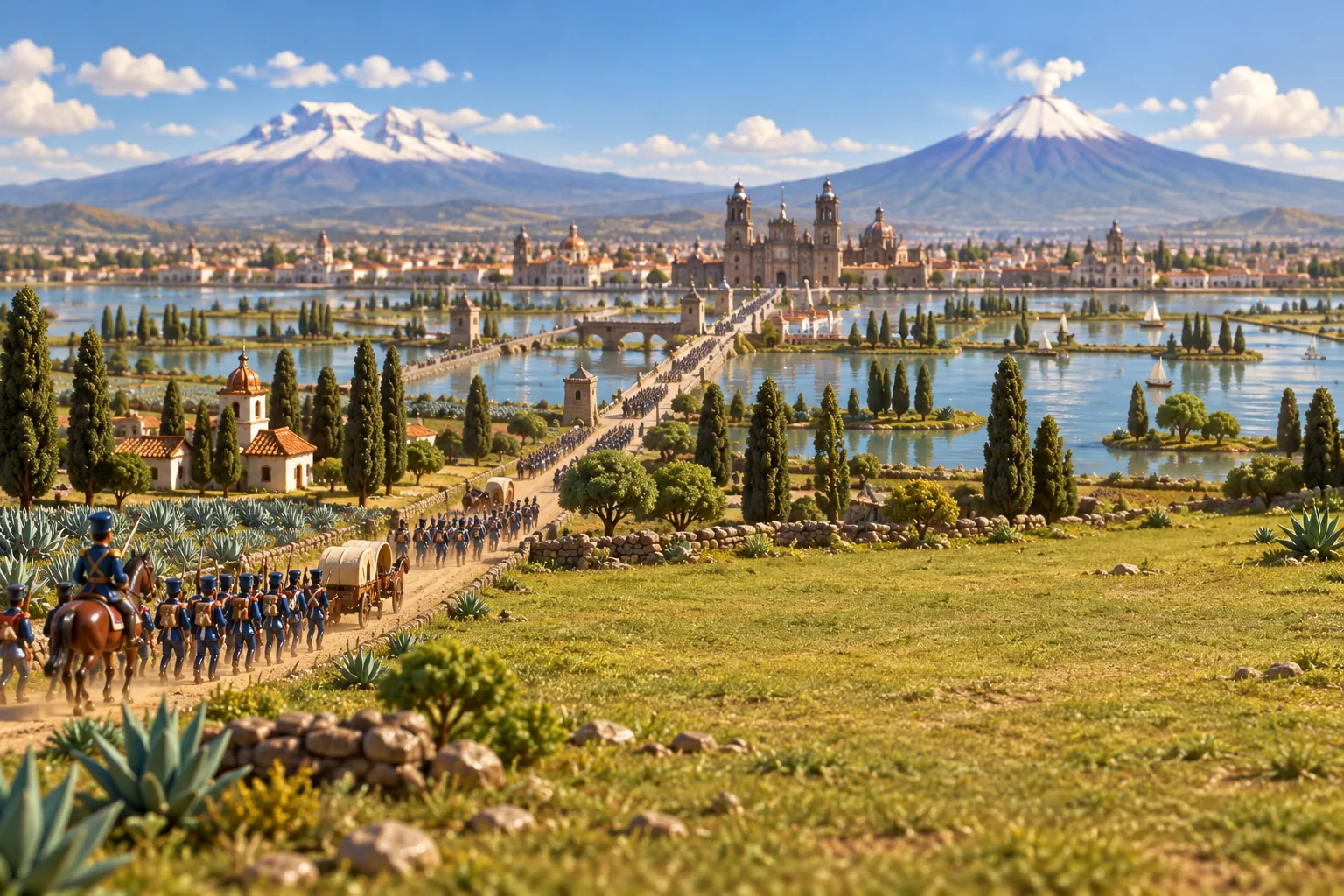 25 April 1846 – 2 February 1848 · Chapultepec, Mexico City, MexicoMexican–American WarUlysses S. Grant, who fought in it as a young officer, later called it one of the most unjust wars ever waged by a stronger nation against a weaker one.
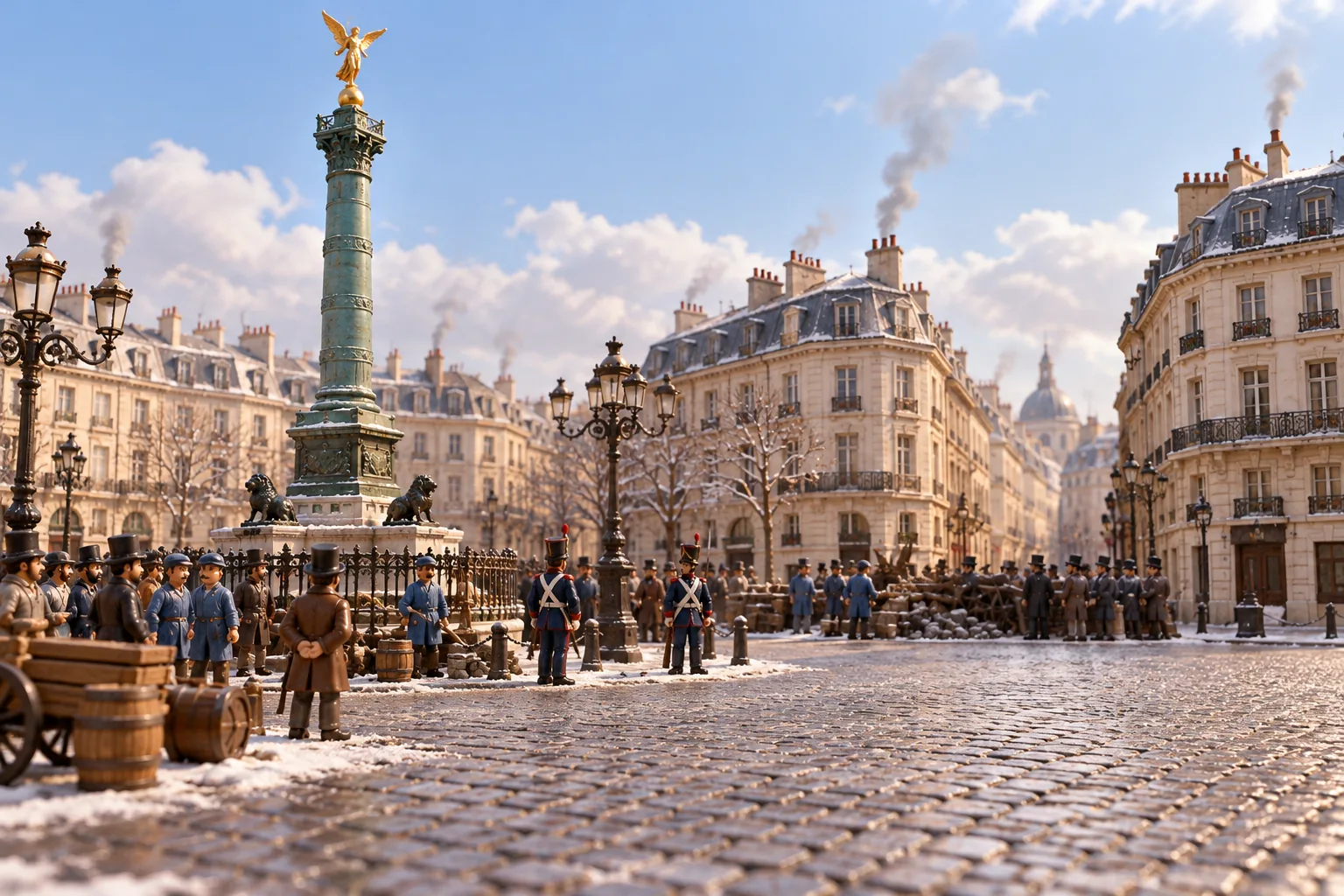 January 1848 – October 1849 · Paris, FranceRevolutions of 1848In a few spring weeks of 1848 a king fled Paris, the most powerful statesman in Europe was forced out of Vienna, and the King of Prussia pulled his troops out of Berlin.
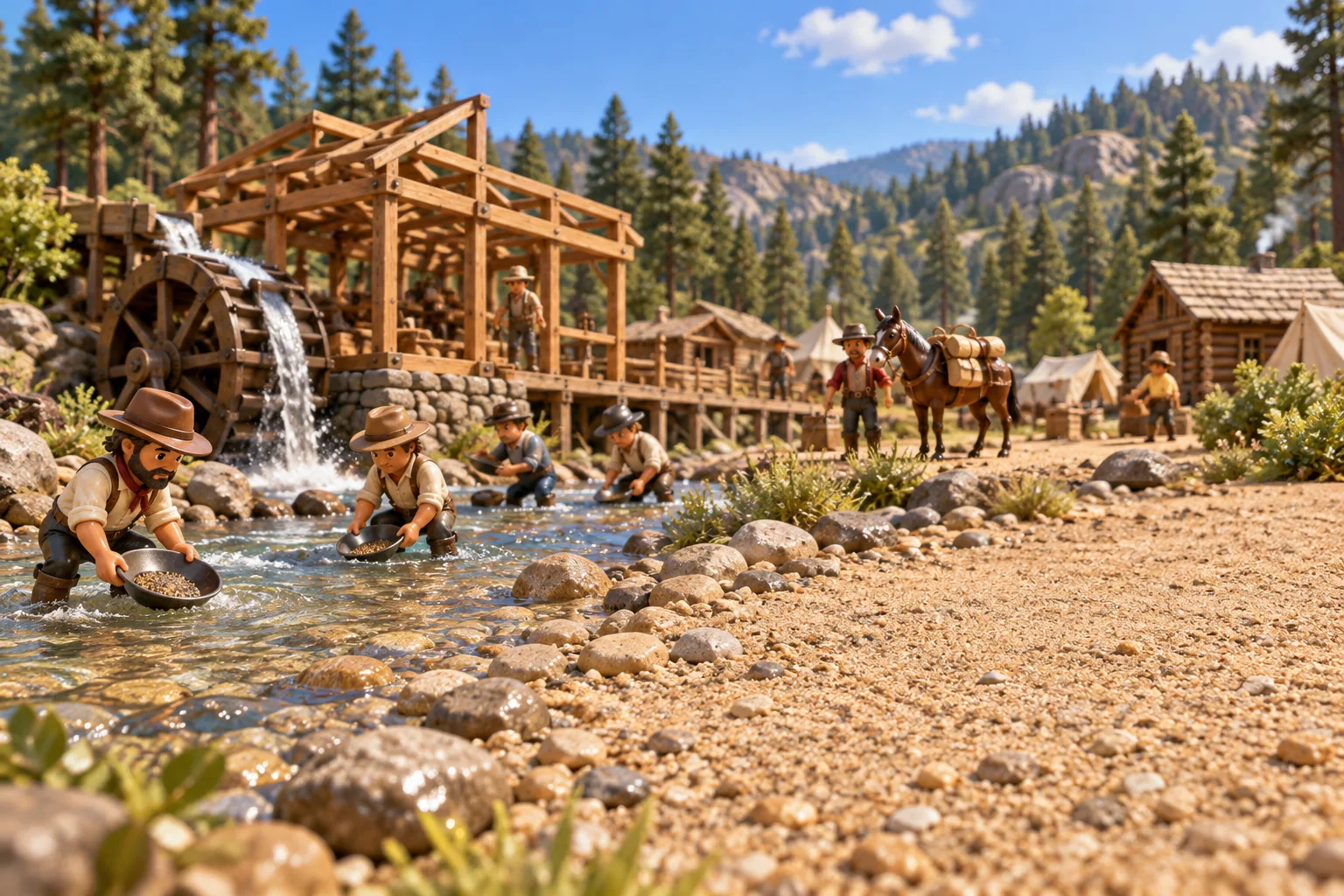 24 January 1848 – 1855 · Sutter's Mill, Coloma, California, United StatesCalifornia Gold RushA man building a sawmill saw something shiny in the water, and within a few years 300,000 people had followed his find.
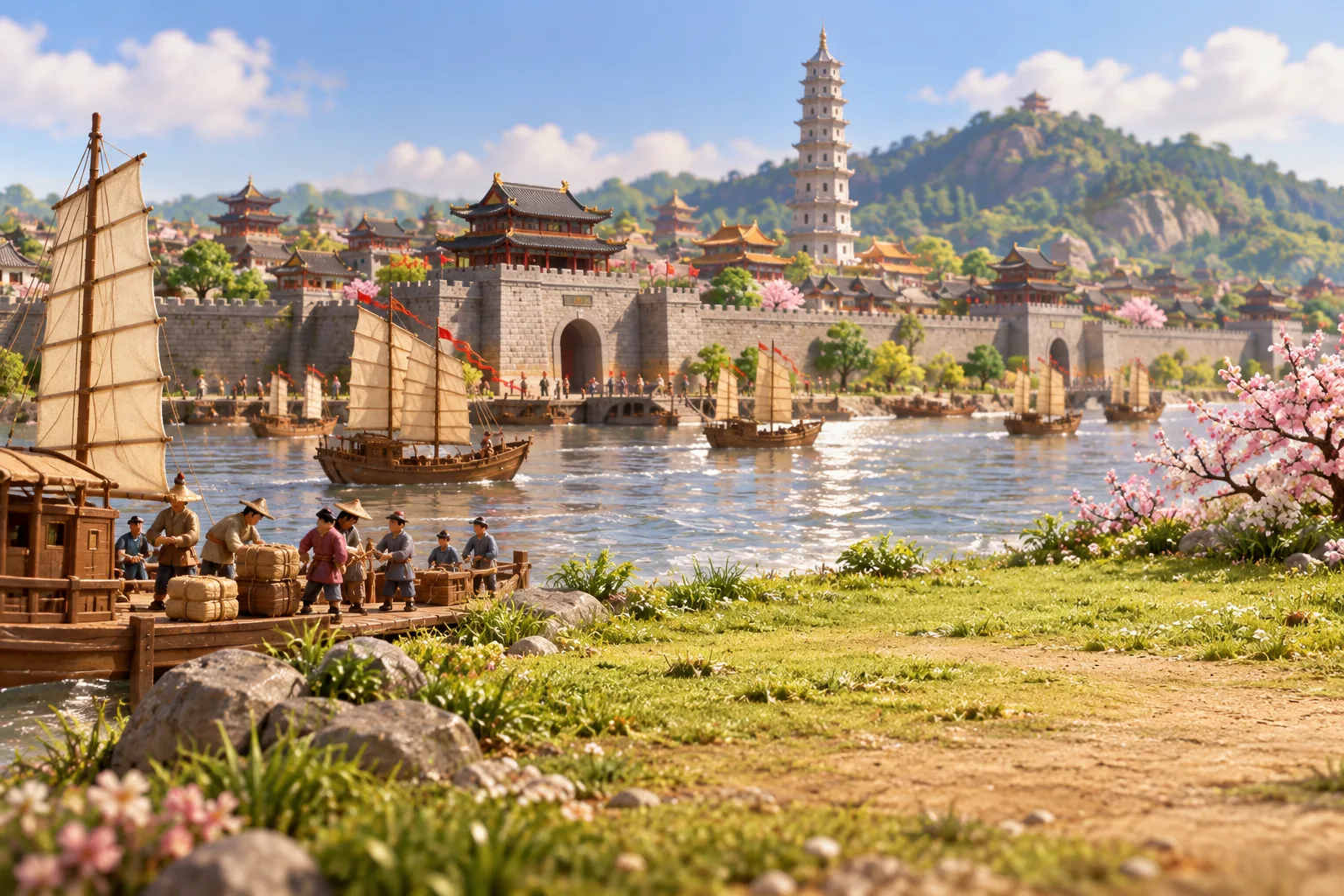 1850–1864 · Nanjing, ChinaTaiping RebellionIt began with a man who failed the imperial civil-service exams four times, had visions, and decided he was the younger brother of Jesus Christ.
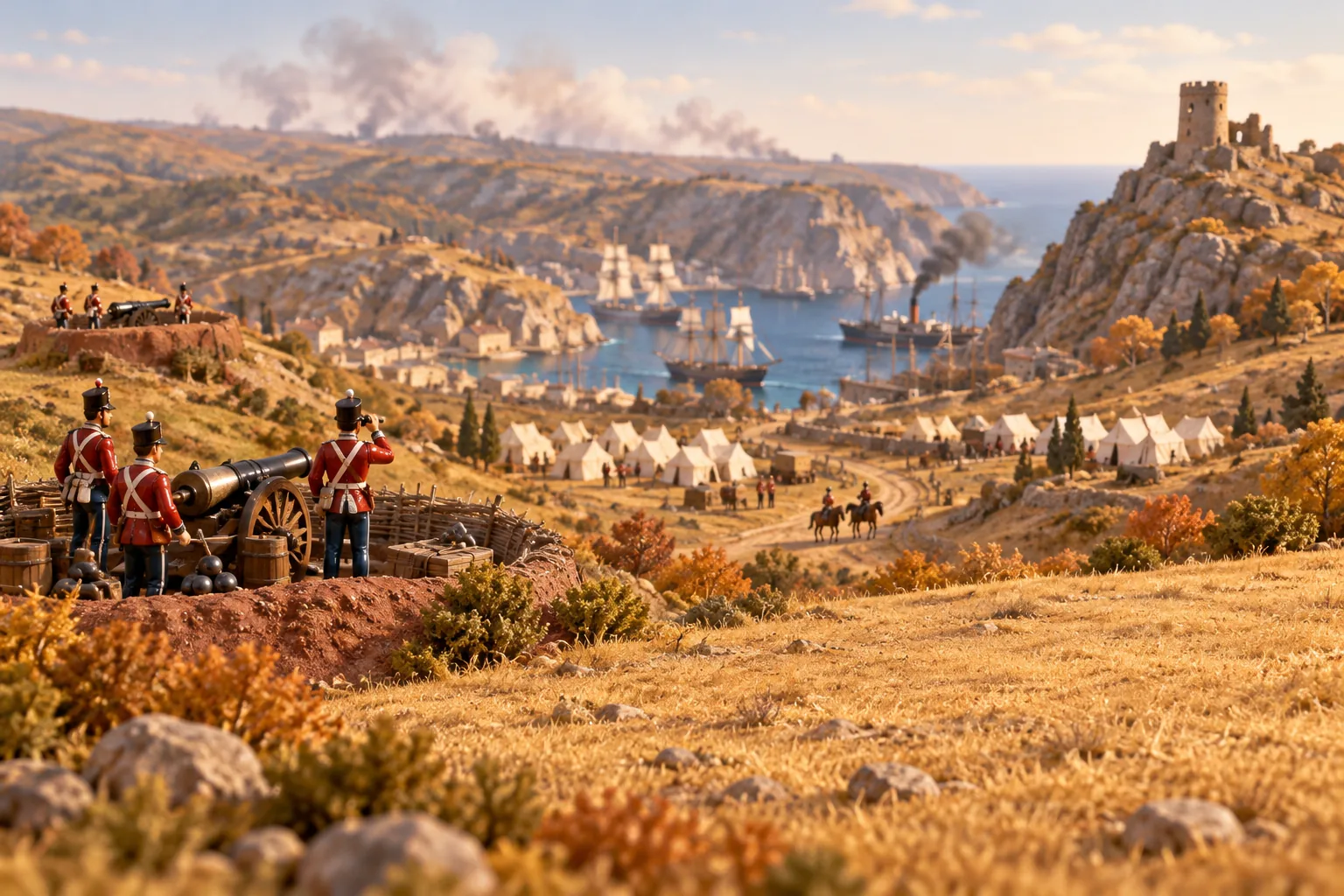 October 1853 – 30 March 1856 · Sevastopol, CrimeaCrimean WarIt was one of the first wars the public could follow almost as it happened, through newspaper reports that reached London in two days by telegraph, and through photographs.
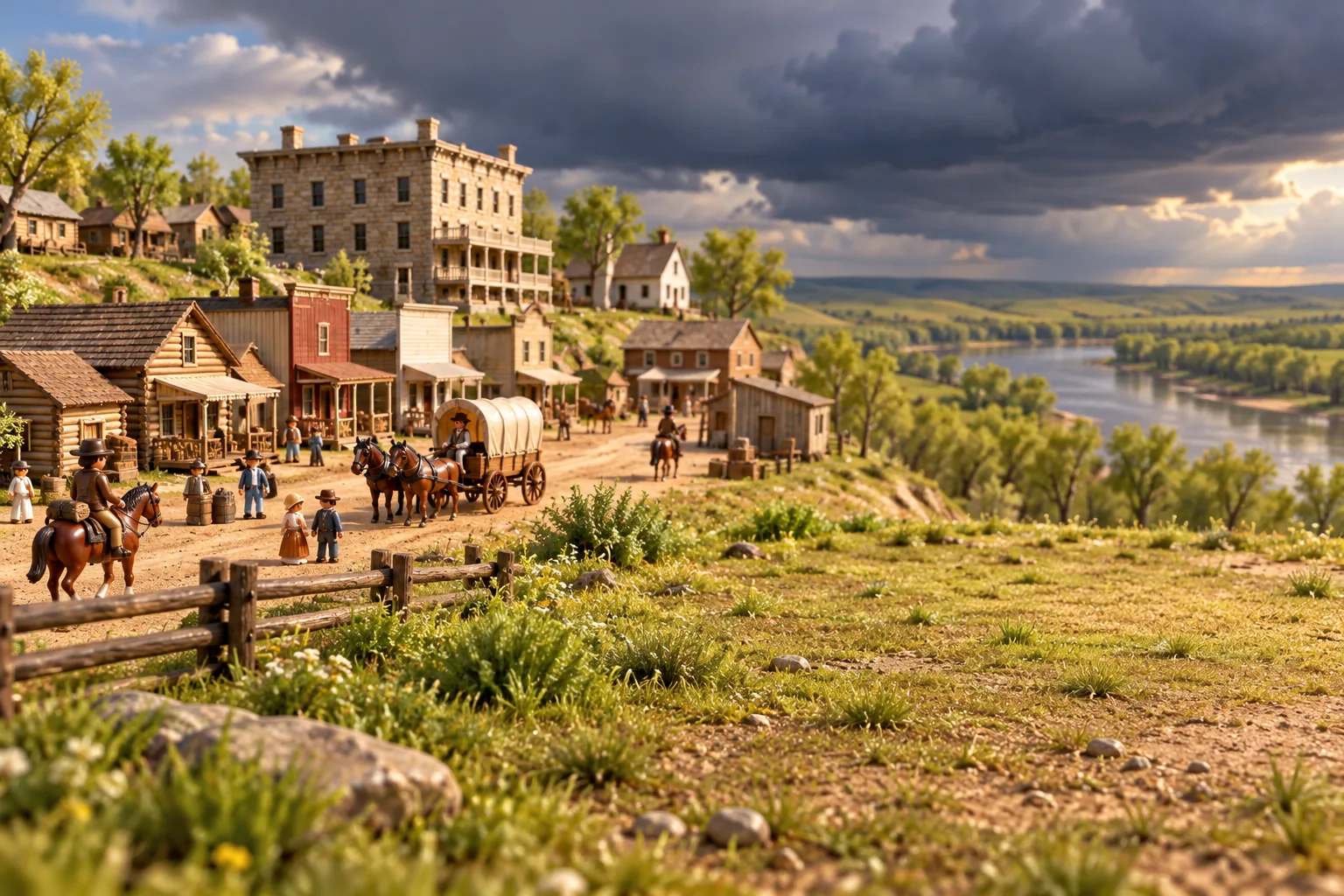 1854–1859 · Lawrence, Kansas Territory, United StatesBleeding KansasFor a few years Kansas had two capitals, two constitutions and two legislatures, one for slavery and one against.
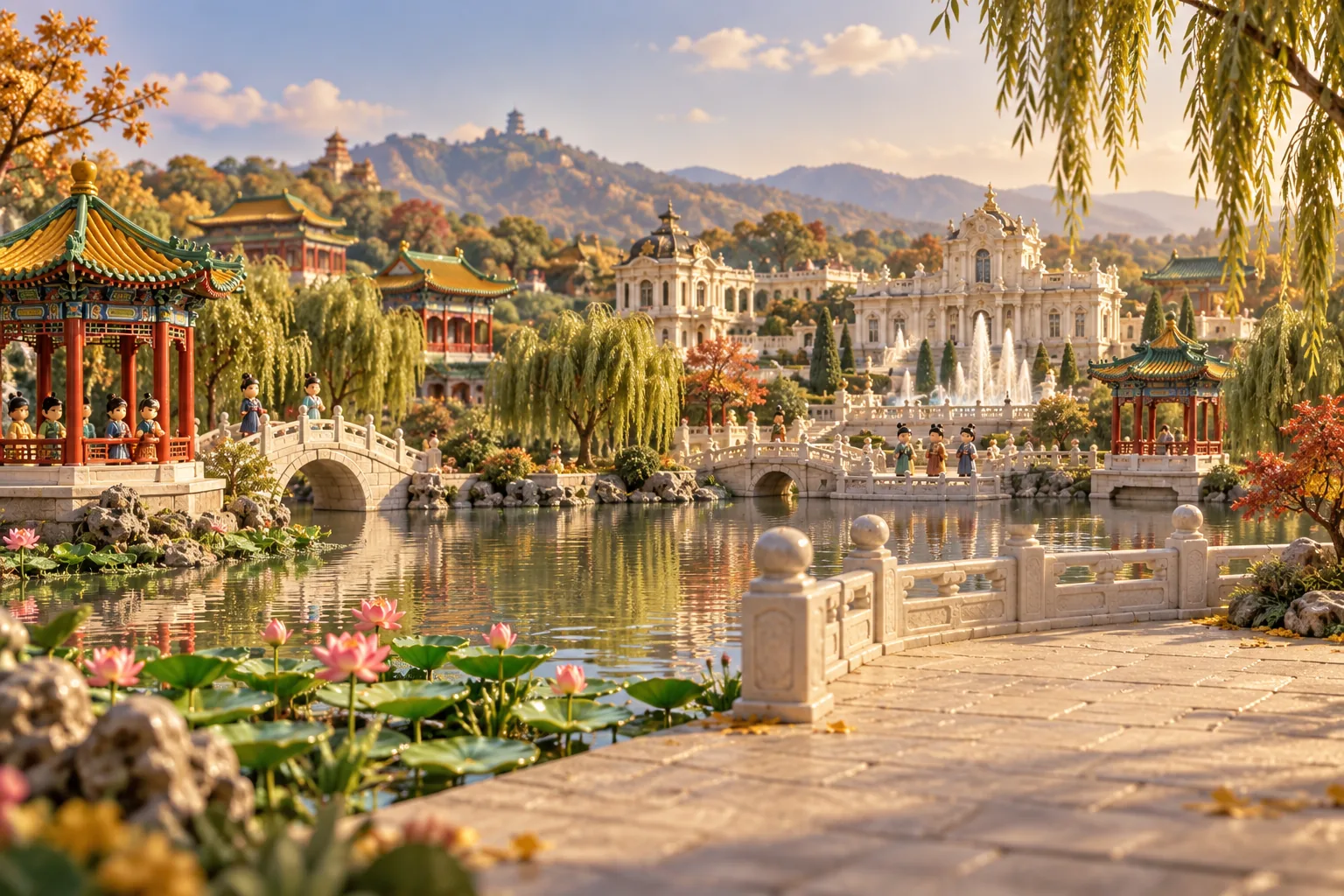 8 October 1856 – 24 October 1860 · Canton, Tianjin and Beijing, ChinaSecond Opium WarIt began with a small cargo ship stopped in Canton harbour and ended with an emperor's dream palace burning for days.
 10 May 1857 – 1858 · Delhi, IndiaIndian Rebellion of 1857It began with a rumour about rifle cartridges greased with cow and pig fat, and it ended the rule of the East India Company and the last Mughal emperor.
 24 November 1859 · London, EnglandOn the Origin of SpeciesDarwin sat on his idea for twenty years, until a letter from the other side of the world forced him to publish.
 17 September 1862 · Antietam Creek, near Sharpsburg, Maryland, United StatesBattle of AntietamA Confederate battle plan found wrapped around three cigars led to the bloodiest single day in American history.
 1863–1869 · Kyoto, Japan (Mibu village and the Ikedaya inn)ShinsengumiFarmers' sons and masterless samurai in light-blue coats became the most feared police force in Kyoto, and fought for a dying shogunate long after it had surrendered.
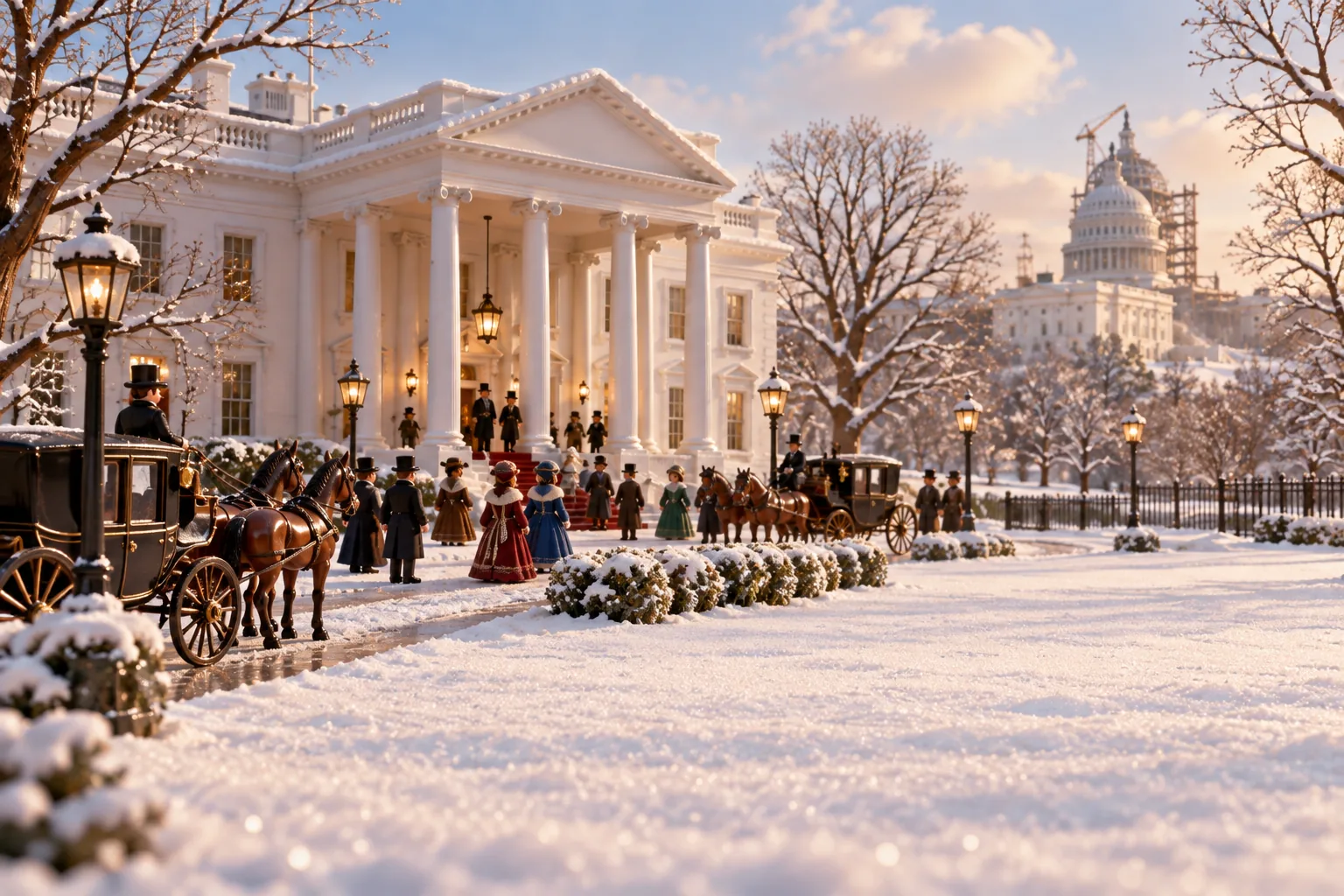 1 January 1863 (preliminary: 22 September 1862) · The White House, Washington, D.C.Emancipation ProclamationOn New Year's Eve 1862 Black Americans across the country sat up in churches waiting for midnight, the moment a president's promise would make millions free.
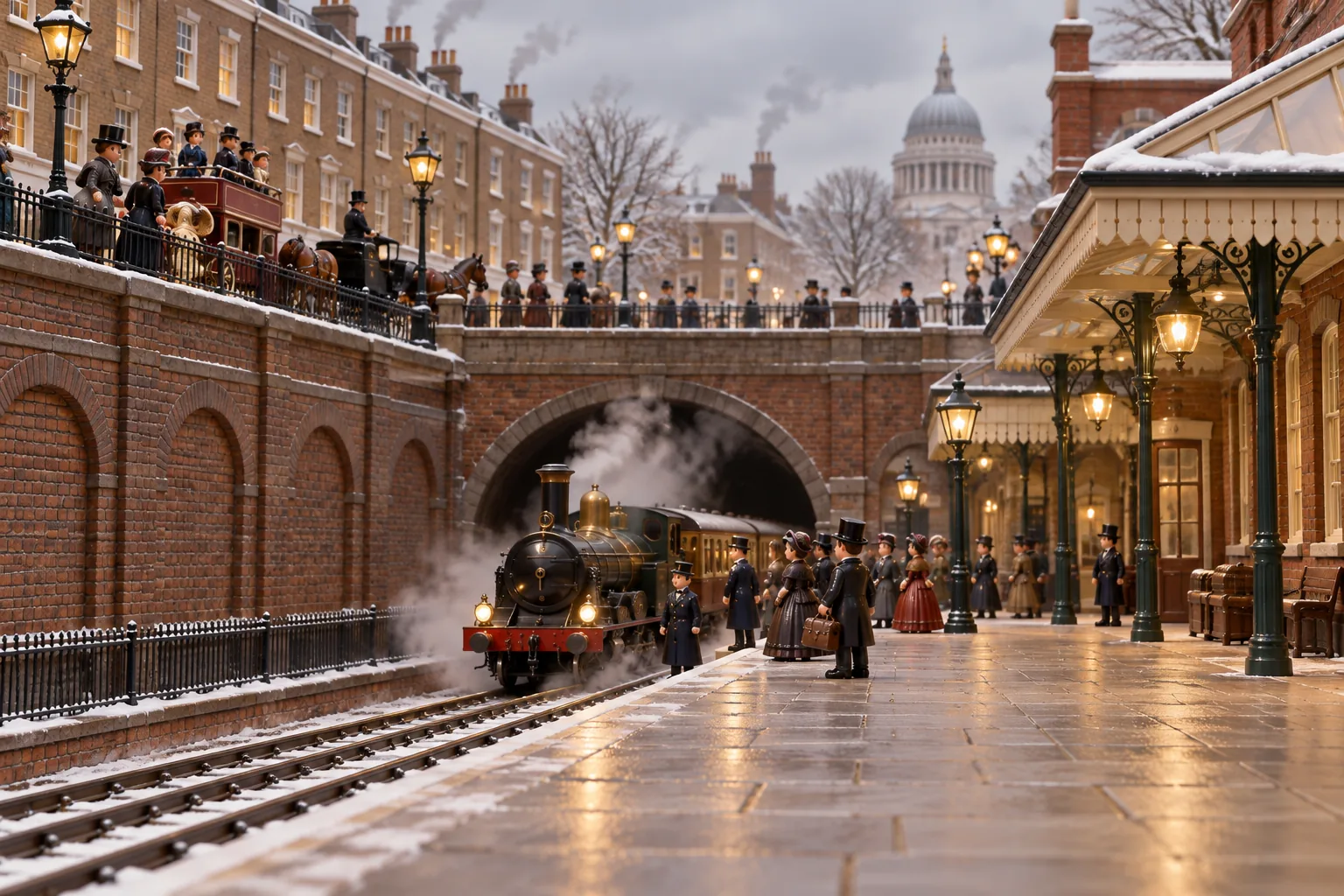 10 January 1863 · Paddington to Farringdon, London, EnglandLondon UndergroundThe first underground railway in the world ran on steam, and so many people fainted from the smoke that the company encouraged its staff to grow beards as air filters.
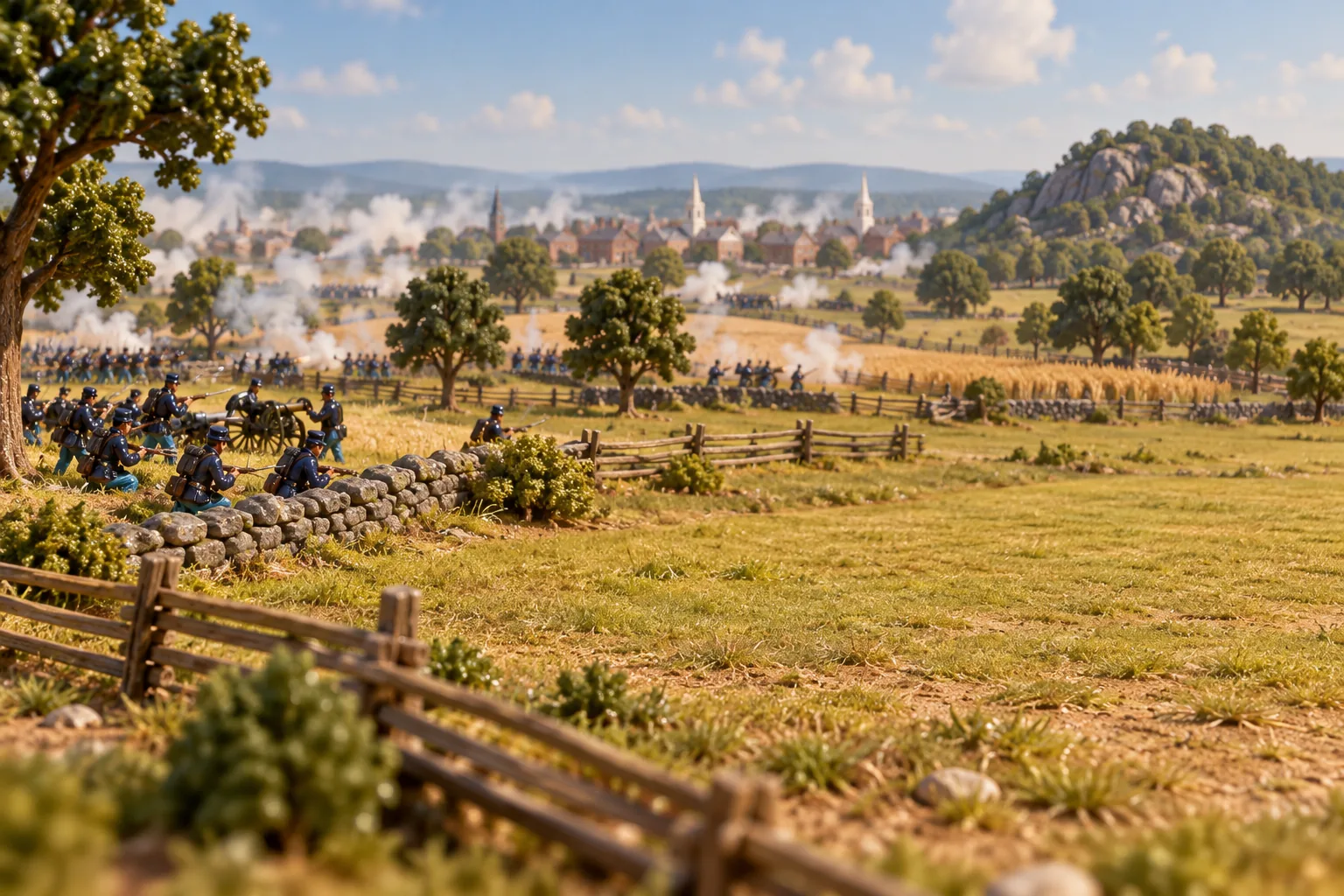 1–3 July 1863 · Gettysburg, Pennsylvania, United StatesBattle of GettysburgThree days before the biggest battle ever fought in North America, Lincoln changed the commander of his army.
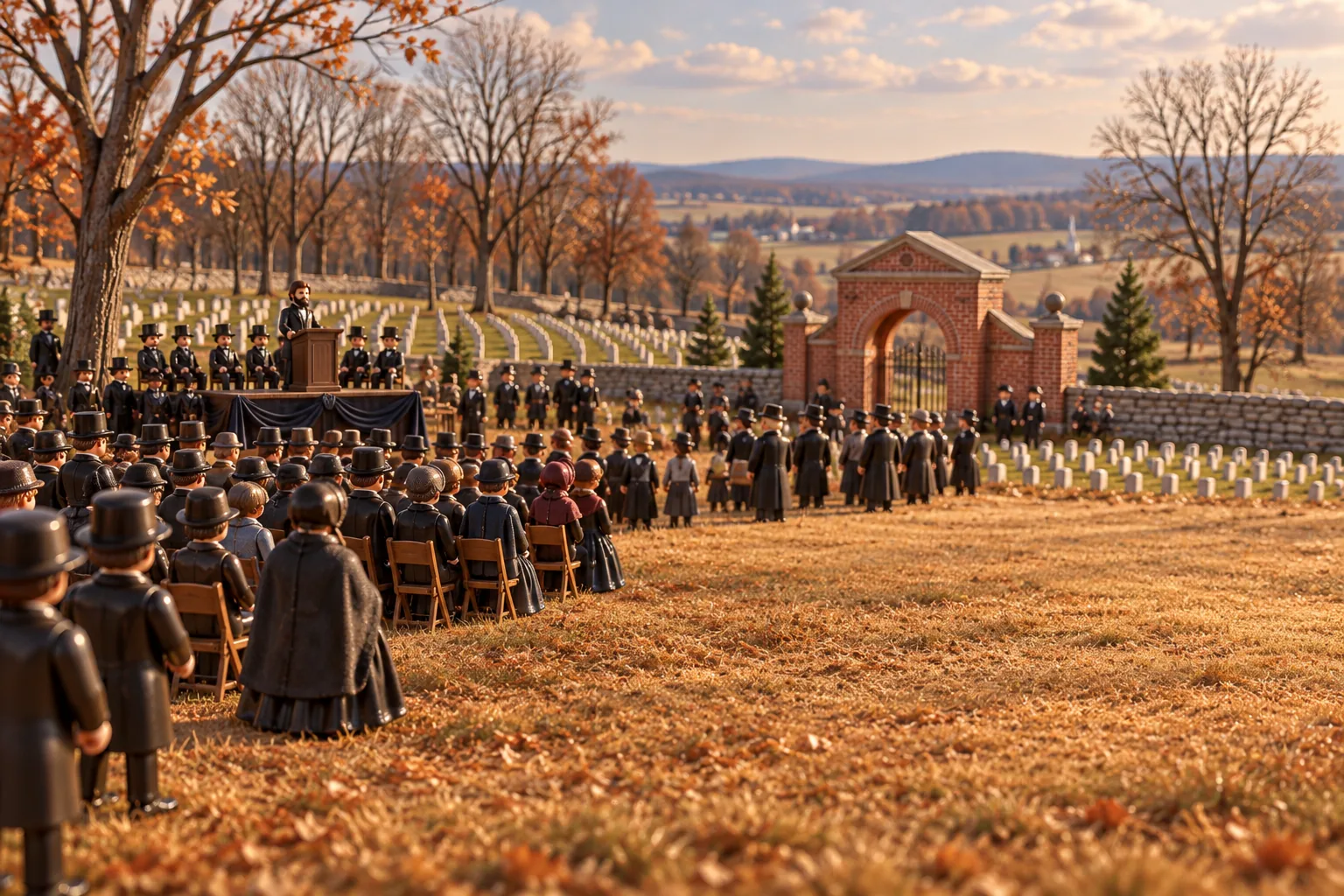 19 November 1863 · Soldiers' National Cemetery, Gettysburg, Pennsylvania, United StatesGettysburg AddressThe main speaker talked for two hours. Lincoln spoke for about two minutes, and his are the words people still learn by heart.
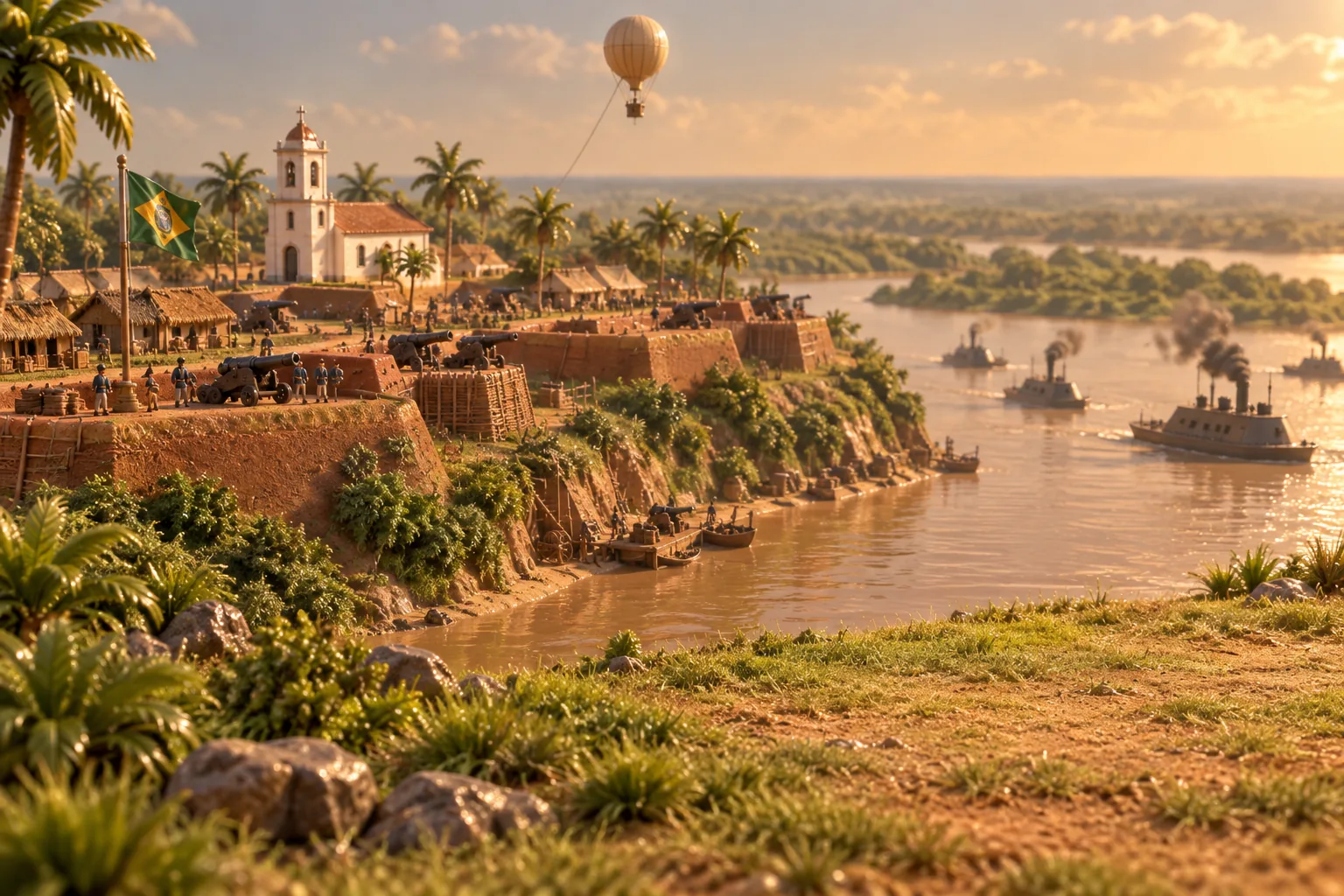 1864–1870 · Humaitá, ParaguayParaguayan WarA small landlocked country took on its three neighbours at once, and fought on long after it had lost, until much of its people were gone.
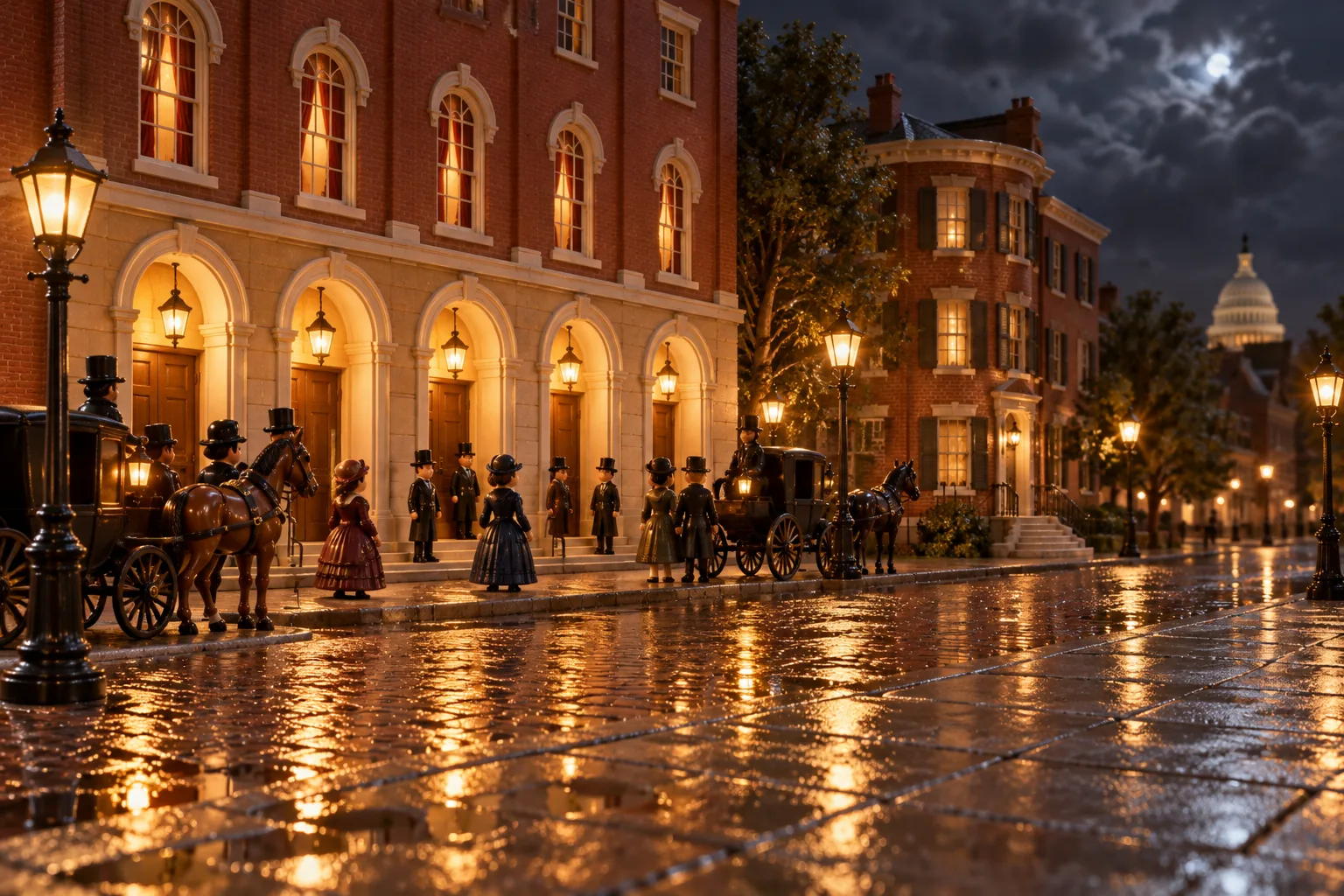 14–15 April 1865 · Ford's Theatre, Washington, D.C., United StatesAssassination of Abraham LincolnBooth knew the play by heart and timed his shot to a line he knew would make the whole theatre laugh.
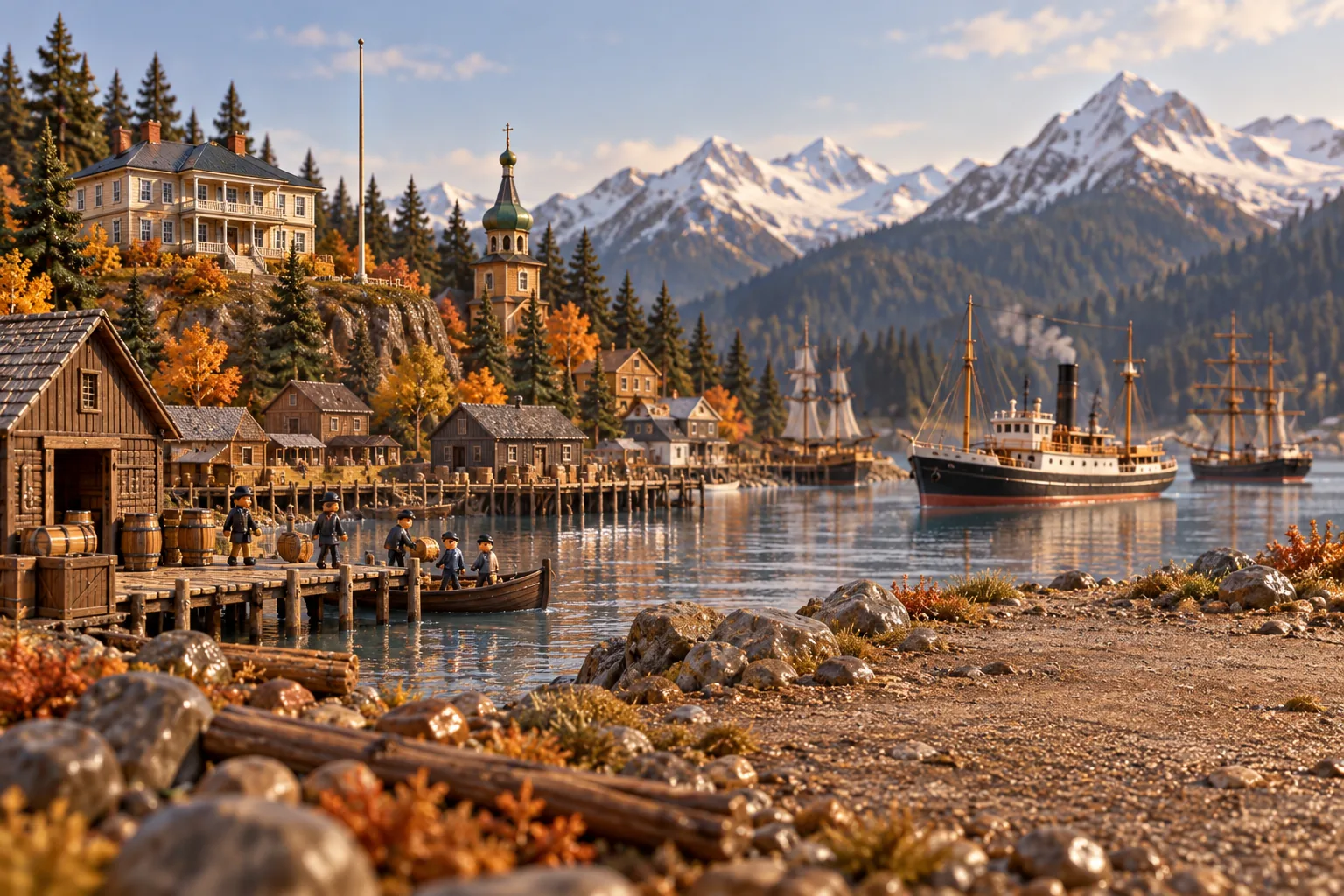 30 March – 18 October 1867 · Sitka, AlaskaAlaska PurchaseFor about two cents an acre the United States bought a territory more than twice the size of Texas, and many Americans called it a folly.
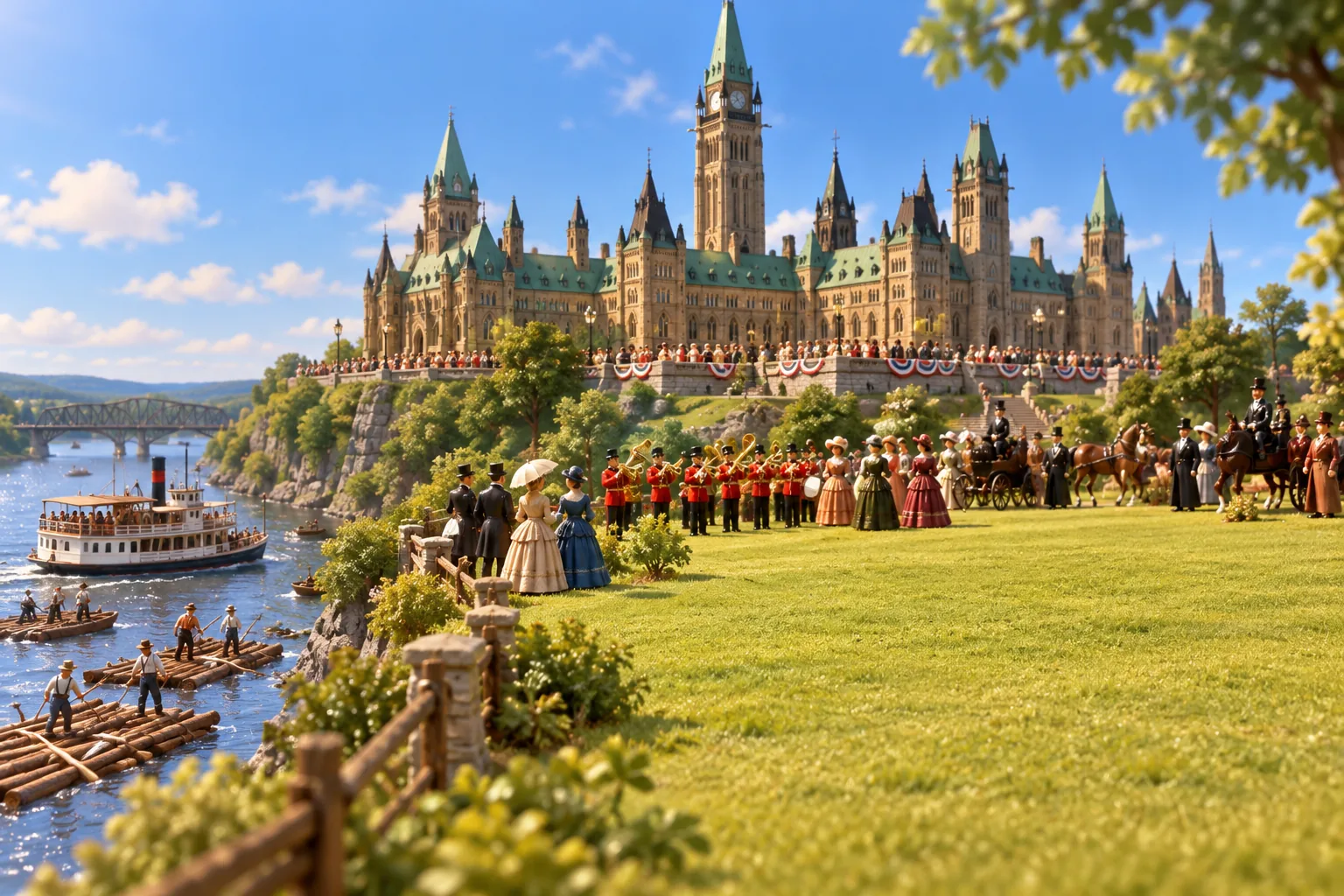 1 July 1867 · Ottawa, Dominion of CanadaCanadian ConfederationA meeting called to unite three small Maritime colonies was gatecrashed by politicians from Canada, and they left with a plan for a new country.
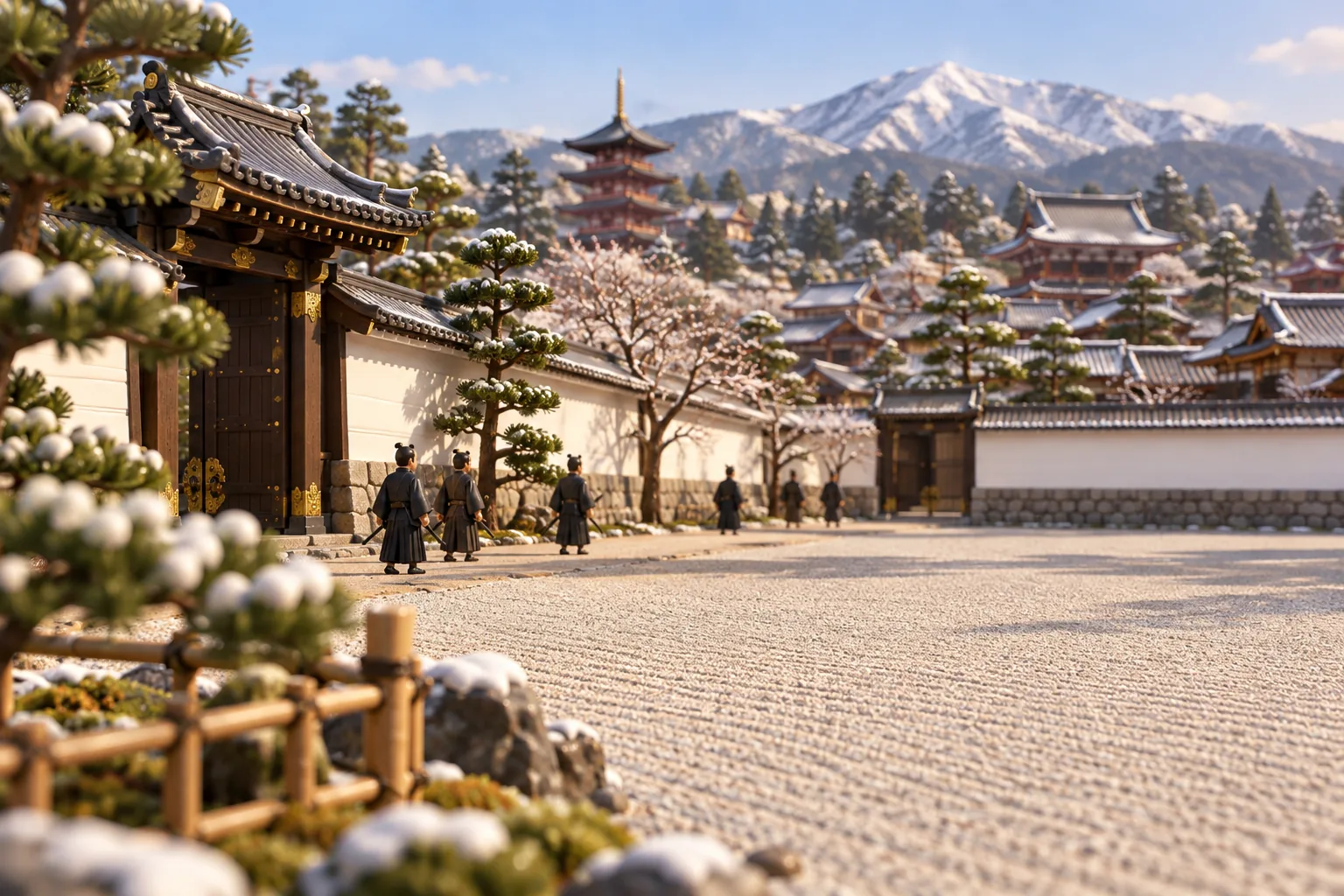 3 January 1868 – 1889 · Kyoto Imperial Palace, Kyoto, JapanMeiji RestorationWithin a few years of the restoration, Japan's samurai were no longer even allowed to walk through town wearing their swords.
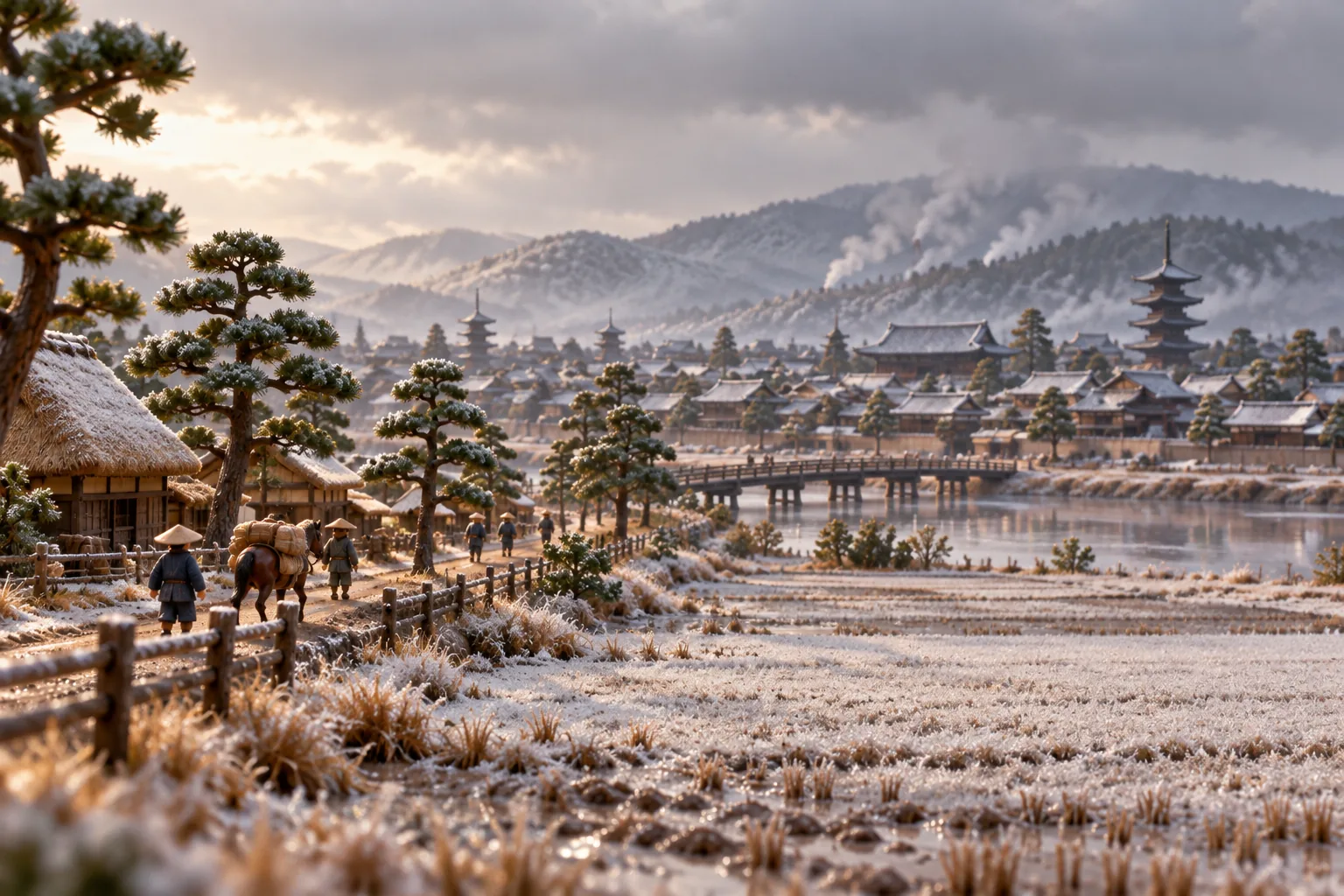 27 January 1868 – 27 June 1869 · Toba and Fushimi, at the southern entrance to Kyoto, JapanBoshin WarSamurai with Western rifles fought samurai with Western rifles, and when it was over, the shogun's last loyalists had founded a republic on a northern island.
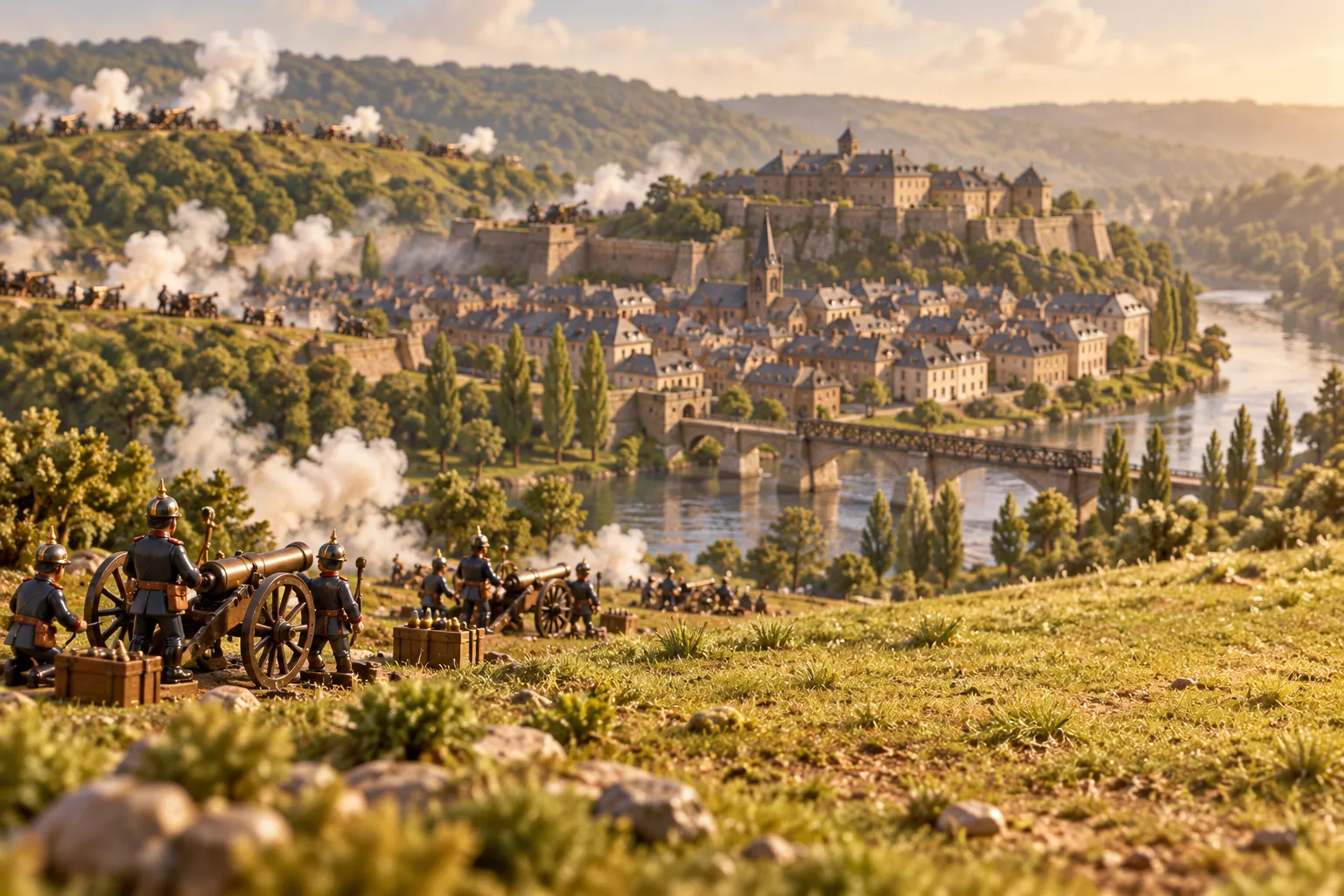 19 July 1870 – 28 January 1871 · Sedan, FranceFranco-Prussian WarA telegram that Bismarck edited before handing it to the press helped start a war that ended with an emperor taken prisoner.
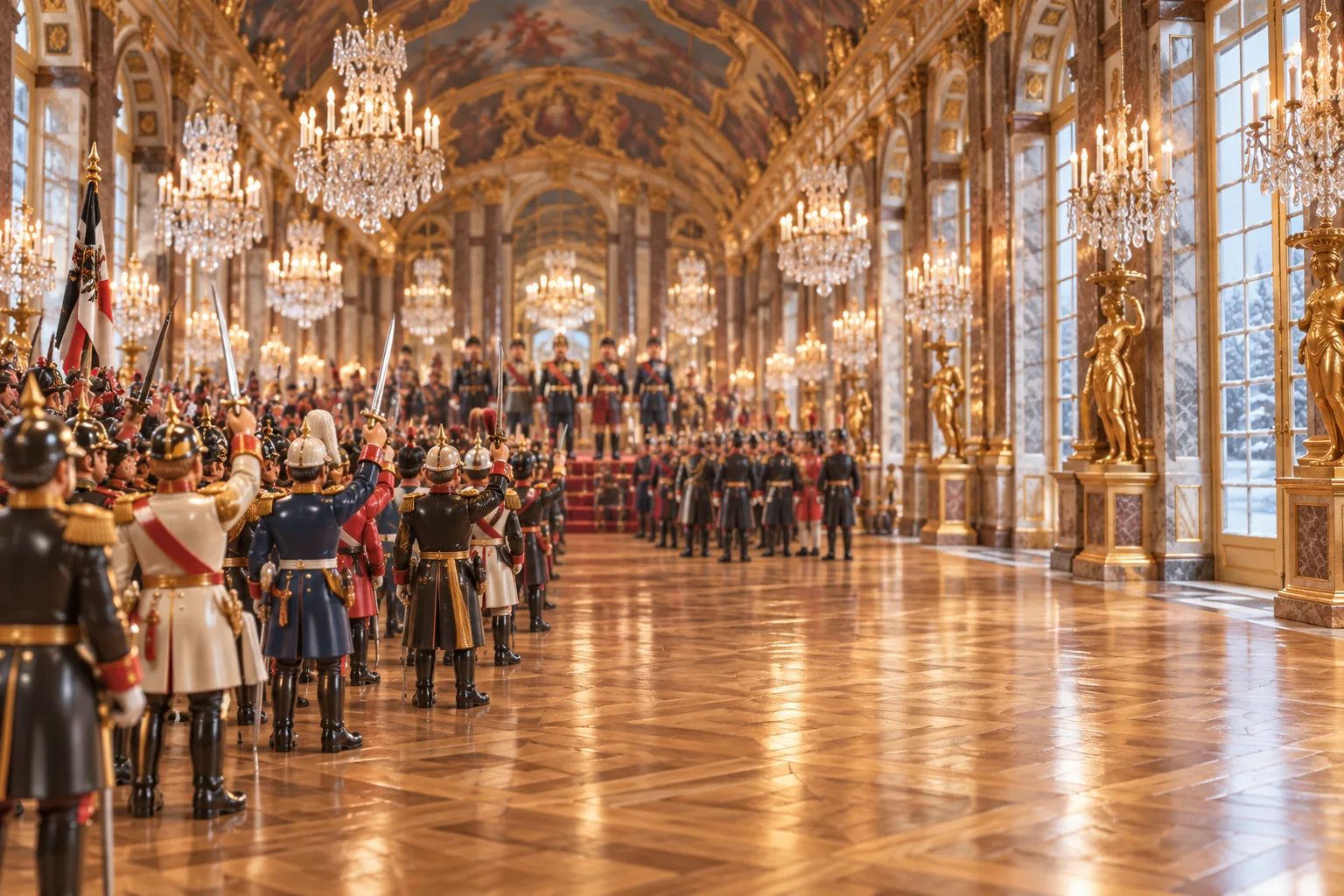 18 January 1871 · Hall of Mirrors, Palace of Versailles, FranceUnification of GermanyThe German Empire was proclaimed not in Berlin but in the palace of the enemy it had just defeated, Versailles.
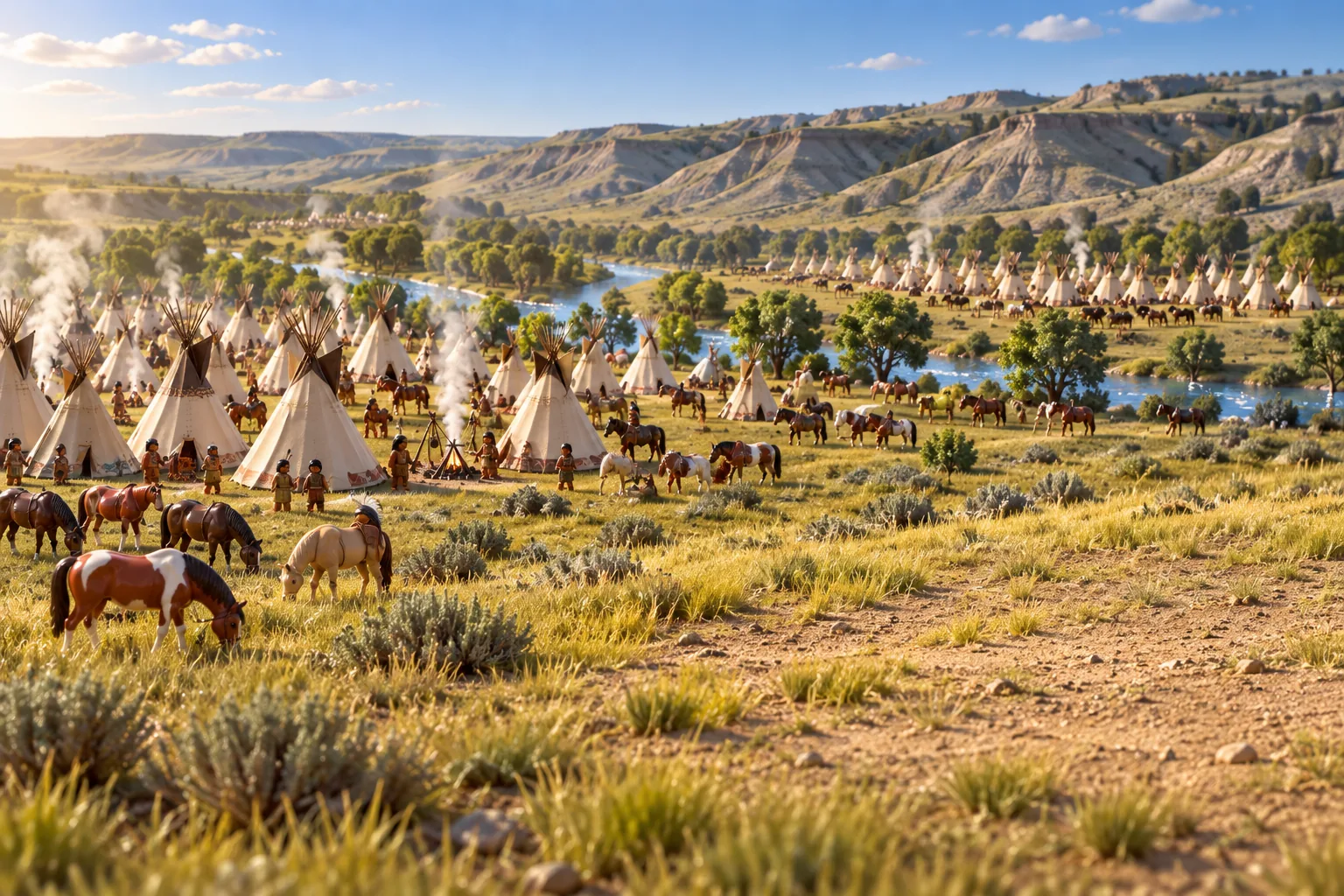 25–26 June 1876 · Little Bighorn River, Montana Territory, United StatesBattle of the Little BighornA cavalry officer expecting a village of a few hundred warriors rode into the largest gathering of Plains peoples his scouts had ever seen.
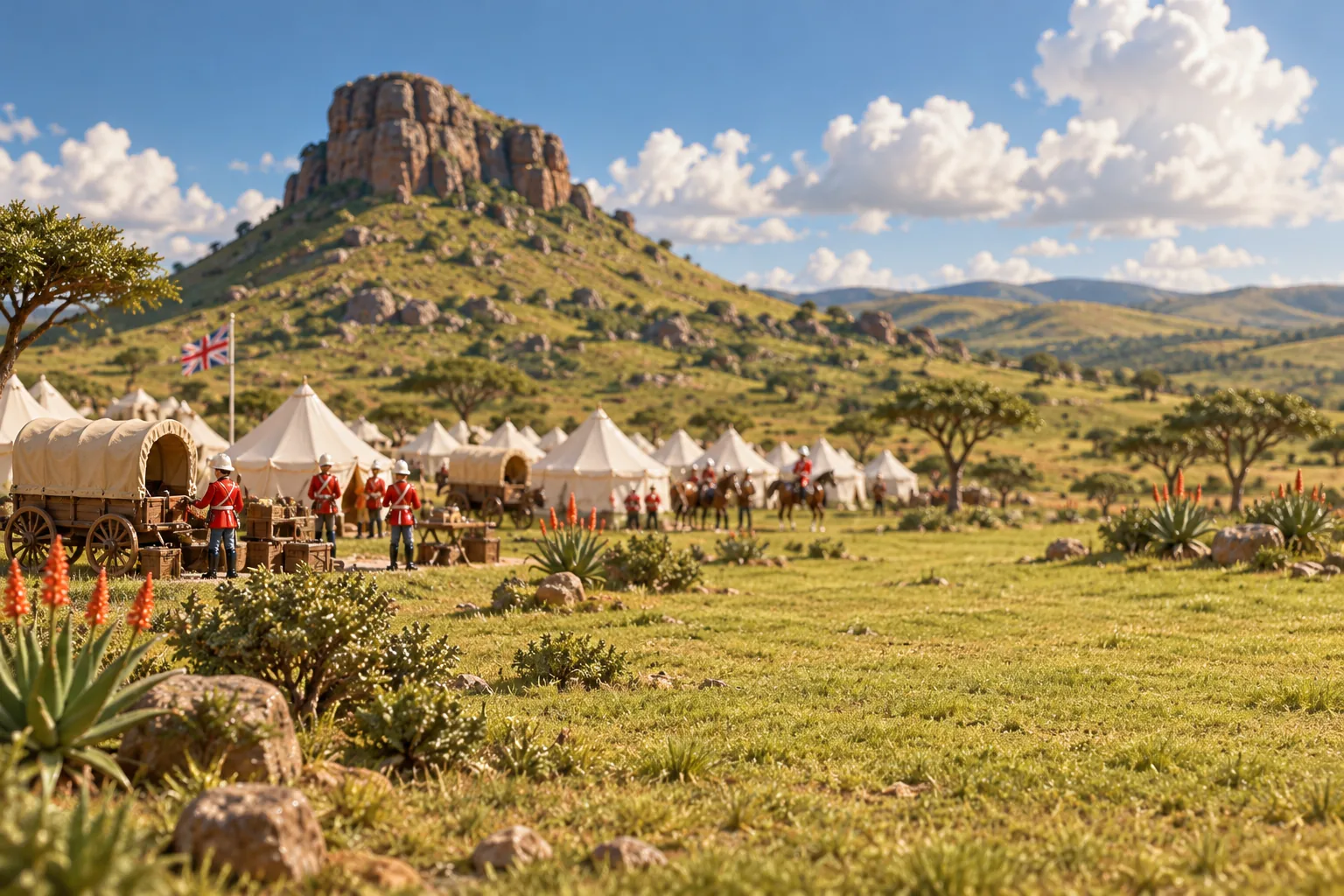 11 January – 4 July 1879 · Zululand; the Battle of Isandlwana, KwaZulu-Natal, South AfricaAnglo-Zulu WarArmed mostly with stabbing spears and cowhide shields, a Zulu army wiped out a modern British column in a single day.
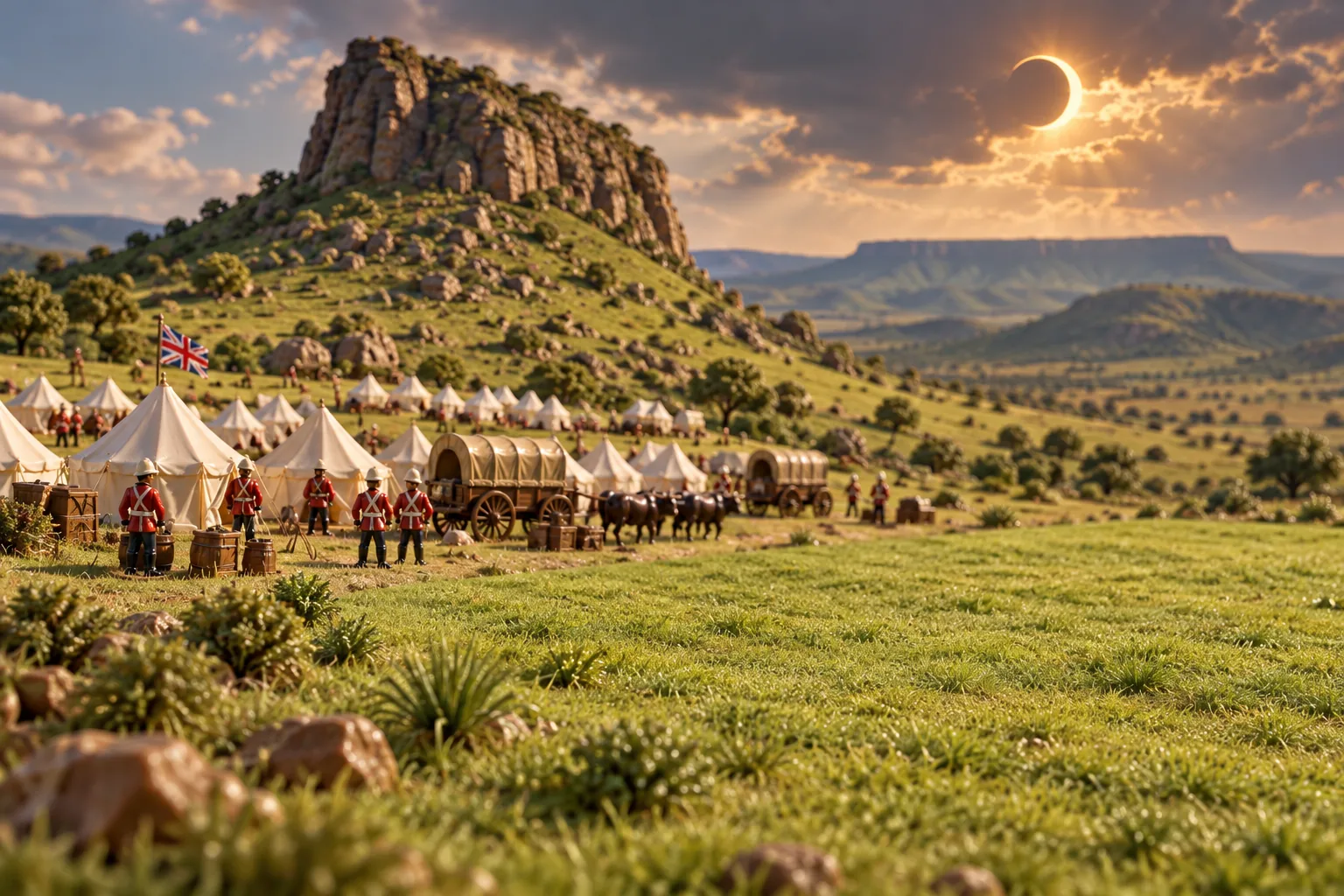 22 January 1879 · Isandlwana, KwaZulu-Natal, South AfricaBattle of IsandlwanaIn the middle of the battle the sun went dark in an eclipse, and when it came back the British camp below the hill had vanished.
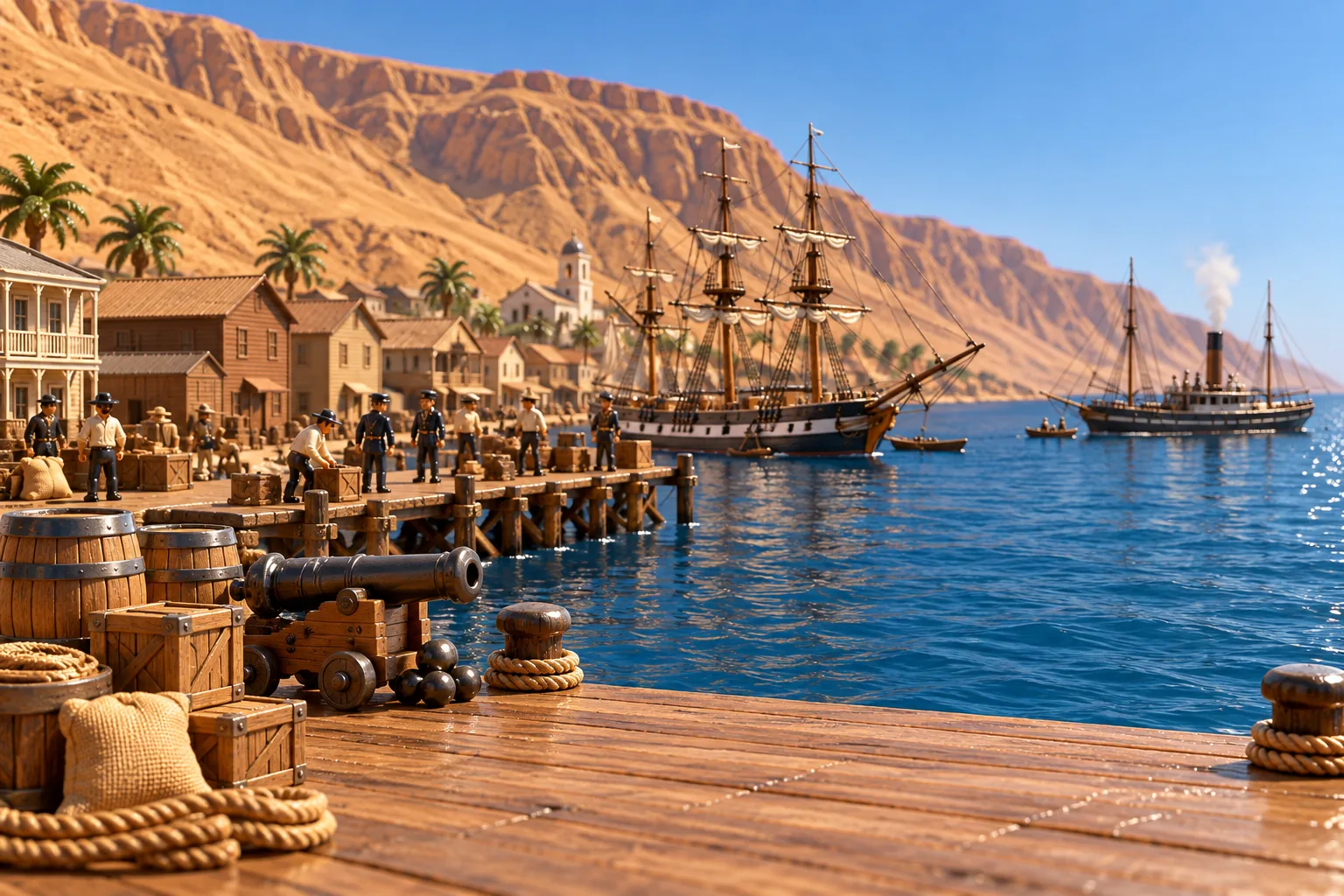 1879–1884 · Atacama Desert and Pacific coast; the Battle of Iquique, ChileWar of the PacificIt started over a tax of ten cents and left Bolivia, to this day, without a sea coast.
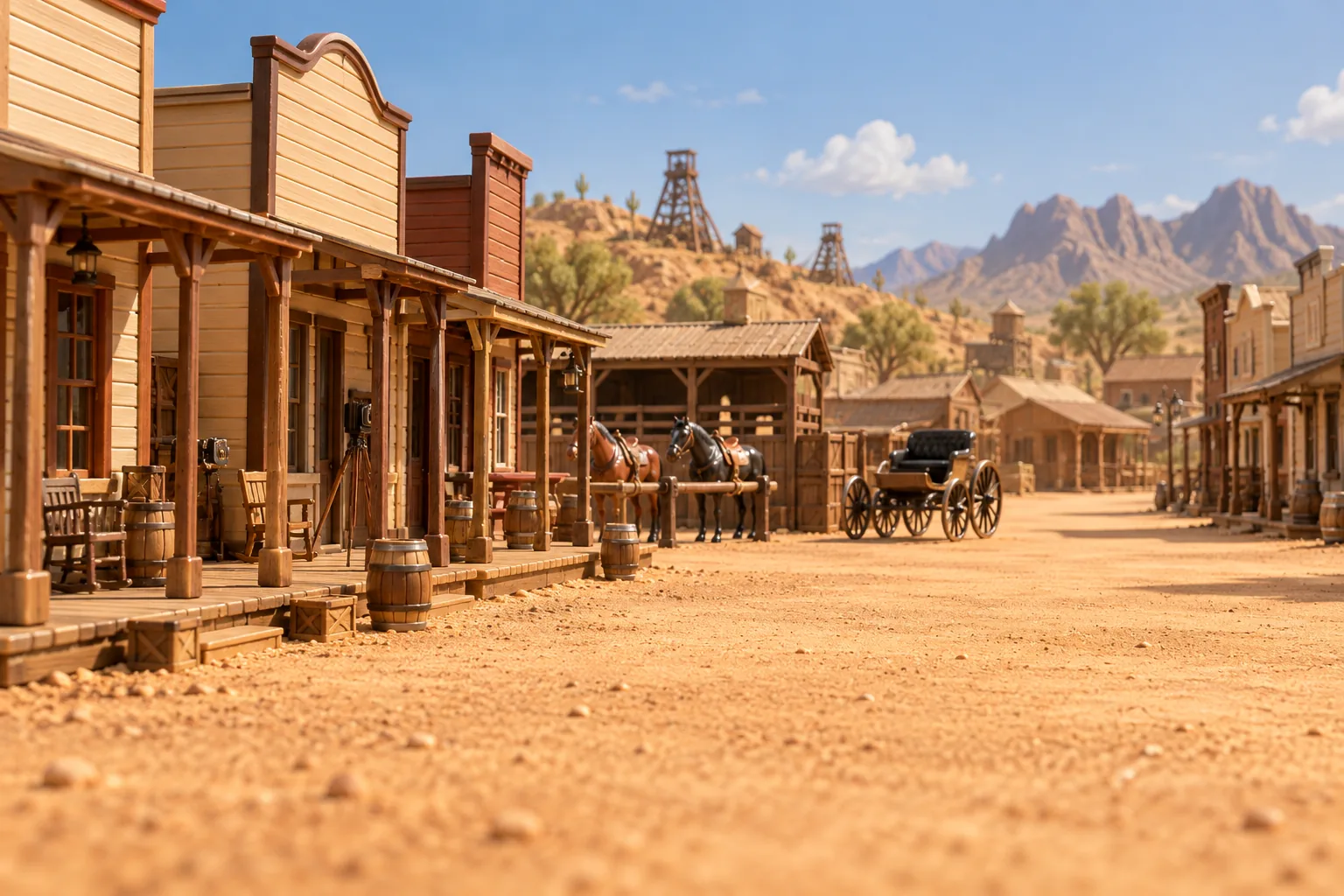 26 October 1881 · Fremont Street, Tombstone, Arizona TerritoryGunfight at the O.K. CorralThe most famous gunfight of the Wild West lasted about thirty seconds, and it did not even happen at the O.K. Corral.
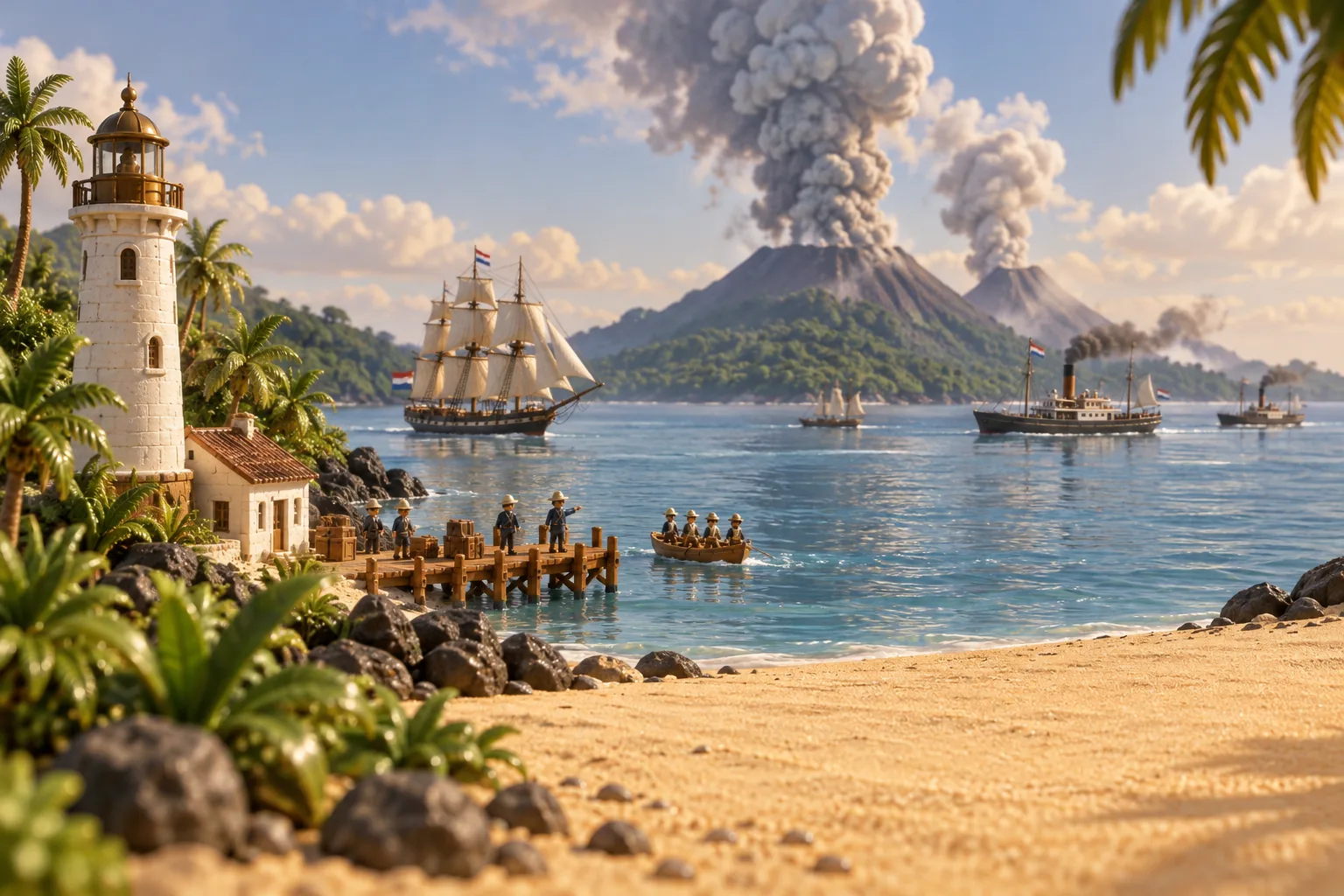 27 August 1883 · Krakatoa, Sunda Strait, Dutch East Indies (today Indonesia)1883 eruption of KrakatoaA volcano between Java and Sumatra exploded so loudly that it was heard on an island near Mauritius, probably nearly four hours after the blast.
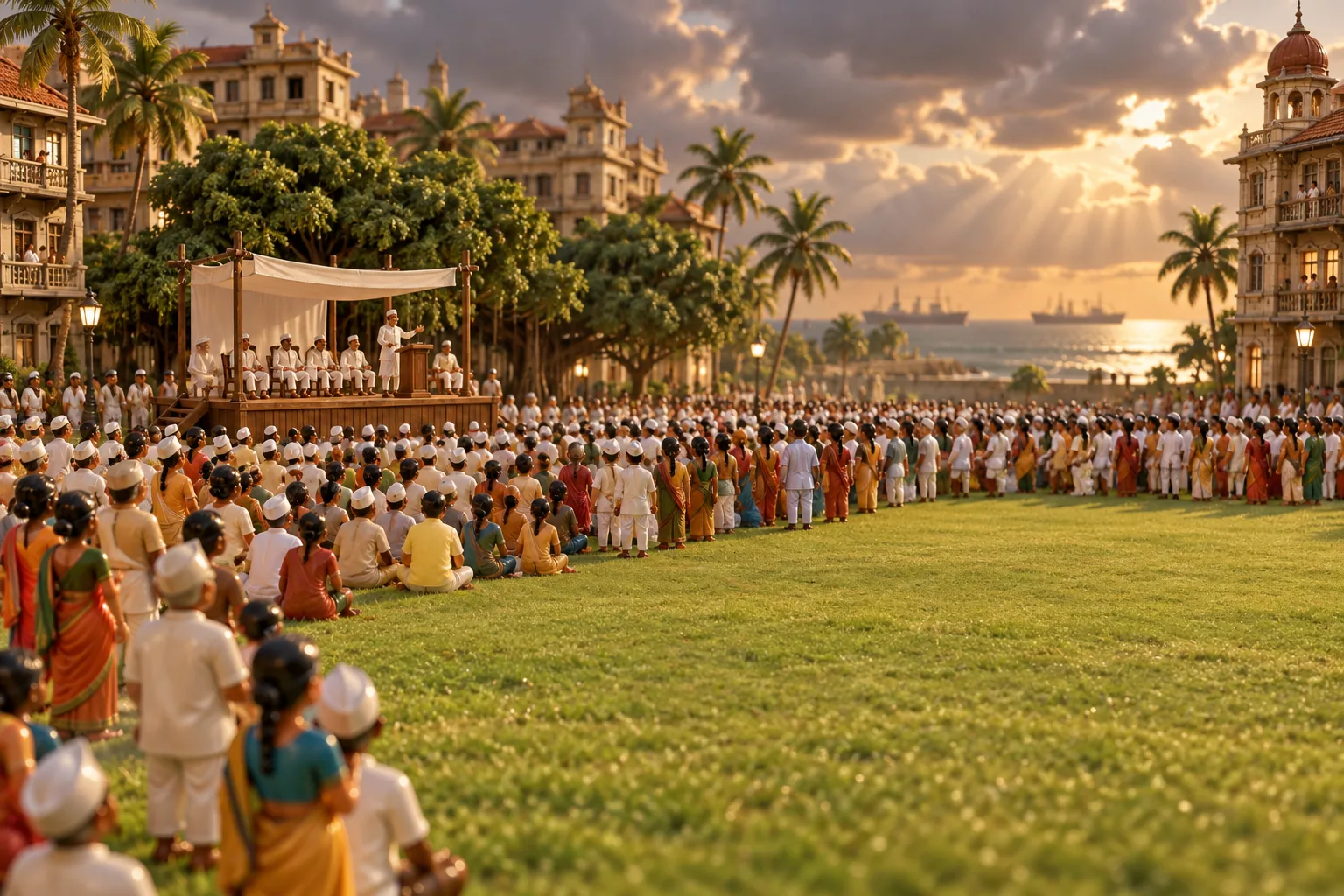 1885–1947 · Bombay (Mumbai), British IndiaIndian independence movementIt began with 72 lawyers, teachers and journalists meeting in Bombay to ask politely for fairer treatment, and it ended sixty-two years later with the British leaving India.
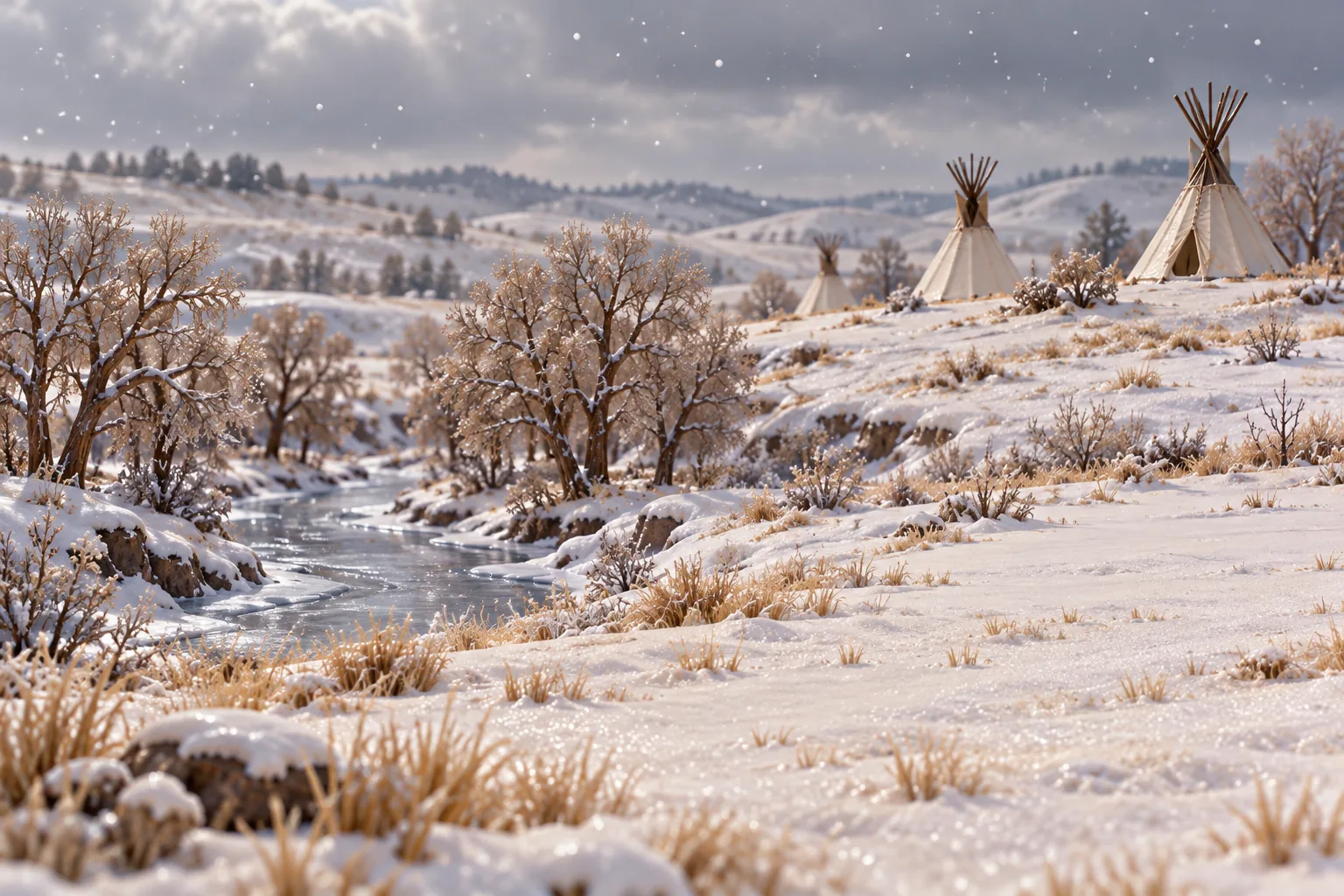 29 December 1890 · Wounded Knee Creek, Pine Ridge Reservation, South Dakota, United StatesWounded Knee Massacre"A people's dream died there," the Lakota holy man Black Elk remembered. "It was a beautiful dream."
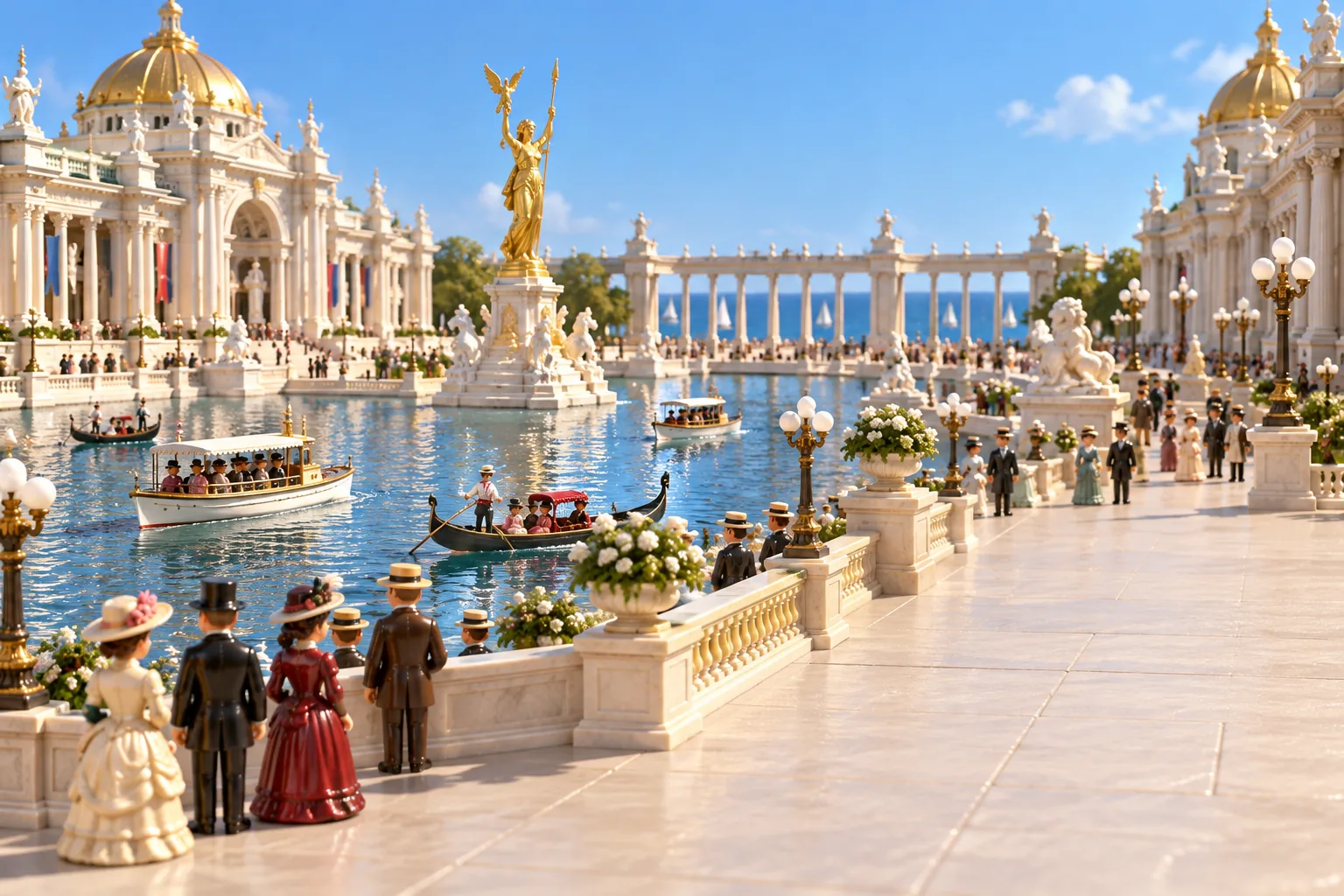 1 May – 30 October 1893 · Jackson Park, Chicago, Illinois, United StatesWorld's Columbian ExpositionTwenty-two years after fire destroyed much of Chicago, the city built a shining white dream city in a swampy park and invited the whole world.
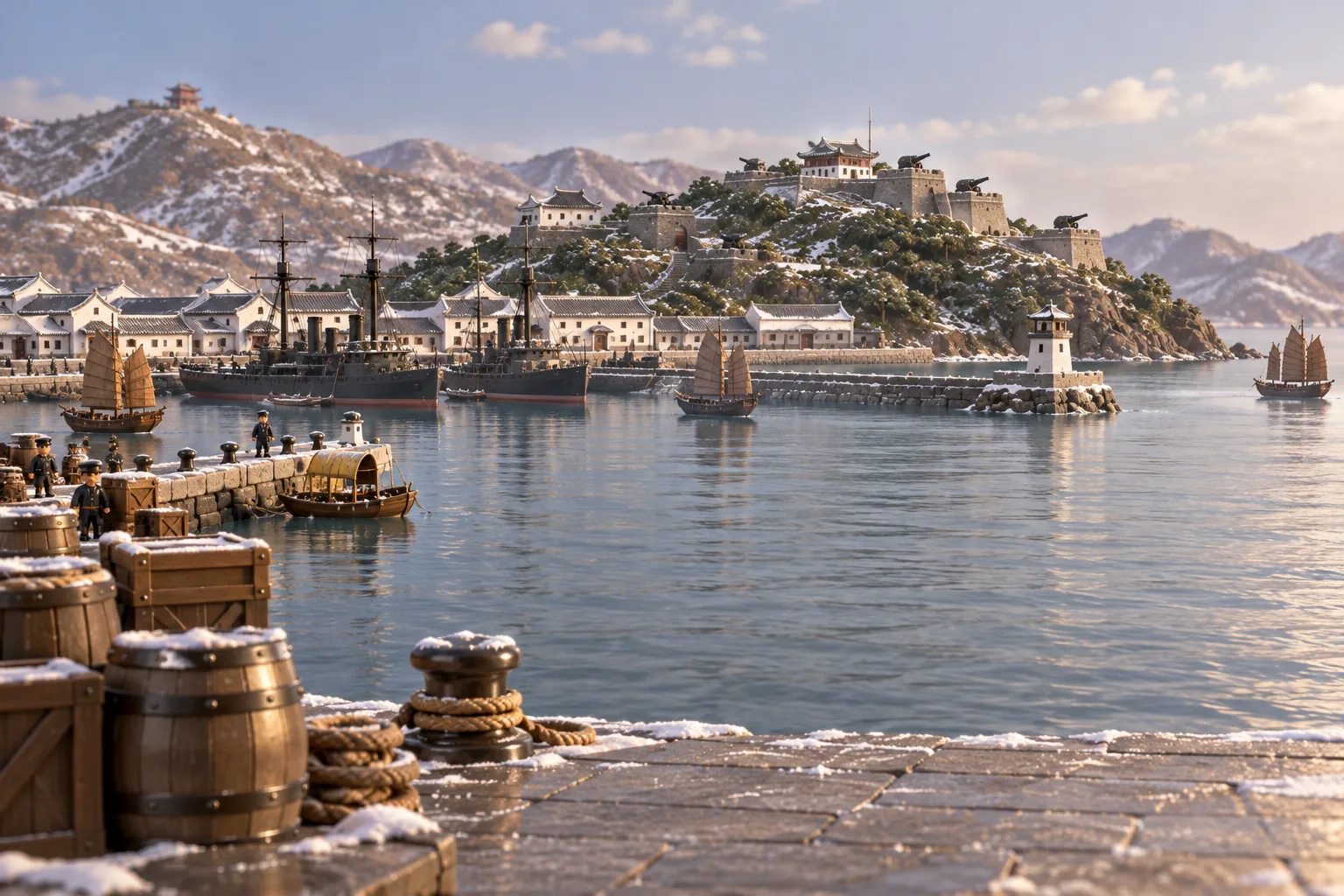 25 July 1894 – 17 April 1895 · Weihaiwei, Shandong; Korea and the Yellow SeaFirst Sino-Japanese WarChina's modern battle fleet had to signal its orders by watching the flagship's movements, because its signal book was written in English, which few of its officers could read.
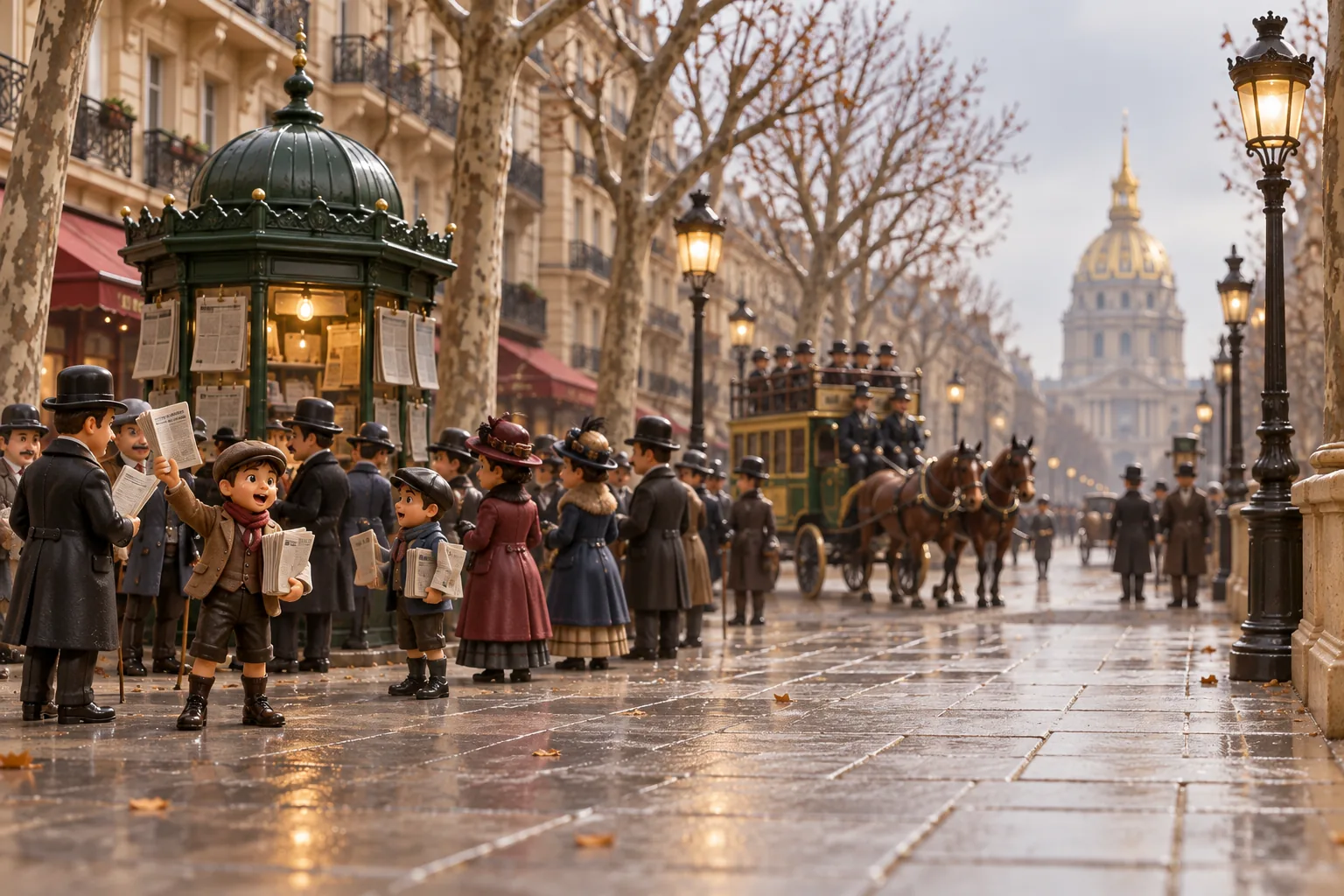 1894–1906 · Paris, FranceDreyfus affairThe army knew the real spy's name by 1896, and kept an innocent man on Devil's Island for years anyway.
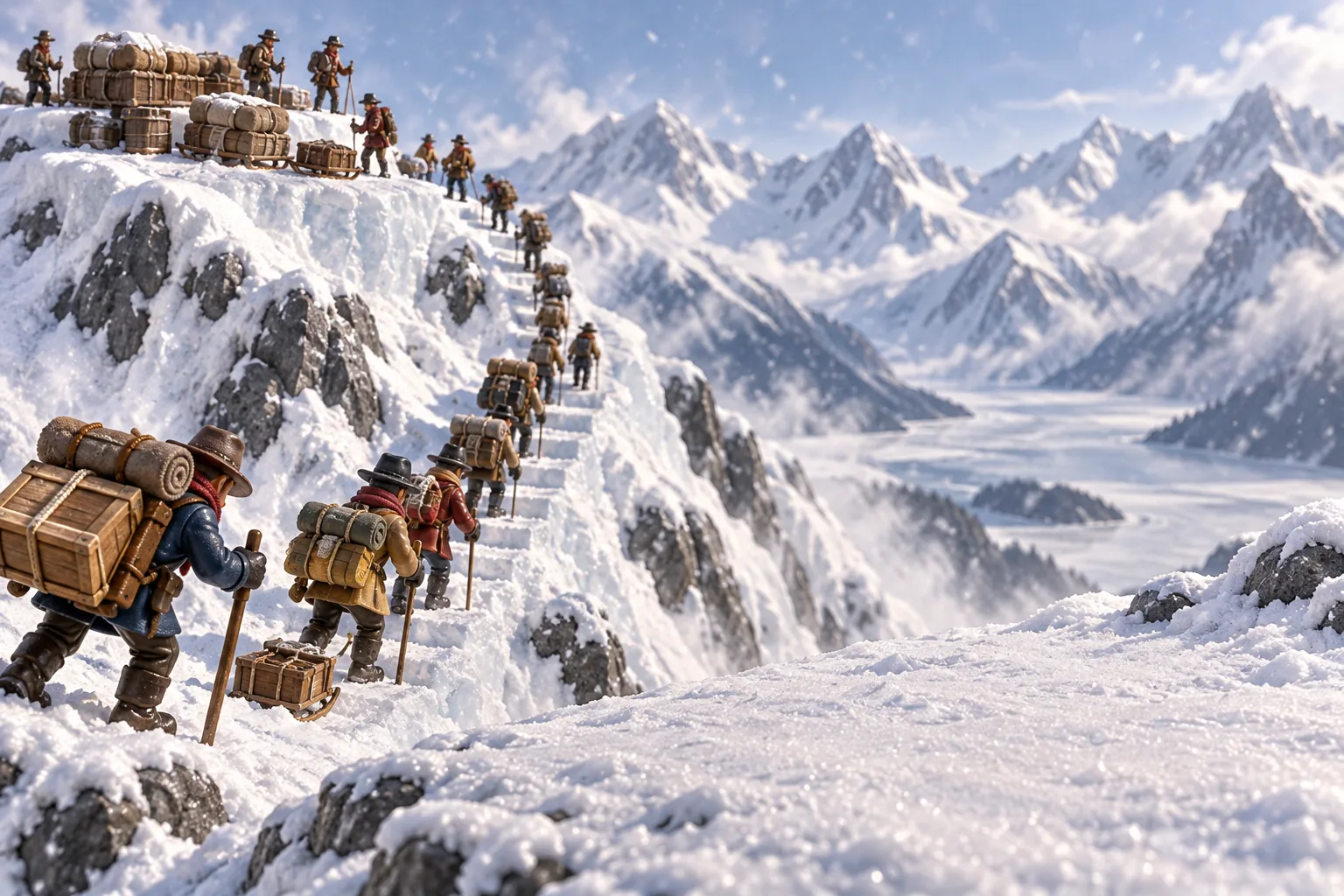 1896–1899 · Dawson City, Klondike, Yukon, CanadaKlondike Gold RushTo be let into Canada, every gold-seeker had to bring a year's supply of food, nearly a ton of gear hauled over a frozen mountain pass.
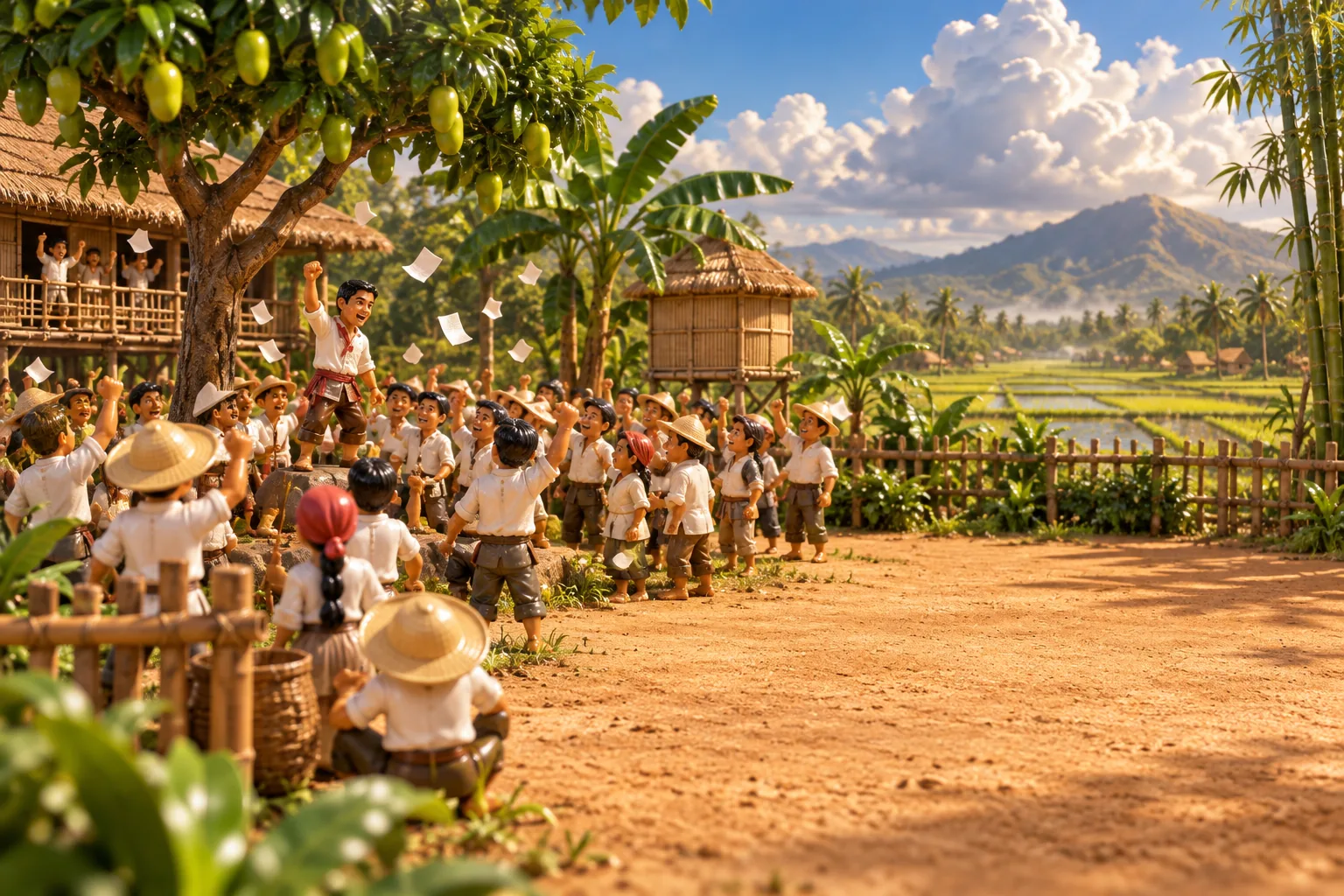 August 1896 – 1898 · Pugad Lawin near Manila, Cavite and Kawit, PhilippinesPhilippine RevolutionHundreds of rebels gathered in a farmyard outside Manila and tore up their colonial tax papers, and a secret society suddenly became an army.
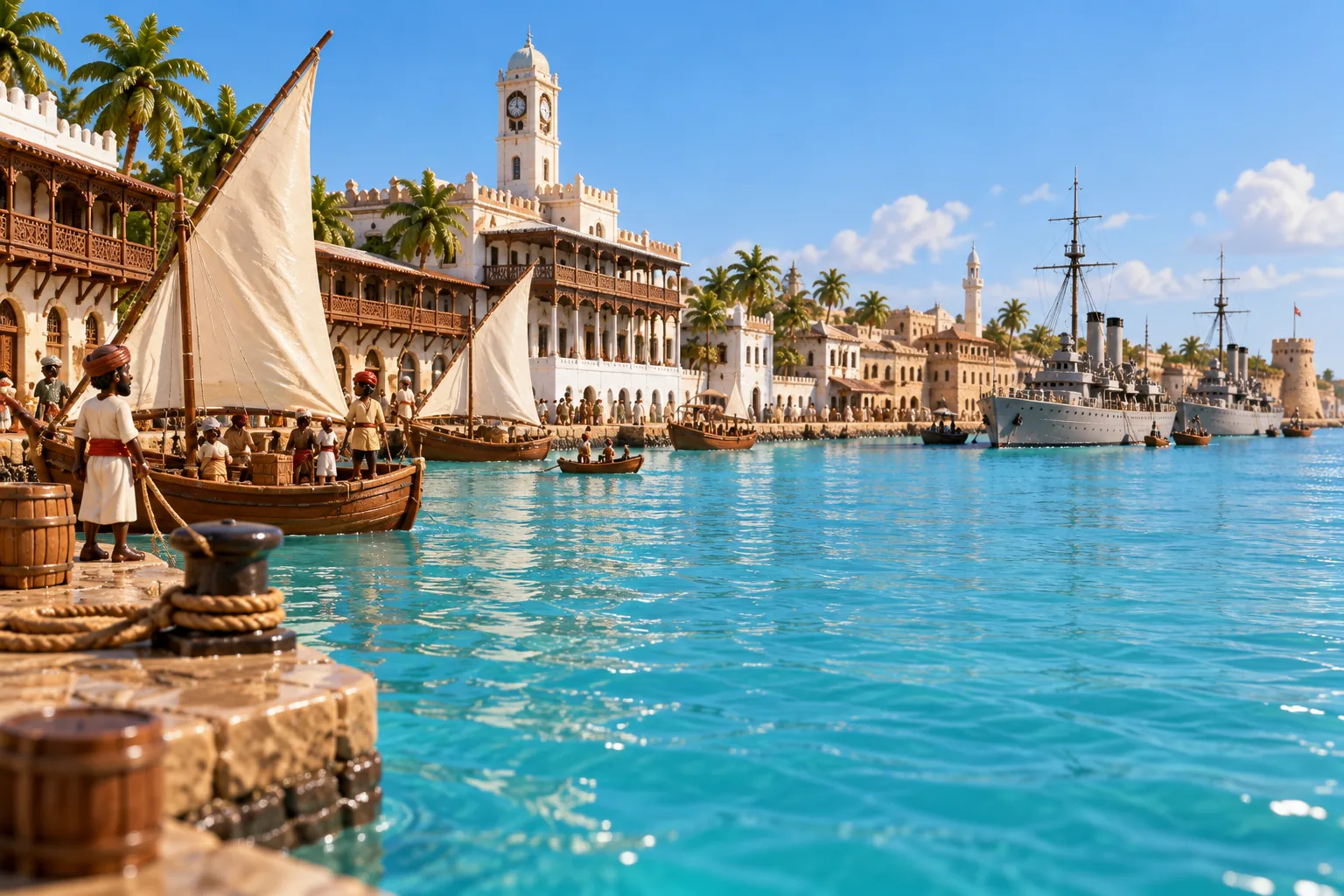 27 August 1896, 09:02–09:46 · The Sultan's palace, Zanzibar TownAnglo-Zanzibar WarAn ultimatum ran out at nine in the morning, and the war it started was over before ten.
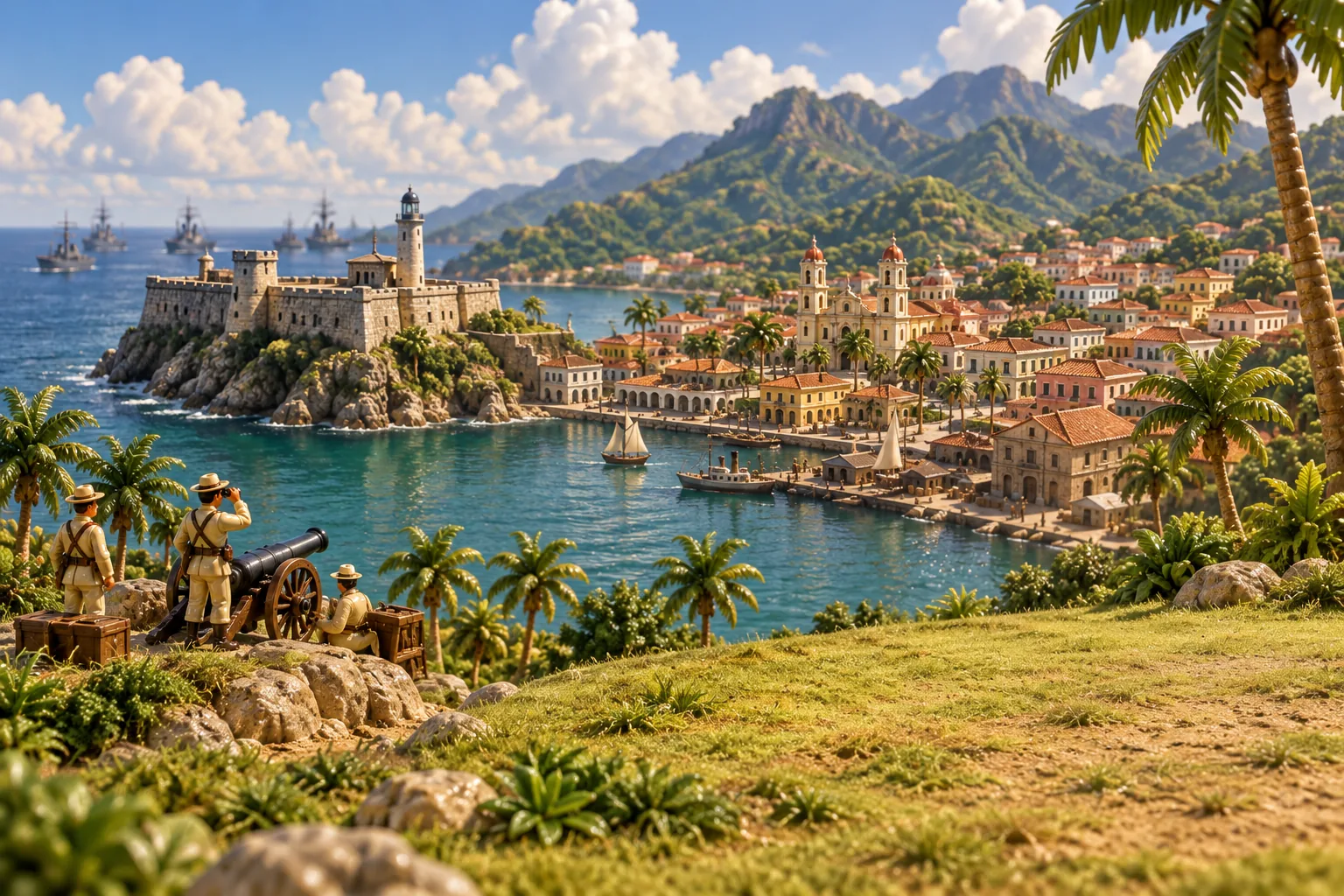 21 April – 13 August 1898 · Santiago de Cuba, CubaSpanish–American WarA mysterious explosion in Havana harbour started a war that ended almost four centuries of the Spanish Empire in the Americas and Asia.
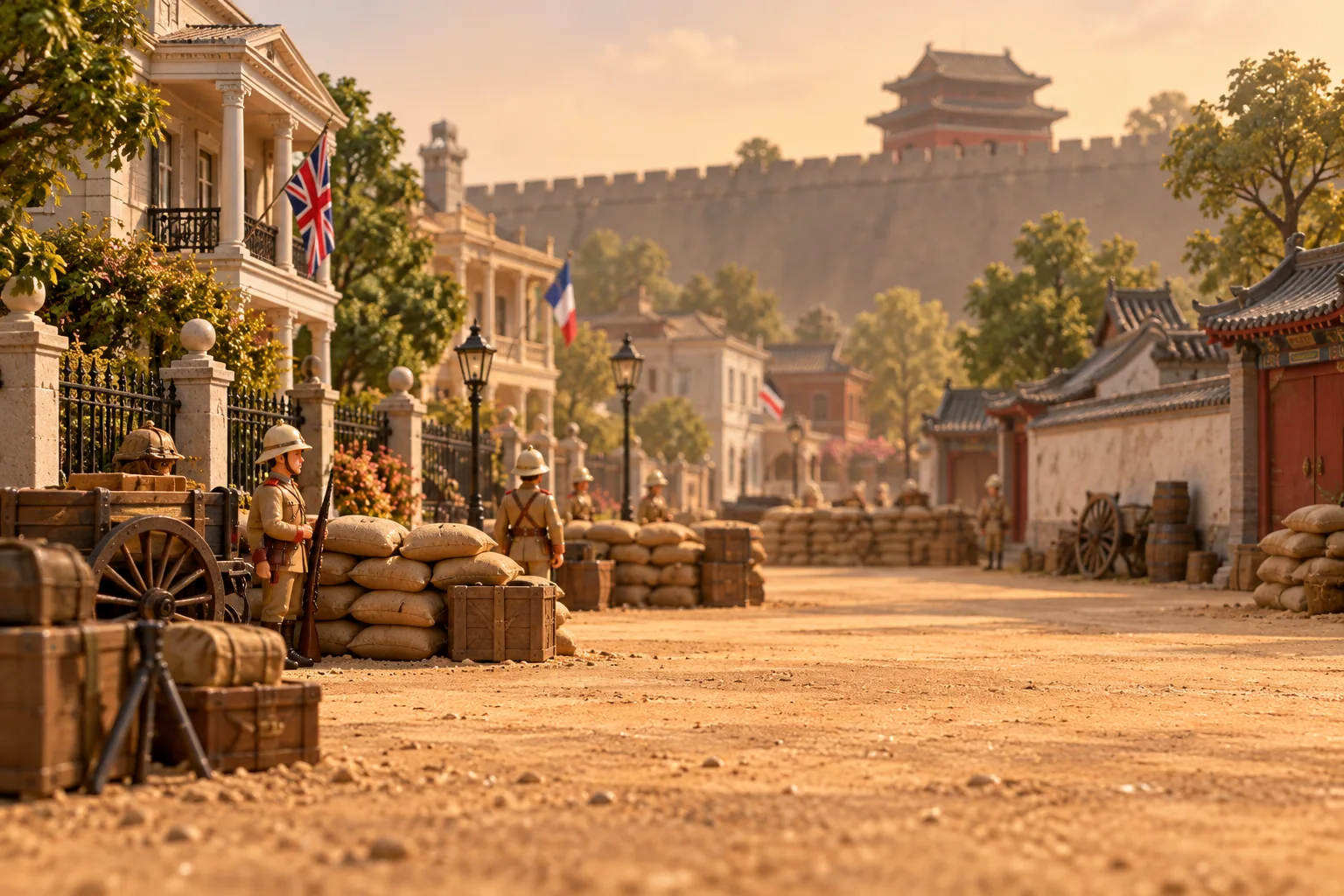 1899–1901 · Legation Quarter, Beijing, ChinaBoxer RebellionIts fighters believed spirit possession made them immune to bullets, and for 55 days in 1900 they kept the foreign diplomats of Beijing under siege.
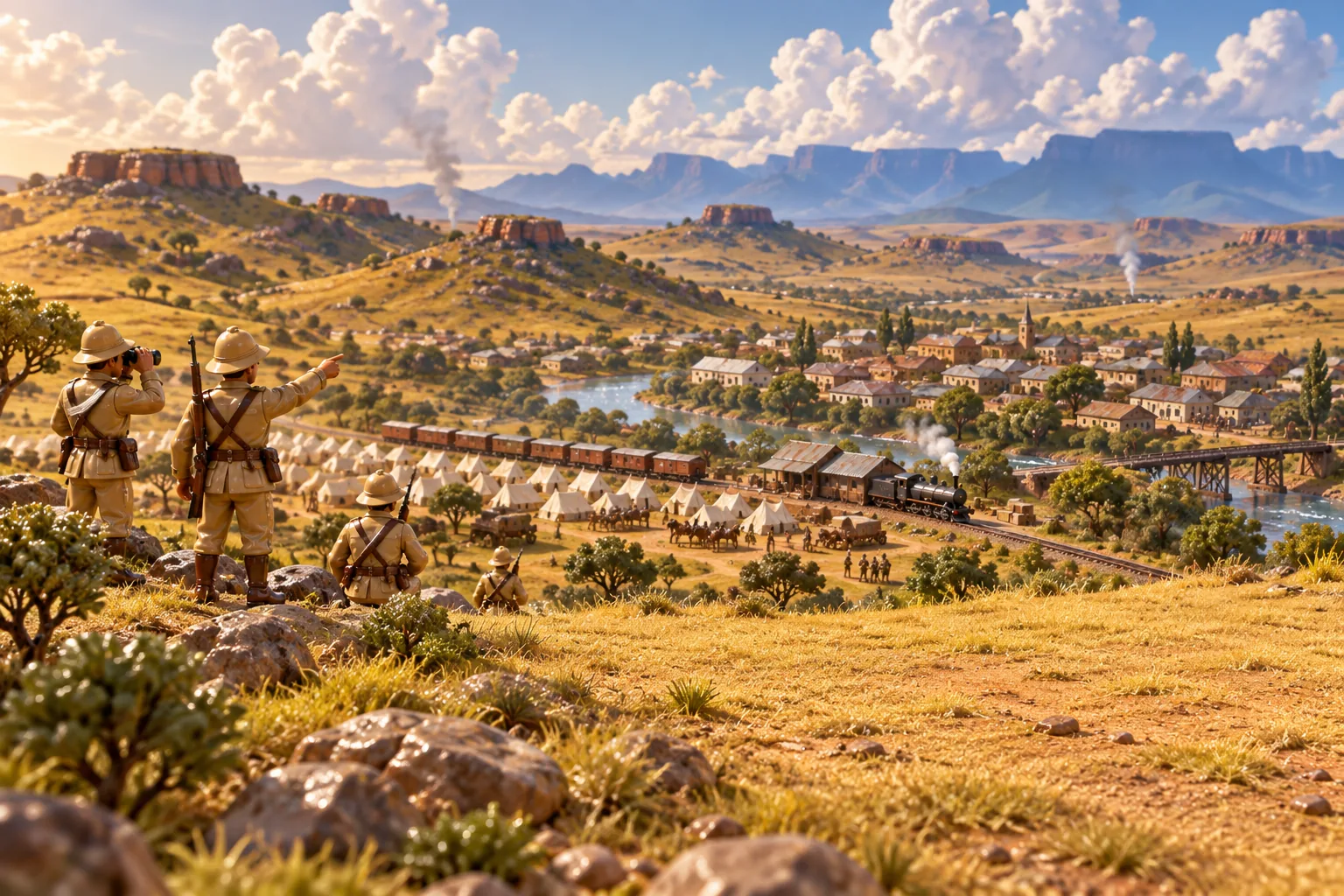 11 October 1899 – 31 May 1902 · Ladysmith, Natal, South AfricaSecond Boer WarWhen the besieged town of Mafeking was relieved, London celebrated so wildly that the English language gained a new word: "mafficking".
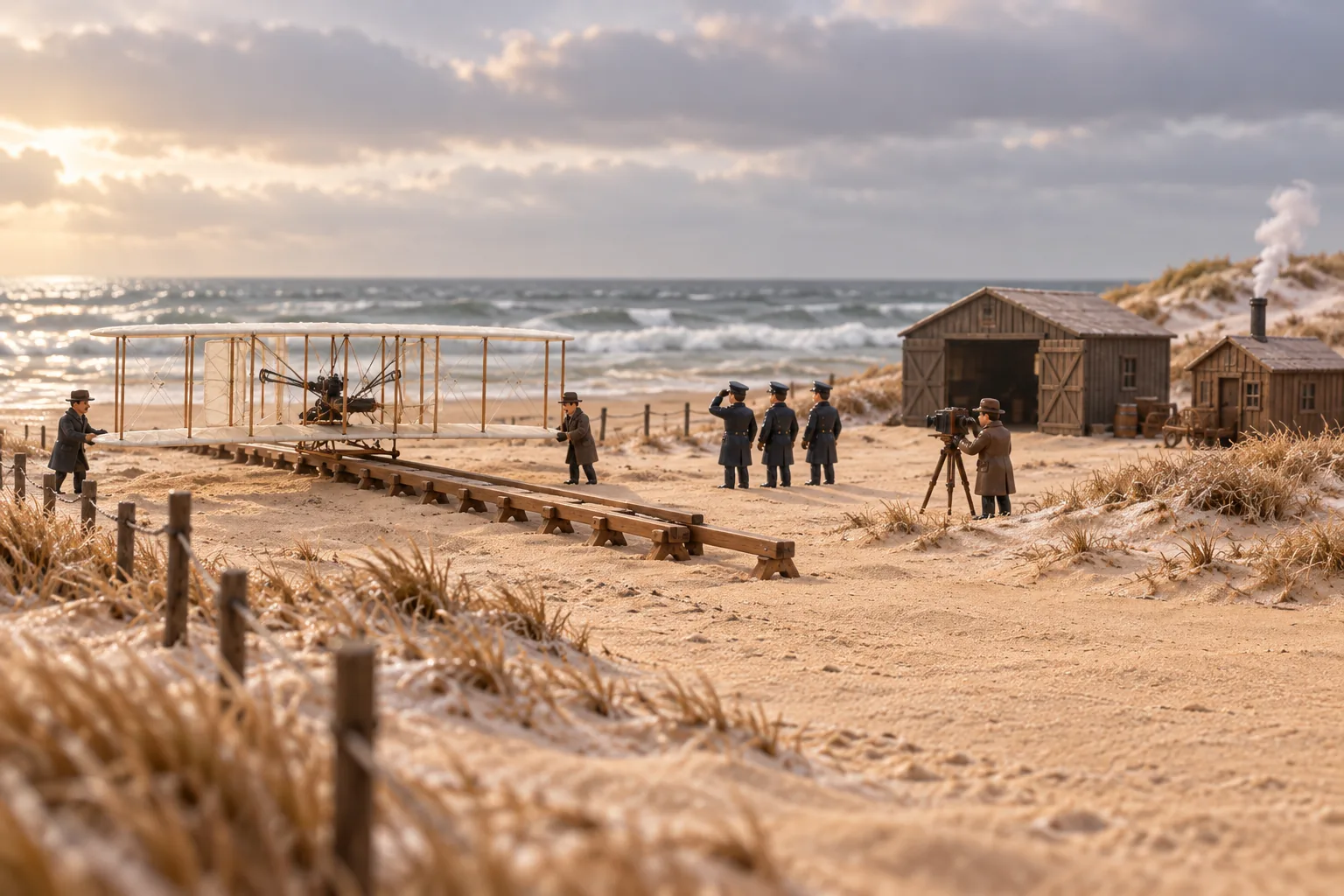 17 December 1903 · Kill Devil Hills, North Carolina, USAFirst aeroplane flightTwo bicycle makers from Ohio flew a machine they had built for under a thousand dollars, and their hometown paper decided it was not news.
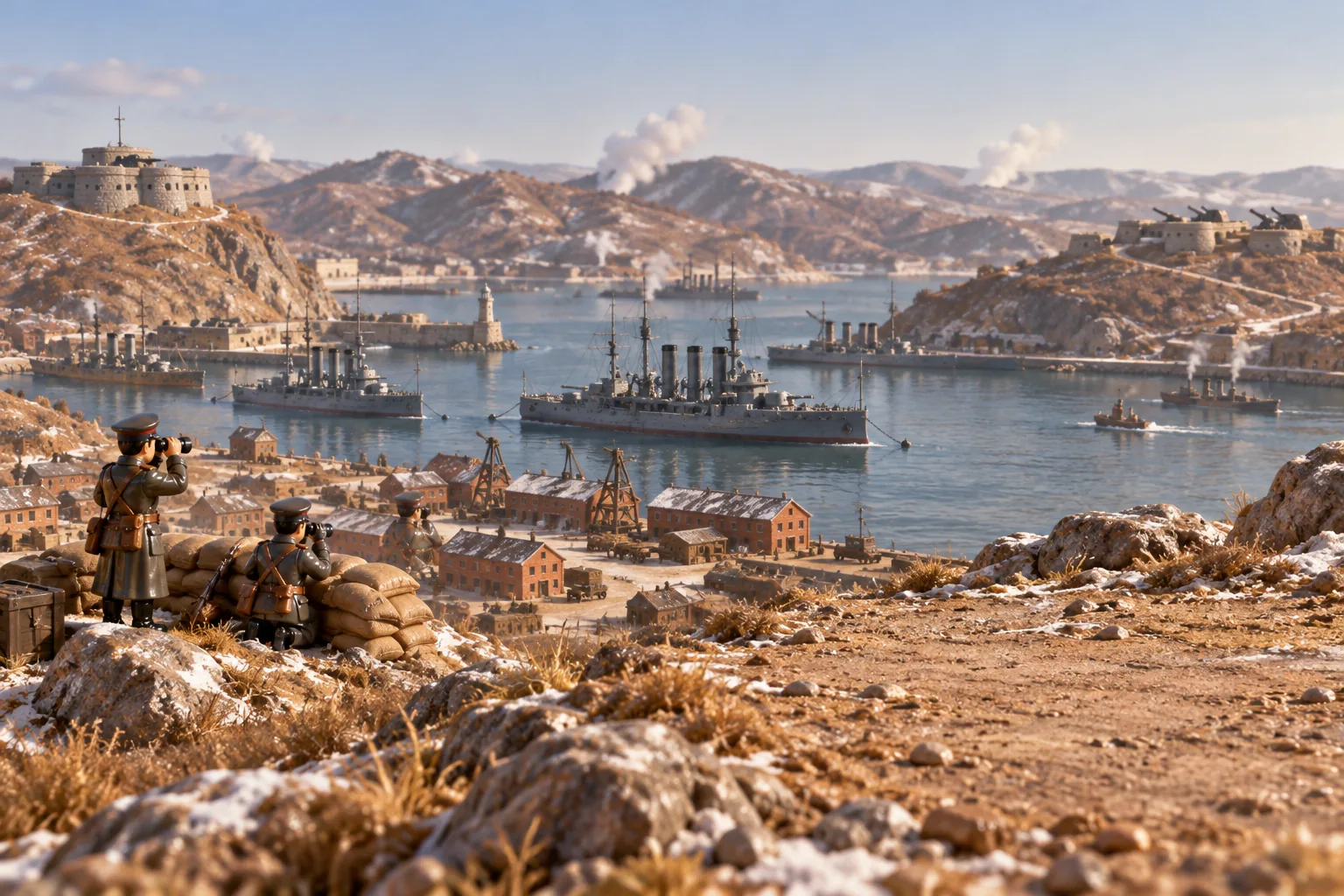 8 February 1904 – 5 September 1905 · Port Arthur (Lüshun), Liaodong Peninsula, ChinaRusso-Japanese WarRussia sent its Baltic Fleet 18,000 nautical miles round the world to save the war, and lost it in a single battle.
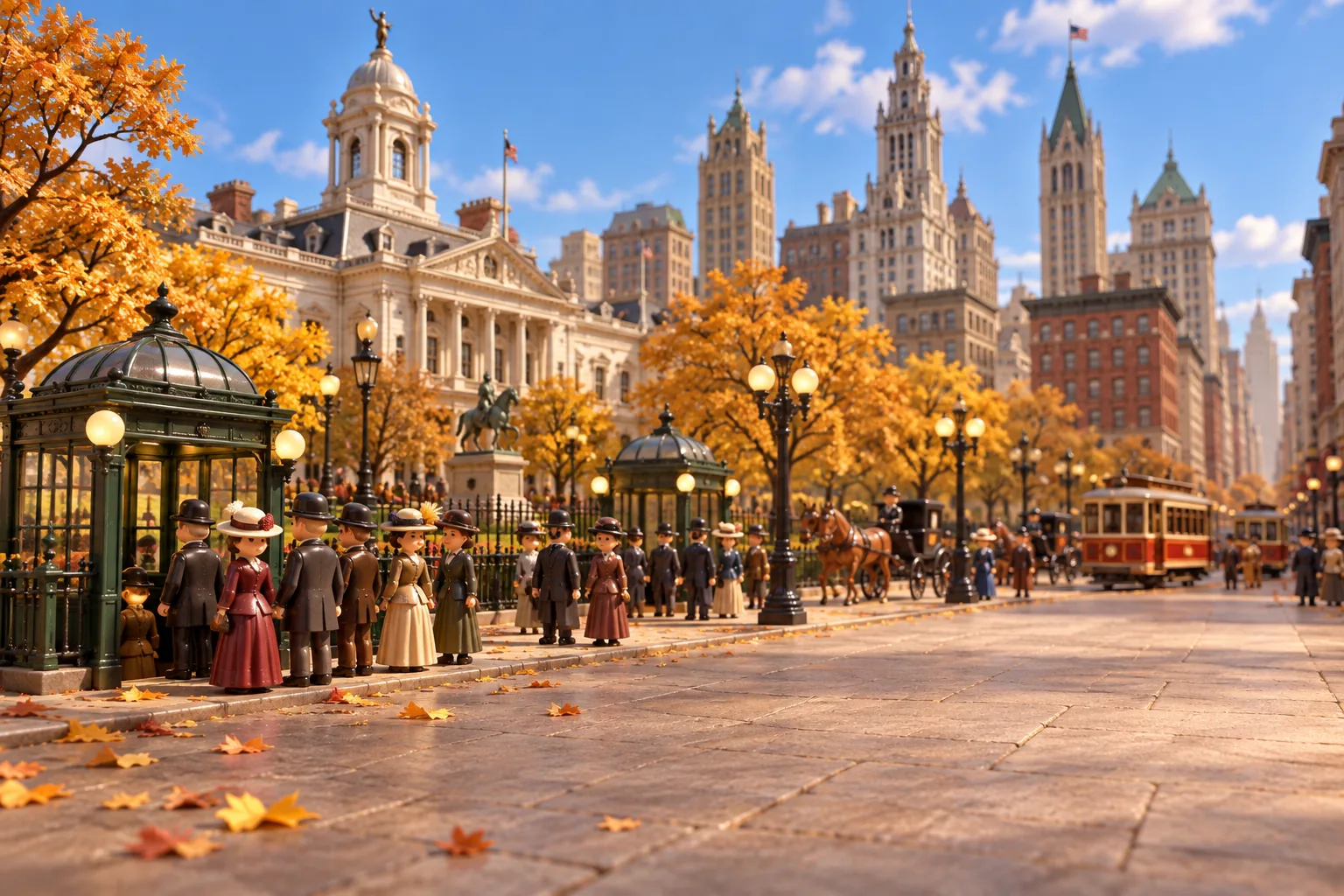 27 October 1904 · City Hall station, Manhattan, New York City, United StatesNew York City SubwayThirty-four years before the first subway opened, an inventor ran a single car pushed by air through a one-block tunnel under Broadway.
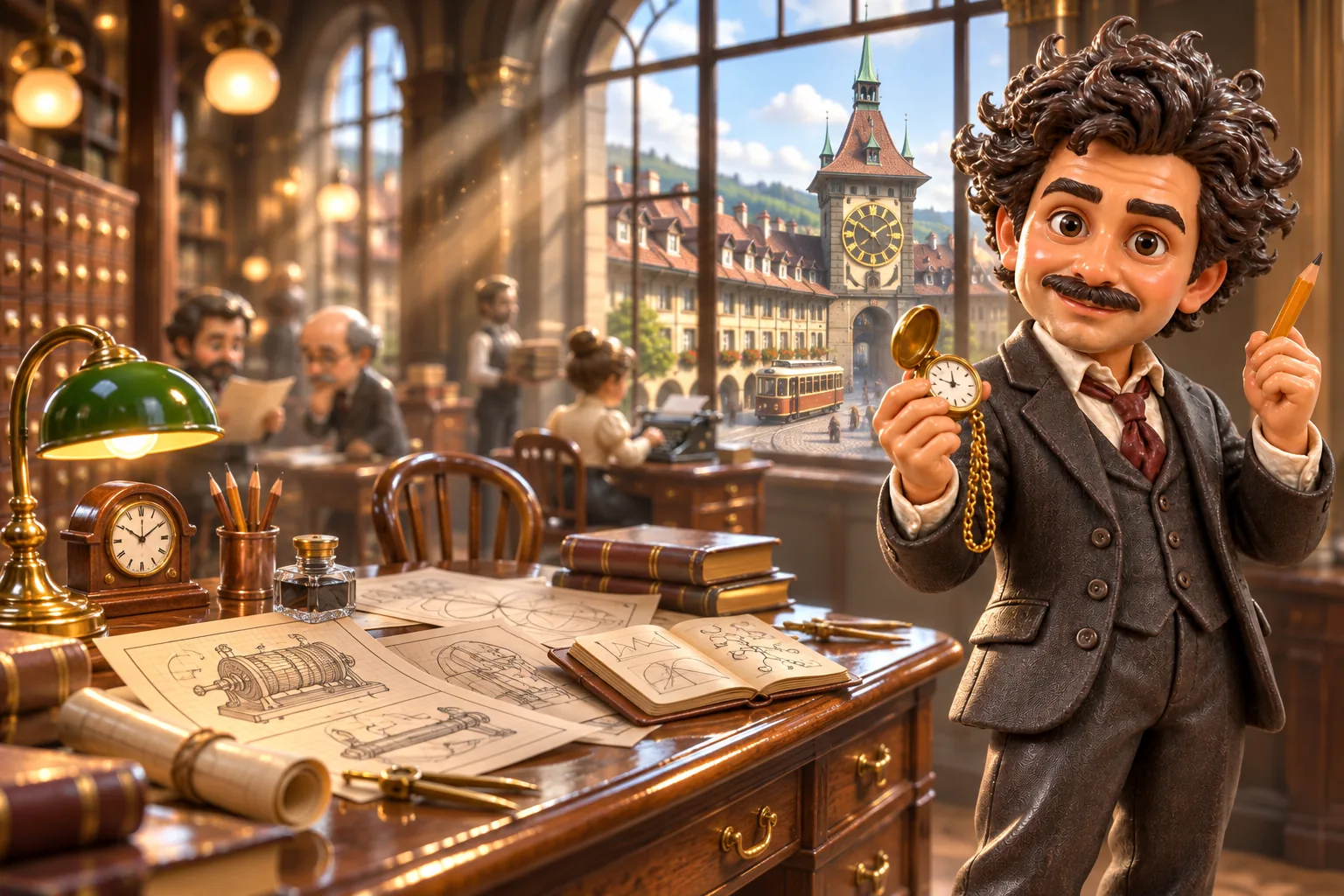 1905 · Bern, SwitzerlandEinsteinThe man who rewrote space and time did it in his spare hours, while working as a third-class patent examiner.
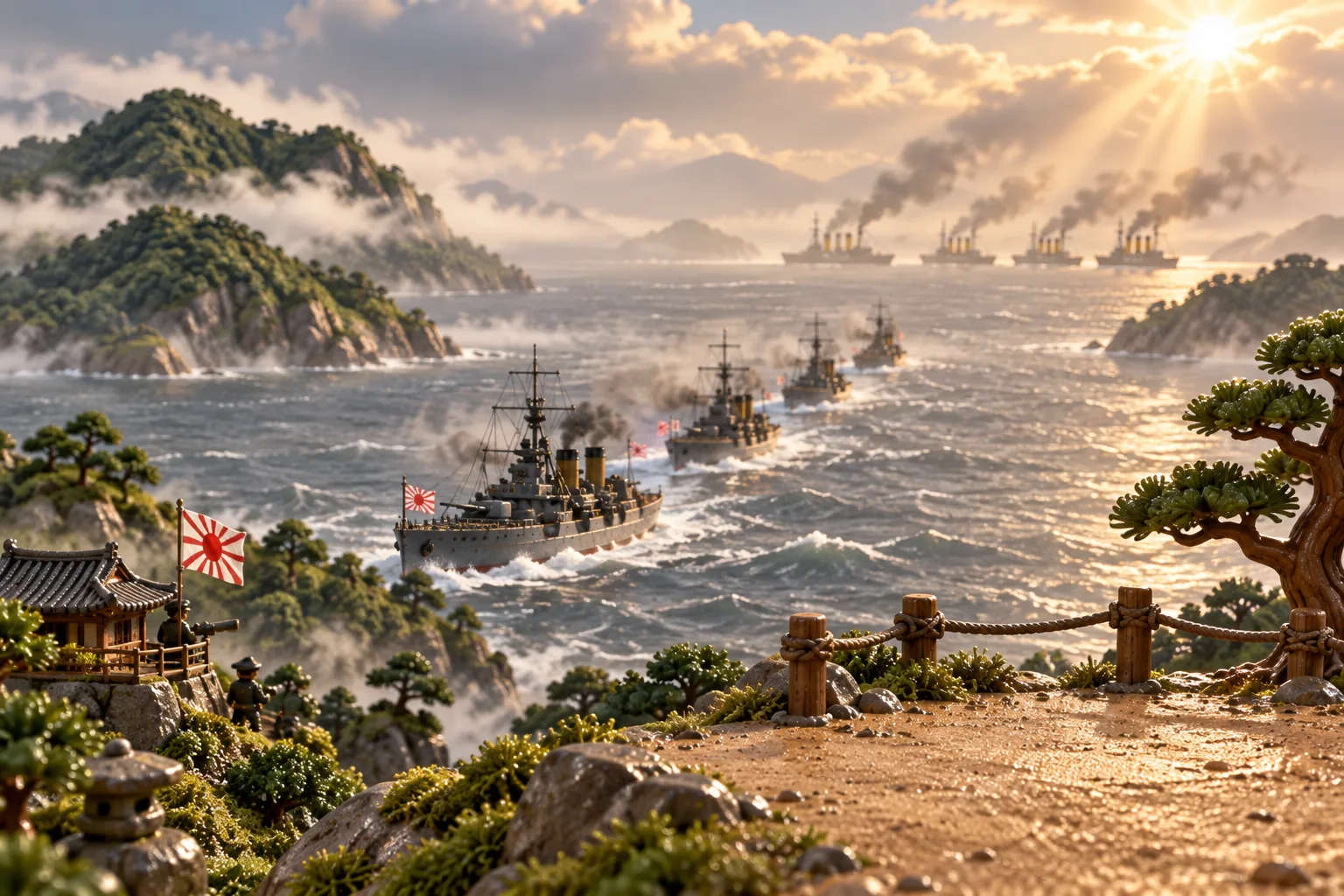 27–28 May 1905 · Tsushima Strait, between Korea and JapanBattle of TsushimaA Russian fleet sailed for seven months halfway around the world, only to be destroyed in a single day and night.
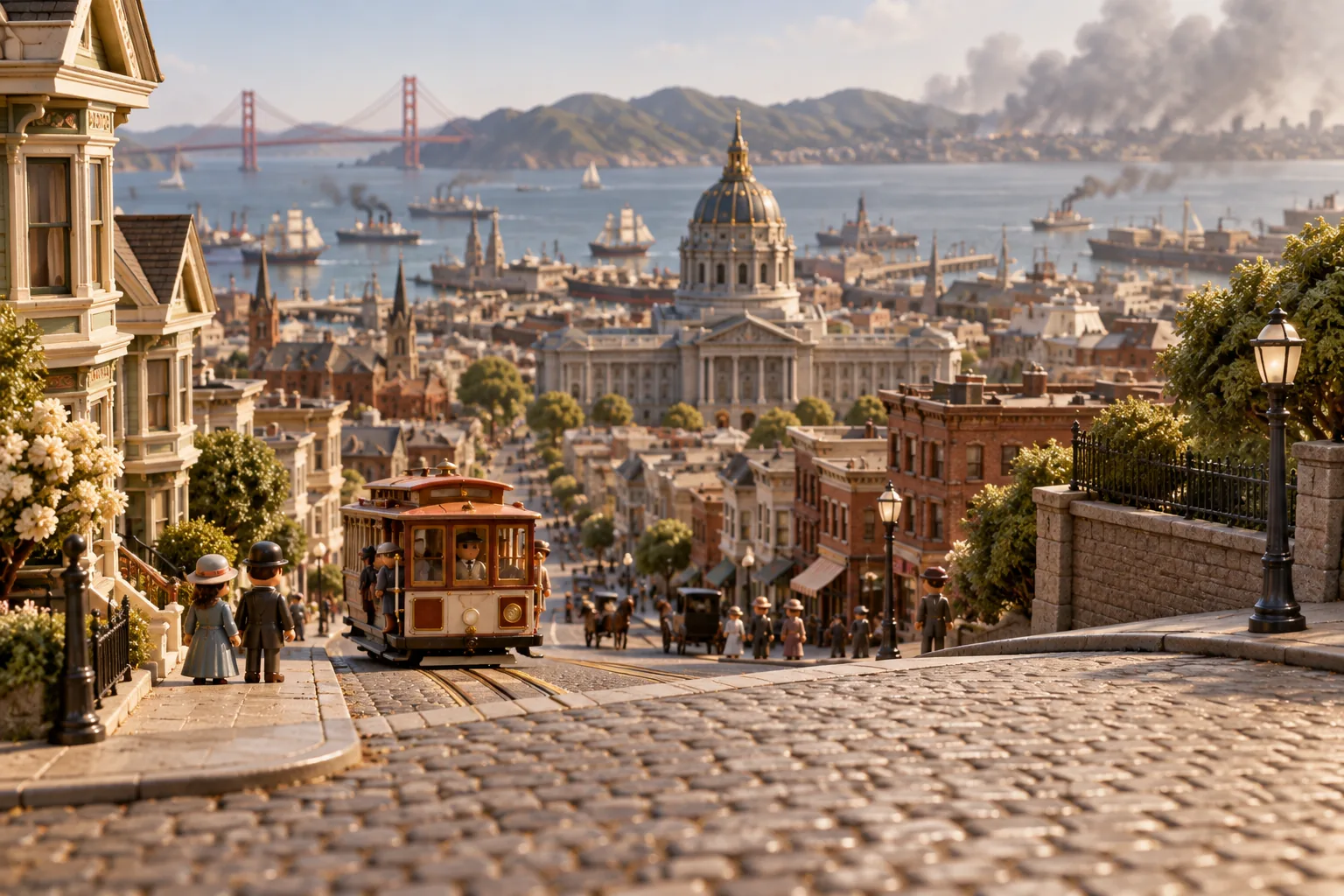 18 April 1906 · San Francisco, California, United States1906 San Francisco earthquakeThe shaking lasted less than a minute; the fires that followed burned for four days and did most of the damage.
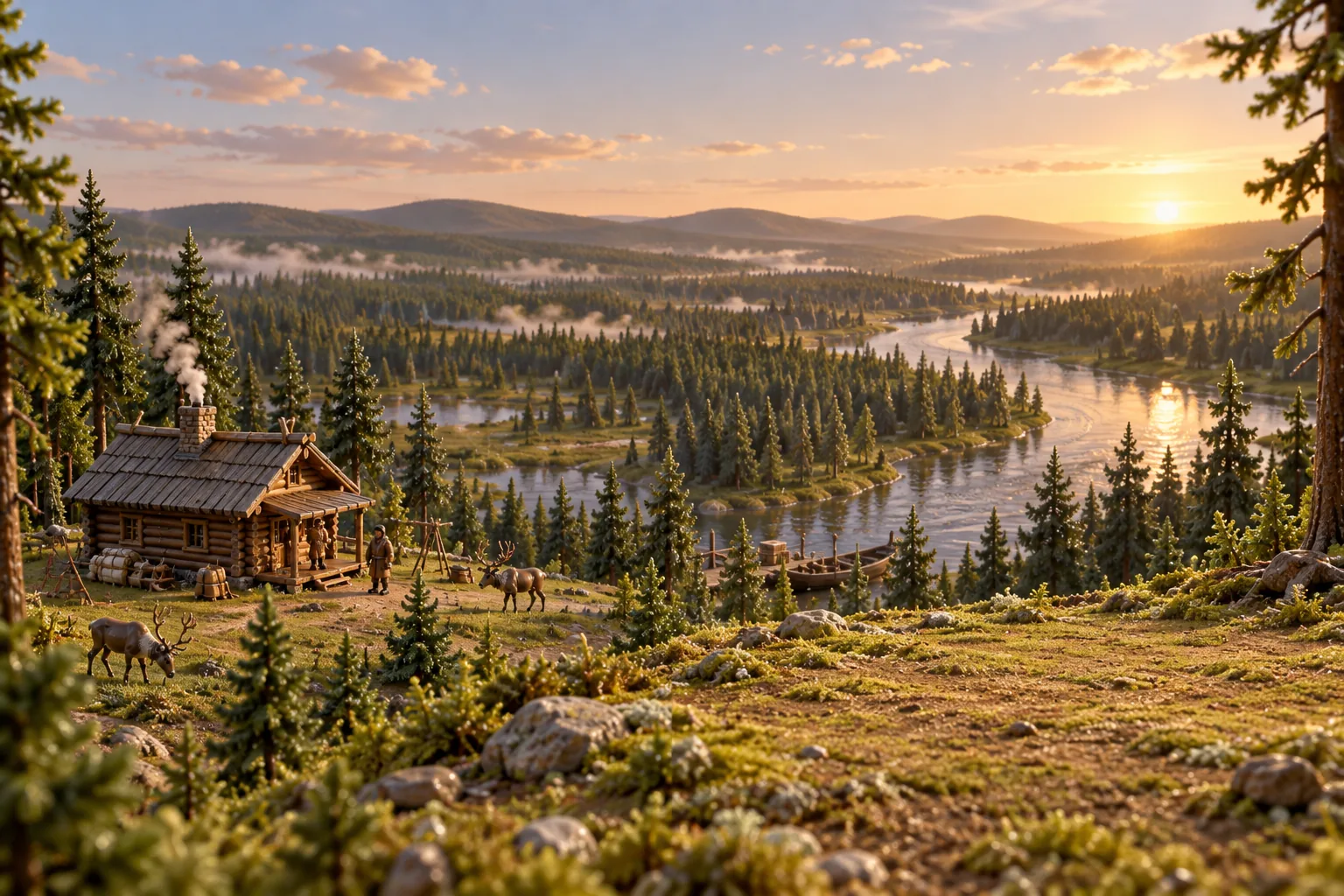 30 June 1908 · Podkamennaya Tunguska River, Siberia, RussiaTunguska eventA farmer 60 km away felt such heat that he thought his shirt had caught fire, then the blast threw him off his porch.
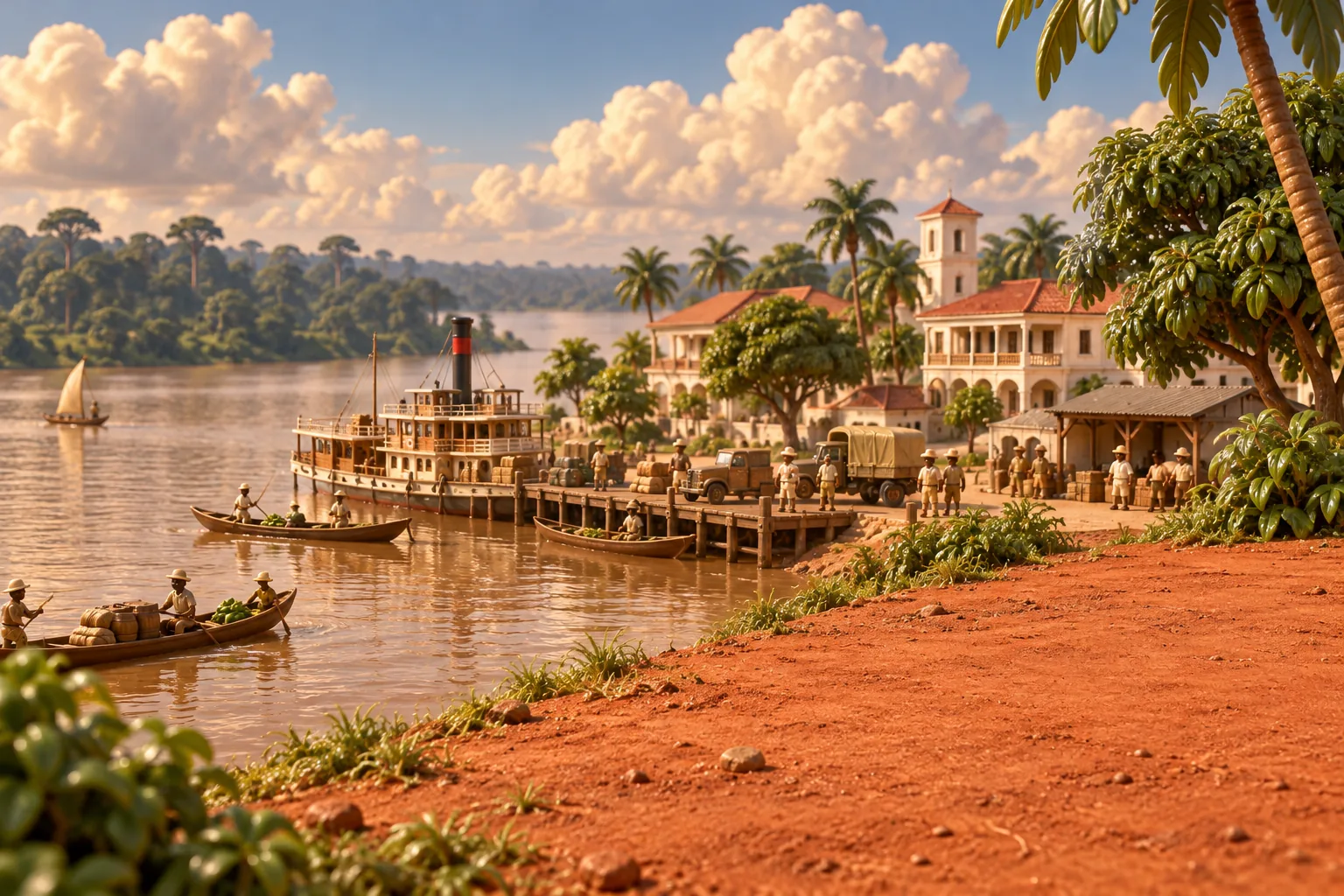 1910–1958 · Brazzaville, on the Congo River (now Republic of the Congo)French Equatorial AfricaIn 1940, while France itself lay under German occupation, a colonial federation on the Congo River became the heart of Free France in Africa.
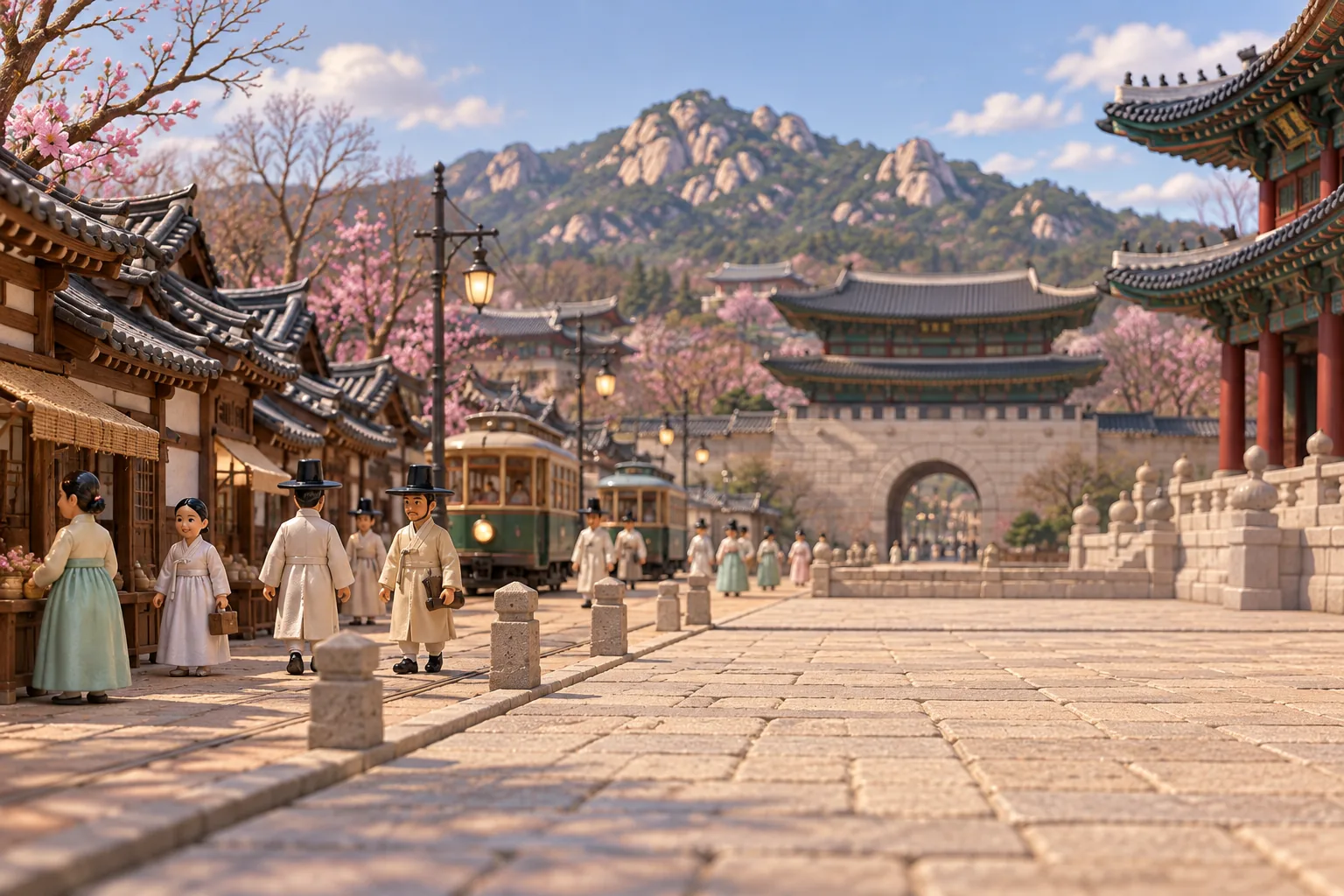 22 August 1910 – 15 August 1945 · Keijō (Seoul), KoreaKorea under Japanese ruleIn 1919 a declaration of independence was read aloud in a small park in Seoul, and within a year some two million Koreans had joined peaceful protests against Japanese rule.
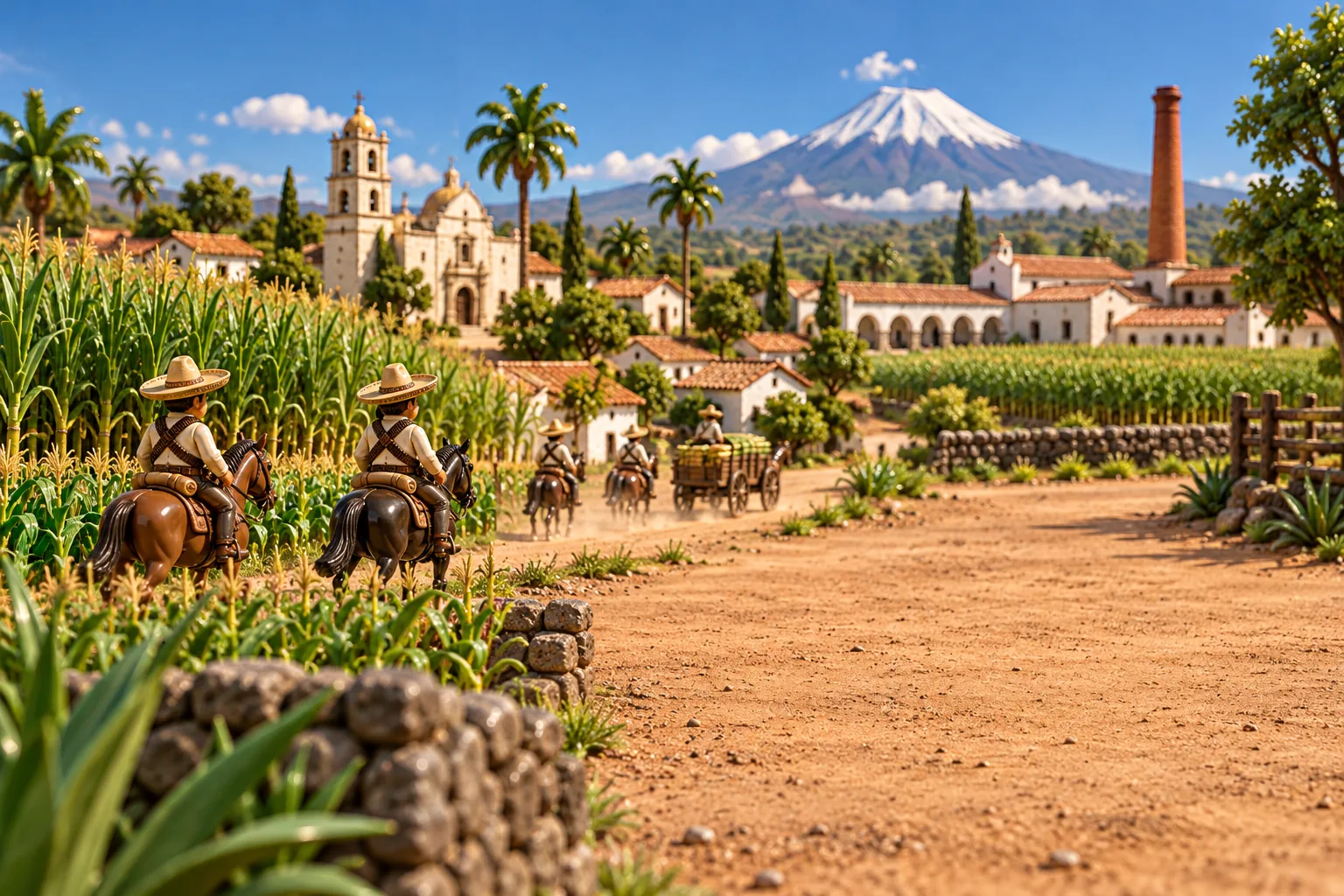 20 November 1910 – 1 December 1920 · Mexico (Morelos, Chihuahua and Mexico City)Mexican RevolutionPancho Villa signed a contract with an American film company to film him leading his army into battle; the film is lost, but the revolution became one of the most photographed wars of its time.
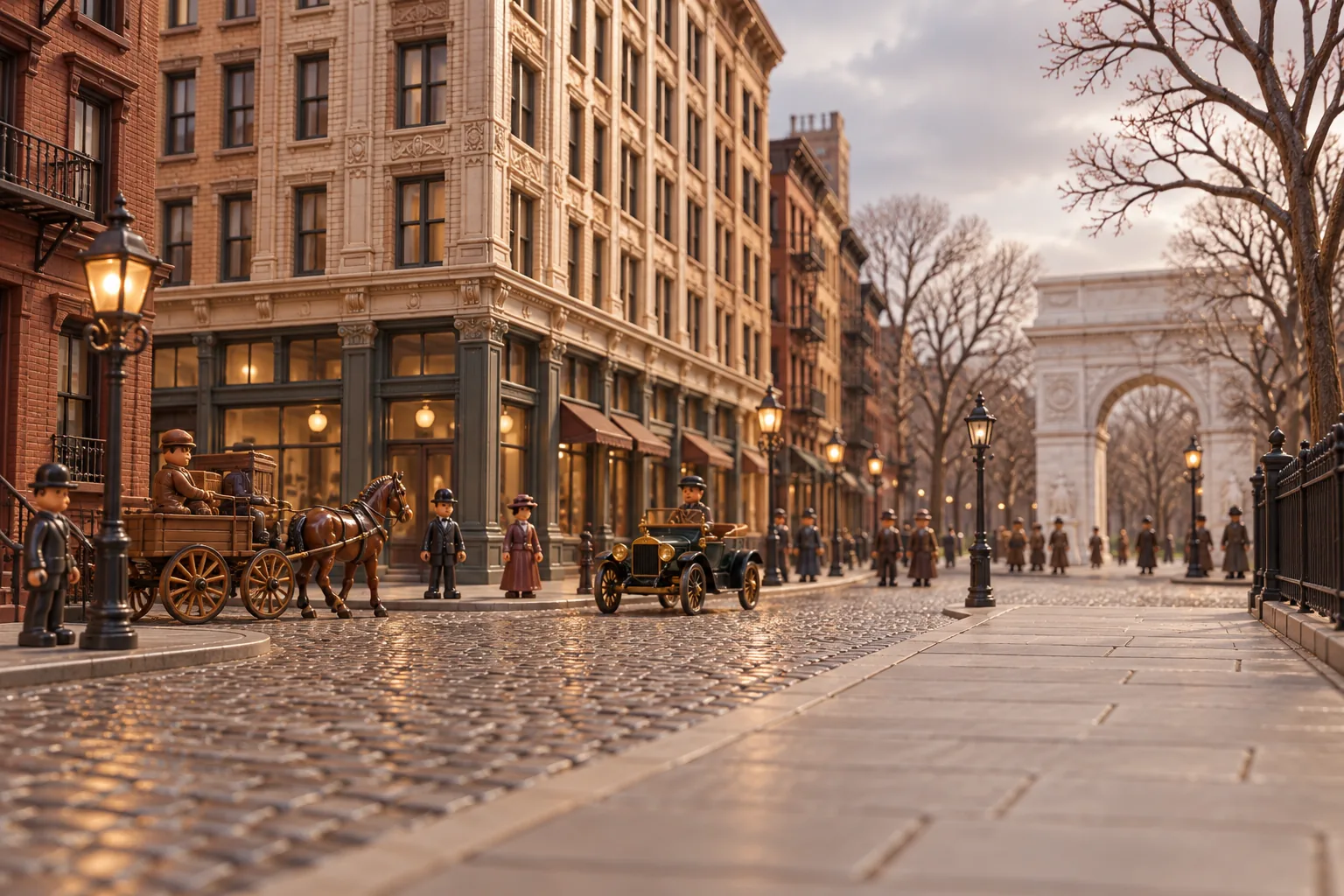 25 March 1911 · Asch Building, Greene Street and Washington Place, Manhattan, New York CityTriangle Shirtwaist Factory fireThe fire ladders reached only the seventh floor, and the factory was on the eighth, ninth and tenth.
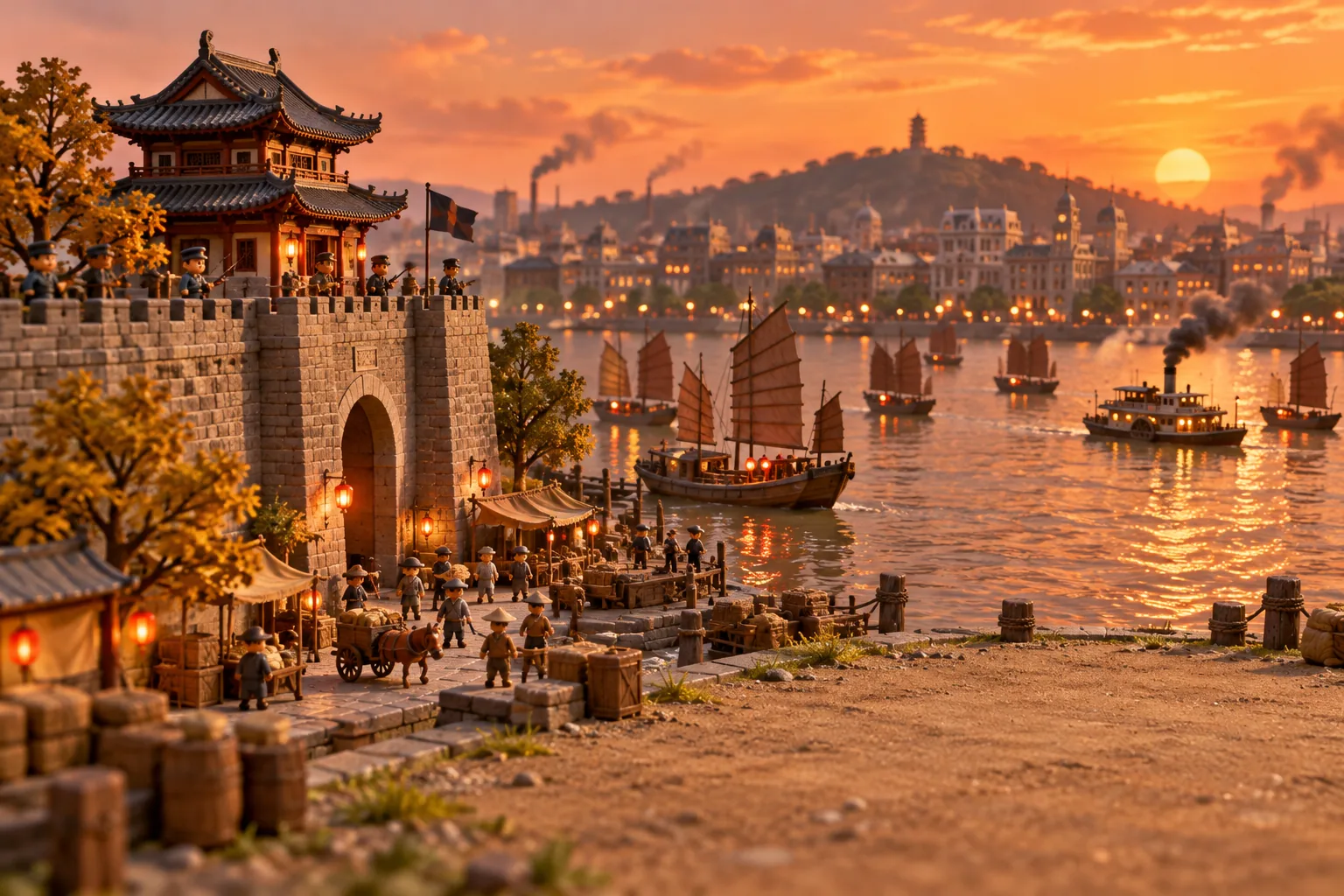 10 October 1911 – 12 February 1912 · Wuchang (Wuhan), Hubei, ChinaXinhai RevolutionThe revolution that ended two thousand years of emperors was set off by a bomb that went off by accident.
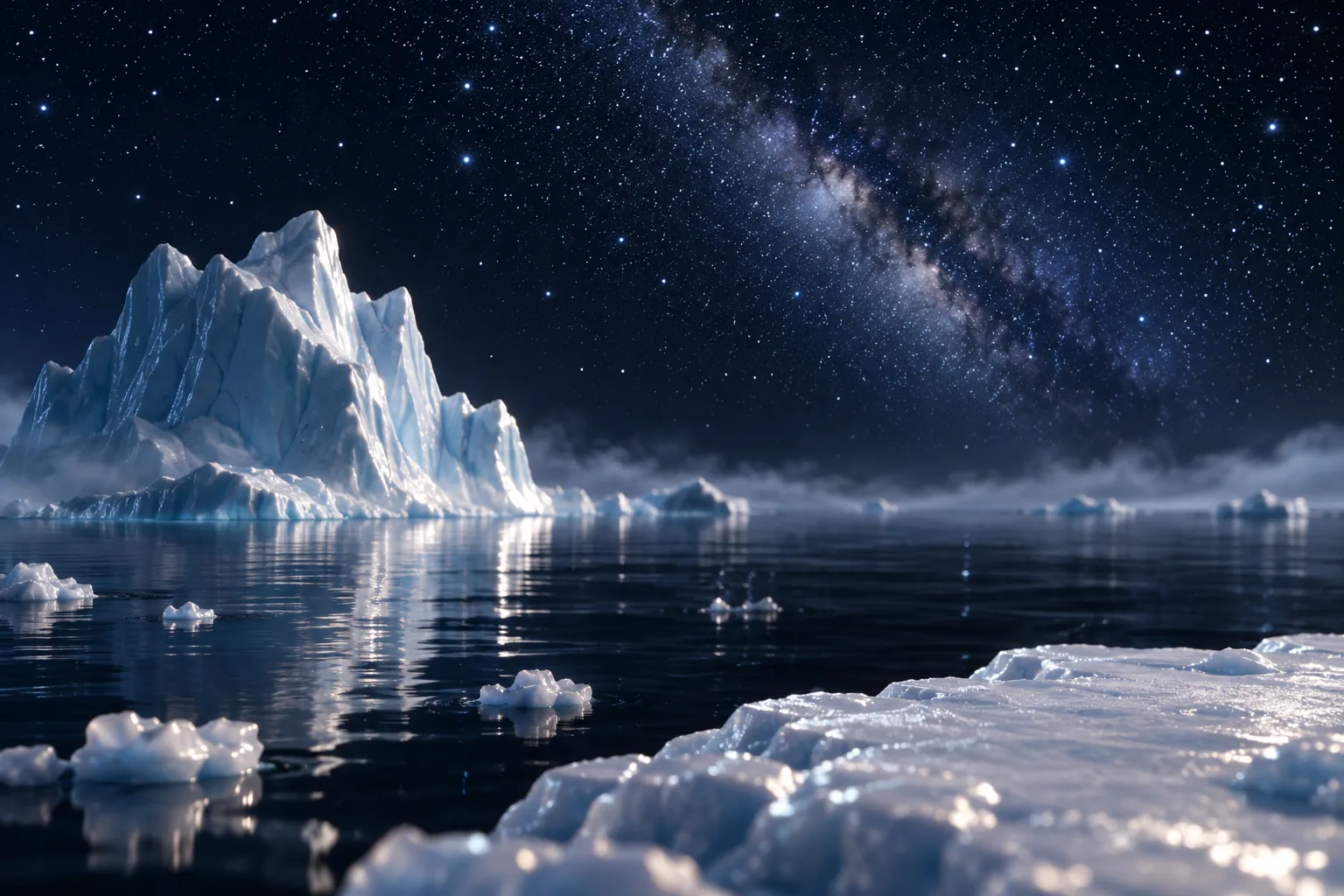 14–15 April 1912 · North Atlantic OceanSinking of the TitanicThe Titanic carried lifeboats for barely half the people on board, and that was perfectly legal.
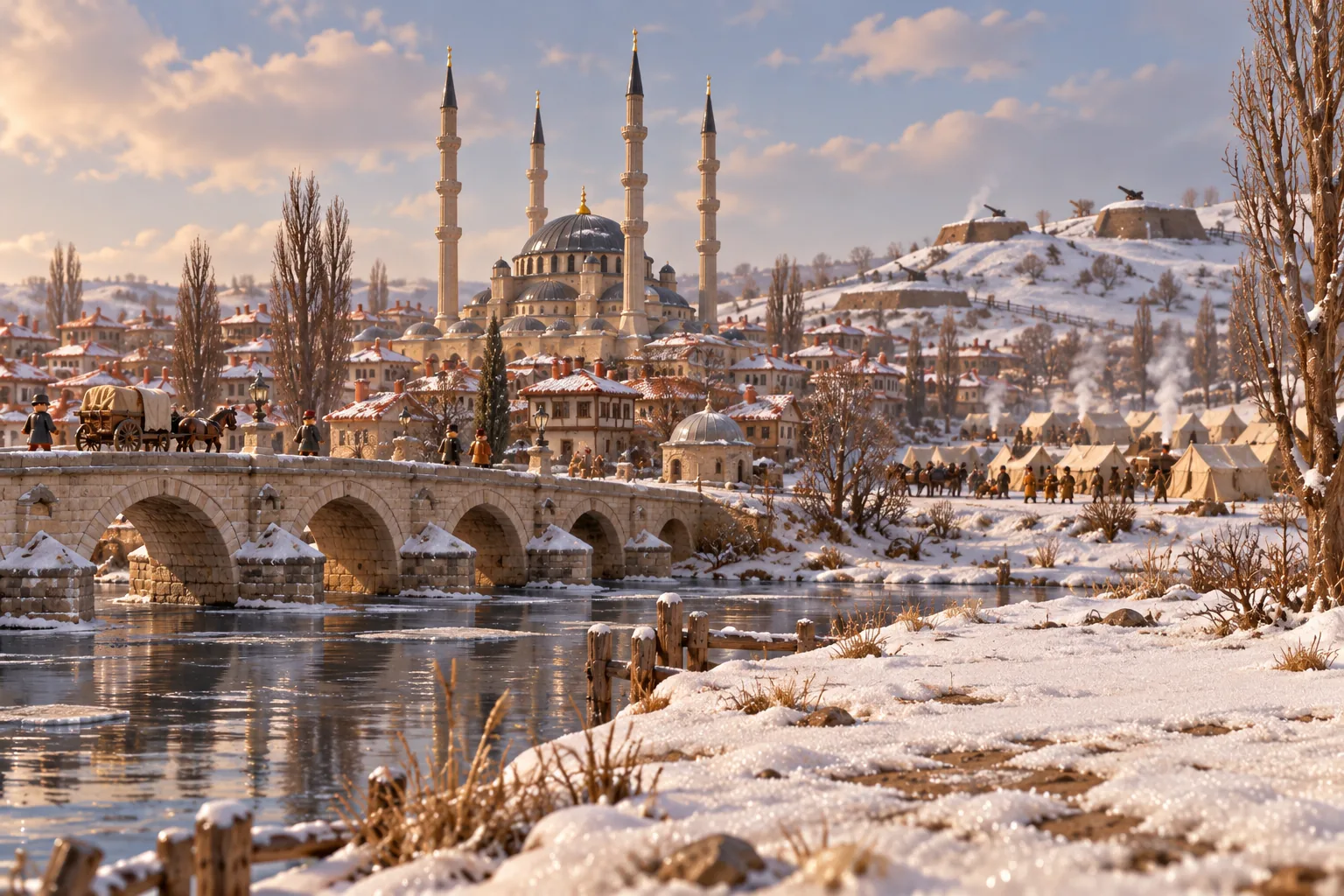 8 October 1912 – 10 August 1913 · Adrianople (Edirne), Ottoman ThraceBalkan WarsFour small Balkan kingdoms ended five centuries of Ottoman rule in Europe in a few months, and then the winners turned their guns on each other.
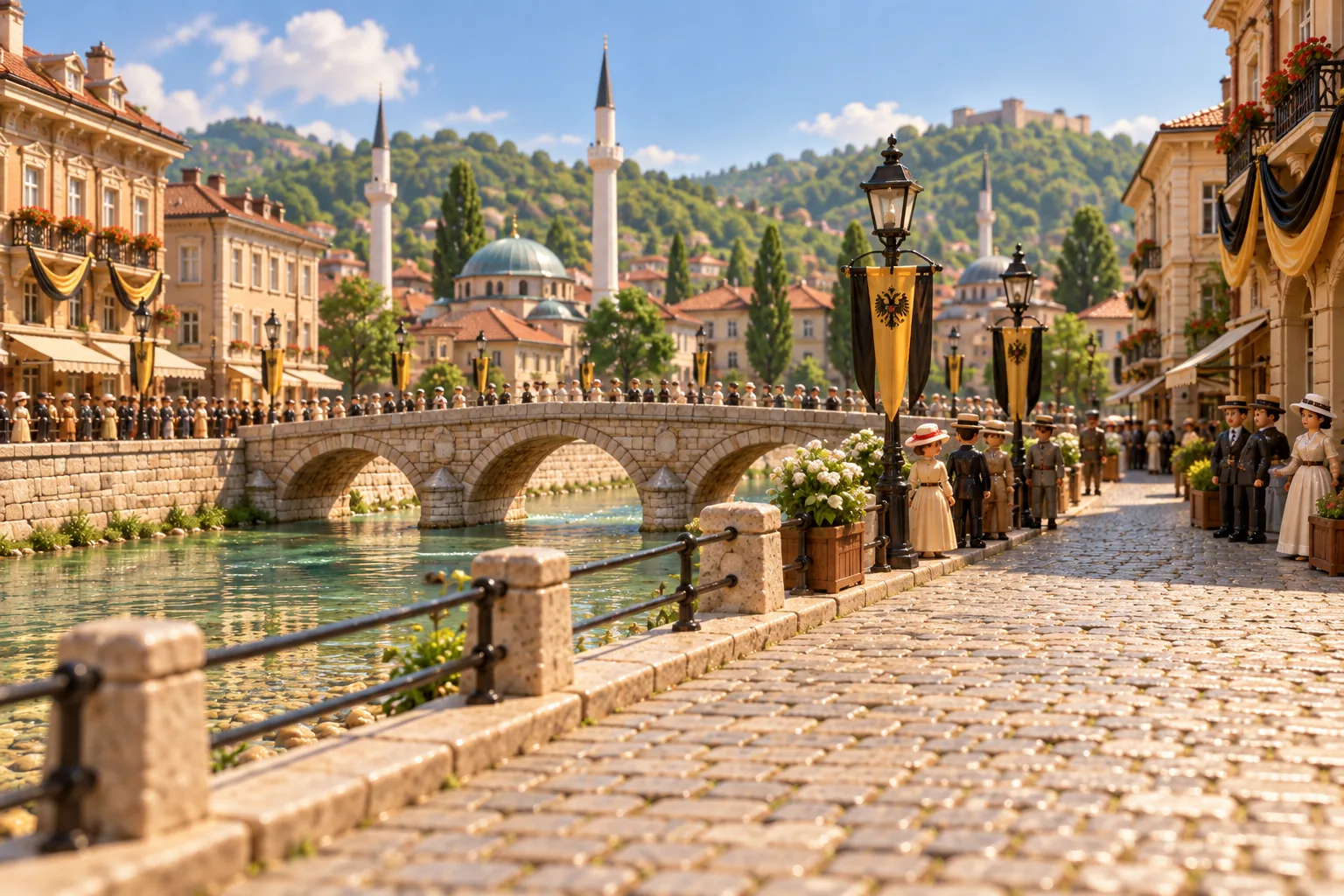 28 June 1914 · Latin Bridge, Sarajevo, Bosnia and HerzegovinaAssassination of Archduke Franz FerdinandThe assassins' first attempt failed; later that morning the Archduke's driver took a wrong turn and stalled the car right in front of one of them.
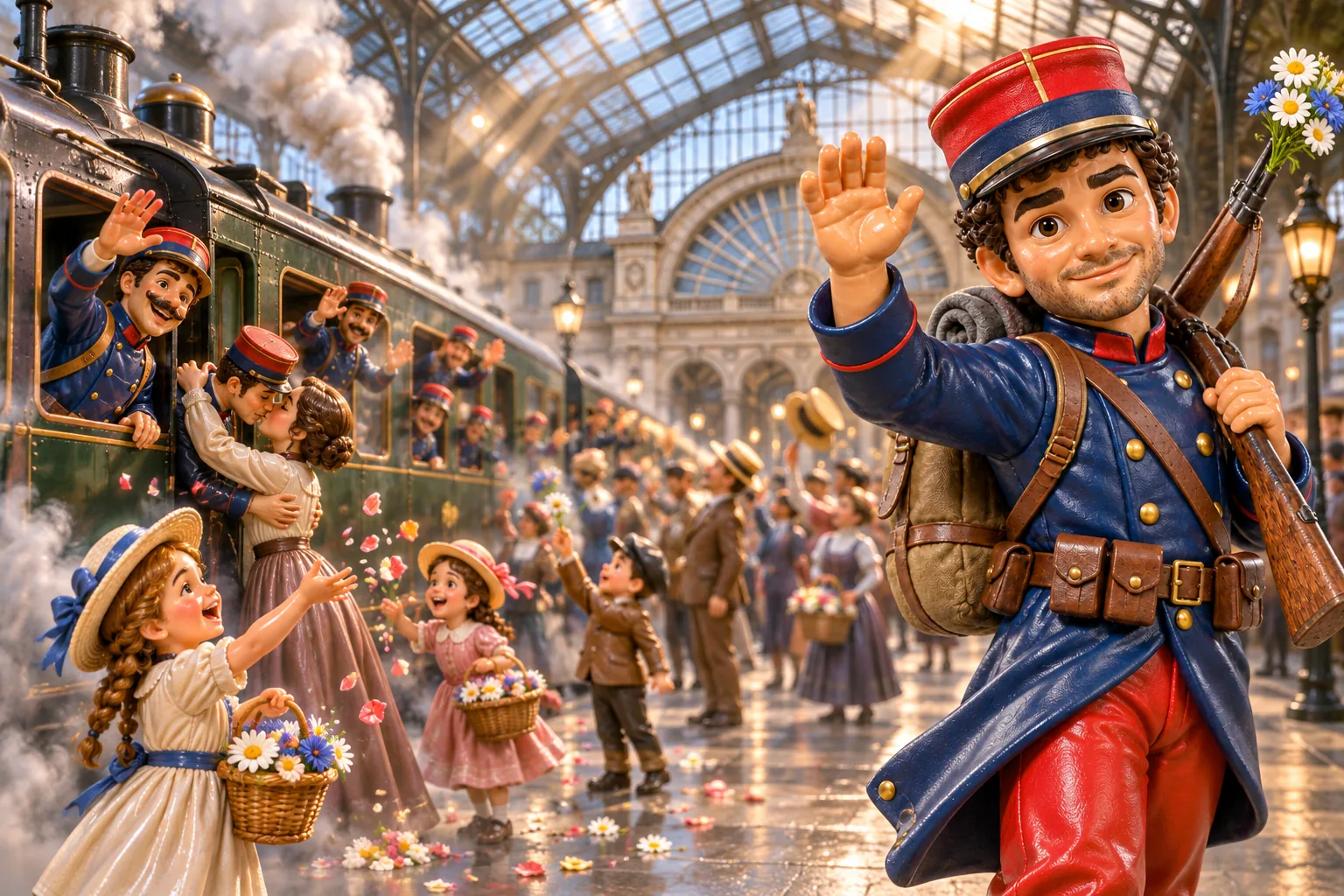 28 June 1914 – 11 November 1918 · Sarajevo, Bosnia and HerzegovinaWorld War IA driver took a wrong turn in Sarajevo, stalled his engine a few steps from a 19-year-old with a pistol, and Europe went to war.
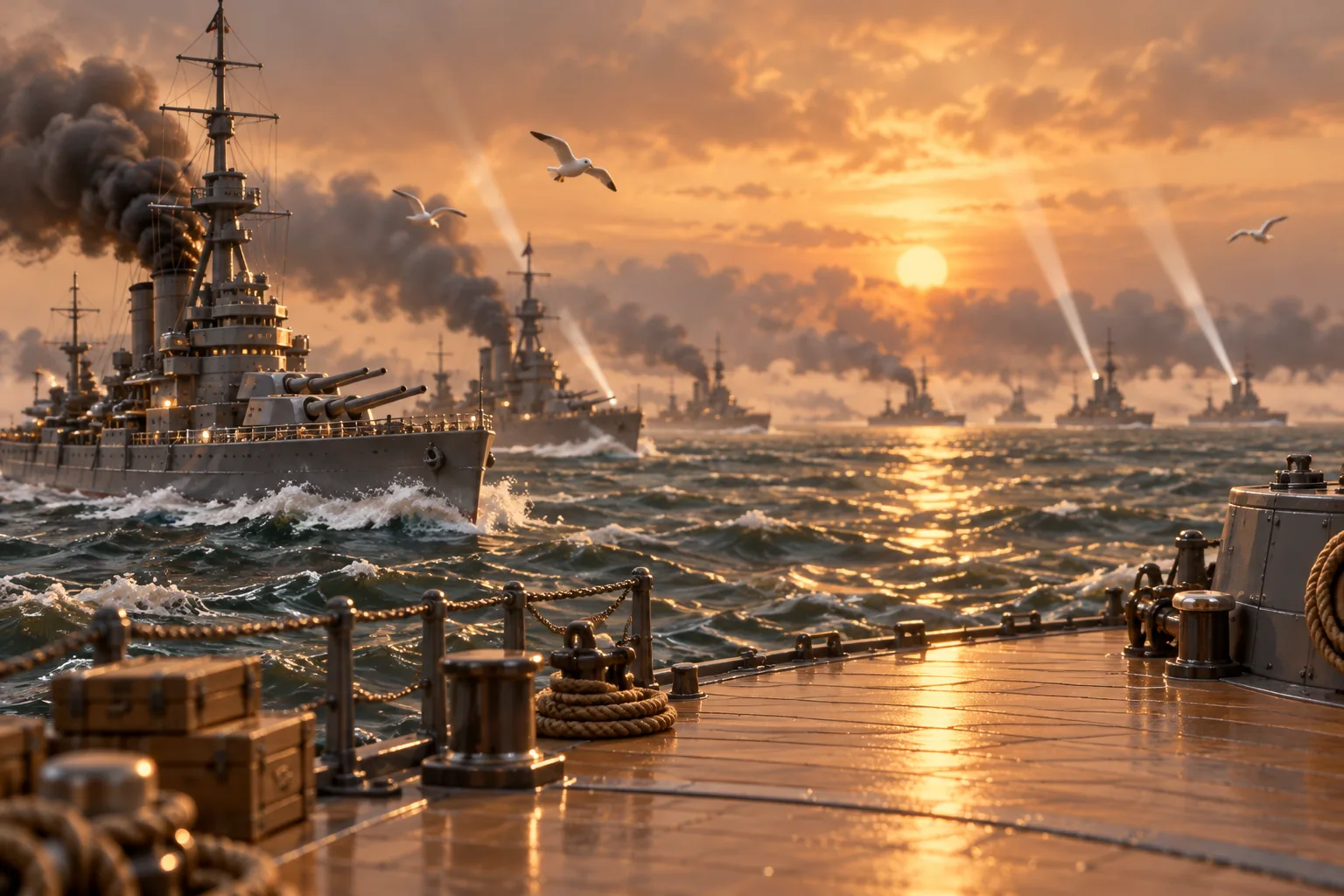 31 May – 1 June 1916 · North Sea, off Jutland, DenmarkBattle of JutlandOff the coast of Denmark, 250 warships fought the only full clash of battleship fleets of the First World War, and both sides went home claiming victory.
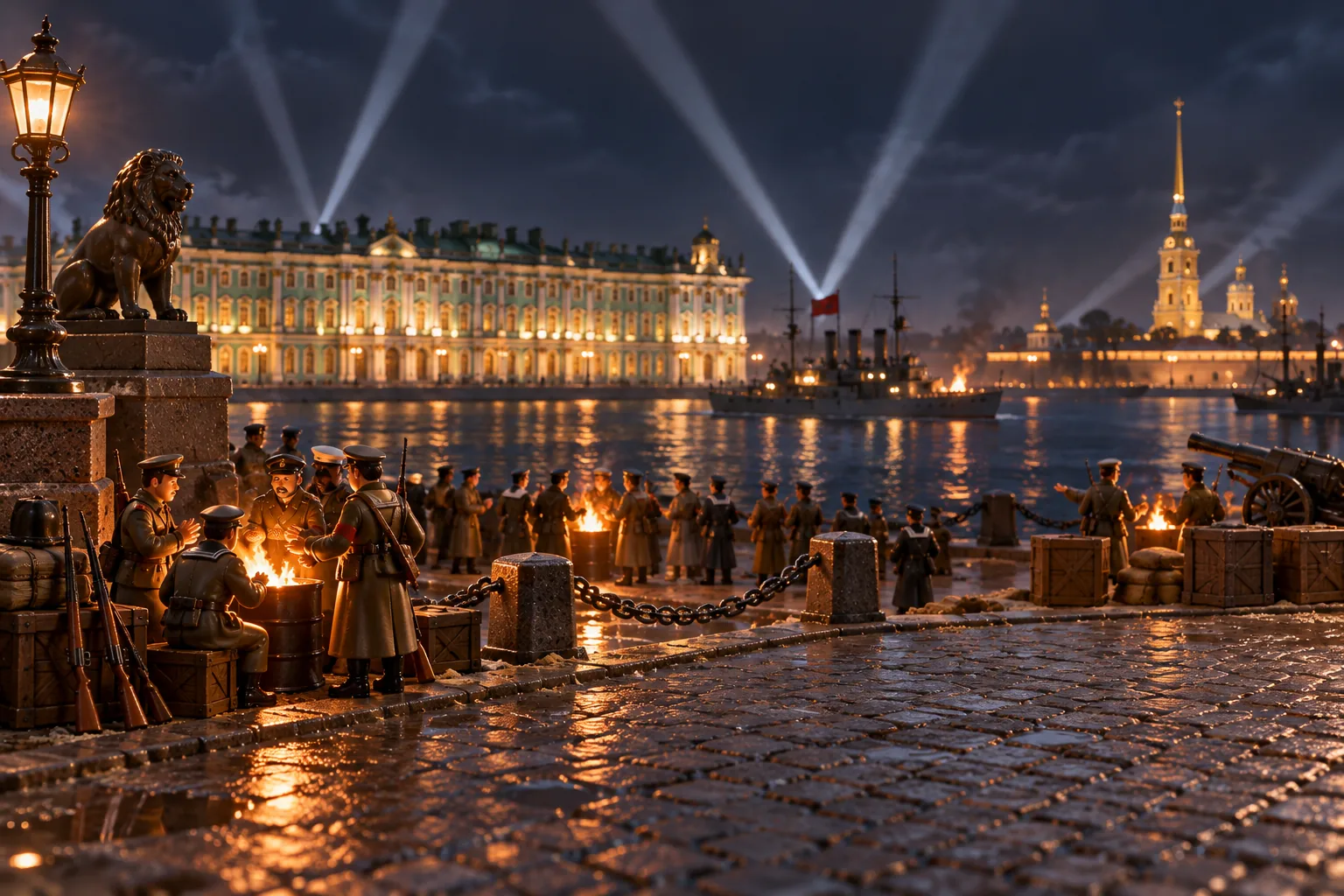 March–November 1917 · Petrograd (Saint Petersburg), RussiaRussian RevolutionIt began with women marching for bread on International Women's Day, and within eight months the tsar was gone and Lenin was in power.
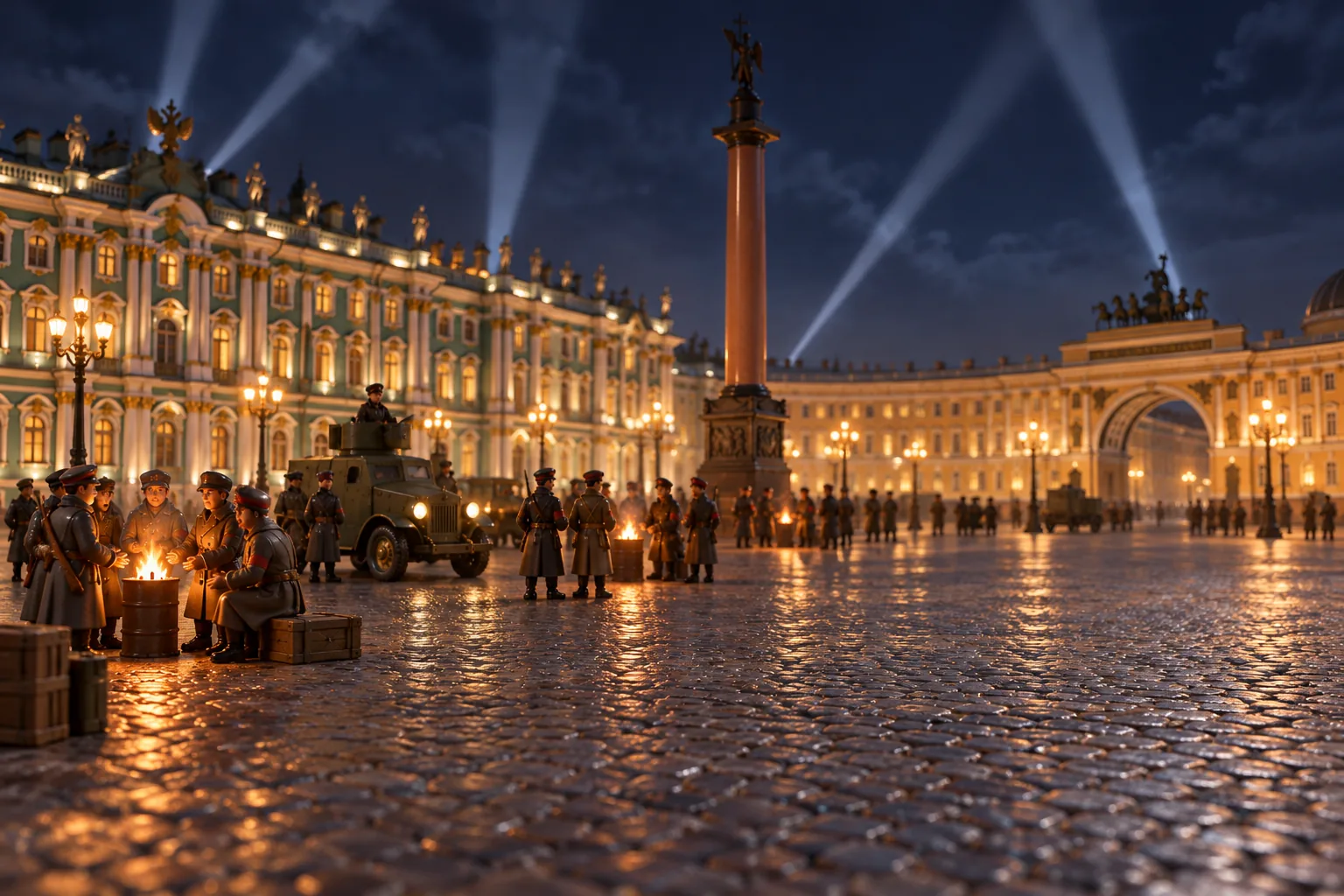 7–8 November 1917 (25–26 October, Old Style) · Winter Palace, Petrograd (Saint Petersburg), RussiaOctober RevolutionThe revolution that shaped the 20th century happened in November, and its first night cost almost no lives.
 November 1917 – October 1922 · Tsaritsyn (today Volgograd), on the Volga, RussiaRussian Civil WarThirteen foreign countries sent troops into Russia, and a legion of Czech and Slovak soldiers ended up holding the Trans-Siberian Railway from the Urals to the Pacific.
 3 March 1918 · Brest-Litovsk (today Brest, Belarus)Treaty of Brest-LitovskTo buy peace, Lenin's government gave up lands holding a third of the old empire's people and nearly nine-tenths of its coalfields.
 4 March 1918 – 1920 · Camp Funston, Kansas, United StatesSpanish fluIt took its name from the one country honest enough to report it, and within two years it had infected about a third of everyone alive.
 1 April 1919 – 1933 · Weimar, GermanyBauhausA German art school that lasted only 14 years still shapes the chairs, lamps, buildings and typefaces around us.
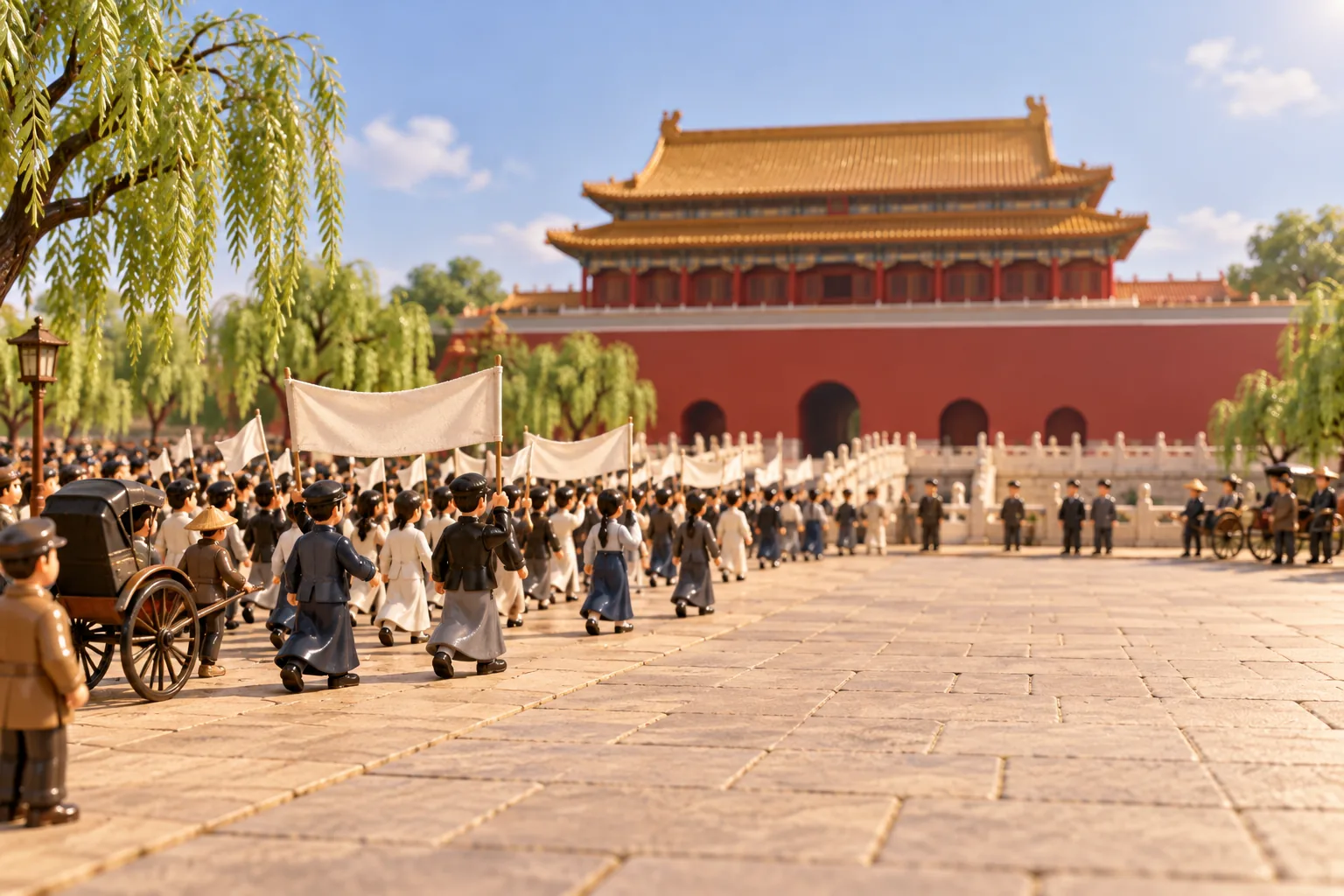 4 May 1919 · Tiananmen, Beijing, Republic of ChinaMay Fourth MovementChina had sent 140,000 labourers to help win the First World War, and the peace conference rewarded it by giving part of China to Japan.
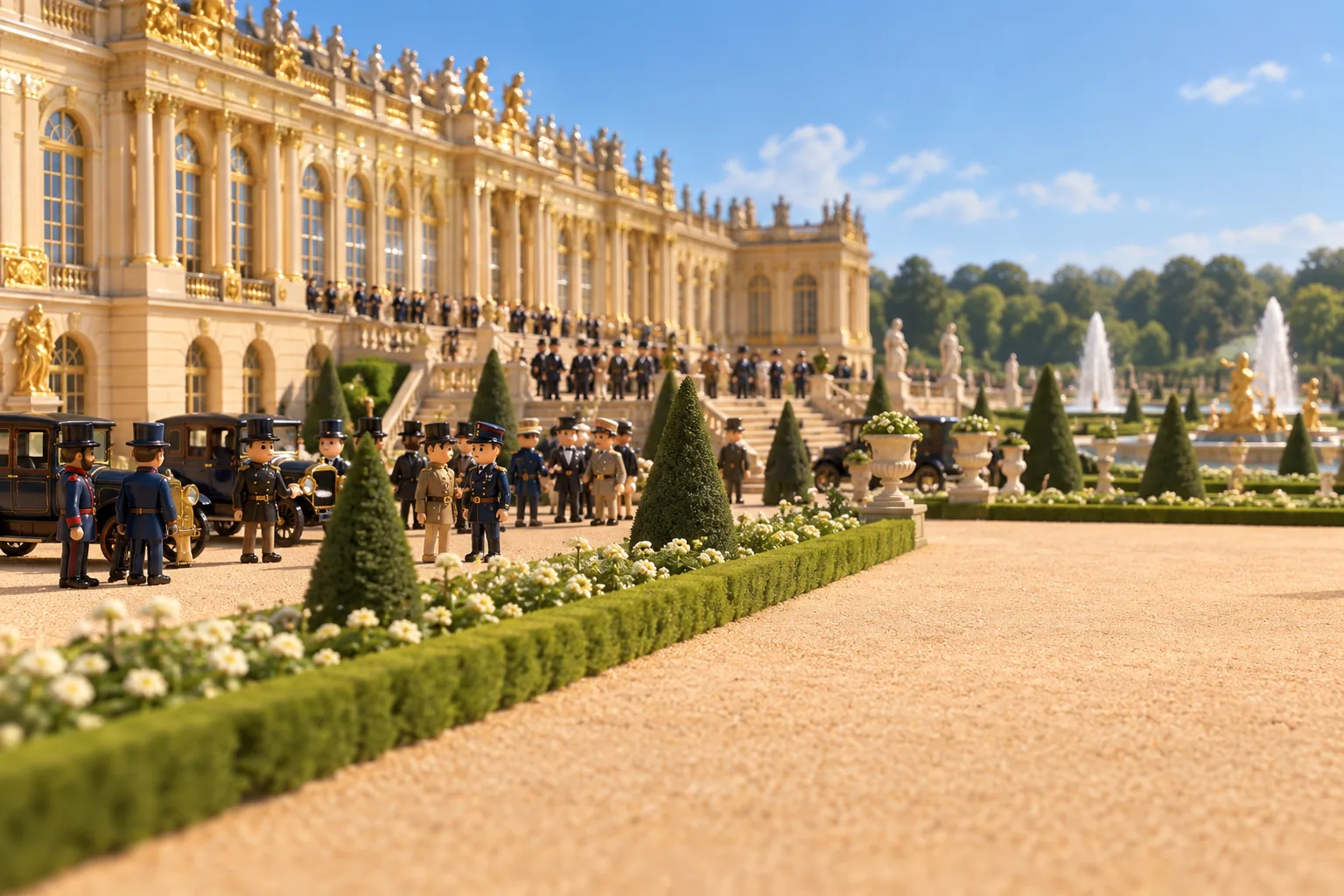 28 June 1919 · Hall of Mirrors, Palace of Versailles, FranceTreaty of VersaillesFrance chose to sign the peace in the very room where, 48 years earlier, the German Empire had been proclaimed.
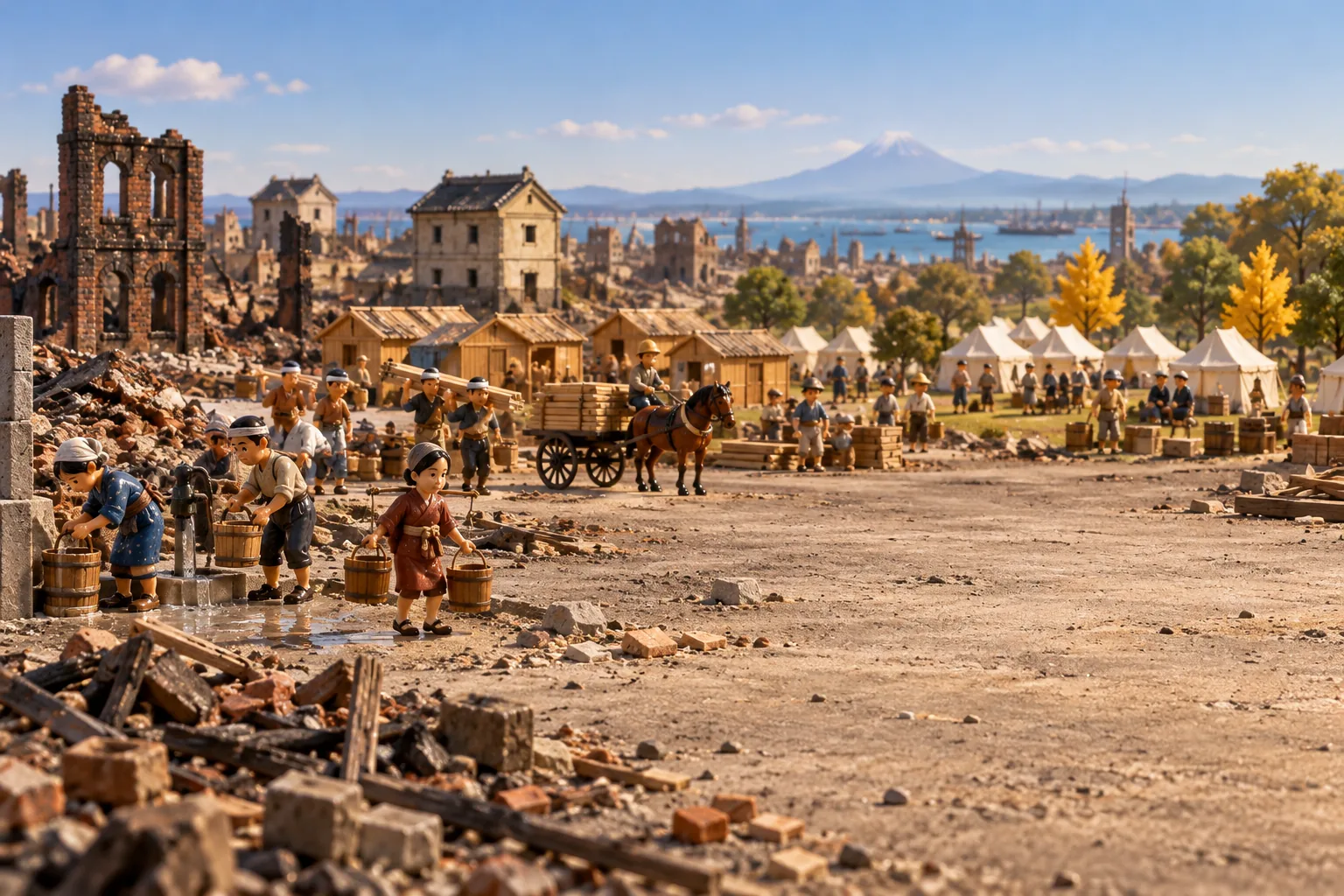 1 September 1923, 11:58 · Kantō Plain: Tokyo, Yokohama and Sagami Bay, Japan1923 Great Kantō earthquakeThe ground shook just before noon, when charcoal stoves all over Tokyo were lit for lunch, and a typhoon's winds turned the wooden city into a sea of fire.
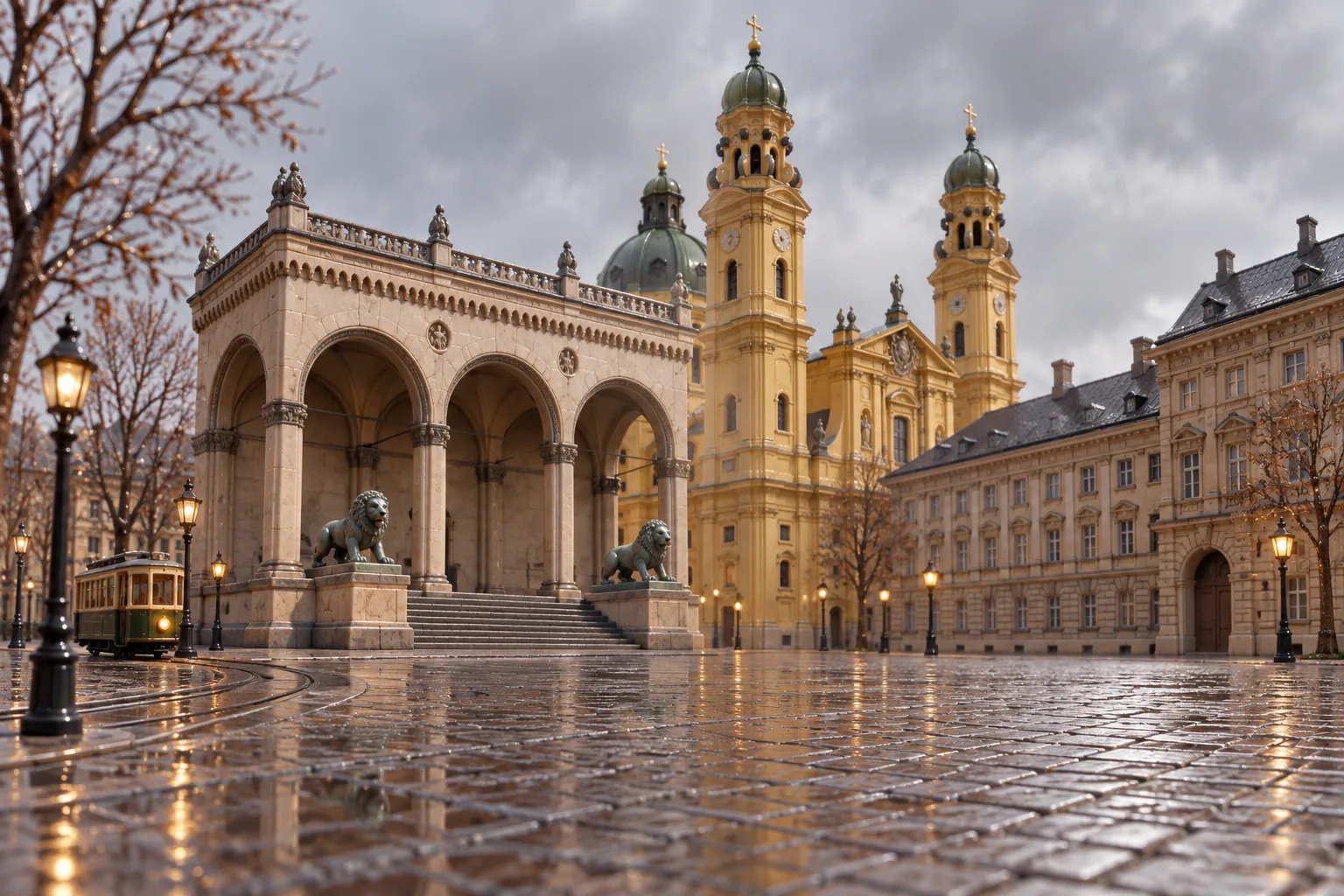 8–9 November 1923 · Bürgerbräukeller and Odeonsplatz, Munich, Bavaria, GermanyBeer Hall PutschThe coup began with a pistol shot into the ceiling of a crowded beer hall and ended the next day in a volley of gunfire in front of a monument to Bavaria's generals.
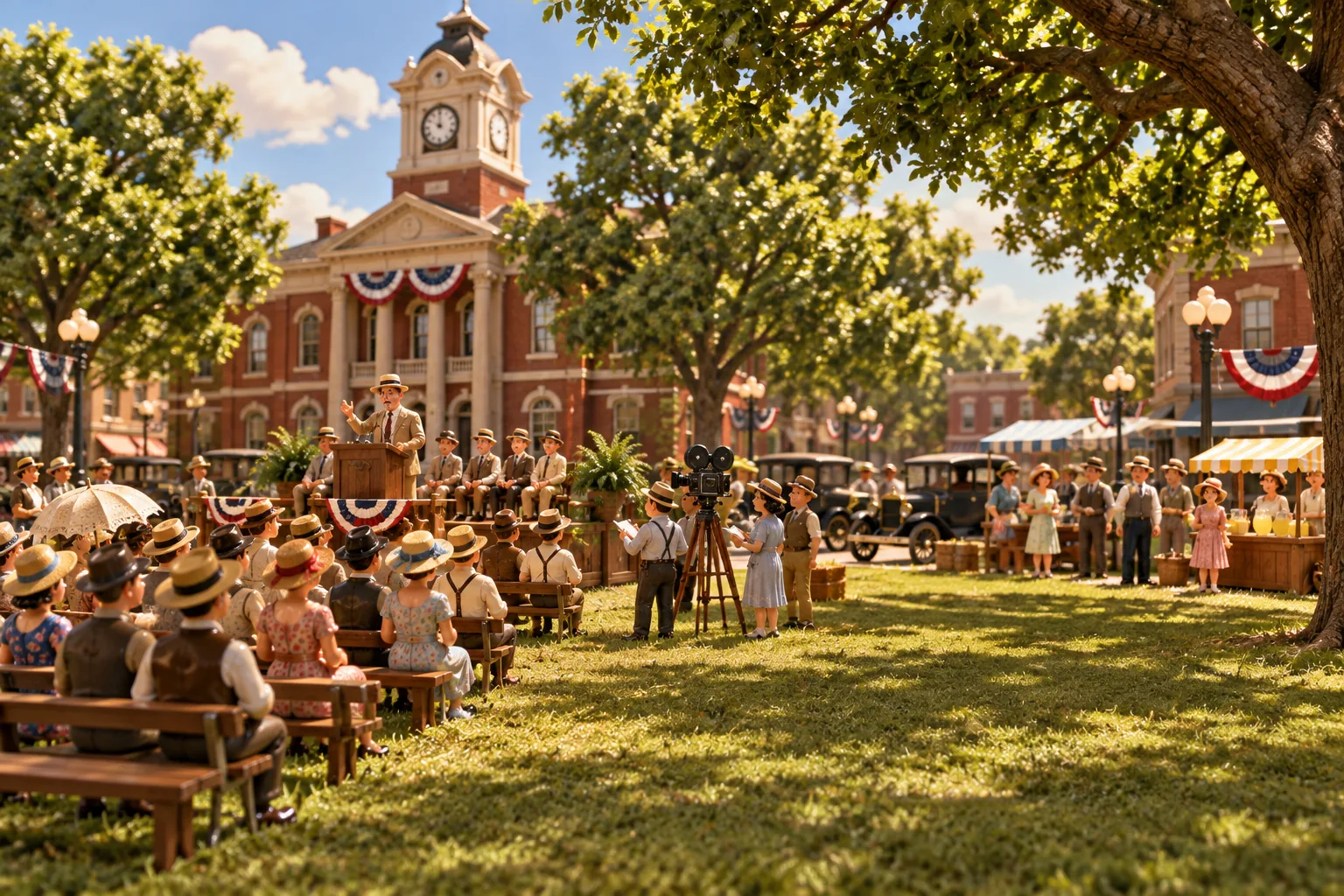 10–21 July 1925 · Rhea County Courthouse, Dayton, TennesseeScopes TrialA few men in a small-town drugstore cooked up a trial to put their town on the map, and a willing young teacher agreed to be the defendant.
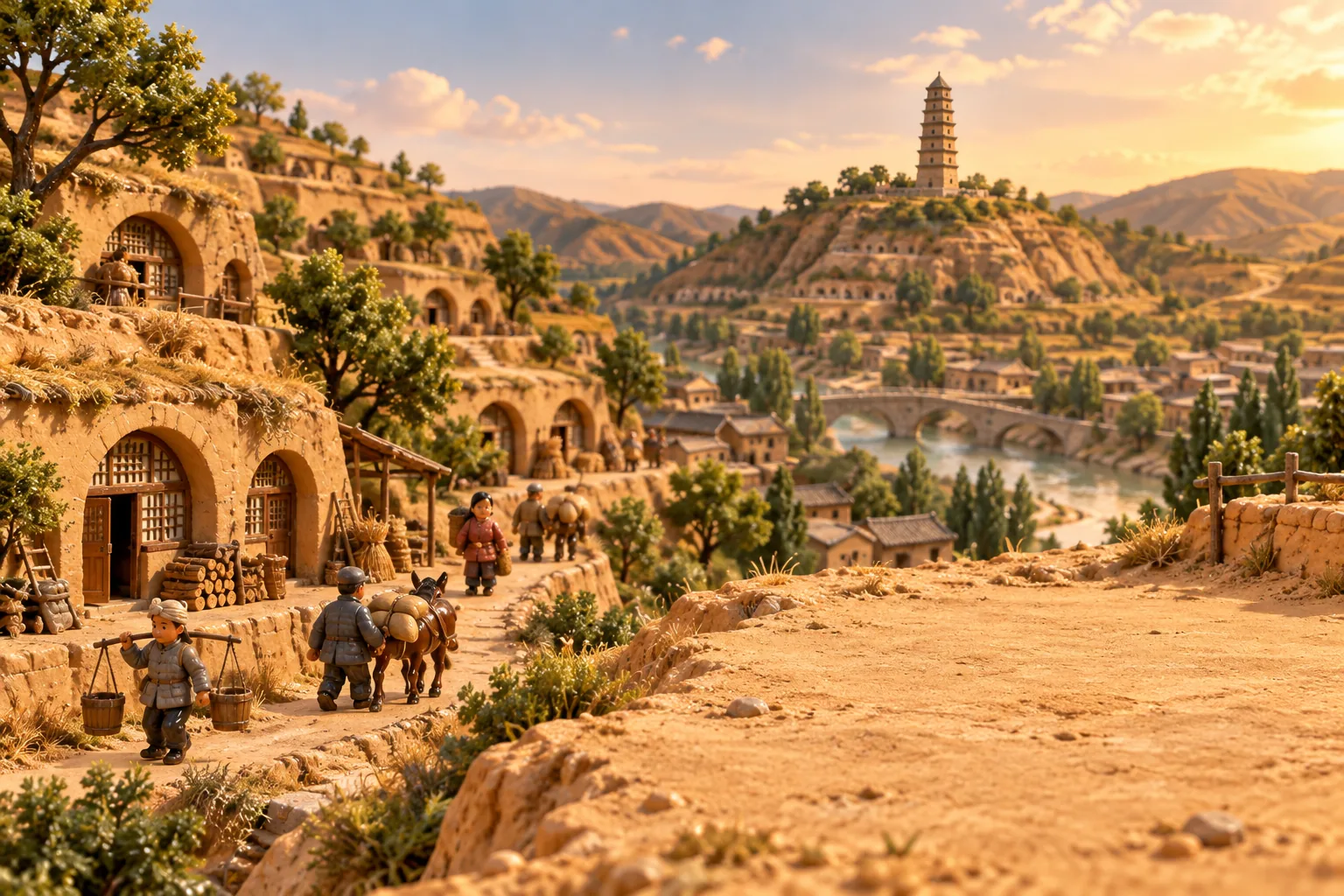 1 August 1927 – 7 December 1949 · Yan'an, Shaanxi, ChinaChinese Civil WarOf up to 100,000 people who set out on the Long March, only around 7,000 to 8,000 reached the end.
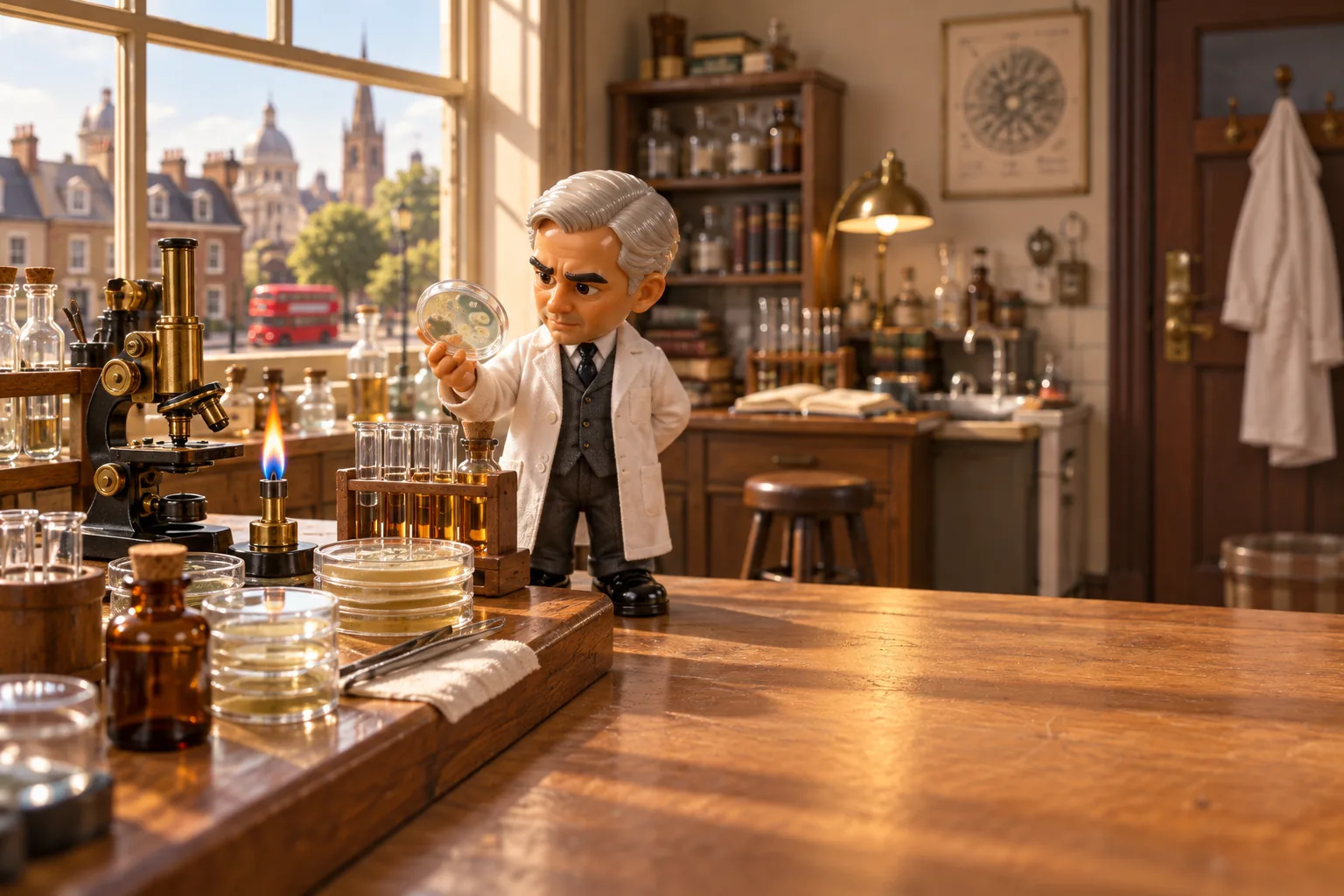 3 September 1928 · St Mary's Hospital, LondonPenicillinA Scottish doctor came back from his summer holiday, found mould on a forgotten dish of bacteria, and saw that the bacteria around it had died.
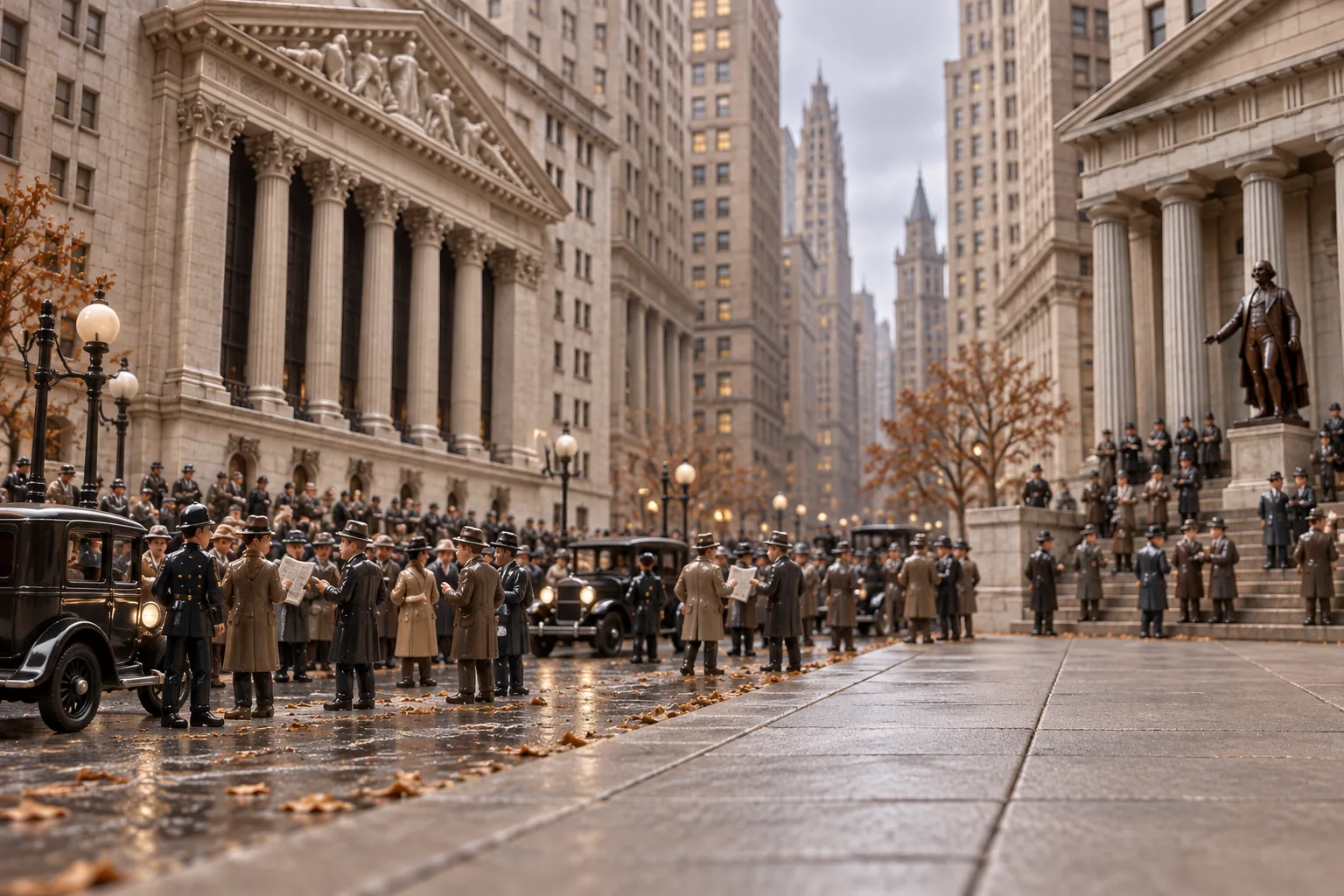 24–29 October 1929 · New York Stock Exchange, Wall Street, New York CityWall Street crash of 1929After the crash, the Dow Jones index needed 25 years to climb back to its peak of September 1929.
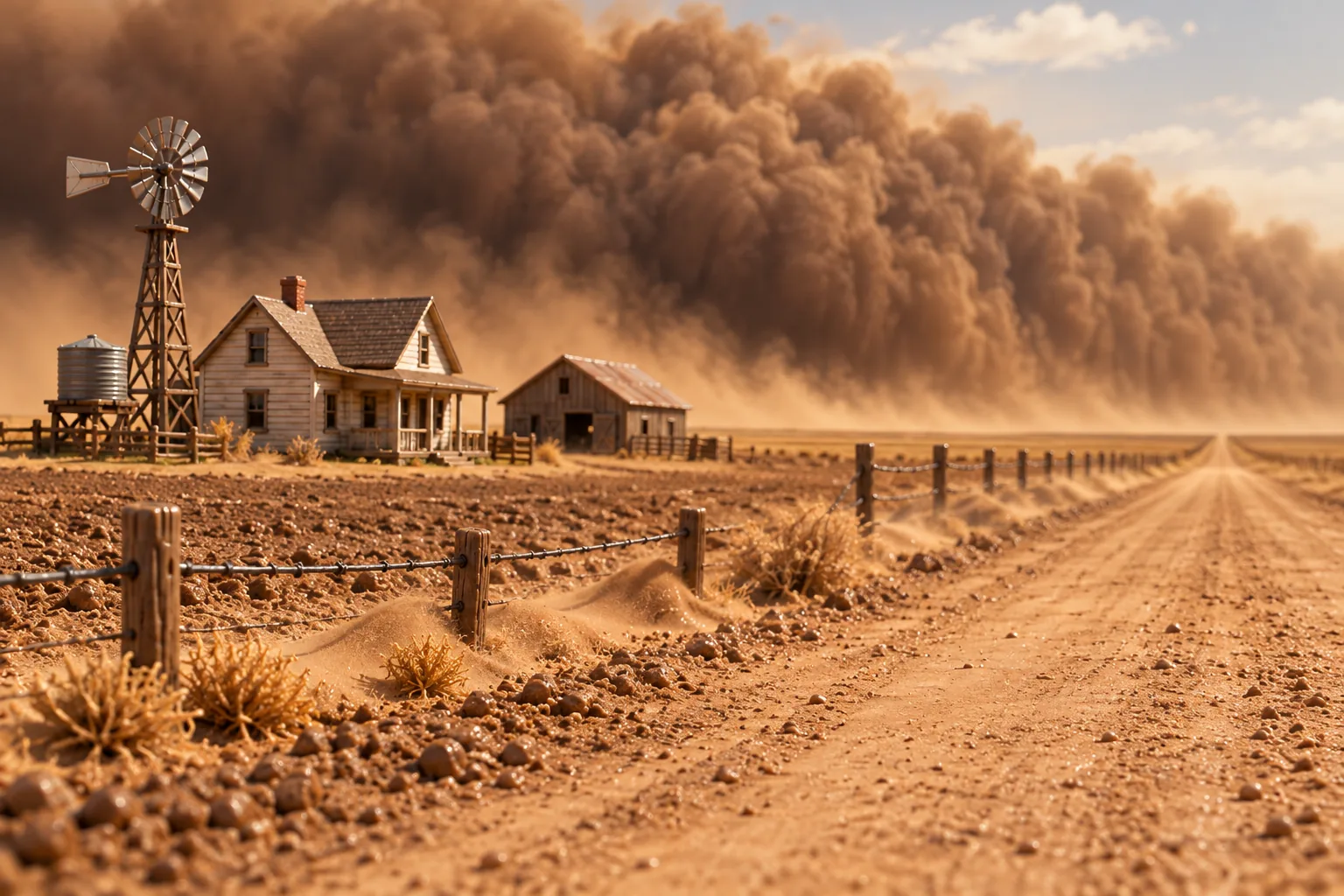 1930–1940 (Black Sunday: 14 April 1935) · Boise City, Oklahoma Panhandle, United StatesDust BowlIn May 1934 a single dust storm from the Great Plains dropped millions of pounds of dust on Chicago, and the winter after, red snow fell in New England.
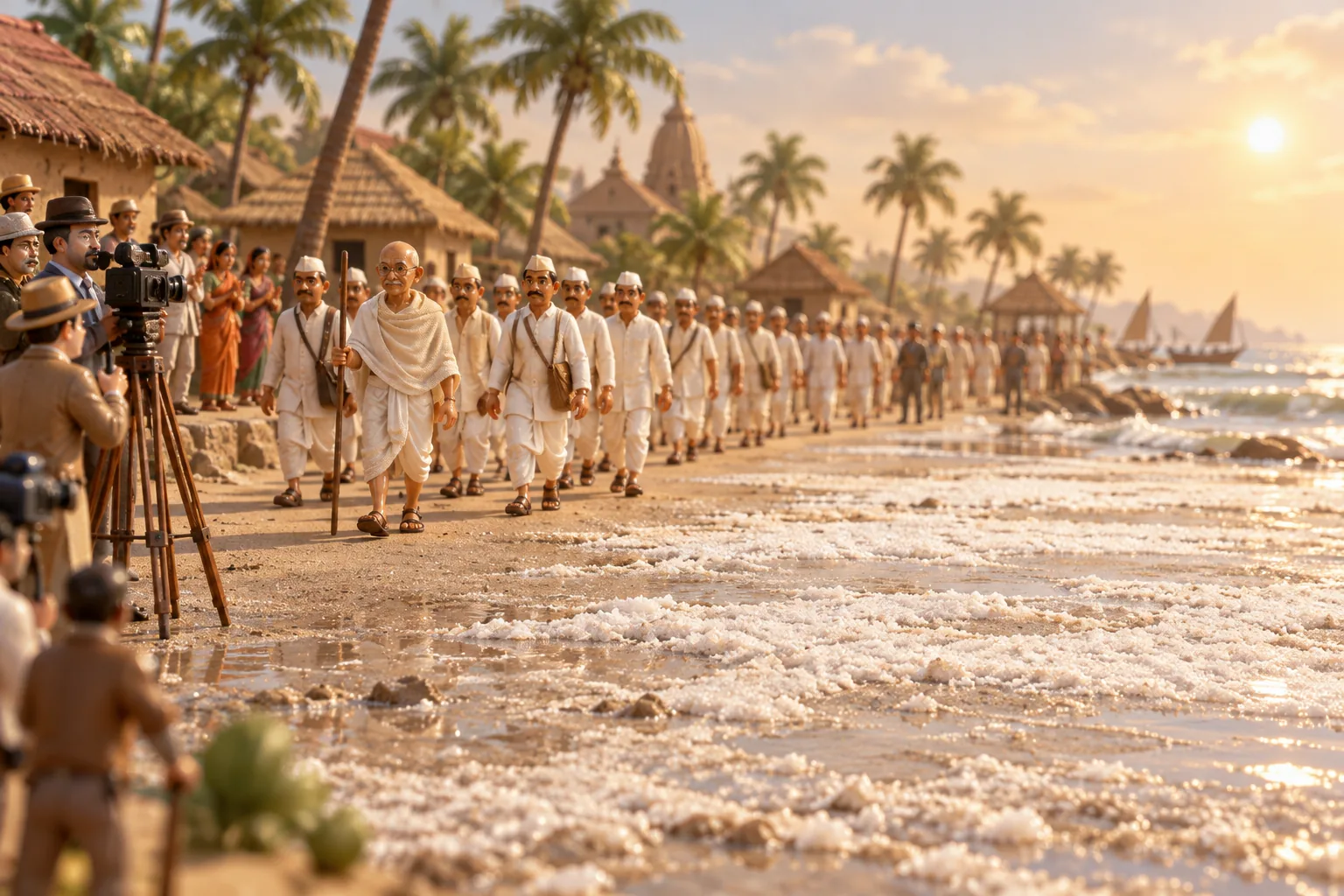 12 March – 6 April 1930 · From Sabarmati Ashram, Ahmedabad, to Dandi on the coast of Gujarat, British IndiaSalt MarchOn a beach in Gujarat a thin man in a homespun cloth picked up a lump of salty mud and said it would shake the foundations of the British Empire.
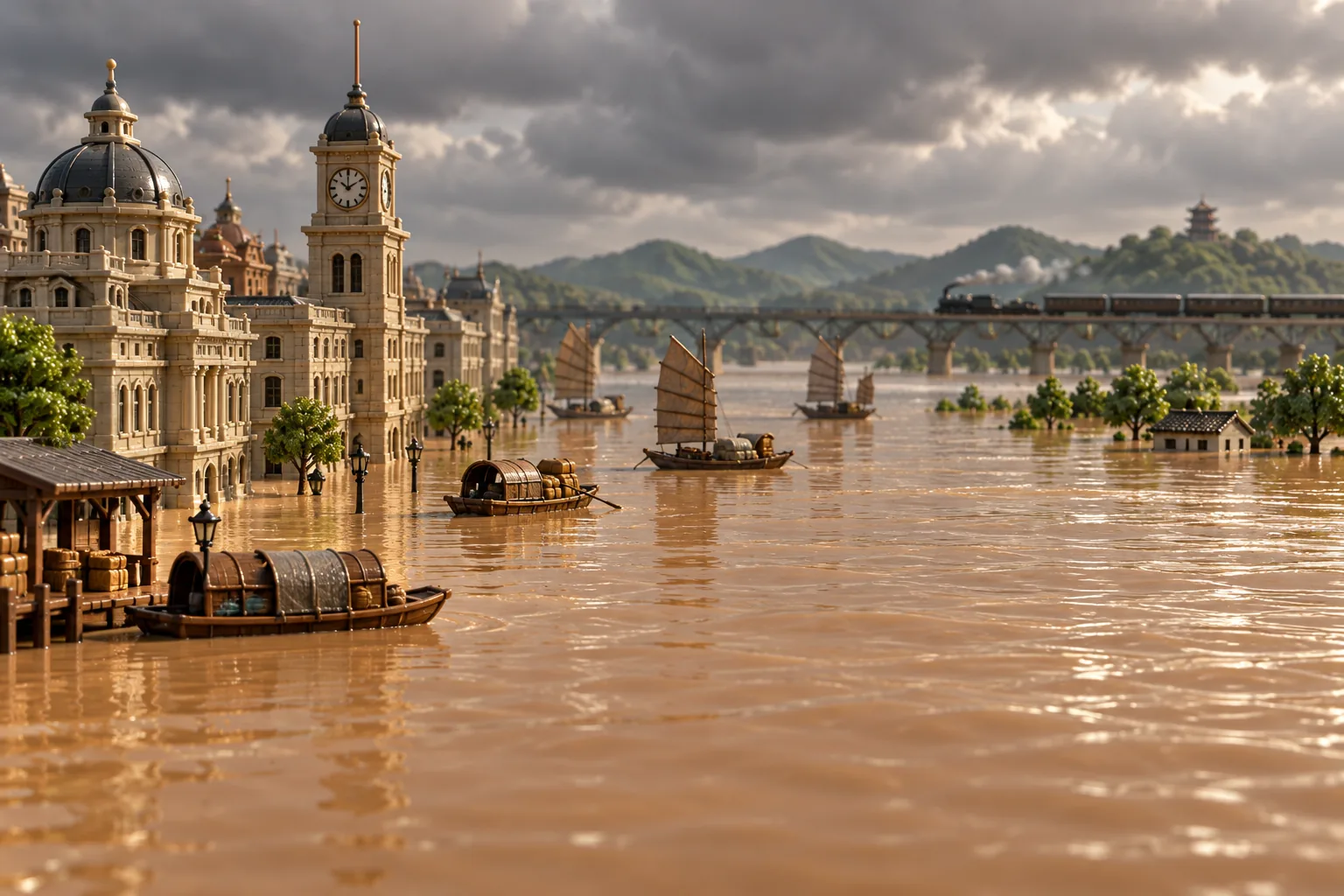 June–August 1931 · Yangtze and Huai river valleys; Wuhan, Hubei, China1931 China floodsA city of hundreds of thousands stood under many feet of water for almost three months, and the world barely noticed.
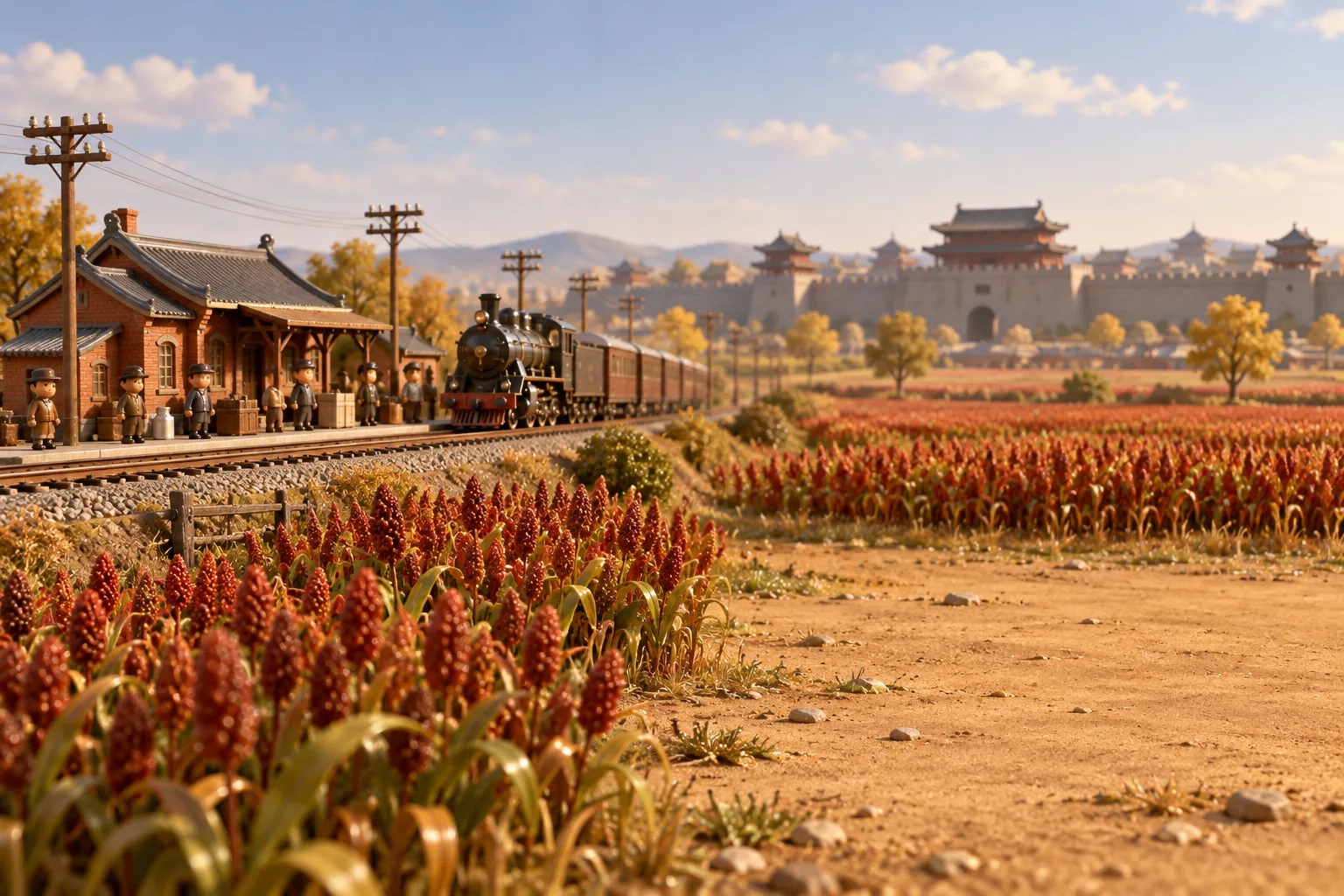 18 September 1931 – February 1932 · Mukden (Shenyang), Manchuria, ChinaJapanese invasion of ManchuriaThe explosion that started the war was so small that it did no real damage to the railway; it only had to be loud enough to serve as an excuse.
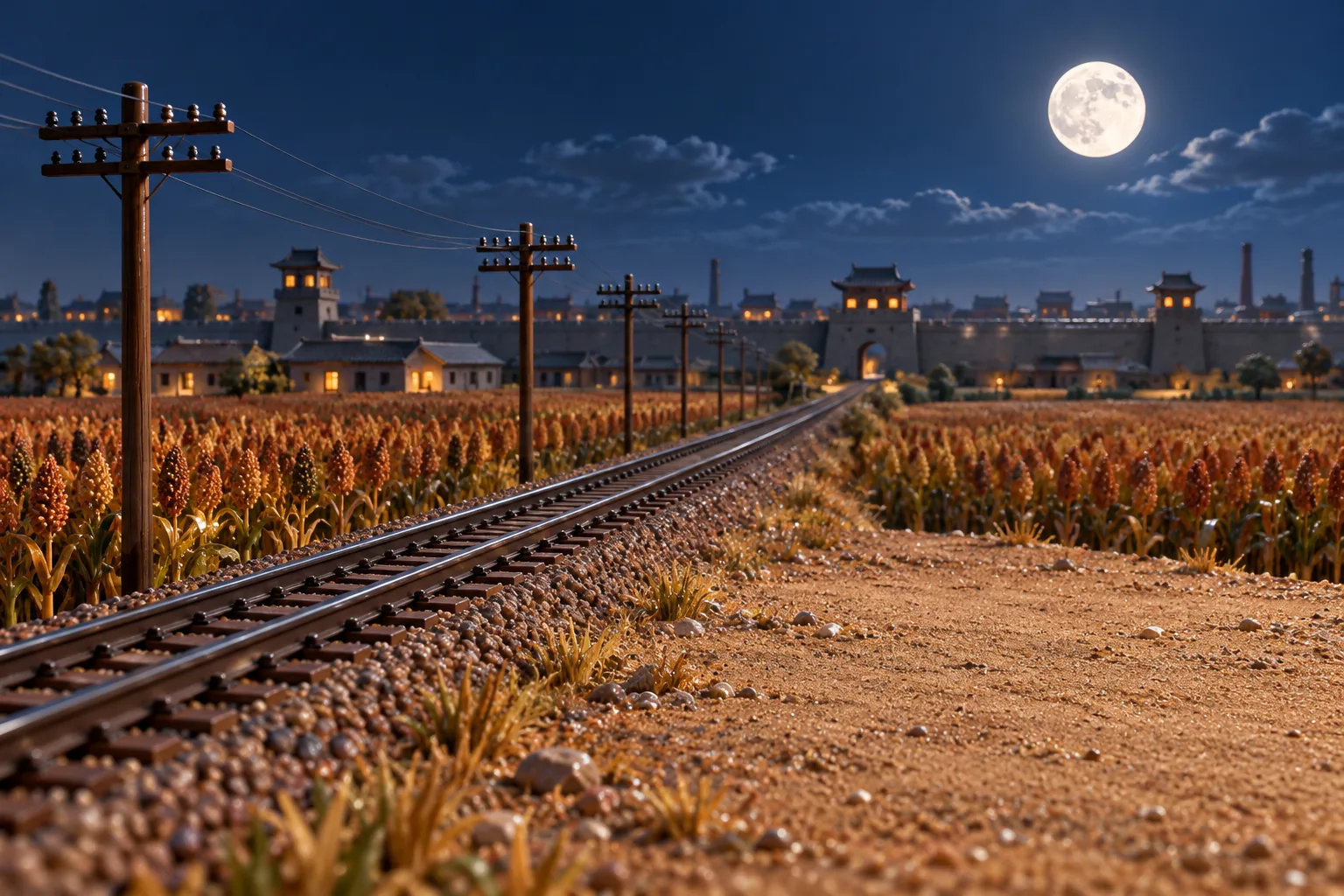 18 September 1931, 22:20 · Liutiao Lake, on the South Manchuria Railway near Mukden (Shenyang), ChinaMukden incidentThe bomb that started a war was so small that a train rolled over the damaged rail ten minutes later and reached the station on time.
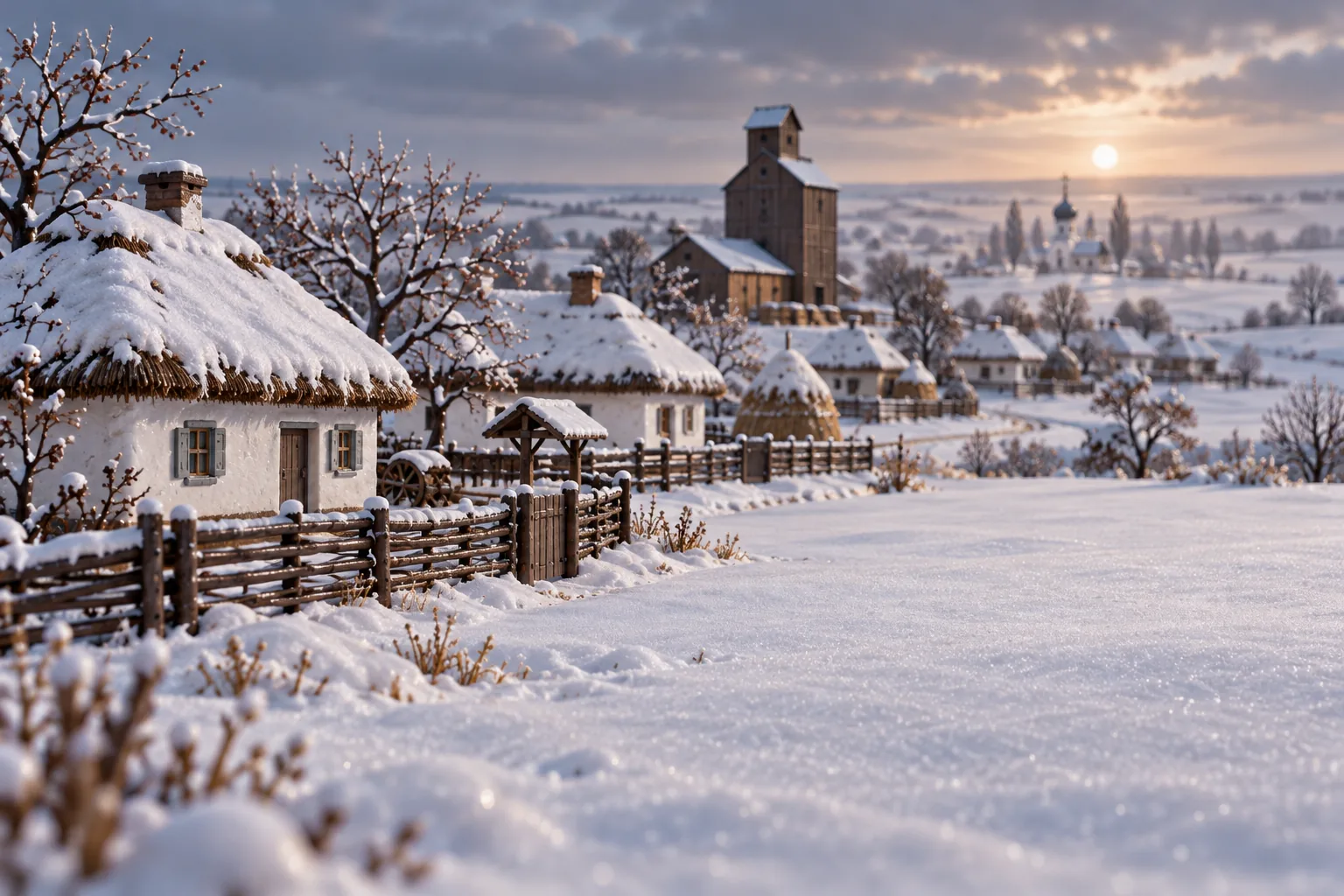 1932–1933 · Soviet UkraineHolodomorIts name means "death by hunger", and for half a century people in the Soviet Union were not allowed to speak of it.
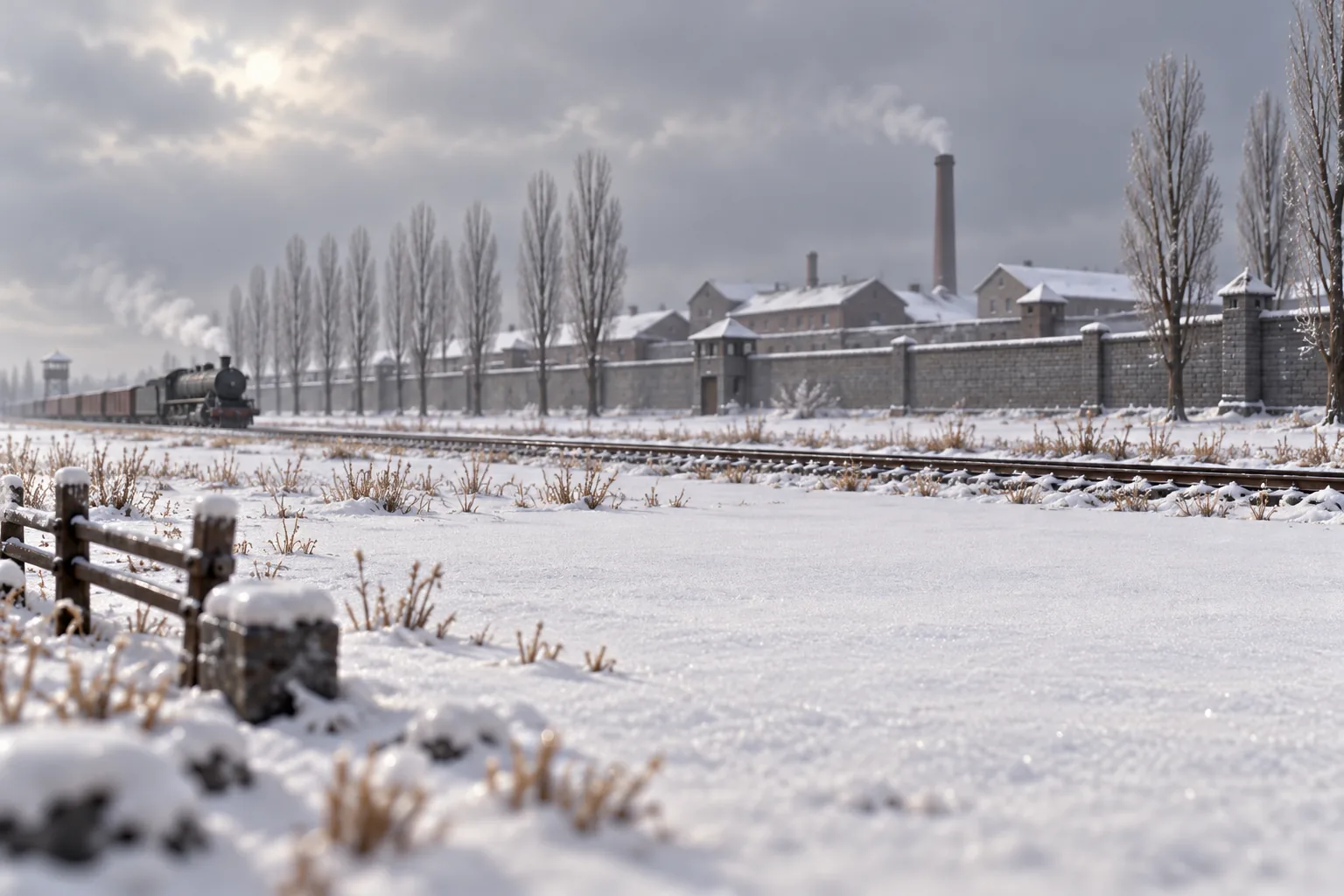 1933–1945 · Pingfang, Harbin, ChinaUnit 731After the war its leaders were never tried by the United States: they were granted immunity in exchange for their research data.
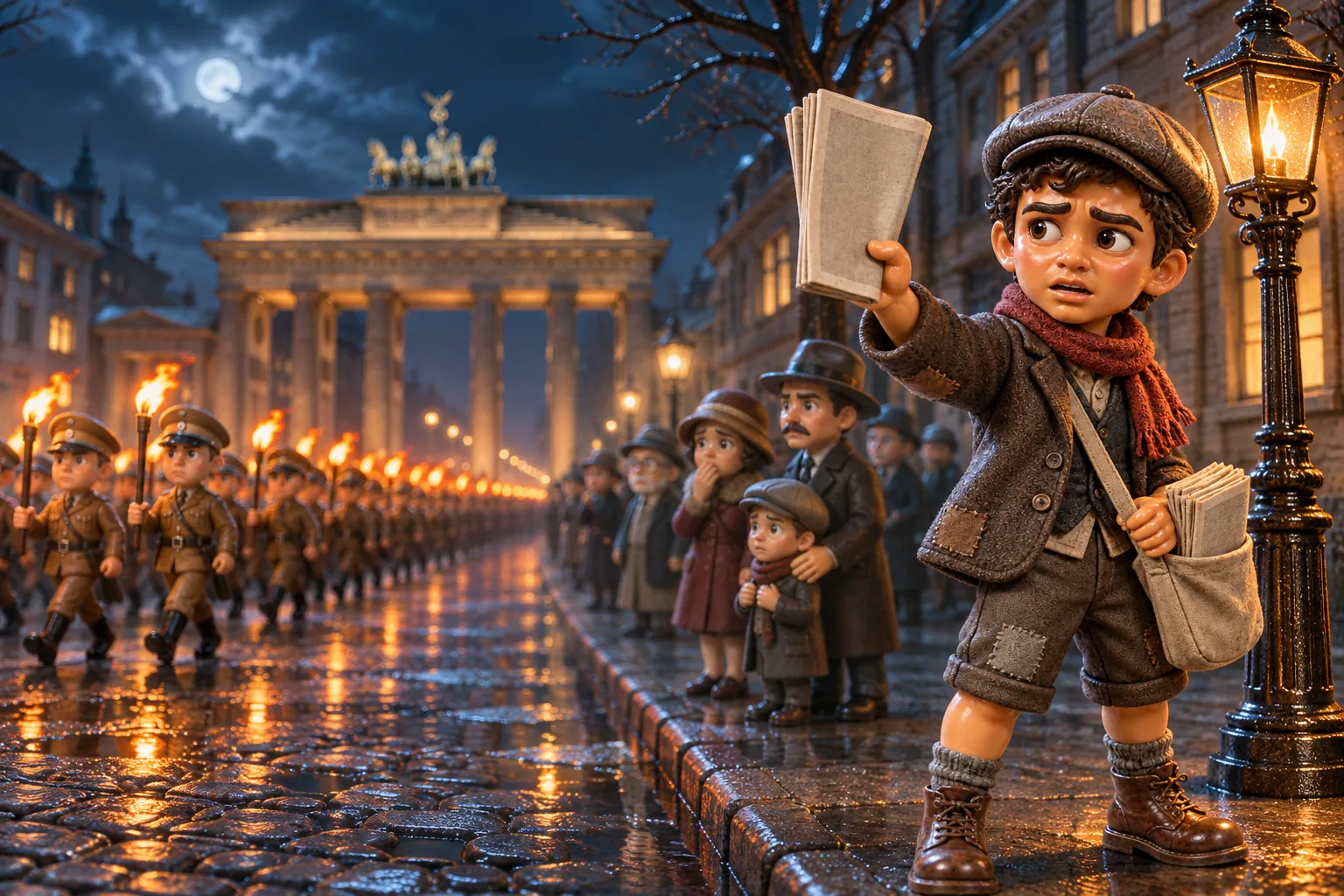 30 January 1933 · Berlin, GermanyHitler comes to powerHitler did not seize power in 1933. He was handed it by conservatives who were sure they could tame him.
 1933–1939 · Washington, D.C., United StatesNew DealWhen Roosevelt took the oath of office, a quarter of American workers had no job and many people could not get at their money in the bank.
 October 1934 – October 1935 · Southern and western China, from Jiangxi to Shaanxi; Luding Bridge, SichuanLong MarchAbout 86,000 soldiers set out on a retreat through mountains, rivers and marshes; a year later only about 8,000 of them arrived.
 17 July 1936 – 1 April 1939 · Madrid, SpainSpanish Civil WarVolunteers from dozens of countries, among them the writer George Orwell, went to Spain to fight in what many saw as the opening round of a world war.
 1936–1938 · Moscow, RussiaStalin's Great TerrorIn the Soviet Union of 1937 the police worked to quotas, and anyone could be next, including the men running the terror.
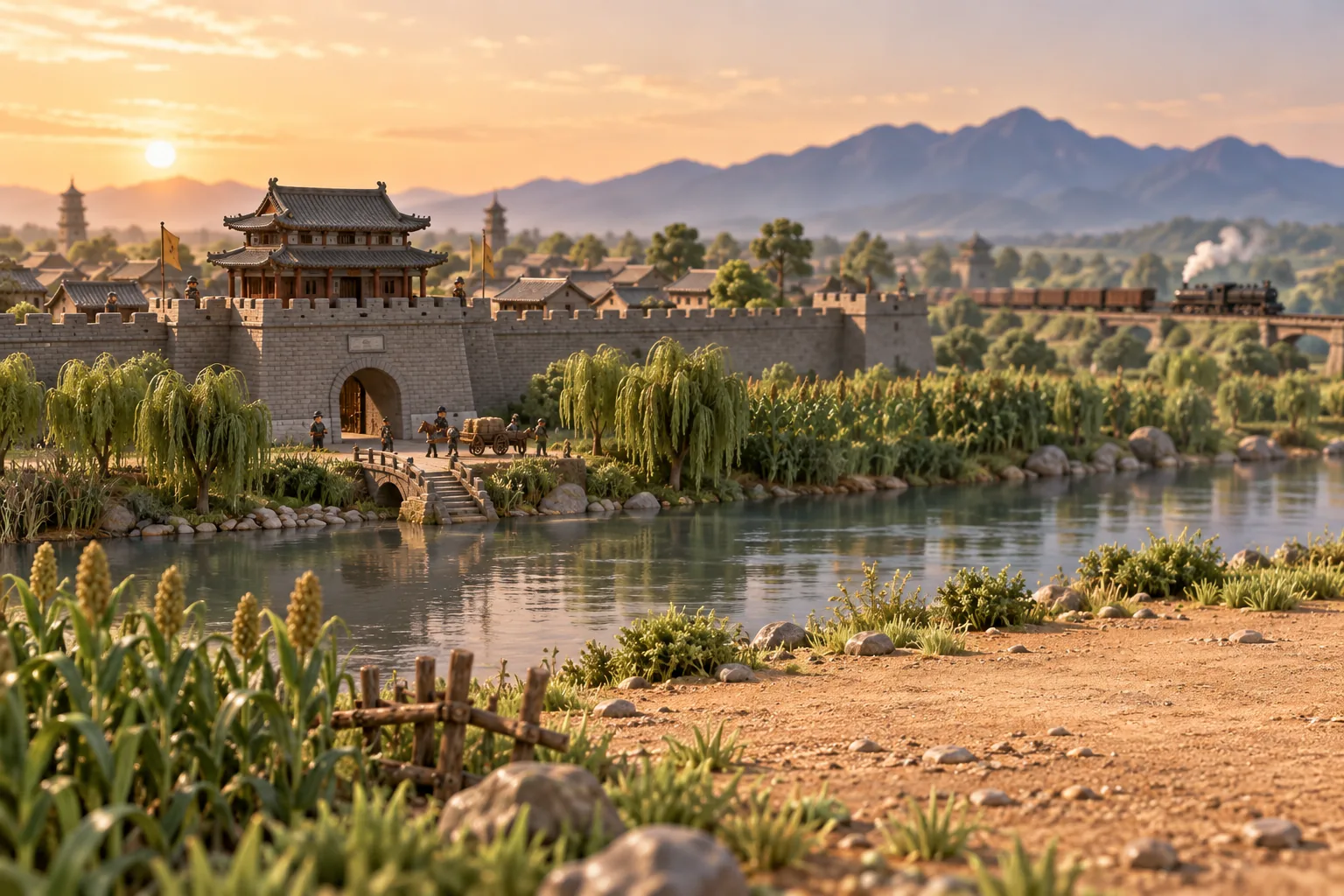 7 July 1937 – 2 September 1945 · Marco Polo Bridge, near Beijing, ChinaSecond Sino-Japanese WarThe war began when Japanese troops on a night exercise said one of their soldiers had gone missing and demanded to search a Chinese town.
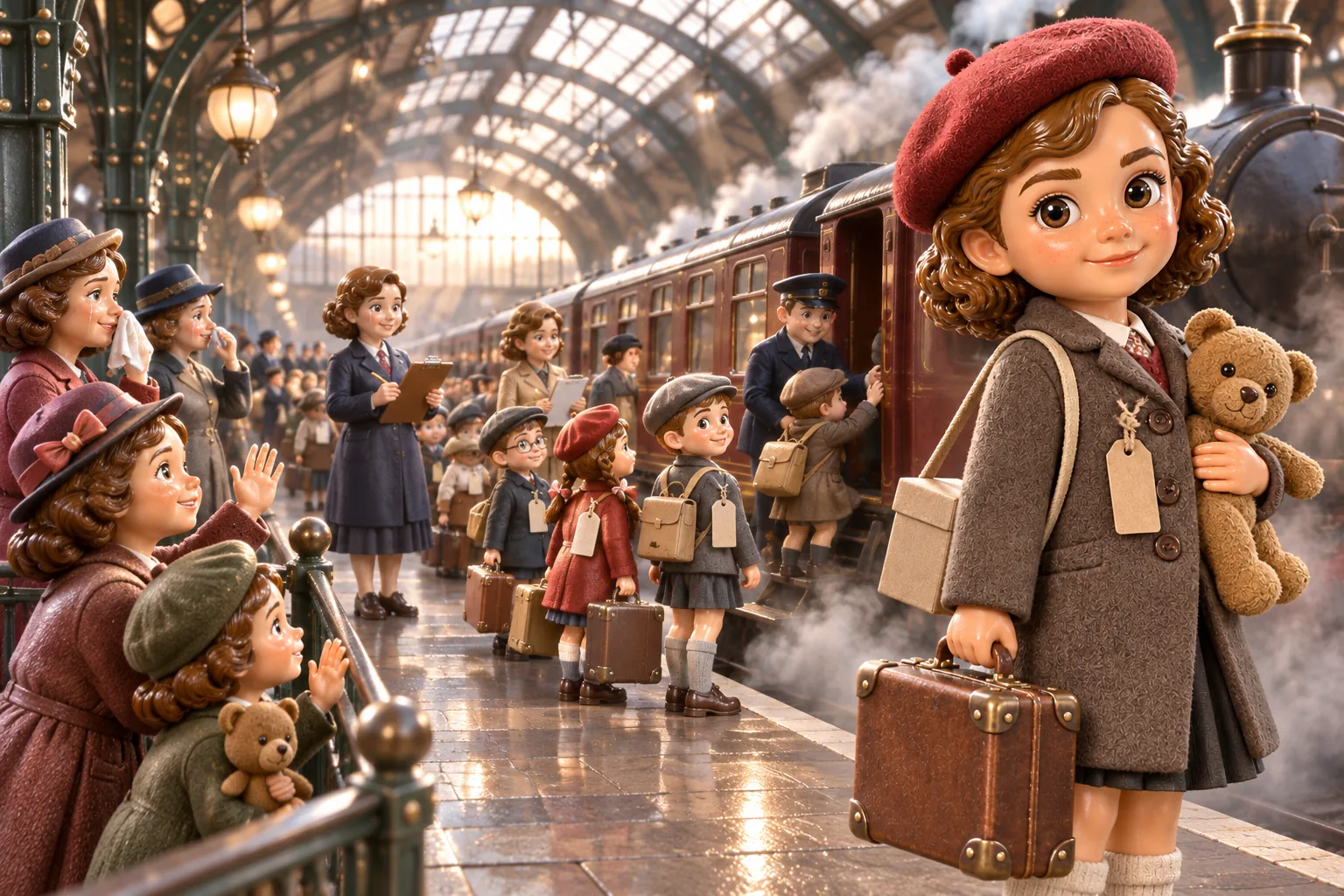 1 September 1939 – 2 September 1945 · Westerplatte, Gdańsk, PolandWorld War IIAt 4:45 in the morning an old German battleship opened fire on a small Polish fort on the Baltic, and the deadliest war in history began.
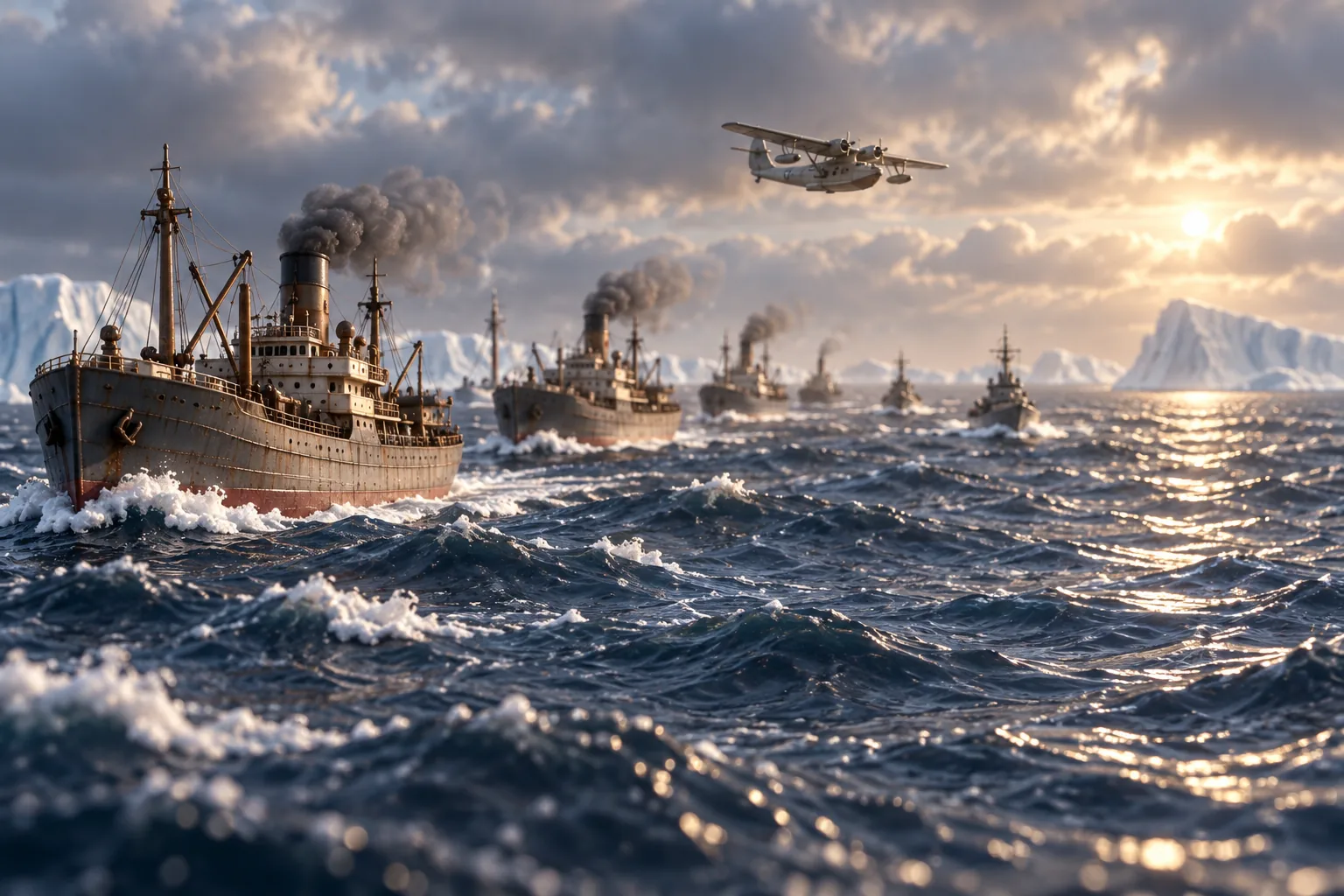 1939–1945 · North Atlantic Ocean, the convoy routes between North America and BritainBattle of the AtlanticChurchill wrote that the only thing that really frightened him during the whole war was the U-boat peril, more even than the Battle of Britain.
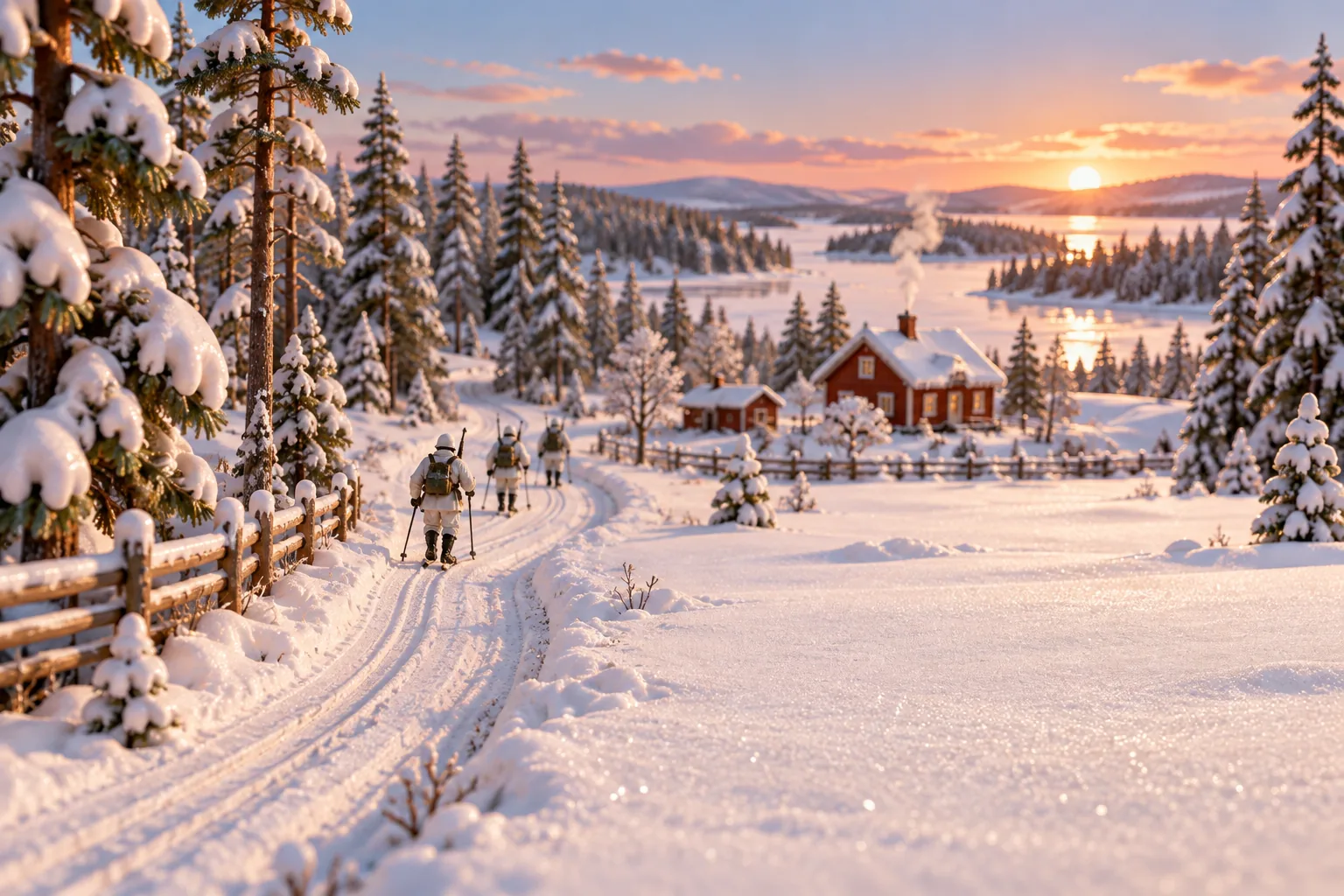 30 November 1939 – 13 March 1940 · Suomussalmi and the Raate Road, eastern FinlandWinter WarWhen Soviet bombs fell on Finnish cities, Molotov claimed his planes were dropping food to the starving Finns, so the Finns nicknamed the bombs 'Molotov bread baskets'.
 22 June – 5 December 1941 · Kyiv, Soviet UnionOperation BarbarossaStalin had been warned that an attack was coming, but he refused to mobilise the Red Army for fear of provoking Germany.
 7 December 1941 – 2 September 1945 · Pacific Ocean, East and Southeast AsiaPacific WarFor six months after Pearl Harbor Japan seemed unstoppable; then, near a tiny atoll called Midway, it lost four aircraft carriers in a single day.
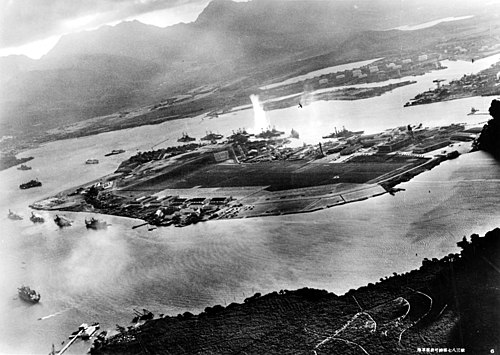 7 December 1941 · Pearl Harbor, Oahu, HawaiiAttack on Pearl HarborAn Army radar on Oahu picked up the Japanese planes as they approached, and the officer on duty decided they were American bombers due in from California.
 1942–1946 · Los Alamos, New Mexico, United StatesManhattan ProjectTo wind the giant magnets that separated uranium, the Army borrowed 14,700 tons of silver from the US Treasury.
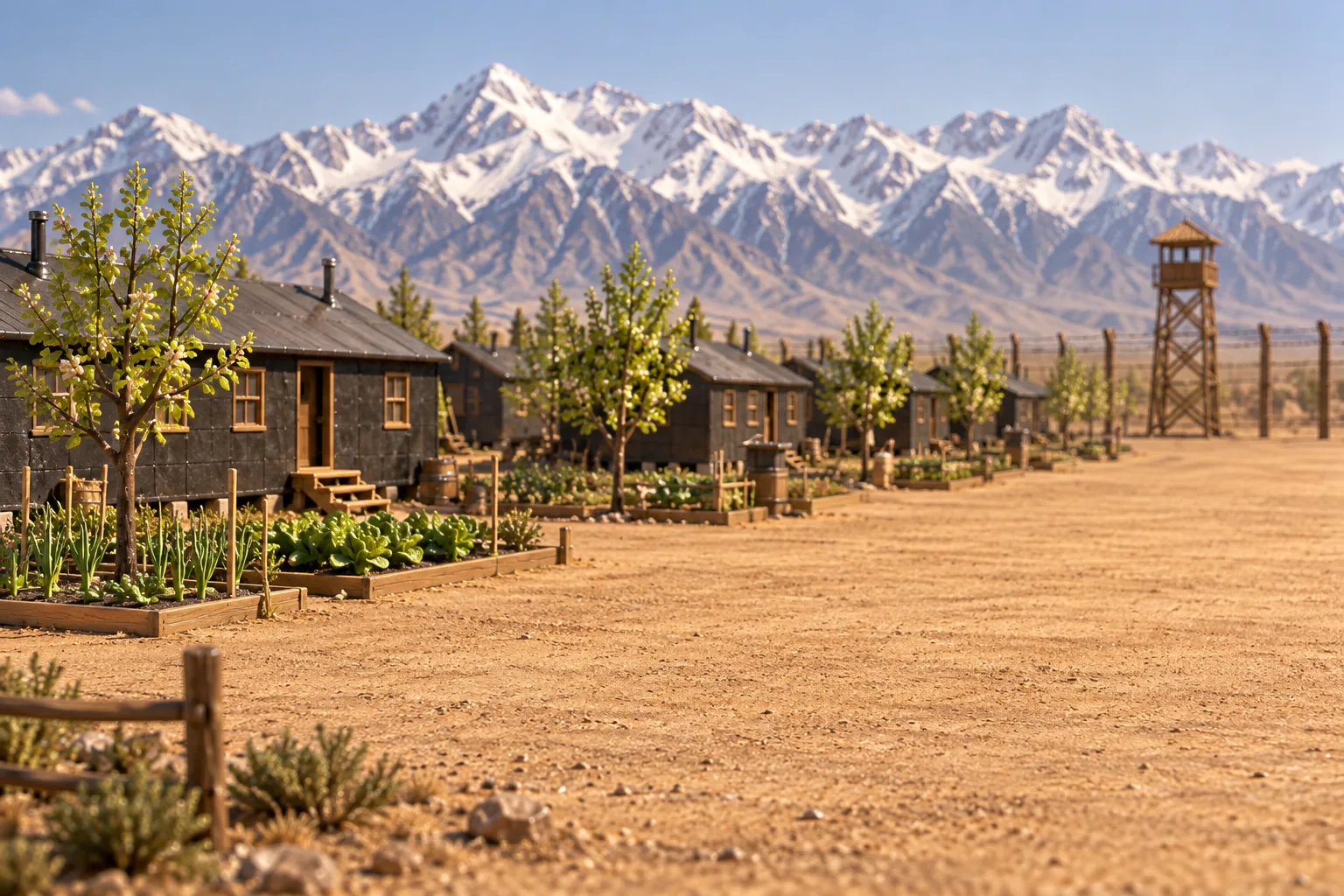 19 February 1942 – 1946 · Manzanar War Relocation Center, Owens Valley, California, and nine other campsInternment of Japanese AmericansFamilies were given days to sell their homes and farms, and were allowed to take only what they could carry into camps behind barbed wire.
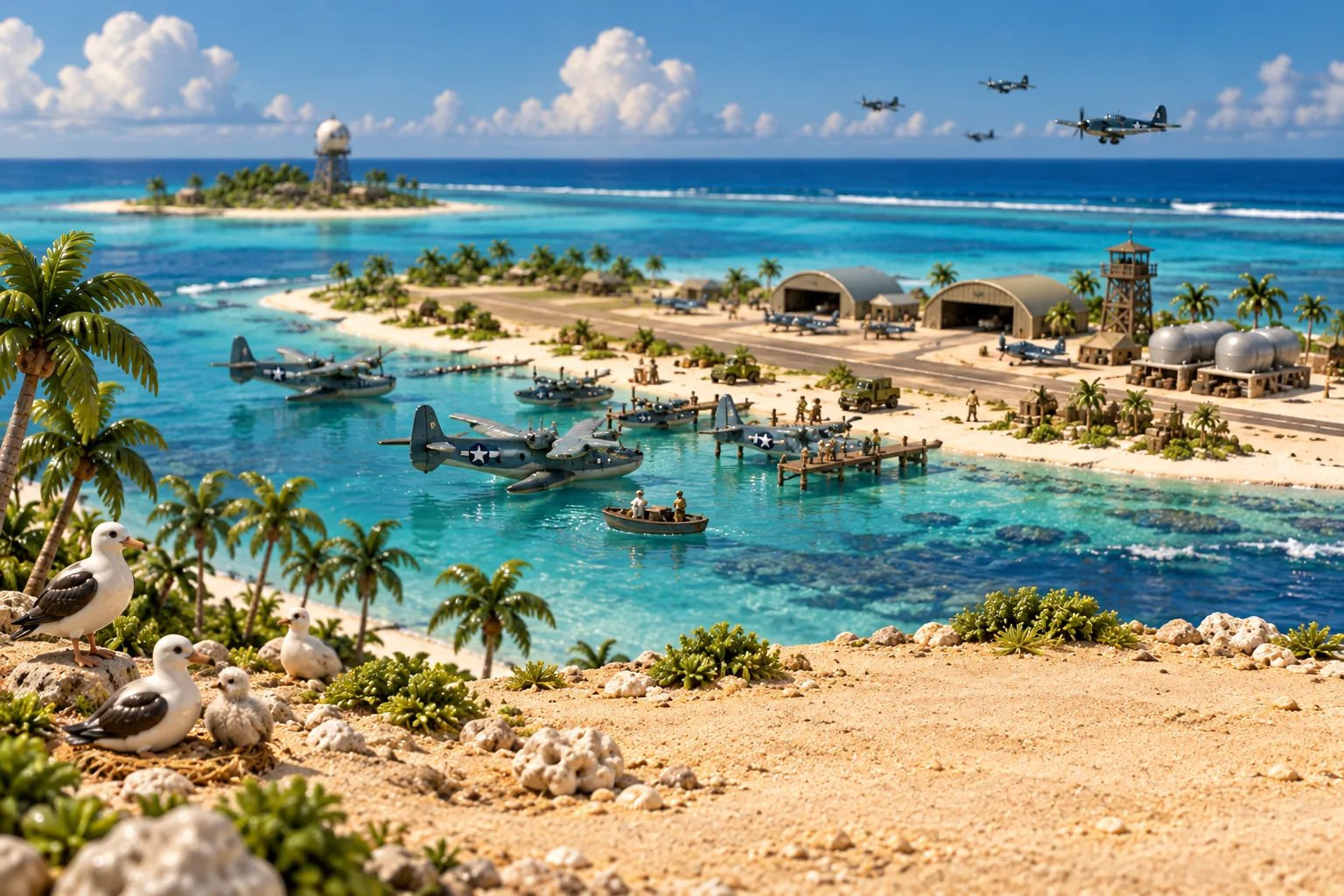 4–7 June 1942 · Midway Atoll, Pacific OceanBattle of MidwayThe battle was won partly by a fake message about a broken water machine, sent so that Japan would give away its own plans.
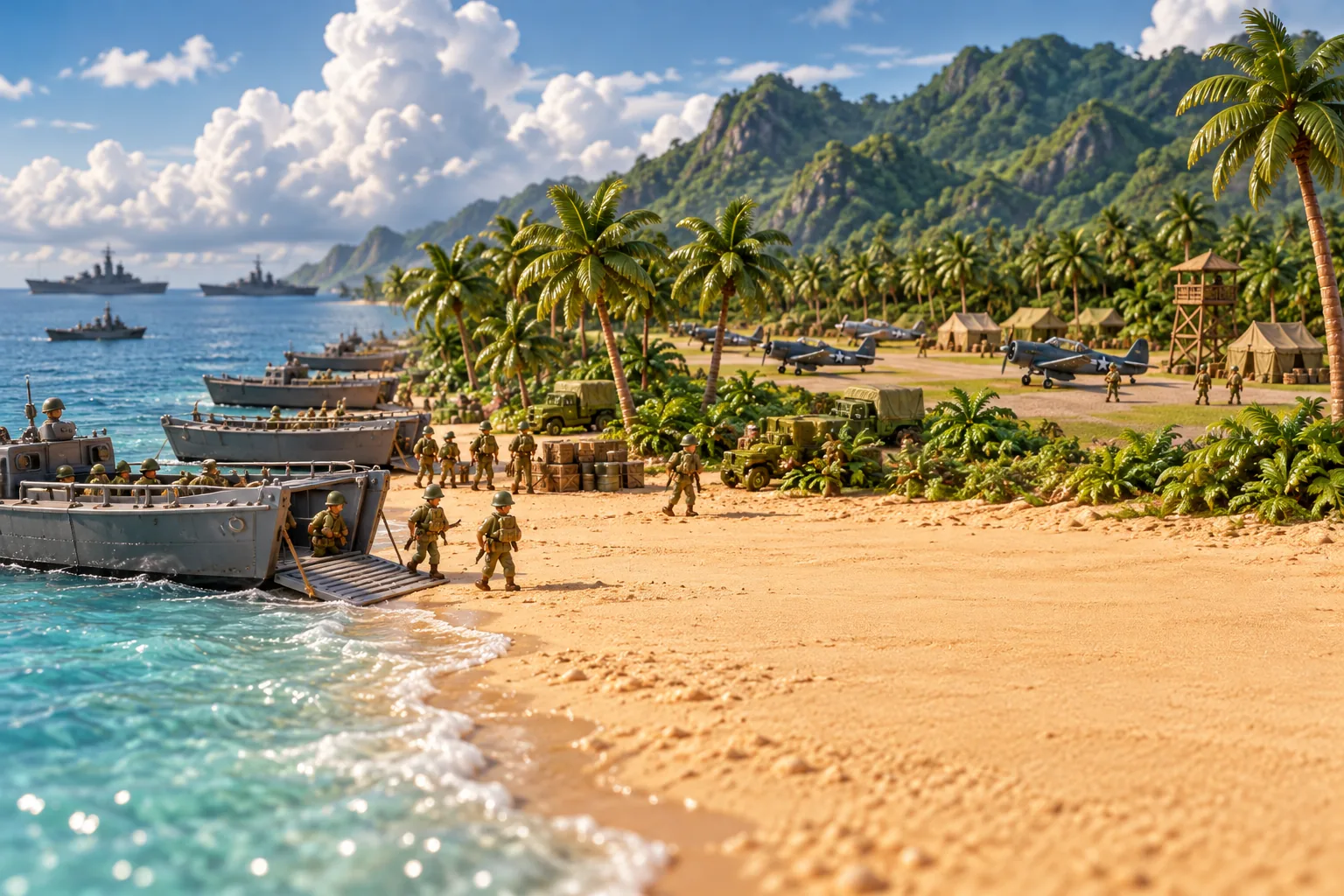 7 August 1942 – 9 February 1943 · Guadalcanal, Solomon IslandsGuadalcanal campaignSix months of fighting over one jungle airstrip turned the Pacific war from defence to attack.
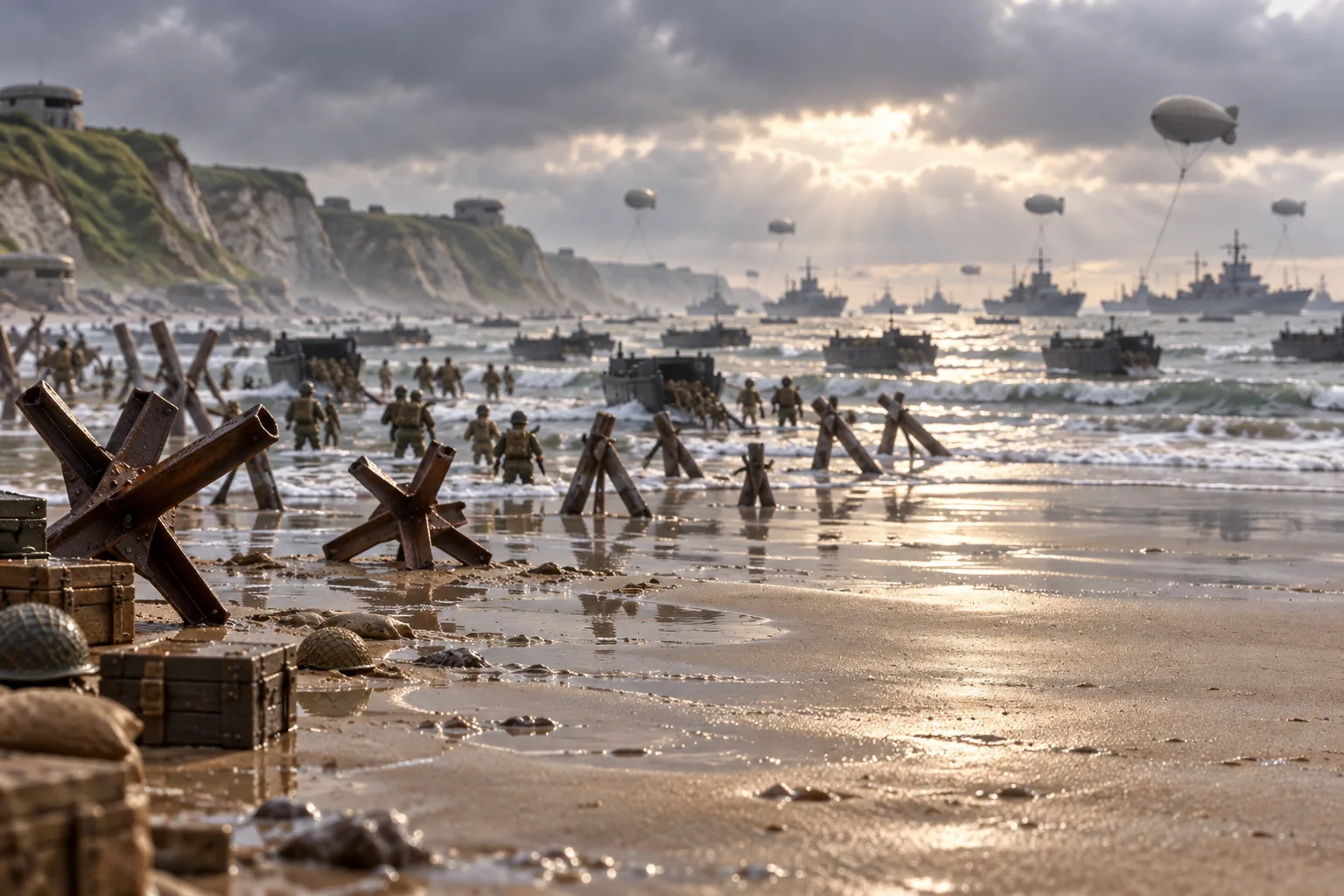 6 June 1944 · Omaha Beach, Normandy, FranceNormandy landingsThe invasion depended so much on the moon and the tides that one more day of bad weather would have pushed it back by at least two weeks.
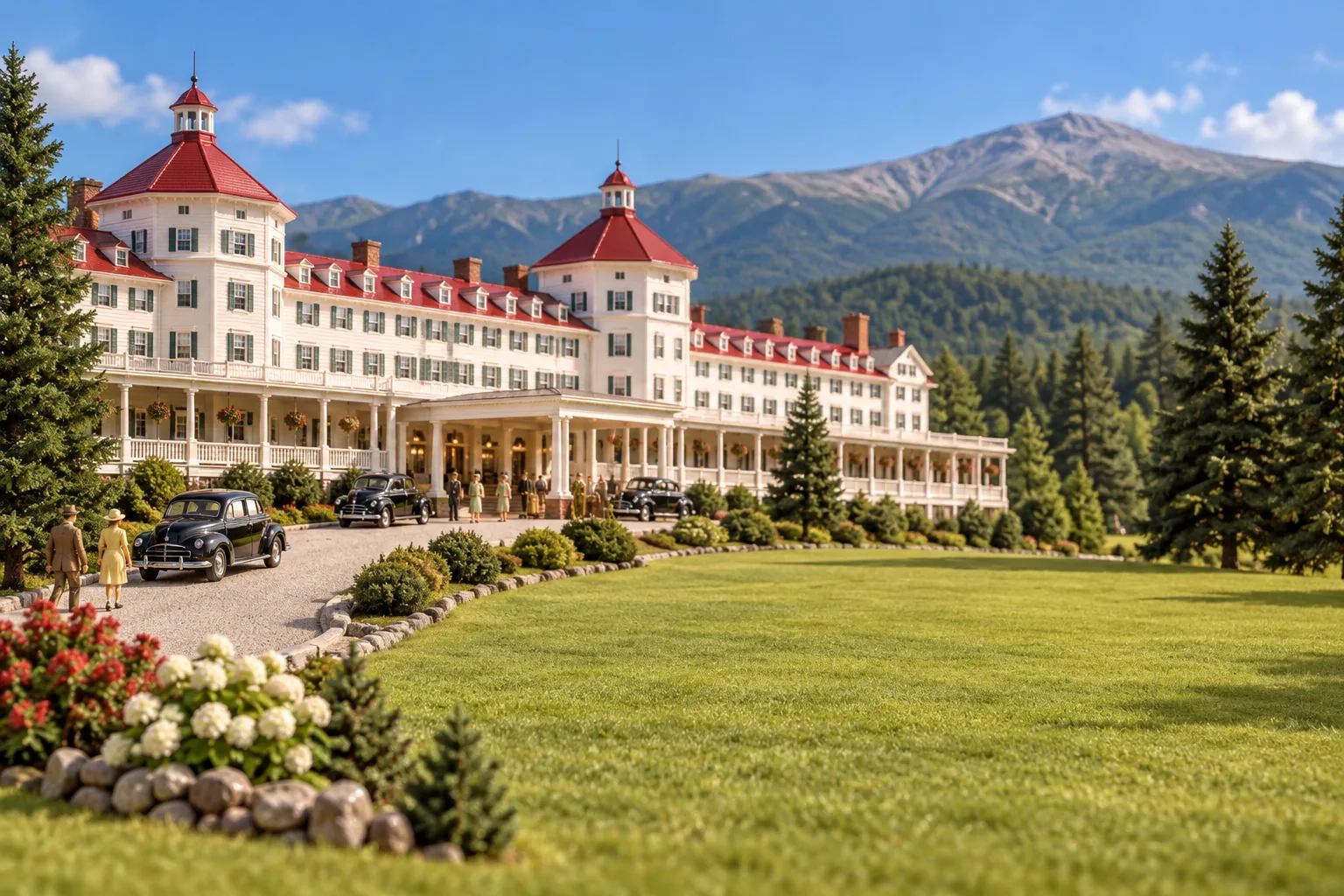 22 July 1944 – 15 August 1971 · Mount Washington Hotel, Bretton Woods, New Hampshire, United StatesBretton Woods systemIn a grand hotel in the New Hampshire mountains, with the Second World War still raging, 44 countries agreed on how the world's money would work for the next 27 years.
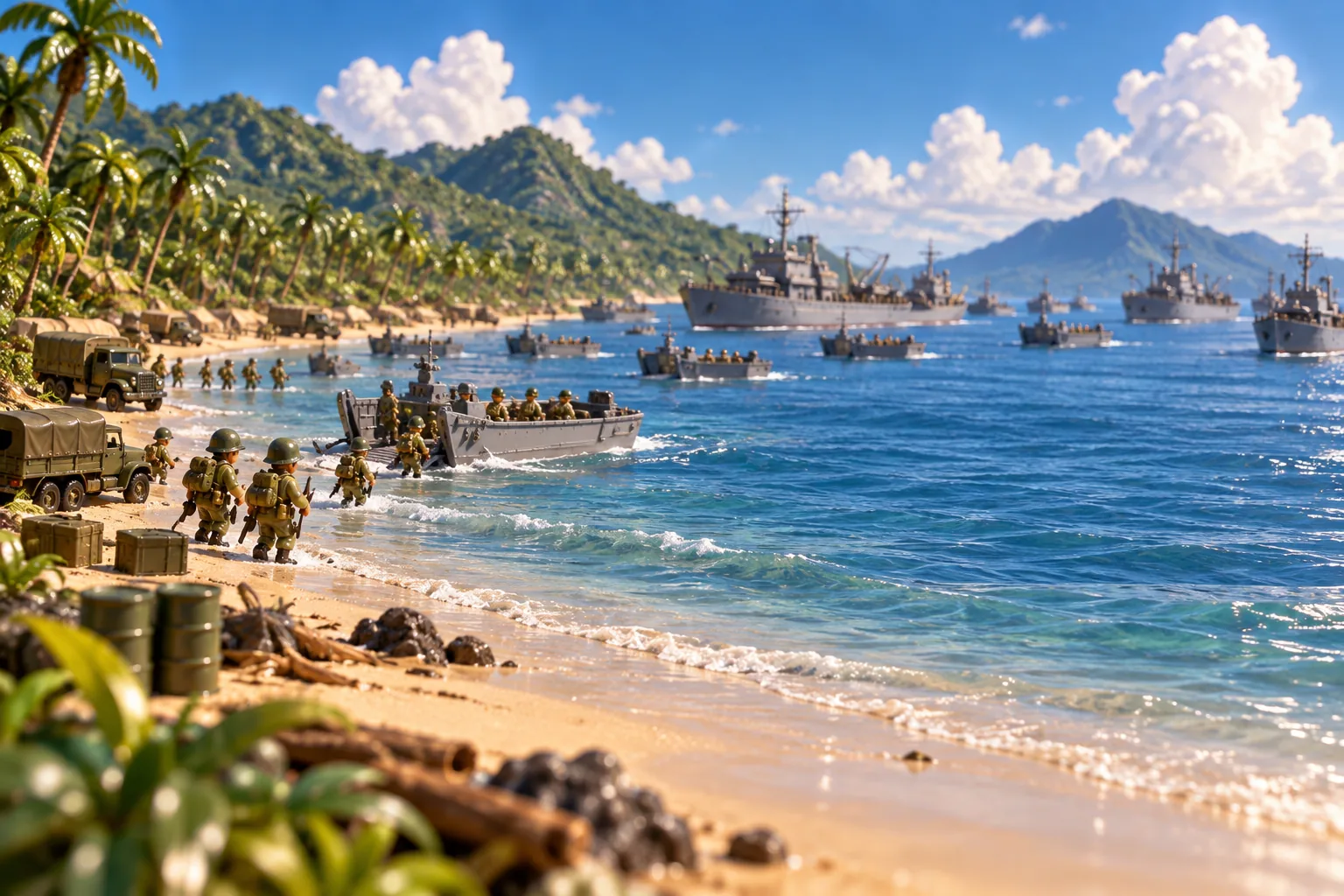 23–26 October 1944 · Leyte Gulf and the seas around Leyte and Samar, PhilippinesBattle of Leyte GulfTo win, Japan sent almost every warship it had left, and used its last aircraft carriers as bait.
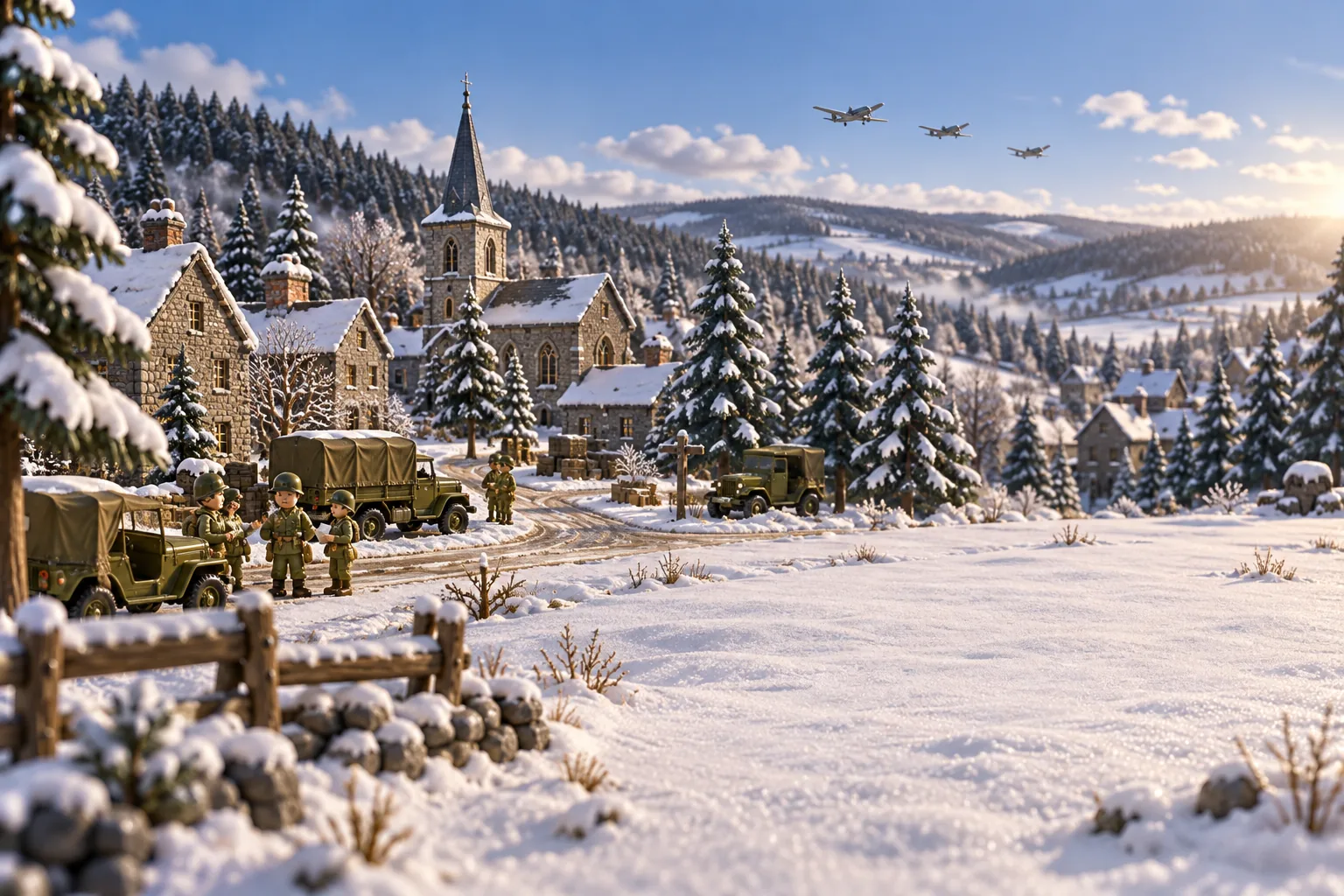 16 December 1944 – 25 January 1945 · Ardennes, Belgium and Luxembourg (Bastogne)Battle of the BulgeSurrounded at Bastogne and asked to surrender, the American general Anthony McAuliffe sent the Germans a one-word reply: 'Nuts!'
Our time 1945 to today
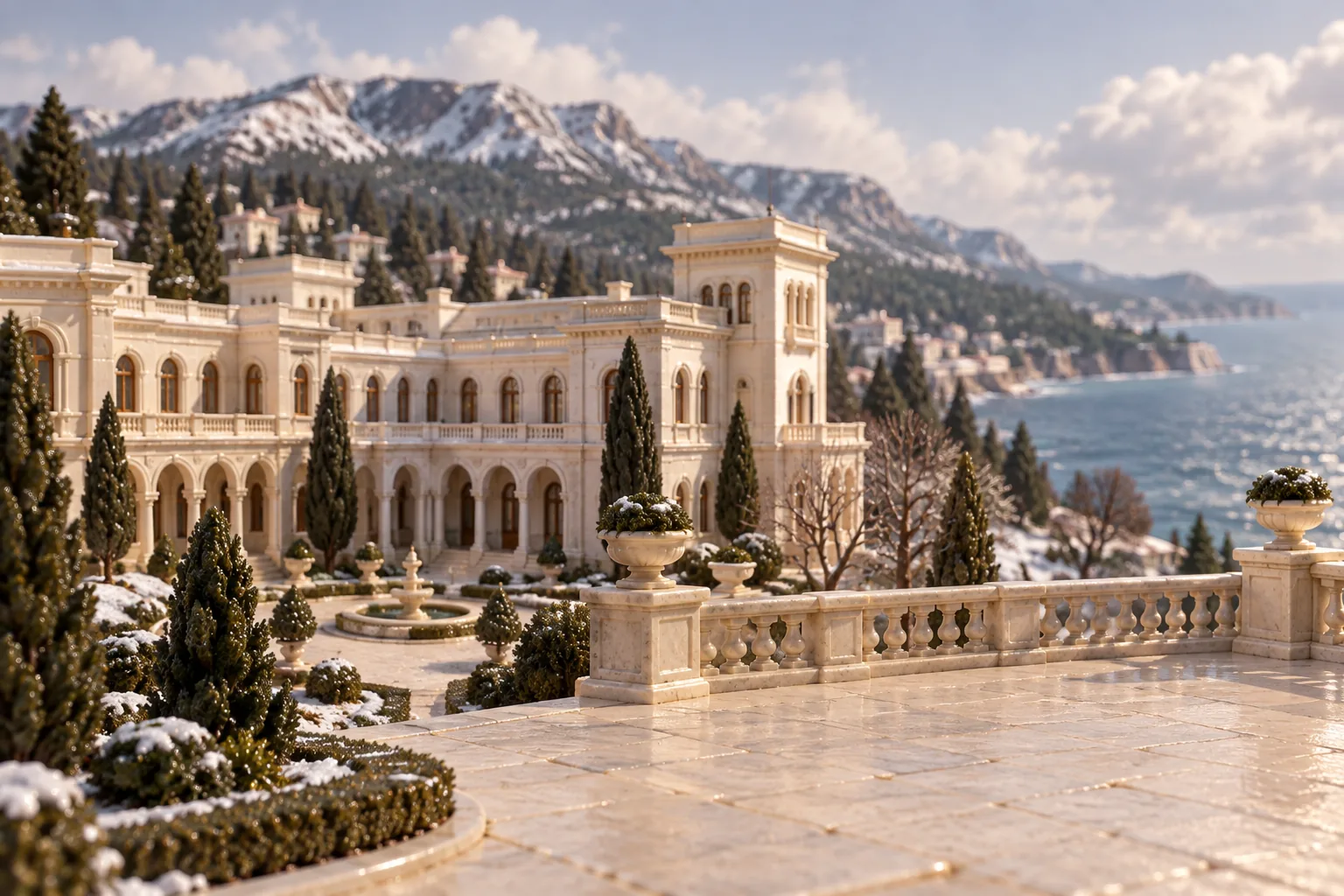 4–11 February 1945 · Livadia Palace, near Yalta, CrimeaYalta ConferenceThe leaders of the three great Allied powers met in palaces on the Black Sea, partly because Stalin said his doctors would not let him travel far.
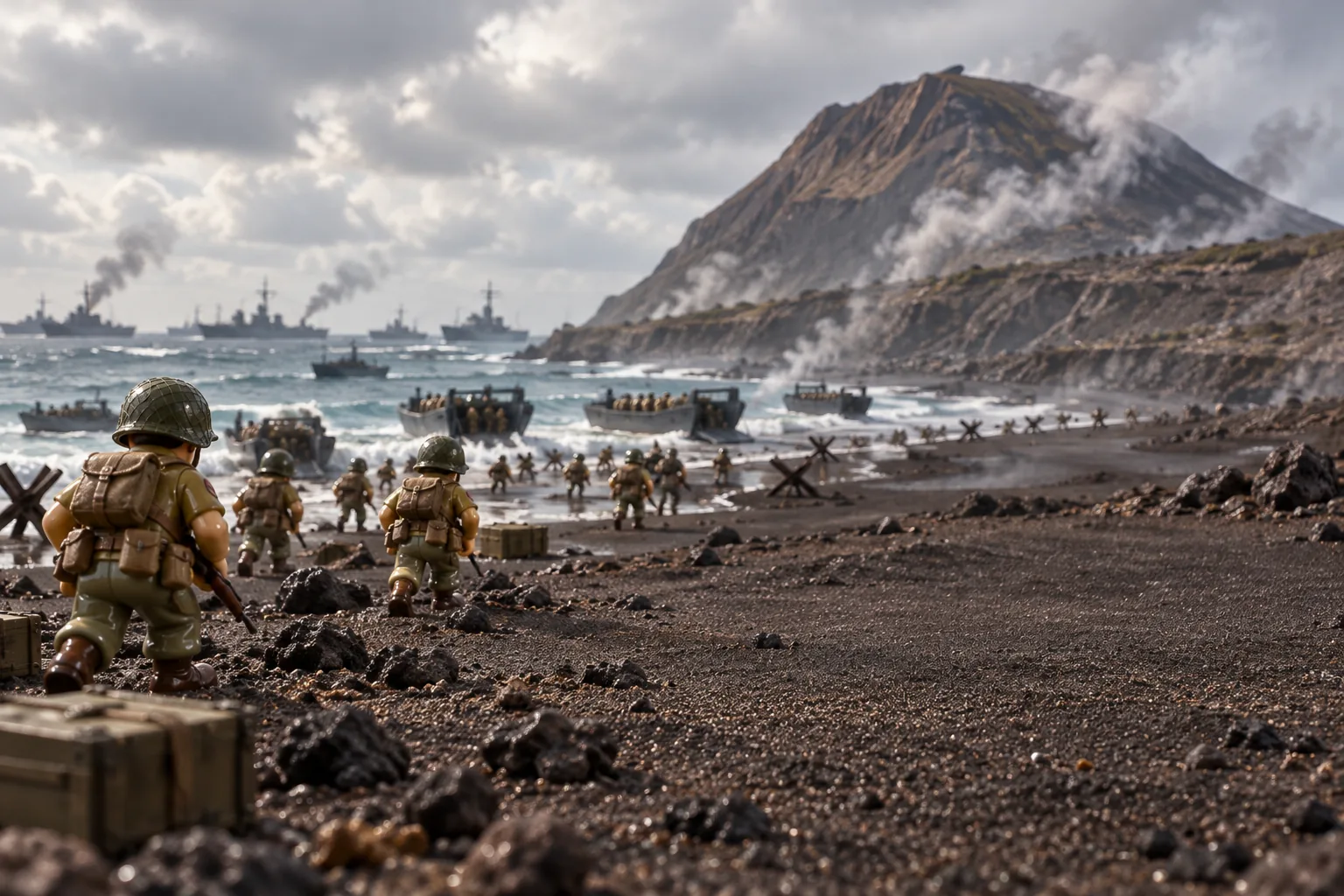 19 February – 26 March 1945 · Iwo Jima, Volcano Islands, JapanBattle of Iwo JimaA small island of black volcanic sand cost more American casualties than its defenders lost, and gave the war its most famous photograph.
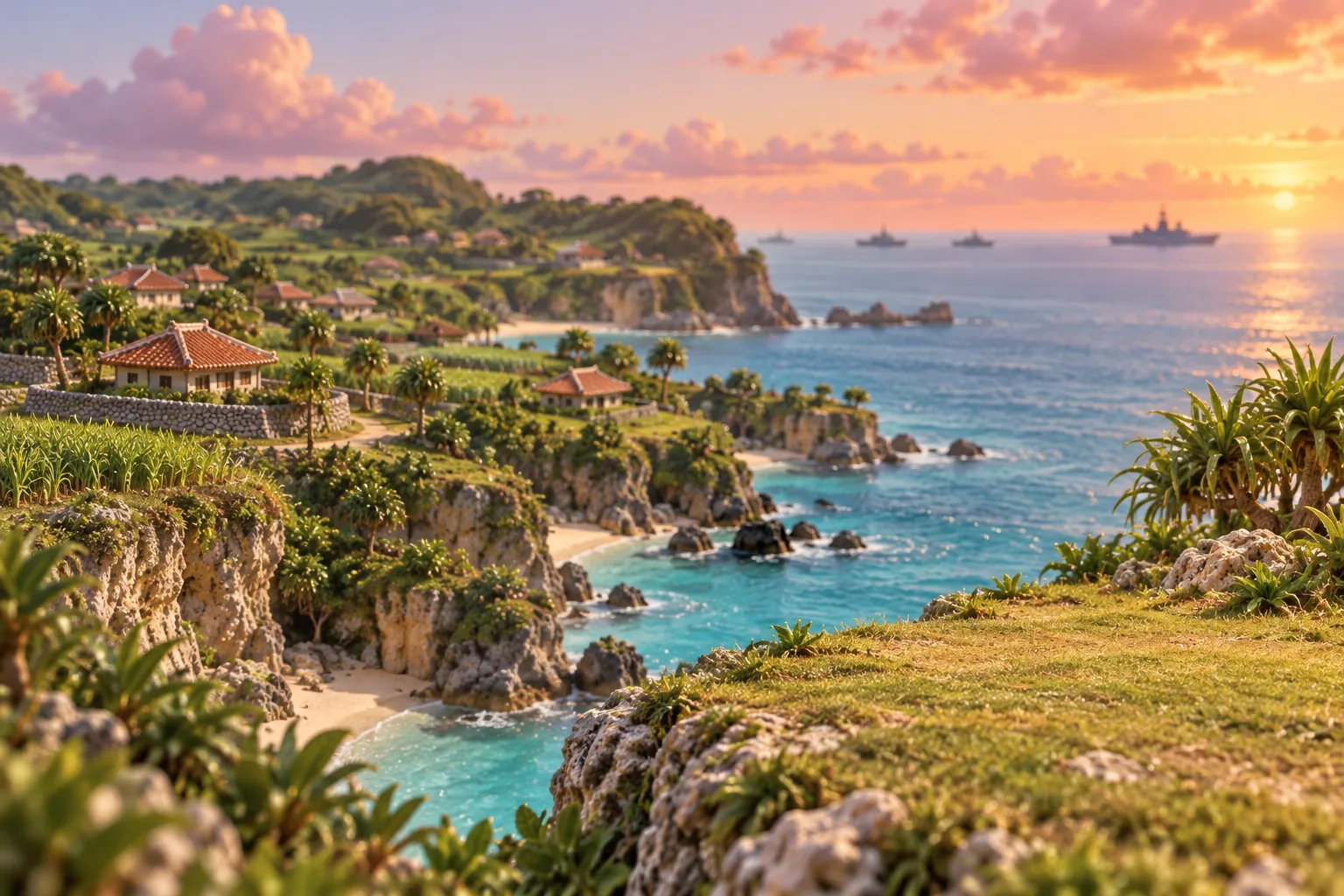 1 April – 22 June 1945 · Okinawa, Ryukyu Islands, JapanBattle of OkinawaIt is remembered in Japanese as the "typhoon of steel", and more Okinawans died in it than soldiers of either army.
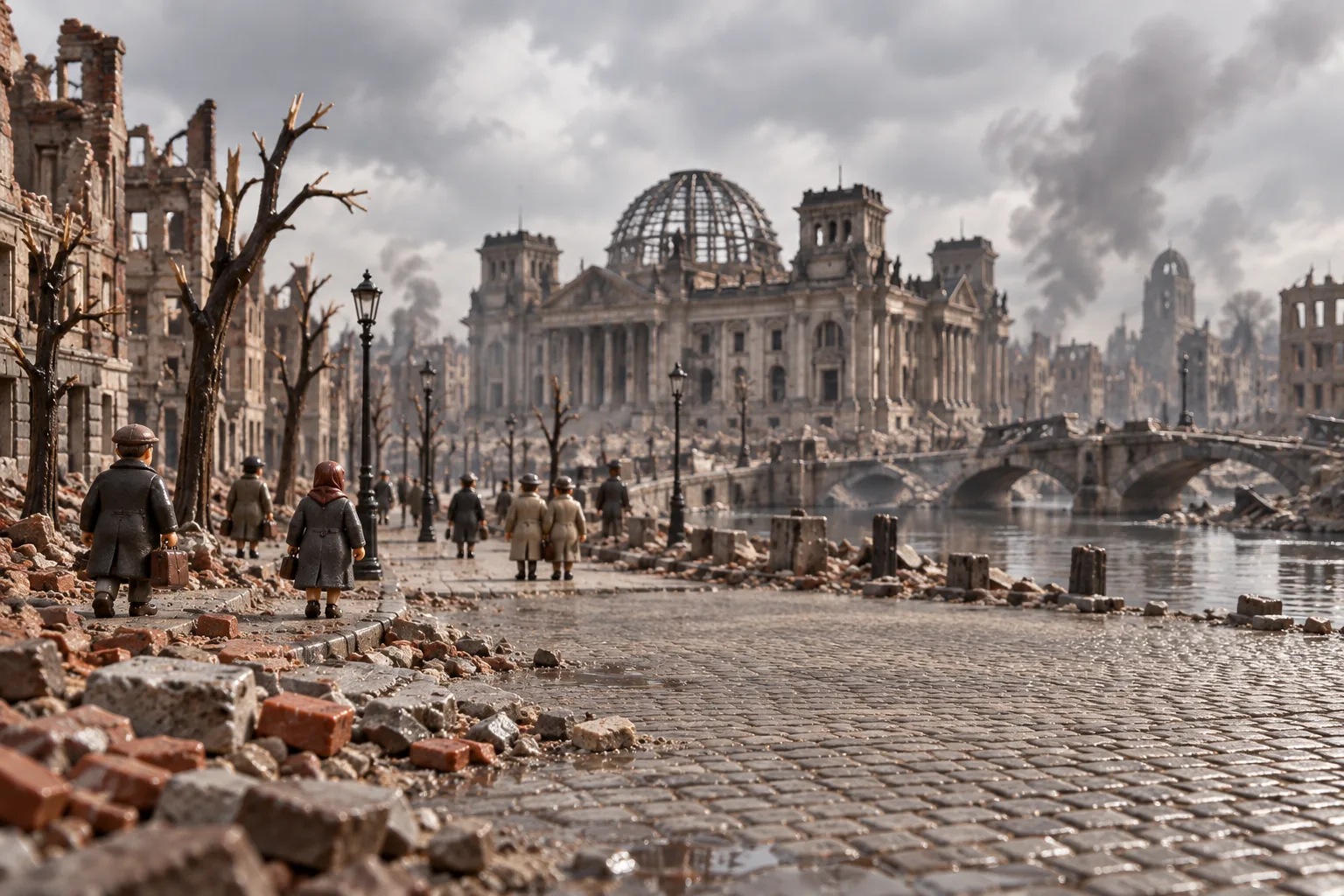 16 April – 2 May 1945 · Berlin, GermanyBattle of BerlinAlmost a million soldiers and 20,000 tanks and guns were thrown at the last line before the German capital, and two weeks later the war in Europe was over.
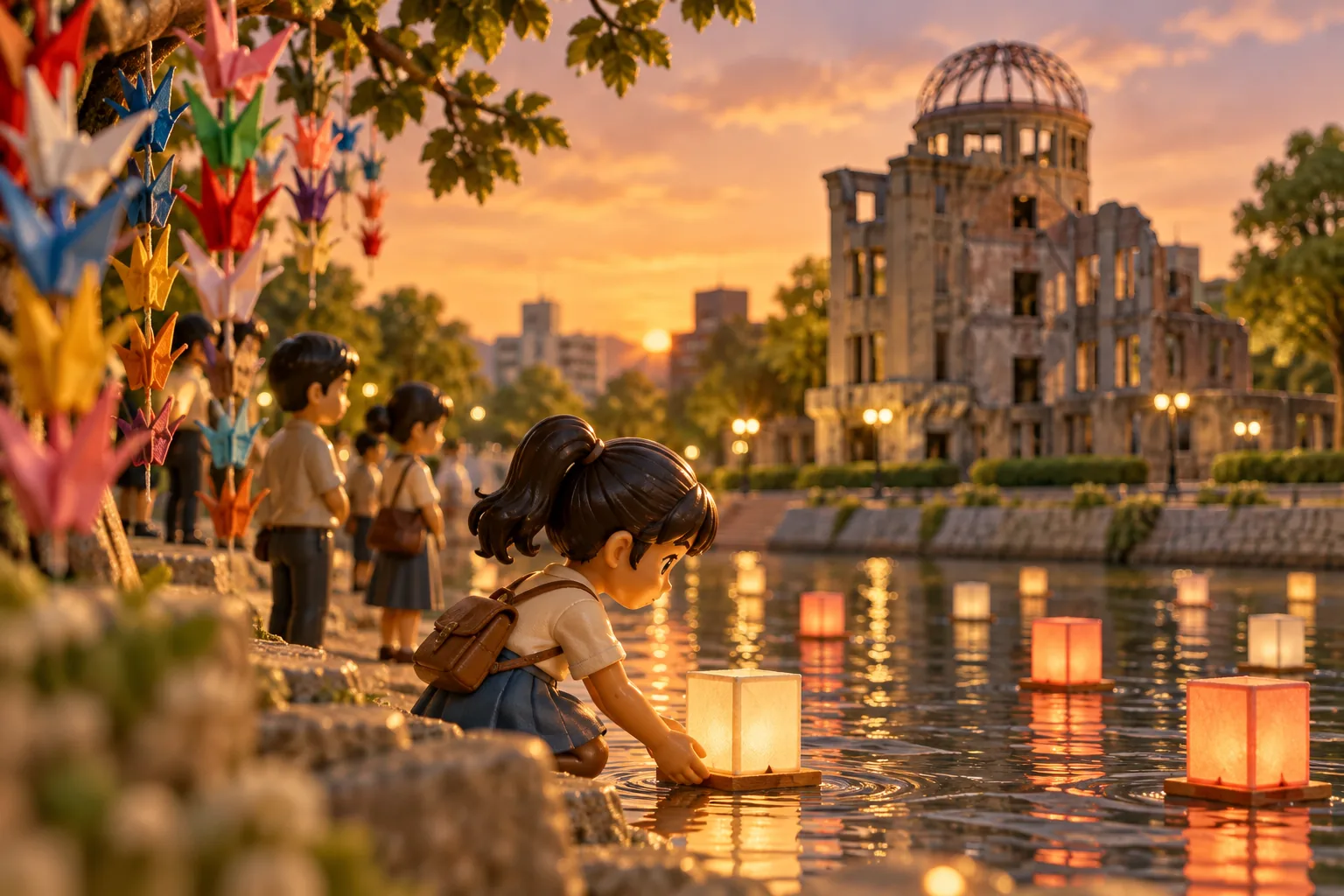 6 August 1945 · Hiroshima, JapanHiroshimaAt 8:15 in the morning a single bomb fell for 44 seconds over Hiroshima, and the world entered the nuclear age.
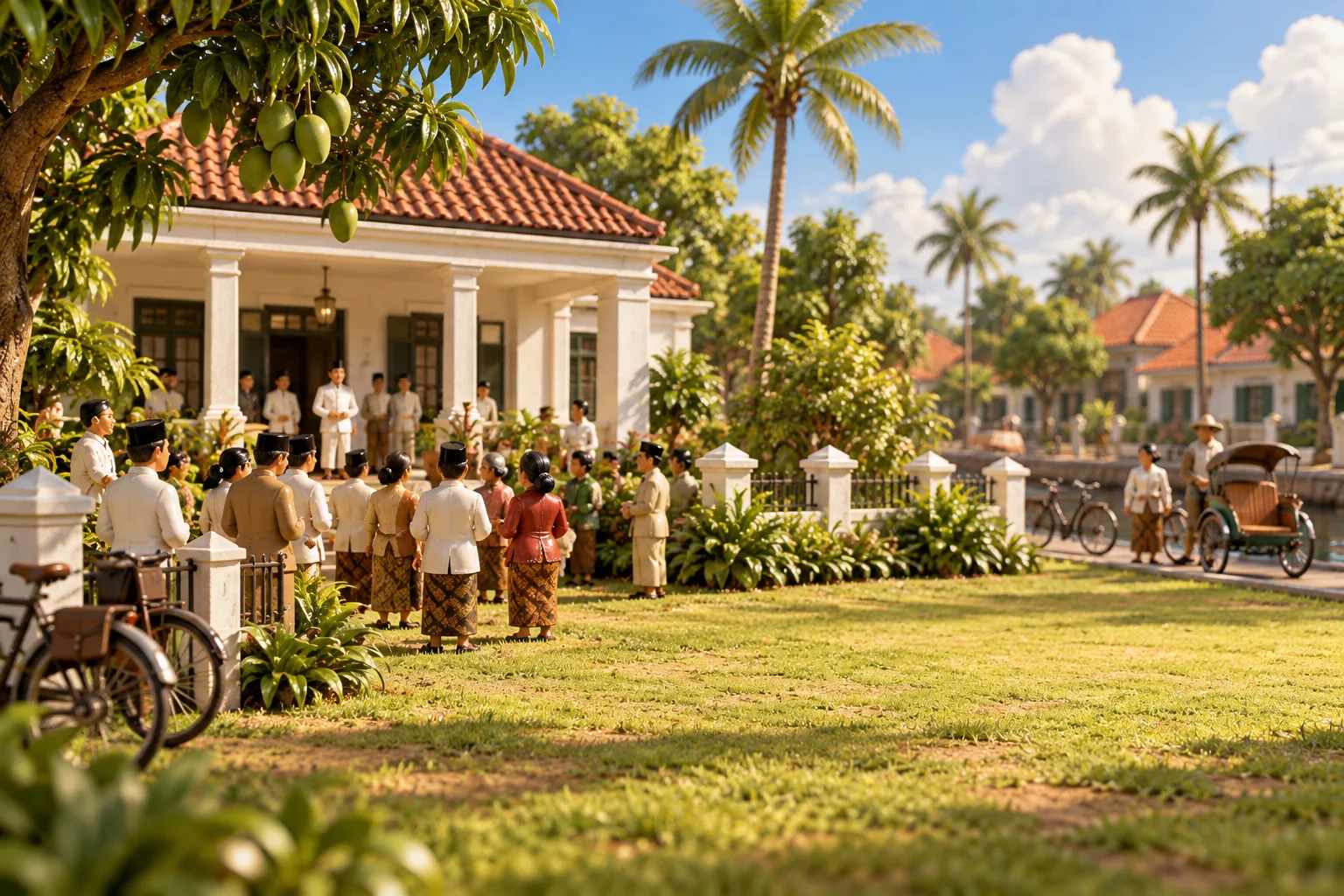 17 August 1945 – 27 December 1949 · Jakarta, Java, IndonesiaIndonesian National RevolutionTwo days after Japan surrendered, Indonesia's leaders signed a declaration of independence just a few lines long; it took four more years to make it real.
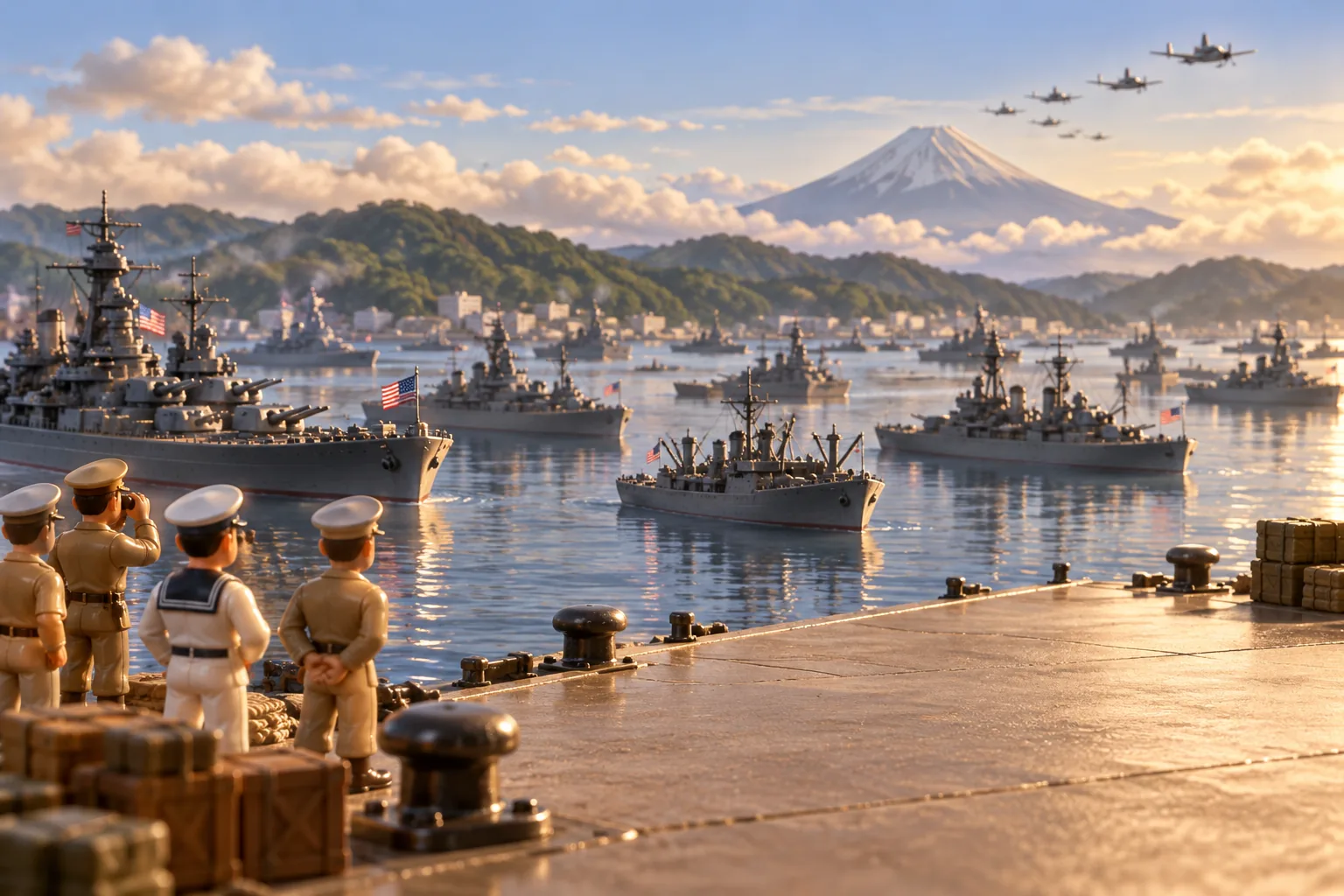 2 September 1945 · USS Missouri, Tokyo Bay, JapanSurrender aboard USS MissouriOn a battleship's deck in Tokyo Bay, a ceremony lasting just 23 minutes formally ended the Second World War.
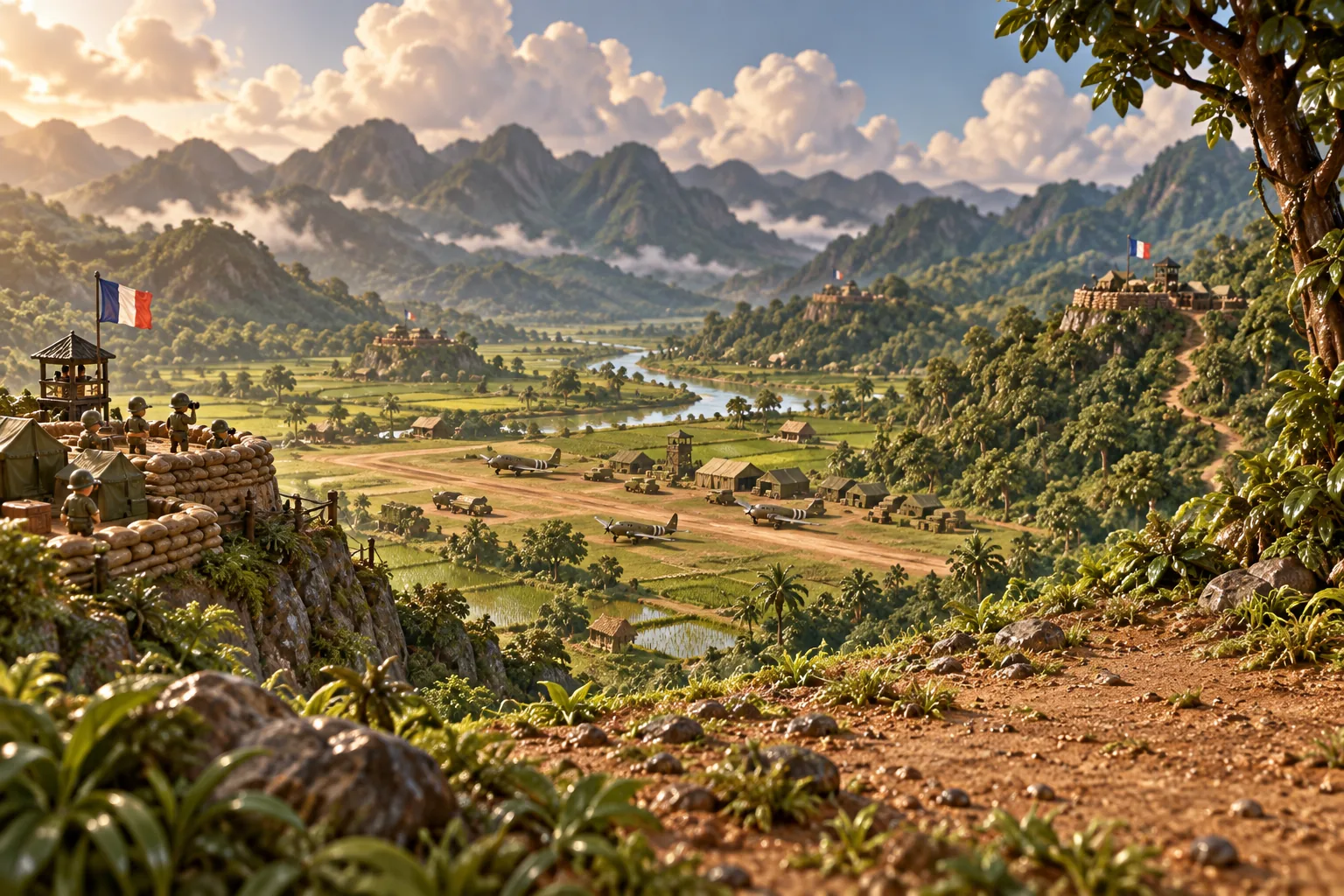 19 December 1946 – 11 August 1954 · Dien Bien Phu, northern Vietnam (decisive battle); French IndochinaFirst Indochina WarFrance chose a remote valley ringed by mountains as the place to lure the Viet Minh into a decisive battle, and lost its empire in Indochina there.
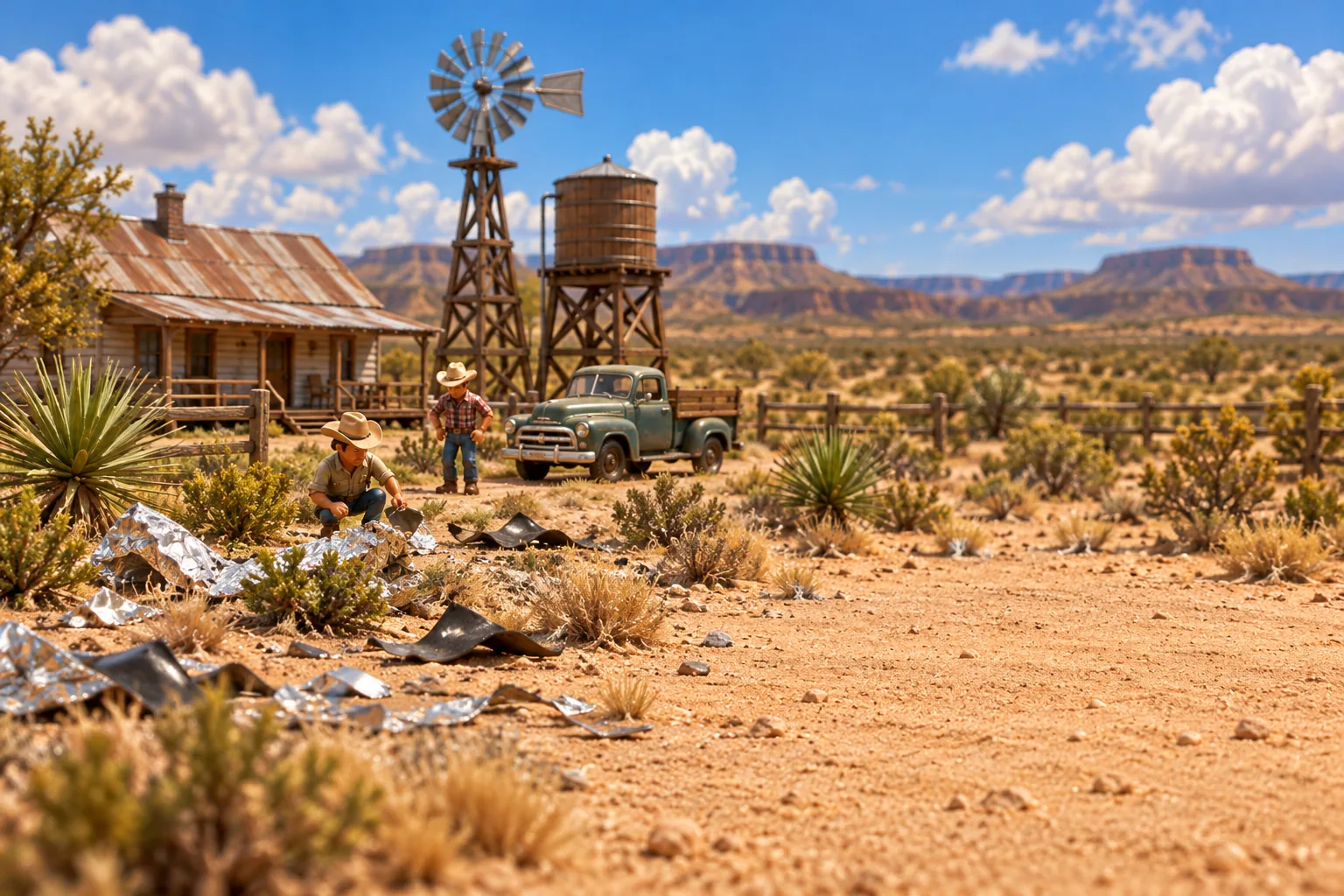 8 July 1947 · Roswell, New Mexico, United StatesRoswell incidentFor one day in July 1947 the US Army announced that it had captured a flying saucer; what it really had was tinfoil, rubber, tape and sticks.
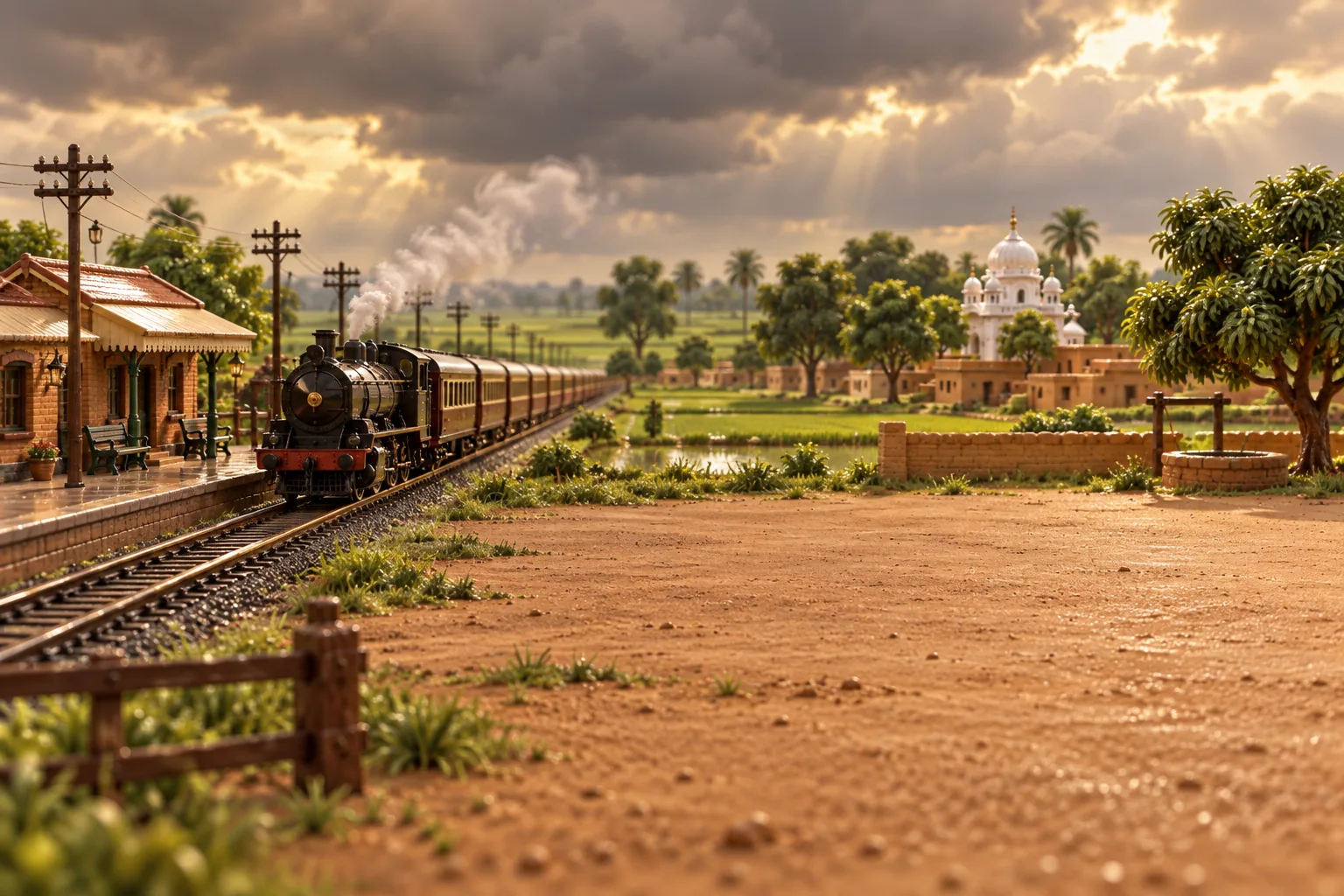 14–15 August 1947 · Punjab, on the new border between Amritsar and LahorePartition of IndiaThe new border between India and Pakistan was made public only on 17 August 1947, two days after the two countries came into being.
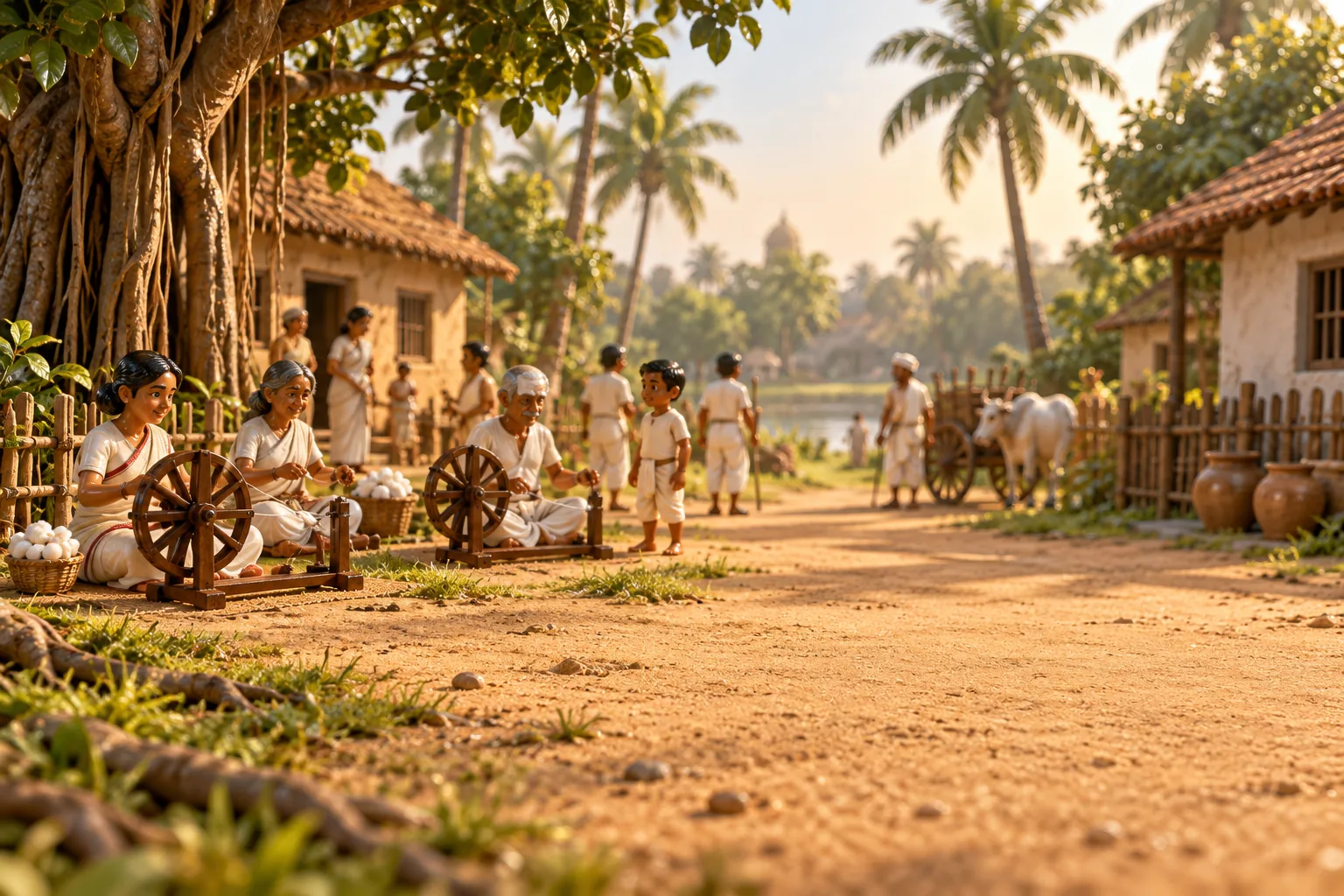 15 August 1947 · New Delhi, IndiaGandhi and Indian independenceOn the day India won the freedom he had spent thirty years fighting for, Gandhi stayed away from the celebrations and spent it fasting in Calcutta.
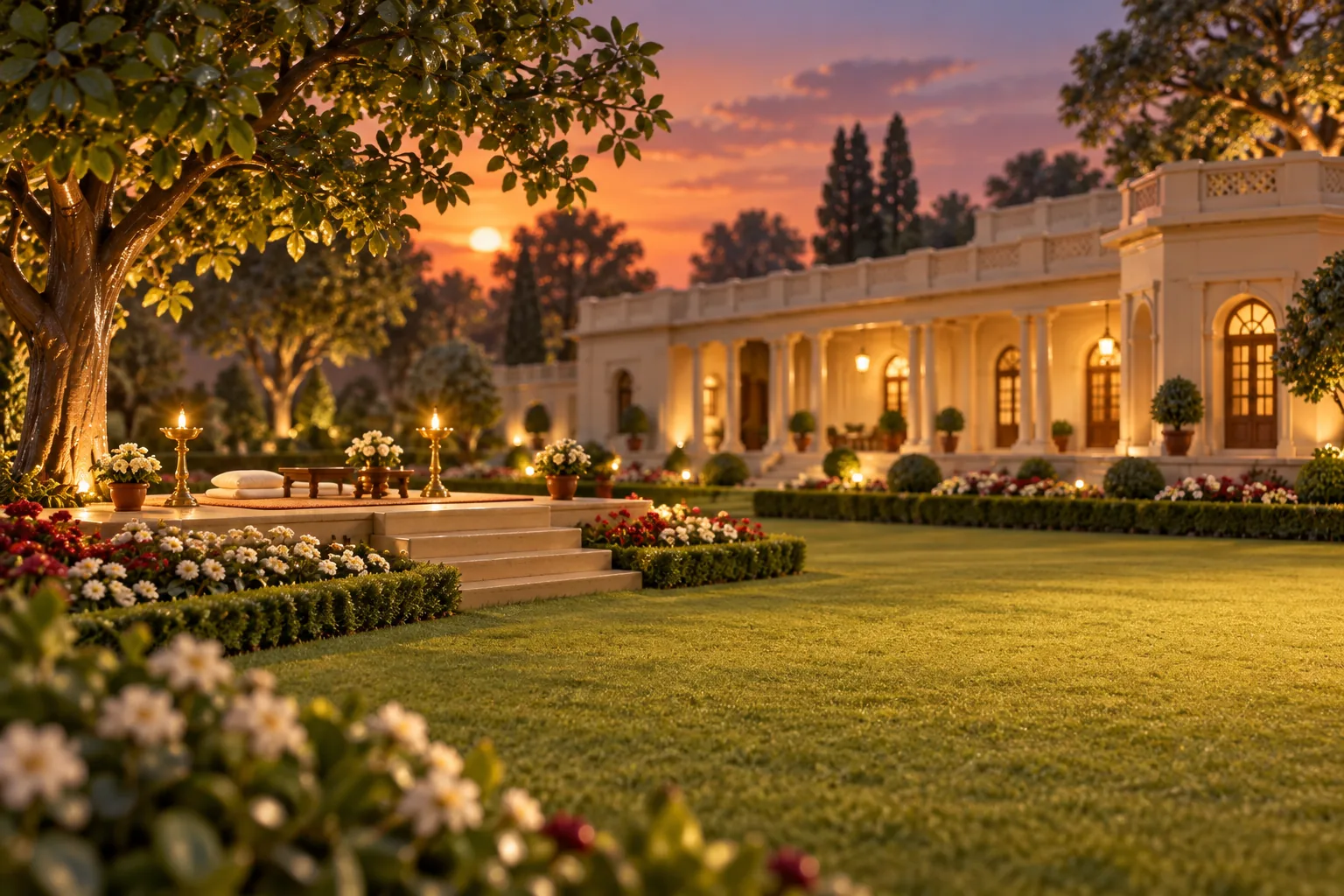 30 January 1948 · Birla House (now Gandhi Smriti), New Delhi, IndiaAssassination of Mahatma GandhiGandhi's killer had tried to attack him twice before, and both times walked free because Gandhi refused to press charges.
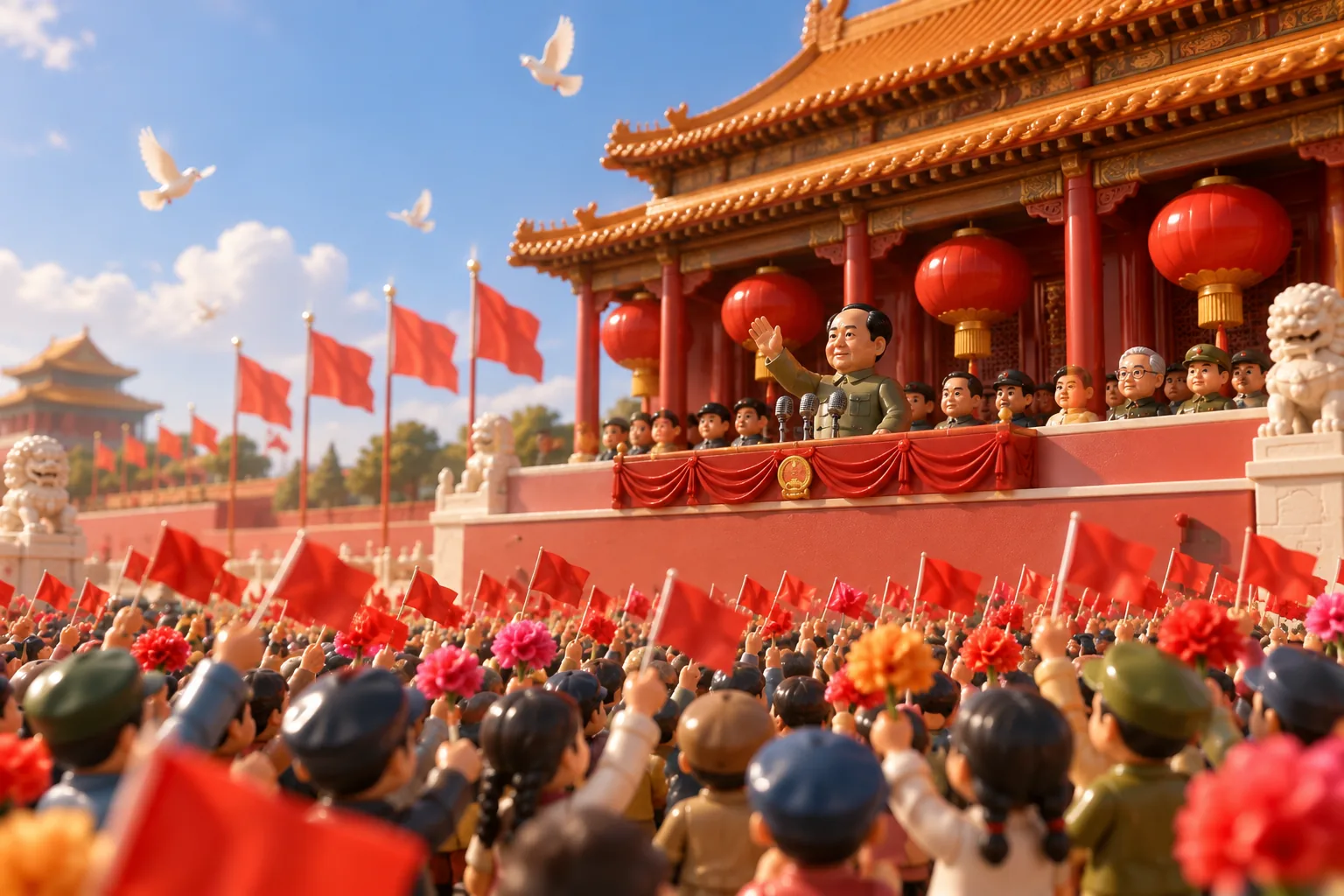 1 October 1949 · Tiananmen Square, Beijing, ChinaMao and the new ChinaAt exactly three in the afternoon a farmer's son from Hunan stood on the gate of the old imperial palace and announced a new China.
 9 February 1950 – 2 December 1954 · Washington, D.C., United StatesMcCarthyismIt started with a senator waving a sheet of paper in a women's club in West Virginia and claiming it listed 205 communists in the State Department.
 25 June 1950 – 27 July 1953 · Panmunjom, on the 38th parallel, KoreaKorean WarThe fighting stopped in July 1953 with an armistice, but no peace treaty has ever been signed.
 23 July 1952 · Cairo and Alexandria, EgyptEgyptian revolution of 1952Fewer than a hundred officers, almost all of them junior, took over Egypt in a single night, and one of the plotters spent the start of it at the cinema.
 1952–1960 · Central Highlands of Kenya (Aberdare Range and Mount Kenya)Mau Mau rebellionThe fight was about land: about 7 million acres of Kenya's best farmland had been reserved for a few thousand European settlers.
 25 April 1953 · Cavendish Laboratory, Cambridge, EnglandDouble helix of DNAA short letter in Nature described a twisted ladder of paired chemical letters, and with it the way living things copy their genes.
 26 July 1953 – 1 January 1959 · Sierra Maestra, CubaCuban RevolutionEighty-two men crammed onto a yacht built for twelve, fewer than twenty survived the first days ashore, and two years later they ruled Cuba.
 19 August 1953 · Tehran, Iran1953 Iranian coup d'étatA prime minister who took back his country's oil from a British company was toppled by a secret plan written in London and Washington.
 1954–1968 · Lincoln Memorial, Washington, D.C.Civil rights movementThe Montgomery bus boycott lasted 381 days, and it ended only when the city gave up its segregated buses.
 13 March – 7 May 1954 · Điện Biên Phủ, northwest VietnamBattle of Dien Bien PhuThe French built a fortress in a valley ringed by mountains, sure that no enemy could haul heavy guns over them. They were wrong.
 18–27 June 1954 · Guatemala City, Guatemala1954 Guatemalan coup d'étatThe invading army lost almost every fight it picked; the coup was won by a radio station and the fear of what might come next.
 1 November 1954 – 19 March 1962 · French Algeria (Algiers)Algerian WarThe war that freed Algeria also toppled a French republic: in May 1958 generals in Algiers seized power and forced Paris to call back Charles de Gaulle.
 c. 1955 – 30 April 1975 · Saigon, South VietnamVietnam WarThe United States dropped more than three times as many tons of bombs on Indochina as it had dropped in the whole of World War II.
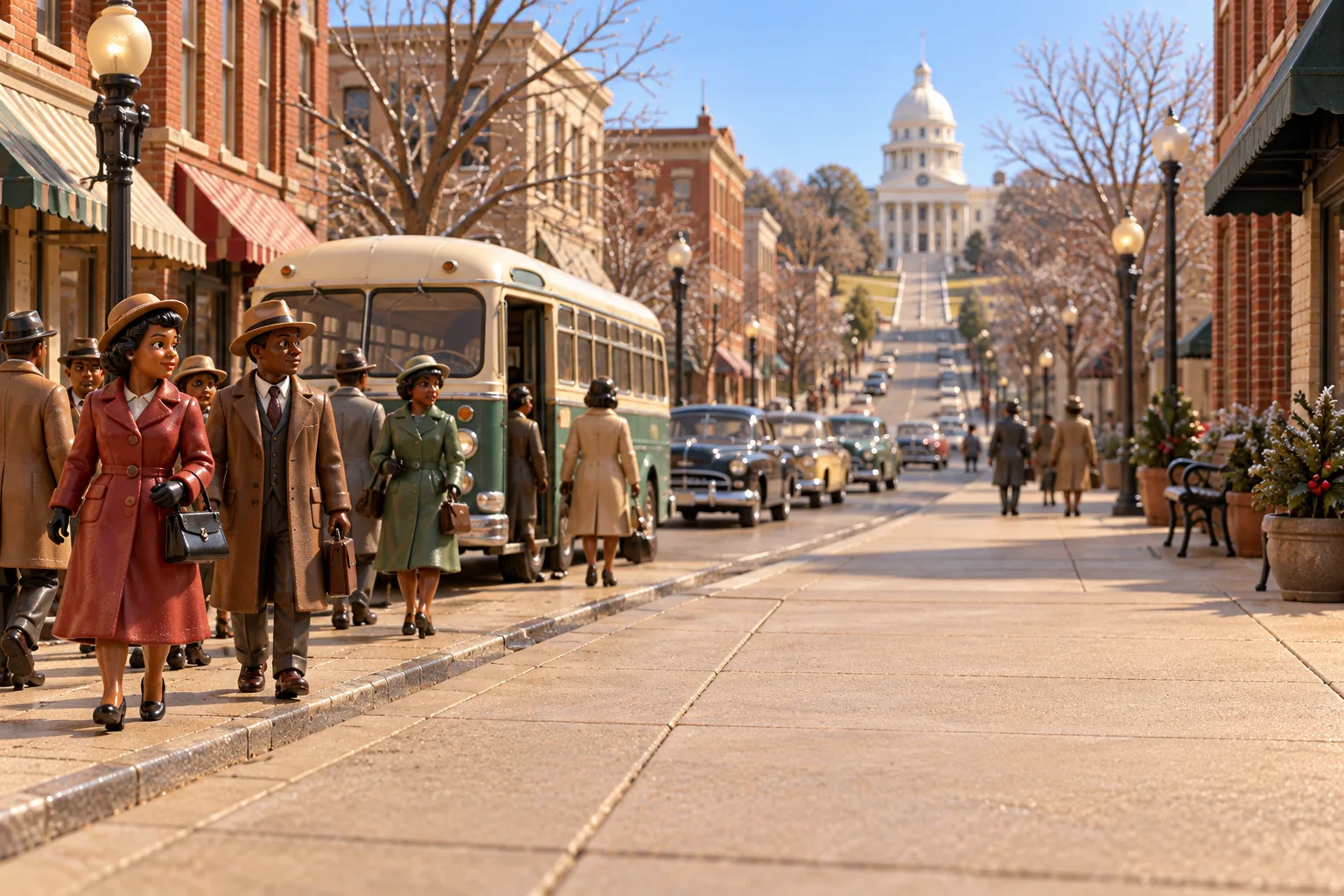 5 December 1955 – 20 December 1956 · Montgomery, Alabama, United StatesMontgomery bus boycottA whole city's Black community chose to walk, share cars and ride mules for more than a year rather than sit at the back of the bus.
 1956–1971 · FBI headquarters, Washington, D.C., United StatesCOINTELPROThe FBI's most secret files came to light because burglars broke into a small-town office on the night of the biggest boxing match of the century.
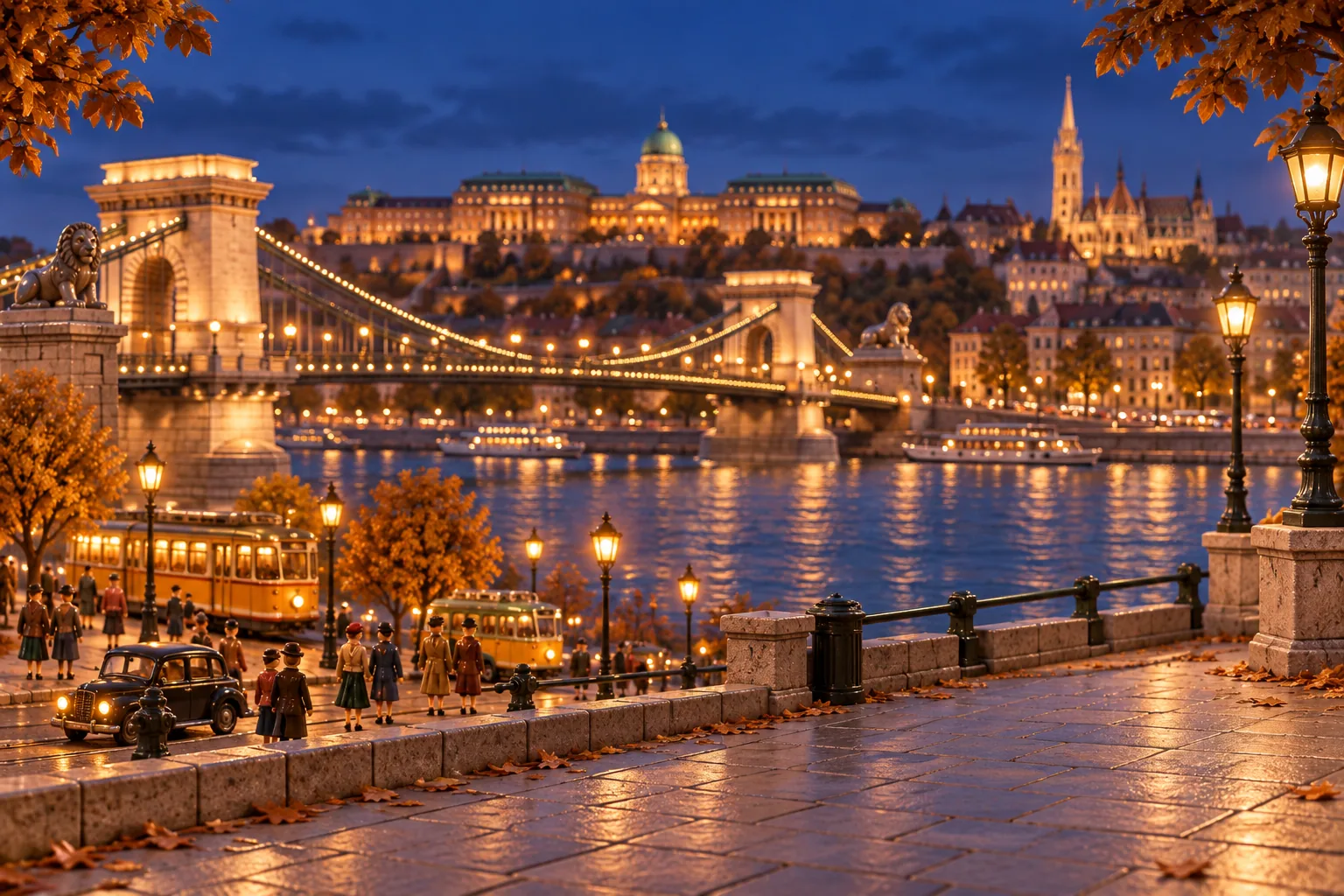 23 October – 4 November 1956 · Budapest, HungaryHungarian Revolution of 1956On the first evening the crowd in Budapest pulled down an eight-metre statue of Stalin.
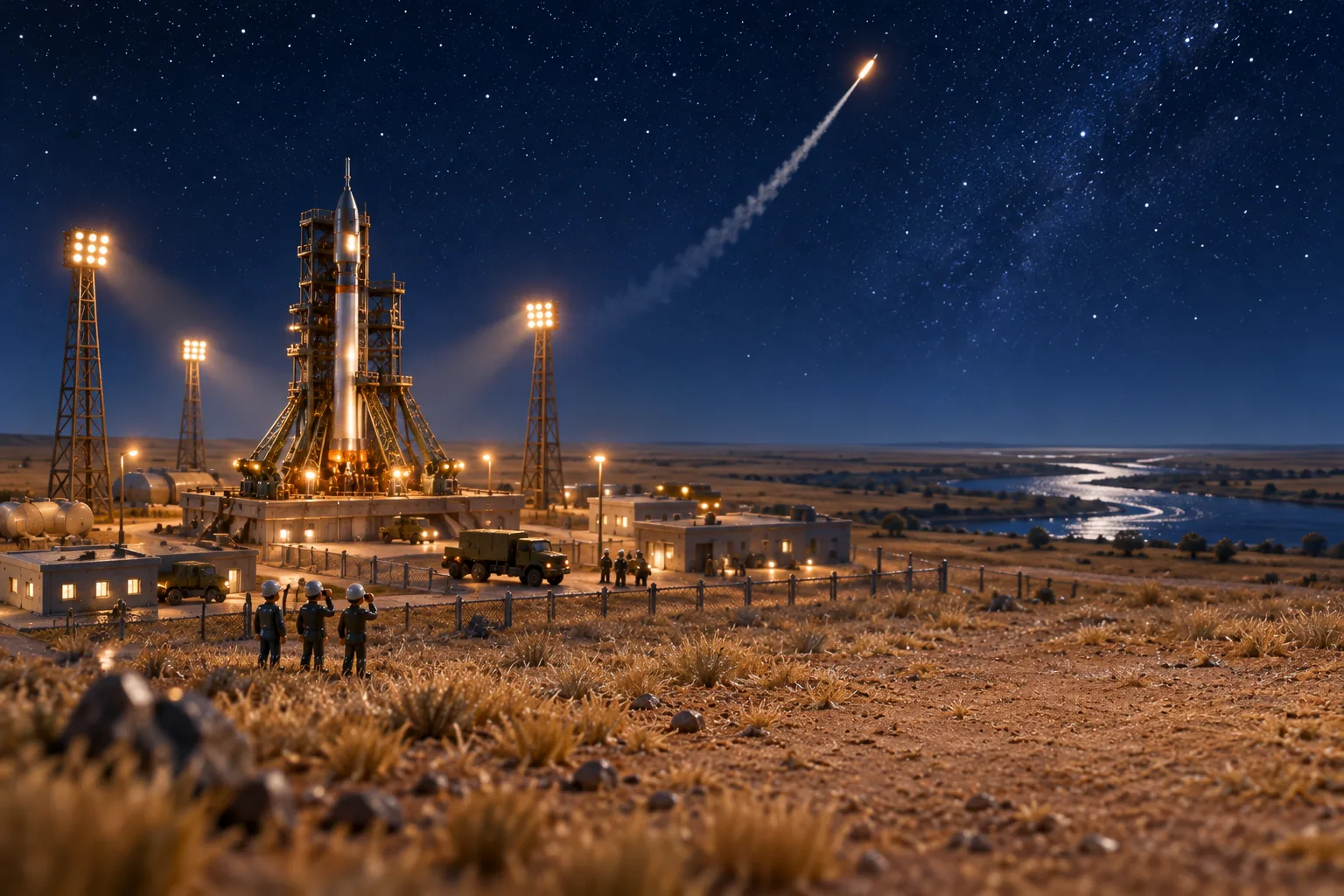 4 October 1957 · Tyuratam range (today Baikonur Cosmodrome), Kazakh SSRSputnik 1The first artificial satellite was a polished metal ball the size of a beach ball, and anyone with a shortwave radio could hear it beep.
 about 1958–1962 · Paris, FranceFrench New WaveTold his first film was too long, Jean-Luc Godard simply cut chunks out of the middle of his shots, and the jump cut became a style.
 1958–1962 · Xinyang, Henan, ChinaGreat Leap ForwardChina set out to overtake Britain's industry in 15 years, and instead suffered what may have been the deadliest famine in human history.
 22 May 1960 · Valdivia, southern Chile1960 Valdivia earthquakeThe strongest earthquake ever measured shook southern Chile for ten minutes, and its tsunami crossed the Pacific to kill people in Hawaii, more than 10,000 kilometres away.
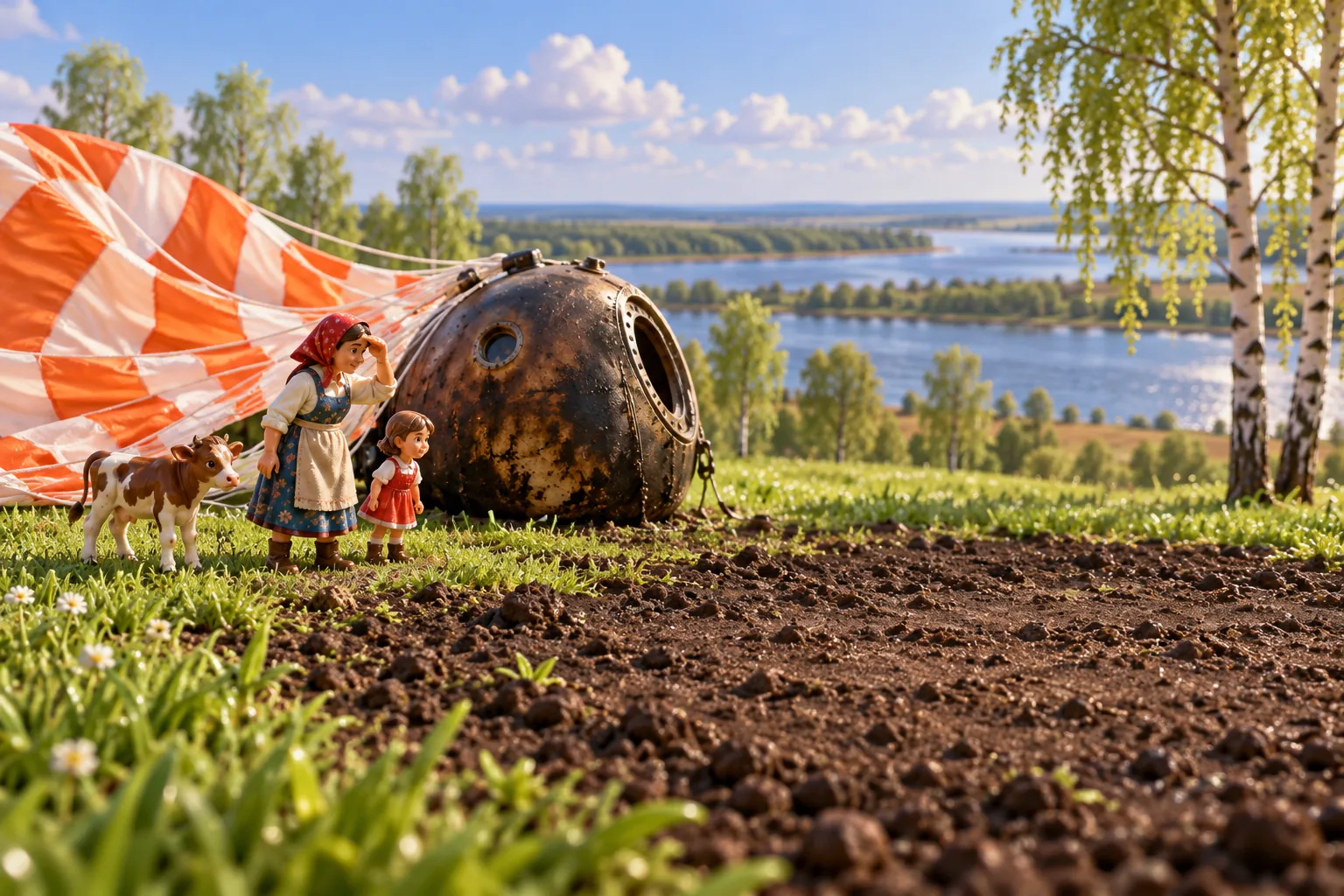 12 April 1961 · Near Engels, Saratov region, USSR (landing site)Gagarin in spaceThe first man to return from space walked up to a farm woman and her granddaughter in a bright orange suit, and they backed away in fear.
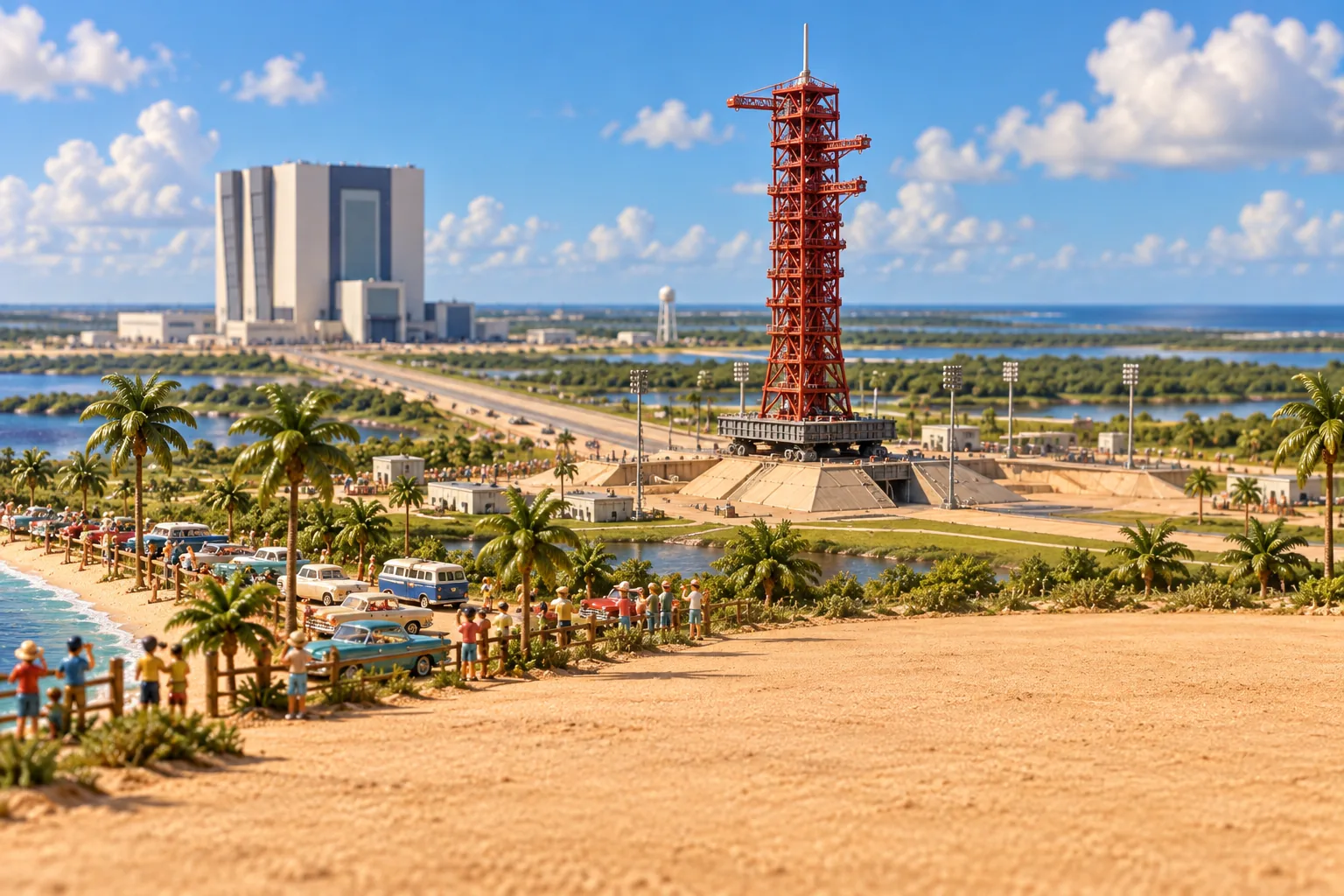 25 May 1961 – December 1972 · Kennedy Space Center, Florida, United StatesApollo programAt its peak the race to the Moon employed 400,000 people and cost more than any nation had ever spent on anything in peacetime.
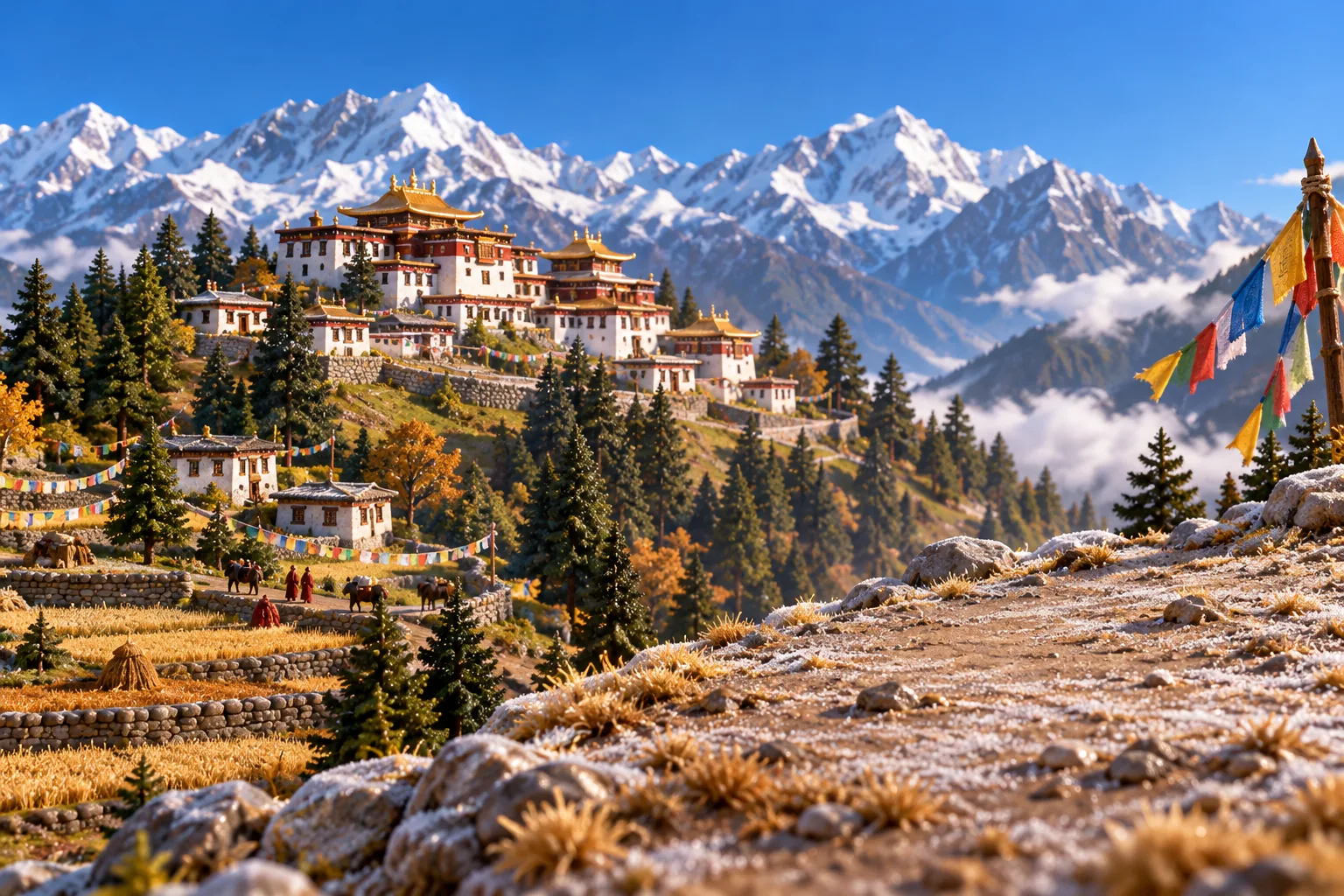 20 October – 21 November 1962 · Tawang, North-East Frontier Agency, IndiaSino-Indian WarTwo of the world's biggest nations fought a month-long war at more than 5,000 metres, where the cold killed soldiers on both sides.
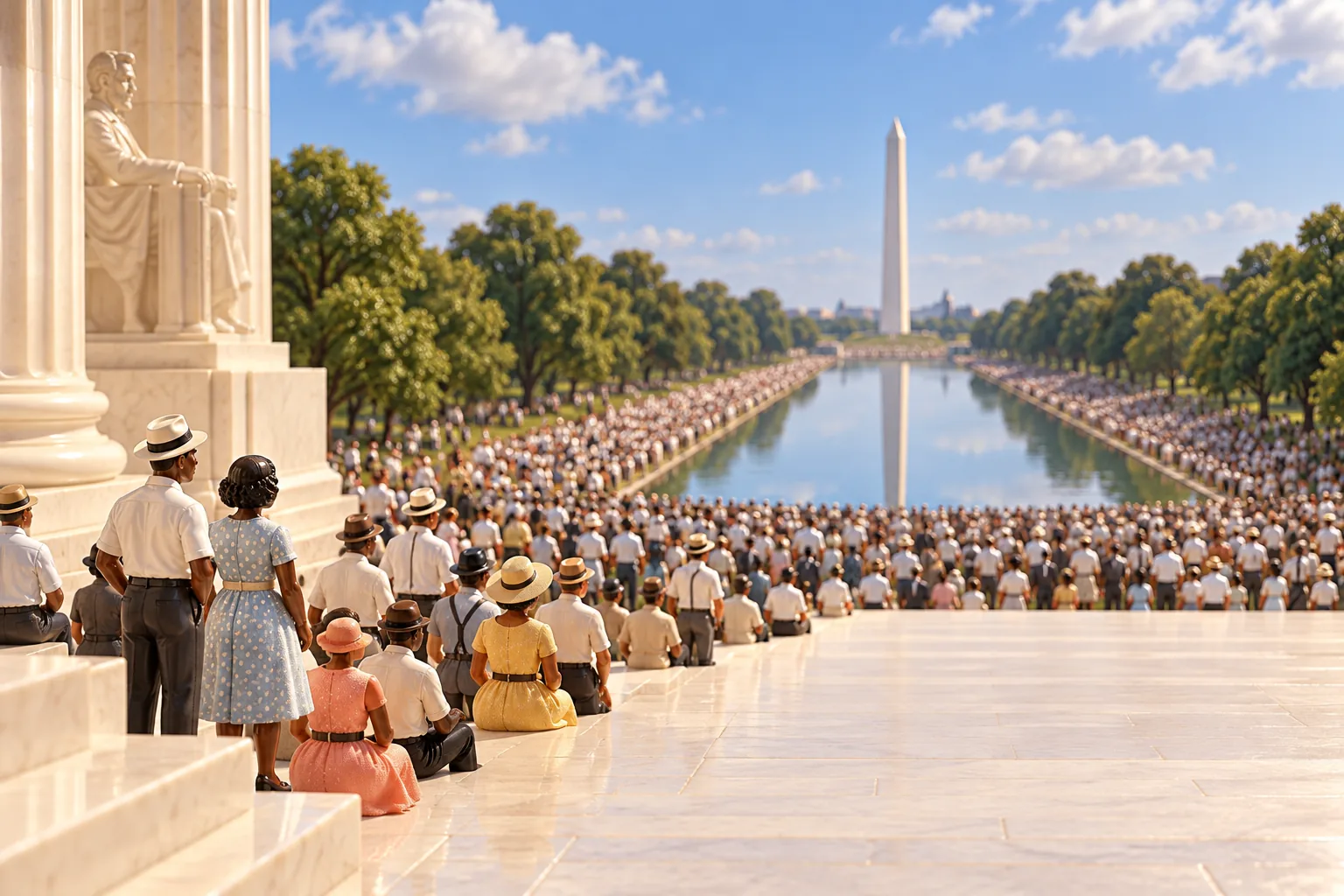 28 August 1963 · Lincoln Memorial, Washington, D.C., United StatesI Have a DreamThe most famous part of the speech was not in the script: King improvised it after the gospel singer Mahalia Jackson called out, 'Tell 'em about the dream, Martin!'
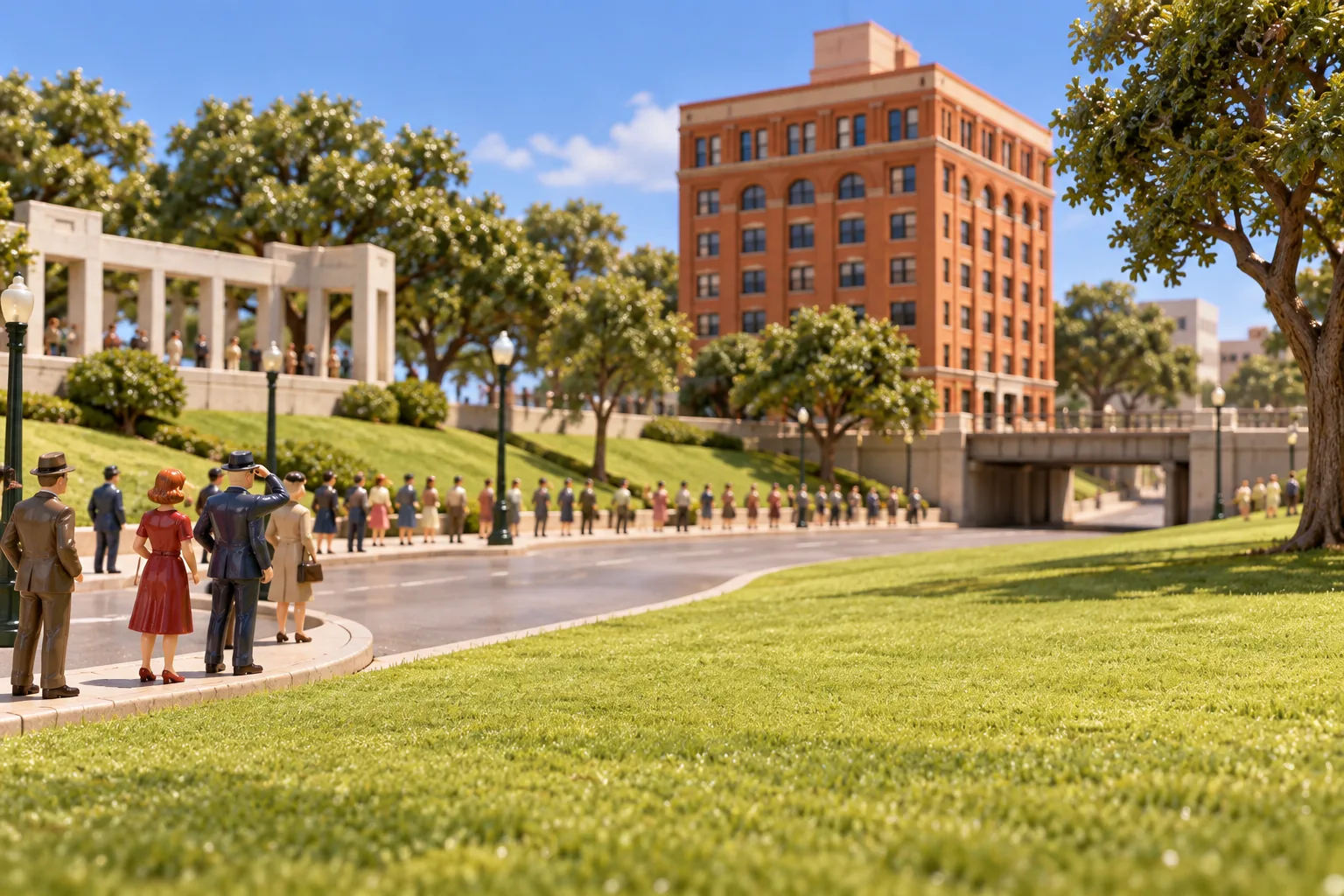 22 November 1963 · Dealey Plaza, Dallas, Texas, United StatesAssassination of John F. KennedyA tailor standing on a low wall filmed the shooting on 26 seconds of home-movie film, and those few seconds became some of the most studied footage in history.
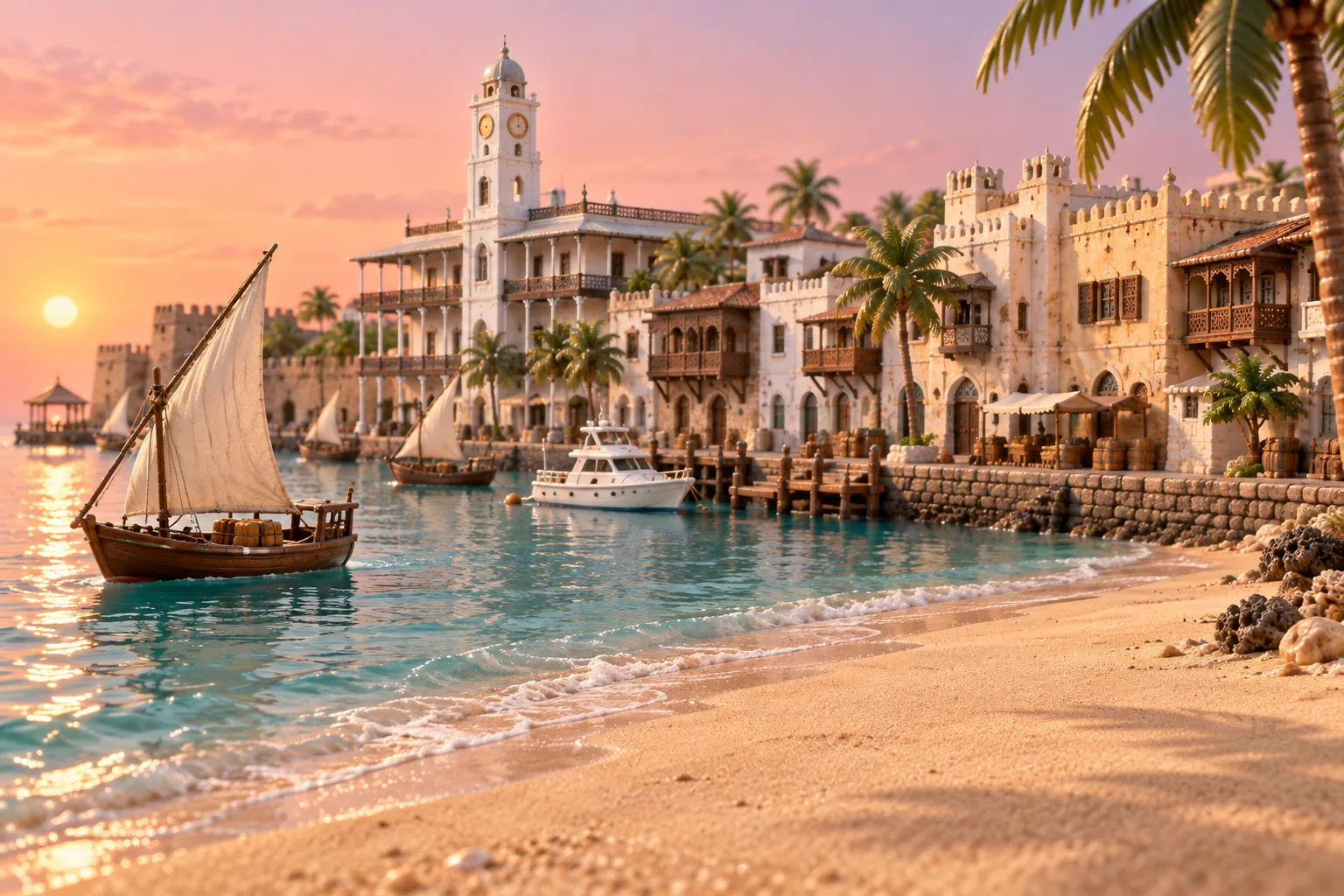 12 January 1964 · Zanzibar Town (Stone Town), Unguja, ZanzibarZanzibar RevolutionWeeks after independence, a few hundred men armed with spears and machetes took the island's police armouries before dawn, and by afternoon the Sultan had fled by yacht.
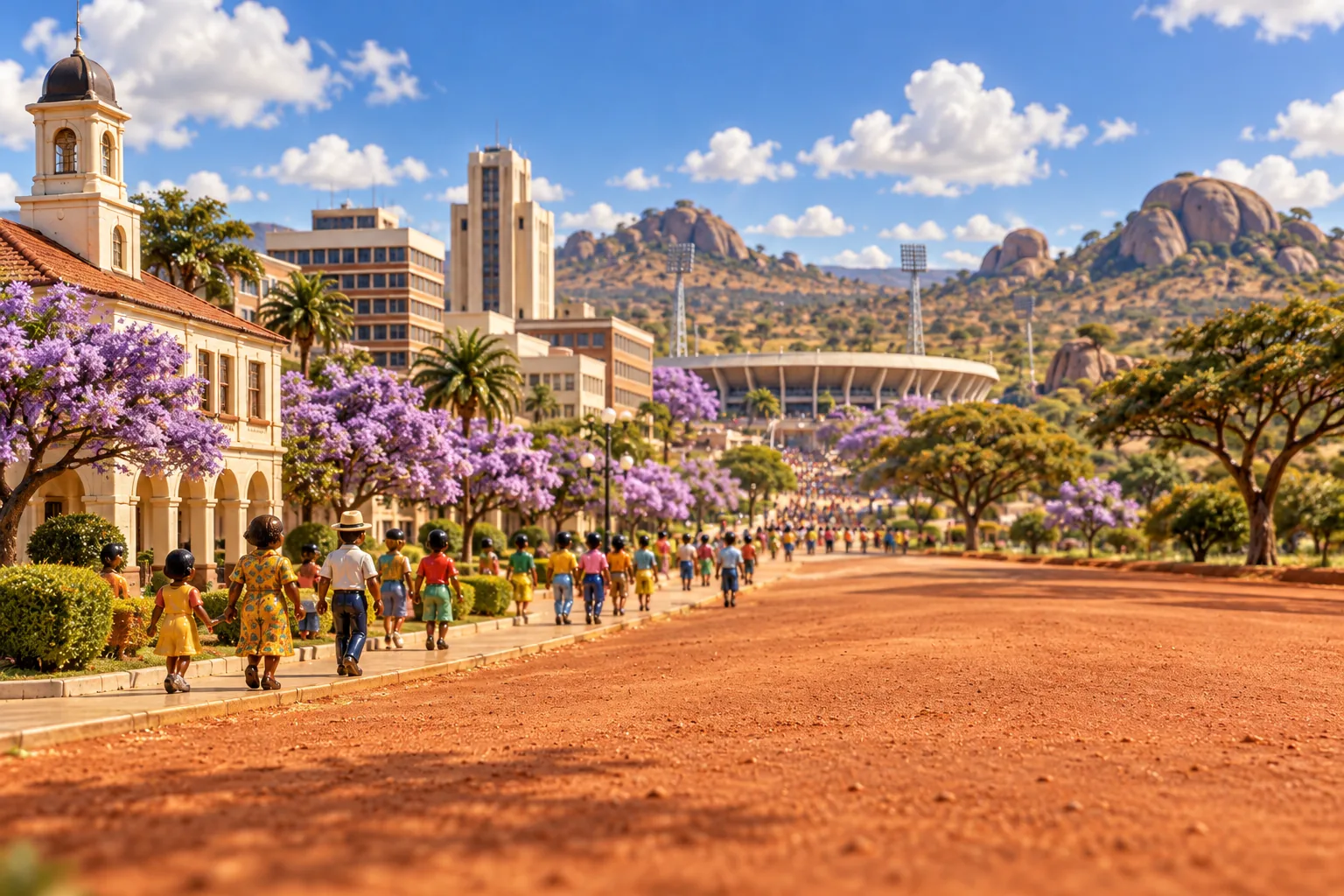 July 1964 – December 1979 · Salisbury (now Harare), RhodesiaRhodesian Bush WarRhodesia declared itself independent in 1965 so that a white minority could keep ruling, and not a single country in the world recognised it.
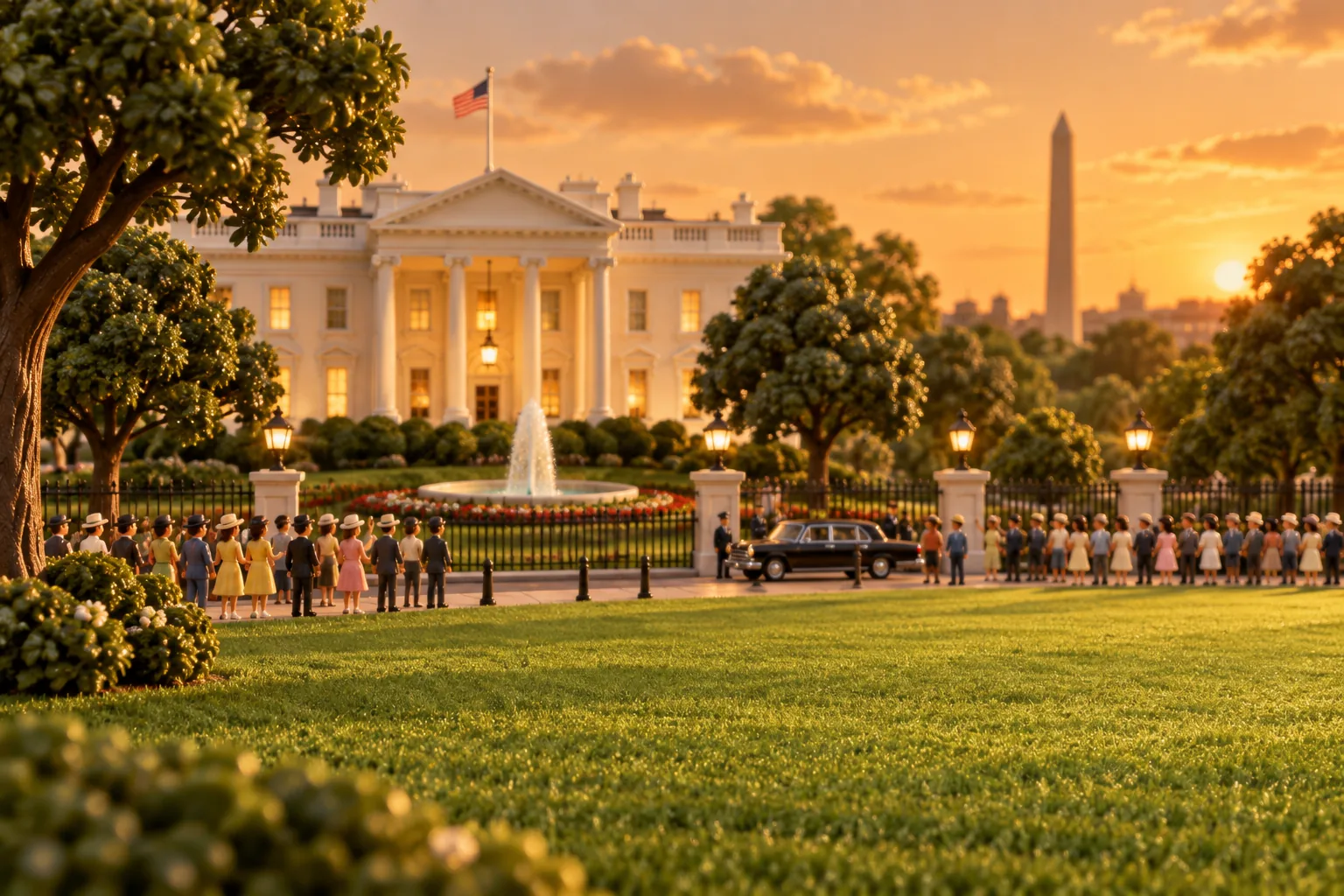 2 July 1964 · The White House, Washington, D.C., United StatesCivil Rights Act of 1964To pass the Senate it had to survive a filibuster that tied up the chamber for 60 working days, six Saturdays included.
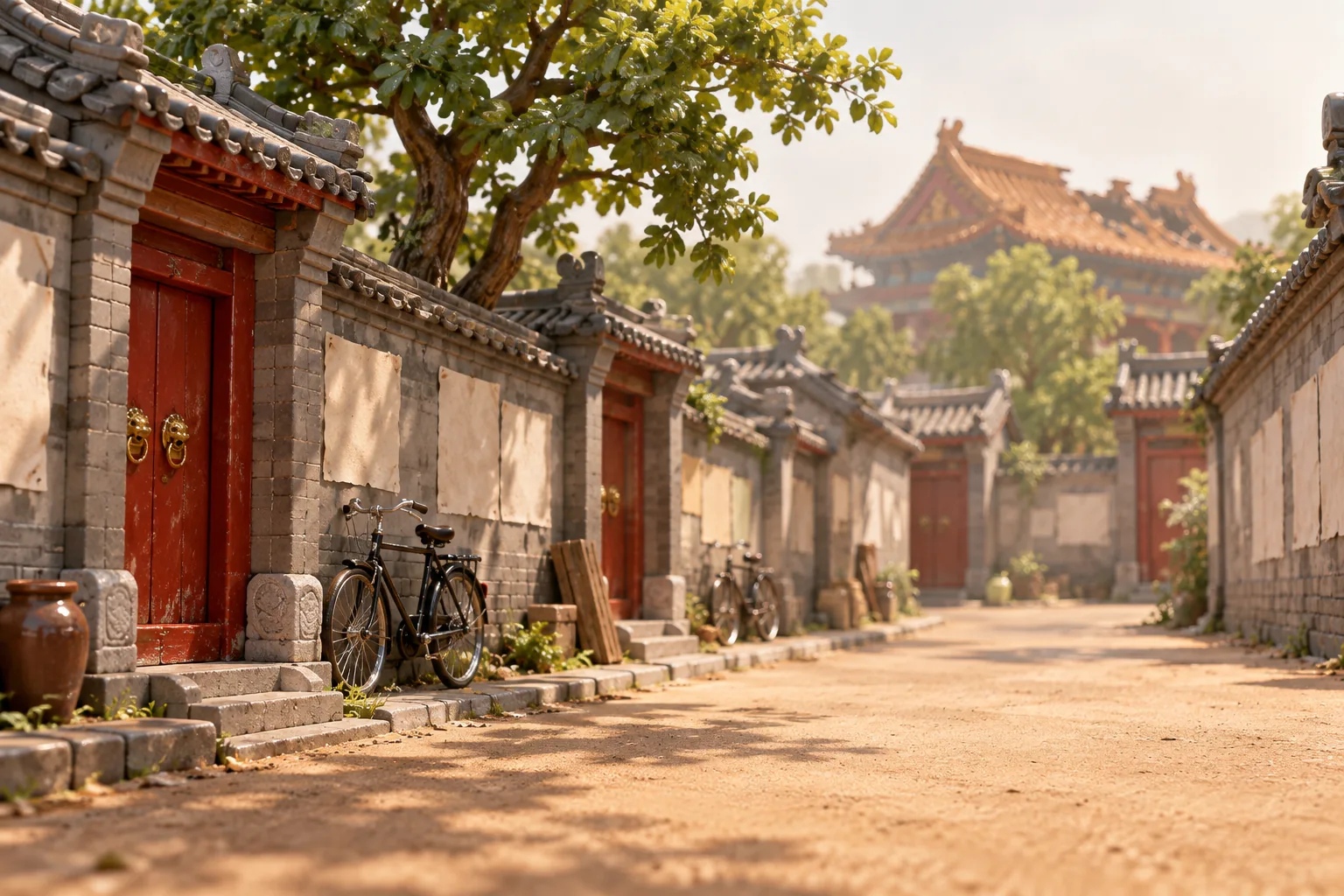 16 May 1966 – 1976 · Beijing, ChinaCultural RevolutionSchools and universities closed, the national entrance exams were cancelled, and more than 10 million city teenagers were sent to the countryside.
 1967 – early 1980s · Hollywood, Los Angeles, United StatesNew HollywoodWhen the old studios were losing money and audiences, they handed the cameras to young rebels, and for about fifteen years the director was king.
 5–10 June 1967 · Sinai Peninsula, EgyptSix-Day WarWithin hours of the first strike on the morning of 5 June, Egypt had lost nearly its entire air force.
 6 July 1967 – 15 January 1970 · Biafra, south-eastern NigeriaNigerian Civil WarThe pictures of Biafra's starving people shocked the world, and the doctors who flew in to help went on to found Doctors Without Borders.
 late 1960s – 1998 · Derry, Northern Ireland, United KingdomThe TroublesBritish troops sent onto the streets of Northern Ireland in August 1969 to restore order stayed so long it became the British Army's longest operation.
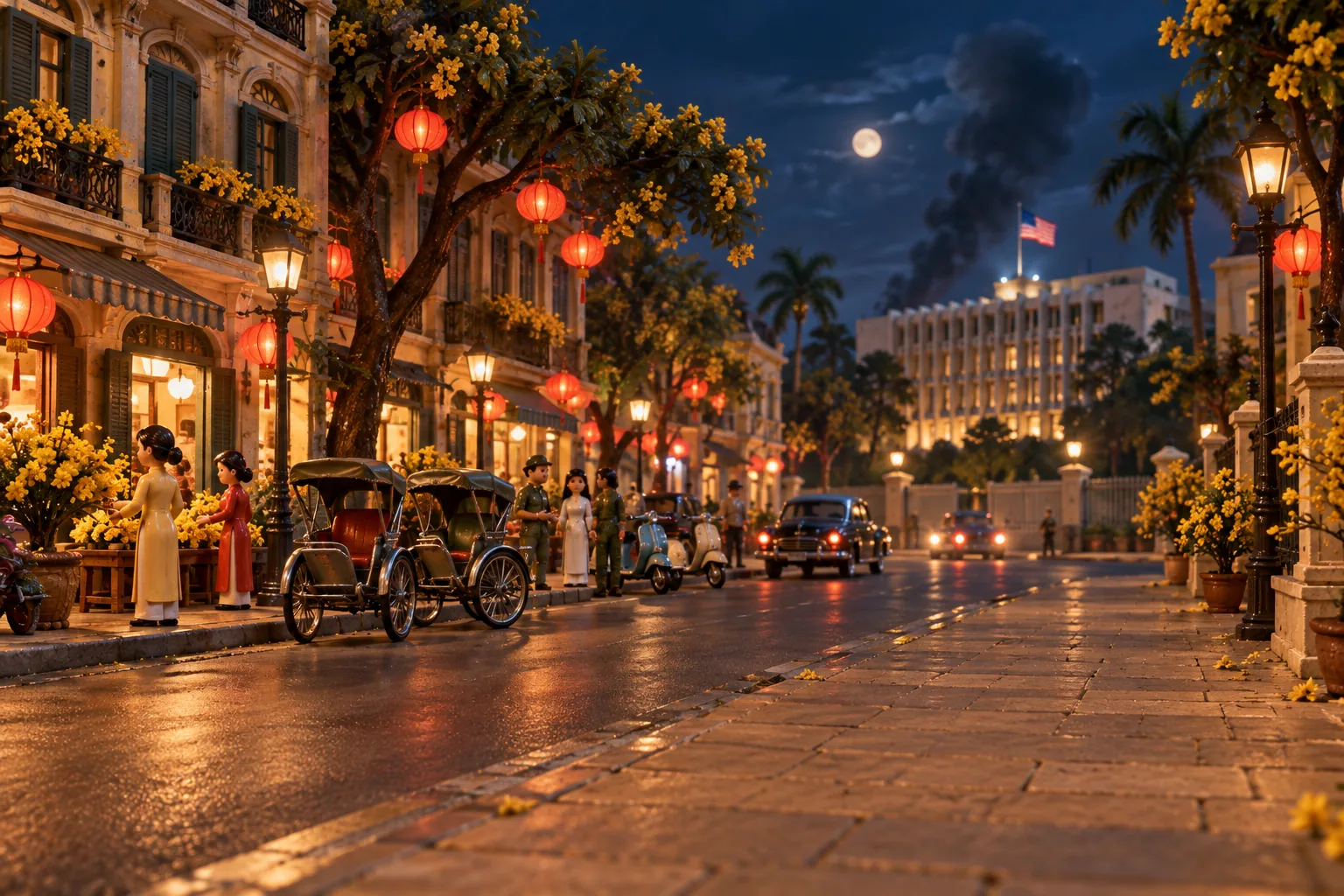 30 January 1968 onward · Saigon, South VietnamTet OffensiveIt was a military defeat for North Vietnam, and it still changed the course of the war, because Americans had been told the enemy could no longer do anything like it.
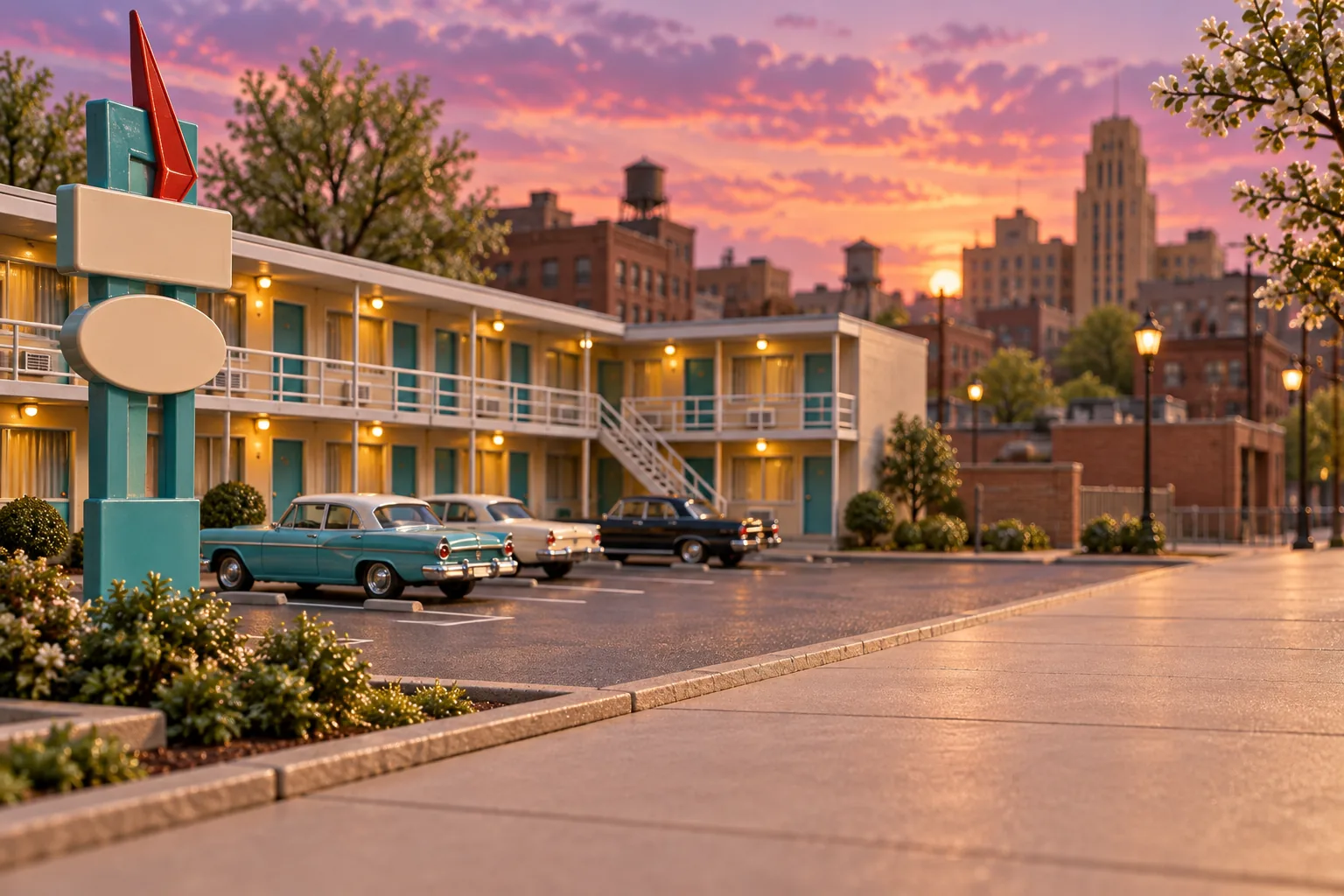 4 April 1968 · Lorraine Motel, Memphis, Tennessee, United StatesAssassination of Martin Luther King Jr.The night before he died, Martin Luther King Jr. told a crowd in Memphis: "I may not get there with you."
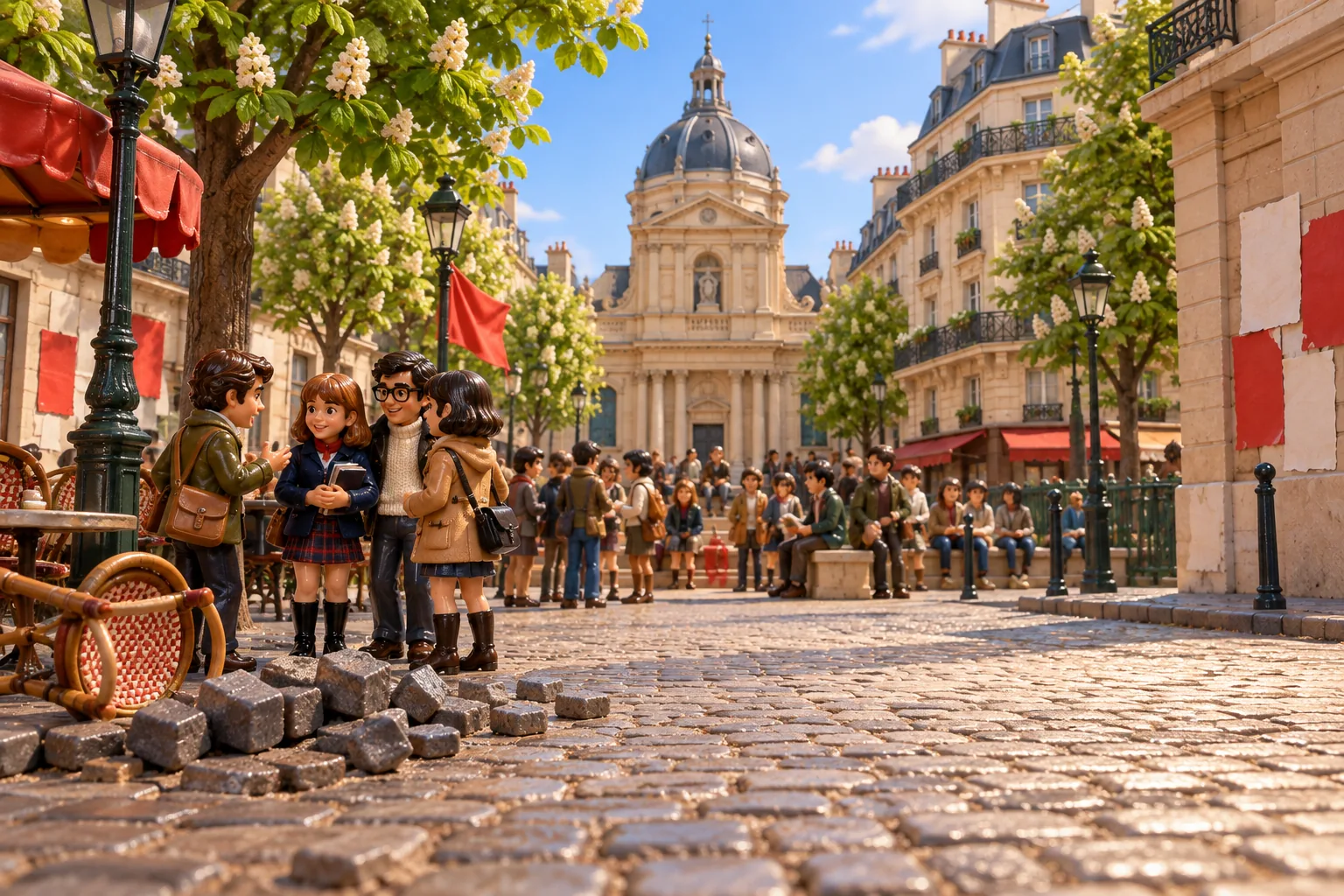 2 May – 23 June 1968 · Latin Quarter, Paris, FranceMay 68When students pried up the cobblestones of Paris to build barricades, they found sand underneath, and it gave them their most famous slogan: under the paving stones, the beach.
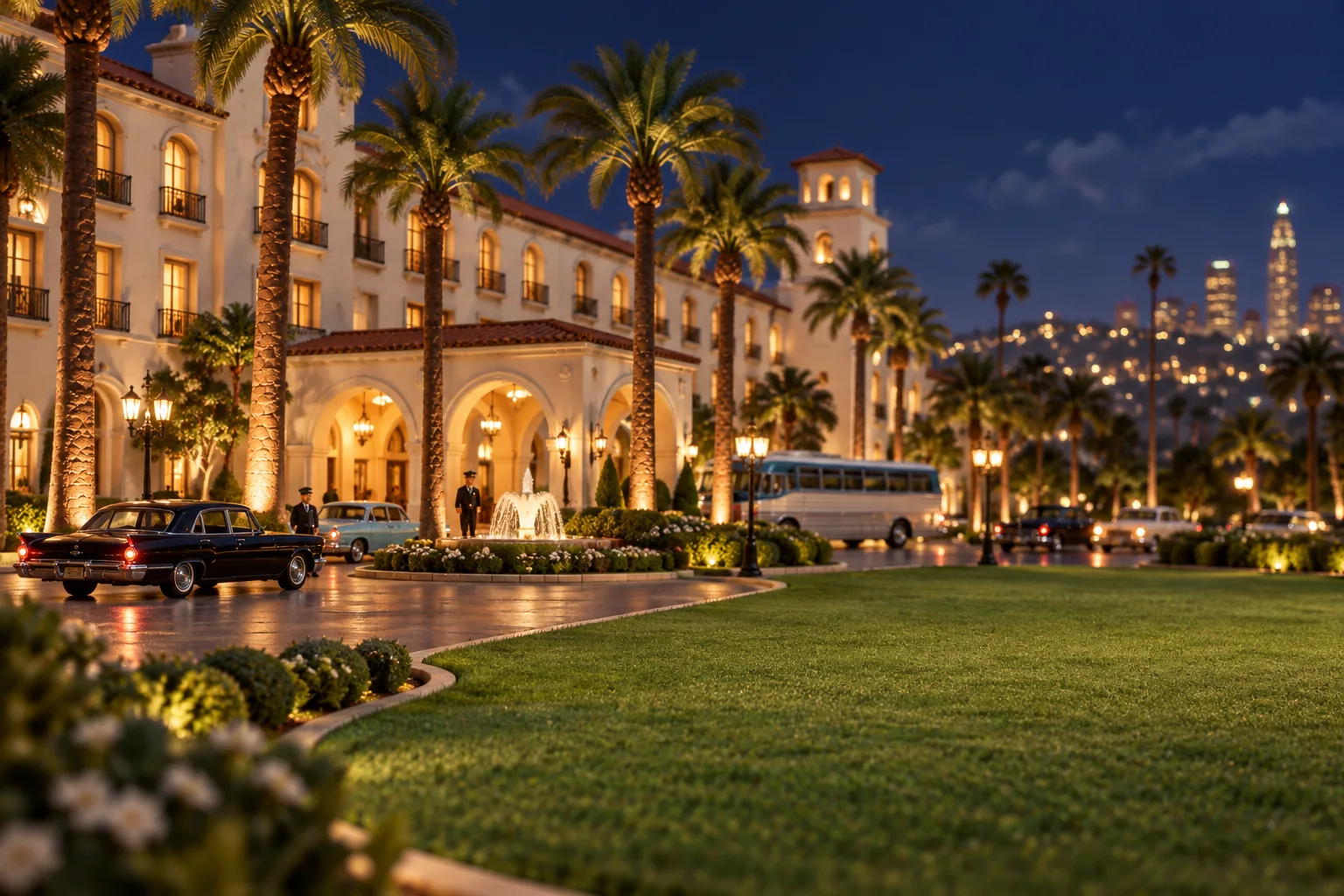 5 June 1968 · Ambassador Hotel, Los Angeles, CaliforniaAssassination of Robert F. KennedyHe ended his victory speech with "on to Chicago, and let's win there", took a shortcut through the hotel kitchen, and never left it alive.
 1 July 1968 · Geneva, SwitzerlandTreaty on the Non-Proliferation of Nuclear WeaponsIn the 1960s experts expected 25 to 30 countries to have the bomb within twenty years; a treaty negotiated in Geneva helped keep the real number far lower.
 28 June – 3 July 1969 · Stonewall Inn, Christopher Street, Greenwich Village, New York CityStonewall riotsPolice raids on gay bars were routine in 1960s New York, but on one Friday night the crowd outside the Stonewall Inn refused to go home.
 20 July 1969 · Kennedy Space Center, FloridaPeople on the MoonAs Eagle came down, its computer flashed unexpected alarms, and Armstrong was still searching for a safe spot with 90 seconds of propellant left.
 15–18 August 1969 · Max Yasgur's farm, Bethel, New York, United StatesWoodstockThe organisers promised the town 50,000 visitors; nearly half a million turned up, and the fences were never finished.
 12 November 1970 · Bhola Island, Ganges Delta, East Pakistan (today Bangladesh)1970 Bhola cycloneA storm that struck at high tide on the low islands of the Ganges Delta killed more people than any other tropical cyclone ever recorded, and helped give birth to a new nation.
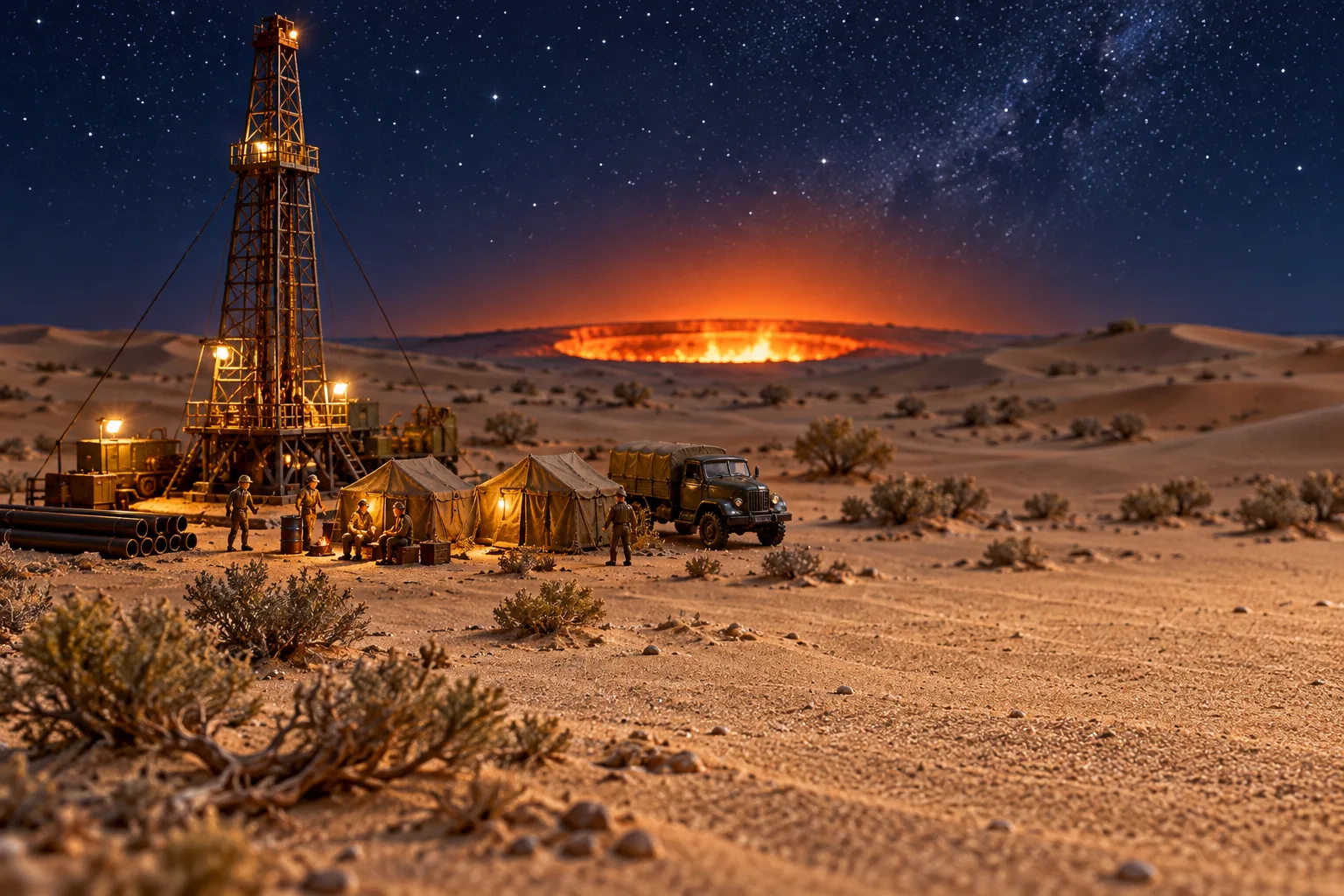 1971 (the usual date) · near Darvaza, Karakum Desert, TurkmenistanDarvaza gas craterEngineers set fire to a hole in the desert to burn off its gas, and the fire was still burning more than forty years later.
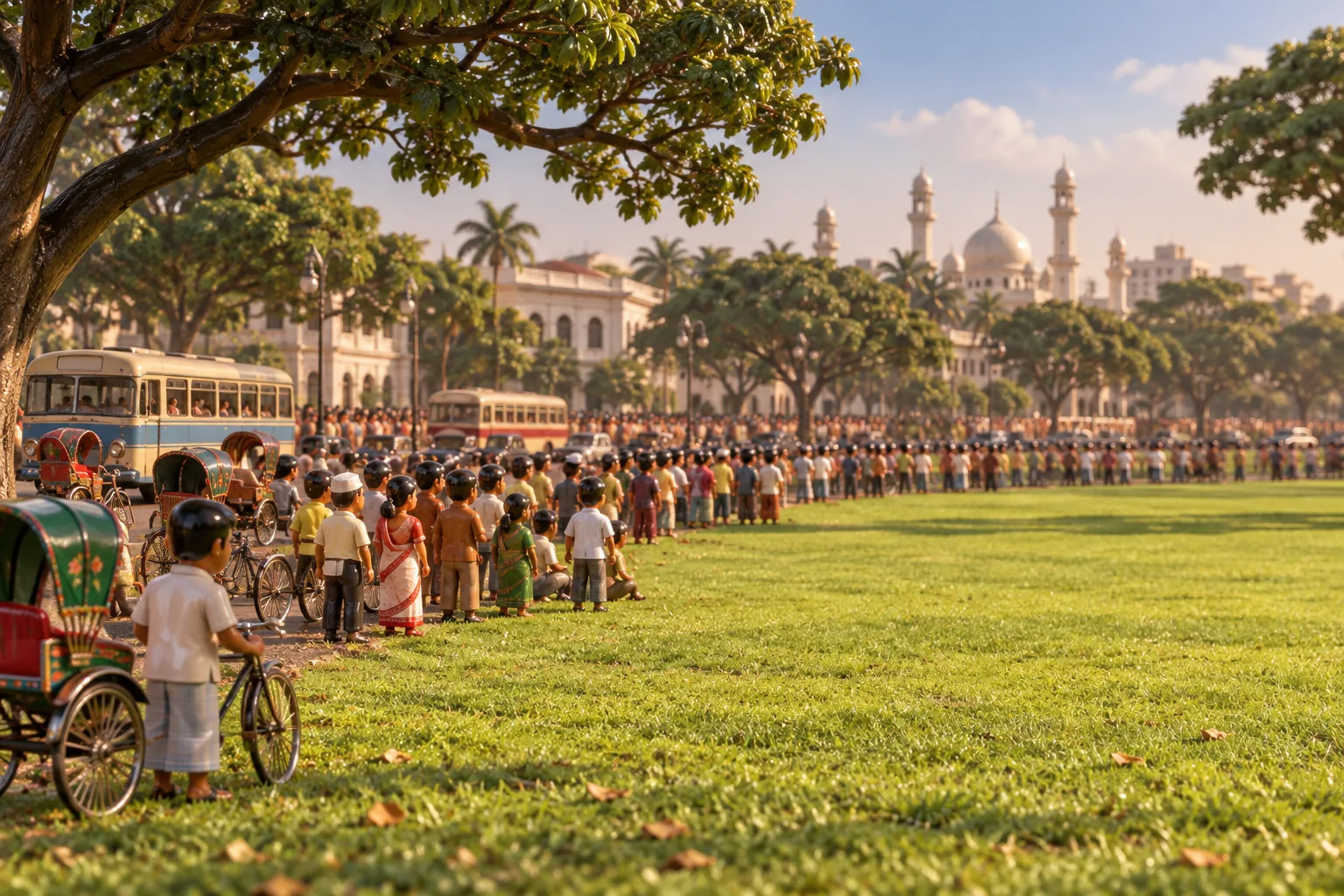 26 March – 16 December 1971 · Dhaka, East Pakistan (today Bangladesh)Bangladesh Liberation WarA country whose two halves lay on opposite sides of India broke apart in nine months, and the eastern half became the world's seventh most populous nation.
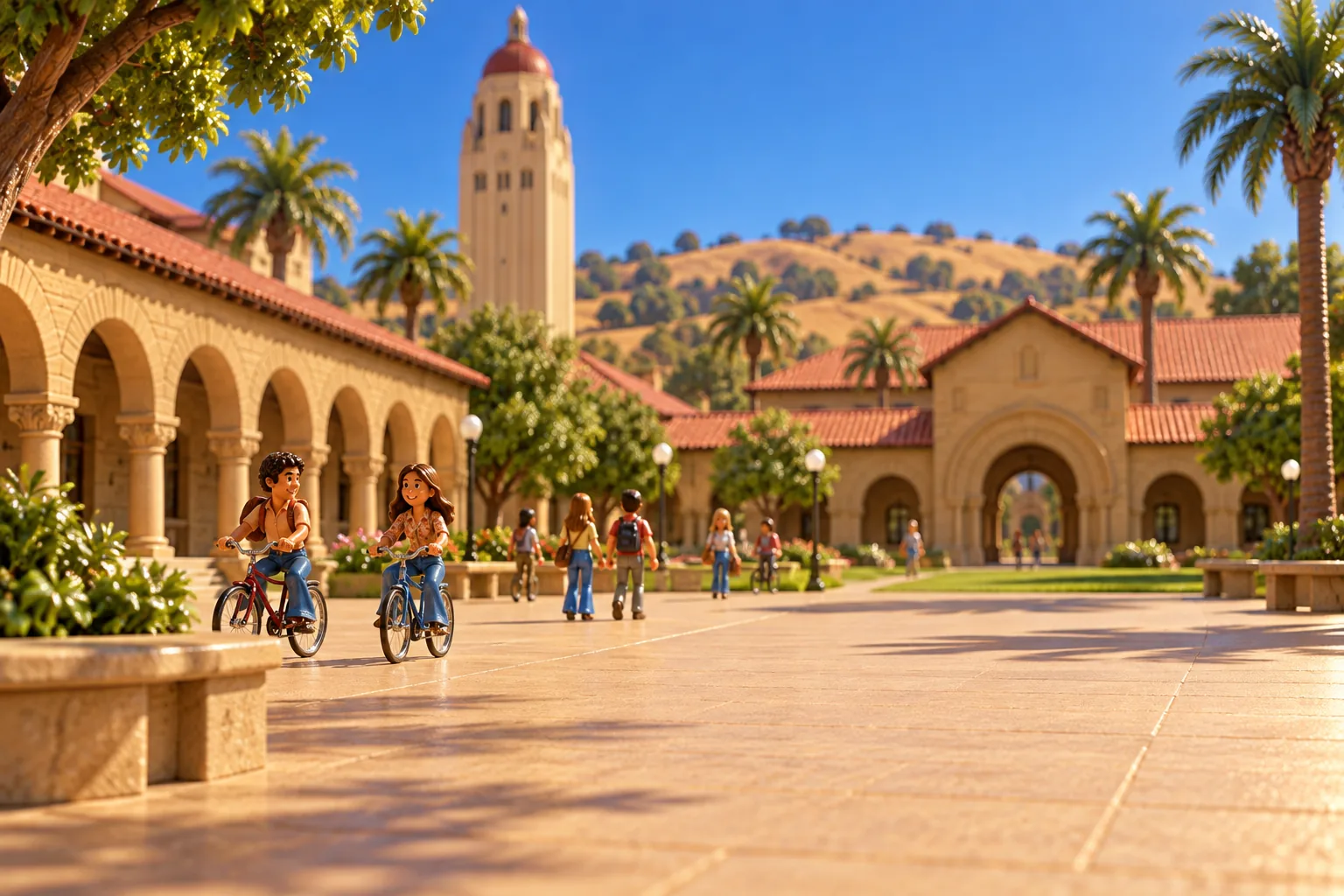 14–20 August 1971 · Jordan Hall, Stanford University, CaliforniaStanford prison experimentThe experiment was stopped only after a visiting psychologist, Christina Maslach, told Zimbardo that his role had turned him into someone she did not recognise.
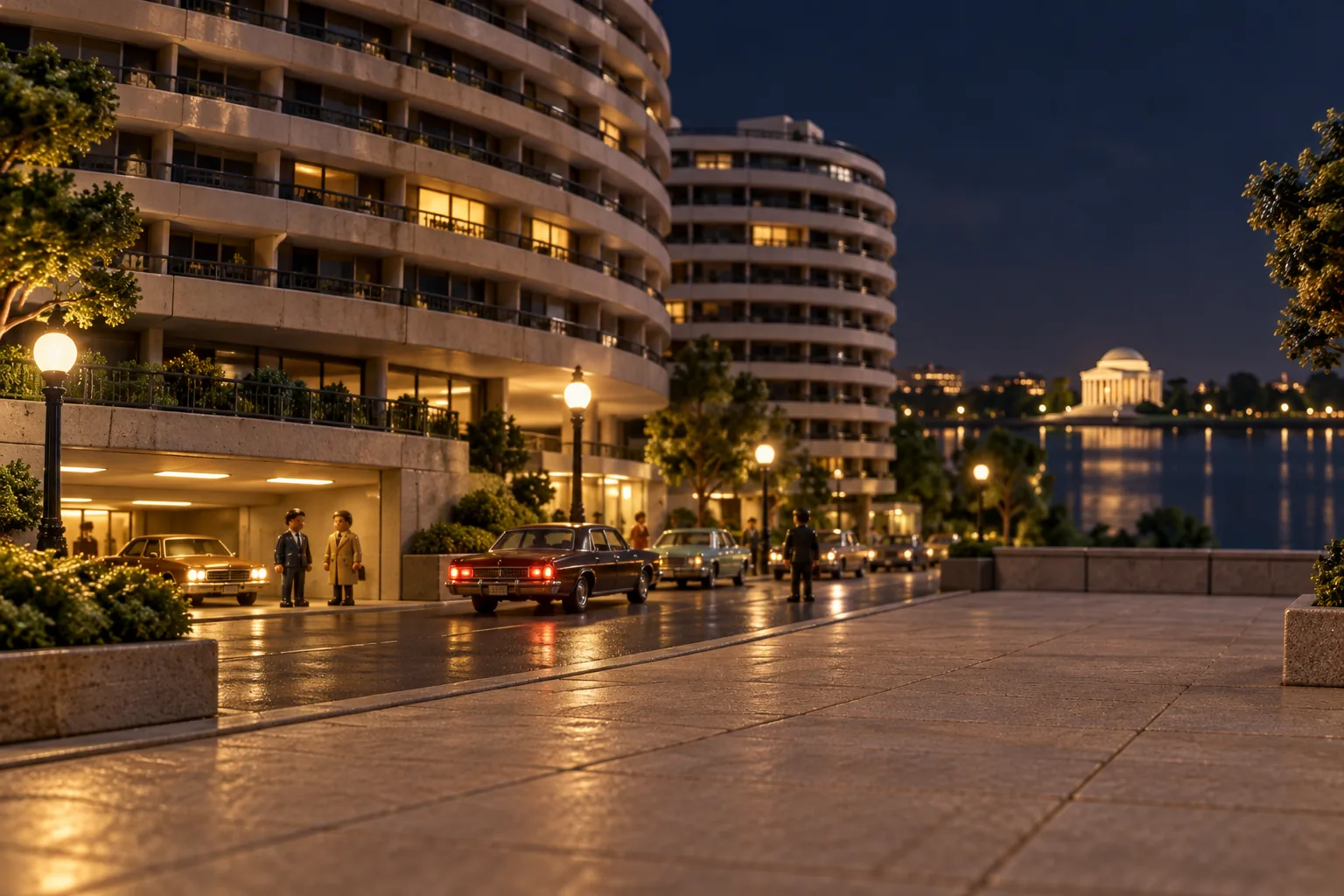 17 June 1972 – 9 August 1974 · Watergate complex, Washington, D.C., United StatesWatergate scandalThe burglary was discovered because a night security guard noticed a piece of tape over a door latch, pulled it off, and later found it had been put back.
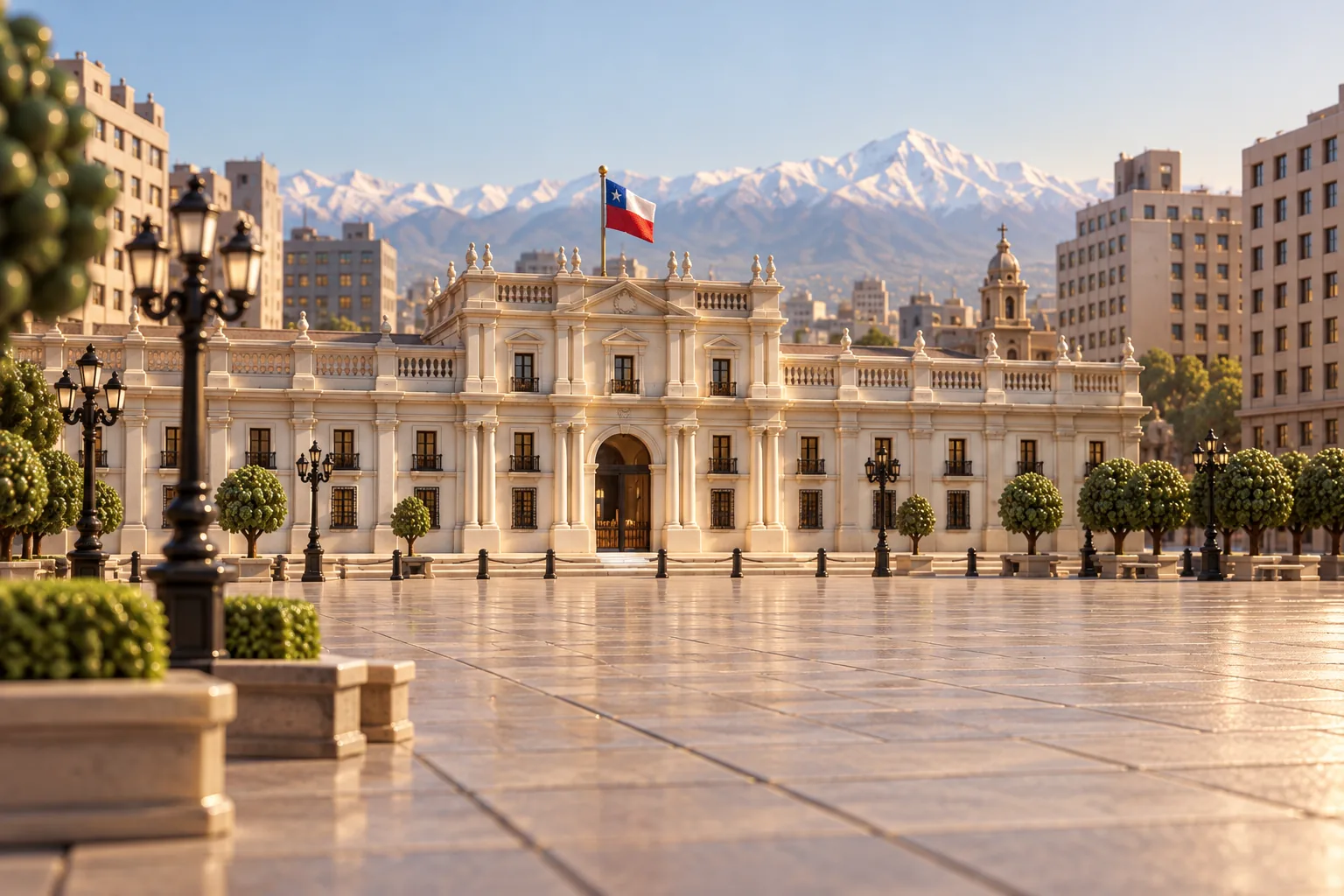 11 September 1973 · La Moneda Palace, Santiago, Chile1973 Chilean coup d'étatA country long held up as South America's model democracy lost it in a single morning, while its president broadcast his farewell from a palace under attack.
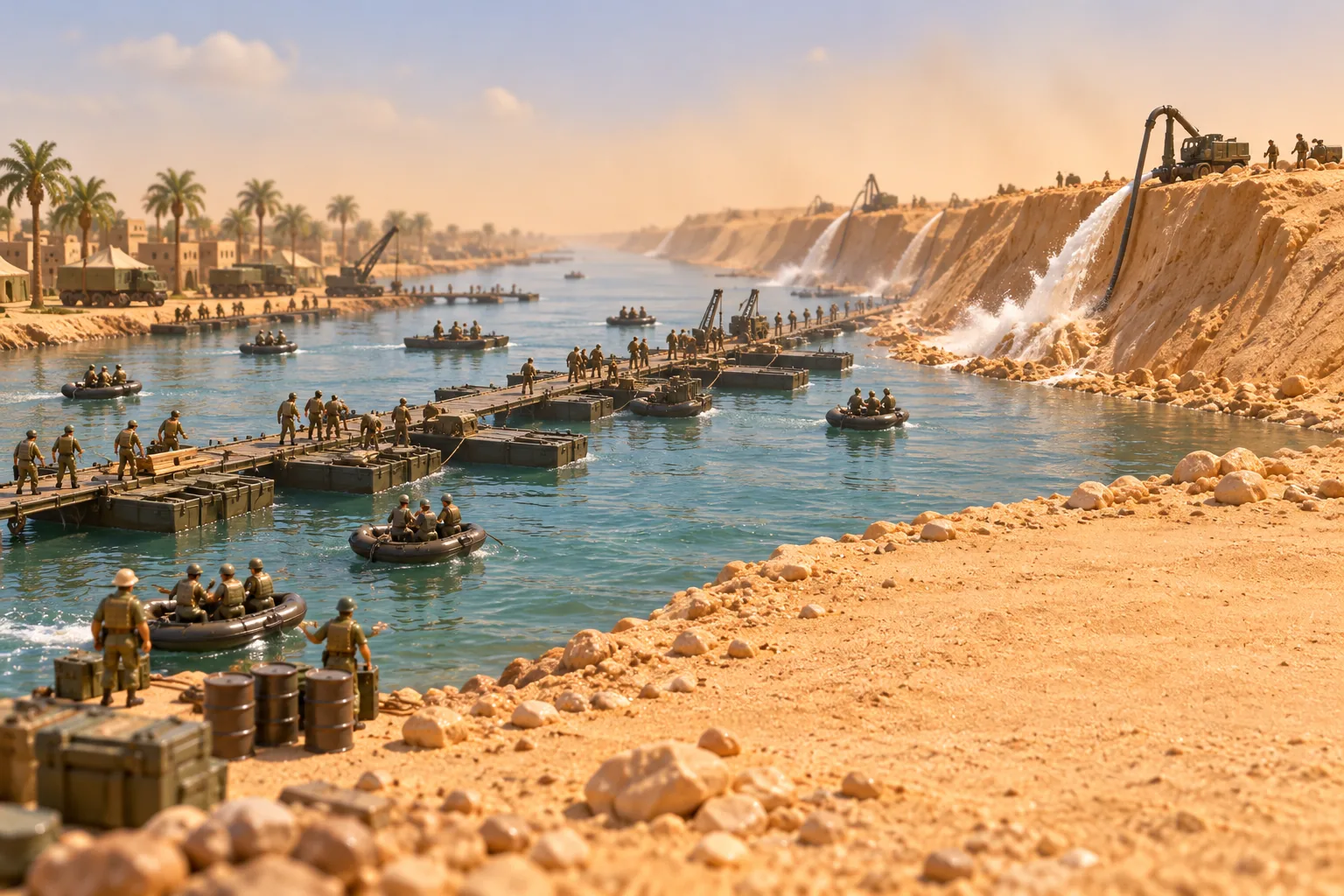 6–25 October 1973 · Suez Canal, EgyptYom Kippur WarEgyptian engineers broke through Israel's giant sand walls on the Suez Canal with an unexpected weapon: high-pressure water cannons.
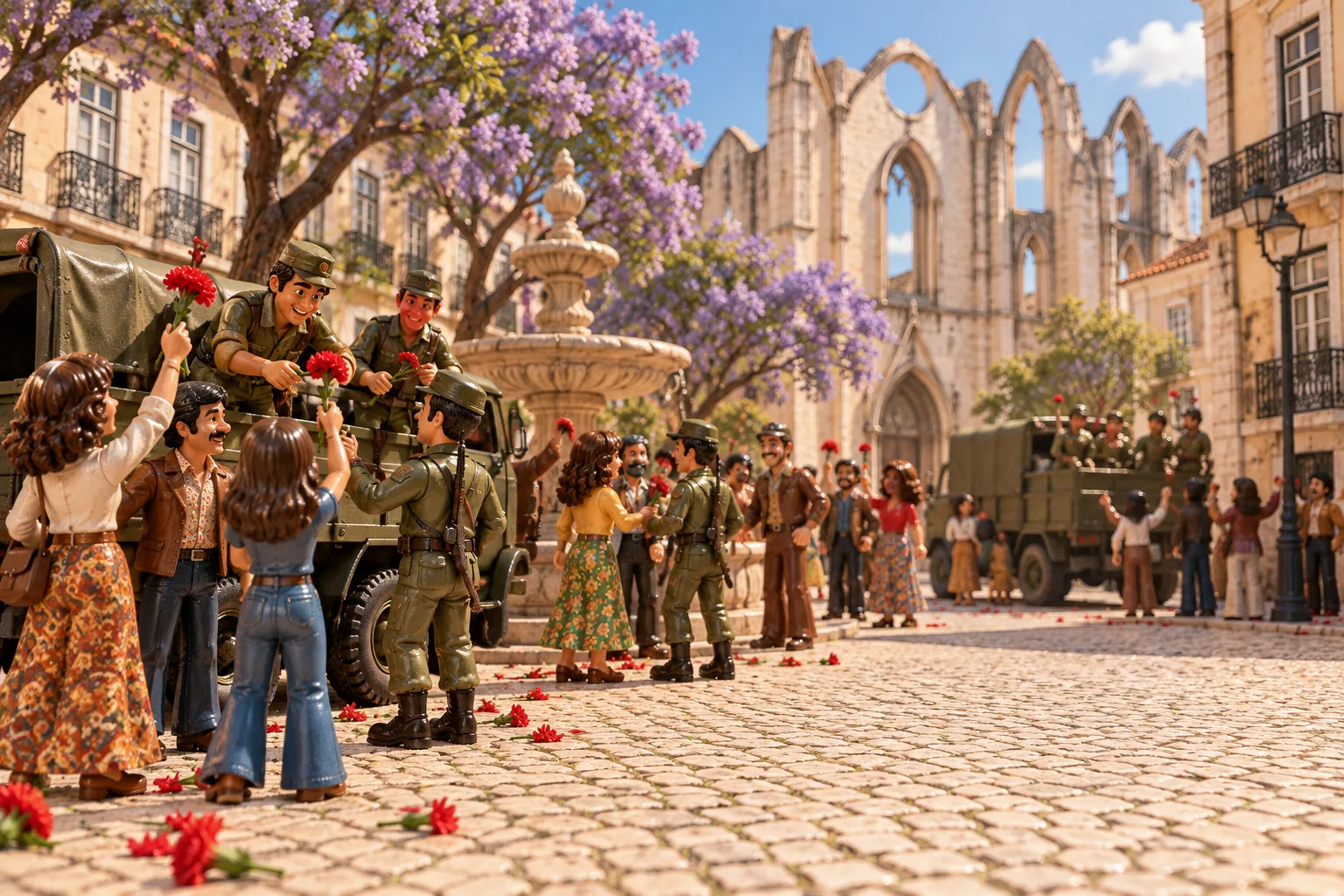 25 April 1974 · Lisbon, PortugalCarnation RevolutionThe signal for the coup was a love song on the radio, and the weapon that gave it its name was a bunch of flowers.
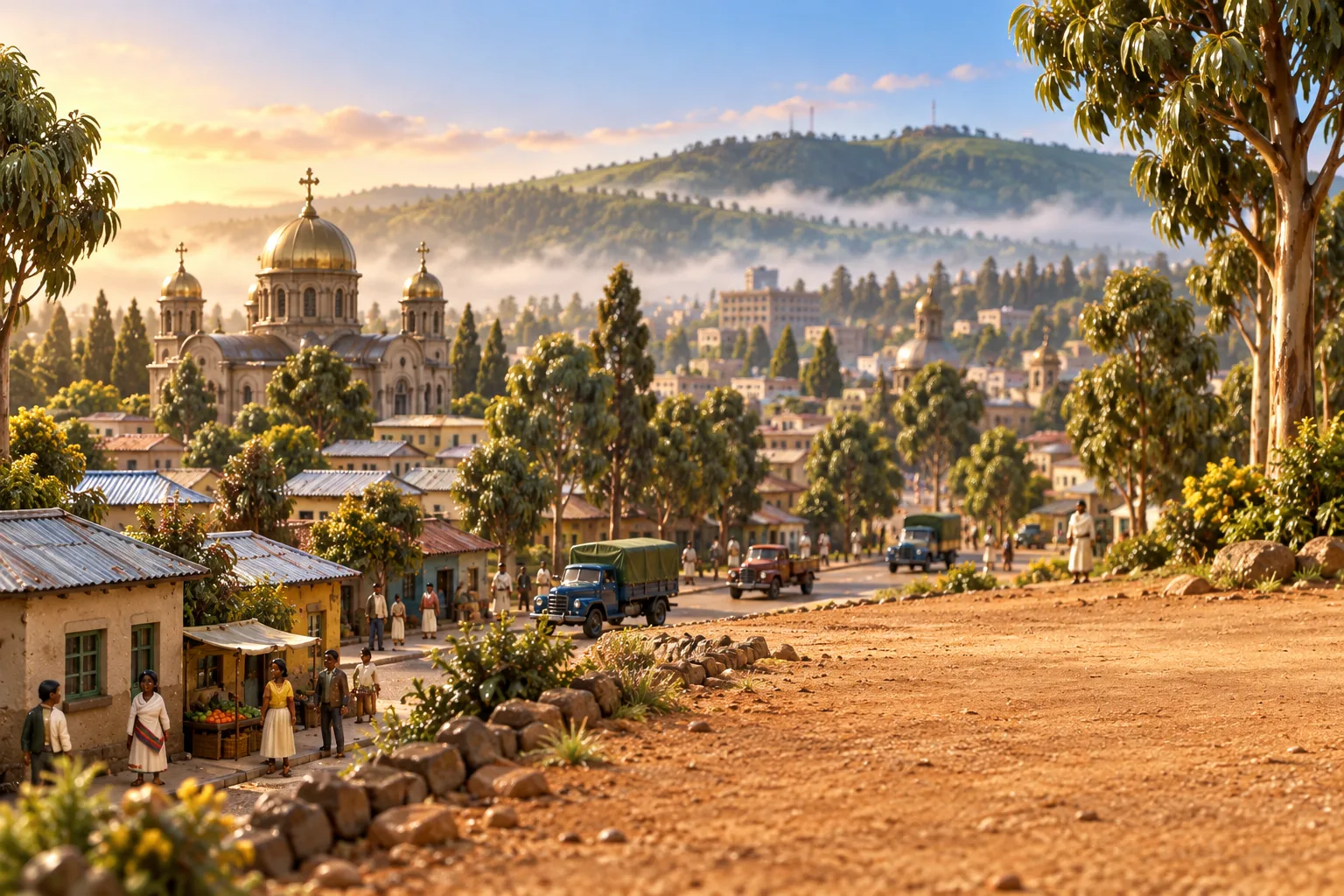 12 September 1974 – 28 May 1991 · Addis Ababa, EthiopiaEthiopian Civil WarA committee of junior soldiers overthrew the emperor Haile Selassie, and their own rule ended 17 years later with rebels marching into the capital.
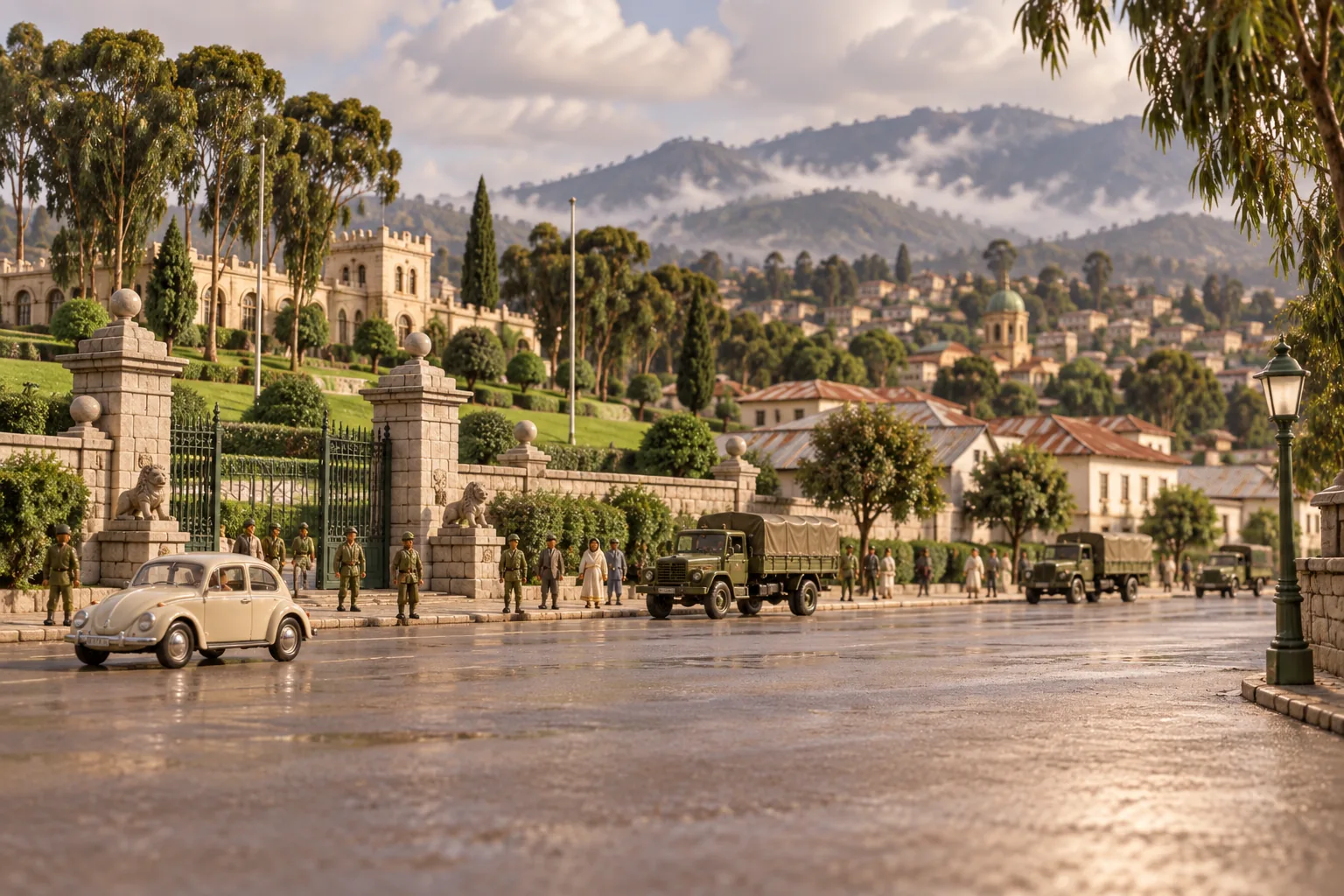 1974–1991 · Addis Ababa, EthiopiaDergA committee of about a hundred privates, sergeants and junior officers toppled one of the oldest monarchies in the world.
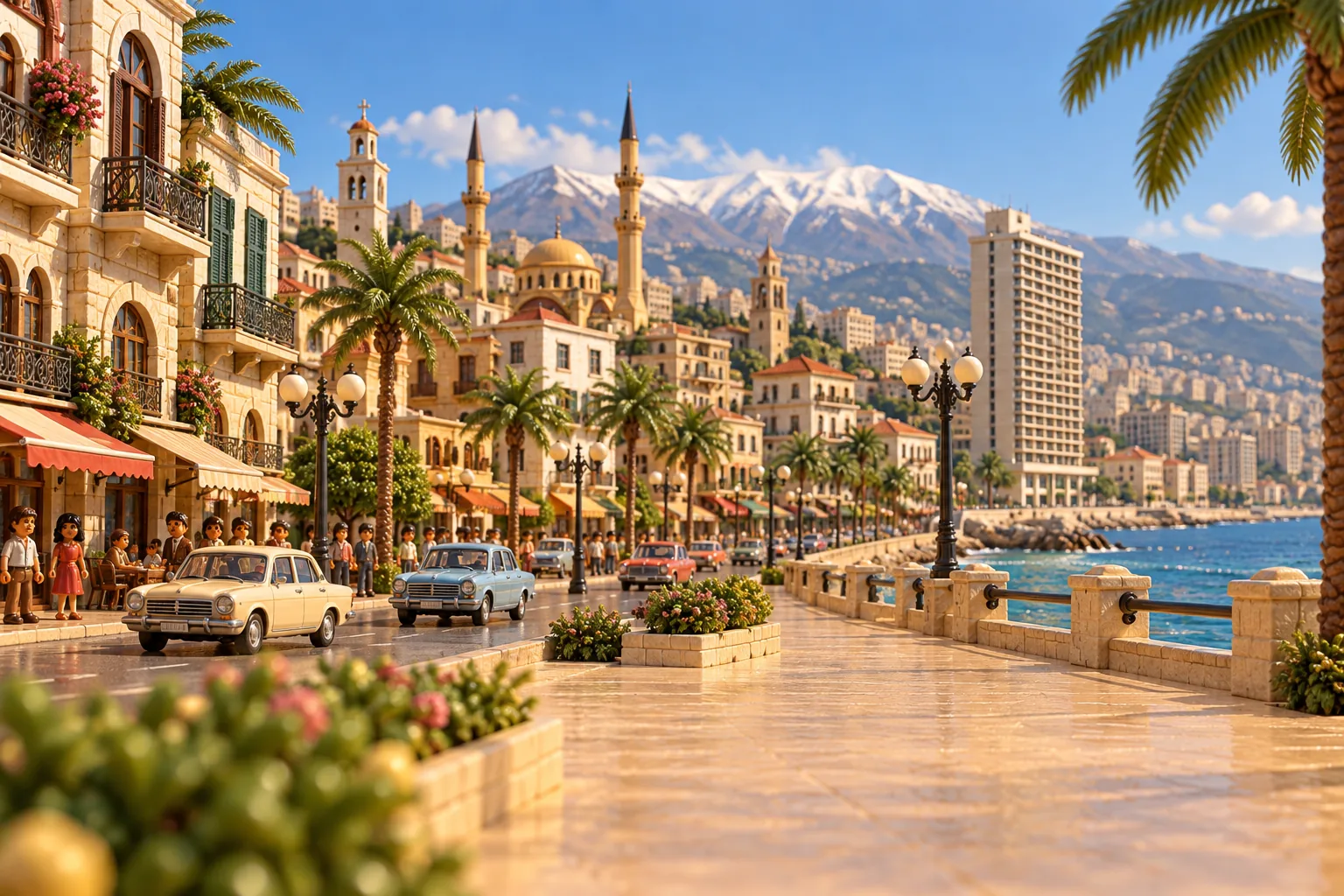 13 April 1975 – 13 October 1990 · Beirut, LebanonLebanese Civil WarFor fifteen years a front line, the Green Line, cut Beirut in two, and alliances shifted so often that yesterday's ally was today's enemy.
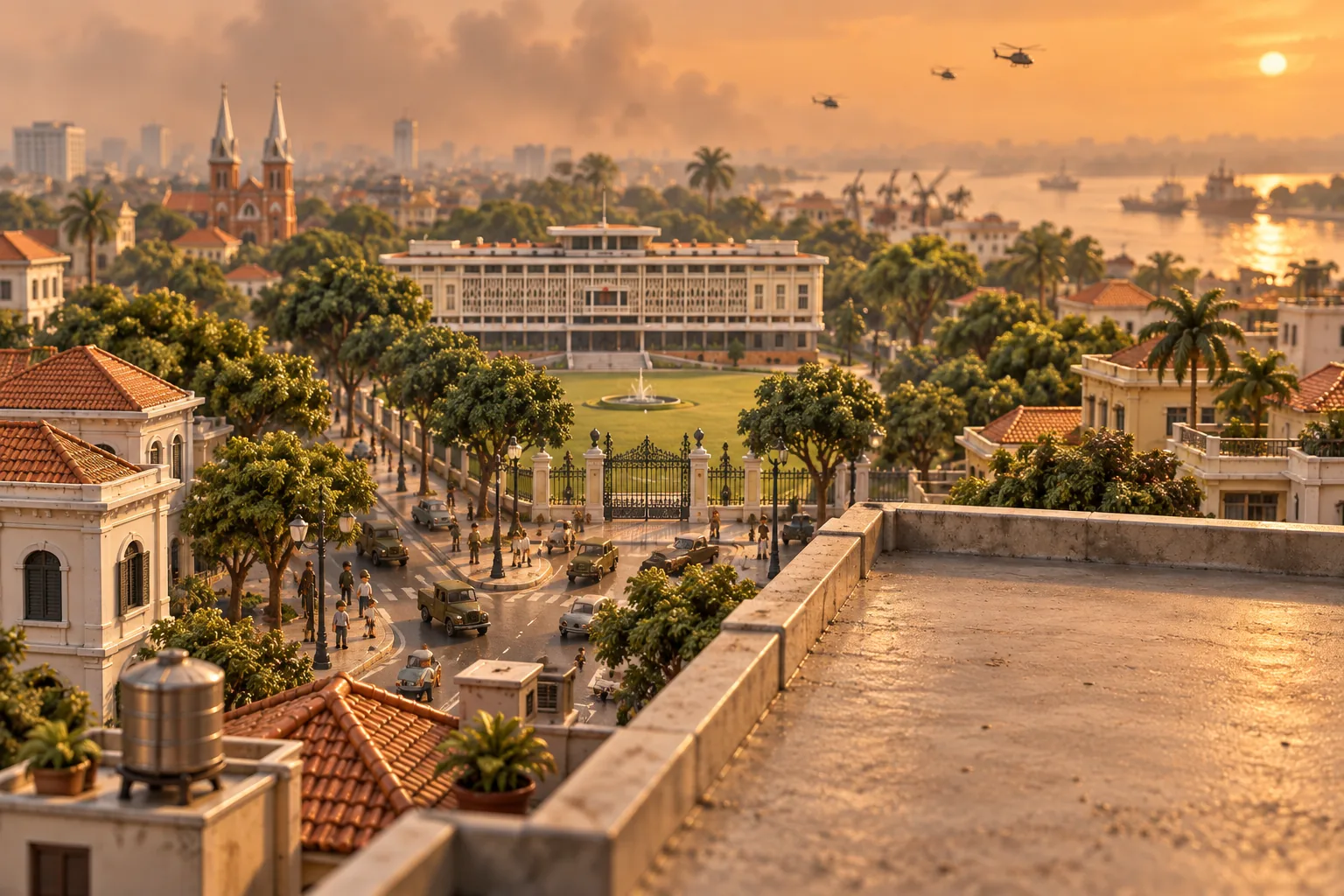 30 April 1975 · Independence Palace, Saigon, South VietnamFall of SaigonWhen the radio began playing "White Christmas" in the April heat, every American in Saigon knew it was time to run for the helicopters.
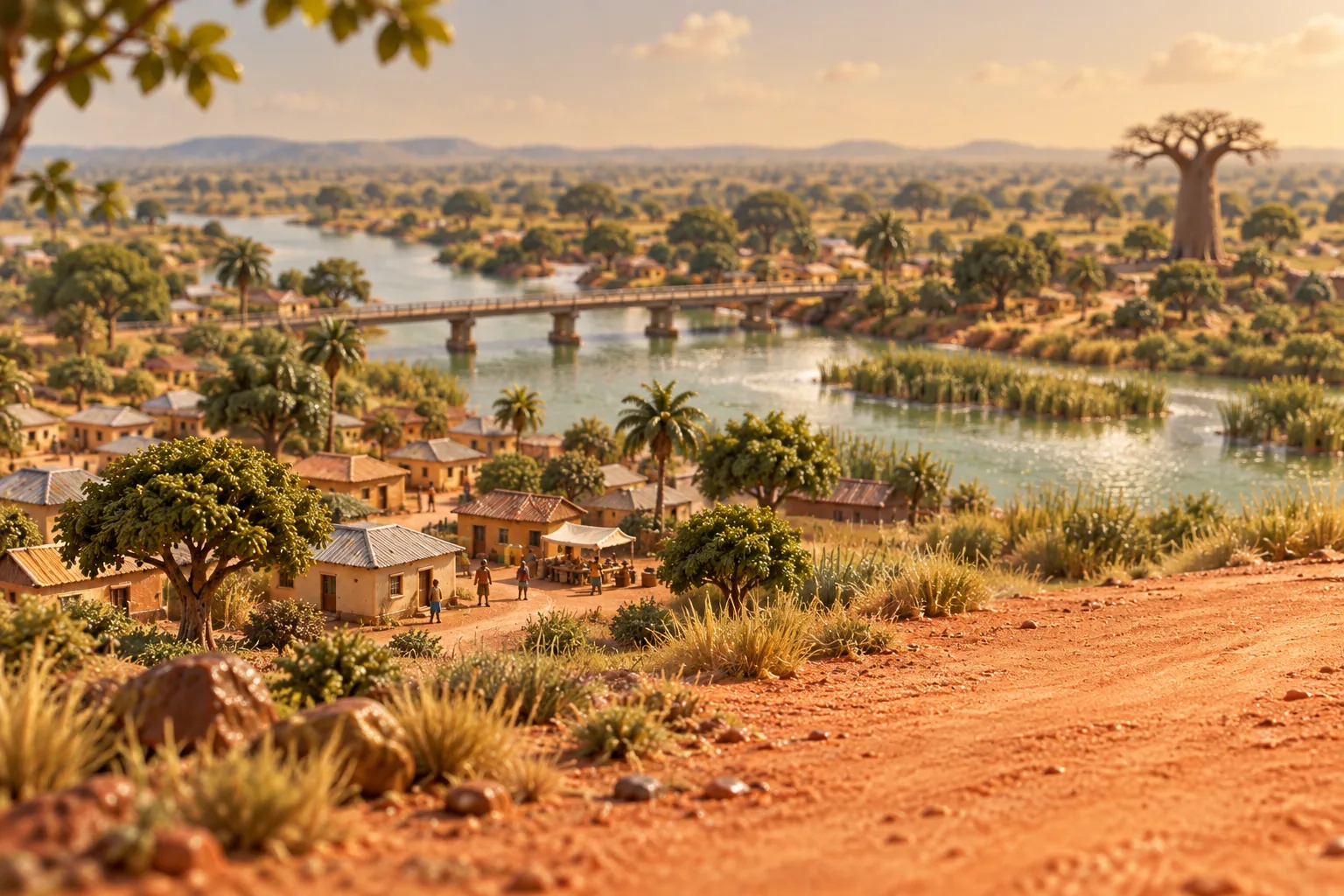 1975–2002 · Angola; the decisive battle at Cuito CuanavaleAngolan Civil WarOn the day Angola became free from Portugal, three rival movements each declared their own independent Angola.
 28 July 1976 · Tangshan, Hebei, China1976 Tangshan earthquakeThere were no foreshocks to warn anyone; the fault ran right under the sleeping city.
 July 1977 – 23 March 1978 · Ogaden region and Jijiga, eastern EthiopiaOgaden WarHalfway through the war the Soviet Union changed sides, and its tanks, advisers and thousands of Cuban troops arrived to fight for the other army.
 20 August 1977 · Cape Canaveral, Florida, United StatesVoyager programTwo probes the weight of a small car, powered by about as much electricity as a few light bulbs, became the first human-made objects to leave the Sun's bubble.
 January 1978 – February 1979 · Tehran, IranIranian RevolutionAn exiled cleric's sermons, copied onto cassette tapes and smuggled into the country, helped bring down the Shah of Iran.
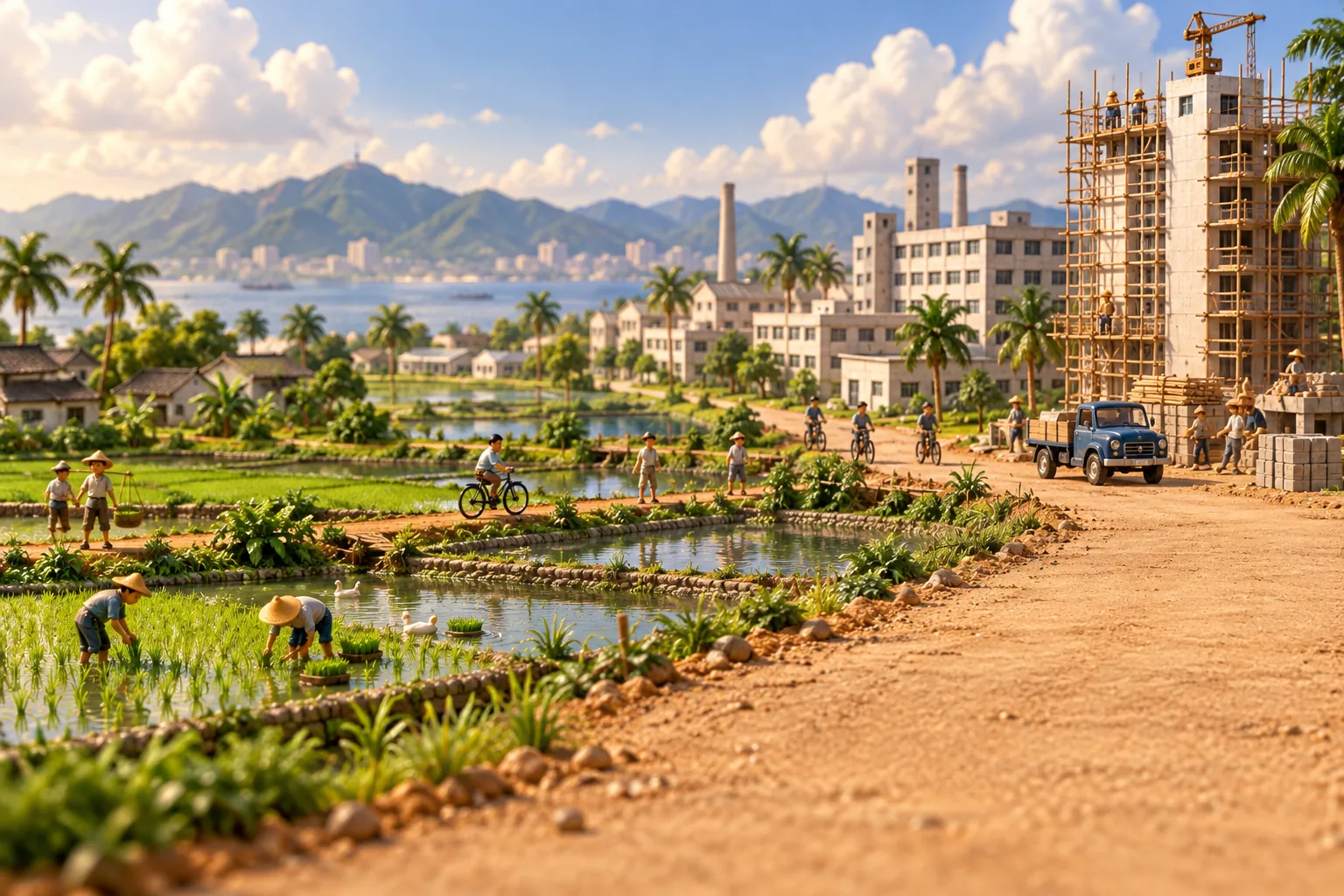 from 18 December 1978 · Shenzhen Special Economic Zone, Guangdong, ChinaChinese economic reformTwo years after Mao died, his party quietly began to let peasants farm their own plots and foreign firms build factories, and for the next 35 years the economy grew by about 9.5 percent a year.
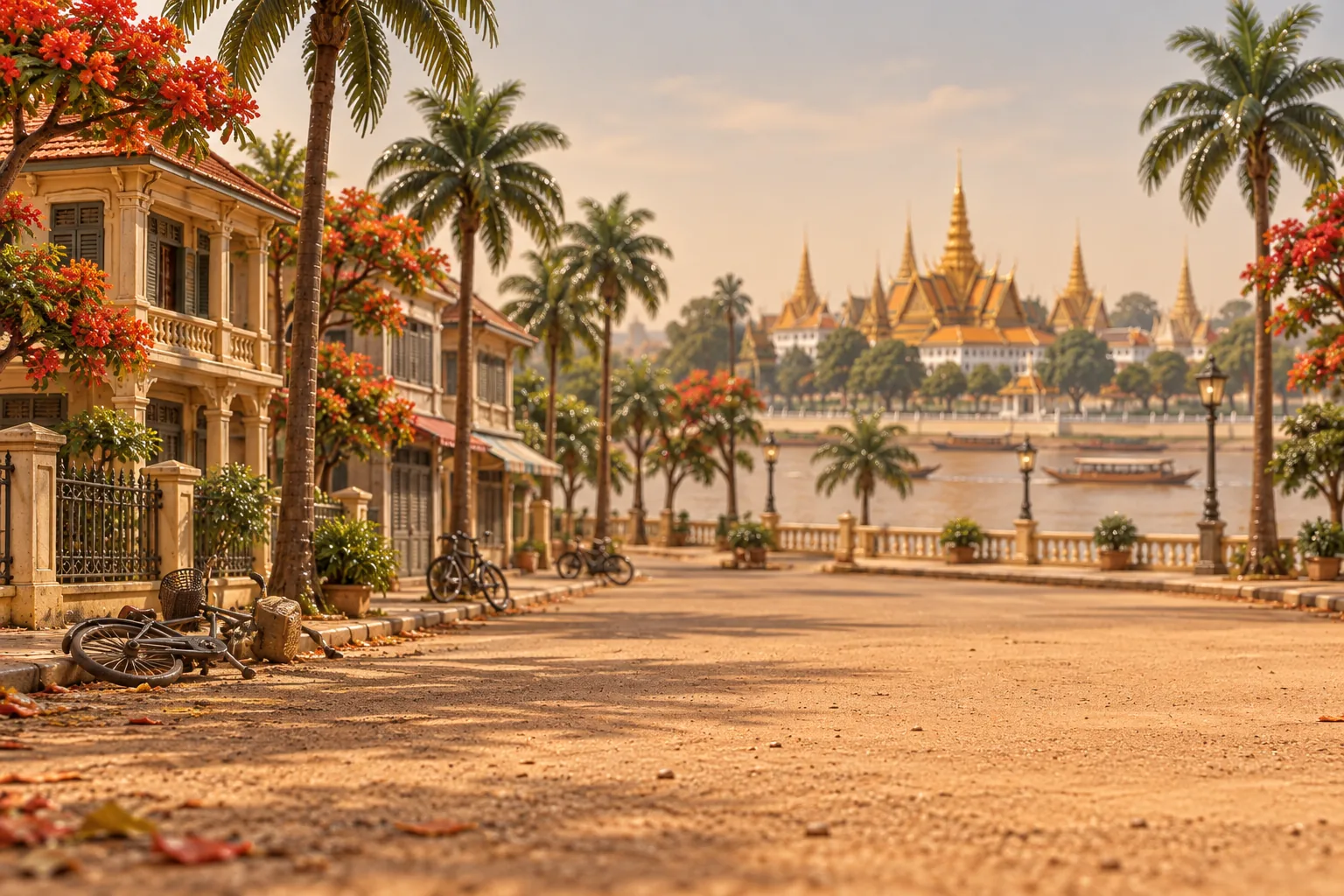 25 December 1978 – September 1989 · Phnom Penh and the Cambodia–Vietnam borderCambodian–Vietnamese WarAllies in one war became enemies in the next, and the invasion that ended one of the century's worst genocides left its invaders isolated for a decade.
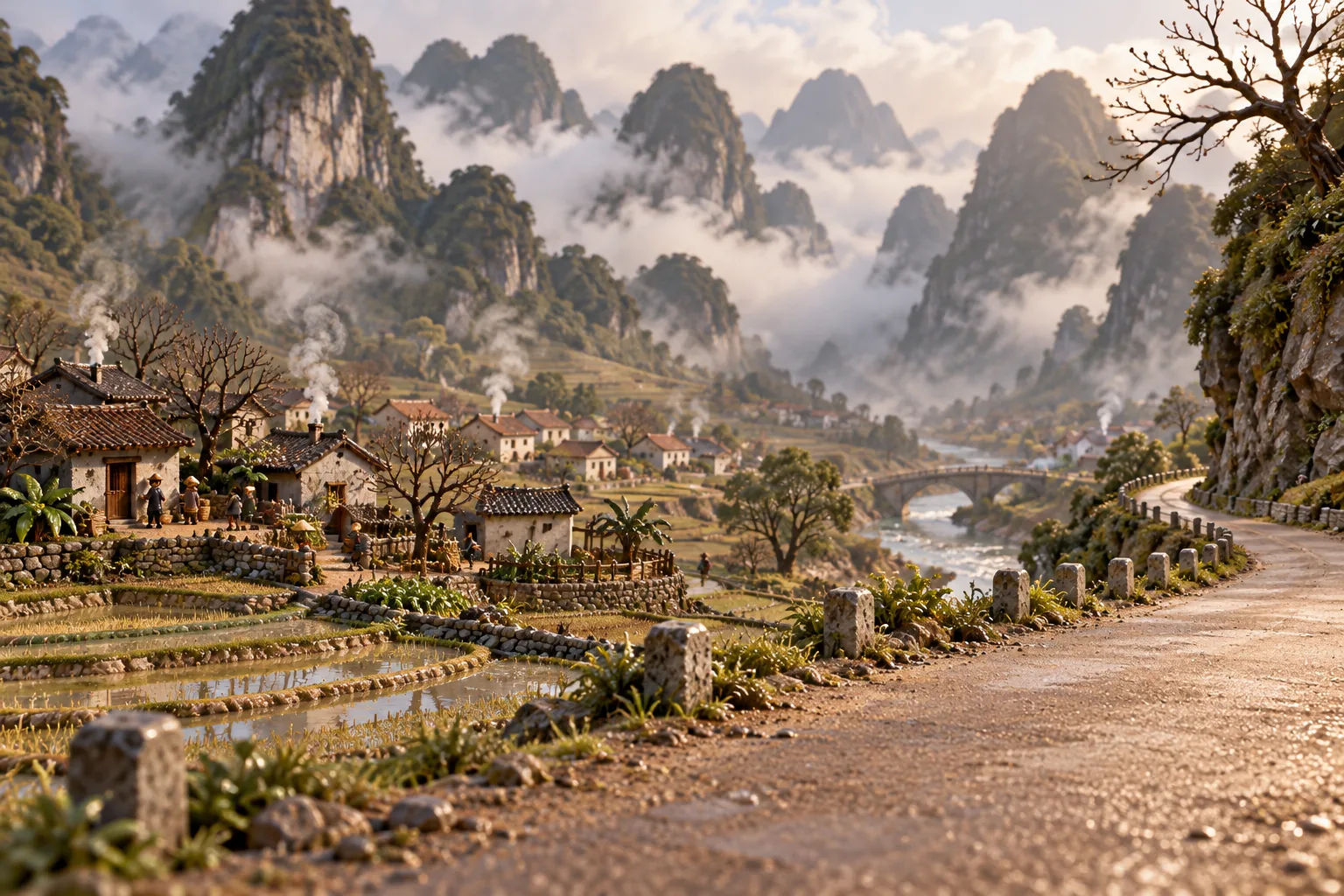 17 February – March 1979 · Lạng Sơn, Cao Bằng and Lào Cai provinces, northern VietnamSino-Vietnamese WarFour years after they had helped each other win the Vietnam War, two communist neighbours fought a short, bitter border war.
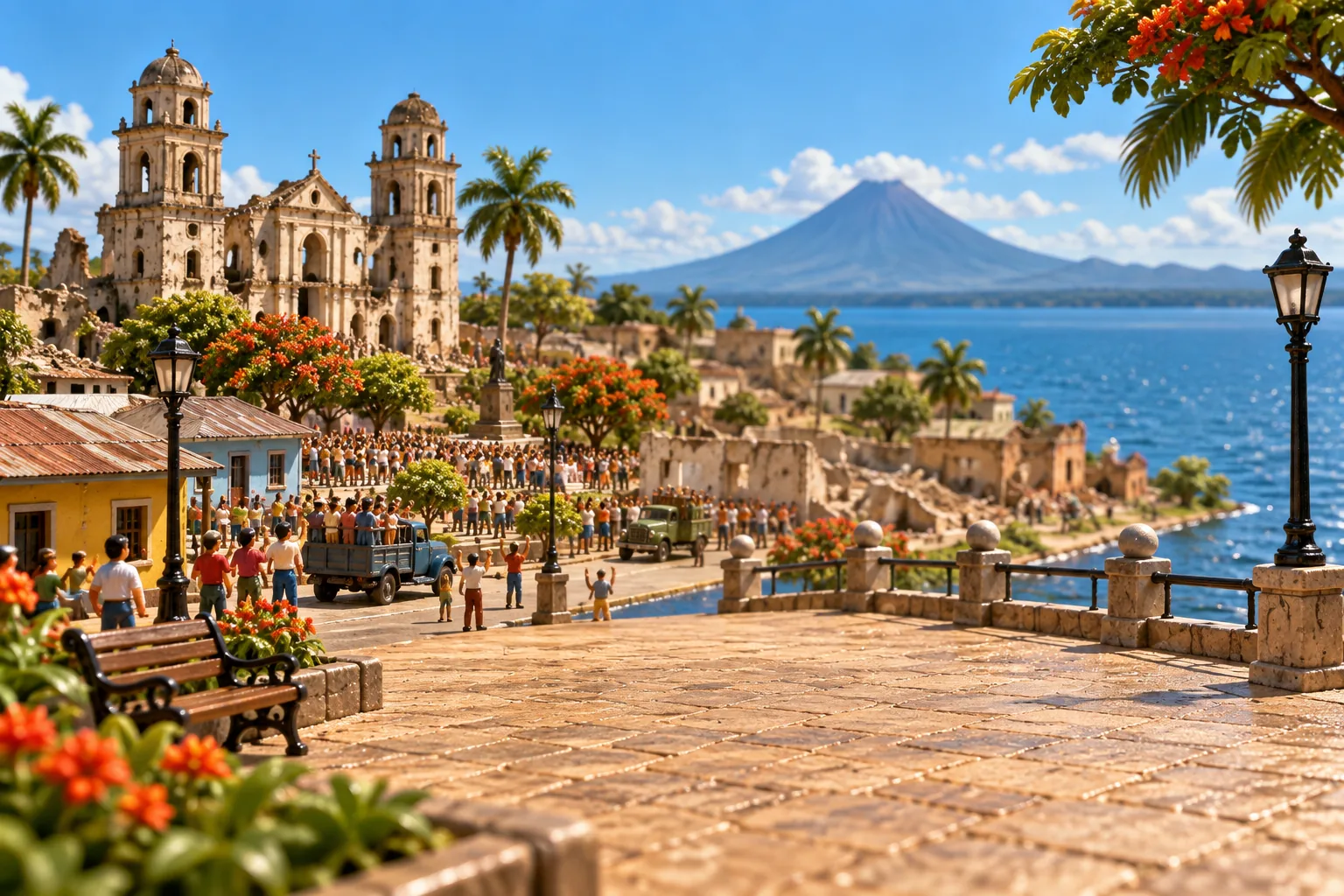 1961–1990 (Managua taken 19 July 1979) · Managua, NicaraguaNicaraguan RevolutionA rebel group that had about 20 members in the 1960s grew into an army that drove out a family dynasty that had ruled Nicaragua for over 40 years.
 25 December 1979 – 15 February 1989 · Kabul, AfghanistanSoviet–Afghan WarIn its first days, Soviet special forces in Afghan uniforms stormed the palace of the very government they had come to support.
 18–27 May 1980 · Gwangju, South KoreaGwangju UprisingWhen paratroopers clubbed students in the streets, Gwangju's taxi drivers led the whole city into revolt.
 18 May 1980, 8:32 a.m. · Mount St. Helens, Skamania County, Washington1980 eruption of Mount St. HelensThe mountain swelled for weeks like a blister, and then an earthquake let the whole north side slide off and the volcano exploded sideways.
 22 September 1980 – 20 August 1988 · Khorramshahr and the Shatt al-Arab, Iran–Iraq borderIran–Iraq WarEight years of trenches, gas and human-wave attacks ended with the border exactly where it had been.
 30 March 1981 · Washington Hilton, Washington, D.C., United StatesAttempted assassination of Ronald ReaganSix shots in 1.7 seconds all missed the president; the last one bounced off his armoured car and hit him under the arm.
 2 April – 14 June 1982 · Stanley, Falkland IslandsFalklands WarNeither country ever declared war, yet in ten weeks 907 people died over a group of windswept islands in the South Atlantic.
 10 December 1982 · Montego Bay, JamaicaUN Convention on the Law of the SeaFor three centuries a country's sea ended about as far as a cannon could fire from the shore; in 1982 nations rewrote the rules for the whole ocean.
 1983–1985 · United States (Atari's game burial at Alamogordo, New Mexico)Video game crash of 1983In September 1983 Atari quietly drove truckloads of unsold game cartridges into the New Mexico desert and buried them in a landfill.
 23 July 1983 – May 2009 · Northern and eastern Sri LankaSri Lankan civil warIt began with an ambush of thirteen soldiers near Jaffna and ended 26 years later on a strip of sand between a lagoon and the sea.
 31 October 1984 · 1 Safdarjung Road, New Delhi, IndiaAssassination of Indira GandhiAfter Operation Blue Star her Sikh guards were taken off her detail for her safety, and Indira Gandhi herself ordered them put back.
 2–3 December 1984 · Bhopal, Madhya Pradesh, IndiaBhopal disasterBefore the night of the leak, most of the factory's safety systems were already out of order.
 1985–1991 · Moscow, Soviet UnionGlasnostAn old Russian word for open court hearings became the slogan that let Soviet citizens say out loud what had gone wrong with their country.
 13 July 1985 · Wembley Stadium, London, United KingdomLive AidFor one Saturday in 1985, nearly 40 percent of the people on Earth watched the same rock concert to help feed people they would never meet.
 22–25 February 1986 · EDSA (Epifanio de los Santos Avenue), Metro Manila, PhilippinesPeople Power RevolutionNuns knelt in front of the tanks with rosaries in their hands, and the marines in the tanks did not drive on.
 26 April 1986 · Chernobyl Nuclear Power Plant, near Pripyat, Ukrainian SSR, Soviet UnionChernobyl disasterA safety test that had already failed three times was run once more in the middle of the night, and it blew the roof off reactor 4.
 3 November 1986 · Washington, D.C., United StatesIran–Contra affairA secret deal sold missiles to a country the United States called a sponsor of terror, and the profits were used to fund a war Congress had banned.
 16 September 1987 · Montreal, Quebec, CanadaMontreal ProtocolEighteen months after scientists found a hole in the sky over Antarctica, the world's governments agreed to ban the chemicals that made it.
 1989 (main phase May 1988 – December 1991) · Leipzig, East Germany (Monday demonstrations); Central and Eastern EuropeRevolutions of 1989On 9 October 1989, amid rumours that a massacre was planned, 70,000 people marched through Leipzig, and the forces on the streets did not open fire.
 15 April – 4 June 1989 · Tiananmen Square, Beijing, China1989 Tiananmen Square protests and massacreAt the height of the protests, about a million people stood in Tiananmen Square, and in China the events are still among the most heavily censored subjects.
 17 October 1989, 5:04 p.m. · Santa Cruz Mountains, California; damage across the San Francisco Bay Area1989 Loma Prieta earthquakeMillions were watching the pre-game show of a World Series between two Bay Area teams when the picture broke up in mid-sentence.
 9 November 1989 · Berlin, GermanyFall of the Berlin WallA fumbled answer at an evening press conference opened the Berlin Wall within hours, and the crowds did the rest.
 17–28 November 1989 · Prague, CzechoslovakiaVelvet RevolutionHundreds of thousands of people stood in the squares of Prague and jingled their keys at the government: time to go home.
 16–25 December 1989 · Bucharest, RomaniaRomanian Revolution (1989)Nicolae Ceaușescu called a huge rally to show the country still loved him, and live on state television the crowd began to scream.
 2 August 1990 – 28 February 1991 · KuwaitGulf WarFor the first time, people at home watched a war live on television, including footage filmed by cameras on board the attacking aircraft.
 3 October 1990 · Brandenburg Gate, Berlin, GermanyGerman reunificationAt the stroke of midnight a black-red-gold flag went up over Berlin, and East Germany simply ceased to exist.
 1991–2001 · Sarajevo, Bosnia and HerzegovinaYugoslav WarsThe Old Bridge of Mostar had stood for more than four centuries when it was destroyed in 1993; it became a symbol of everything the wars broke.
 6 August 1991 · CERN, Geneva, SwitzerlandWorld Wide WebHis boss read the proposal for the World Wide Web and wrote on it: "vague, but exciting".
 26 December 1991 · Moscow, RussiaThe end of the Soviet UnionAt 7:45 in the evening on 25 December 1991 the red flag came down over the Kremlin, and a superpower simply stopped existing.
 6 April 1992 – 21 November 1995 · Sarajevo, Bosnia and HerzegovinaBosnian WarHalf a century after the Second World War, a European capital lived under siege for years and a UN safe area fell to genocide.
 29 April – 3 May 1992 · South Central Los Angeles, California, United States1992 Los Angeles riotsA bystander's home video of a police beating led, a year later, to the most destructive unrest in modern American history.
 10 May 1994 · Pretoria, South AfricaMandelaFour years after he walked out of prison, the man the apartheid state had locked up for life was sworn in as its president.
 midnight, 30 June – 1 July 1997 · Hong Kong Convention and Exhibition Centre, Wan Chai, Hong KongHandover of Hong KongA 99-year lease signed in 1898 ran out, and Britain gave back not only the leased land but the island it had been promised forever.
 2 August 1998 – 18 July 2003 · Democratic Republic of the Congo: Kivu, Kisangani, Kinshasa and the central frontSecond Congo WarA president turned on the neighbours who had just put him in power, and the quarrel pulled nine countries into the deadliest war since 1945.
 11 September 2001 · World Trade Center, New York City, United StatesSeptember 11 attacksOn the fourth plane the passengers, having heard what had happened to the others, fought back, and it came down in an empty field.
 20 March 2003 – 18 December 2011 · Baghdad, IraqIraq WarThe war was sold on the claim that Iraq had weapons of mass destruction; none of the stockpiles were ever found.
 26 December 2004 · Indian Ocean, off the west coast of Aceh, Sumatra, Indonesia2004 Indian Ocean earthquake and tsunamiOn a Thai beach a 10-year-old girl remembered a geography lesson about tsunamis, and everyone on that beach got away in time.
 26–29 November 2008 · South Mumbai, Maharashtra, India26/11 Mumbai attacksFor almost three days the whole world watched smoke rise from the dome of Mumbai's most famous hotel.
 12 January 2010 · Léogâne and Port-au-Prince, Haiti2010 Haiti earthquakeHaitians call it Goudougoudou, after the sound of buildings coming down.
 11 March 2011 · Ōkuma, Fukushima Prefecture, JapanFukushima nuclear accidentThe reactors shut down safely when the earthquake struck. It was the water that came 50 minutes later that turned it into the worst nuclear accident since Chernobyl.
 11 March 2011 · Off the Oshika Peninsula, Tōhoku, Japan2011 Tōhoku earthquake and tsunamiThe most powerful earthquake ever recorded in Japan moved the main island 2.4 metres east and made every day on Earth a little shorter.
 22 October – 2 November 2012 (New York hit on 29 October) · Caribbean and the US East Coast; landfall near Brigantine, New Jersey; New York CityHurricane SandyA late-season hurricane made a sharp left turn towards the coast and pushed the sea into the tunnels of New York.