Our time · politics
Stonewall riots
Police raids on gay bars were routine in 1960s New York, but on one Friday night the crowd outside the Stonewall Inn refused to go home.
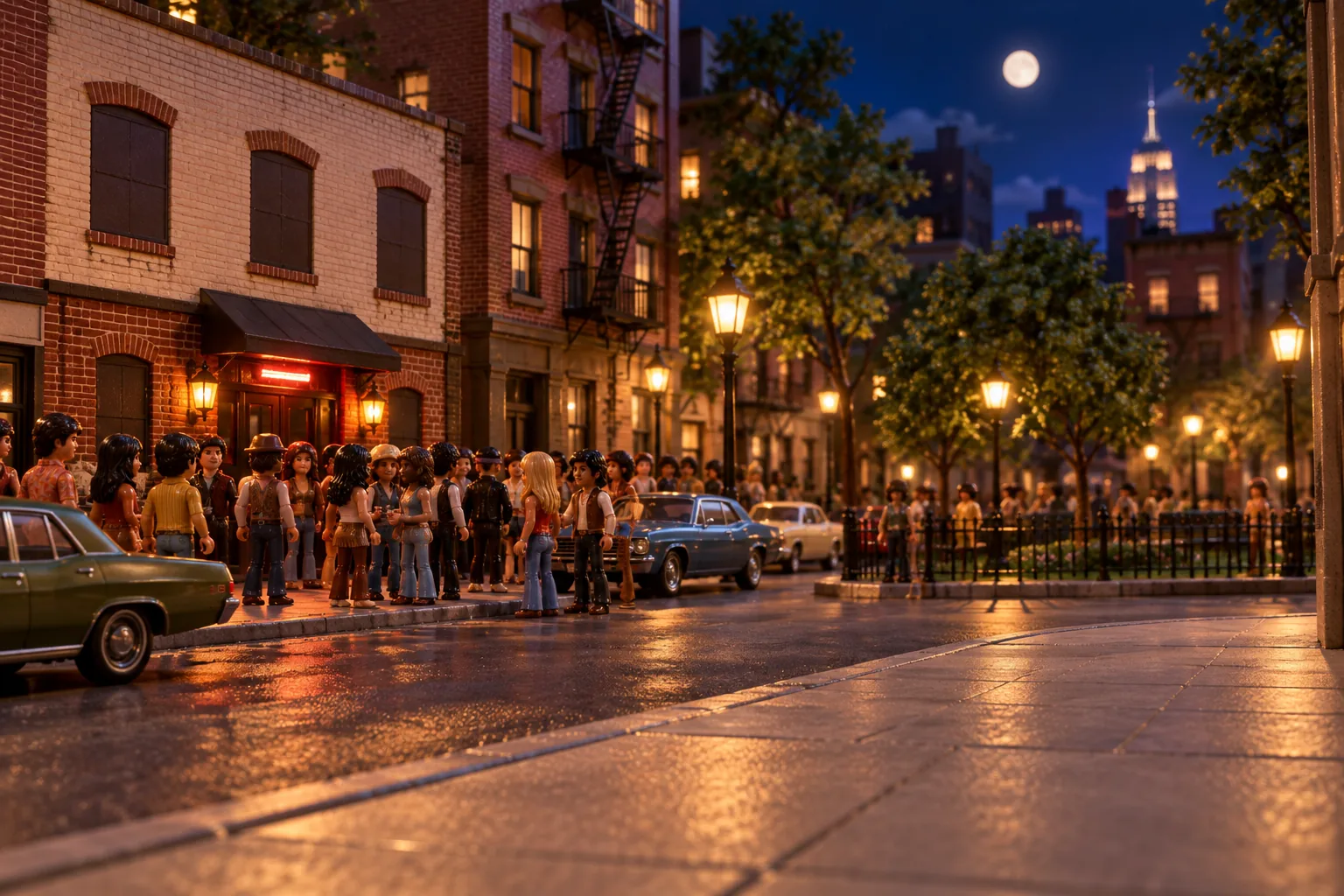
In the 1950s and 1960s gay and lesbian Americans faced laws that were harsher than in many other countries, and very few places welcomed them openly. The Stonewall Inn on Christopher Street in Greenwich Village was owned by the Mafia. It drew some of the poorest and most marginalised people in the gay community: drag queens, transgender people, effeminate young men, hustlers and homeless youths. Raids on gay bars were common, but usually early on weeknights, when crowds were small.
At 1:20 a.m. on Saturday, 28 June 1969, Deputy Inspector Seymour Pine and a group of officers raided the Stonewall Inn. They seized twenty-eight cases of beer and nineteen bottles of liquor, but the patrol wagons were late. People released from the bar did not leave; they gathered outside, and the crowd grew to many times the number of those arrested. As the wagons took prisoners away, the crowd turned on the police, and ten officers barricaded themselves inside the bar for their own safety. Thirteen people were arrested that night, and protests returned the next evening and again several nights later.
Within weeks Village residents had formed activist groups such as the Gay Liberation Front, and new publications spoke openly about gay and trans rights. On 28 June 1970 Christopher Street Liberation Day marked the first anniversary, with marches in Los Angeles and Chicago on the same day, the first Gay Pride marches in American history. They grew into the pride events now held around the world at the end of June.
Read more on Wikipedia