Our time · politics
Carnation Revolution
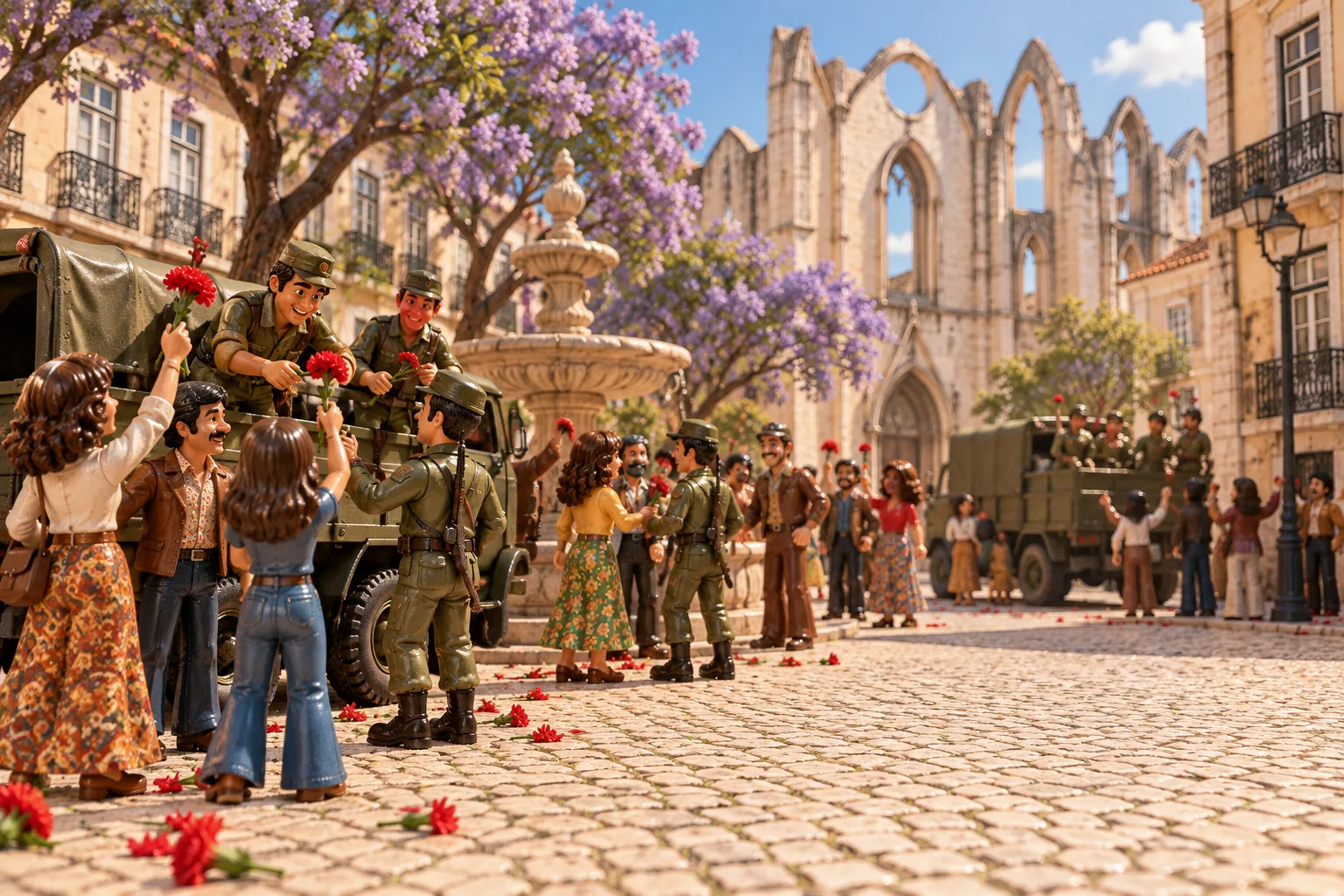
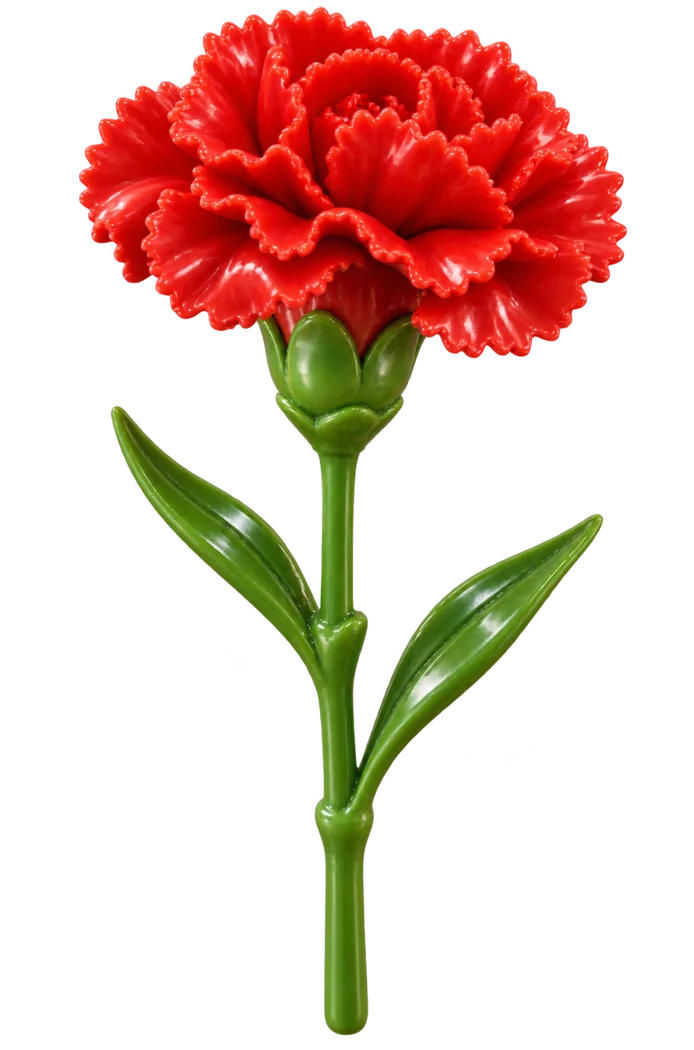
The signal for the coup was a love song on the radio, and the weapon that gave it its name was a bunch of flowers.
By 1974 Portugal had lived under dictatorship for almost half a century. The Estado Novo regime built by António de Oliveira Salazar ruled through censorship and the political police, the PIDE. After Salazar's stroke in 1968, Marcelo Caetano took over and promised reform, but the country was still fighting a costly colonial war in Angola, Mozambique and Guinea that had begun in 1961. Young officers who saw that the war could not be won formed the Armed Forces Movement (MFA) to overthrow the government.
The coup had two radio signals. At 22:55 on 24 April a Lisbon station played "E Depois do Adeus", Portugal's Eurovision entry that year. At 00:20 on 25 April Rádio Renascença played "Grândola, Vila Morena" by Zeca Afonso, a singer the regime had banned, and soldiers moved on key points across the country. Caetano took refuge in the National Republican Guard headquarters at the Largo do Carmo, where MFA troops surrounded him and pressed him to hand power to General António de Spínola. Thousands of people ignored calls to stay home and poured into the streets. That evening the secret police fired from their headquarters into the crowd outside and killed four civilians; otherwise almost no shots were fired.
Caetano and President Américo Tomás were sent into exile in Brazil. Portugal held its first free election exactly a year later, on 25 April 1975, and talks with the African independence movements began. Portuguese troops left Guinea-Bissau by the end of 1974, and Cape Verde, Mozambique, São Tomé and Príncipe and Angola followed in 1975.
Read more on Wikipedia


