Early modern · politics
Province of Massachusetts Bay
Puritan Massachusetts had elected its own governors for sixty years; the royal charter of 1691 took that away, and for eighty years the assembly and the king's governors fought over money and power.
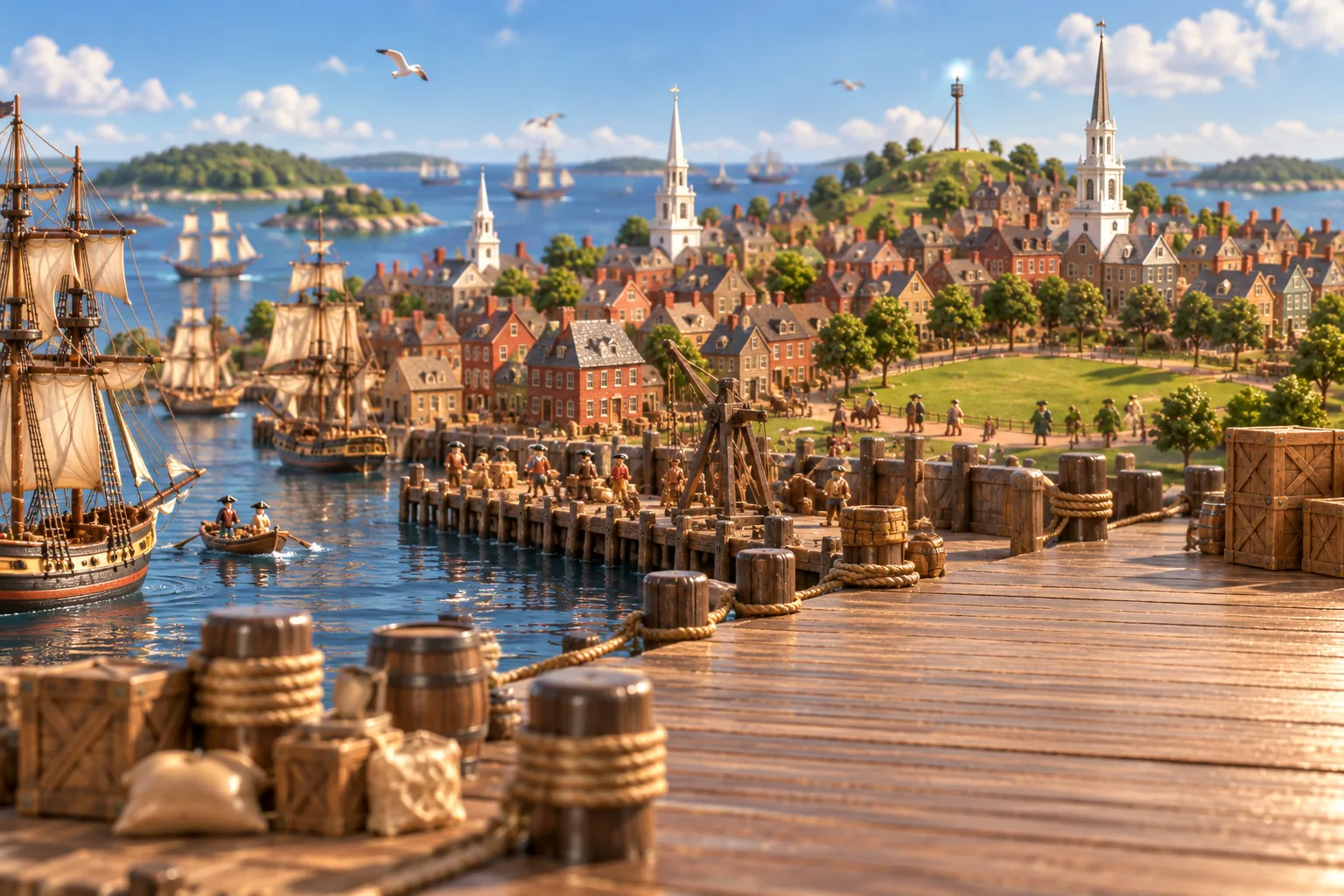
English settlement around Massachusetts Bay began with the Plymouth Colony in 1620 and the Puritan Massachusetts Bay Colony in 1628. For decades they ran their own affairs. Charles II revoked the Massachusetts charter in 1684, and James II folded New England into one Dominion under the hated governor Edmund Andros. When James was overthrown in 1688, Boston rose up and arrested Andros in April 1689. The minister Increase Mather went to London to ask for the old charter back. Instead, on 7 October 1691, William III and Mary II granted a new one, which took effect on 14 May 1692.
The new province joined Massachusetts Bay with Plymouth, Maine, Martha's Vineyard, Nantucket and, until 1697, Nova Scotia and New Brunswick. Voting now depended on owning property rather than church membership, and the governor and judges were appointed by the Crown, while the elected General Court held the purse. Governors and assembly quarrelled for decades over salaries and spending, while the province fought the French and their Indigenous allies; in 1745 Governor William Shirley's New England troops took the French fortress of Louisbourg.
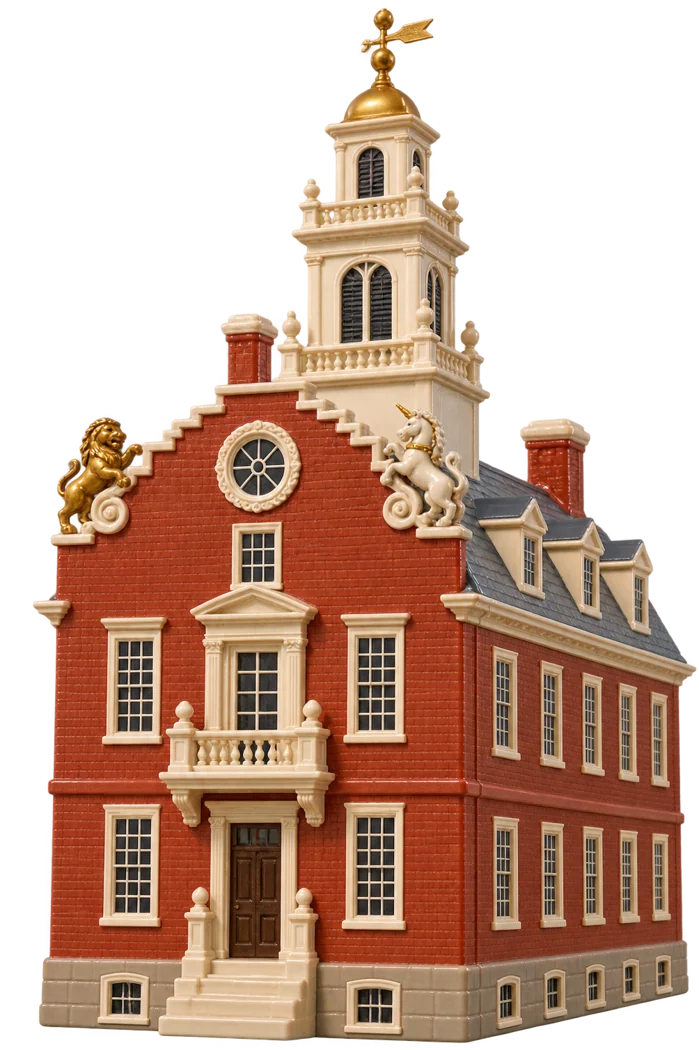
In the 1760s Boston led the protests against British taxes, from the Townshend Acts to the Boston Tea Party in 1773. Parliament replied with the Massachusetts Government Act, and in October 1774 the General Court defied it and formed a Provincial Congress, ending royal rule outside Boston.
Read more on Wikipedia
Sources: en.wikipedia.org/wiki/Province of Massachusetts Bay


