Industrial age · politics
Wounded Knee Massacre
"A people's dream died there," the Lakota holy man Black Elk remembered. "It was a beautiful dream."
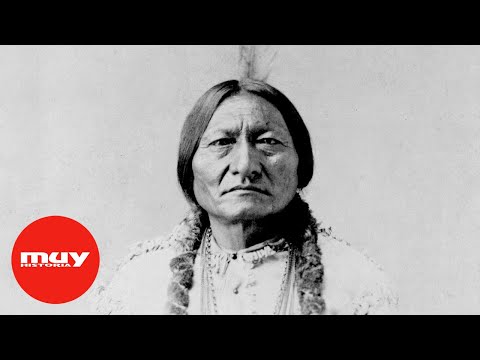
By 1890 the Lakota had lost much of their land, the bison herds of the Great Plains had been hunted almost to extinction, and treaty promises were broken. Many turned to the Ghost Dance, a new religion taught by the Paiute prophet Wovoka, which promised that the buffalo and the ancestors would return and the settlers would vanish. After Indian police shot the chief Sitting Bull dead while trying to arrest him at Standing Rock on 15 December, about 200 of his Hunkpapa people fled to join Chief Spotted Elk, also called Big Foot, and his Miniconjou band, who set out for the Pine Ridge Reservation.
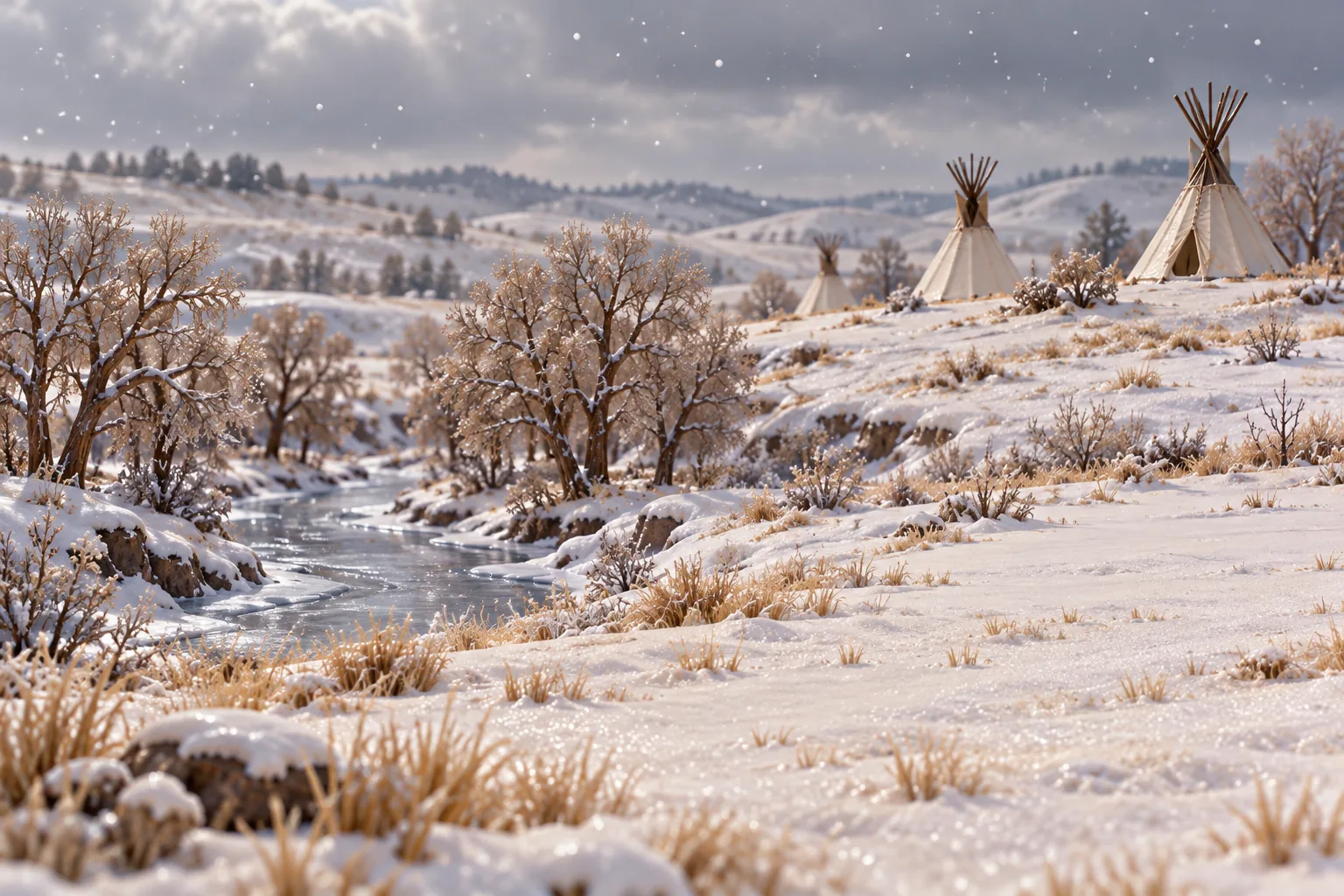
On 28 December a detachment of the 7th Cavalry intercepted Spotted Elk's band and escorted it to Wounded Knee Creek, where it made camp. The rest of the regiment under Colonel James W. Forsyth arrived and surrounded the camp, with four Hotchkiss mountain guns. On the morning of 29 December the soldiers went in to disarm the Lakota. According to one account, a deaf man named Black Coyote did not want to give up a rifle he had paid a lot for; it went off, a few young men fired, and then the soldiers' fire became indiscriminate.
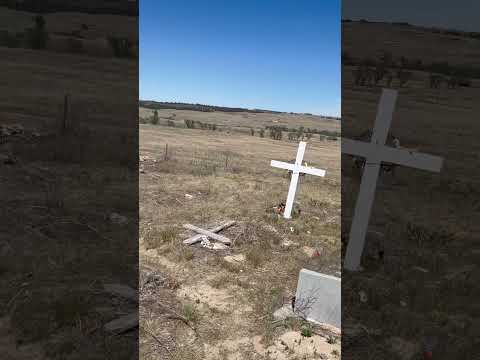
Between 250 and 300 Lakota were killed, many of them women and children; 25 soldiers died. After a three-day blizzard the frozen bodies were buried in a mass grave on the hill where the guns had stood. In 1990, on the centennial, both houses of the US Congress formally expressed "deep regret" for the massacre.
Read more on Wikipedia