Industrial age · politics
Korea under Japanese rule
In 1919 a declaration of independence was read aloud in a small park in Seoul, and within a year some two million Koreans had joined peaceful protests against Japanese rule.
Japan forced Korea open with an unequal treaty in 1876 and spent the following decades pushing out its rivals. After beating China in 1895 and Russia in 1905, it made Korea a protectorate, forced Emperor Gojong to abdicate in 1907, and on 22 August 1910 annexed the country outright with a treaty signed by the Korean prime minister Ye Wanyong and Terauchi Masatake, who became the first Governor-General. Korea became the colony of Chōsen, ruled from Keijō, today's Seoul.
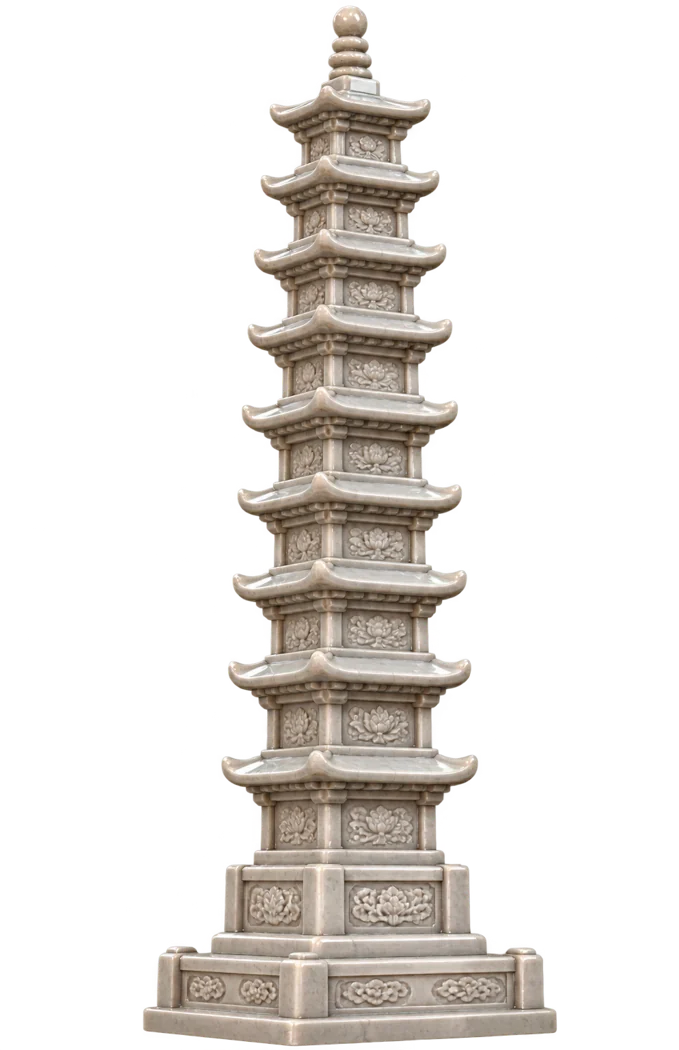
Japan built railways, ports, roads and factories, but much of it served to carry Korea's resources away, and Koreans paid heavy taxes. Hundreds of historic buildings, including parts of the Gyeongbokgung and Deoksugung palaces, were torn down, and tens of thousands of artefacts were taken to Japan. On 1 March 1919 a declaration of independence was read out in Tapgol Park in Seoul, and about two million people took part in peaceful rallies. They were violently suppressed; Korean records count 7,509 killed. Exiles then founded a Provisional Government in Shanghai.
From 1939 Koreans were pressed to take Japanese surnames, and in 1940 Korean-language newspapers were shut. During the Second World War Japan mobilised some 5.4 million Koreans for its war effort, many in forced labour, and many women were forced into sexual slavery as 'comfort women'. Japan's surrender on 15 August 1945 ended 35 years of colonial rule.
Read more on Wikipedia