Industrial age · war
Second Sino-Japanese War
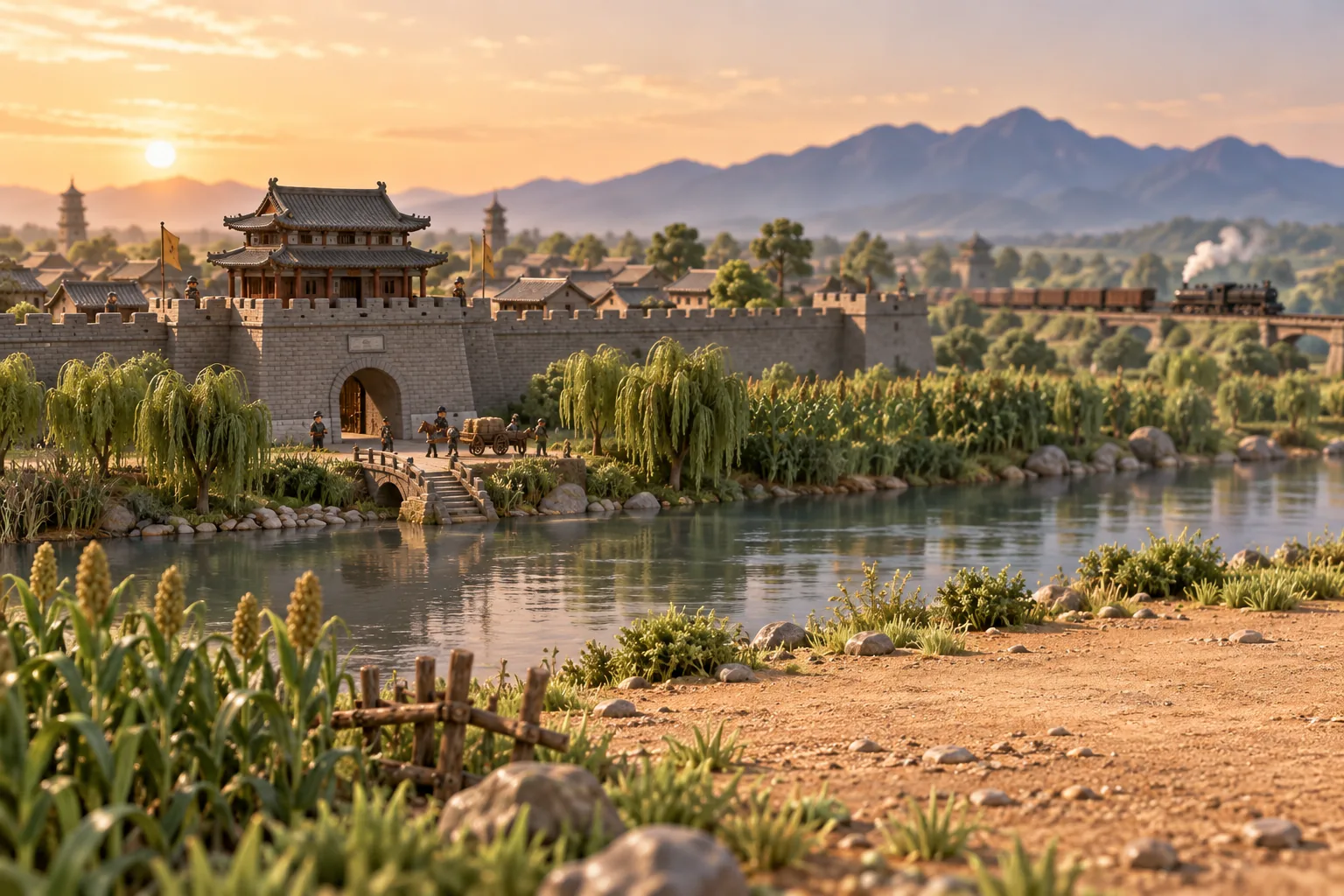
The war began when Japanese troops on a night exercise said one of their soldiers had gone missing and demanded to search a Chinese town.
On 18 September 1931 Japanese officers staged a fake attack on a railway near Mukden, the Mukden incident, and used it as an excuse to seize Manchuria, where they set up the puppet state of Manchukuo. Clashes went on for years. China itself was split: Chiang Kai-shek's Nationalists had been fighting Mao Zedong's Communists since 1927, until in 1936 the two agreed to a United Front against Japan.
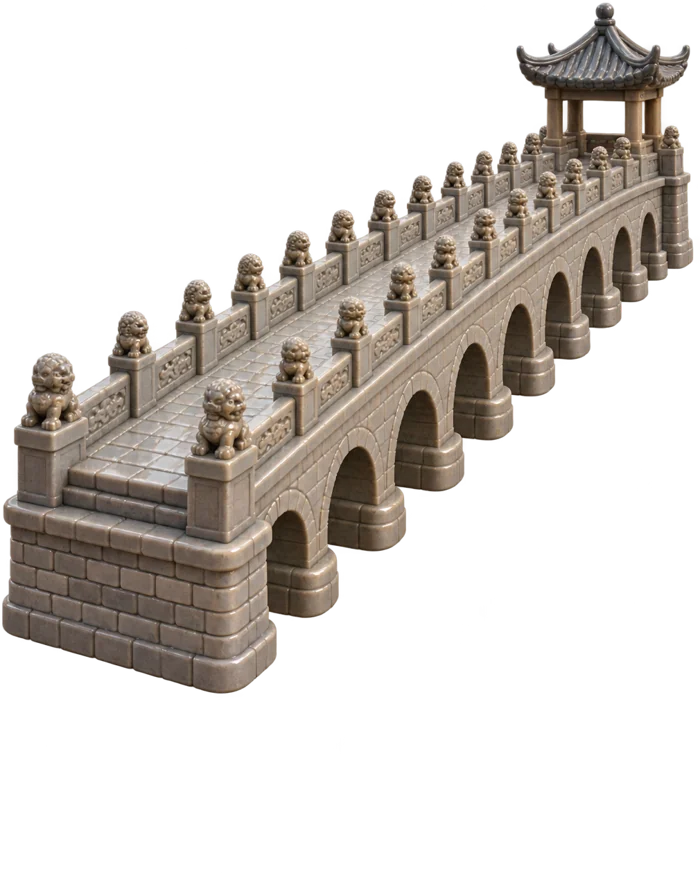
On 7 July 1937, near the Marco Polo Bridge outside Beijing, Japanese troops claimed that a soldier, Private Shimura Kikujiro, had gone missing and demanded entry to the walled town of Wanping. The clash grew into a full invasion. After a long battle for Shanghai, the Japanese took the capital, Nanjing, in 1937 and carried out the Nanjing Massacre. The Chinese won at Taierzhuang in the spring of 1938, but Wuhan fell that year, and the government moved to Chongqing in the interior. The war settled into a stalemate, with Communist guerrillas fighting behind Japanese lines, and Japan answered with scorched-earth campaigns that killed millions of civilians.
After Japan attacked Pearl Harbor in December 1941, the United States became China's main supporter, flying supplies over the Himalayas once the Burma Road was cut. Japan surrendered on 2 September 1945. Around 20 million people had died, most of them Chinese civilians.
Read more on Wikipedia


