Antiquity · nature
Pompeii buried
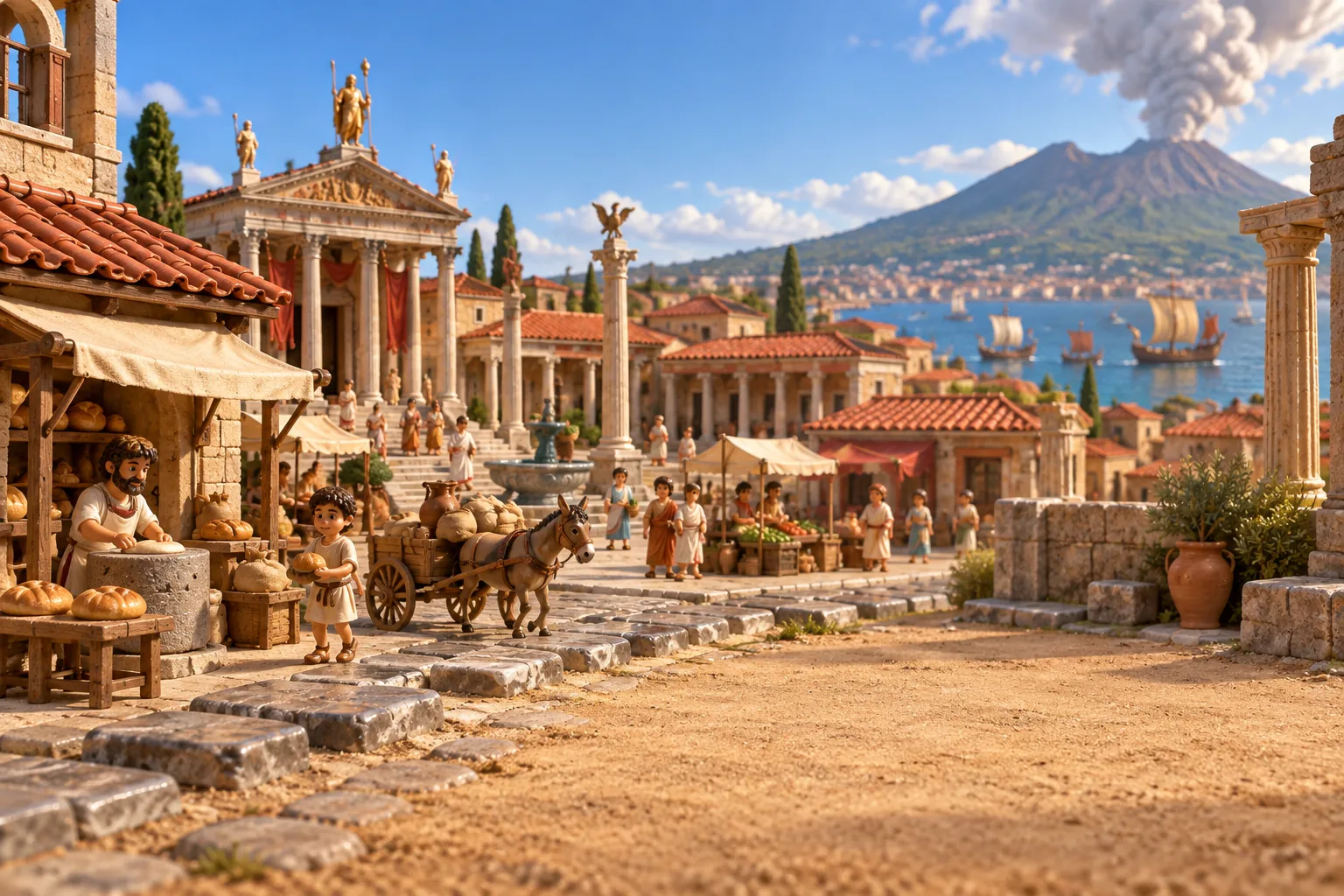
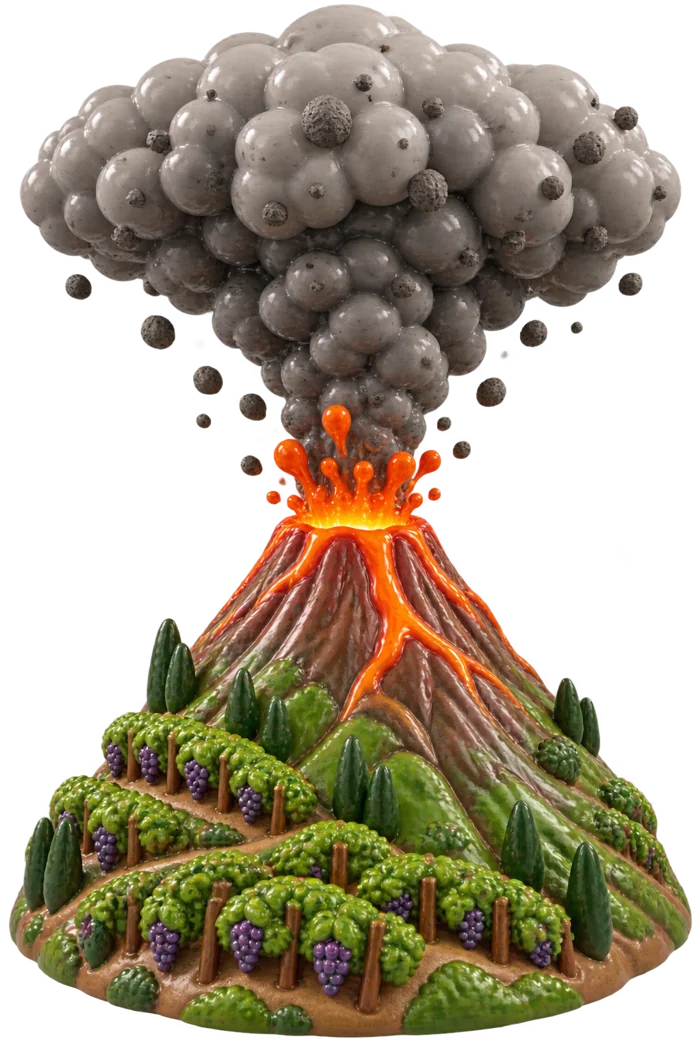
In 79 AD Vesuvius shot a column of ash and pumice 33 kilometres into the sky, and by the next morning Pompeii had disappeared beneath it.
The warnings came for years. In 62 AD an earthquake badly damaged Pompeii, and some buildings were still being repaired when the end came. Small tremors shook the area for four days before the eruption, but people in Campania were used to them. Then, one early afternoon, Vesuvius exploded. Ash and pumice fell on Pompeii for hours, piling up 2.8 metres deep and crushing roofs.
Overnight and into the next morning, the column began to collapse. Avalanches of scorching gas and ash, called pyroclastic surges, raced down the mountain. Two of them buried Pompeii; the first to reach the town was around 300 °C, hot enough to kill in a fraction of a second. Herculaneum, closer to the crater, vanished under 23 metres of material. More than 20,000 people lived in the two towns. The remains of over 1,500 have been found, and the full toll will never be known.
Our only eyewitness was Pliny the Younger, aged 17, who watched from Misenum, 29 kilometres across the bay. He said the cloud looked like a pine tree, with a tall trunk spreading into branches. His uncle, Pliny the Elder, commanded the fleet there and sailed toward the volcano to rescue friends; he died on the shore at Stabiae. In Pompeii the ash hardened around the bodies. Centuries later Giuseppe Fiorelli poured plaster into the hollows, and by 2003 about 1,044 casts had been made.
Read more on Wikipedia
Sources: en.wikipedia.org/wiki/Eruption of Mount Vesuvius in 79 AD


