Industrial age · politics
Treaty of Brest-Litovsk
To buy peace, Lenin's government gave up lands holding a third of the old empire's people and nearly nine-tenths of its coalfields.
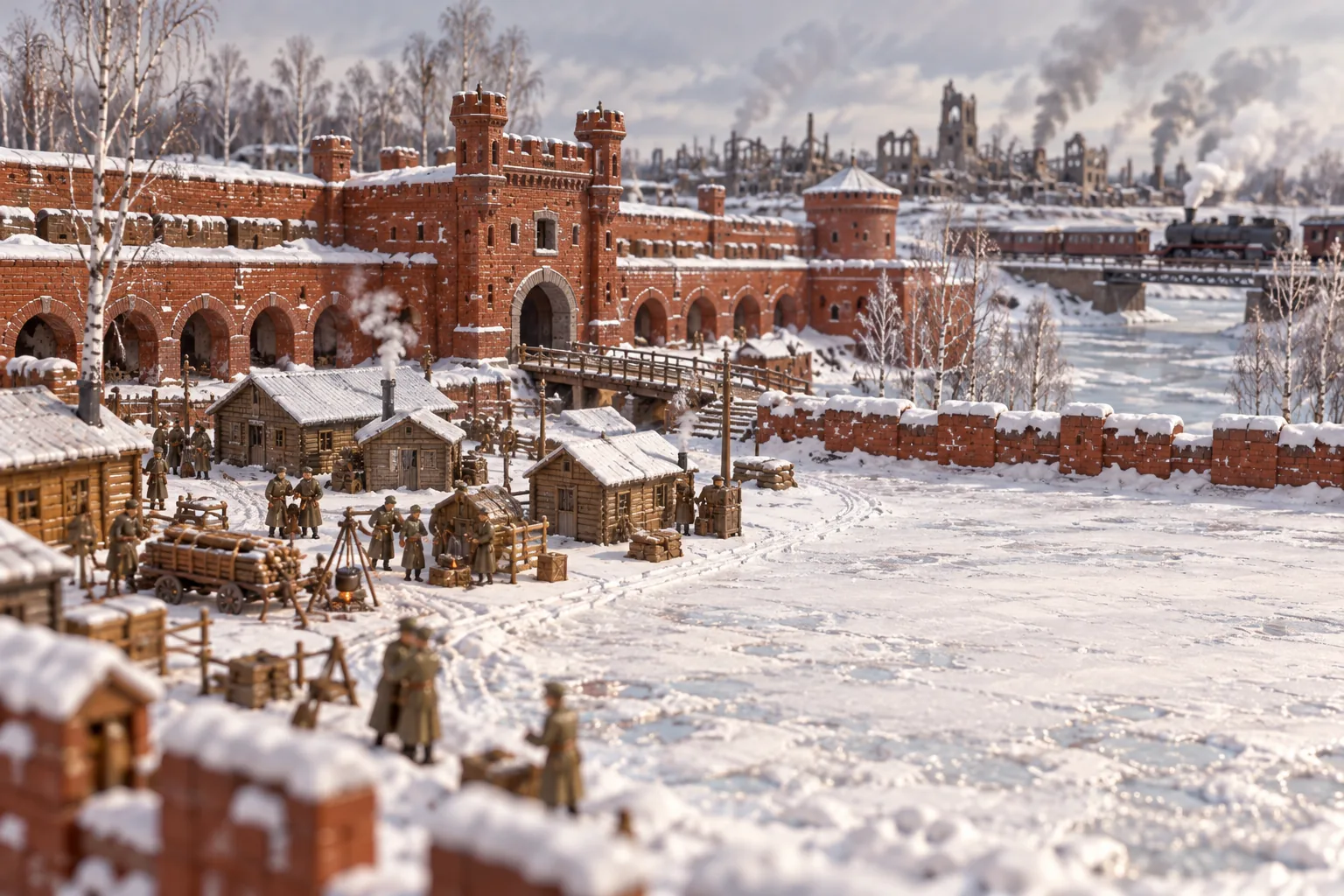
By 1917 Russia was worn out by World War I. The February Revolution toppled Tsar Nicholas II, and Germany, hoping to knock Russia out of the war, shipped the exiled Bolshevik leader Vladimir Lenin home in a sealed train. After the Bolsheviks seized power, Lenin issued his Decree on Peace, and in December an armistice halted the fighting on the Eastern Front. Talks opened in the fortress of Brest-Litovsk, where the delegates lived in wooden huts because the retreating Russian army had burnt the town to the ground in 1915.
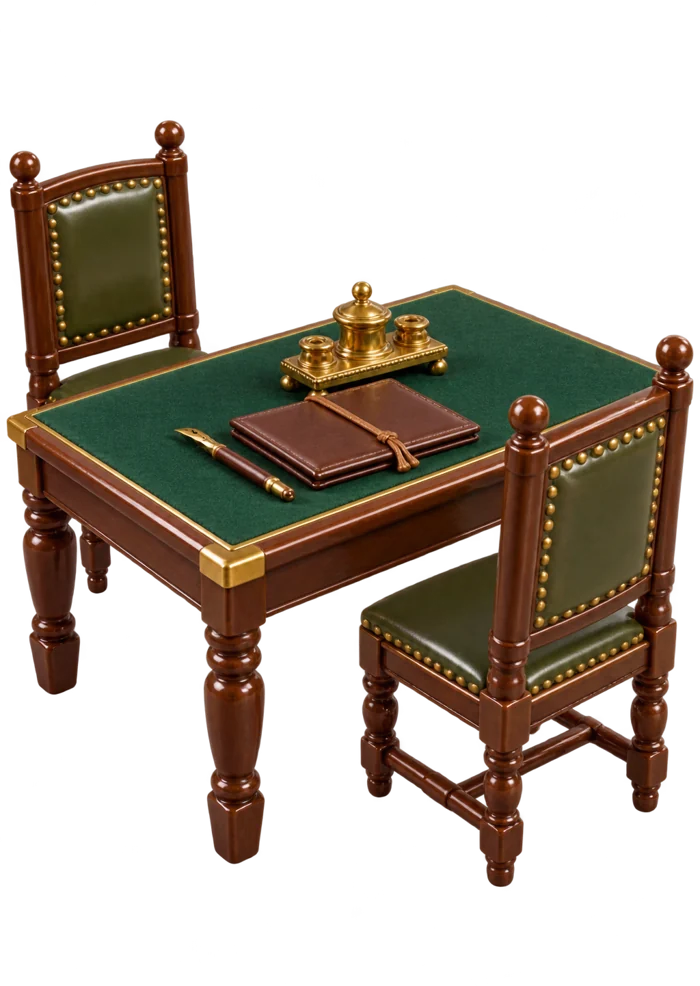
The Central Powers, Germany, Austria-Hungary, the Ottoman Empire and Bulgaria, demanded the lands they occupied. Leon Trotsky, who took over the Soviet delegation, tried to drag the talks out while waiting for revolutions in Central Europe. On 18 February 1918 the Germans attacked again and swept through the Baltic region, Belarus and Ukraine. Lenin insisted on signing before worse terms were forced on them. Grigori Sokolnikov came to Brest-Litovsk declaring that he would sign the treaty at once but refused to discuss its terms, and he signed on 3 March.
Russia gave up Ukraine, Poland, Belarus, Lithuania, Latvia, Estonia and Kars and Batum in the Caucasus: 34 per cent of the old empire's population, 54 per cent of its industrial land, 89 per cent of its coalfields and 26 per cent of its railways. A protocol in August added six billion marks in reparations. The treaty lasted only until Germany's defeat. The Armistice of 11 November 1918 annulled it.
Read more on Wikipedia


