Our time · politics
Hungarian Revolution of 1956
On the first evening the crowd in Budapest pulled down an eight-metre statue of Stalin.
After World War II Hungary fell into the Soviet sphere. The communist government of Mátyás Rákosi ruled through the ÁVH secret police, filled prison camps and staged show trials. In February 1956 the Soviet leader Nikita Khrushchev denounced Stalin's crimes in a speech, which Radio Free Europe broadcast across Eastern Europe, and that July Rákosi was replaced by Ernő Gerő. Students and writers began to demand real change.
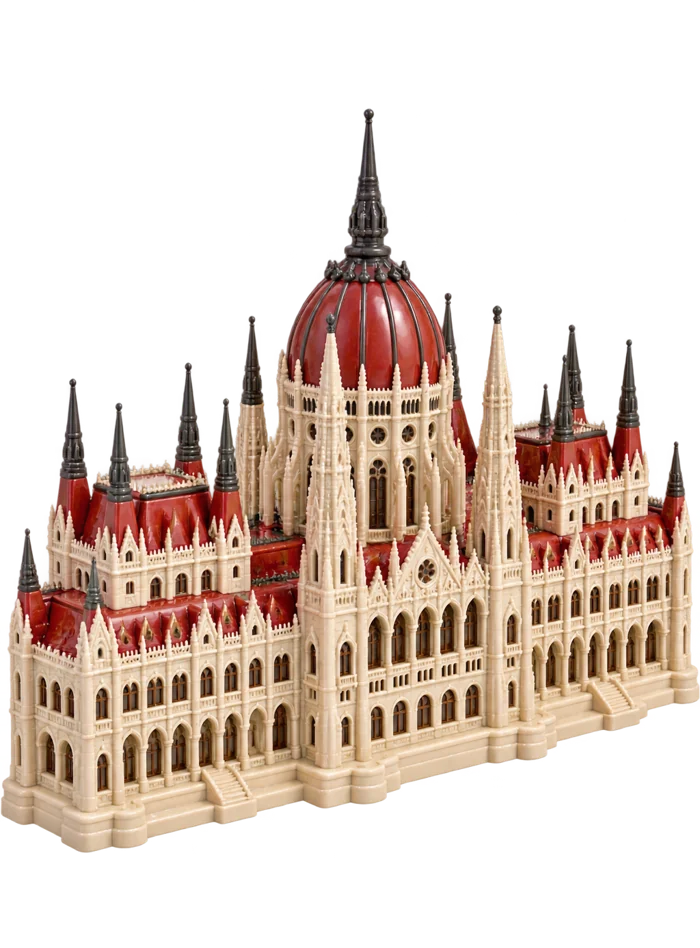
On 23 October 1956 some 20,000 people gathered in Budapest in sympathy with reformers in Poland, and students marched on the Parliament. A student delegation that tried to broadcast sixteen demands from the radio building was detained, and ÁVH police shot several students outside. That night protesters tore down the Stalin Monument. Armed revolutionary groups fought the ÁVH, workers' councils took over local government, and Gerő fled to the Soviet Union. The reform communist Imre Nagy became prime minister. He disbanded the ÁVH on 28 October, and on 1 November he declared that Hungary was leaving the Warsaw Pact and promised free elections.
On 4 November the Soviet army attacked. By 10 November the revolt was crushed. About 2,000 Hungarians and 700 Soviet soldiers were killed, and some 200,000 Hungarians fled abroad, mostly to Austria. János Kádár took power, and Nagy was executed after a secret trial in June 1958.
Read more on Wikipedia