Antiquity · war
Third Servile War (Spartacus revolt)
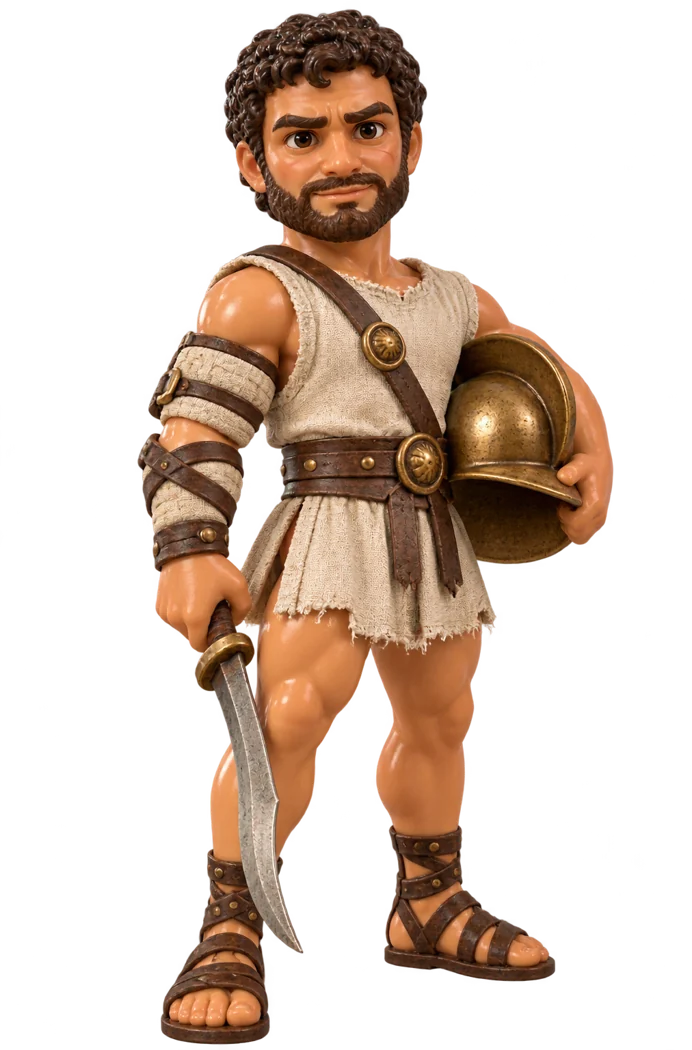
Seventy gladiators armed with kitchen knives and spits broke out of their school, and within two years about 120,000 people had joined them.
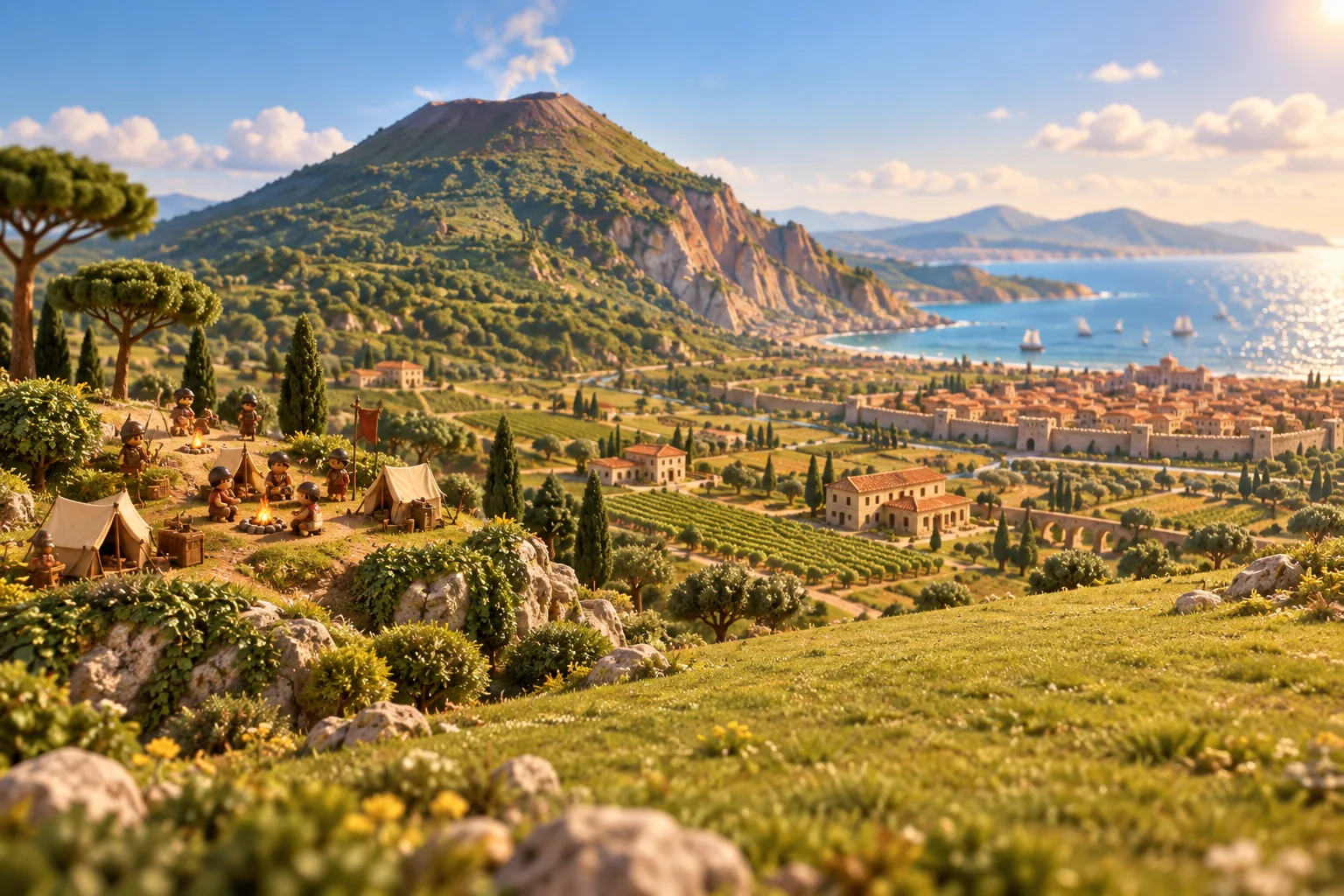
Rome's wars of conquest in the 2nd and 1st centuries BC brought huge numbers of slaves into Italy, and most worked hard lives in fields and mines. Gladiators were slaves too, trained in schools to fight for the crowd. In 73 BC about 200 gladiators at the school of Lentulus Batiatus in Capua plotted to escape. The plot was betrayed, but some 70 of them seized kitchen tools, fought their way out and chose leaders: two Gauls, Crixus and Oenomaus, and Spartacus, a Thracian. They camped on Mount Vesuvius.
Rome sent the praetor Gaius Claudius Glaber with 3,000 militia to trap them on the mountain. The rebels made ropes and ladders from wild vines, climbed down the cliffs on the far side and destroyed his force. Herdsmen and runaway slaves flocked in, and the band grew to about 70,000 and, by some accounts, 120,000 men, women and children. In 72 BC they defeated both consuls of the year. Ancient writers disagree about what Spartacus wanted: Plutarch says he meant to escape over the Alps, while Appian and Florus say he planned to march on Rome.
In 71 BC the Senate gave Marcus Licinius Crassus eight legions. He pushed the rebels south to the toe of Italy, where pirates who had promised to ferry them to Sicily took their money and sailed off. With Pompey's legions coming from Spain, Spartacus turned and fought at the Silarius River. His army was routed and he was killed, though his body was never found. About 6,000 captured rebels were crucified along the Appian Way.
Read more on Wikipedia


