Our time · science
World Wide Web
His boss read the proposal for the World Wide Web and wrote on it: "vague, but exciting".
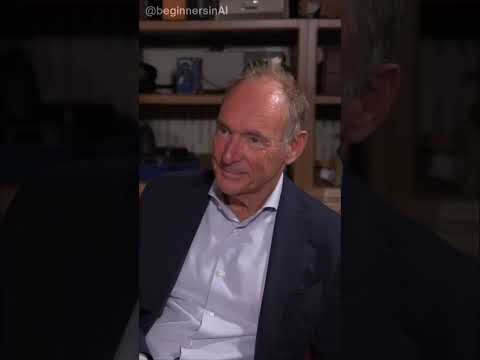
In 1989 CERN, the European particle physics laboratory near Geneva, was the largest Internet node in Europe. An English computer scientist working there, Tim Berners-Lee, was frustrated by how hard it was to store, update and find documents and data files. Years earlier, in 1980, he had built a private hypertext system at CERN called ENQUIRE. On 12 March 1989 he proposed something bigger: a "universal linked information system" that joined hypertext to the Internet.
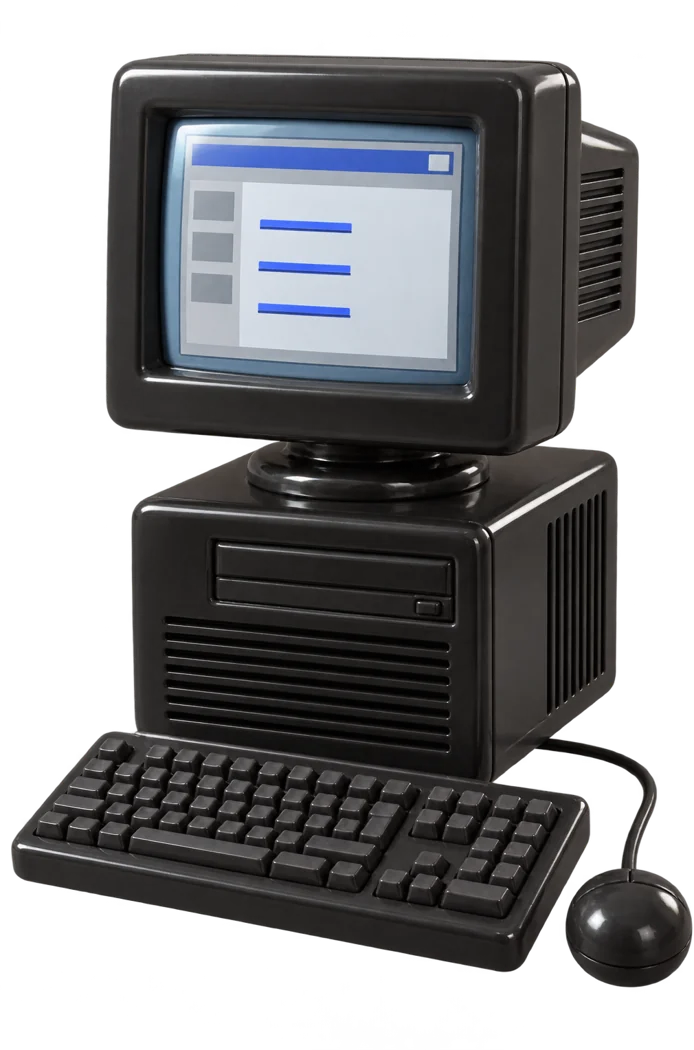
By the end of 1990 he had working versions of the three pieces the web still runs on: HTML for writing pages, URLs for addressing them and HTTP for sending them. He wrote the first browser, called WorldWideWeb, and the first web server, both on a NeXT computer. On 20 December 1990 he published the first website, which described the project itself. On 6 August 1991 he posted a public invitation on the Usenet discussion network asking anyone to join in.
Berners-Lee took out no patent and asked for no royalties. On 30 April 1993 CERN made the web's protocol and code available royalty-free. Later that year a graphical browser, Mosaic, appeared, and thousands of websites sprang up in less than a year. The web became the main way billions of people use the Internet.
Read more on Wikipedia
Sources: en.wikipedia.org/wiki/World Wide Web, en.wikipedia.org/wiki/Tim Berners-Lee