Our time · war
Soviet–Afghan War
In its first days, Soviet special forces in Afghan uniforms stormed the palace of the very government they had come to support.
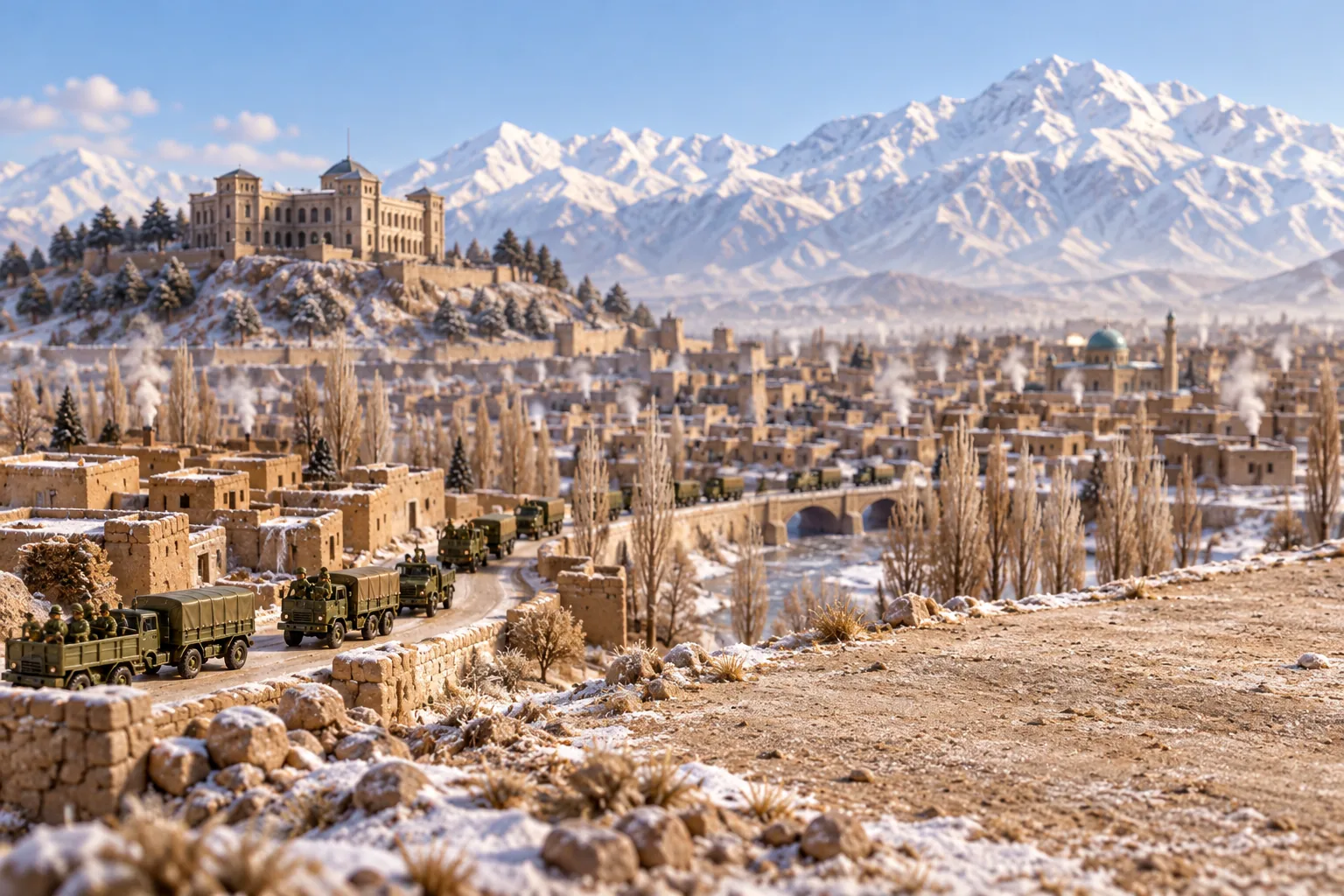
In April 1978 the army overthrew and killed President Daoud Khan, and the Marxist People's Democratic Party took power in Afghanistan. Its reforms and repression provoked revolts across the country, and the party itself split into feuding factions. Leonid Brezhnev's Soviet Union at first refused to send troops, but on 25 December 1979 the Soviet 40th Army crossed the border. Two days later 700 Soviet troops dressed in Afghan uniforms, including KGB and GRU special forces, seized key buildings in Kabul, among them the Tajbeg Palace, killed the leader Hafizullah Amin and put Babrak Karmal in his place.
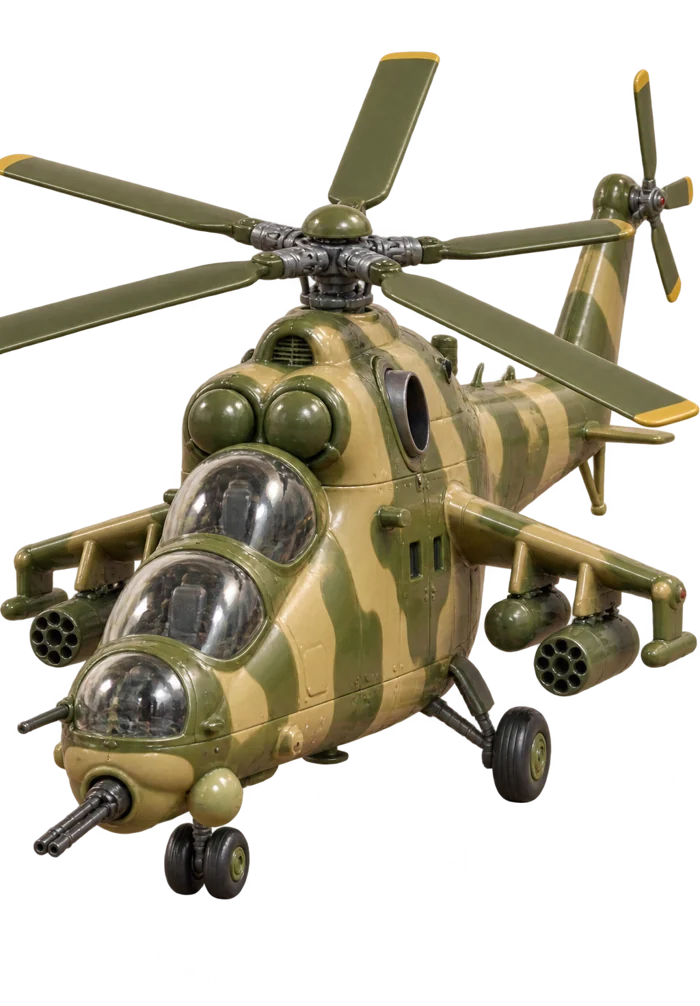
The Soviets held the cities, but the countryside belonged to the mujahideen, Afghan rebels backed above all by Pakistan, the United States through Operation Cyclone, Britain, China, Iran and the Gulf Arab states. Soviet forces grew to about 115,000, mostly conscripts. They launched nine offensives into the Panjshir Valley between 1980 and 1985 without gaining control, levelled villages, destroyed irrigation and laid millions of landmines. From 1986 the rebels had American Stinger missiles against Soviet aircraft.
Mikhail Gorbachev, in power from 1985, decided to leave. After the Geneva Accords of April 1988, the last Soviet column crossed into the Uzbek SSR on 15 February 1989. The war killed one to three million Afghans and drove millions into exile, mostly to Pakistan and Iran.
Read more on Wikipedia