Early modern · culture
Counter-Reformation
Legend says the Council of Trent nearly banned polyphonic church music; there is no record that it did, but the story still clings to its name.
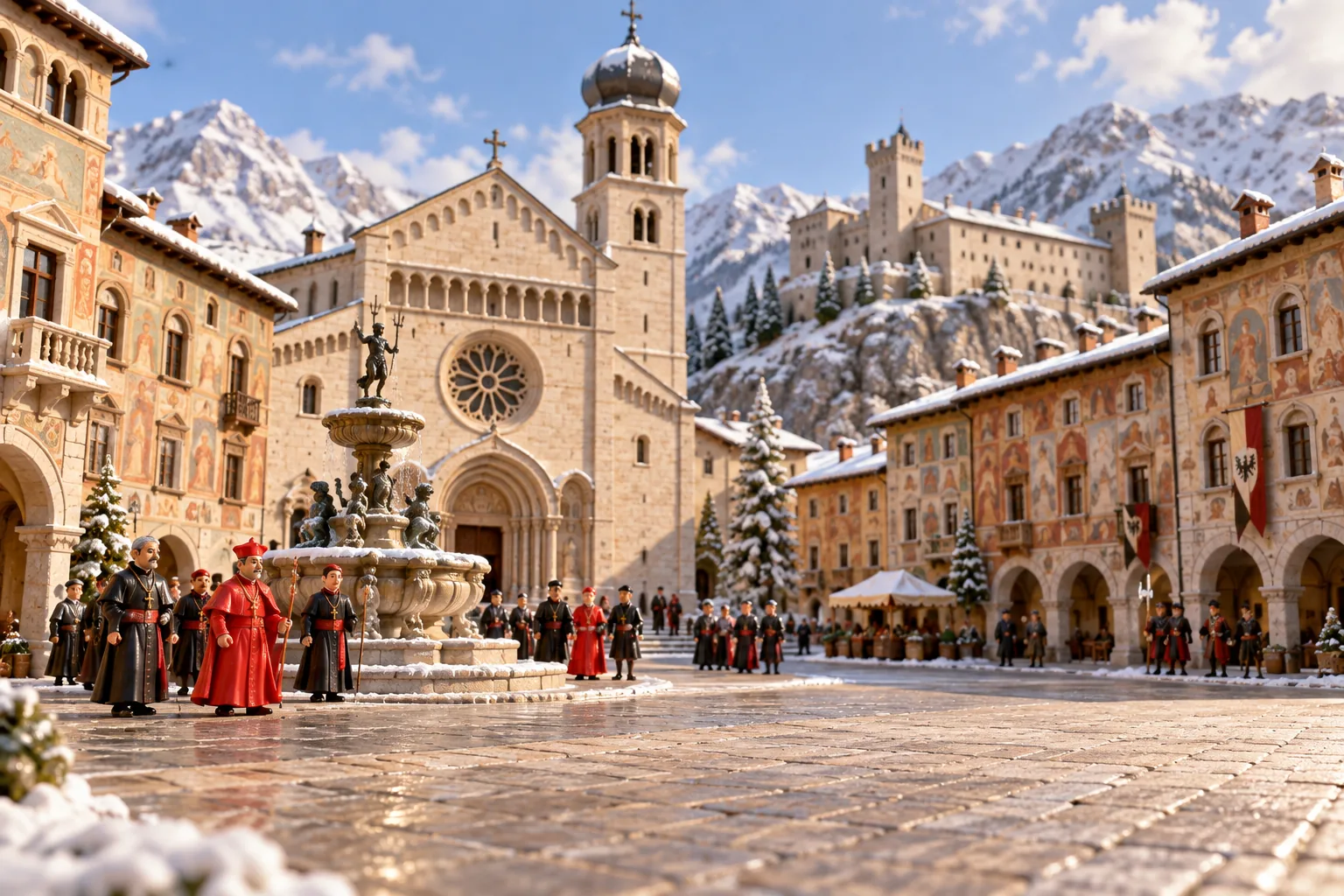
The Protestant Reformation split Western Christianity in the early 16th century, and the Catholic Church answered with a great effort of renewal. Pope Paul III, counted as the first pope of the Counter-Reformation, opened a general council in the city of Trent in the Alps. It met on and off from 13 December 1545 to 4 December 1563, attacked corrupt bishops and priests, the sale of indulgences and other financial abuses, and restated Catholic teaching on the points the reformers had challenged, such as the sacraments.
Bishops were ordered to live in their dioceses and were given more power over religious life, and seminaries were founded to train priests properly. New religious orders spread, among them the Theatines, the Ursulines and the Jesuits, recognised in 1540. Archbishop Carlo Borromeo of Milan set an example by visiting even the remotest parishes, and mystics such as Teresa of Ávila and John of the Cross reformed the Carmelite order.
The Church also used harder tools: the Index of Prohibited Books, first issued in 1559, regional Inquisitions and the support of Catholic rulers in the wars of religion, which drove many Protestants into exile. Missions carried Catholicism to the colonies of Spain and Portugal. It also brought a flowering of new styles in art and music. The period is often taken to end with the Peace of Westphalia in 1648.
Read more on Wikipedia
