Early modern · politics
Boston Massacre
It began with an apprentice insulting an officer over an unpaid bill and ended with five men dead in the snow, and the man who defended the soldiers in court became the second president of the United States.
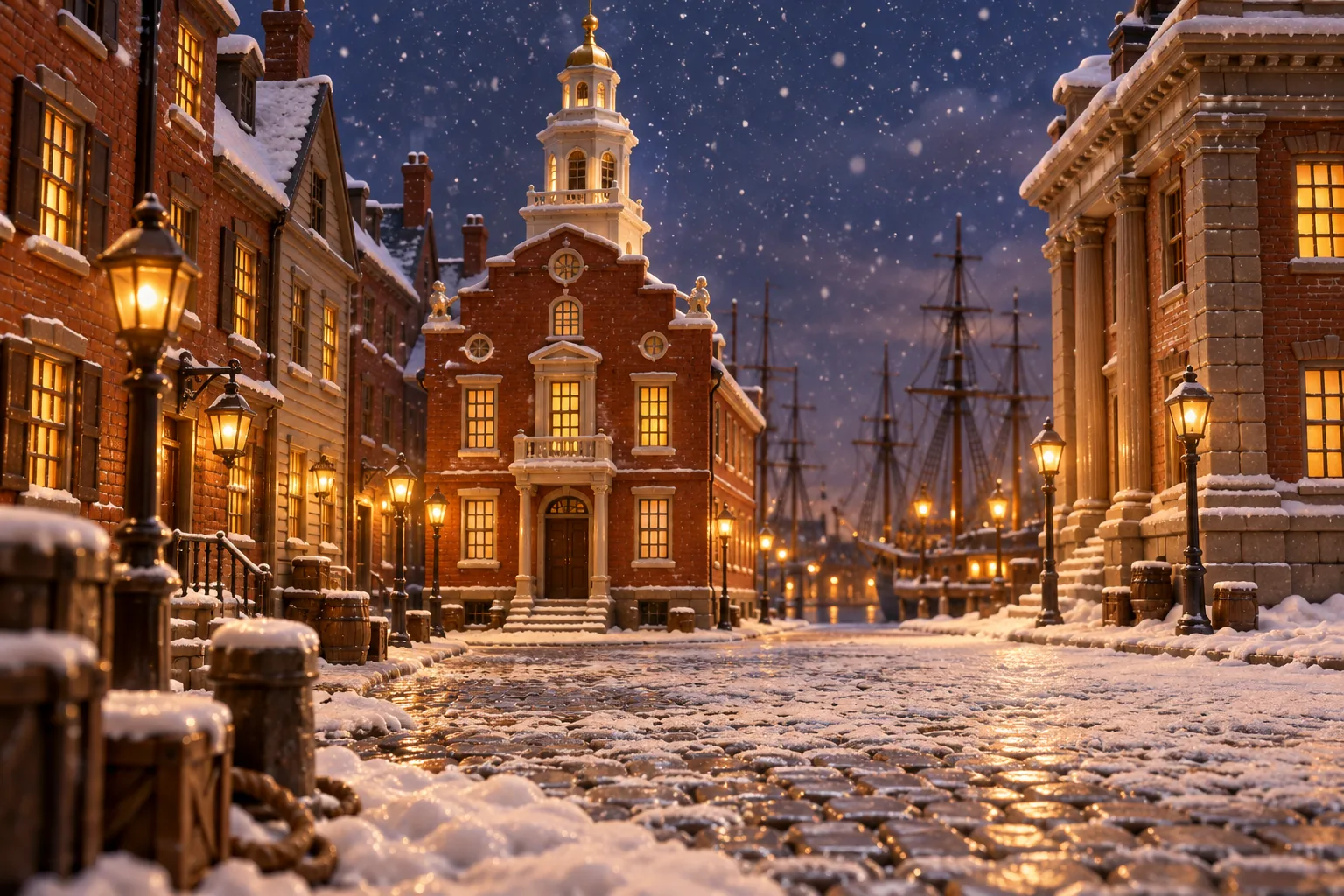
From October 1768 British regiments were stationed in Boston to back royal officials and enforce the hated Townshend Acts, taxes on imported goods. Townspeople and soldiers clashed often. On the evening of 5 March 1770 Private Hugh White stood guard outside the Custom House on King Street. After a wigmaker's apprentice taunted an officer and White struck the boy, a crowd gathered. Church bells, the usual alarm for a fire, rang and brought more people out. Captain Thomas Preston came with a corporal and six privates of the 29th Regiment.
Between 300 and 400 people pressed around the soldiers, yelling 'Fire!', throwing snowballs, stones and other objects. One soldier was knocked down and fired, and after a pause the others fired a ragged series of shots without any order. Eleven men were hit. The rope maker Samuel Gray, the sailor James Caldwell and Crispus Attucks, a mixed-race former slave, died at once; Samuel Maverick, 17, died the next morning and the Irish immigrant Patrick Carr two weeks later.
Acting governor Thomas Hutchinson calmed the crowd and moved the troops to Castle Island. John Adams, a future president, defended the soldiers in court. Six were acquitted; two were convicted of manslaughter and branded on the thumb. The engraving 'The Bloody Massacre', copied by Paul Revere, spread anger across the colonies.
Read more on Wikipedia


