Industrial age · culture
Oktoberfest
The world's biggest beer festival started as a horse race thrown for a royal wedding, and it still takes place on a meadow named after the bride.
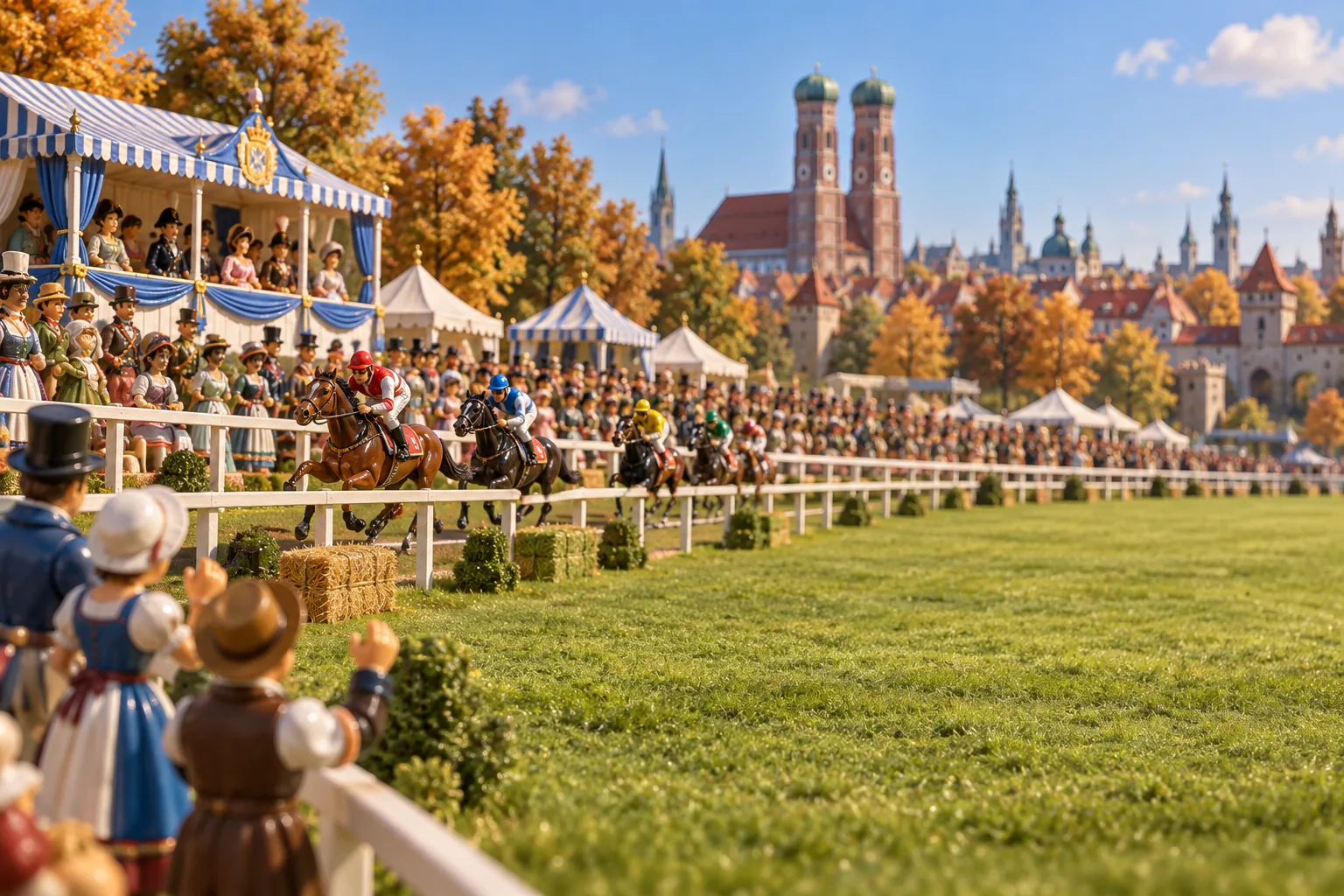
On 12 October 1810 Crown Prince Ludwig of Bavaria married Princess Therese of Saxe-Hildburghausen. Munich's officials invited the public to celebrate on fields outside the city walls, and the next year the site was named the Theresienwiese, 'Therese's Meadow'. The main event was a horse race, an idea proposed by Major Andreas Michael Dall'Armi of the National Guard. About 40,000 spectators watched from a hillside, thirty horses ran, and the coachman Franz Baumgartner won a gold medal.
The race was repeated in 1811, together with an agricultural show, and the festival grew year by year. Skittles, swings and climbing poles came in 1814 and carnival booths in 1818, and in 1819 the city council decreed that the festival be held every year. Over the century the opening moved into late September to catch warmer evenings, so only the last days now fall in October. Wars, cholera epidemics and hyperinflation cancelled it many times.
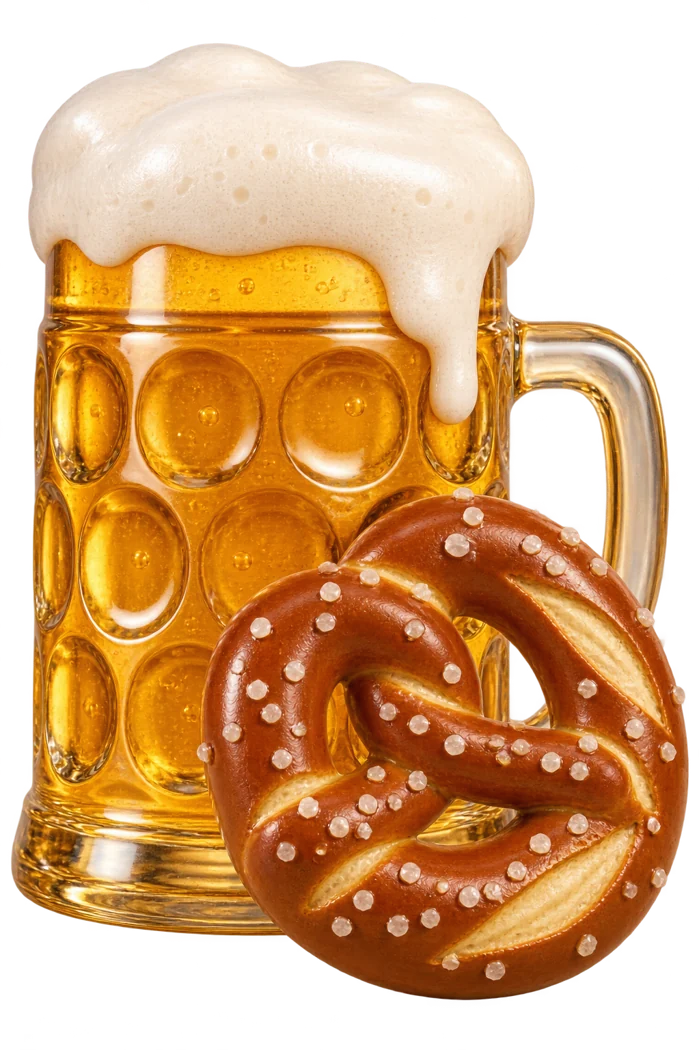
Today it is the world's largest Volksfest, a beer festival and funfair that runs from mid-September to the first Sunday in October. Only six Munich breweries may brew official Oktoberfest beer, served in huge temporary wooden tents. In 2013 it drew 6.4 million visitors, who drank 6.7 million litres of beer. Since 1950 the Mayor of Munich has opened it by tapping the first keg and crying 'O'zapft is!', 'It's tapped!'
Read more on Wikipedia
Sources: en.wikipedia.org/wiki/Oktoberfest
