
Middle Ages · war
Hussite Wars
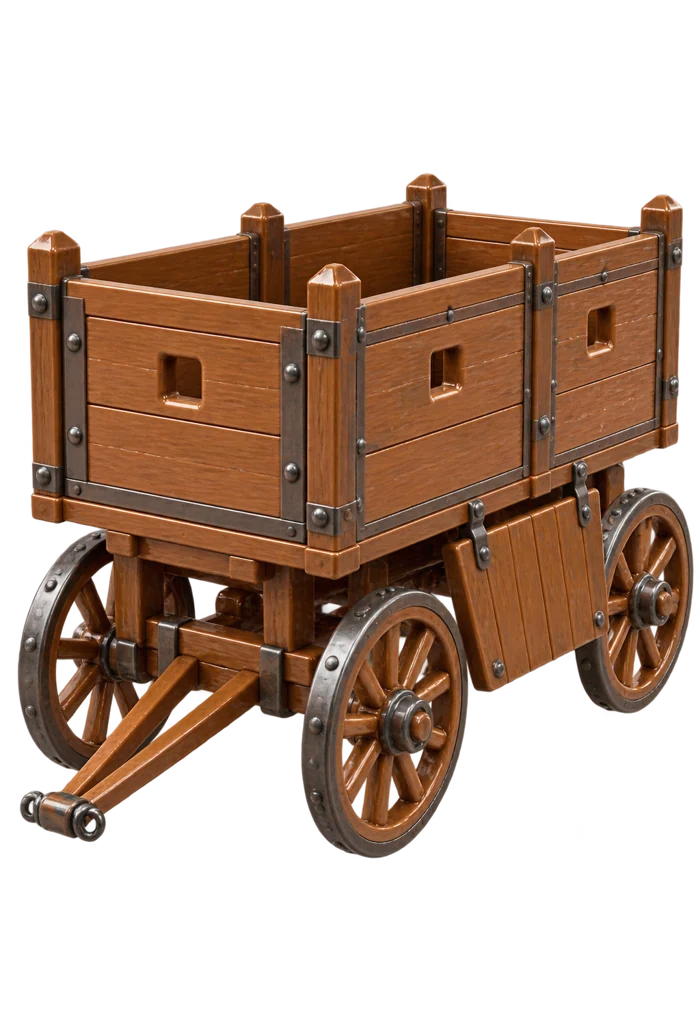
Farmers with converted farm tools and cheap hand guns, fighting from a ring of wagons, beat the knights of half of Europe again and again.
The Czech priest Jan Hus attacked the wealth and corruption of the Church and was burned as a heretic in 1415. In Bohemia his followers, the Hussites, demanded that ordinary believers receive communion in both bread and wine, and the chalice became their sign. On 30 July 1419 a Hussite procession led by the priest Jan Želivský stormed the New Town Hall in Prague and threw the king's councillors from the windows, the first Defenestration of Prague. King Wenceslaus IV died a few weeks later, and his brother Sigismund, King of the Romans, claimed the throne.
On 17 March 1420 Pope Martin V proclaimed a crusade against the Hussites, and a huge army of crusaders from all over Europe besieged Prague. Most Hussites were commoners with no military training, men and women alike, so their leader the yeoman Jan Žižka turned farm carts into wagon forts. From behind the wagons crossbowmen and gunners broke charges of heavy cavalry, and in July 1420 Sigismund was beaten at Vítkov Hill above Prague.
Four more crusades failed, and the Hussites began raiding deep into German lands. After Žižka died in October 1424, Prokop the Great led the radical Taborites. In time the moderate Hussites, the Utraquists, sought a deal with the Council of Basel and turned on the radicals, crushing them at the Battle of Lipany on 30 May 1434. Under the Compacts, signed at Jihlava on 5 July 1436, Bohemians kept their communion in both kinds and submitted to the king and the Church.
Read more on Wikipedia
Sources: en.wikipedia.org/wiki/Hussite Wars


