
Our time · politics
26/11 Mumbai attacks
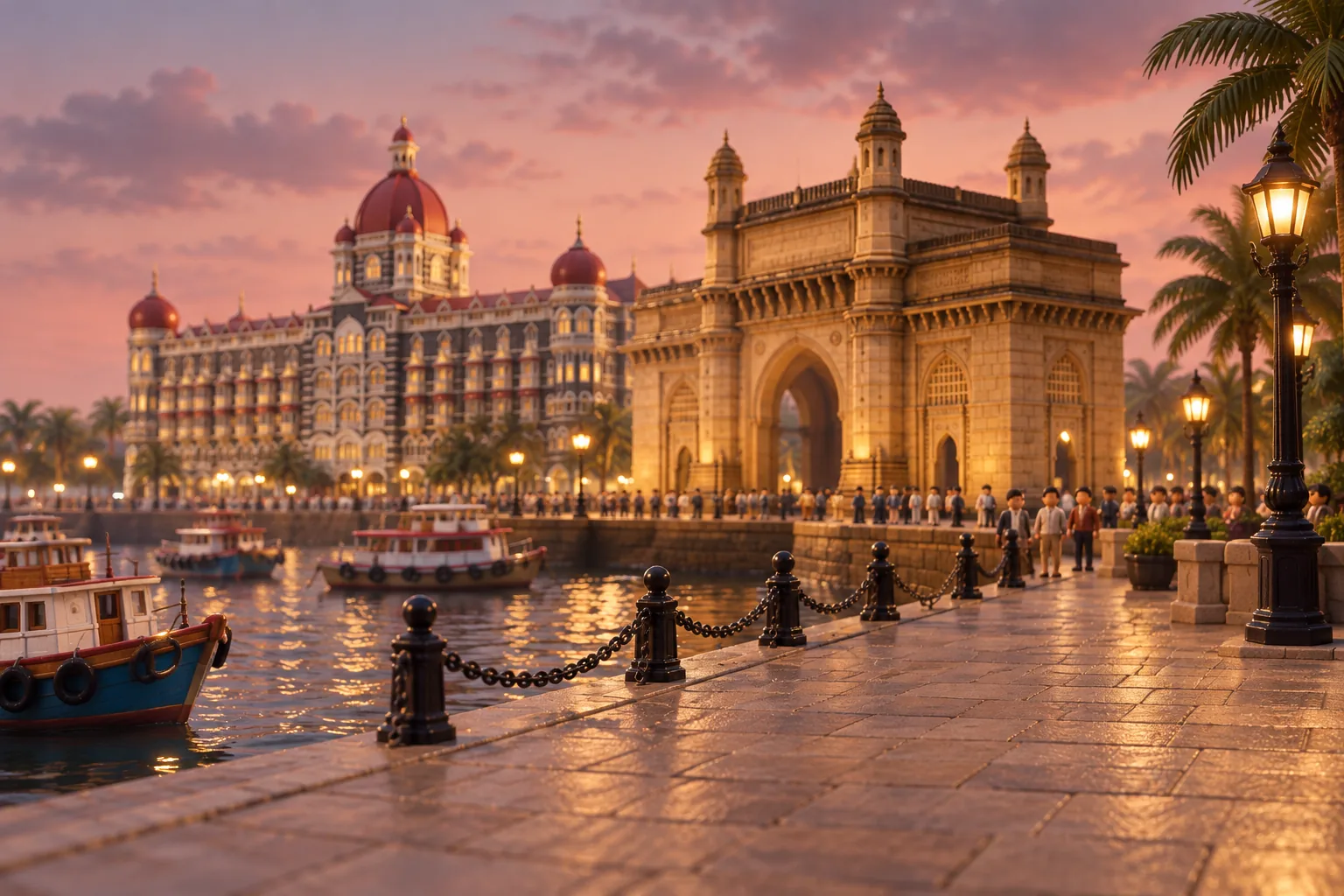
For almost three days the whole world watched smoke rise from the dome of Mumbai's most famous hotel.
On the evening of 26 November 2008 ten men of the Pakistan-based militant group Lashkar-e-Taiba landed on the shore of South Mumbai in inflatable boats. They had set out from Karachi, seized the Indian fishing trawler Kuber on the way and killed its crew. Splitting into small teams, they opened fire at the crowded Chhatrapati Shivaji Terminus railway station, the Leopold Cafe, Cama Hospital, Nariman House, the Trident and Oberoi hotels and the Taj Mahal Palace Hotel. Bombs also went off in a taxi at Vile Parle and at Mazagaon in the port area.
In the first hours the head of Mumbai's Anti-Terrorist Squad, Hemant Karkare, and fellow officers Ashok Kamte and Vijay Salaskar were killed in a lane beside the hospital. Soon after, at a police roadblock, assistant sub-inspector Tukaram Omble tried to wrestle the rifle away from one attacker, Ajmal Kasab. Omble was killed, but Kasab was captured alive, the only attacker to survive. By the morning of 28 November every site but the Taj had been secured.
On 29 November commandos of the National Security Guard ended the siege of the Taj in Operation Black Tornado. In all 175 people died, 166 victims and nine attackers, and more than 300 were injured; 36 civilians were killed inside the Taj alone. India's home minister Shivraj Patil and Maharashtra's chief minister Vilasrao Deshmukh resigned. Kasab confessed that the attackers had been controlled from Pakistan, and he was hanged in Yerwada Central Jail in 2012.
Read more on Wikipedia