Our time · nature
Fukushima nuclear accident
The reactors shut down safely when the earthquake struck. It was the water that came 50 minutes later that turned it into the worst nuclear accident since Chernobyl.
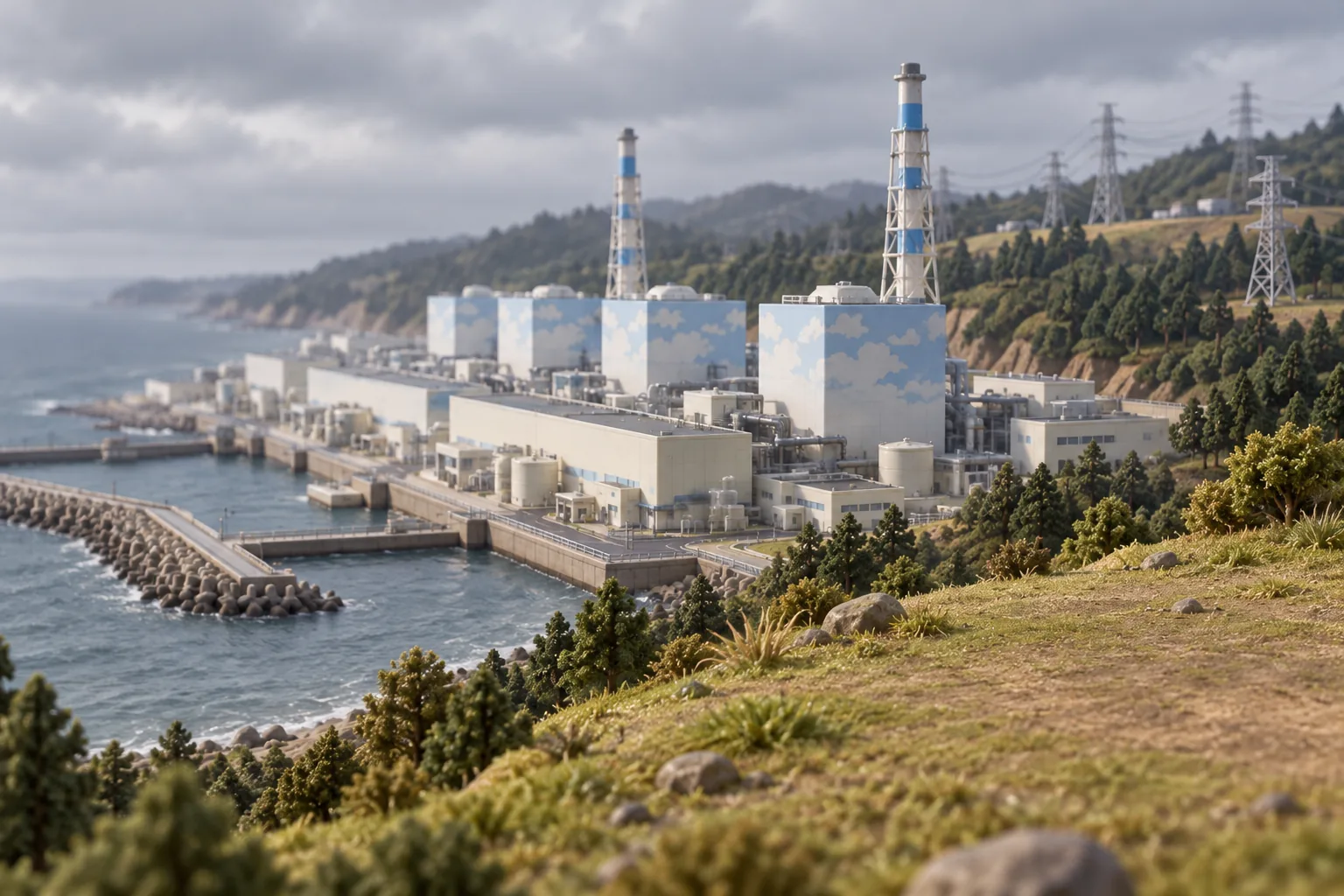
The Fukushima Daiichi plant on Japan's Pacific coast had six General Electric boiling water reactors, and on 11 March 2011 units 1 to 3 were running. At 14:46 the magnitude 9.0 Tōhoku earthquake struck offshore. All three running reactors shut down automatically, and emergency diesel generators started to keep their cooling going, since the reactor fuel stays dangerously hot for days after shutdown.
About 50 minutes later the largest tsunami wave, 13 to 14 metres high, poured over the seawall onto a site that stood 10 metres above the sea. It flooded the turbine and reactor buildings and knocked out the generators and much of the battery power. Units 1 to 5 lost their main electricity. Workers, at times in the dark, tried to vent the reactors and pump in water with fire engines and then seawater. Hydrogen explosions blew apart the outer buildings of unit 1 on 12 March and unit 3 on 14 March, and the fuel in three reactors melted.
The government widened the evacuation zone from 2 to 20 kilometres in little more than a day, and at least 164,000 people left their homes, many of them several times. The United Nations radiation committee called it the worst nuclear incident since Chernobyl, yet found no health effects among residents directly caused by radiation, while the evacuation itself led to at least 51 deaths. Japan shut down all its reactors by 2013.
Read more on Wikipedia
