Early modern · war
Spanish Armada
In 1588 Spain sent the greatest fleet of its age to carry an army to England; the survivors came home the long way, round Scotland and Ireland.
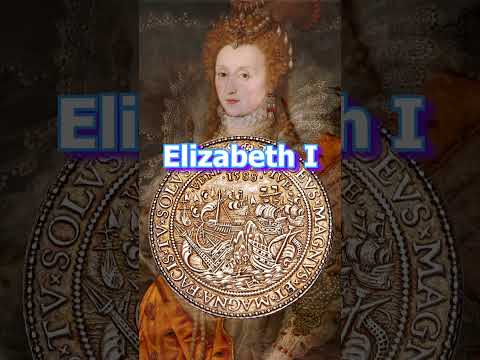
Philip II of Spain ruled an empire on which the sun never set, and he regarded England's Protestant queen, Elizabeth I, as a heretic. English privateers raided his treasure ships and English soldiers helped his rebels in the Netherlands. His plan was for a great fleet to sail up the English Channel, meet the Duke of Parma's army in Flanders and escort it across to England. Francis Drake's raid on Cádiz in 1587 destroyed some 30 ships and delayed everything by a year.
When the Armada left Lisbon it counted 141 ships, 10,138 sailors and 19,315 soldiers, under the Duke of Medina Sidonia. It was sighted off Cornwall on 29 July, and a chain of beacons carried the news to London. The faster English ships harried it all the way up the Channel. On 7 August it anchored off Calais, waiting for Parma. That night the English sent eight burning ships, Drake's own Thomas among them, drifting into the anchorage. The Spanish cut their anchor cables and scattered, and the next day the English closed in at Gravelines.
A shift in the wind let the Armada escape into the North Sea, but the way home lay around Scotland and Ireland. Storms drove ship after ship onto the rocks of Ireland's west coast, and about 5,000 men died by drowning, starvation or at the hands of people on shore. Historians now reckon that between 44 and 51 ships were lost, about a third of the fleet.
Read more on WikipediaSources: en.wikipedia.org/wiki/Spanish Armada