Early modern · politics
Salem witch trials
Much of the evidence that sent people to the gallows was testimony that the accused's ghostly shape had come to torment their accusers.
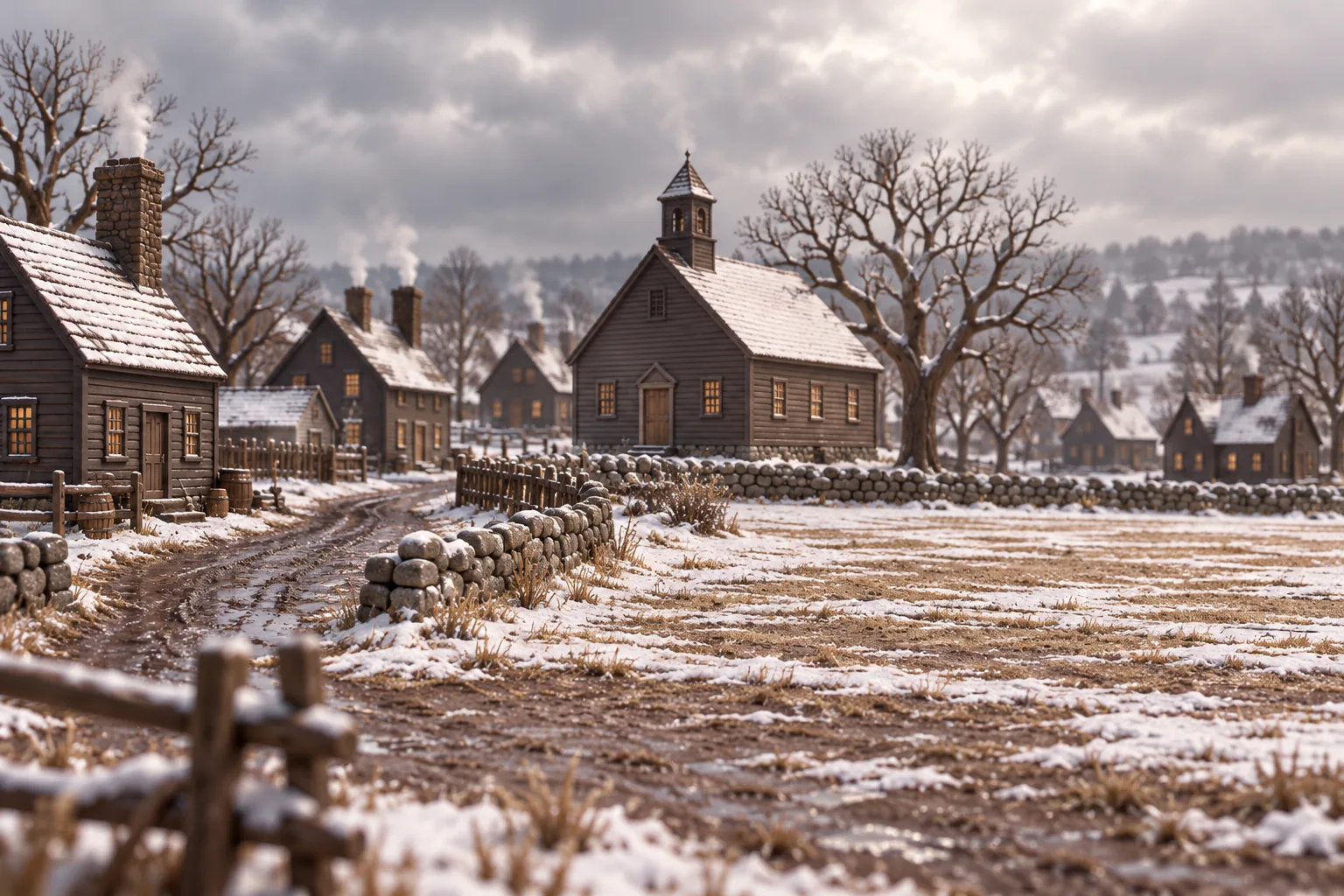
In February 1692, in the quarrelsome farming community of Salem Village in colonial Massachusetts, nine-year-old Betty Parris and her eleven-year-old cousin Abigail Williams, the daughter and niece of the minister Samuel Parris, began having fits that a neighbouring minister said were beyond any natural disease. With two other girls they named those who were bewitching them. The first three arrested were Sarah Good, Sarah Osborne and Tituba, an enslaved Kalina woman from the West Indies.
The accusations spread to Andover, Topsfield and other towns until more than 200 people had been named. A special court sat in Salem Town. Much of the evidence was "spectral": accusers swore they had seen the accused person's apparition attacking them. Bridget Bishop, the first to be tried, on 2 June, was hanged eight days later. In all thirty people were found guilty and nineteen were hanged, fourteen women and five men. Giles Corey died after being pressed under heavy stones for refusing to enter a plea, and at least five more people died in the jails.
The panic ended when leading clergymen began to doubt spectral evidence and when even prominent citizens were being accused. A new court in 1693 refused to accept it, and the trials stopped that May. Several accusers later admitted they had made their charges up. In 1711 the colony's legislature reversed the convictions of 22 people by name.
Read more on Wikipedia


