Ancient world · politics
Empire of Sargon
The man often called history's first emperor ruled from a capital that archaeologists have still never found.
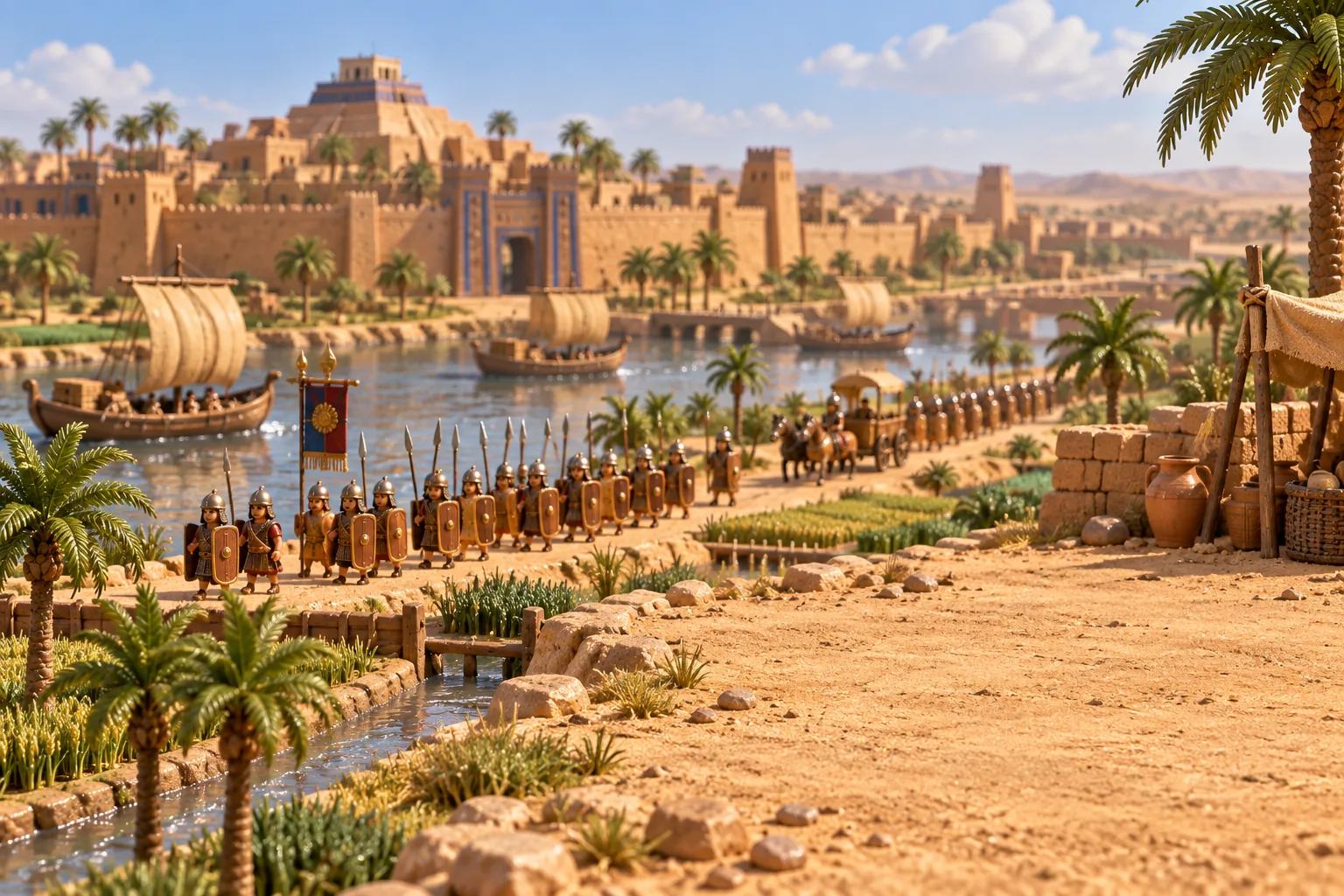
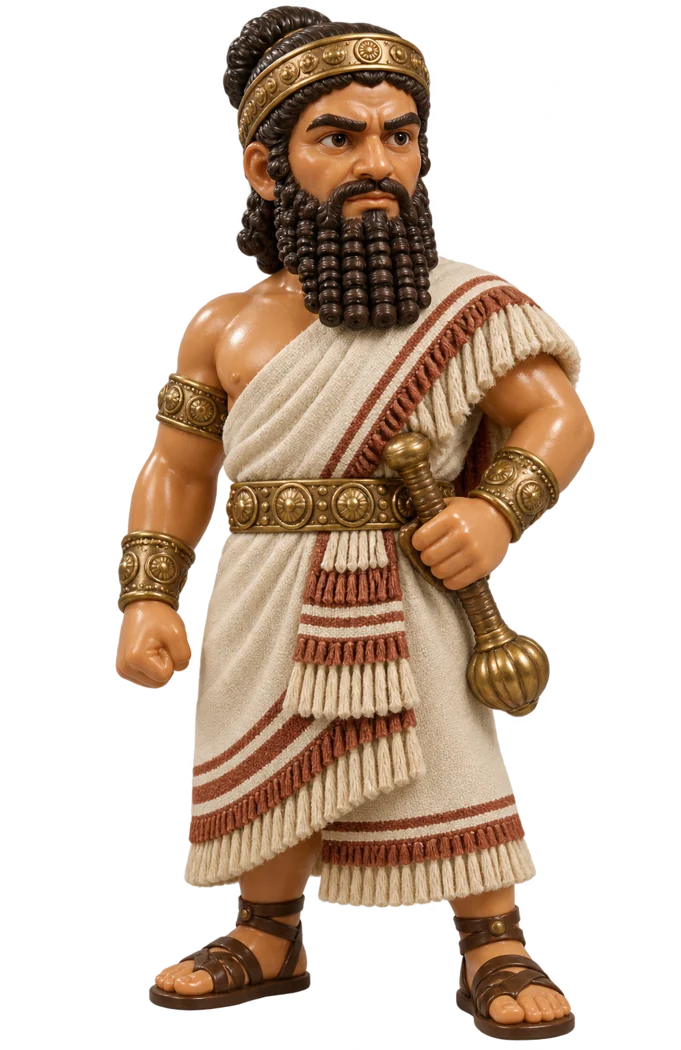
Around 2300 BC, the ruler of Akkad, a small city in central Mesopotamia overshadowed by its powerful neighbour Kish, set out to take over the land between the rivers. His name, Sargon, comes from Akkadian words meaning roughly 'the legitimate king'. Later stories said he began as cupbearer to Ur-Zababa, king of Kish. Historians suspect a grain of truth: he may have been a vassal of Kish who rebelled and made himself master of the north.
He then turned south against Lugal-zage-si, king of Uruk, who ruled the Sumerian cities. It took three battles. Uruk's walls were torn down, and Sargon boasted that he led the captured king to the gate of the god Enlil at Nippur in a neck stock. His armies raided Elam in the east and Mari in the west, and he claimed that ships from Meluhha, Magan and Dilmun moored at the quay of Akkad.
Sargon left Sumerian scribes and officials in their posts but made them answer to Akkad, and he installed his daughter Enheduanna as high priestess of the moon god at Ur. His sons and his grandson Naram-Sin carried the empire on for at least a century, which is why he is often called the first ruler of an empire. His dates are uncertain: often given as 2334–2279 BC, though a newer proposal puts his reign at 2316–2277 BC.
Read more on Wikipedia


