Industrial age · war
Mukden incident
The bomb that started a war was so small that a train rolled over the damaged rail ten minutes later and reached the station on time.
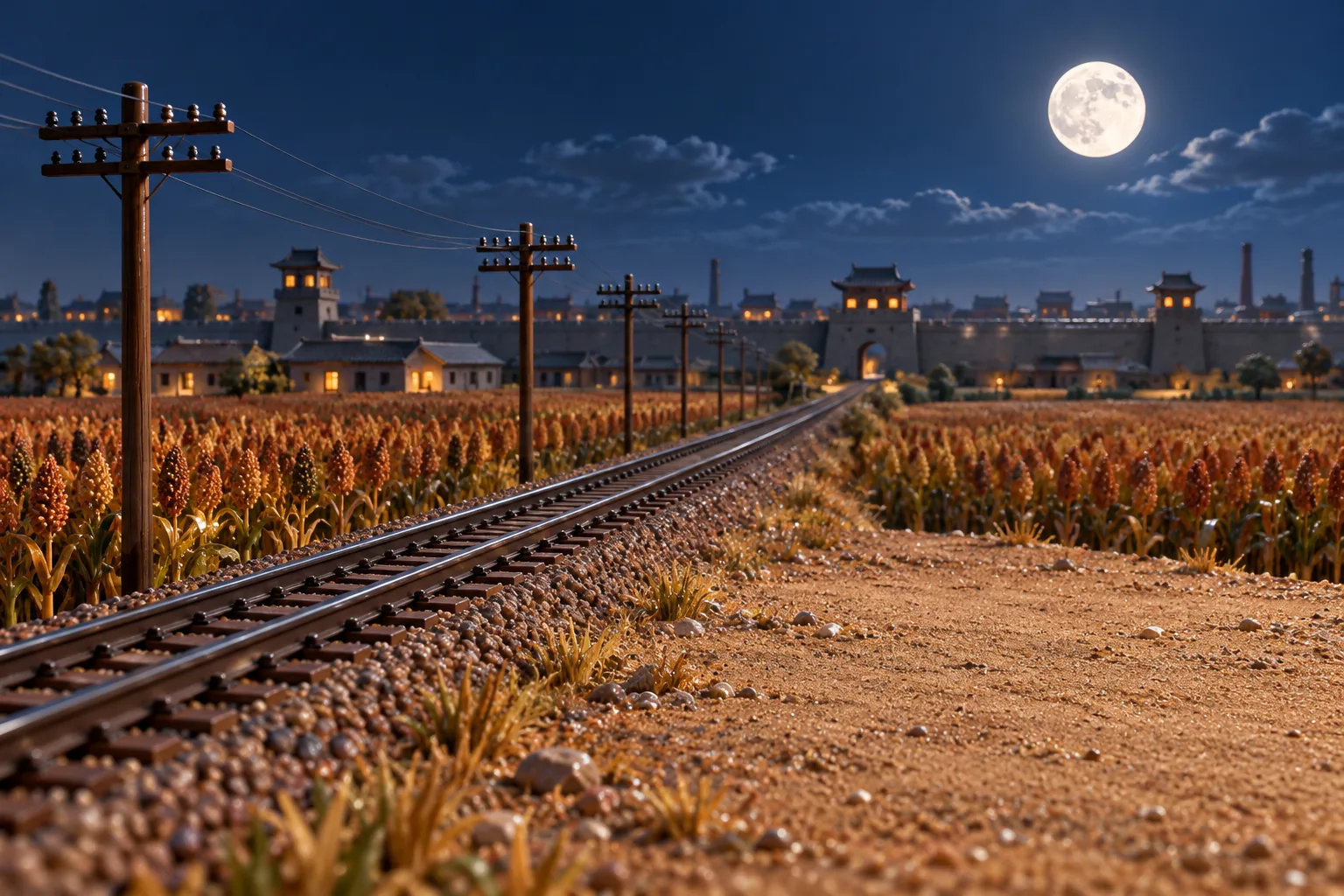
Since the Russo-Japanese War, Japan had controlled the South Manchuria Railway in north-east China and kept soldiers along it. China's new government wanted Manchuria back, and the local ruler, the "Young Marshal" Zhang Xueliang, had joined Chiang Kai-shek. Officers of Japan's Kwantung Army, led by Colonel Seishirō Itagaki and Lieutenant Colonel Kanji Ishiwara, decided to stage an incident that would let them take the whole region. They chose a flat stretch of track near Liutiao Lake, just 800 metres from the Chinese barracks at Beidaying.
At about 22:20 on 18 September 1931 Lieutenant Suemori Kawamoto set off a small charge of dynamite beside the rails. It damaged only 1.5 metres of one side of the track, and a train from Changchun passed over it and reached Mukden at 22:30. The Japanese blamed Chinese soldiers. That night and the next morning about 500 Japanese troops attacked a Chinese garrison of around 7,000, which had orders not to resist; by evening Mukden was in Japanese hands, at the cost of about 500 Chinese and two Japanese dead.
Within five months the Japanese army had taken every major town in Manchuria, and in March 1932 it set up the puppet state of Manchukuo under China's last emperor, Puyi. A League of Nations commission led by Lord Lytton rejected Japan's claim of self-defence, and in March 1933 Japan left the League.
Read more on Wikipedia
