Ancient world · people
The Buddha
A young man of the Shakya clan walked away from a comfortable home to find an end to suffering, and his answer became one of the world's great religions.
Siddhartha Gautama lived on the plains of the Ganges in the 6th or 5th century BC; the exact dates are still argued over. Older scholarship gives 563–483 BC, while many modern historians place his death around 400 BC. Buddhist tradition says he was born at Lumbini, in what is now Nepal, and grew up in Kapilavastu as the son of Suddhodana of the Shakya clan, with a wife, Yasodhara, and a son, Rahula.
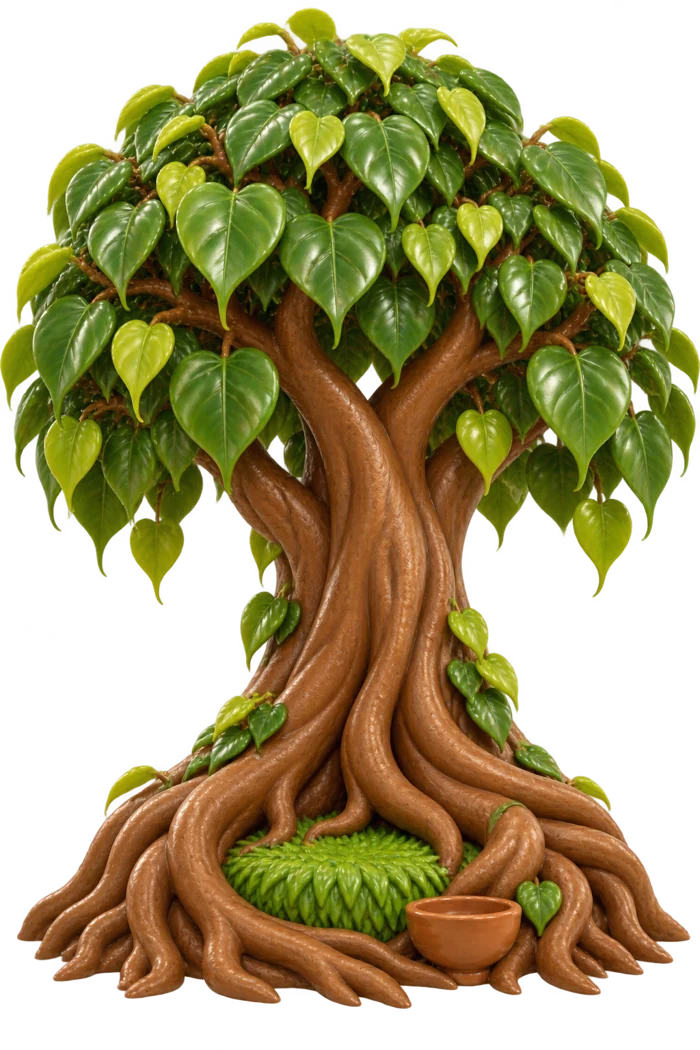
Later biographies tell how he saw an old man, a sick man and a corpse, and then a wandering holy man. Shaken, he left the palace at night. For years he lived as an ascetic, fasting until, the texts say, his bones showed through his skin. He gave up that path too, accepted a bowl of milk and rice from a village girl named Sujata, and sat in meditation under a pipal tree at Bodh Gaya, where he reached awakening. From then on he was the Buddha, "the awakened one".
At the Deer Park at Sarnath, near Varanasi, he gave his first sermon to five ascetics: a Middle Way between indulgence and self-punishment, summed up in the Four Noble Truths and the Eightfold Path. He spent the rest of his life wandering and teaching, built a monastic order, the sangha, and died at Kushinagar. His followers carried his teaching across Asia.
Read more on Wikipedia
Sources: en.wikipedia.org/wiki/The Buddha