Industrial age · science
London Underground
The first underground railway in the world ran on steam, and so many people fainted from the smoke that the company encouraged its staff to grow beards as air filters.
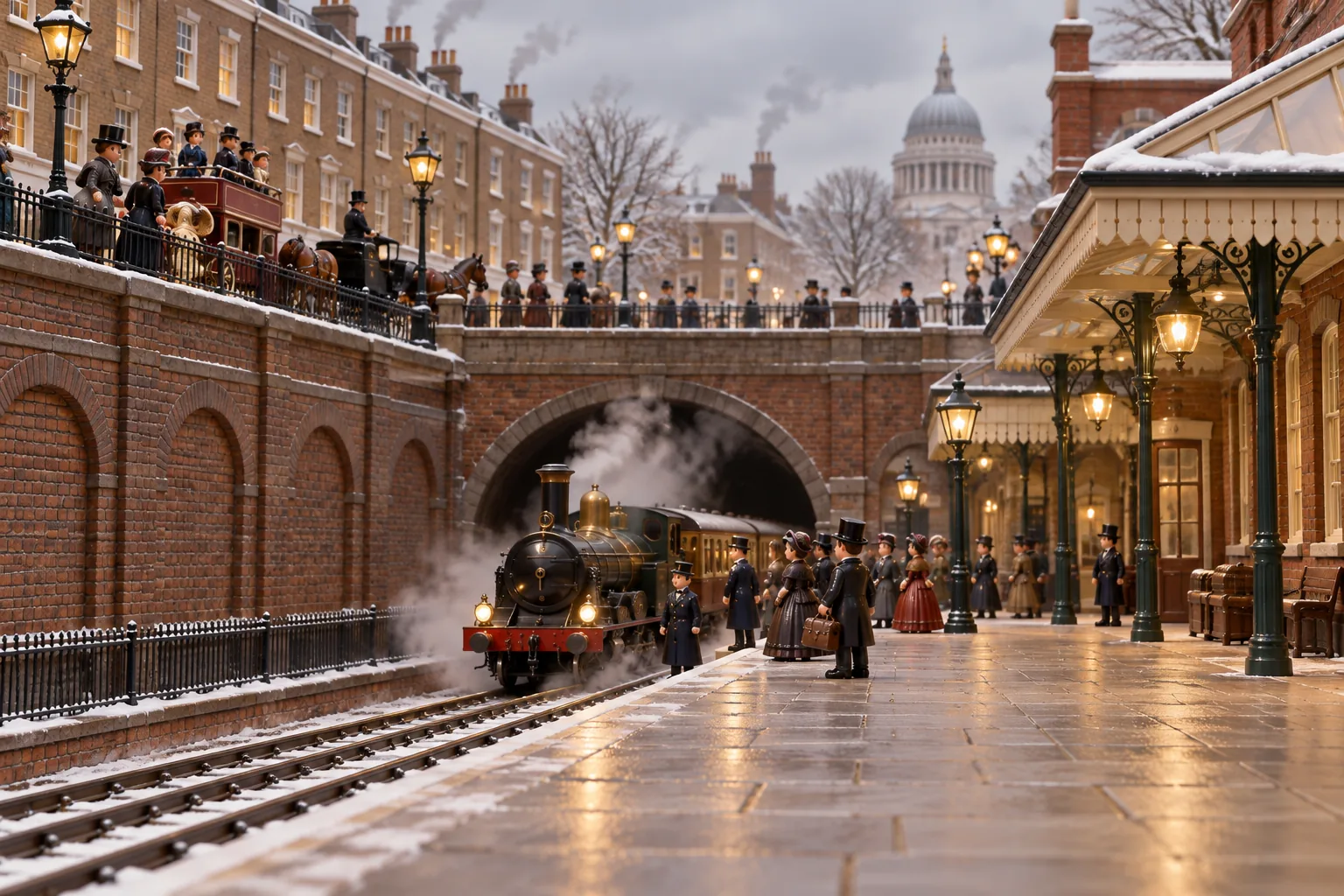
By the 1850s London's streets were jammed with carts, cabs and omnibuses, and the main-line railway stations stood on the edge of the city. The idea of a railway under the streets to link them with the City had been floated since the 1830s, and in 1854 the Metropolitan Railway got permission to build one. It was dug by the cut-and-cover method: a trench was opened along the line of a road, the railway was built inside it, and the road was put back over the top.
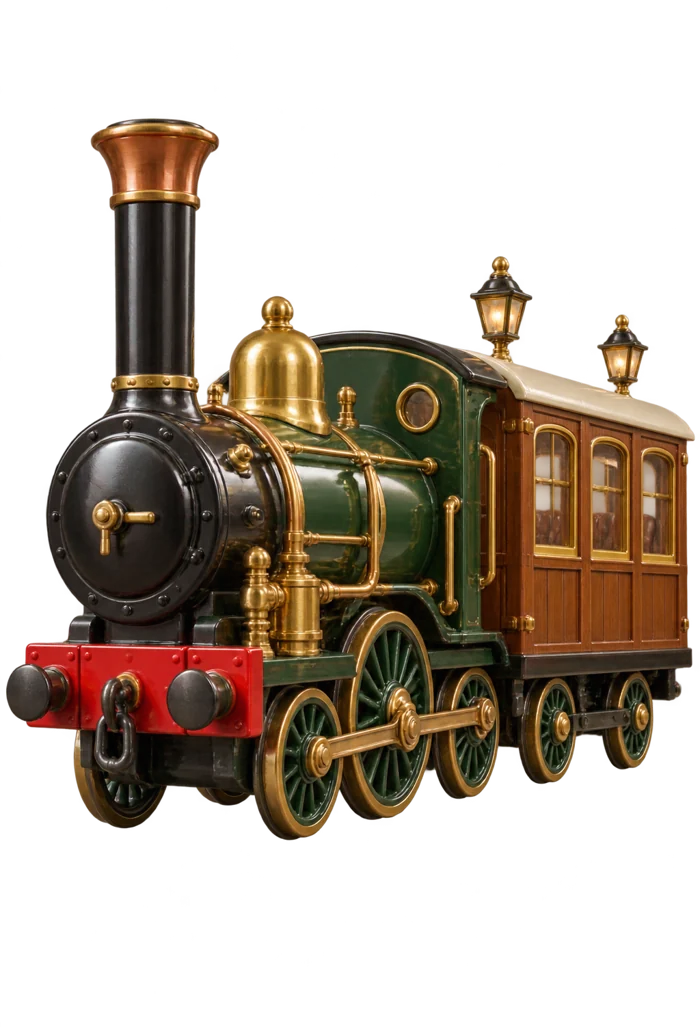
The line opened on 10 January 1863 between Paddington and Farringdon, the world's first underground passenger railway. Steam locomotives hauled gas-lit wooden carriages through the tunnels, and 38,000 passengers rode on the first day. The Metropolitan District Railway followed in 1868, and in 1884 the two companies completed the Circle line. In 1890 the City and South London Railway opened the first deep-level tube, running electric trains in round tunnels dug far below the streets.
The rival private lines were sold under one 'Underground' brand in the early 20th century and merged in 1933 into London Transport. The Underground also changed graphic design: Edward Johnston's typeface of 1916, the red-and-blue roundel and Harry Beck's diagram map, first issued in 1933, were copied by transit systems around the world.
Read more on Wikipedia


