Industrial age · politics
Emancipation Proclamation
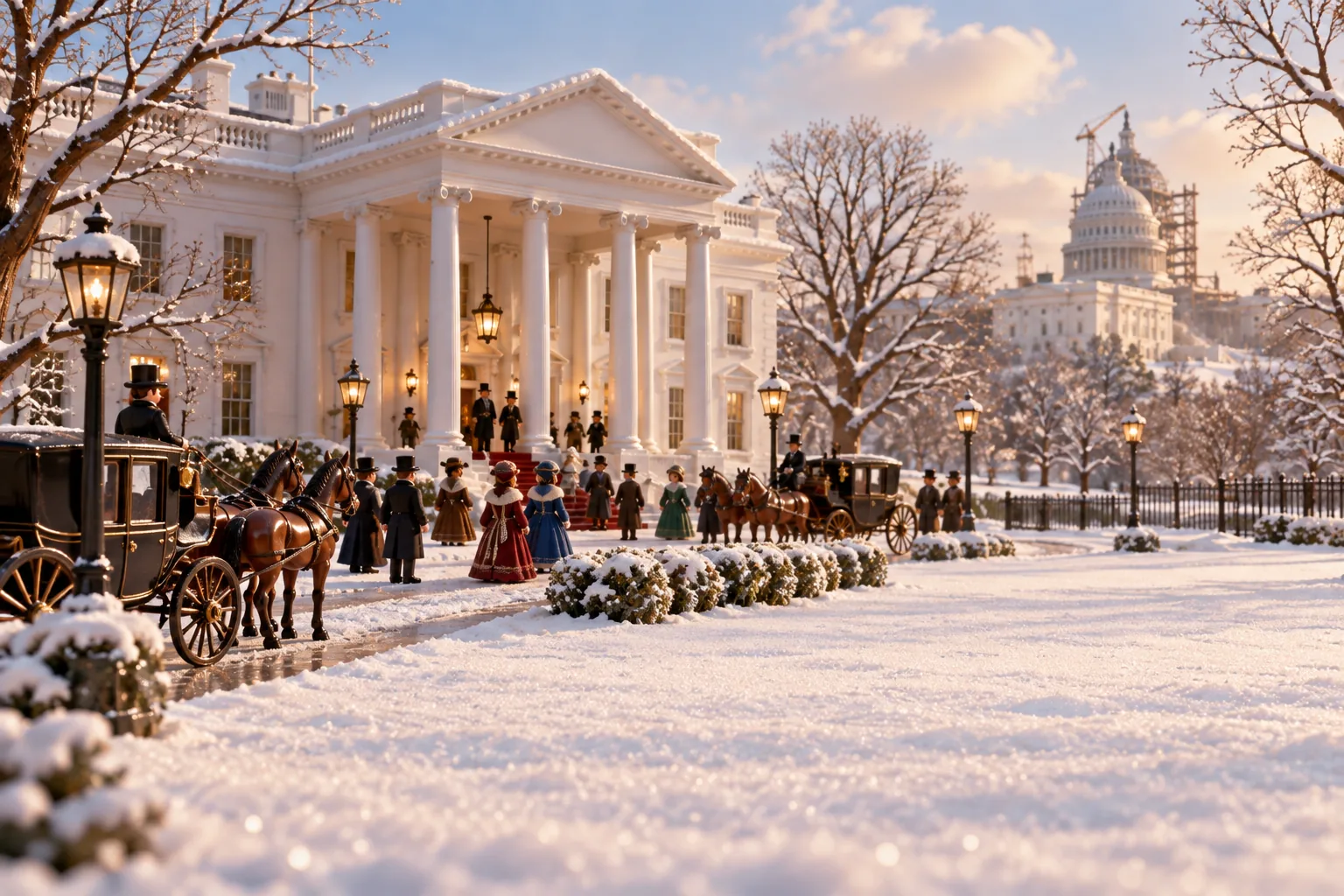
On New Year's Eve 1862 Black Americans across the country sat up in churches waiting for midnight, the moment a president's promise would make millions free.
When the Civil War began in 1861, President Abraham Lincoln fought to save the Union, not yet to end slavery. But enslaved people fled to Union lines, Congress passed laws freeing some of them, and abolitionists such as the editor Horace Greeley demanded more. In July 1862 Lincoln read a draft proclamation to his cabinet. Secretary of State William Seward advised waiting for a victory, or it would look like the Union's "last shriek of retreat".
The victory came at Antietam in September 1862. Five days later, on 22 September, Lincoln issued the Preliminary Emancipation Proclamation: if the rebel states did not return by 1 January, their slaves would be free. On New Year's Eve, African Americans held Watch Night services for "Freedom's Eve". On 1 January 1863 Lincoln signed the final proclamation. Using his power as commander-in-chief "as a fit and necessary war measure", he declared free the enslaved people in the ten states still in rebellion, more than 3.5 million of the country's 4 million slaves.
It did not cover the loyal border states or Union-held parts of the South, and it could not be enforced where the Confederacy still ruled. Only 25,000 to 75,000 people were freed at once. But wherever the Union army advanced, slaves became free, and nearly 200,000 Black men, most of them former slaves, joined the Union Army. The 13th Amendment, ratified on 6 December 1865, ended slavery throughout the United States.
Read more on Wikipedia


