Our time · science
Chernobyl disaster
A safety test that had already failed three times was run once more in the middle of the night, and it blew the roof off reactor 4.
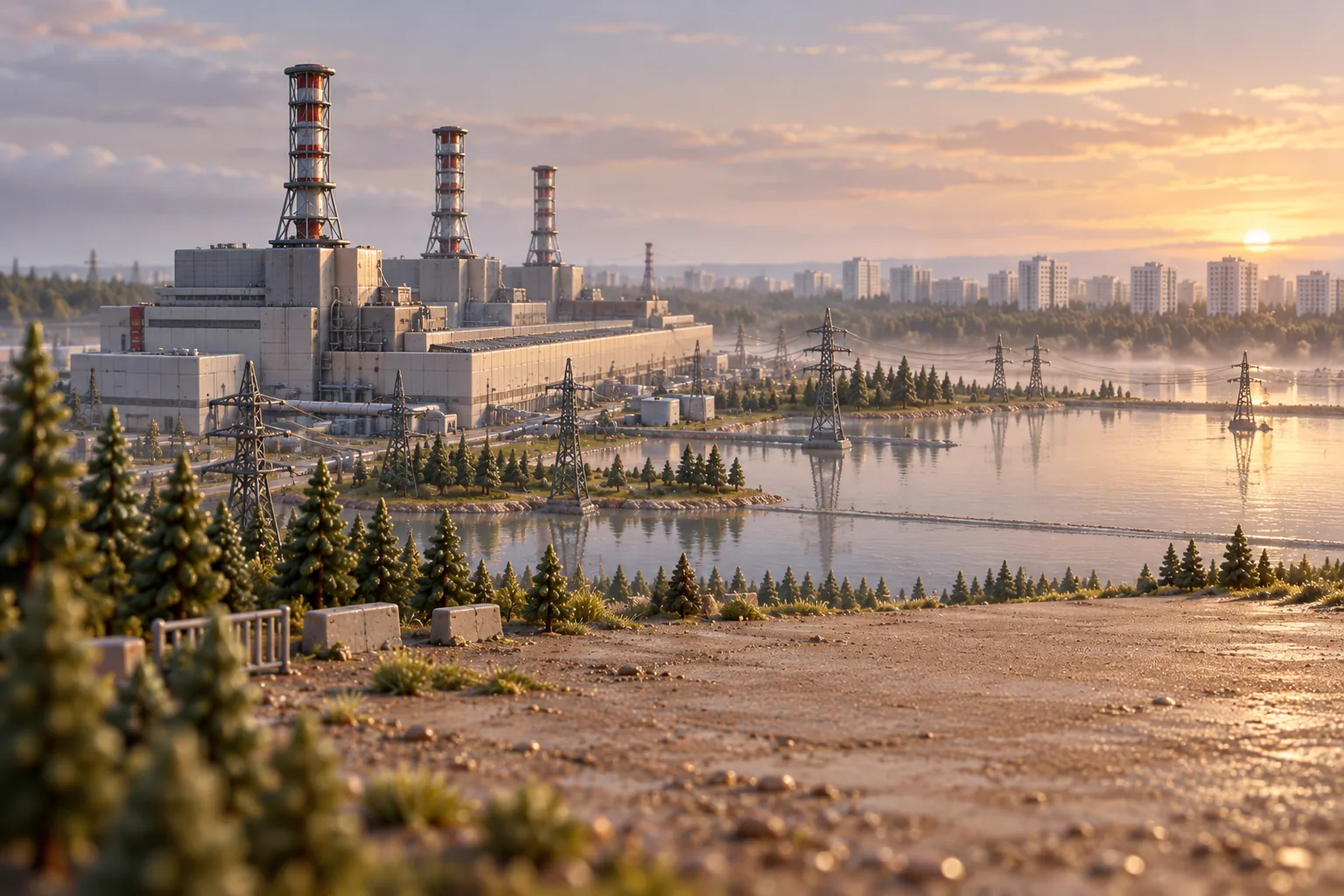
In the early hours of 26 April 1986 the night shift at the Chernobyl Nuclear Power Plant, near the town of Pripyat in the Ukrainian SSR, was running a test on reactor 4. It was meant to show that the spinning turbine could keep the cooling pumps going for the seconds the backup diesel generators needed to start. The same test had failed in 1982, 1984 and 1985. Deputy chief engineer Anatoly Dyatlov directed it, with Aleksandr Akimov in charge of the shift and Leonid Toptunov at the controls.
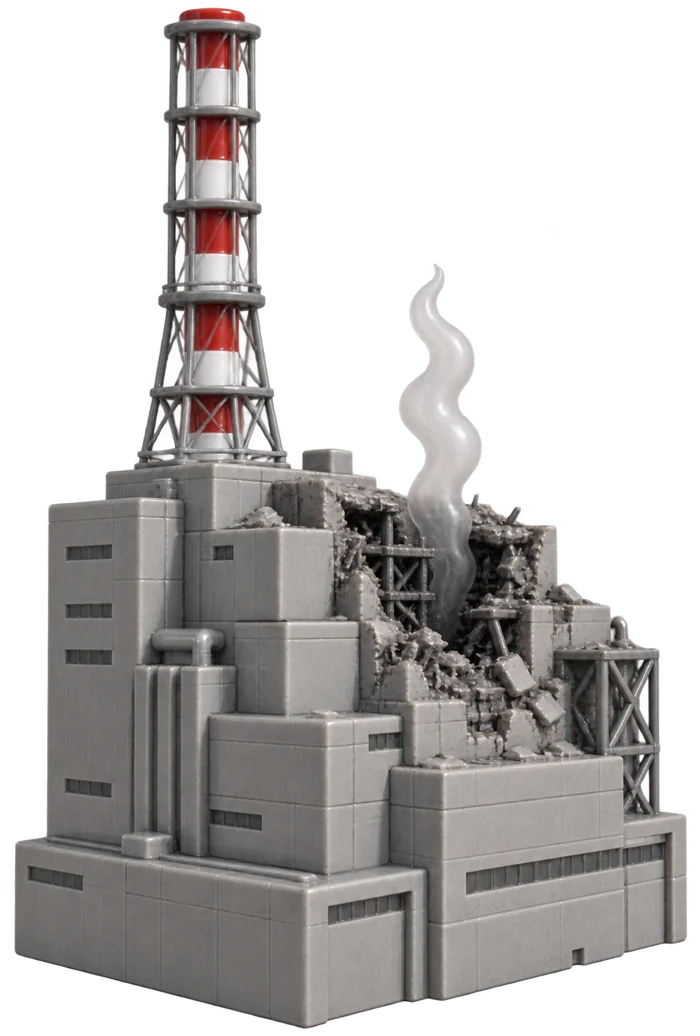
The test began at 01:23:04. Thirty-six seconds later an operator pressed the emergency shutdown button, AZ-5. Because of flaws in the design of the RBMK reactor, the shutdown set off a huge, uncontrollable power surge instead. Steam explosions and a meltdown wrecked the building, and a fire in the core carried radioactive material across the Soviet Union and Europe. The explosion killed two engineers. Of the 237 workers taken to hospital, 134 had acute radiation syndrome, and 28 of them died within three months.
Pripyat was not warned that night. On 27 April a 10-kilometre zone around the plant, home to about 49,000 people, was evacuated; it was later widened to 30 kilometres, moving about 68,000 more. A government commission led by the chemist Valery Legasov took charge of the response, which drew in more than 500,000 people. By December 1986 a concrete sarcophagus covered the ruined reactor. Pripyat was never resettled; the new town of Slavutych was built for the plant's workers instead.
Read more on Wikipedia