Early modern · war
Siege of Yorktown
When he heard the news from Yorktown, the British prime minister is said to have cried out: "Oh God, it's all over."
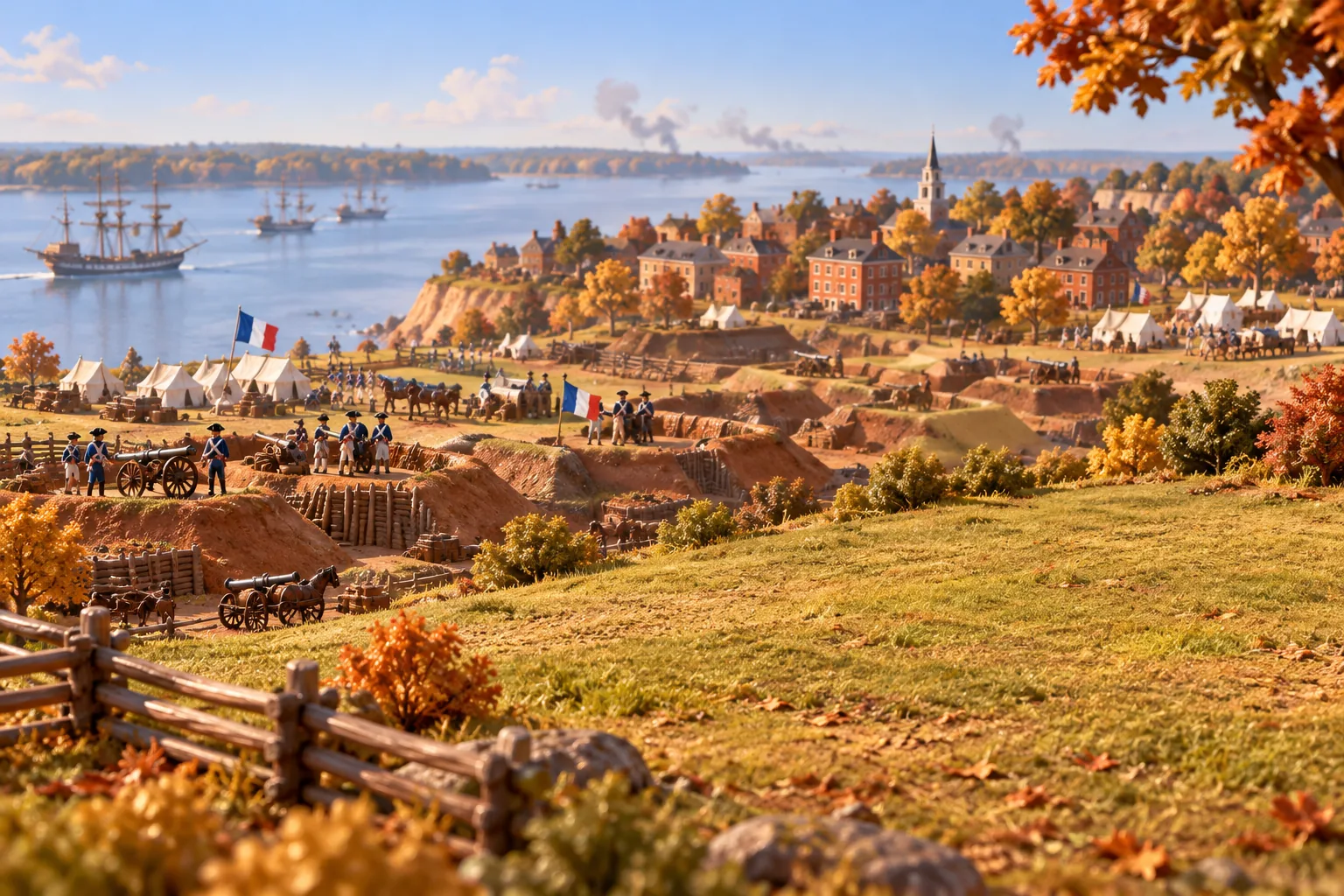
In the summer of 1781 George Washington's Continental Army and a French army under the Comte de Rochambeau joined forces north of New York. The allies argued over whether to besiege New York or strike in Virginia, but when the French admiral the Comte de Grasse announced he would sail his West Indies fleet to the Chesapeake Bay, the allies turned south toward Virginia, where Lord Cornwallis was building a deep-water base at Yorktown. They used deceptions to make the British believe New York was still the target. In early September de Grasse beat a British fleet at the Battle of the Chesapeake, cutting Cornwallis off from help or escape by sea.
On 28 September Washington, with about 7,800 French troops, 8,000 Continentals and 3,100 militia, marched from Williamsburg and surrounded Yorktown. The allies dug siege trenches and began a heavy bombardment. On 14 October a French column took Redoubt No. 9 and an American column under Lieutenant Colonel Alexander Hamilton stormed Redoubt No. 10, letting the allies bring their guns even closer. On the morning of 17 October a British drummer appeared, followed by an officer waving a white handkerchief.
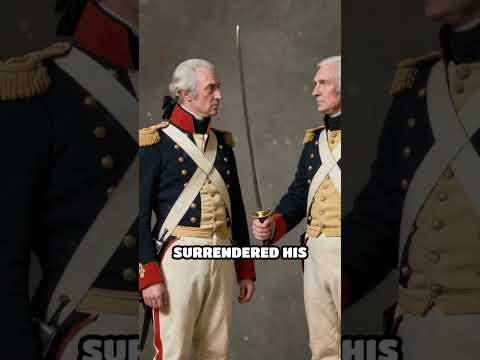
The surrender took place on 19 October. Cornwallis stayed away, claiming illness, and more than 7,000 British soldiers laid down their arms between the French and American armies. In March 1782 Lord North's government fell, and peace talks led to the Treaty of Paris of 1783.
Read more on Wikipedia