Early modern · war
Battle of Sekigahara
The most important battle in Japanese history began in thick fog and was decided by a general who switched sides in the middle of it.
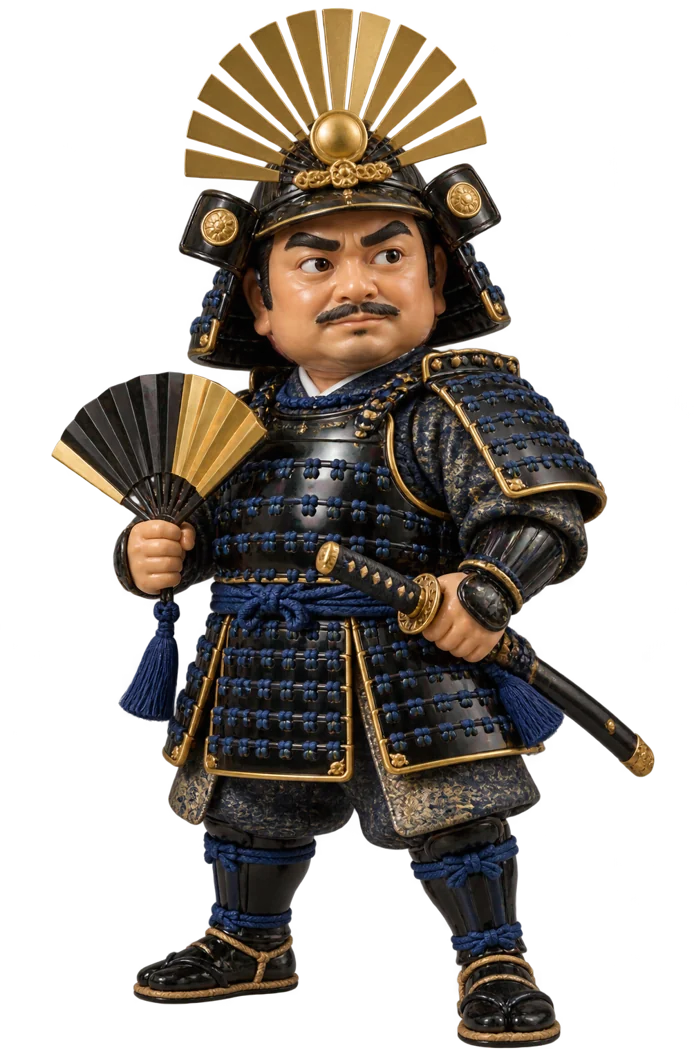
When the great warlord Toyotomi Hideyoshi died in 1598, his heir Hideyori was only five years old. Real power was contested between the powerful lord Tokugawa Ieyasu and Ishida Mitsunari, a loyal Toyotomi administrator whom many generals disliked. In 1600 Mitsunari formed a Western Army with Mōri Terumoto as its overall commander and seized Osaka Castle, while Ieyasu's Eastern Army was away fighting in the north. As Ieyasu marched back, Mitsunari chose to meet him in open battle in the narrow valley of Sekigahara, on the main road between east and west.
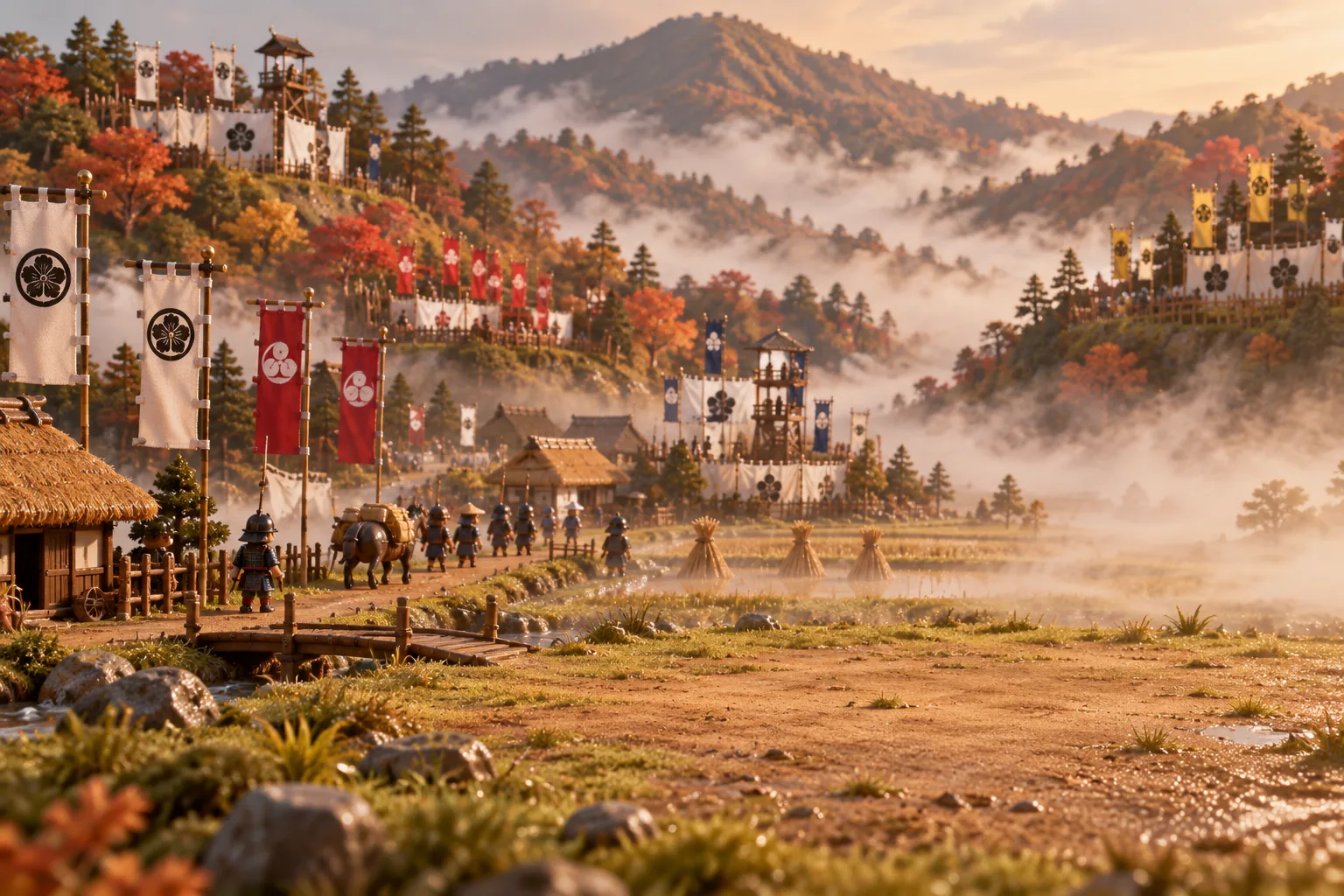
At dawn on 21 October 1600 the two armies ran into each other in dense fog. Ii Naomasa's red-armoured troops opened the battle, and for hours the fighting was locked, with 'gunfire thundering and arrows like hail', as one witness wrote. Some Western commanders had already made secret deals with Ieyasu. The decisive one was Kobayakawa Hideaki, Hideyoshi's nephew, whose army on Mount Matsuo turned on its own side and broke Ōtani Yoshitsugu's wing. One after another, other units changed sides or stood still, and the Western Army collapsed. Modern historians think the main fight lasted only about two hours.
On 6 November Mitsunari was captured and executed. Ieyasu handed out land worth 6.8 million koku to his allies, and in 1603 the emperor appointed him shōgun. His family ruled Japan until 1868.
Read more on Wikipedia


