Industrial age · politics
Stalin's Great Terror
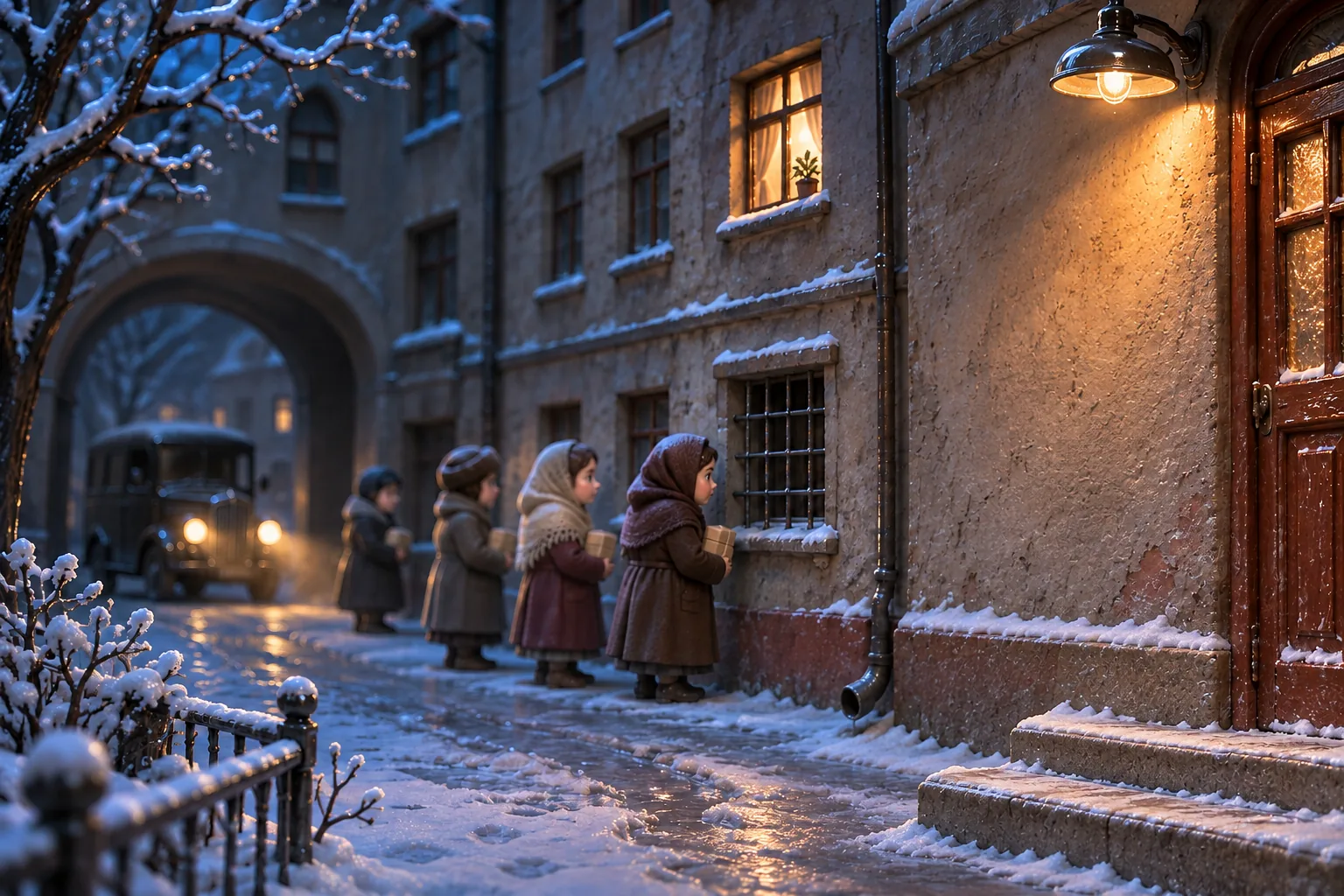
In the Soviet Union of 1937 the police worked to quotas, and anyone could be next, including the men running the terror.
Joseph Stalin, born Ioseb Jughashvili into a poor Georgian family, had led the Soviet Union since the late 1920s. After the popular party official Sergei Kirov was assassinated in 1934, Stalin used the murder as a pretext to hunt for enemies. Famous Old Bolsheviks such as Grigory Zinoviev, Lev Kamenev and Nikolai Bukharin were put on show trials in Moscow, made forced confessions, and were shot.
The purge peaked between September 1936 and August 1938, under the secret police chief Nikolai Yezhov, which is why Russians also call it the Yezhovshchina, or simply the Year of '37. It spread from the party to the army, to engineers and writers, to former kulak peasants and to whole ethnic groups such as Soviet Poles and Germans. NKVD Order No. 00447, issued on 30 July 1937, launched mass operations against "ex-kulaks" and other "anti-Soviet elements". The police worked to quotas, and to fill them they rounded up people at markets and railway stations. People were accused of spying, sabotage and "wrecking", tortured into confessions, and either shot or sent to Gulag labour camps.
Official figures record 681,692 executions in 1937 and 1938 alone; scholars estimate the total death toll at 700,000 to 1.2 million. In 1938 Stalin turned on the NKVD itself, blamed it for the excesses and had Yezhov tried and shot. The fear did not end with him: surveillance and mistrust shaped Soviet life for decades.
Read more on Wikipedia
Sources: en.wikipedia.org/wiki/Joseph Stalin, en.wikipedia.org/wiki/Great Purge