Our time · politics
1992 Los Angeles riots
A bystander's home video of a police beating led, a year later, to the most destructive unrest in modern American history.
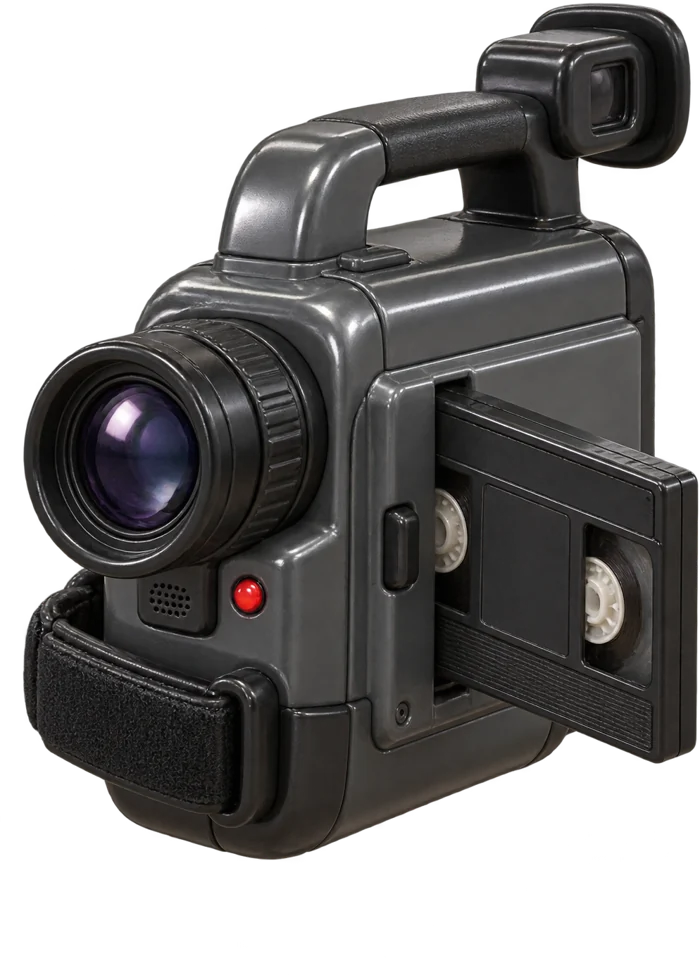
For years Black and Latino residents of Los Angeles had complained of harassment and brutality by the city's police under Chief Daryl Gates. On the night of 3 March 1991, after a car chase, officers surrounded the motorist Rodney King, tasered him and struck him dozens of times with batons. A bystander, George Holliday, filmed the beating, and the tape was shown around the world. Tension between Black residents and Korean shopkeepers had also grown after a storekeeper shot dead the ninth-grader Latasha Harlins in March 1991.
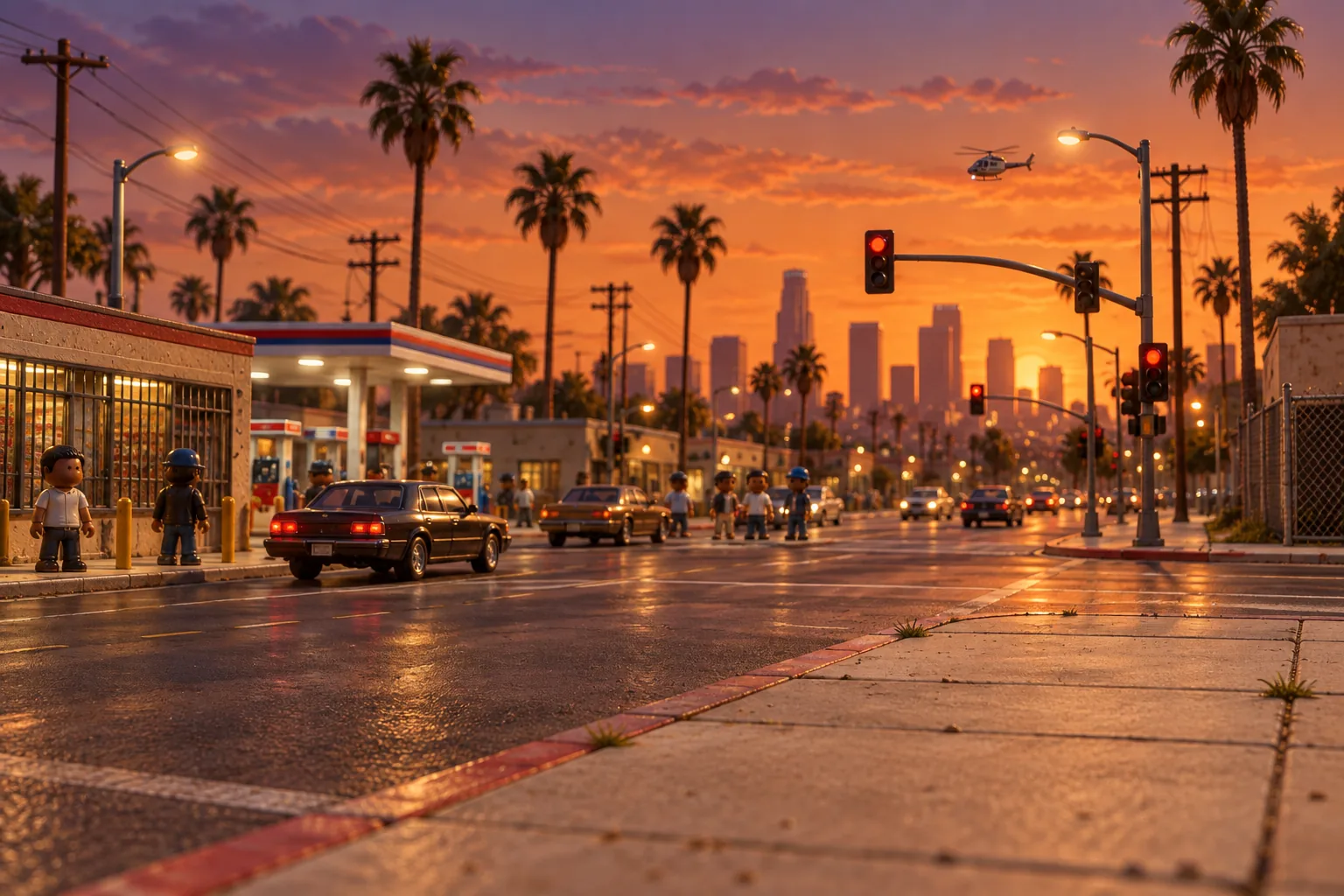
Four officers went on trial, which was moved out of Los Angeles County to Simi Valley. On 29 April 1992 the jury acquitted all four of assault. Within hours violence broke out in South Central Los Angeles, and at the corner of Florence and Normandie the truck driver Reginald Denny was pulled from his cab and beaten on live television. Looting and arson spread across the city. Koreatown, largely left without police, suffered heavily, and store owners guarded their shops from the rooftops.
About 10,000 National Guard troops were sent in, and federal forces followed. When it ended, 55 people were dead, 2,383 injured, more than 12,000 arrested, and damage topped $1 billion. In 1993 a federal jury convicted two of the officers of violating King's civil rights.
Read more on Wikipedia