Antiquity · politics
End of the Western Roman Empire
The last emperor of the West was not killed or exiled in chains: he was a teenager, pensioned off and sent to live with relatives in the south.
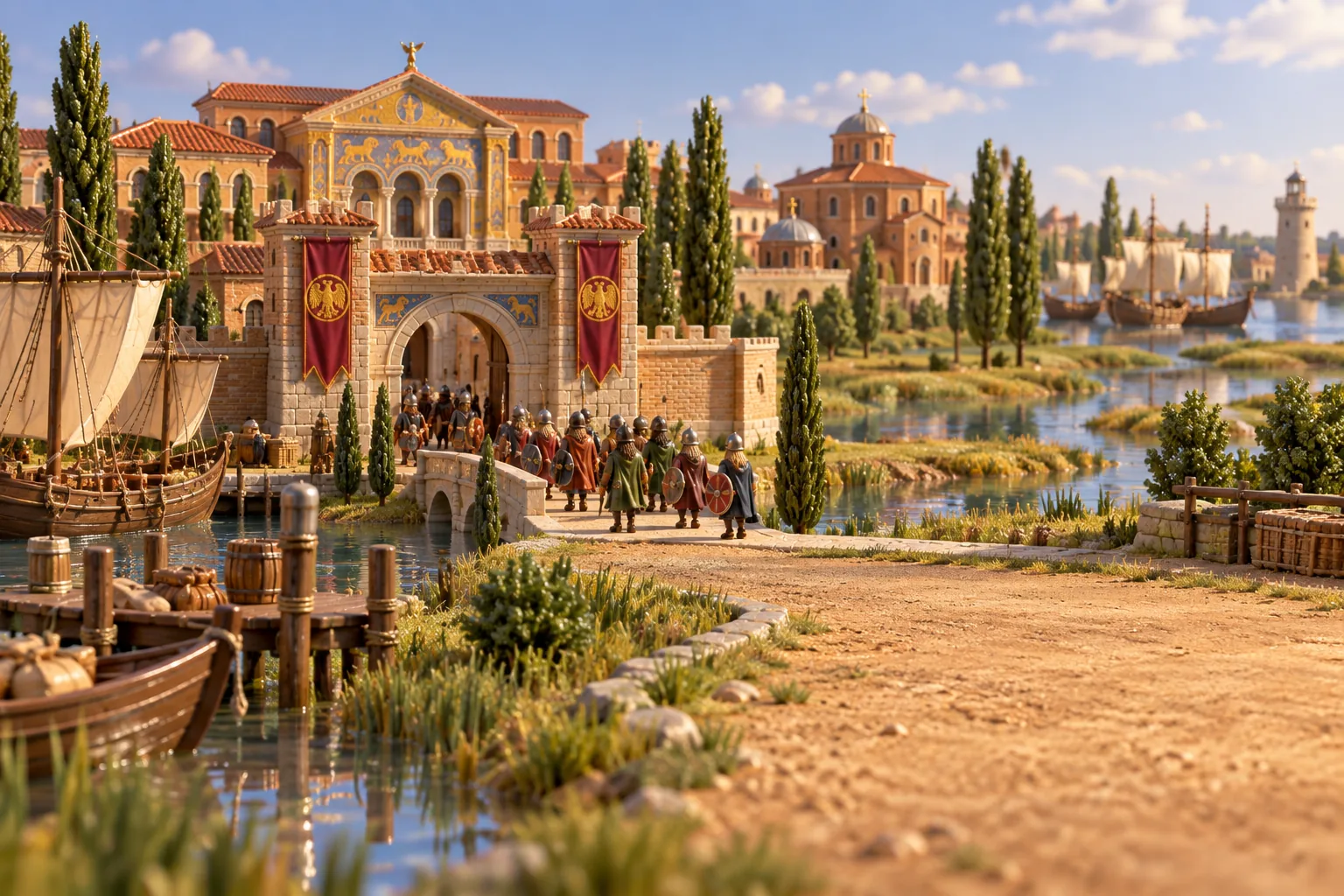
By 476 the Western Roman Empire was a title more than a state. For a century it had been losing ground. In 376 Goths fleeing the Huns crossed into the empire and could not be driven out. Vandals took North Africa, barbarian kingdoms rose across Gaul and Spain, and in 410 and again in 455 Rome itself was sacked. Real power in Italy lay with generals, many of them of barbarian birth, who made and unmade emperors as they pleased.
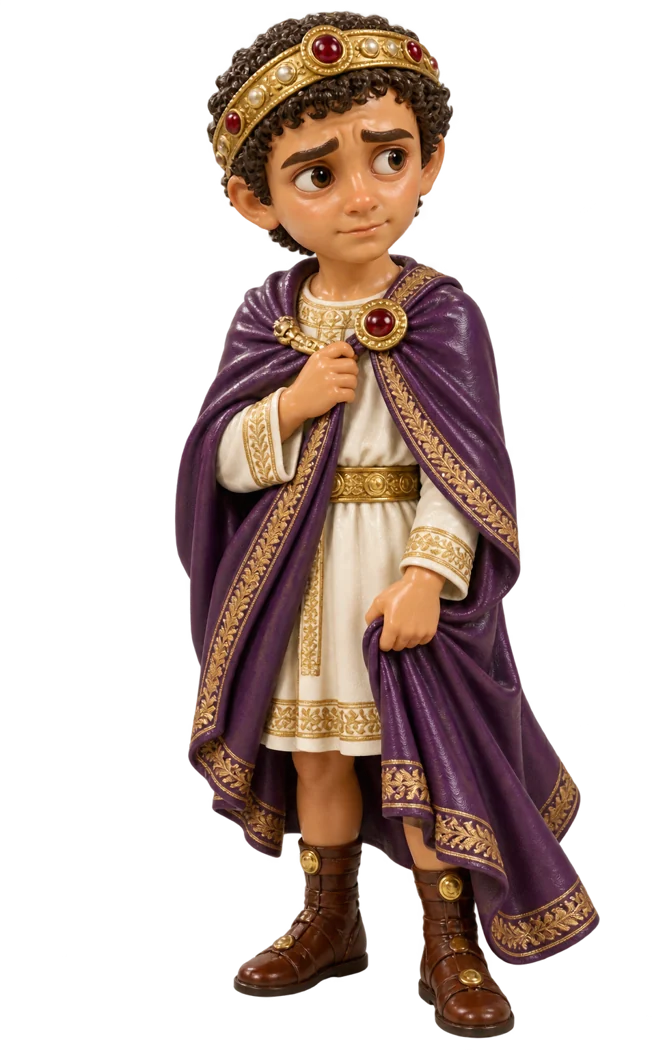
In 475 one of them, Orestes, drove the emperor Julius Nepos out of Ravenna and put his own young son on the throne as Romulus Augustus. Rivals mocked him as Augustulus, 'little Augustus'. Orestes had promised land in Italy to his Germanic mercenaries, and when he refused to give it they rebelled under their leader Odoacer. Orestes was caught and executed at Piacenza on 28 August 476.
A week later, on 4 September, Odoacer made the 16-year-old Romulus abdicate. Taking pity on his youth, he spared him, gave him a yearly pension of 6,000 gold solidi and sent him to relatives in Campania. Odoacer did not crown himself emperor. He ruled Italy himself, and the imperial regalia were sent to the emperor Zeno in Constantinople. Historians since Edward Gibbon have used this day to mark the end of Rome in the West.
Read more on Wikipedia
Sources: en.wikipedia.org/wiki/Fall of the Western Roman Empire

