
Industrial age · war
Long March
About 86,000 soldiers set out on a retreat through mountains, rivers and marshes; a year later only about 8,000 of them arrived.
In 1934 the Chinese Communist Party held a small state in Jiangxi, the Jiangxi Soviet, with its capital at Ruijin. Chiang Kai-shek's Nationalist army, in its fifth encirclement campaign, was closing in. On 10 October 1934 the Communists decided to abandon the base. The First Front Red Army of some 86,000 troops, led by Bo Gu and the Comintern adviser Otto Braun, broke out to the west. Forcing its way through Nationalist blockades, it had only 36,000 men left after crossing the Xiang River on 1 December.
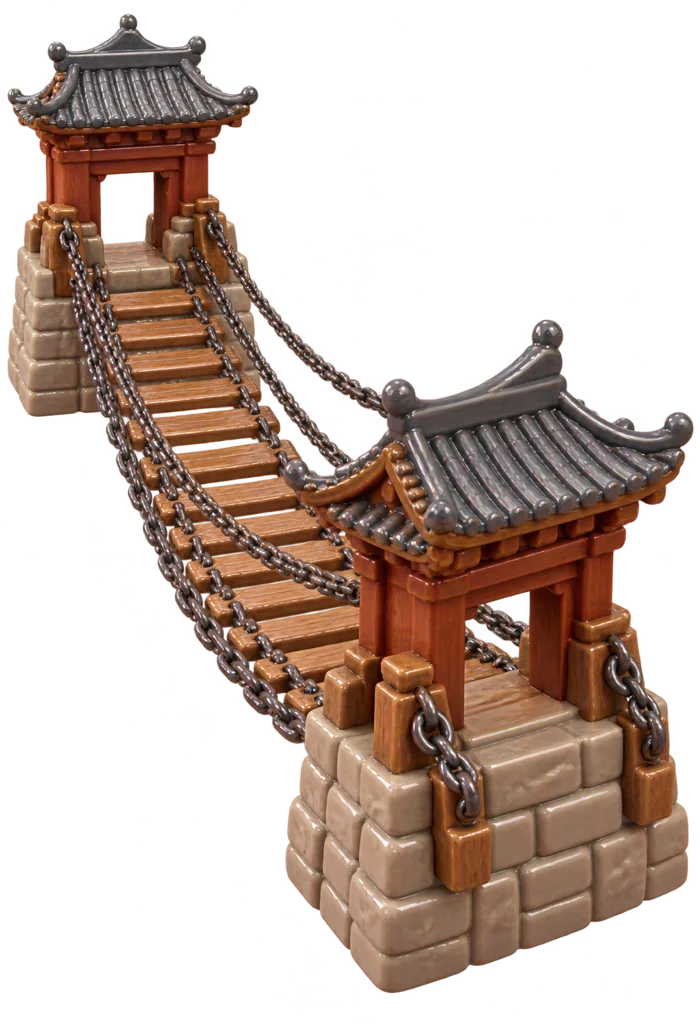
Mao Zedong, then not even in the Politburo, persuaded the leaders to turn into Guizhou. In January 1935, at the Zunyi Conference, Bo and Braun were blamed for the defeats, and Mao's standing rose sharply. Using guerrilla tactics to dodge Chiang's armies and local warlords, the marchers crossed the upper Yangtze, took Luding Bridge on 29 May, crossed high mountain passes and the Zoigê marshes. In Sichuan they met Zhang Guotao's Fourth Front Army, but the two quarrelled about the route and split up.
On 19 October 1935 the First Army reached Wuqizhen in northern Shaanxi with about 8,000 survivors, and Yan'an became the party's new headquarters. The other Red Armies joined it only in October 1936. The march made Mao's name and became a founding legend of the party he would lead to power.
Read more on Wikipedia
Sources: en.wikipedia.org/wiki/Long March