Industrial age · war
Philippine Revolution
Hundreds of rebels gathered in a farmyard outside Manila and tore up their colonial tax papers, and a secret society suddenly became an army.
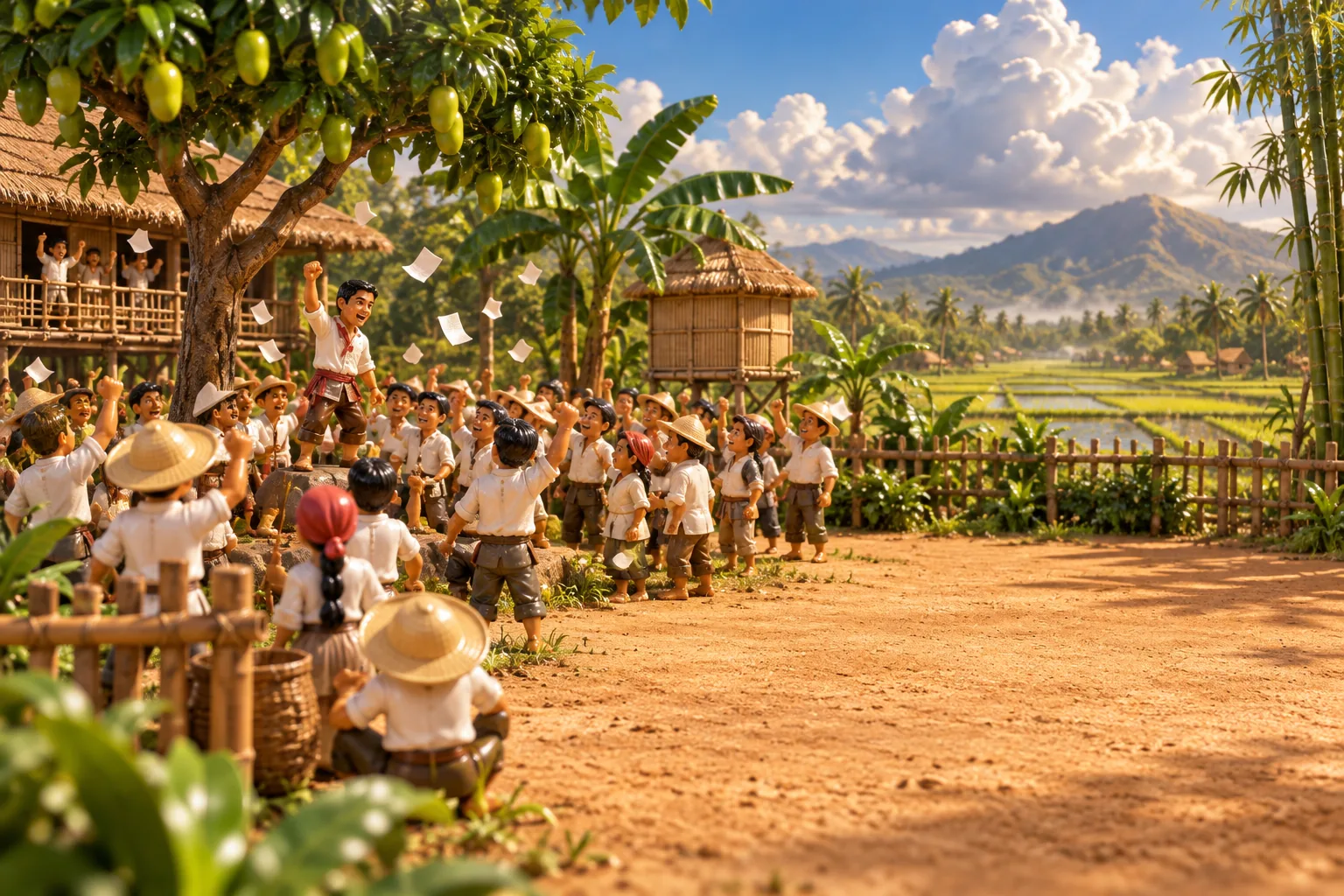
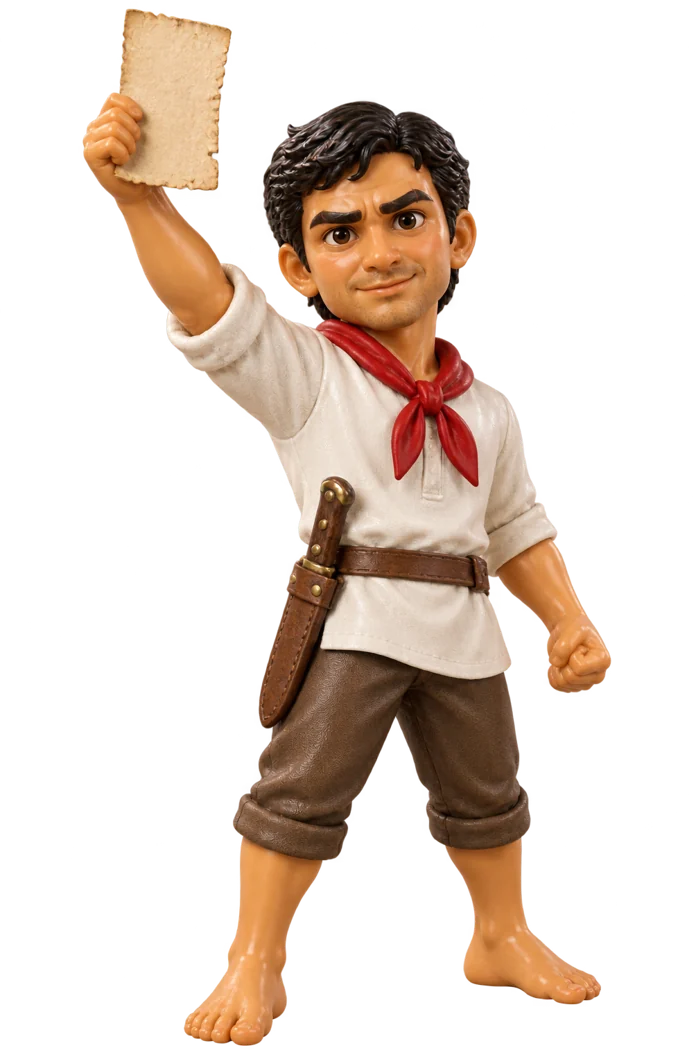
After more than three centuries of Spanish rule, Filipino reformers such as José Rizal asked for representation in the Spanish parliament and got nowhere. In 1892 Andrés Bonifacio and others founded the Katipunan, a secret society aiming at armed revolution. In August 1896 a member revealed it to the Spanish. Bonifacio gathered the members near Caloocan, and in the event called the Cry of Pugad Lawin they tore up their cedulas, the community tax certificates, with patriotic shouts. By 30 August the revolt had spread to eight provinces, though the rebels had few guns and fought mostly with bolo knives and bamboo spears.
Bonifacio's attack on Manila failed, but in Cavite rebels under Emilio Aguinaldo won major victories. The two leaders split. In 1897 an assembly at Tejeros elected Aguinaldo president; Bonifacio refused to accept it, was tried for treason and was executed with his brother in May 1897. In December the Pact of Biak-na-Bato paused the fighting, and Aguinaldo and other leaders went into exile in Hong Kong.
In April 1898 the United States went to war with Spain, and on 1 May George Dewey's squadron destroyed the Spanish fleet in Manila Bay. Aguinaldo returned on 19 May, and by June the rebels held nearly all the countryside. On 12 June 1898 he declared independence at Kawit. Neither Spain nor the United States recognised it, and in the Treaty of Paris Spain handed the islands to the United States.
Read more on Wikipedia