310 people · 6 eras
People of world history
Every one has its own page and its own place on the globe. Pick one, or spin the Earth and find it there. See also: Events of world history, Empires and states of history.
Ancient world 3,300 BC to 500 BC
 reigned c. 1353–1336 BC · Akhetaten (Amarna), EgyptAkhenatenIn the fifth year of his reign a pharaoh dropped the name of the god Amun, took a new one honouring the sun disc, and ordered a whole capital built on empty desert by the Nile.
 c. 1370 – c. 1330 BC · Akhetaten (Amarna), EgyptNefertitiIn the twelfth year of her husband's reign, the queen sat beside the pharaoh with their six daughters while envoys from north and south laid gold at their feet.
 reigned 605–562 BC · Babylon (near Hillah, Iraq)Nebuchadnezzar IINews of his father's death reached the young victor of Carchemish in Syria; he raced home across the desert and was proclaimed king of Babylon within weeks.
 c. 630 – c. 570 BC · Mytilene, Lesbos, GreeceSapphoAround 600 BC a woman on Lesbos sang of love to the deep notes of a lyre so well that later Greeks counted her as a tenth Muse, though nearly all her songs are lost.
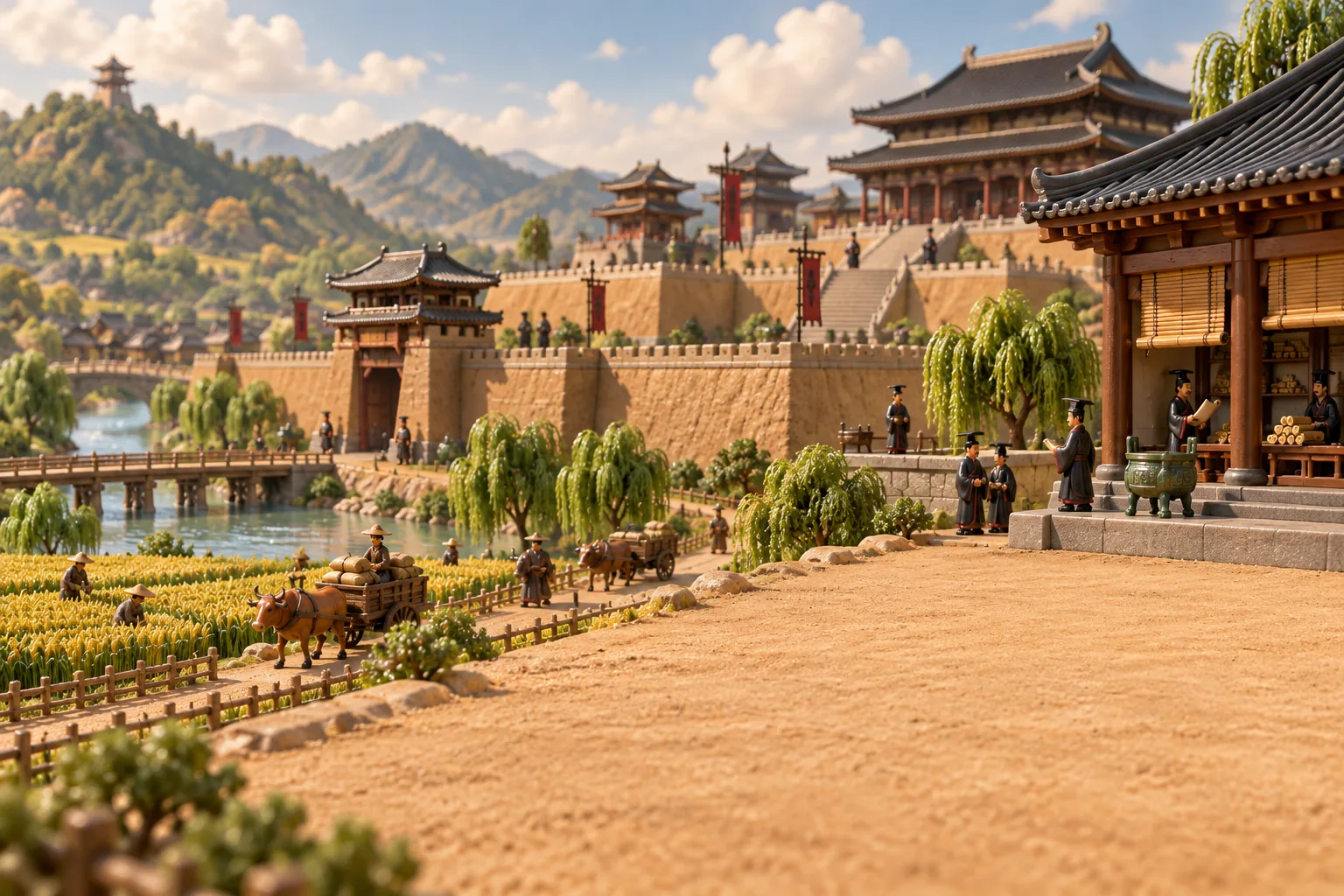 6th century BC · Zhou royal court, Chengzhou (Luoyang), ChinaLaoziBefore letting an old archivist ride out through the western gate, the guard made him write down his wisdom, and the result, legend says, was the Tao Te Ching.
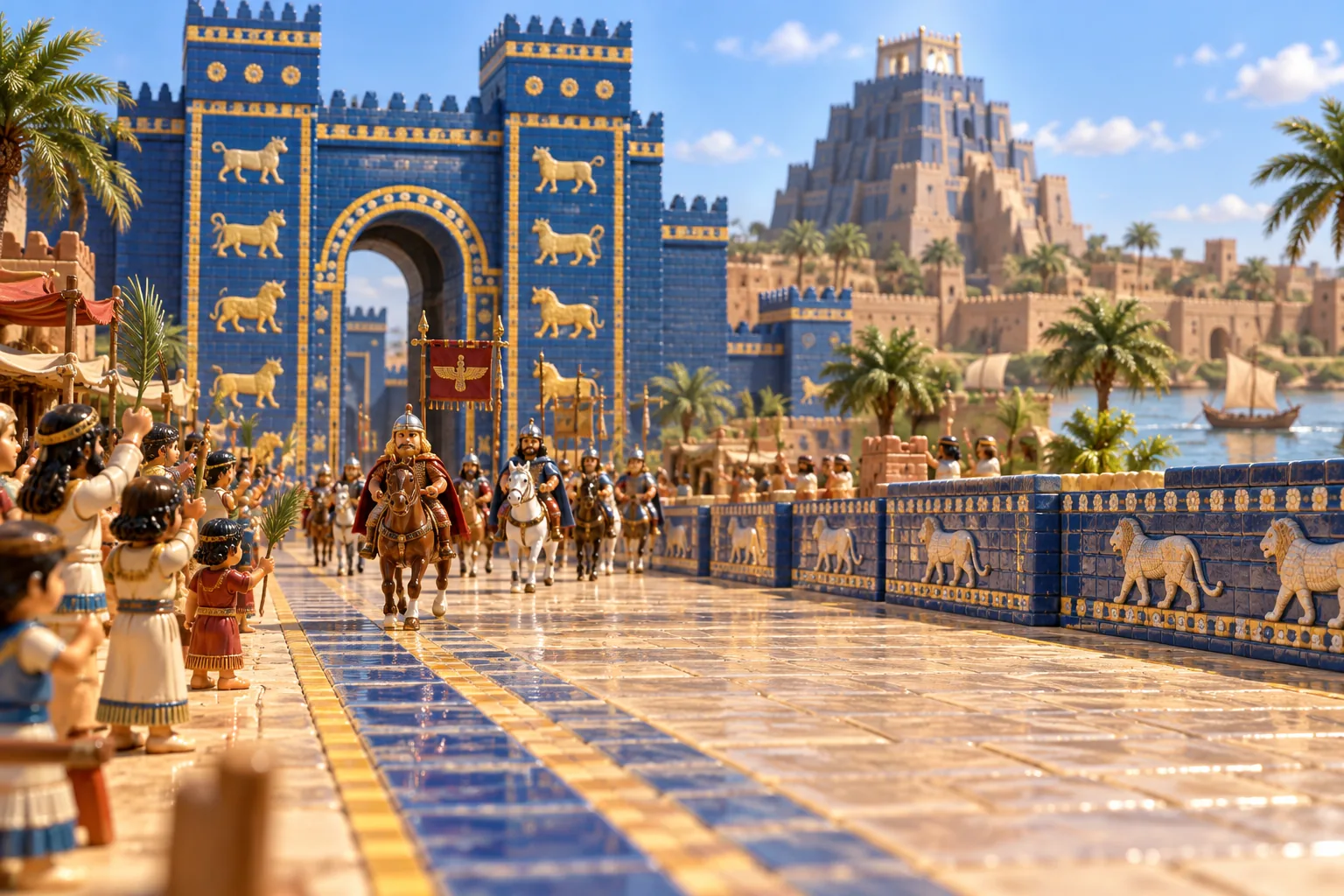 c. 600 – 530 BC · Babylon, MesopotamiaCyrus the GreatOn 29 October 539 BC the Persian king rode into Babylon, the greatest city on earth, which his army had taken without a fight.
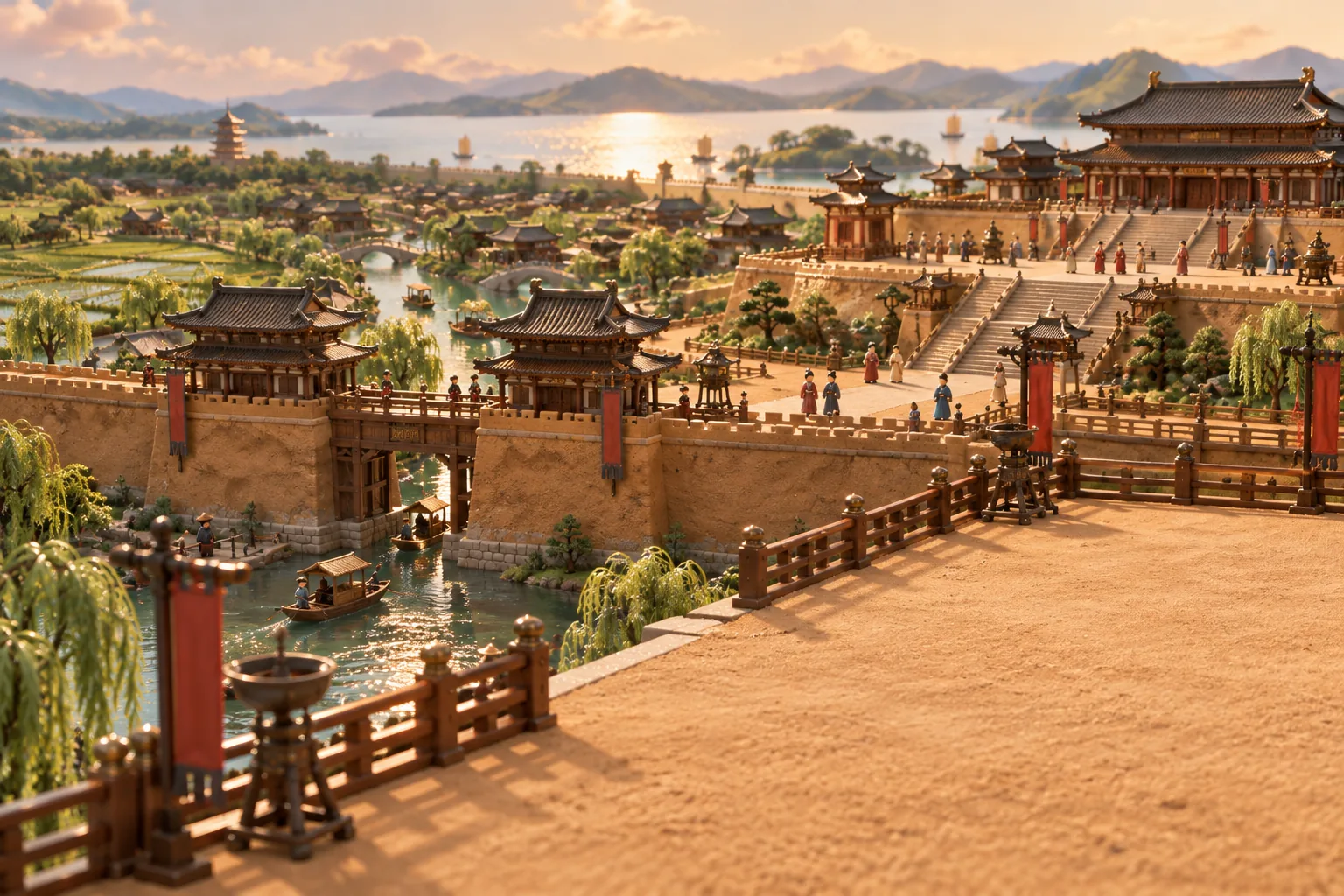 traditionally 544–496 BC · Court of King Helü of Wu (Suzhou), ChinaSun TzuTo prove he could make soldiers of anyone, the story goes, a strategist drilled the king of Wu's palace women in the courtyard until every one of them obeyed his orders.
Antiquity 500 BC to AD 500
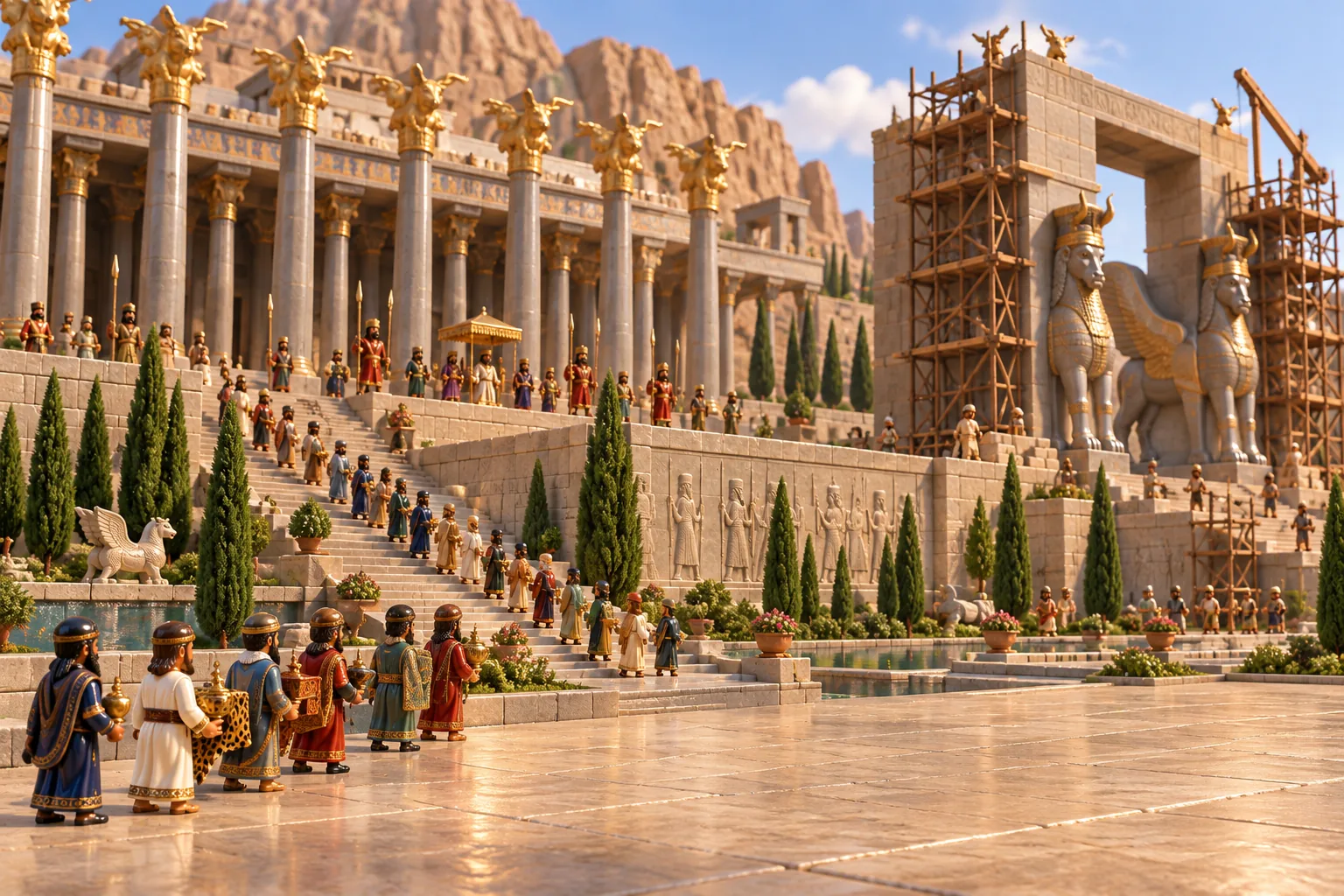 c. 518 – 465 BC · Persepolis, IranXerxes IChosen over his older brother because his mother was the daughter of Cyrus the Great, he inherited a vast empire in 486 BC and soon set out to punish Athens.
 c. 470 – 399 BC · Athens, GreeceSocratesFound guilty by a jury of hundreds of his fellow citizens, he suggested that Athens reward him with free meals instead, then refused to escape and drank hemlock.
 c. 428 – 347 BC · The Academy, Athens, GreecePlatoHome from a court where a tyrant had turned against him, he opened a school in a house and garden by a sacred olive grove outside Athens.
 c. 375 – 316 BC · Pella, MacedoniaOlympiasShe was called Polyxena, then Myrtale; the name history remembers her by came from a horse race Philip won at Olympia in the year her son Alexander was born.
 384–322 BC · Lyceum, Athens, GreeceAristotleThe man who once taught a thirteen-year-old Alexander the Great came back to Athens and rented a gymnasium by a sacred grove to found a school of his own.
 reigned c. 320 – c. 298 BC · Pataliputra (now Patna), MagadhaChandragupta MauryaAs a youth he is said to have seen Alexander the Great; within a few years of Alexander's death he had overthrown the Nanda kings and founded an empire that stretched to the Indus.
 4th century BC · Takshashila (Taxila)ChanakyaThrown out of the Nanda king's court for his looks, he untied his topknot and swore not to tie it again until the king was destroyed, then found a boy playing at being emperor.
 fl. 300 BC · Alexandria, EgyptEuclidIn the new Greek city of Alexandria, a teacher started from a handful of plain statements and proved, step by step, almost everything known about lines, numbers and solids.
 c. 304 – 232 BC · Pataliputra (Patna), IndiaAshokaAfter a war that by his own count killed 100,000, an Indian emperor had his remorse carved in stone and spent the rest of his reign preaching righteous conduct.
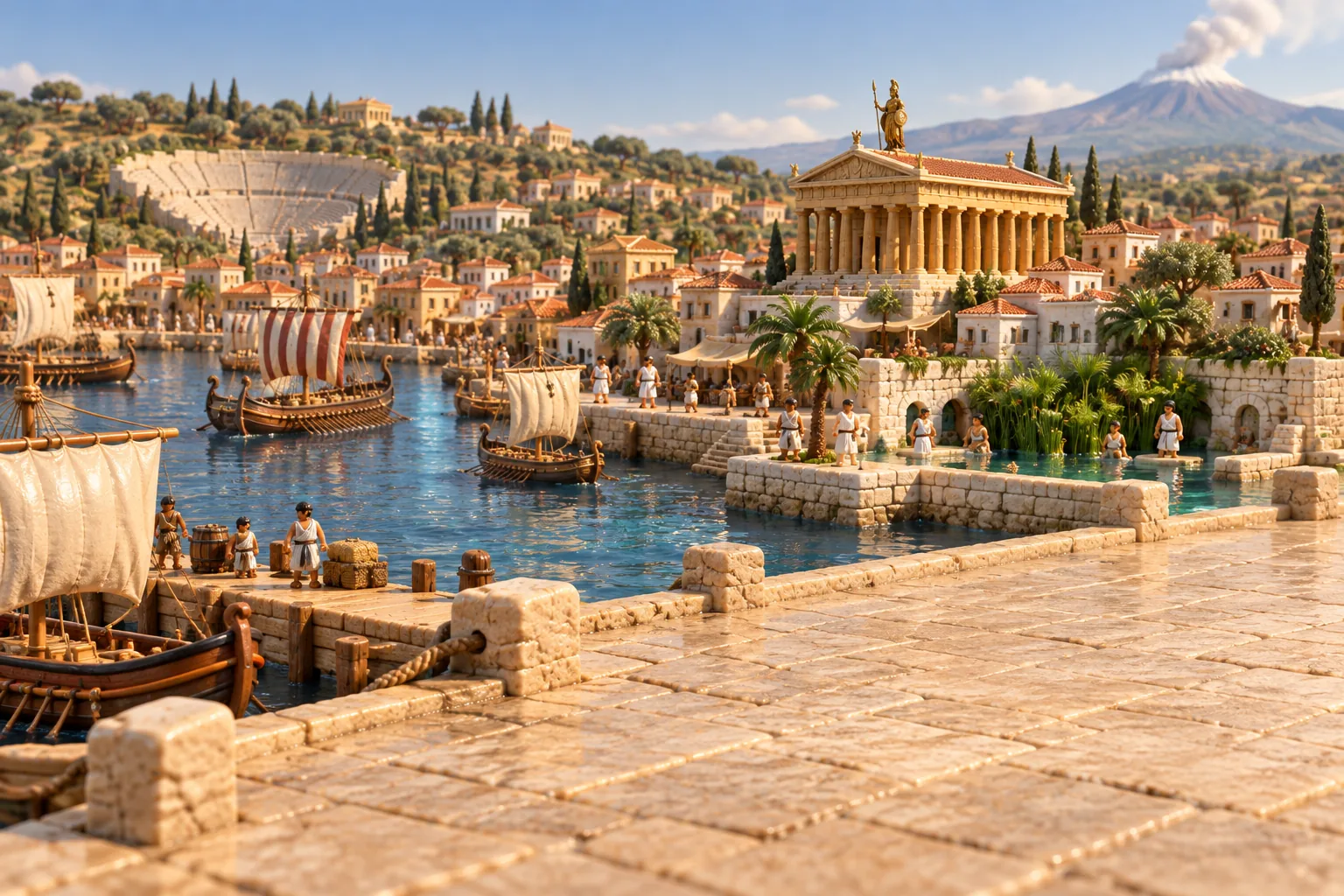 c. 287 – 212 BC · Syracuse, SicilyArchimedesAsked whether a king's golden wreath was pure, he noticed the water rise as he stepped into his bath, and ran into the street shouting "Eureka!"
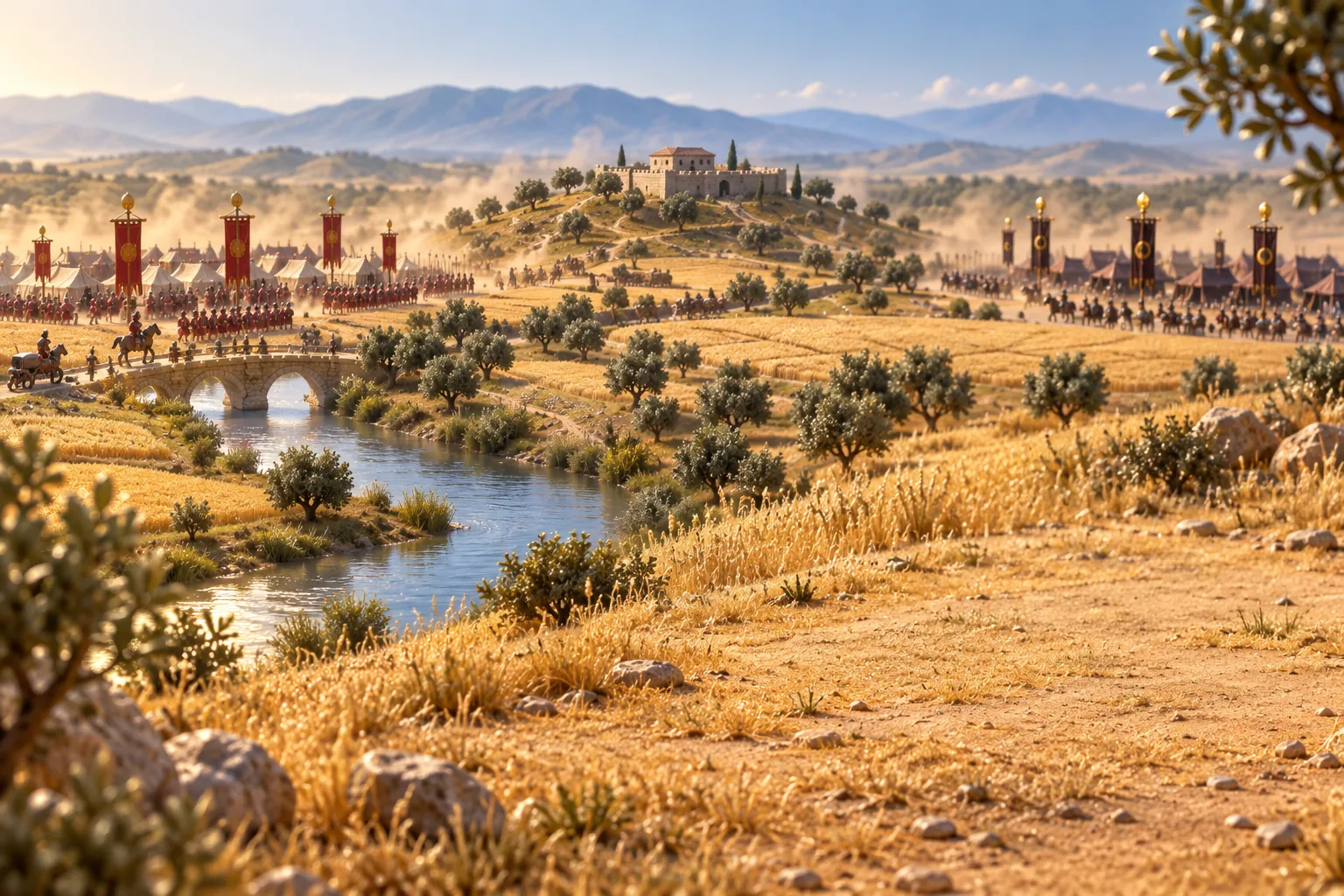 247 – c. 183 BC · Cannae, Apulia, ItalyHannibalOn an Apulian plain in 216 BC he let the Roman legions push into his centre, then closed his wings around them, a manoeuvre generals have studied ever since.
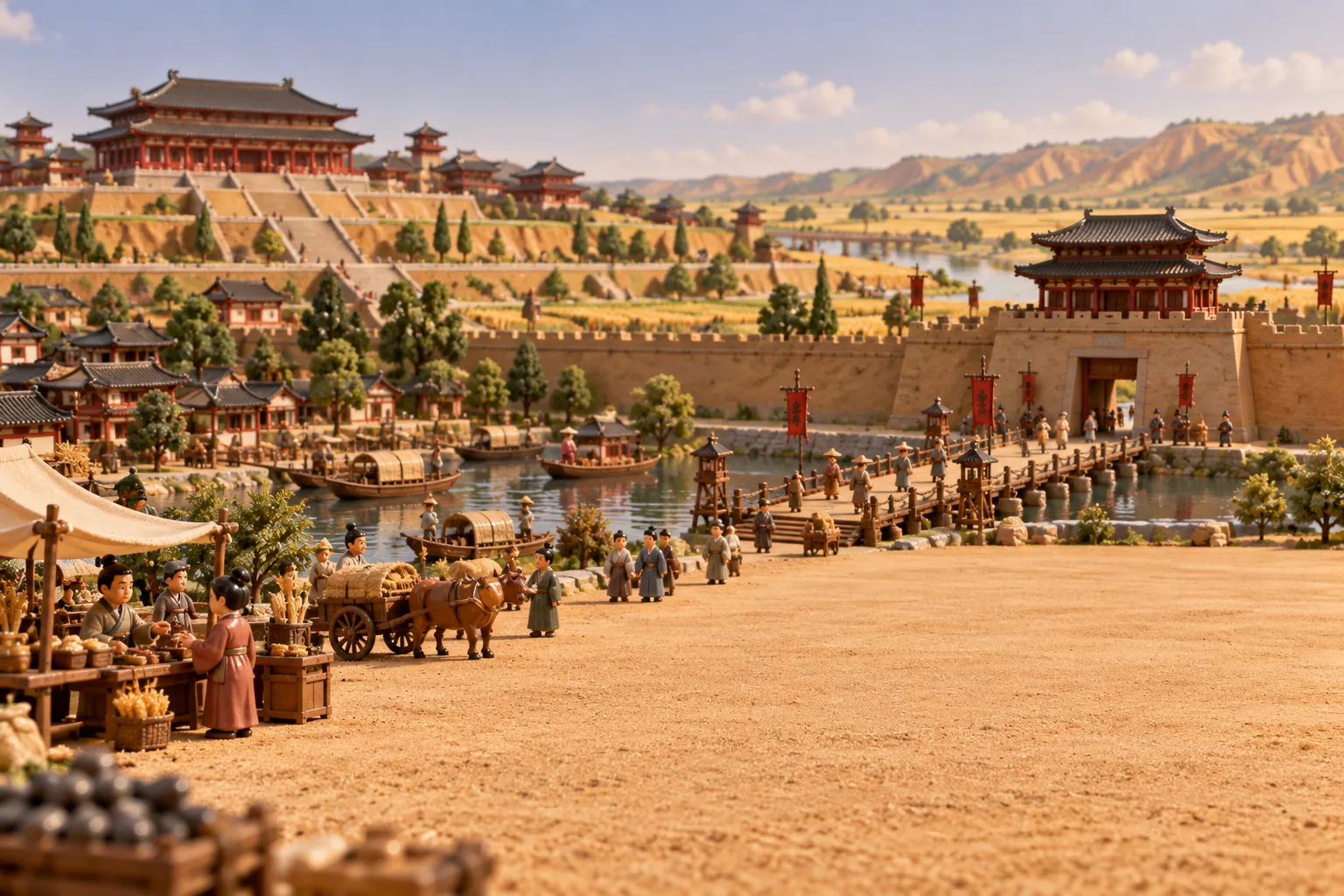 256 or 247 – 195 BC · Chang'an (Xi'an), ChinaEmperor Gaozu of HanA village sheriff who lost some convicts on the road set the rest free rather than face Qin law, and within a few years he was emperor of China.
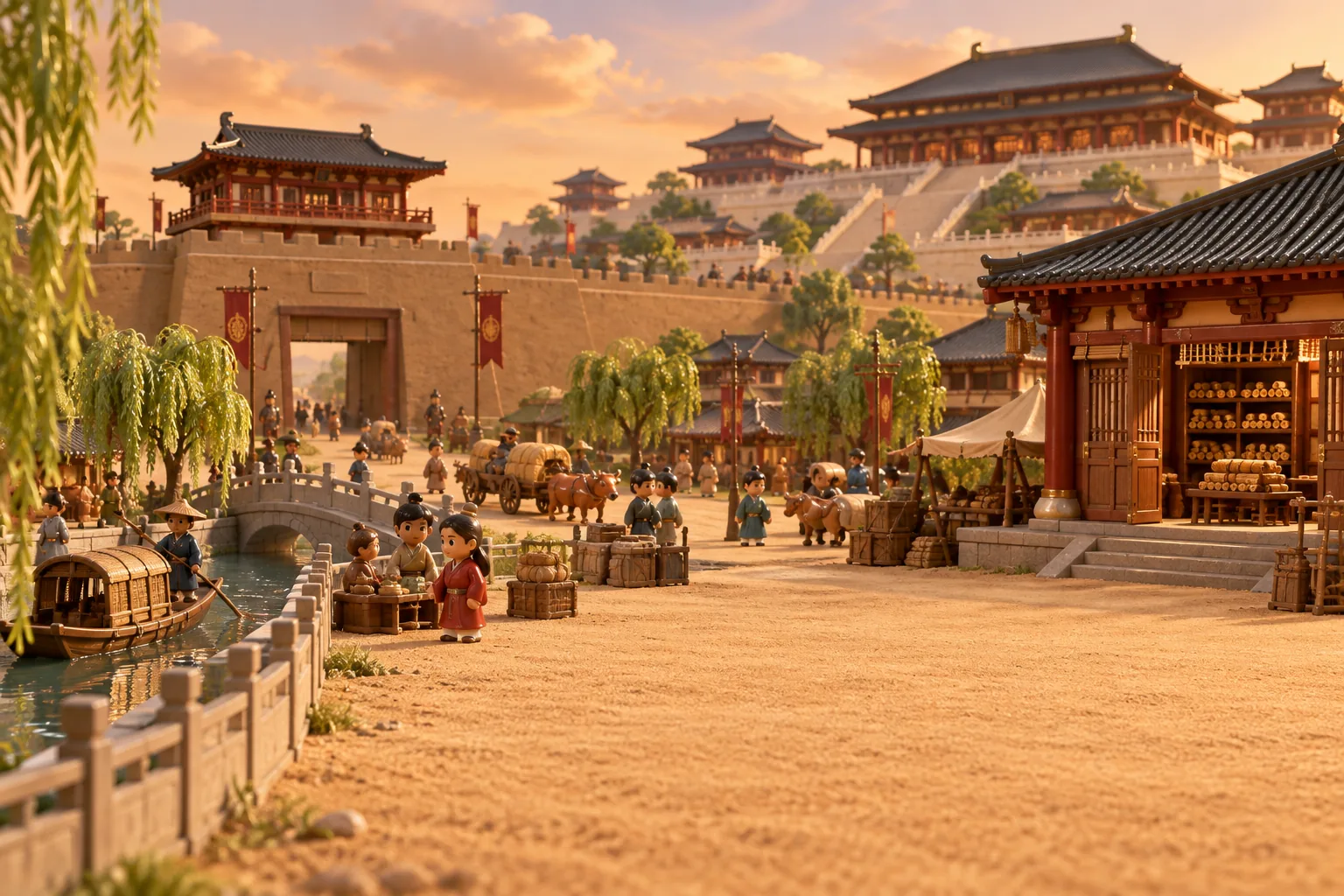 c. 145 – c. 86 BC · Chang'an (Xi'an), ChinaSima QianSentenced to death for defending a disgraced general, he accepted a humiliating punishment instead, because the history his father had begun was not yet finished.
 106–43 BC · Roman Forum, RomeCiceroAs consul in 63 BC a self-made lawyer from a hill town drove the conspirator Catiline out of Rome with four speeches still read in Latin classes today.
 70–19 BC · Naples, ItalyVirgilIn 29 BC, the year Octavian came home master of the Roman world, his favourite poet began the epic that would give Rome its founding story.
 63 BC – AD 14 · RomeAugustusHe handed all his power back to the Senate, and three days later the grateful senators gave him a new name, Augustus, and most of the empire to run.
 c. 6–4 BC – AD 30/33 · Capernaum, Sea of GalileeJesusA Jewish preacher from a small town in Galilee taught for a few years, was executed by the Romans, and became the central figure of the world's largest religion.
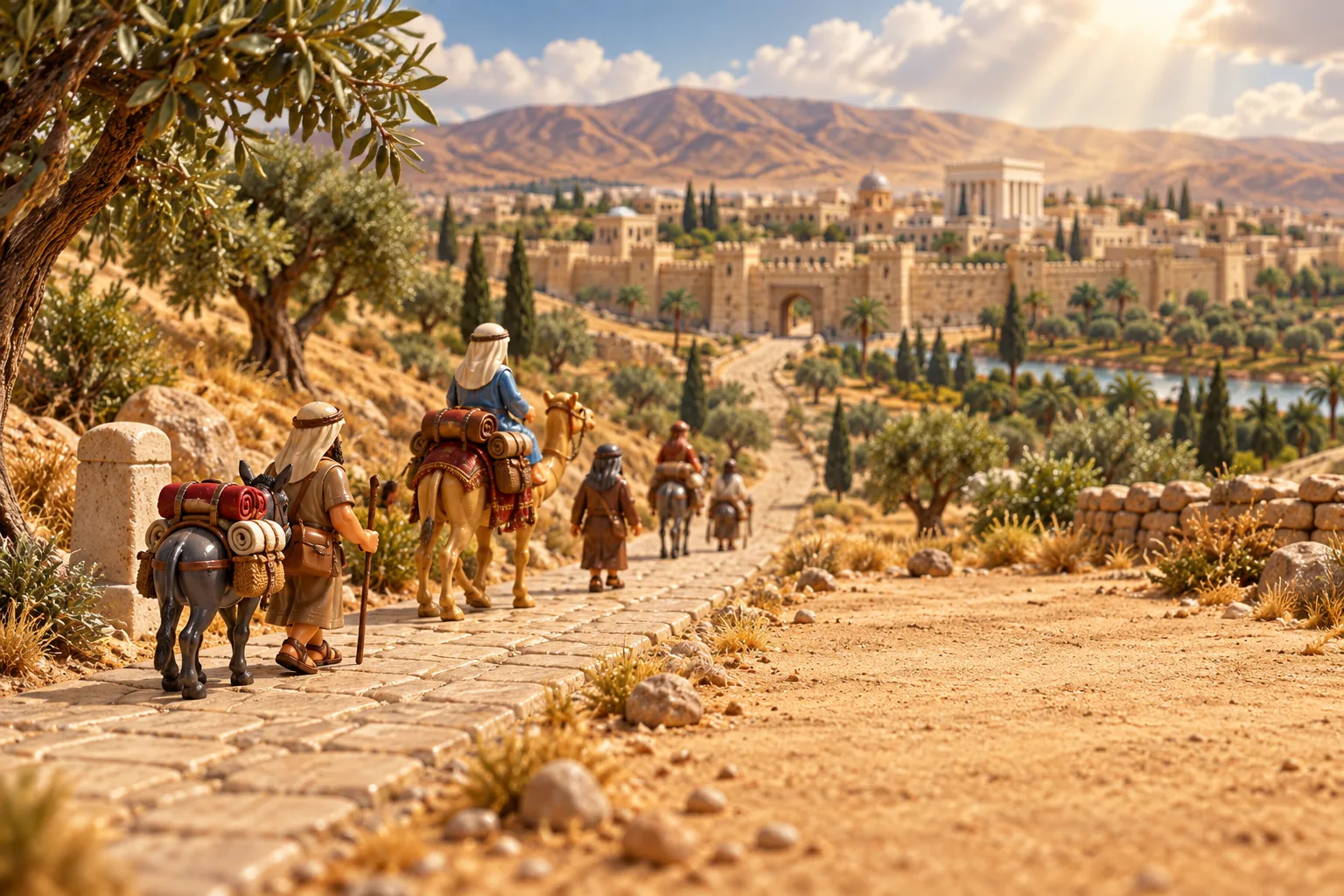 c. 5 – c. 64/65 · Road to Damascus, SyriaPaul the ApostleA zealous young Pharisee set out for Damascus to arrest followers of Jesus, and arrived blind, led by the hand, a follower himself.
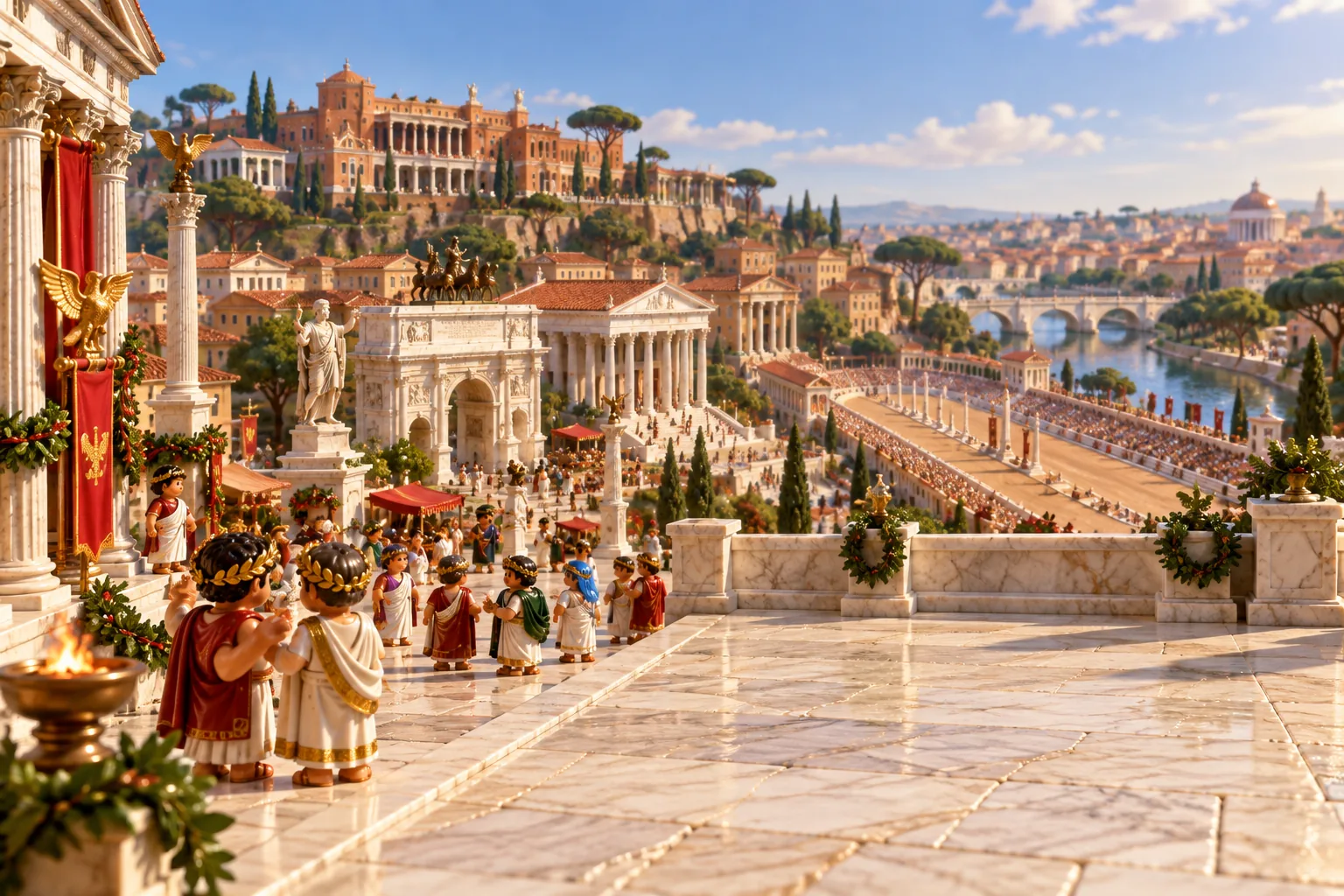 AD 15–59 · Rome, ItalyAgrippina the YoungerOn New Year's Day in AD 49 the emperor Claudius married his own niece, a match Rome thought shameful. She had one aim: to make her son emperor.
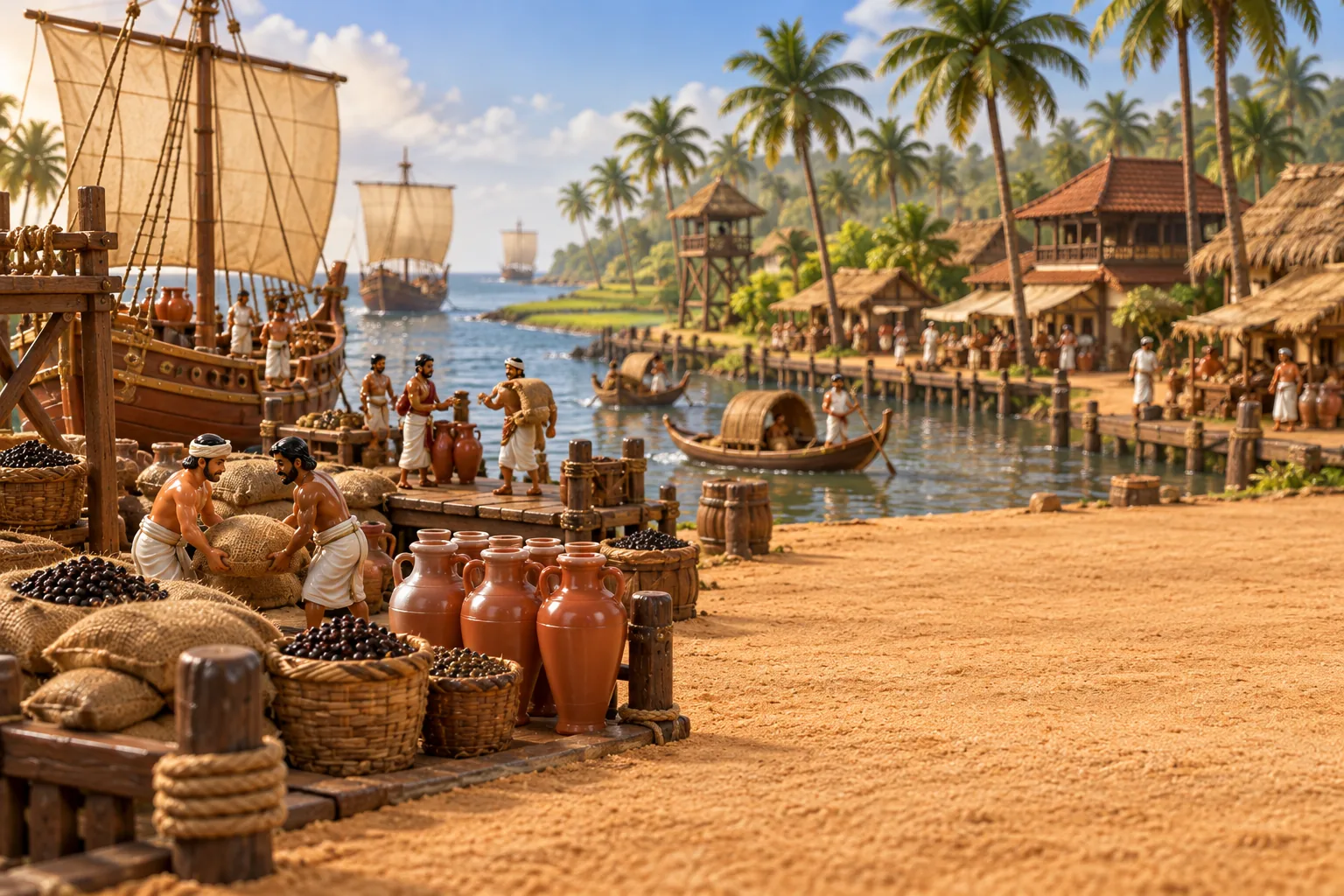 died c. AD 72 · Muziris (Kodungallur), Kerala, IndiaThomas the ApostleThe disciple remembered for doubting is, for millions of Christians in India, the man who sailed to the Malabar Coast and brought them the faith in AD 52.
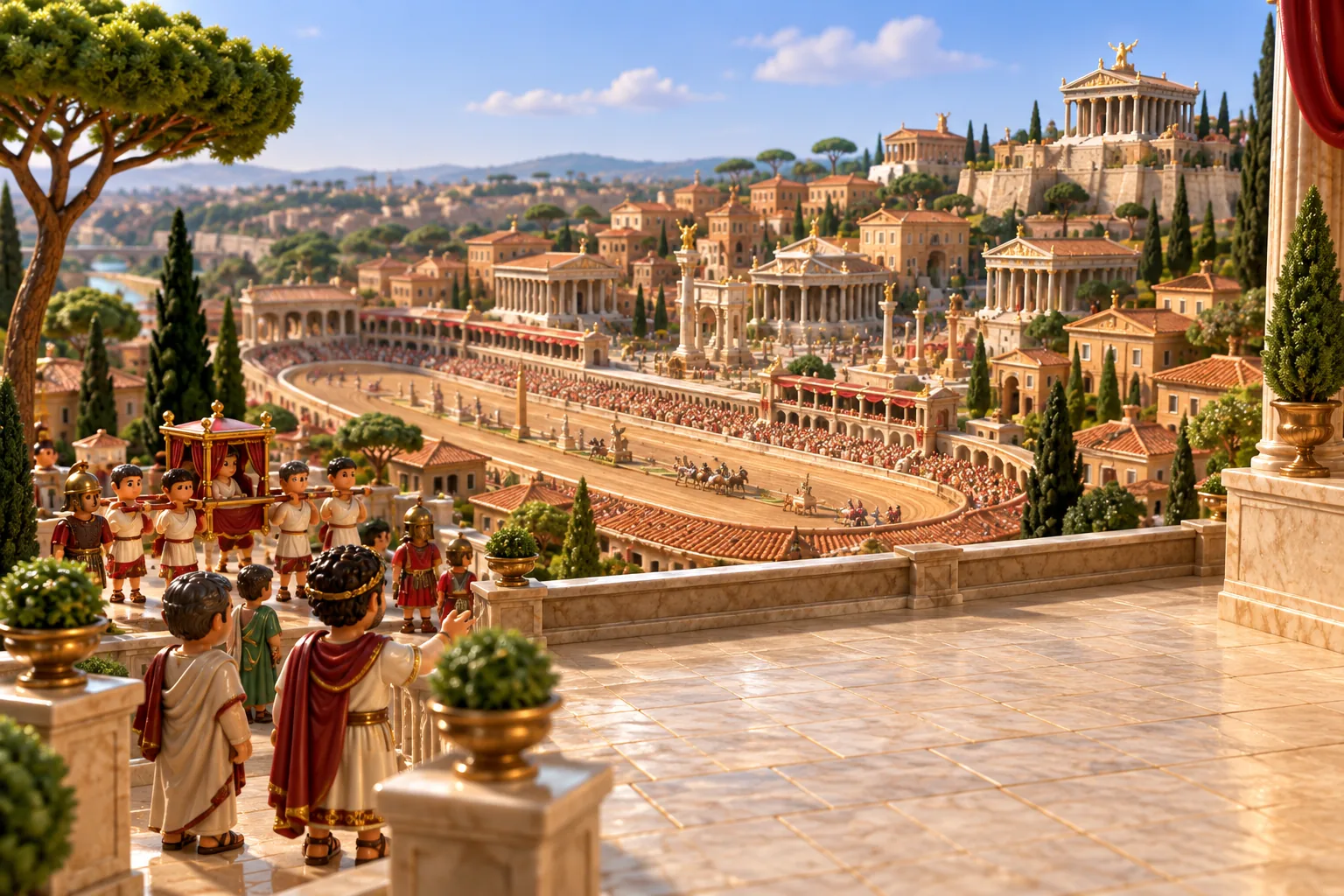 37–68 · Palatine Hill, RomeNeroA 16-year-old became master of the Roman world in 54, and within fourteen years he had killed his mother, rebuilt Rome after a great fire and lost everything.
 died AD 60 or 61 · Londinium (London), Roman BritainBoudicaWhen Rome ignored her husband's will and seized the kingdom of the Iceni, his widow raised the tribes of eastern Britain and marched on the new Roman towns.
 c. 1 BC – AD 64/68 · Vatican Hill, RomeSaint PeterA Galilean fisherman who once denied knowing Jesus ended his life, by tradition, crucified upside down in Nero's Rome, and the largest church in Christendom stands over his grave.
 c. 100 – c. 170 · Alexandria, Roman EgyptPtolemyFrom Alexandria he built a model of the heavens so complete, with the Earth at the centre and the planets on circles within circles, that it was accepted almost everywhere until the Scientific Revolution.
 121–180 · RomeMarcus AureliusThe most powerful man in the world spent his last years in army camps on the Danube, writing private reminders to himself to stay calm, modest and just.
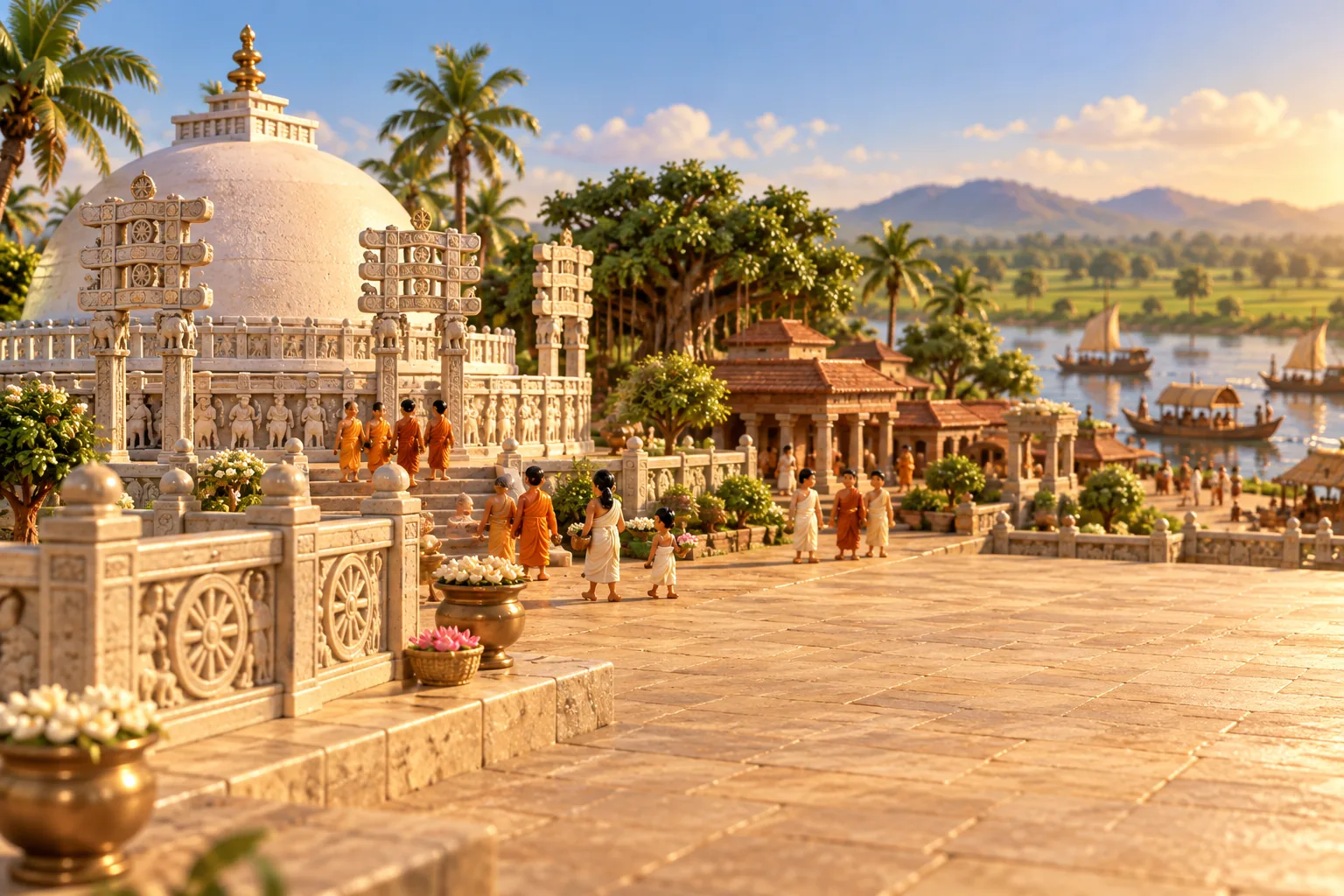 c. 150 – c. 250 · Dhanyakataka (Amaravati), Andhra, South IndiaNagarjunaUsing a four-cornered logic that leaves no position standing, he argued that nothing exists by its own nature, and his short verses on emptiness influenced Indian philosophy for a thousand years.
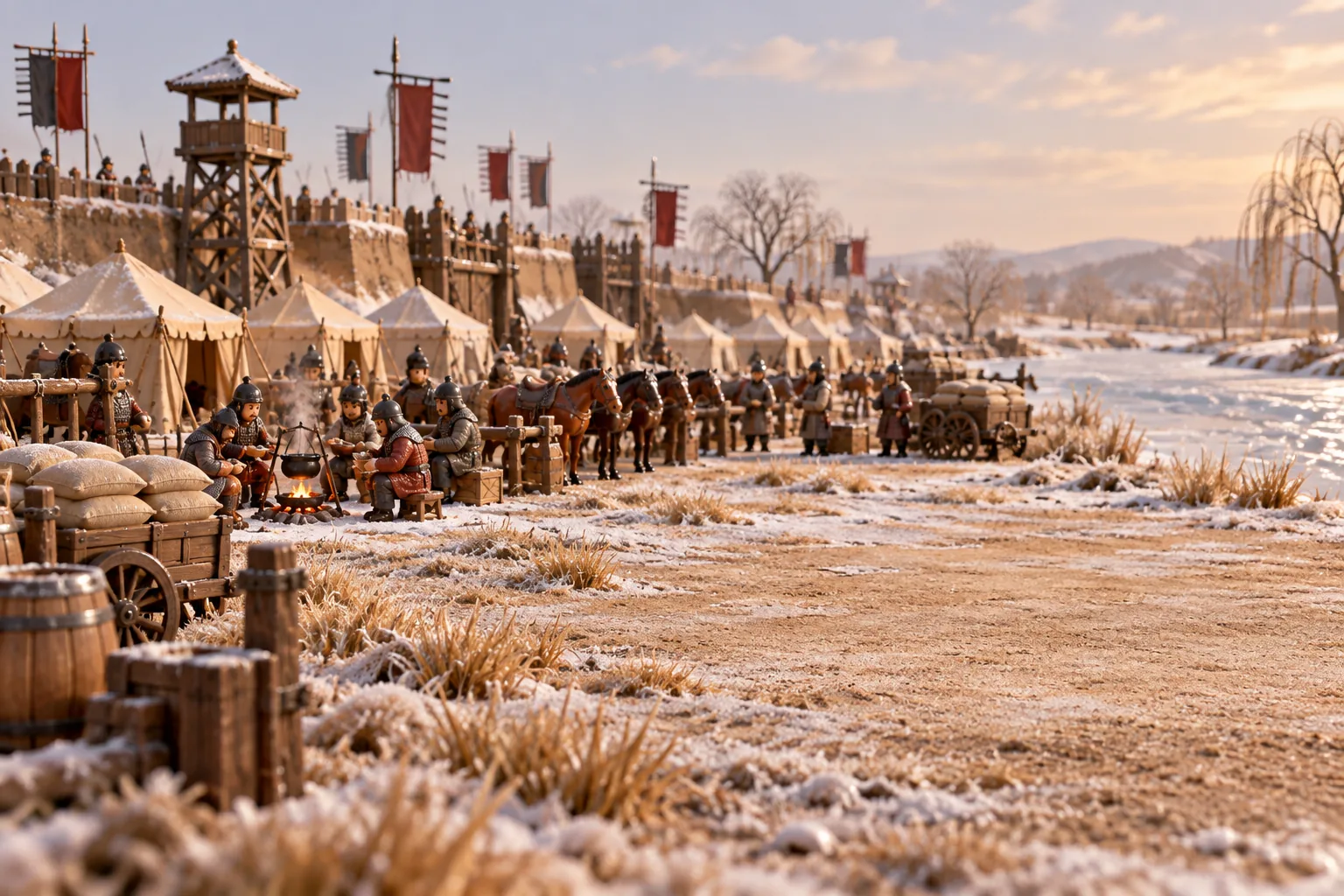 c. 155 – 220 · Guandu, Henan, ChinaCao CaoOutnumbered and running out of food at Guandu, he took 5,000 riders through the night and burned his rival's grain store, and northern China was his.
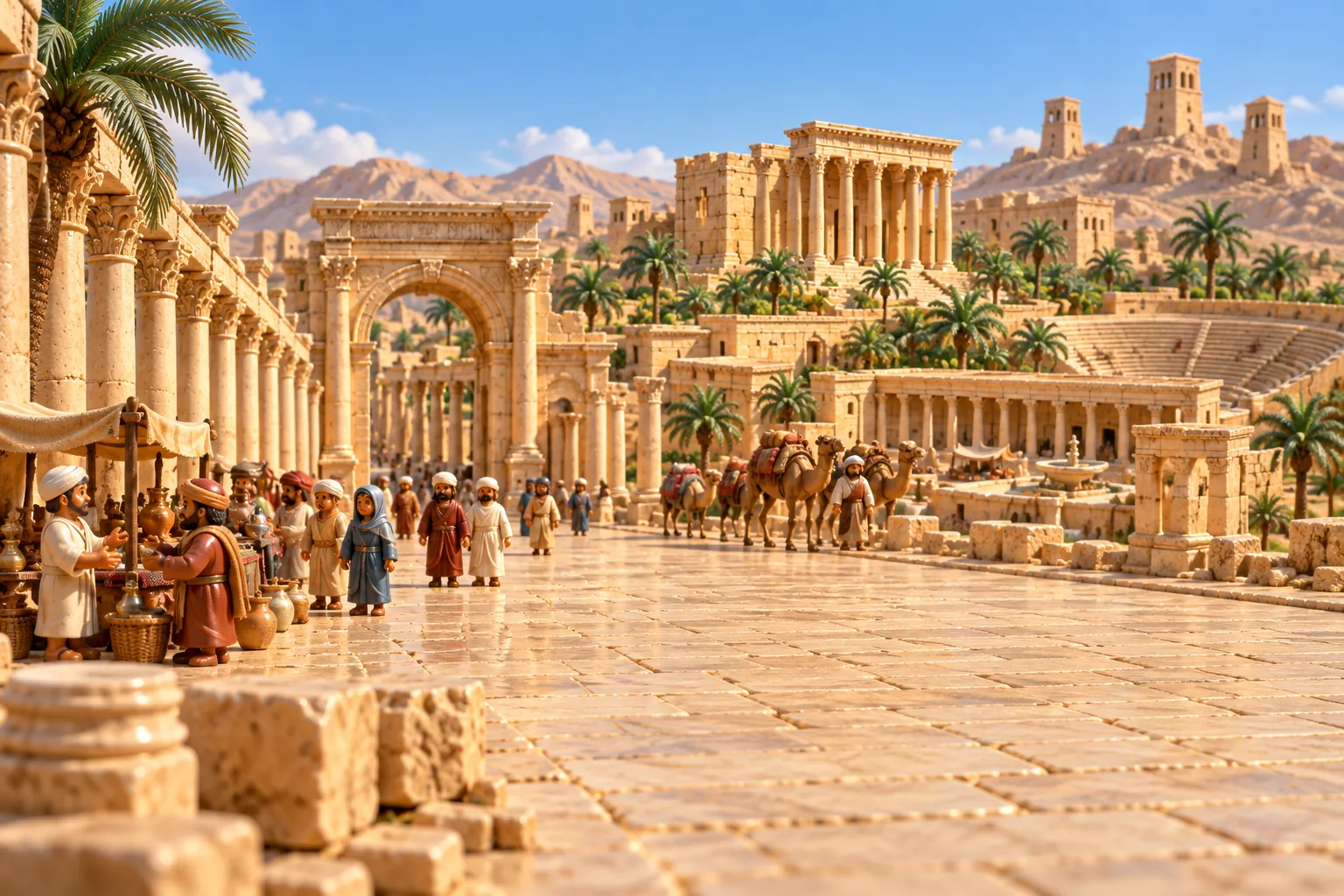 c. 240 – after 274 · Palmyra, SyriaZenobiaFor a short while a desert caravan city ruled from Upper Egypt to central Anatolia, and the woman in charge of it was Bat-Zabbai, whom the Greeks called Zenobia.
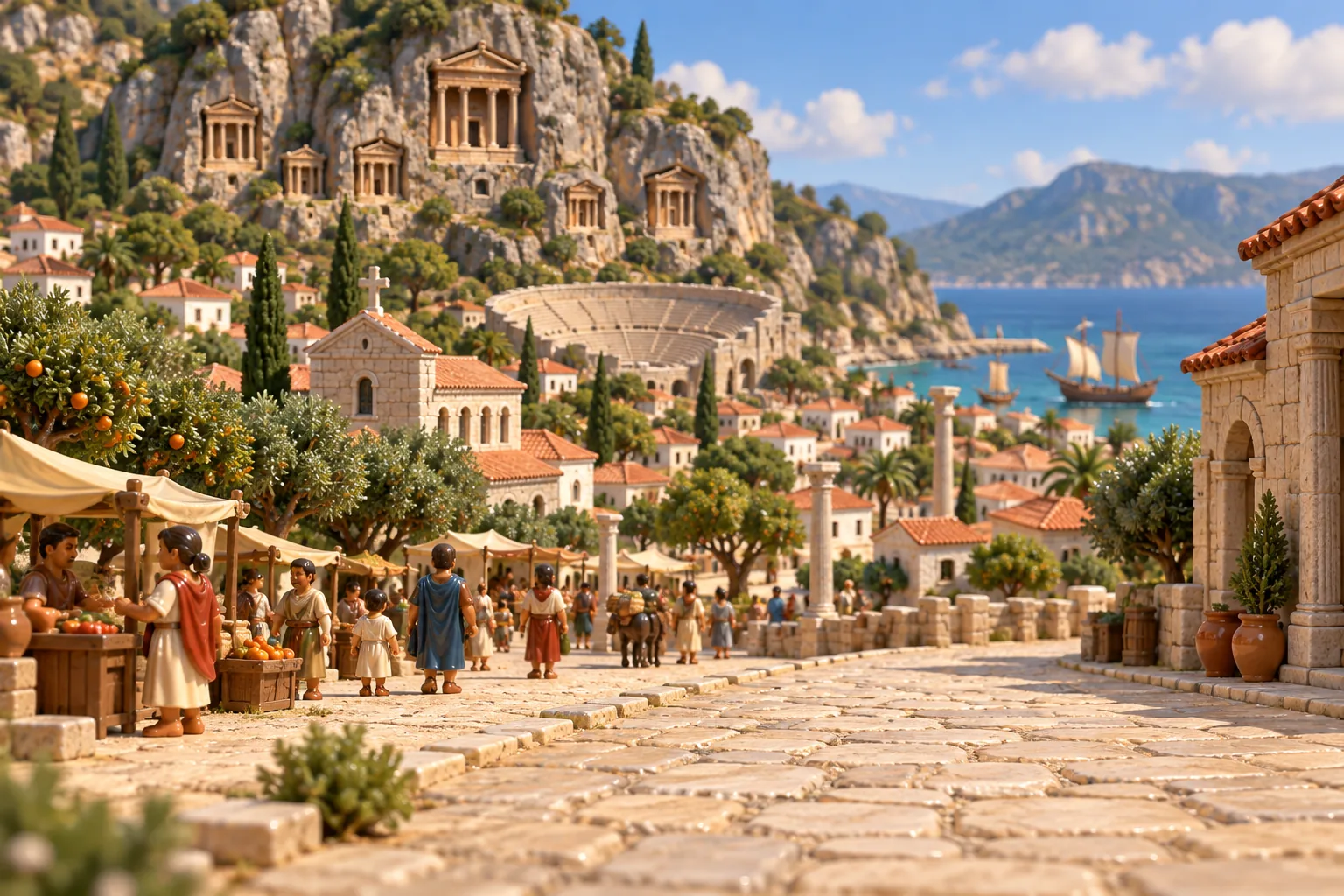 traditionally 270–343 · Myra (Demre), Lycia, TurkeySaint NicholasThree nights in a row, the story goes, a young priest of Lycia crept up to a poor man's house and tossed a bag of gold through the window, so his three daughters could marry.
 c. 283 – 304 · Syracuse, SicilySaint LucyHer name comes from lux, light, and every 13 December, in the dark of winter, a young woman of Syracuse who died in 304 is honoured as a bearer of light.
 272–337 · Milvian Bridge, RomeConstantine the GreatBefore the battle for Rome he had a sign painted on his soldiers' shields, the Chi-Rho of Christ, and his victory at the Milvian Bridge changed the faith of an empire.
 354–430 · Hippo Regius (Annaba, Algeria)Augustine of HippoA brilliant young teacher who prayed "grant me chastity and continence, but not yet" became a bishop in North Africa and wrote the first Western autobiography.
 c. 360 – 415 · Alexandria, Roman EgyptHypatiaWrapped in a philosopher's cloak, she walked through Alexandria giving lectures on Plato and Aristotle to anyone who would listen, and every one of her known students was a Christian.
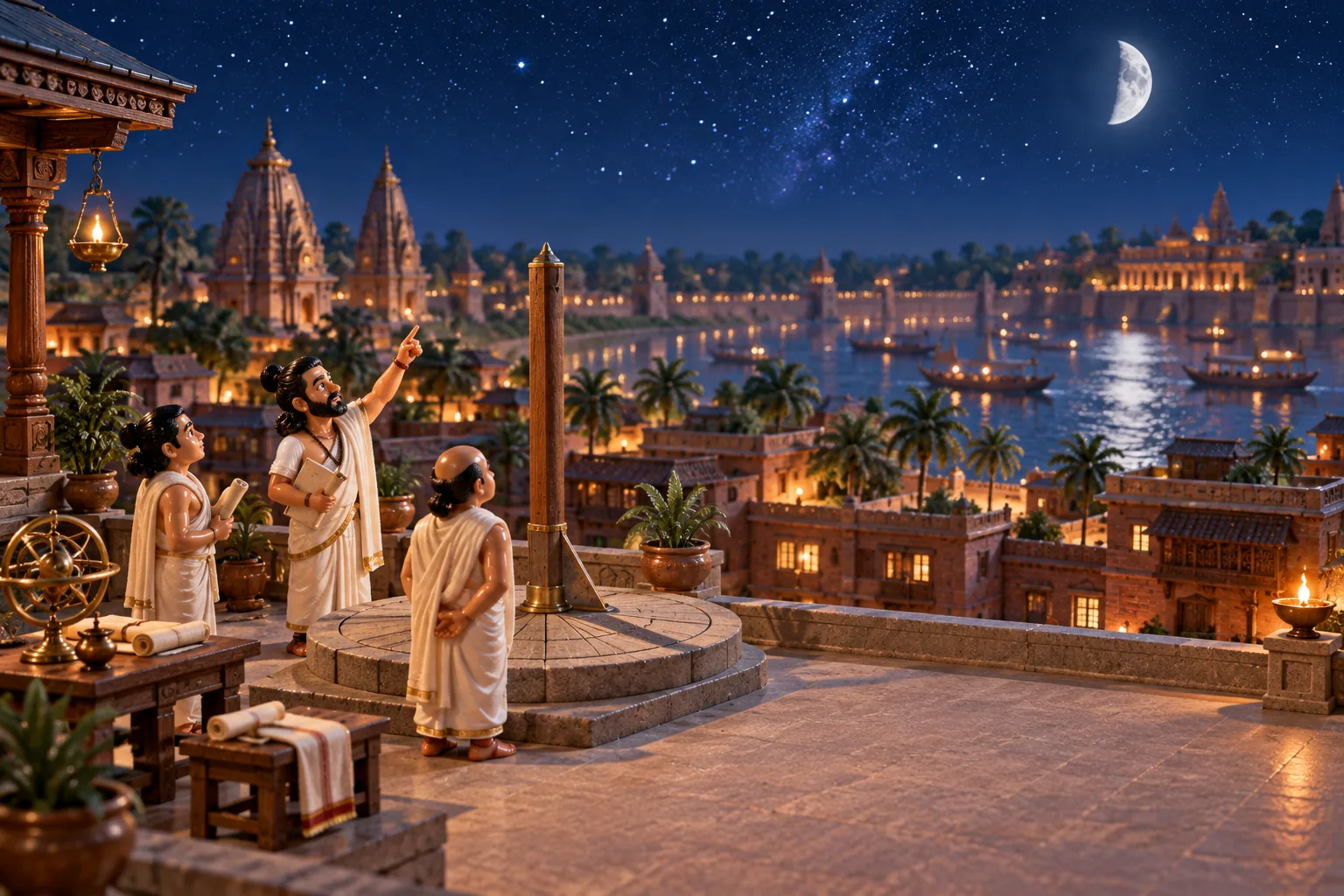 476–550 · Kusumapura (Pataliputra), now PatnaAryabhataIn 108 terse verses he wrote that the stars only seem to move west because the Earth itself turns, as the shore seems to glide backwards to a man in a moving boat.
Middle Ages AD 500 to 1500
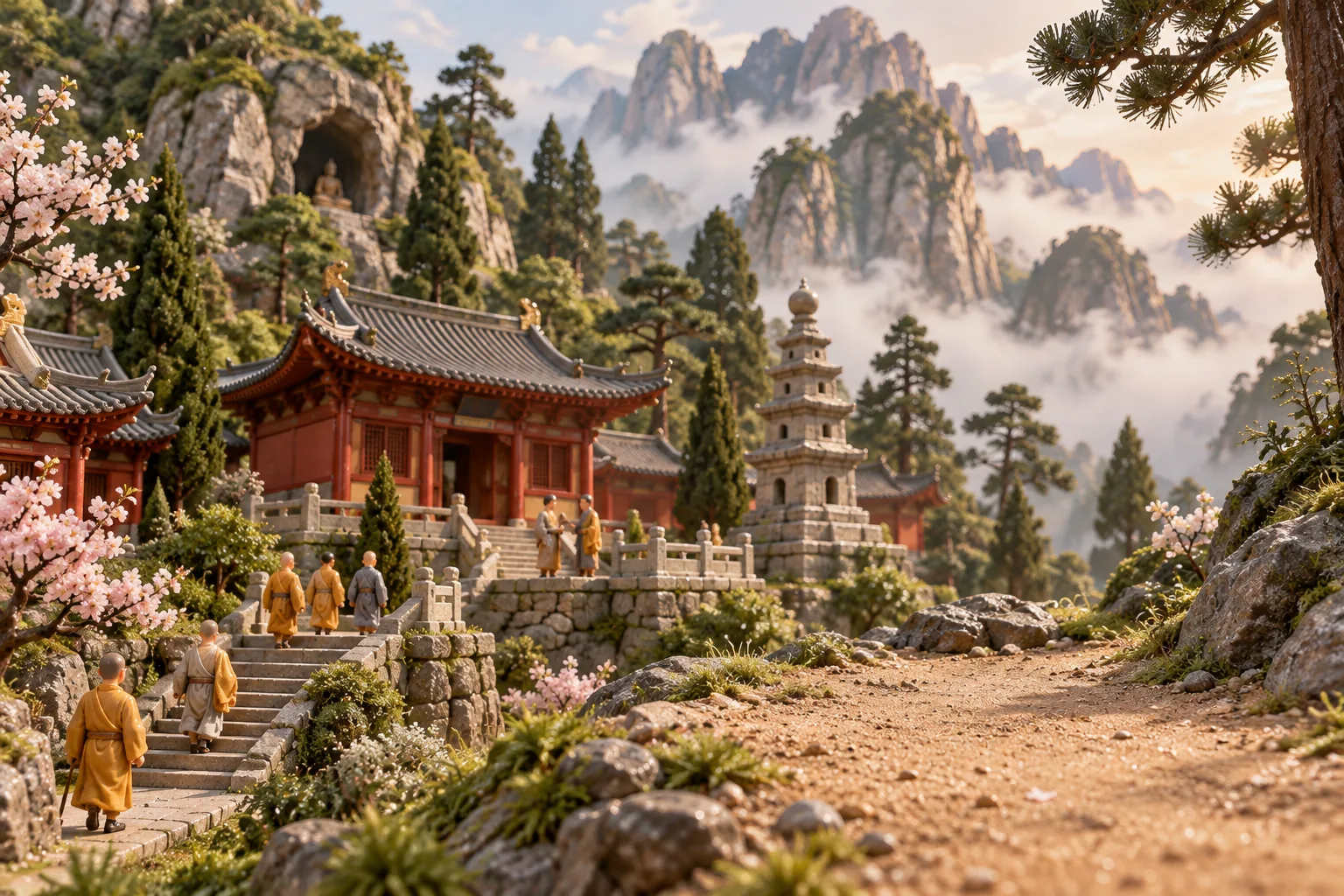 5th–6th century · Shaolin Monastery, Mount SongBodhidharmaLegend says he sat facing the wall of a cave above the Shaolin Monastery for nine years without speaking, and so became the "wall-gazing Brahmin".
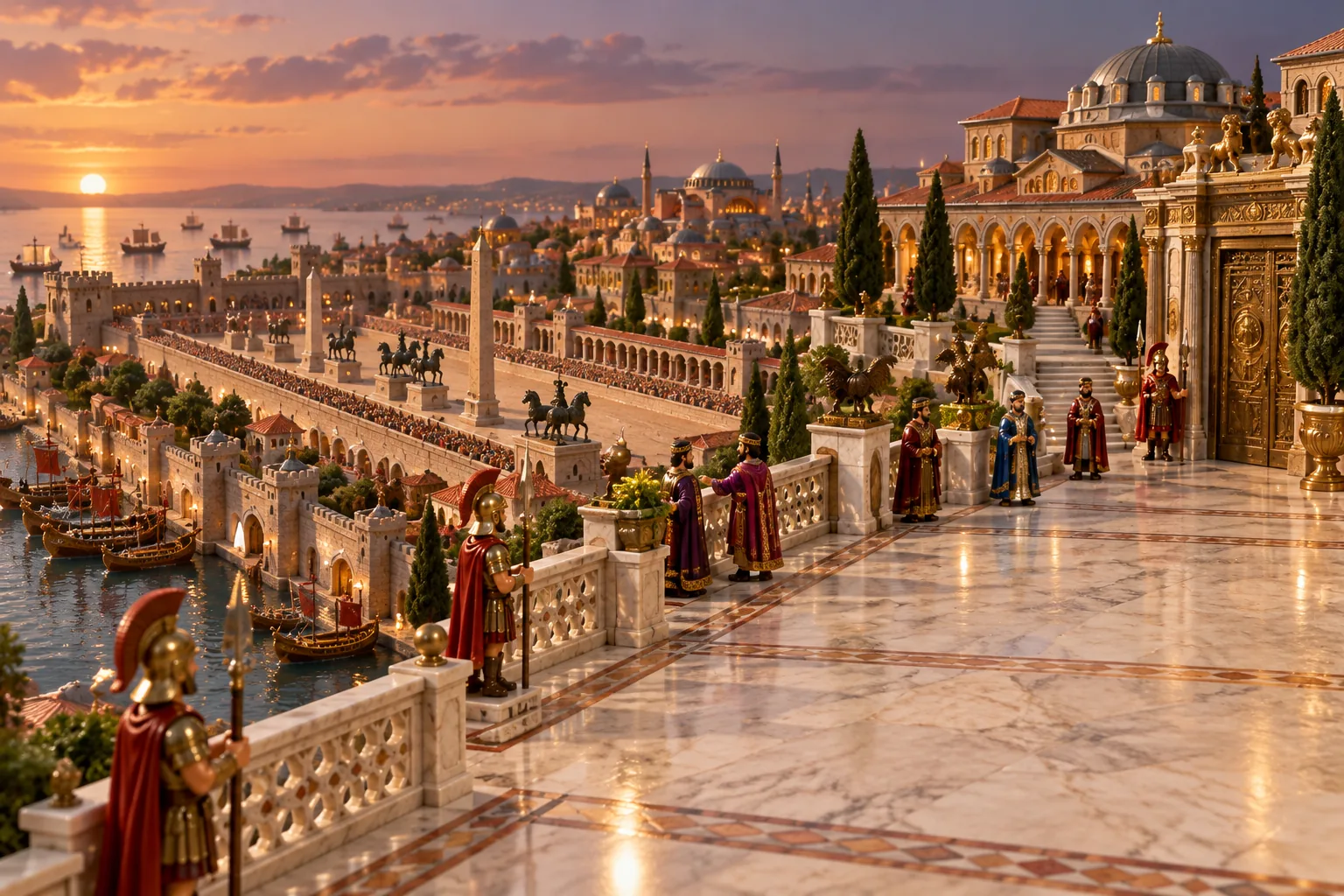 c. 495 – 548 · Great Palace, ConstantinopleTheodoraWith the city burning and the ships ready to carry the emperor to safety, she stood up in the council and said that royal purple is the noblest shroud.
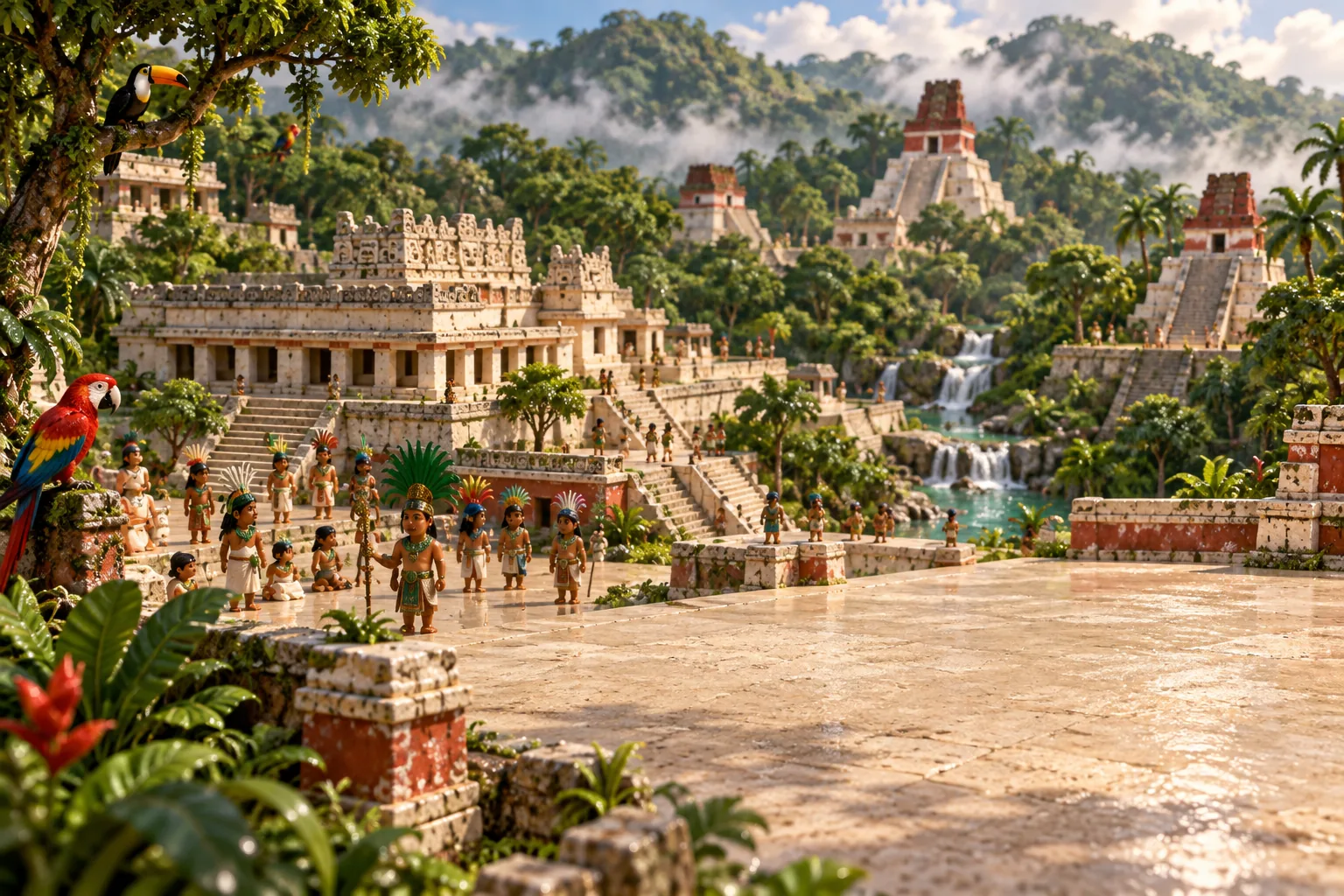 603–683 · Palenque, Chiapas, MexicoKʼinich Janaabʼ PakalIn July 615, after enemies had twice sacked his city, a twelve-year-old boy became king of Palenque. He would reign for 68 years.
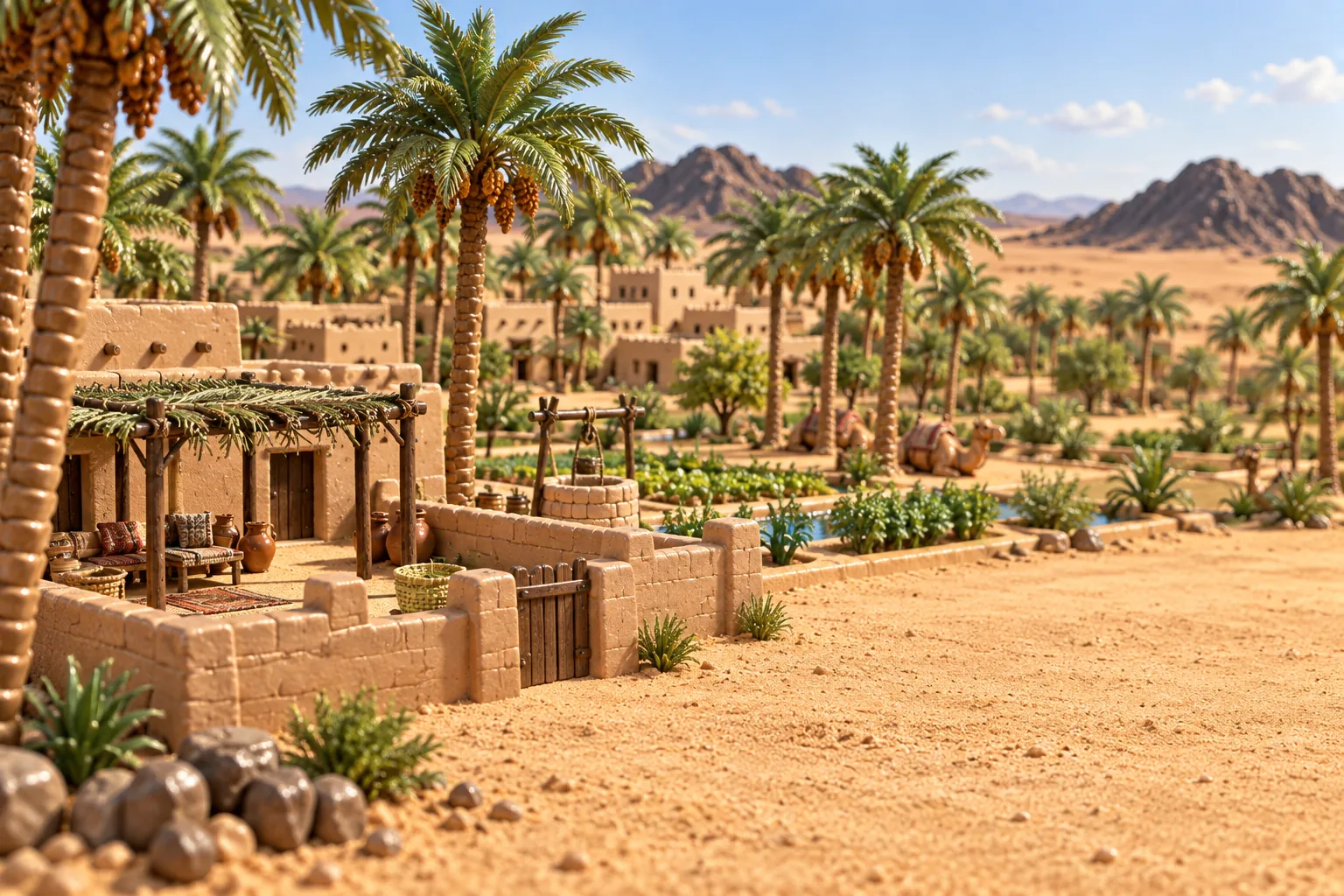 c. 570 – 632 · Medina, ArabiaMuhammadHis migration from Mecca to Medina in 622 became year one of the Islamic calendar, which Muslims still use today.
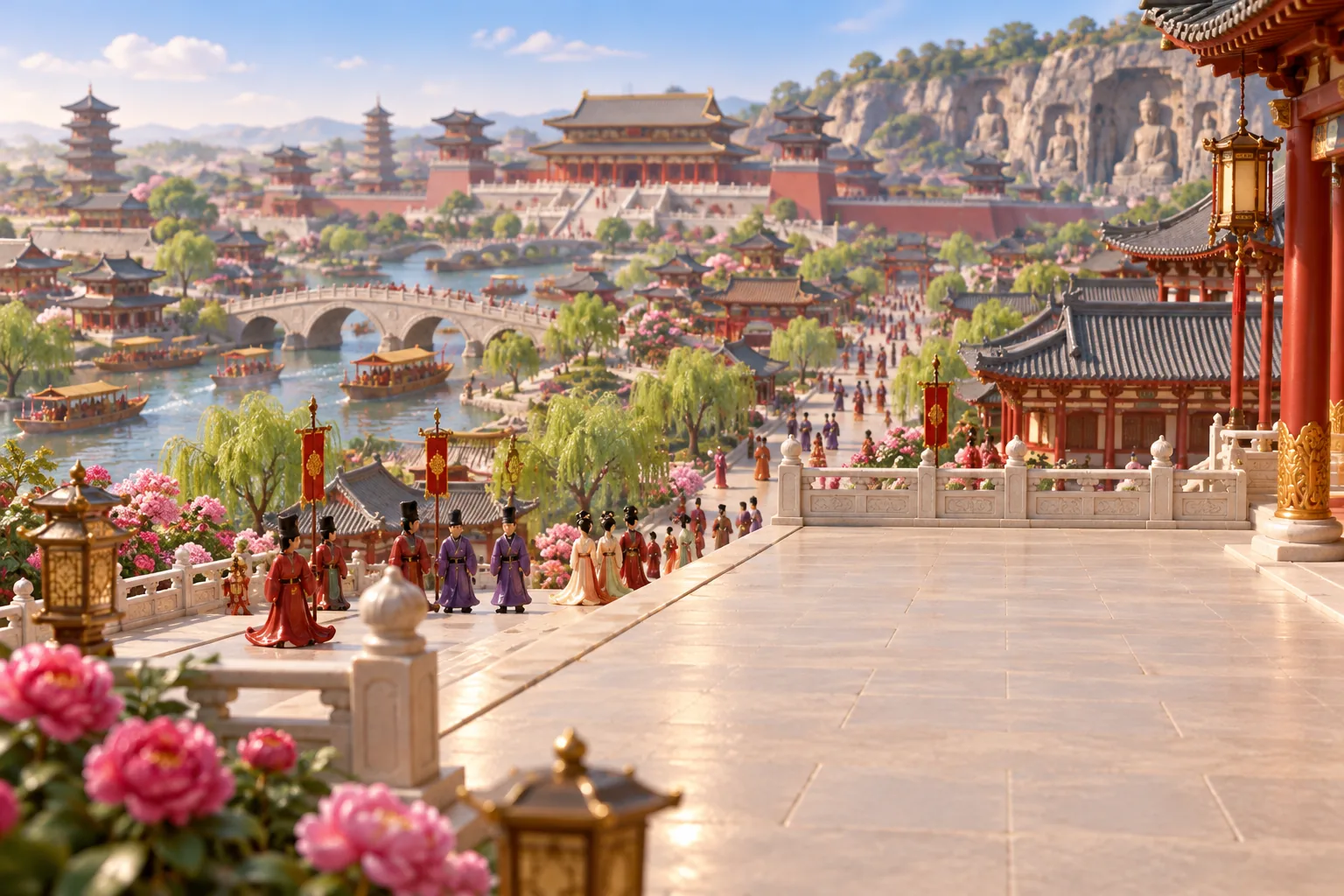 624–705 · Luoyang, ChinaWu ZetianIn 690 a woman who had entered the palace as a junior concubine set the Tang dynasty aside, founded her own Zhou dynasty and took the title of emperor.
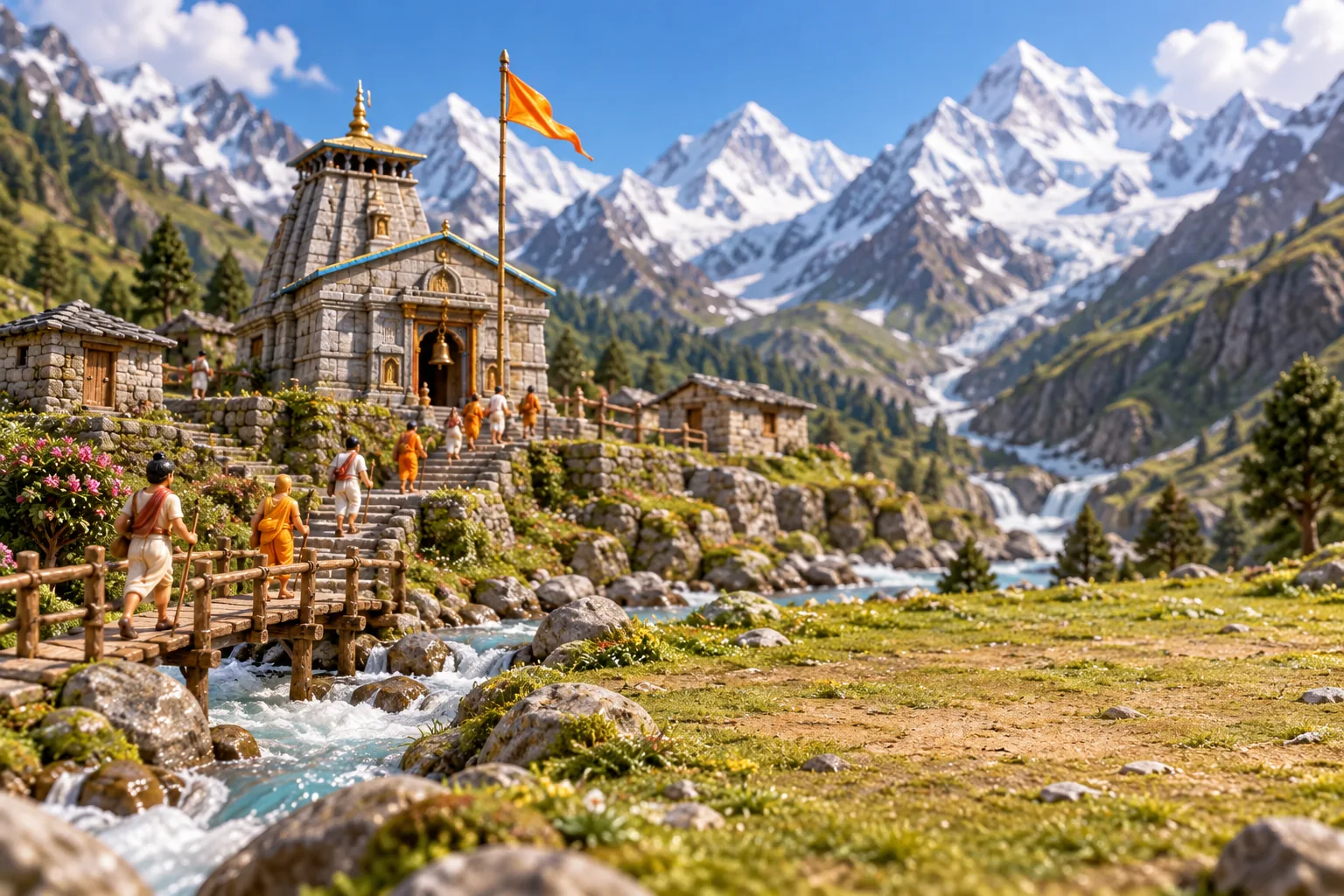 8th century · Kedarnath, HimalayasĀdi ShankaraAlmost nothing certain is known of his life, yet the monk who taught that the self and the whole of reality are one became, centuries later, India's most revered philosopher.
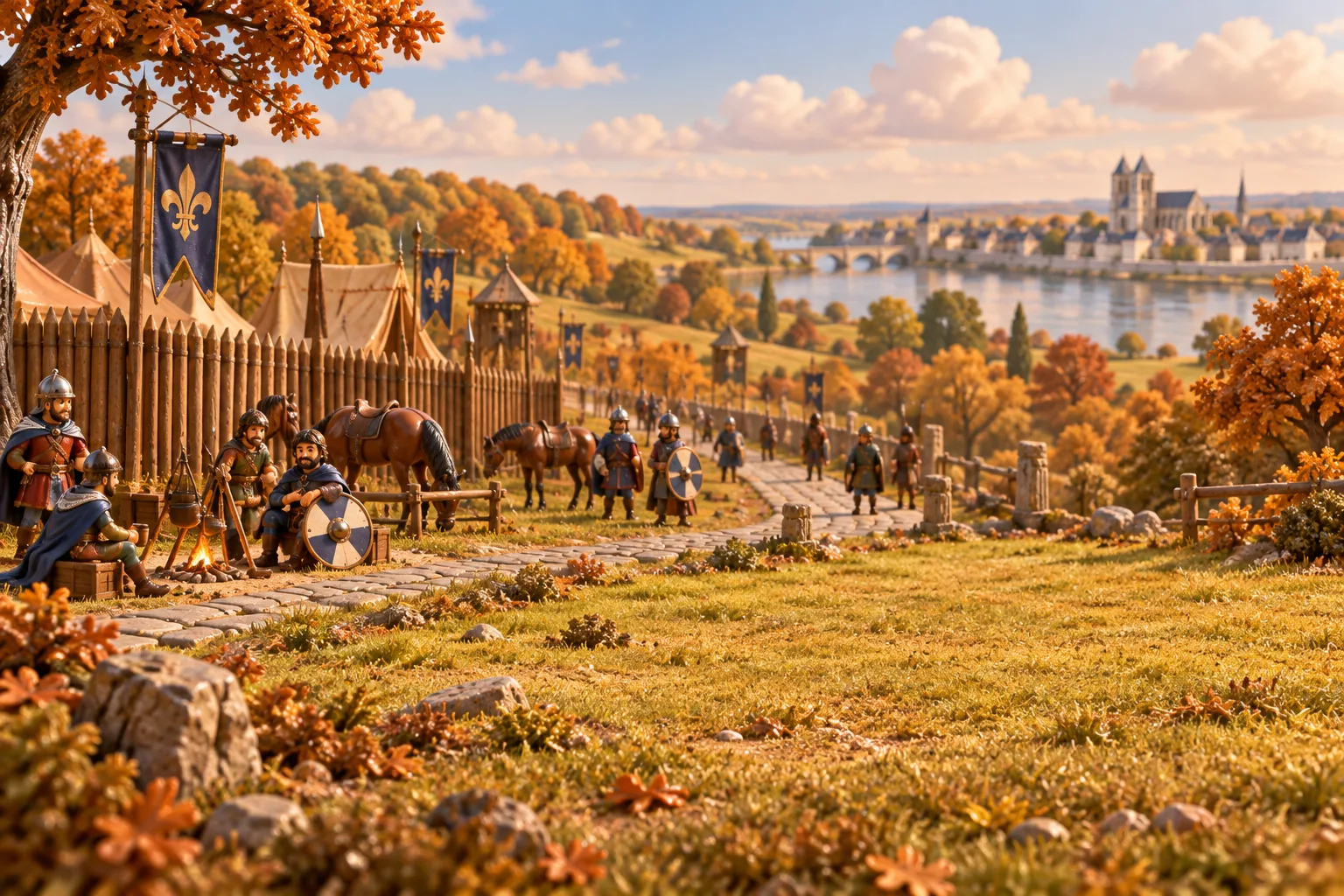 c. 688 – 741 · Between Tours and Poitiers, FranciaCharles MartelIn October 732 the Frankish infantry of Charles, later called the Hammer, stood firm between Tours and Poitiers against the mostly mounted army of the Umayyad governor Abd al-Rahman.
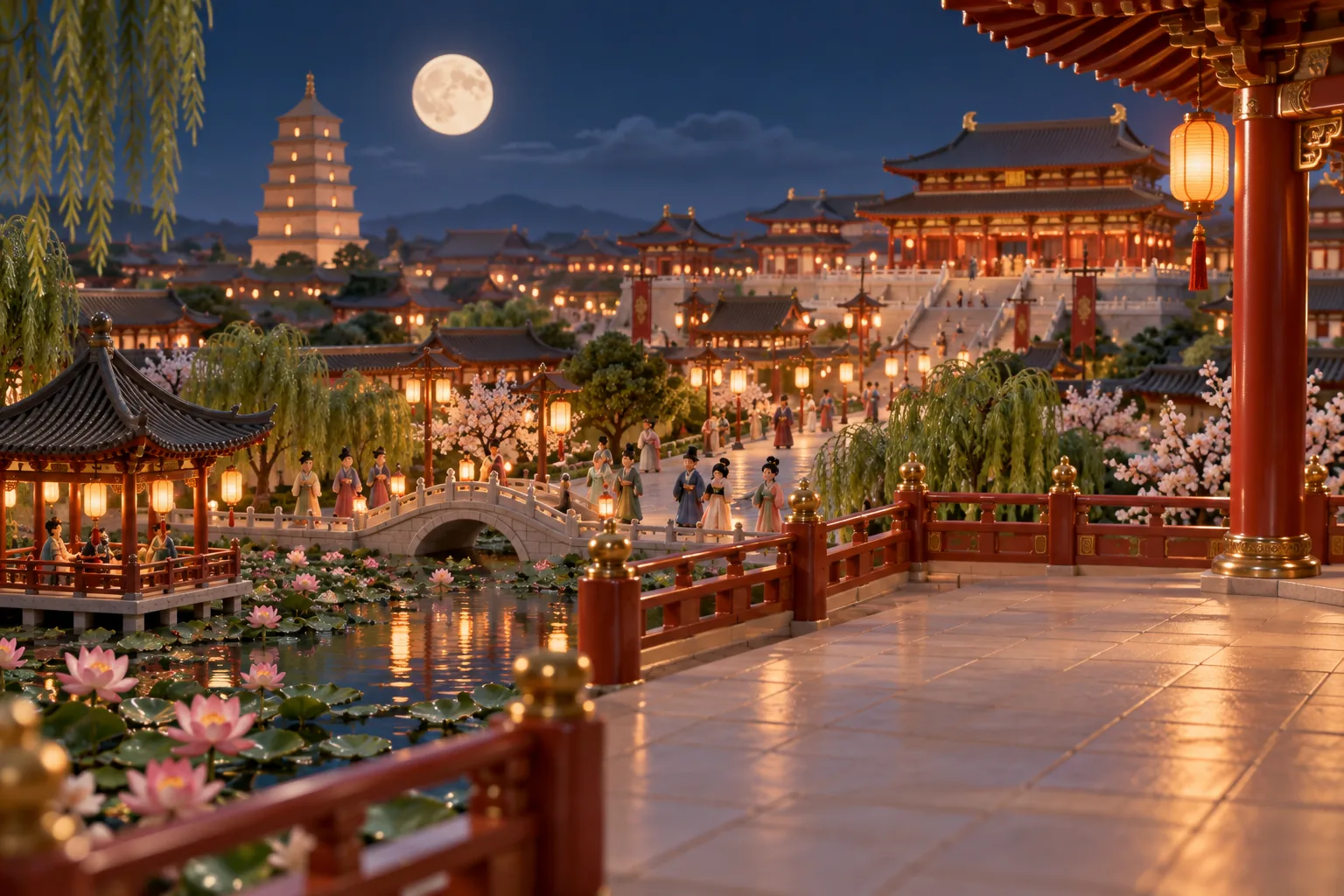 c. 701 – 762 · Chang'an, Tang ChinaLi BaiIn 742 Emperor Xuanzong summoned a wandering poet to Chang'an, held a banquet in his honour and, it is said, seasoned his soup with his own hands.
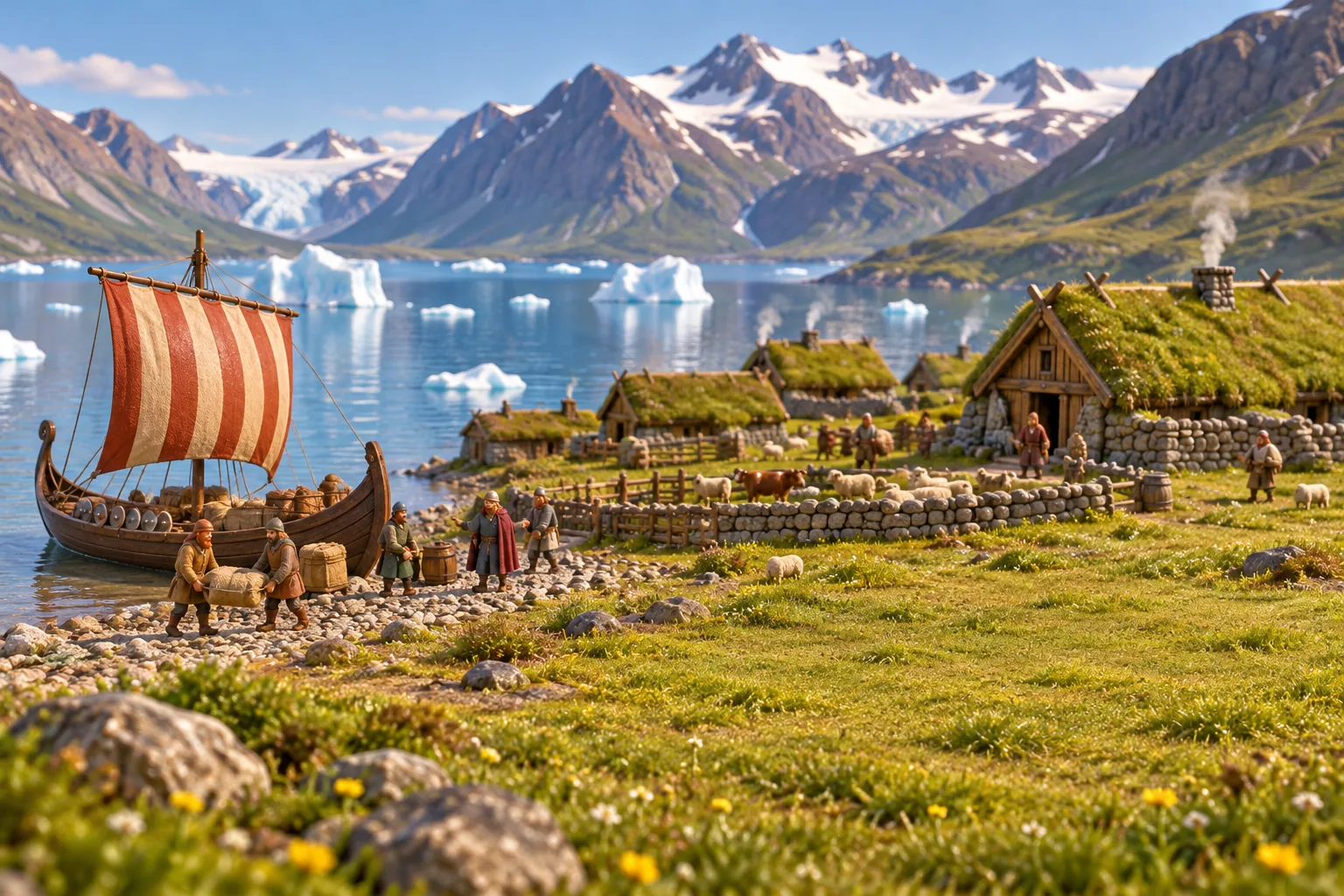 c. 950 – c. 1003 · Brattahlíð (Qassiarsuk), GreenlandErik the RedBanished from Iceland for three years, he sailed west to an icy land, and when he came back he called it Greenland, because a good name would bring settlers.
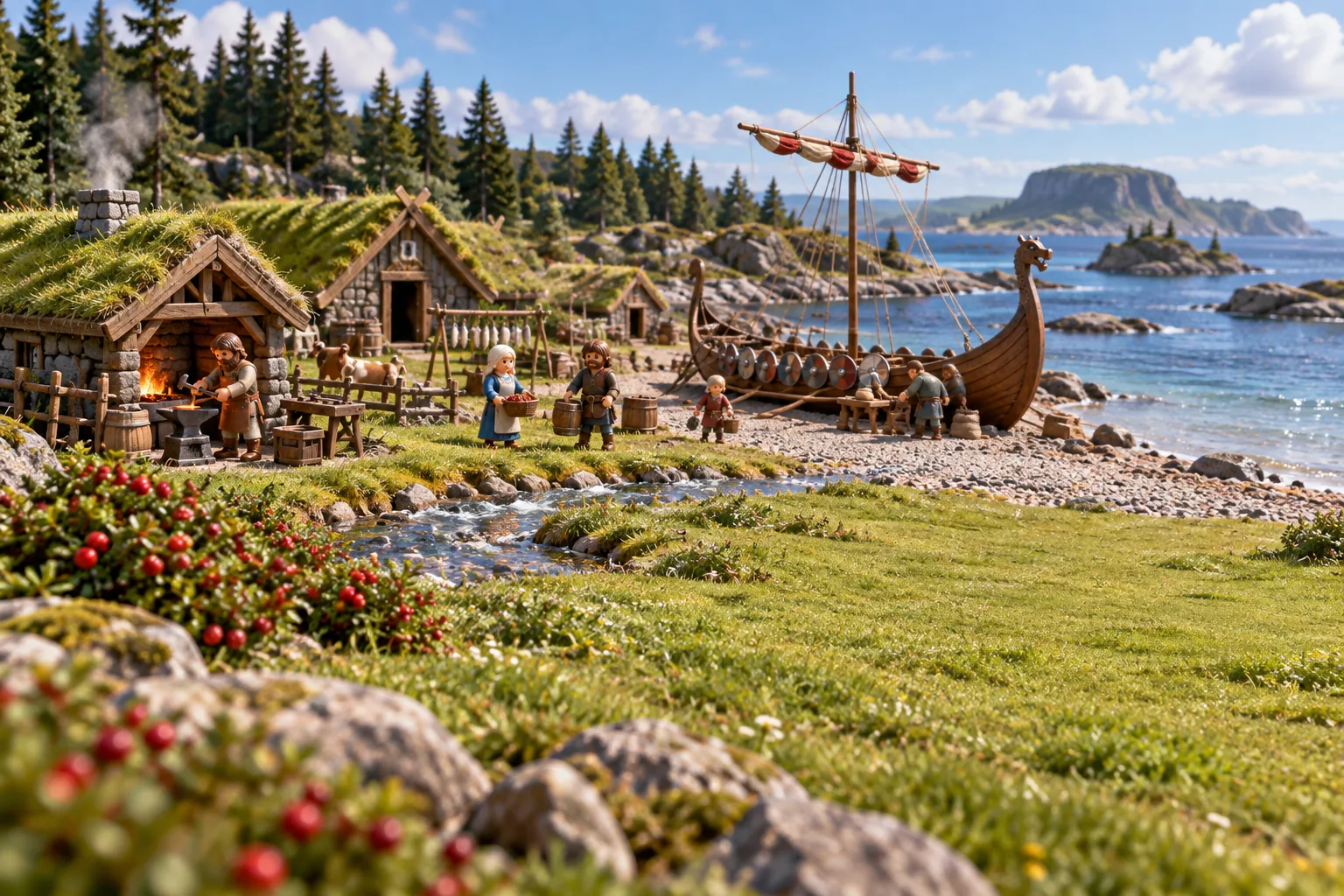 c. 970s – c. 1018/1025 · Vinland (possibly L'Anse aux Meadows, Newfoundland)Leif EriksonAround the year 1000 a Greenland Norseman bought another man's ship, sailed to the coast that man had only glimpsed, and wintered in a land of wild grapes.
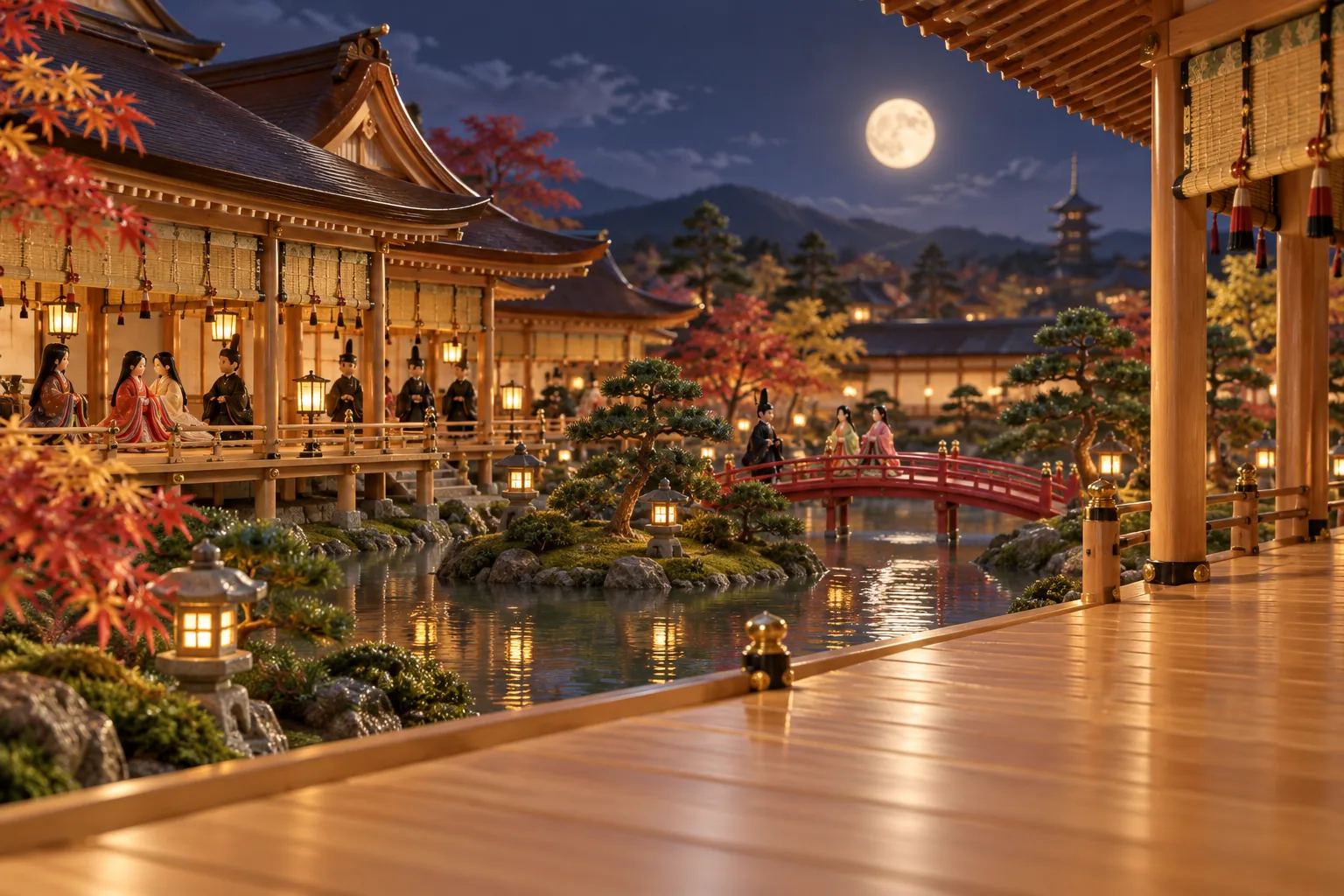 c. 973 – c. 1014 · Heian-kyō (Kyoto), JapanMurasaki ShikibuAt a court banquet in 1008 a famous poet asked after "Young Murasaki", a heroine of her Tale of Genji, and the nickname stuck to the woman whose real name is lost.
 c. 980 – 1037 · Hamadan, IranAvicennaBetween treating princes and serving as a vizier, a Persian doctor wrote a five-book encyclopedia of medicine that Europe's universities would teach for six hundred years.
 973 – c. 1050 · Ghazni, AfghanistanAl-BiruniCarried off to Ghazni by a conquering sultan, he followed the armies into India and came back with Sanskrit, a book on Hindu thought and a measure of the whole Earth.
 c. 1028 – 1087 · Westminster Abbey, LondonWilliam the ConquerorA duke once mocked as William the Bastard crossed the Channel, killed England's king in battle and was crowned in Westminster Abbey on Christmas Day 1066.
 c. 1043 – 1099 · Valencia, SpainEl CidExiled by his king, the Castilian knight fought for a Muslim ruler of Zaragoza, then took Valencia in 1094 and ruled it as his own principality.
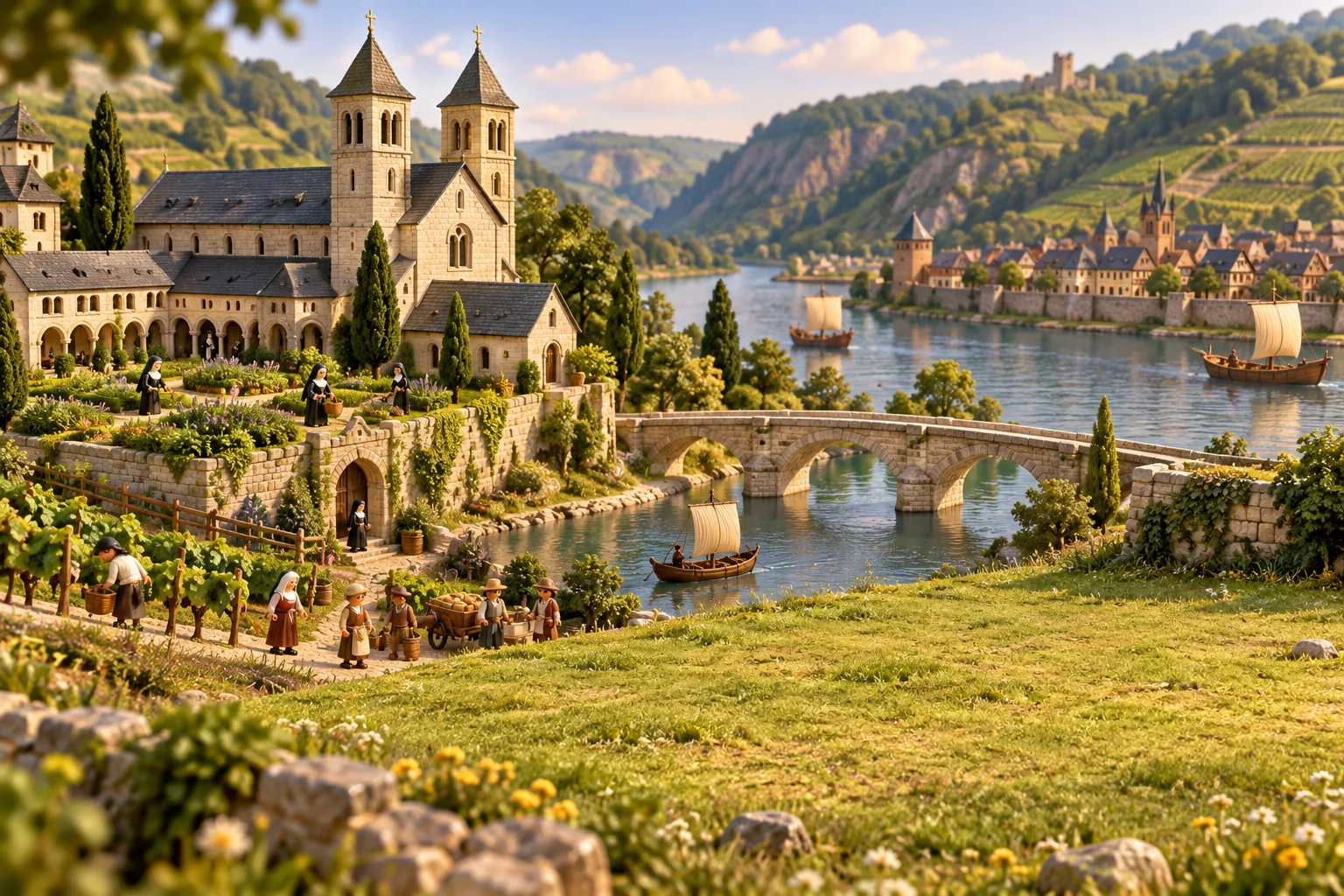 c. 1098 – 1179 · Rupertsberg Abbey, Bingen am Rhein, GermanyHildegard of BingenTold by a voice to "write what you see and hear", a Rhineland nun spent ten years putting 26 visions on parchment, then moved her sisters to a new abbey of her own.
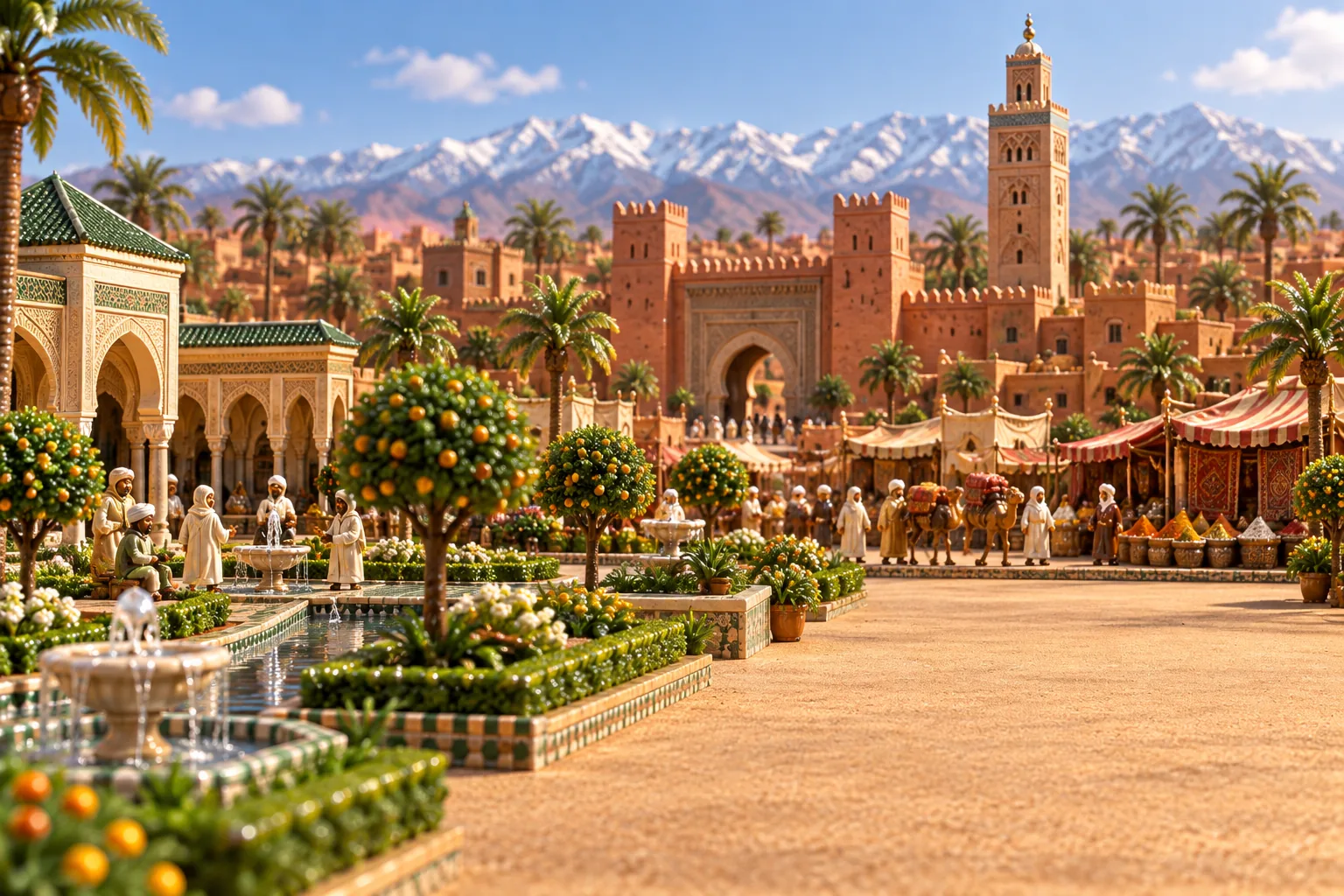 1126–1198 · Marrakesh, Almohad CaliphateAverroesIn 1169, in Marrakesh, the caliph asked him whether the heavens were eternal; afraid of a wrong answer, he stayed silent, until the caliph's own learning put him at ease and set him to explain Aristotle.
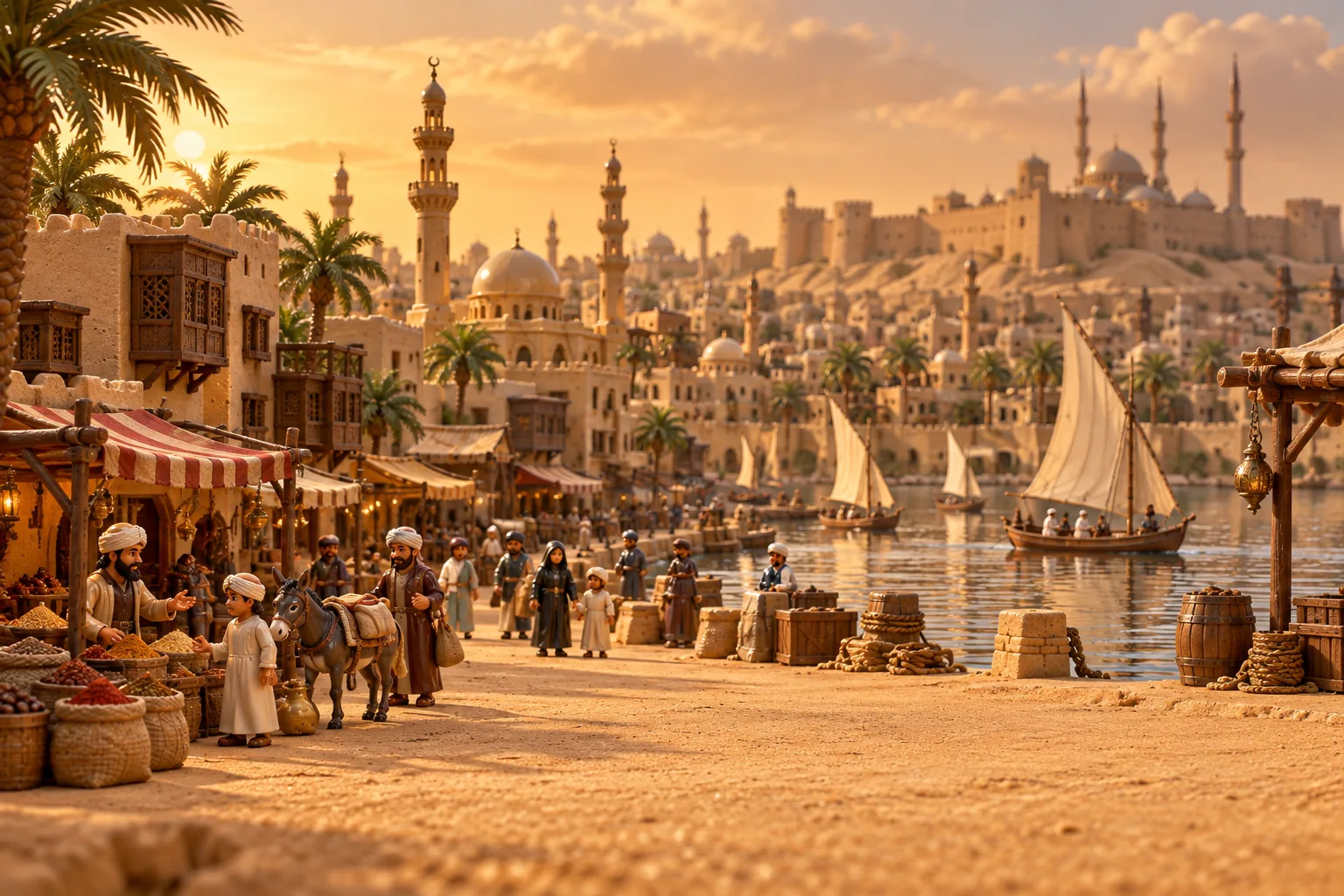 c. 1138 – 1204 · Fustat (Old Cairo), EgyptMaimonidesA refugee from Córdoba, he became physician to the court of Saladin in Cairo and wrote the books that made him the most influential Jewish scholar of the Middle Ages.
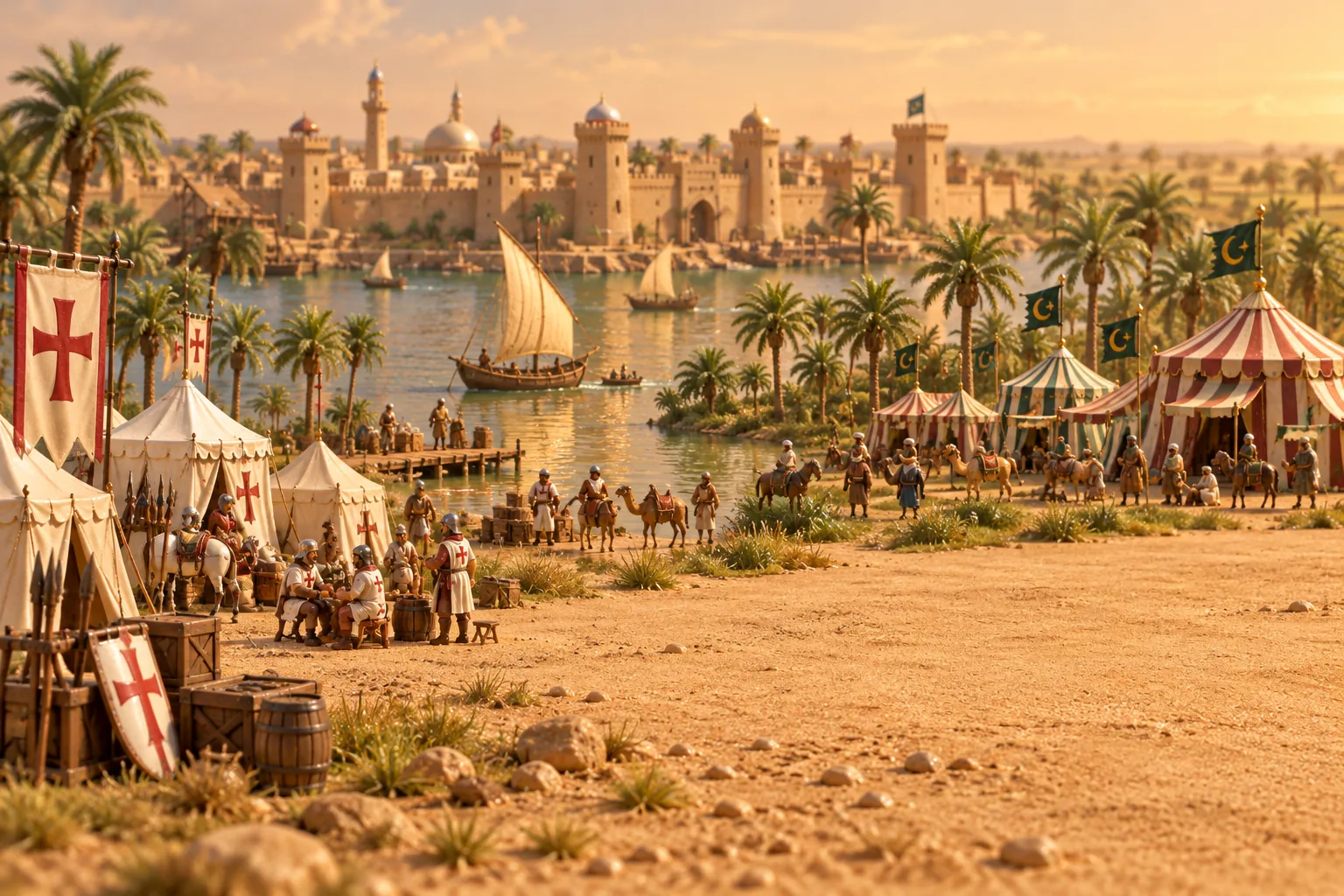 c. 1181 – 1226 · Damietta, EgyptFrancis of AssisiIn the middle of a crusade, a poor friar from Assisi crossed the lines at Damietta and asked to speak with the Sultan of Egypt, hoping to convert him.
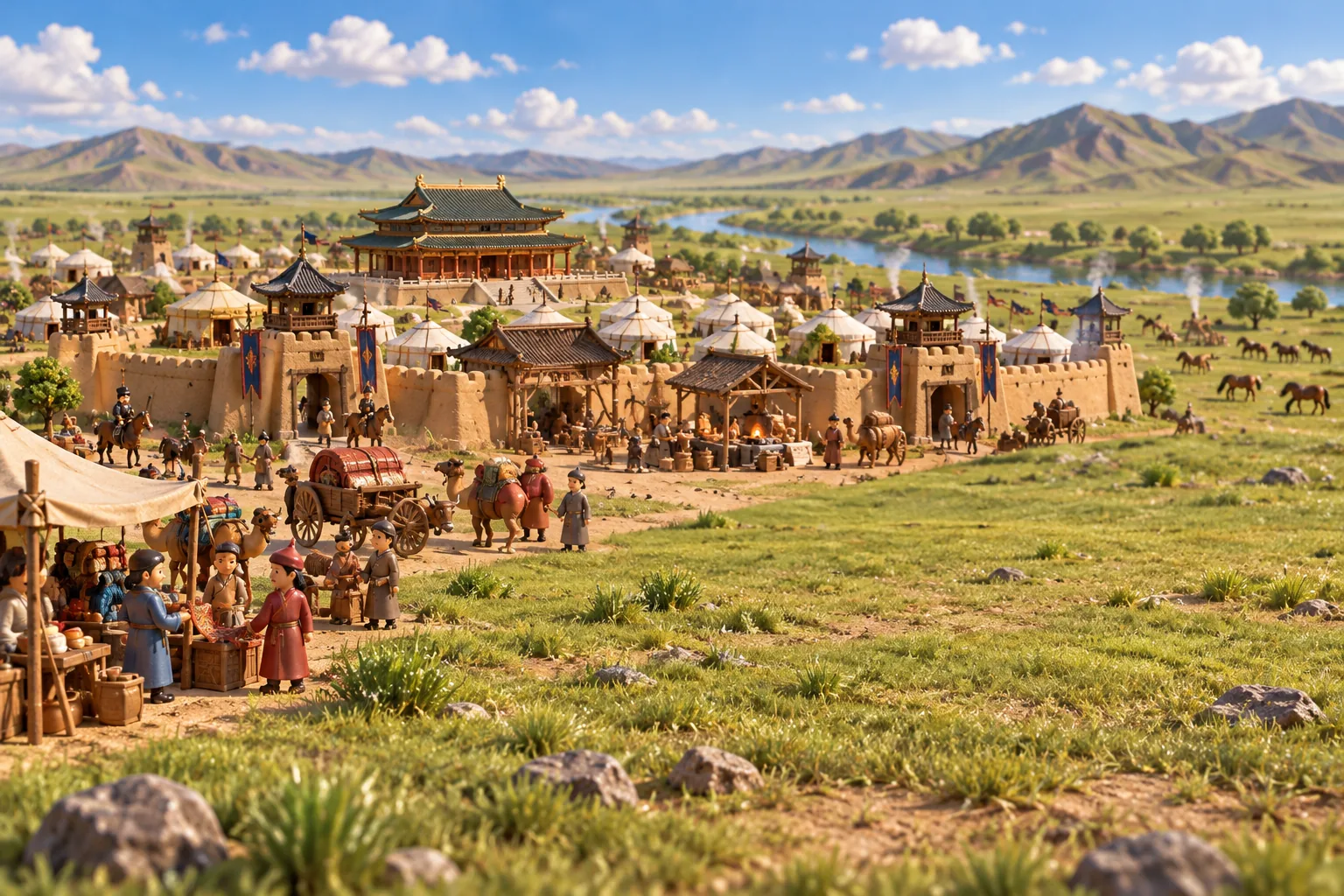 c. 1186 – 1241 · Karakorum, MongoliaÖgedei KhanHis father conquered from the saddle; in 1235 Ögedei finished a walled capital on the Mongolian steppe, Karakorum, with quarters for Muslim and Chinese craftsmen and earthen walls with four gates.
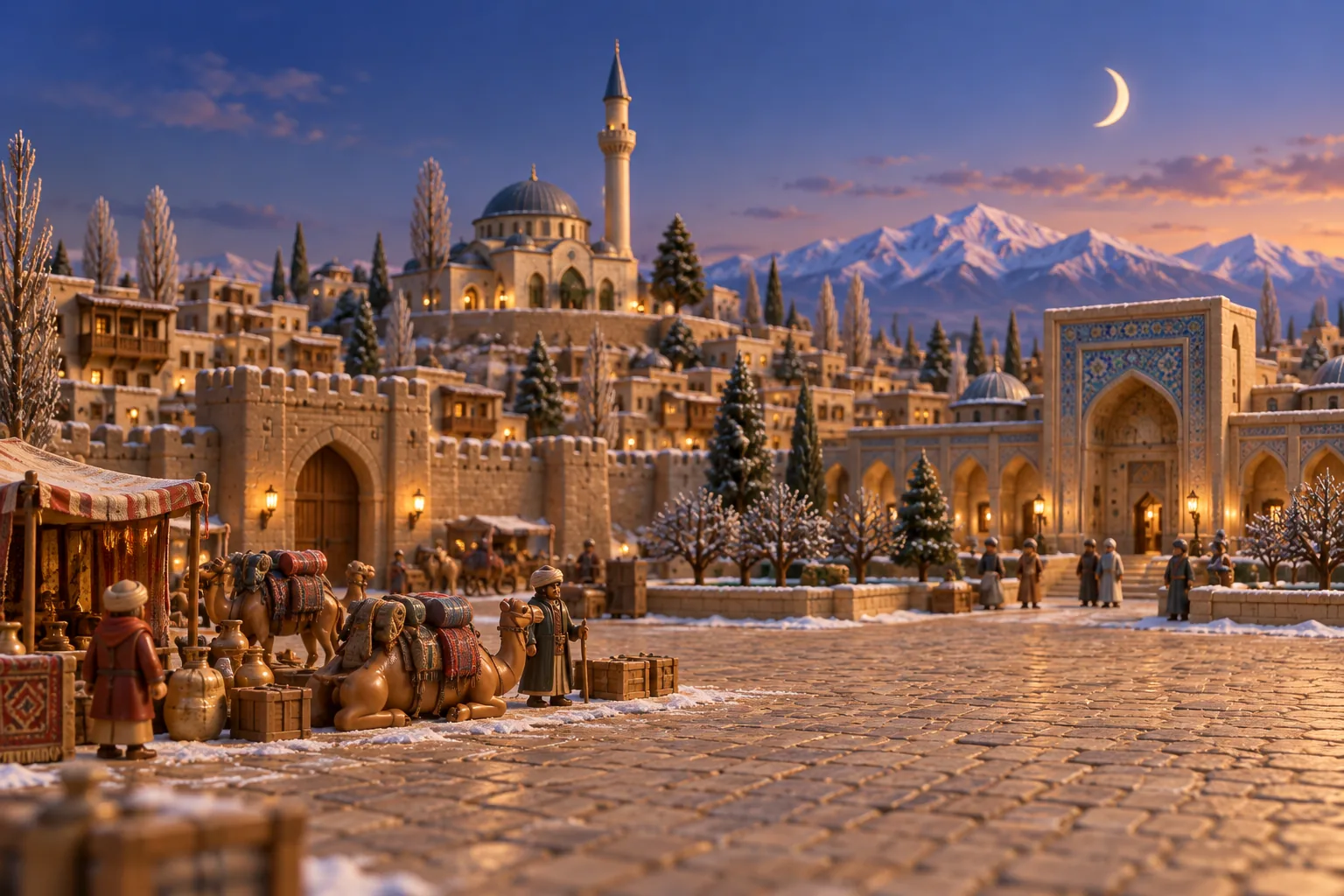 1207–1273 · Konya, Sultanate of RumRumiOne night in 1248 his friend Shams of Tabriz was called to the back door and never seen again, and a respected preacher of Konya poured his grief into tens of thousands of verses.
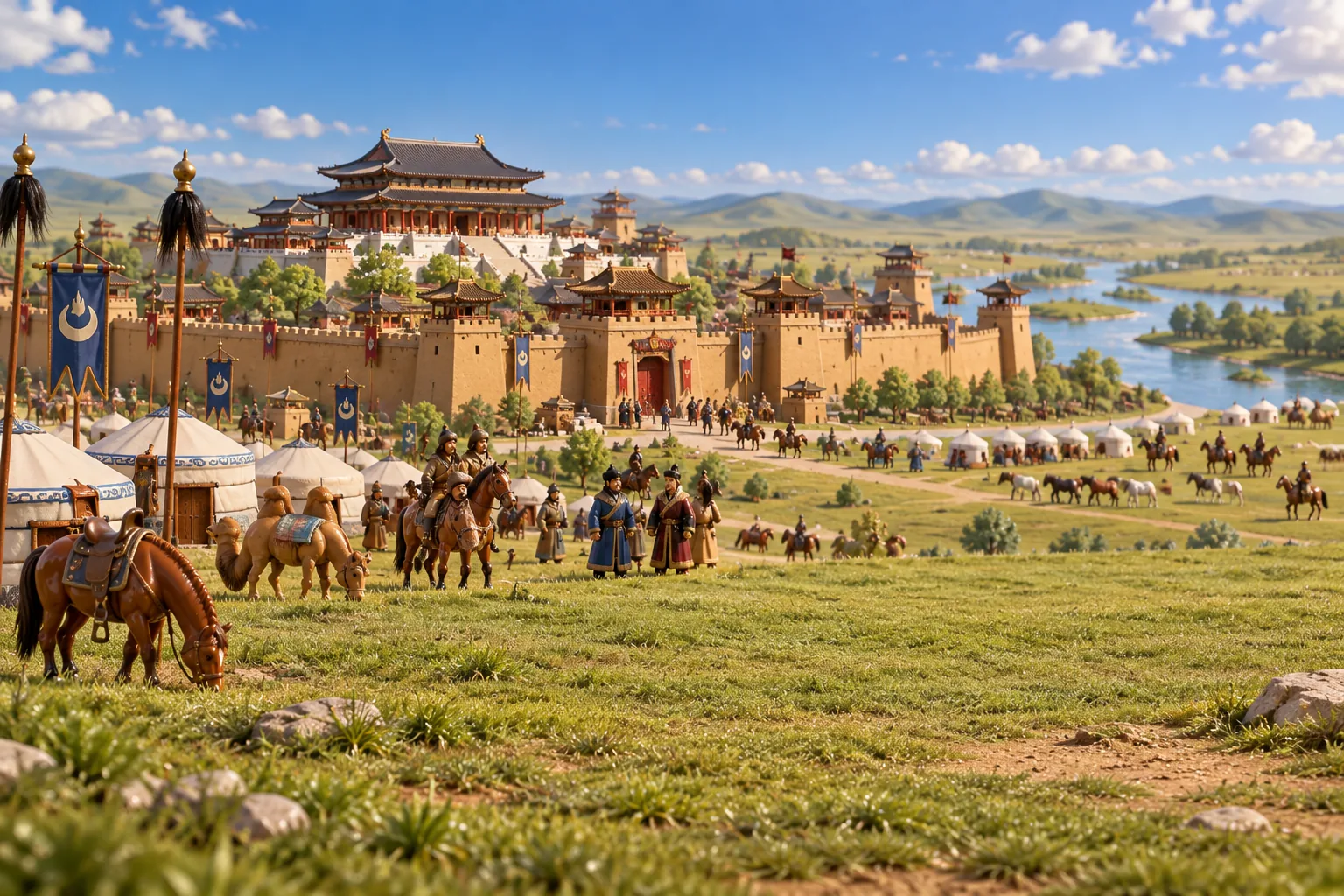 1215–1294 · Shangdu (Xanadu), Inner Mongolia, ChinaKublai KhanIn 1260 a grandson of Genghis Khan was proclaimed Great Khan at his residence in Shangdu, the summer capital that the West would remember as Xanadu.
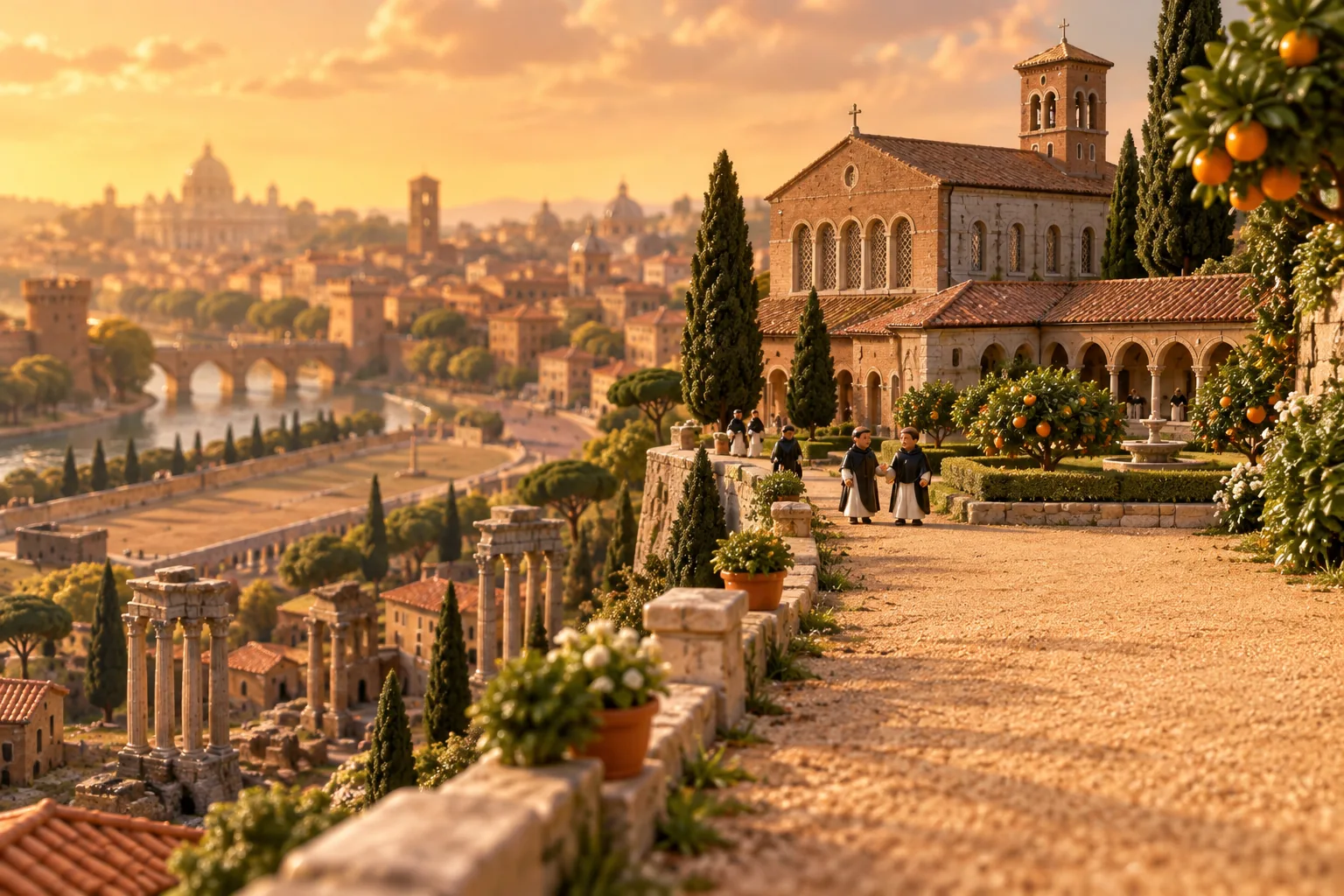 c. 1225 – 1274 · Santa Sabina, RomeThomas AquinasHis fellow students took the quiet young friar for slow and called him "the dumb ox", until his teacher warned that his bellowing would one day be heard throughout the world.
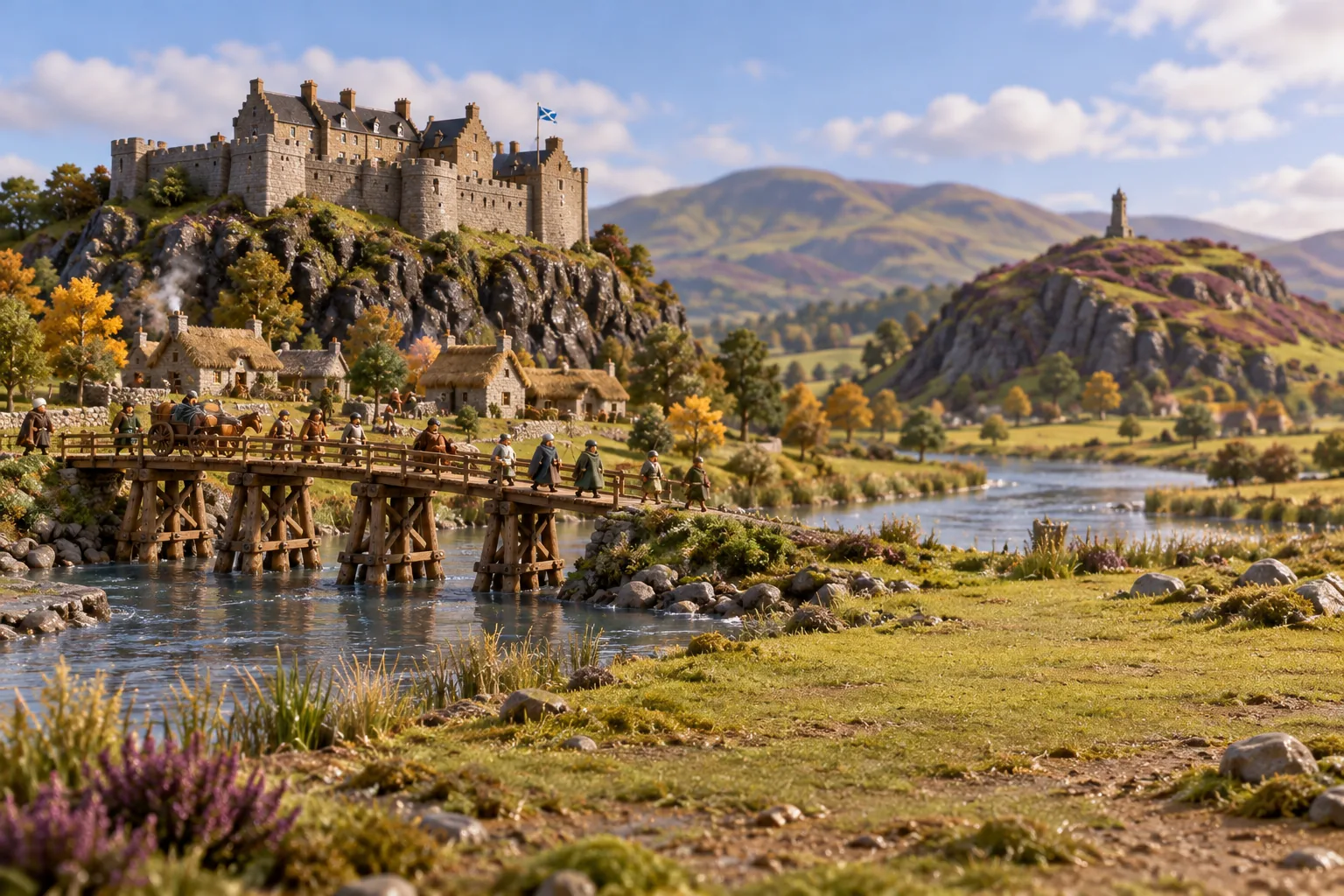 c. 1270 – 1305 · Stirling Bridge, ScotlandWilliam WallaceOn 11 September 1297, vastly outnumbered, he and Andrew Moray routed an English army at the narrow wooden bridge over the Forth below Stirling Castle.
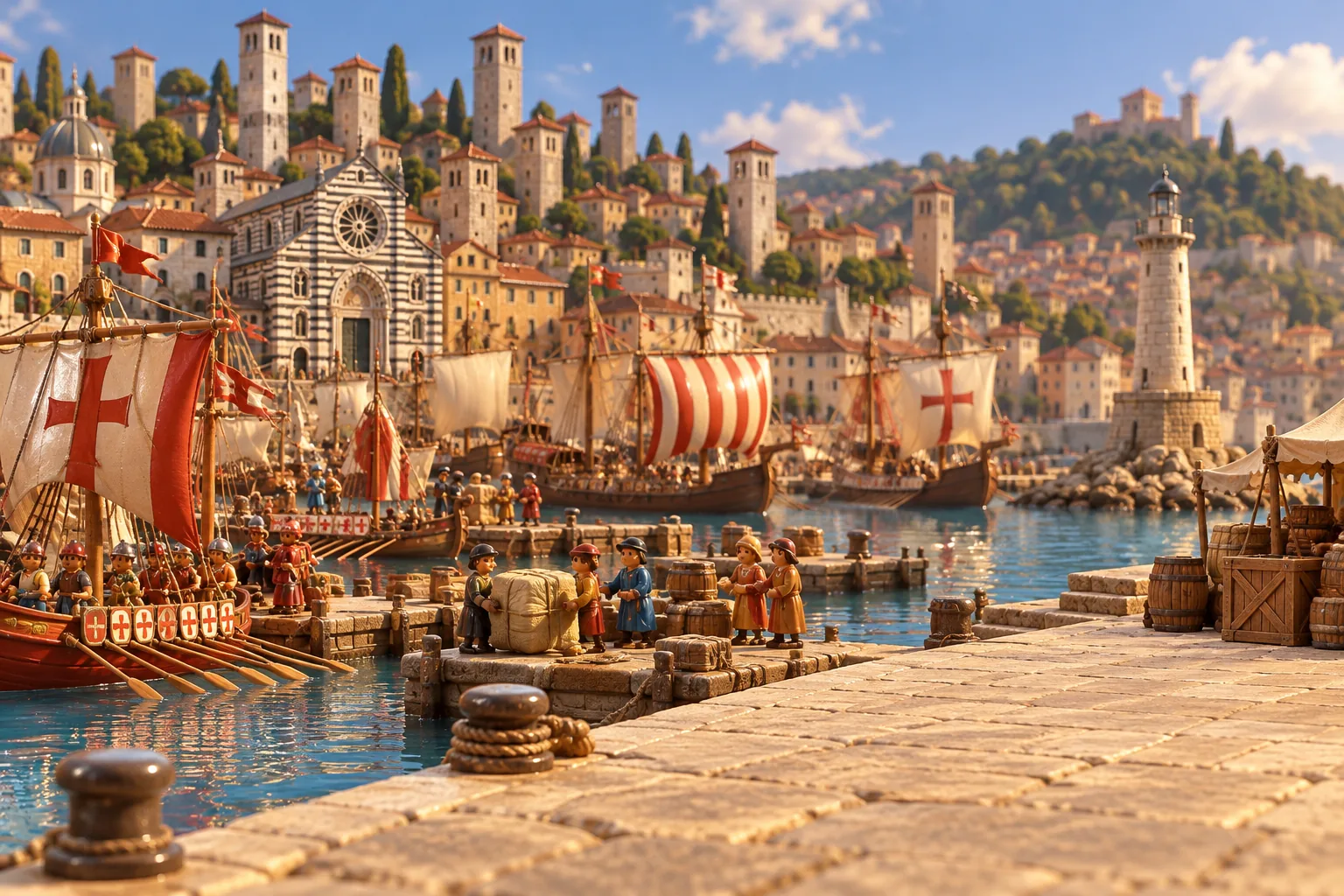 c. 1254 – 1324 · Genoa, Republic of GenoaMarco PoloLocked up in Genoa as a prisoner of war, a Venetian merchant passed the months telling a cellmate about the court of Kublai Khan, and the book they made inspired Columbus.
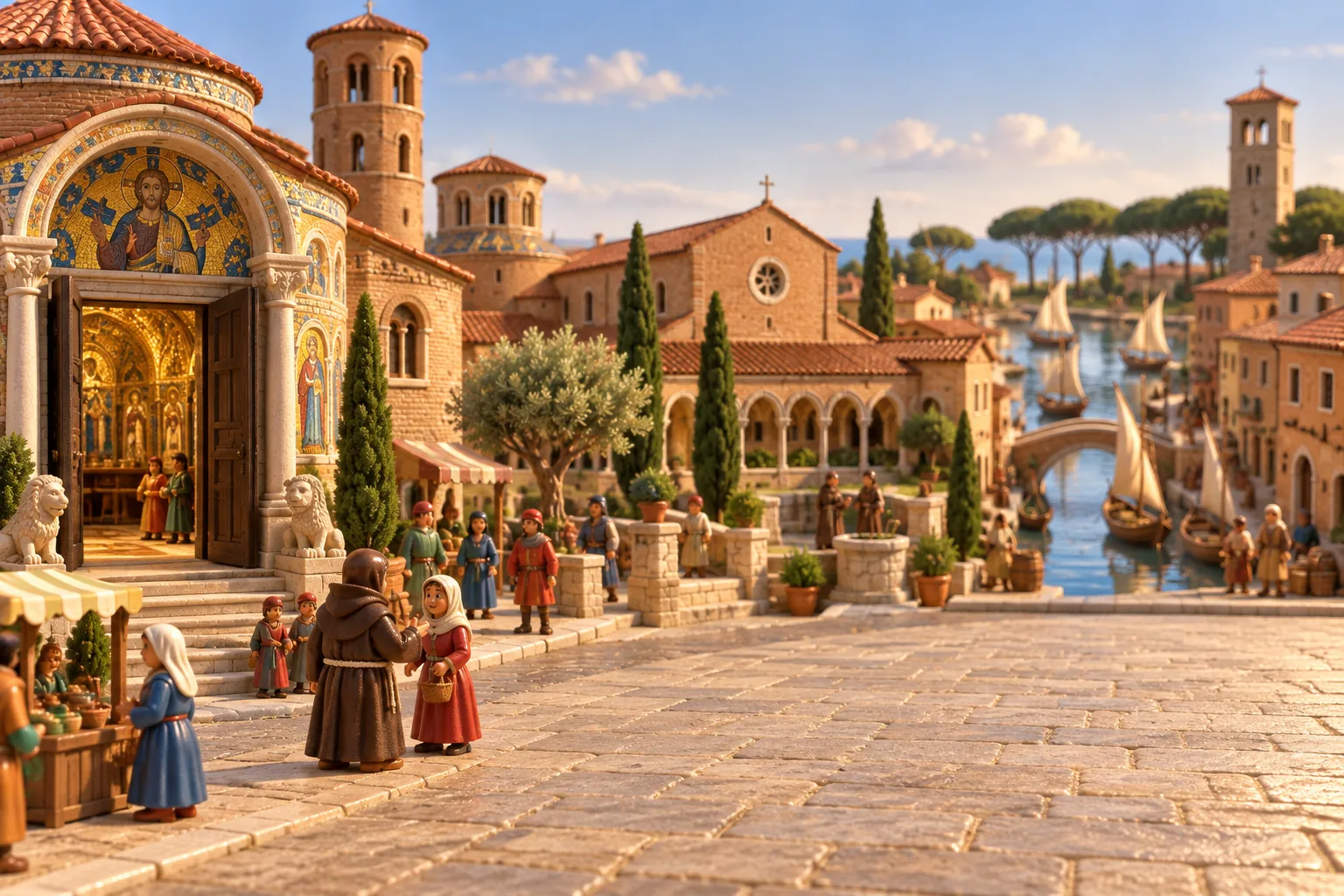 c. 1265 – 1321 · Ravenna, ItalyDante AlighieriBanished from Florence and told he would be burned alive if he ever came back, he wrote a journey through Hell, Purgatory and Heaven in the language of the streets.
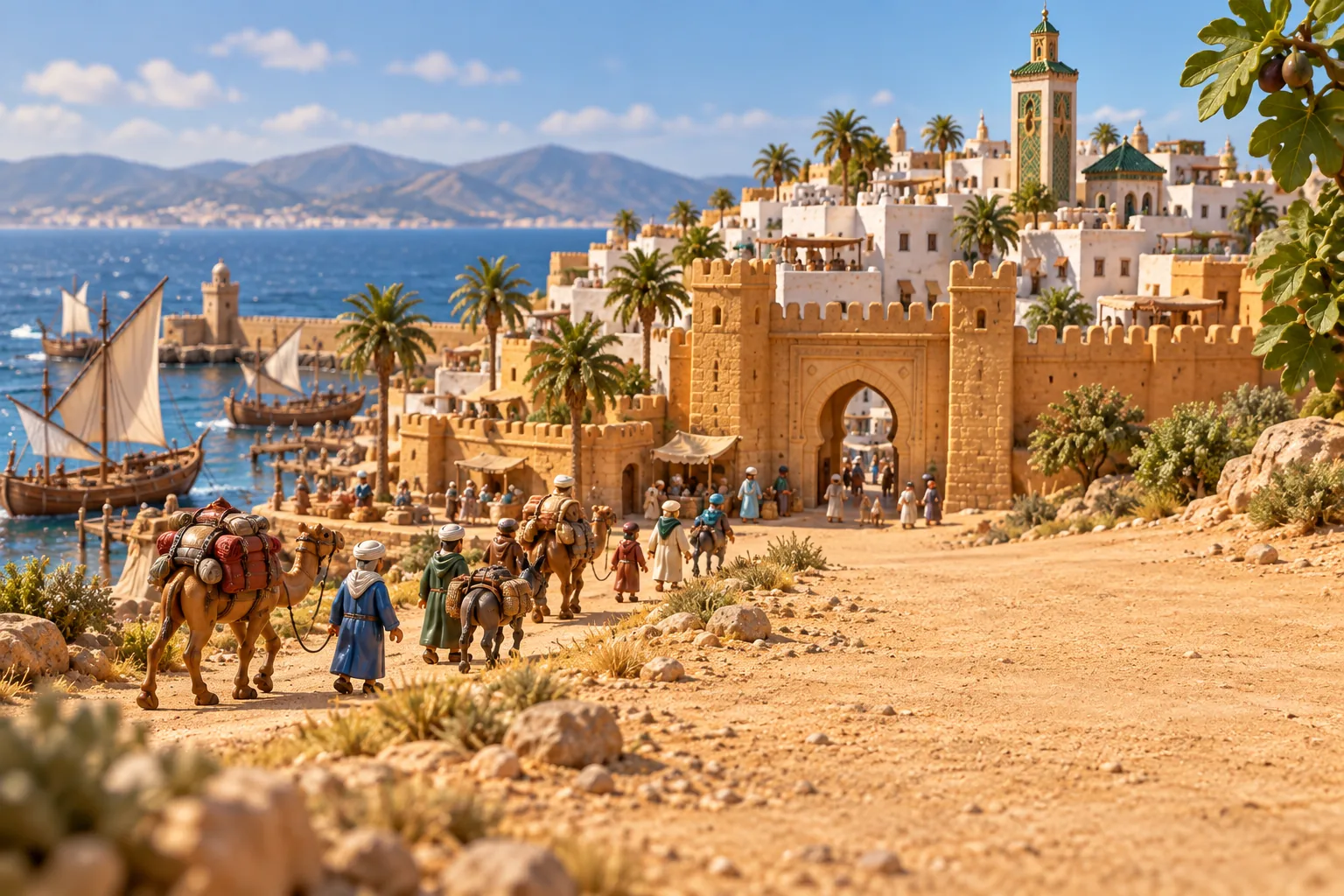 1304 – c. 1369 · Tangier, MoroccoIbn BattutaOn 14 June 1325 a 21-year-old student of law left Tangier for Mecca. He came home nearly a quarter of a century later, after one of the longest journeys of the medieval world.
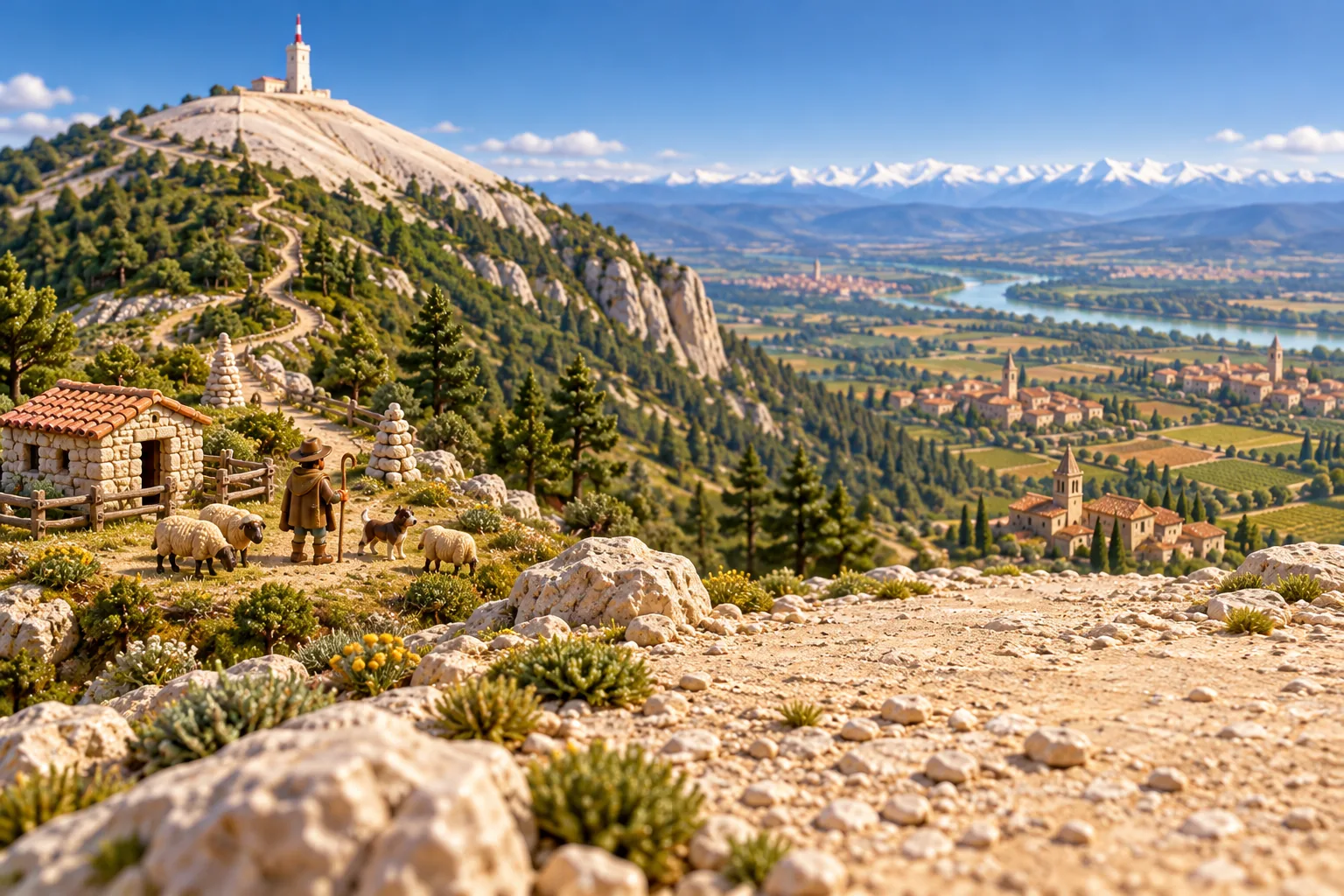 1304–1374 · Mont Ventoux, ProvencePetrarchOn 26 April 1336 he climbed Mont Ventoux just to see the view from the top, and there he opened a book by Saint Augustine he always carried.
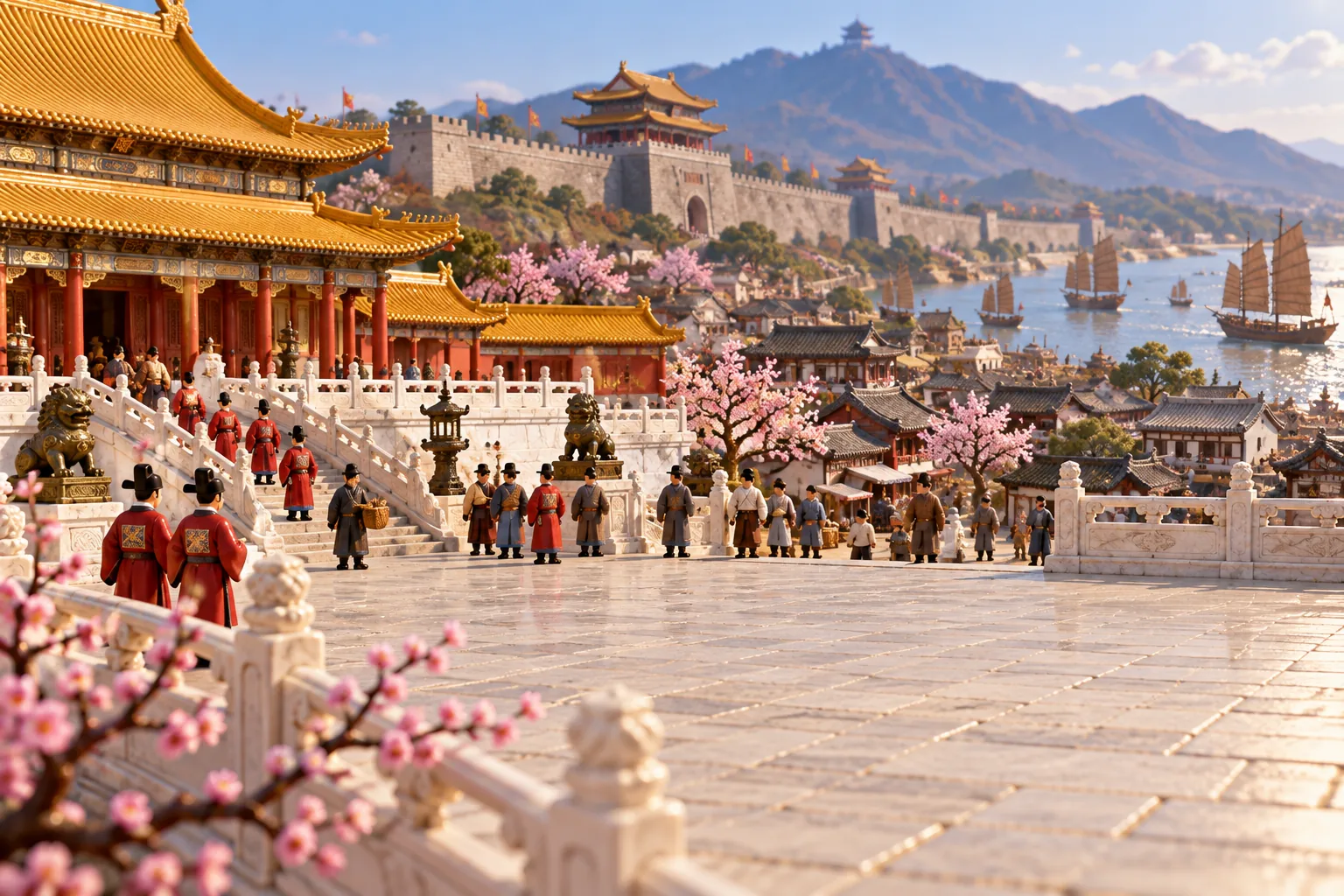 1328–1398 · Nanjing, ChinaHongwu EmperorOn 23 January 1368 a man who had once begged for alms as an orphaned novice monk proclaimed himself emperor in Nanjing and named his dynasty the Great Ming.
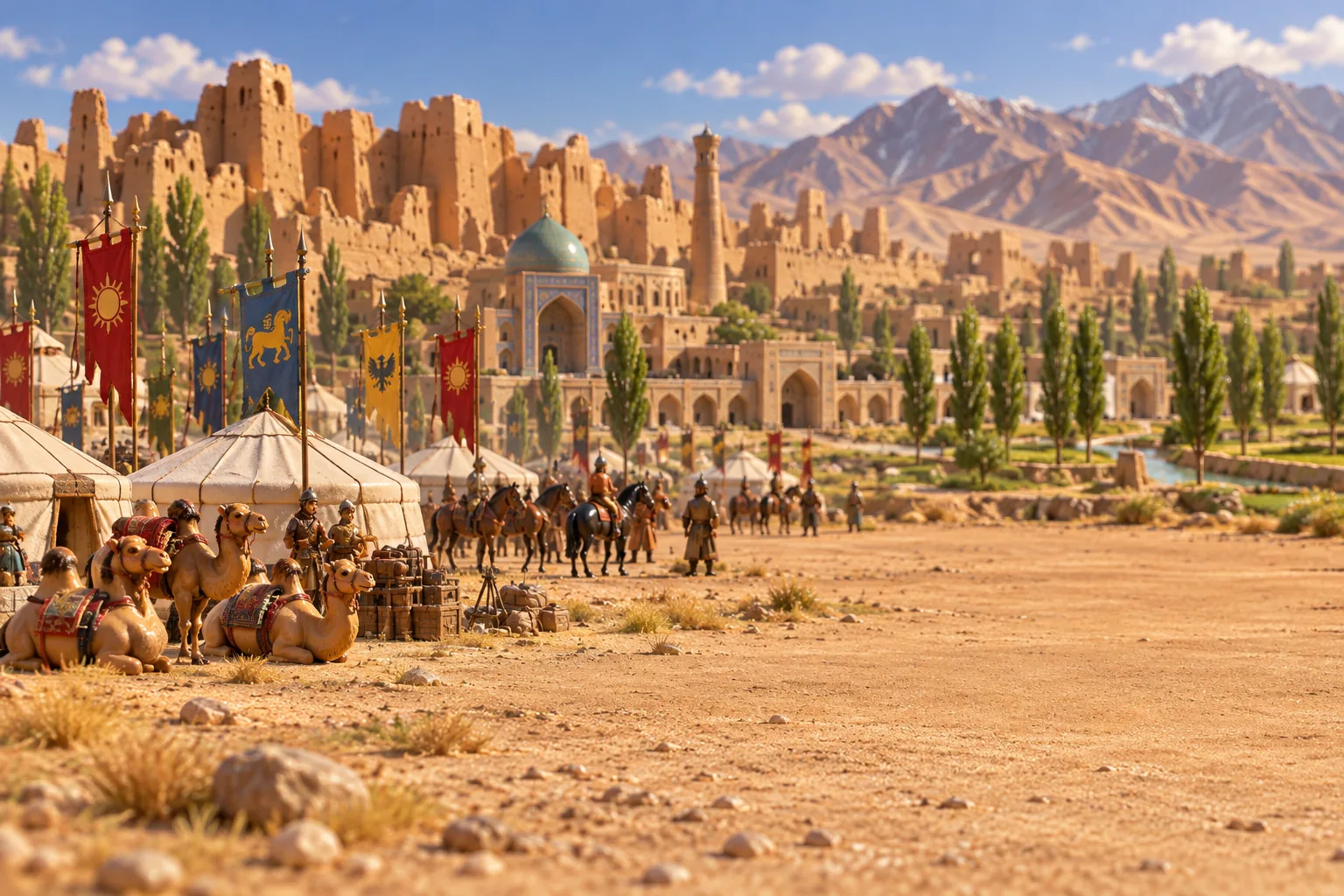 1320s – 1405 · Balkh, AfghanistanTimurA minor chief who limped from an old arrow wound was proclaimed ruler at Balkh in 1370 and spent the next 35 years conquering from Delhi to Ankara.
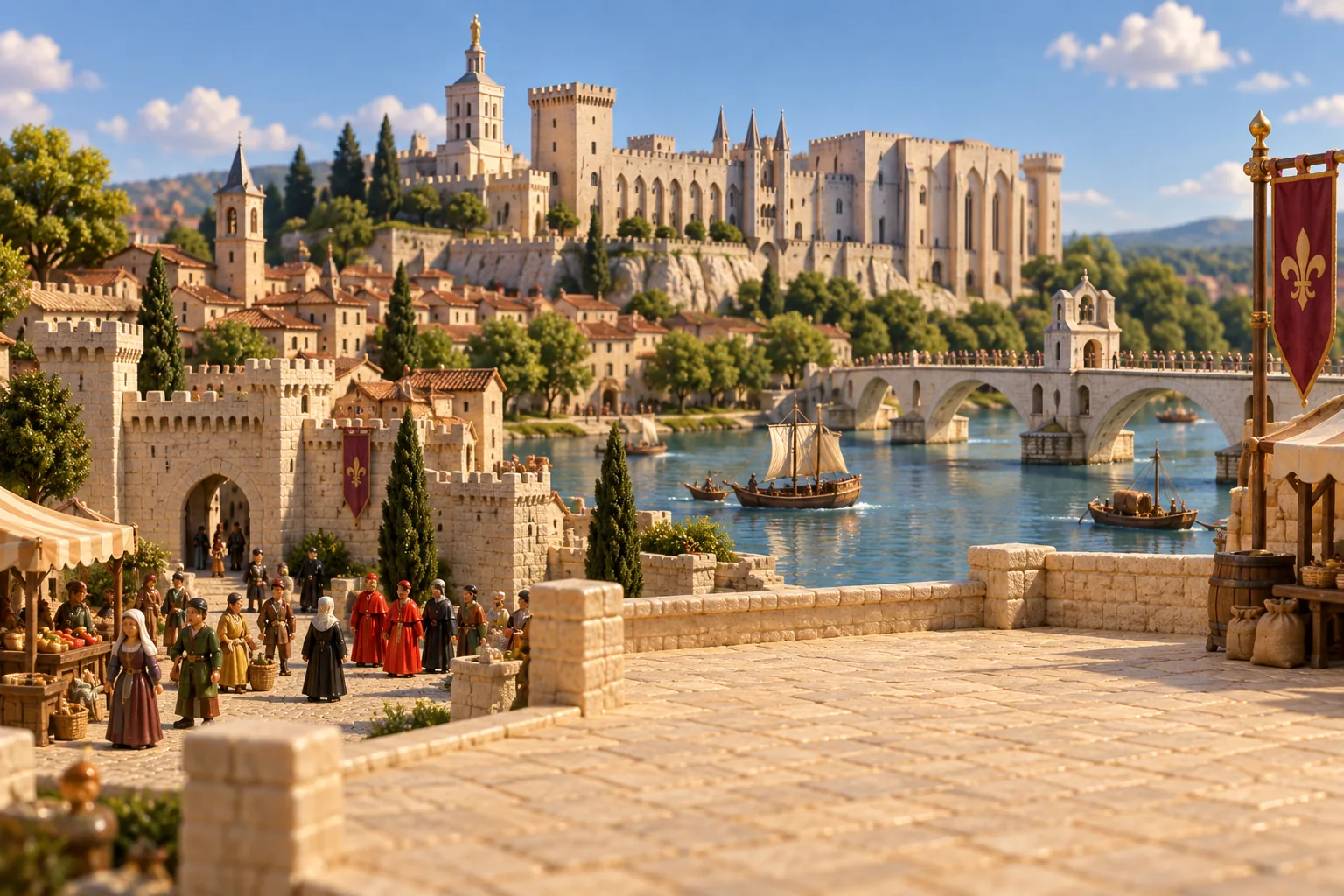 1347–1380 · Avignon, FranceCatherine of SienaA woman from Siena with no title and little schooling wrote to the pope as "Babbo", Dearest Daddy, and told him to go home to Rome.
 1332–1406 · Qal'at Ibn Salama, near Frenda, AlgeriaIbn KhaldunHiding for three years in a castle of a Berber tribe in western Algeria, a disgraced politician wrote in a few months an introduction to history that is still read as the start of sociology.
 c. 1343 – 1400 · London, EnglandGeoffrey ChaucerA busy royal official imagined a company of pilgrims riding to Canterbury and swapping stories on the way, written in English when most writers in England still used French or Latin.
 c. 1370 – 1415 · Konstanz, on Lake ConstanceJan HusHe came to the Council of Constance under the emperor's promise of safe conduct, refused to take back a word, and his death turned Bohemia against the papacy for two centuries.
 1402–1472 · Texcoco, State of MexicoNezahualcoyotlAt sixteen he watched his father's killers from hiding. Twelve years later, with a coalition army behind him, "Fasting Coyote" was crowned king of Texcoco.
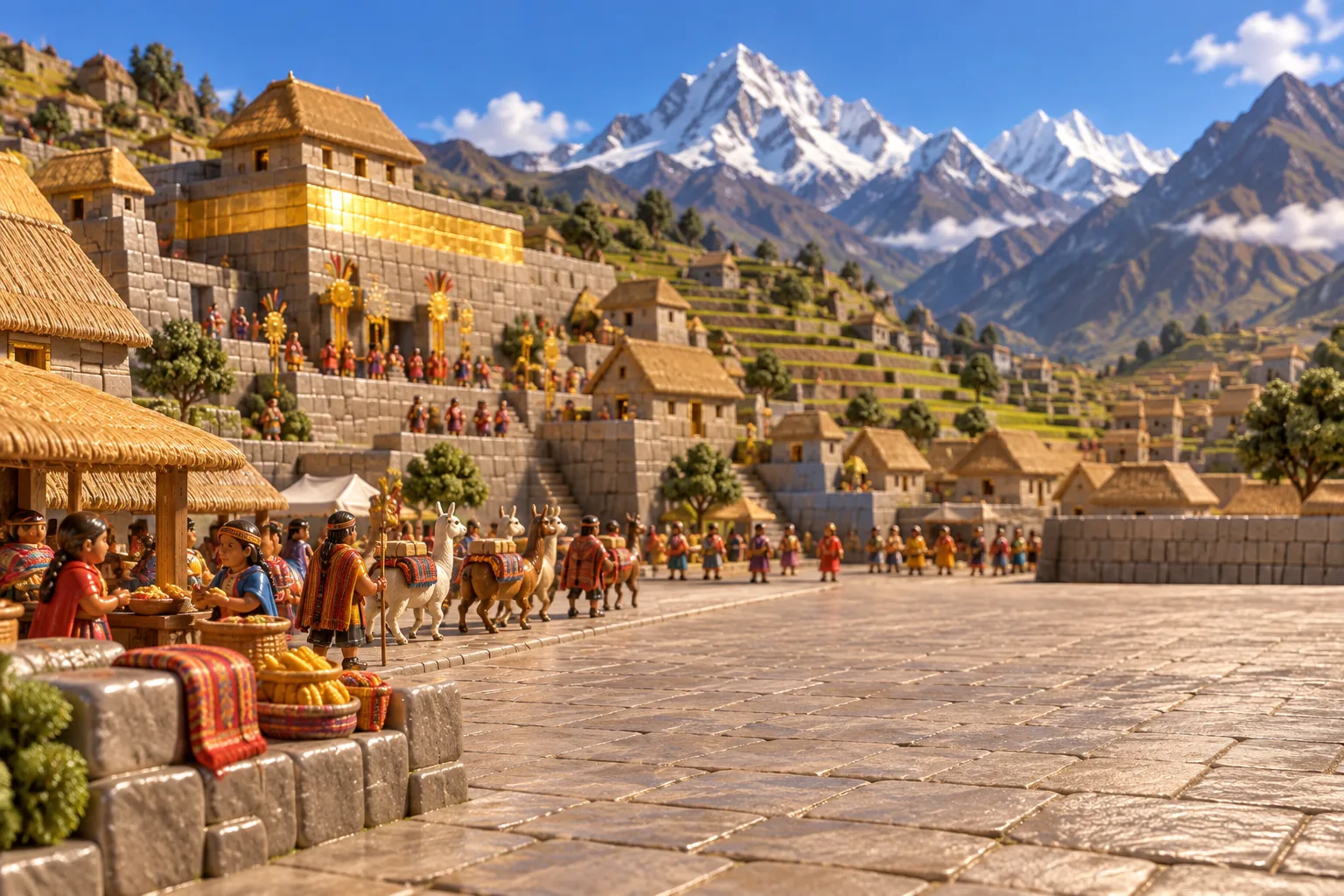 reigned c. 1438–1471 · Cusco, PeruPachacutiWhen the Chankas marched on Cusco, the old ruler and his heir fled. A younger son stayed, won, and turned a small valley town into an empire.
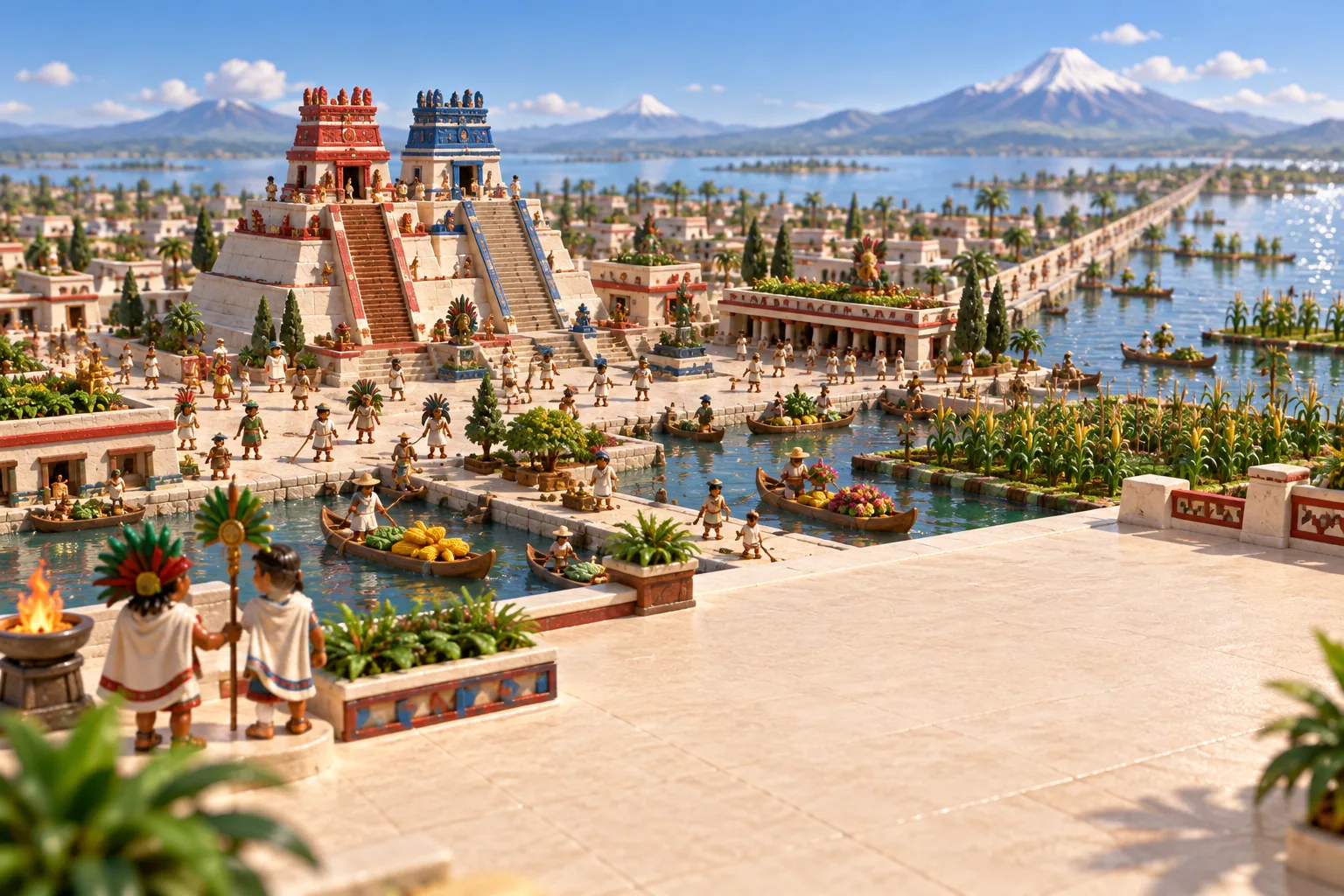 c. 1398 – 1469 · Tenochtitlan (Mexico City)Moctezuma IIn 1440 the nobles of Tenochtitlan chose a 42-year-old general as their Great Speaker, and the ruler of Texcoco set a turquoise crown on his head.
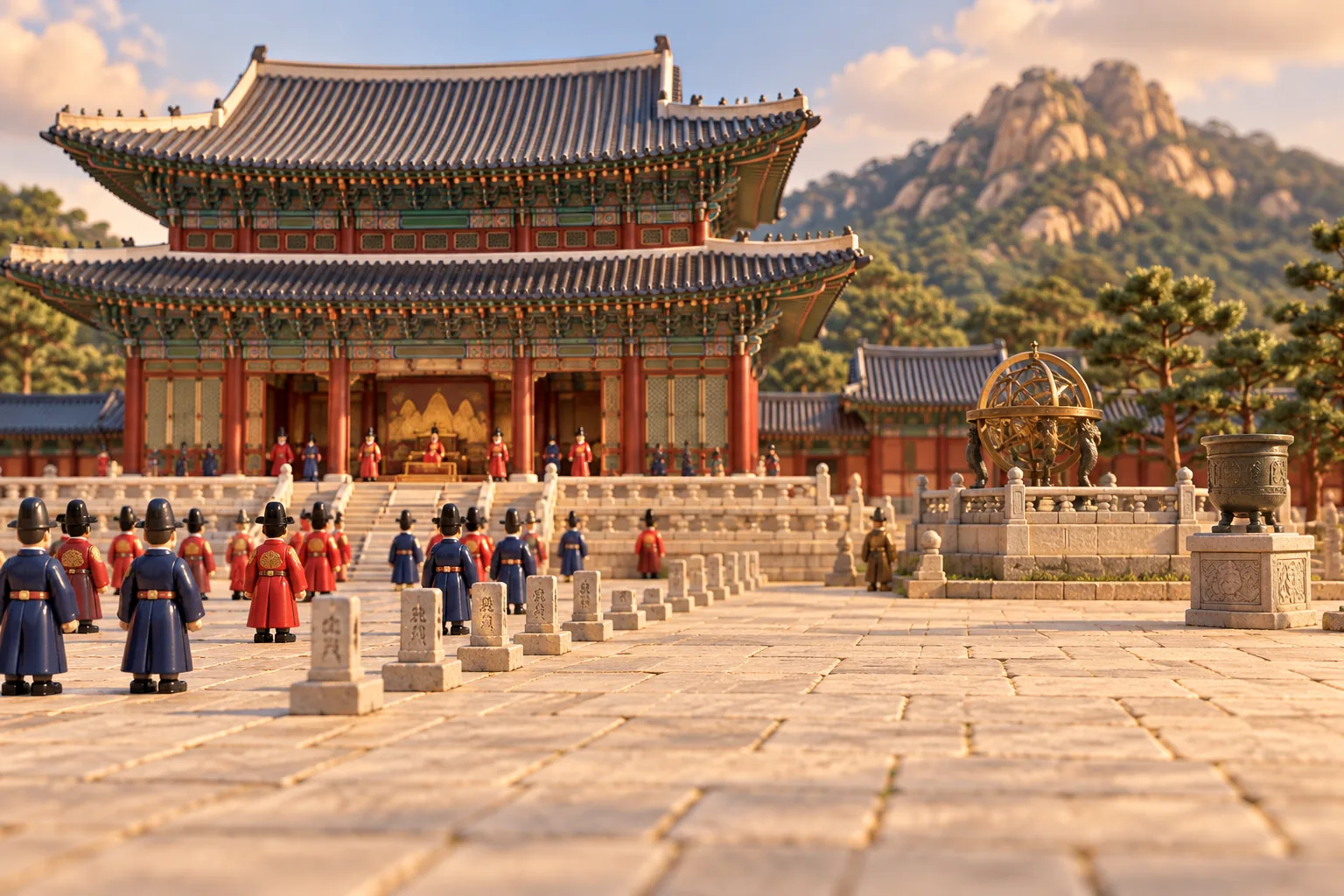 1397–1450 · Gyeongbokgung Palace, SeoulSejong the GreatDistressed that common people could not write down what they wanted to say, a king designed 28 letters for everyone to practise at their ease.
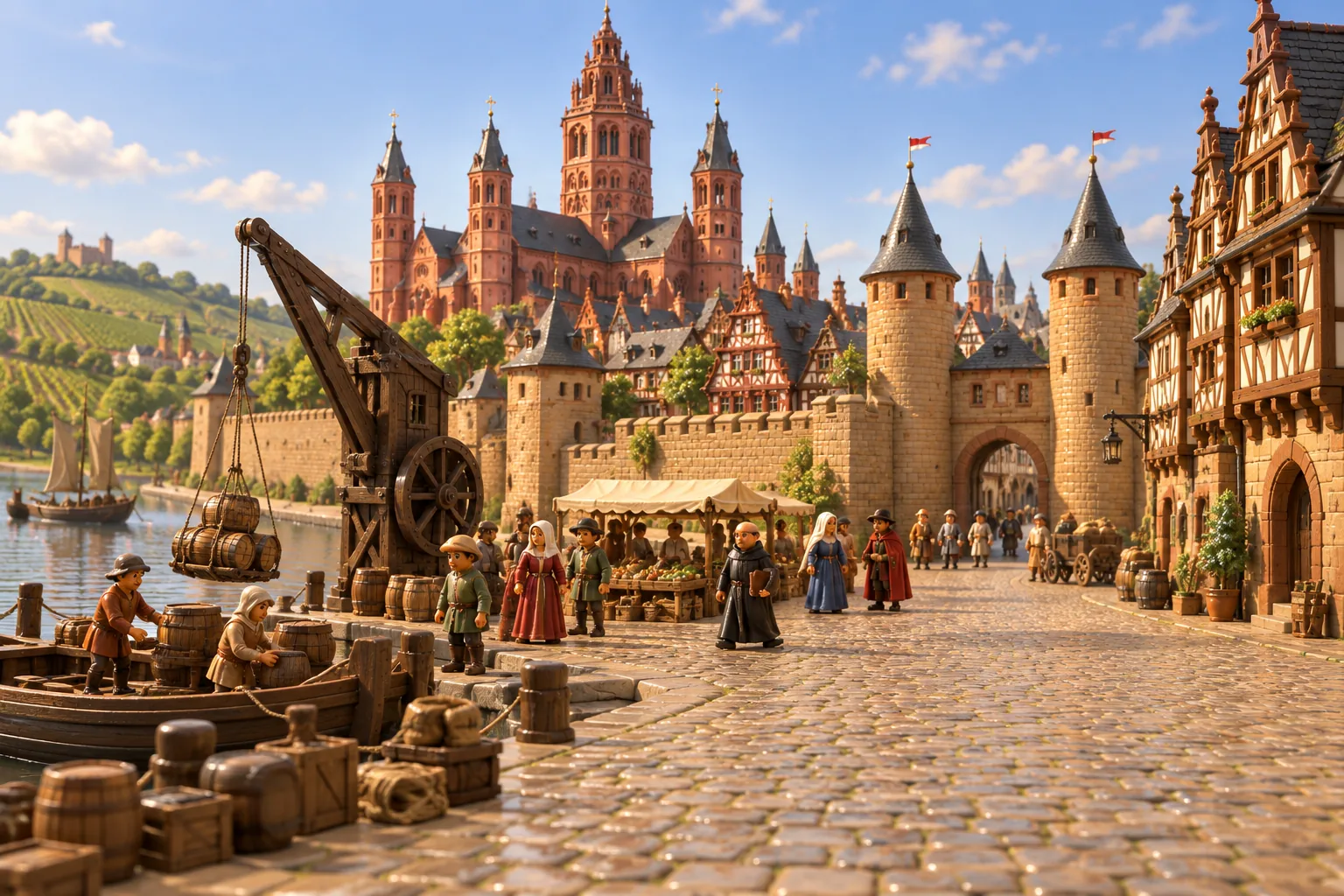 c. 1400 – 1468 · Mainz, GermanyJohannes GutenbergIn a Mainz workshop around 1455, metal letters cast one by one printed about 180 copies of the Bible, and the age of the hand-copied book began to end.
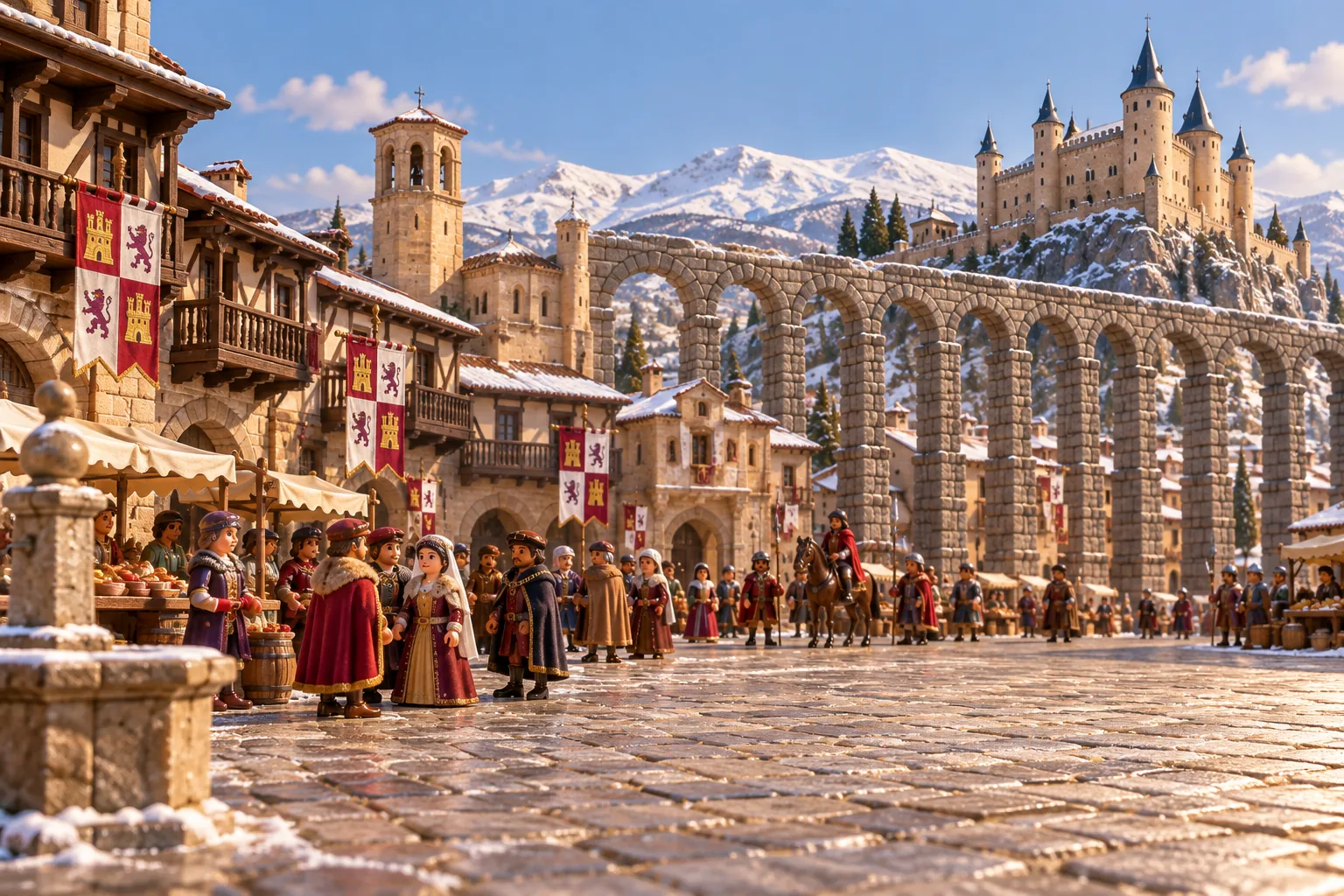 1451–1504 · Plaza Mayor, Segovia, SpainIsabella I of CastileThe day after news came that her half-brother the king was dead, a 23-year-old princess stood in Segovia's main square, swore her oaths and was proclaimed queen of Castile.
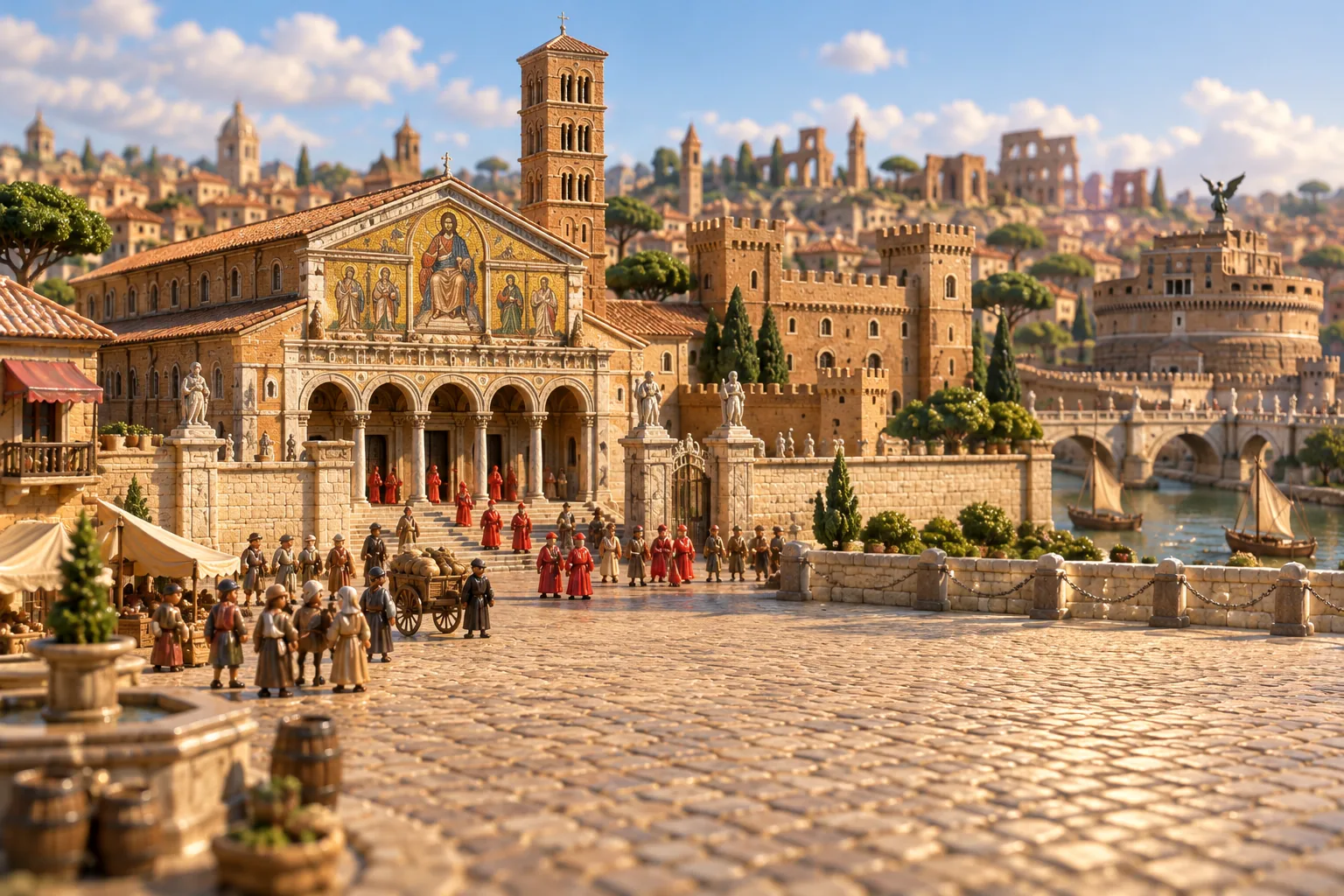 c. 1431 – 1503 · Vatican, RomeAlexander VIOn 11 August 1492, as Columbus sailed west, a cardinal from Valencia who had served five popes won the papacy, and the Borgia family stood at the top of Christendom.
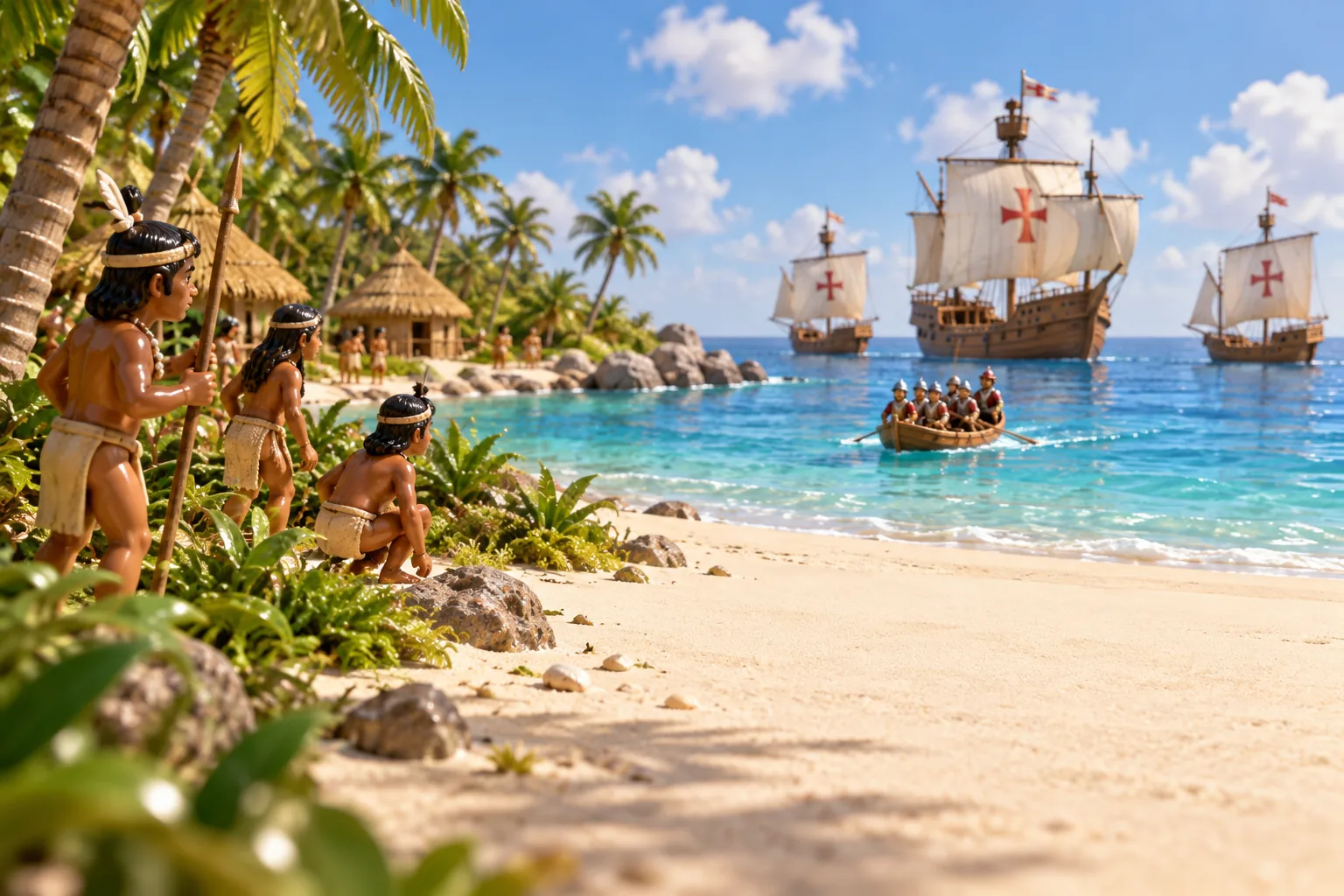 1451–1506 · Guanahani (San Salvador Island), BahamasChristopher ColumbusAt two in the morning a lookout on the Pinta saw land, and the man who believed Japan lay 2,400 nautical miles west of the Canaries thought he had reached the Indies.
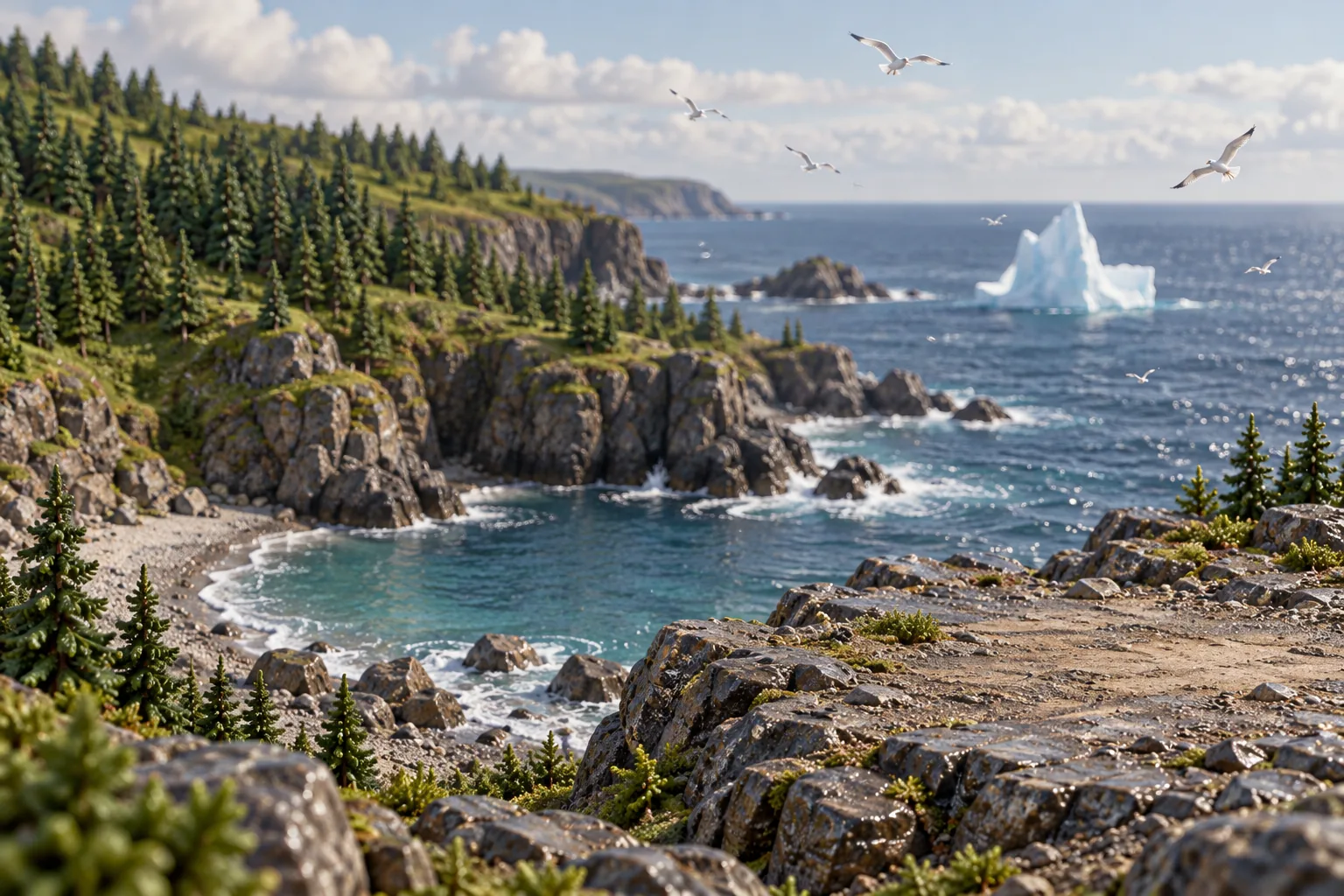 c. 1450 – c. 1499 · Cape Bonavista, Newfoundland (official landing site)John CabotFive years after Columbus, a Venetian in English service crossed the North Atlantic in a ship of 50 tons and stepped ashore on a coast no known European had explored since the Vikings.
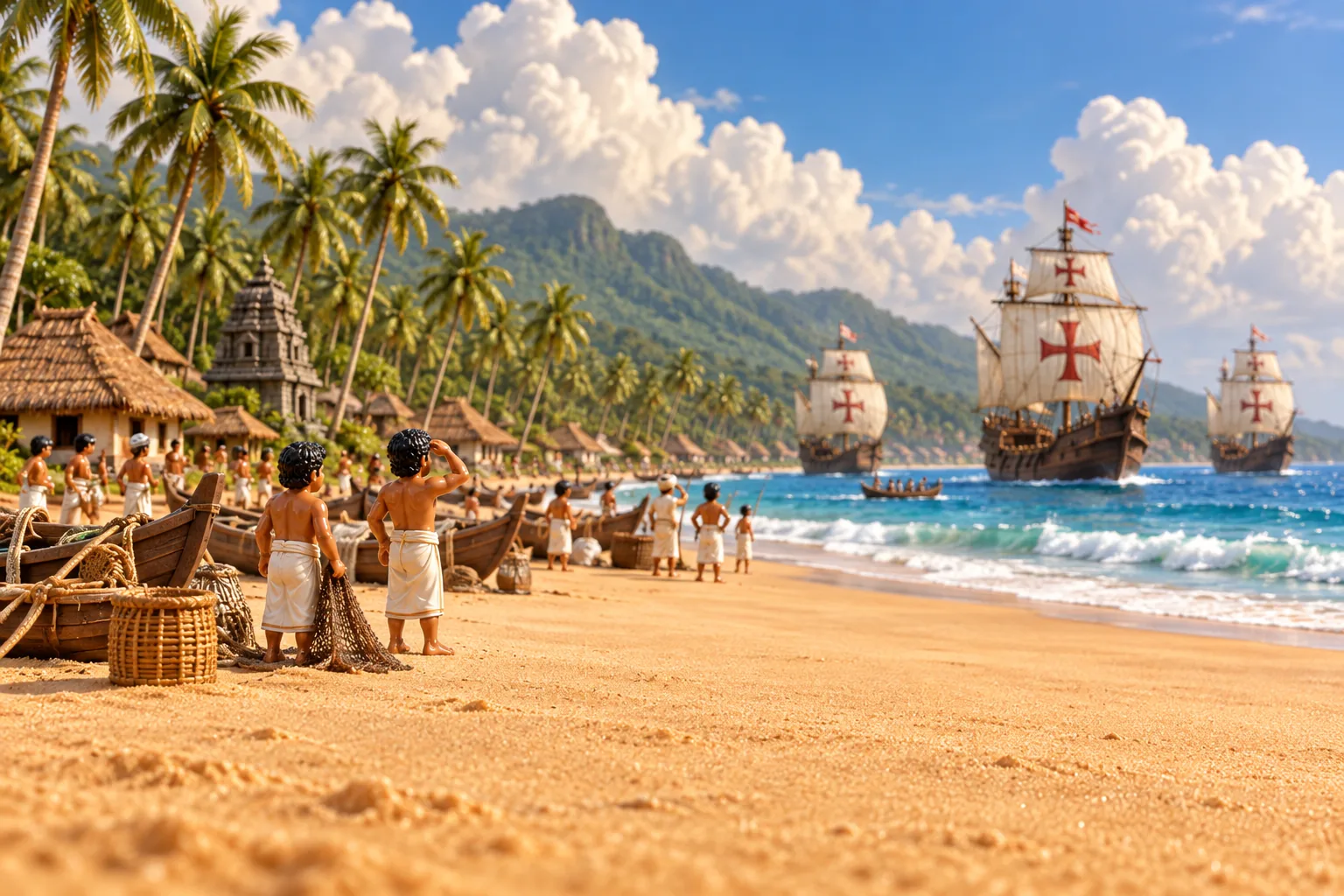 c. 1460s – 1524 · Kappad, near Kozhikode, Malabar Coast, IndiaVasco da GamaAsked by the people of Kozhikode what had brought them so far, his men answered: "Christians and spices."
Early modern 1500 to 1800
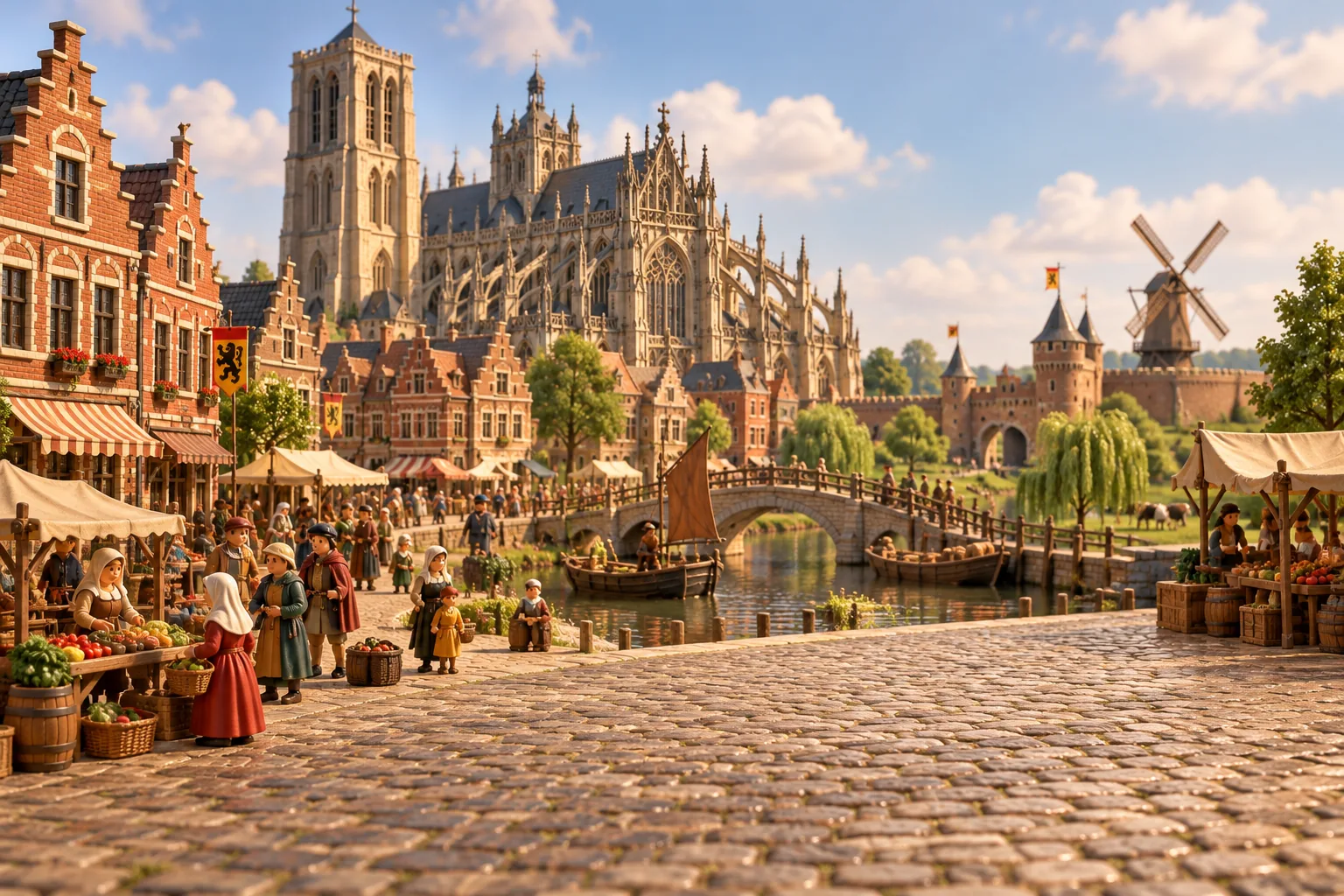 c. 1450 – 1516 · 's-Hertogenbosch, NetherlandsHieronymus BoschIn a busy Brabant town around 1500, a painter who left no letters and no diary covered three oak panels with Eden, a garden of giant fruit and a frozen hell.
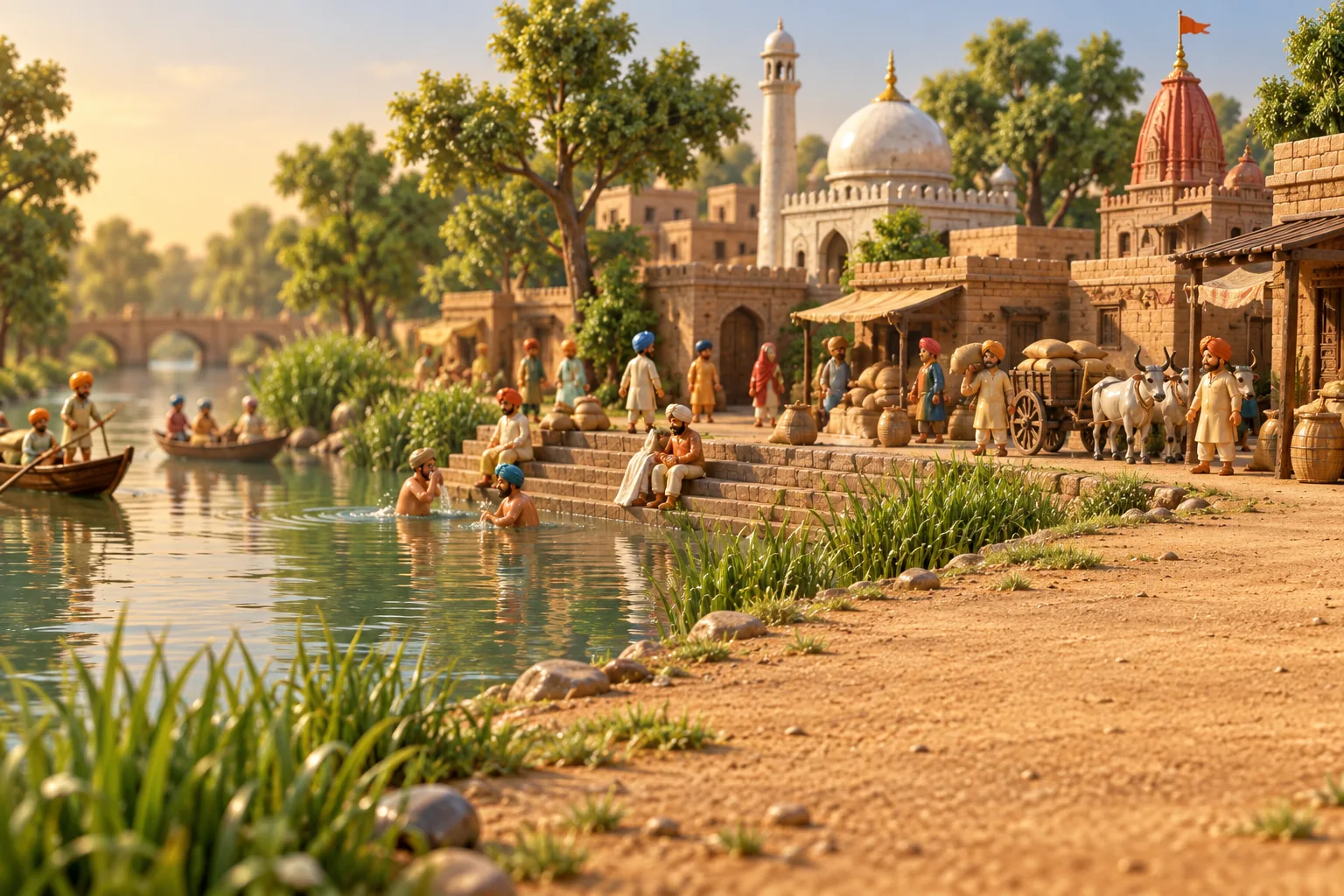 1469–1539 · Sultanpur Lodhi, PunjabGuru NanakHe vanished while bathing in the Bein river and was given up for drowned; when he came back days later, his first words were "There is no Hindu, there is no Muslim".
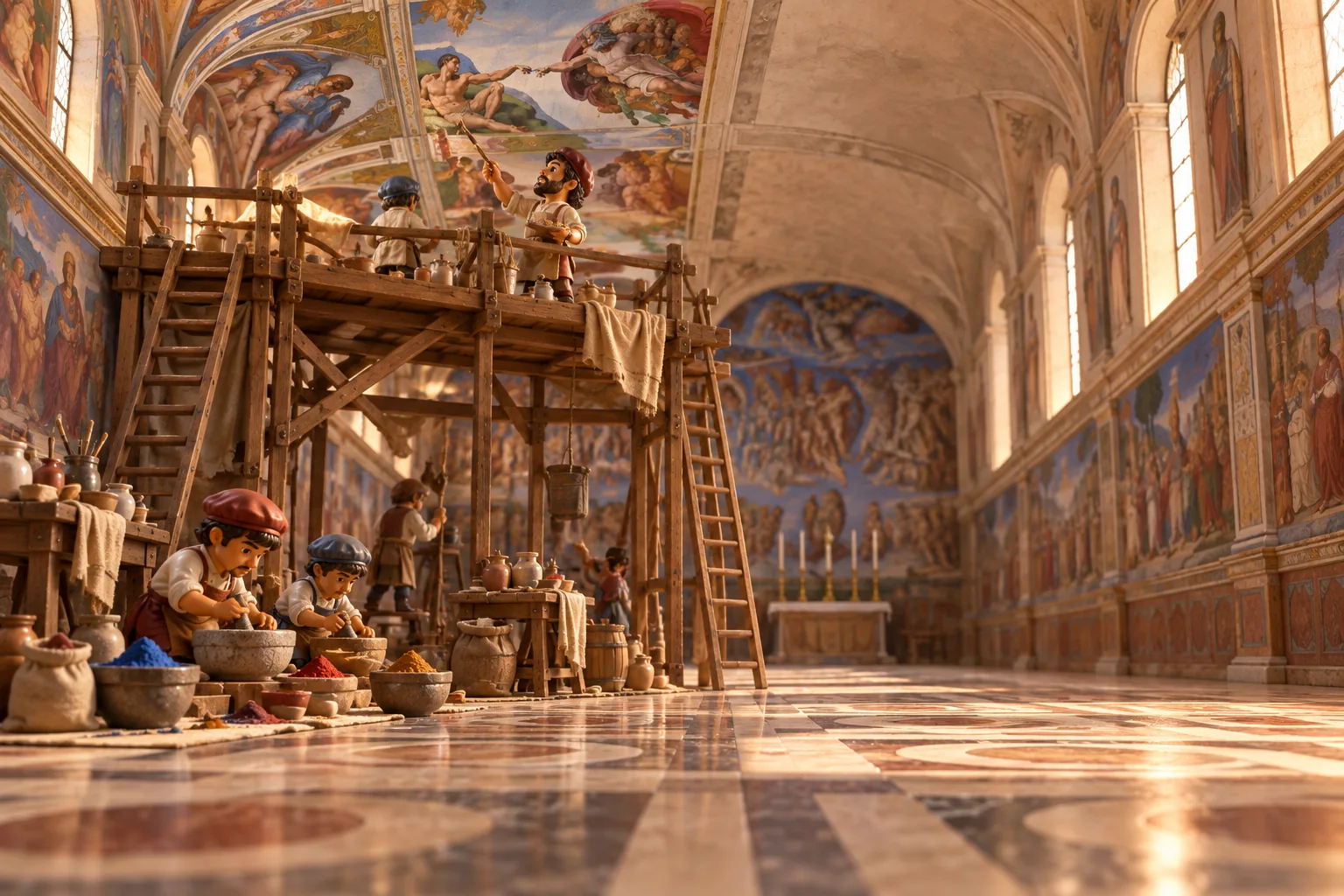 1475–1564 · Sistine Chapel, Vatican City, RomeMichelangeloHe insisted he was a sculptor, not a painter, and then spent four years painting more than 300 figures across the ceiling of the Sistine Chapel.
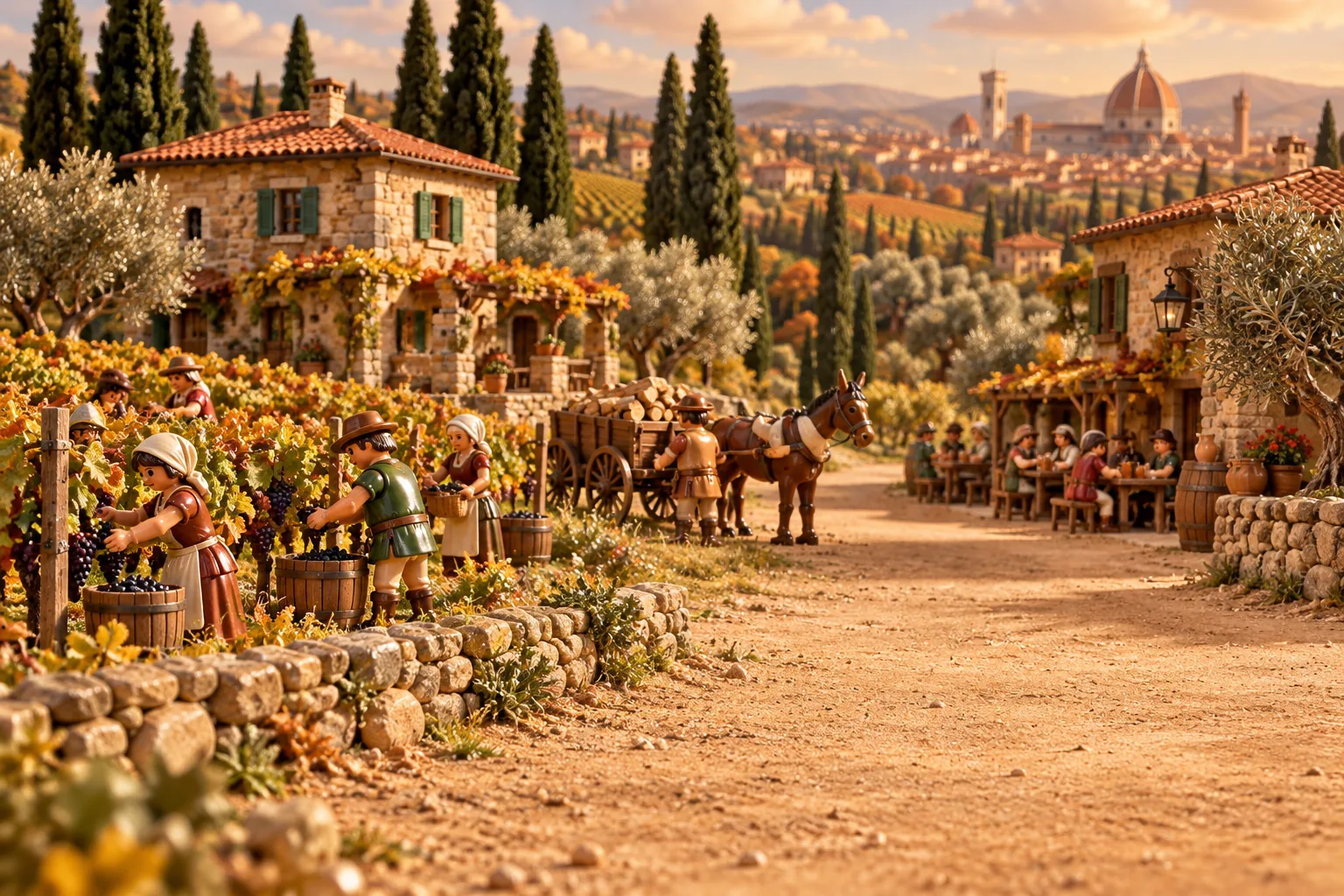 1469–1527 · Sant'Andrea in Percussina, near FlorenceNiccolò MachiavelliThrown out of office and tortured when the Medici came back, he retired to a small farm, and every evening he changed out of his muddy clothes into an ambassador's robes to write The Prince.
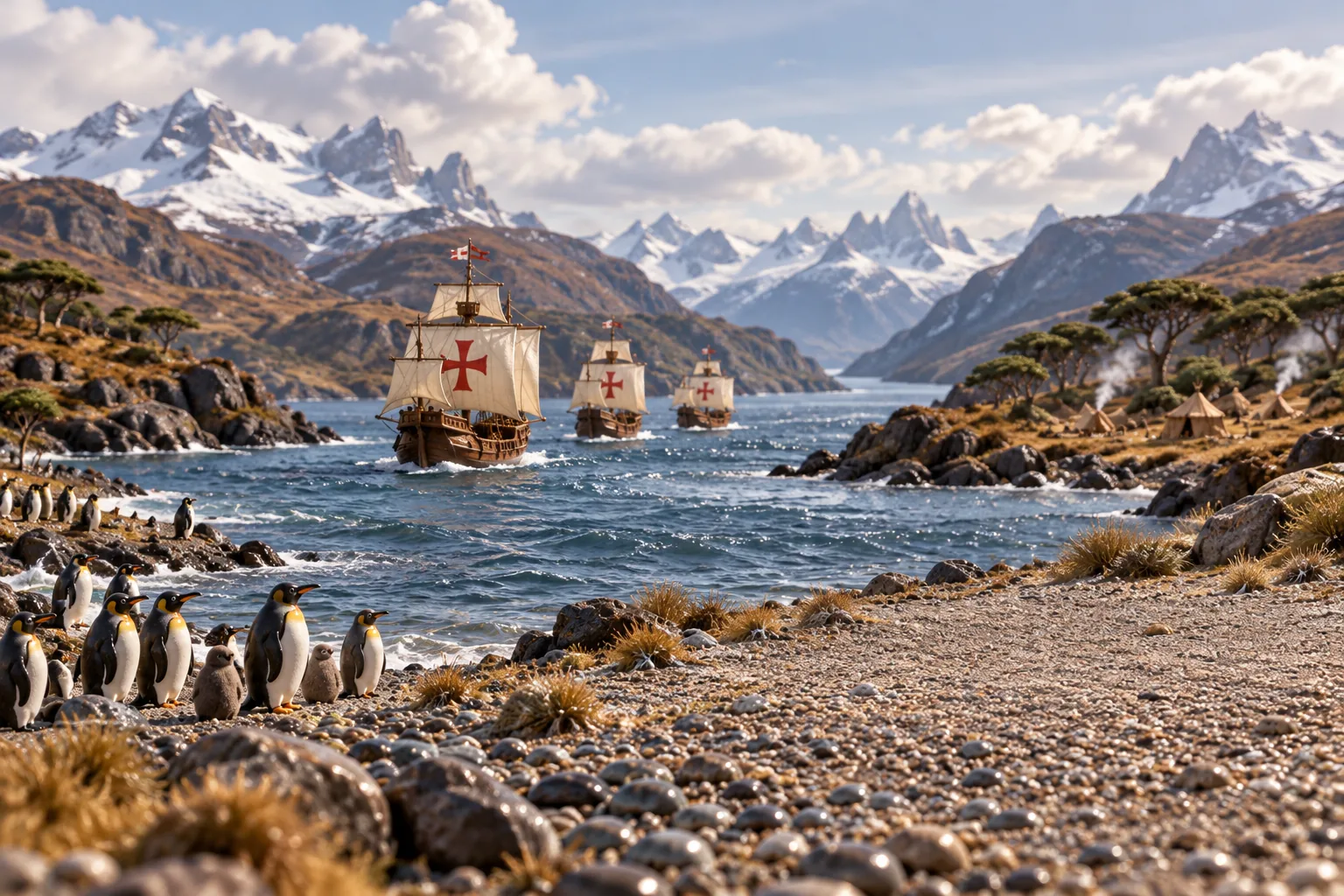 c. 1480 – 1521 · Strait of Magellan, ChileFerdinand MagellanAfter a mutiny and a winter of waiting in Patagonia, his ships found a narrow channel at the bottom of the world, and through it a calm ocean he named the Pacific.
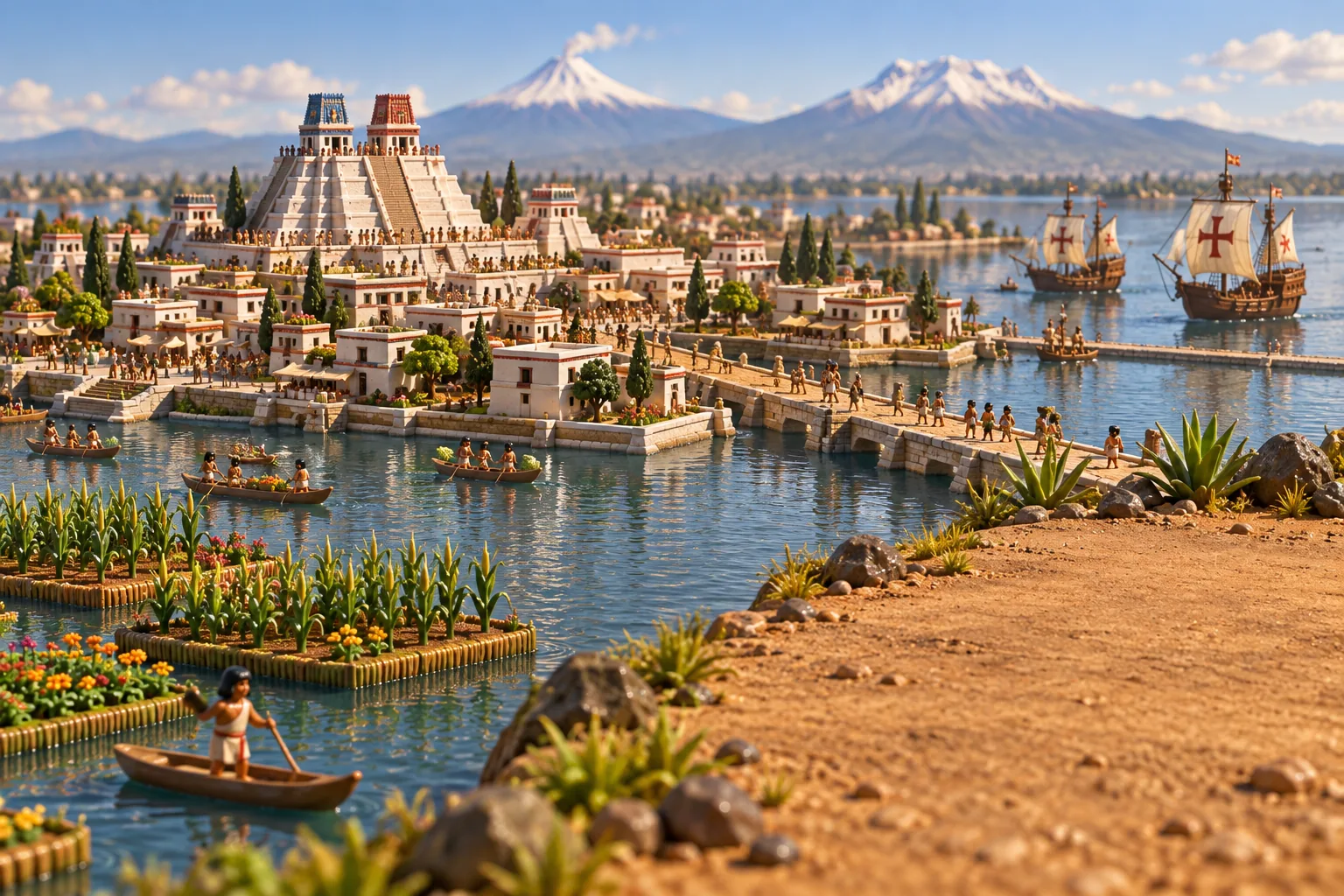 c. 1485 – 1547 · Tenochtitlan (Mexico City)Hernán CortésHe sailed for Mexico against his governor's orders with about 500 men, sank his own ships so no one could turn back, and two years later the Aztec capital was his.
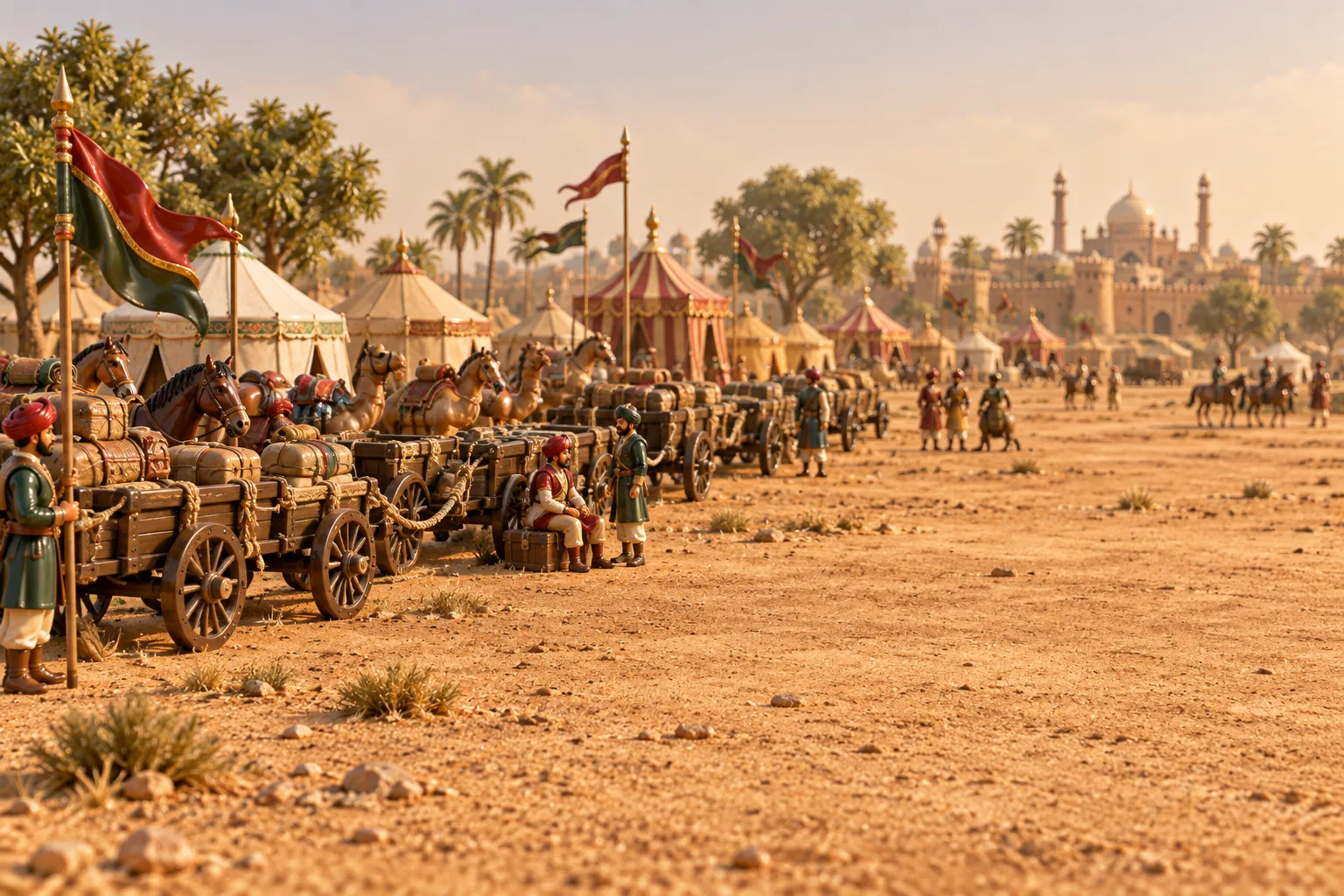 1483–1530 · Panipat, IndiaBaburDriven from his homeland and three times from Samarkand, a Timurid prince with a far smaller army lashed 700 carts together on the plain of Panipat and won an empire in India.
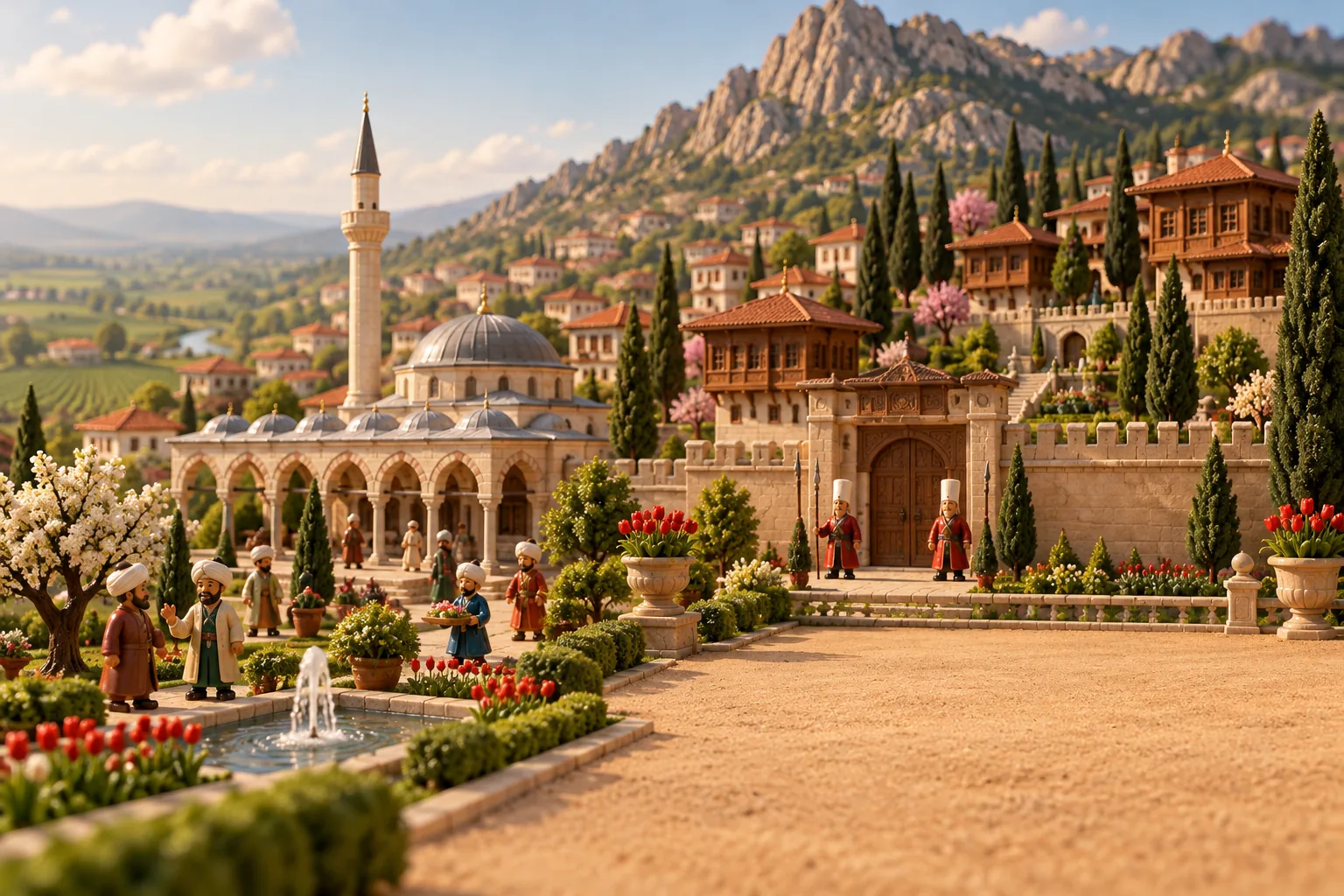 c. 1499 – 1581 · Manisa, TurkeyMahidevranIn 1533 she followed her son, the sultan's popular heir, to his post in Manisa, and for twenty years she reminded him every day to beware of poison.
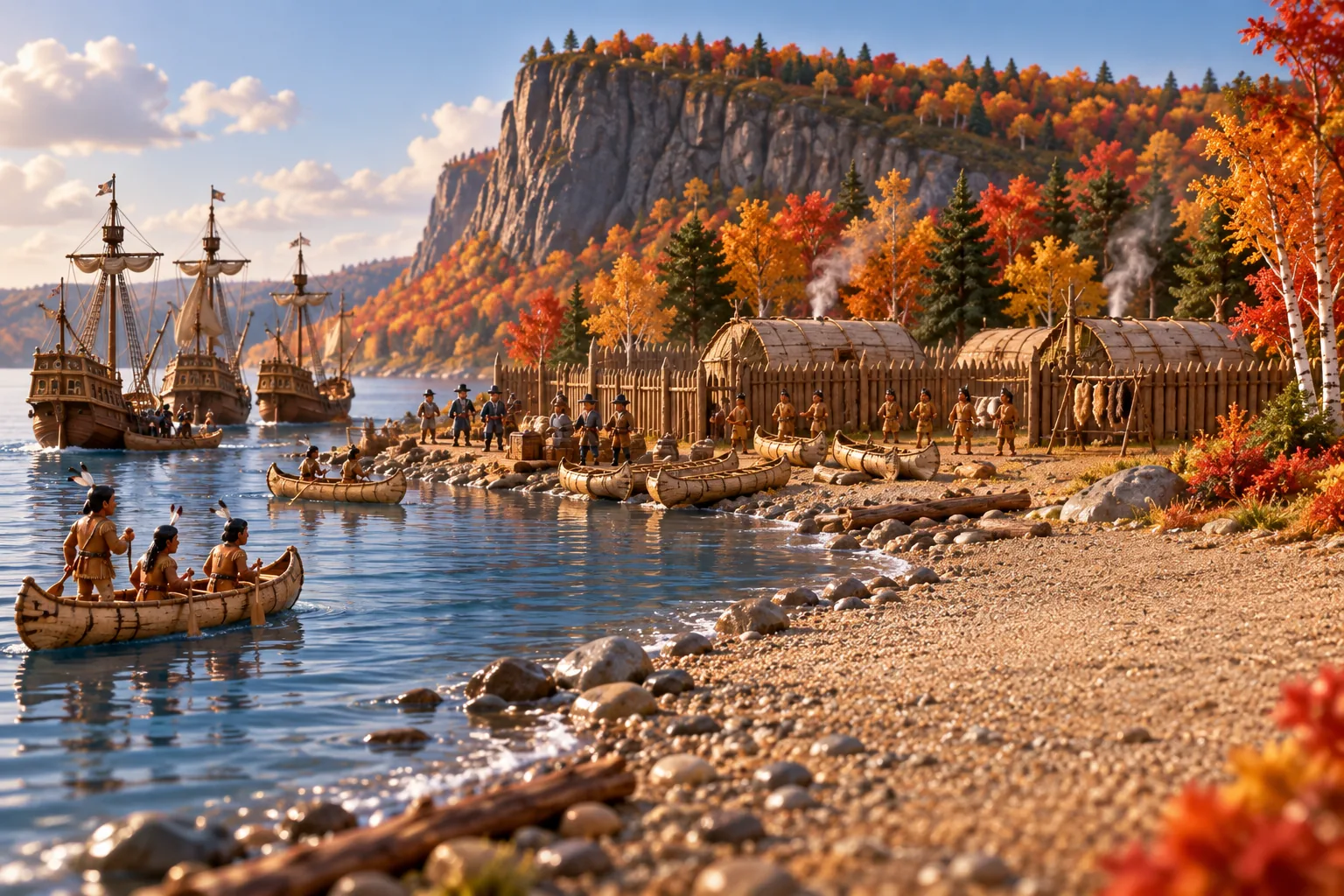 1491–1557 · Stadacona, now Quebec CityJacques CartierLooking for a sea route to China, he sailed up a great river in 1535 and heard the Iroquoian word for village, kanata, and that is how a whole country got its name.
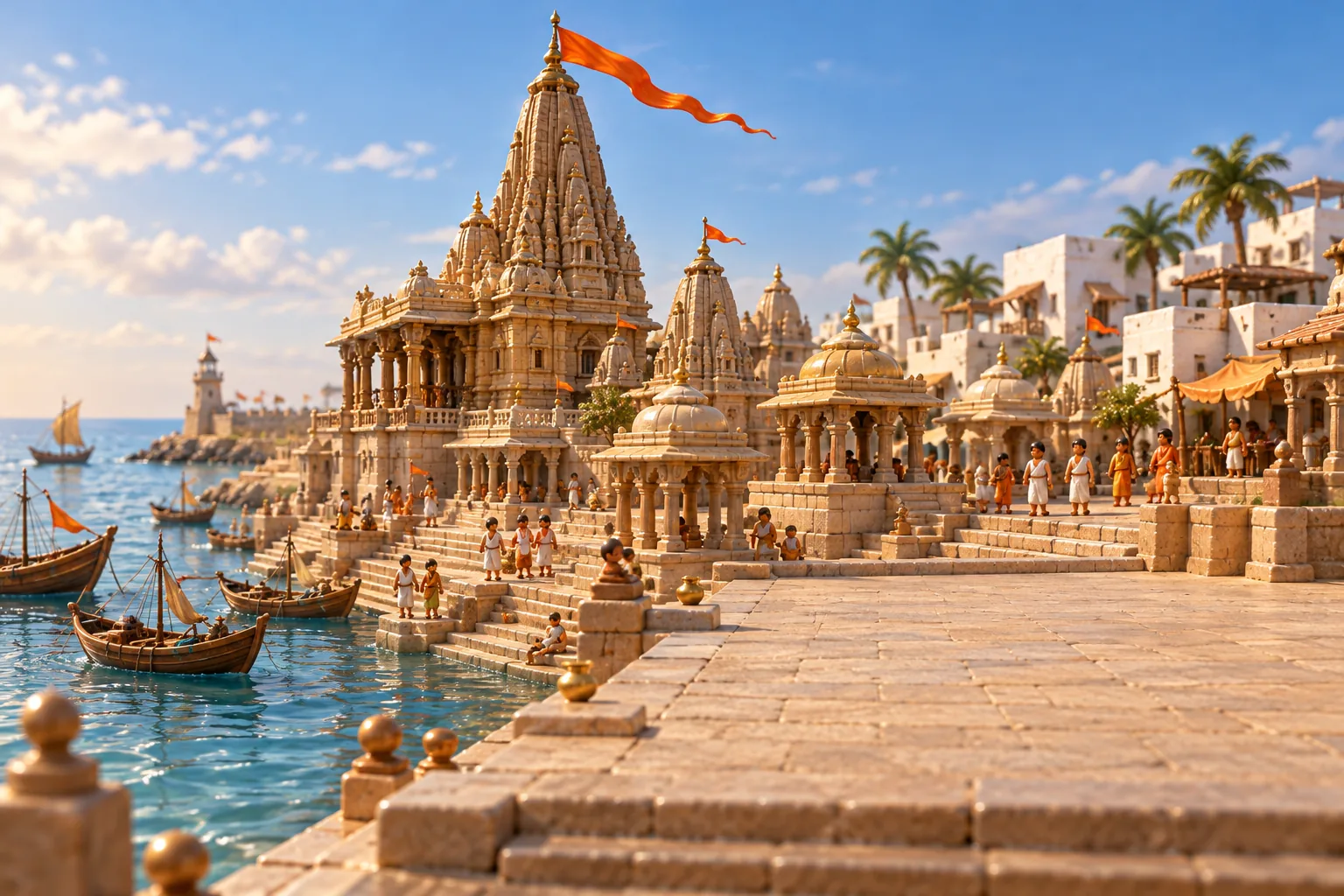 c. 1498 – c. 1547 · Dwarka, Gujarat, IndiaMirabaiA Rajput princess called Krishna her only true husband, and the songs she sang about him are still sung all over India five centuries later.
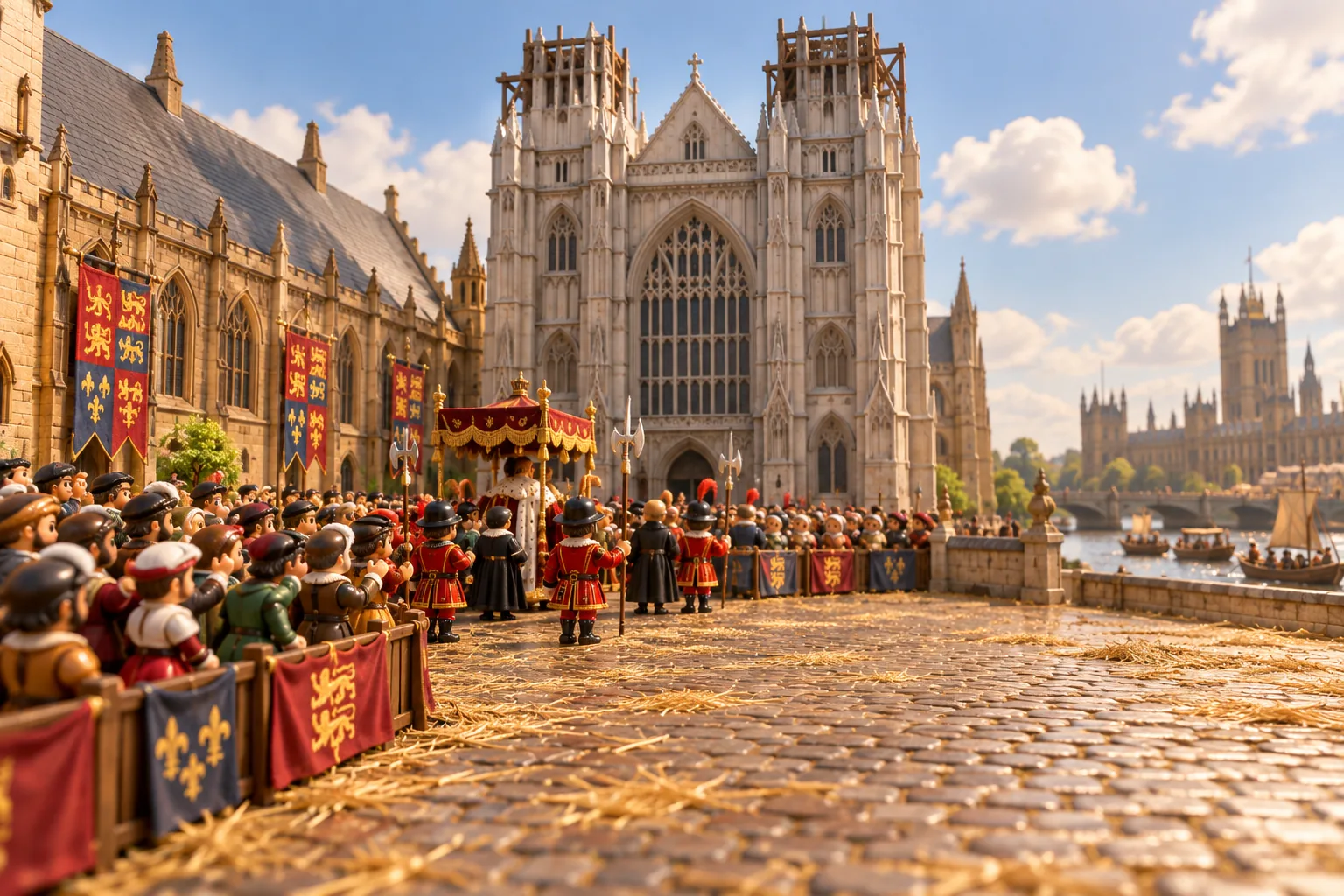 1516–1558 · Westminster Abbey, LondonMary IDeclared a bastard by her own father, she raised an army, toppled the nine-day queen and was crowned the first woman to rule England in her own right.
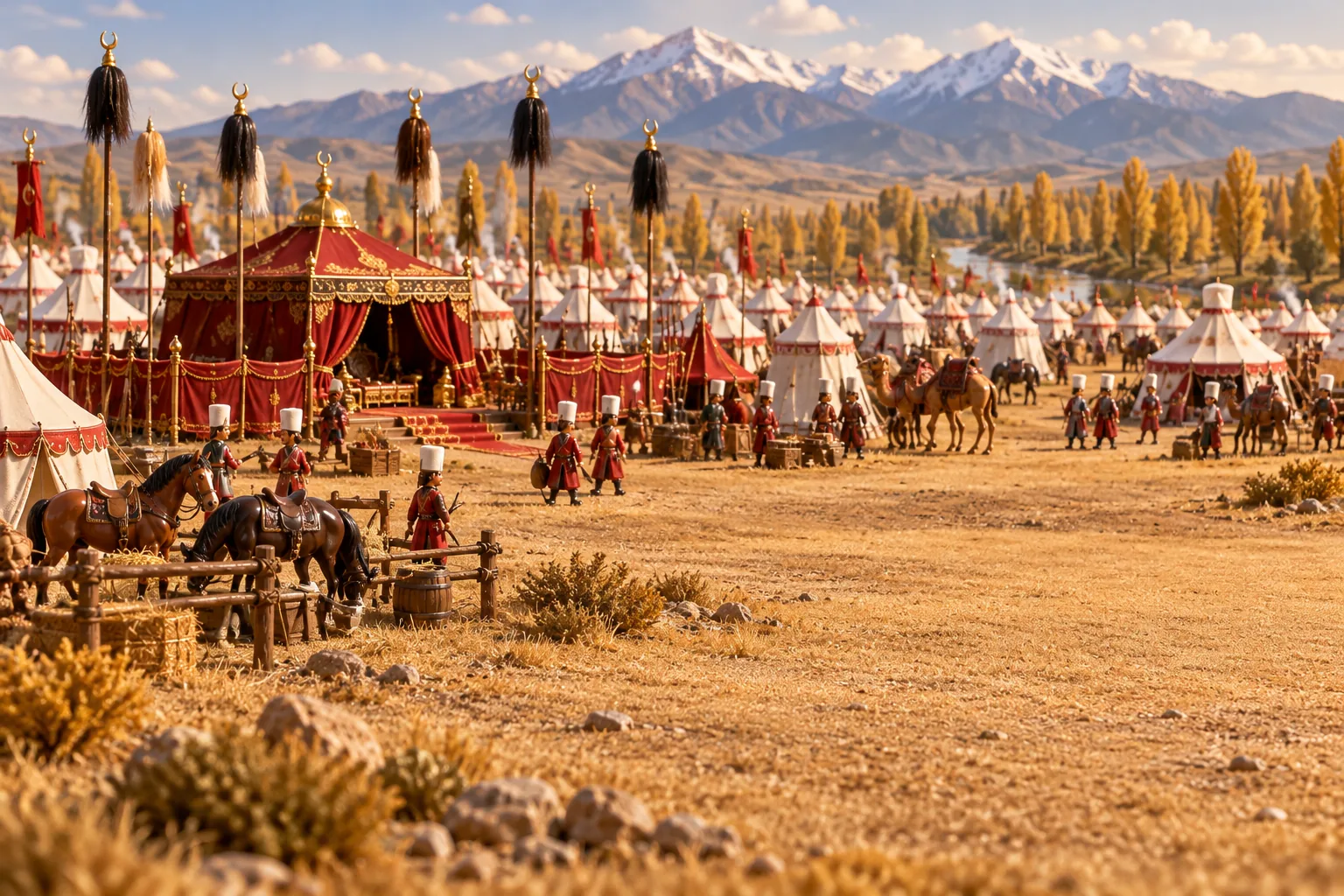 c. 1516 – 1553 · Ereğli, near Konya, TurkeyŞehzade MustafaCalled to his father's tent, the heir the janissaries loved left his weapons at the door, as custom required, and never came out again.
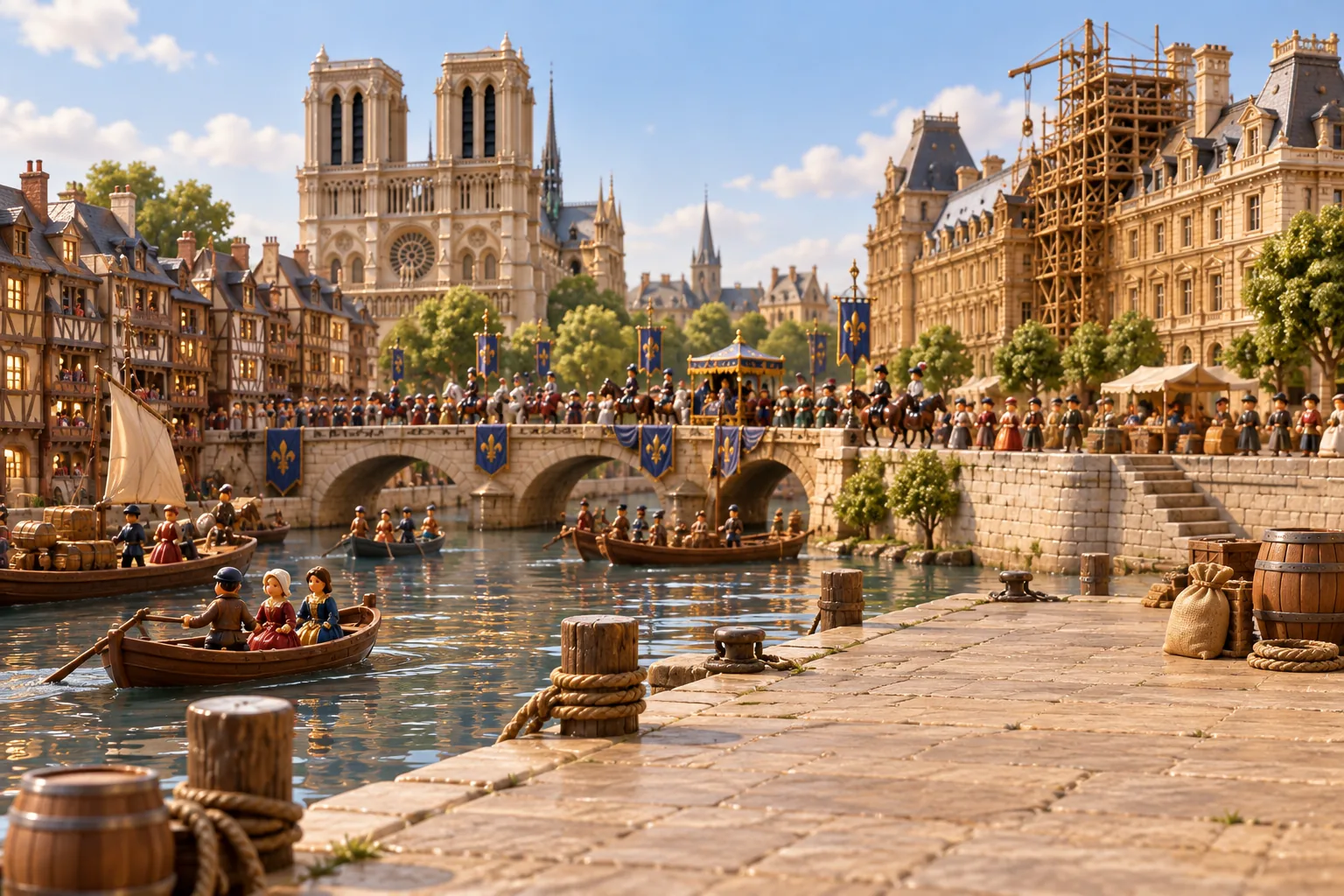 1542–1587 · Paris, FranceMary, Queen of ScotsShe became a queen before she was a week old, and at sixteen a joust in Paris made her queen of a second country.
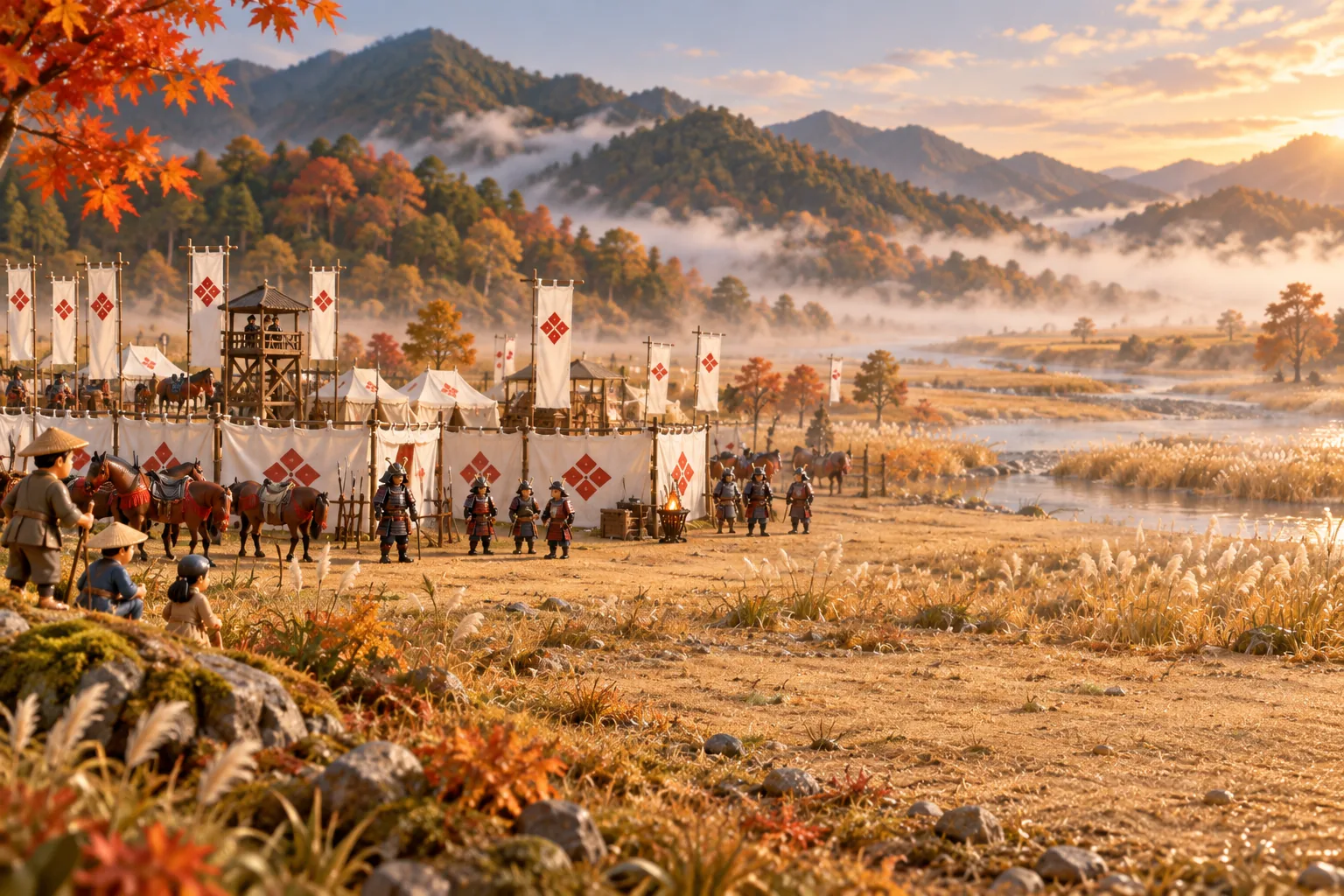 1521–1573 · Kawanakajima, Shinano (Nagano), JapanTakeda ShingenIn 1561, on the plain where two rivers meet, the Tiger of Kai and the Dragon of Echigo fought the fiercest of their five battles, and neither could finish the other.
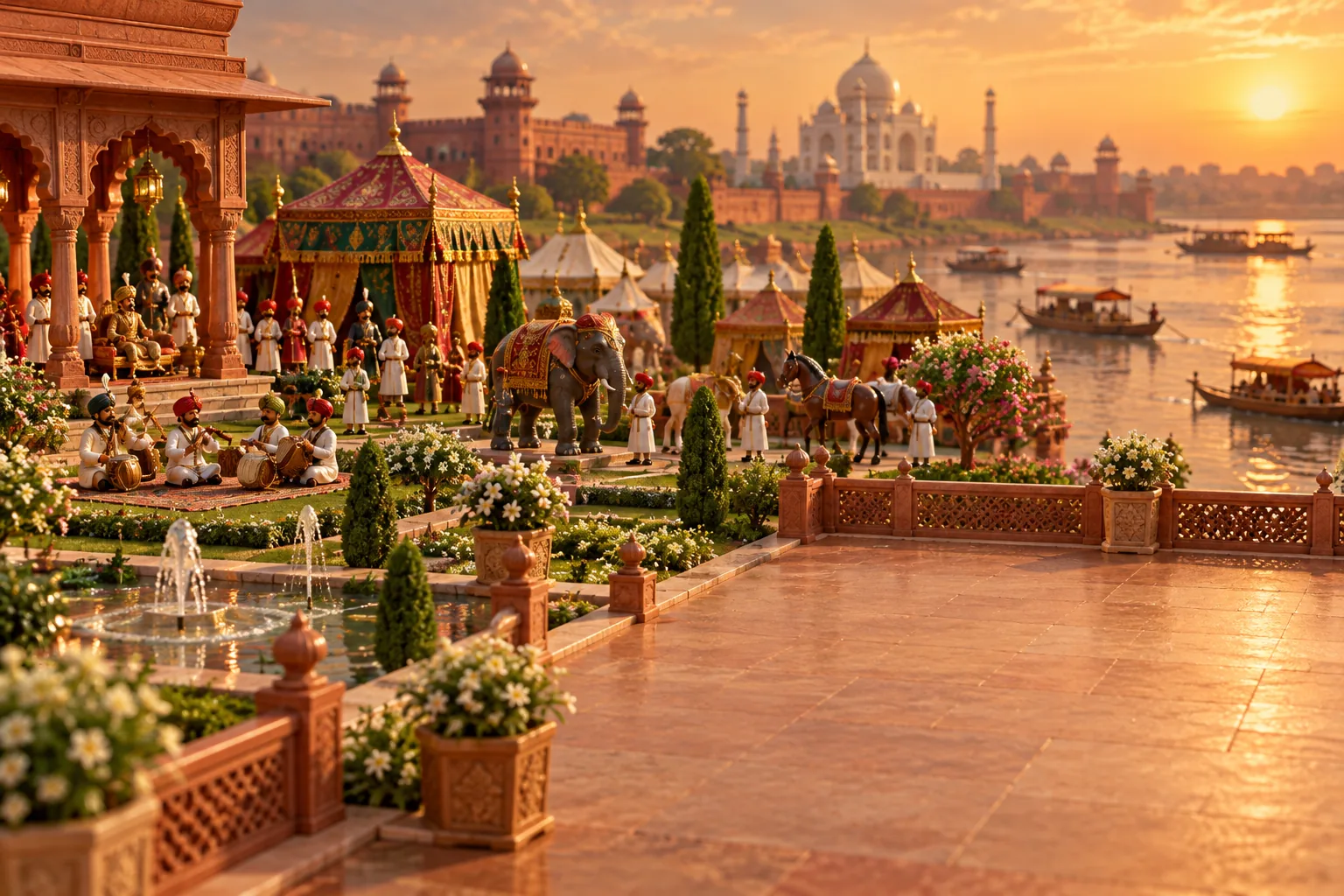 c. 1493 – 1589 · Agra, IndiaTansenHe wanted to retire into solitude, but the king of Rewa sent him to the Mughal emperor. In 1562, at about sixty, Tansen sang for Akbar for the first time.
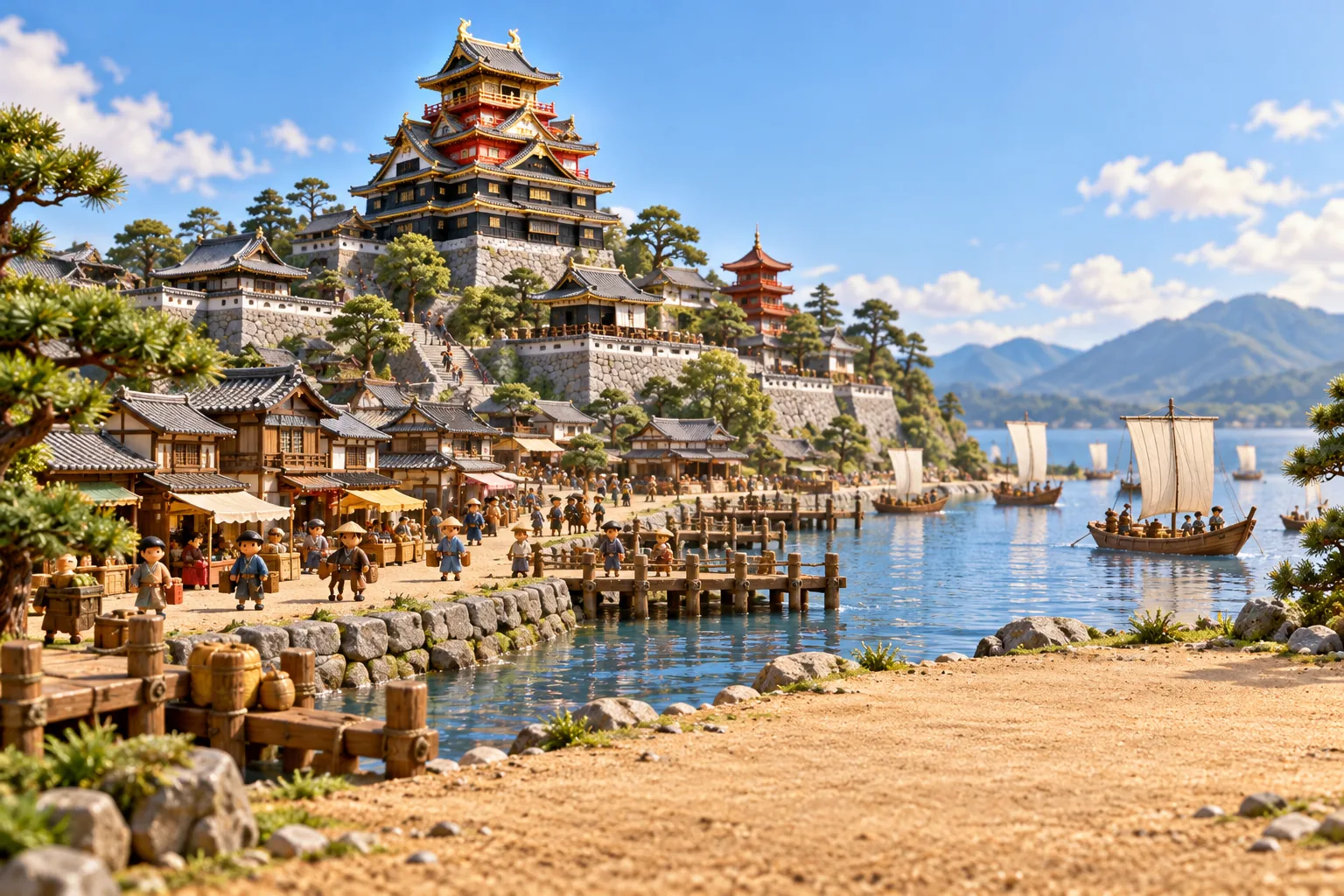 1534–1582 · Azuchi Castle, Lake Biwa, JapanOda NobunagaOnce mocked as the Fool of Owari, the most powerful warlord in Japan finished a castle above Lake Biwa in 1579, close enough to Kyoto to watch every road into the capital.
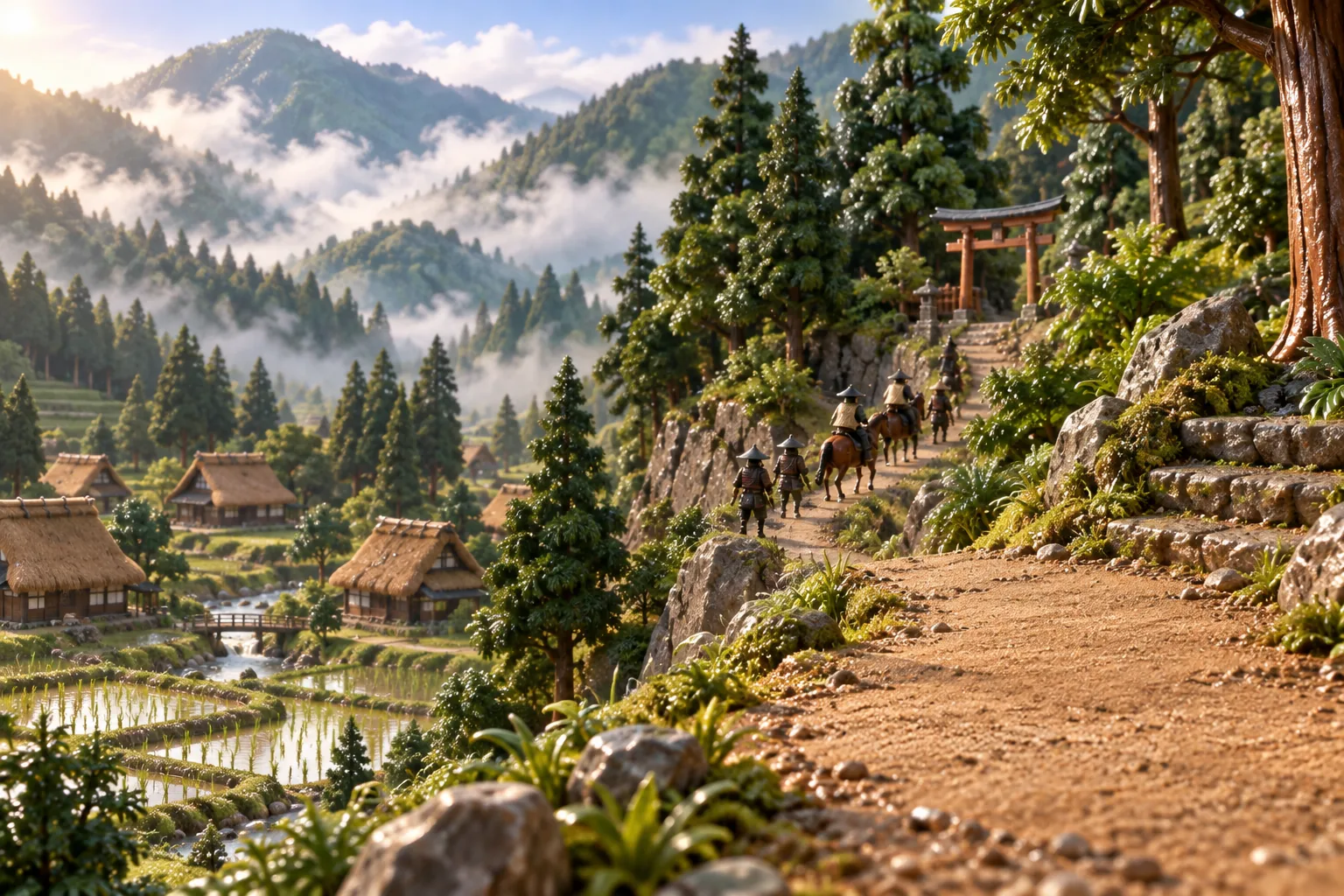 c. 1542 – 1597 · Iga Province (Mie), JapanHattori HanzōIn June 1582, with Nobunaga dead and samurai-hunting gangs on every road, Tokugawa Ieyasu crossed the mountains of Iga with 34 companions. One of them was Hanzō.
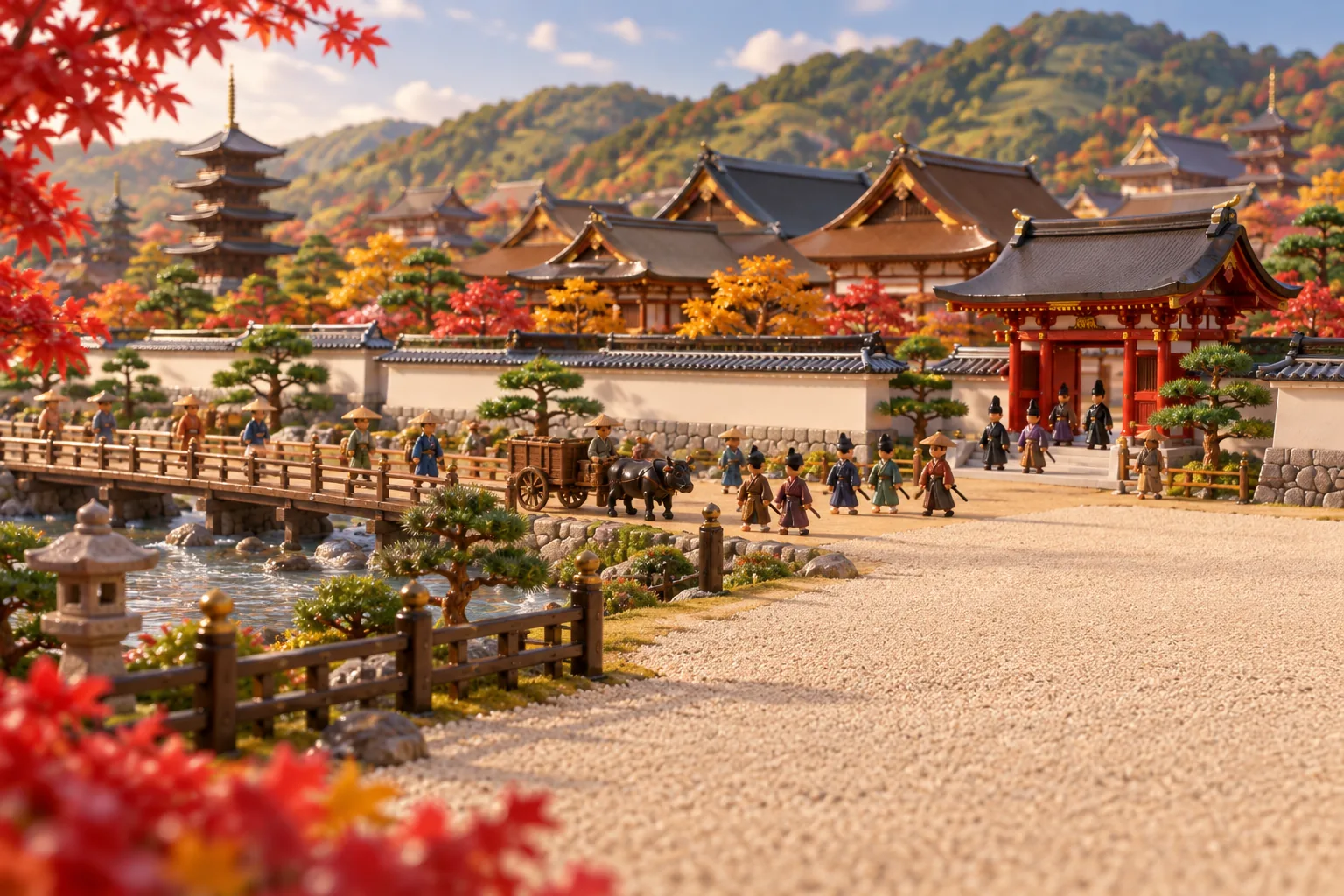 1537–1598 · Kyoto, JapanToyotomi HideyoshiA foot soldier's son with no surname who once begged in the streets became in 1585 the first commoner ever named Imperial Regent of Japan.
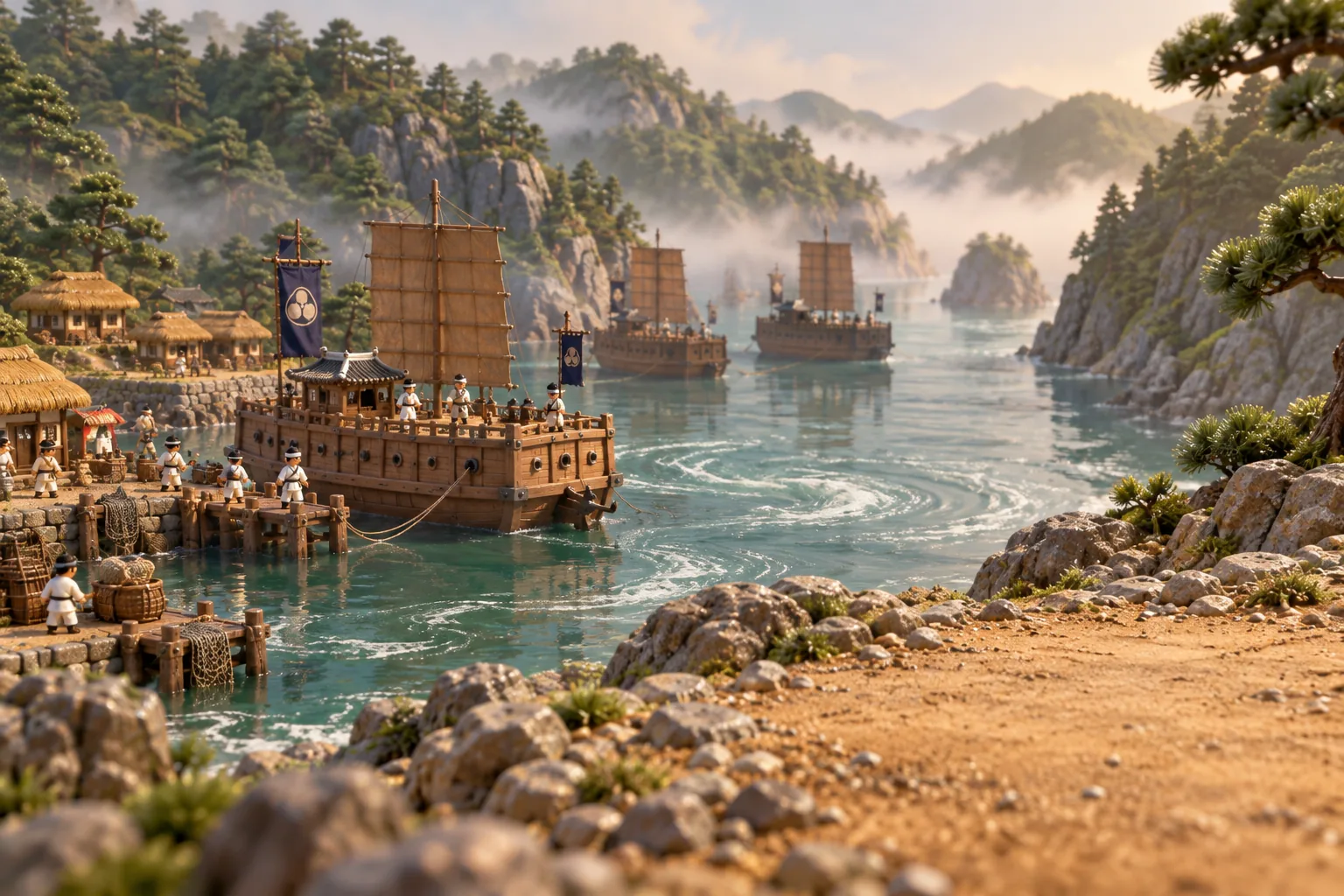 1545–1598 · Myeongnyang Strait, KoreaYi Sun-sinTold by his king to give up his last 13 ships and fight on land, he replied that he still had twelve warships and was still alive.
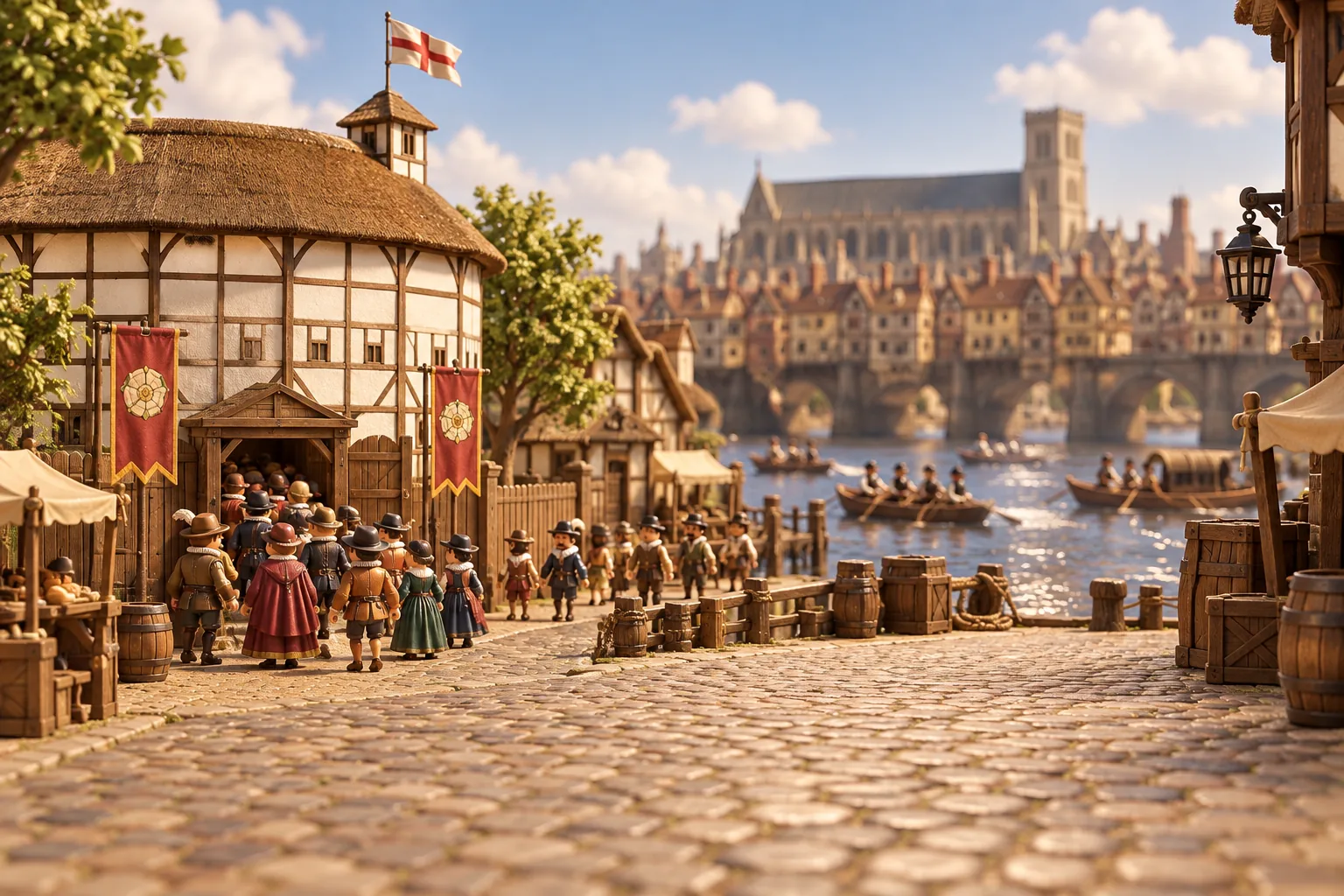 1564–1616 · Globe Theatre, Southwark, LondonWilliam ShakespeareIn 1599 his acting company tore down their old playhouse, carried its timbers across the Thames and built the Globe, where he staged Hamlet, Othello and King Lear.
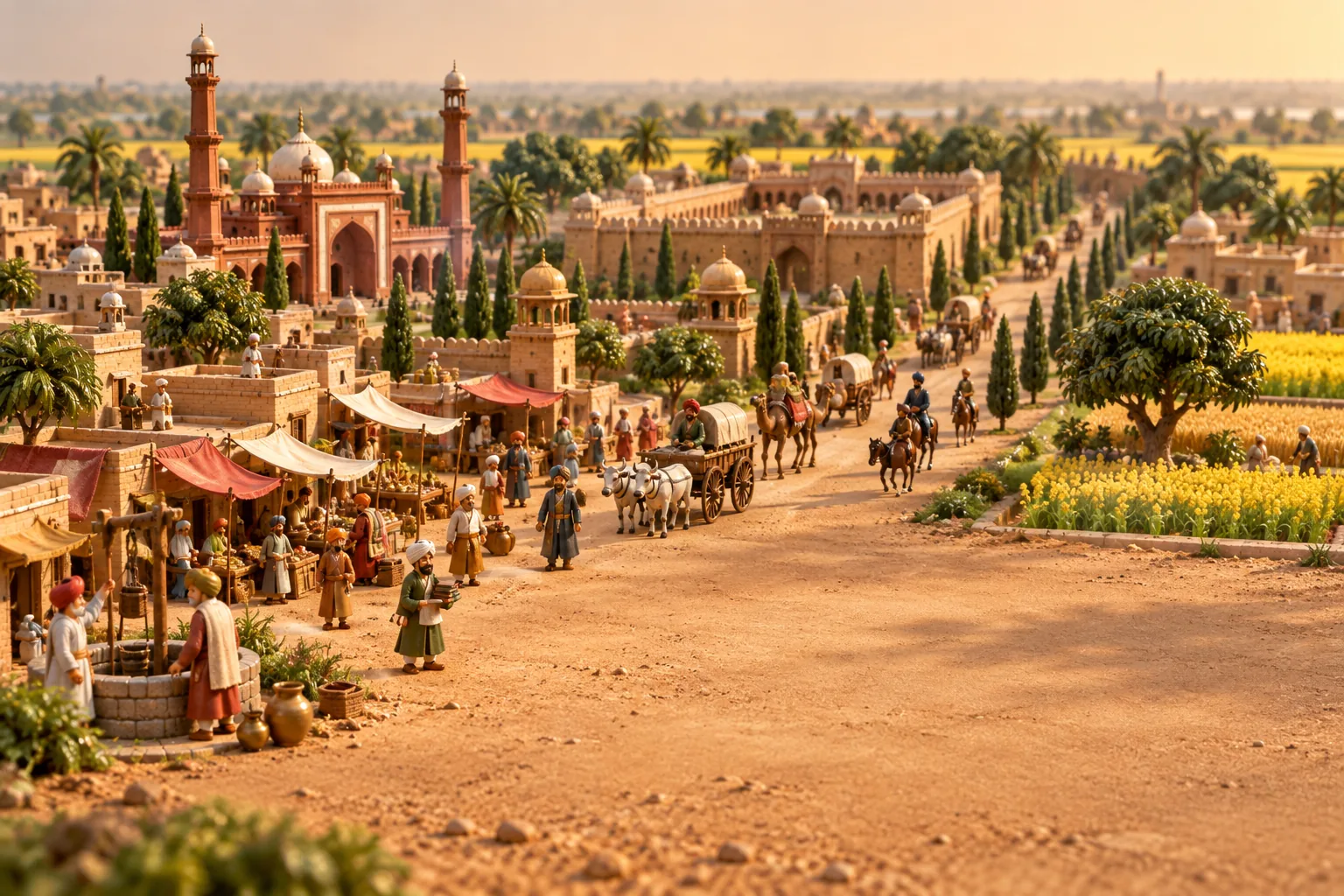 1564–1624 · Sirhind, Punjab, IndiaAhmad SirhindiAt 36 a scholar from a Punjab town joined a Sufi order, and his letters to nobles and emperors would shape Indian Islam for centuries.
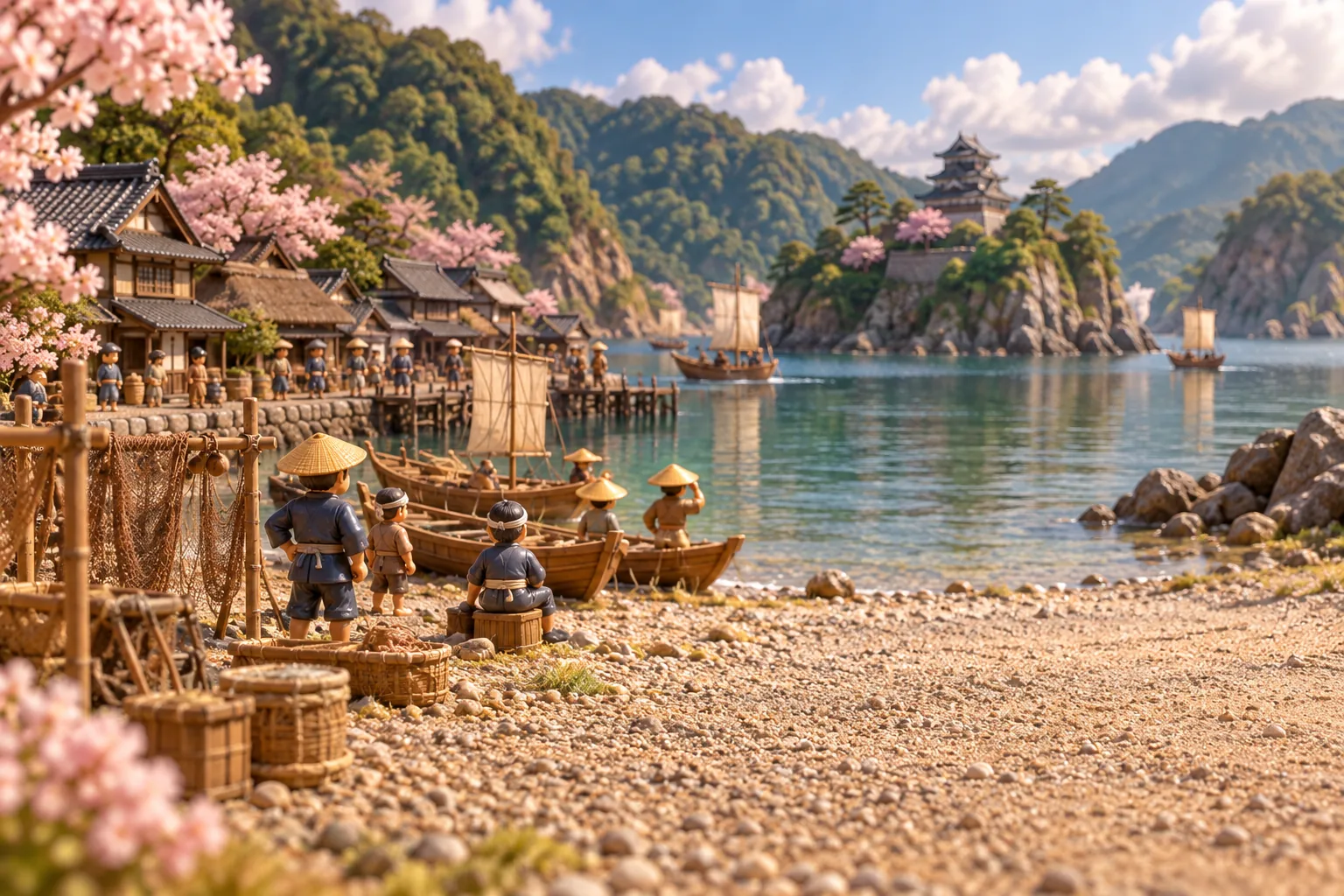 1564–1620 · Usuki, Bungo, JapanWilliam AdamsOf five Dutch ships that left Rotterdam in 1598, one reached Japan. Its English pilot ended his life as a samurai with an estate and a Japanese name.
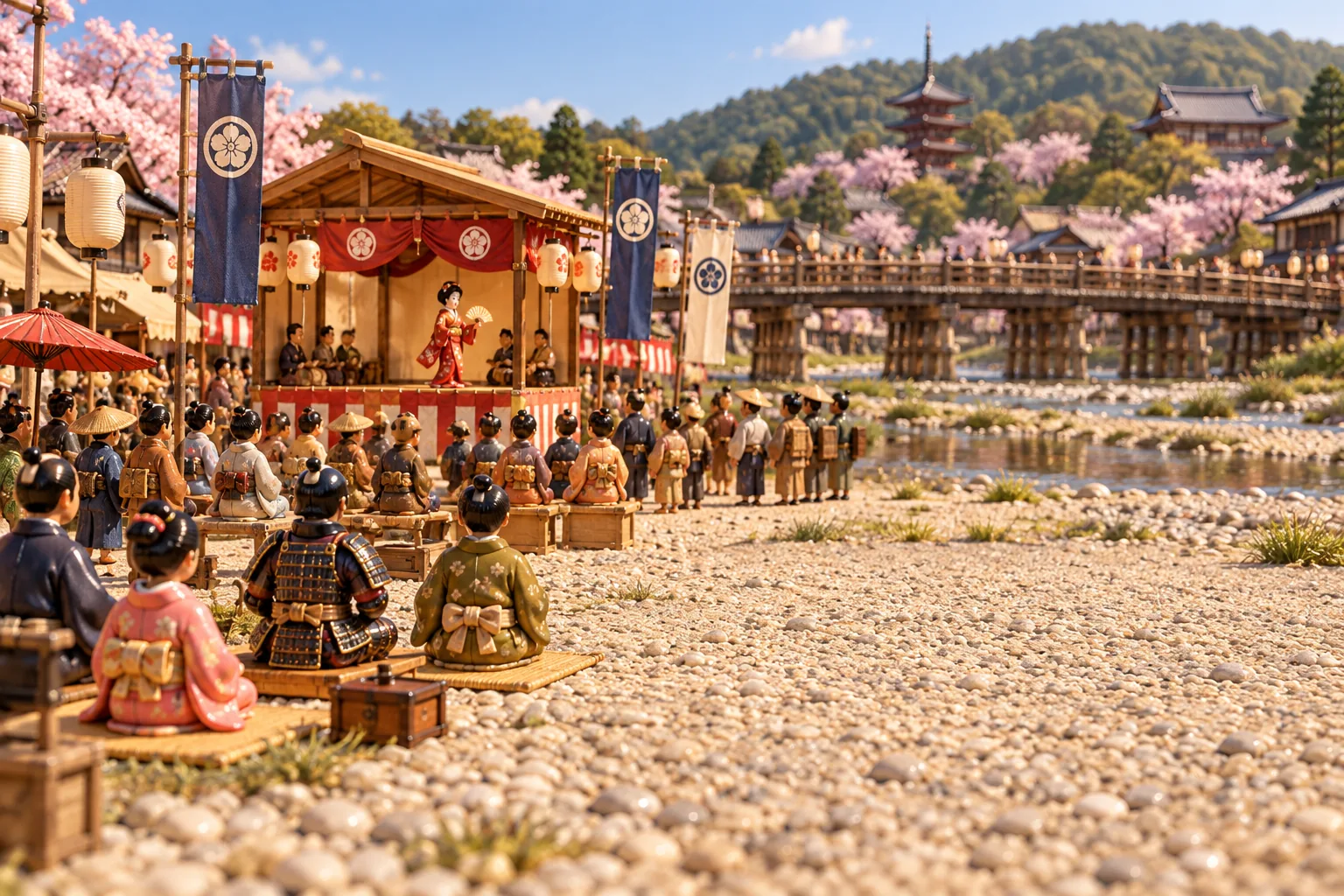 c. 1578 – c. 1613 · Shijōgawara, Kamo River, KyotoIzumo no OkuniAround 1603 a dancer from a distant shrine set up on the dry riverbed in Kyoto, and crowds came to see a show so daring that people called it kabuki.
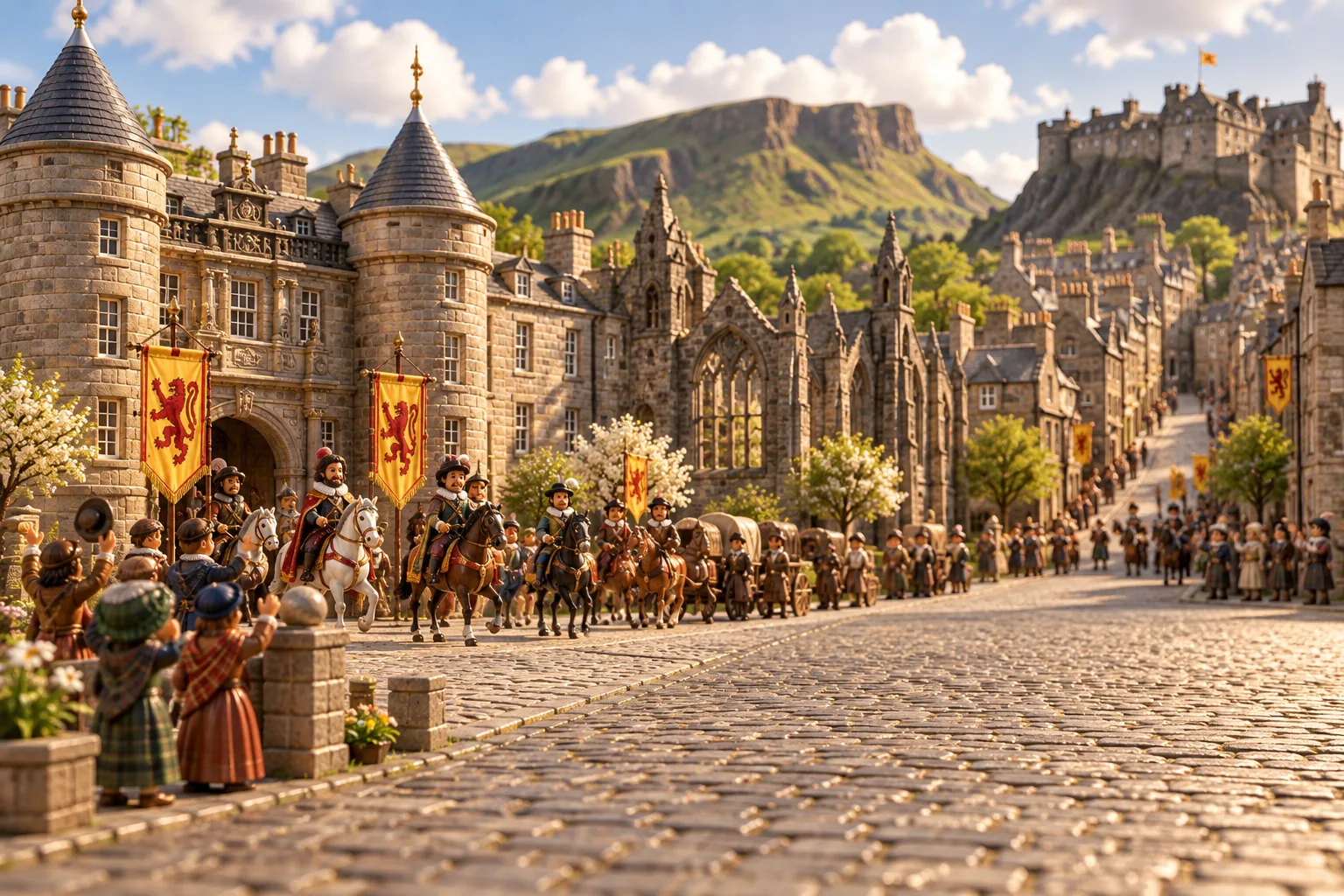 1566–1625 · Palace of Holyroodhouse, EdinburghJames VI and IWhen Elizabeth I died, the King of Scots set off south from Edinburgh to claim England too, marvelling that he was swapping "a stony couch for a deep feather bed".
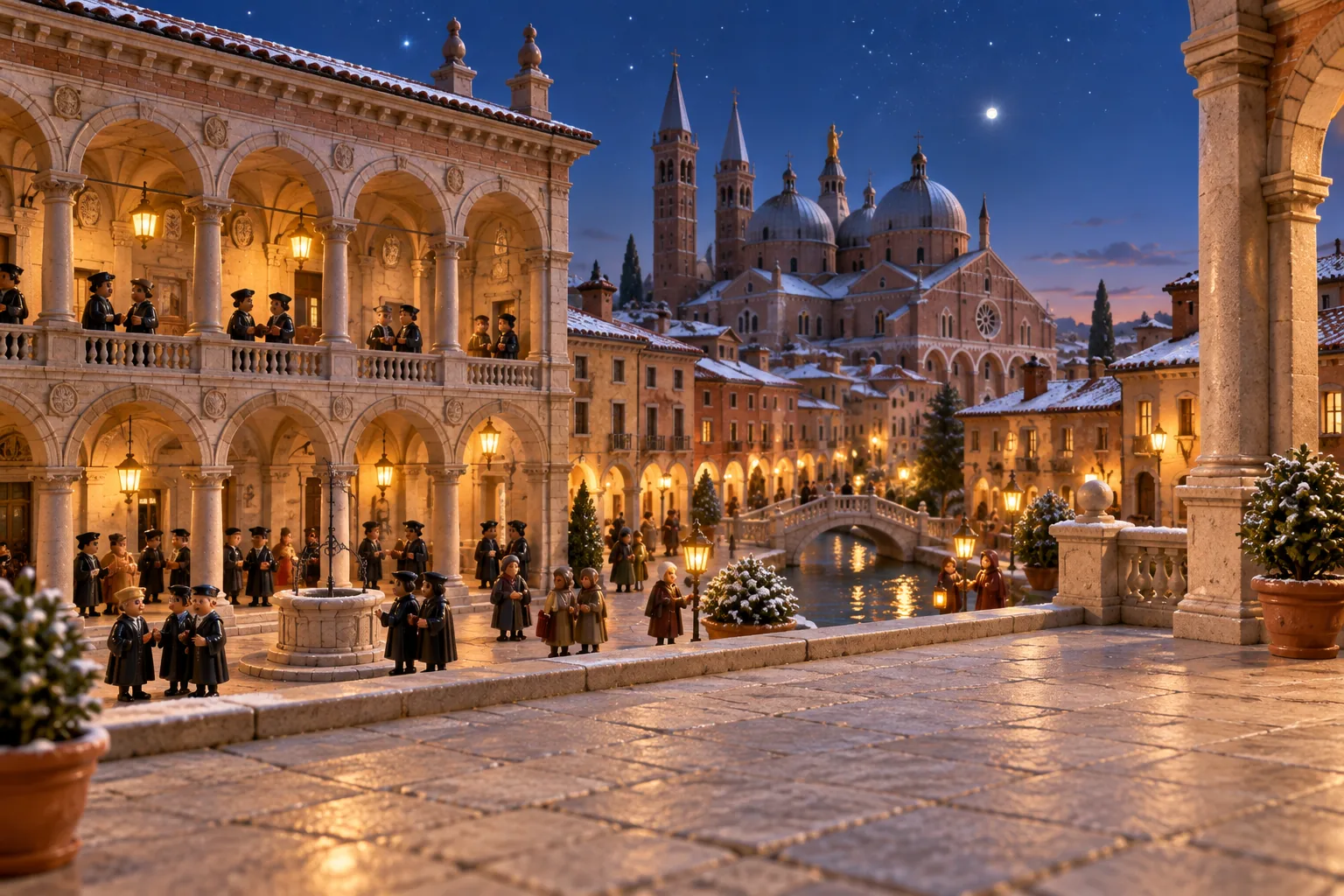 1564–1642 · Padua, Republic of VeniceGalileo GalileiOn a January night in 1610 a professor in Padua saw three tiny "stars" lined up beside Jupiter, and within a week he realised they were moons circling another world.
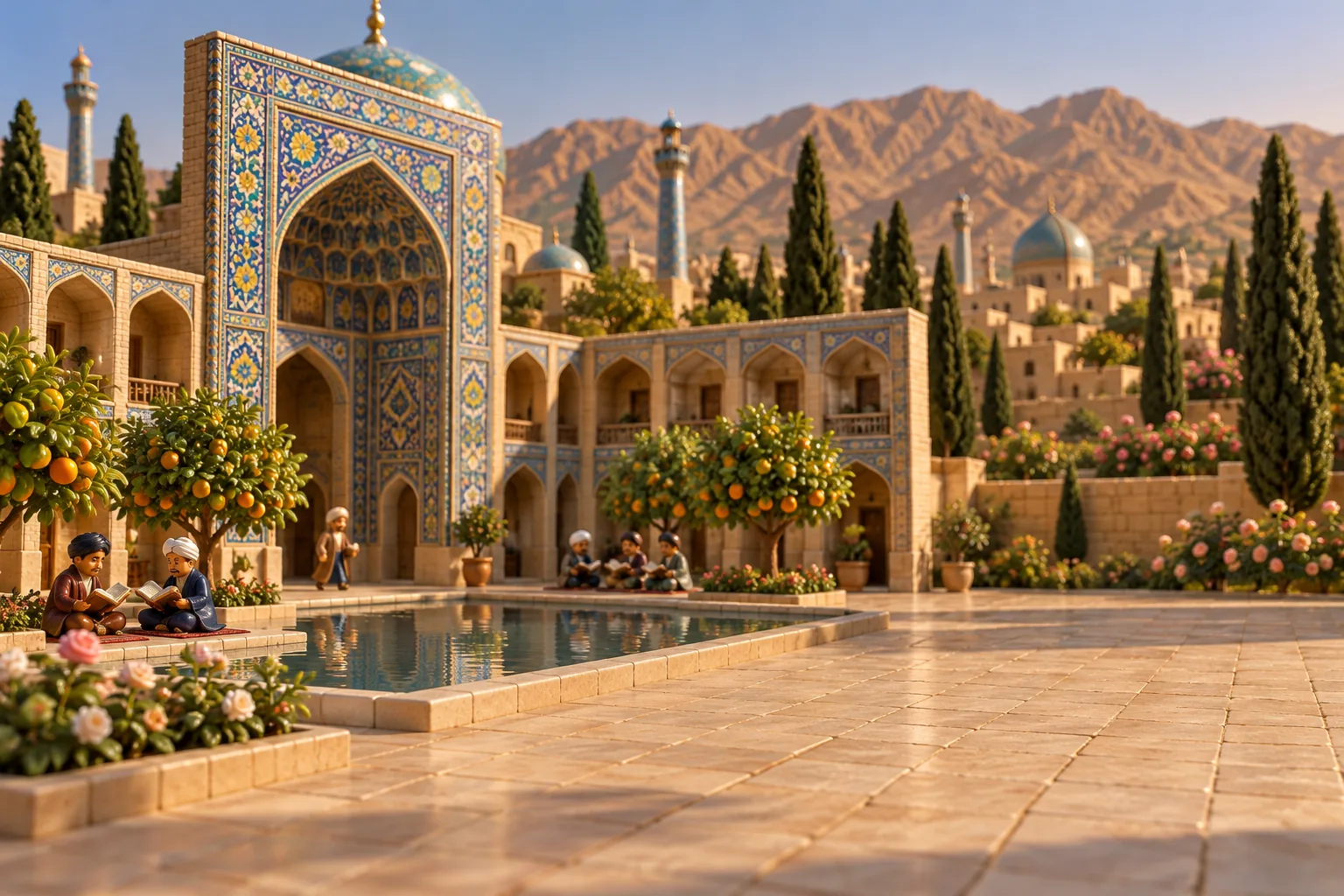 c. 1571 – c. 1640 · Khan School, Shiraz, IranMulla SadraCondemned by clerics for his ideas, he lived for years in a village near Qom. In 1612 the governor of Fars called him home to Shiraz to teach in a brand-new school.
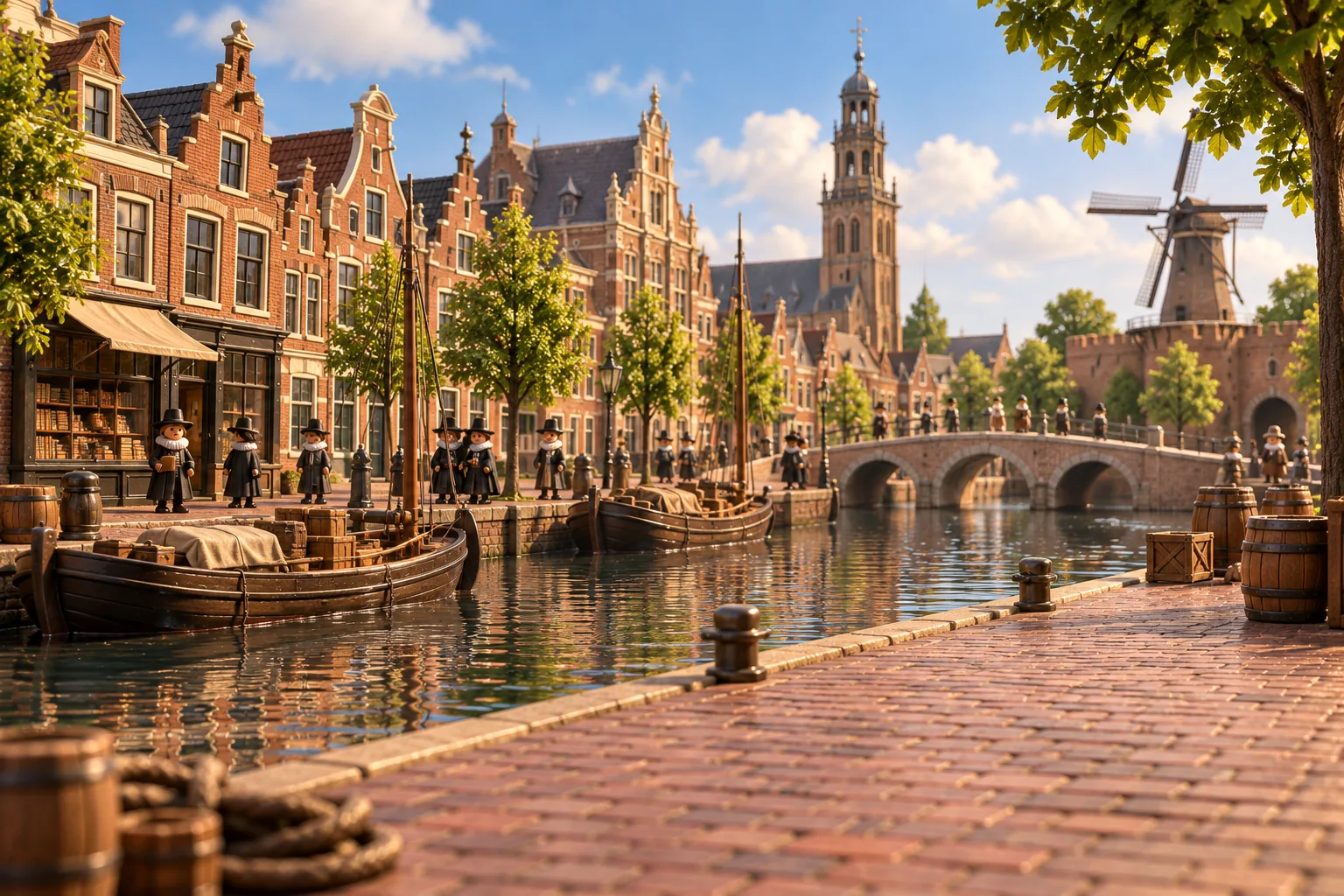 1596–1650 · Leiden, Dutch RepublicRené DescartesHe resolved to doubt everything he could, and found one thing he could not doubt: "Je pense, donc je suis", I think, therefore I am.
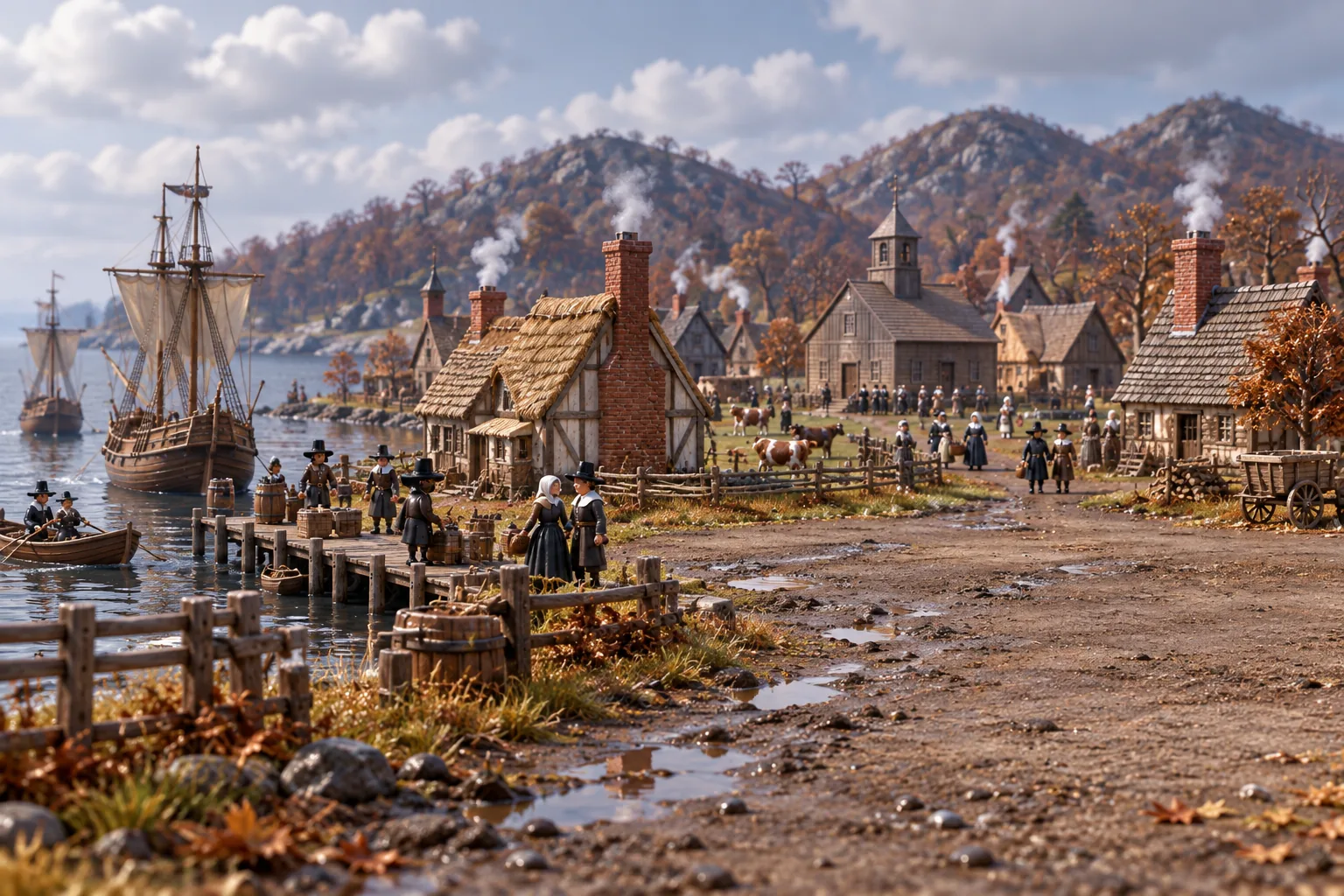 1591–1643 · Boston, Massachusetts Bay ColonyAnne HutchinsonIn November 1637 a mother of fifteen faced the governor and the ministers of Massachusetts alone, and for a whole day they could not catch her out.
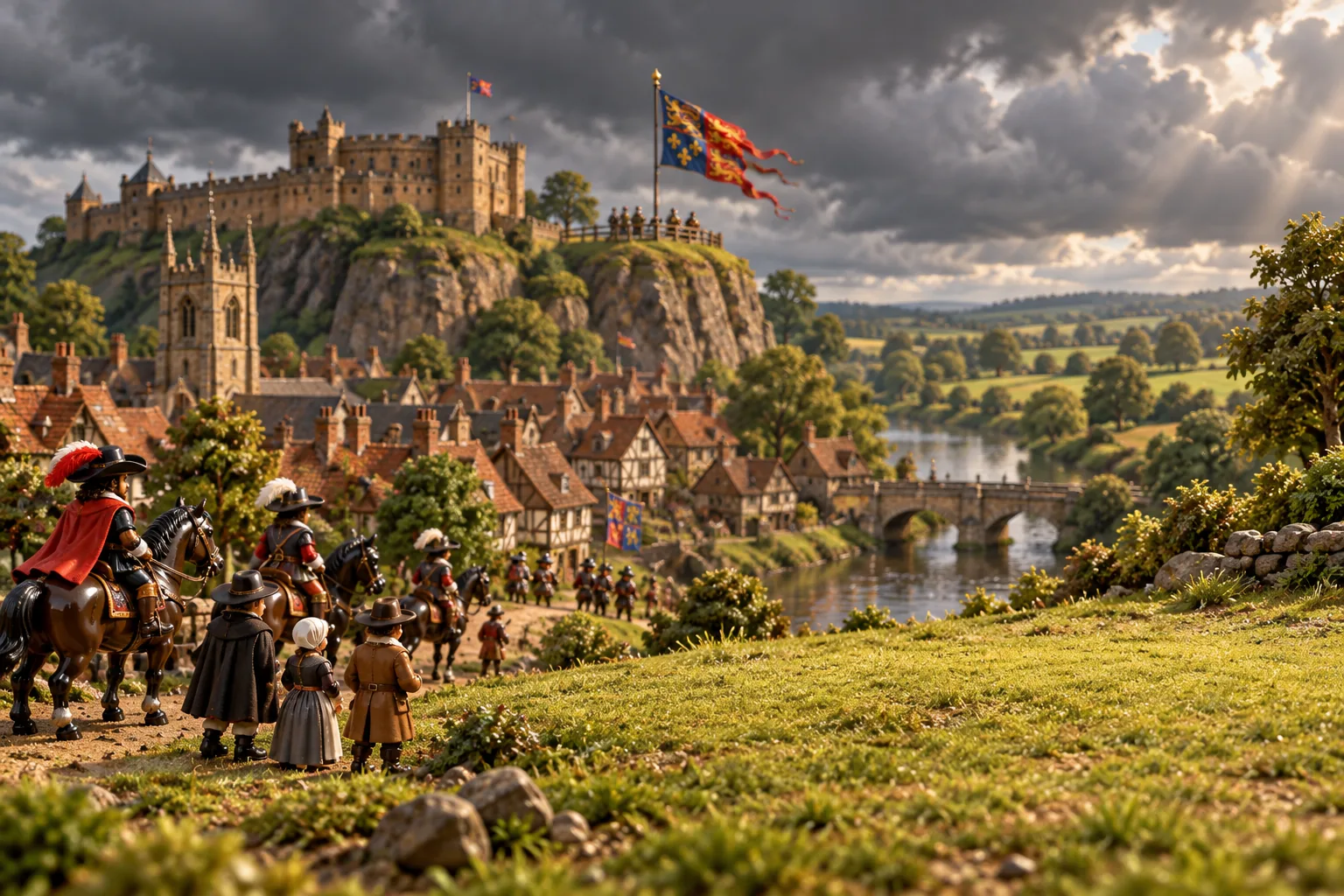 1600–1649 · Nottingham Castle, NottinghamCharles IIn August 1642 the king raised his royal standard at Nottingham, calling his subjects to arms against their own Parliament.
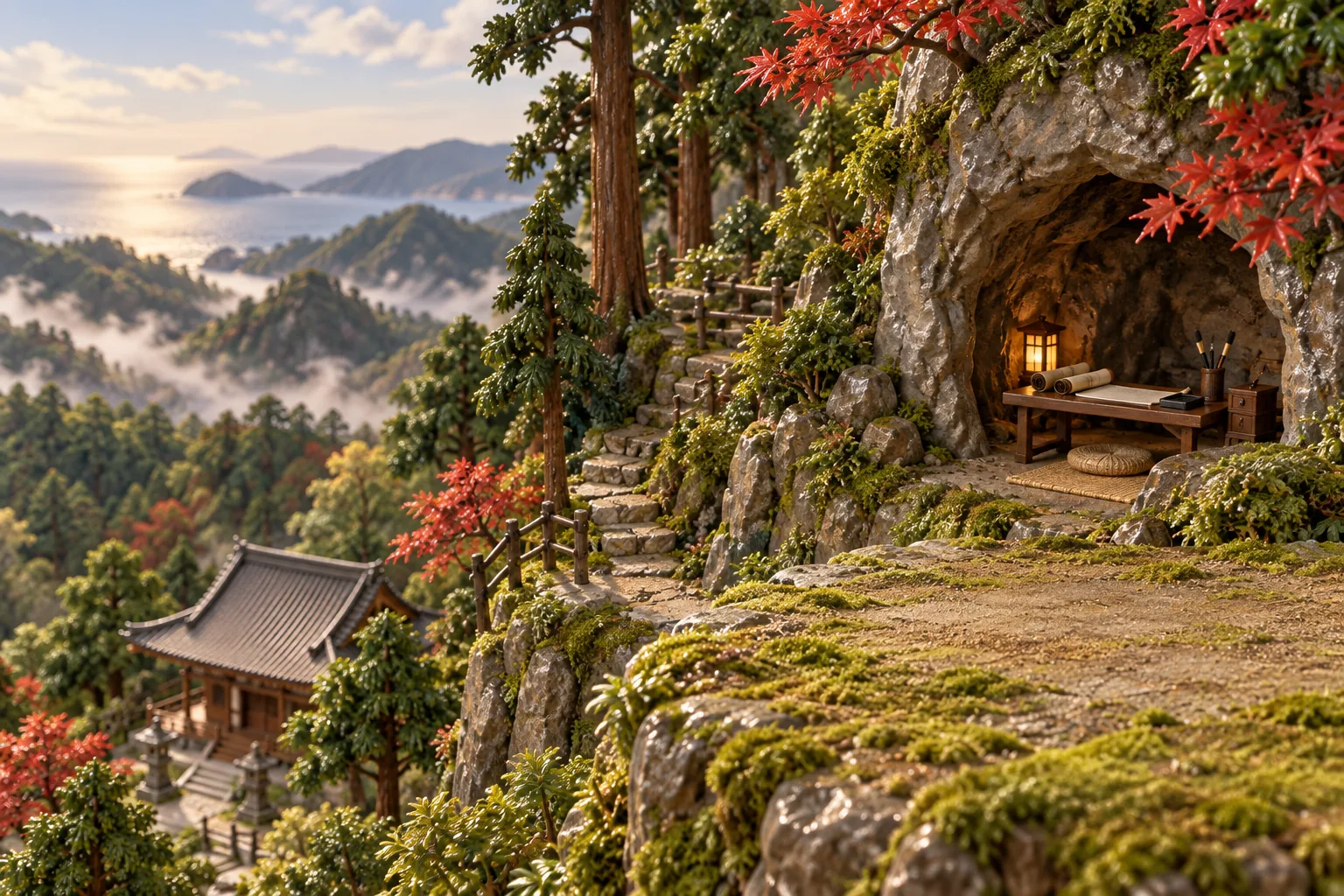 c. 1584 – 1645 · Reigandō cave, near Kumamoto, JapanMiyamoto MusashiAfter a lifetime of duels, the most famous swordsman in Japan retired to a mountain cave in 1643 to write down everything he knew about strategy.
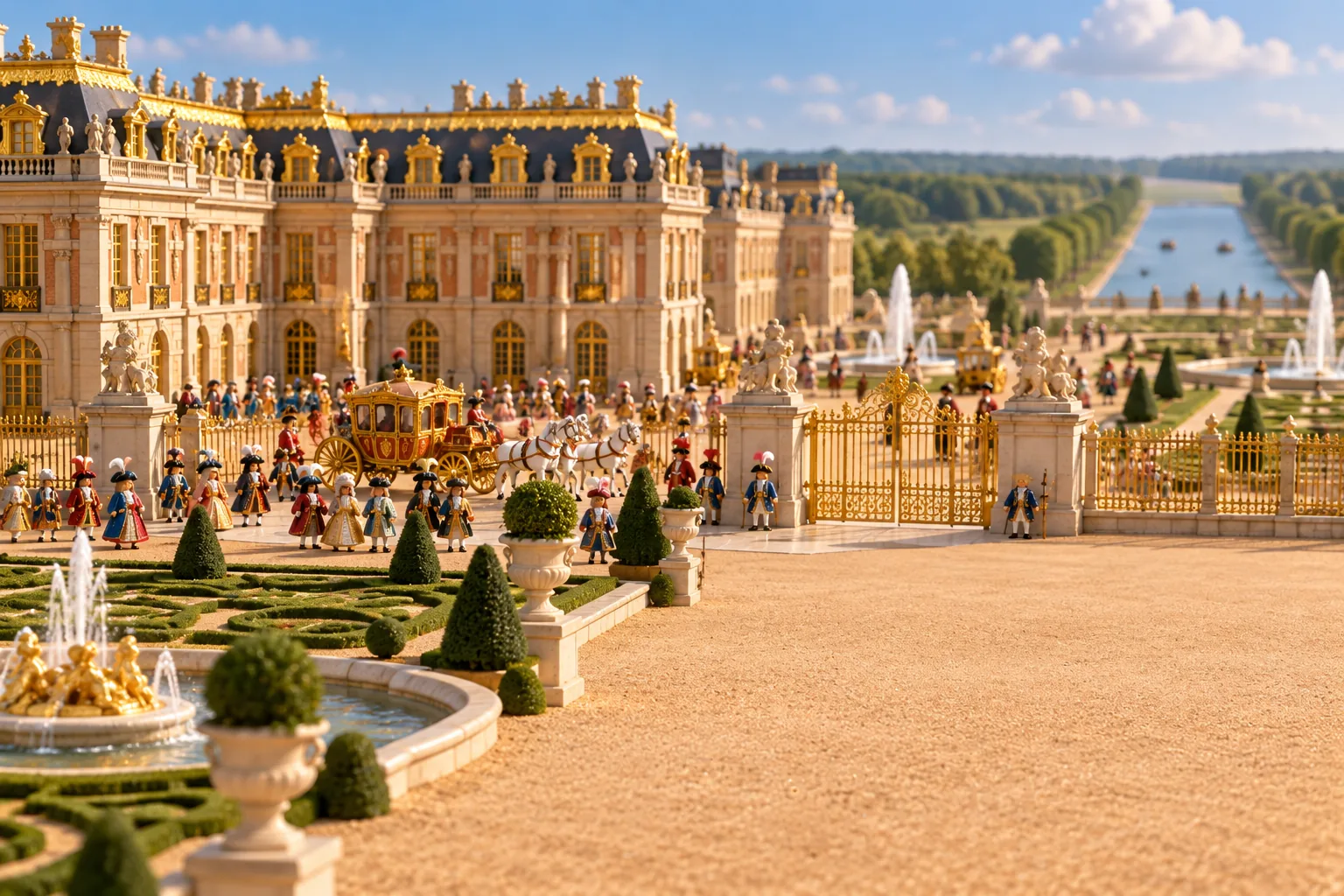 1638–1715 · Palace of Versailles, FranceLouis XIV of FranceHe turned his father's hunting lodge into the most splendid palace in Europe and moved the whole French court there, keeping the great nobles where he could watch them.
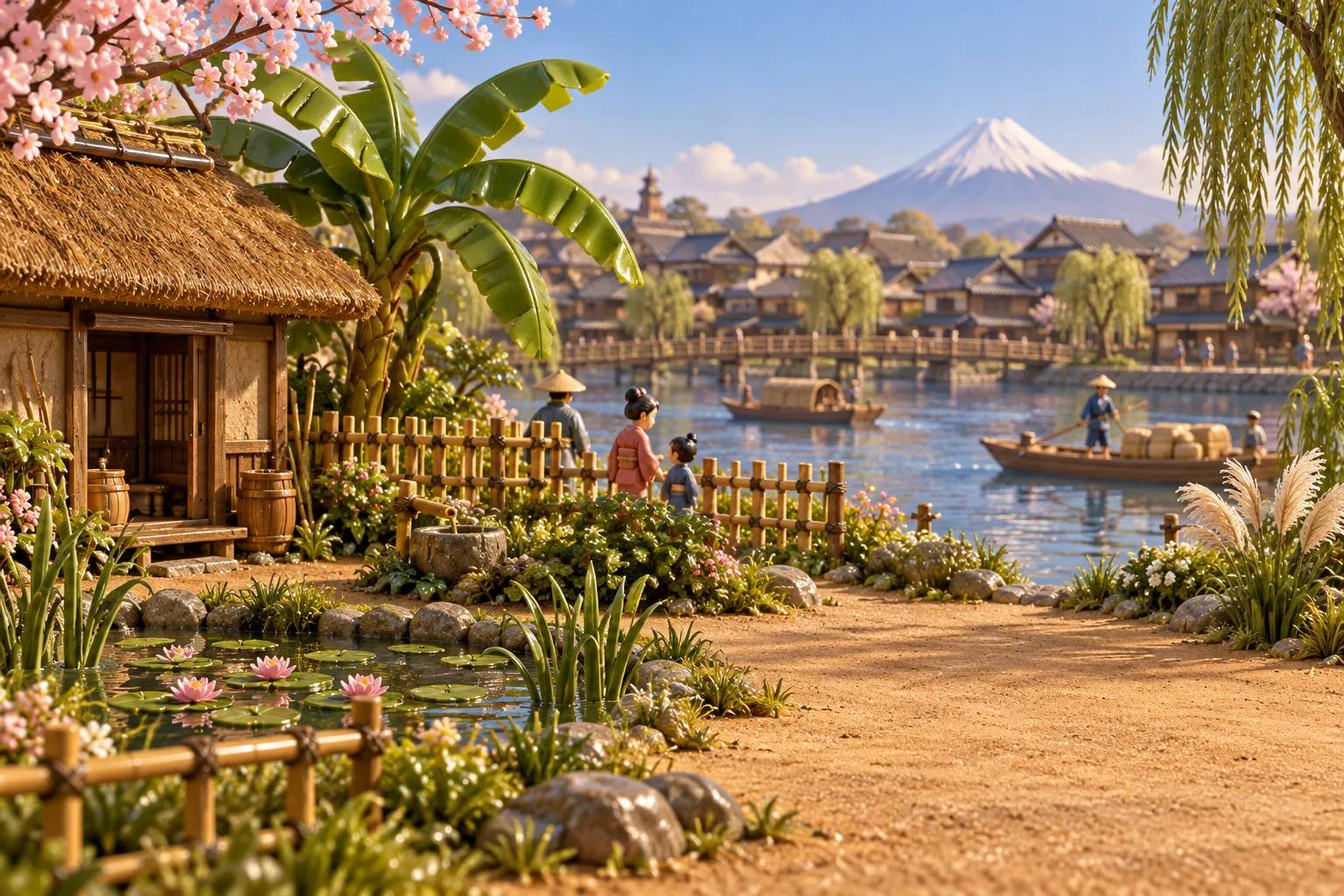 1644–1694 · Fukagawa, Edo (now Tokyo)Matsuo BashōHis disciples built him a rustic hut and planted a banana tree, a bashō, beside it; he took the plant's name, and in 1686 wrote there his frog poem, still one of the best-remembered haiku.
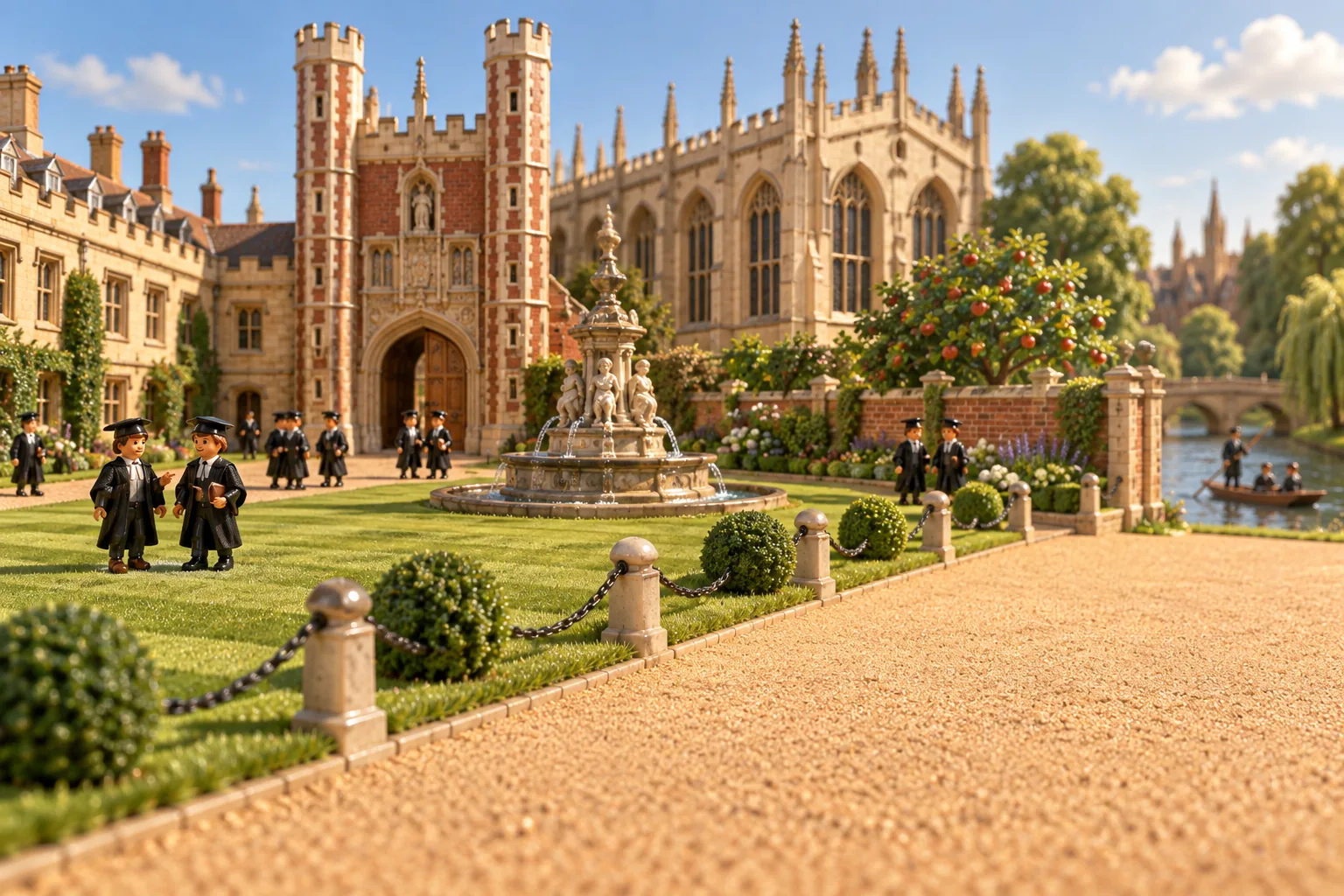 1643–1727 · Trinity College, Cambridge, EnglandIsaac NewtonA Cambridge professor who said the problem made his head ache wrote a book that explained, with one law, why apples fall and planets go round the Sun.
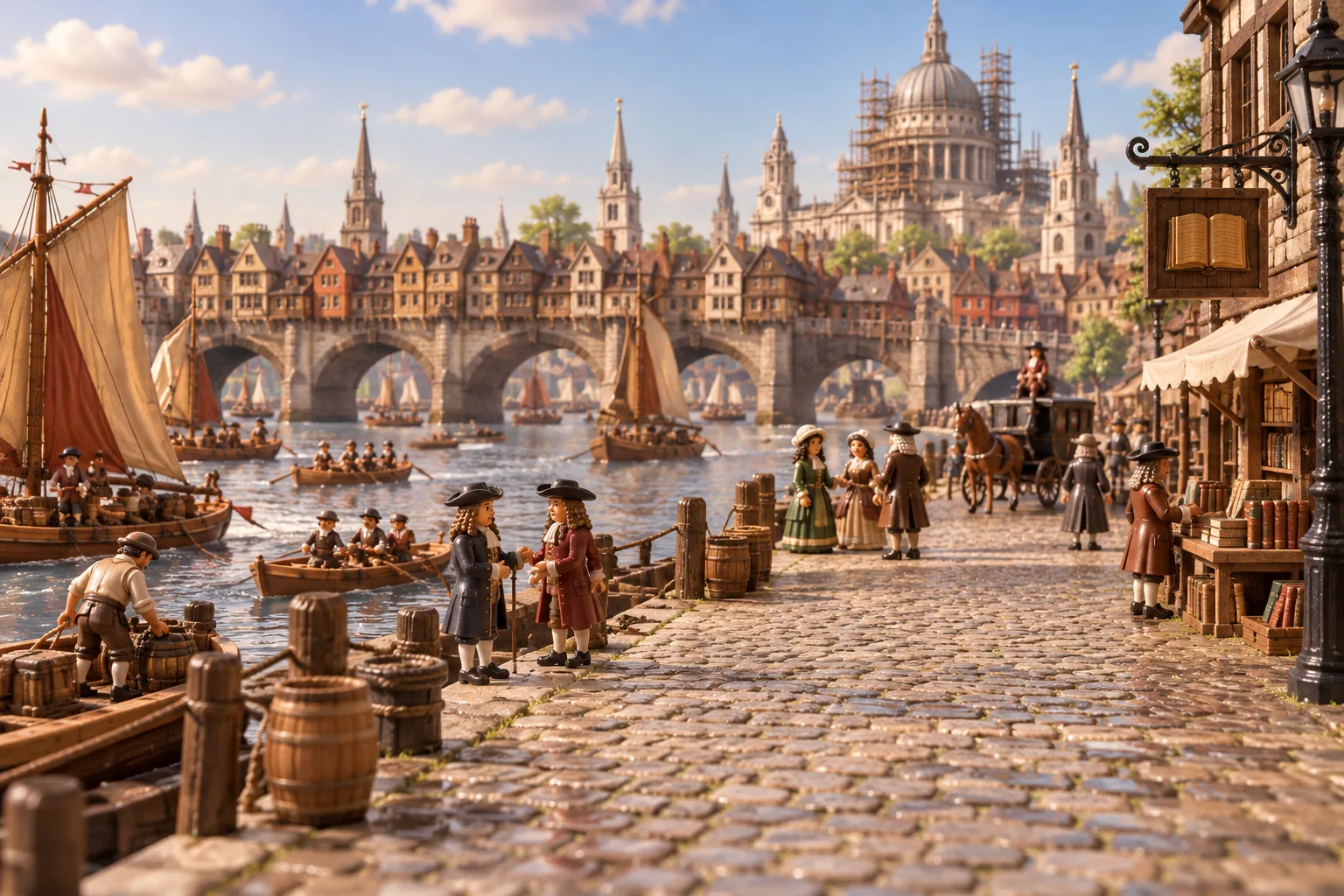 1632–1704 · LondonJohn LockeBack from five years of exile, he published the book that said governments rule only by the consent of the people, but he put his name only on his essay about the mind.
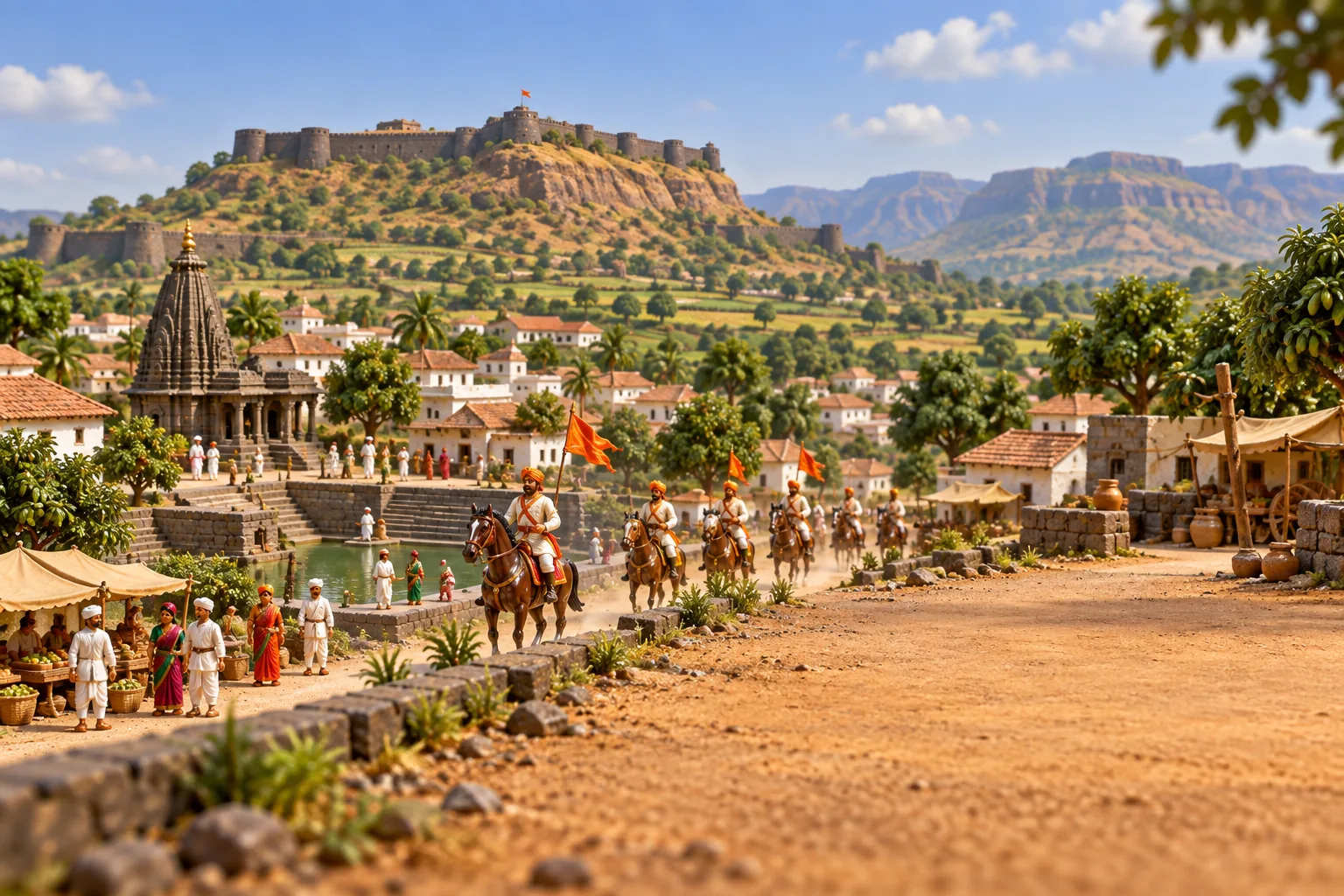 1682–1749 · Satara, Maharashtra, IndiaShahu ICaptured by the Mughals at seven and held for eighteen years, he came home to fight for his grandfather's throne, and on 16 November 1713 chose the minister whose family would carry the Marathas across India.
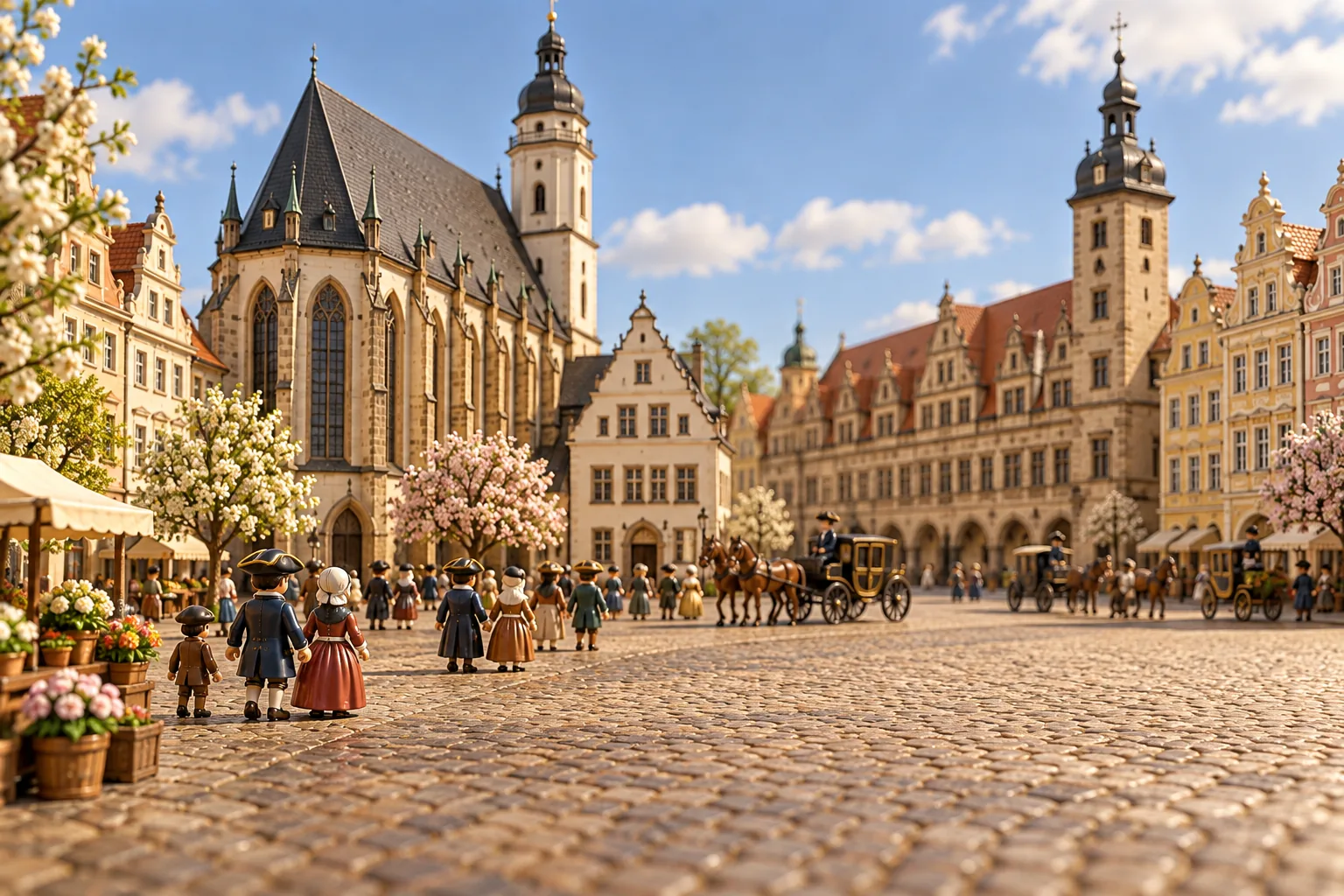 1685–1750 · St Thomas Church, LeipzigJohann Sebastian BachLeipzig's churches needed a cantata every Sunday, and their new cantor wrote whole yearly cycles of them; on Good Friday 1727 he gave the city the St Matthew Passion.
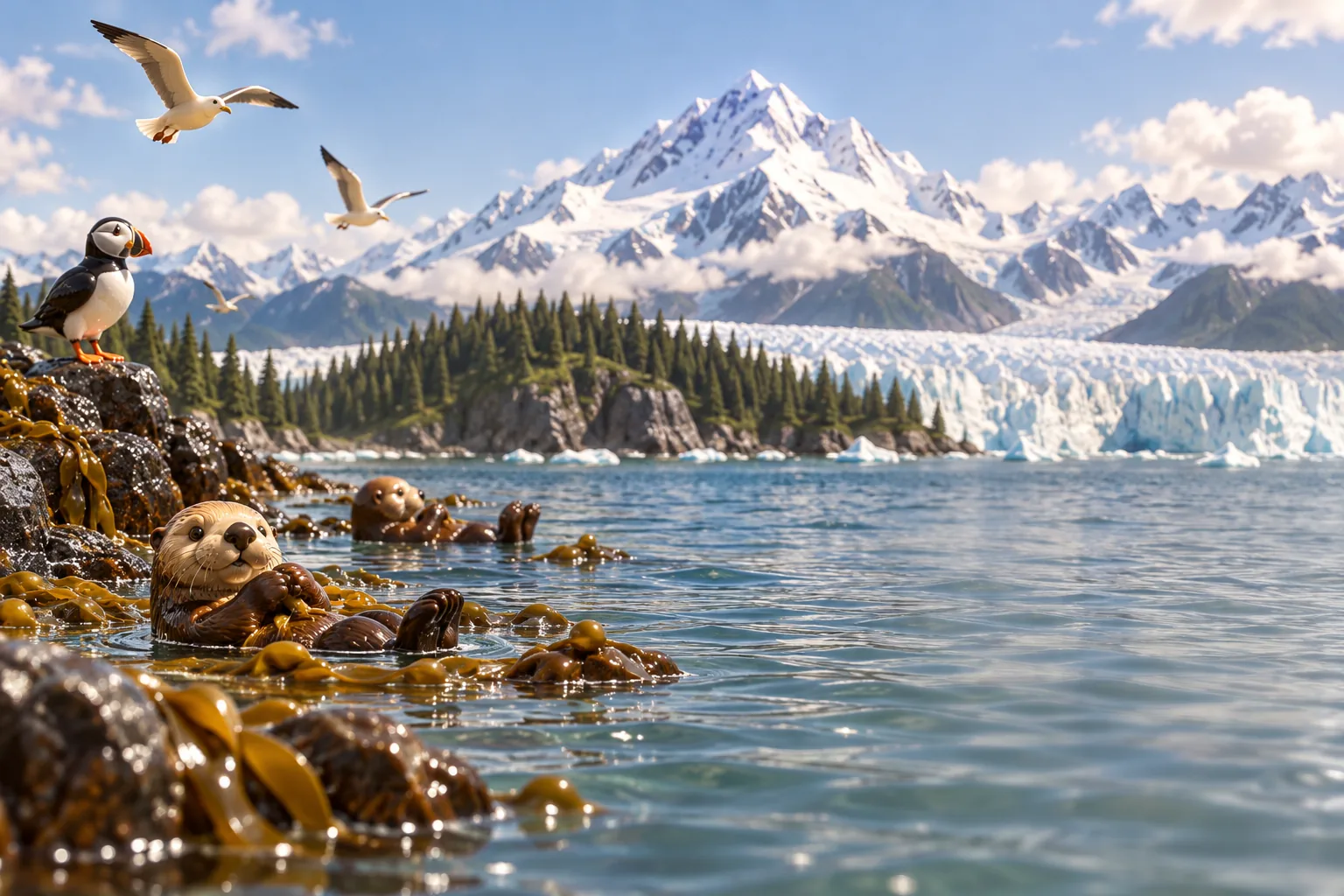 1681–1741 · Gulf of Alaska, off Mount Saint EliasVitus BeringOn 16 July 1741 his crew saw a great snow-capped volcano rise out of the sea: Alaska. Five months later the captain was buried on a desert island.
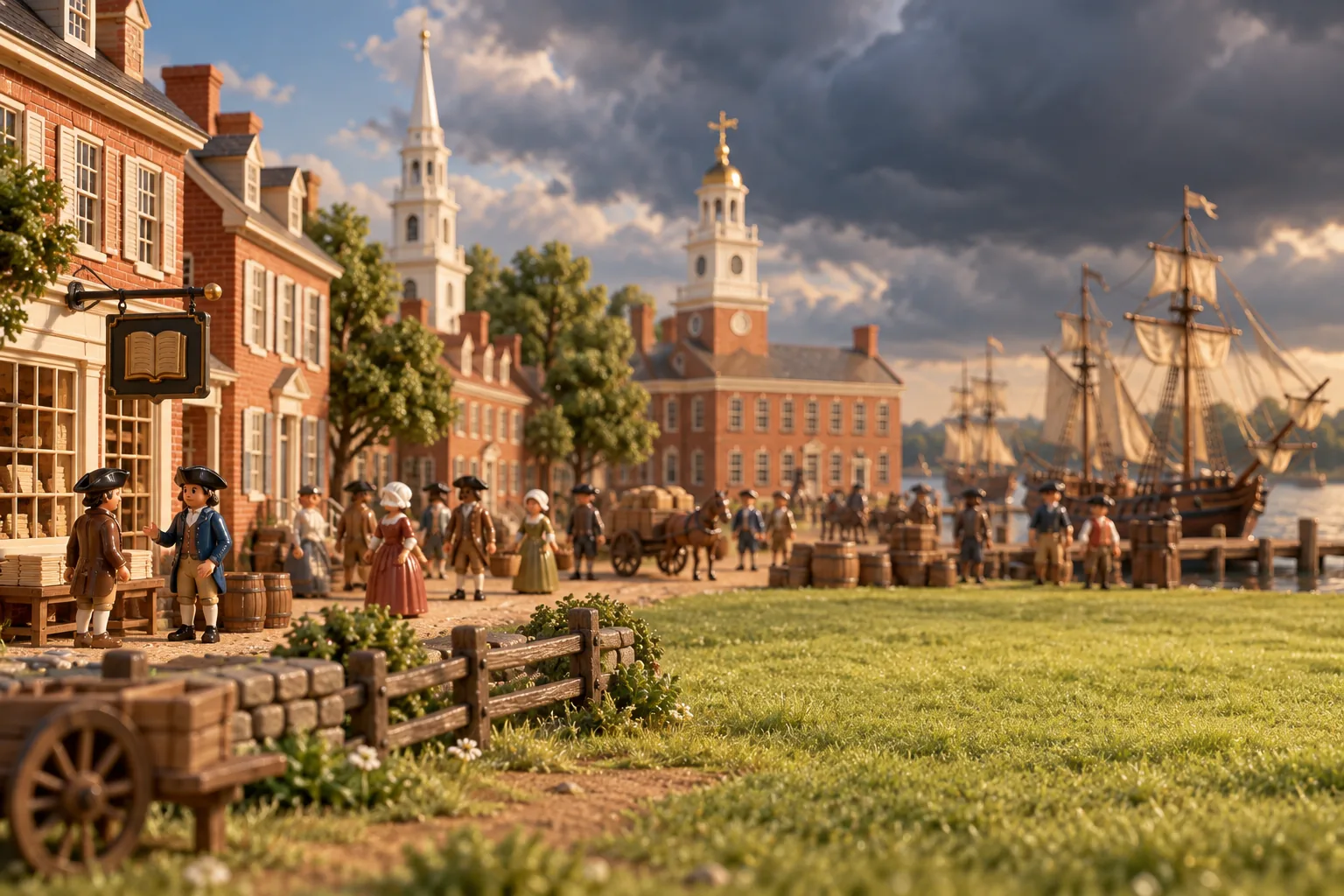 1706–1790 · Philadelphia, PennsylvaniaBenjamin FranklinA printer who had run away from his brother's shop at 17 flew a kite into a thunderstorm to show that lightning is electricity, and never patented the rod that tamed it.
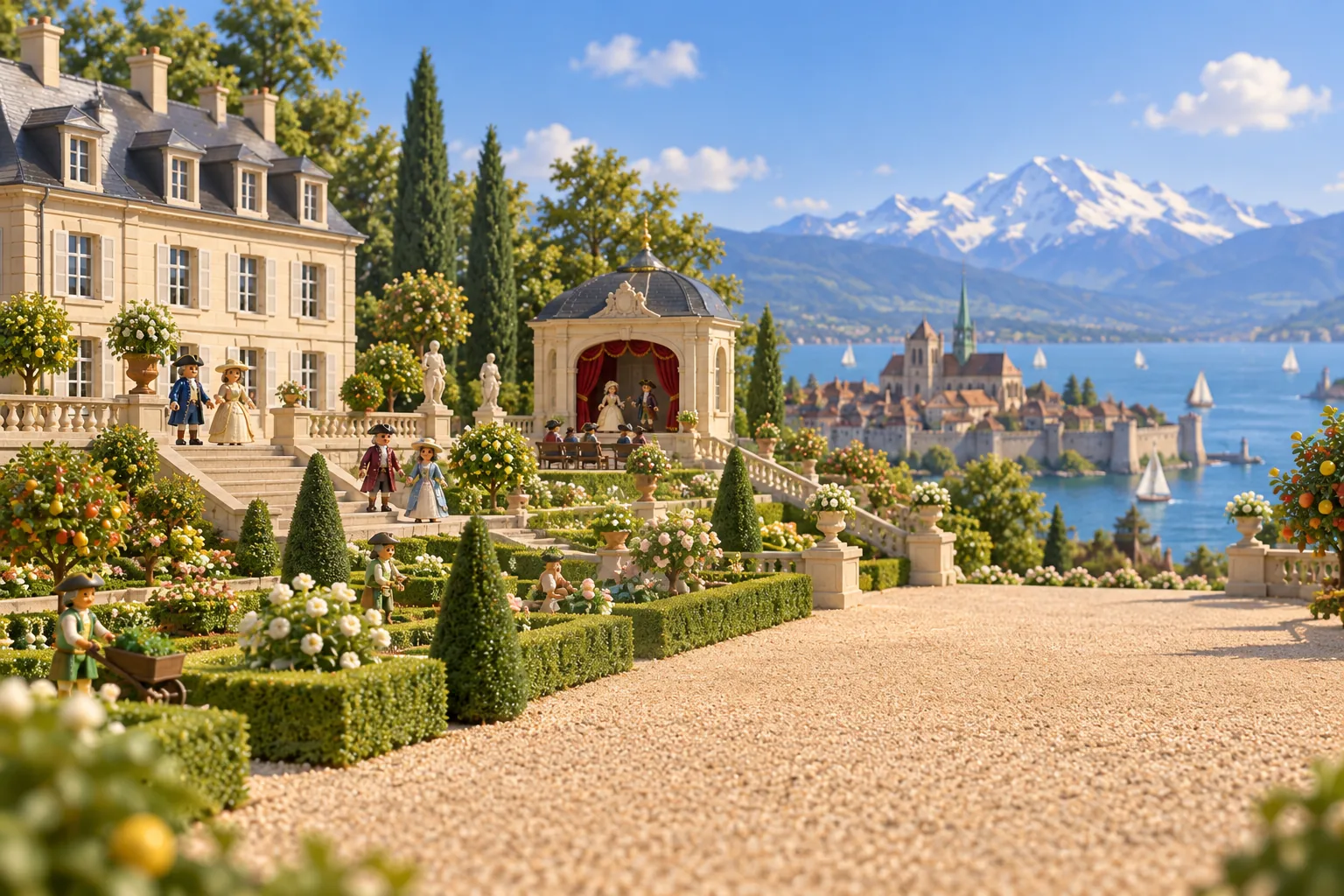 1694–1778 · Les Délices, GenevaVoltaireBanned from Paris, he settled on an estate outside Geneva and in 1759 published Candide, a short, savage comedy that mocked the idea that all is for the best in the best of all possible worlds.
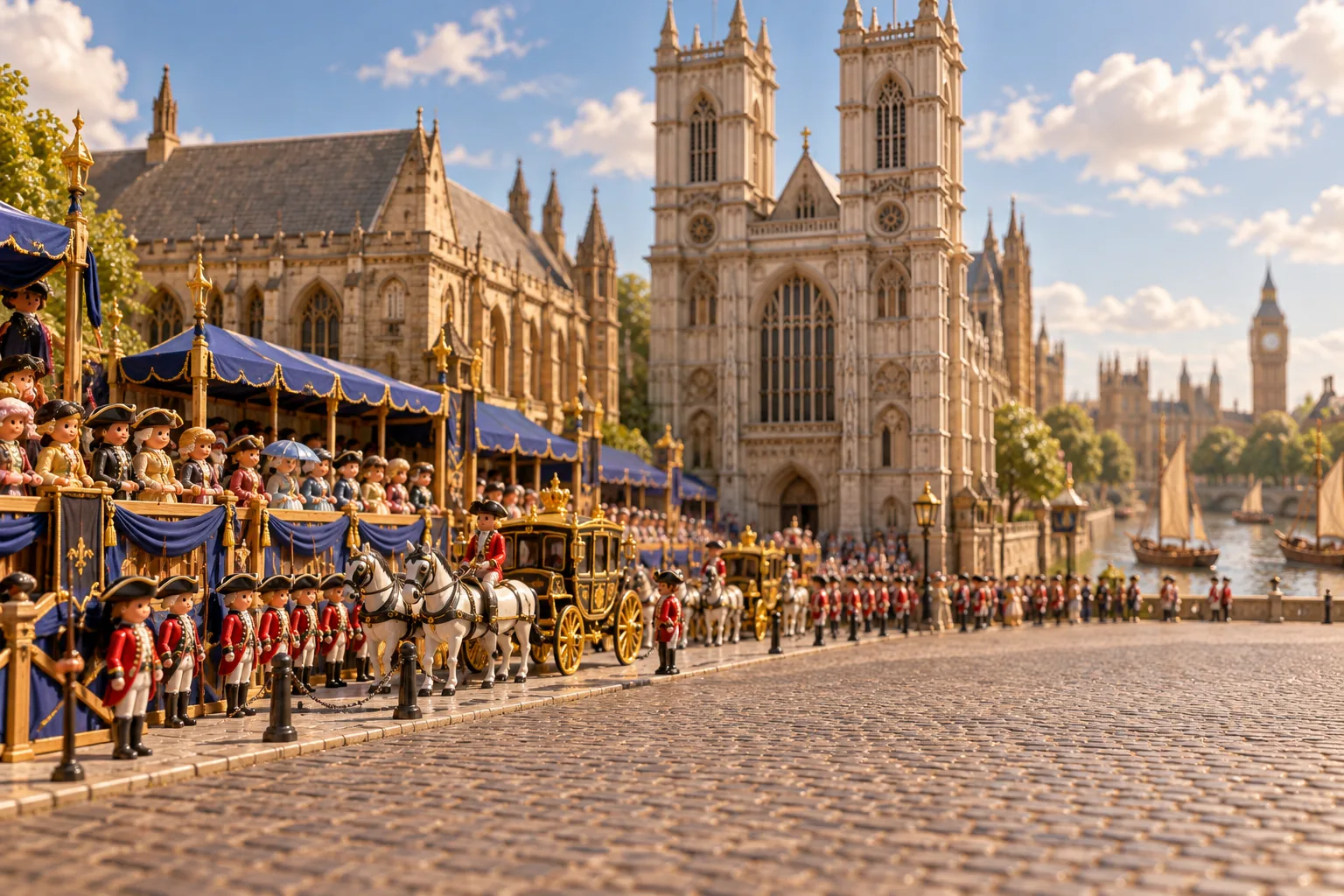 1738–1820 · Westminster Abbey, LondonGeorge IIITwo weeks after meeting his German bride for the first time on their wedding day, the young king was crowned with her in Westminster Abbey, at the start of a 59-year reign.
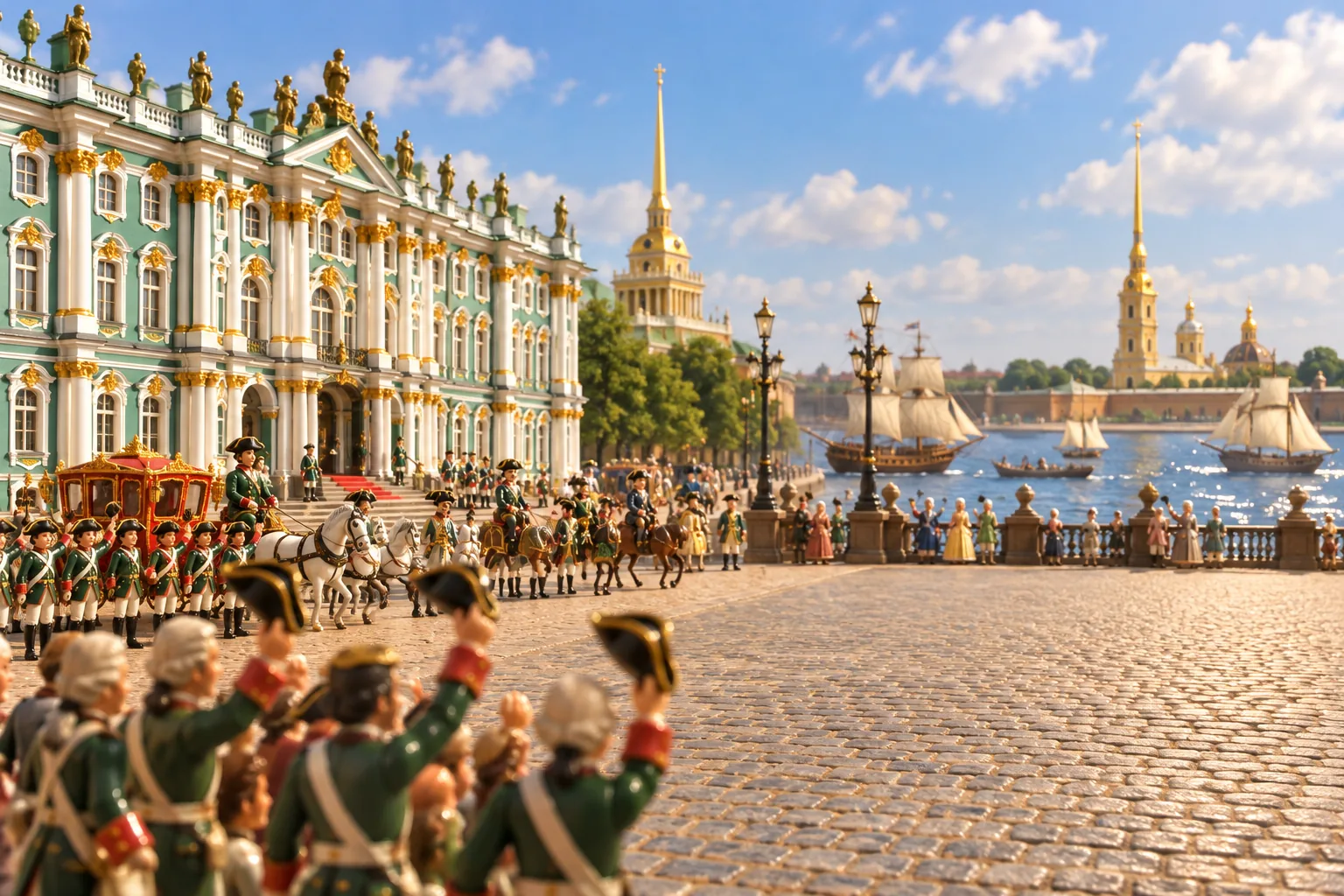 1729–1796 · Winter Palace, Saint Petersburg, RussiaCatherine the GreatDressed in the green uniform of the Guards, a German-born empress rode out at the head of her soldiers to take the throne from her own husband.
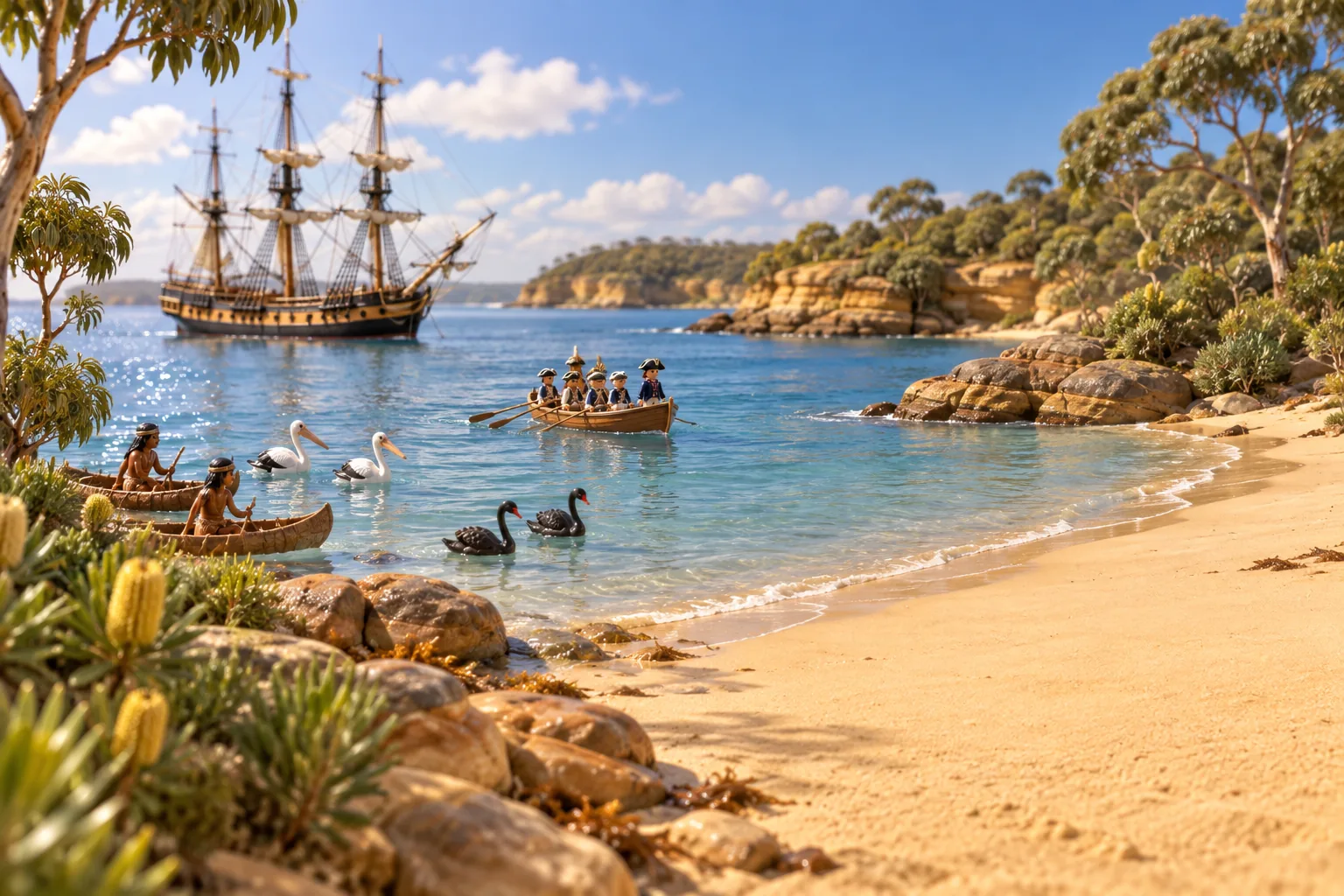 1728–1779 · Botany Bay, New South Wales, AustraliaJames CookOn 29 April 1770 a converted coal ship from Whitby anchored in a bay full of strange plants, and Europe met the east coast of Australia.
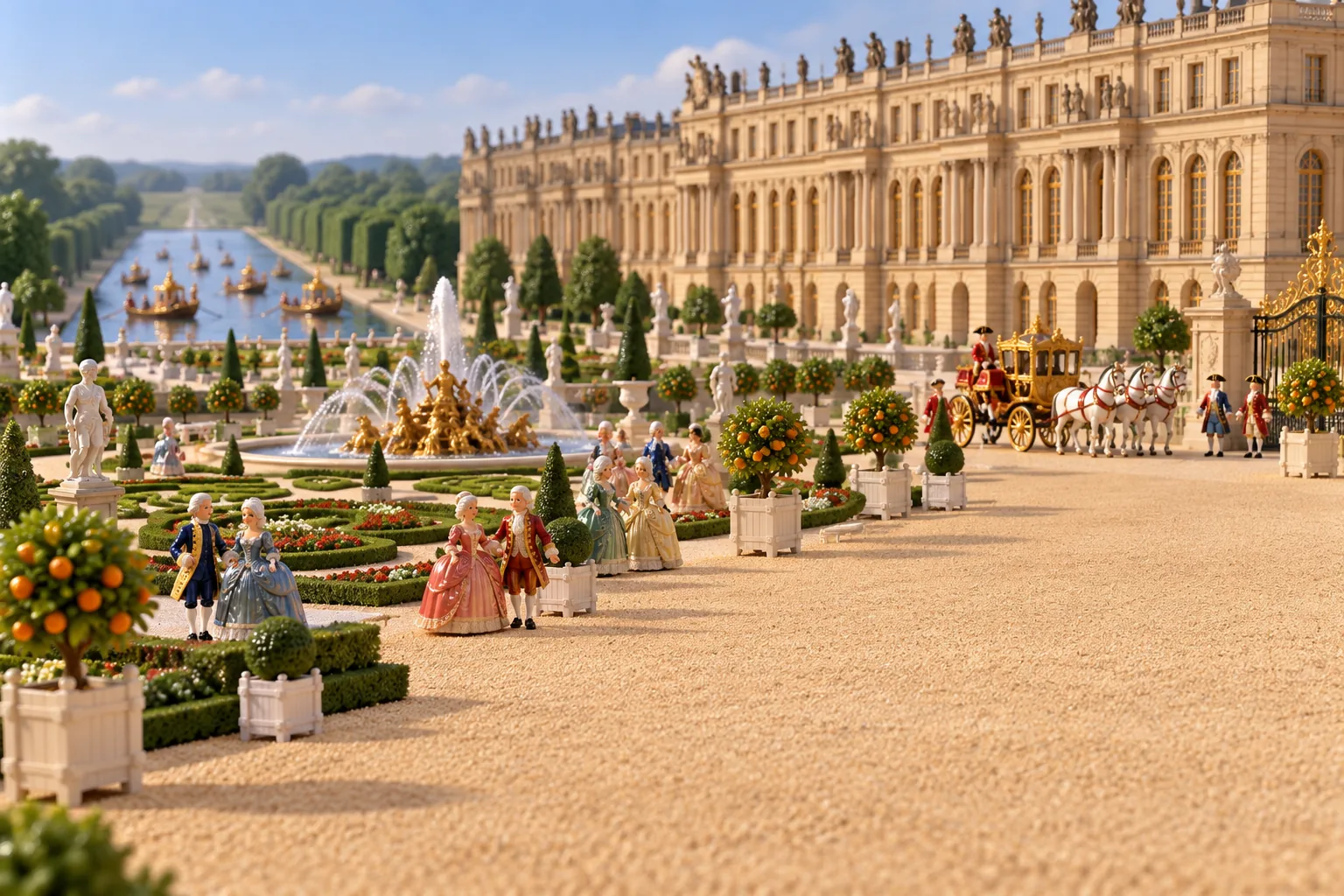 1755–1793 · Palace of Versailles, FranceMarie AntoinetteAn Austrian archduchess becomes Queen of France at 18 and dies on the guillotine at 37.
 1737–1809 · Philadelphia, PennsylvaniaThomas PaineIn January 1776 an anonymous pamphlet "by an Englishman" went on sale in Philadelphia, and within three months some 100,000 colonists had bought its case for independence.
 1744–1818 · Braintree, MassachusettsAbigail AdamsWhile the men in Philadelphia drafted a new nation, a farmer's wife in Braintree wrote to her husband: remember the ladies, for all men would be tyrants if they could.
 1743–1826 · Independence Hall, PhiladelphiaThomas JeffersonAt 33 he wrote, almost alone, the declaration that all men are created equal, and he died on its 50th anniversary, the same day as his old rival John Adams.
 1724–1804 · Königsberg, PrussiaImmanuel KantIn 1781 a 57-year-old professor in Königsberg published an 800-page book so dense that its first readers were baffled, and it went on to change philosophy for good.
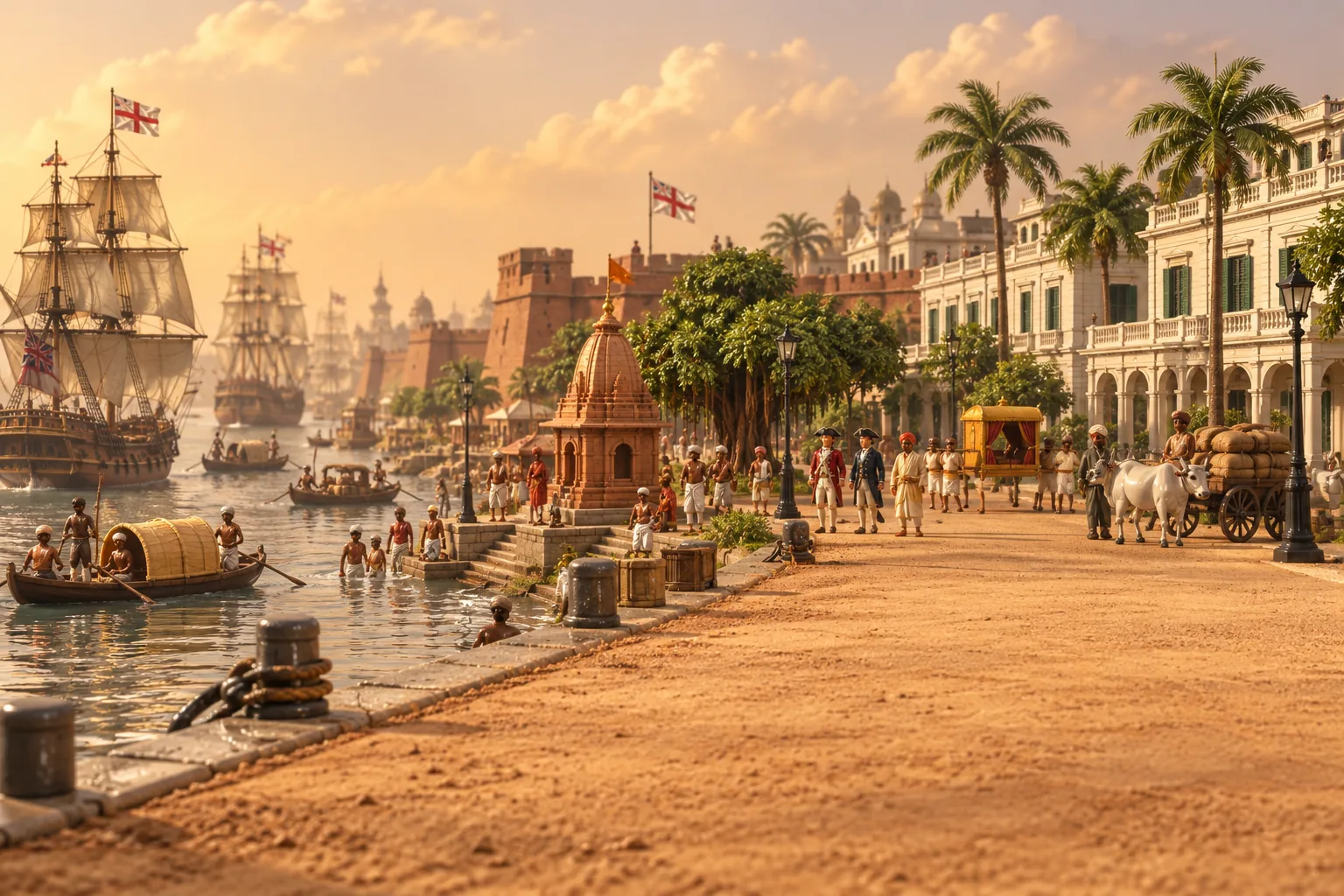 1746–1794 · Calcutta (Kolkata), IndiaWilliam JonesOn 2 February 1786 a British judge in Calcutta told a learned society that Sanskrit, Greek and Latin must have sprung from one source "which, perhaps, no longer exists".
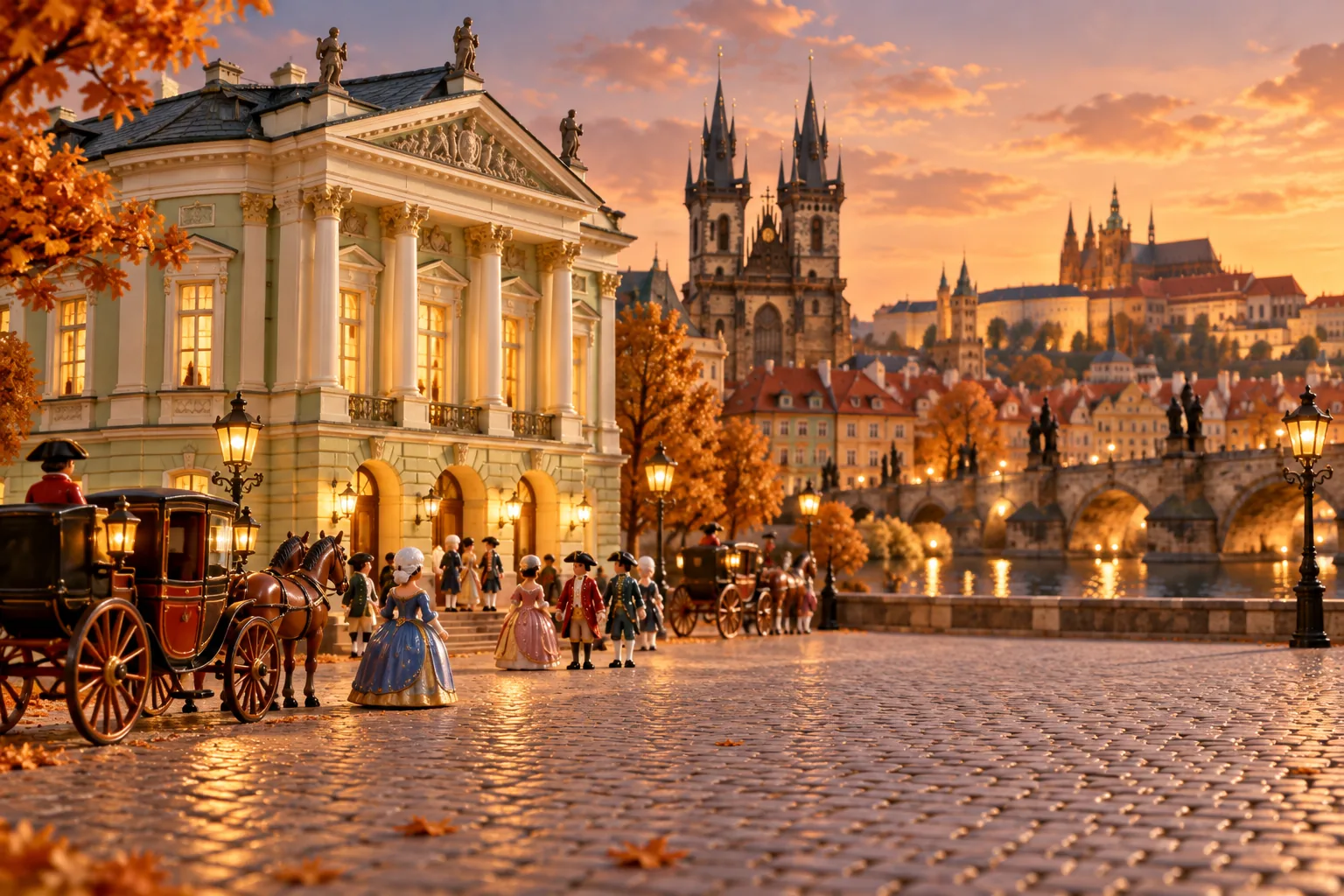 1756–1791 · Estates Theatre, Prague, BohemiaWolfgang Amadeus MozartPrague loved his Figaro so much that it commissioned a new opera from him, and in October 1787 he gave it Don Giovanni, the seducer dragged down to hell.
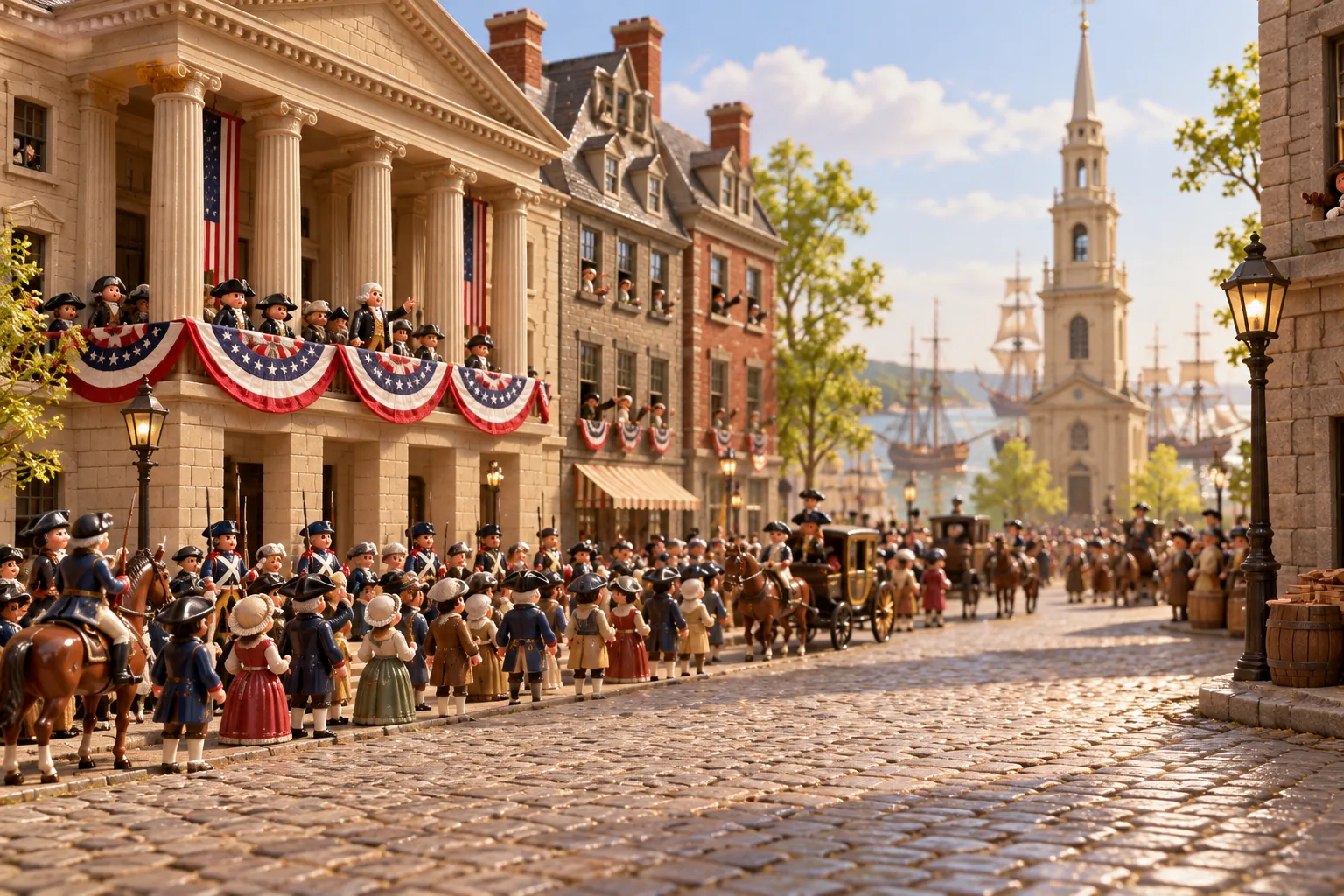 1732–1799 · Federal Hall, New York CityGeorge WashingtonElected unanimously, twice, he took the first presidential oath on a balcony in New York, and then chose to step down after two terms.
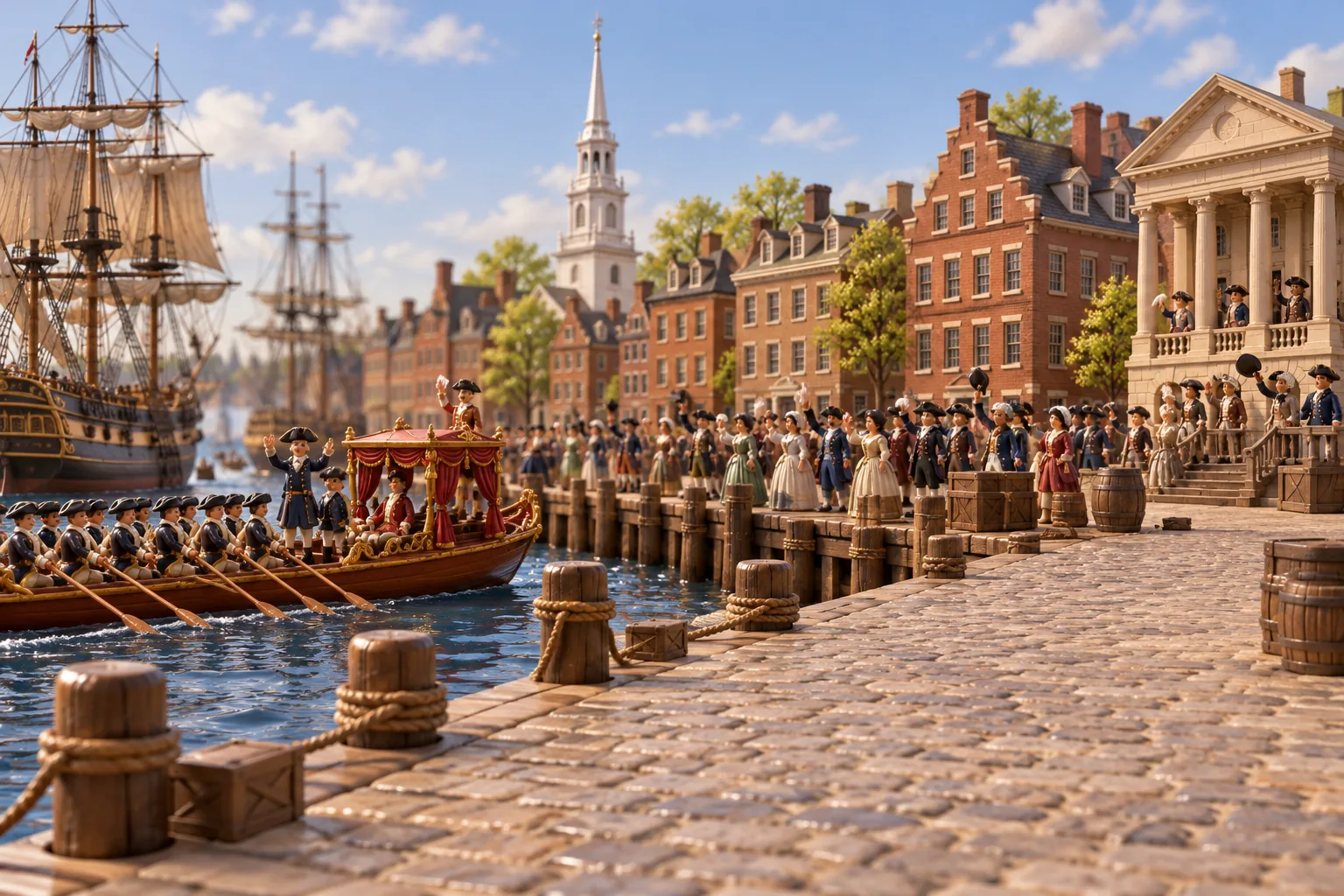 1731–1802 · New York CityMartha WashingtonThere was no rulebook for the wife of a president, so when she stepped off the presidential barge in New York in May 1789, she had to write one.
 1755 or 1757 – 1804 · Federal Hall, Wall Street, New York CityAlexander HamiltonOn 11 September 1789 a penniless orphan from a small Caribbean island was confirmed and sworn in on the same day as the first Secretary of the Treasury of the United States.
 1759–1797 · London, EnglandMary WollstonecraftIn 1792 a former governess turned writer told her readers that women are not born inferior to men: they only seem so because no one lets them learn.
 1771–1806 · Ségou, on the Niger (Mali)Mungo ParkHe escaped a four-month captivity with nothing but his horse and a pocket compass, and twenty days later he stood on the bank of the Niger at Ségou.
 1735–1826 · Congress Hall, PhiladelphiaJohn AdamsWhen no other lawyer in Boston would defend the British soldiers of the Boston Massacre, he took the case, and 27 years later he became the second president of the United States.
Industrial age 1800 to 1945
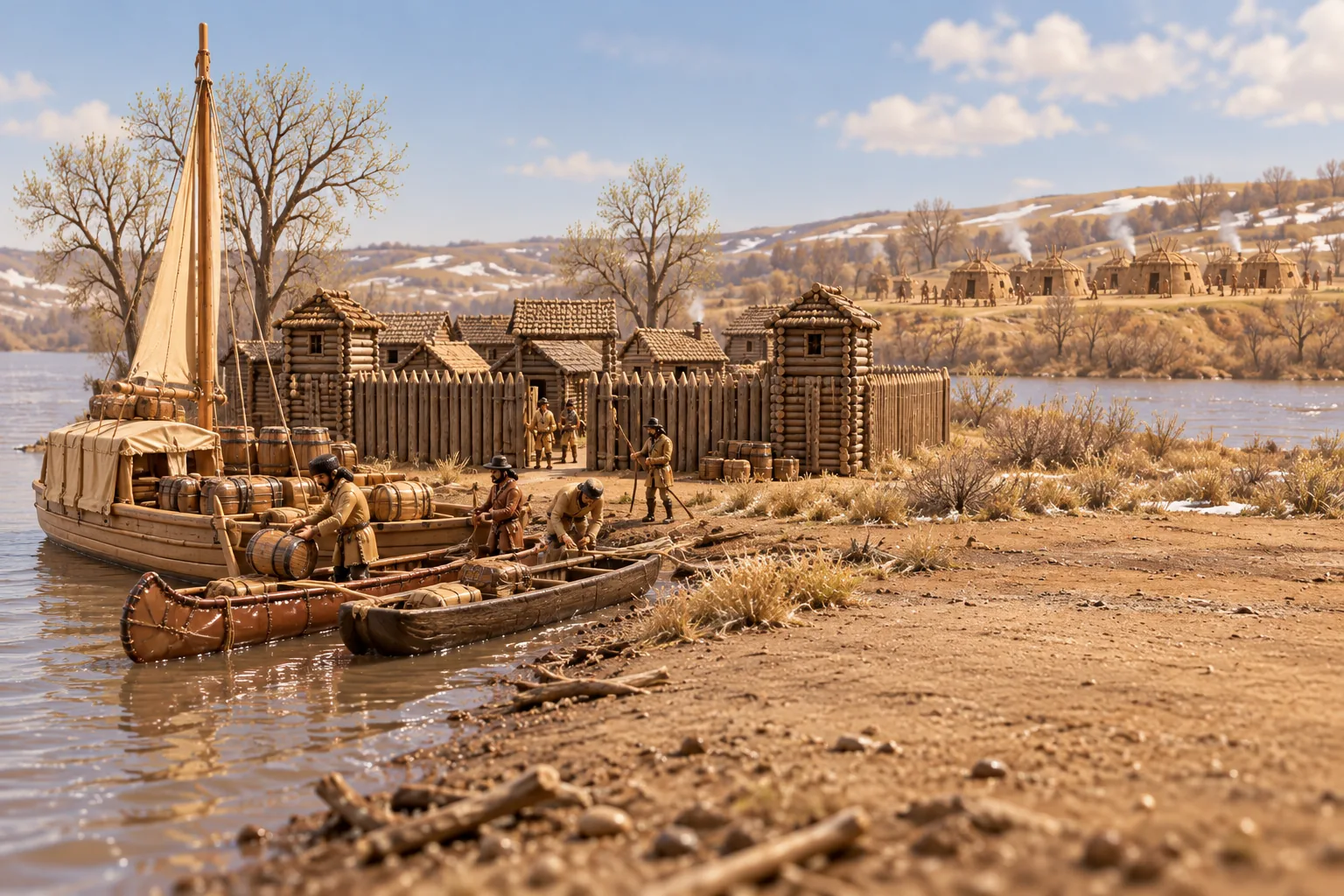 c. 1788 – 1812 · Fort Mandan, North Dakota, USASacagaweaIn August 1805, deep in the Rocky Mountains, the expedition's young interpreter looked at the Shoshone chief they needed horses from and recognised her own brother.
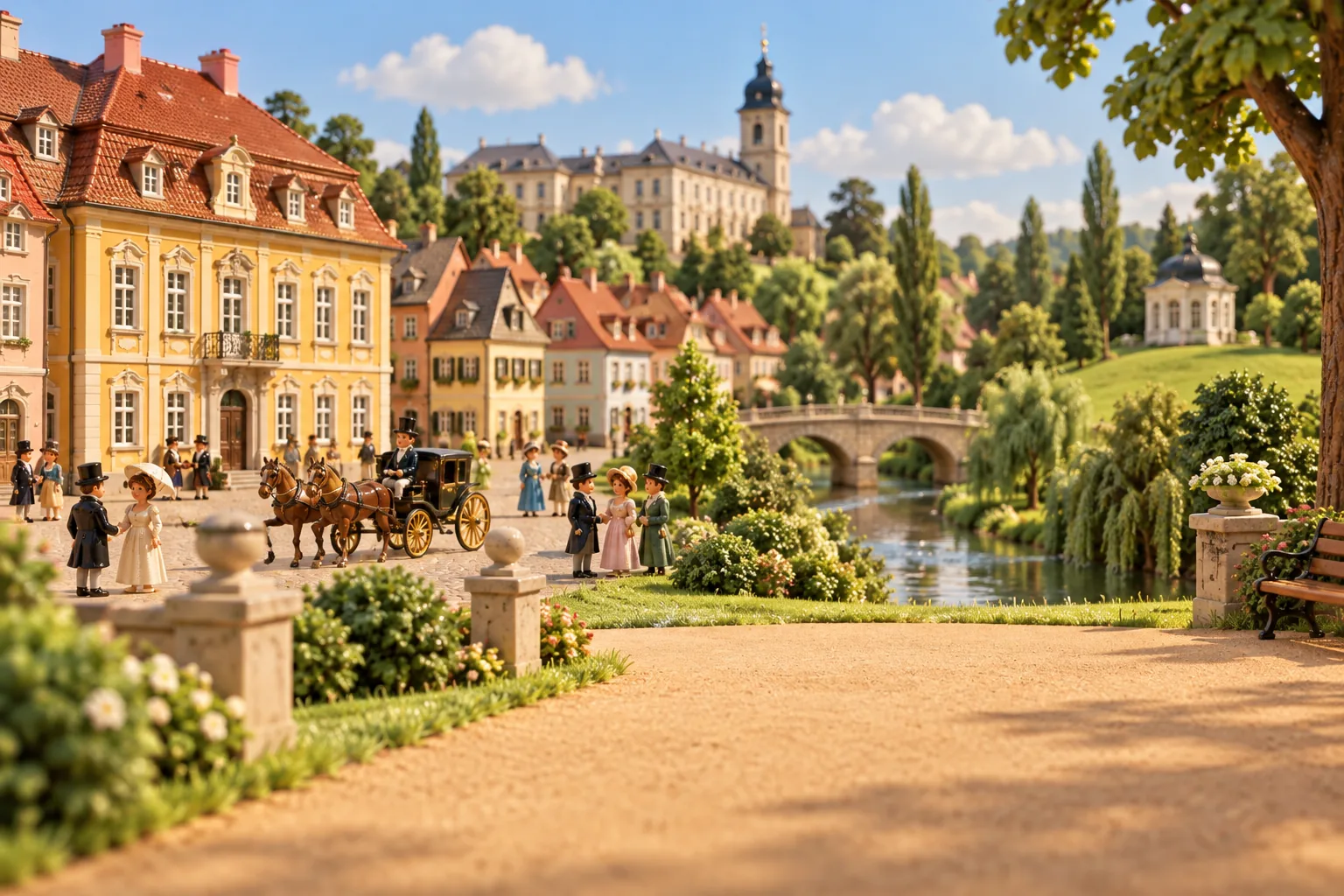 1749–1832 · WeimarJohann Wolfgang von GoetheHe wrote Faust in stages over decades, and when the first part appeared in 1808 it caused a sensation; that same year Napoleon met him and exclaimed, "Voilà un homme!"
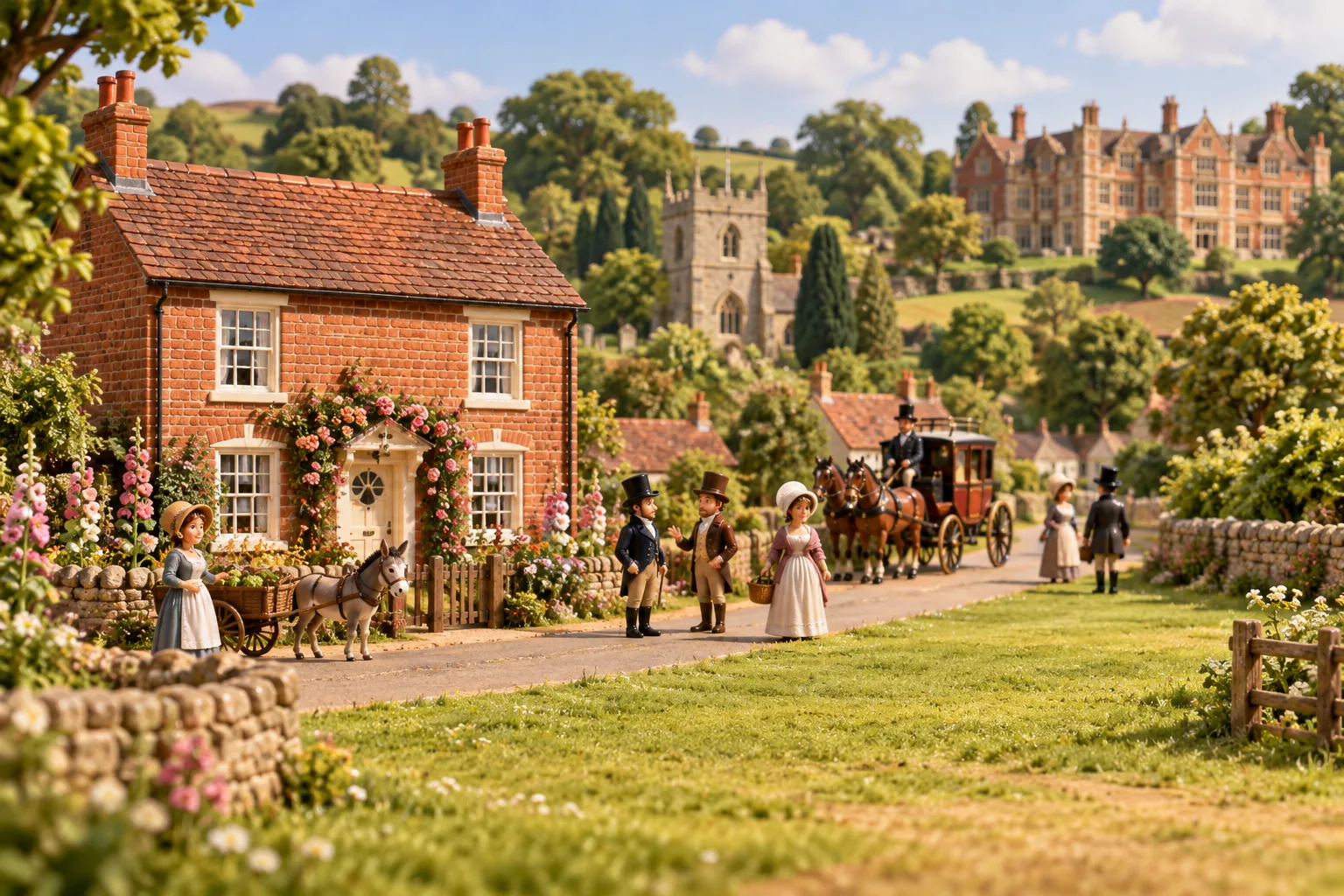 1775–1817 · Chawton, Hampshire, EnglandJane AustenSixteen years after a publisher turned it down by return of post, her First Impressions came out as Pride and Prejudice, and the author's name was not on the cover.
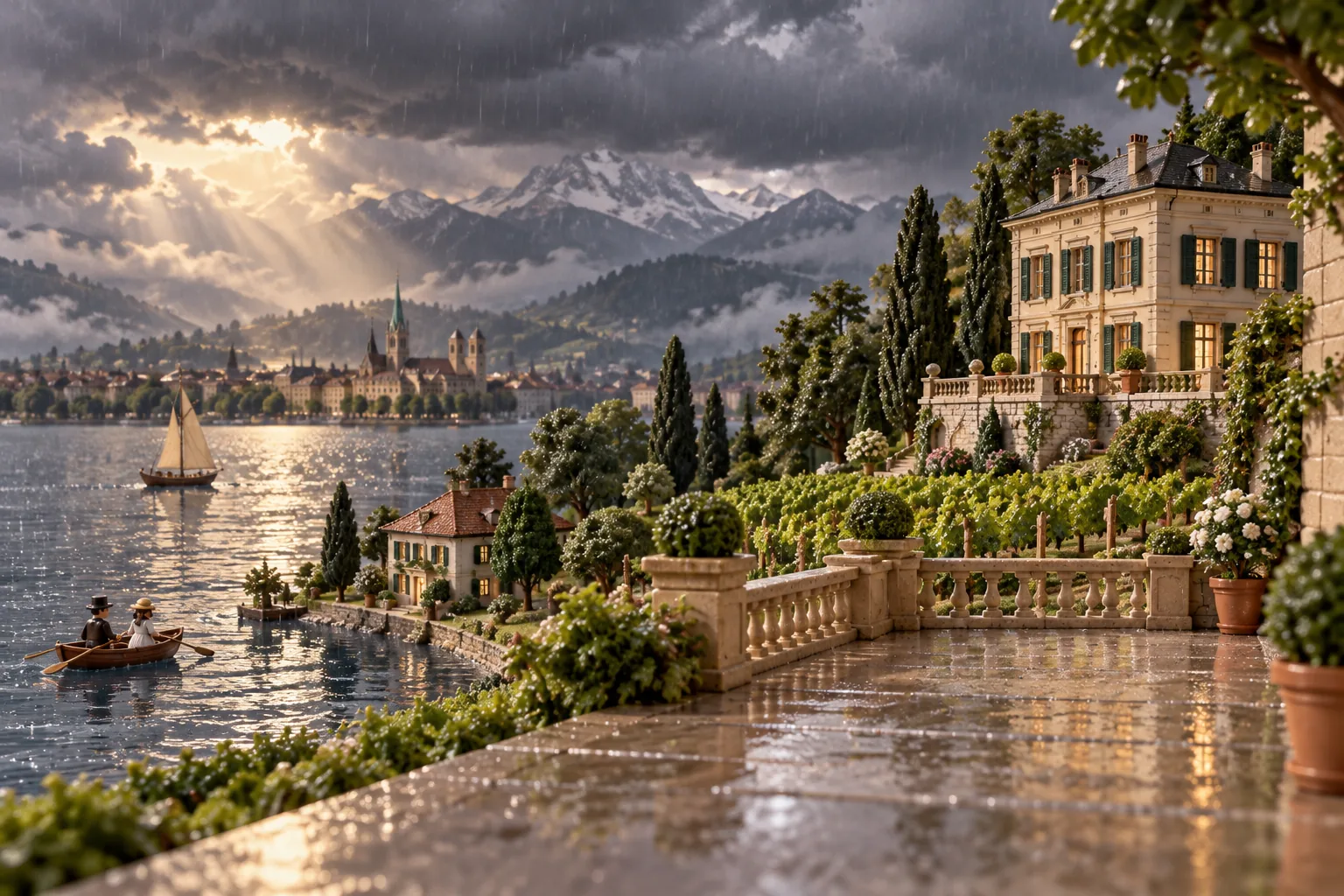 1788–1824 · Villa Diodati, Cologny, Lake GenevaLord ByronRain kept five friends indoors at a lakeside villa for three days in June 1816, so they set themselves a contest of ghost stories, and Frankenstein was born.
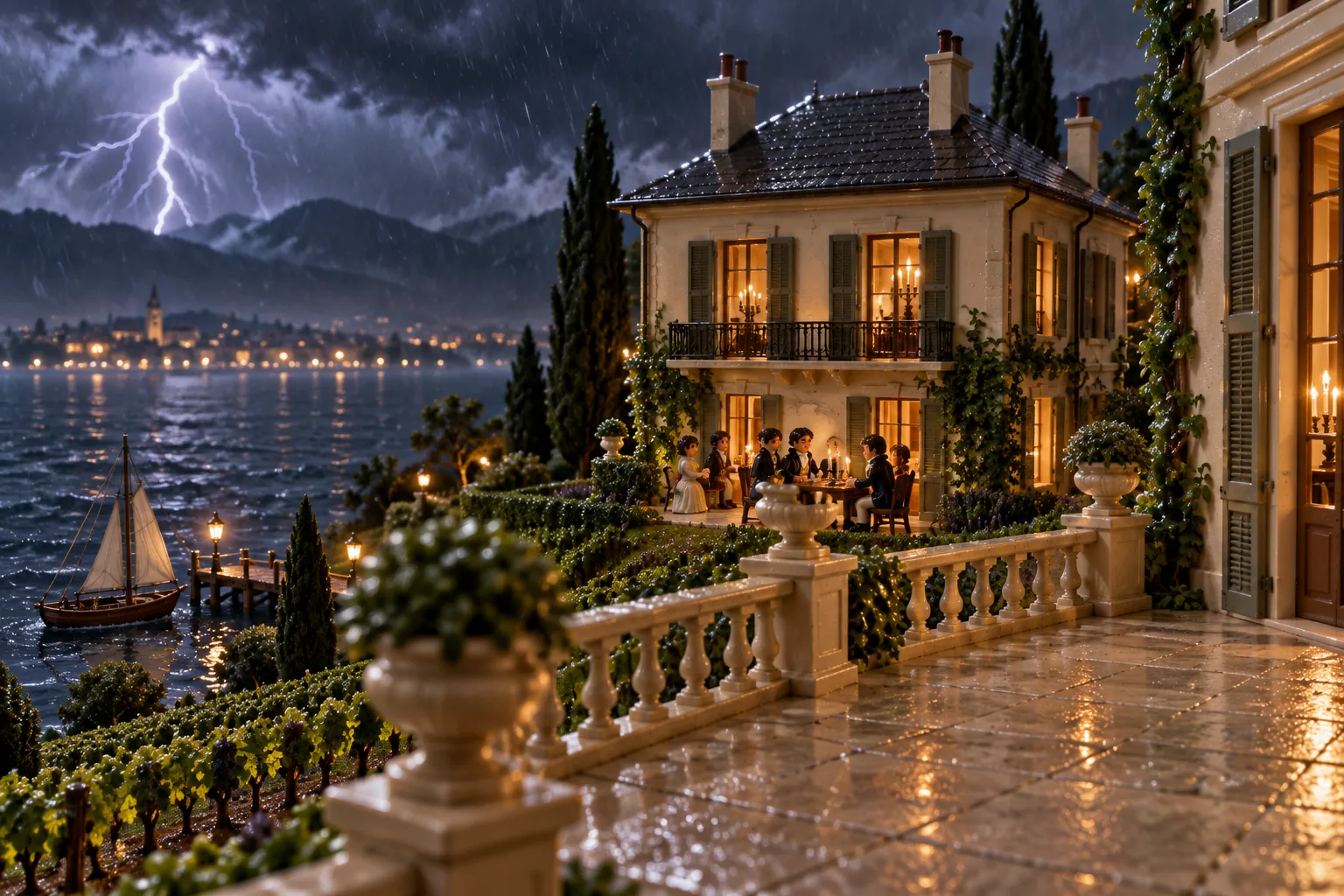 1797–1851 · Villa Diodati, Cologny, Lake Geneva, SwitzerlandMary ShelleyKept indoors by a cold, rainy summer, Lord Byron proposed that each of his guests write a ghost story. The eighteen-year-old's became Frankenstein.
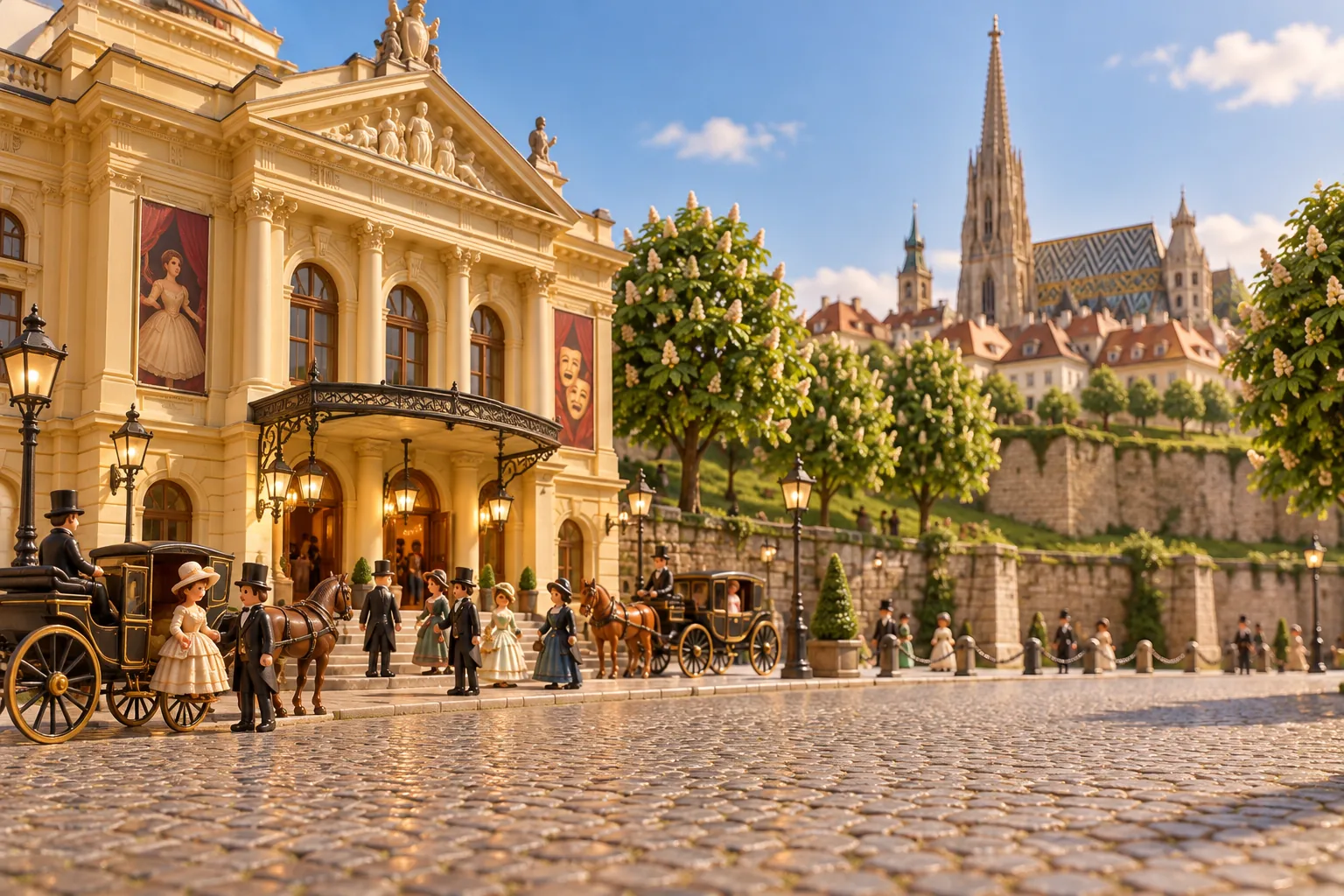 1770–1827 · Kärntnertortheater, Vienna, AustriaLudwig van BeethovenHe had been losing his hearing for over twenty years when Vienna heard his Ninth Symphony, the one that ends with a choir singing the Ode to Joy.
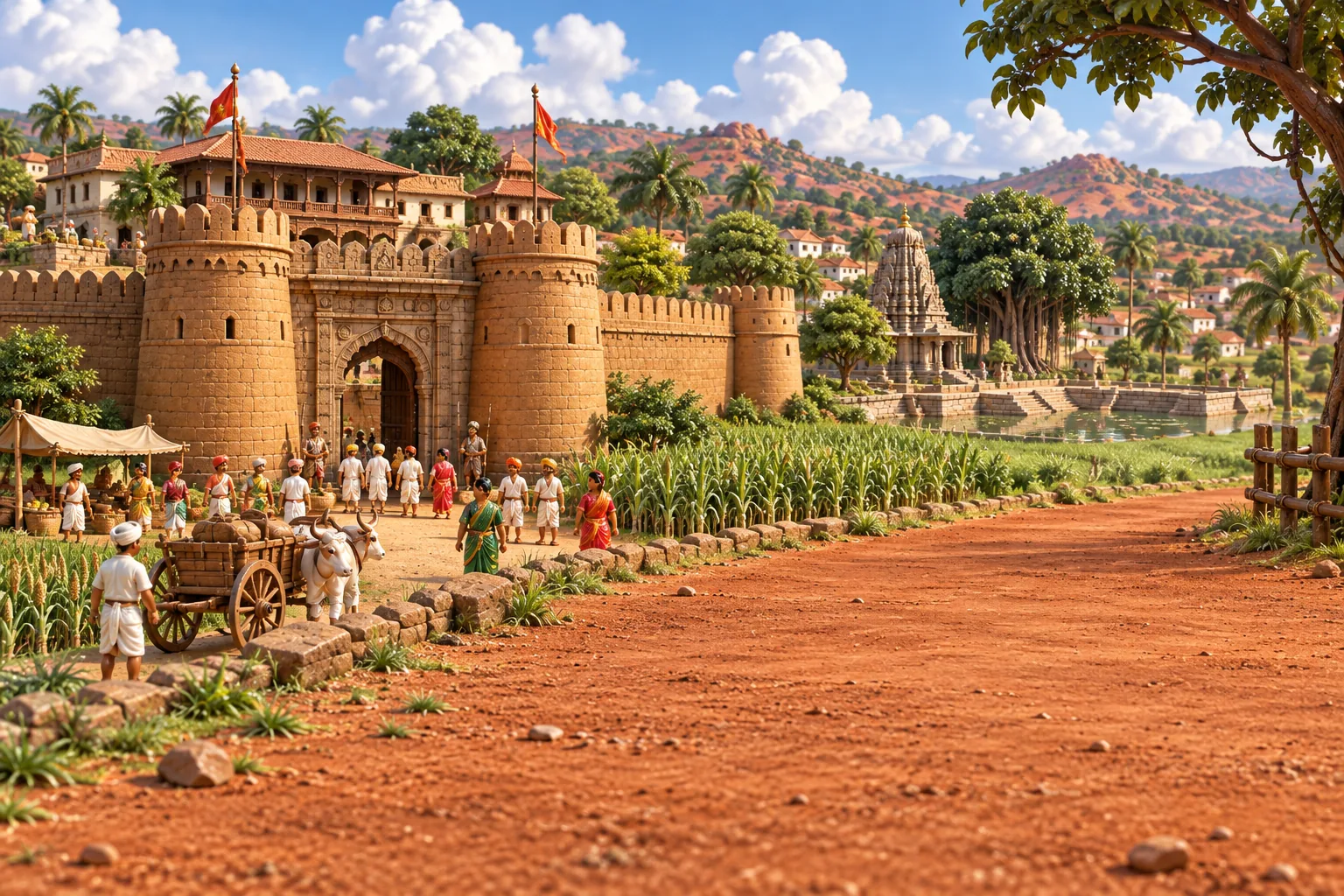 1778–1829 · Kittur, Karnataka, IndiaKittur ChennammaWhen the East India Company refused to accept her adopted heir and came to take her treasury, the widowed queen of Kittur fought back and, in October 1824, won.
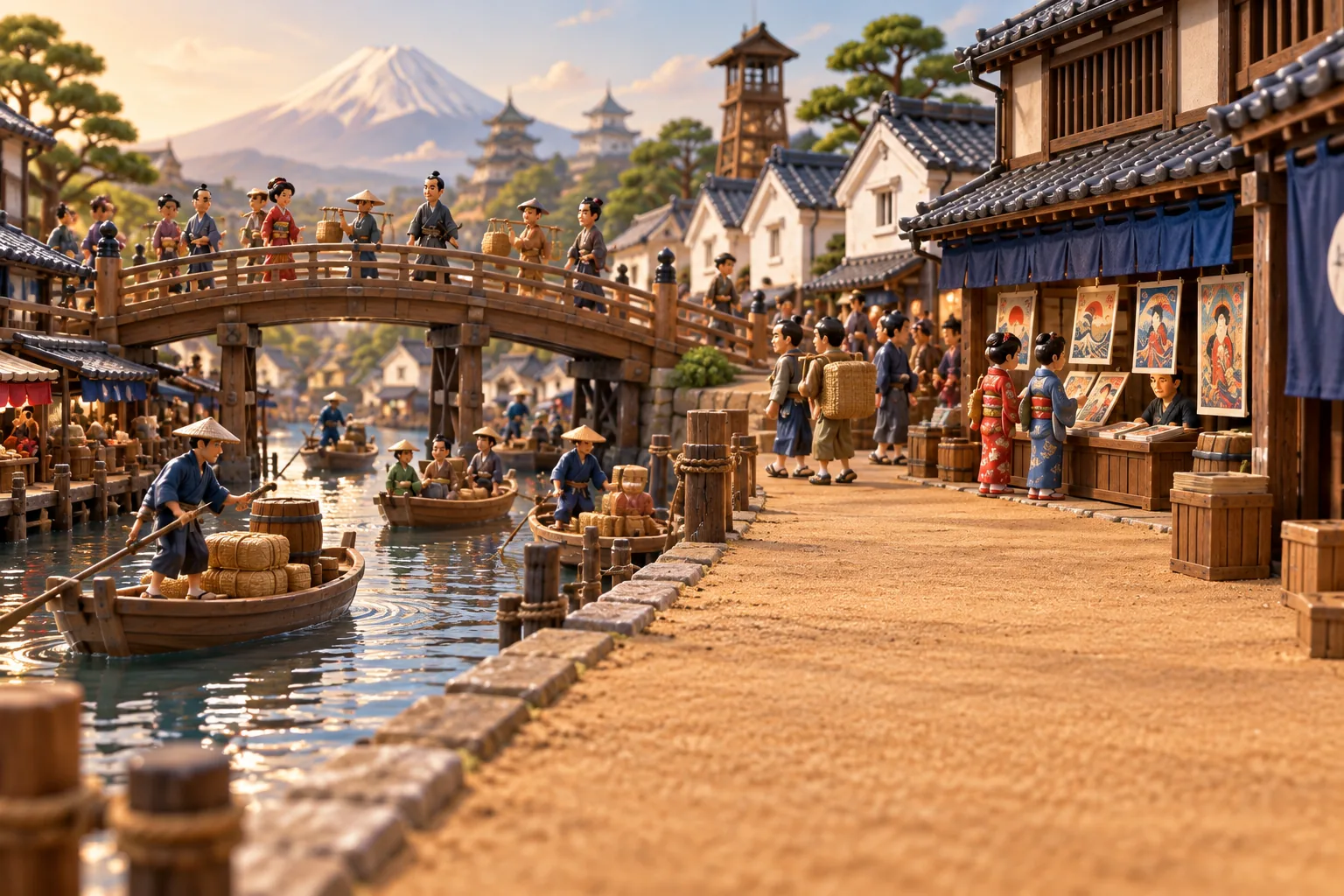 1798–1861 · Edo (Tokyo), JapanUtagawa KuniyoshiBroke and reduced to selling used tatami mats, a struggling print designer got his big chance in 1827: a series of tattooed outlaw heroes that took Edo by storm.
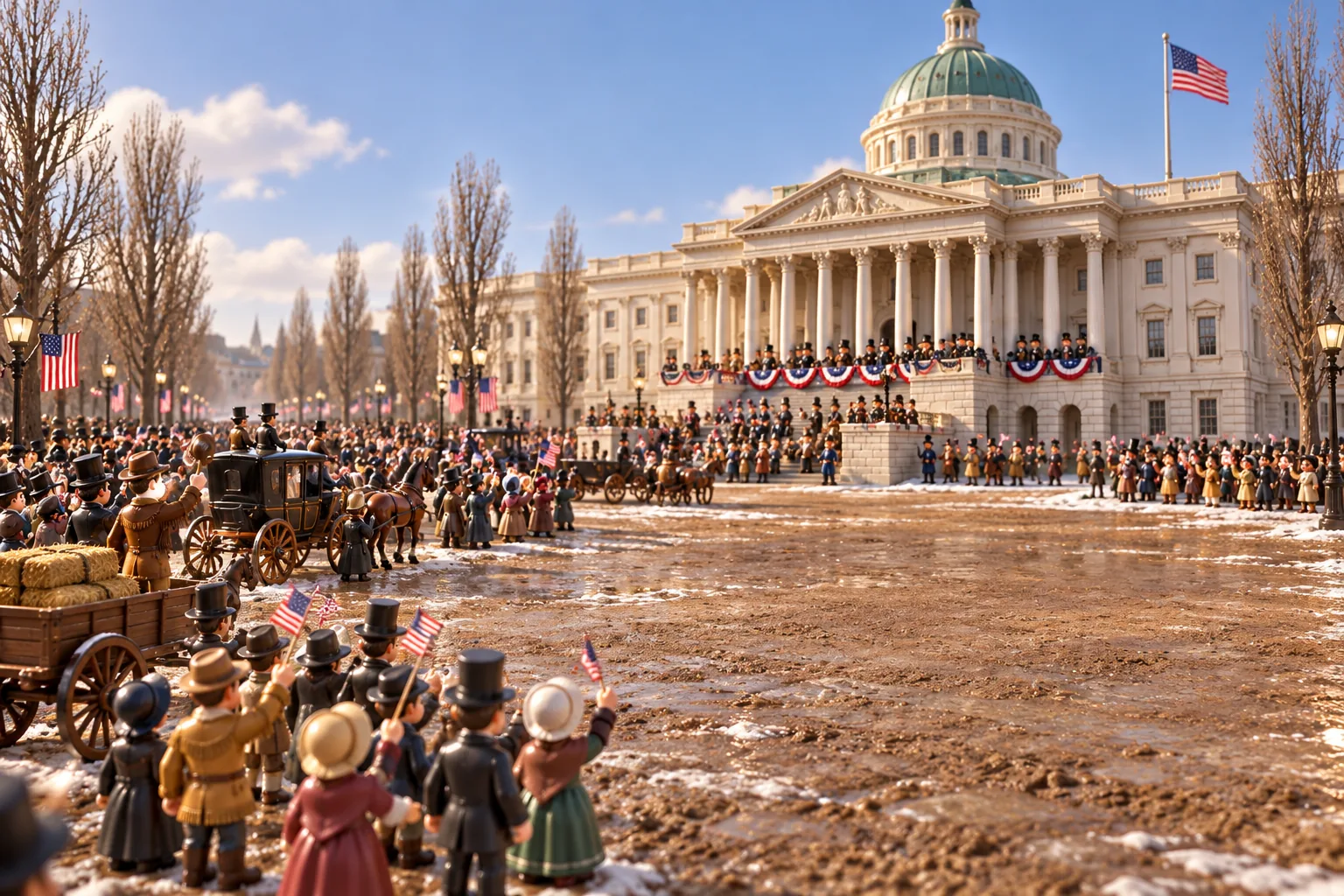 1767–1845 · United States Capitol, Washington, D.C.Andrew JacksonAfter taking the oath on the Capitol steps, the hero of New Orleans threw open the White House to the public, and the crowd of well-wishers damaged its furniture.
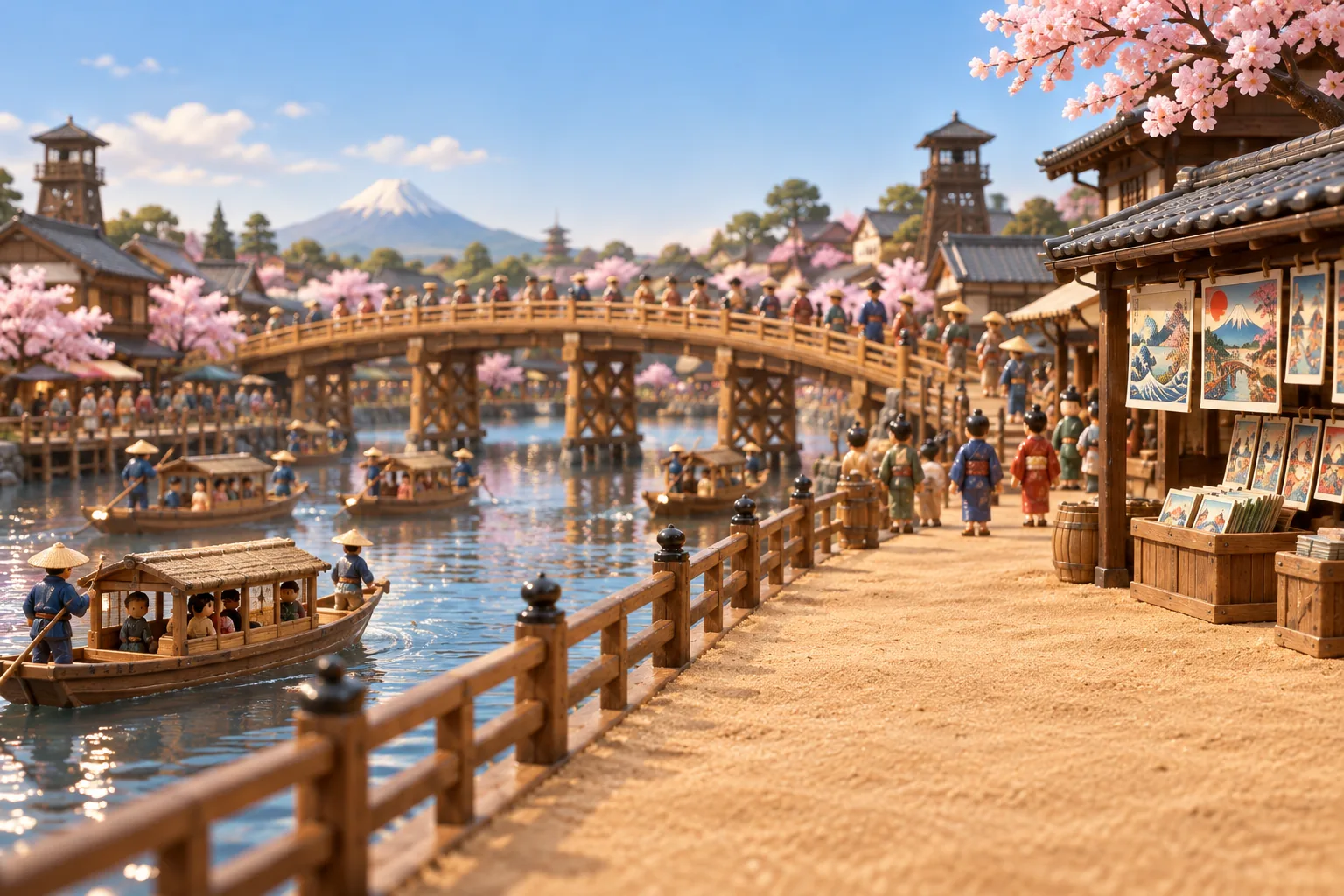 1760–1849 · Edo (Tokyo), JapanKatsushika HokusaiAround the age of 70, an Edo printmaker who claimed nothing he had drawn before was worth much designed a giant wave curling over the boats, with Mount Fuji tiny behind it.
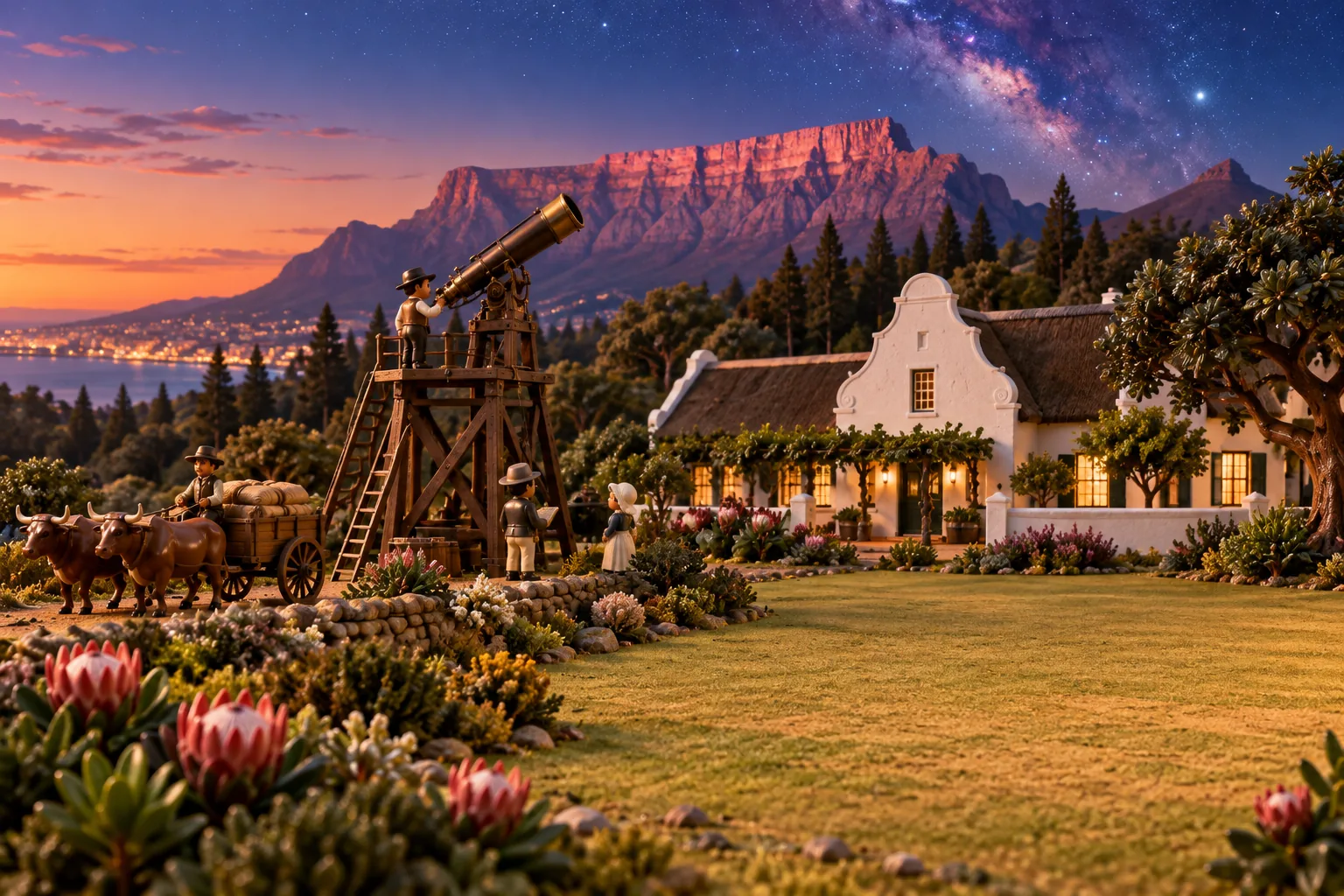 1792–1871 · Feldhausen, Claremont, Cape TownJohn HerschelIn January 1834 an English astronomer landed at the Cape with his wife, three children and a 20-inch telescope, to finish his father's map of the whole sky.
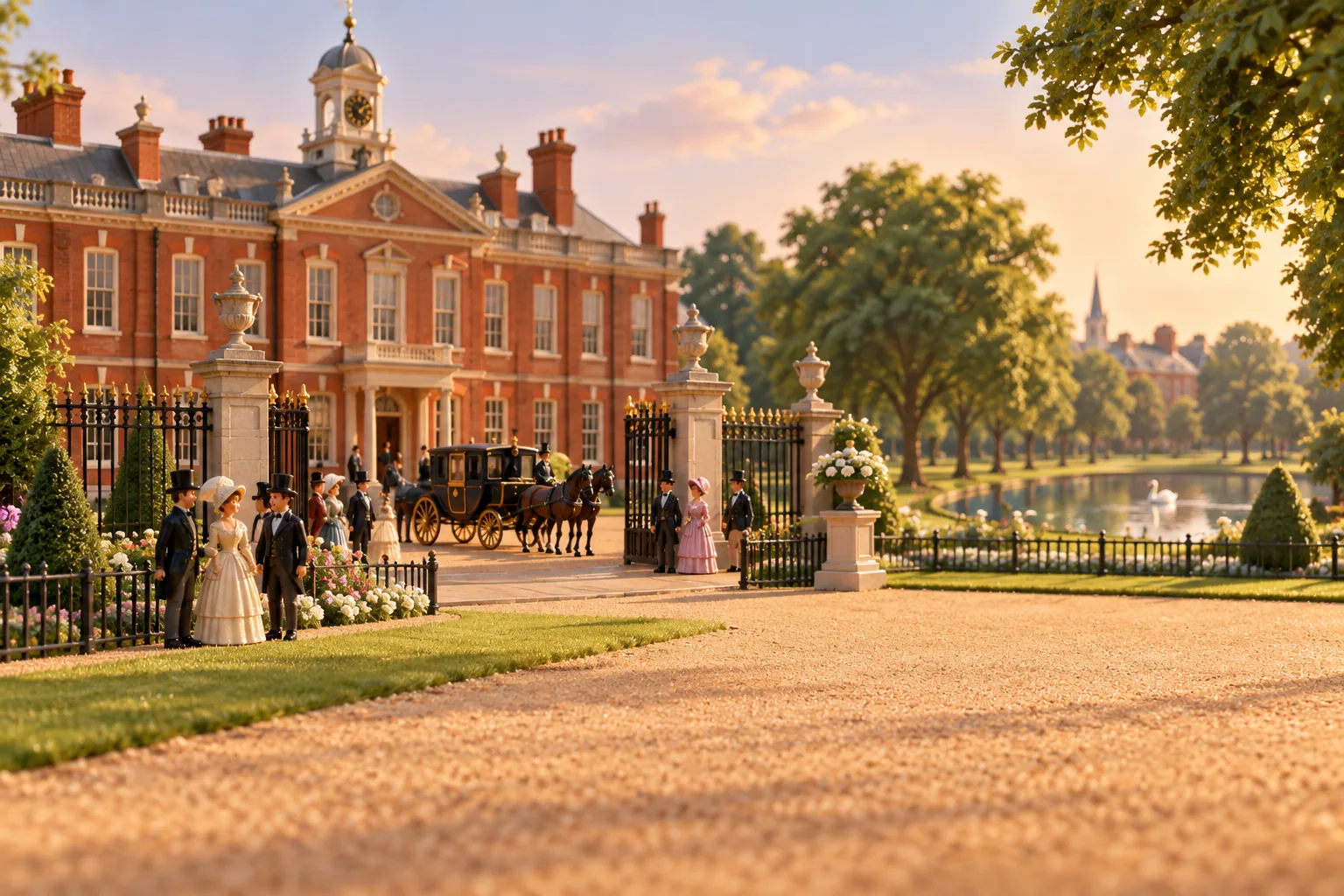 1819–1901 · Kensington Palace, LondonQueen VictoriaA girl who had shared her mother's bedroom every night of her life became queen at 18, and went on to rule for 63 years.
 1812–1870 · 48 Doughty Street, London, EnglandCharles DickensThe boy who had pasted labels on pots of boot polish while his father sat in a debtors' prison grew up to write the first Victorian novel with a child hero.
 1815–1852 · London, EnglandAda LovelaceA century before electronic computers, she saw that a machine of brass gears could handle not only numbers but music and any other symbols.
 1809–1849 · New York City, USAEdgar Allan PoeA poem about a talking raven that answers every question with "Nevermore" appeared in a New York newspaper and turned a struggling editor into a sensation.
 1818–1883 · London, EnglandKarl MarxWritten by two young Germans in a few weeks, a short pamphlet ended with a call for the workers of the world to unite, and became one of the most influential texts ever printed.
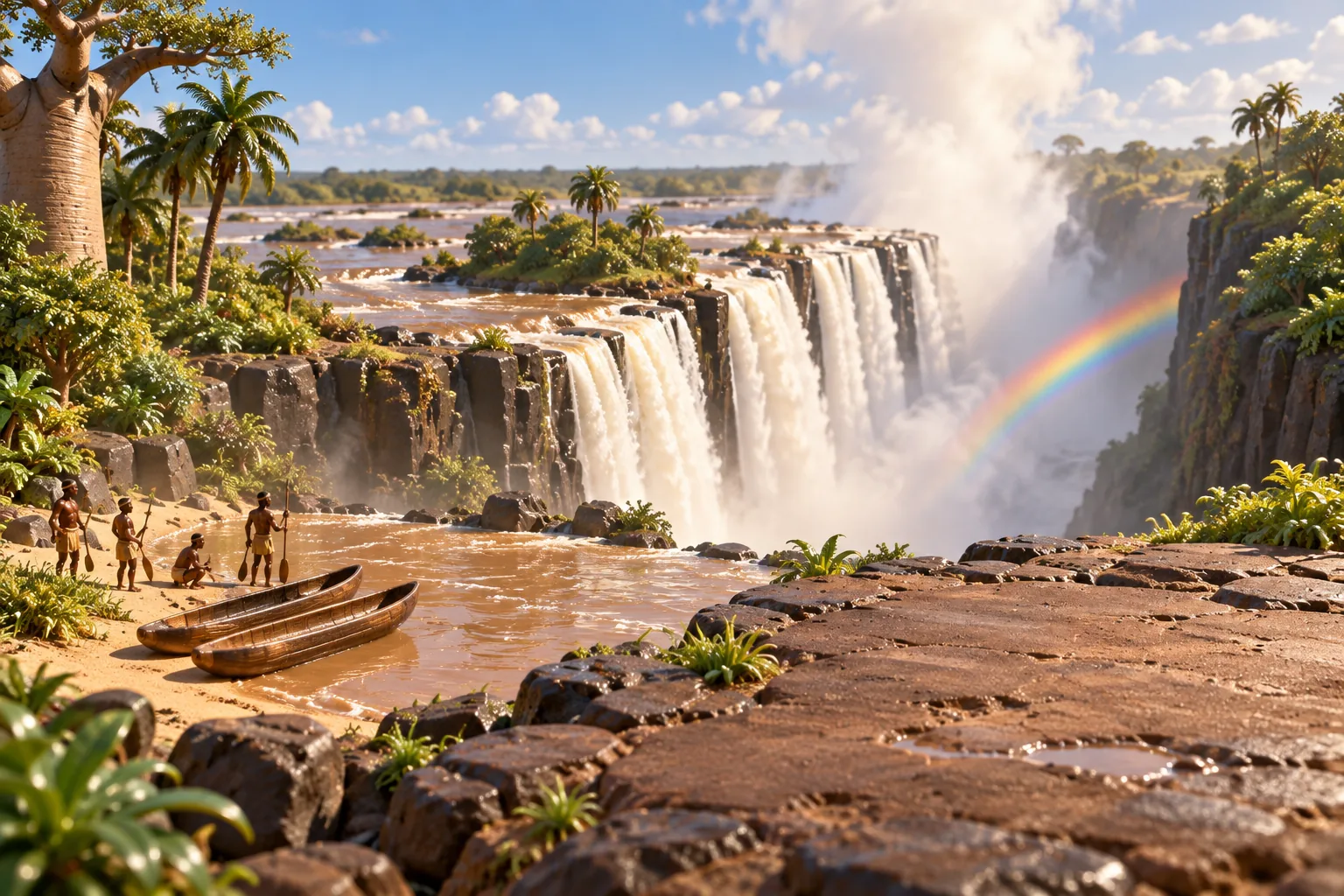 1813–1873 · Victoria Falls (Mosi-oa-Tunya), Zambezi RiverDavid LivingstoneTravelling down the Zambezi in 1855, he became the first European to see the falls known as Mosi-oa-Tunya, "the smoke that thunders", and named them after Queen Victoria.
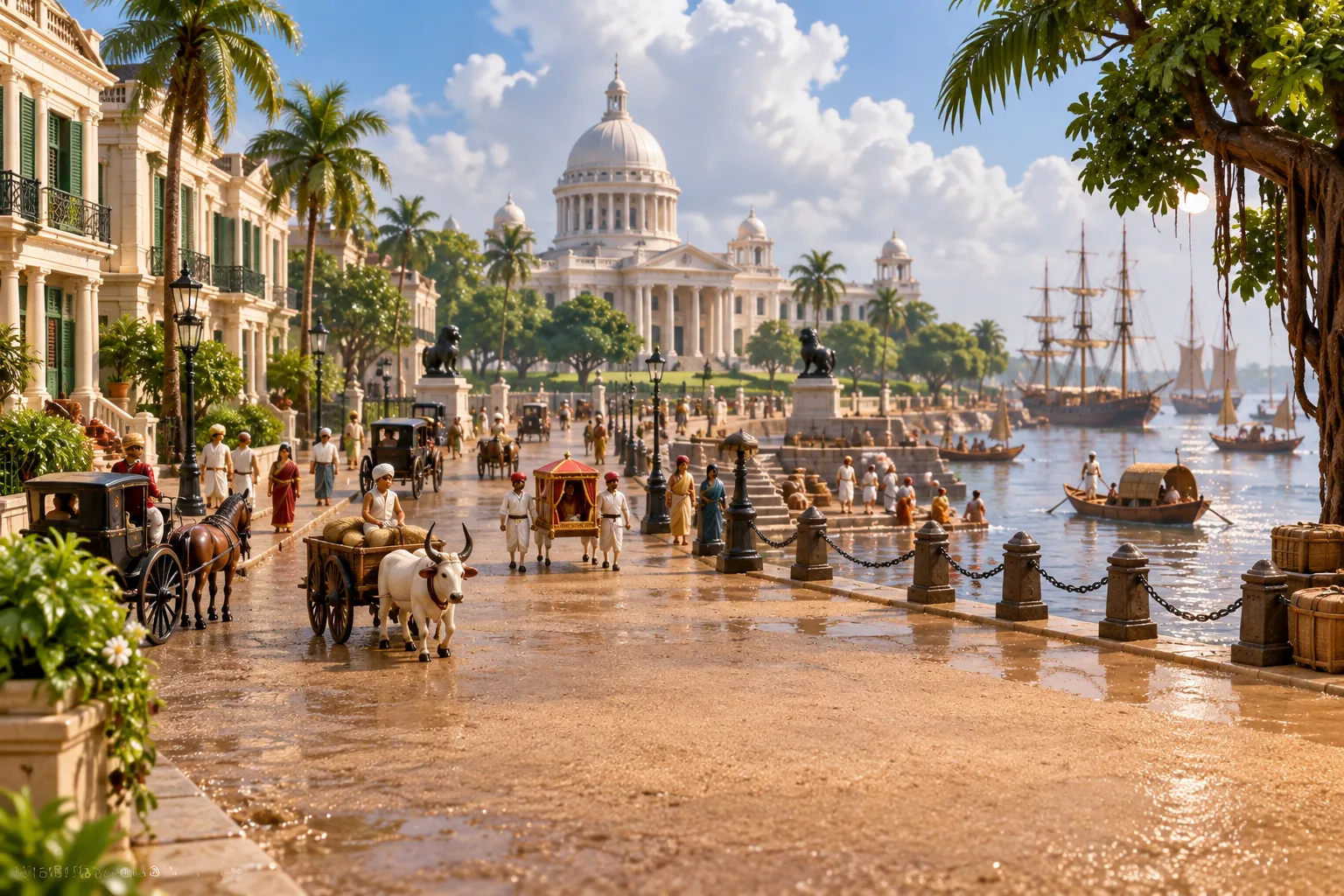 1820–1891 · Calcutta (Kolkata), IndiaIshwar Chandra VidyasagarHis opponents gathered nearly four times as many signatures, but on 26 July 1856 a Sanskrit scholar won Hindu widows the legal right to marry again.
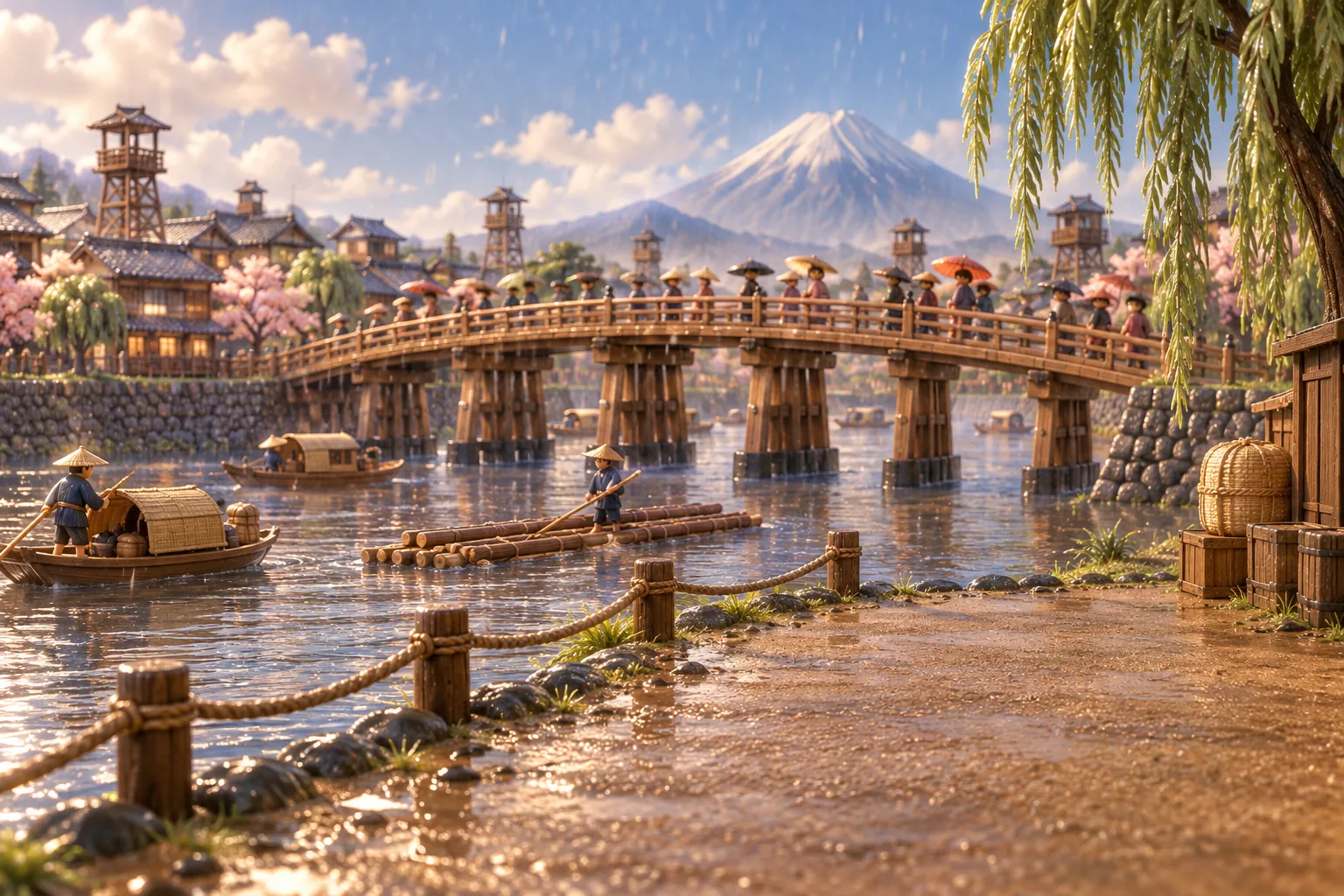 1797–1858 · Edo (Tokyo), JapanUtagawa HiroshigeIn his last years, now a Buddhist monk, he drew the city he was born in more than a hundred times, and in Paris, Vincent van Gogh copied him.
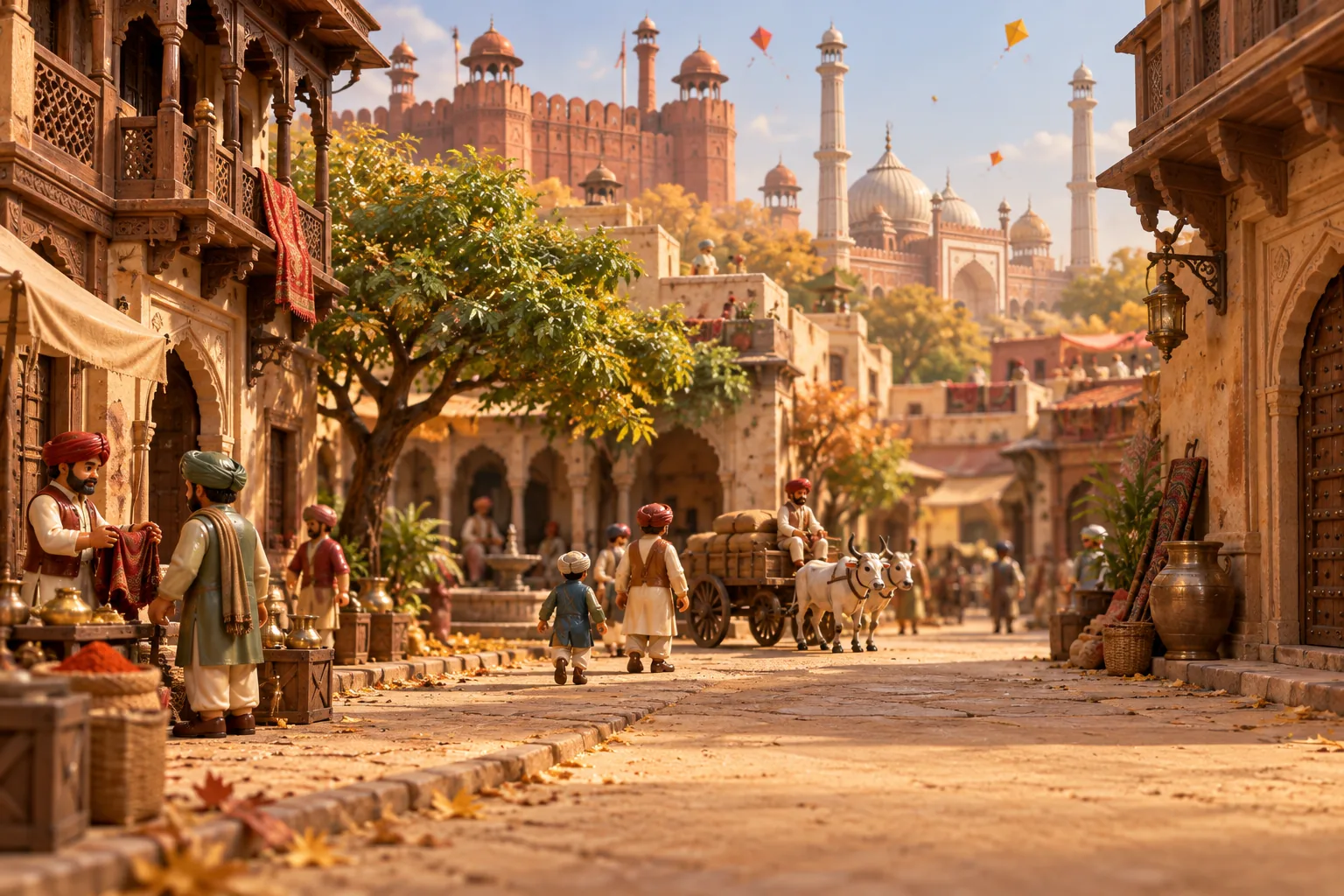 1797–1869 · Old Delhi, IndiaMirza GhalibHauled before a British colonel after the fall of Delhi in 1857 and asked if he was a Muslim, the poet answered: half. I drink wine, but I don't eat pork.
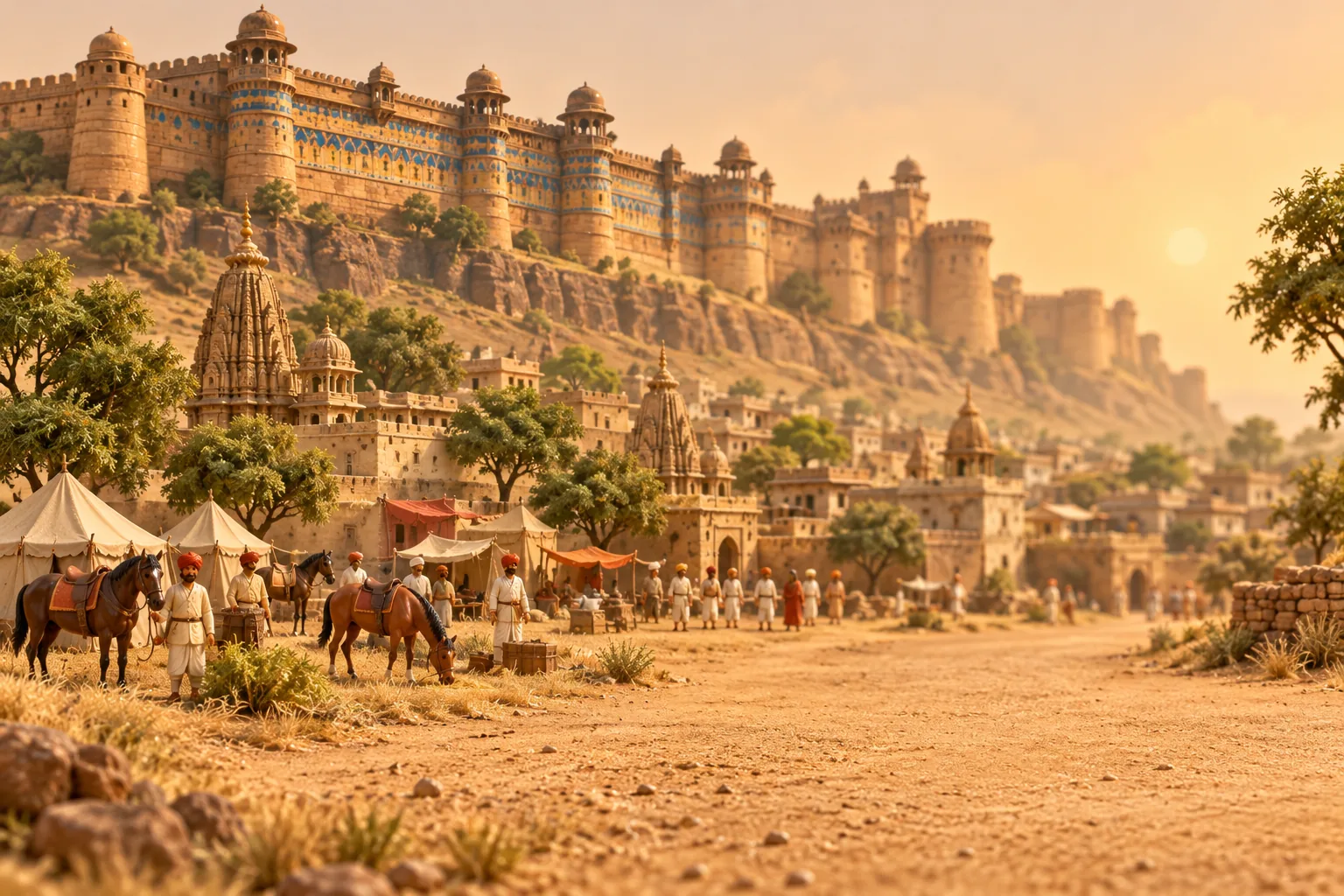 c. 1828 – 1858 · Gwalior, IndiaRani LakshmibaiWhen the British took her husband's kingdom by a legal rule, she fought them with lawyers and letters, and when that failed, on horseback.
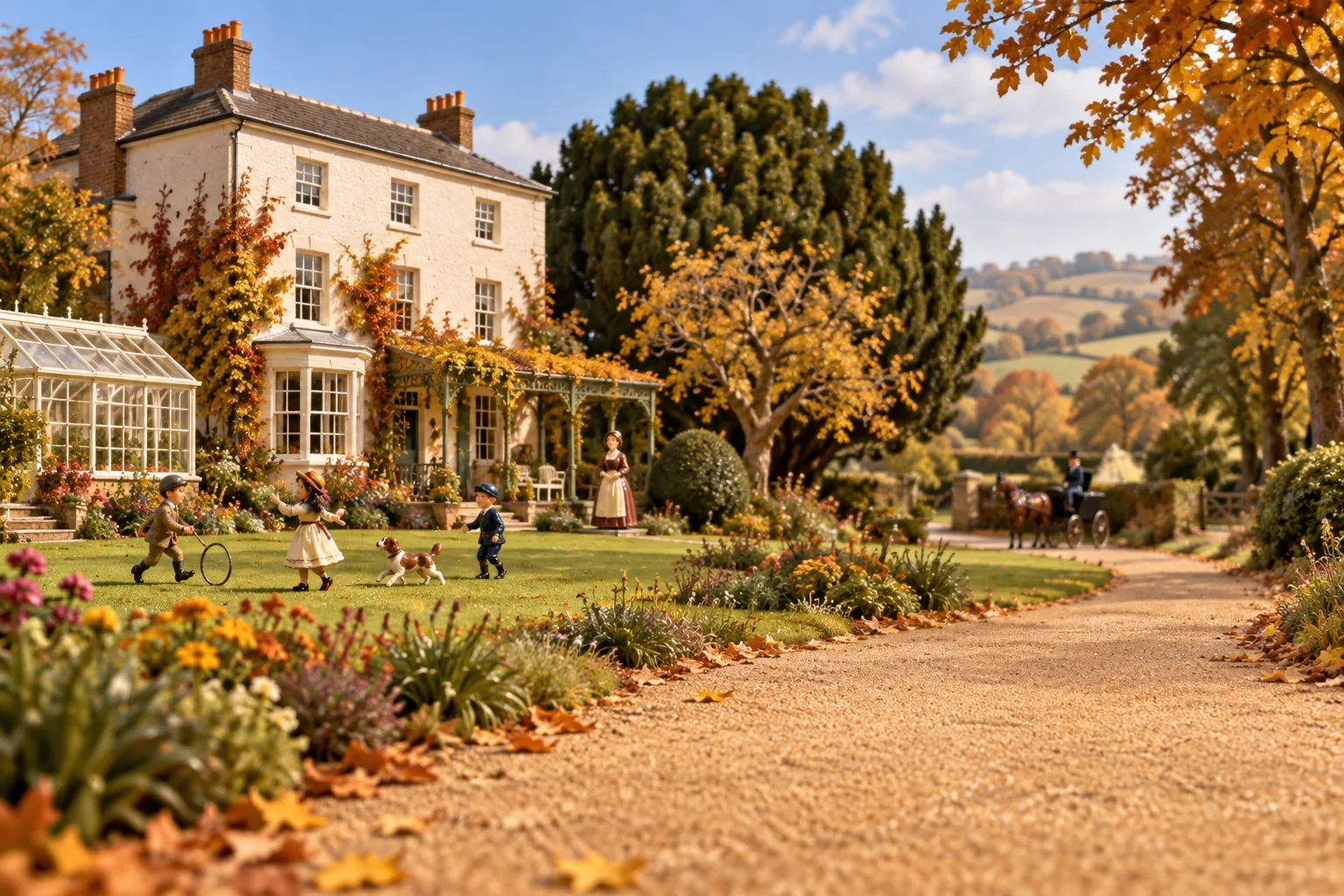 1809–1882 · Down House, Downe, Kent, EnglandCharles DarwinAfter twenty years of quiet work on his theory, he rushed it into print because a younger naturalist had reached the same idea.
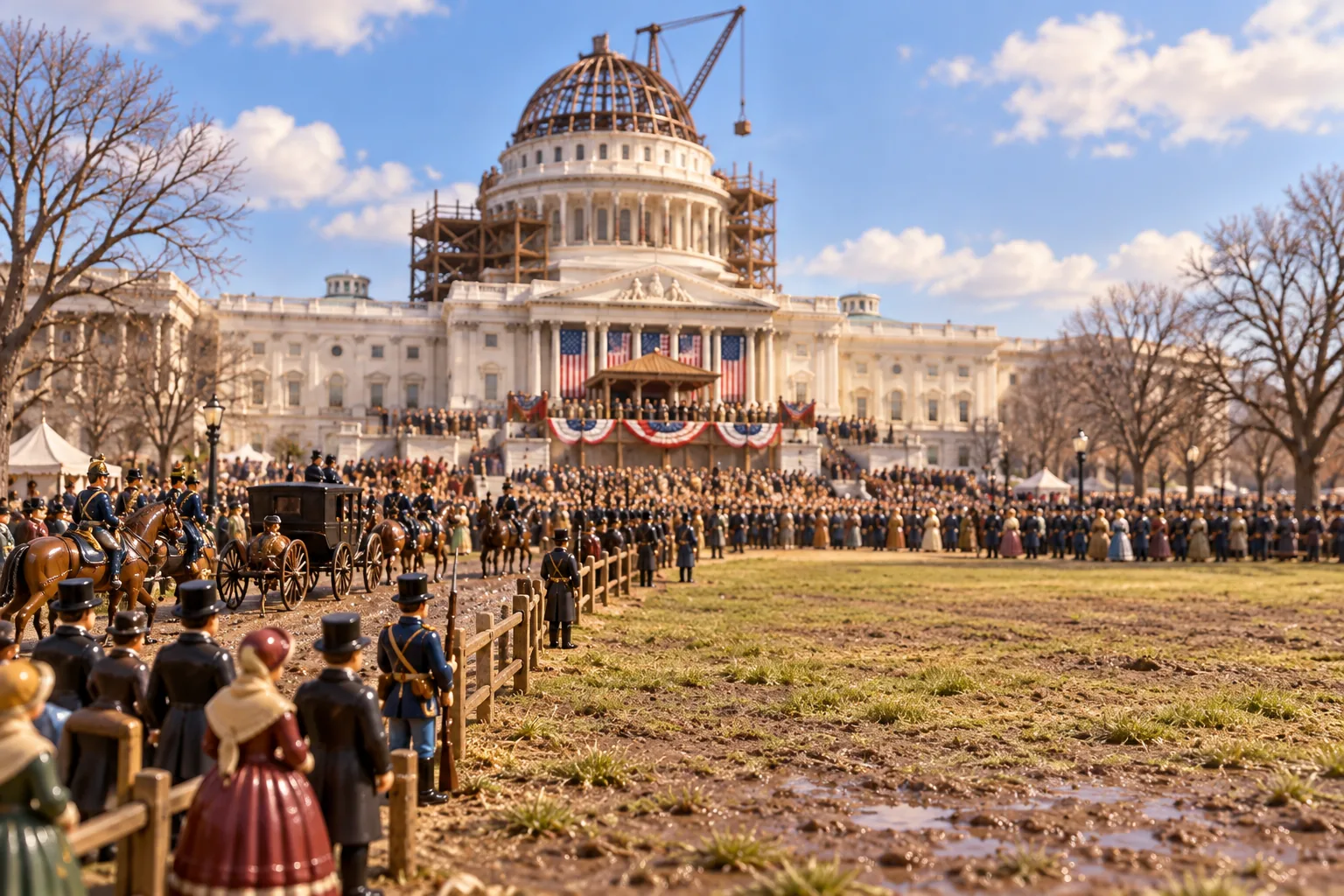 1809–1865 · United States Capitol, Washington, D.C.Abraham LincolnBy the day he was sworn in under the Capitol's half-built dome, seven Southern states had already left the Union.
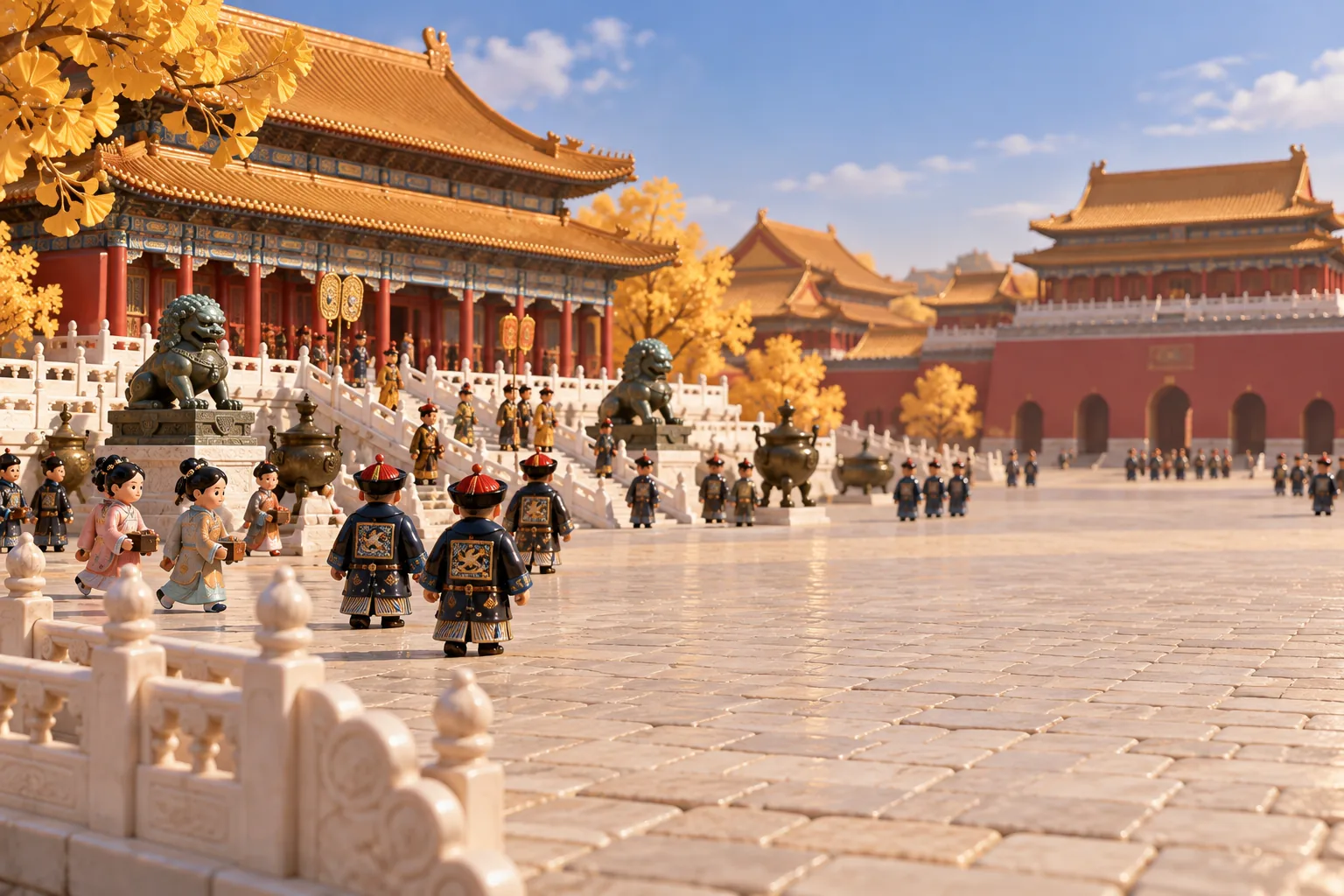 1835–1908 · Forbidden City, Beijing, ChinaEmpress Dowager CixiWomen were never supposed to touch politics at the Qing court. In 1861 a 25-year-old widow and mother of the boy emperor overthrew his eight regents and began to rule from behind a curtain.
 1830–1886 · The Homestead, Amherst, MassachusettsEmily DickinsonIn April 1862 a young woman in Amherst mailed four poems to a stranger who wrote for The Atlantic Monthly and asked him whether her verse was alive.
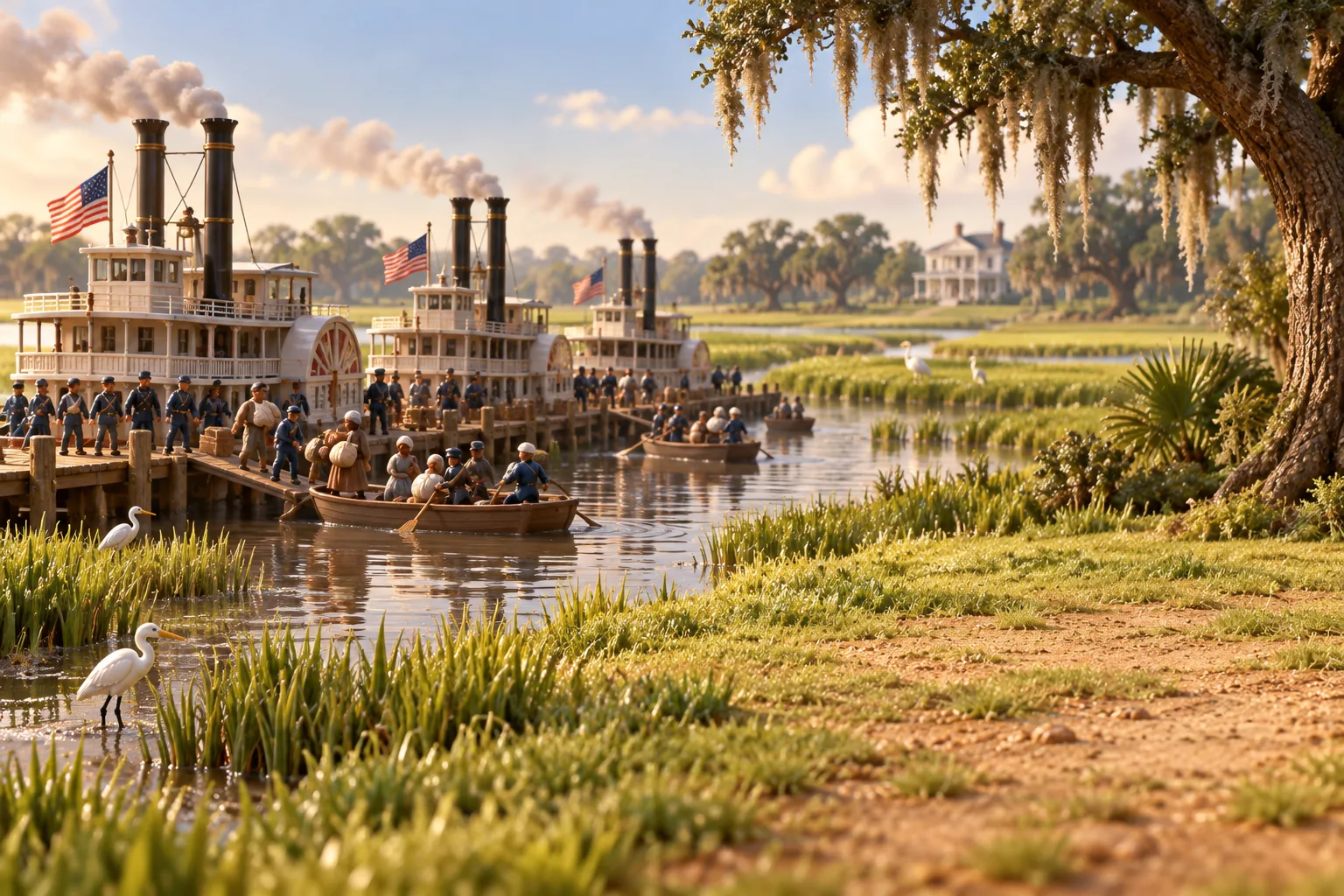 c. 1822 – 1913 · Combahee River, South CarolinaHarriet TubmanWhen the steamboat whistles sounded on the Combahee River in June 1863, the enslaved people on the rice plantations knew, thanks to her spies, that freedom had come.
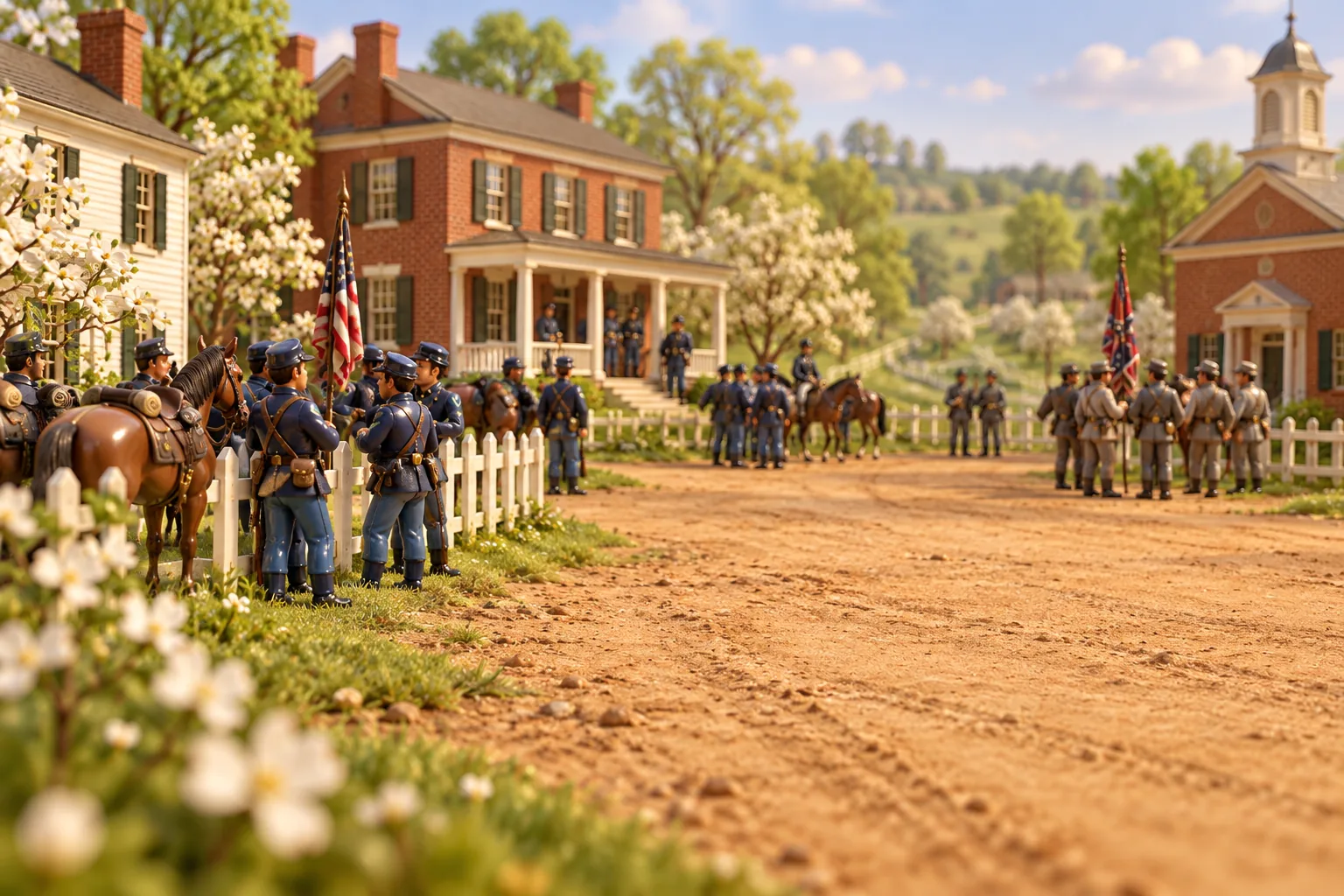 1822–1885 · Appomattox Court House, VirginiaUlysses S. GrantWhen Lee surrendered, Grant let the Confederate soldiers keep their horses and stopped his own men cheering: "The war is over; the rebels are our countrymen again."
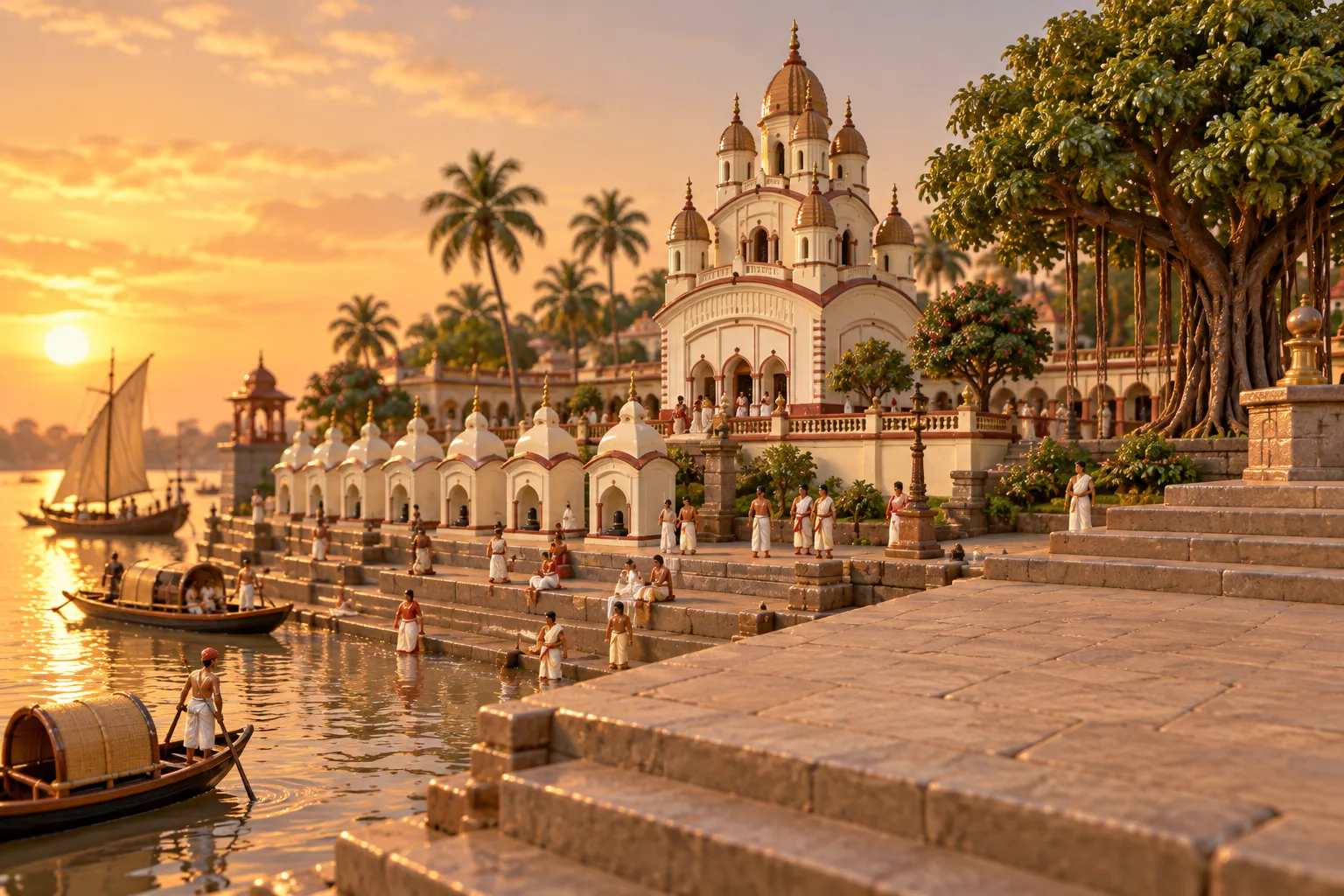 1836–1886 · Dakshineswar Kali Temple, CalcuttaRamakrishnaA village priest at a riverside temple near Calcutta tried path after path, Tantra, Vedanta, Islam and Christianity, and concluded that the world's religions are "so many paths to reach one and the same goal".
 1836–1867 · Kyoto, JapanSakamoto RyōmaIn 1866 two domains that had hated each other for generations signed a secret alliance against the shogun, and a runaway samurai from Tosa helped bring them to the table.
 1821–1881 · Saint Petersburg, RussiaFyodor DostoevskyOnce led out to face a firing squad and reprieved at the last moment, he wrote a novel from inside the mind of a young murderer in the back streets of Saint Petersburg.
 1835–1901 · Mita, Edo (Tokyo), JapanFukuzawa YukichiIn 1868, while fighting raged in Edo, a teacher bought an estate in Mita, moved his little school there and kept lecturing on economics as the guns of the Battle of Ueno sounded.
 1815–1898 · Hall of Mirrors, Palace of VersaillesOtto von BismarckWith the war against France in its final phase, the German princes gathered in the Hall of Mirrors at Versailles and proclaimed the King of Prussia German Emperor, the work of his chief minister.
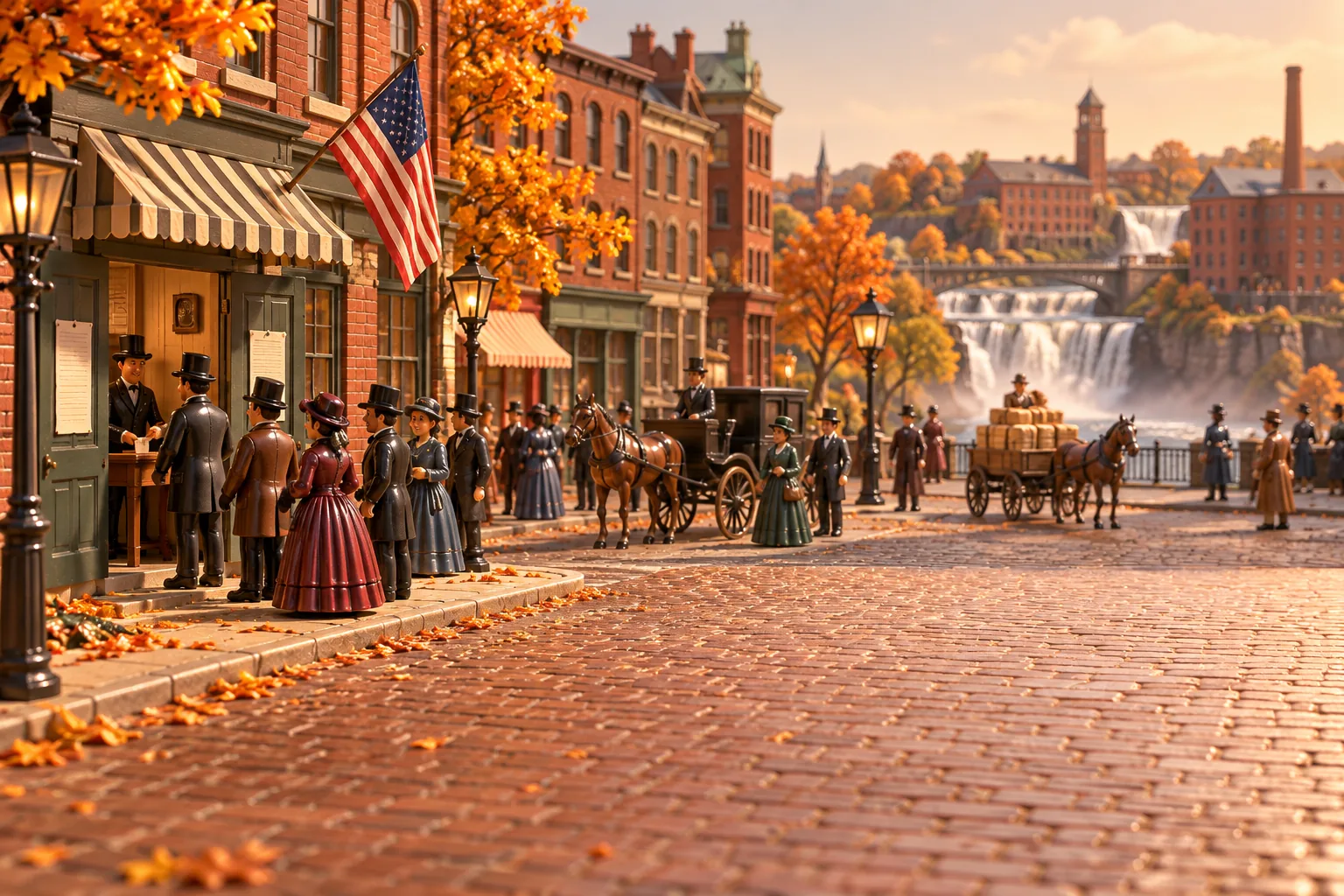 1820–1906 · Rochester, New YorkSusan B. AnthonyIn November 1872 she talked the election inspectors in her Rochester ward into letting her vote for president; two weeks later a deputy marshal came to arrest her.
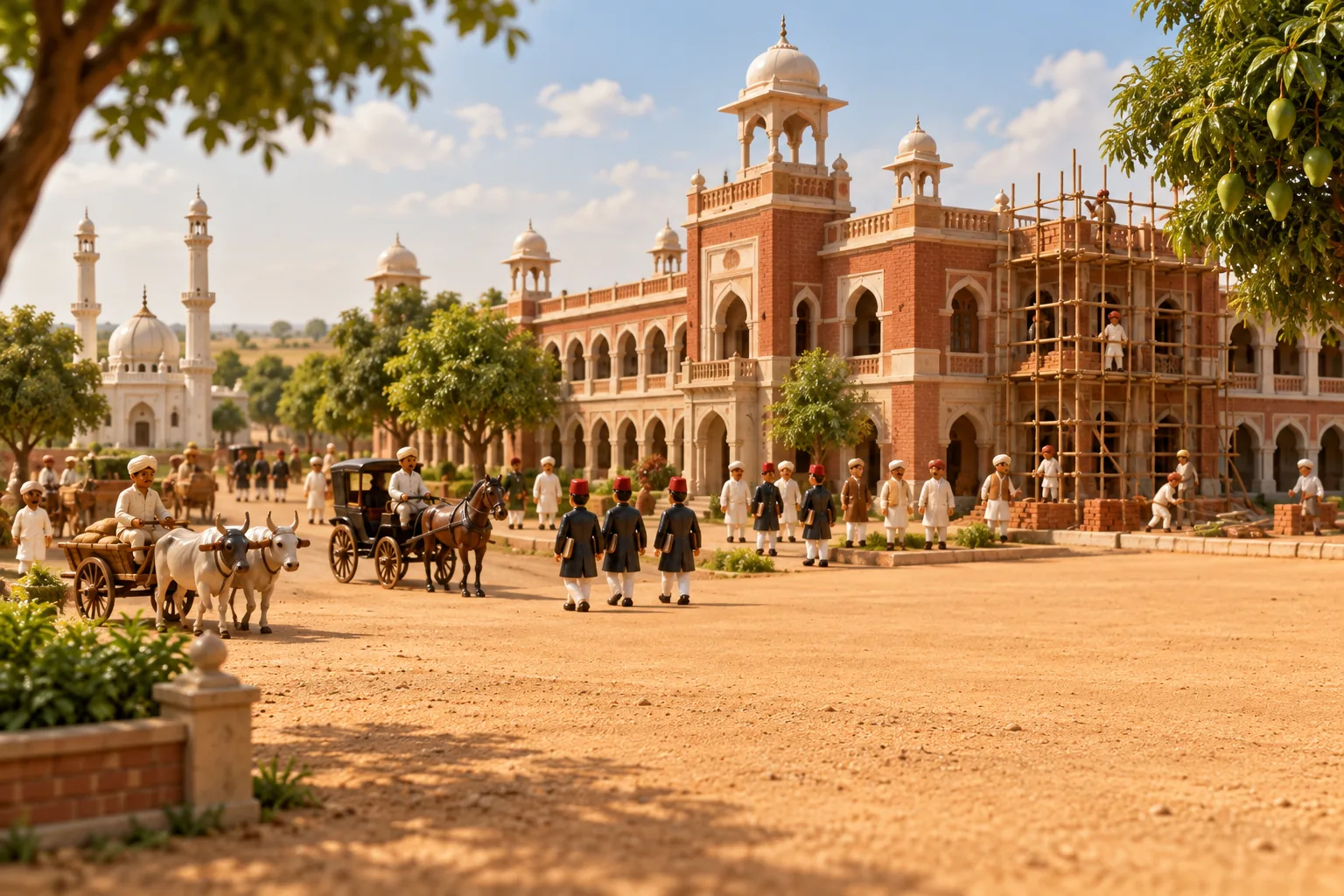 1817–1898 · Aligarh, IndiaSyed Ahmad KhanAfter a trip to Oxford and Cambridge he came home dreaming of a Muslim college just like them. On 24 May 1875 its first school opened in Aligarh.
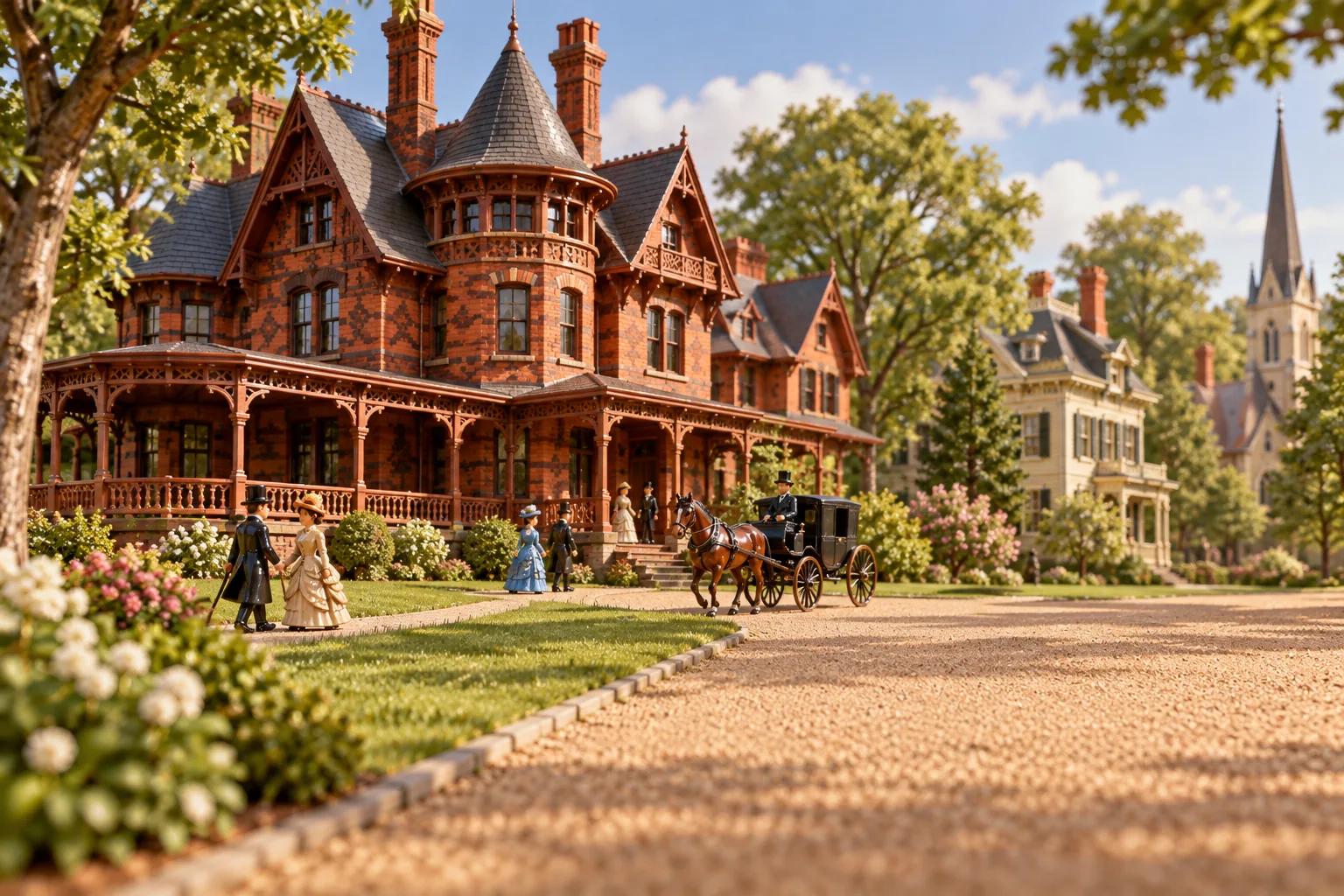 1835–1910 · Mark Twain House, Hartford, Connecticut, United StatesMark TwainA former Mississippi riverboat pilot took his pen name from the leadsman's cry for safe water, then wrote a boy's adventures in a river town modelled on his own.
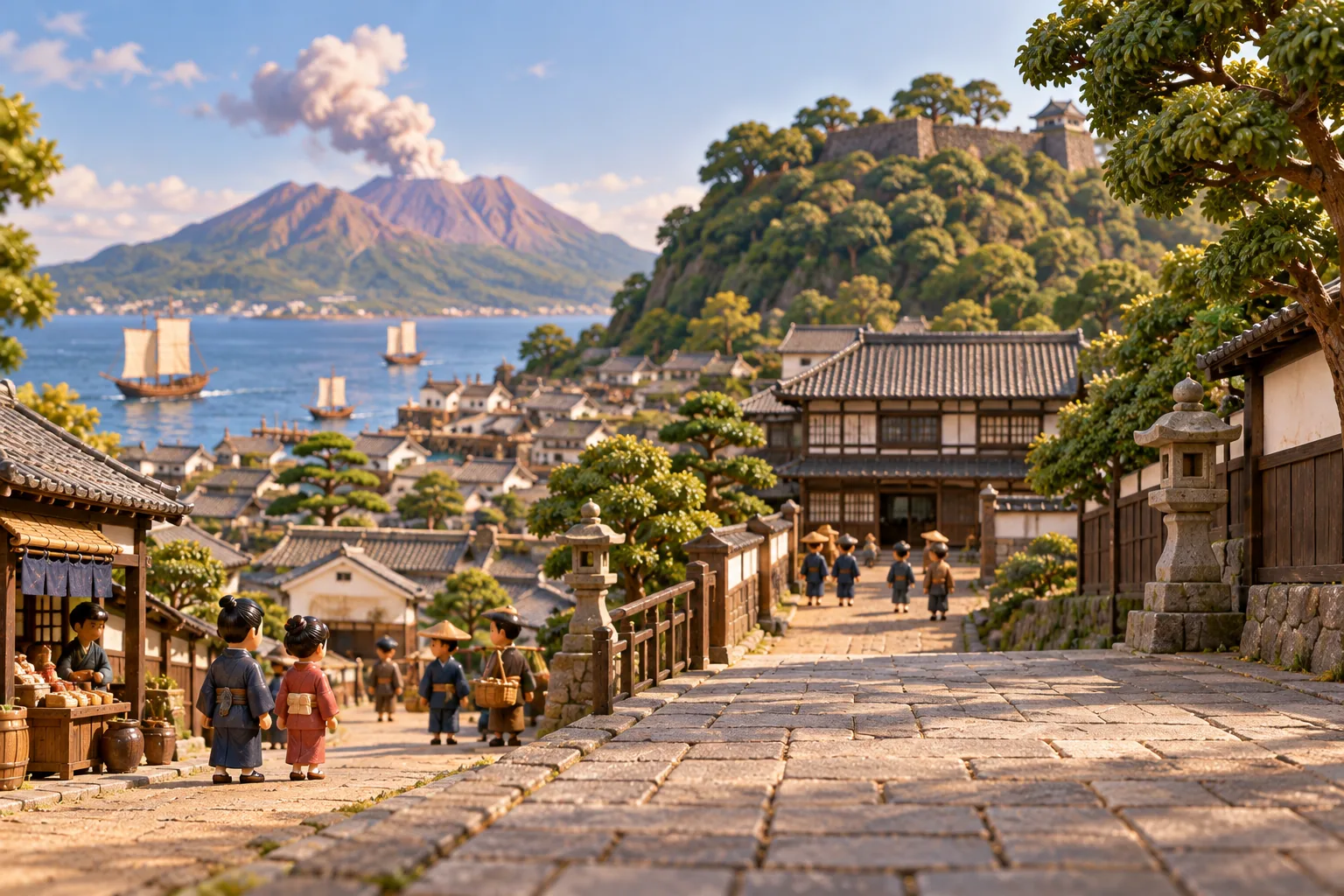 1828–1877 · Kagoshima, JapanSaigō TakamoriHe helped build the new Japan, then came home to Kagoshima to hunt and fish, and in 1877 the samurai who loved him dragged him into a war against it.
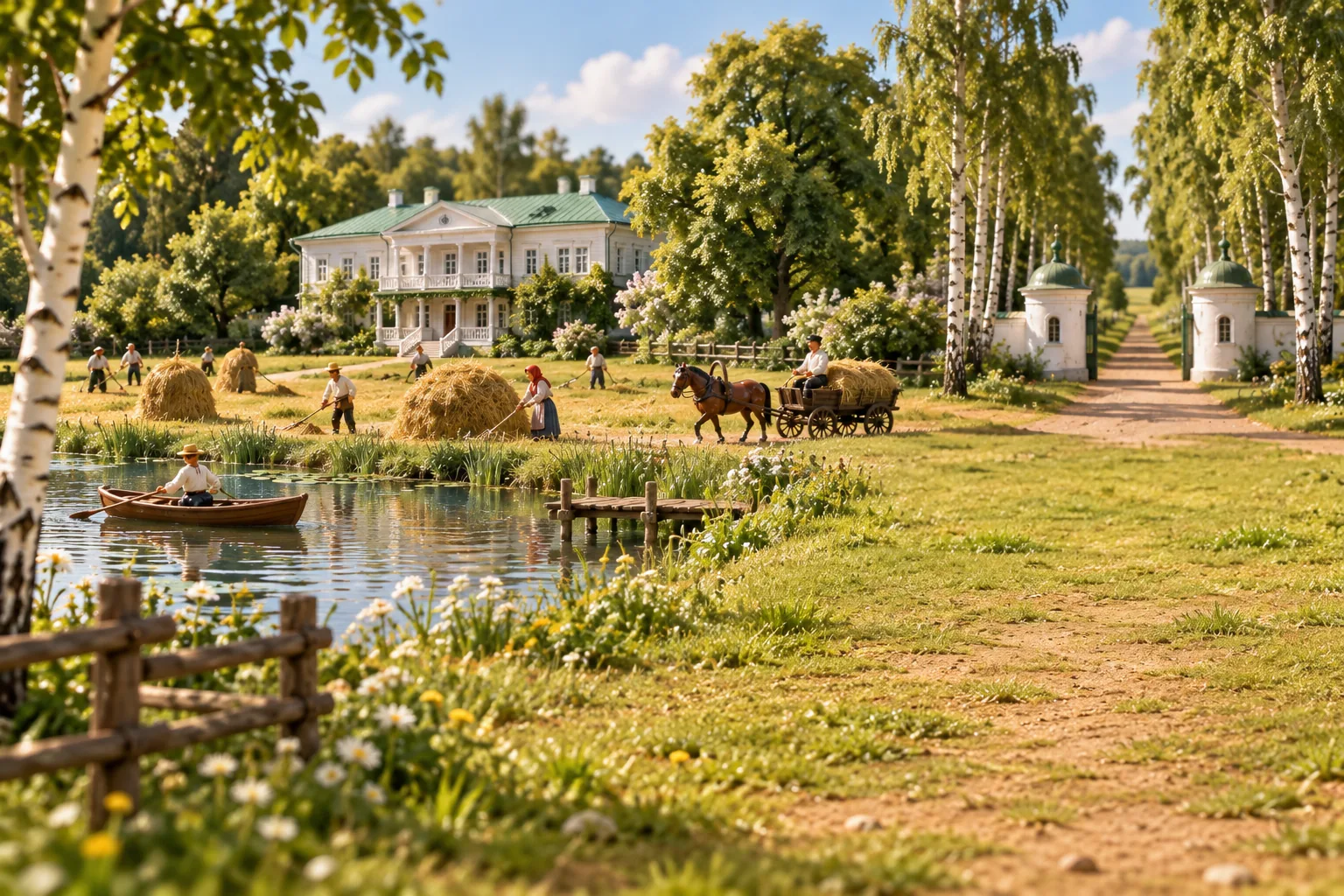 1828–1910 · Yasnaya Polyana, RussiaLeo TolstoyOn his country estate a Russian count finished a novel that opens with the most quoted line about families ever written, and later dismissed his own masterpieces as "counterfeit art".
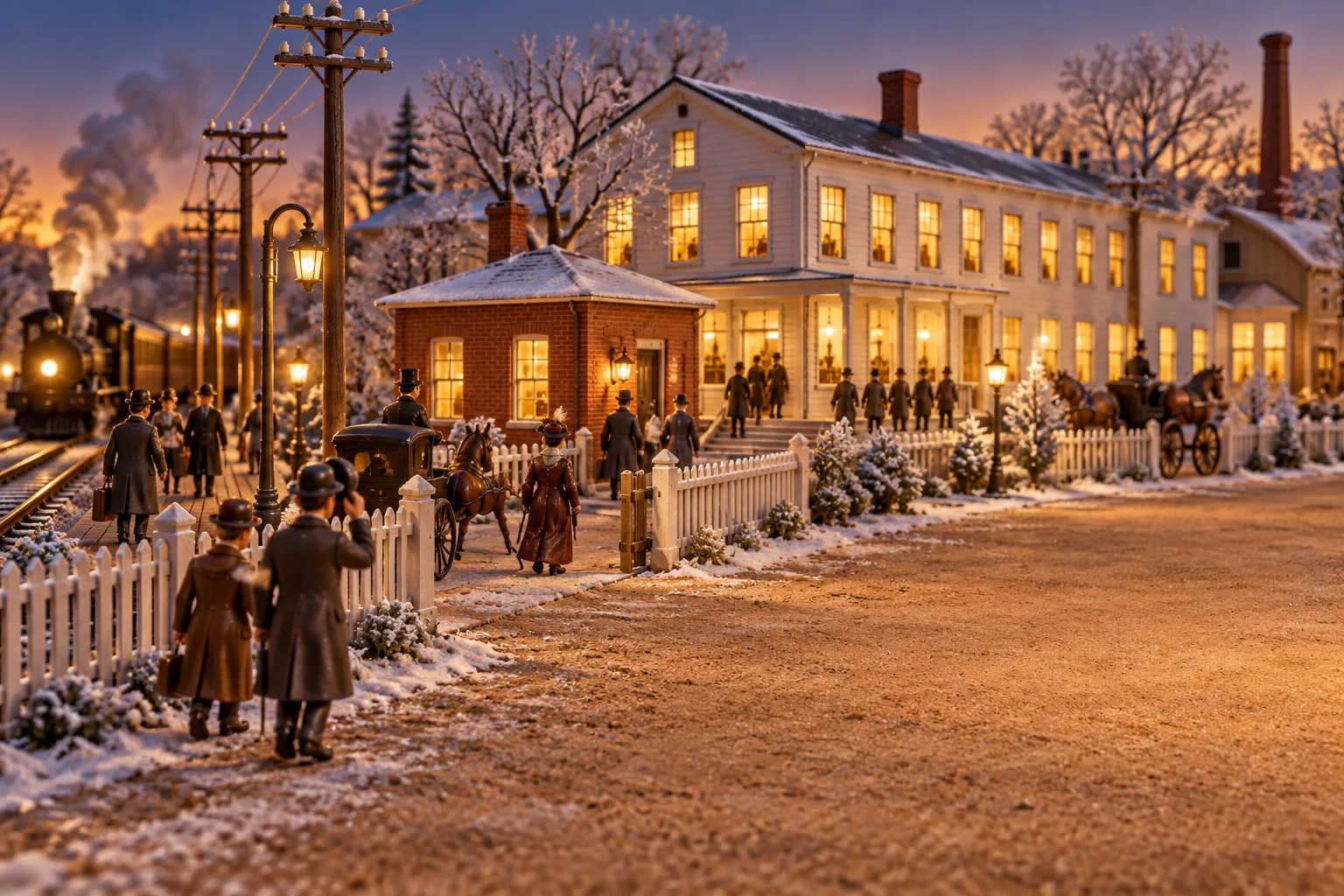 1847–1931 · Menlo Park, New JerseyThomas Edison"The Wizard of Menlo Park" kept his team working 18-hour days, and in December 1879 crowds came to see his lamps glow.
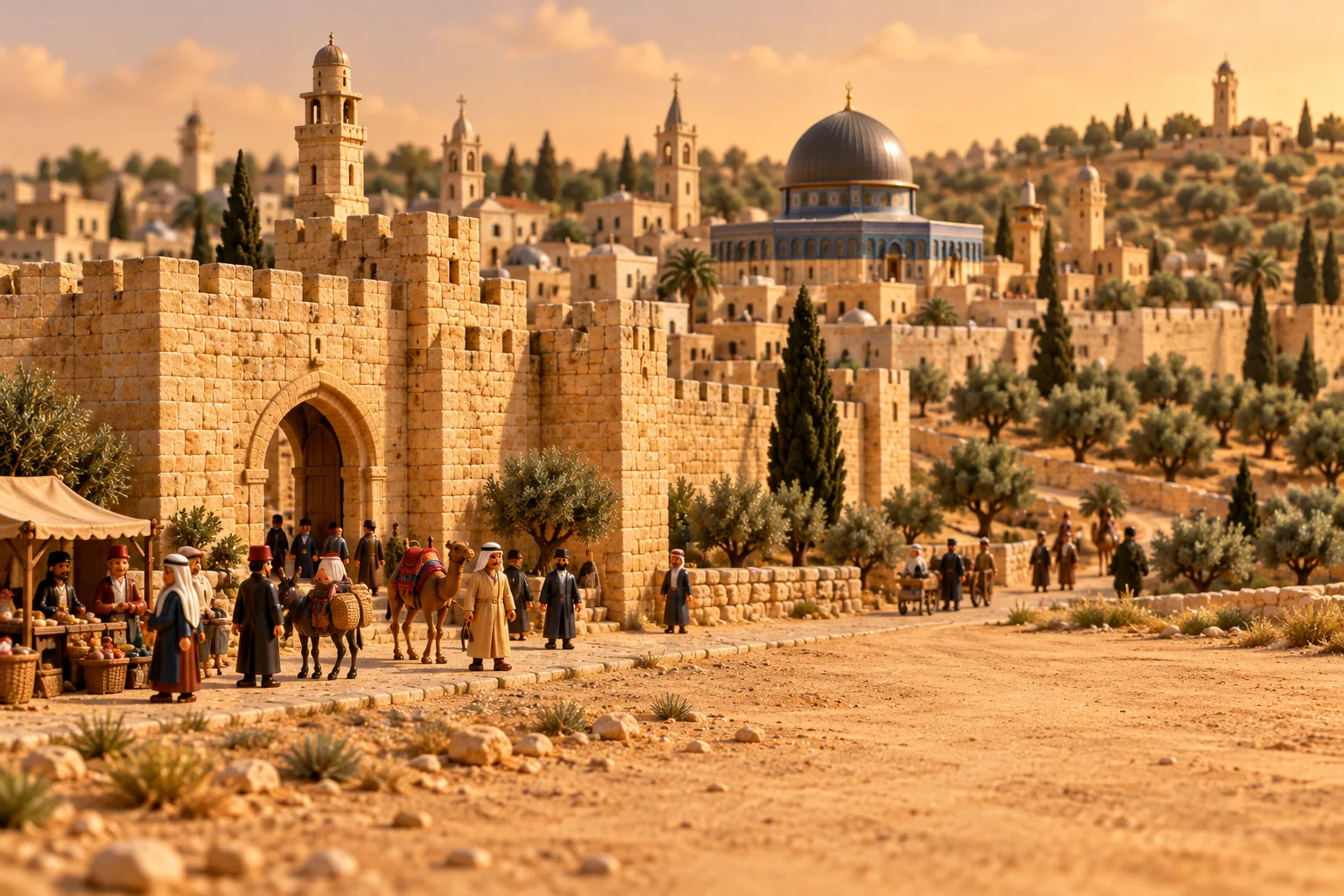 1858–1922 · JerusalemEliezer Ben-YehudaHe forbade his son to hear any language but Hebrew, even scolding his wife for a Russian lullaby, and the boy became its first native speaker in modern times.
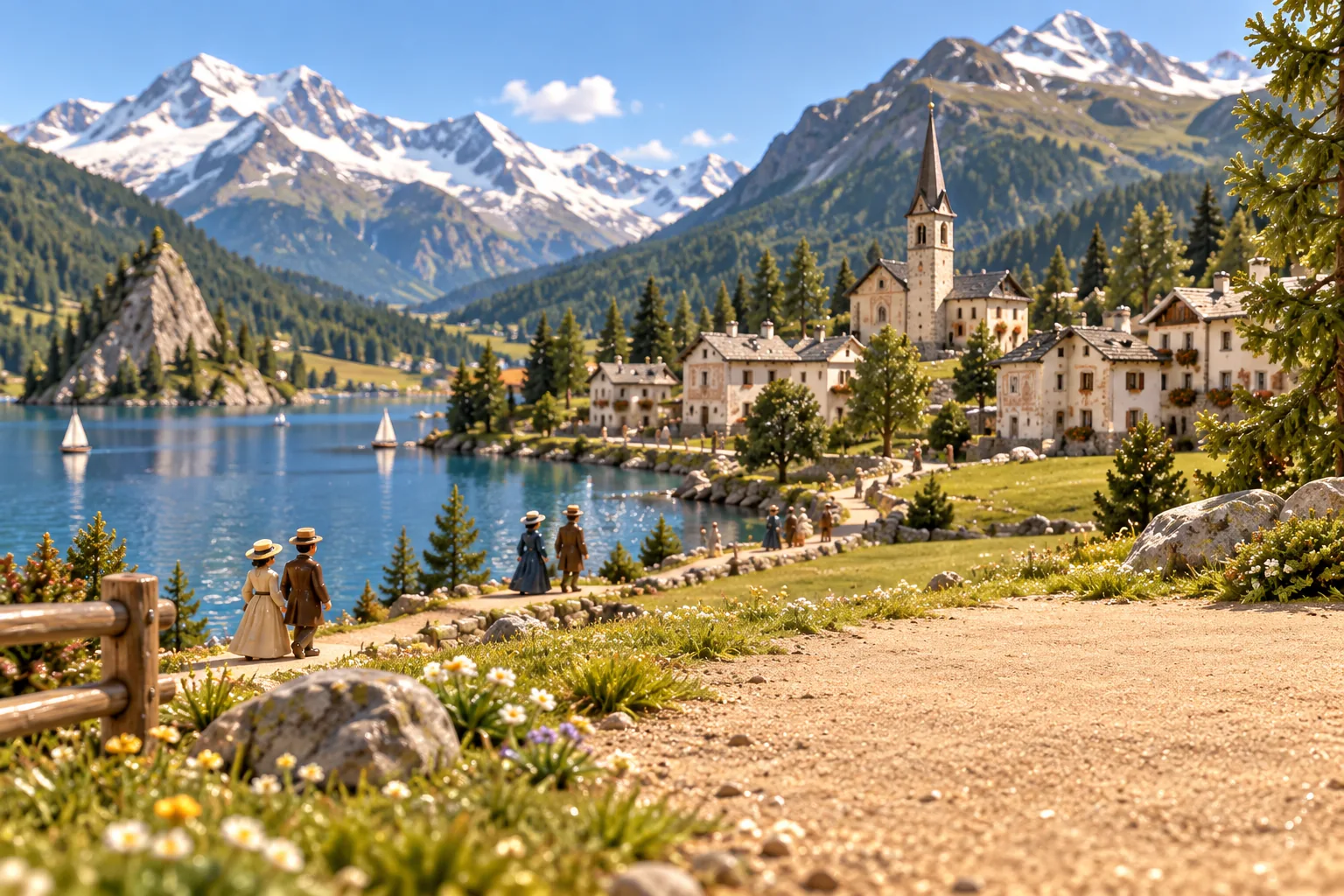 1844–1900 · Sils Maria, SwitzerlandFriedrich NietzscheHe wrote the first part of his most famous book in ten days, and of its fourth part he printed just 40 copies, handing a few to friends.
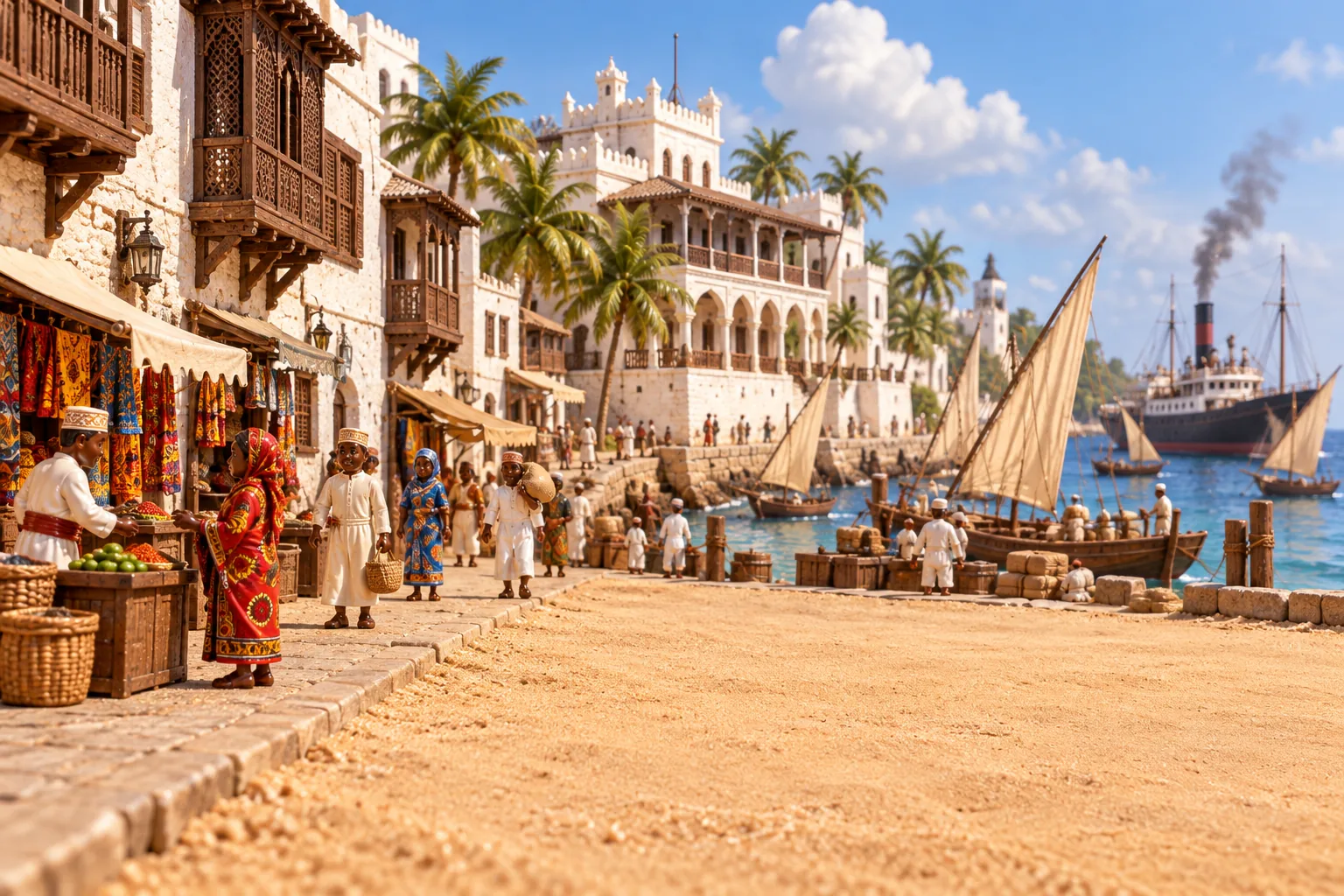 c. 1832 – 1905 · Stone Town, ZanzibarTippu TipOn 24 February 1887, at the British consulate in Zanzibar, the best-known slave trader in Africa signed on to govern a district of the Congo for King Leopold II.
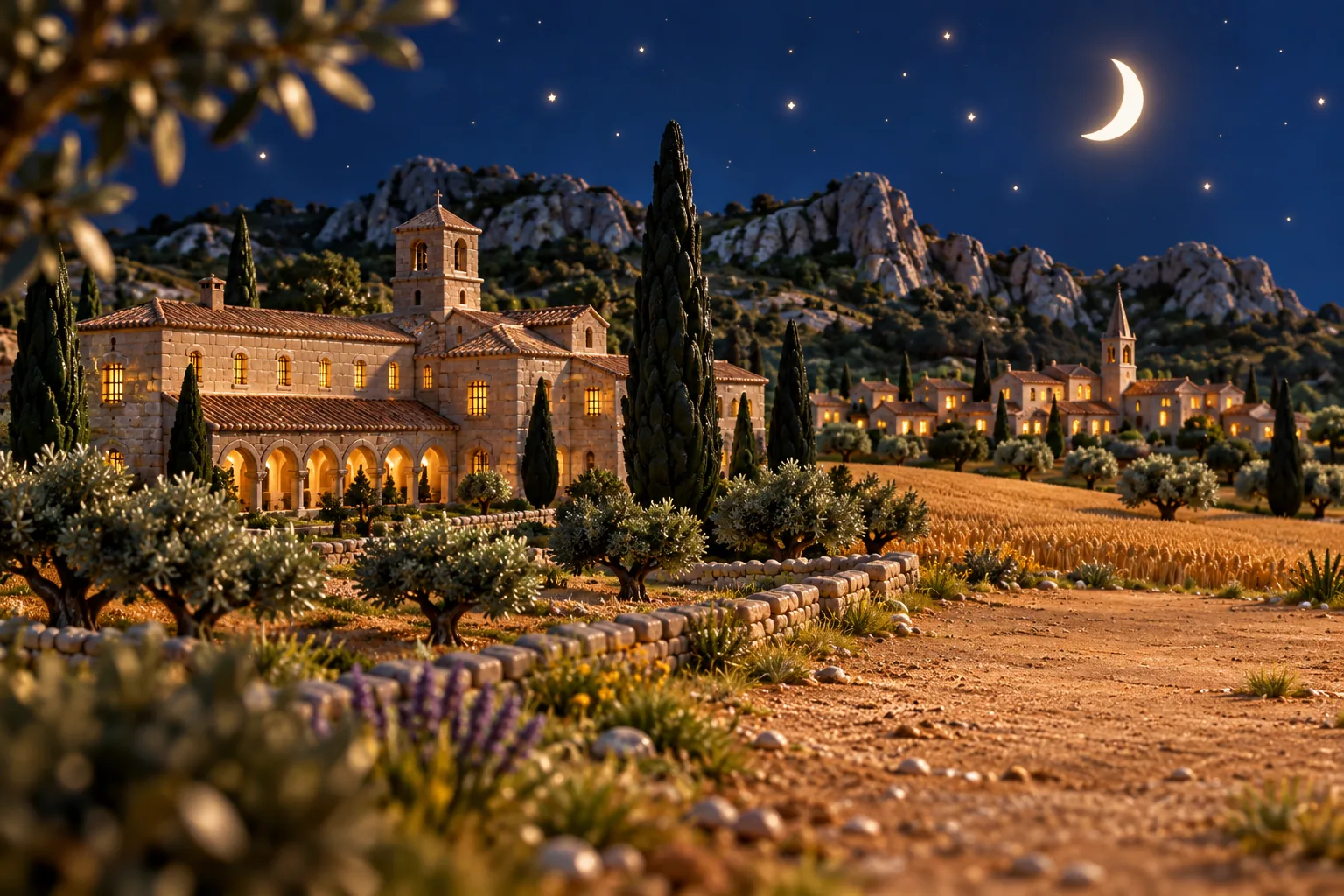 1853–1890 · Saint-Paul-de-Mausole asylum, Saint-Rémy-de-Provence, FranceVincent van GoghFrom a cell with barred windows in a Provençal asylum, he painted cypresses and a swirling night sky, a year before his death.
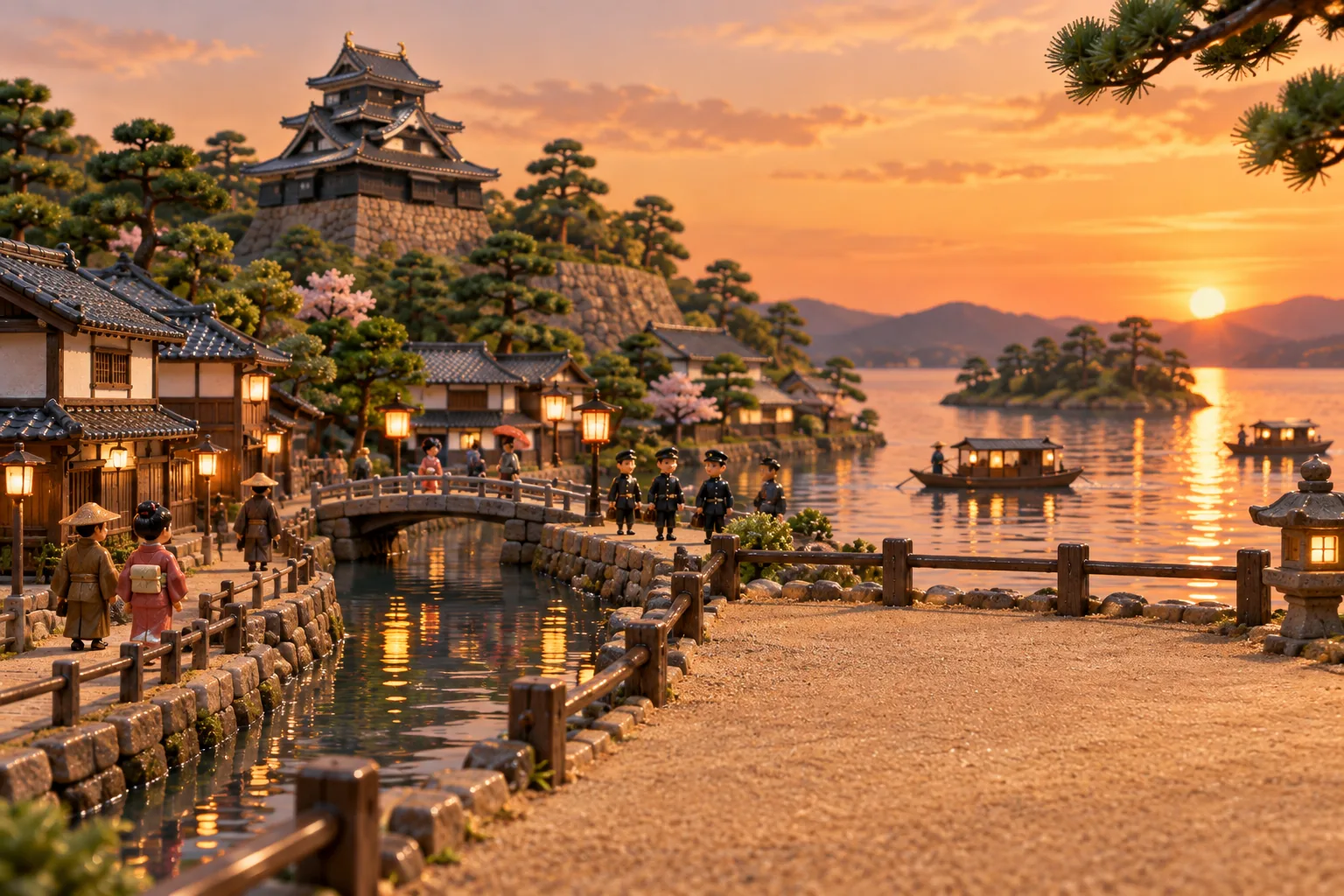 1850–1904 · Matsue, Shimane, JapanLafcadio HearnAbandoned by both parents, half blind and penniless in America, he took a teaching job in a castle town on the Sea of Japan in 1890 and finally found a home.
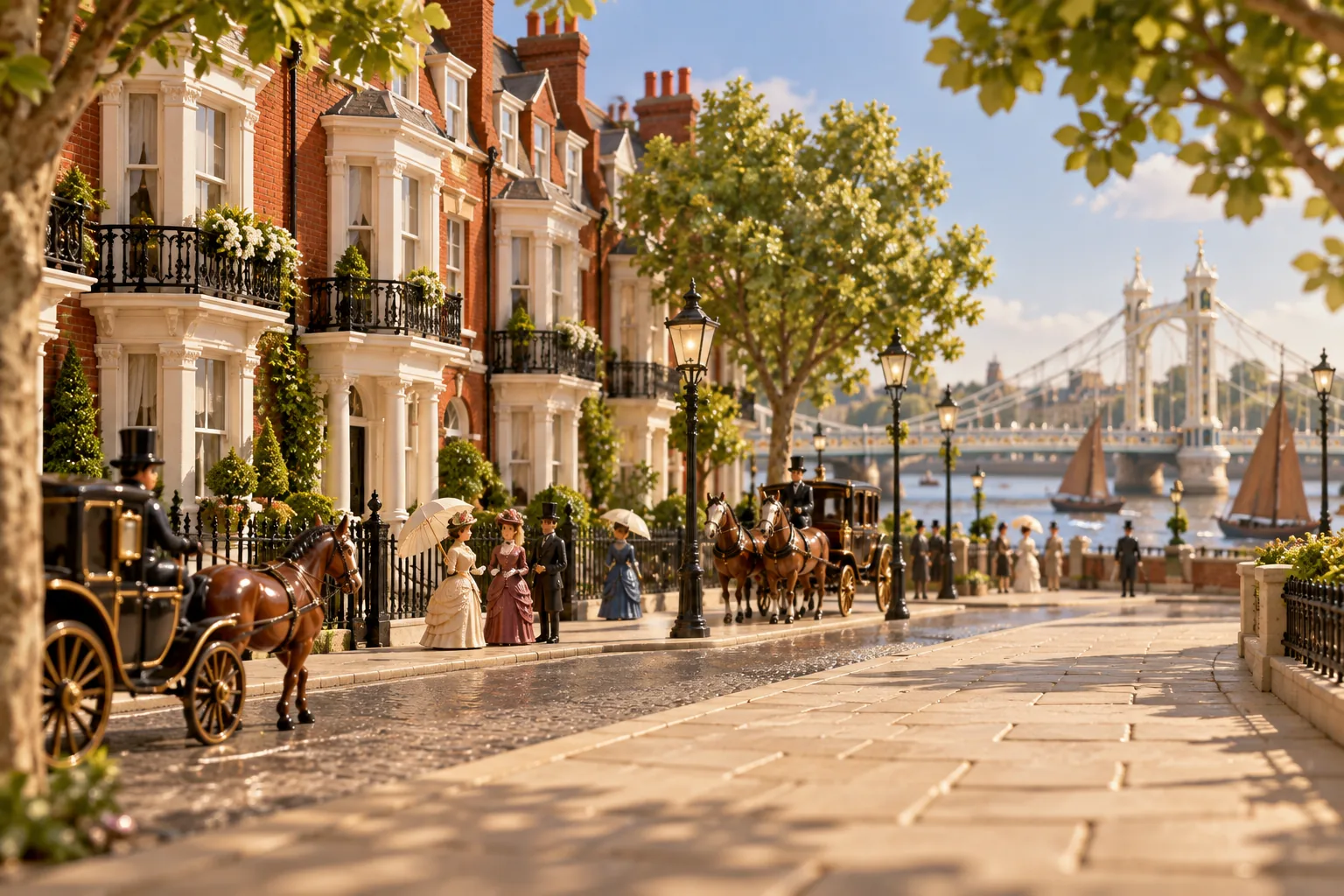 1854–1900 · 34 Tite Street, Chelsea, London, EnglandOscar WildeA dinner with a magazine publisher led him to write his only novel, about a portrait that grows old in its owner's place, and five years later it was used against him in court.
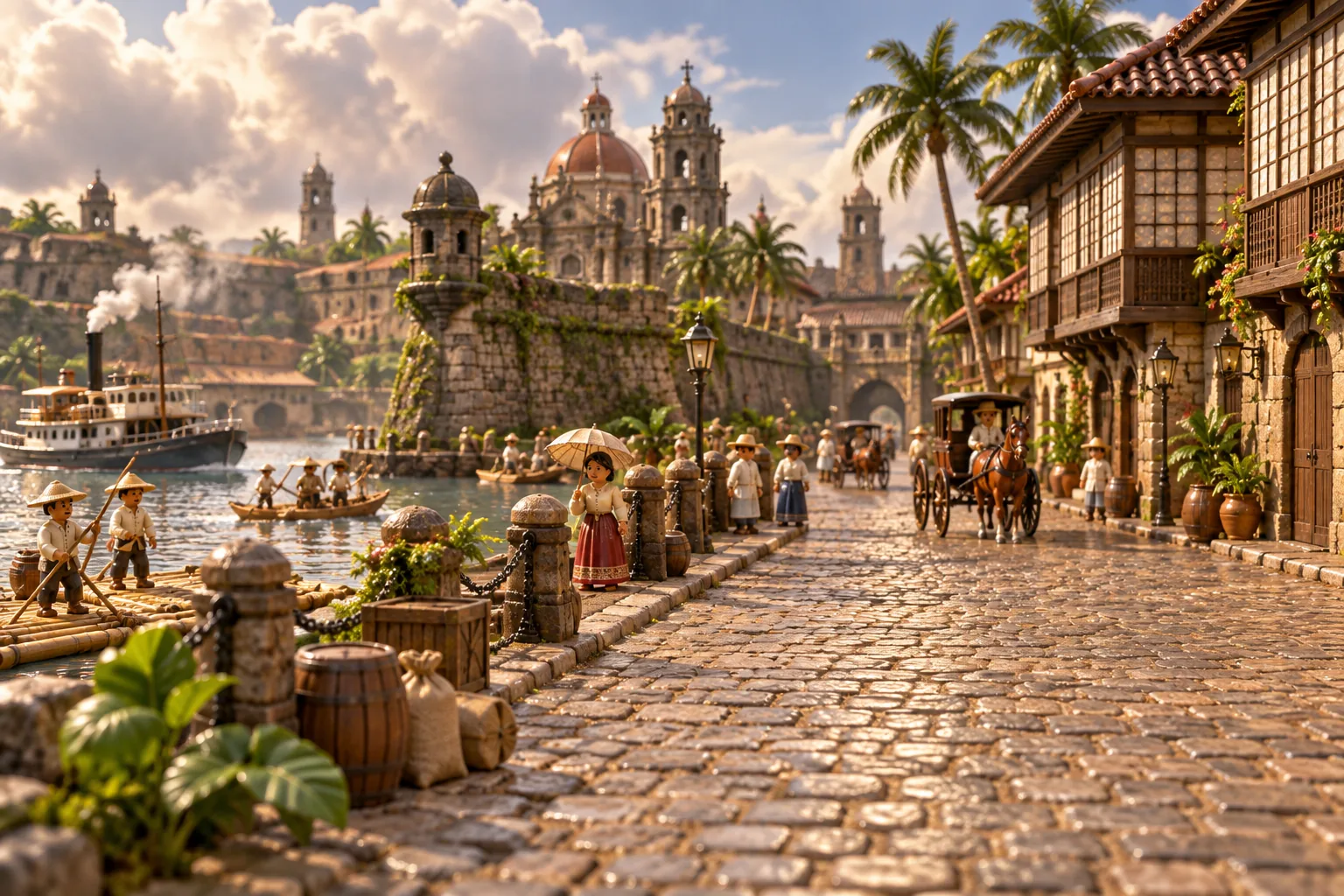 1861–1896 · Manila, PhilippinesJosé RizalIn July 1892 he founded La Liga Filipina in Manila to press for peaceful reform; a few days later the Spanish arrested him and shipped him into exile on Mindanao.
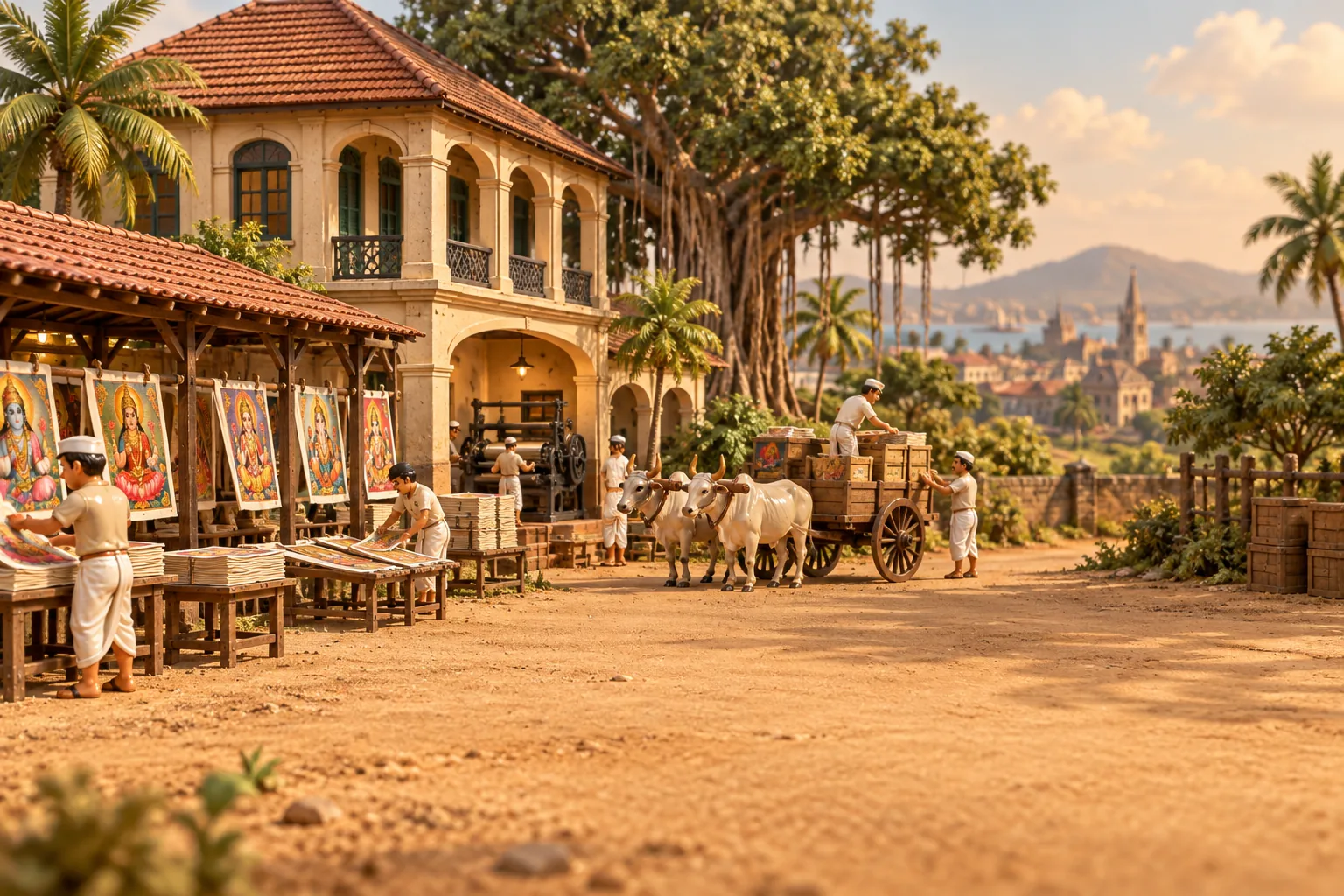 1848–1906 · Ghatkopar, Bombay, IndiaRaja Ravi VarmaA painter from a Kerala palace set up a printing press in Bombay, and his gods and goddesses went from the walls of maharajas to the walls of ordinary homes.
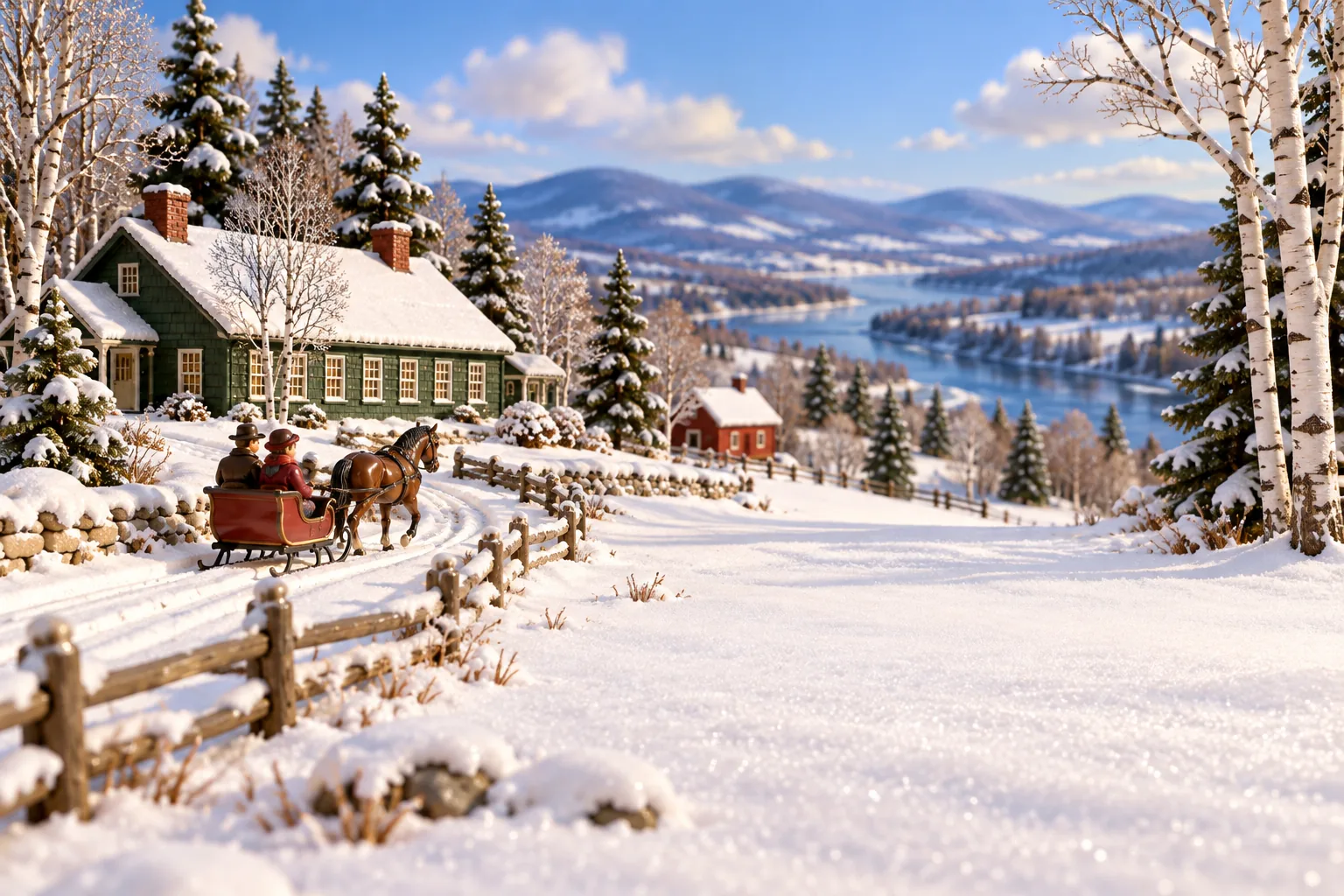 1865–1936 · Naulakha, Dummerston, near Brattleboro, VermontRudyard KiplingSnow lay level with the window of his tiny Vermont workroom when an Englishman born in Bombay began writing stories about a boy raised by wolves.
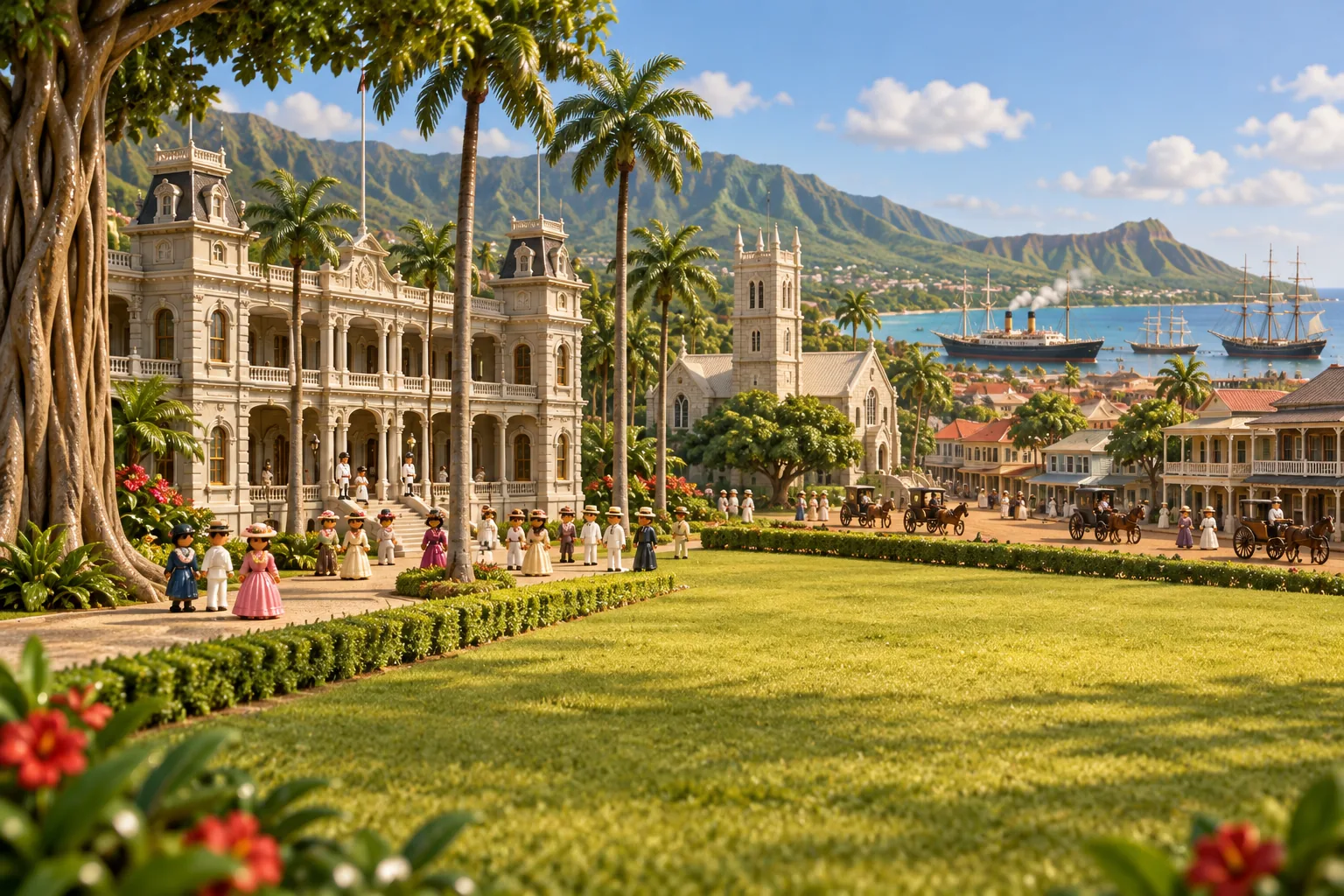 1844–1926 · Honolulu, Oʻahu, HawaiiSanford B. DoleOn 4 July 1894, eighteen months after Queen Liliʻuokalani was overthrown, a bearded lawyer born to American missionaries became president of the new Republic of Hawaii.
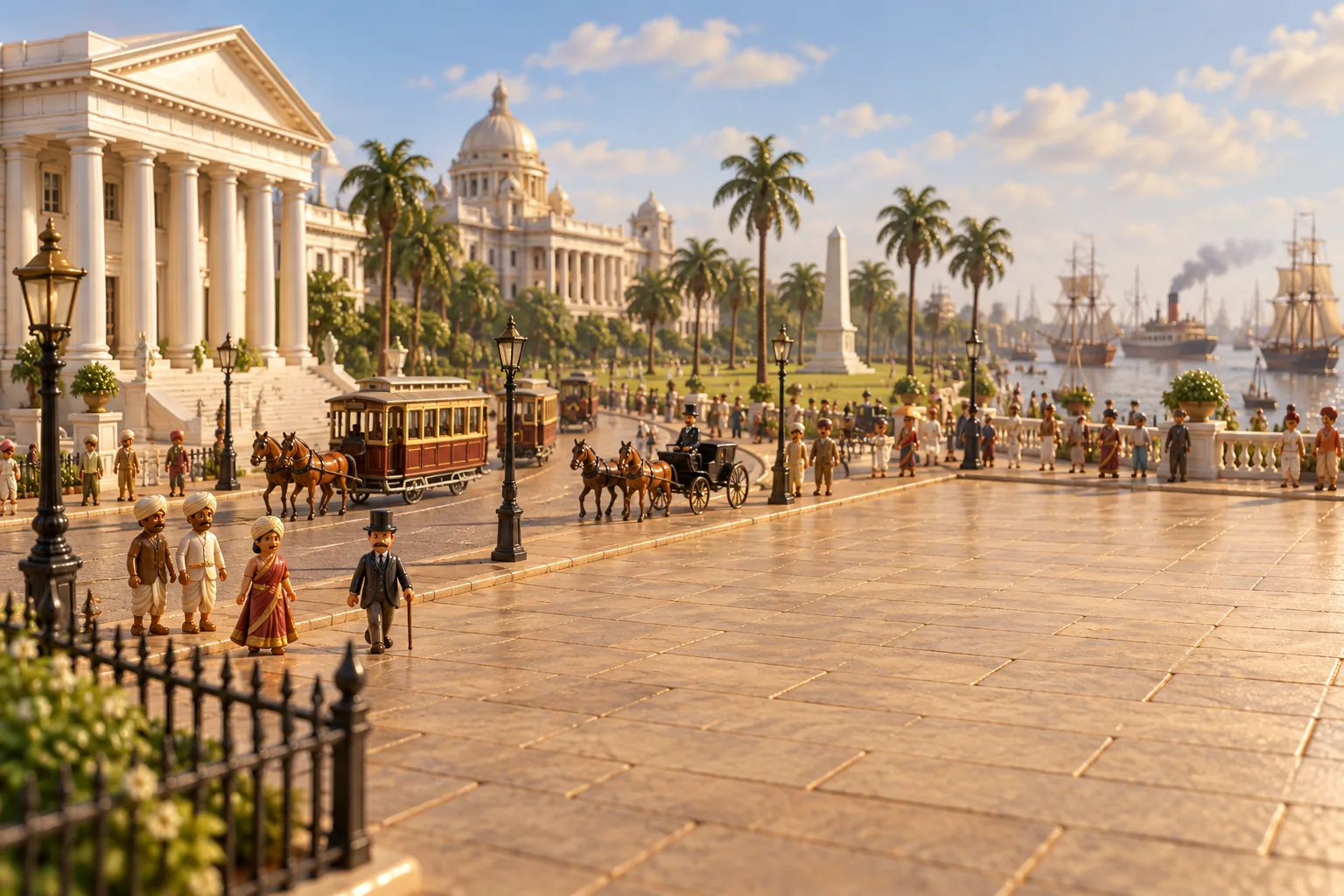 1858–1937 · Town Hall, Calcutta (Kolkata), IndiaJagadish Chandra BoseIn November 1895 a Calcutta physics professor sent invisible waves through two walls and through the body of the Lieutenant Governor to ring a bell 23 metres away.
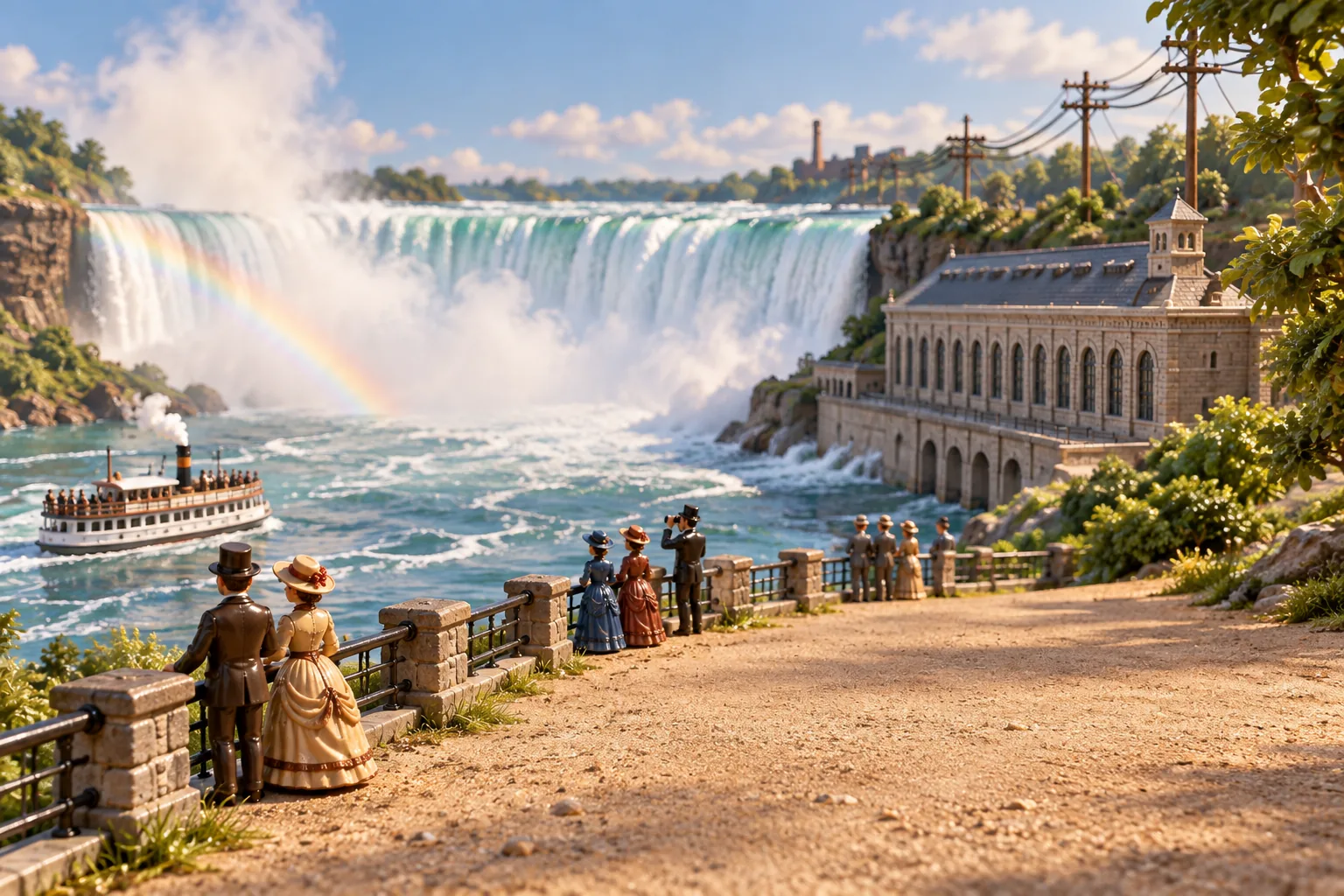 1856–1943 · Niagara Falls, New York, USANikola TeslaA few years after he was digging ditches in New York for two dollars a day, his alternating-current system was chosen to carry the power of Niagara Falls.
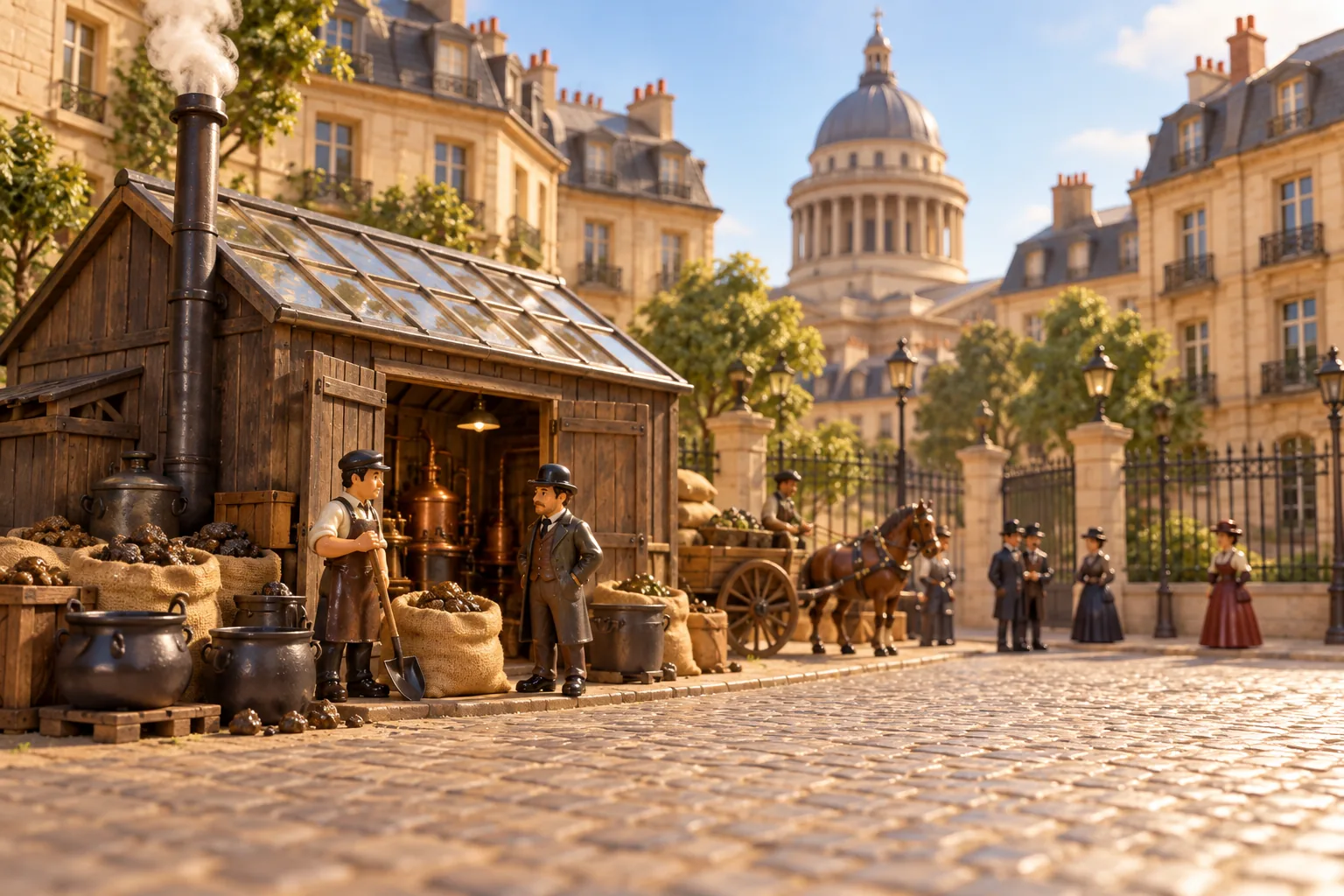 1867–1934 · ESPCI, Paris, FranceMarie CurieIn a former dissecting room that let in the rain, a Polish student and her French husband ground up pitchblende and found two elements no one had seen.
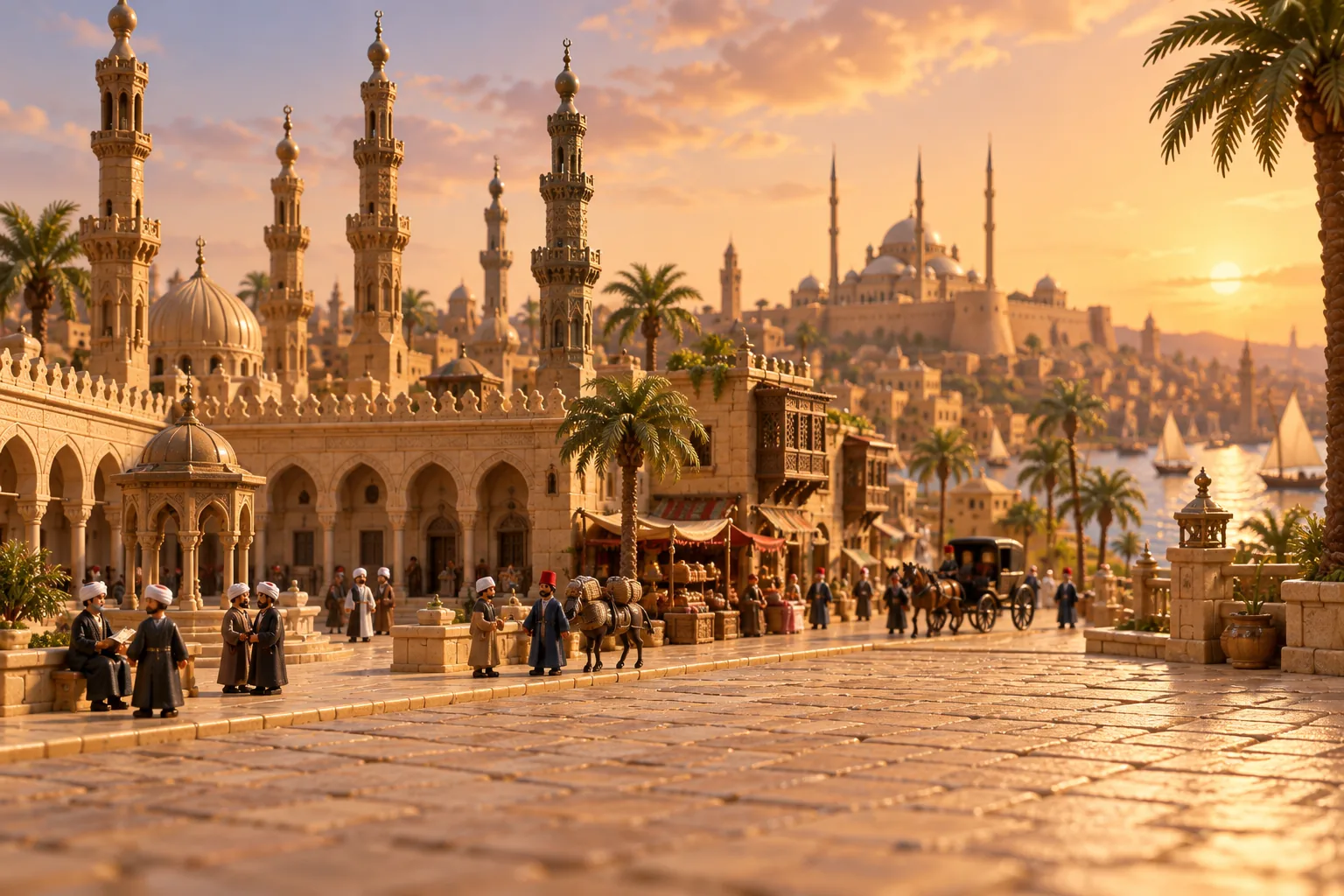 1849–1905 · Cairo, EgyptMuhammad AbduhExiled for backing a revolt in 1882, he came home to serve as a judge, and in 1899 he became Egypt's highest Islamic authority, arguing that faith and reason go together.
 1856–1939 · Berggasse 19, Vienna, AustriaSigmund FreudIn an apartment on a Vienna street, a doctor who asked his patients to lie on a couch and say whatever came to mind decided that every dream is a wish in disguise.
 1858–1919 · Ansley Wilcox House, Buffalo, New York, USATheodore RooseveltEight days after an anarchist shot President McKinley, the 42-year-old vice president was sworn in at a friend's house in Buffalo as the youngest president ever.
 1880–1968 · Radcliffe College, Cambridge, Massachusetts, United StatesHelen KellerDeaf and blind from the age of 19 months, she wrote her life story while still a student at Radcliffe College.
 1867–1919 · Denver, Colorado, USAMadam C. J. Walker"I was promoted to the washtub," she told a room of businessmen in 1912. "From there, I promoted myself into the business of manufacturing hair goods."
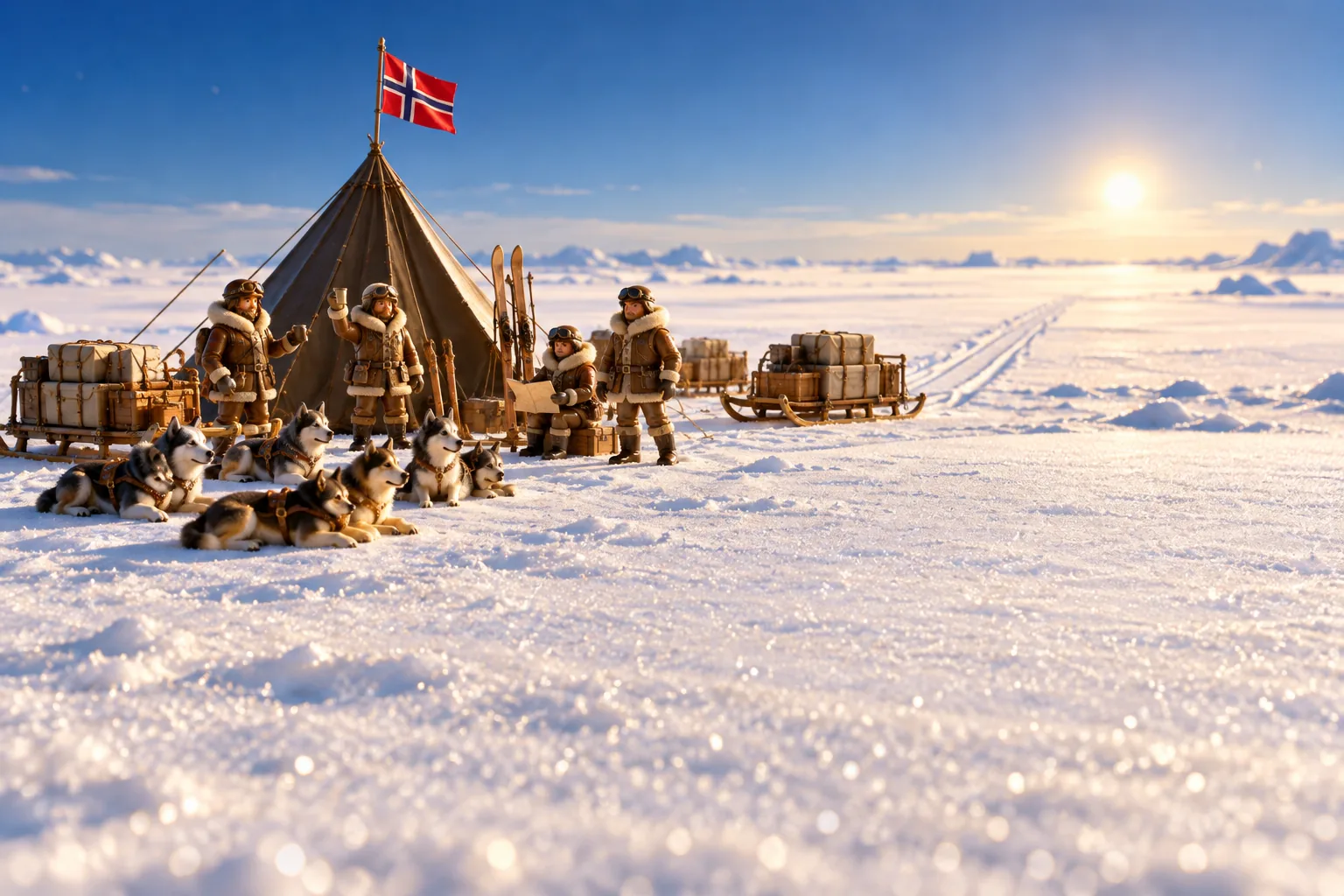 1872–1928 · South Pole, AntarcticaRoald AmundsenOn 14 December 1911 five Norwegians on skis, with their sled dogs, reached the bottom of the world, put up a small tent and left a letter in it, a month before Scott arrived.
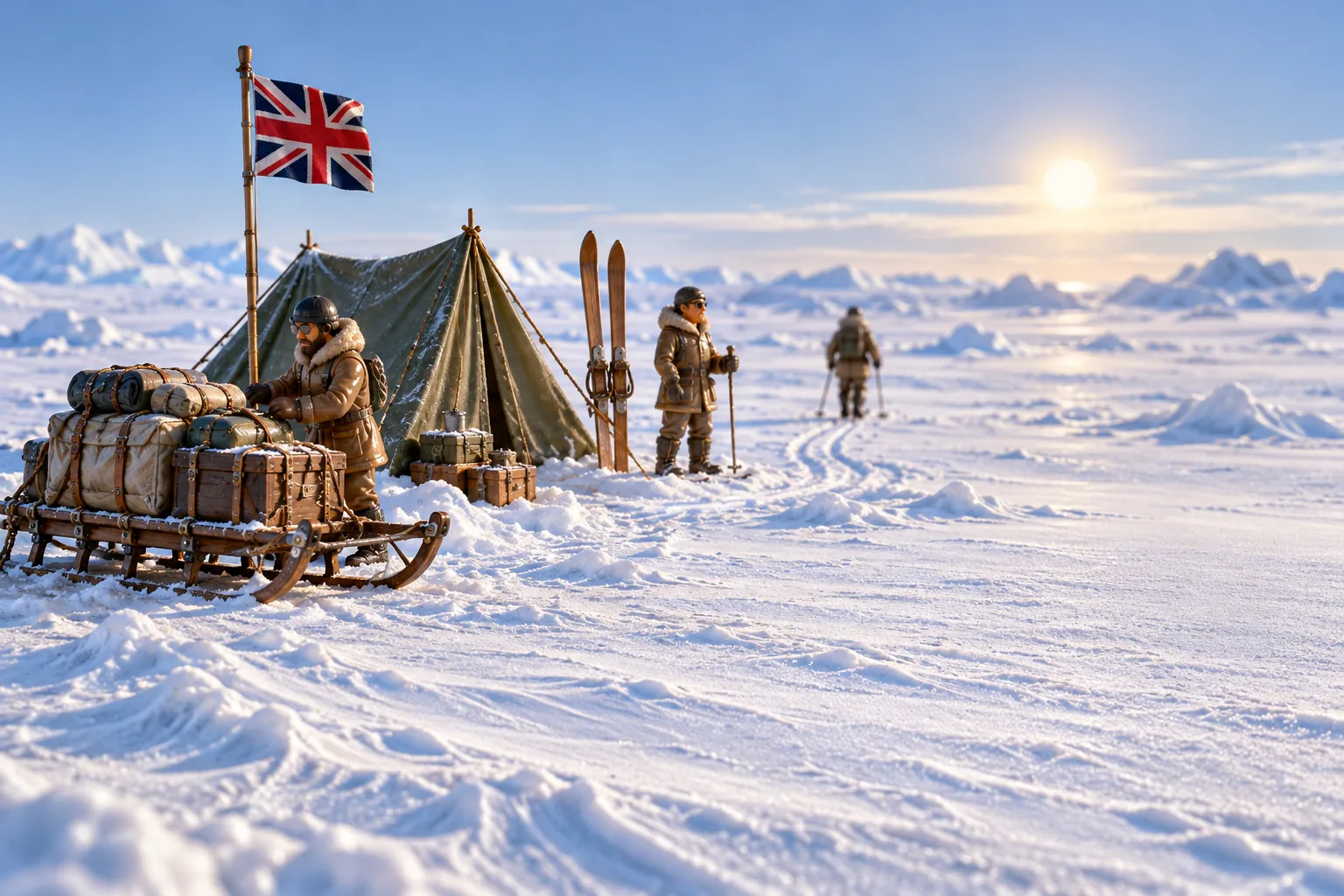 1868–1912 · South Pole, AntarcticaRobert Falcon ScottOn 17 January 1912 his party of five reached the South Pole and found a tent left by Roald Amundsen, who had beaten them by five weeks. "Great God! This is an awful place," Scott wrote.
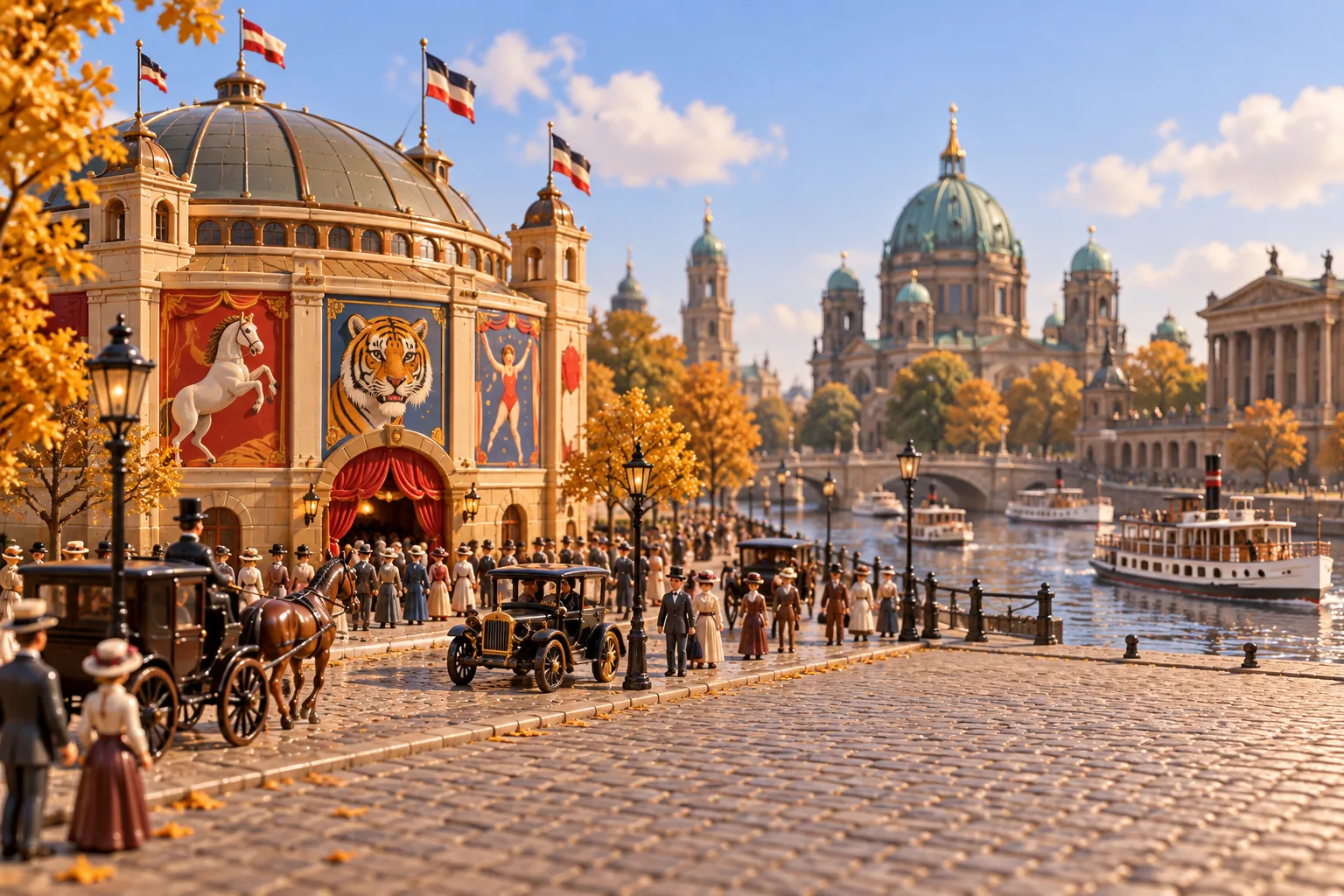 1874–1926 · Circus Busch, BerlinHarry HoudiniIn Berlin in 1912 he was lowered head first into a locked glass tank brimming with water, and held his breath for more than three minutes before he stepped out free.
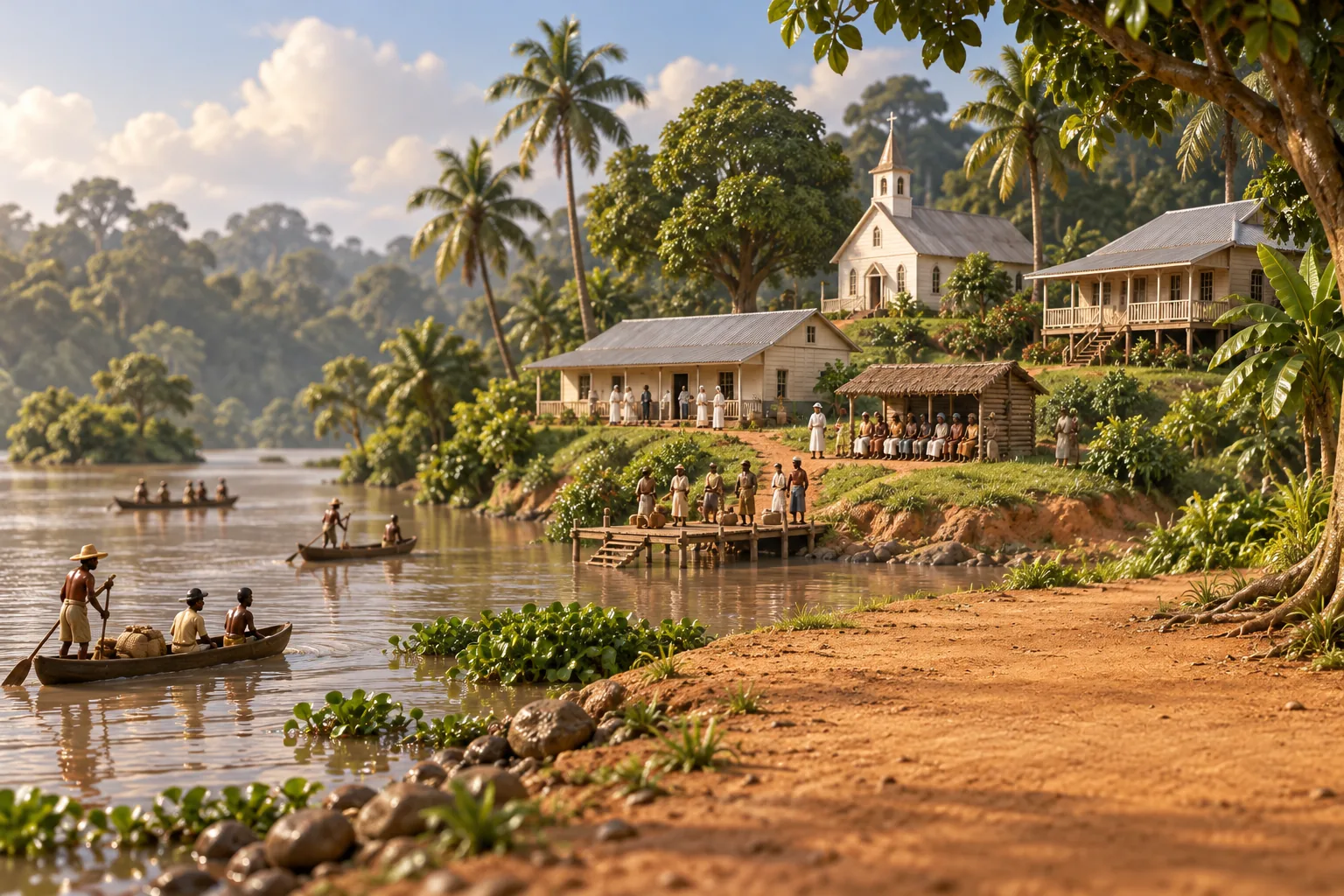 1875–1965 · Lambaréné, GabonAlbert SchweitzerAt 30, already famous as a theologian and an organist, he went back to university to study medicine, and in 1913 opened a hospital in a former chicken shed on the Ogooué River.
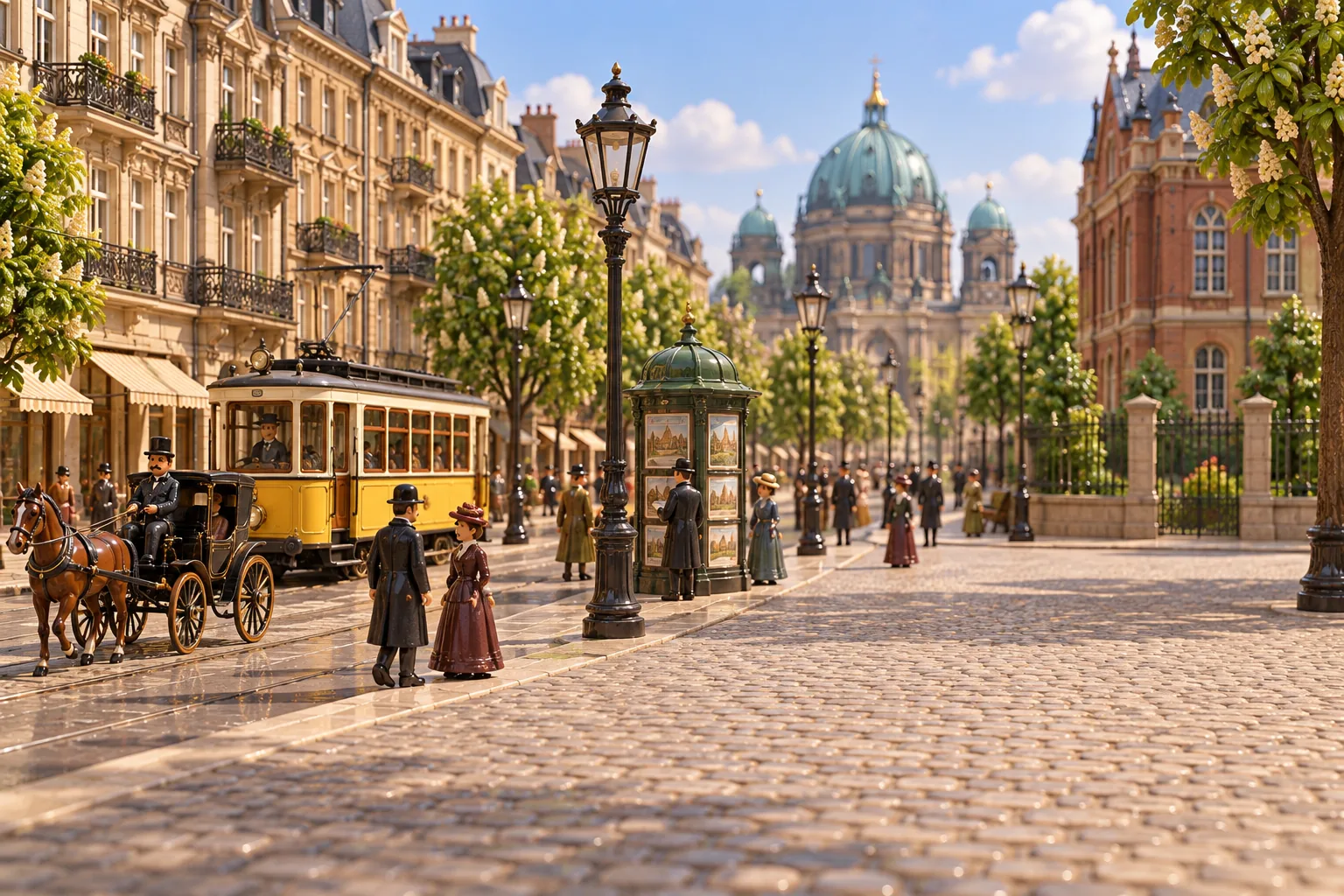 1871–1919 · Berlin, German EmpireRosa LuxemburgA teacher at her party's school in Berlin turned her lectures into a book arguing that capitalism survives only by swallowing the world around it.
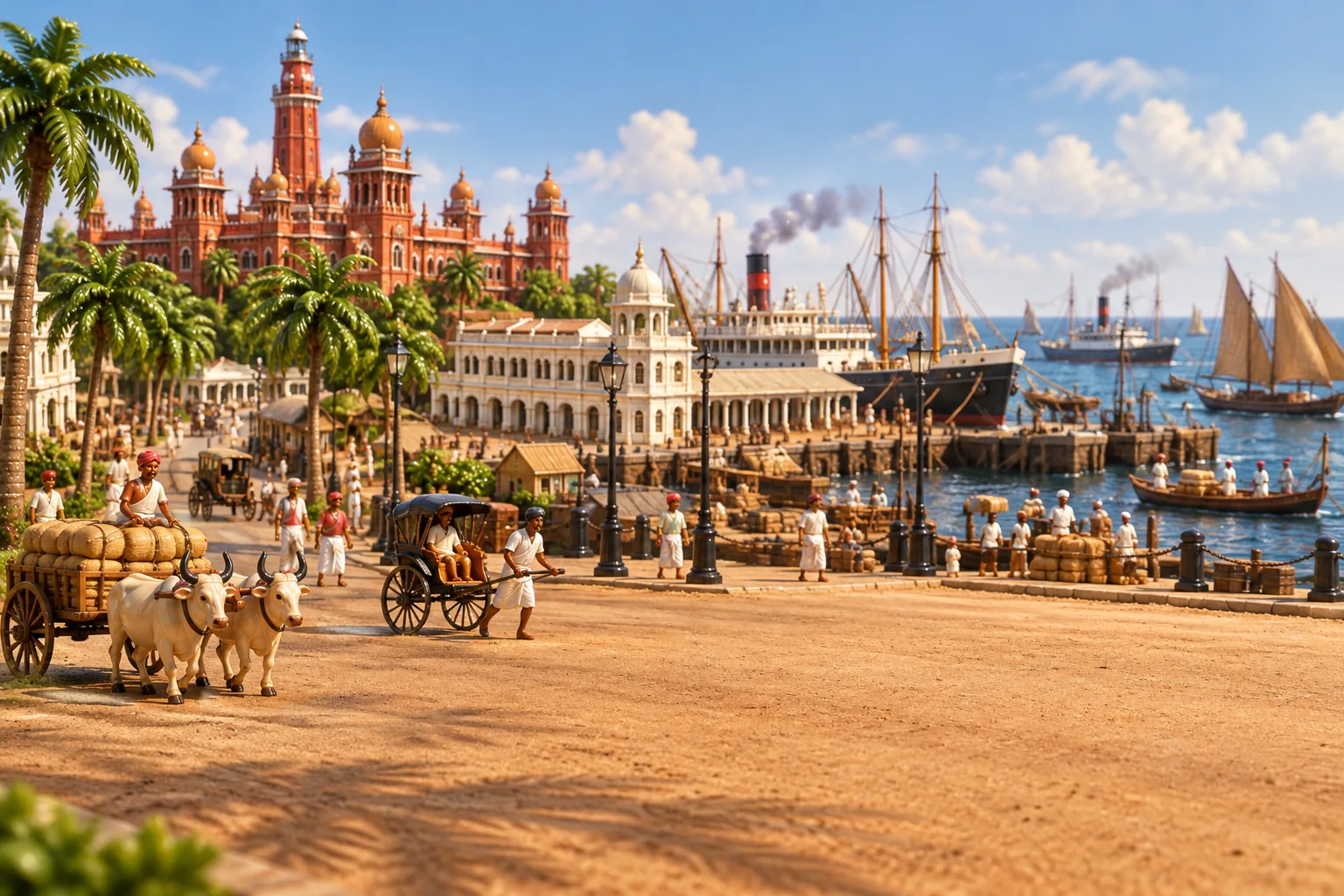 1887–1920 · Madras (Chennai), IndiaSrinivasa RamanujanA clerk earning 30 rupees a month at the Madras port posted nine pages of formulas to a Cambridge professor, who decided they must be true because no one could have invented them.
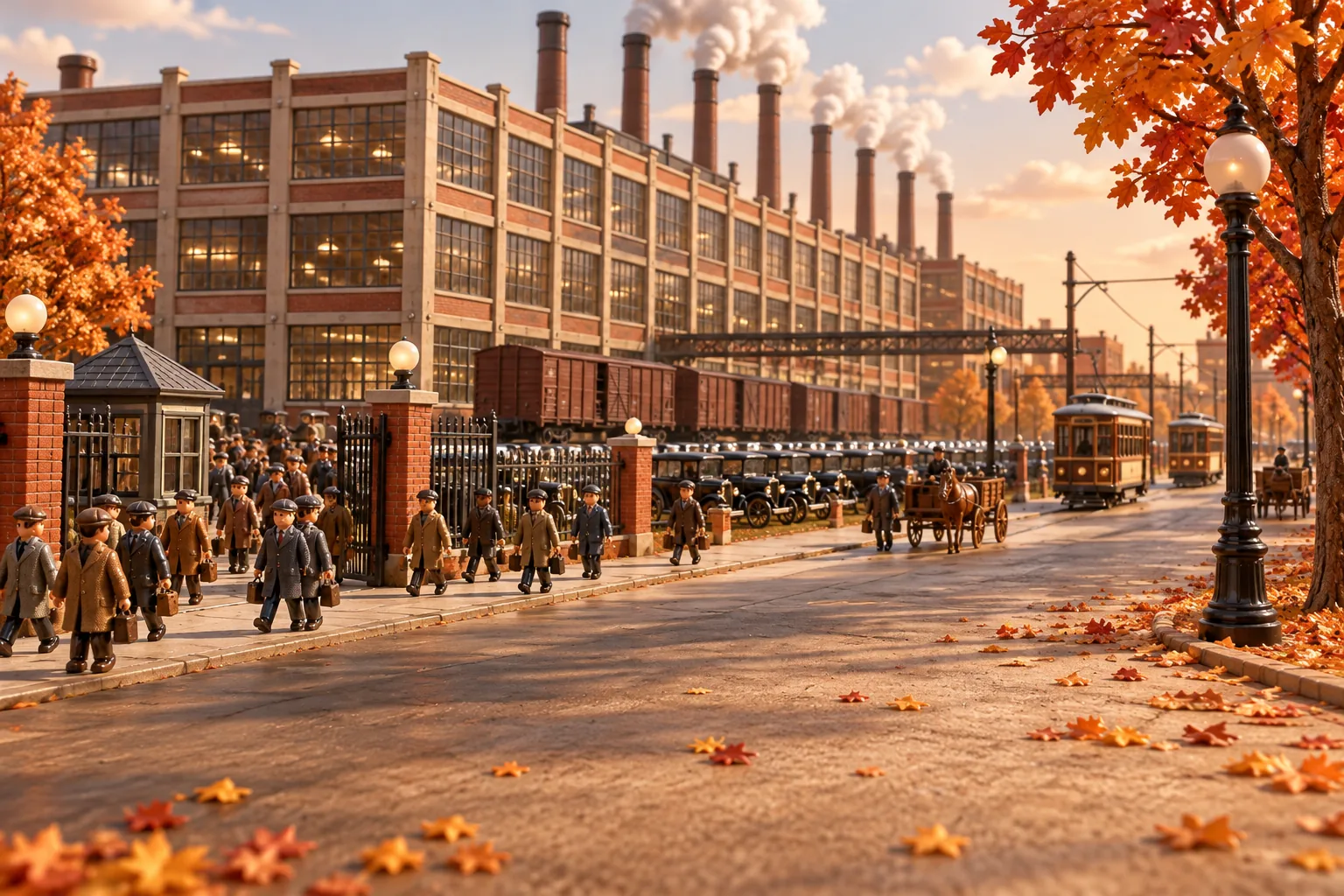 1863–1947 · Highland Park Ford Plant, Highland Park, MichiganHenry FordWhen the chassis of his Model T began to move along a line past the workers, instead of the workers moving round the car, cars became cheap enough for the men who built them.
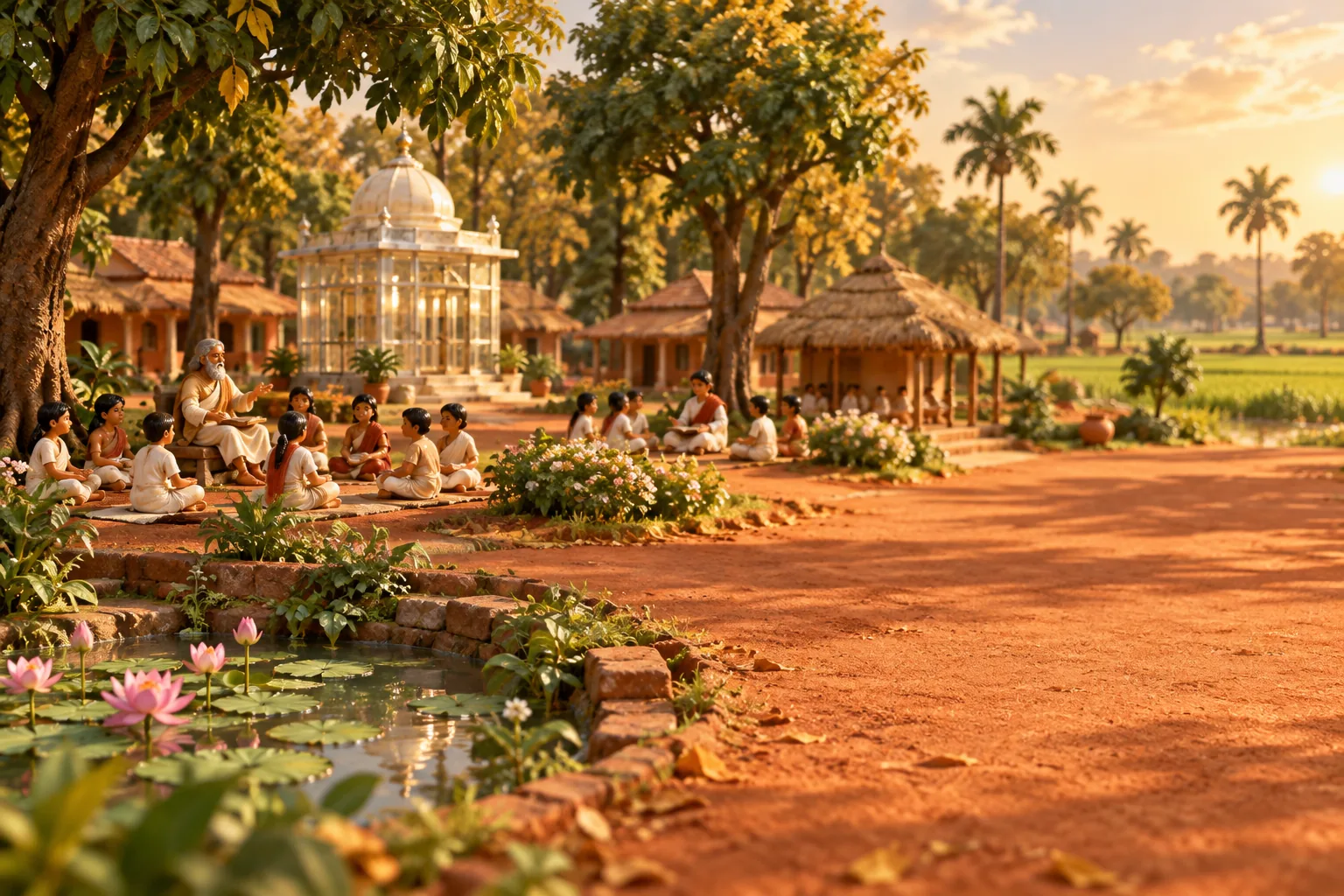 1861–1941 · Santiniketan, BengalRabindranath TagoreA small book of his own English translations, shown to Yeats and Ezra Pound in London, made a Bengali poet the first non-European to win the Nobel Prize in Literature.
 1867–1916 · Waseda, Tokyo, JapanNatsume SōsekiA scholar who came home from London close to a breakdown began a story told by a pompous house cat, and Japan has been reading him ever since.
 1892–1927 · Tokyo, JapanRyūnosuke AkutagawaA university student retold a twelfth-century tale and his own friends tore it apart. It was called Rashōmon, and through Kurosawa the whole world knows the name.
 1883–1924 · Old Town, PragueFranz KafkaA travelling salesman wakes up as a monstrous vermin, and the author tells his publisher that the insect itself must not be drawn on the cover.
 1859–1916 · Beijing, ChinaYuan ShikaiFour years after China threw out its emperors, its president ordered 40,000 pieces of imperial porcelain and two dragon robes and took the throne himself.
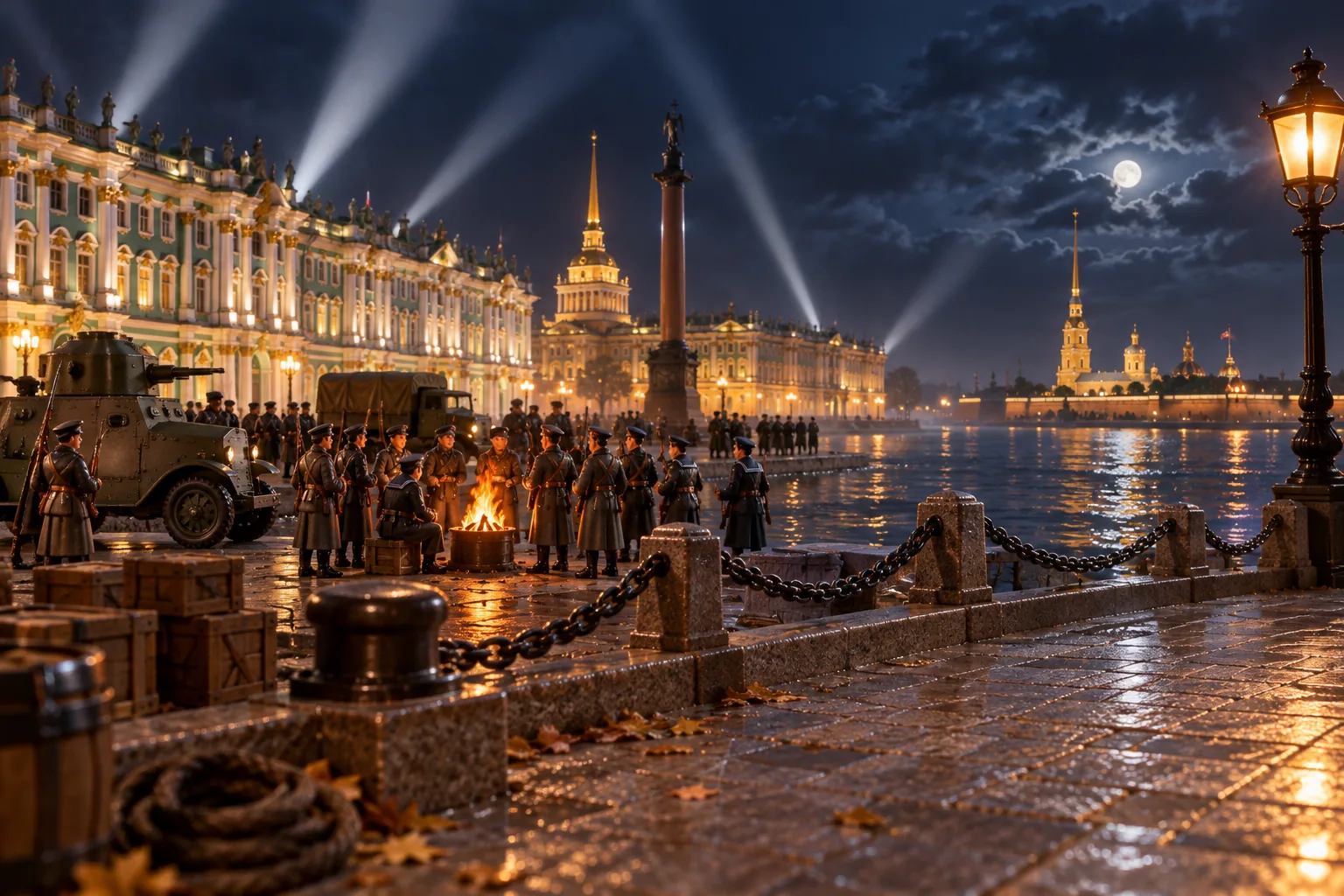 1870–1924 · Petrograd (Saint Petersburg), RussiaVladimir LeninSeven months after arriving from Swiss exile at Petrograd's Finland Station, he took power in a revolution that began with a blank shot from a cruiser.
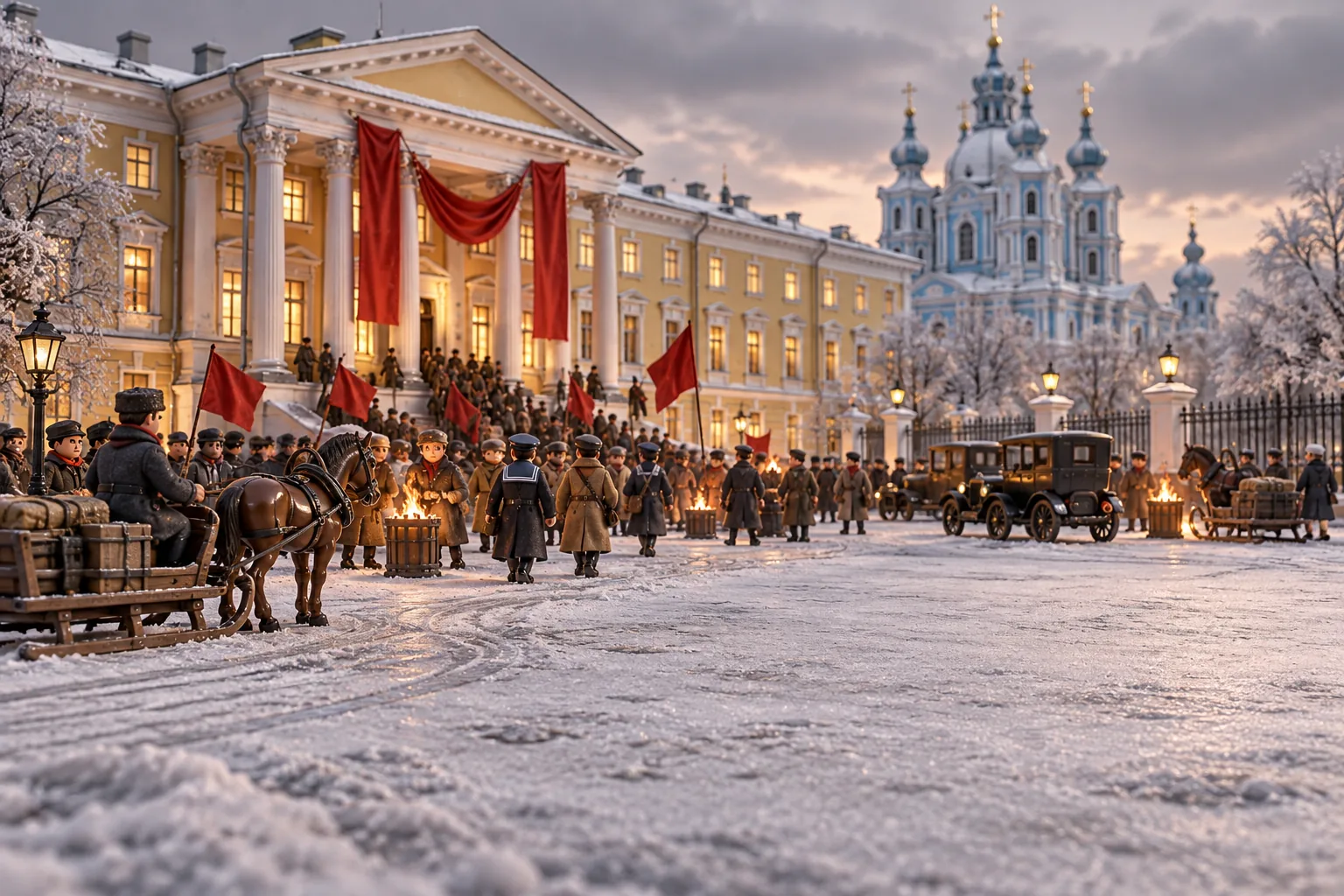 1879–1940 · Smolny Institute, PetrogradLeon TrotskyOn his 38th birthday the chairman of the Petrograd Soviet ran the uprising that put the Bolsheviks in power, and even Stalin wrote that the party owed it chiefly to him.
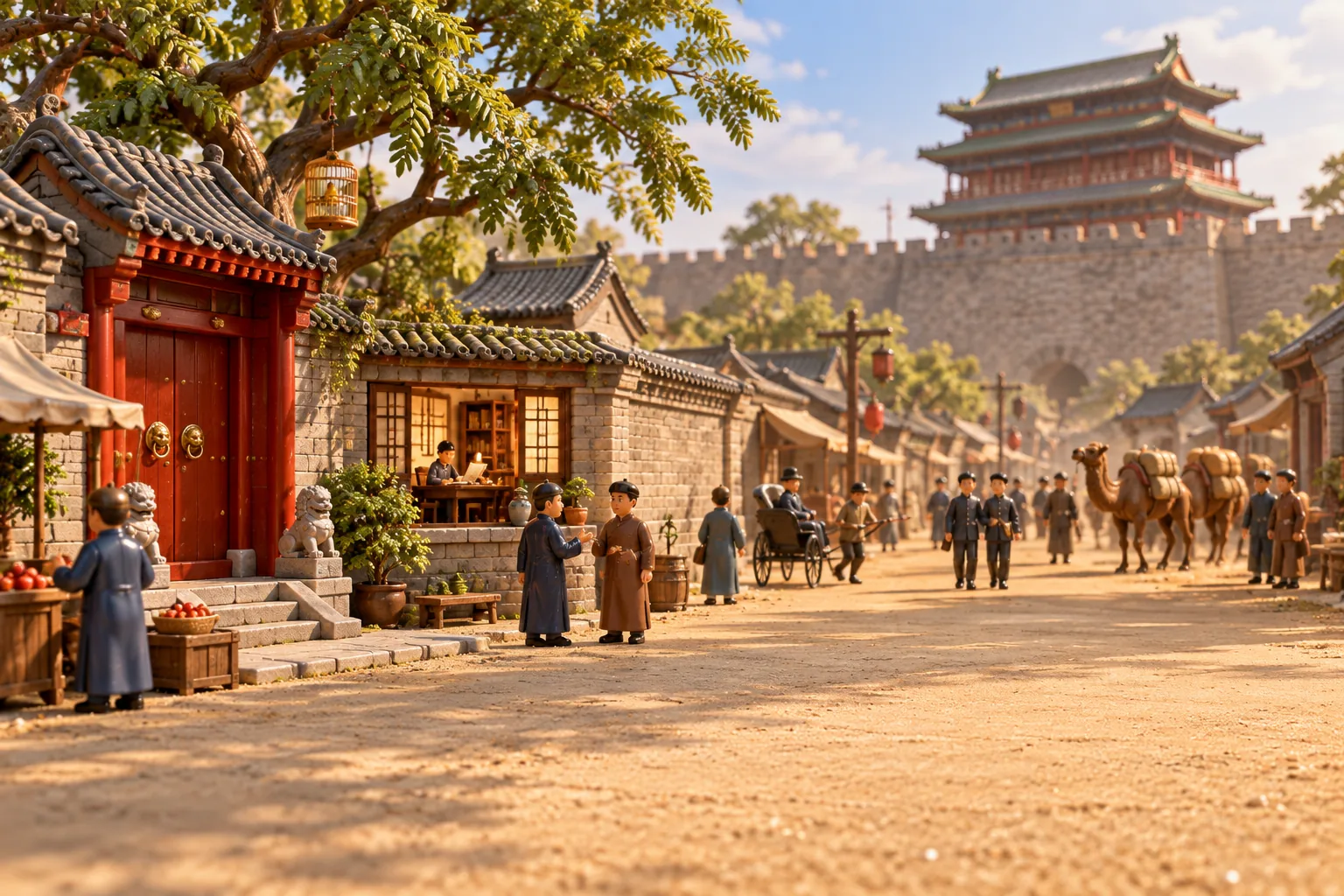 1881–1936 · Beijing, ChinaLu XunA friend asked him to write for a radical magazine; he answered that China was an iron house full of sleepers, and then wrote Diary of a Madman to wake them.
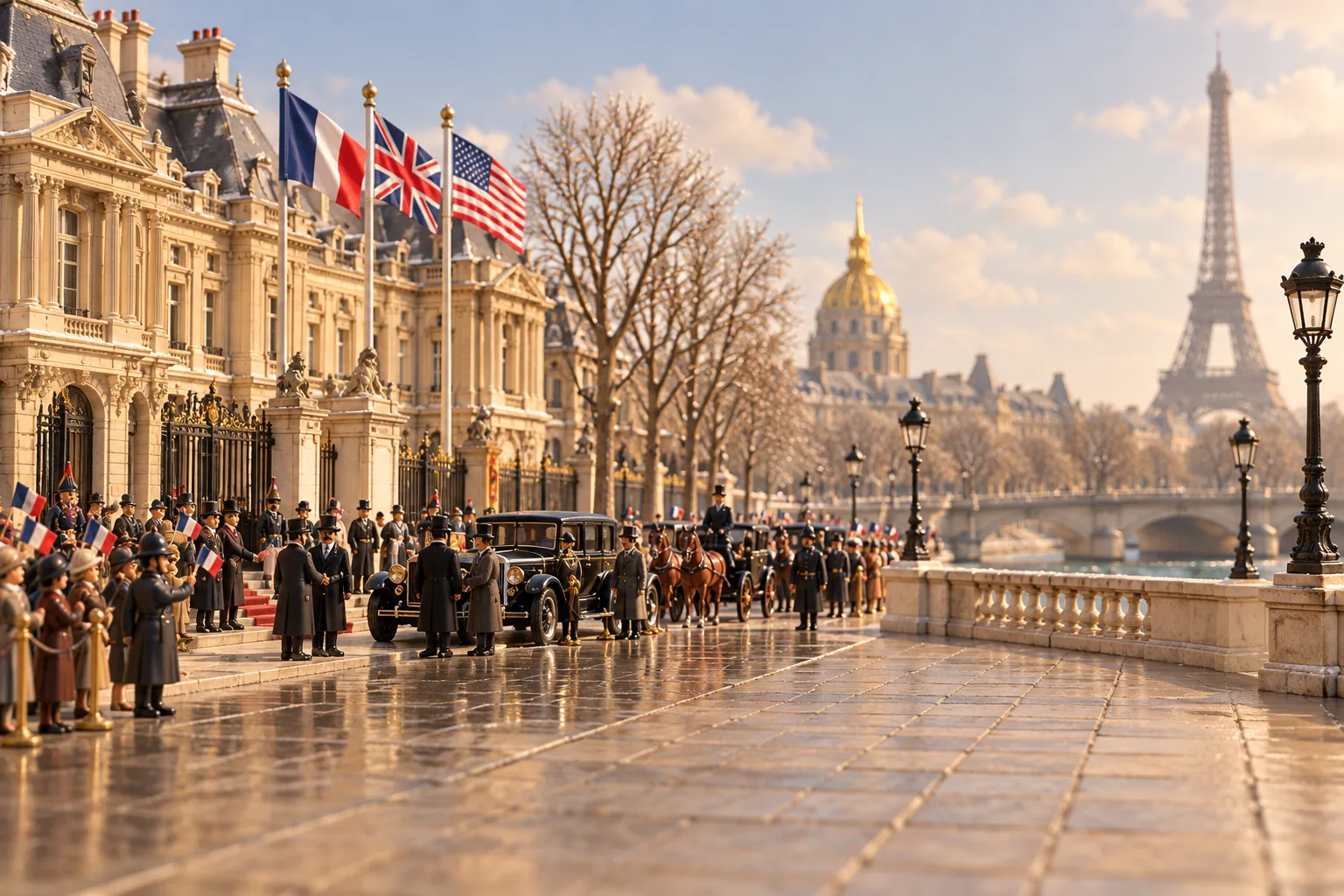 1856–1924 · Paris Peace Conference, ParisWoodrow WilsonHe was the first sitting American president to cross to Europe, and he stayed for six months, determined to write a peace that would end war for good.
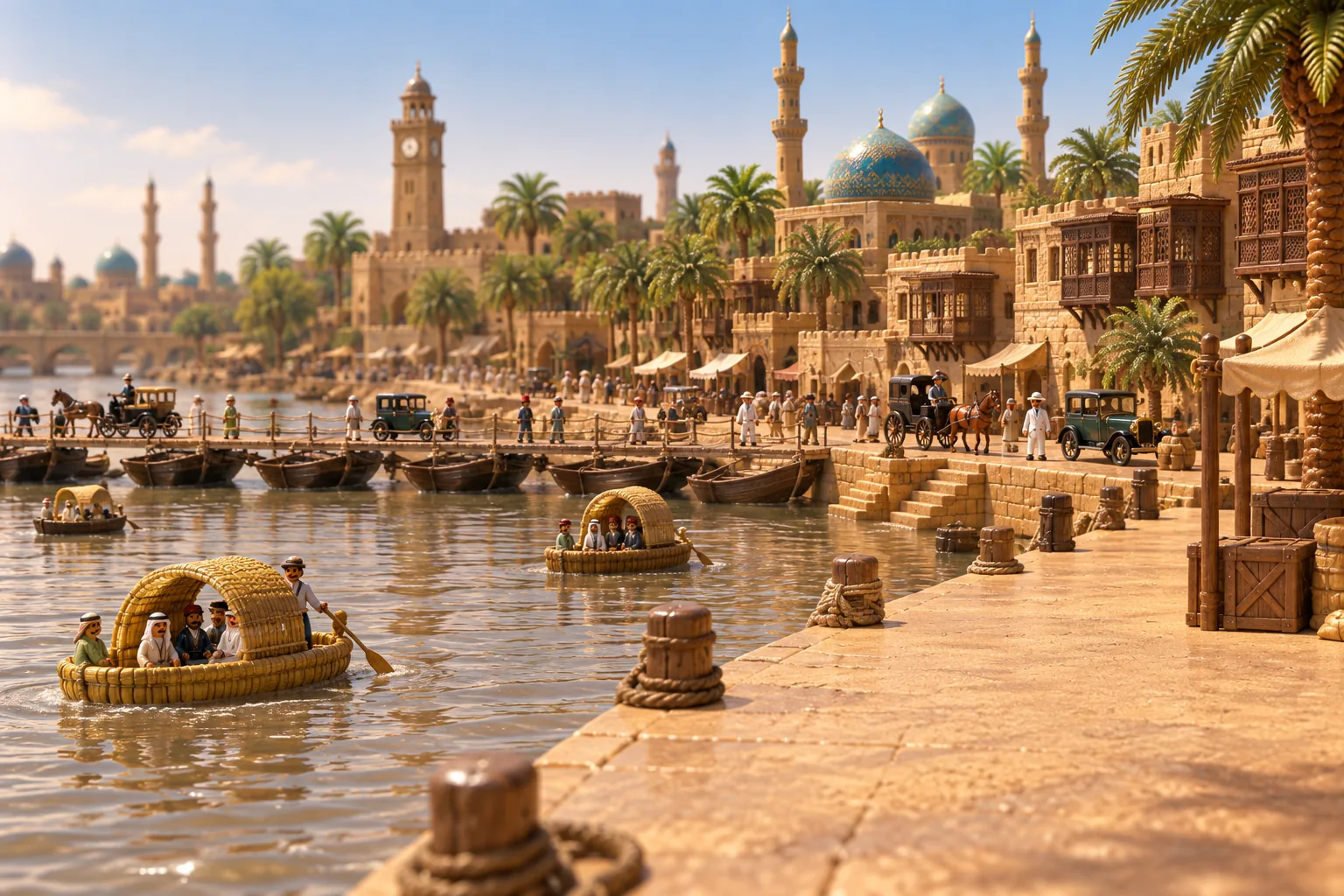 1868–1926 · Baghdad, IraqGertrude BellOn 23 August 1921 Faisal was crowned king of Iraq, and the Englishwoman who had pushed hardest for him wrote that she would never make kings again: "it's too great a strain".
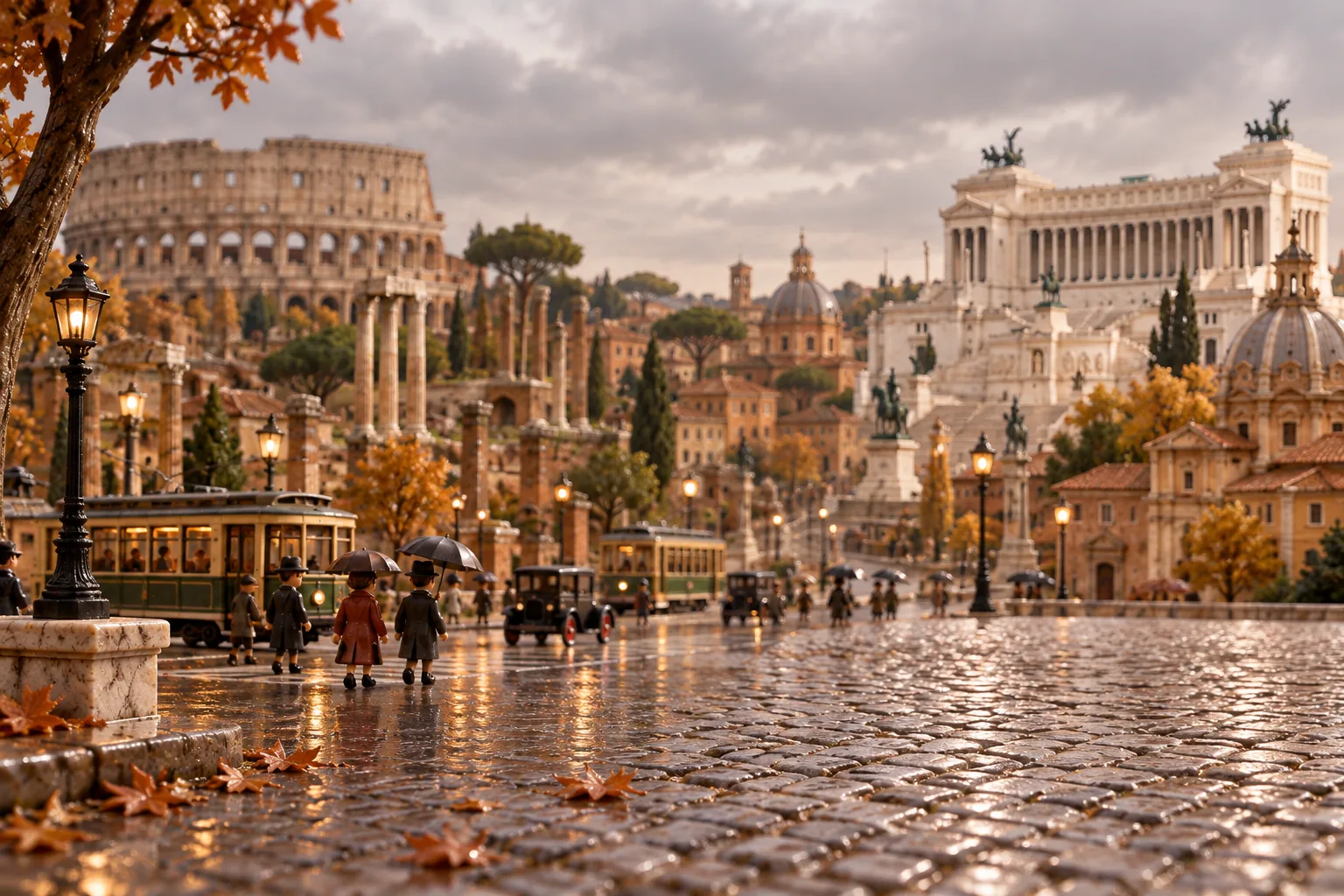 1883–1945 · Rome, ItalyBenito MussoliniWhile some 25,000 Blackshirts paraded through Rome, the king asked the 39-year-old leader of a three-year-old movement to form a government.
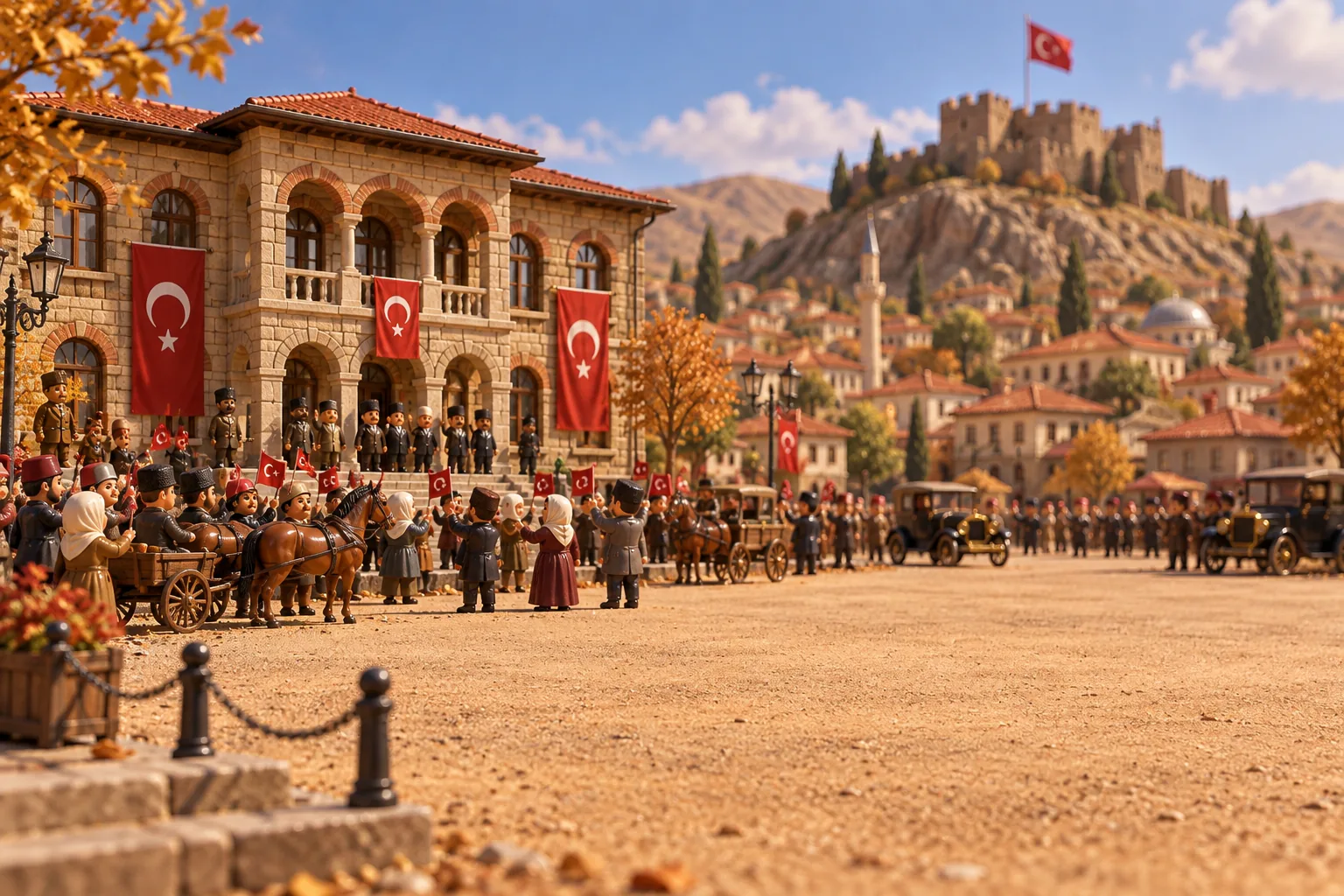 c. 1881 – 1938 · Ankara, TurkeyMustafa Kemal AtatürkFour years after he landed at Samsun to rally Anatolia against the partition of his country, a provincial town on the steppe became a capital, and the sultans' empire a republic.
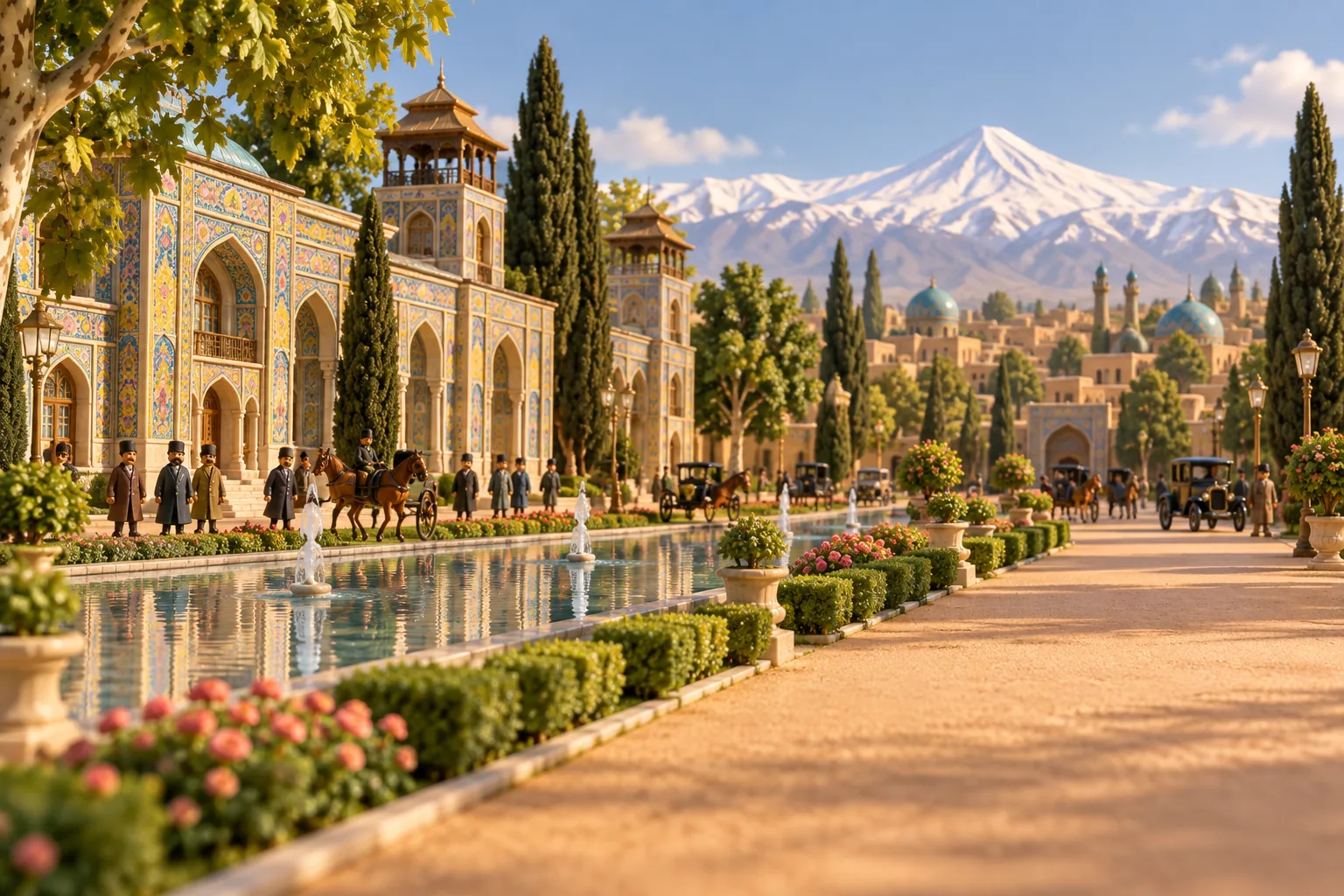 1878–1944 · Tehran, IranReza ShahA soldier who joined the Cossack Brigade at 14 marched on Tehran in 1921, and four years later the parliament ended the Qajar dynasty to make him shah.
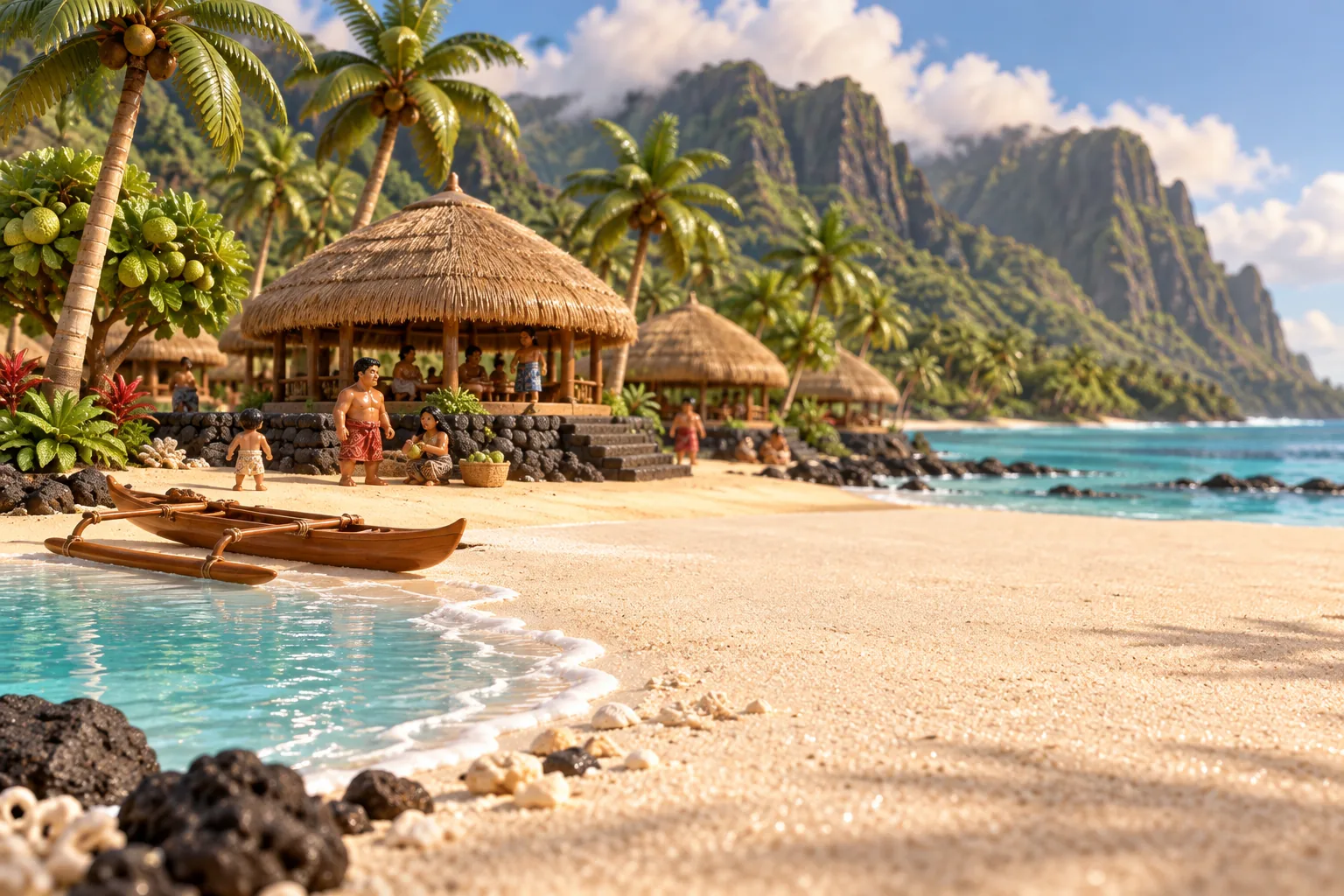 1901–1978 · Taʻū, Manuʻa Islands, American SamoaMargaret MeadA 23-year-old anthropologist sailed to a small island in American Samoa to ask whether growing up had to be as painful as it was in America.
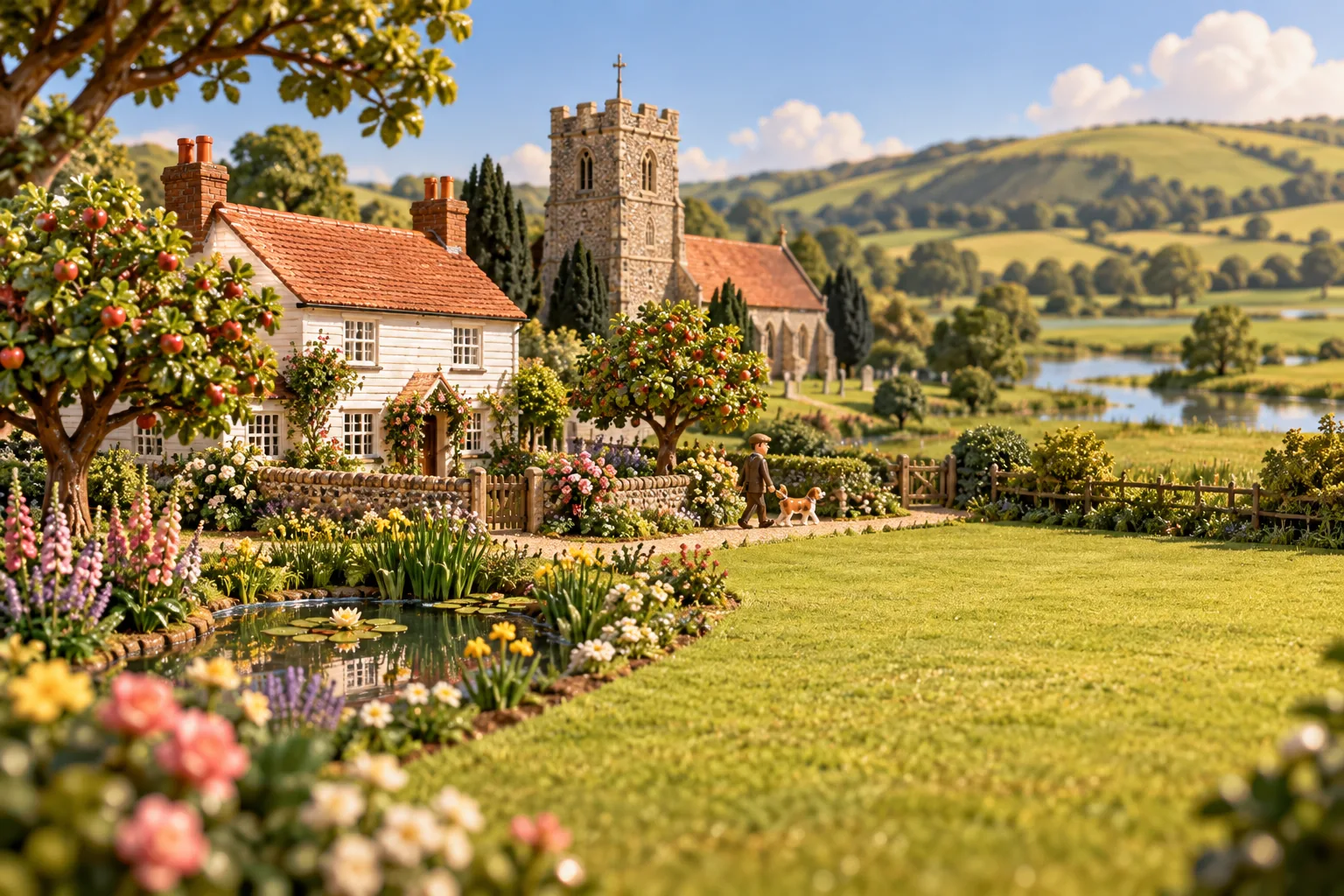 1882–1941 · Monk's House, Rodmell, SussexVirginia WoolfChildhood summers in a white house facing a Cornish lighthouse became, decades later, the novel that changed how stories are told.
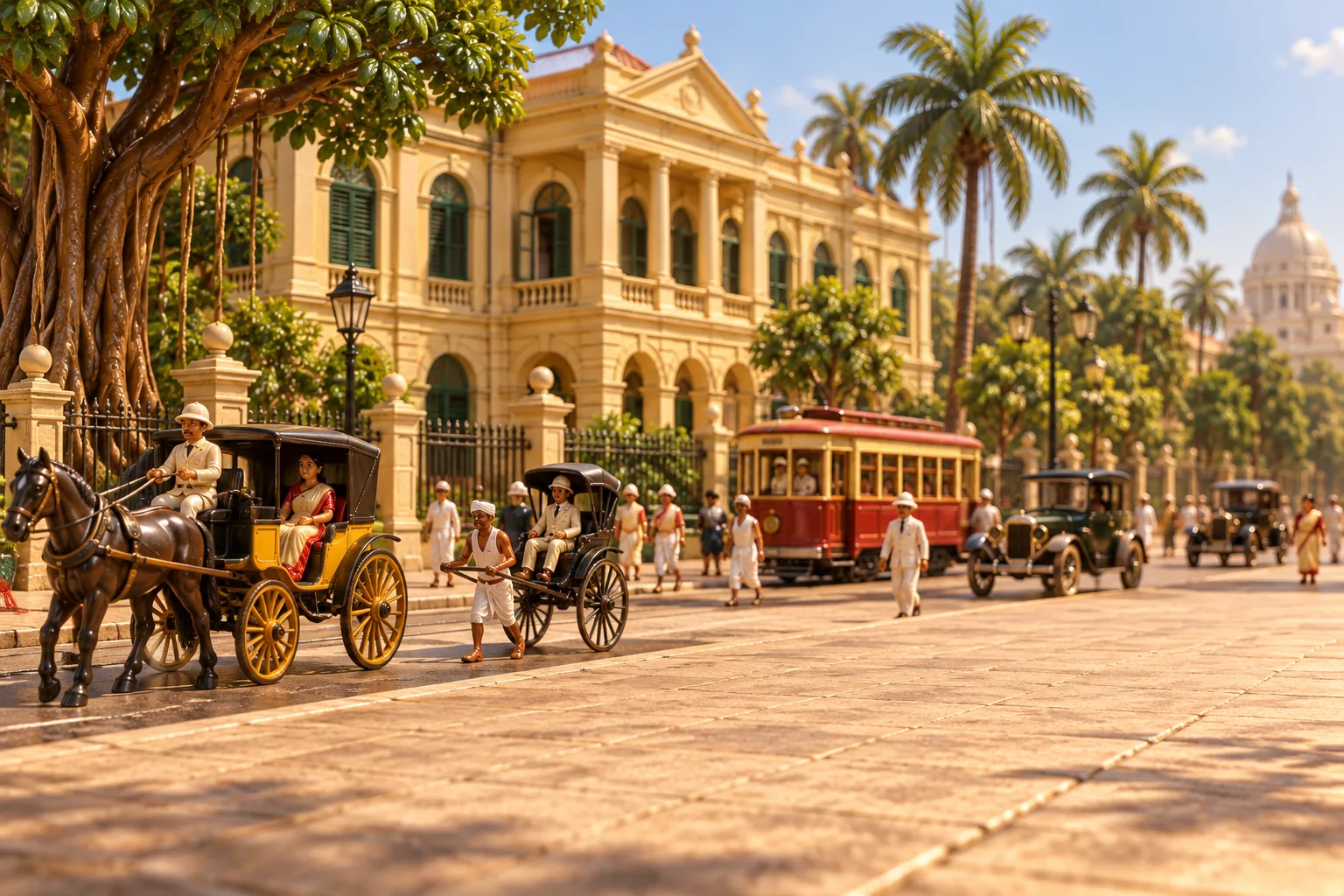 1888–1970 · Indian Association for the Cultivation of Science, CalcuttaC. V. RamanOn 28 February 1928, in a Calcutta laboratory, he and his student caught light changing colour as it passed through a liquid, and two years later he became the first Asian to win the Nobel Prize in Physics.
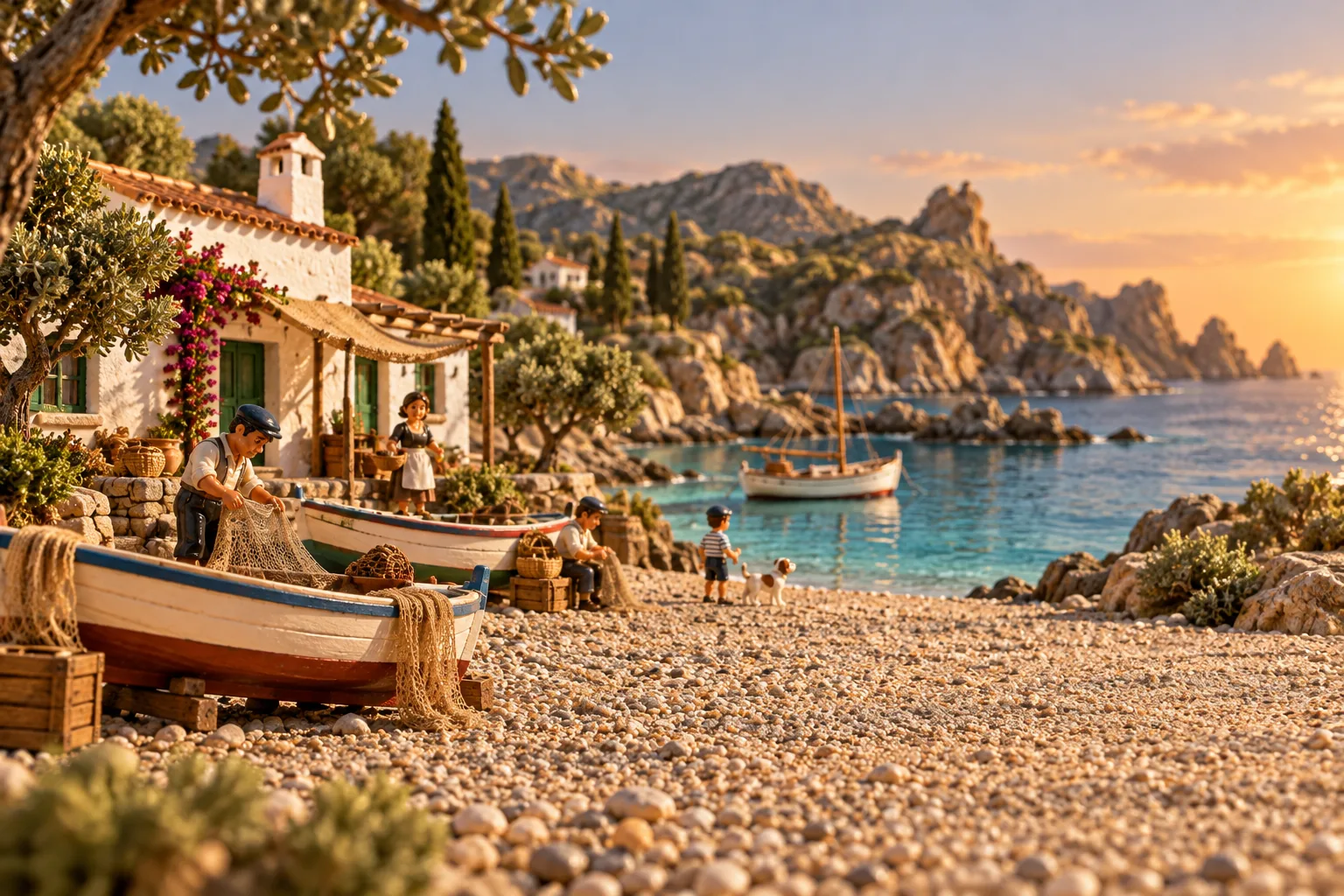 1904–1989 · Port Lligat, Cadaqués, Catalonia, SpainSalvador DalíHe said the idea came to him while contemplating a runny Camembert cheese, and the result was the most famous clocks in art.
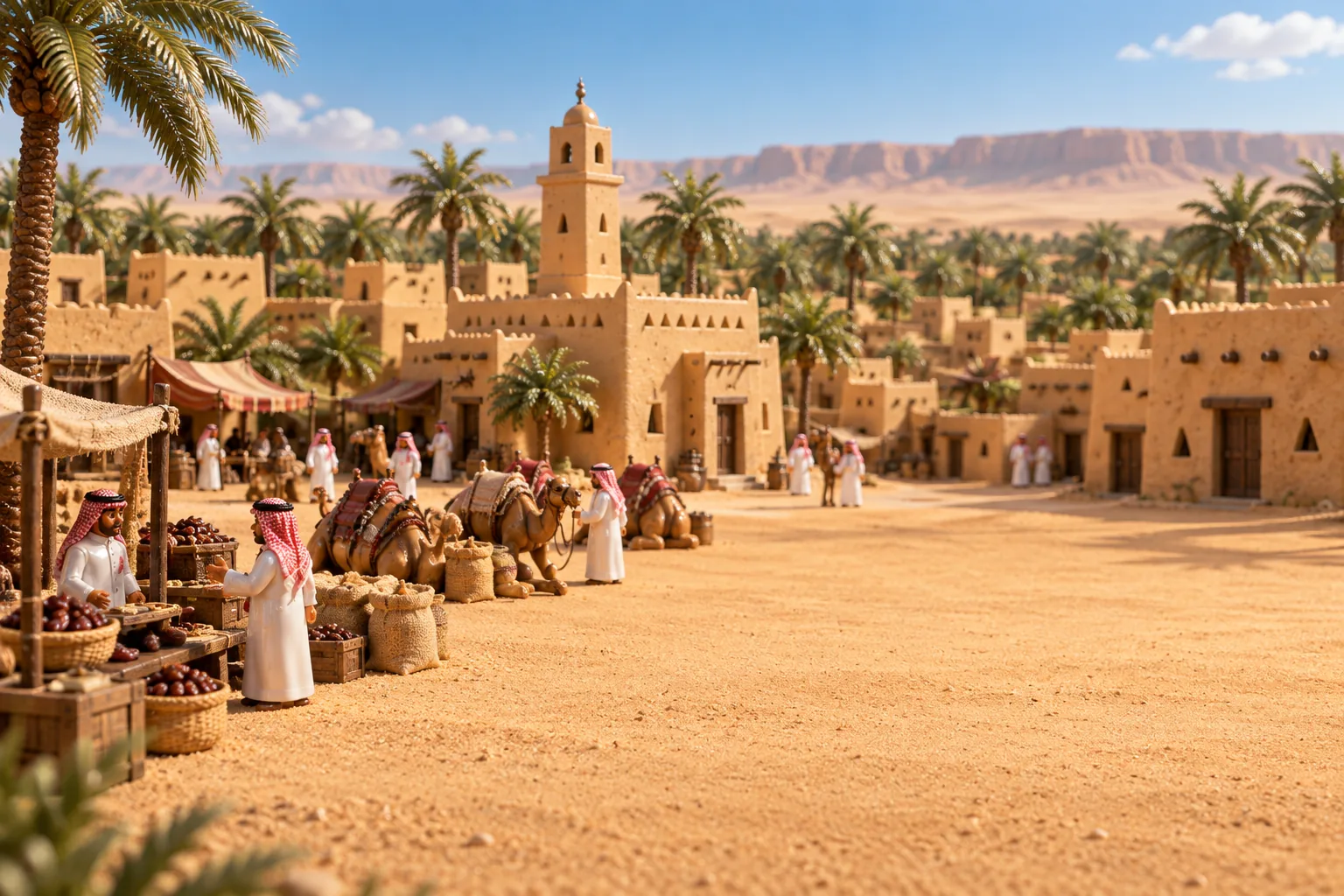 1876–1953 · Riyadh, Saudi ArabiaIbn SaudThirty years after he climbed into Riyadh at night with 40 men, an exiled emir's son united most of Arabia and named the new kingdom after his family.
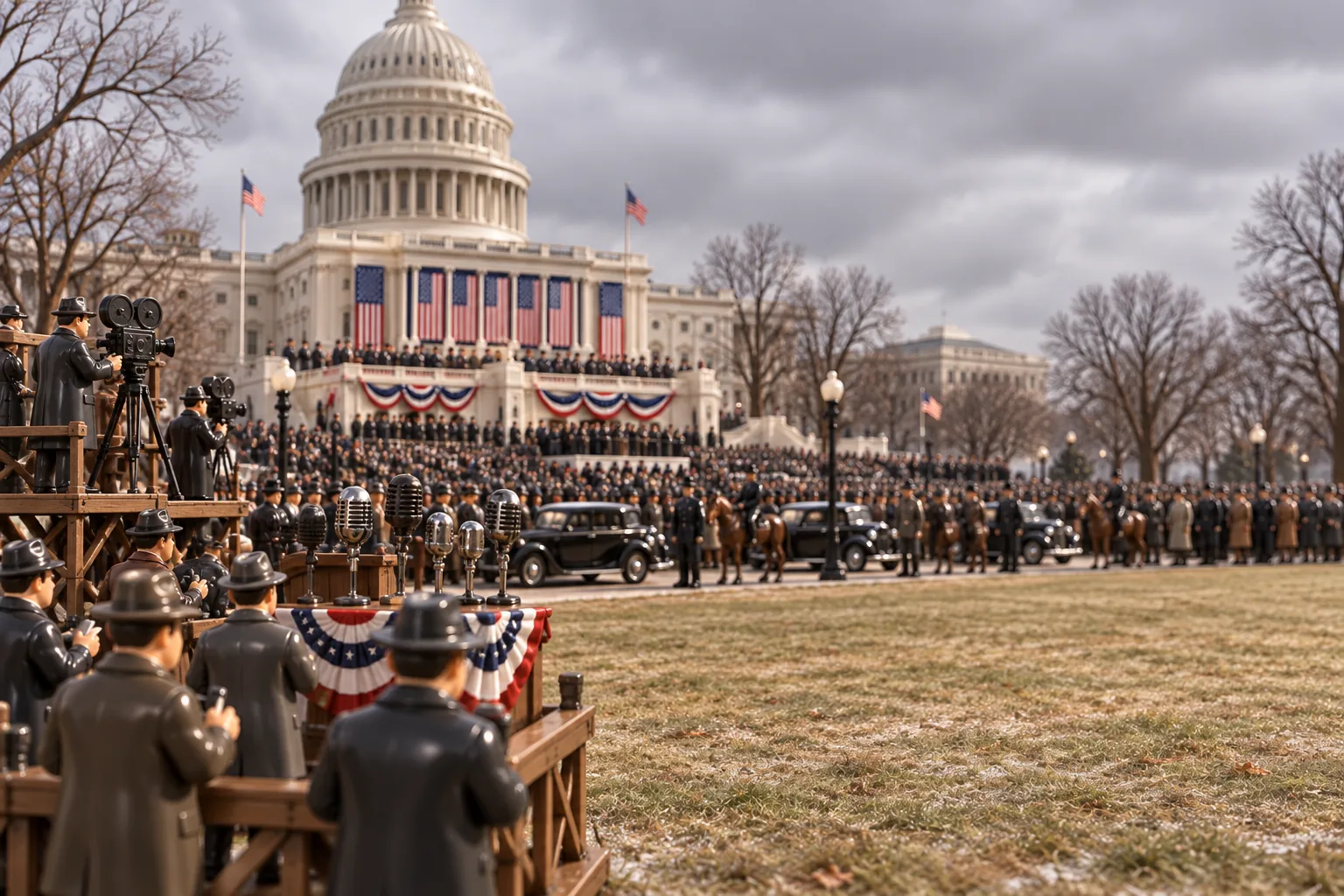 1882–1945 · United States Capitol, Washington, D.C.Franklin D. RooseveltOn the eve of his inauguration 32 of the 48 states had closed their banks, and the man taking charge could not walk unaided.
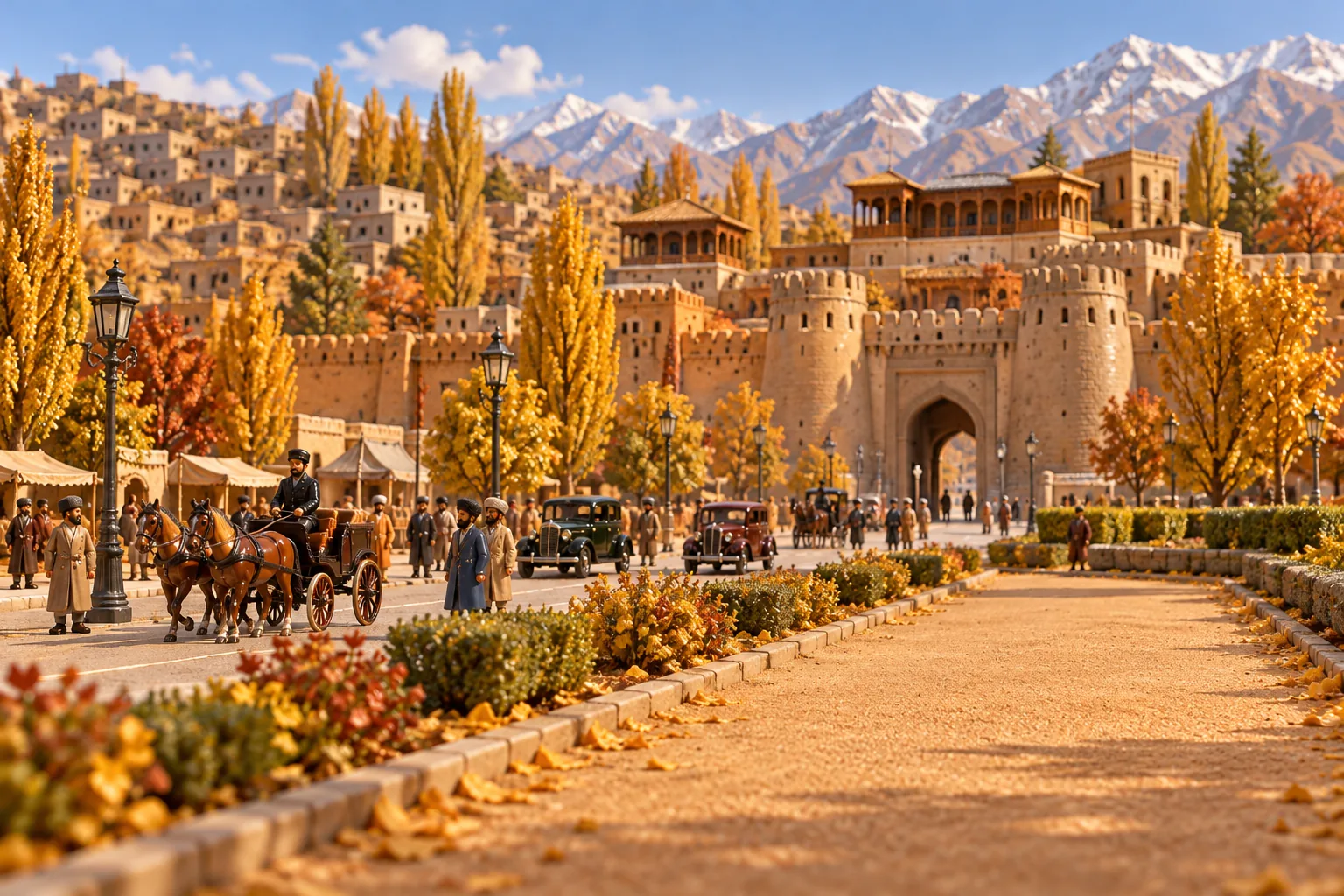 1914–2007 · Kabul, AfghanistanMohammed Zahir ShahA 19-year-old prince became king after his father was assassinated, and reigned for four decades later remembered as an era of peace.
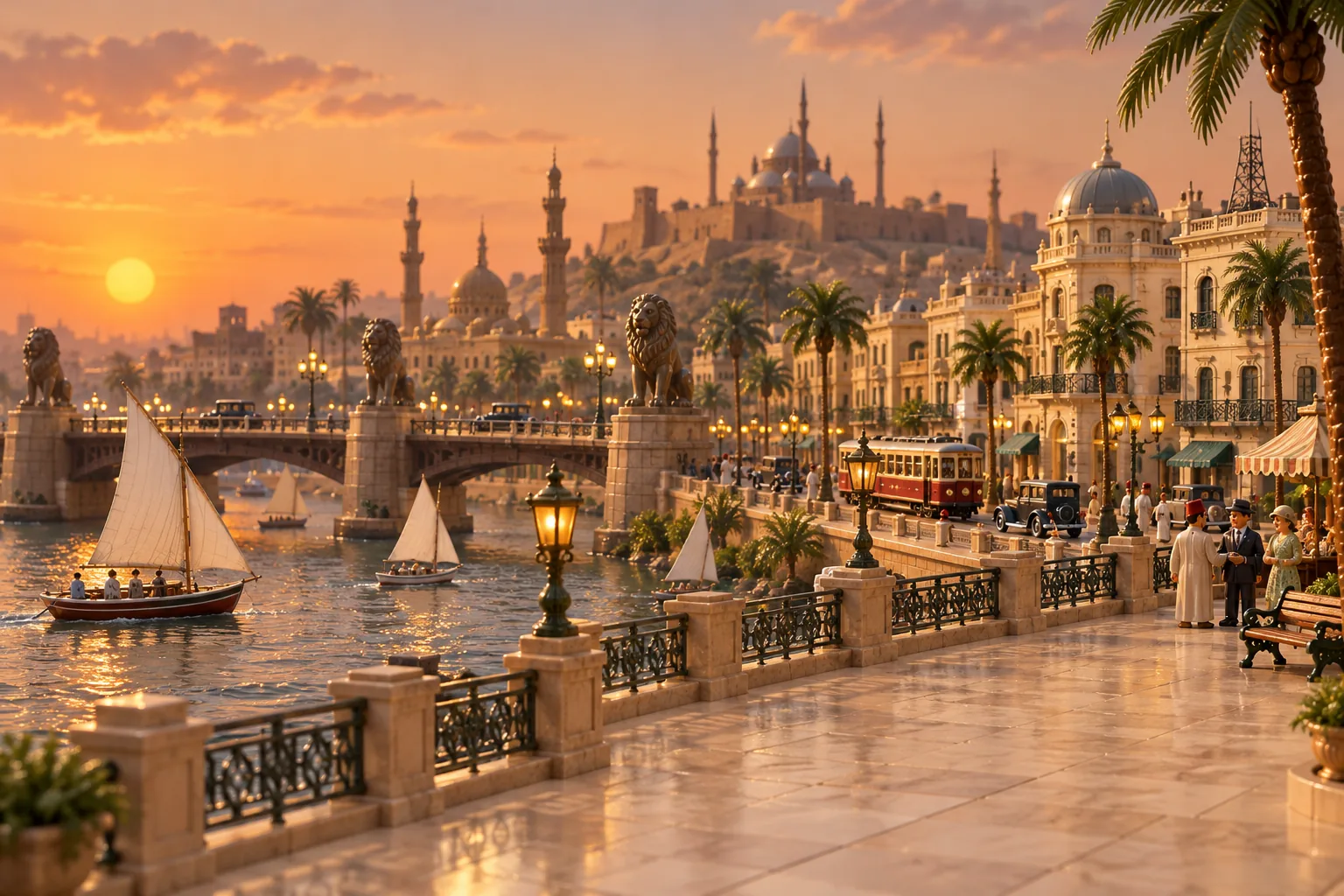 1904–1975 · Cairo, EgyptUmm KulthumOn the first Thursday of every month for forty years, the streets of Cairo emptied as people hurried home to hear her sing on the radio.
 1899–1972 · Kamakura, JapanYasunari KawabataSettled in the old seaside capital of Kamakura, he began publishing Snow Country in 1935, the quiet story of a Tokyo idler and a mountain geisha that became a classic.
 1913–2001 · Eskişehir, TurkeySabiha GökçenAtatürk named her Gökçen, "of the sky", before she had ever flown. Fourteen months later she took a motor plane up over Eskişehir for the first time.
 1891–1956 · Bombay (Mumbai), IndiaB. R. AmbedkarA speech written for a conference against caste was thought too radical to be given, so he published it himself, and Annihilation of Caste became one of India's most argued-over books.
 1912–1954 · King's College, Cambridge, EnglandAlan TuringTo answer a puzzle about the limits of logic, a 23-year-old Cambridge fellow imagined a machine reading symbols off a tape and described every computer to come.
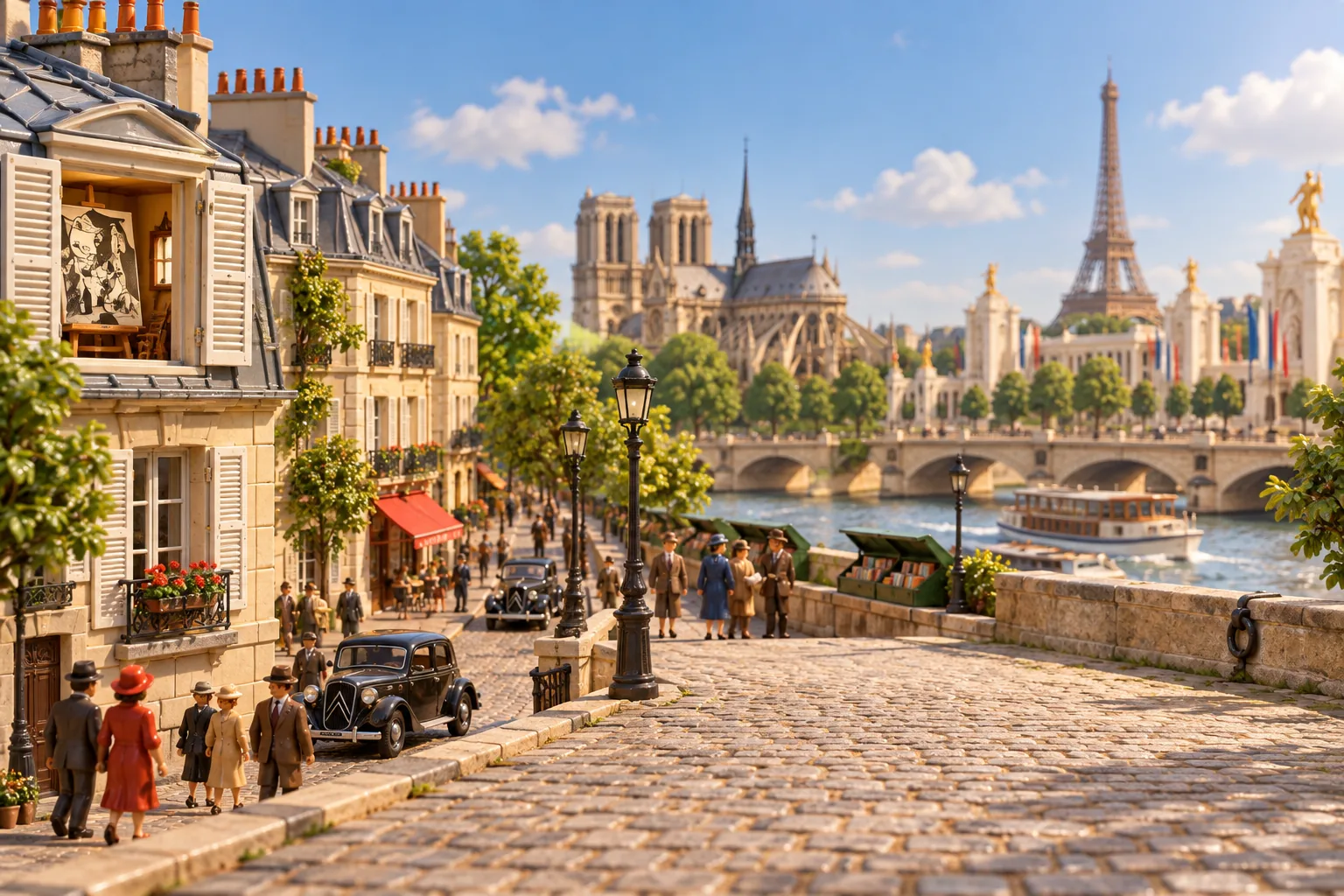 1881–1973 · Rue des Grands-Augustins, Paris, FrancePablo PicassoTwo weeks after German and Italian planes bombed a Basque market town, he began a black, grey and white canvas almost eight metres wide.
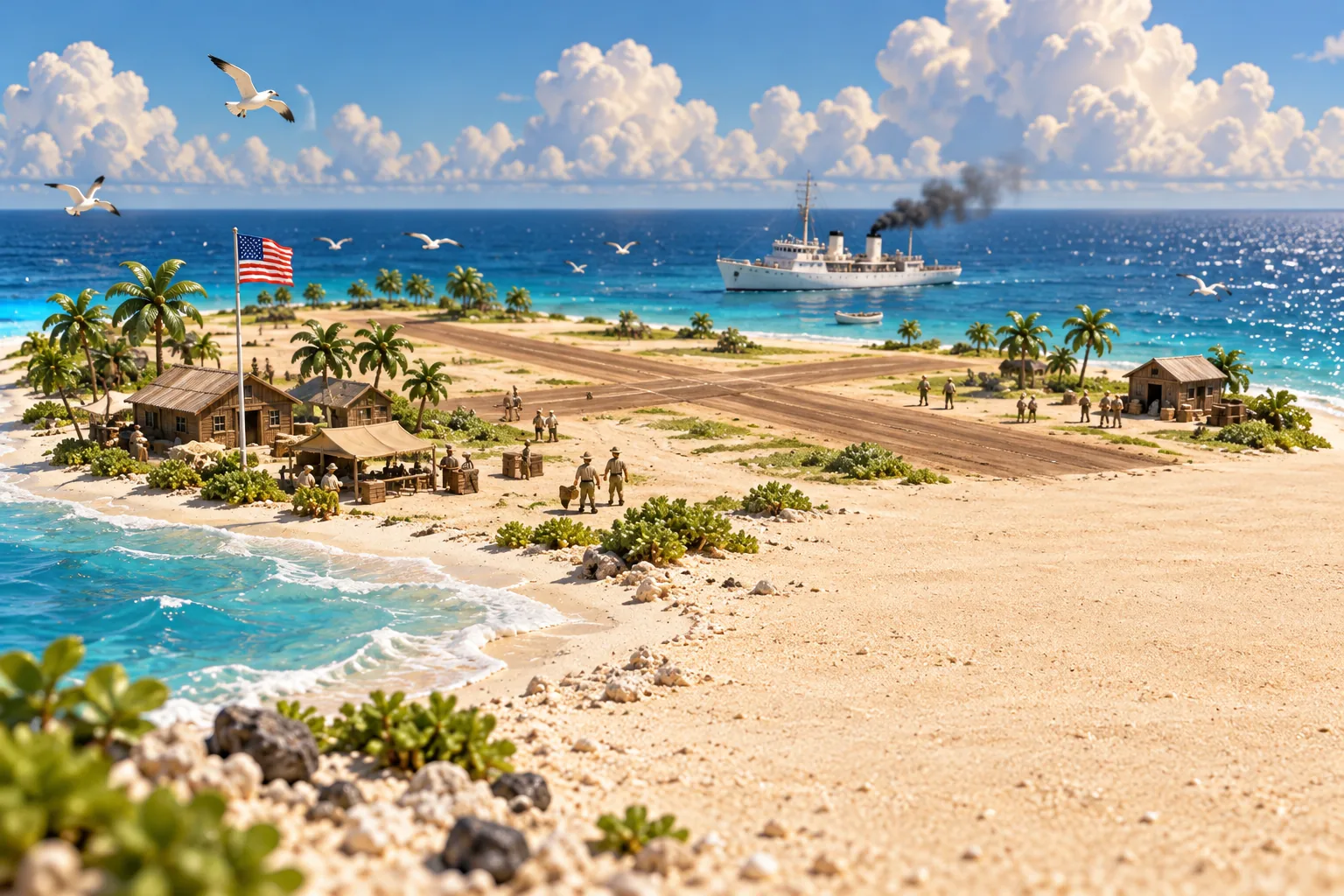 1897–1937 · Howland Island, Pacific OceanAmelia EarhartFive years after flying solo across the Atlantic, she radioed a Coast Guard ship that could hear her but not reach her, and then vanished over the Pacific.
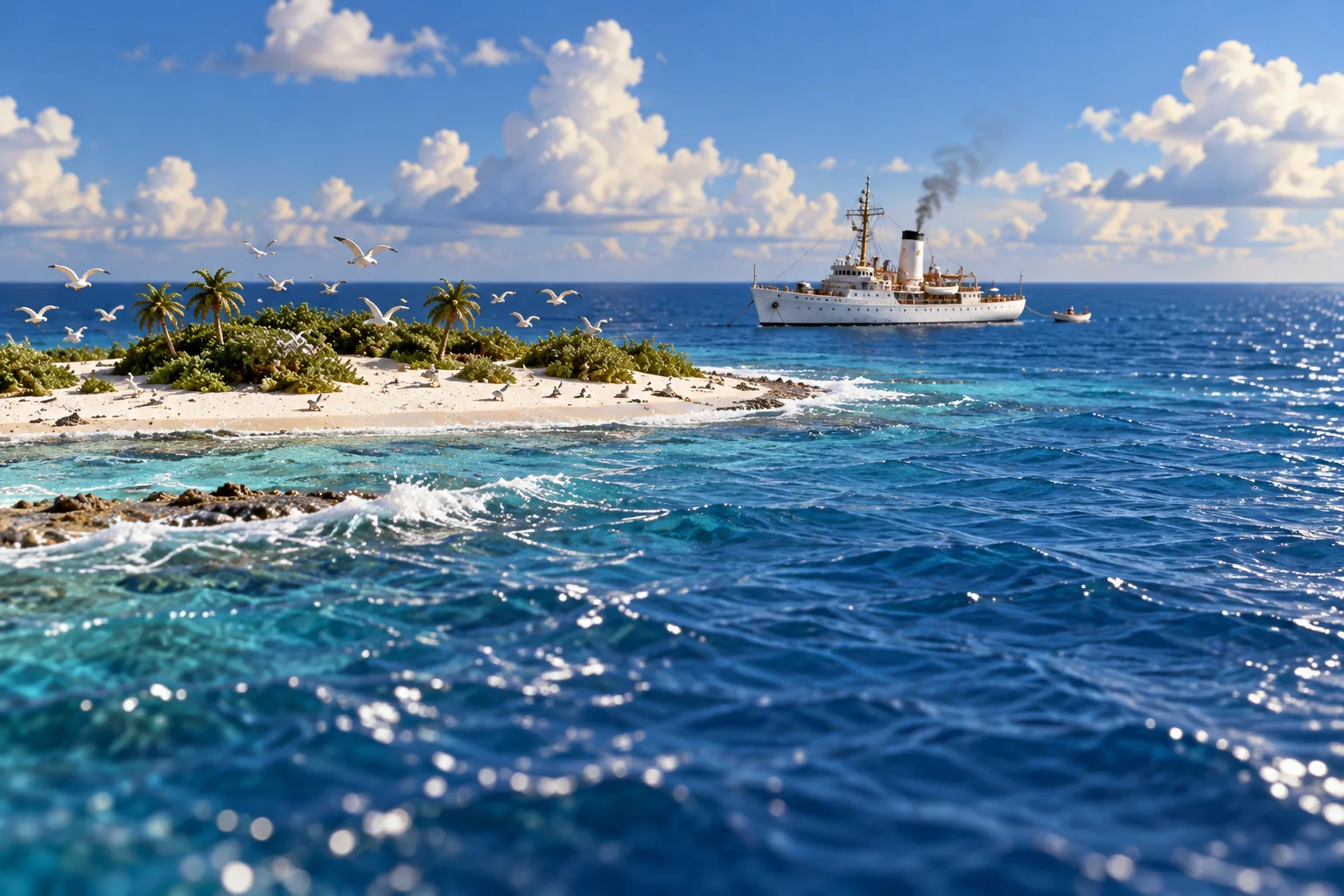 1893–1937 · Near Howland Island, Pacific OceanFred NoonanTheir target was an island barely two kilometres long in the middle of the Pacific. Earhart radioed that they believed they were right beside it. Then the signal faded for good.
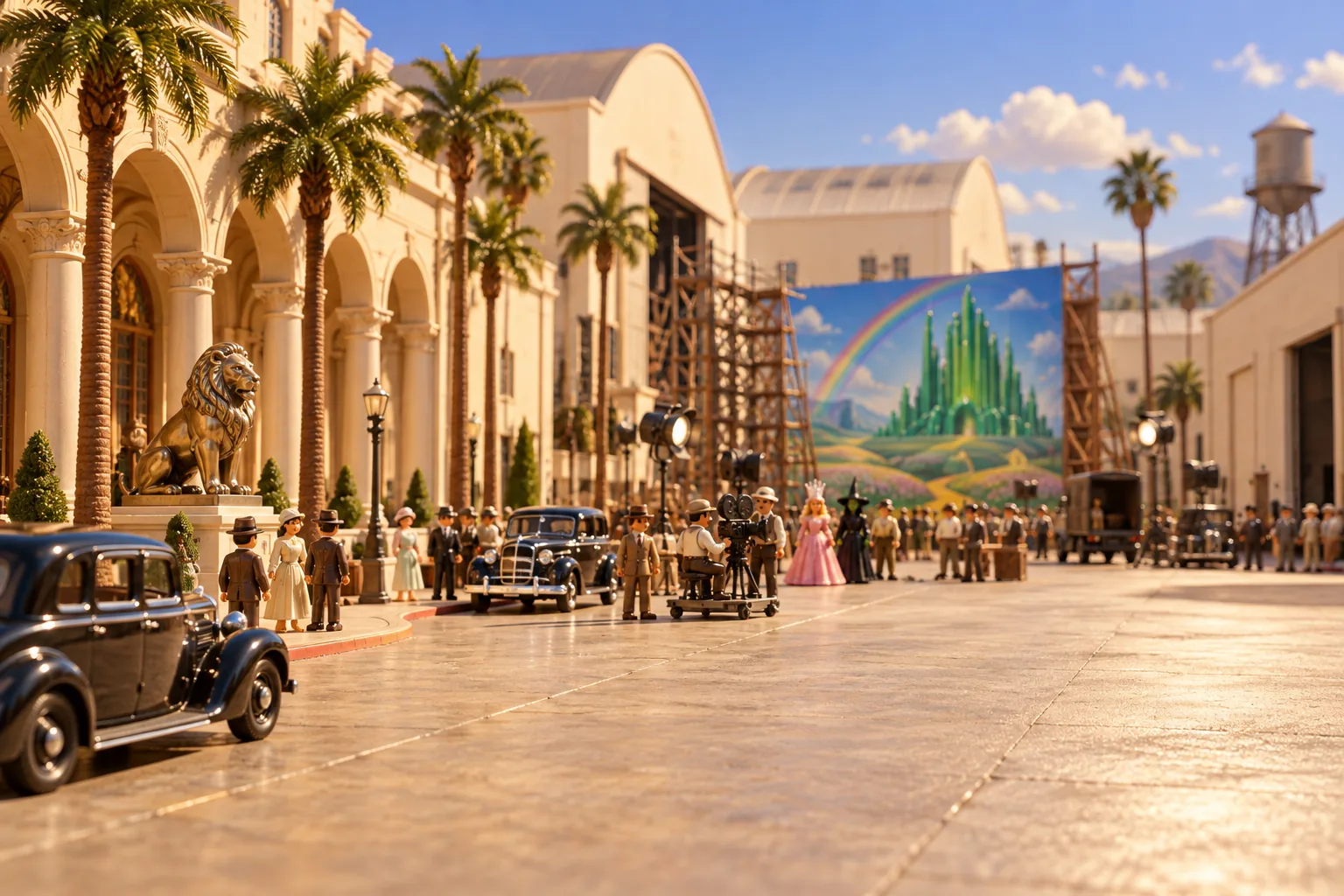 1922–1969 · MGM Studios, Culver City, CaliforniaJudy GarlandThe studio first tried to borrow Shirley Temple for the part. Instead a sixteen-year-old under contract got the role, and the song, of her life.
 1907–1954 · La Casa Azul, Coyoacán, Mexico CityFrida KahloBack in her childhood home after her divorce, she painted herself twice, hand in hand with her own double, the two hearts joined by a single vein.
 1907–2003 · Shubert Theatre, Broadway, New York CityKatharine HepburnA year after cinema owners called her box office poison, she opened on Broadway in a play written for her, holding the film rights in her own hands.
 1902–1968 · Los Gatos, California, USAJohn SteinbeckAfter visiting the migrant camps of the Dust Bowl refugees, he wrote a novel so angry that a California county banned it and his own hometown burned it.
 1890–1976 · Winterbrook House, Wallingford, EnglandAgatha ChristieTen strangers invited to an island off Devon die one by one, in the best-selling mystery novel ever written.
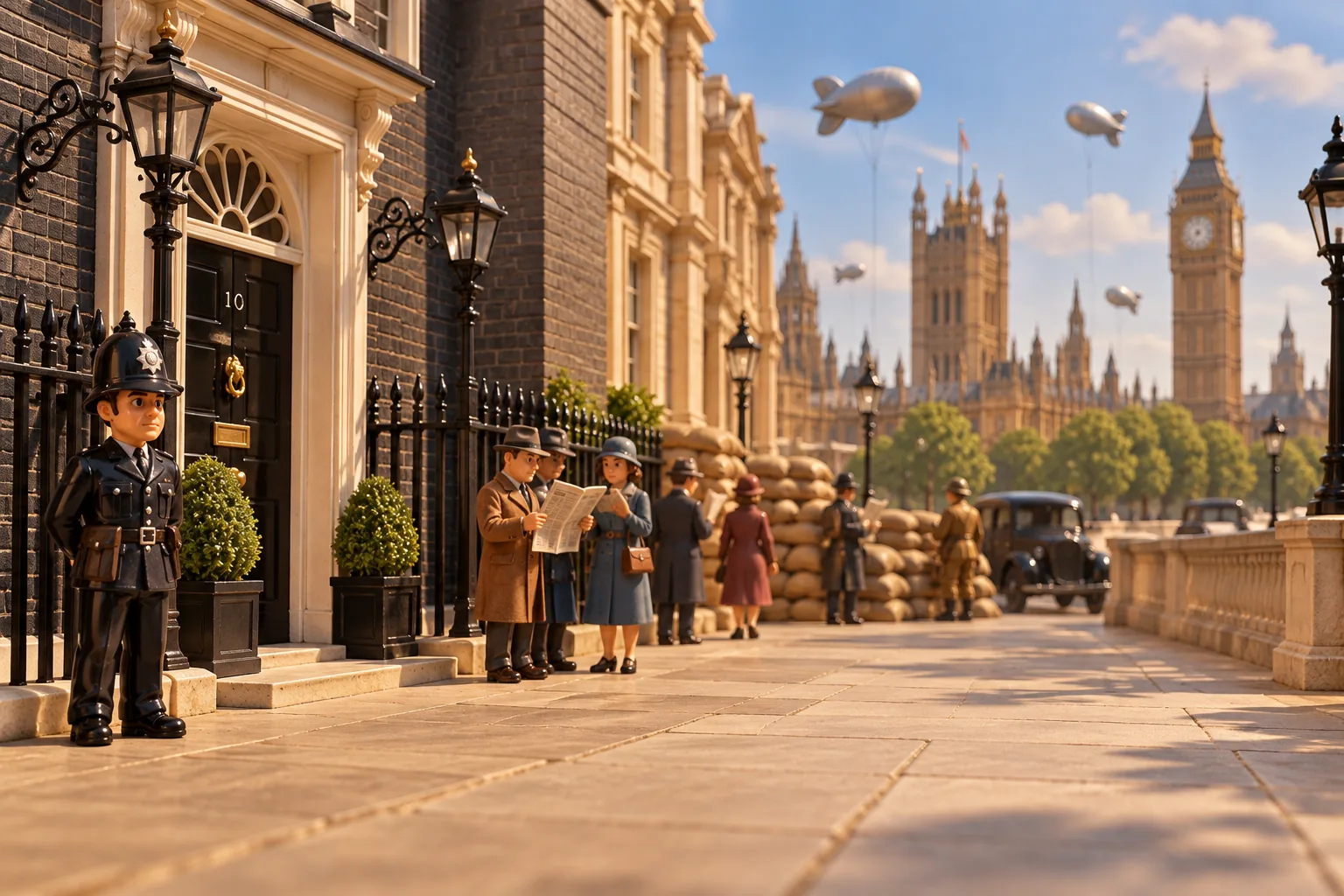 1874–1965 · 10 Downing Street, LondonWinston ChurchillOn the morning German armies poured into Belgium and the Netherlands, a 65-year-old politician many had written off became prime minister, and refused to give in.
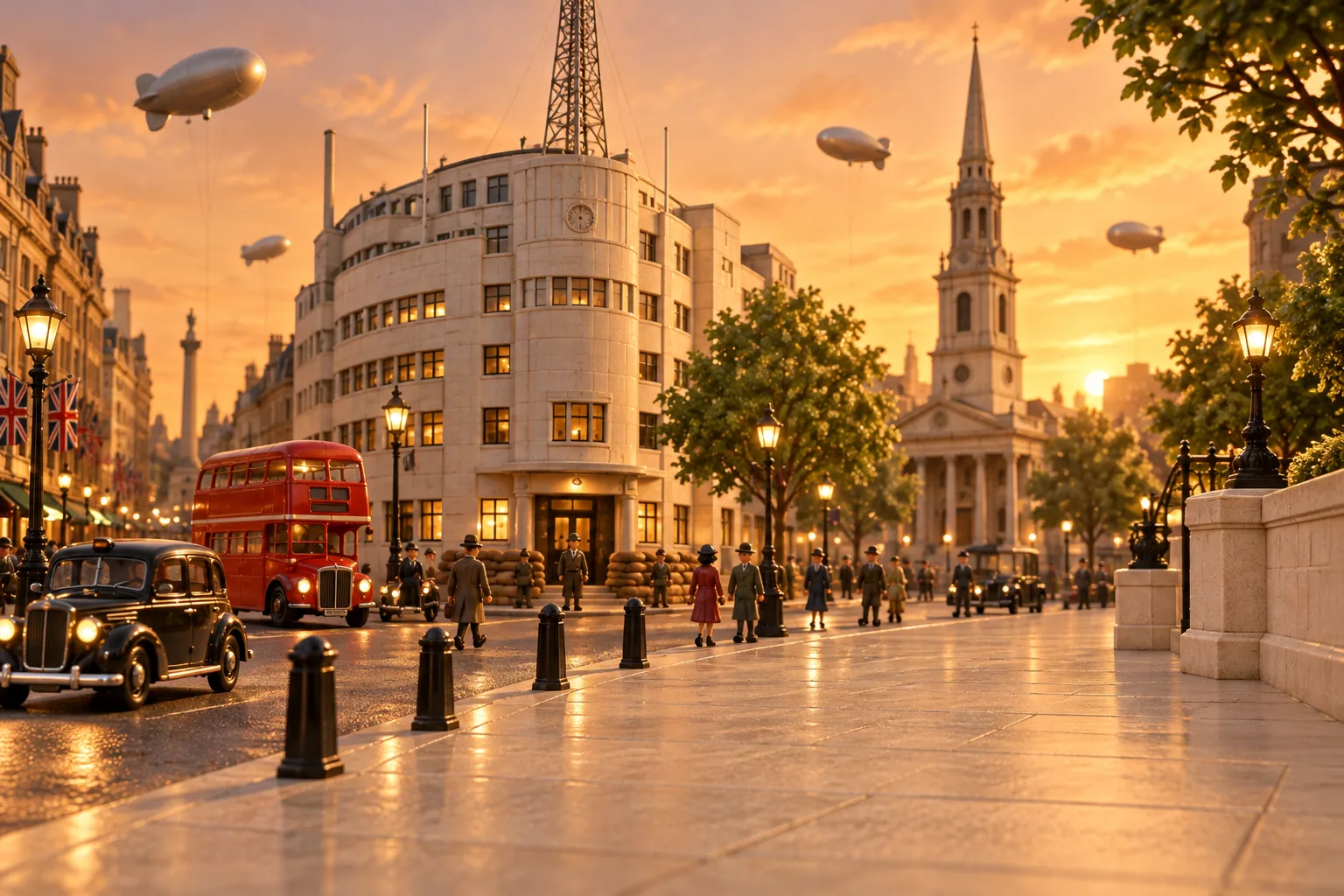 1890–1970 · BBC Broadcasting House, LondonCharles de GaulleFew people heard the little-known general who spoke on BBC radio from London on 18 June 1940, but his call to keep fighting made him the voice of Free France.
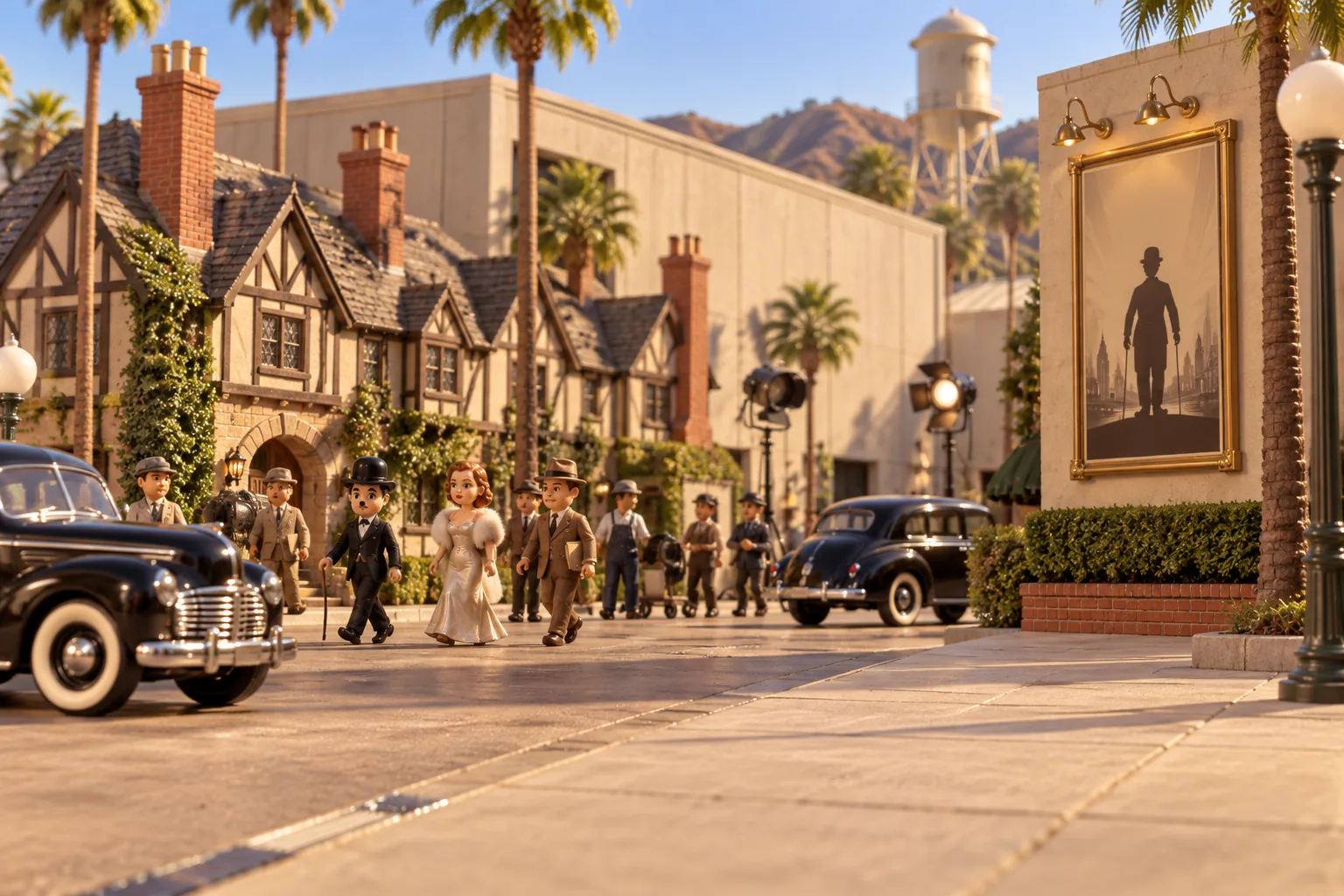 1889–1977 · Charlie Chaplin Studios, HollywoodCharlie ChaplinHe and Hitler were born four days apart and wore the same little moustache, so the world's most famous comedian made a film mocking the dictator.
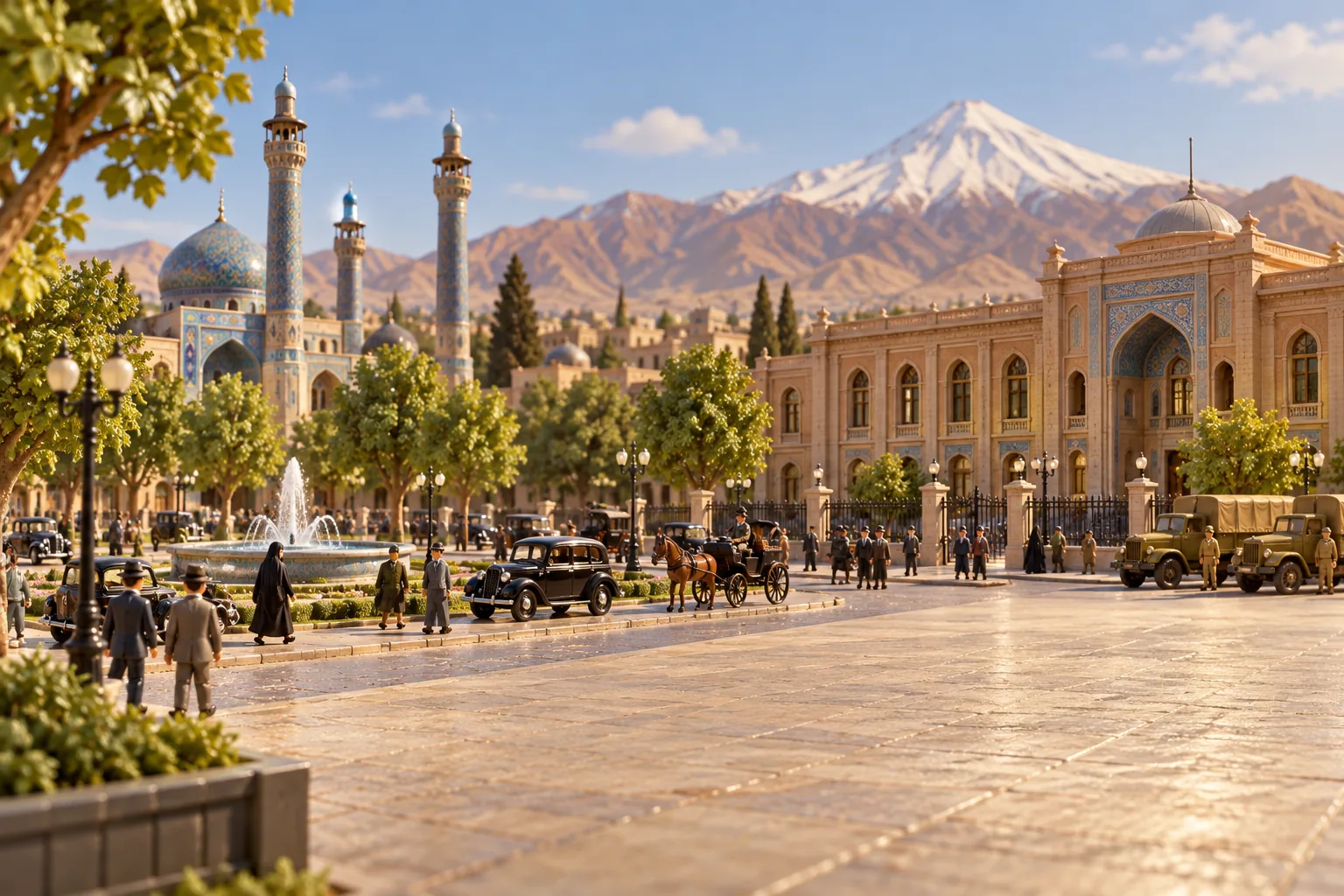 1919–1980 · Tehran, IranMohammad Reza PahlaviWith British and Soviet troops in the country, a 21-year-old crown prince was told in September 1941 that his father had abdicated and the throne was now his.
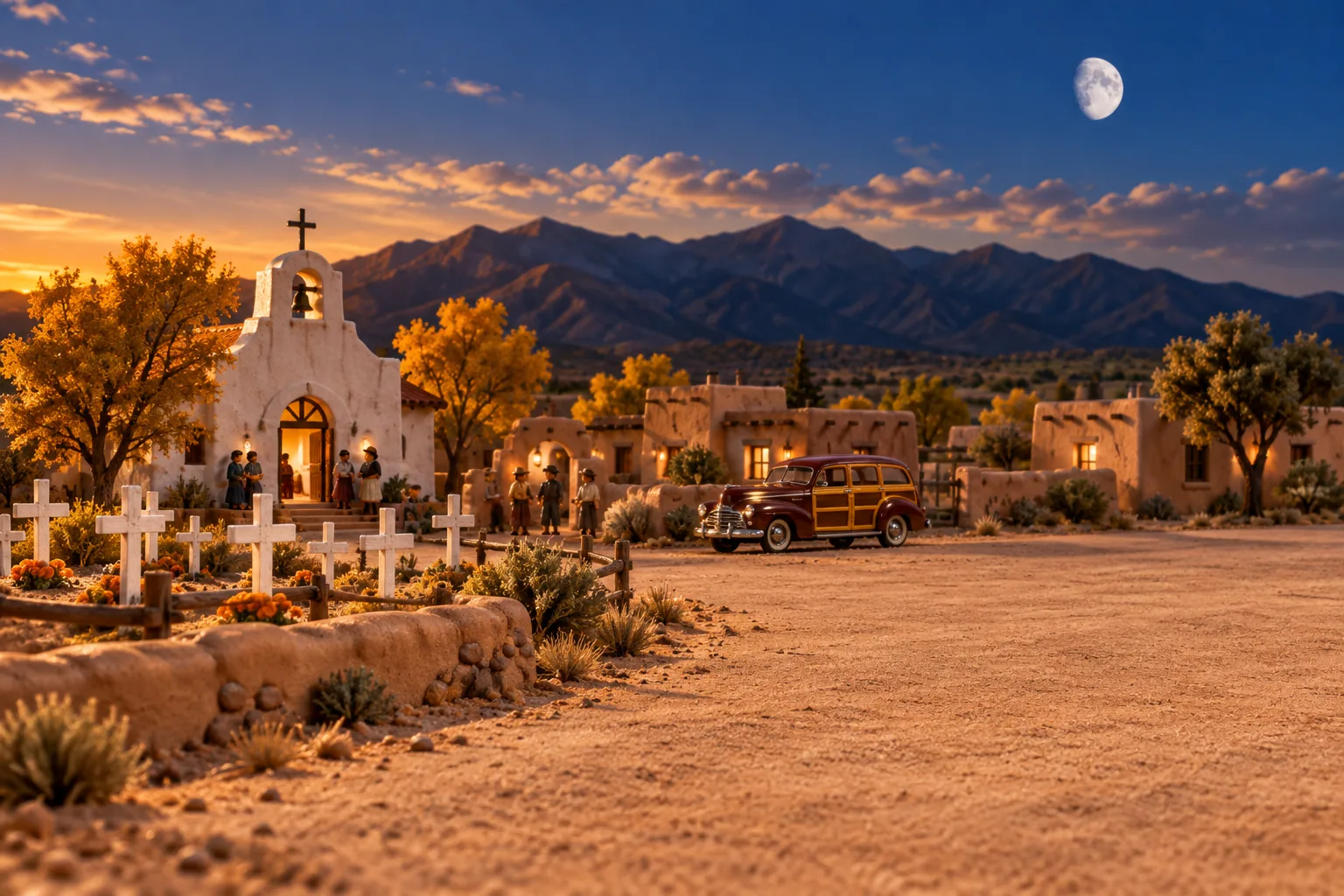 1902–1984 · Hernandez, New Mexico, USAAnsel AdamsWith the light fading on a New Mexico graveyard and his light meter lost, he worked out the exposure from the brightness of the Moon and made one of the most famous photographs ever taken.
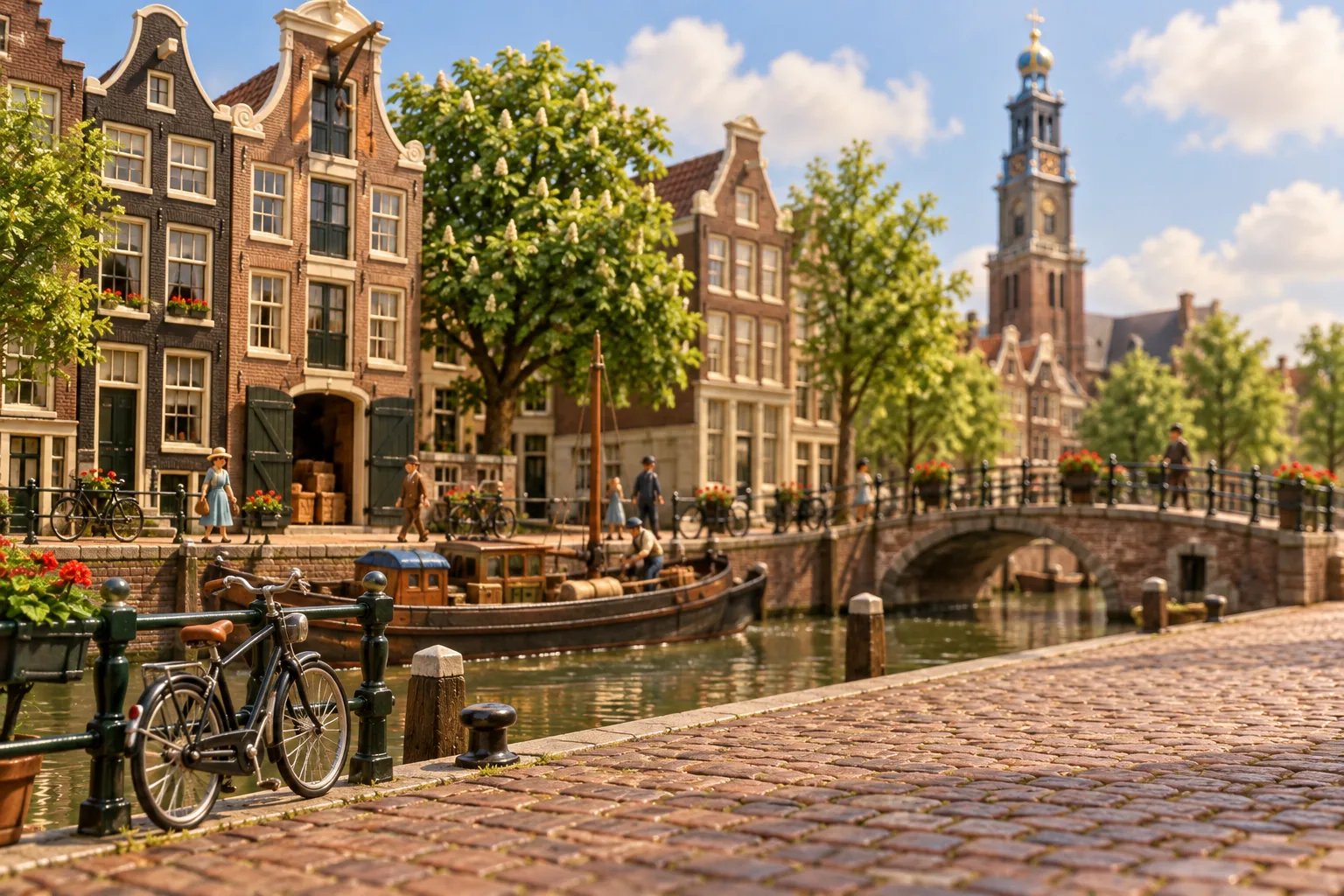 1929–1945 · Prinsengracht 263, Amsterdam, NetherlandsAnne FrankThree weeks after she was given a diary for her 13th birthday, she carried it into a hiding place behind a bookcase in Amsterdam and kept writing for two years.
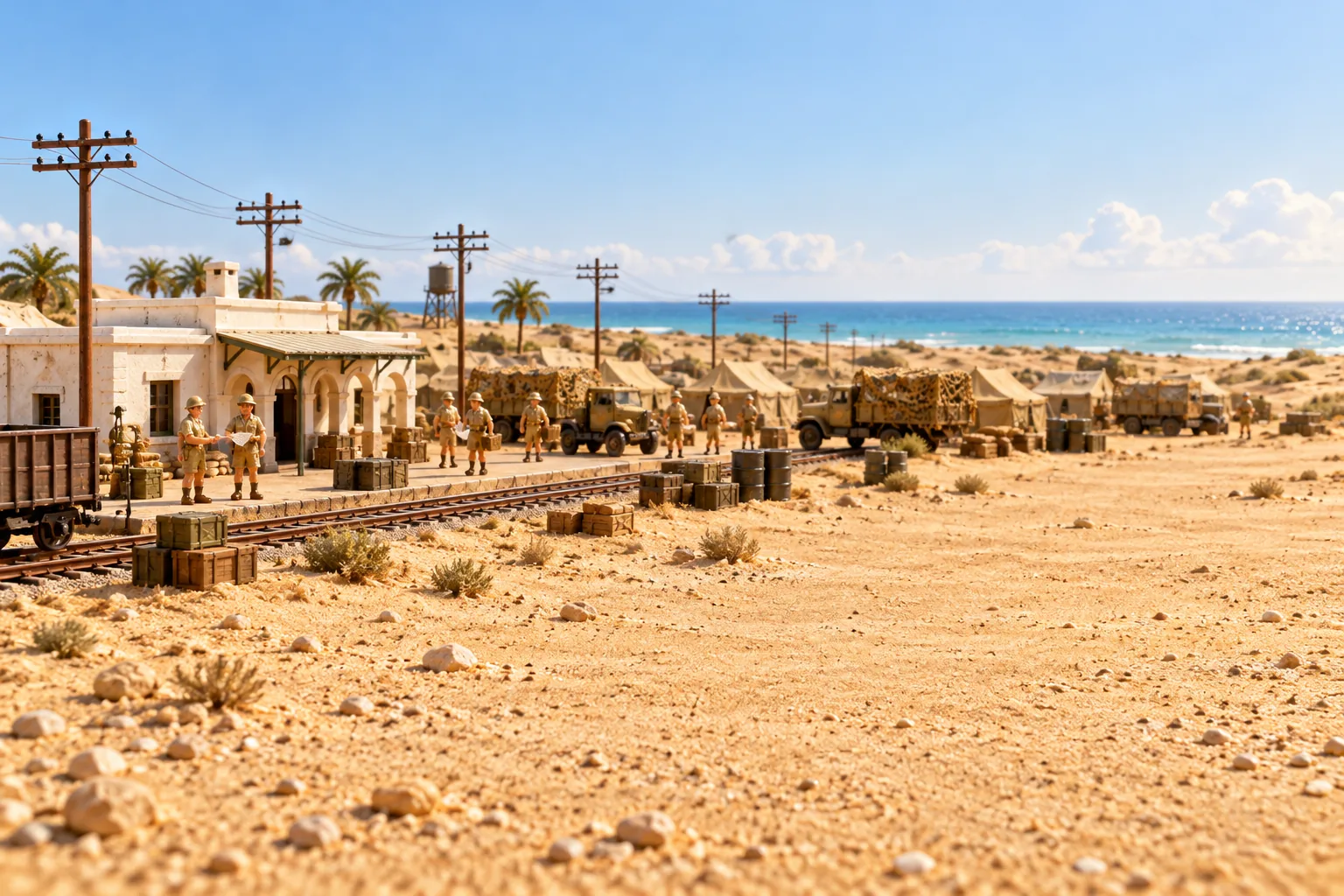 1887–1976 · El Alamein, EgyptBernard MontgomeryTwo months after taking over a beaten army in the Egyptian desert, a wiry general in a black beret launched the battle that turned the war in North Africa.
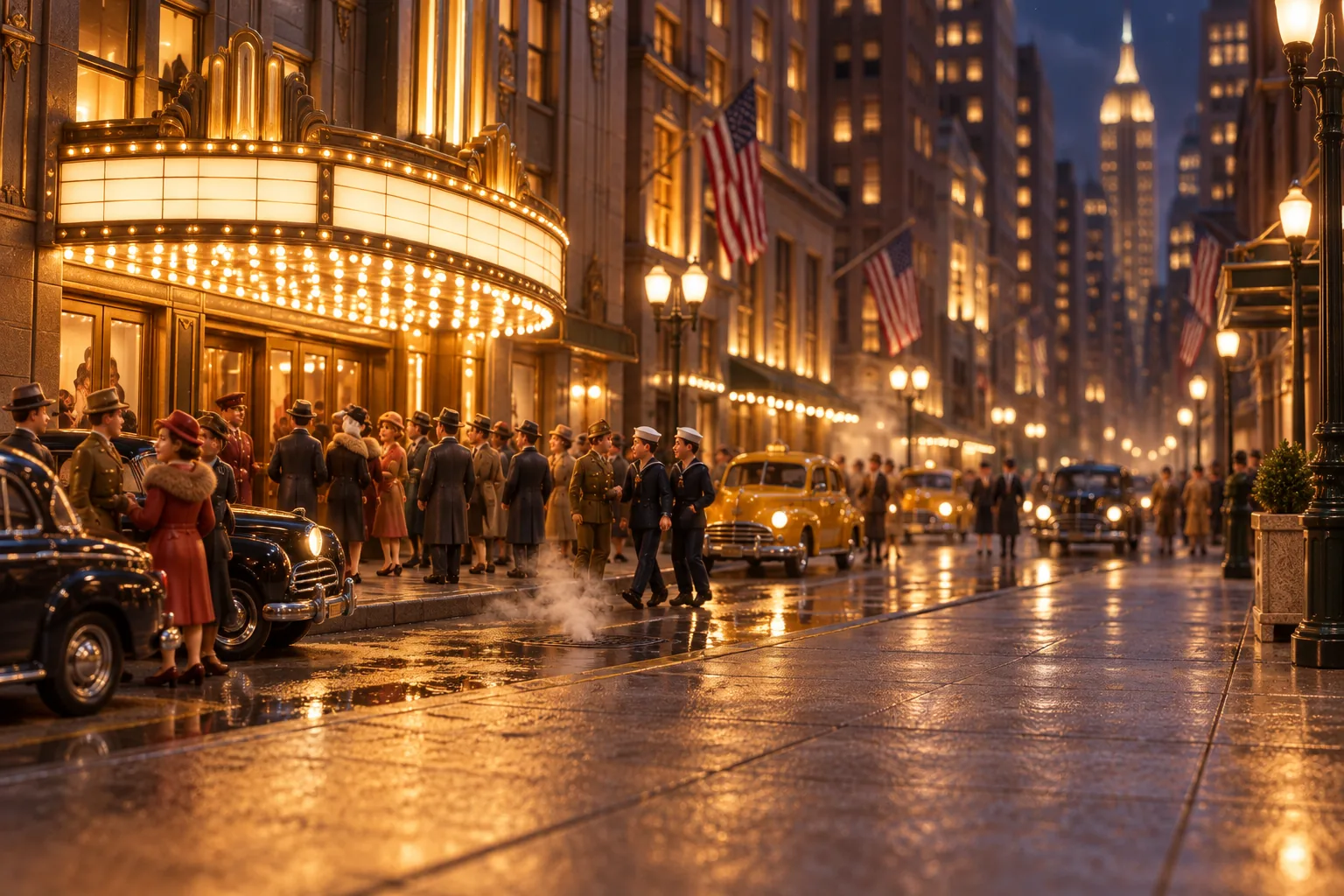 1915–1982 · Hollywood Theater, Broadway, New York CityIngrid BergmanOn 26 November 1942, in a New York at war, Casablanca opened on Broadway, and a Swedish actress who had arrived in America three years earlier without a word of English became Ilsa.
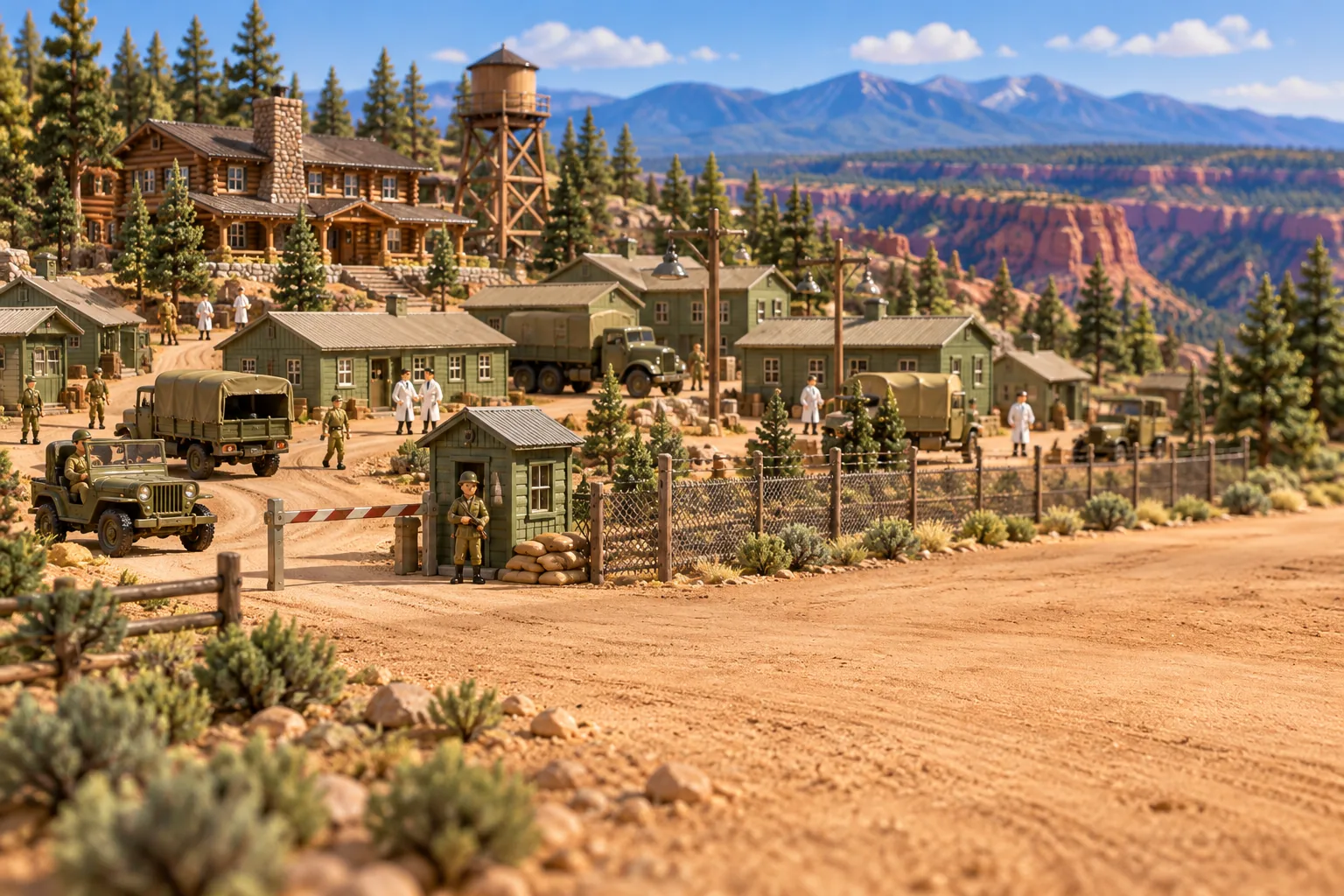 1904–1967 · Los Alamos, New MexicoJ. Robert OppenheimerHe picked a boys' ranch school on a mesa he knew from his holidays, and within two years it held more than 6,000 people working on a secret weapon.
Our time 1945 to today
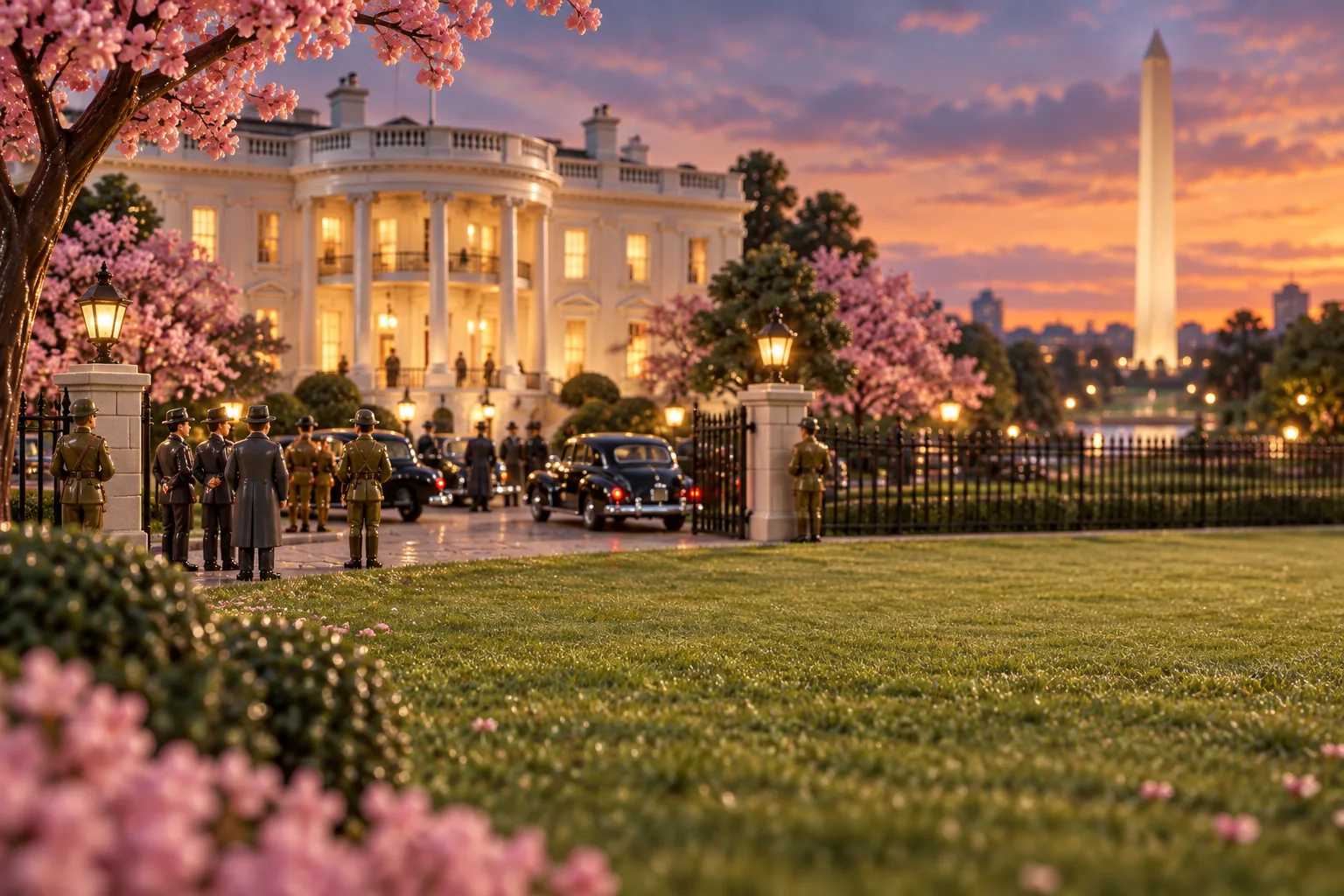 1884–1972 · The White House, Washington, D.C.Harry S. TrumanVice president for only 82 days, he was called to the White House, told Roosevelt was dead, and only then learned that America was building an atomic bomb.
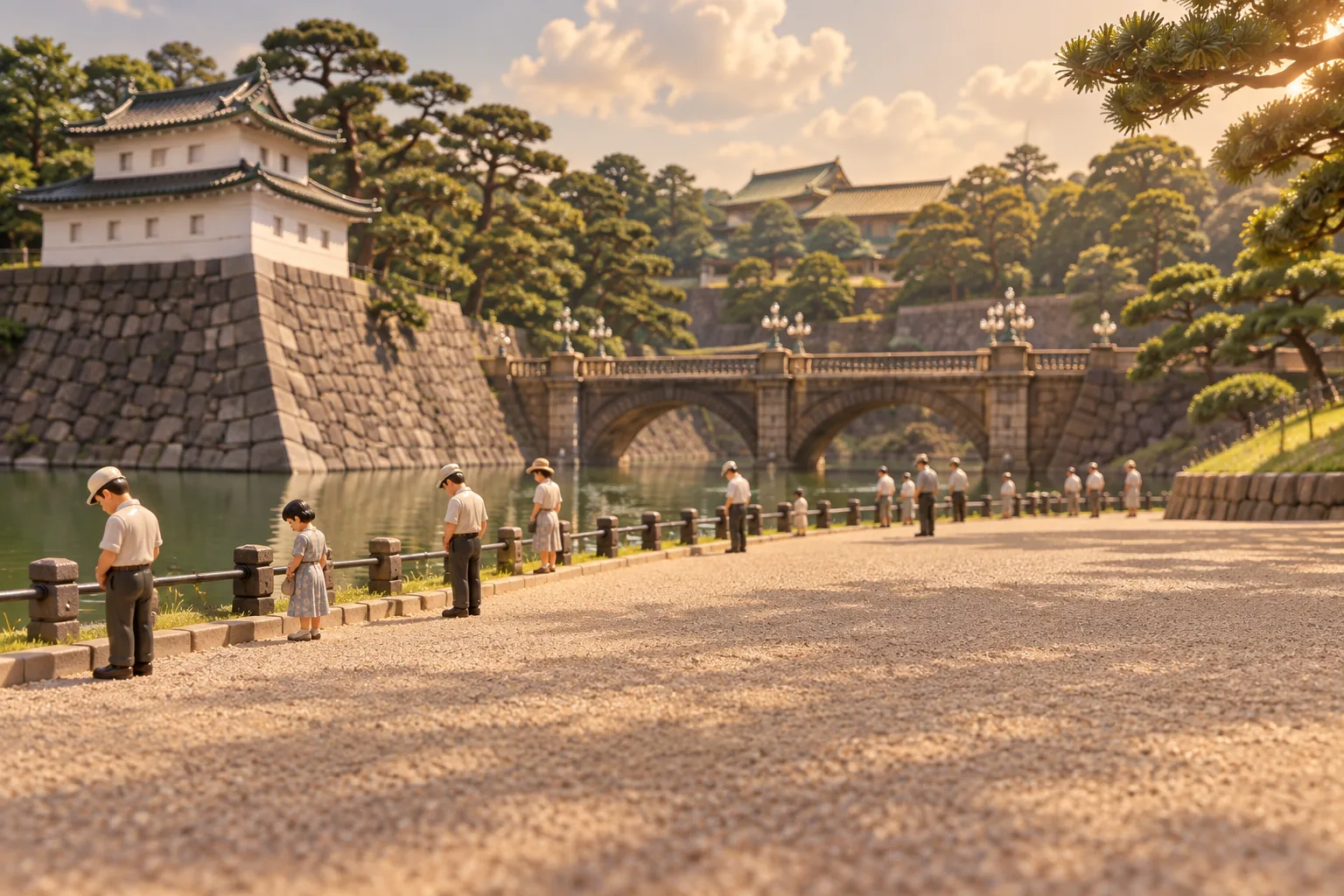 1901–1989 · Tokyo Imperial PalaceHirohitoOn 15 August 1945 millions of Japanese heard their emperor's voice for the first time, on a recording that told them Japan would accept defeat.
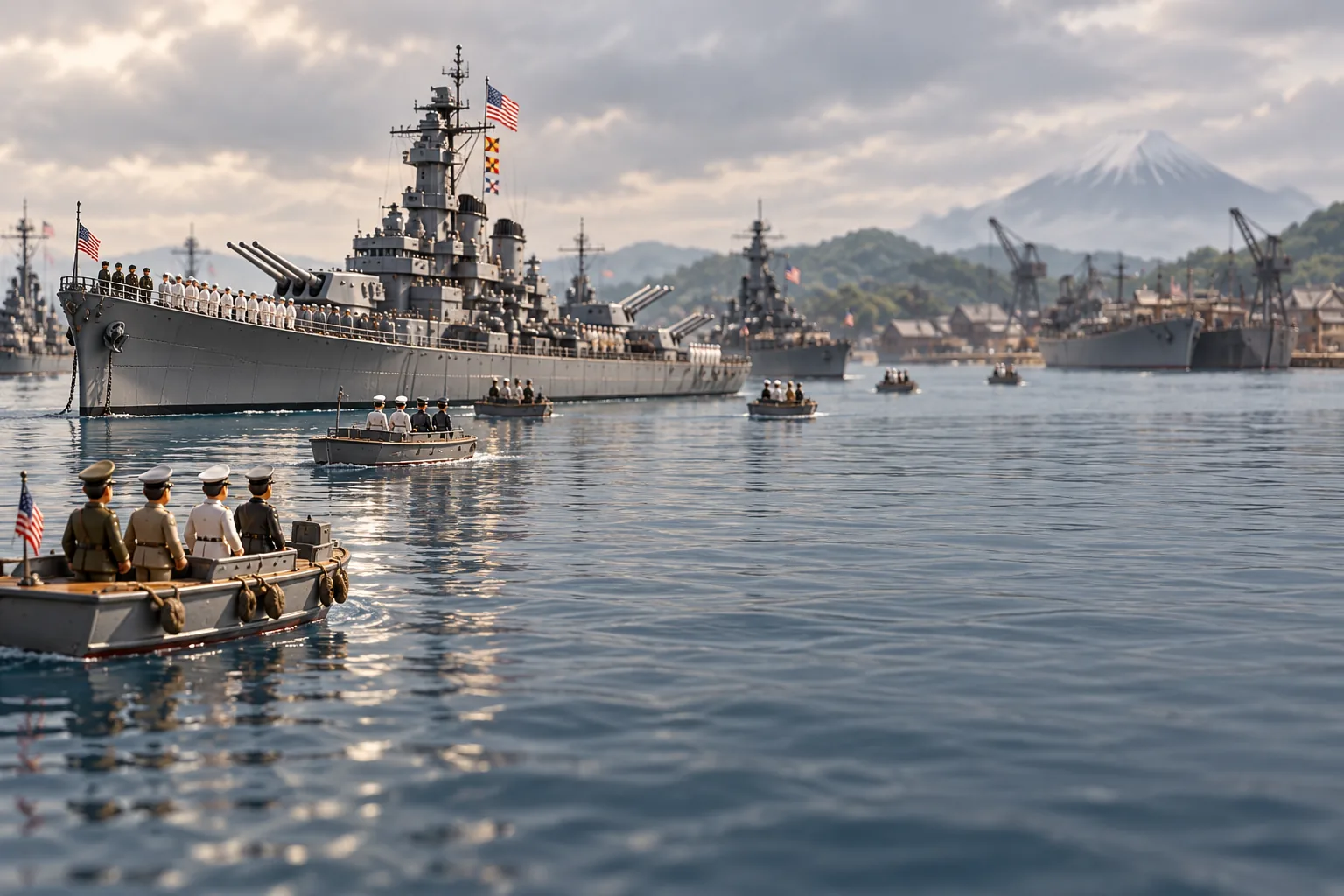 1880–1964 · USS Missouri, Tokyo Bay, JapanDouglas MacArthurOn the deck of a battleship in Tokyo Bay on 2 September 1945, the general who had fled the Philippines three years earlier accepted Japan's surrender.
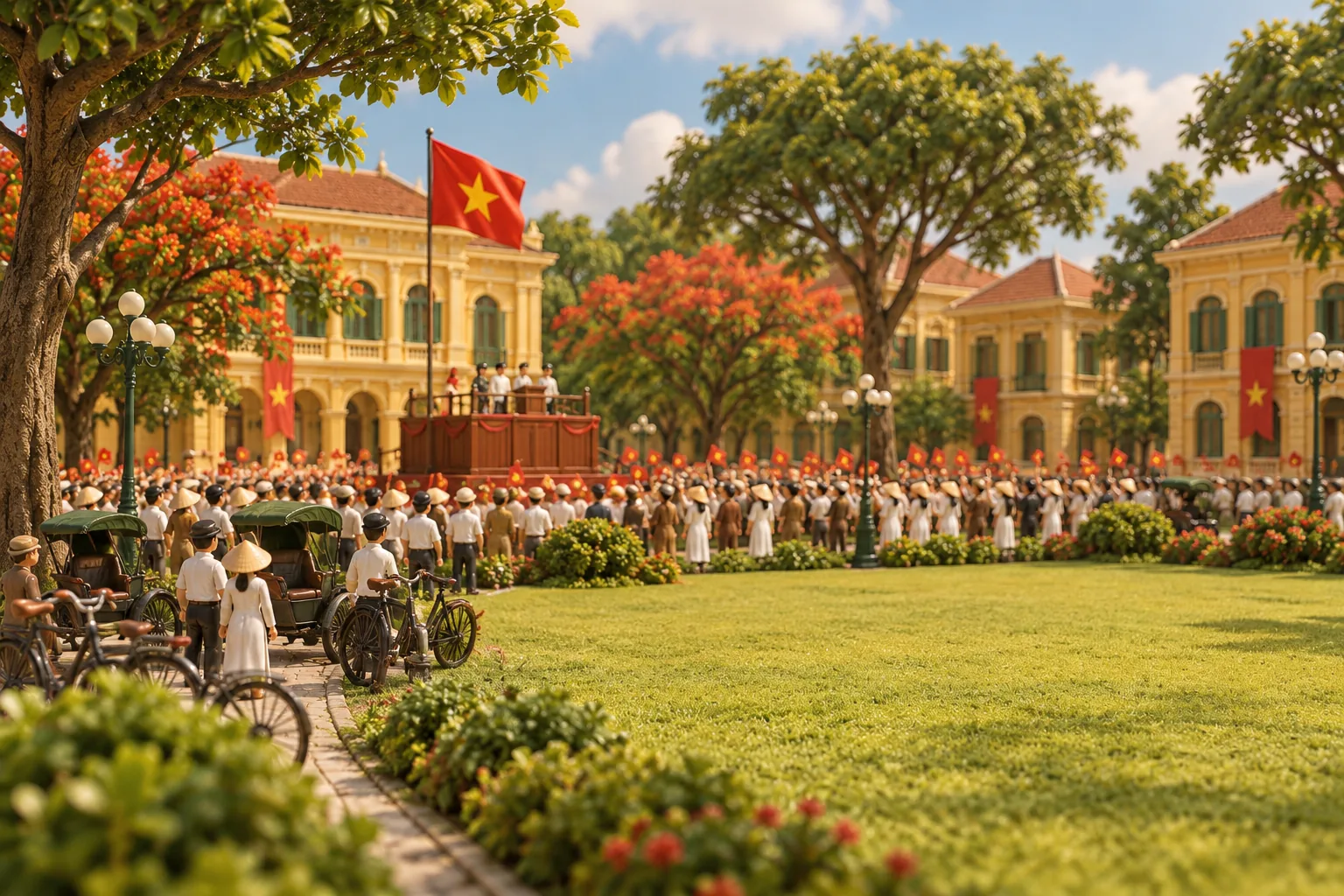 1890–1969 · Ba Đình Square, HanoiHo Chi MinhThirty-four years after leaving Saigon as a kitchen hand on a French steamer, he stood before a crowd in Hanoi and read out Vietnam's declaration of independence.
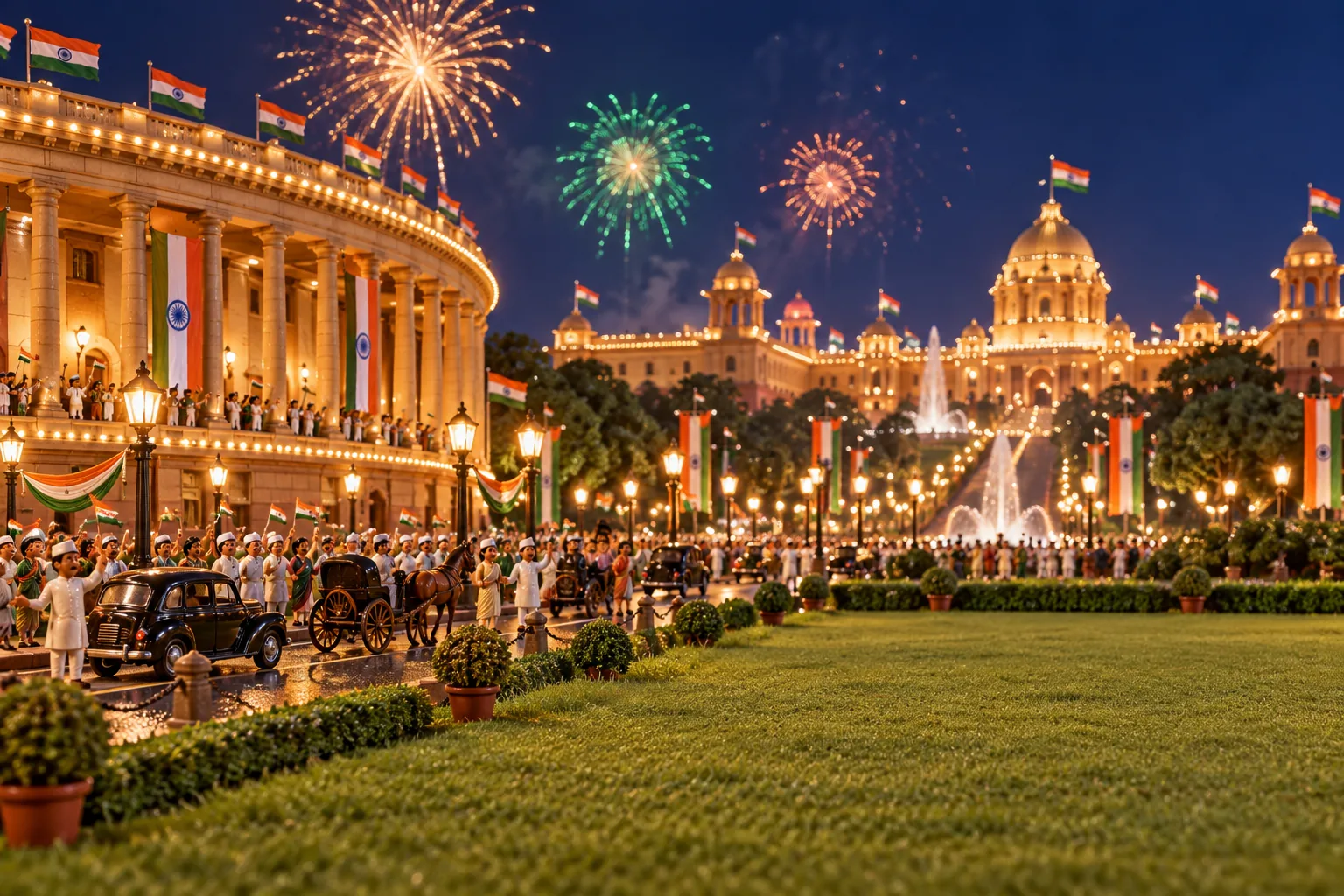 1889–1964 · Constituent Assembly, New DelhiJawaharlal NehruAt the stroke of midnight, in a golden silk jacket with a red rose in his buttonhole, he told the assembly that India was keeping its "tryst with destiny".
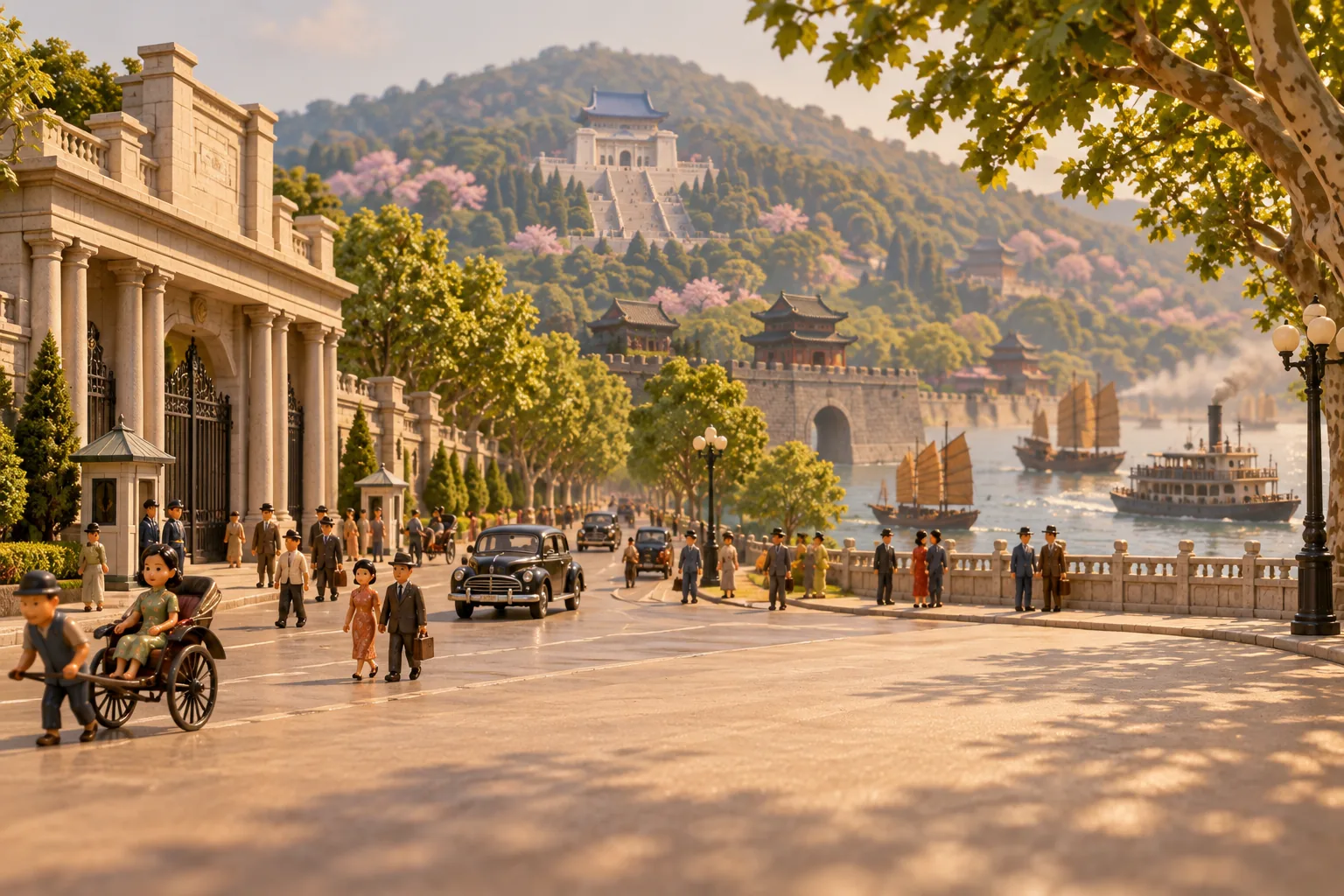 1887–1975 · Nanjing, ChinaChiang Kai-shekElected president of China in 1948, within two years he had lost the mainland to Mao and ruled only from the island of Taiwan.
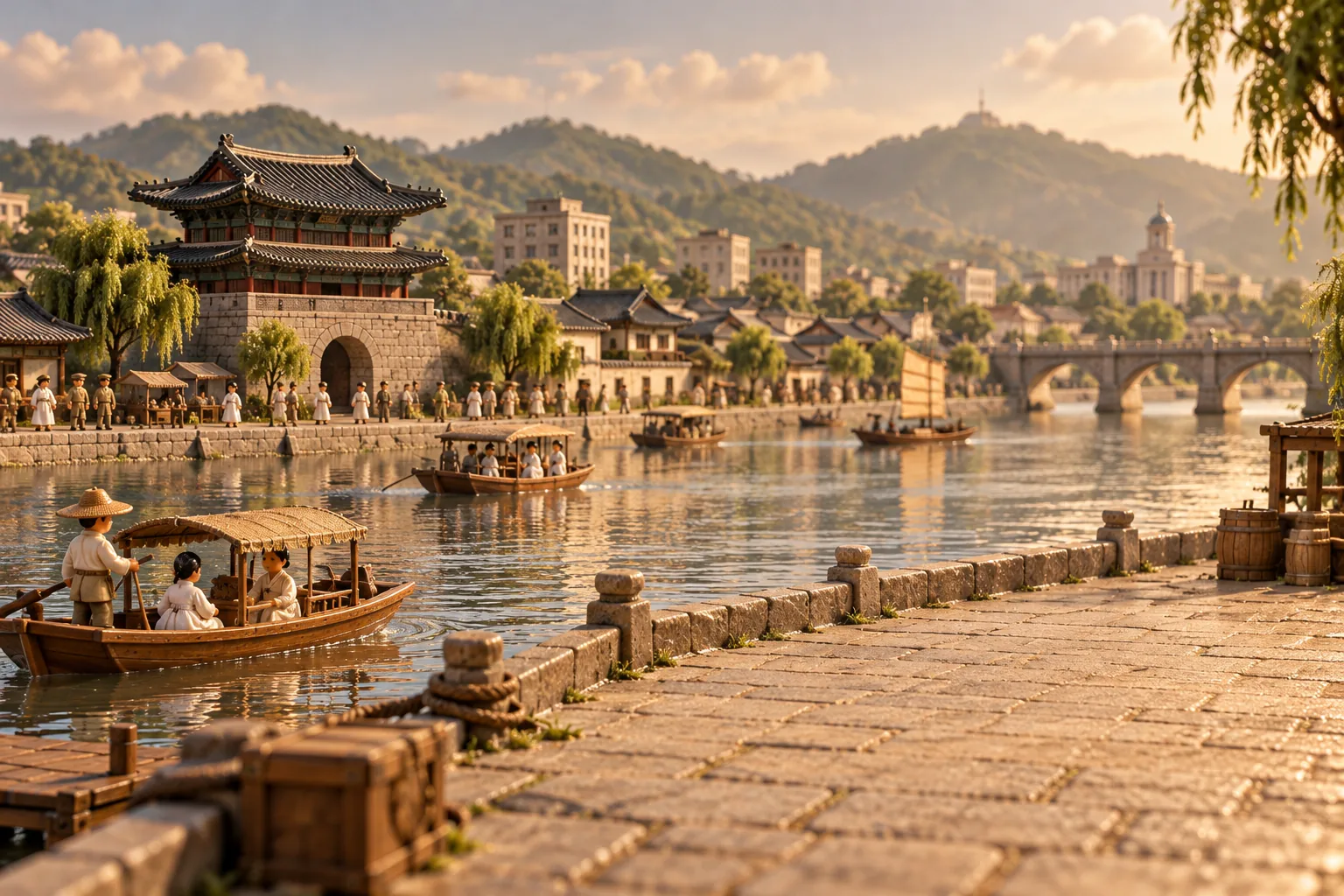 1912–1994 · Pyongyang, North KoreaKim Il SungA 33-year-old captain of the Soviet Red Army came home to Korea after 26 years abroad, and founded a state his family still rules.
 1908–1986 · Paris, FranceSimone de Beauvoir"One is not born, but rather becomes, woman": with one sentence in 1949 she split biological sex from the roles society builds on top of it.
 1903–1950 · London, EnglandGeorge OrwellDying of tuberculosis in a remote farmhouse on a Scottish island, he finished a novel about Big Brother that gave the world the word Orwellian.
 1908–1989 · Hollywood, Los AngelesBette DavisIn 1950, written off as a fading star, she played one: Margo Channing in All About Eve, whose line "Fasten your seat belts, it's going to be a bumpy night" is still quoted.
 1898–1963 · Magdalen College, OxfordC. S. LewisDuring the war, children evacuated from London came to live in an Oxford professor's house, and a few years later he wrote a story about four evacuated children who step through a wardrobe.
 1910–1997 · Calcutta (Kolkata), IndiaMother TeresaOn a train to Darjeeling she heard what she called "the call within the call", left her convent school and went to live in the slums of Calcutta.
 1906–1975 · New York City, United StatesHannah ArendtStateless for fourteen years after the Nazis stripped her citizenship, a refugee in New York wrote the book that explained how Nazism and Stalinism had captured whole societies.
 1920–1958 · King's College London, Strand, LondonRosalind FranklinIn 1952 her lab at King's College London produced an X-ray picture of DNA so clear that a rival saw the shape of the double helix in it, after it was shown to him without her knowledge.
 1926–2022 · Sagana Lodge, near Nyeri, KenyaElizabeth IIShe spent a night at the Treetops Hotel in Kenya as a princess, and by the time the news reached her the next day she was queen: her father had died.
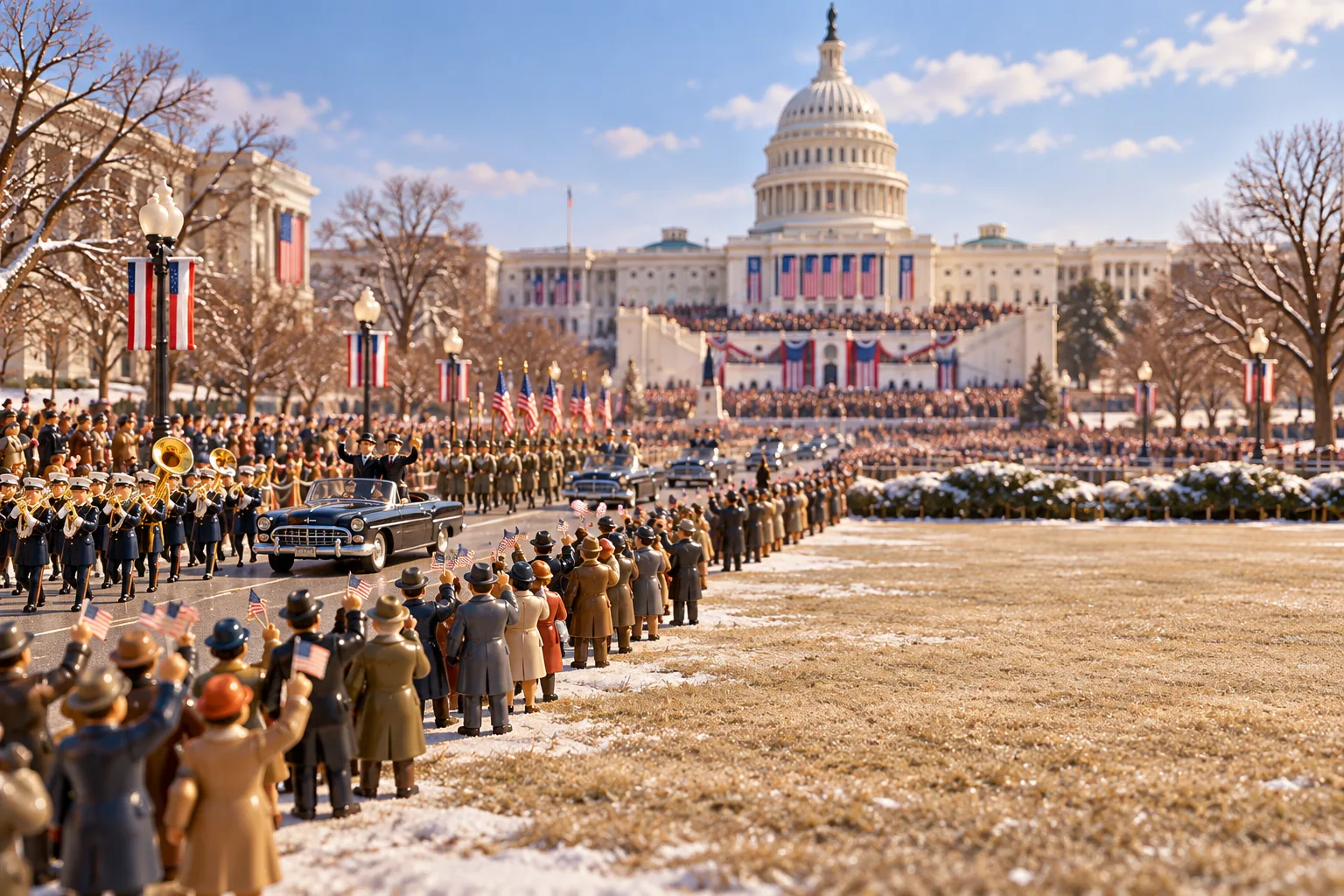 1890–1969 · Washington, D.C.Dwight D. EisenhowerThe general who had commanded the D-Day landings became president, and within months the fighting in Korea stopped.
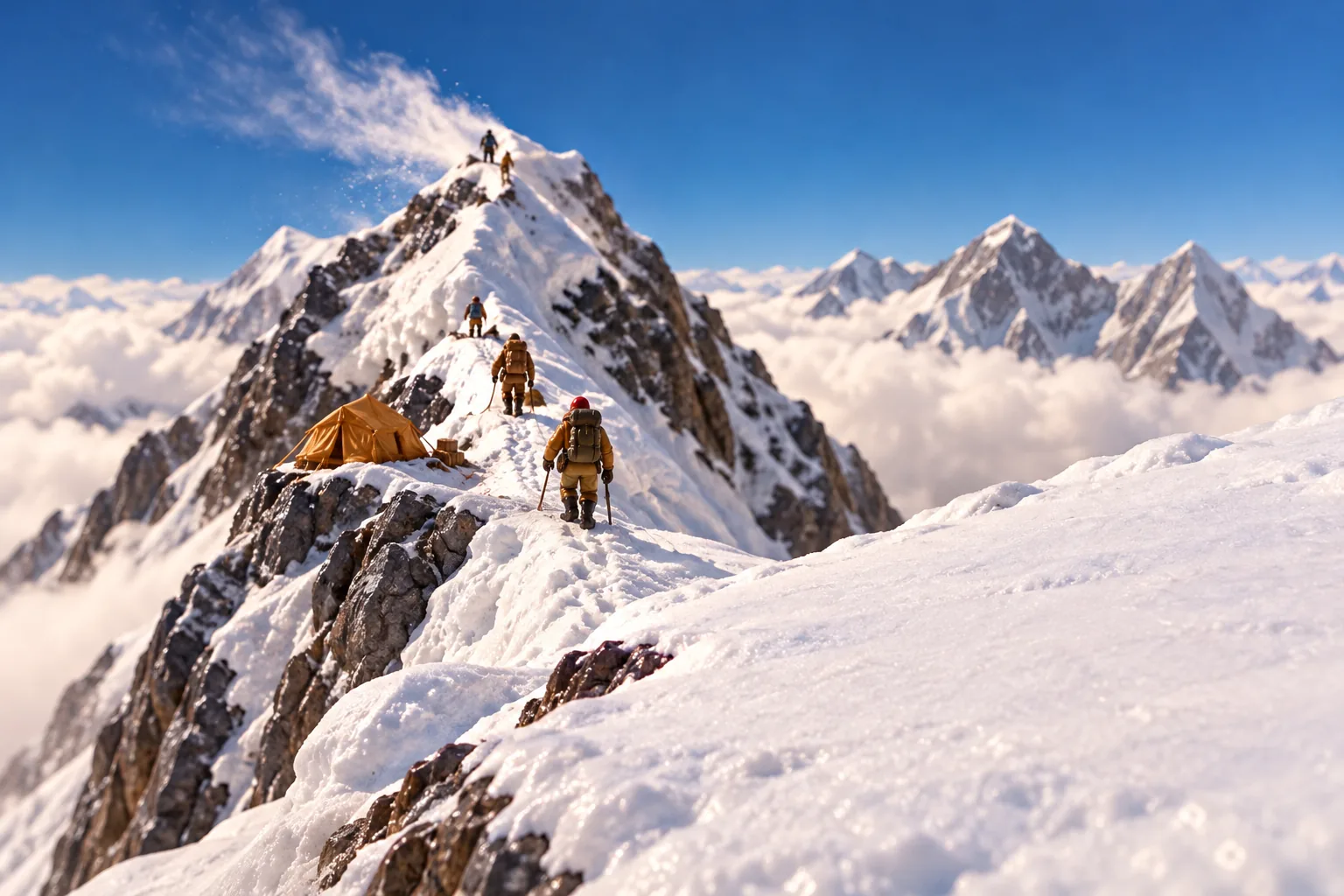 1919–2008 · Summit of Mount Everest, NepalEdmund HillaryAt 11:30 in the morning a New Zealand beekeeper and a Sherpa stood on the highest point on Earth, and stayed there for about fifteen minutes.
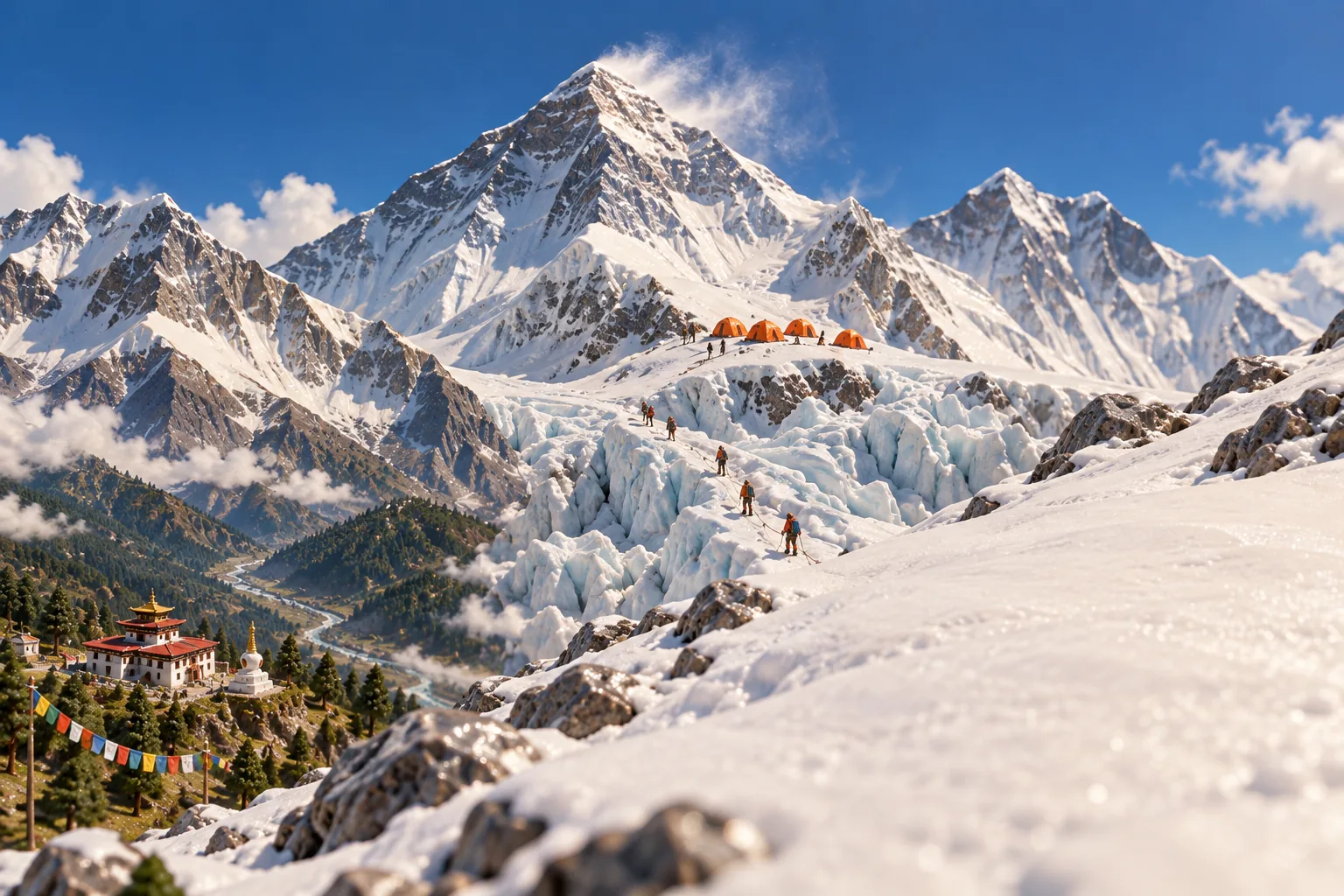 1914–1986 · Summit of Mount Everest, NepalTenzing NorgayAt 11:30 on a May morning in 1953 a Sherpa who had already been to Everest six times stood with a New Zealand beekeeper on the highest point on Earth.
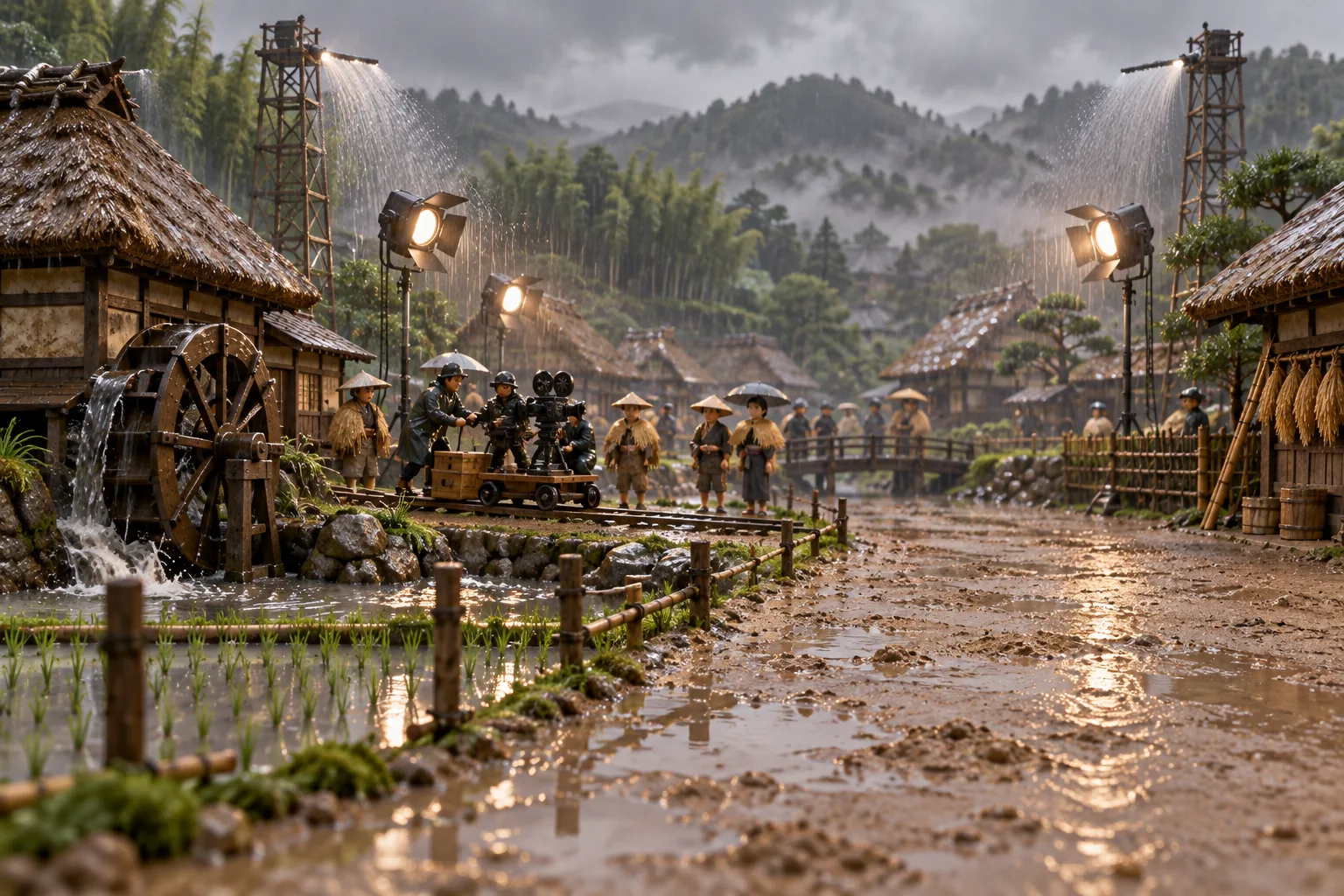 1910–1998 · Toho Studios, Setagaya, TokyoAkira KurosawaHe shut himself in an inn with two writers for 45 days, then made a film about a village that hires seven samurai, which opened half a year late and three times over budget.
 1892–1973 · Oxford, EnglandJ. R. R. TolkienA professor of Old English spent years writing a sequel to his children's book, and it became one of the best-loved stories of the century.
 1935–1977 · Sun Studio, Memphis, Tennessee, United StatesElvis PresleyA recording session was going nowhere and the musicians were about to go home when a 19-year-old started fooling around with an old blues song.
 1894–1971 · The Kremlin, MoscowNikita KhrushchevIn a closed session of the party congress, the man who had helped carry out Stalin's purges spoke for four hours against Stalin's crimes.
 1918–1970 · Alexandria, EgyptGamal Abdel NasserBefore a crowd in his home city, the president of Egypt announced that the Suez Canal Company was now Egypt's, and the Arab world poured into the streets to cheer.
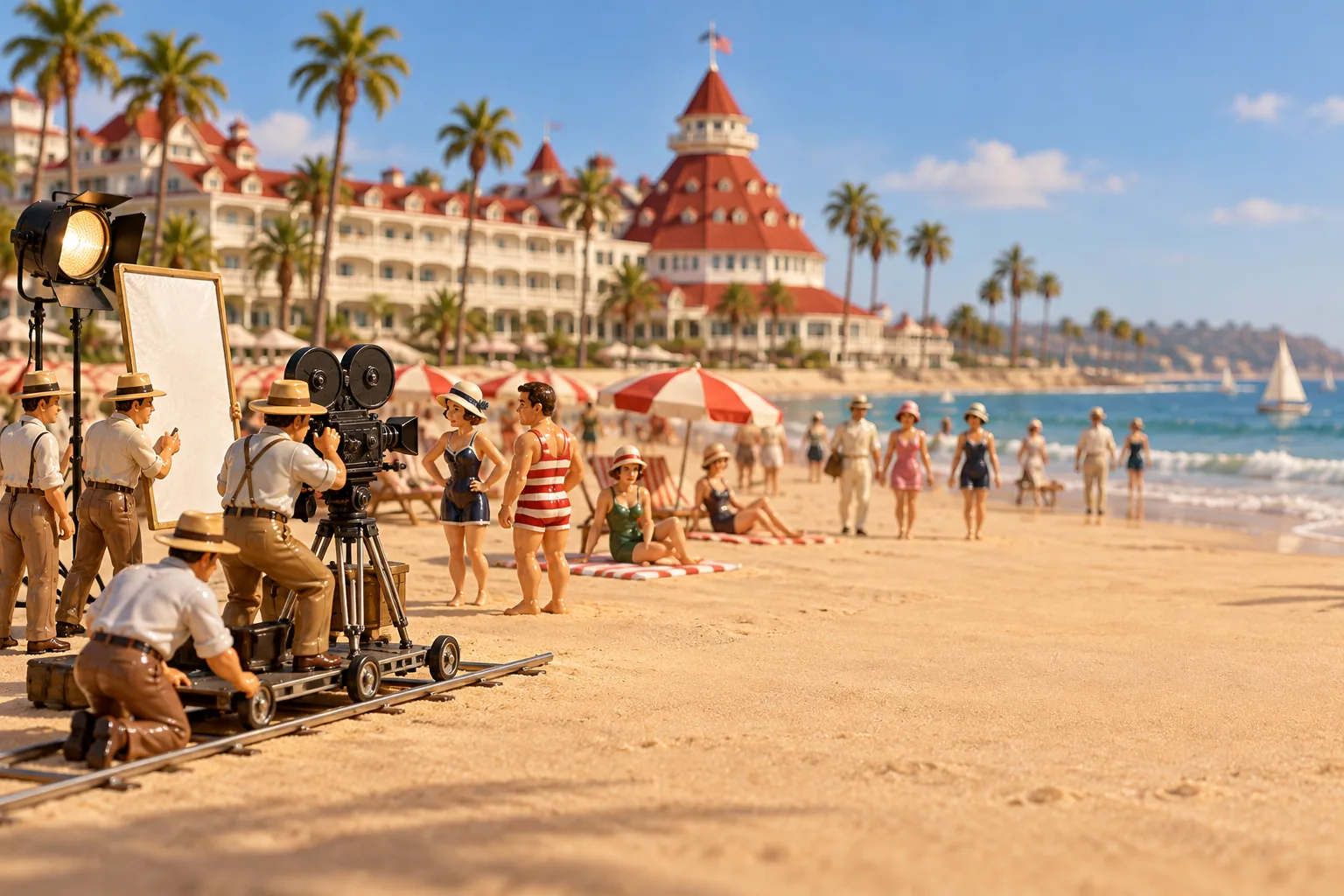 1926–1962 · Hotel del Coronado, Coronado, CaliforniaMarilyn MonroeShe forgot her lines and demanded dozens of retakes, and the director still said only a real artist could give the performance she did.
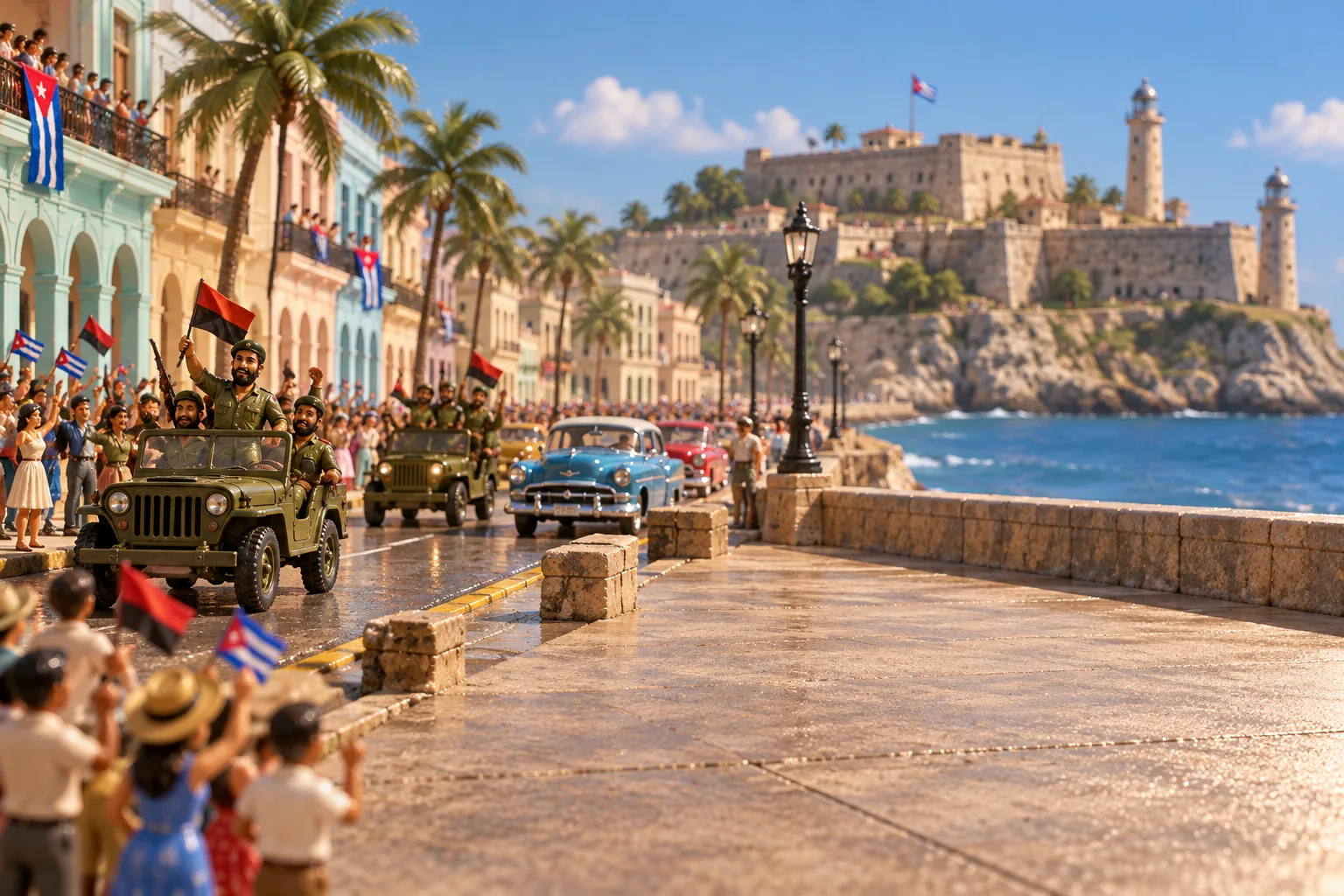 1928–1967 · Havana, CubaChe GuevaraHis rebel column took Santa Clara on New Year's Eve 1958, and within hours the dictator Batista had fled Cuba by plane.
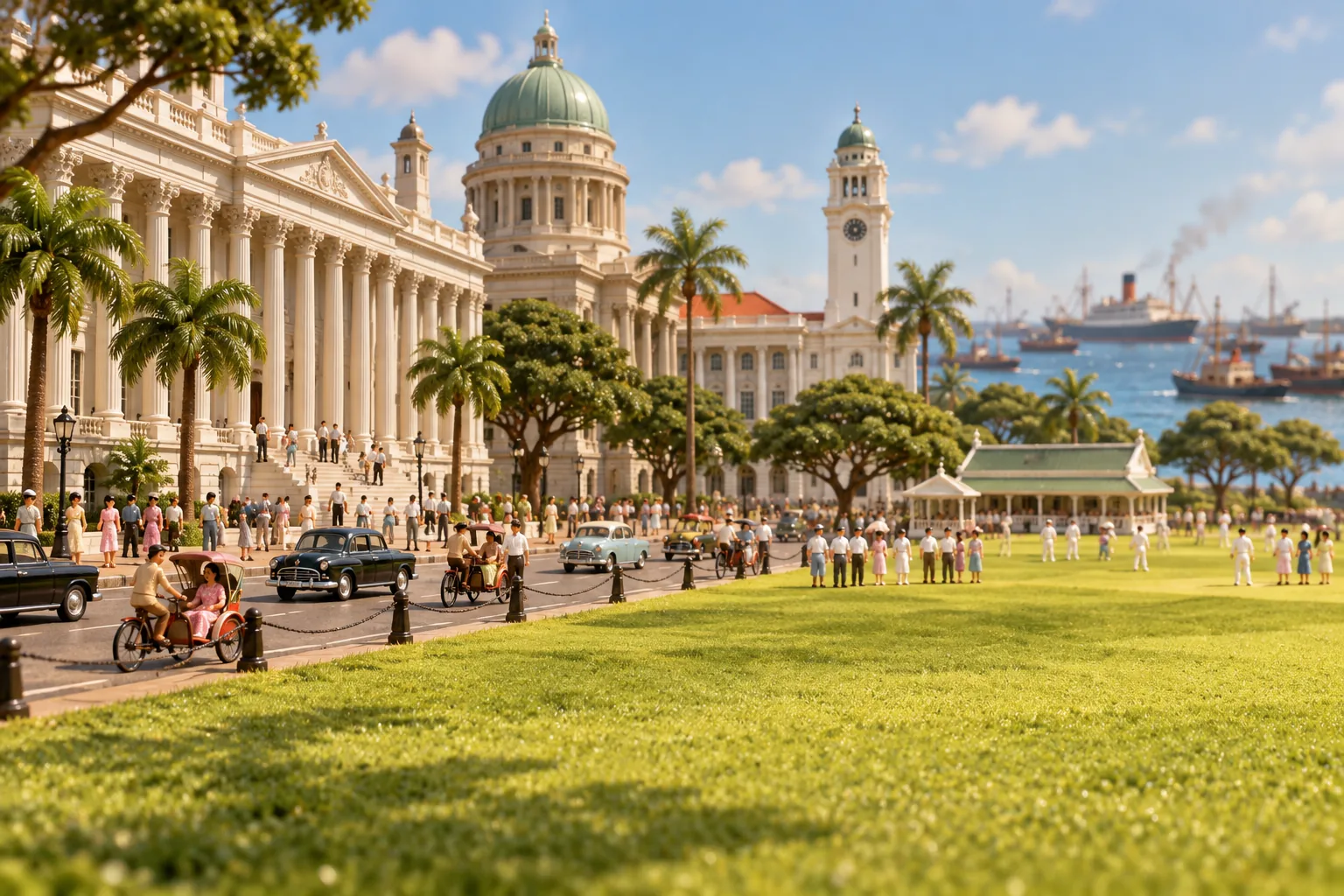 1923–2015 · City Hall, SingaporeLee Kuan YewTwo days after Britain gave Singapore self-government, a 35-year-old lawyer was sworn in at City Hall as its first prime minister, and he held the job for 31 years.
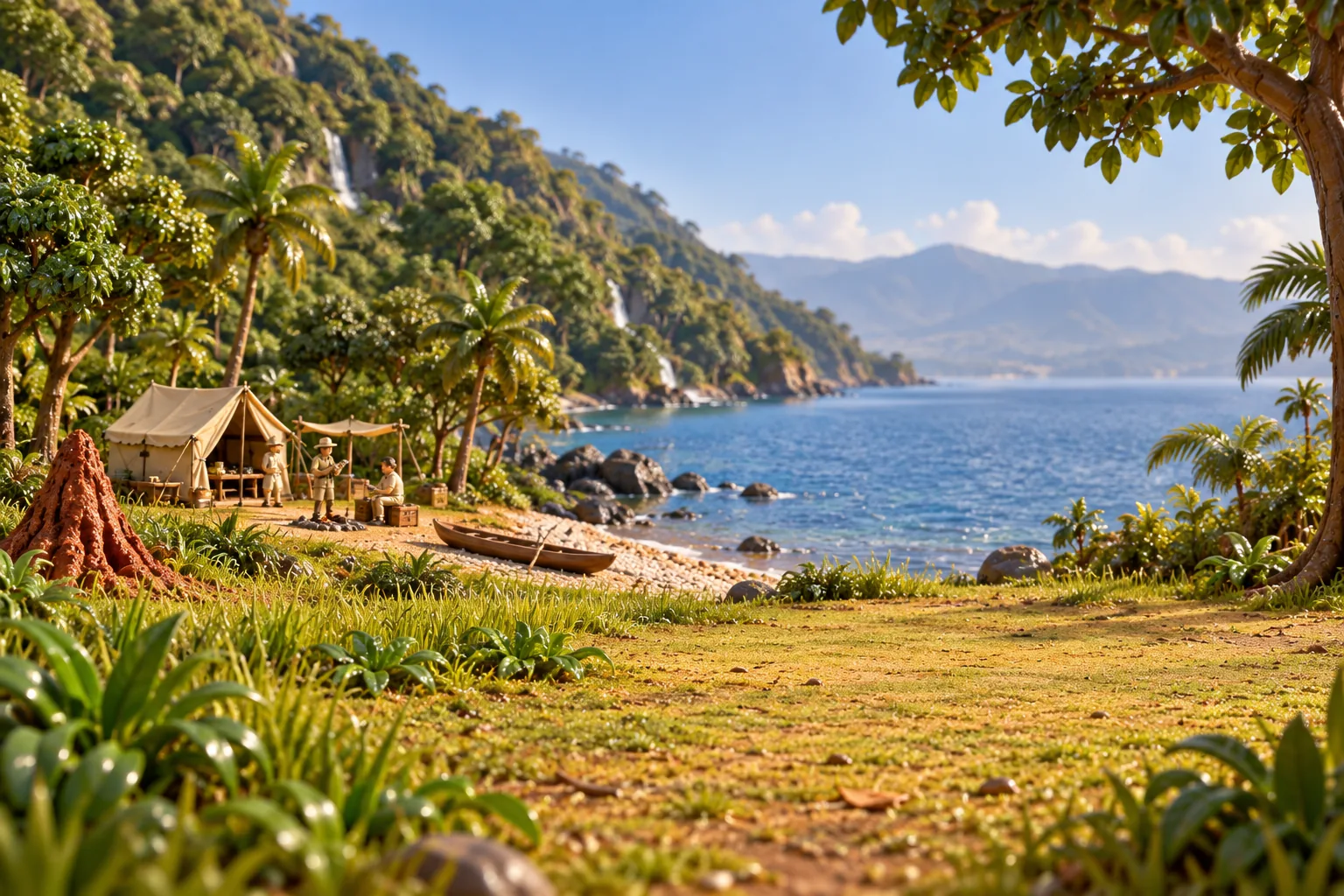 1934–2025 · Gombe Stream, TanzaniaJane GoodallWatching from the forest at Gombe in 1960, a young Englishwoman saw a chimpanzee strip a twig and fish termites out of their mound, and the line between humans and animals moved.
 1899–1980 · Universal Studios, Universal City, CaliforniaAlfred HitchcockOn a small budget, in black and white and with his television crew, he made Psycho, killed off his leading lady early in the film and earned more than from anything else he ever made.
 1917–1963 · United States Capitol, Washington, D.C.John F. KennedyAt 43 the youngest man ever elected president told Americans to "ask not what your country can do for you", and had less than three years to live.
 1932–2011 · Cinecittà studios, Rome, ItalyElizabeth TaylorShe was the first film star ever paid $1 million for a role, and the epic she made in Rome nearly bankrupted 20th Century-Fox.
 1928–1987 · 1342 Lexington Avenue, Manhattan, New York CityAndy WarholA shoe illustrator for fashion magazines painted 32 cans of soup, one for each flavour, and the art world never looked the same again.
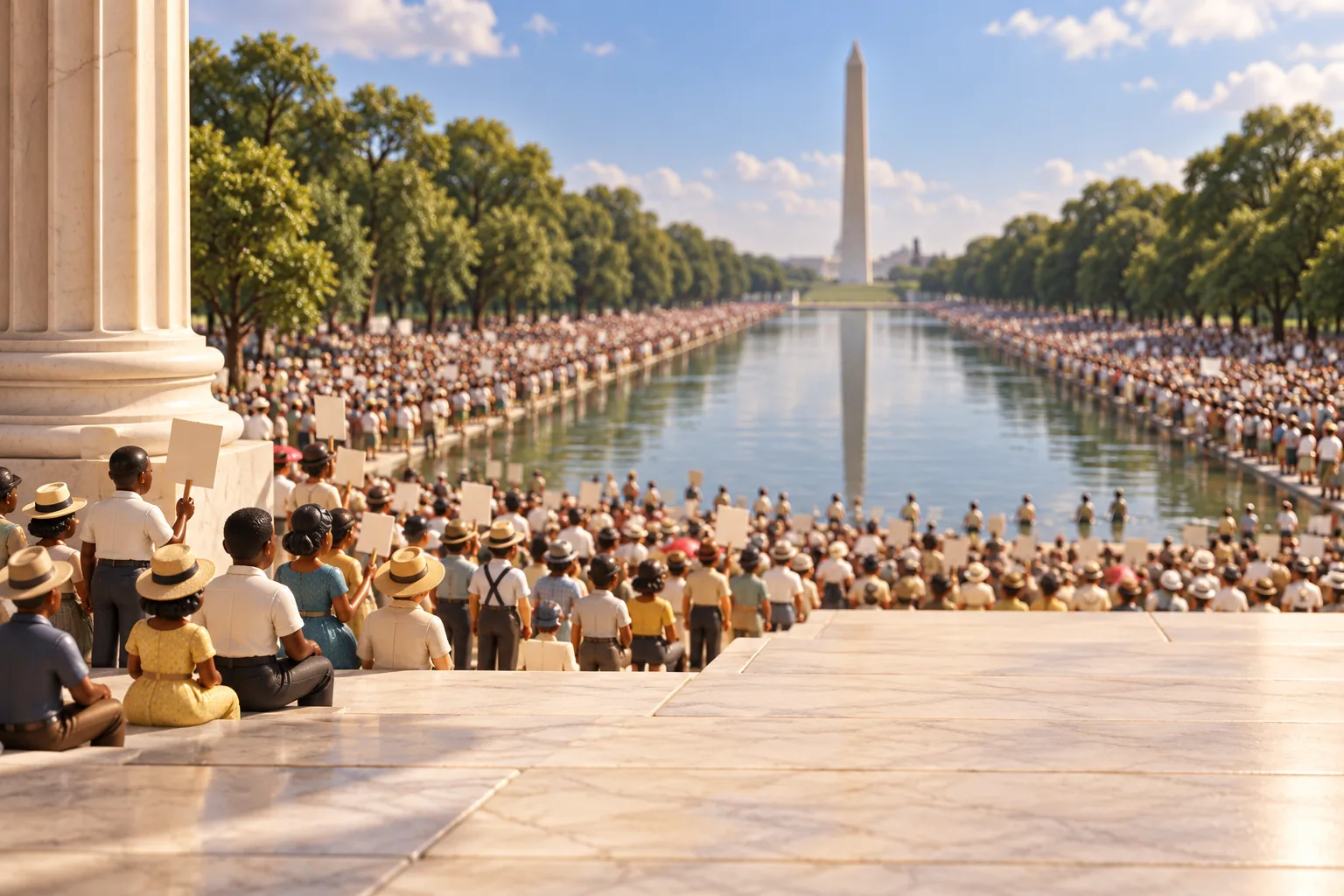 1929–1968 · Lincoln Memorial, Washington, D.C., USAMartin Luther King Jr.From the steps of the Lincoln Memorial, before more than a quarter of a million people, a Baptist preacher spoke of his dream of an America without racial injustice.
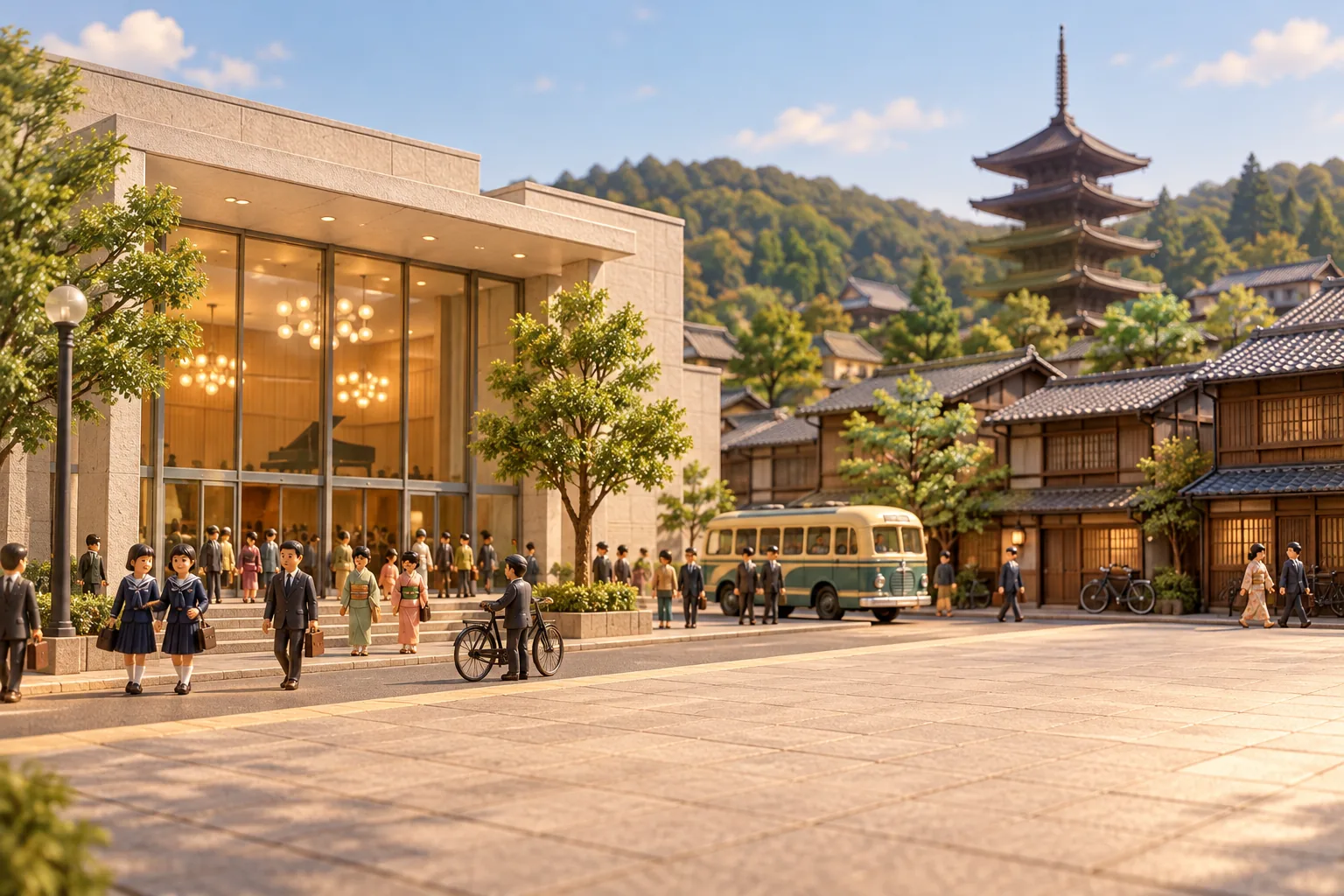 born 1933 · Yamaichi Concert Hall, Kyoto, JapanYoko OnoIn 1964 she knelt silently on a stage in Kyoto with a pair of scissors in front of her and invited the audience to come up and cut away her clothes.
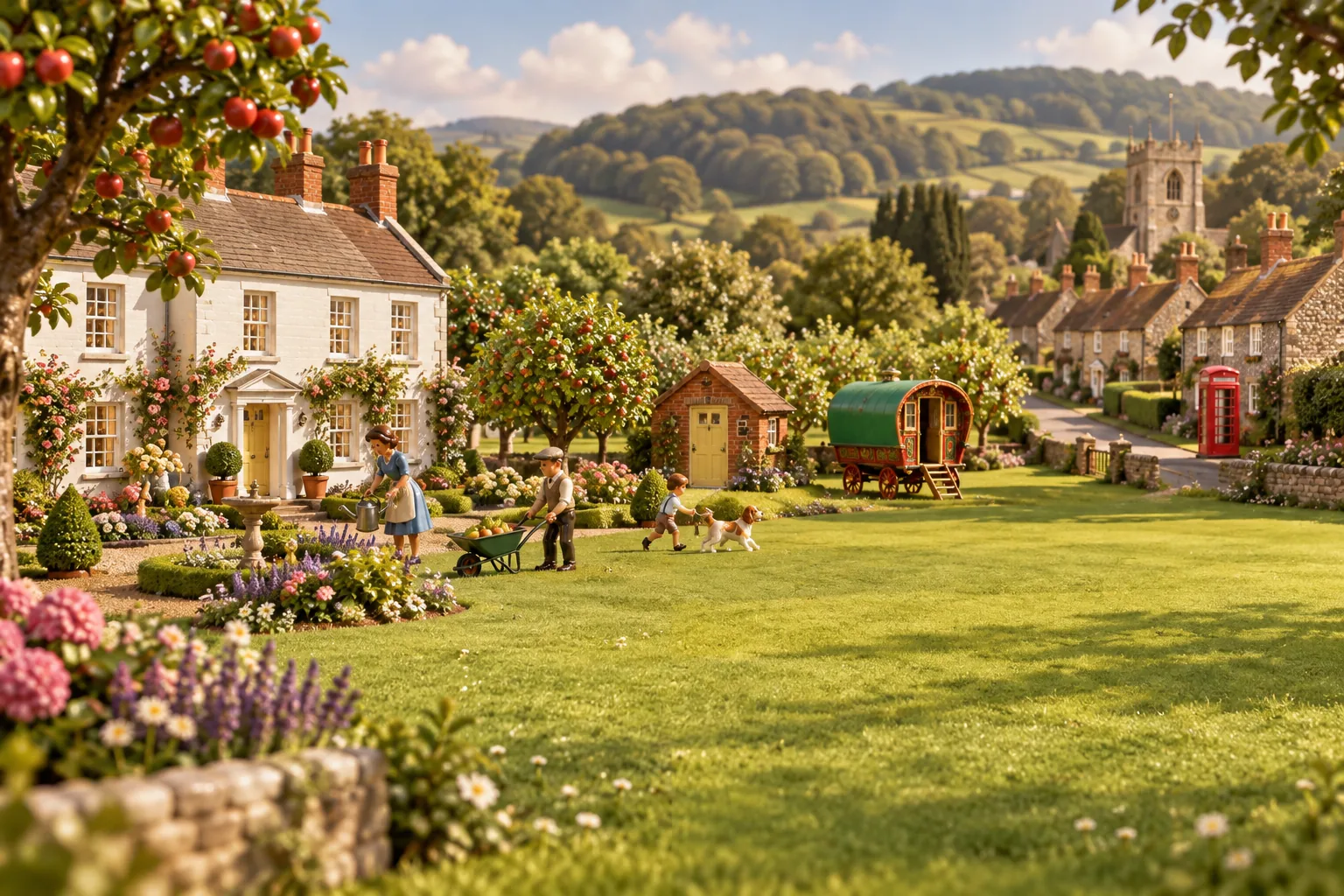 1916–1990 · Great Missenden, BuckinghamshireRoald DahlAs a schoolboy he tested new chocolate bars sent by Cadbury and dreamed of inventing one himself; decades later, in a Buckinghamshire village, he invented Willy Wonka.
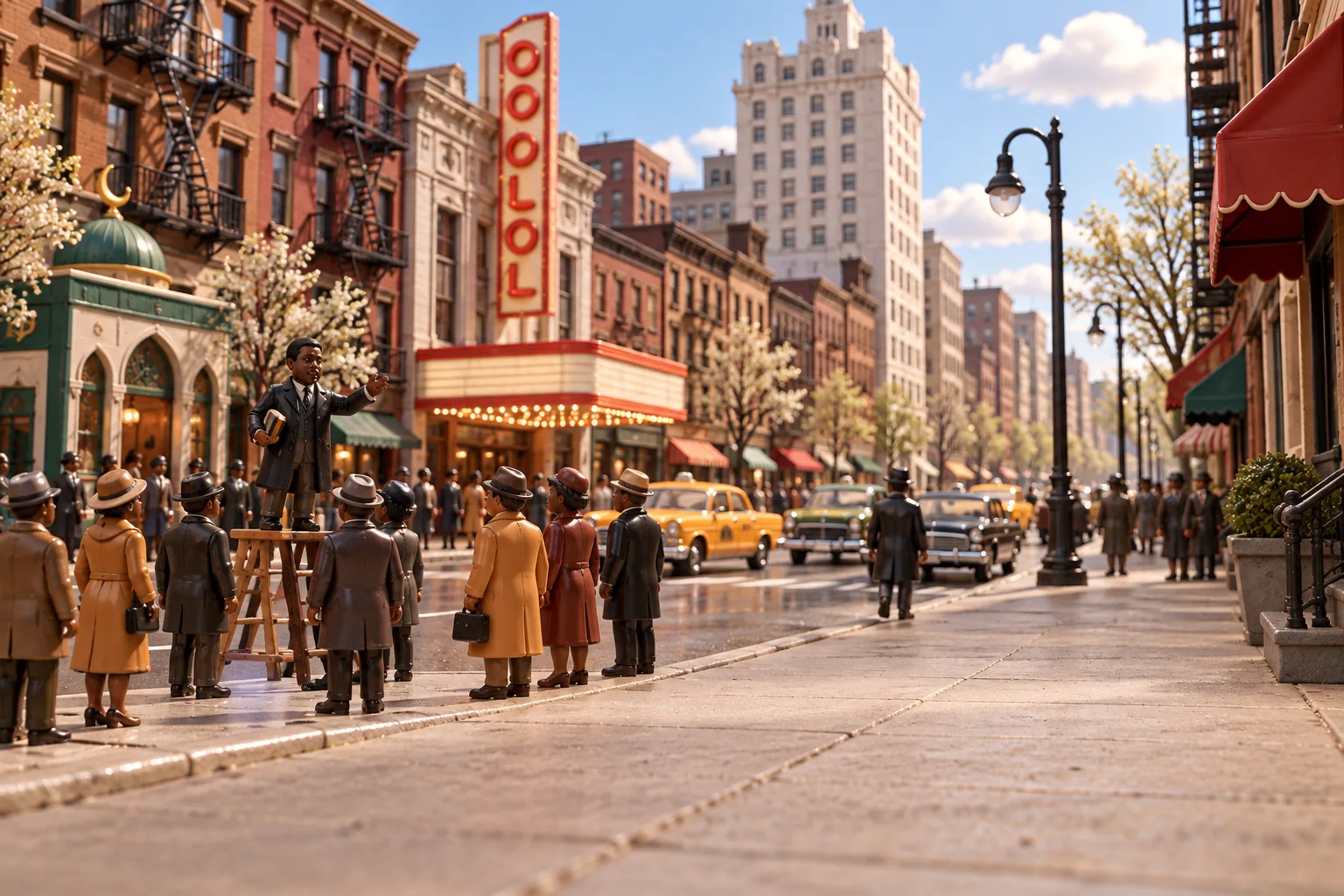 1925–1965 · Harlem, New York CityMalcolm XFor twelve years he was the fiery public face of the Nation of Islam, until in March 1964 he walked away from it and set out on a pilgrimage that changed his mind about race.
 1917–1984 · Parliament House, New Delhi, IndiaIndira GandhiParty bosses picked her because they thought she would be easy to steer, and critics called her a "dumb doll". She ruled India for 15 years.
 1943–1970 · Monterey County Fairgrounds, Monterey, CaliforniaJanis JoplinIn June 1967 a little-known San Francisco band took the stage at the Monterey Pop Festival, and its singer from small-town Texas tore through the blues like nobody the crowd had ever heard.
 1928–1999 · Borehamwood, EnglandStanley KubrickA year before men walked on the Moon, a director who had studied NASA spacecraft released a space film so quiet and strange that critics called it an amateur movie.
 1928–2014 · New York City, United StatesMaya AngelouAs a girl she stopped speaking for almost five years. As a woman she wrote the memoir that gave a voice to millions.
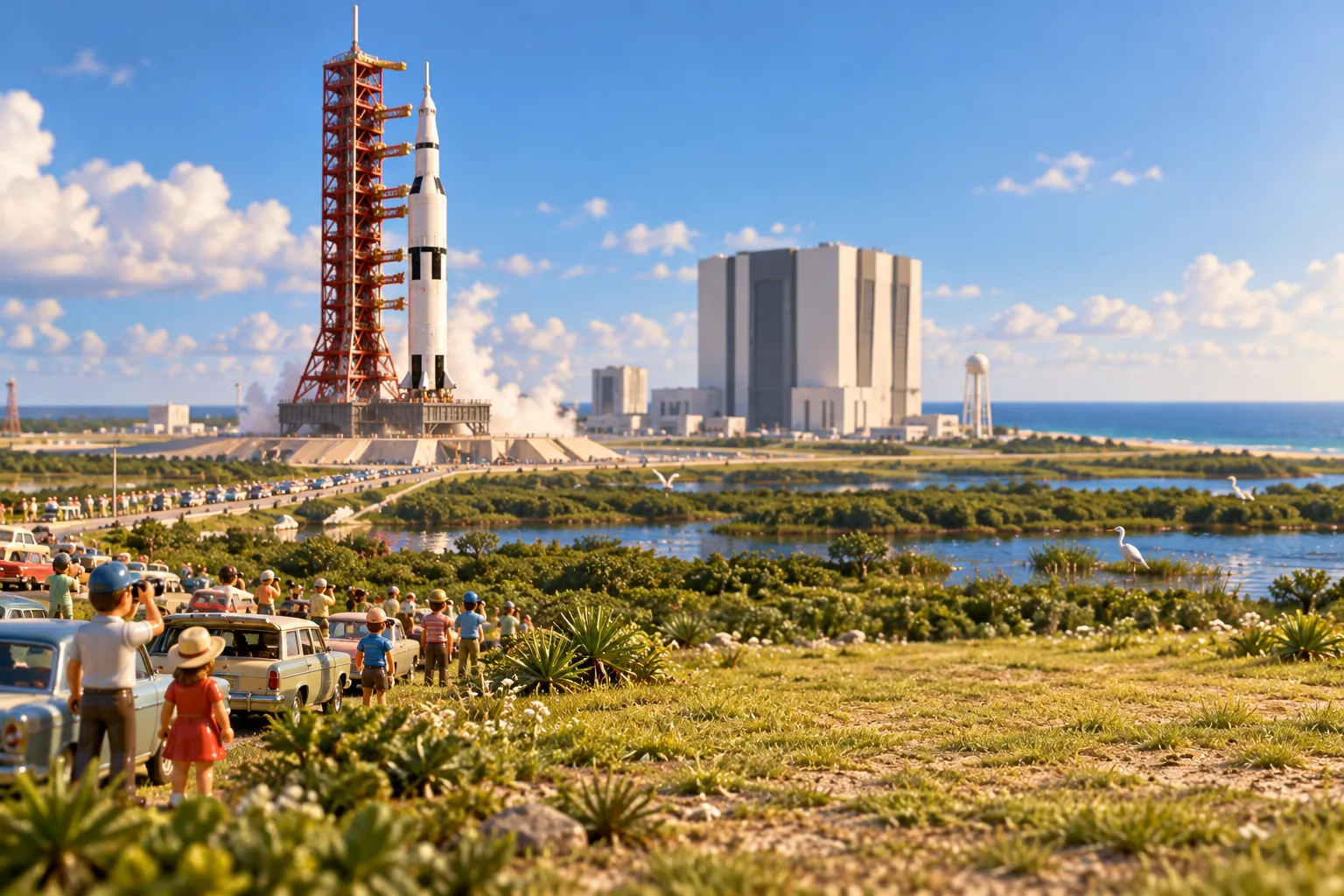 1930–2012 · Launch Complex 39A, Kennedy Space Center, FloridaNeil ArmstrongWith alarms sounding and the computer steering for unsafe ground, he took the controls and set the Eagle down on the Moon by hand.
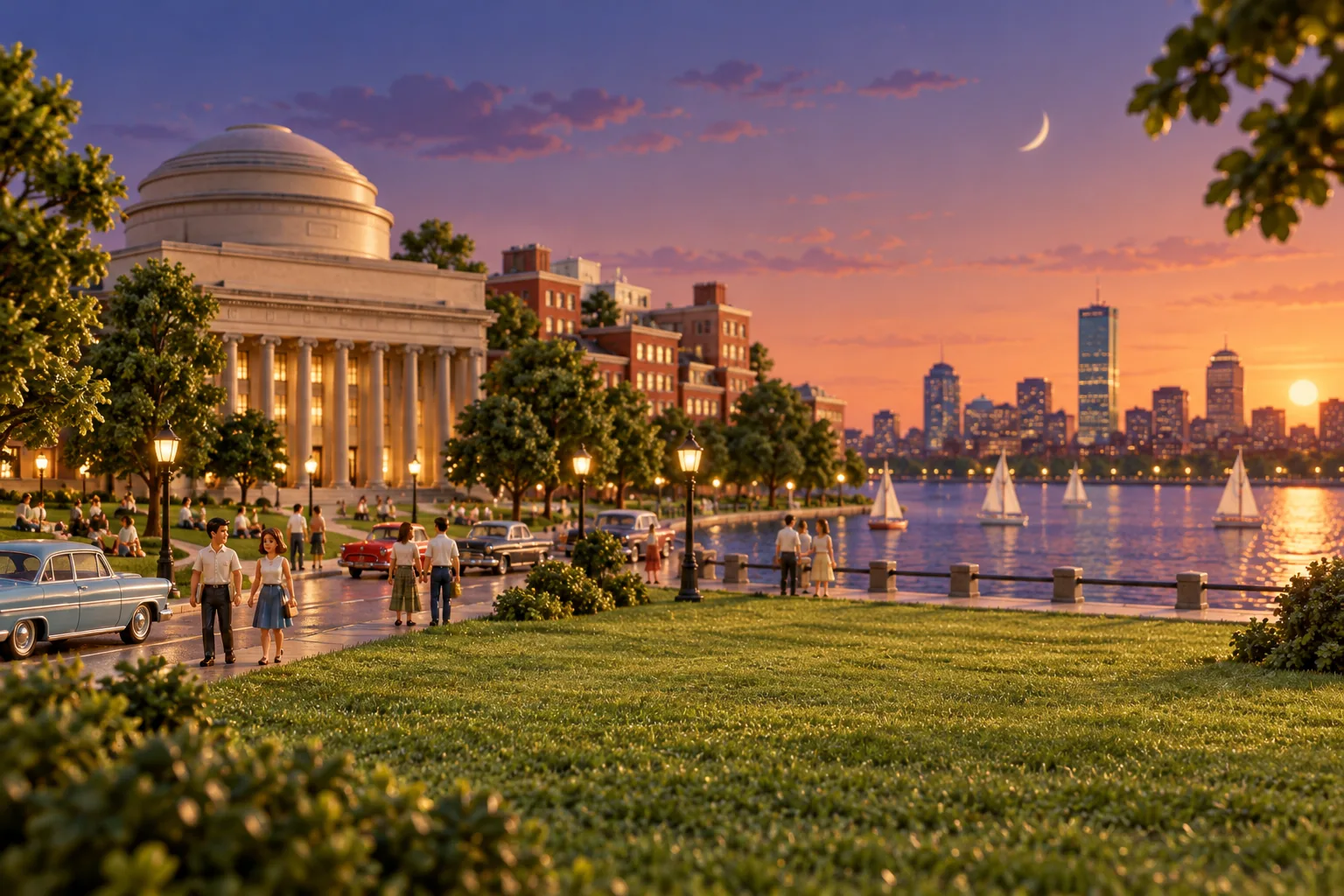 1936–2026 · MIT Instrumentation Laboratory, Cambridge, MassachusettsMargaret HamiltonThree minutes before Apollo 11 touched down on the Moon, alarms lit up the lander's computer, and the software her team had written decided what mattered most.
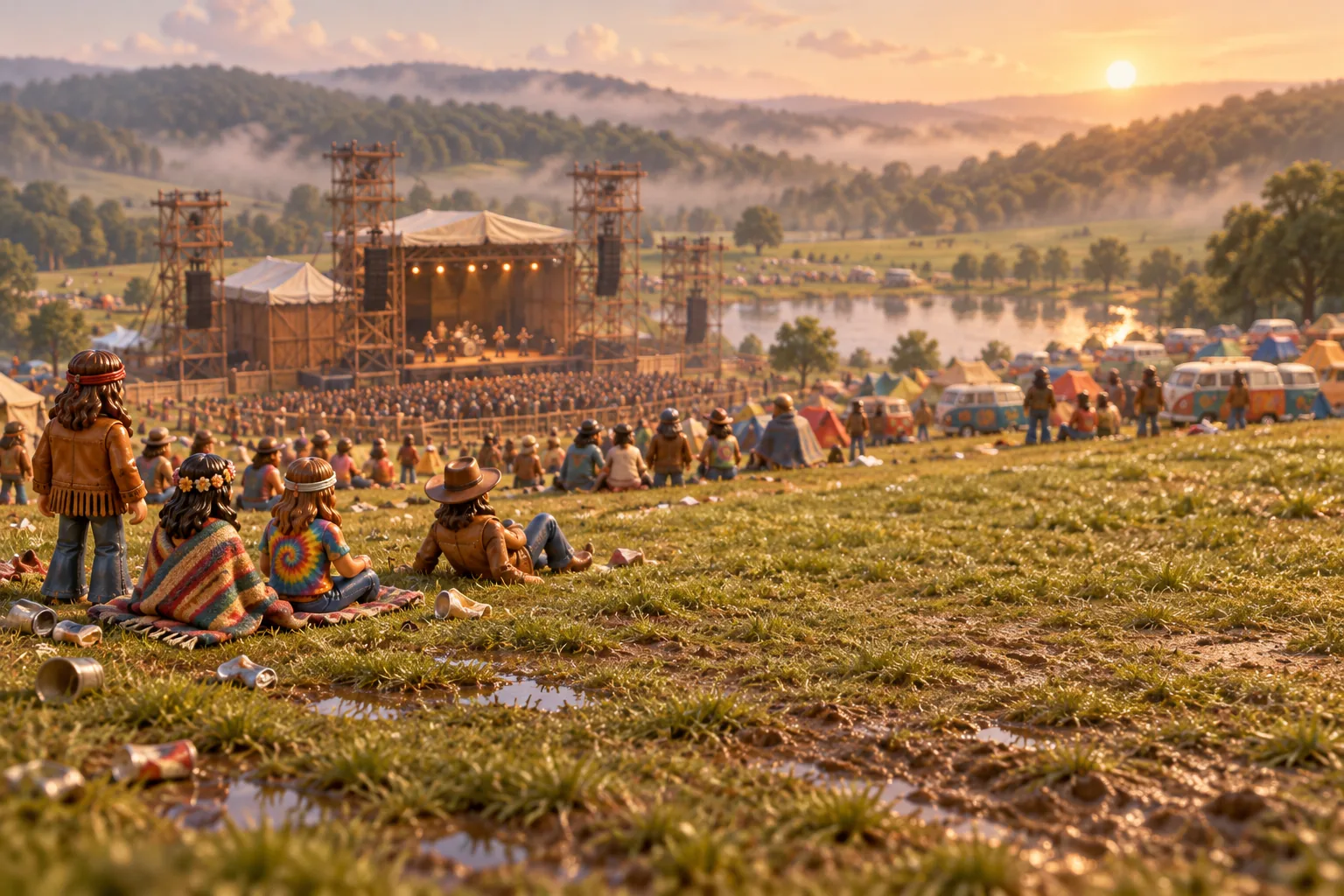 1942–1970 · Woodstock festival, Bethel, New YorkJimi HendrixBy the time he walked on stage on Monday morning, most of the 400,000 had gone home, and the 30,000 who stayed heard him turn the national anthem into a storm of feedback.
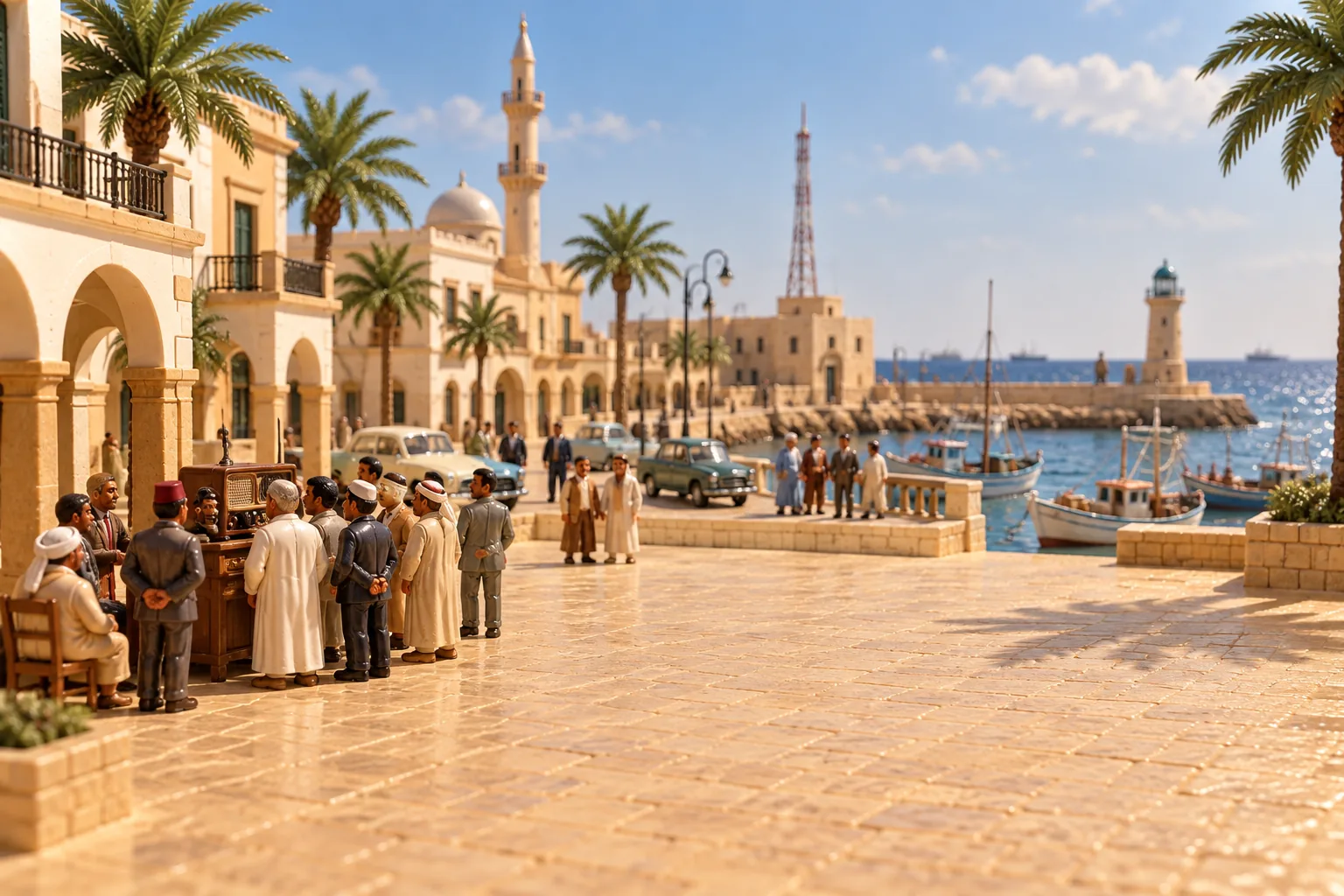 c. 1942 – 2011 · Benghazi, LibyaMuammar GaddafiWhile the old king was away in Turkey and Greece, a junior officer of about 27 took over the barracks of Benghazi and announced on the radio that the monarchy was gone.
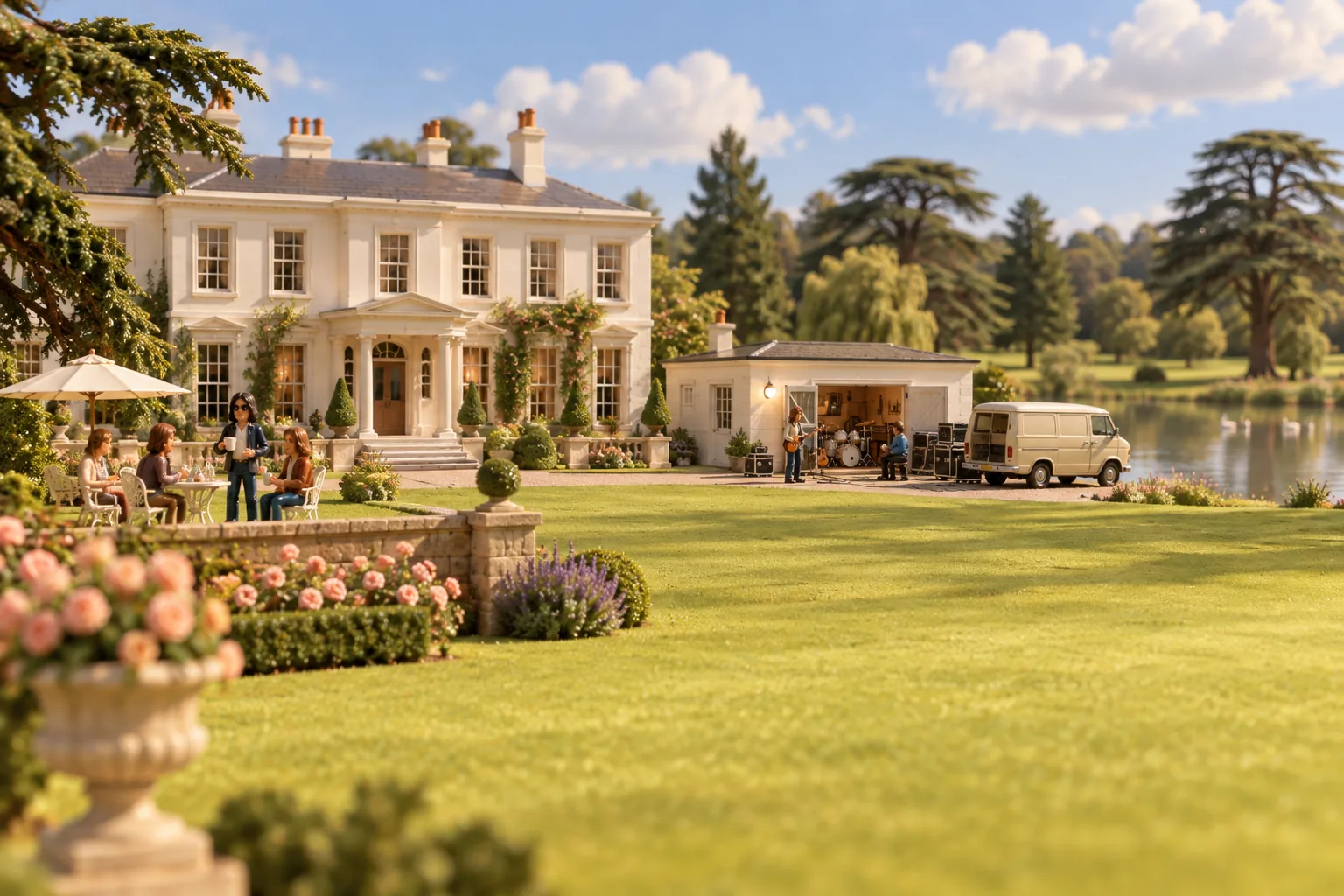 1940–1980 · Tittenhurst Park, Ascot, EnglandJohn LennonAt a white piano in his English country house he recorded a song asking listeners to imagine a world with no countries, and it became an anthem of peace.
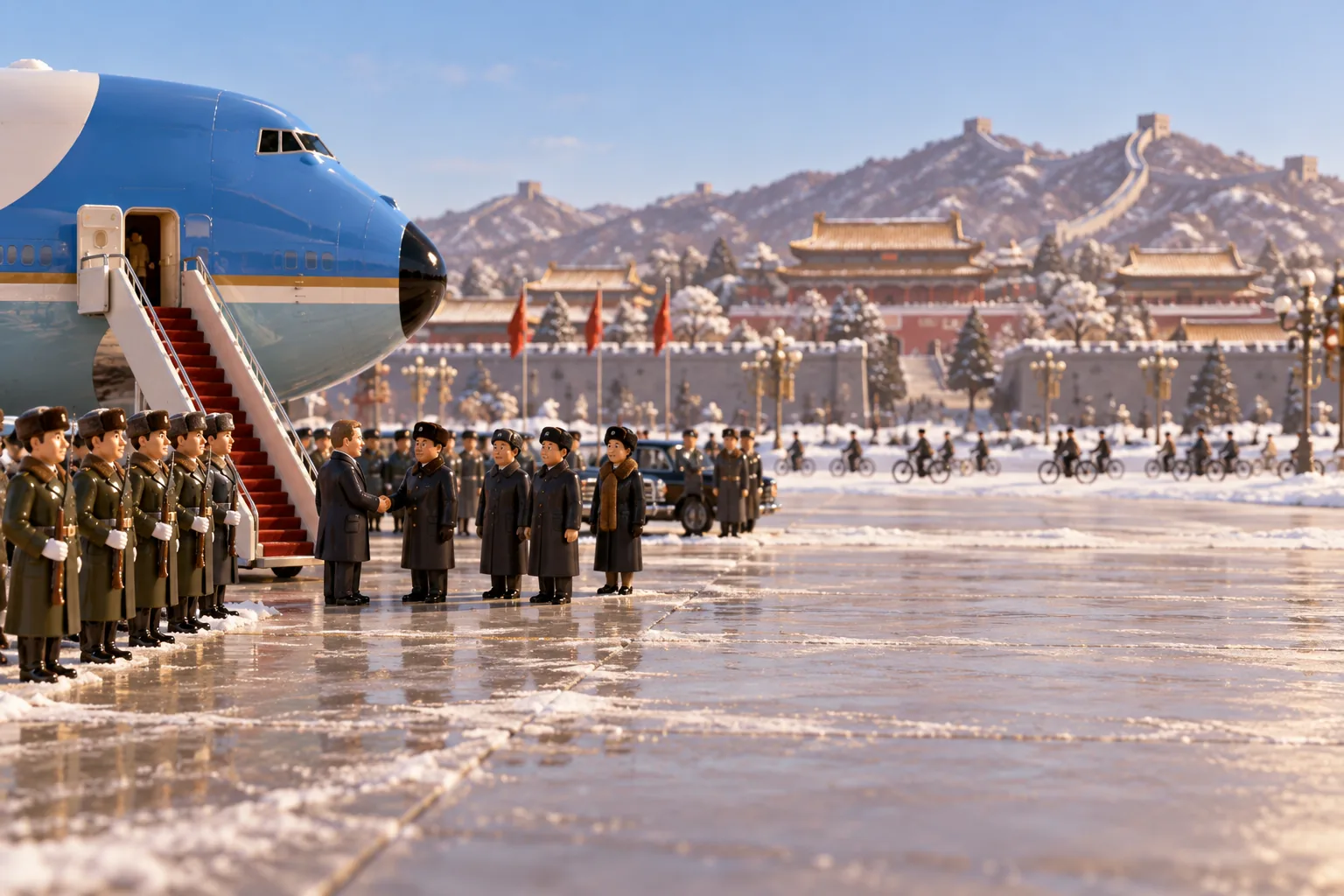 1913–1994 · Beijing, ChinaRichard NixonThe politician who built his career fighting communism stepped off Air Force One in Beijing to shake hands with Premier Zhou Enlai.
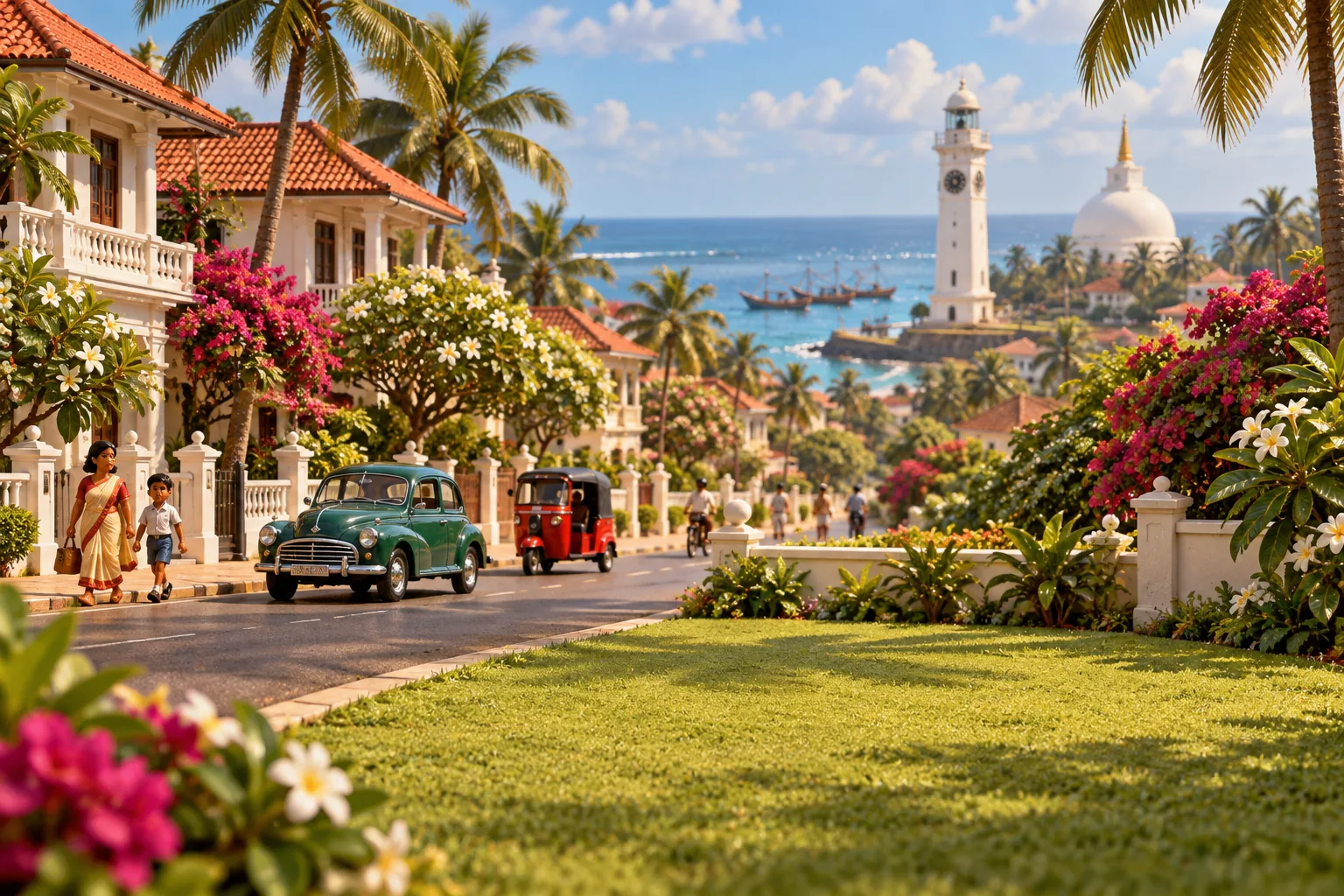 1917–2008 · Colombo, Sri LankaArthur C. ClarkeLiving by the Indian Ocean in Colombo, a former RAF radar man imagined a fifty-kilometre alien cylinder drifting through the solar system, and the book swept every major science fiction award.
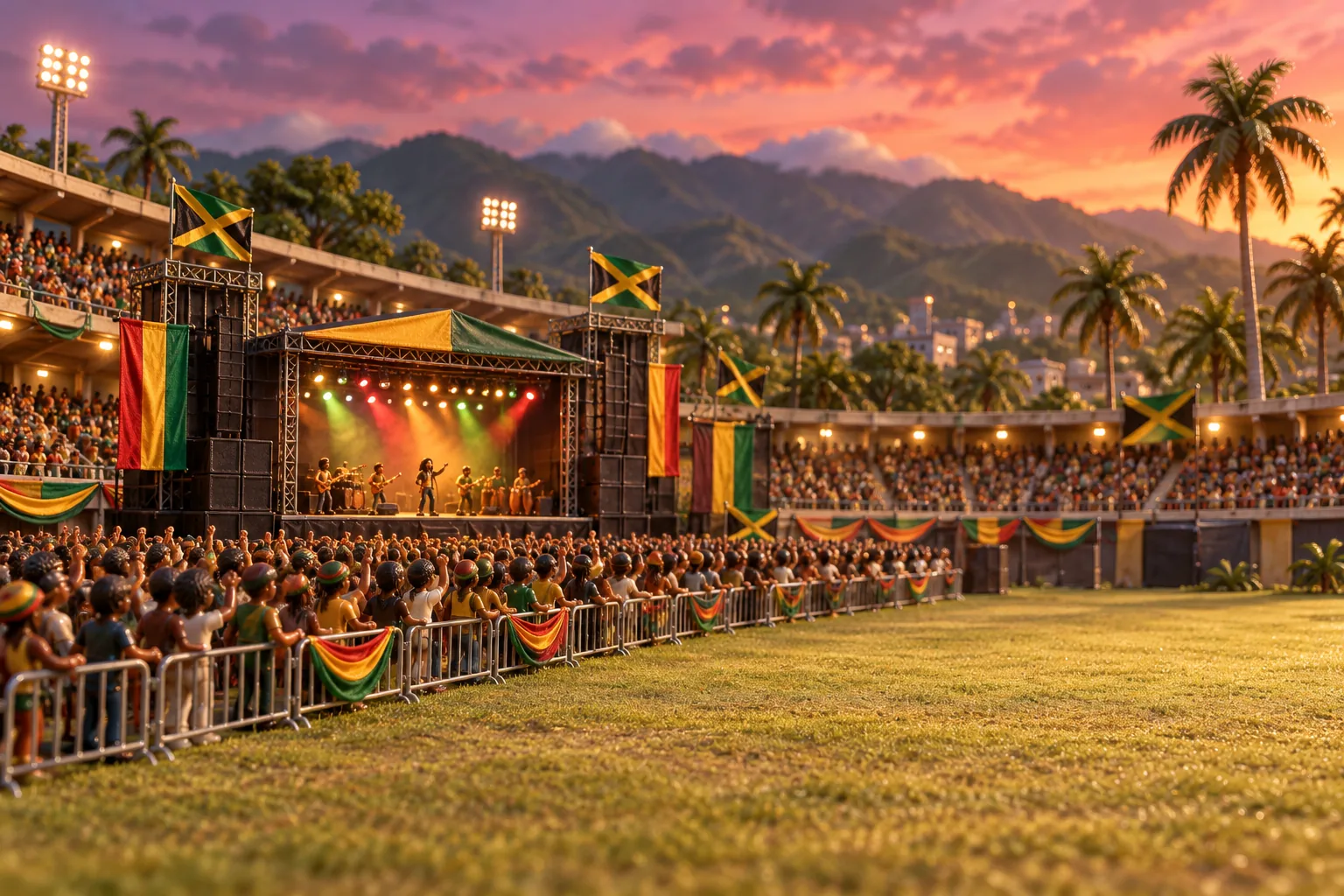 1945–1981 · National Stadium, Kingston, JamaicaBob MarleyIn a country torn by political gang violence, he called the prime minister and the opposition leader up onto his stage and got them to shake hands in front of the crowd.
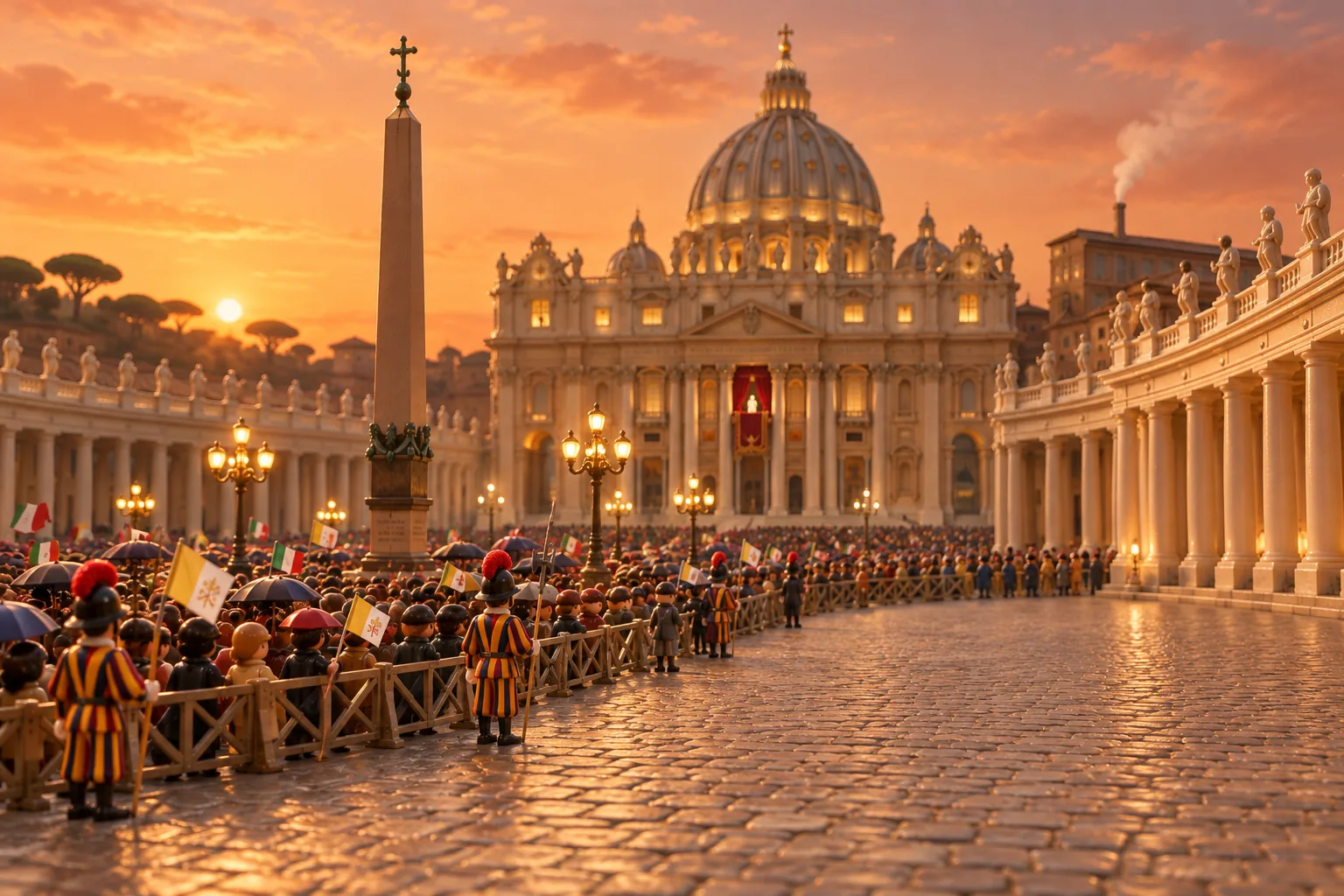 1920–2005 · St Peter's Square, Vatican City, RomeJohn Paul IIThe first non-Italian pope since the 16th century went home to communist Poland and told the crowds: "Do not be afraid."
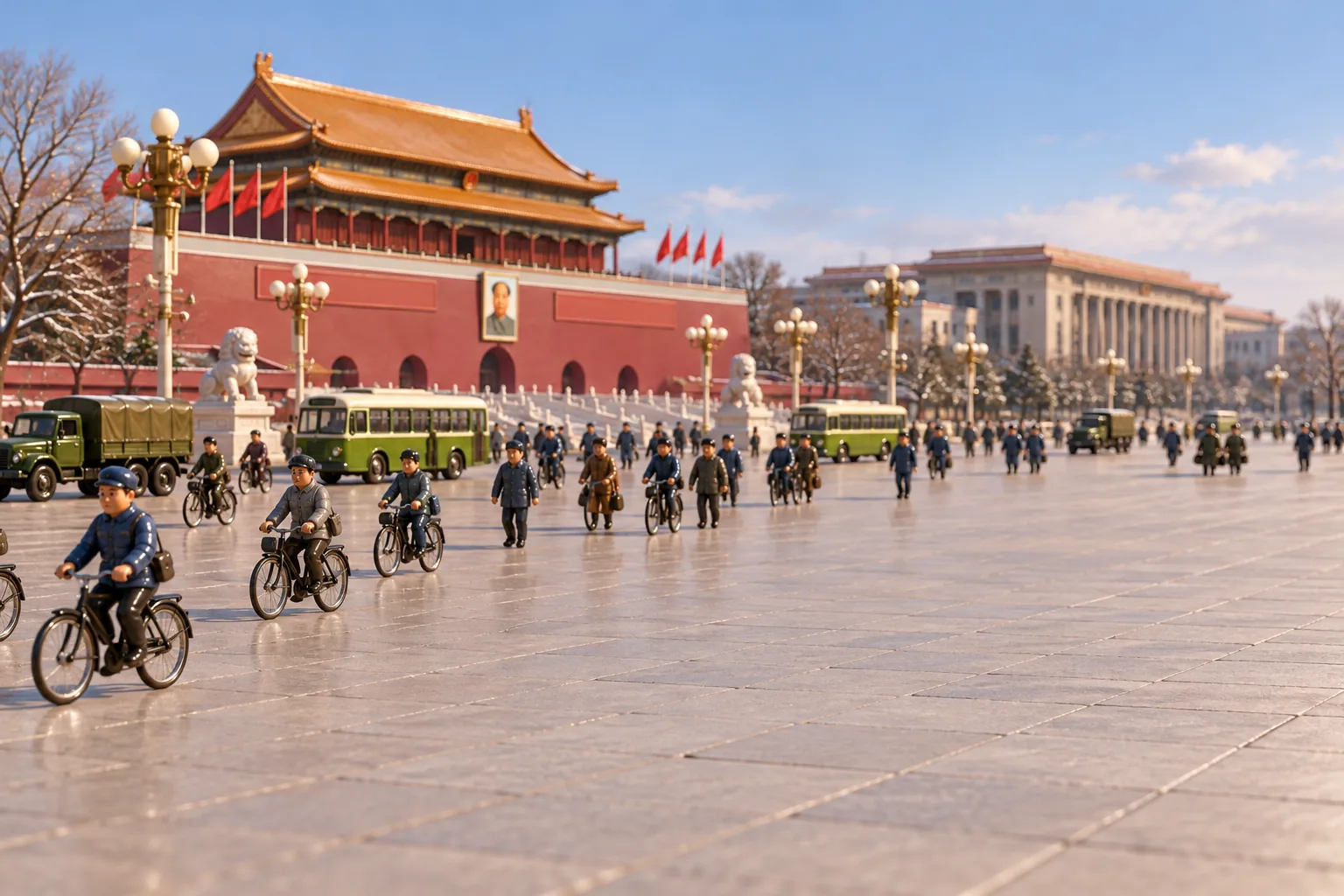 1904–1997 · Beijing, ChinaDeng XiaopingA veteran of the Long March who spent the Cultural Revolution working in a tractor factory came back to open the world's most populous country to the market.
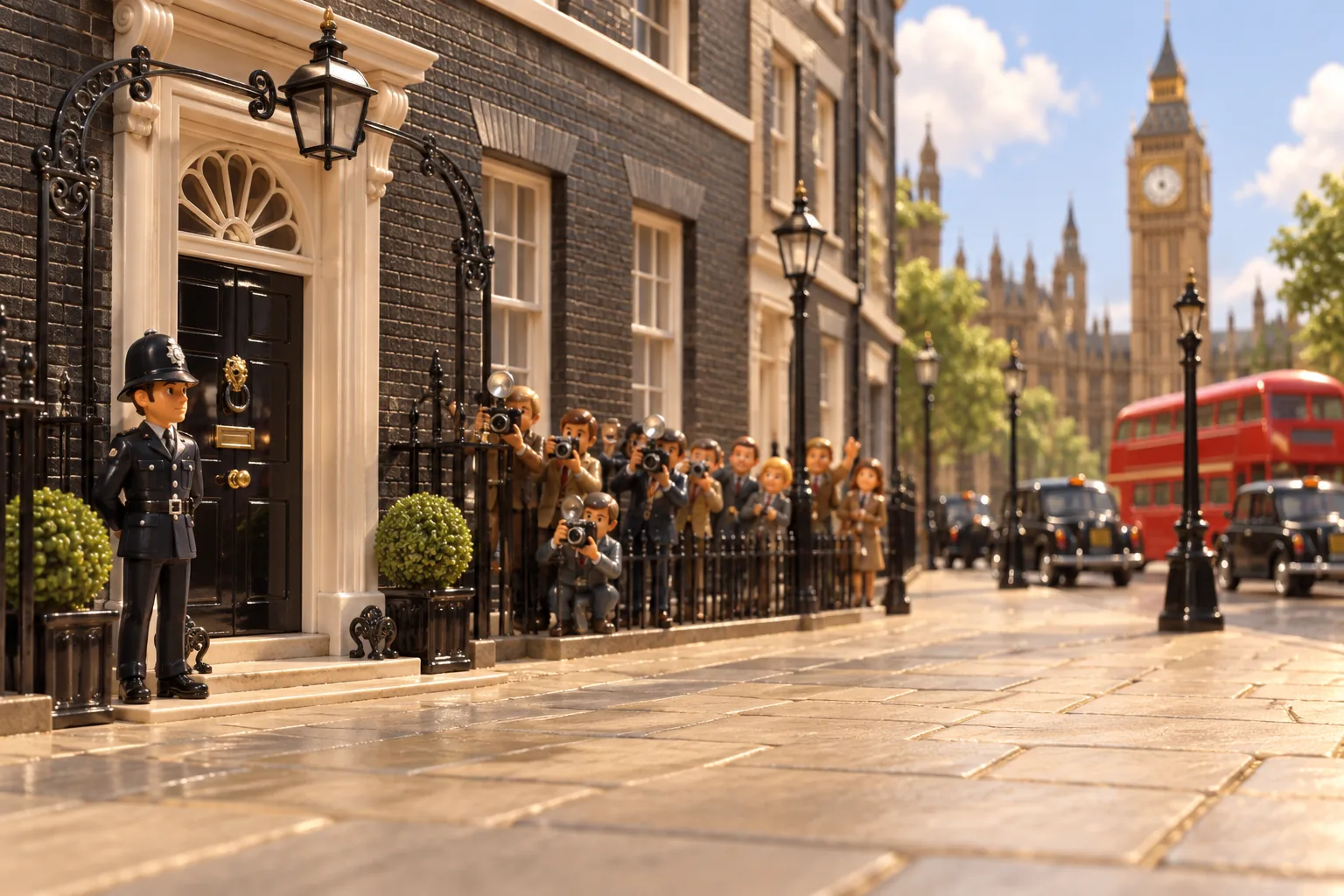 1925–2013 · 10 Downing Street, London, EnglandMargaret ThatcherA former research chemist who had reportedly helped develop emulsifiers for ice cream walked into 10 Downing Street as the first woman ever to lead a British government.
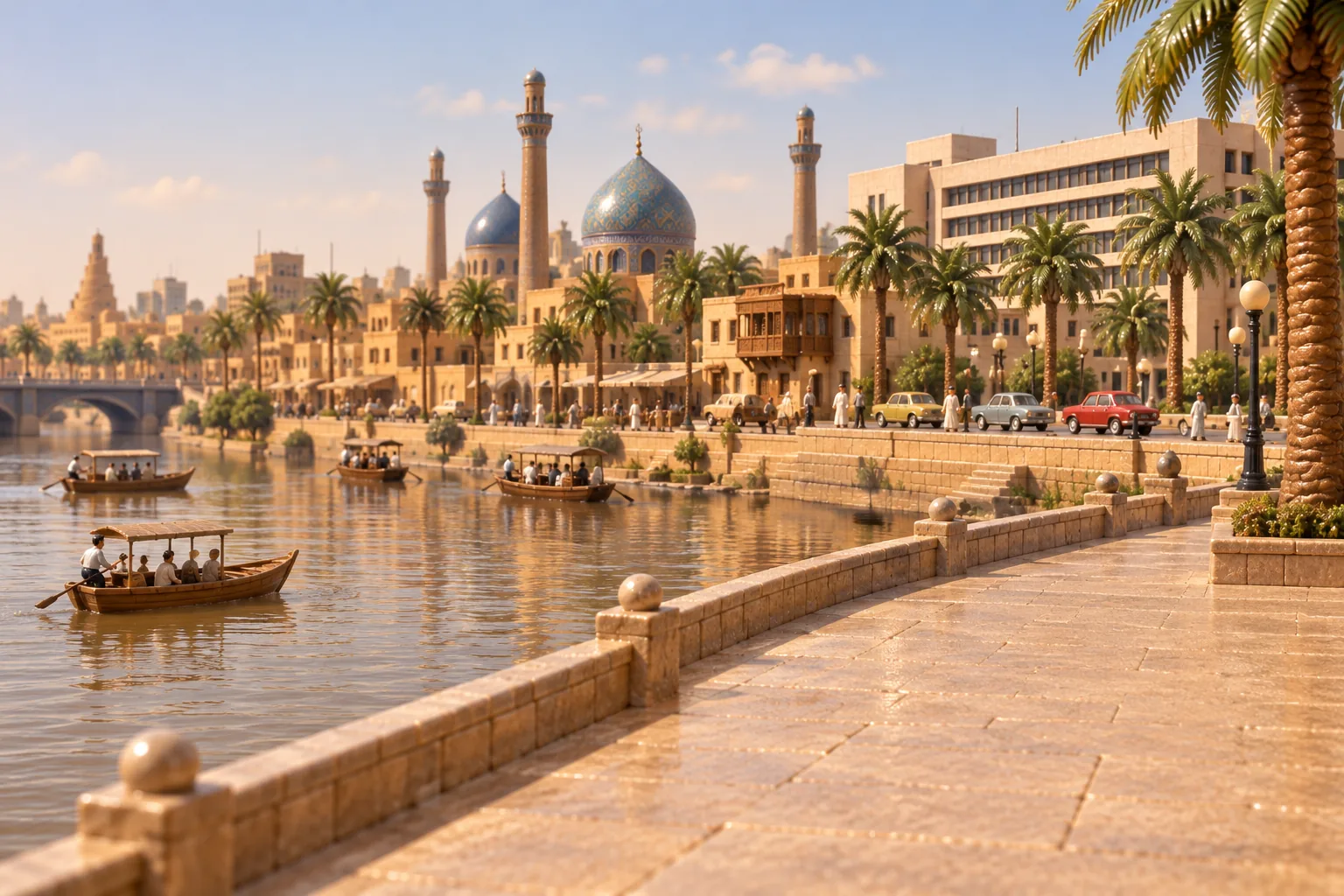 1937–2006 · Baghdad, IraqSaddam HusseinSix days after becoming president he gathered the party leadership, had a confession read out with the names of 68 supposed traitors, and ordered the whole meeting filmed.
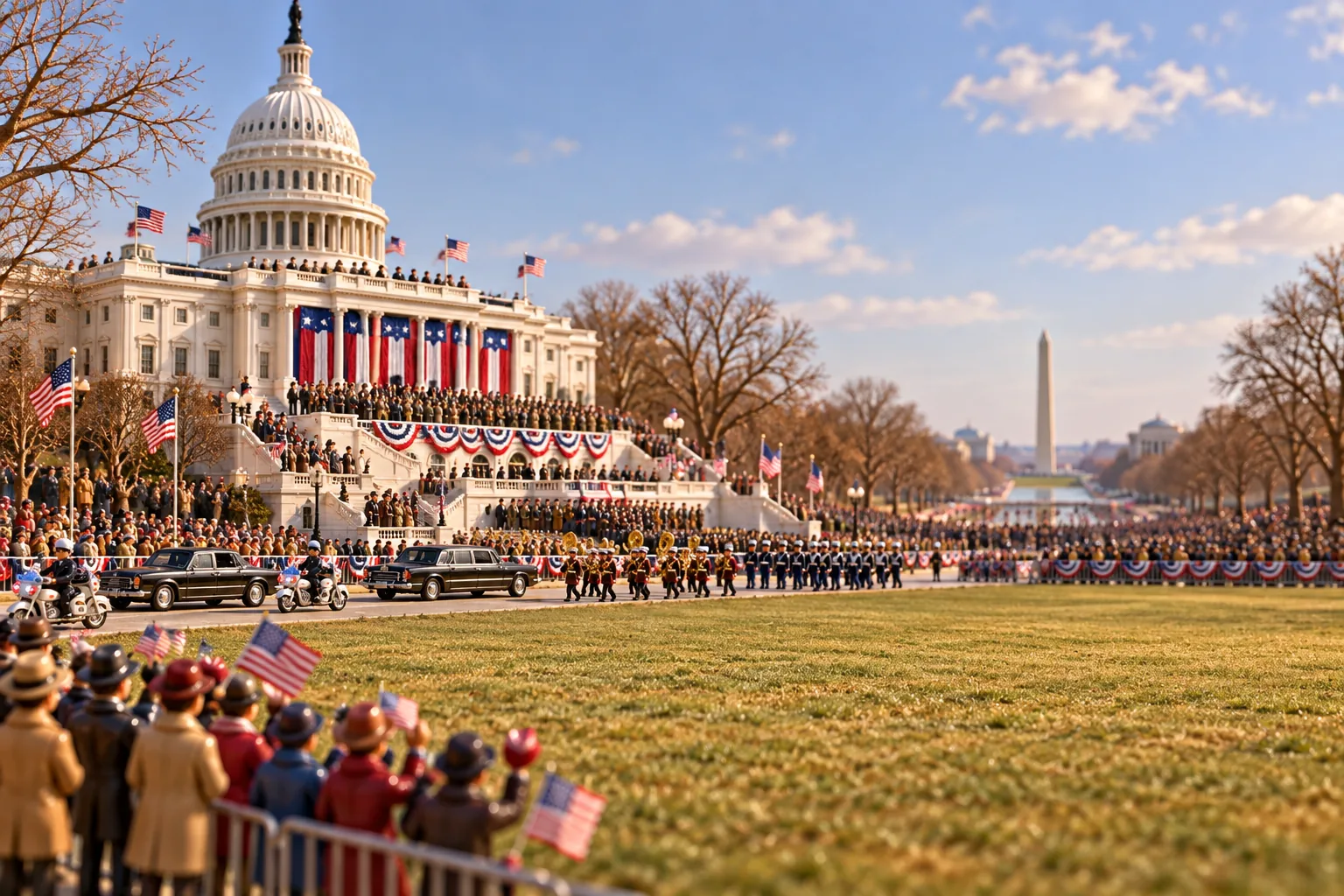 1911–2004 · Washington, D.C.Ronald ReaganA former Hollywood actor took office as president, and ten weeks later a gunman's bullet left him "right on the margin of death".
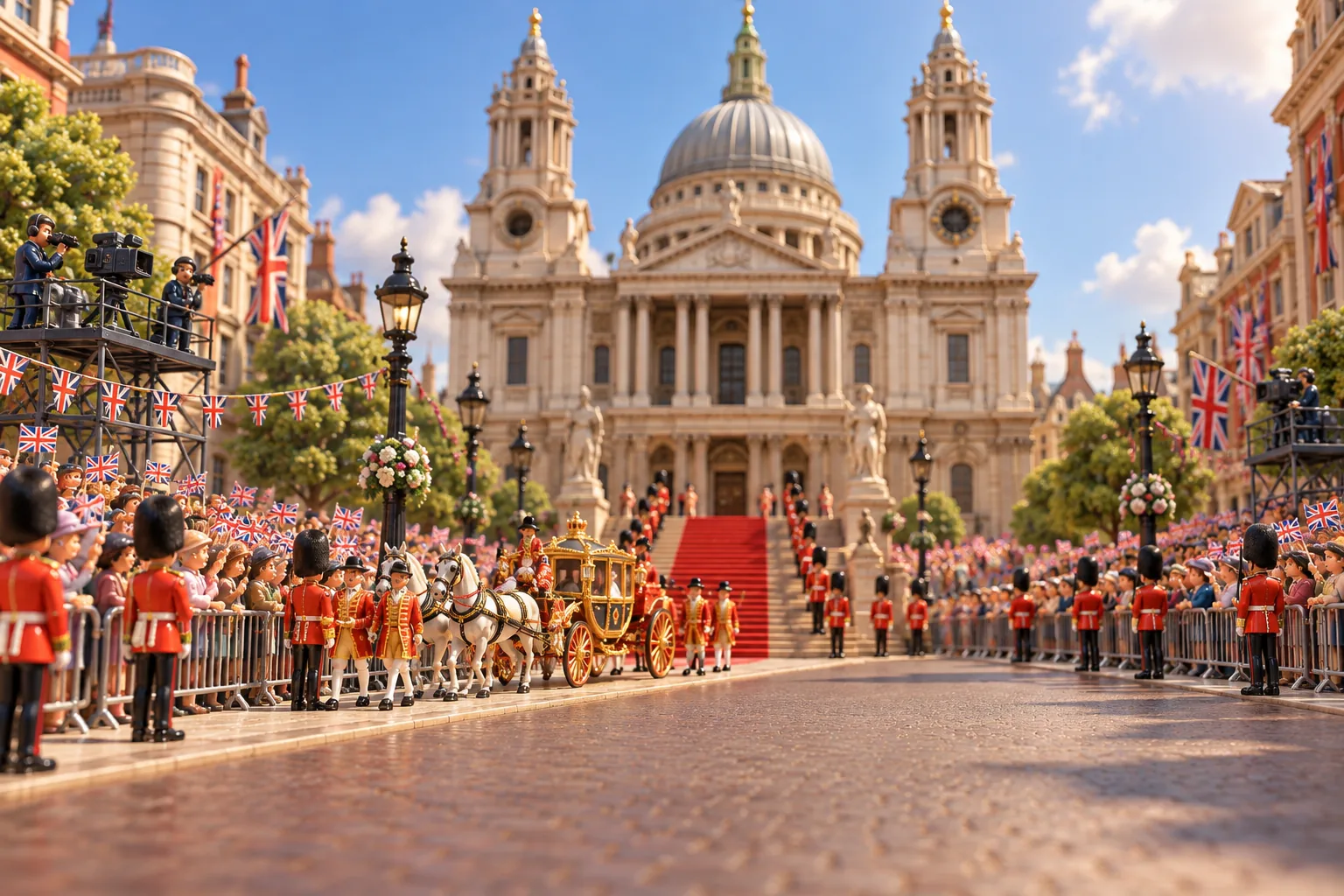 1961–1997 · St Paul's Cathedral, London, EnglandDiana, Princess of WalesA 20-year-old nursery assistant married the heir to the throne before a global television audience of about 750 million.
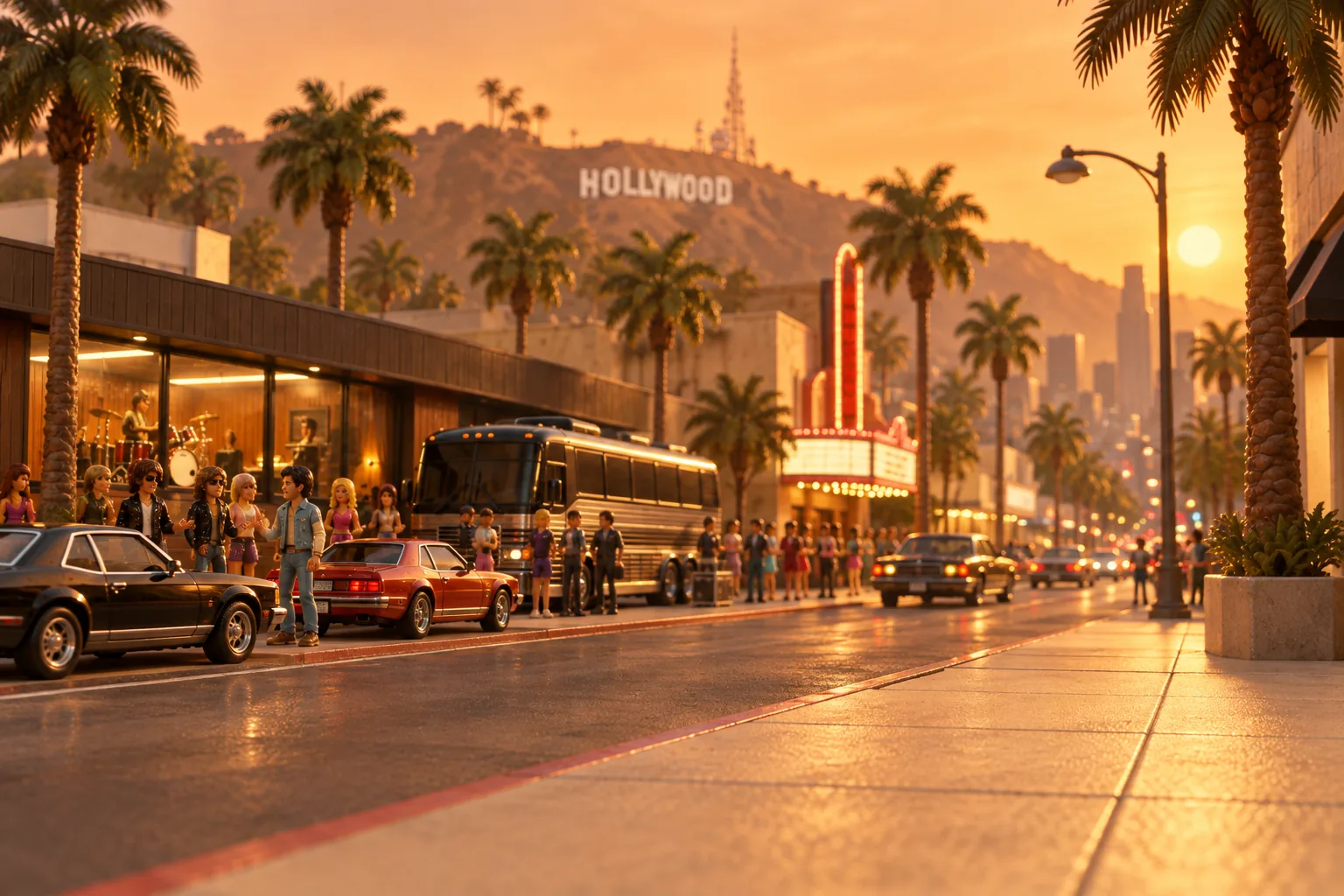 1958–2009 · Los Angeles, California, USAMichael JacksonHis sixth solo album produced seven top-ten singles and sold an estimated 70 million copies, more than any album in history.
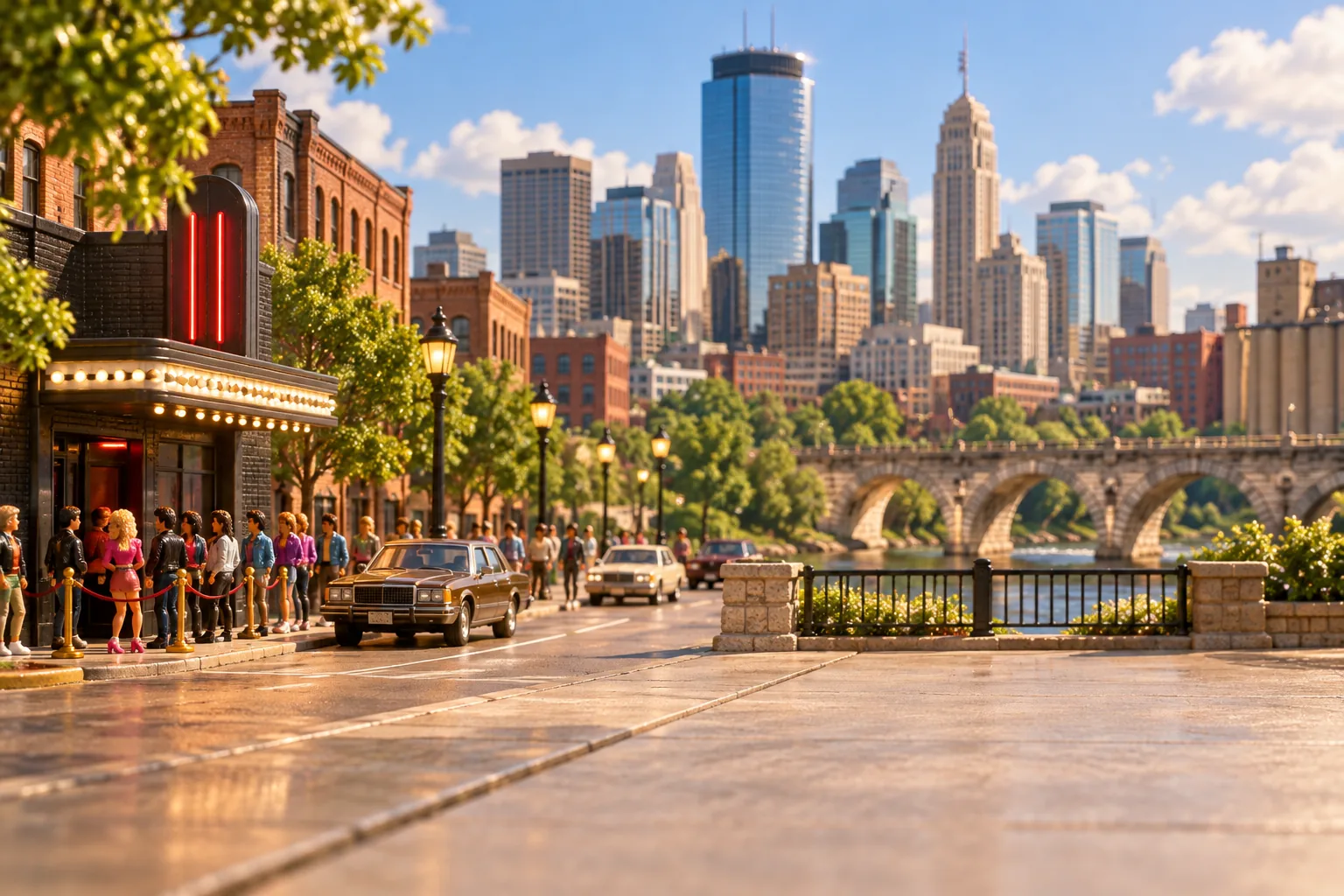 1958–2016 · Minneapolis, Minnesota, United StatesPrincePurple Rain made him the first artist to have the top film, album and single in the United States all at the same time.
 1931–2022 · The Kremlin, MoscowMikhail GorbachevAs a teenager he drove a combine harvester for 20 hours a day; at 54 he took over a nuclear superpower and set out to change it.
 1933–2009 · Manila, PhilippinesCorazon AquinoA widow with no political experience led four days of peaceful protest in February 1986 that ended twenty years of Ferdinand Marcos's rule, and was sworn in as president.
 1959–1997 · Honolulu, Hawaii, USAIsrael KamakawiwoʻoleA studio owner about to close up for the night gave him 15 minutes to get there; he arrived, sat down on a steel chair and sang Over the Rainbow once.
 1942–2018 · Cambridge, EnglandStephen HawkingUnable to speak and steering a computer with one hand switch, he finished a book on the universe that stayed on the Sunday Times bestseller list for 237 weeks.
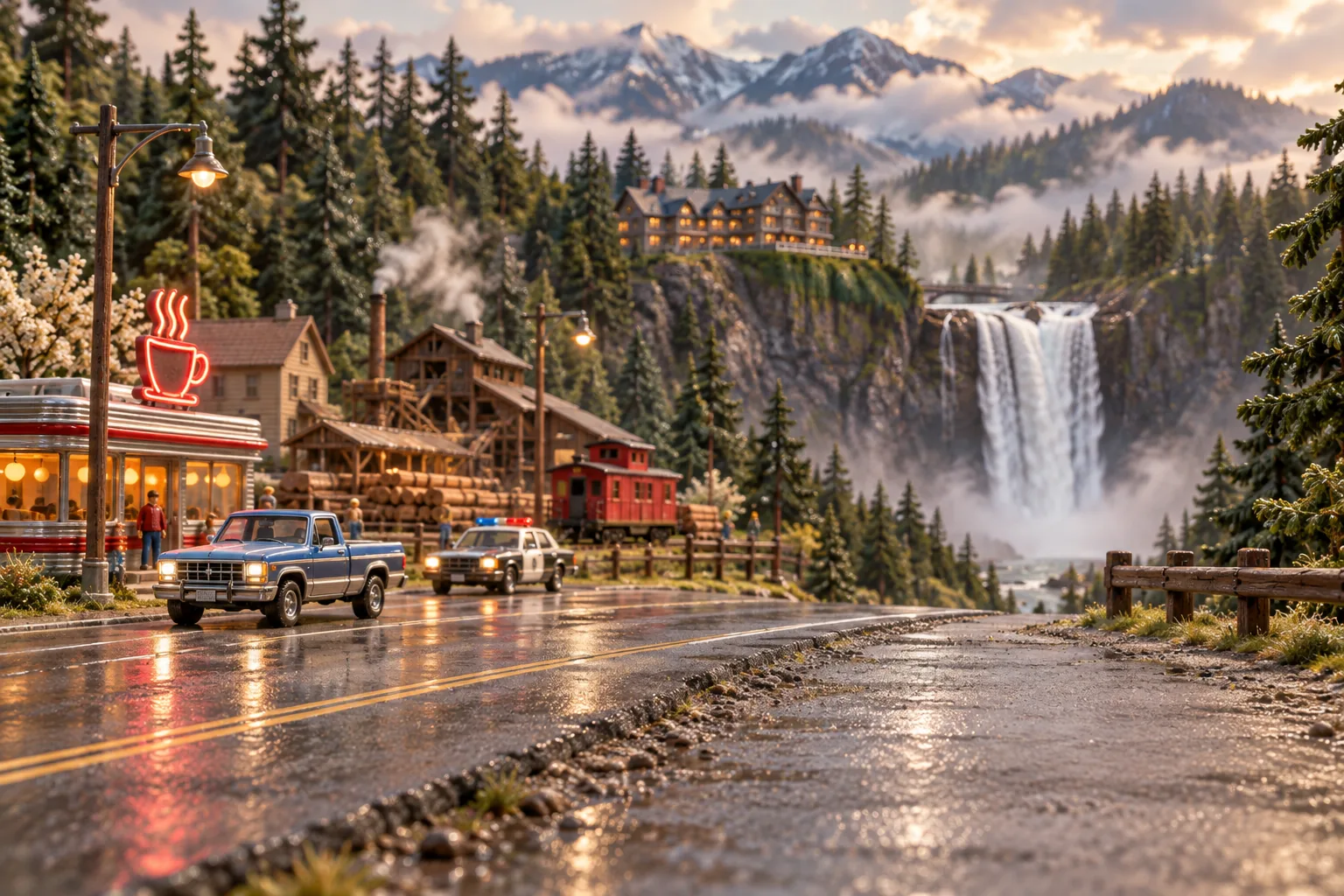 1946–2025 · Snoqualmie, WashingtonDavid LynchTalking in a coffee shop, he and a TV writer pictured a body washing up on a lakeshore, and that image grew into Twin Peaks, the strangest hit American television had ever aired.
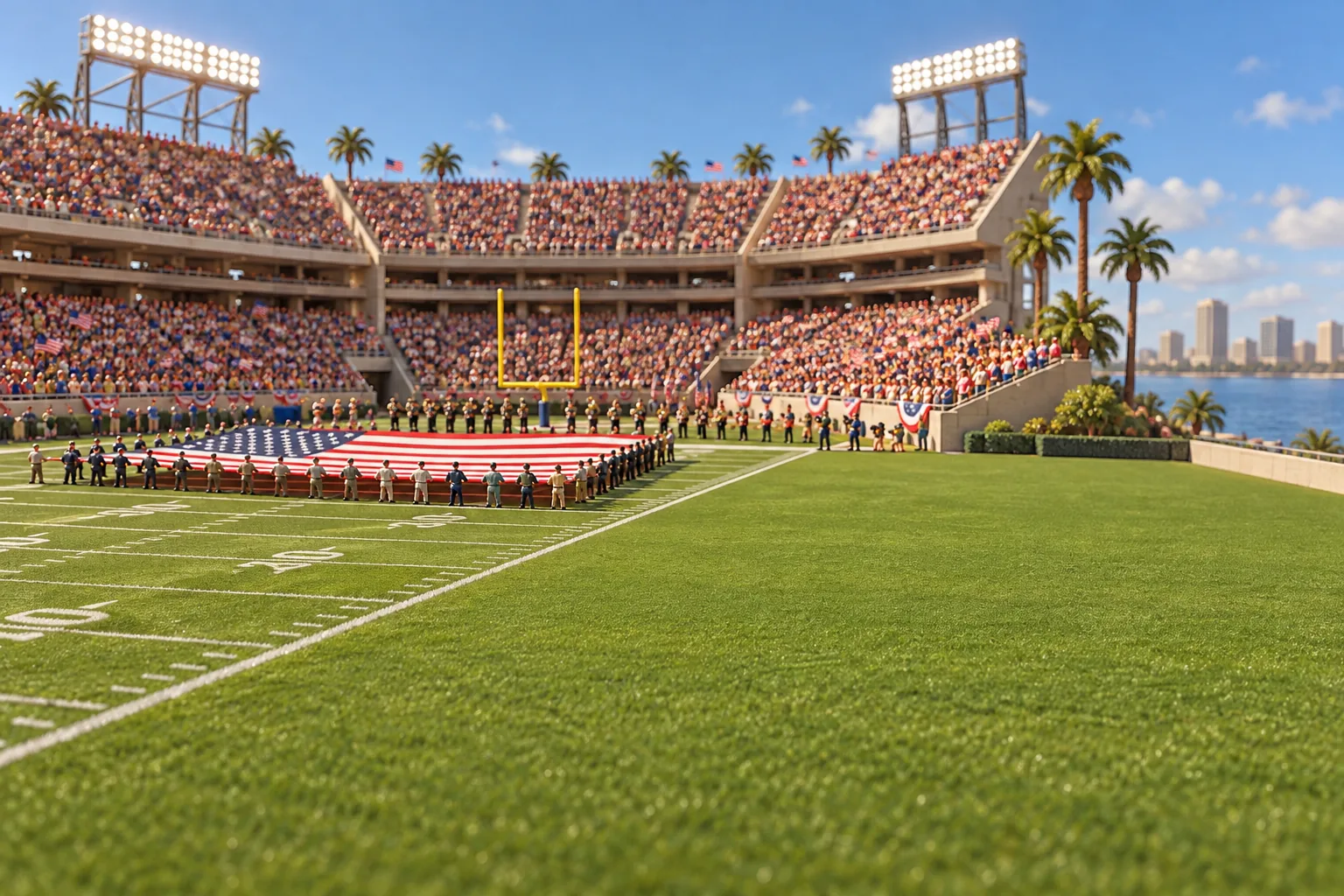 1963–2012 · Tampa Stadium, Tampa, FloridaWhitney HoustonOn 27 January 1991, with American troops at war in the Gulf, a 27-year-old singer stepped onto the field in Tampa and sang "The Star-Spangled Banner" to a nation on edge.
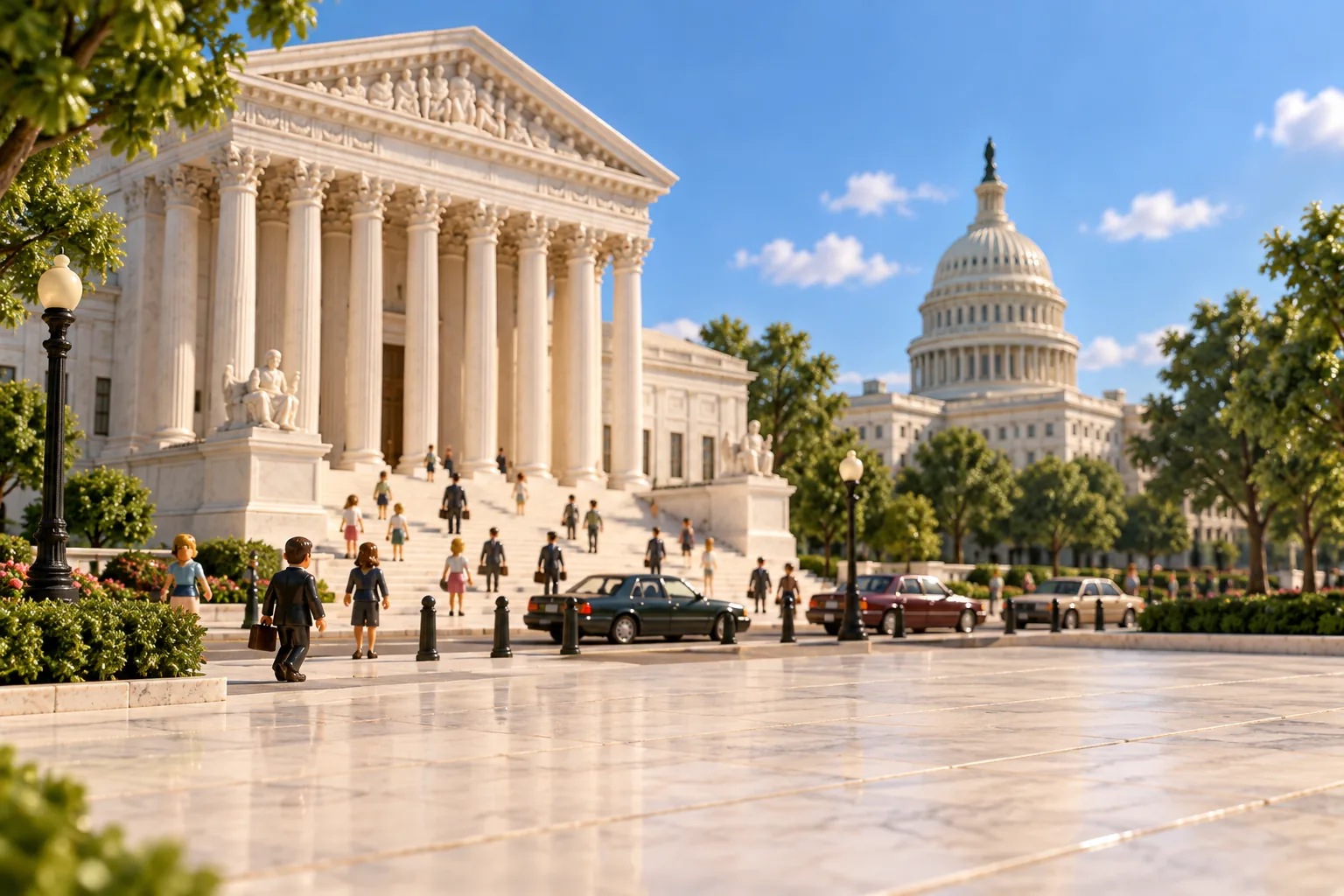 1933–2020 · Supreme Court Building, Washington, D.C.Ruth Bader GinsburgTurned away for a clerkship in 1960 because she was a woman, she spent the 1970s winning equal-protection cases for women and men before the Supreme Court, and in 1993 she joined it.
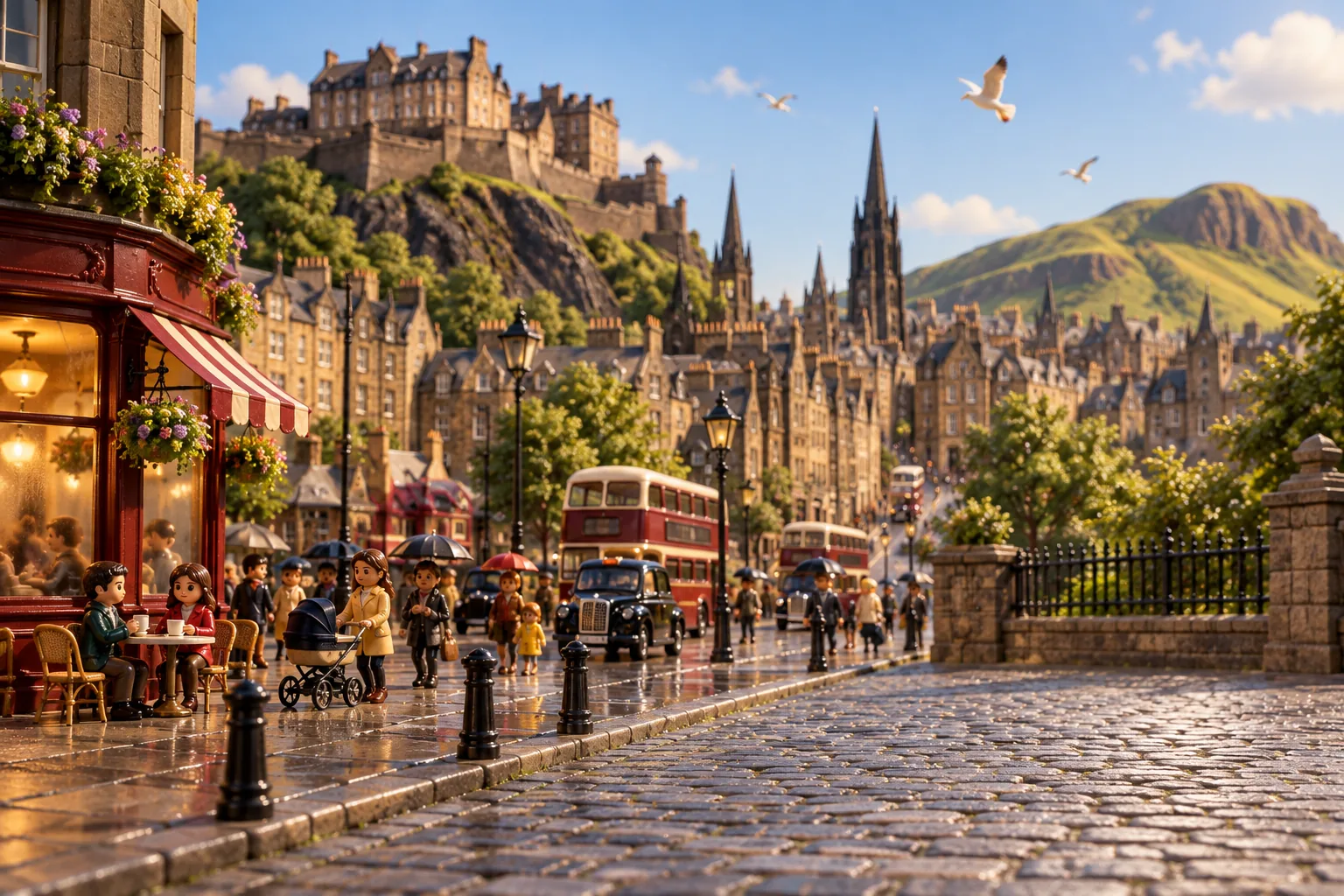 born 1965 · Edinburgh, ScotlandJ. K. RowlingHarry, Ron and Hermione came into her head on a train delayed by four hours, and it took seven years and twelve rejections to get them into print.
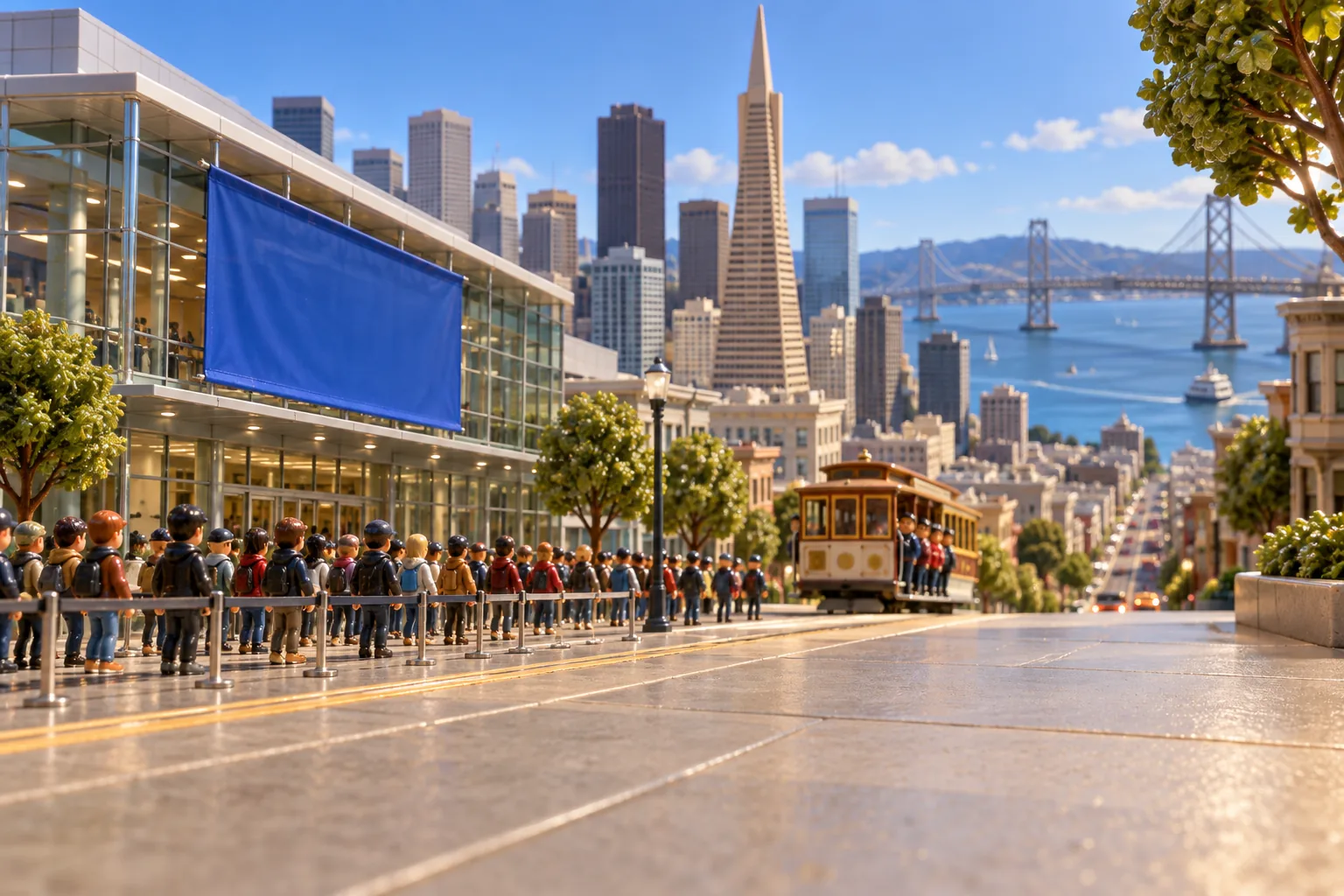 1955–2011 · Moscone Center, San Francisco, California, USASteve JobsOn a San Francisco stage he unveiled a phone with no keyboard, just a touchscreen and a single button, and it caused such a sensation that six in ten Americans knew of its release.
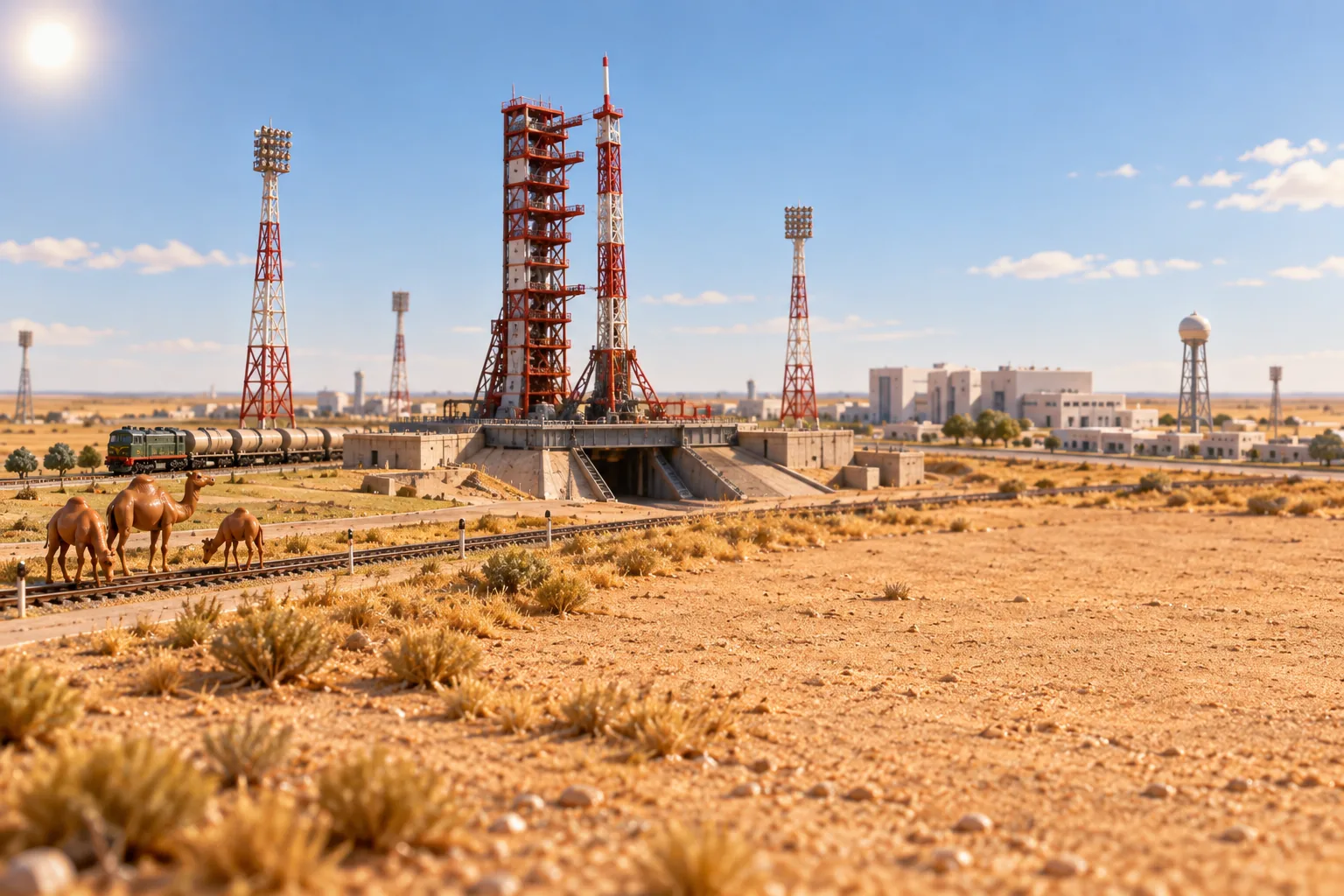 born 1965 · Baikonur Cosmodrome, KazakhstanSunita WilliamsOn 16 April 2007 she ran the Boston Marathon on a treadmill aboard the space station, while her crewmates cheered and tossed her oranges.