Industrial age · person
Charles Darwin
After twenty years of quiet work on his theory, he rushed it into print because a younger naturalist had reached the same idea.
Charles Robert Darwin was born in Shrewsbury on 12 February 1809, the son of a wealthy doctor, Robert Darwin, and grandson of the potter Josiah Wedgwood. He neglected his medical studies at Edinburgh, and his father sent him to Christ's College, Cambridge, to train as a country parson. There he became a follower of the botanist John Stevens Henslow, who in 1831 recommended him for a place on HMS Beagle with Captain Robert FitzRoy. The voyage lasted five years. Badly seasick, Darwin spent most of it ashore studying geology and collecting fossils, and on the Galápagos Islands he heard that tortoise shells differed from island to island.
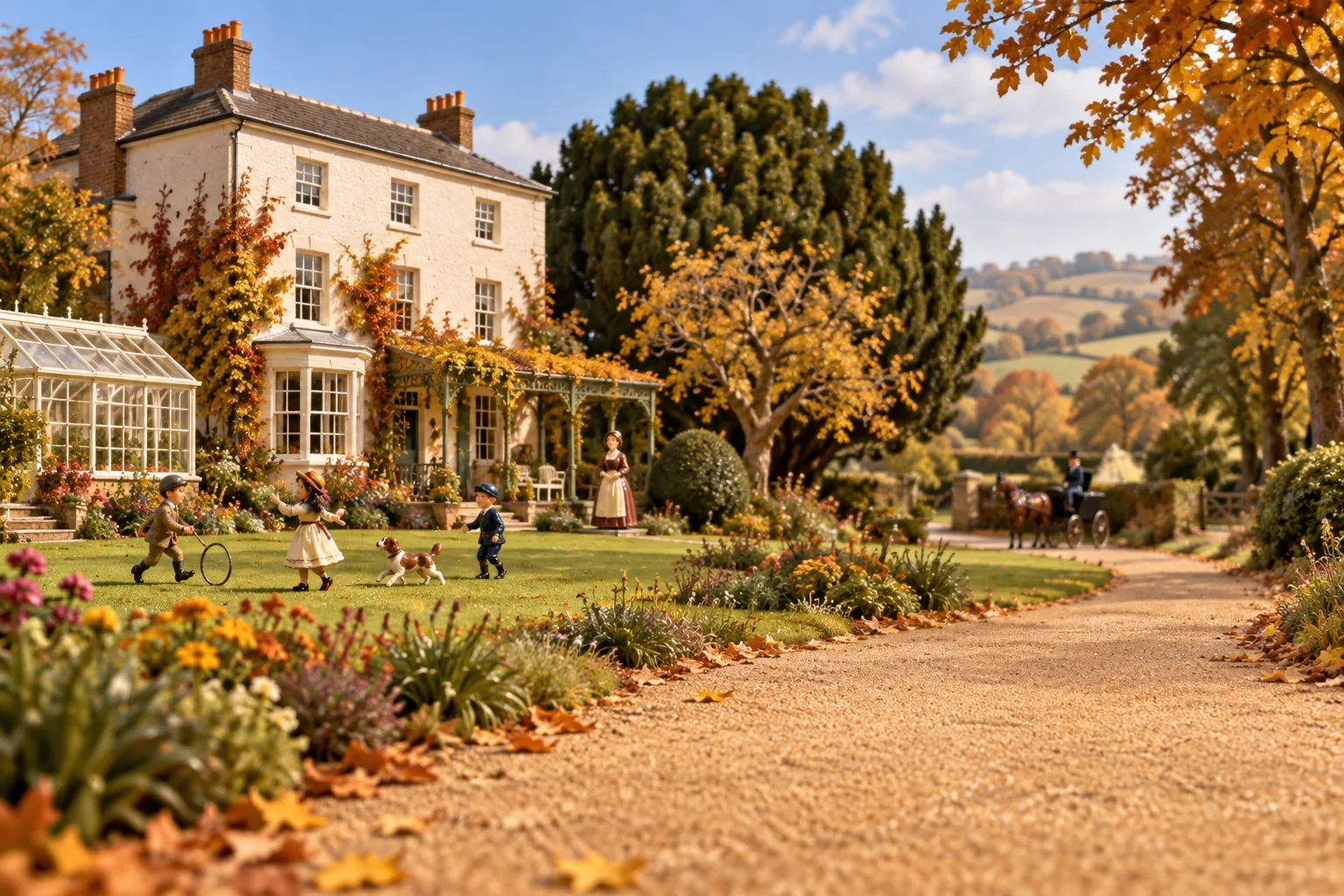
Back in England in October 1836, he puzzled over his collections and in 1838 devised his theory of natural selection. In January 1839 he married his cousin Emma Wedgwood, and in September 1842 they moved to Down House in Kent, where he spent eight years on barnacles and kept his theory mostly private. In 1858 Alfred Russel Wallace sent him an essay with the same idea, and their papers were read together at the Linnean Society on 1 July 1858. Darwin hurried out his book, On the Origin of Species, and all 1,250 copies were snapped up when it went to booksellers on 22 November 1859.
The book set off fierce debate, including the 1860 clash at Oxford between Bishop Samuel Wilberforce and Darwin's defenders. He went on to write The Descent of Man in 1871. Darwin died at Down House on 19 April 1882, aged 73, and was buried in Westminster Abbey.
Read more on Wikipedia
Sources: en.wikipedia.org/wiki/Charles Darwin