Antiquity · person
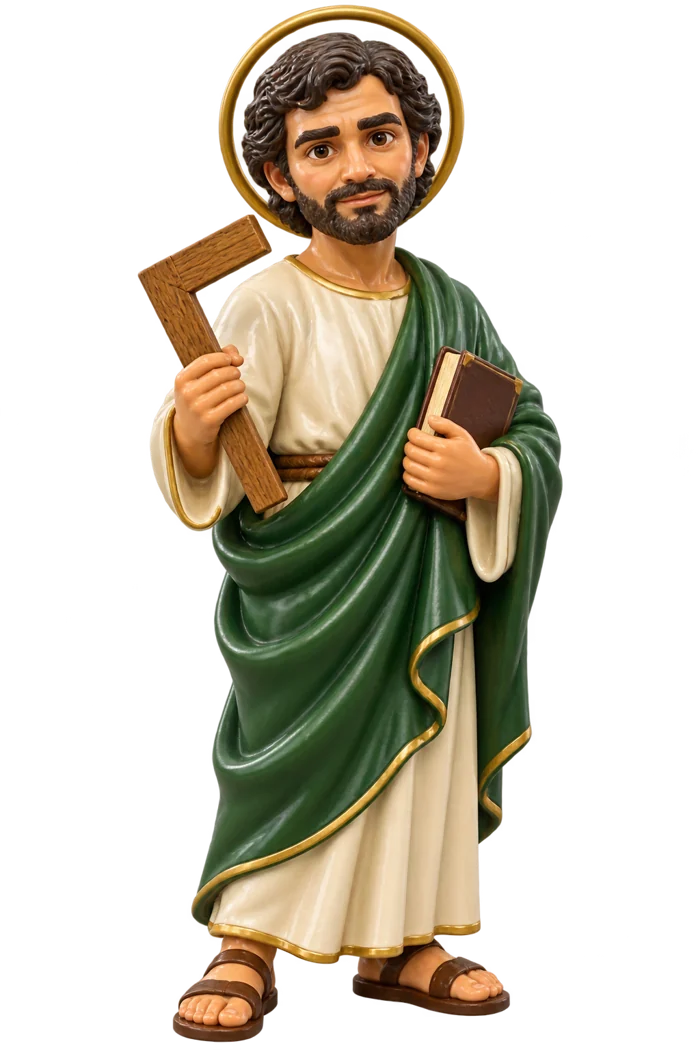
Thomas the Apostle
The disciple remembered for doubting is, for millions of Christians in India, the man who sailed to the Malabar Coast and brought them the faith in AD 52.
Thomas, whose Aramaic name Tʾōmā and Greek name Didymus both mean the twin, was one of the Twelve Apostles of Jesus. In the Gospel of John he speaks three times. When Jesus heads back to Judea after the death of Lazarus, Thomas tells the others, "Let us also go, that we may die with him." Later, told that Jesus had risen, he refused to believe unless he could put his finger into the marks of the nails. When Jesus appeared and invited him to touch the wounds, Thomas answered, "My Lord and my God", and the phrase doubting Thomas was born.
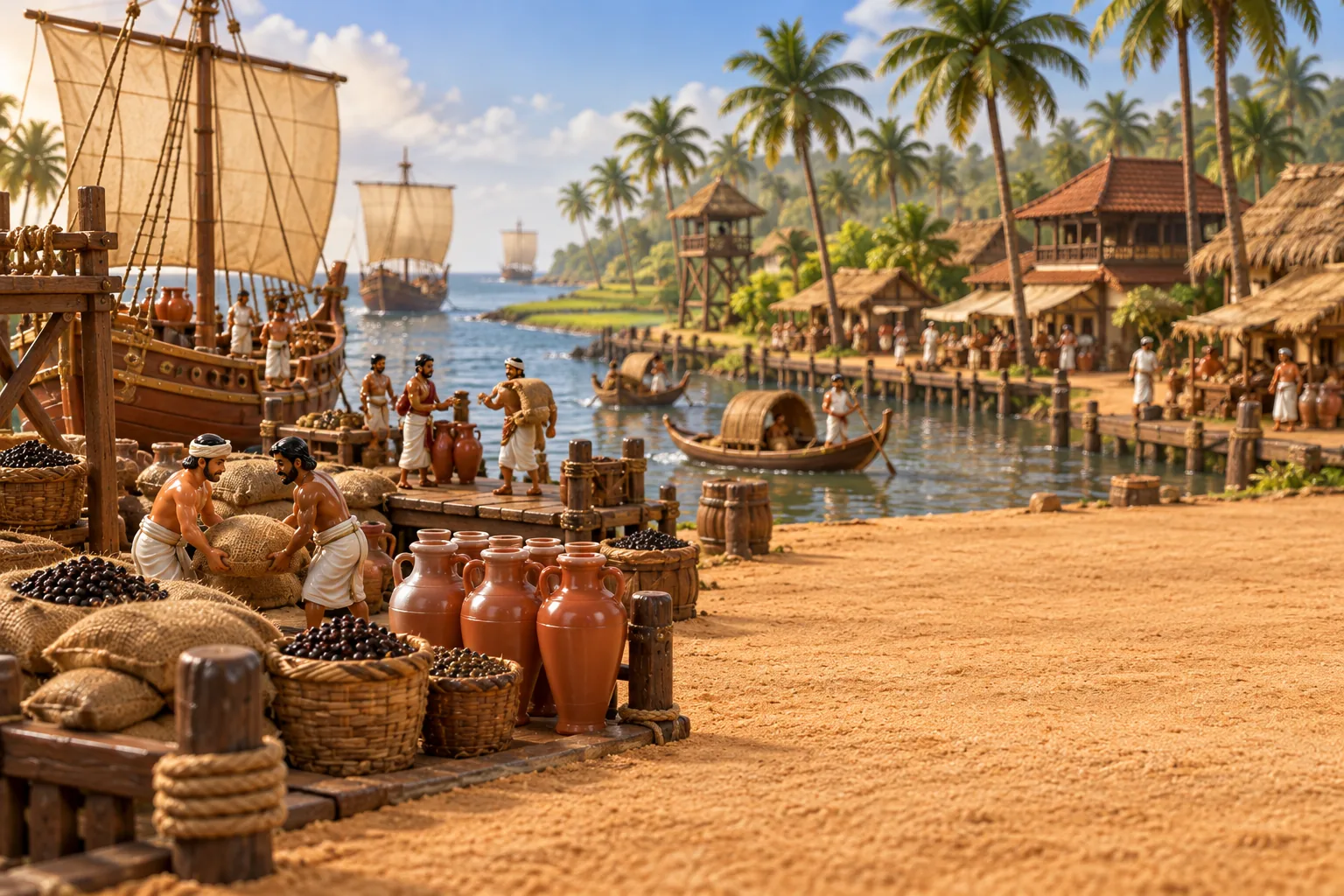
Early Christian tradition sends Thomas east. Eusebius records that he was assigned to Parthia, and the apocryphal Acts of Thomas, written around 180 to 230, tells of his mission in India. According to the Saint Thomas Christians of Kerala, he landed in AD 52 at Muziris, the busy port of the Chera kingdom that traded with the Roman Empire, and founded seven churches along the coast, among them Kodungallur, Palayoor, Niranam and Kollam. Historians still dispute whether the voyage happened.
By the same tradition he was killed with a spear at St. Thomas Mount, near today's Chennai, on 21 December 72, and buried at Mylapore. Ephrem the Syrian, in the 4th century, wrote that his relics were carried to Edessa; some were brought to Ortona in Italy in 1258. San Thome Basilica in Chennai stands over his traditional tomb, and 3 July, his feast, is Indian Christians' Day.
Read more on Wikipedia