Industrial age · person
Pablo Picasso
Two weeks after German and Italian planes bombed a Basque market town, he began a black, grey and white canvas almost eight metres wide.
Pablo Ruiz Picasso was born in Málaga, in southern Spain, on 25 October 1881. His father, José Ruiz y Blasco, was a painter and art teacher who gave him formal lessons from the age of seven. The family moved to A Coruña in 1891 and then to Barcelona. Picasso first went to Paris, the art capital of Europe, in 1900. After the suicide of his friend Carles Casagemas he painted the poor and the blind in shades of blue, his Blue Period of 1901 to 1904, followed by the warmer Rose Period.
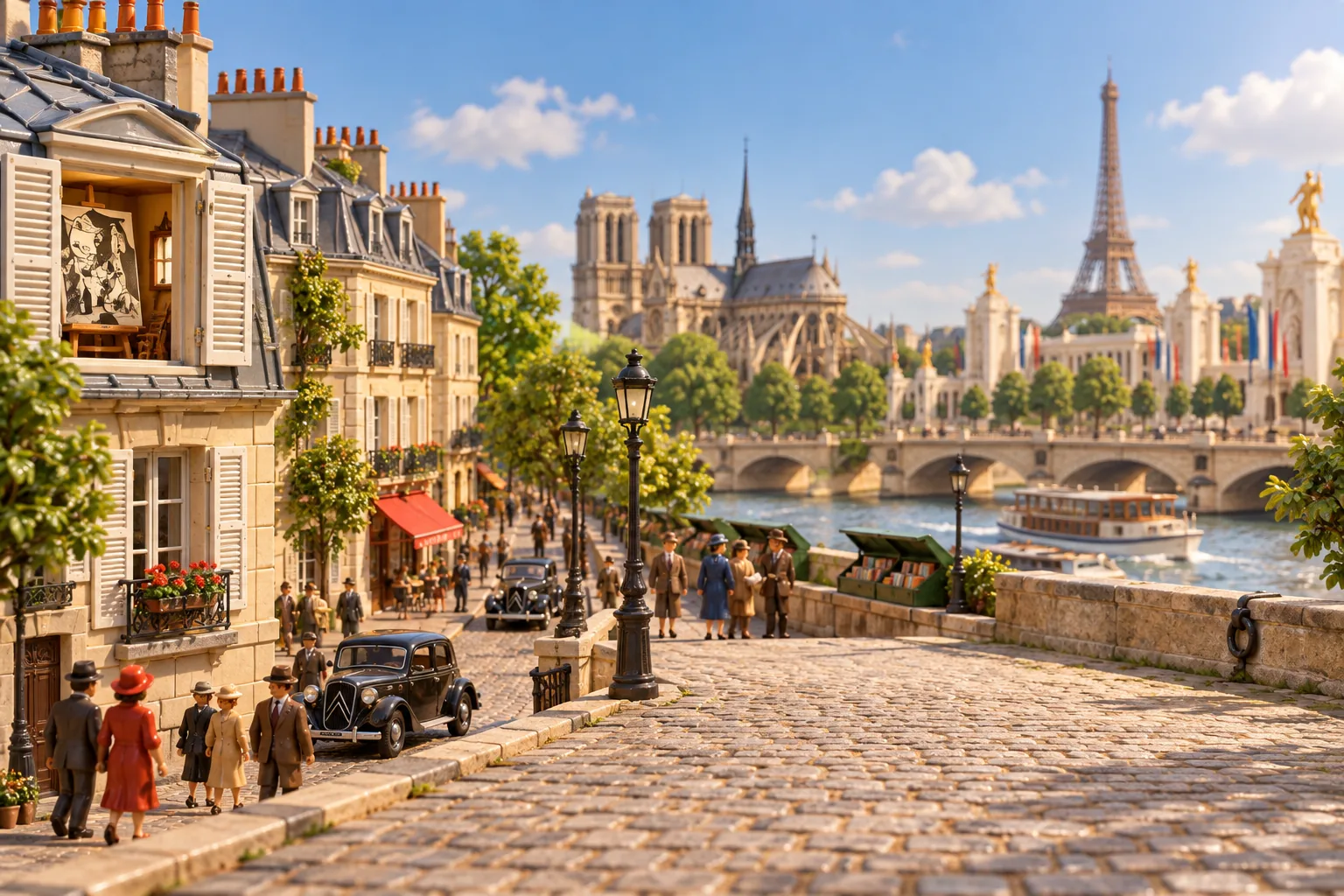
By 1905 the American collector Gertrude Stein was buying his work. In 1907 he painted Les Demoiselles d'Avignon, and with Georges Braque he went on to develop Cubism and to invent collage. In January 1937 the Spanish Republican government asked him for a large work for its pavilion at the Paris International Exposition. On 26 April German and Italian planes bombed the Basque town of Guernica. In his studio on Rue des Grands-Augustins Picasso started the canvas on 11 May, with the photographer Dora Maar recording each stage. Guernica, 3.49 by 7.76 metres, went on show in July. He had never painted a political subject before.
Picasso joined the French Communist Party in 1944 and spent his last decades in the south of France, still working at a furious pace. He died at Mougins on 8 April 1973, aged 91, and was buried at the Château of Vauvenargues. Guernica, kept in New York for decades, came home to Spain in 1981.
Read more on Wikipedia
Sources: en.wikipedia.org/wiki/Pablo Picasso, en.wikipedia.org/wiki/Guernica (Picasso)


