Industrial age · person
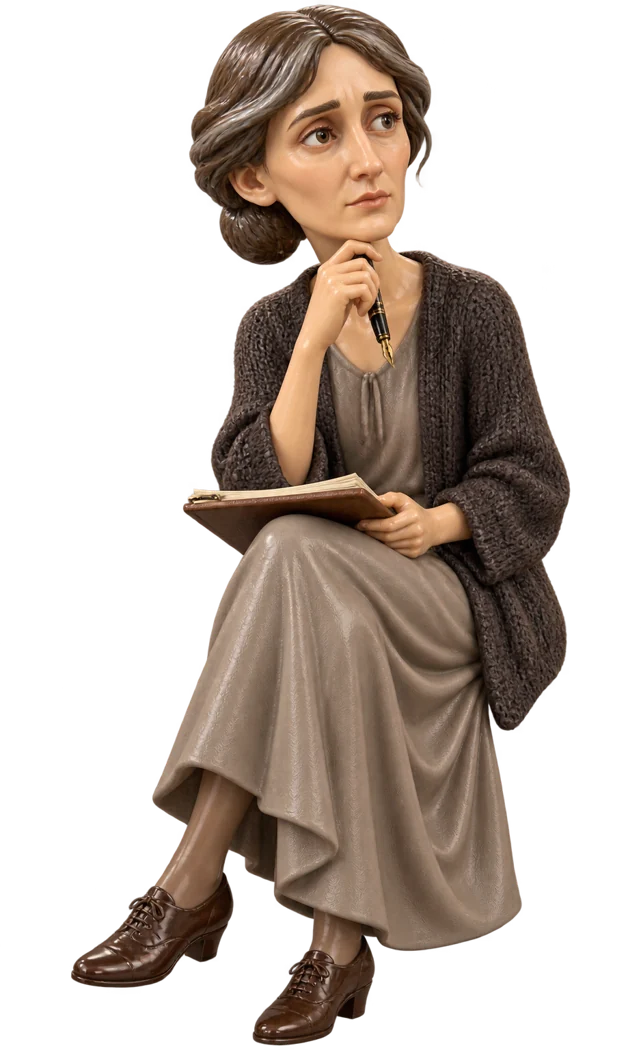
Virginia Woolf
Childhood summers in a white house facing a Cornish lighthouse became, decades later, the novel that changed how stories are told.
Adeline Virginia Stephen was born at Hyde Park Gate in South Kensington, London, on 25 January 1882, one of eight children in the blended household of the writer Sir Leslie Stephen and Julia Jackson. Her sister was the painter Vanessa Bell. She was taught at home and later studied classics and history at King's College London. Summers were spent at Talland House in St Ives, Cornwall, with a view of the Godrevy Lighthouse. After her father died in 1904 the young Stephens moved to Bloomsbury, where their friends formed the Bloomsbury Group.
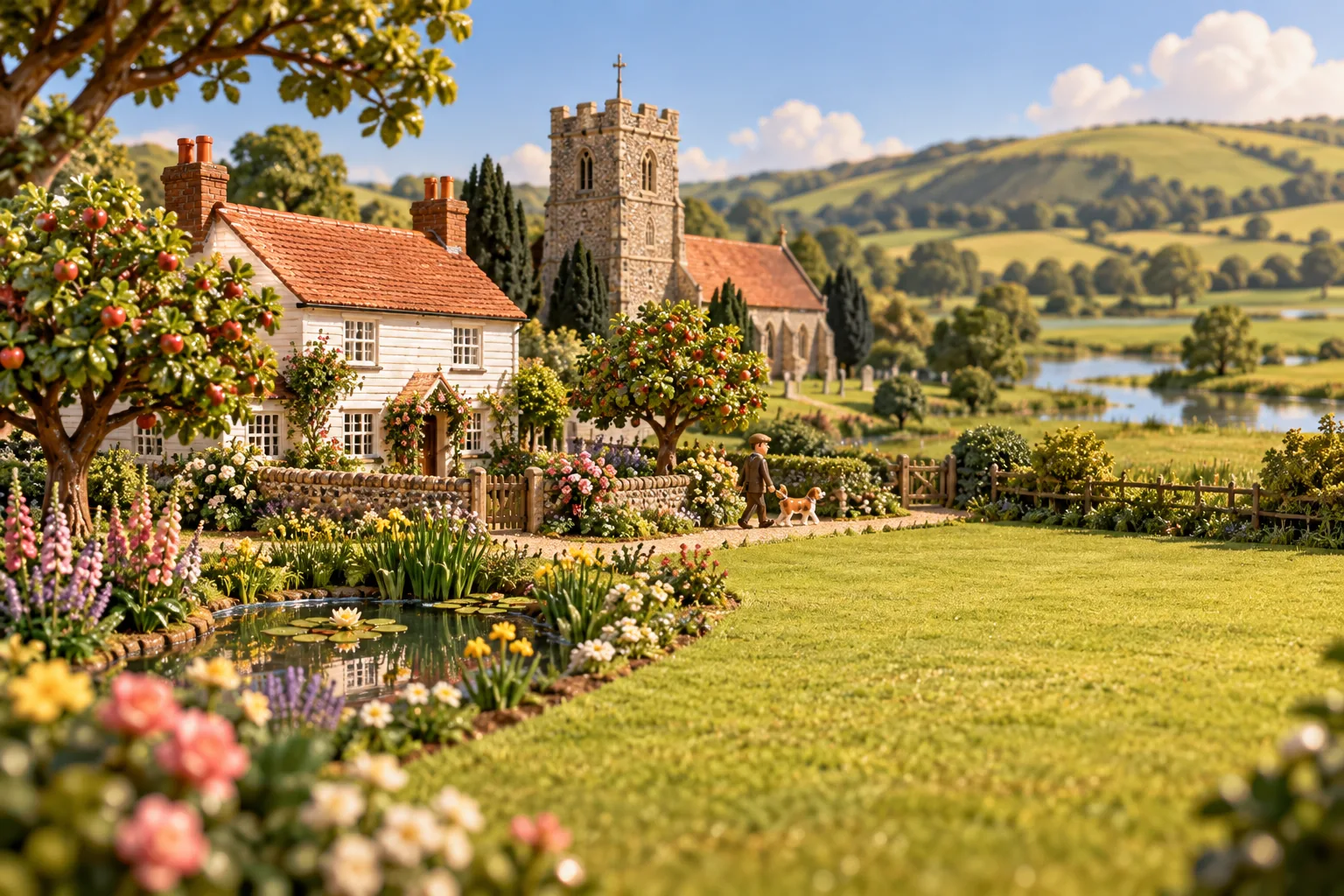
In 1912 she married Leonard Woolf, and in 1917 they founded the Hogarth Press, which published much of her work. In 1919 they bought Monk's House, a weatherboarded cottage in Rodmell with an acre of garden and a view across the Ouse to the South Downs. Her novel Mrs Dalloway came out in 1925, followed in 1927 by To the Lighthouse, drawn from those Cornish summers, with its middle section "Time Passes". She helped pioneer stream-of-consciousness writing. Then came Orlando in 1928, inspired by her friend Vita Sackville-West, and in 1929 the feminist essay A Room of One's Own.
Woolf suffered periods of severe mental illness all her life. After the Woolfs' London home was bombed, Monk's House became their permanent home, and there she finished her last novel, Between the Acts. On 28 March 1941 she drowned herself in the River Ouse near the house. She was 59.
Read more on Wikipedia
Sources: en.wikipedia.org/wiki/Virginia Woolf


