Ancient world · person
Laozi
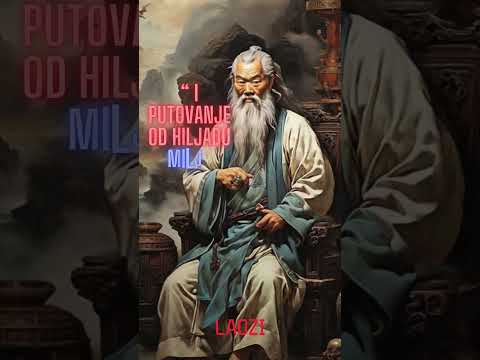
Before letting an old archivist ride out through the western gate, the guard made him write down his wisdom, and the result, legend says, was the Tao Te Ching.
Laozi is not a personal name but an honorific meaning "old master". The earliest life of him, written by the historian Sima Qian in the 1st century BC, calls him Li Er or Lao Dan and says he was born in the village of Quren in the southern state of Chu, in present-day Luyi in Henan. He was keeper of the archives at the royal Zhou court and an older contemporary of Confucius, who in many stories comes to him for advice on ritual. Sima Qian himself doubted his sources, and modern scholars still argue over whether Laozi really lived.
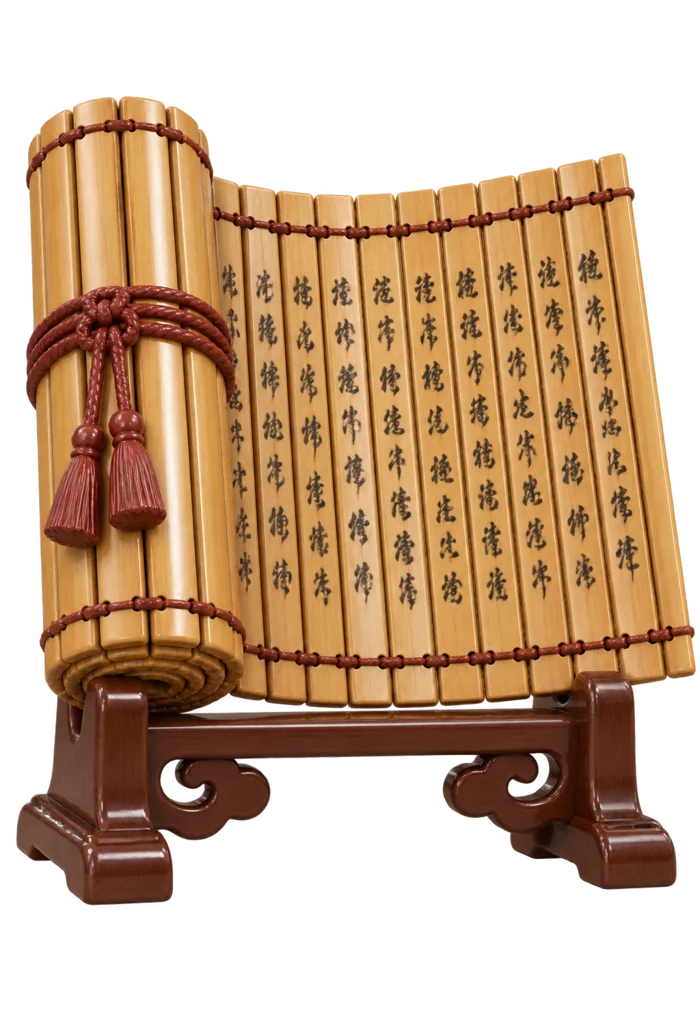
The best-known story says that, weary of the kingdom's decline, he set off for the west. At the gate the guard Yinxi recognised him and asked him to write down his wisdom before he passed. The result was the Tao Te Ching, a short book of paradoxes about the Tao, the way that is the root of all things, and about wu wei, acting without forcing. Bamboo slips buried in a tomb at Guodian around 300 BC already hold about 2,000 characters of the text.
Under the Han dynasty he was worshipped as a god, and belief in revelations from the divine Laozi gave rise to the Way of the Celestial Masters, the first organised Taoist sect. The emperors of the Tang dynasty, whose surname was Li, claimed him as their ancestor, and in 666 Emperor Gaozong named him "Supremely Mysterious and Primordial Emperor". His book shaped Chinese philosophy, religion and literature.
Read more on Wikipedia
Sources: en.wikipedia.org/wiki/Laozi