Industrial age · person
Ansel Adams
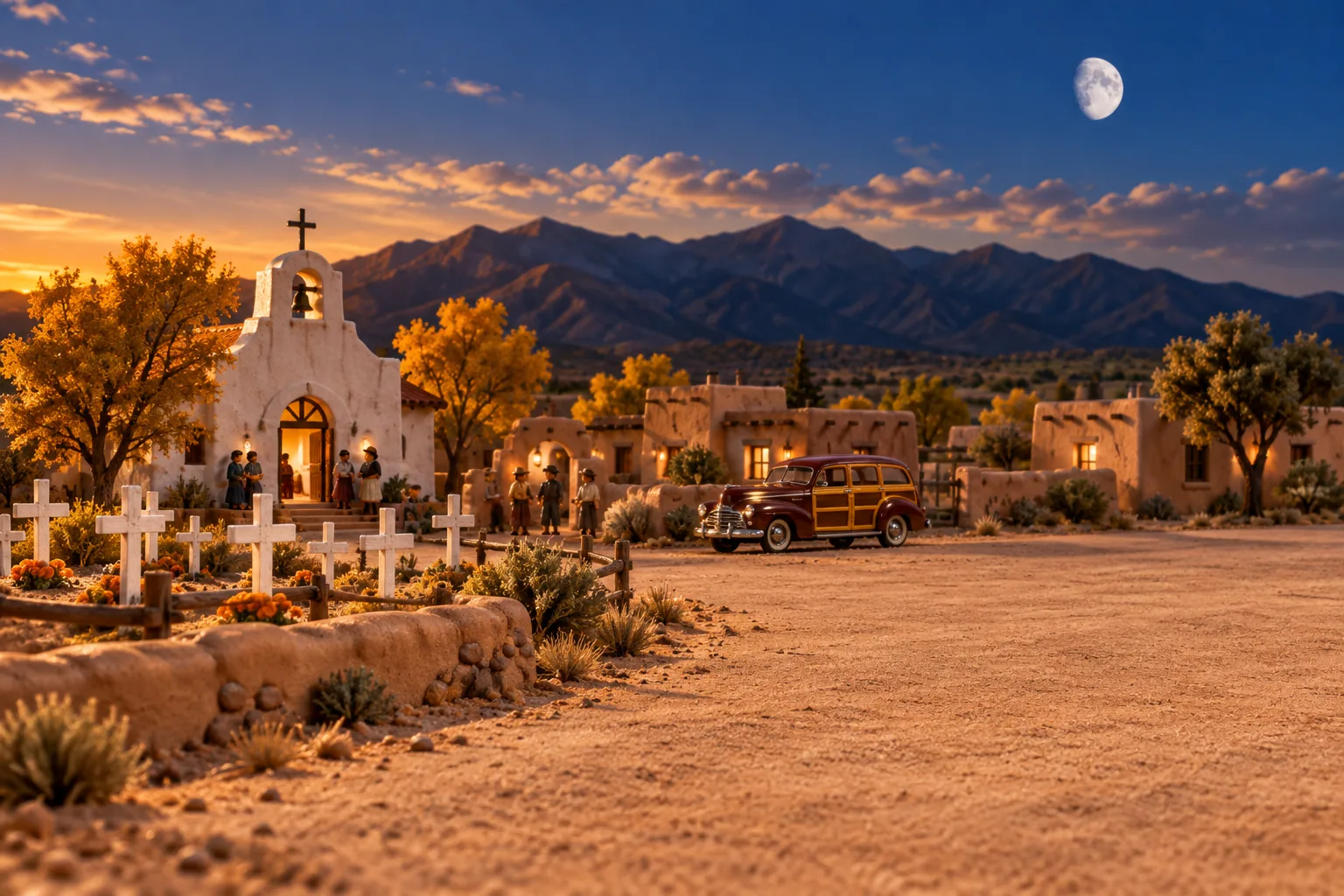
With the light fading on a New Mexico graveyard and his light meter lost, he worked out the exposure from the brightness of the Moon and made one of the most famous photographs ever taken.
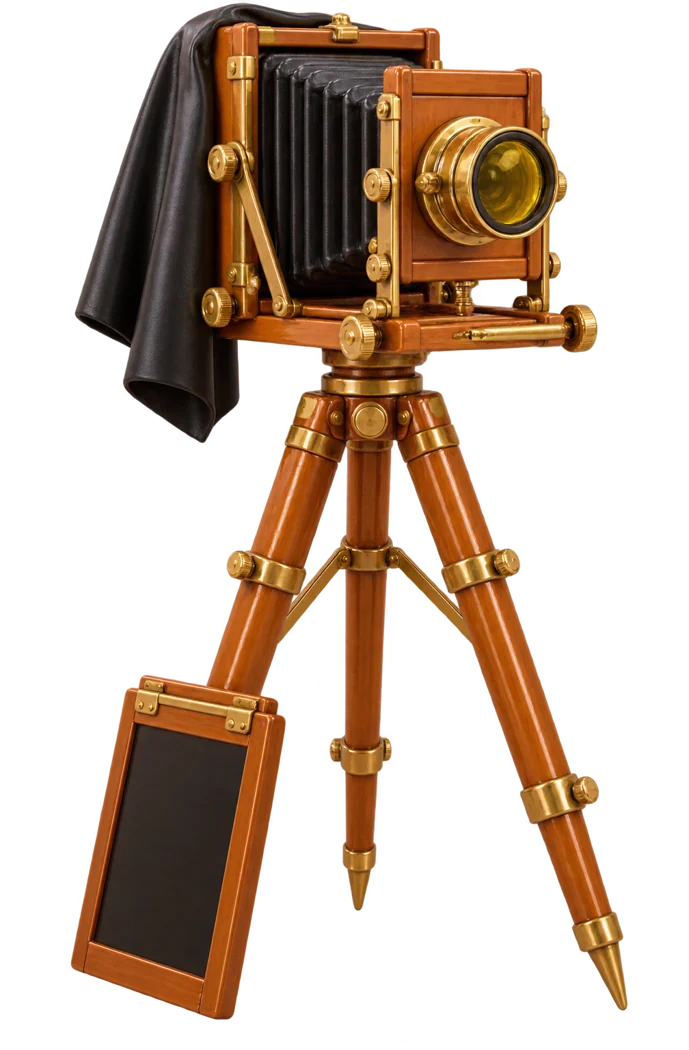
Ansel Easton Adams was born in San Francisco on 20 February 1902, an only child. In the 1906 earthquake an aftershock threw the four-year-old face-first into a garden wall and broke his nose, which stayed crooked for life. At 12 he taught himself the piano and for years meant to be a concert pianist. In 1916, on his first visit to Yosemite National Park, his father gave him a Kodak Brownie box camera. At 17 he joined the Sierra Club, and he later married Virginia Best, whose father kept a studio in Yosemite.
His 1927 picture Monolith, the Face of Half Dome, taken on glass plates with a dark red filter, set out his new style. In 1932 he and Edward Weston and Imogen Cunningham formed Group f/64, which championed sharp, "straight" photography, and with Fred Archer he developed the Zone System for controlling tones from exposure to print. While working on a mural project for the Interior Department, on 1 November 1941 he stopped at Hernandez, New Mexico, and photographed the Moon rising over the village church and graveyard: Moonrise, Hernandez, New Mexico.
During the Second World War he photographed the Japanese-American internment camp at Manzanar. He campaigned for decades to protect wilderness, served 37 years on the Sierra Club's board and received the Presidential Medal of Freedom in 1980. He died in Monterey, California, on 22 April 1984.
Read more on Wikipedia
Sources: en.wikipedia.org/wiki/Ansel Adams, en.wikipedia.org/wiki/Moonrise, Hernandez, New Mexico


