Early modern · person
Niccolò Machiavelli
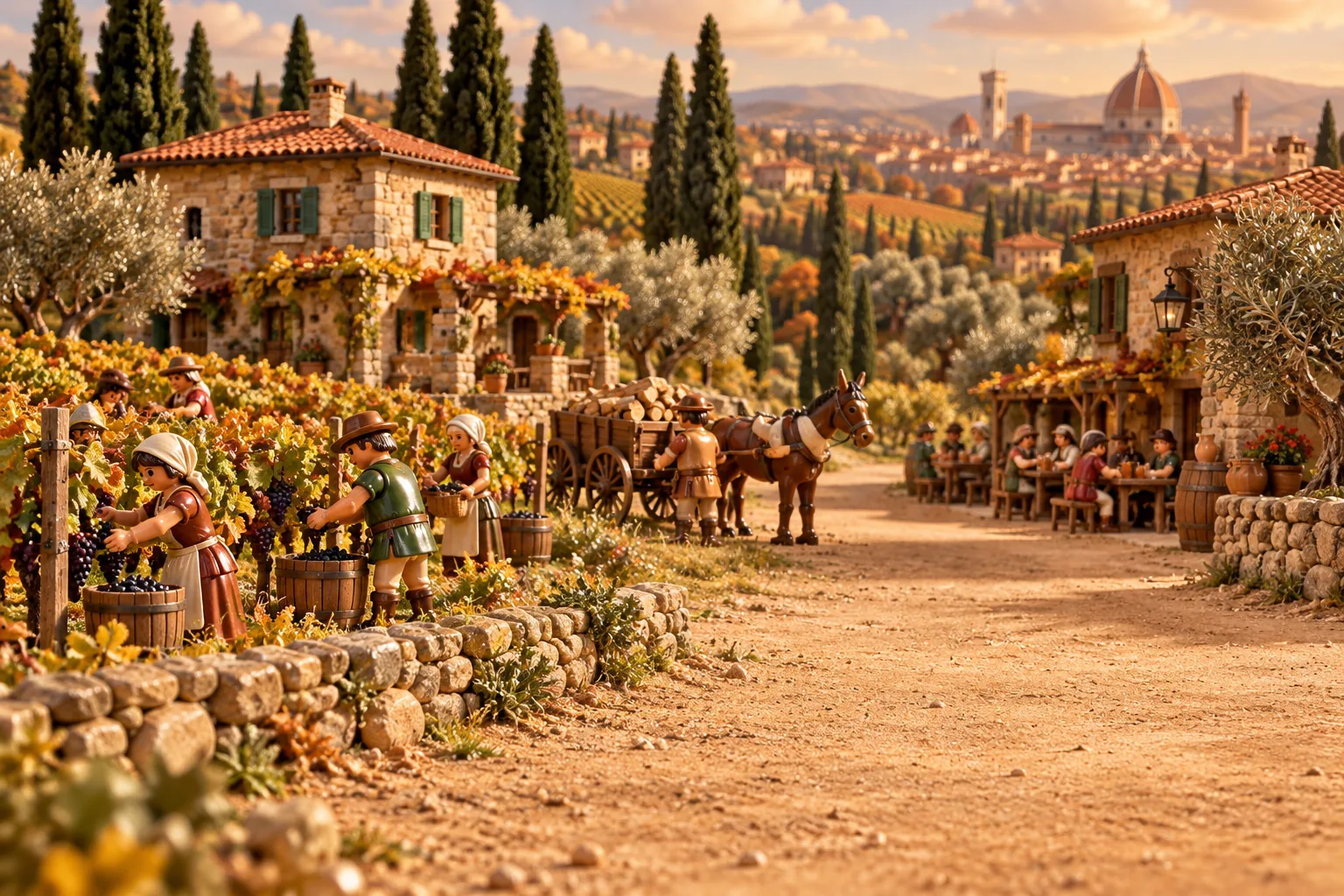
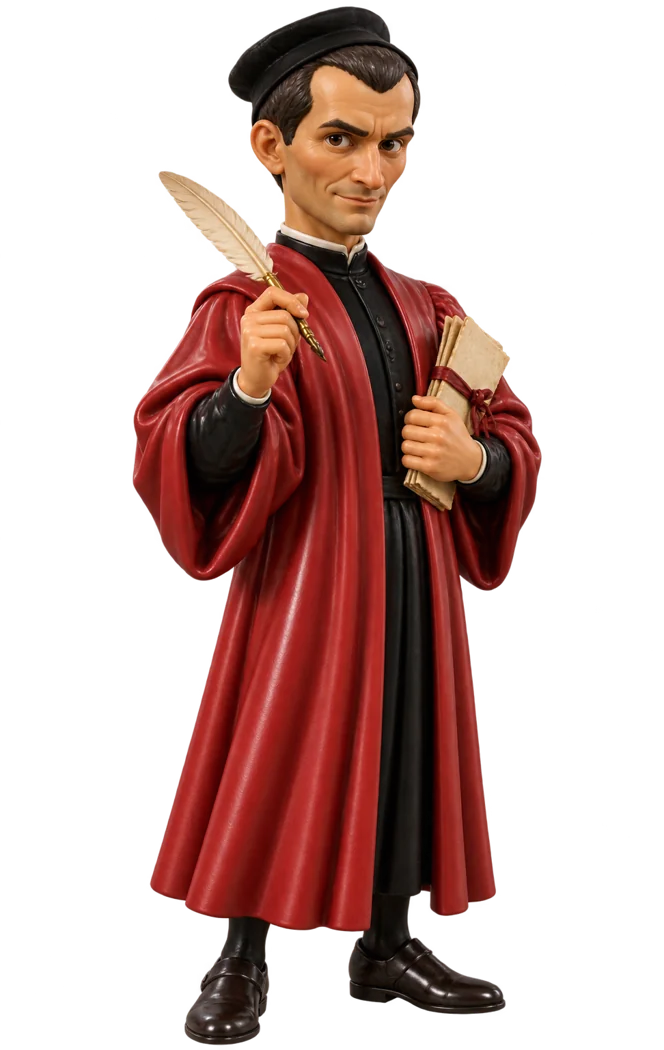
Thrown out of office and tortured when the Medici came back, he retired to a small farm, and every evening he changed out of his muddy clothes into an ambassador's robes to write The Prince.
Niccolò Machiavelli was born in Florence on 3 May 1469, the son of a lawyer, Bernardo, in a family of the city's lesser elite. He was eight when the Pazzi family plotted to assassinate Lorenzo and Giuliano de' Medici, the rulers of Florence. In 1498, just after the friar Savonarola was executed, he joined the second chancery of the Florentine Republic, and for fourteen years he wrote its documents and travelled on missions to France, Germany and the papal court.
He watched Pope Alexander VI and his son Cesare Borgia build a state by force and cunning, and he admired Cesare. Distrusting hired soldiers, he raised a citizen militia, which took Pisa in 1509. In August 1512, Spanish troops sent by Pope Julius II crushed the militia at Prato, the republic fell and the Medici returned. Falsely suspected of plotting against them, he was imprisoned and tortured, then freed in an amnesty. He withdrew to his farm at Sant'Andrea in Percussina and there, in 1513, wrote The Prince, a short guide to winning and keeping power.
He also wrote the Discourses on Livy, about republics, and the comedy The Mandrake. In 1520 Cardinal Giulio de' Medici commissioned him to write a history of Florence. He died on 21 June 1527, aged 58, and was buried in Santa Croce. The Prince was published only in 1532 and put on the Catholic Church's Index of banned books in 1559.
Read more on Wikipedia


