Ancient world · person
Akhenaten
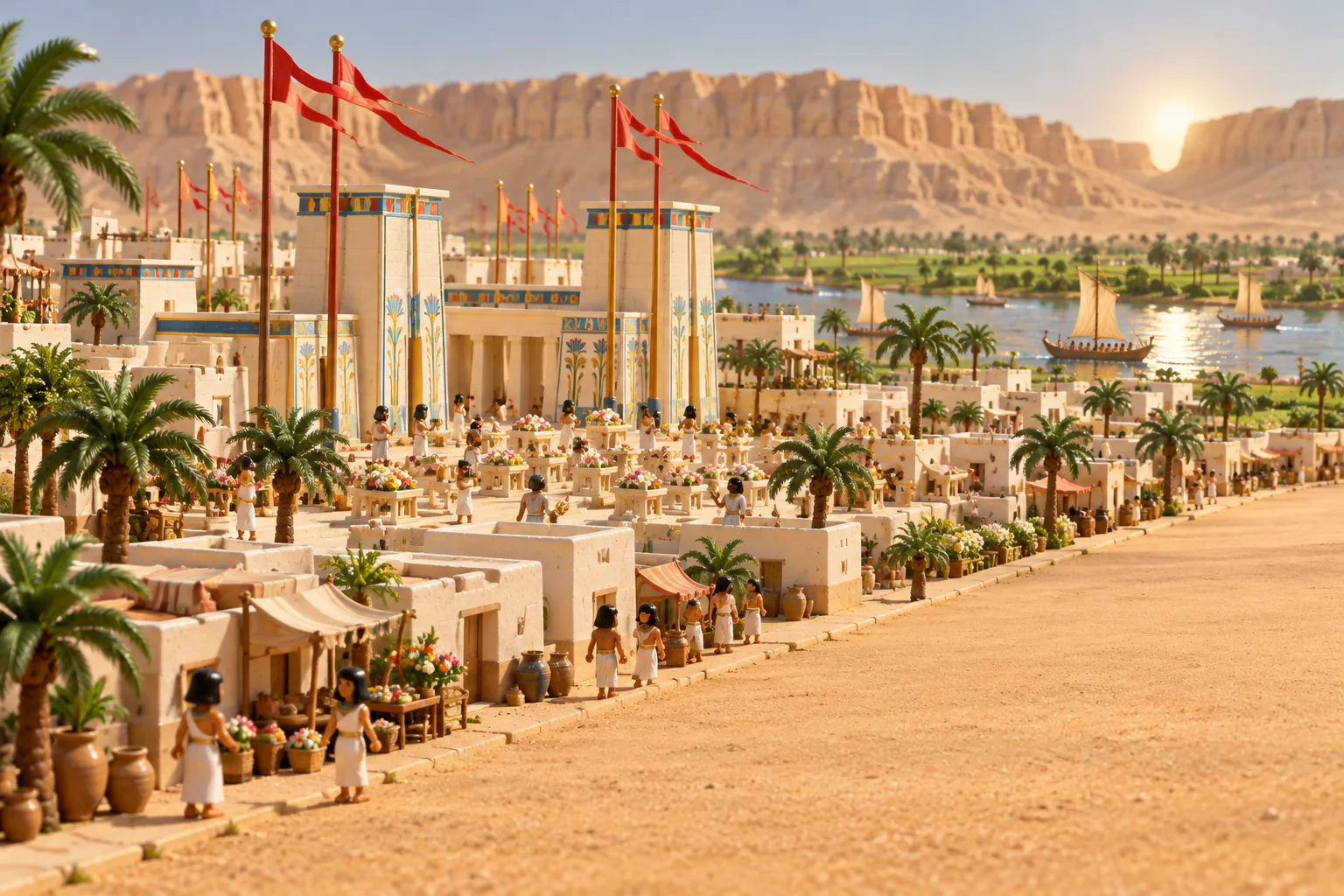
In the fifth year of his reign a pharaoh dropped the name of the god Amun, took a new one honouring the sun disc, and ordered a whole capital built on empty desert by the Nile.
Akhenaten was born Amenhotep, a younger son of the pharaoh Amenhotep III and his principal wife Tiye. His elder brother, the crown prince Thutmose, died early, so he became heir and took the throne as Amenhotep IV, the tenth ruler of the Eighteenth Dynasty, around 1353 or 1351 BC. His Great Royal Wife was Nefertiti, and a secondary wife, Kiya, is also known from inscriptions.
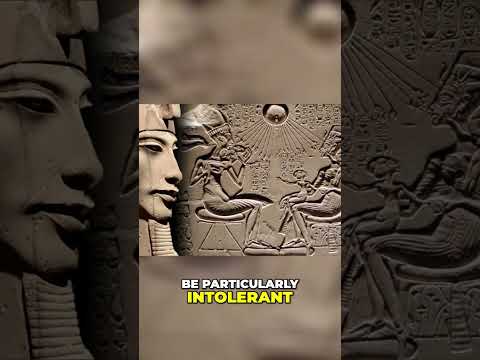
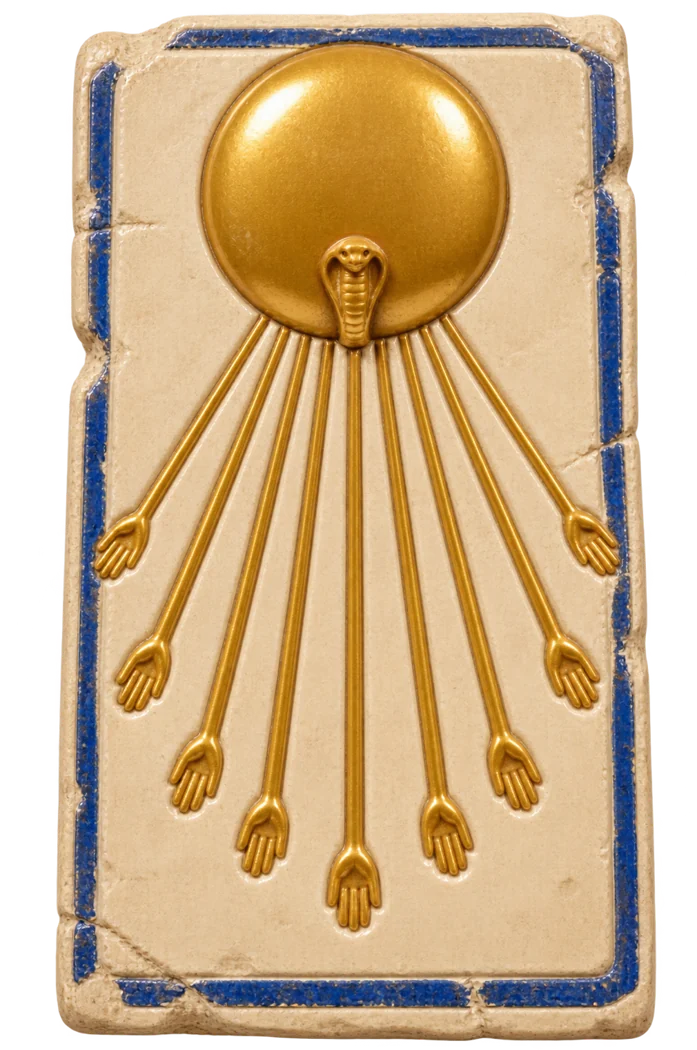
He turned Egypt's worship away from its many gods, Amun above all, toward the Aten, the disc of the sun. In the fifth year of his reign he changed his name to Akhenaten, "Effective for the Aten", and decreed a new capital on an uninhabited stretch of the Nile's east bank halfway between Thebes and Memphis, where a dip in the cliffs looks like the hieroglyph for "horizon". He called it Akhetaten, "Horizon of the Aten"; we know it as Amarna. The Great Hymn to the Aten, perhaps written by the king himself, sums up his faith.
He died in the 17th year of his reign and was buried in a tomb in the Royal Wadi east of the city. About three years later, under his son Tutankhamun, the court moved back to Thebes and Amarna was abandoned. Later kings dismantled his monuments, destroyed his statues, left his name out of their lists of rulers and called him "that criminal". He was almost forgotten until Amarna was rediscovered in the late 19th century.
Read more on Wikipedia
Sources: en.wikipedia.org/wiki/Akhenaten