Industrial age · person
Charles de Gaulle
Few people heard the little-known general who spoke on BBC radio from London on 18 June 1940, but his call to keep fighting made him the voice of Free France.
Charles de Gaulle was born in Lille on 22 November 1890, the third of five children in a Catholic family. He won a place at the military academy of Saint-Cyr in 1909. At Douaumont during the Battle of Verdun, on 2 March 1916, he was bayoneted in the thigh, gassed and captured. He spent 32 months in German prison camps, mostly in the fortress of Ingolstadt, and tried to escape five times. Between the wars he married Yvonne Vendroux, taught military history and argued that France needed mobile armoured forces.
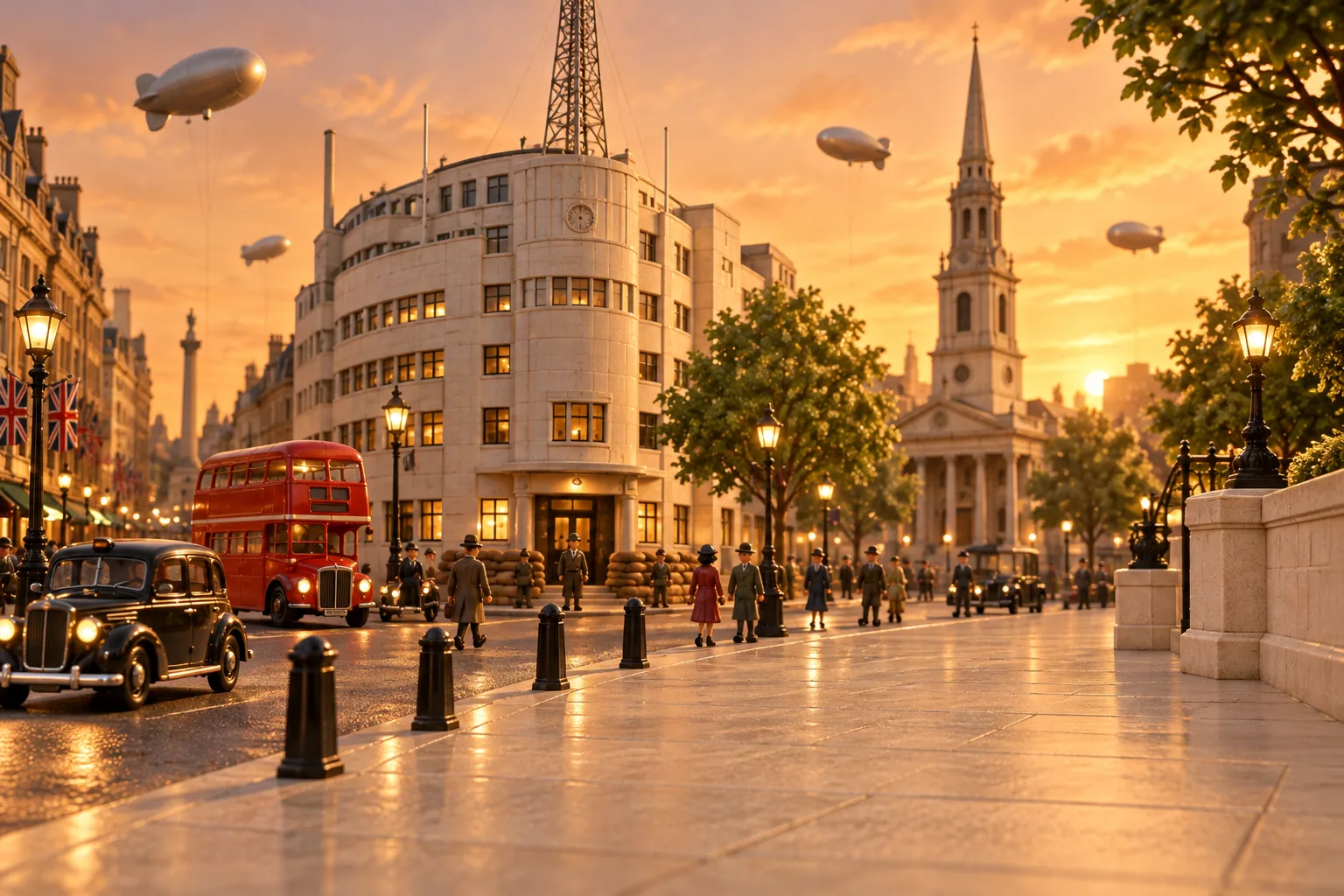
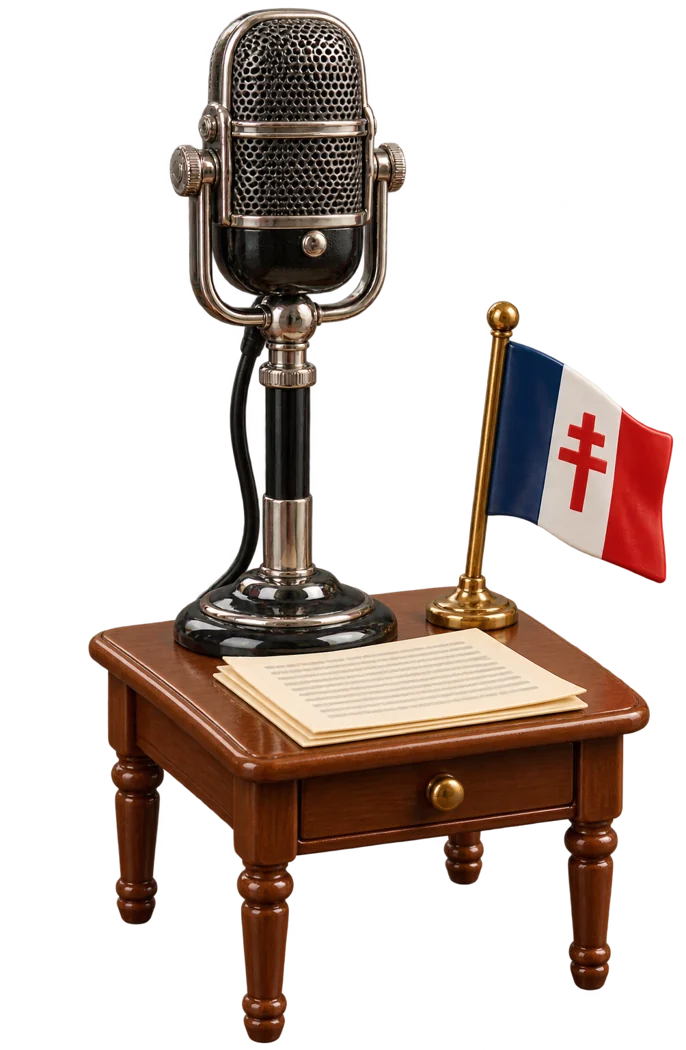
In May 1940 he led a tank division against the German invasion and was made a general. When the new government under Marshal Pétain sought an armistice, he flew to London. On 18 June 1940, given airtime by Winston Churchill, he spoke on the BBC and told the French that the war was not lost. Vichy France sentenced him to death in his absence. He built up the Free French Forces, and in 1944 French troops under General Leclerc took part in the liberation of Paris.
He headed the provisional government until 1946, retired to his home at Colombey-les-Deux-Églises, and was called back in the crisis of May 1958. He founded the Fifth Republic with a strong president, gave Algeria independence, built a French nuclear force and twice vetoed Britain's entry into the European Economic Community. He resigned in April 1969 and died at Colombey on 9 November 1970.
Read more on Wikipedia
Sources: en.wikipedia.org/wiki/Charles de Gaulle, en.wikipedia.org/wiki/Appeal of 18 June


