Industrial age · person
Bernard Montgomery
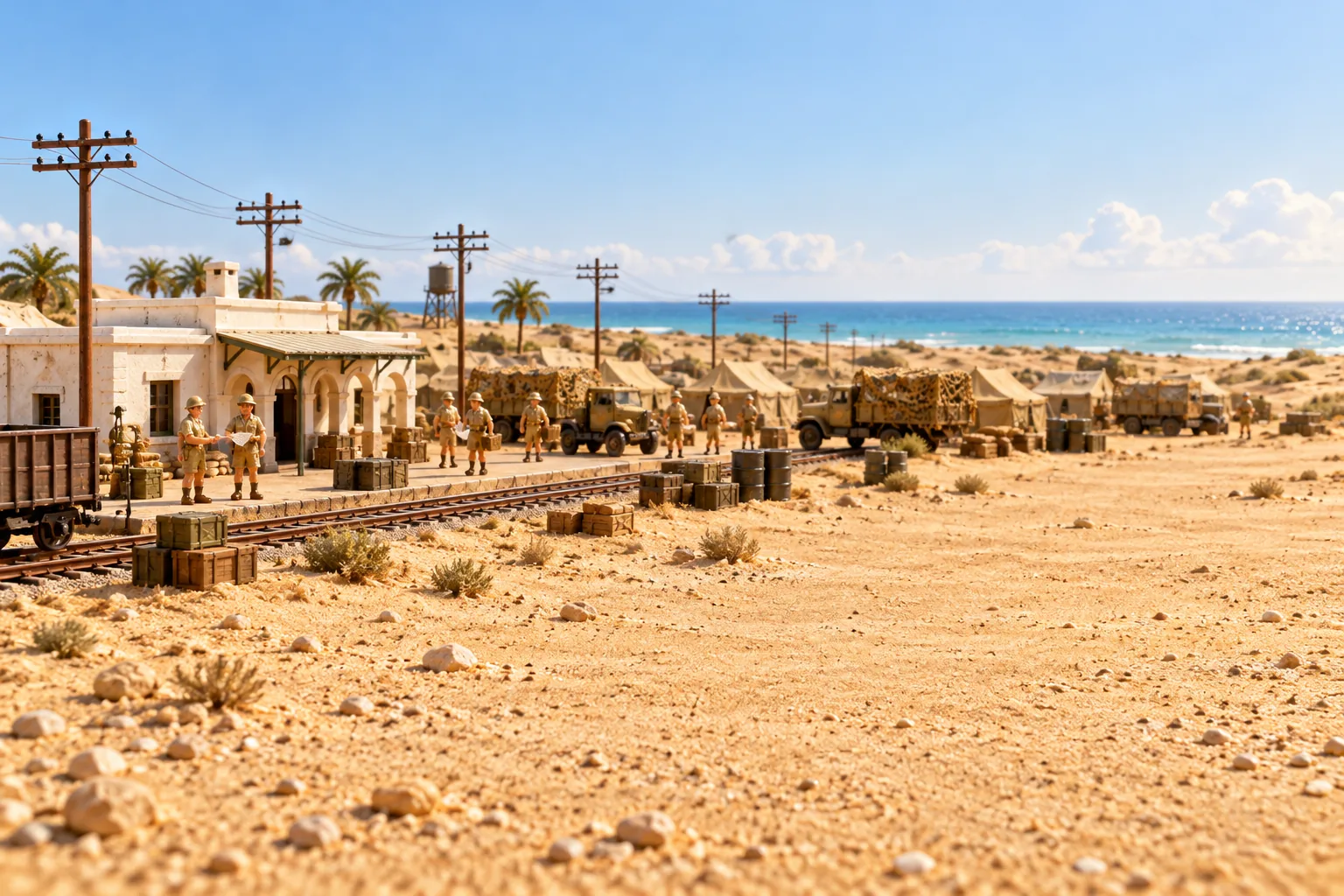
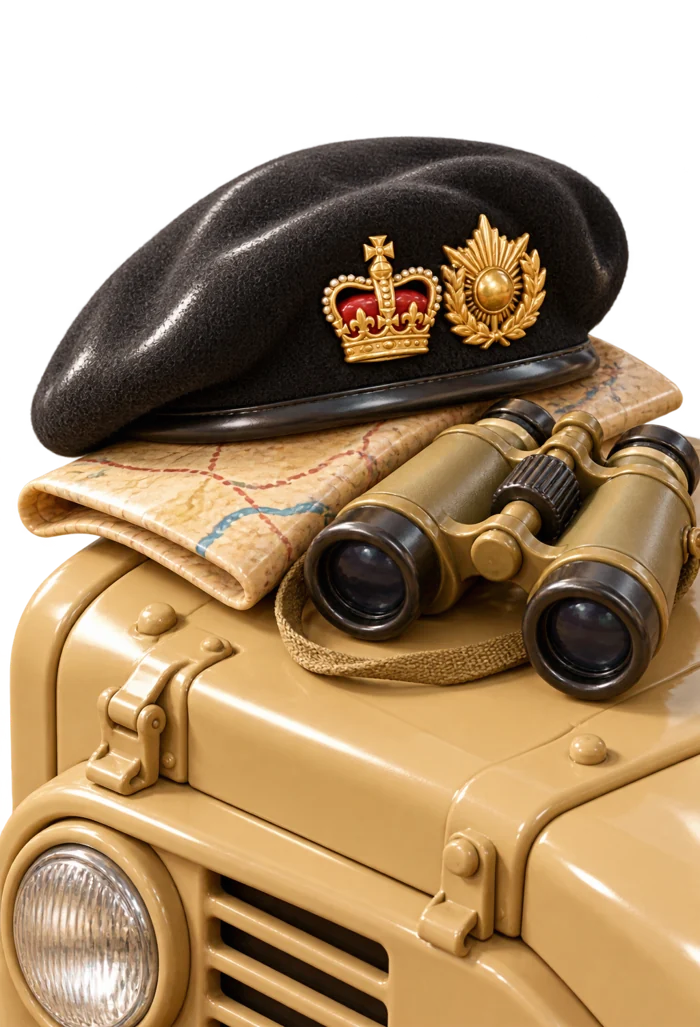
Two months after taking over a beaten army in the Egyptian desert, a wiry general in a black beret launched the battle that turned the war in North Africa.
Bernard Law Montgomery was born on 17 November 1887 in Kennington, the fourth of nine children of the Reverend Henry Montgomery, who became Bishop of Tasmania in 1889, and Bernard spent his formative years in Tasmania. He went to St Paul's School and to Sandhurst, where he was nearly expelled for rowdiness. On 13 October 1914, at Méteren in France, a sniper shot him through the right lung; a soldier who tried to save him was killed and fell across him, and doctors had a grave dug, but he survived.
In 1927 he married Betty Carver, a widow with two sons; she died in 1937 of an infected insect bite. In August 1942, after General Gott was killed, Churchill gave him the Eighth Army in Egypt. He held the Alam Halfa heights against Rommel, and on 23 October 1942 opened the Second Battle of El Alamein. Twelve days later the Axis army was in retreat and more than 30,000 prisoners had been taken, one of the first great Allied land victories of the war. He led the Eighth Army into Sicily and Italy, commanded all Allied ground forces in Normandy from D-Day until 1 September 1944, and on 4 May 1945 accepted the German surrender at Lüneburg Heath.
Made a field marshal and Viscount Montgomery of Alamein, he was Chief of the Imperial General Staff from 1946 to 1948 and NATO's deputy supreme commander until 1958. He died at his home, Isington Mill in Hampshire, on 24 March 1976, aged 88.
Read more on Wikipedia


