Our time · person
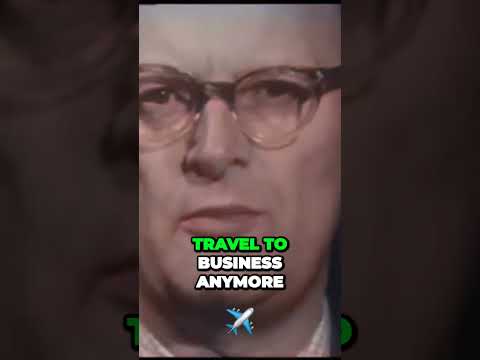
Arthur C. Clarke
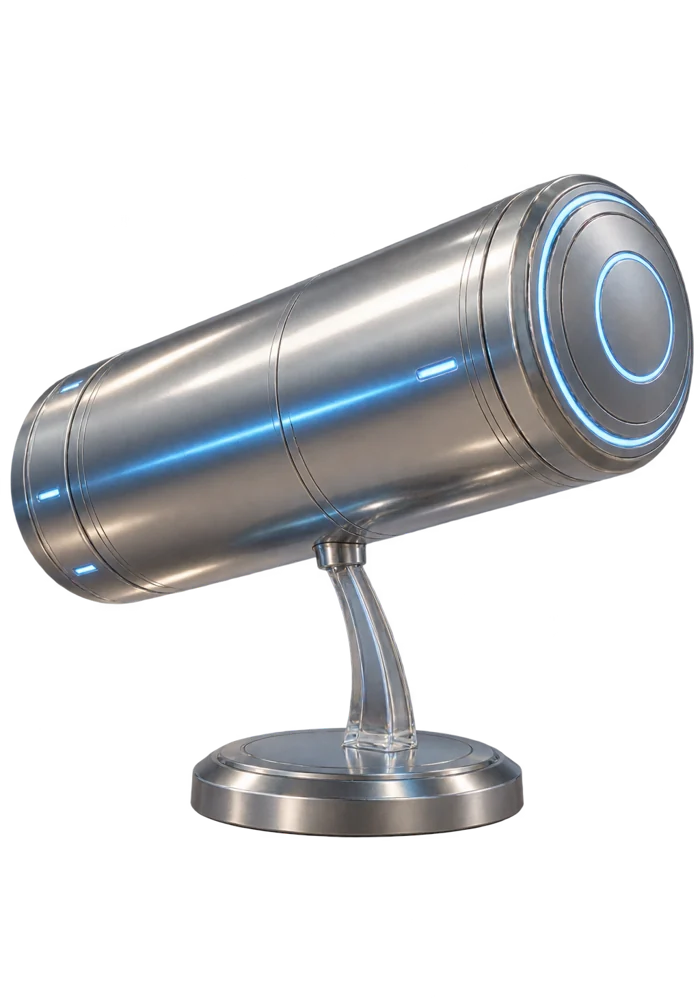
Living by the Indian Ocean in Colombo, a former RAF radar man imagined a fifty-kilometre alien cylinder drifting through the solar system, and the book swept every major science fiction award.
Arthur Charles Clarke was born on 16 December 1917 in Minehead, Somerset, grew up in Bishops Lydeard and went to Huish's Grammar School in Taunton. As a teenager in 1934 he joined the British Interplanetary Society. From 1941 to 1946 he served in the Royal Air Force as a radar specialist, mostly on ground-controlled approach radar for landing aircraft. In October 1945 the magazine Wireless World published his idea that satellites in geostationary orbit would make ideal relays for worldwide communications. After the war he took a first-class degree in mathematics and physics at King's College London.
Childhood's End (1953) cemented his popularity. In 1956 he moved to Ceylon, now Sri Lanka, to dive, living first at Unawatuna and later in Colombo, and while diving off Trincomalee he found the underwater ruins of an ancient temple. His 1948 short story The Sentinel became the seed of 2001: A Space Odyssey, the 1968 film whose screenplay he wrote with Stanley Kubrick. In 1969 he commentated on the Apollo 11 Moon landing for CBS. Rendezvous with Rama, published in 1973, about explorers entering a vast alien spacecraft, won all the main awards of the genre.
Polio, first contracted in 1962, returned as post-polio syndrome in 1988 and put him in a wheelchair. He was knighted at a ceremony in Colombo in 2000 and died there on 19 March 2008, aged 90.
Read more on Wikipedia