Middle Ages · person
Ibn Battuta
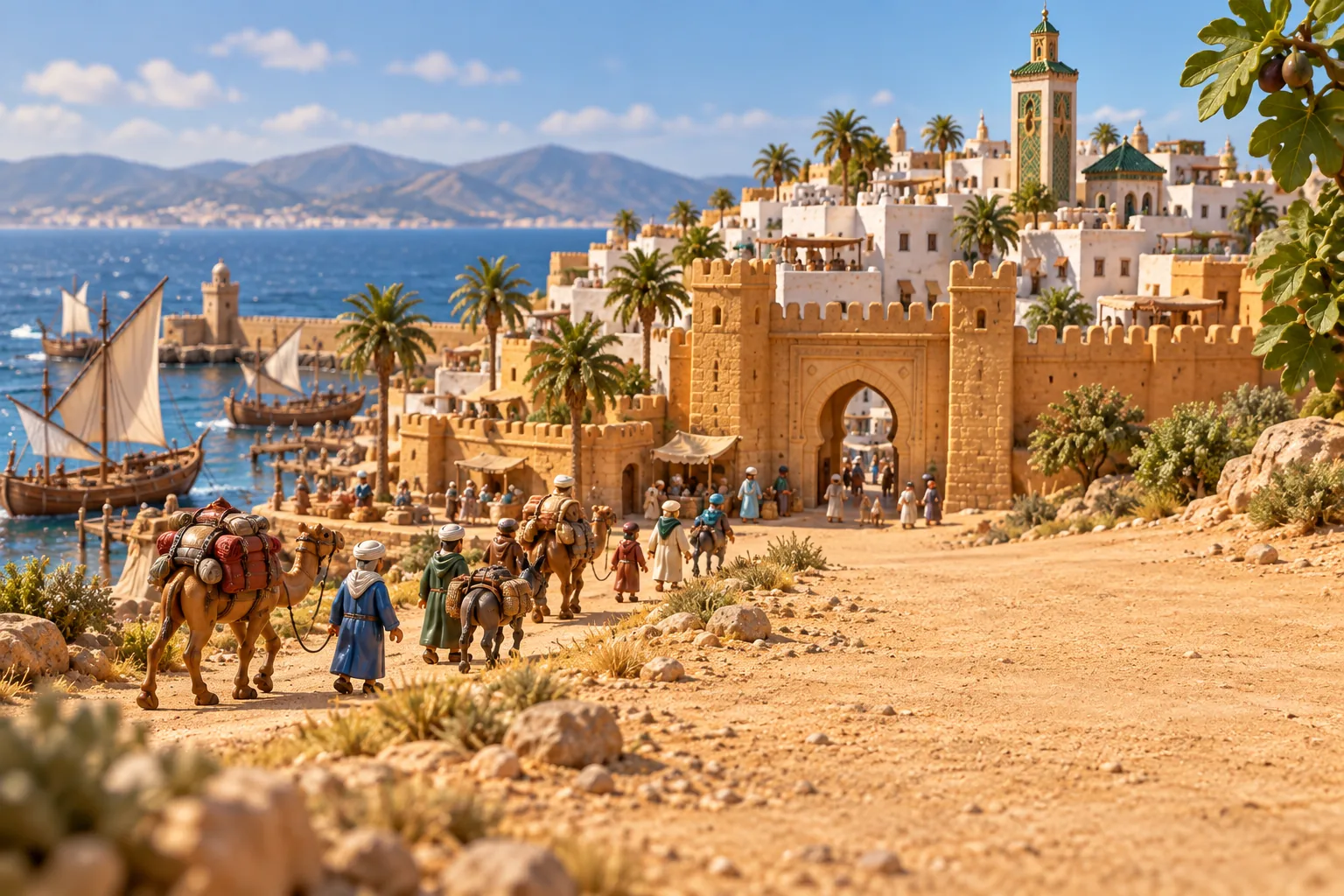
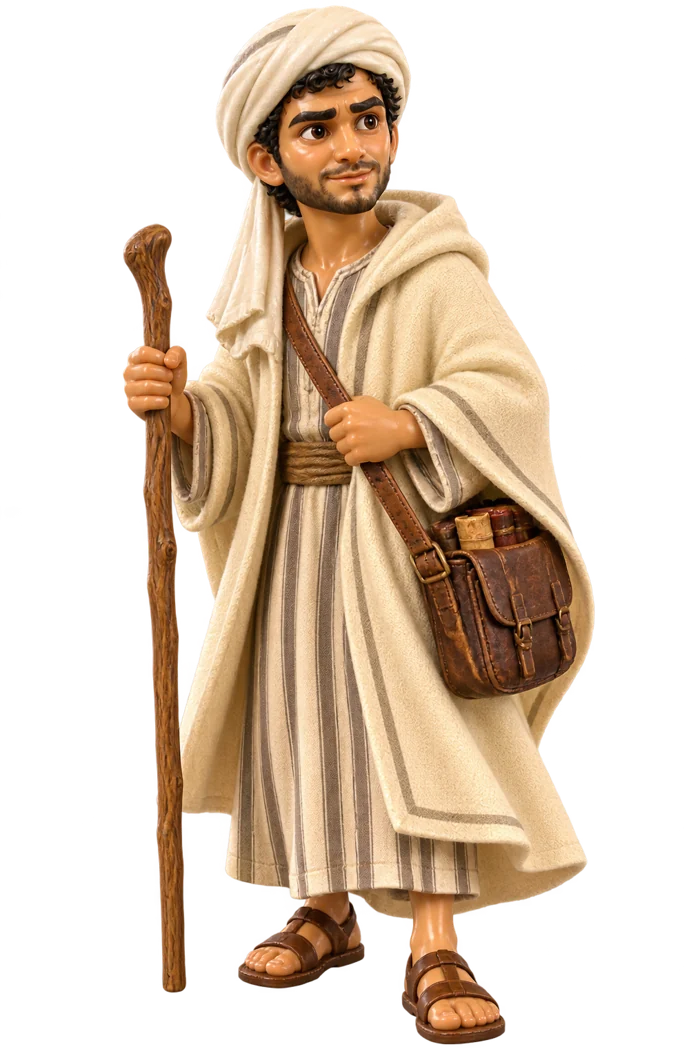
On 14 June 1325 a 21-year-old student of law left Tangier for Mecca. He came home nearly a quarter of a century later, after one of the longest journeys of the medieval world.
Abu Abdullah Muhammad ibn Battuta was born in Tangier on 24 February 1304, under the Marinid dynasty, into a Berber family of the Lawata clan known for its Islamic judges. His name means "son of a duckling". He studied Maliki law, the usual schooling in North Africa, and on 14 June 1325, aged 21, he set out from his home town to make the pilgrimage to Mecca.
After Mecca he travelled on through Iraq, Iran, Arabia and down the Swahili coast of Africa, then crossed Anatolia and Central Asia and reached the Indus on 12 September 1333. In Delhi the sultan Muhammad bin Tughluq, the richest man in the Muslim world, made him a qadi, a judge. In 1341 he was put in charge of an embassy to the Yuan emperor of China; on the way he lingered in the Maldives, where he took four wives, and in 1345 he reached Quanzhou. In 1349 he was back in Tangier, to learn that his mother had died a few months before.
He visited Granada in al-Andalus, and in 1352 crossed the Sahara with a camel caravan, past the salt mines of Taghaza, where the houses were built of salt slabs, to the Mali Empire. Home again in 1354, at the request of Sultan Abu Inan Faris he dictated his travels to the scholar Ibn Juzayy: The Rihla. He became a judge in Morocco and died in 1368 or 1369, after covering about 117,000 kilometres, more than any other traveller before modern times.
Read more on Wikipedia
Sources: en.wikipedia.org/wiki/Ibn Battuta


