Our time · person
Hirohito
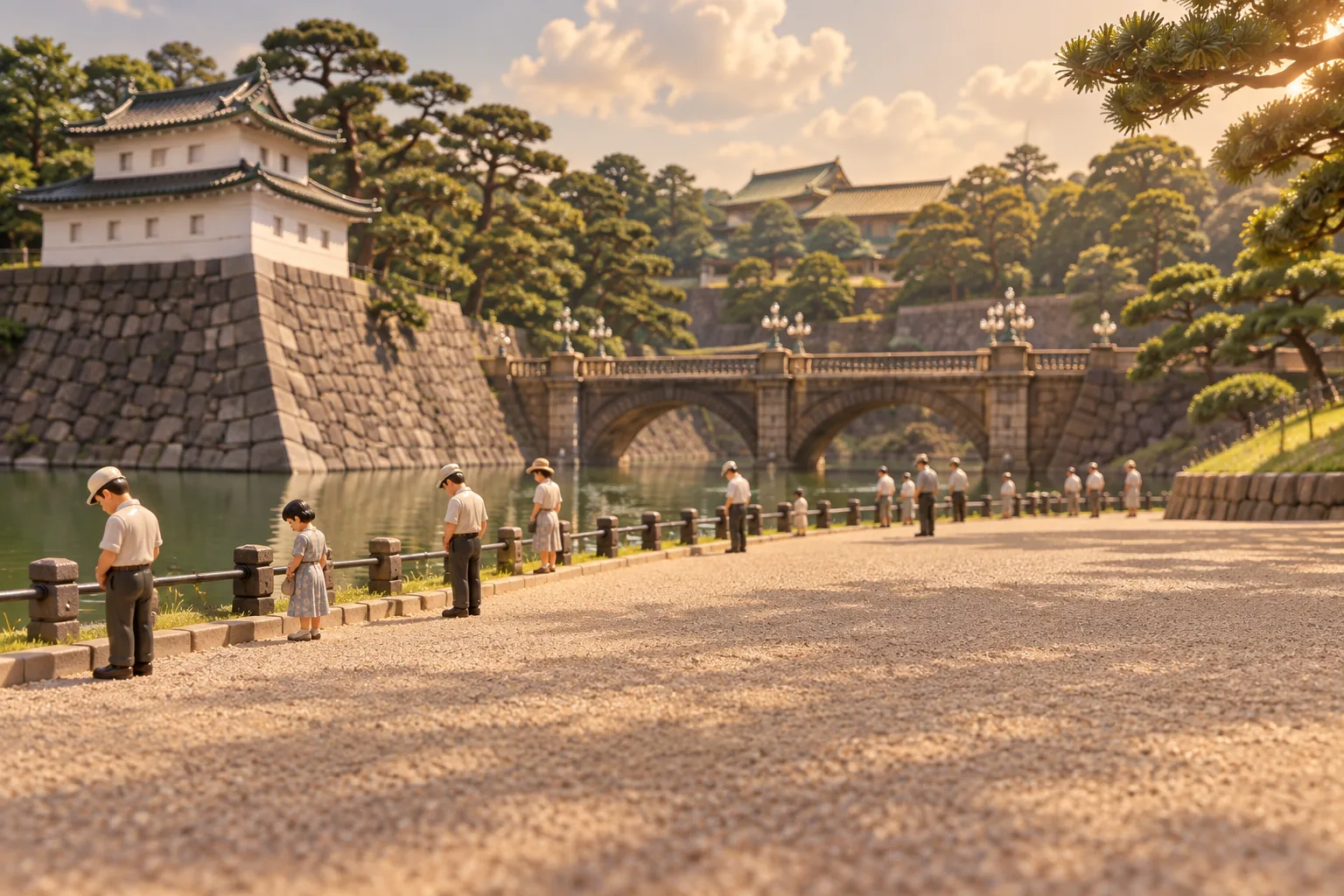
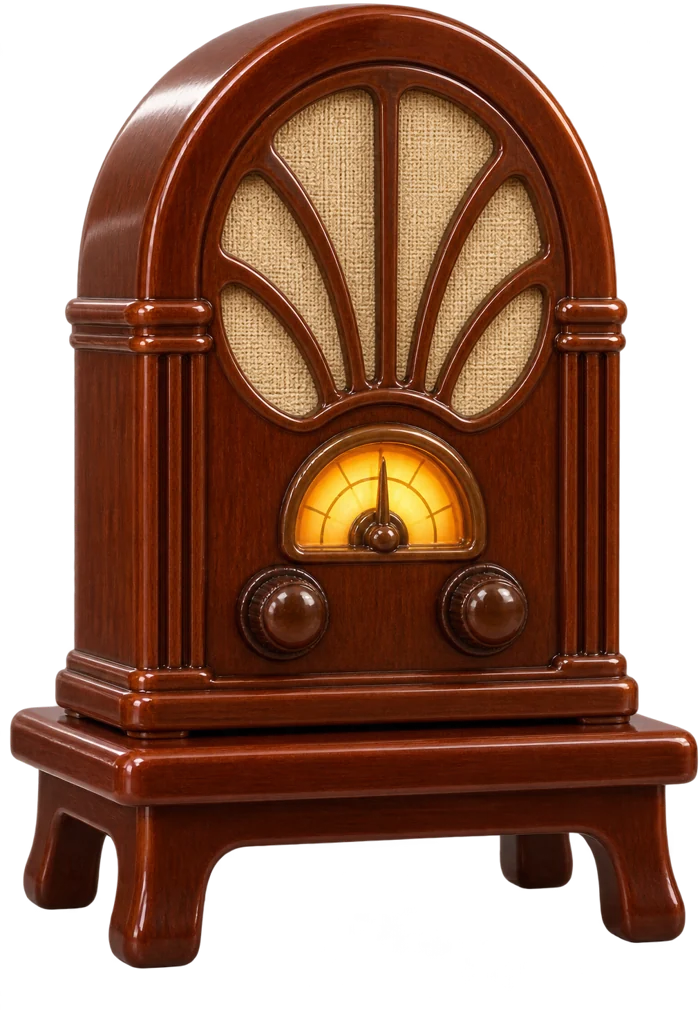
On 15 August 1945 millions of Japanese heard their emperor's voice for the first time, on a recording that told them Japan would accept defeat.
Hirohito was born at the Tōgū Palace in Tokyo on 29 April 1901, the first son of the future Emperor Taishō. Ten weeks after his birth he was sent to be raised by a count. He studied at the Peers' School under General Nogi Maresuke and loved science. In 1921 he toured Britain, France, Italy and other countries of Europe, and that November he became regent for his ailing father. In 1924 he married Princess Nagako Kuni, and on 25 December 1926 he became emperor, opening the Shōwa era.
His reign saw the army and navy take over Japanese politics. In 1931 he raised no objection when the army staged the Mukden incident to invade Manchuria; full war with China followed in 1937. On 1 December 1941 he sanctioned war with the United States and its allies, and Japan attacked Pearl Harbor. After the atomic bombings of Hiroshima and Nagasaki and the Soviet invasion of Manchuria, he decided to surrender, and on 15 August 1945 a recording of his speech was broadcast across the country. How much responsibility he bore for the war is still debated.
He was never put on trial. Under the American occupation he renounced the claim that the emperor was a living god, and the 1947 constitution made him a symbol of the state. He reigned for more than 62 years, the longest of any historical Japanese emperor, and died in Tokyo on 7 January 1989, aged 87.
Read more on Wikipedia
Sources: en.wikipedia.org/wiki/Hirohito


