Industrial age · person
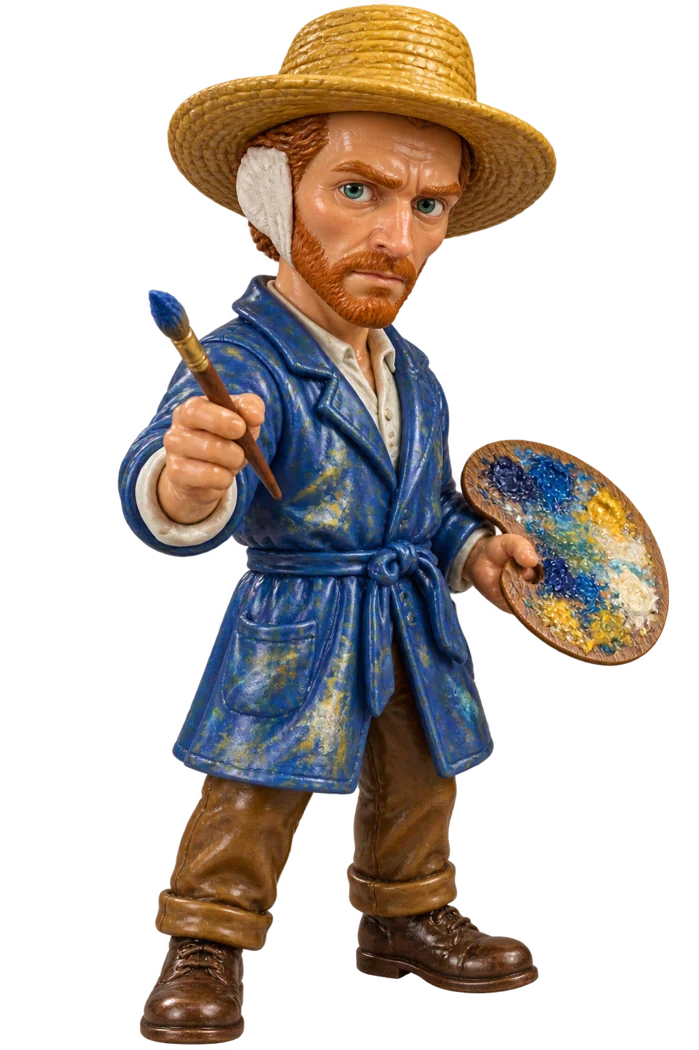
Vincent van Gogh
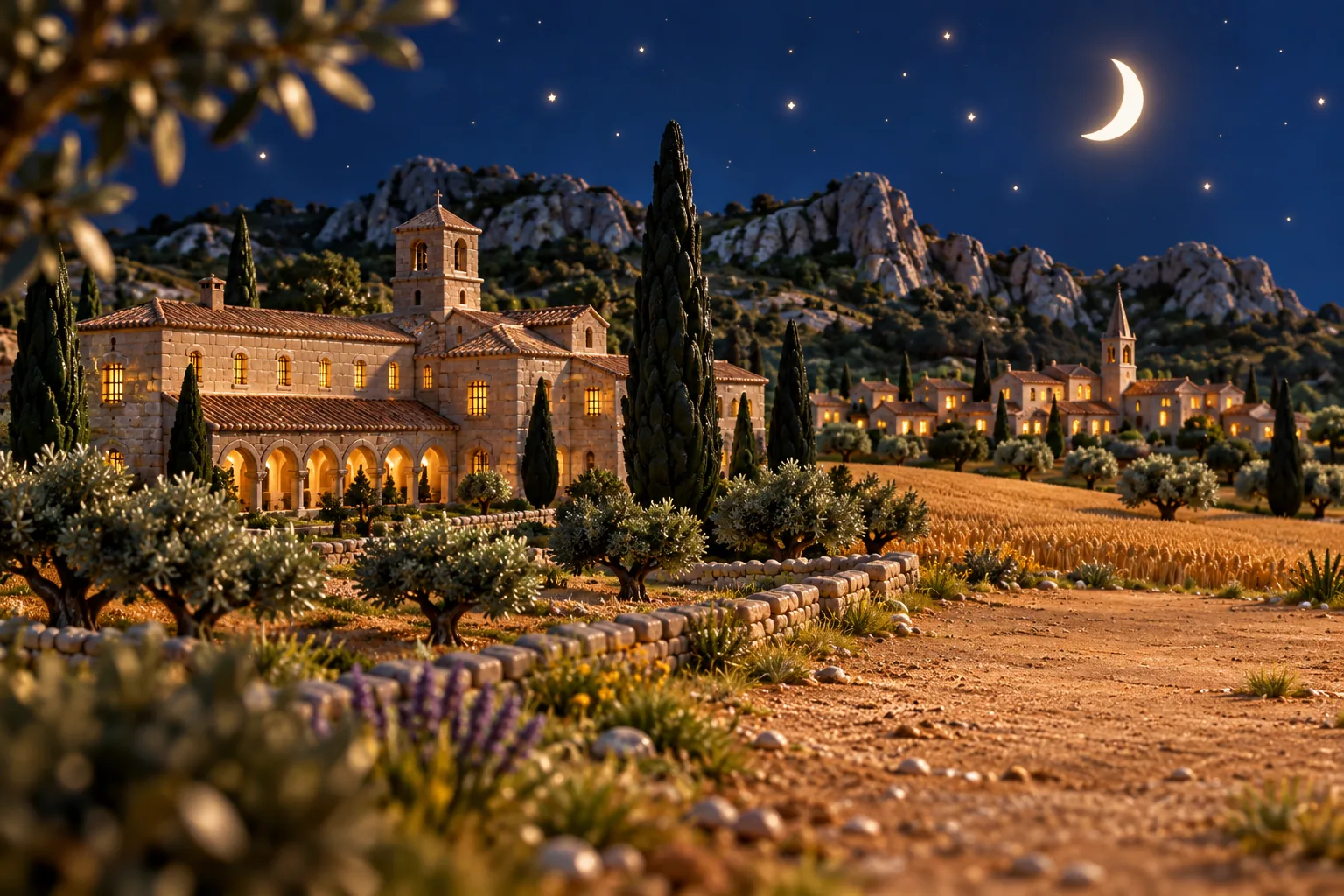
From a cell with barred windows in a Provençal asylum, he painted cypresses and a swirling night sky, a year before his death.
Vincent Willem van Gogh was born in Groot-Zundert in the Netherlands on 30 March 1853, the son of a Dutch Reformed minister. At 16 his uncle found him a job with the art dealers Goupil & Cie, and he worked for them in The Hague, London and Paris, until he was dismissed in 1876. He then tried to become a preacher, working as a missionary among the coal miners of the Borinage in Belgium in 1879, before deciding to be an artist. His younger brother Theo, an art dealer, supported him with money and letters for the rest of his life.
His early works were dark scenes of peasant life, like The Potato Eaters of 1885. In Paris from 1886 he met Émile Bernard and Paul Gauguin, and his colours brightened. In 1888 he moved to Arles in the south of France and painted the Yellow House, Bedroom in Arles, The Night Café and his Sunflowers. Gauguin came to stay, but their friendship ended after a confrontation with a razor, when Van Gogh cut off part of his own left ear.
On 8 May 1889 he entered the asylum of Saint-Paul-de-Mausole at Saint-Rémy, where he had two cells with barred windows, one of them used as a studio. There he painted The Starry Night, with its swirls and flame-like cypresses. In 1890 he moved to Auvers-sur-Oise near Paris, under the care of Dr Paul Gachet. On 27 July he shot himself in the chest, and he died two days later, aged 37.
Read more on Wikipedia
Sources: en.wikipedia.org/wiki/Vincent van Gogh, en.wikipedia.org/wiki/The Starry Night


