Industrial age · person
Vladimir Lenin
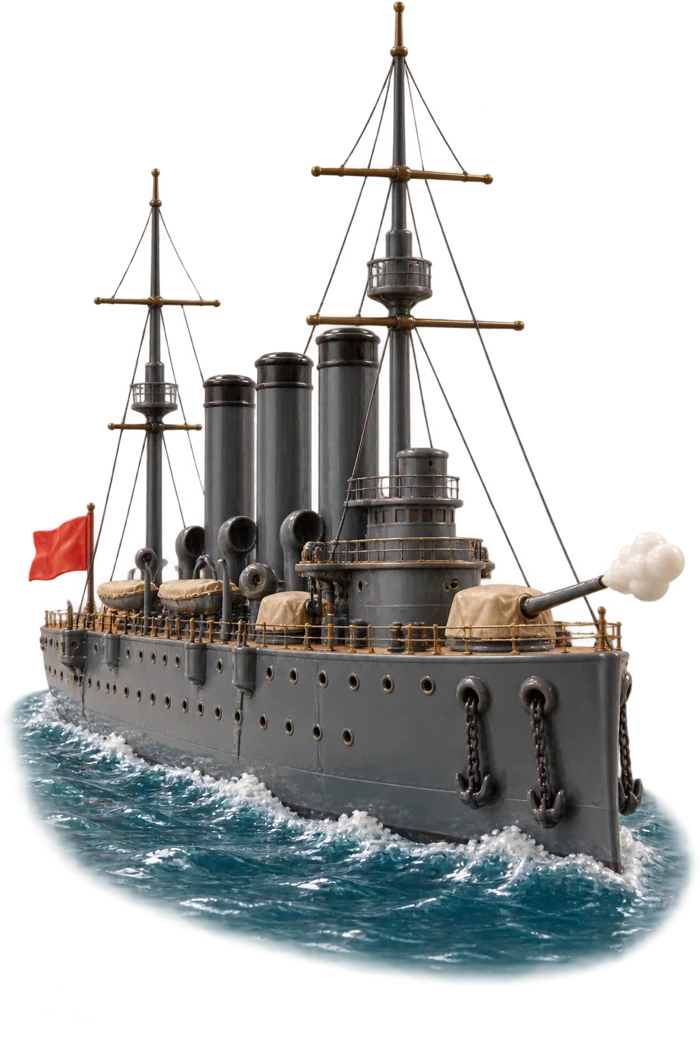
Seven months after arriving from Swiss exile at Petrograd's Finland Station, he took power in a revolution that began with a blank shot from a cruiser.
Vladimir Ilyich Ulyanov was born in Simbirsk on the Volga on 22 April 1870, the son of a director of schools. In 1887 his elder brother Aleksandr was hanged for plotting to kill Tsar Alexander III, and that year Vladimir was expelled from Kazan University for joining a student protest. He became a Marxist, was arrested for sedition in 1897 and exiled to Shushenskoye in Siberia, where he married the teacher Nadezhda Krupskaya. In 1901 he began signing himself Lenin, and his 1902 pamphlet What Is to Be Done? called for a disciplined vanguard party to lead the workers.
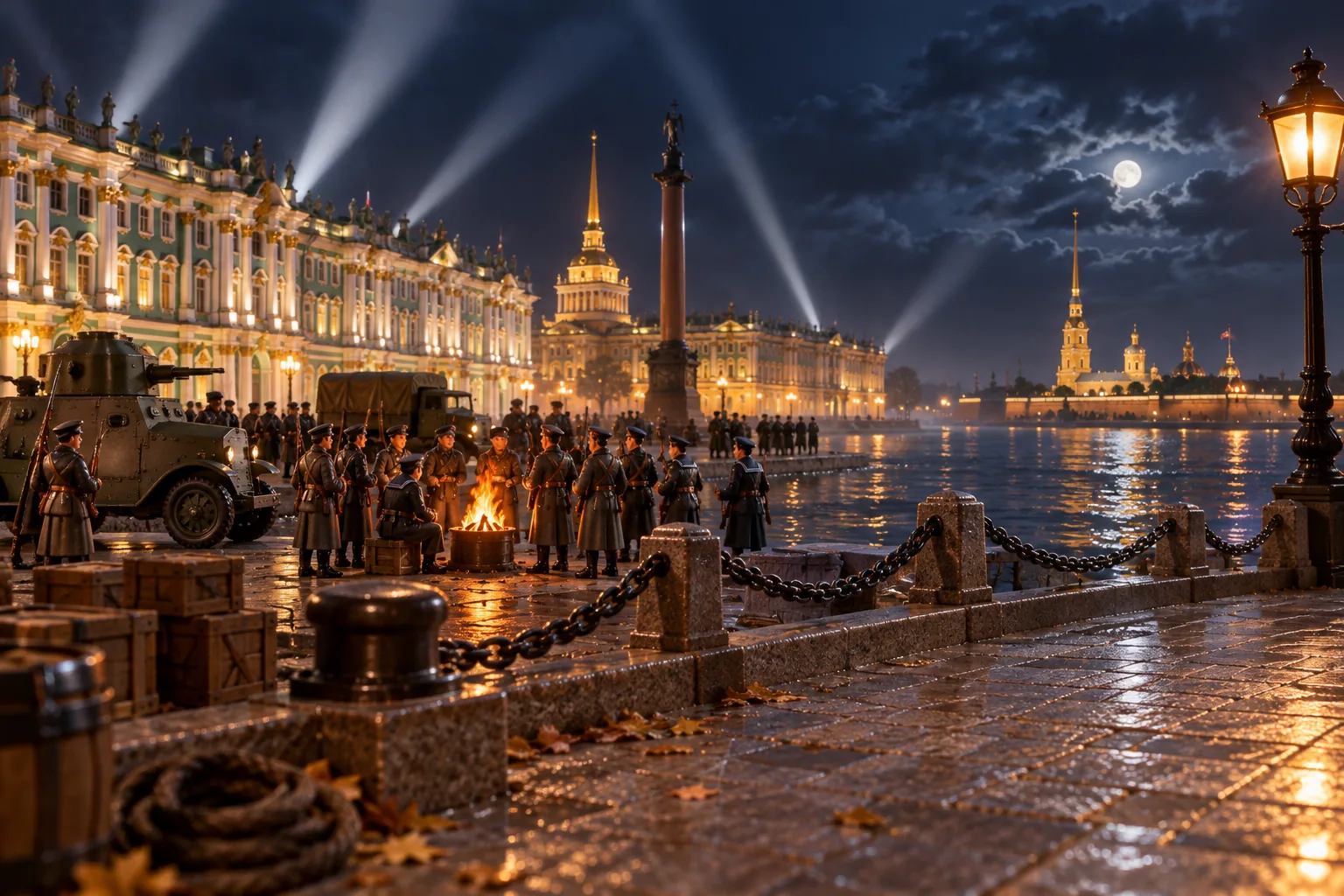
He spent most of the next fifteen years abroad, leading the Bolshevik faction. When the Tsar fell in 1917, Germany let him travel from Zurich across its territory by train, and in April he arrived at Petrograd's Finland Station and attacked the new Provisional Government. On 7 November, 25 October in Russia's old calendar, the Bolsheviks seized the Winter Palace after the cruiser Aurora fired a blank shot. Lenin became chairman of the new government, Sovnarkom.
His government made peace with Germany at Brest-Litovsk, dispersed the elected Constituent Assembly, fought a civil war and used the Red Terror against its opponents. In 1921 the New Economic Policy allowed some private trade again. In 1922 the Soviet Union was founded. Weakened by strokes, Lenin died at Gorki on 21 January 1924, and Joseph Stalin took his place.
Read more on Wikipedia
Sources: en.wikipedia.org/wiki/Vladimir Lenin, en.wikipedia.org/wiki/October Revolution